Grant Bowler from True Blood

This New Zealand native was raised in Australia and aspired to the silver screen from an early age. He pursued his love of acting through Australia’s National Institute of Dramatic Arts, where he earned his degree in 1991. Recently, Bowler has gained notoriety in the U.S. for his role as devious werewolf henchman “Cooter” on HBO’s hit series True Blood. He has managed to stay relevant with audiences that span age ranges, continents and now, media; Bowler has recently completed filming with some of Hollywood’s biggest names in the action flick The Killer Elite, and he’ll be back on the big screen again next year in City Gardens, playing a mentally ill patient in a Peruvian prison.

Bowler adapts to and thrives with complex characters that call for something more intrinsic. He creates a sincere intimacy with viewers, earning him recognition from critics and fans.

Runway Magazine: How did you decide acting was the right career for you?

Grant Bowler: I guessed. I always wanted to do something you could never get ‘right’, and that you never had to retire from; I got it. I think I’d been acting for about 10 years before I realized that I could go on doing this my whole life and never get bored, and (hopefully) always have something new to do.

RM: True Blood has become one of the hottest shows on television. How do you feel your role has contributed to the show’s popularity?

GB: I bring in the sociopathic redneck demographic; not the highest disposable income, but they’re very vocal.

RM: How would you describe your personal style? Has it changed as your career has progressed?

GB: Manifestly! I was style challenged through the early part of my career. It’s been equal parts age and watching great wardrobe people put things together for me that has taught me what I feel comfortable in, and what works well for me. I feel so much better about what I wear and how I wear it today than I did in my 20s.

RM: When you’re not making the ladies swoon on the big and little screen, what do you like to do in your spare time?

GB: Make the ladies swoon? Na! I hang with my kids, Edie, 7 and Zeke, 5. Other than that, get outdoors or eat with friends. Good food and great conversation are vital for me.

RM: What projects are you currently working on/looking forward to?

GB: I’ve just wrapped three films in a row: City of Gardens, Atlas Shrugged and The Killer Elite, and now I’m shooting a Tele Feature in Sydney, Australia. There are a couple of other projects that look tempting to fill out the year, but I’m very happy with what’s happened for me in 2010. Anything else I do this year will be for the pleasure of working with great people and on quality material.

RM: Where do you hope to be in ten years?

GB: At home for at least six months of the year. I’ve lived out of a suitcase much of the past three years, and as much as I love to travel and be this busy, it’d be nice to think that one day I can choose work that keeps me close to home for at least six months of the year.

RM: What’s your favorite and least favorite part of being in the public eye?

GB: My favorite is sometimes getting upgraded on airplanes, and meeting people on the street that I wouldn’t otherwise get a chance to connect with. My least favorite is the expectation that sometimes happens for people who meet people who do what I do. After all, I’m just a dude being a dude pretending to be another dude to pay the mortgage and feed the kids.

Fall Winter Trends

Sexy Turtlenecks

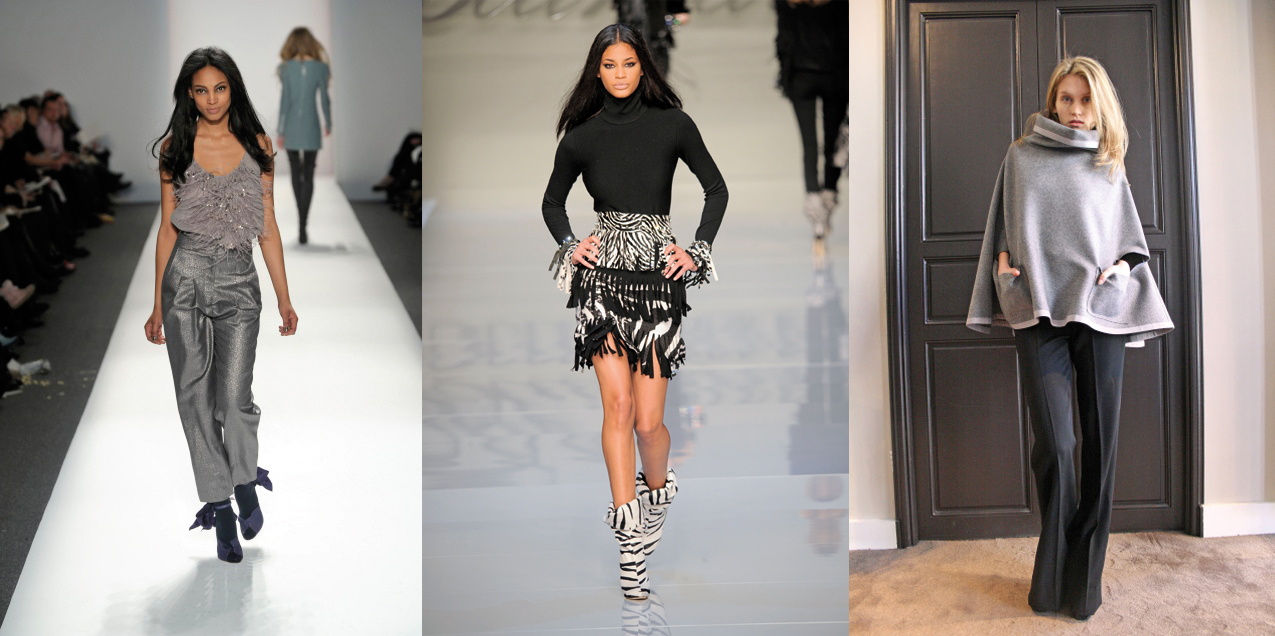
Yes, you are reading correctly. One of the biggest trends of the A/W 2010 shows is not just the ordinary turtleneck, but rather, sexy turtlenecks. We were surprised too, until we saw them. With the heavy amounts of emphasis designers have placed on embellishments, cutouts, silhouettes and fabrics, sexy turtlenecks are real!

This quintessential winter staple started off as work wear for seamen in the beginning of the 20th century and went on to become casual wear for men in 1920, a trend started by Sir Noel Coward. It wasn’t until the 1950s that the turtleneck, or polo neck in the UK, became a fad amongst teenage girls. Around this time, the turtleneck was also synonymous with the look of the Beatnik, infamously at work with a matching beret. In fact, film icon Audrey Hepburn adopted the black turtleneck as one of her fashion staples, creating the first known image of a trendy turtleneck. Today, fabric variations, such as cashmere and silk blends, have helped to add a luxe ambiance to a traditionally casual look.

The sexy turtleneck has to be the simplest trend to adopt because it’s being seen in so many fabrics and colors. Michael Kors showed a variety of turtlenecks and cowl necks in neutrals such as camel and steel grey. Like other designers, he keeps the complete silhouette of the outfit slim, the look sleek and sexy. Fur trims, cutouts and cropped styles are other ways in which the traditional turtleneck become a sexier piece this season.

How to wear it:

Fabric: Cashmere, lightweight wool and silk blends are the optimal fabrics to keep the style sexy.

Pair with: Pencil skirts, leather pants and other slim bottoms are key to the sleek look you’re trying to portray.

Extras: Fur trims are a nice way to include another trend of the Fall 2010 season. A loose crop fit will also allow you to show a little skin.

Key notes: Keep the silhouette very slim! If the neck bothers you, opt for a mock neck, which is a similar look with less material around the throat area.

Capes

Capes seem to have had a long and more consistent presence in fashion history, from medieval times to the Victorian era, from the Roman Catholic clergy to police forces and superheroes. Its ability to provide warmth without crushing the clothes underneath and to provide full protection from rain has made it a staple that reinvents its self time and time again. (Its sister, the poncho, is a shorter, lighter version of the cape that originated in the Andes.)

The A/W 2010 shows presented us with a larger than normal amount of outerwear, so it’s only expected that we would see the reintroduction of the cape. If you already own a good trench coat, wool coat or even (faux) fur coat this should definitely be your next purchase. In the case of the cape, the European designers fully hit it on the nail, capturing the elegance really needed to pull off this style. For a casual look, Salvatore Ferragamo presented an all-black, hooded cape, complete with large hood and lots of draping in the bodice.

How to wear it:

Fabric: This is a luxurious piece, so investing in quality wool is key to keeping the essence of the look. Purchasing a poly blend will start to make this style more costume-y and less trendy.

Pair with: Anything. More casual cloaks can be worn with jeans, lace-up booties and a nice fitted turtleneck. If you opt for a fancier cape, it can be worn as the perfect cover up for an evening gown.

Extras: Givenchy makes one with faux leather lining, or for added warmth, opt for a cozy shearling interior.

Key notes: Have it tailored if necessary – don’t allow it to hang too far down past your hands and make sure the darts in the shoulders and chest match up perfectly with your shape. You don’t want to look as if the coat is overwhelming your frame.

Pleated Mini Skirts

Pleated miniskirts are back this season and come in an array of pleat types and fabrics, making it suitable for lots of occasions.

It’s hard to say where the pleated mini skirt originated; the actual concept in its entirety might have, in fact, started on the runways. Pleats have been around for centuries for decorative and practical purposes in both apparel and interior decorating. We all know pleats are used on blouses, trousers and maxi or midi skirts. The mini skirt was born of the 1960s during the Mod era, but it appears as though the mini pleated skirt didn’t come around until the school-girl uniform was created, and with it, a (ahem) new appreciation for the style. Since then, designers have updated the skirt with various fabrics and types of pleats, to bring it to a more mature level.

Speaking of pleats, A/W 2010 appeared to be the season of subtle pleats. Designers showed them as waves – as opposed to crimps – in order to give a subtle volume. Additionally, the common trend of the asymmetric hemline was added to this style. Zac Posen’s collection was one in which this style was seen in a variety of ways; there was a loose subtle pleat in a chocolate satin as well as a more structured box pleat on a mini corseted dress. For a funkier twist, Nanette Lepore had a really eclectic pleated skirt in a boucle material. The key to all of the styles was what the skirts were paired with.

How to wear it:

Fabric: Wool for day and a silk or satin blend for evening.

Pair with: Keep it looking grown-up with more age-suited hairstyles (no pig-tails!) and avoid extremes like stilettos. Wedge booties or oxfords are good footwear choices with this trend.

Extras: Look for a pleated mini skirt with an uneven hemline; it’ll look more updated and less traditional than other pleated skirts.

Key notes: Stick to prints other than argyles or plaid; even a simple solid skirt in a rich fabric will avoid that school-girl look.

Wide Leg Trousers

This season the skinny jean, stovepipe leg and hot pant took a back burner. A/W 2010 was all about sensuality and not sexuality, allowing women to wear slightly looser clothes yet maintain their femininity. The designers presented this idea to us via wide leg slacks and harem pants.

Trousers didn’t become a trendy or acceptable item for women to wear until the late 1960s, and in fact were prohibited clothing in many public places such as work, school and restaurants. Fashion icons such as Marlene Dietrich, Katherine Hepburn and Audrey Hepburn were some of the first females seen with fashionable trousers in public, but it still took a while before the style stuck. These days, the wide leg pant is a common style in fashion; comfort and wearability make it a favorite for wide variety of women.

Harem pants, or Turkish pants, are commonly thought to be a middle-eastern style as they are often seen in movies as well as on belly dancers. It is unknown how this style of dress relates historically to the Middle East. Famous rap musician MC Hammer popularized the style briefly the 1980s, but generally, the harem pant, which flooded the runways several seasons ago, has been a tough trend for most women because of its challenging proportions.

This season the designers kept wide leg trousers simple and traditional. Many of them were seen in rich colors and fabrics, with simple details such as tab waists and cuffed hems. Camel, the color of the season, was seen the most in this style, usually in a wool or cashmere fabric. Zac Posen had a beautiful camel wide leg trouser in a retro 70s style and complete with a high waist and paired silk blouse. New designer label The Row had a lot more fun with the wide leg trouser, keeping the style low on the waist in silk and satin fabrics.

Vivienne Tam intelligently structured the harem pant so that there were no extremes. The main concept of the harem pant is that it should be loose in the crotch area but tapered towards the ankle. The drastic contrast however can make for a complicated fit; creating a harem pant that understands subtle is the key, and was a great way of re-introducing this style to the public. What’s made this style more wearable is change in fabrics – designers this season presented this style in wool, twill and cotton sateen, lending a more structured and rich look.

How to wear it:

Fabrics: For the harem pant, a heavy structured fabric, like wool or cotton twill, is best to avoid heavy sagging. You can be more flexible with the wide legged pant; keep it traditional with wool or spice it up with a loose satin.

Pair with: For both styles, a fitted structured top works really well, whether a fancy silk ruffle blouse or a simple white button down.

Extras: Both of these styles work best when kept simple. Small additions such as a tabbed waist (or cuff in the case of the harem pants) add enough small detail to make it interesting.

Key notes: Avoid too much volume up top. Volume all over can present a very unflattering silhouette.


Business (of) Suits: The Evolution of Women’s Work Fashion

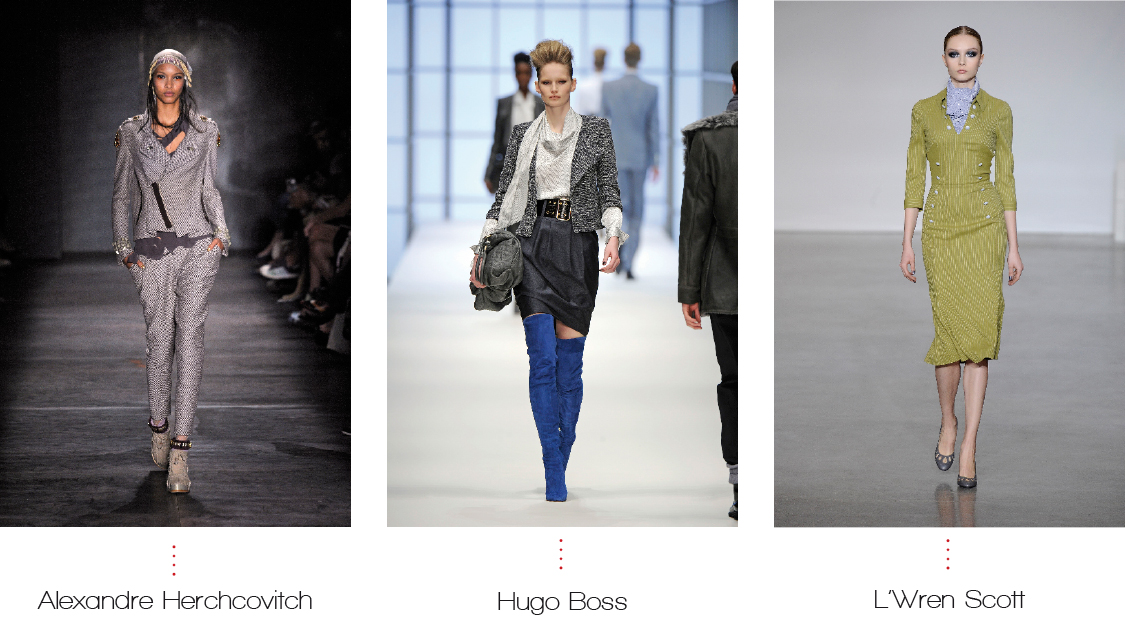
But we love today’s new business-wear, too. Polished, structured suits matched with a soft, draped blouse in a great color like Hugo Boss showed on the runway. And check out Gucci’s natural-toned, sophisticated and sleek suit with that metallic silver blouse – irresistible. We think women in the office have never looked better.

Women’s business wear has dramatically evolved over a relatively short period of time. Influenced by Victorian etiquette early on, where ladies generally didn’t need to have very functional clothing and were in some places even legally barred from wearing pants, the 20th century brought with it unavoidable changes that radically altered people’s perception of what was important to their lives. With social changes came changes in attitudes about what constituted “acceptable” clothing.

The latter half of the 1800s saw a revival in Far-Eastern influence in all of the arts – the spread of the Japanese, and later, Chinese, aesthetic is attributed to world exhibitions, fashion designers and a couple of wars on the continent in the early 1900s. We have this influence to thank for such now-common clothing features as V-necks and rounded necklines, tunics, and tube-shaped sleeves, as well as the rise in popularity in Western culture of traditional Far-Eastern pieces like the kimono robe. These Eastern design styles helped to change the silhouette of Western dress and started us down our evolving path.

After World War I, women started feeling a bit more free. People were celebrating the end of war in their choice of wardrobe. The Roaring ‘20s saw a focus on youth culture and fun; hemlines started creeping up, cuts were straighter, waistlines dropped or disappeared altogether. And when the tough times settled in after the stock market crash of 1929, clothing choices reflected that too, with a return to more conservative, natural-waistline dresses.

The 1940s brought a second war and a different wardrobe sensibility. Materials and supplies were mostly rationed and the social push in the Western world was to reuse and recycle to help the wartime effort. Women, now more at work outside the home than ever before, needed practical clothing at their commercial or military positions. Women who worked in offices began to re-cut men’s suits to fit themselves. There were even patterns to help. (Could this be where that awful tradition of women feeling like they needed to look like men in order to compete in business started?)

But the post-war era also brought back Chanel. After a hiatus during the war, closing her shop out of a sense that it was an inappropriate time for such frivolity as fashion, Chanel reemerged as a leader in the industry. She is credited with popularizing the little black dress and of course, she gave us the still-popular Chanel Suit with its collarless, tweed jacket and matching slim skirt.

From there, each generation has felt free to bring its own social attitudes into the design table. The freedom, especially political and sexual freedom for women, of the 1960s and ‘70s was translated into acceptance of choice in wardrobe styles. The financial boom of the 1980s drew more people to designer fashion than ever before, and in return, saw some of the designers start to offer ready-to-wear collections that were more affordable for those not as affluent.

Today, beautiful, feminine clothes that lose none of their sophistication or board-room-power are on the runways. Tailored, polished, with bursts of color and softly draped fabrics – these are really a reflection of the ways in which women see themselves in the workplace; women these days are unafraid of competing in the business world as stylish, beautiful and skilled women.

10 Ways you’re Damaging Your Skin


1. Not Using Sunscreen

You may think that since the weather is cold and dreary that you can skip the sun protection, right? Wrong! Sunscreen isn’t just for summer. Your skin needs to be protected from the sun all year round. The sun is actually closer to the Earth during winter, intensifying the damaging effects of the sun. And although you may be mostly bundled up, your face and hands are still exposed. Do you feel too lazy to add an extra step of putting sunscreen on in the morning? Then try products that already include SPF. Something like Vaseline Daily Skin Shield Protective Body Lotion with SPF 15 can be applied all over and will protect your skin throughout the day.

2. Ignoring Your Neck and Décolleté

Ever notice how some women have necks that look 20 years older than their faces do? It could happen to you too if you ignore your neck and décolleté when applying a moisturizer to your face and body. The neck and décolleté show aging just as much as your face, but are often overlooked when it comes to skin care. If this sounds like you then you have some catching up to do. Try applying a rich and creamy moisturizer like Revolution Organics All-Over Skin Crème daily to your neck and décolleté to keep the skin there looking soft and supple.

3. Not Cleaning Your Makeup Brushes

Dirty makeup brushes…yuck! Dirty brushes hold nasty bacteria and germs. You may have not even known you were supposed to clean your makeup brushes but you should do so at least every two weeks. You can clean your makeup brushes using a gentle cleanser such as your facial cleanser or a baby shampoo or even a specialized brush cleaner. Don’t forget to also replace your mascara at least every six months. Since this brush can’t be cleaned and mascara is moist – the perfect breeding ground for bacteria – toss any old mascara and replace it with a fresh one.

4. Going to Sleep Without Washing Your Face

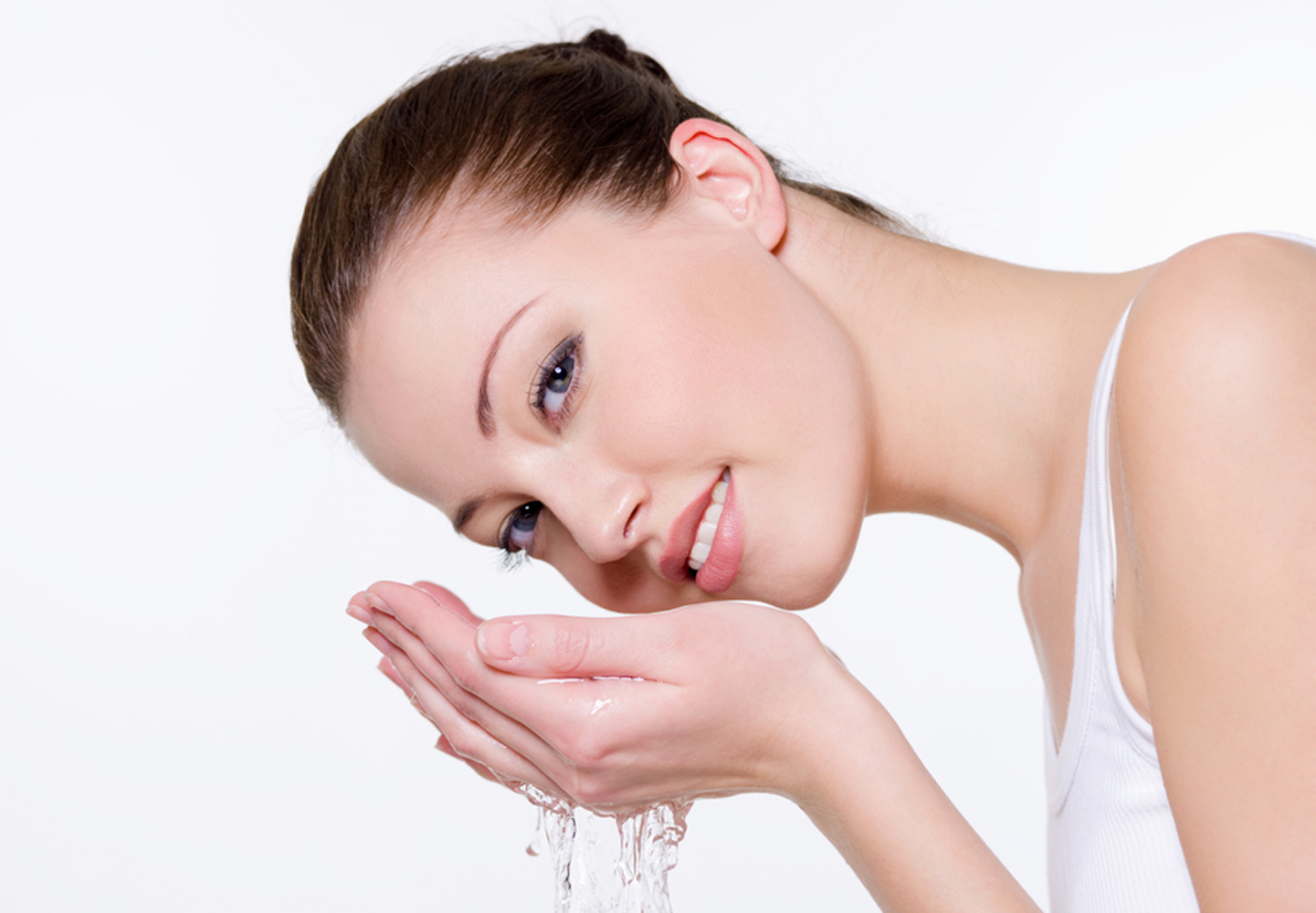
I know that many of our readers are guilty of this skin-damaging habit. Going to sleep without washing your face can age skin more rapidly than if you just took an extra minute or two to wash everything off. Skin needs time to replenish itself and washing your face at the end of the day and slathering on a vitamin rich night moisturizer allows your skin the downtime it needs to rest. If you just can’t manage to wash your face and moisturize before hitting the sack, try a cleansing cloth like Olay Deep Cleansing Daily Facials. These easy-to-use cloths take the place of a makeup remover, cleanser and toner, and are a cinch to use when you are tired from a long day.

5. Not Using a Moisturizer

Not using a moisturizer is a quick way to advance the way your skin ages. When skin is dry, it dramatizes fine lines and wrinkles. A moisturizer prevents drying, which can cause premature aging and acne. For the daytime, use a triple duty moisturizer like Laura Mercier Tinted Moisturizer, which provides sheer color coverage, moisture and sunscreen. Do you avoid moisturizers like the plague because of your oily skin? No problem, just use an oil-free moisturizer instead. Then for nighttime, slather on an ultra rich moisturizer to restore your skin while you sleep.

6. Skipping the Exfoliation Process

If you have never exfoliated your face you are really missing out. Exfoliating regularly will really make a big difference in the look and feel of your skin. To encourage skin turnover and reveal newer, fresher and younger looking skin cells underneath, dead skin cells at the surface need to be removed weekly. Do this with a simple exfoliator like Clinique’s Exfoliating Scrub or go all out with an exfoliator like the Clarisonic. Either way, your skin will thank you with a brighter tone and natural glow.

7. Not Drinking Enough Water

You know that you are supposed to be drinking at least eight glasses of water daily, but many of you may still be skipping this simple step to great skin. Believe it or not, water is like this magic potion that detoxifies and cleanses from the inside out. This is true for your entire body, especially for your skin. Get your eight glasses a day by eliminating all other refreshments and replacing them with water instead.

8. Touching Your Face

The simple act of touching your face, something we all do a thousand times a day, can be damaging your skin right now. Oils and bacteria are transferred from your hands, hair, sunglasses and even your cell phone to your face. All of these daily touches can add up to unnecessary breakouts. Try to make a conscious effort to avoid touching your face until you have washed your hands or used hand sanitizer. This will help to cut down on the amount of bacteria you are transferring onto your skin. You can also clean your cell phone regularly by using a cotton pad soaked with rubbing alcohol; this will de-germ and sanitize your phone so that icky bacteria are avoided. Better yet, use your ear-piece!

9. Neglecting Yourself: Diet, Sleep, and Stress Level

Neglecting yourself can be damaging in more ways than one. Your body can only handle so much. If you neglect to take care of yourself long enough, your skin can retaliate with a dull complexion, breakouts and premature aging. Take action and start taking care of yourself today. Be sure to get an adequate amount of sleep, which will help reduce stress. Next, cut down on alcohol consumption and completely quit smoking – these two bad habits can suck the life out of your skin. Then, stock up on fresh fruits, veggies and other healthy grub to give your skin the nutrients it needs to shine.

10. Overlooking Your Eyes

The delicate skin around the eyes is often overlooked. The area around your eyes actually needs special attention and separate products than you use for the rest of your face. The skin around your eyes is made up of very thin, delicate skin that often shows premature aging like crow’s feet and lack of sleep more than any other part of your face. Be sure to take care of this special area with an eye cream specifically designed for any concerns you may have.

Miss AZ Beauty Tips

Beauty is in the eye of the beholder… well, that’s what many say.

But let’s face it- it feels good to look pretty! So being a “beauty queen”

has allowed me to learn some tricks of the trade to give tips on….

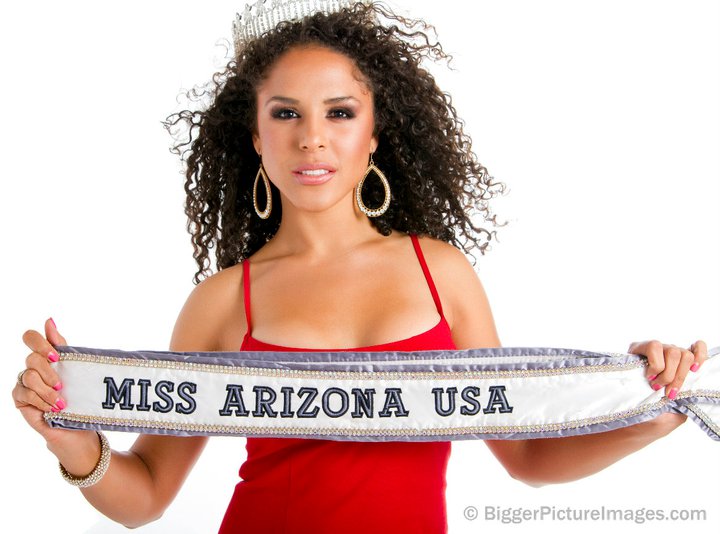
If have crazy curly hair or desire it… big tip is to comb your hair out in

the shower (do not comb it post shower!), towel dry, and apply a curl cream

from the bottom and inside of hair to the outside (bumble & bumble curl

conscious, Phyto, or for a lower priced alternate- simple dove curl mouse)

Use a blow dryer diffuser attachment and diffuse from the bottom and work

your way up to the roots. Once you have achieved your curly mane, apply

moisture creme where needed and you are set!

False Lashes: Quick Note- Lashes go on LAST! Put a light coat of waterproof

mascara on before you apply your lashes- that way they are

able to somewhat blend. Then try this tip to help them curve and

stay on…. Remove your lashes from the packaging and wrap each one around

the bottom end of a skinny makeup brush. Leave it on for about a minute and

when you take it off it should have a strong curve. This will allow the

lash strip to hug your eye lid much better and prevent any random corners

from coming off. After they are on, use a spoon to cup your eye above the

lashes (placed along the lash line) and brush your mascara wand against your

real lashes into your false lashes against the spoon! This will prevent

mascara from getting on your pretty eyeshadow!

When walking in heels: Place gel pads in the insoles… but heres a

huge but obvious beauty tip… fake it till you make it in heels!

Nothing is worse than seeing a woman who appears as though her heels are

disabling her.. if you put them on you better prepare to keep them on until

out of sight. Tip- buy some cushioning tape and place it in the areas that

hurt the most.. I keep some in my purse so that I can alleviate any

discomfort on the spot. Also.. Hansen makes a lovely leg and foot

circulating gel that is incredible for after party at home relief. If all

else fails.. make sure you are holding a hand bag wide enough to hide a pair

of slim flats inside 😉

Here’s a super secret beauty queen tip: when you want to make fabric stick

to your body so that you are rest assured that nothing will slip off… you

actually use…. are you ready?…. Toupe Tape! Just be careful of where

you place it… it sticks very strongly.

Lips and Eyes: If you wear an intense eye (smokey, colorful, etc) then pair

it with a pretty nude or soft pink to complement it. Also the same

reversed, if you wear an intense lip that pops nicely then wear a less

intense eye.

Lip Tip: I love Laura Mercier’s lip stain… it stays on through dinner and

looks lovely in photos. Pair it with a waterproof lip liner and you are good

to go!

Many people will ask if I have lip enhancements haha!! No! But I can tell

you the tip that helps make them look plump! I line them first and foremost

with a color that is barely a half shade darker than my lipstick of

choice… then I will apply a golden shimmer colored lipstick to just the

center of the top and bottom lip. From there I take a lip brush and apply

my color from the corners of my mouth to the center. After it is well

blended, I touch up with liner darkening the outside corners and defining

the top lip just a bit. To finish, I layer a sheer gloss with a a hint of

creamy pink or a pink with a touch of gold shine. Depends on what fits your

skin tone best.

Skin tip: Moisturize!!! Also, taking vitamin E capsules every morning and

night works beautifully to help renew your skin. Use a bioglycolic cleanser

(Jan Marini) to help keep your skin renewed. Use it in the shower while you

wash your hair, letting it sit for about

3-5 minutes.

Hope my beauty tips were helpful! Use them wisely! Faith, Love, &

Smiles- Brittany Bell, Miss Arizona USA 2010.

London Fashion Week : Autumn/winter 2011

London Fashion Week takes place in London, England twice each year, in February and September. Organised by the British Fashion Council (BFC) for the London Development Agency with help from the Department for Business, Innovation and Skills, it first took place in 1984 and currently ranks alongside New York, Paris and Milan as one of the ‘Big Four’ fashion weeks. It presents itself to funders as a trade event that also attracts significant press attention and benefit to taxpayers. It states that it is attended by over 5,000 press and buyers, and has estimated orders of £40m or £100m . A retail-focused event, London Fashion Weekend, takes place immediately afterwards at the same venue and is open to the general public.

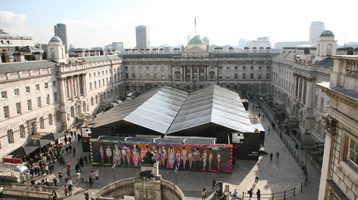
The Exhibition at London Fashion Week will be housed under one roof in the neo-classical surrounds of Somerset House.

“The great thing about London is that it lives and breathes fashion. The street is still the best way to get a snapshot of London style.”
Todd Lynn

http://www.londonfashionweek.co.uk

Westminster, London WC2R 1LA

UK

How to get there:

Overland Rail
The nearest mainline rail stations are: Charing Cross, Waterloo and Blackfriars.

Underground
The nearest underground stations are: Temple, Covent Garden, Charing Cross and Embankment.

Buses
Buses servicing the Strand include numbers 6, 9, 11, 13, 15, 23, 77a, 91 and 176, while the River Bus Service can be taken to Embankment and Savoy piers.

On Foot
Pedestrian access to Somerset House is available from Victoria Embankment, Waterloo Bridge (via a new footbridge link) or from the Strand.

Amsterdam International Fashion Week

Amsterdam International Fashion Week (AIFW) started in 2004 as an initiative to put Amsterdam on the map as a sparkling and internationally oriented destination for Fashion. Twice a year, Fashion Week forms the centre-point of the Dutch fashion world, with a full schedule of catwalk shows, trade fairs, presentations, lectures and parties.

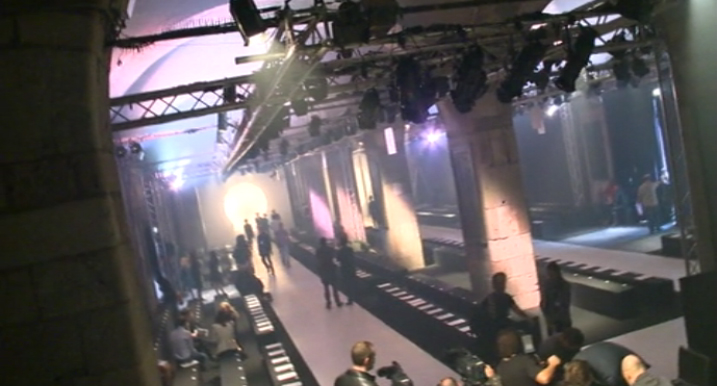
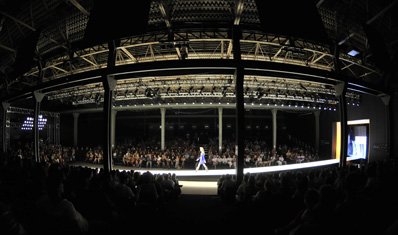
The show programme is on invitation and for professionals only. AIFW takes place at the former Gas Factories in Amsterdam’s ‘Westergas’ area. Young and established designers show their collections on the Amsterdam catwalk. With the growing interest in ‘Dutch Design’, Amsterdam International Fashion Week attracts a growing audience of directional international brands, buyers and press.

Answering to immense popular demand, Fashion Week DOWNTOWN consists of numerous public catwalk shows, parties, shop launches, lectures and expositions, all organized in collaboration with local museums, galleries, clubs and shops.

Focusing on Amsterdam’s reputation as an inspiring city, the AIFW programme combines commerce with creativity. Our city has a lot to offer: a growing pool of talent, an inspiring place to visit and a vibrant place to do business.

http://www.amsterdamfashionweek.com/contact

LOCATION:

Westergasfabriek
Pazzanistraat 37
1014 DB Amsterdam

Milano Moda Uomo 2011

Fashion Show for Men. This is an international event featuring novelties and pret-à-porter collections for men created by italian fashion’s most prestigious designers.

Fiera Milano City
Padiglioni 14, 15, 16
20145, Milano
Italy
+39 (02) 4997 1
+39 (02) 4997 7379

http://www.cameramoda.it/mmu/

Fashion Rio / Rio De Janeiro Fashion Week

On the stage of this Brazilian fashion capital, designer will present their newest lines for buyers from around the world.

Rio de Janeiro is well known for its carnival, amazing beaches and beautiful people.

But twice a year, Rio also becomes the center of attention for the fashion world.


http://ffw.com.br/fashionrio/

Altaroma – Rome Fashion Week 2011

The main event organized by Altaroma is AltaRomAltaModa, which coincides with the two annual appointments of Roman fashion week, in January and in July. Countless occasions for meetings between historic Italian fashion maisons and new international creative and production realities. A week of appointments, not only runway shows but ‘never-seen-before’ unique locations at which to experience the unique synergy between design, art and fashion.

The promotion of fashion as an inherent value of Made-in-Italy and Italian Style throughout the world: Altaroma serves as the spokesperson for style, history and innovation. The driving force behind Italian haute couture whose scouting activities, targeted at new generations, pave the way for future prospects on the international stage, open to dialogue and a collaborative action with opinion leaders and the world of culture and art through collaboration with the institutions.
Tradition serves as a foundation on which to build research, the emphasis on training through collaboration with fashion schools, the scouting of new designers based on support and exposure and lastly sustainability, thanks to international partnerships with ITC ( International Trade Center), the technical cooperation agency of the United Nations.

http://www.altaroma.it/

SHAY MITCHELL

Like many Canadian teens, Shay Mitchell grew up wanting to be like her favorite on-screen entertainers. Determined from the get-go, the young beauty began dancing at age five and was an international model by her late teens. After experiencing life in front of the camera as a model, Shay felt ready to come home and pursue her aspirations of a career in entertainment. With fervor, she returned to Toronto to begin honing her acting skills.
The hard work paid off. An array of acting classes, a few national commercials and small roles later, Shay gained the confidence to seek artist representation. Soon she signed with her first theatrical agency and was officially on her way.

Now 23, Shay lives in Los Angeles with a Pomeranian named Foxy and plays Emily Fields, the sweet, athletic girl struggling with her sexuality, in USA Network’s drama series Pretty Little Liars.

Read Shay’s Interview in the 2010 Winter Runway Magazine.

Check out Shay on ABC Family’s Pretty Little Liars