Underpainting Is Back—Why Makeup Artists Are Reversing Foundation and Contour for a More Natural Finish

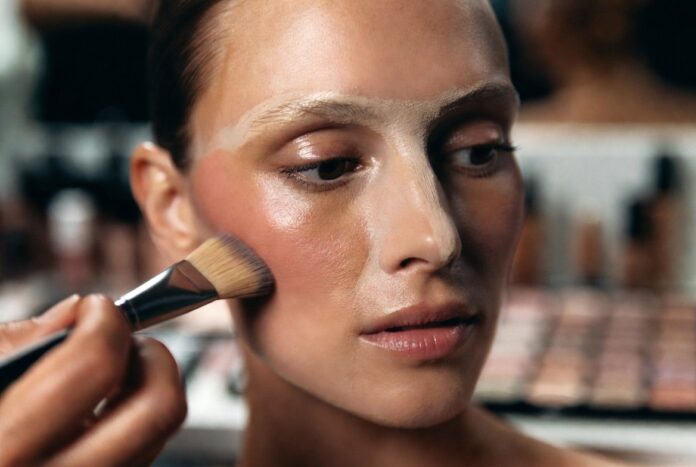
Model's face mid-underpainting makeup application with cream contour blended along the cheekbone before a sheer foundation layer is applied, demonstrating the reverse contouring technique used by professional makeup artists.
The underpainting technique places cream contour, concealer, and highlighter beneath a sheer foundation layer — the method behind the naturally sculpted finishes worn by Hailey Bieber, Kendall Jenner, and Jennifer Lopez, all clients of makeup artist Mary Phillips.

Underpainting Is Back—Why Makeup Artists Are Reversing Foundation and Contour for a More Natural Finish

The underpainting makeup technique is not new. Kevyn Aucoin was using it in the 1990s. Professional makeup artists have relied on it quietly for decades of red carpet and editorial work. What is new is its visibility. The hashtag has accumulated over 105 million views on TikTok. Celebrity makeup artist Mary Phillips built her entire brand around it. A generation of beauty audiences is now discovering that applying contour before foundation produces something traditional methods rarely achieve: a finish that reads as skin.

The logic is simple. The results, however, require understanding why the reversed order works.


What the Underpainting Makeup Technique Actually Does

Standard contouring sits on top of foundation. That placement means sculpting products live on the surface of the face, where light catches their edges and reveals them as makeup. Underpainting inverts that relationship entirely. Contour, concealer, and highlighter go on first — directly onto moisturized, prepped skin. A lightweight foundation then veils the entire base, diffusing the color work beneath it. The sculpting appears to come from within the face rather than sitting on top of it.

Makeup artist Shreni Patel put it precisely in a tutorial for Makeup.com by L’Oréal. Applying highlights and bronzer underneath a thin foundation layer, she explained, creates a finish that “allows your makeup to feel like a second skin.” The result is a natural, lit-from-within glow. That is the goal: makeup that behaves like skin rather than sitting on top of it. The technique organizes light and shadow in a way that foundation then softens into natural depth.

Celebrity makeup artist Megan Dugan, founder of Lemonhead LA, confirmed underpainting is not a trend in the novelty sense. “Makeup artists have literally been doing this old-school layering technique for decades,” she noted, describing it as a way to create a soft, filtered look. TikTok made the method accessible to a mass audience that previously had no language for why certain celebrity faces looked the way they did. Additionally, it gave that audience the vocabulary to seek out professional makeup artist tips rather than simply product recommendations.

For ongoing coverage of the techniques and methods reshaping modern beauty, browse Runway’s beauty editorial archive — updated daily with professional-level analysis.


Mary Phillips, Celebrity Makeup Secrets, and the Brand Built on a Technique

The current resurgence traces directly to Mary Phillips. Her client list — Hailey Bieber, Kendall Jenner, Jennifer Lopez — represents some of the most referenced makeup looks in contemporary beauty culture. Phillips learned underpainting from Kevyn Aucoin’s book Making Faces. She refined it across years of editorial and red carpet work. Her TikTok tutorial on the method then generated over 5.5 million views and 117,000 saves on the platform.

The viral response revealed something significant about celebrity makeup secrets: audiences don’t just want the finished look. They want the method behind it. When Phillips demonstrated the reverse contouring tutorial on herself, viewers could see exactly why Bieber’s face looked different from conventionally contoured alternatives. The technique became traceable — and therefore replicable — in a way that passive celebrity beauty inspiration rarely is.

Phillips launched her brand m.ph in August 2025, available at Sephora. The Underpainting Palette launched at $64. The Underpainting Dual-Ended Sculpting Brush followed at $38. A Cheeky Cream Blush was due in early 2026. Products are formulated with squalane, hyaluronic acid, and palmitoyl tripeptide-1 — reflecting the broader 2026 convergence of skincare and makeup.

Phillips is not alone in this practice. Scott Barnes, who has worked with Beyoncé and Jennifer Lopez for years, is also a longstanding practitioner. Makeup artist Monika Blunder described the approach as reminiscent of oil painting. Artist Danessa Myricks uses it specifically for clients with textured skin. The method has professional consensus across multiple generations of working artists. Phillips is not alone — Scott Barnes, who has worked with Beyoncé and Jennifer Lopez for years, is also a longstanding practitioner. As WWD’s beauty industry coverage of the skin-first makeup movement in 2026 has documented, the professional beauty market is moving firmly toward lightweight, depth-building formulas. Surface-level definition is losing ground to methods that work beneath the skin.

For broader context on celebrity beauty this season, Runway Magazine’s coverage of how celebrity makeup at the 2026 Met Gala achieved a flawless base makeup technique tracks exactly how natural-sculpted finishes are dominating Hollywood’s biggest nights.


How to Underpaint Makeup: The Step-by-Step Method

Executing the blendable contour method correctly requires two things above all: cream products and a sheer foundation. Powders beneath liquid foundation create an incompatible layering system. They don’t bind to the liquid applied over them in a way that allows seamless blending. Monika Blunder stated it plainly: “If everything you’re using is a creamy product, by layering in this way you will be able to blend everything together seamlessly.” That is the non-negotiable foundation of how to underpaint makeup correctly.

The application sequence is defined and ordered. Start with moisturizer and primer on clean skin. Apply cream contour to the hollows of the cheeks, hairline, and jawline. Add concealer beneath the eyes and down the nose bridge — a slightly lighter shade here creates highlight rather than coverage. Apply cream blush to the cheeks. Add highlighter to the brow bone, nose bridge, and cheekbone peaks. Then, and only then, apply foundation.

Foundation choice is the most critical variable in the entire cream contour routine. Full-coverage formulas defeat the purpose. The goal is sheer to medium coverage that softens the layer beneath without erasing it. Stipple the foundation into the skin using a sponge — swiping disturbs the products underneath. Stippling preserves placement while achieving a seamless contour look at the surface. Finish with a light translucent powder to set without flattening.

Runway Magazine’s comprehensive beauty technique guide and makeup tips glossary covers the full spectrum of professional complexion methods working in 2026.


The Products That Make It Work

Product selection determines everything. Makeup artist Danessa Myricks sets the standard. Choose textures that “blend easily and evenly” and “lay smooth without being milky or sticky.” Avoid waterproof or quick-setting formulas — they don’t allow the adjustment time needed to finesse the layers. These are professional makeup artist tips that apply regardless of budget.

For the cream contour routine, blendable sticks perform best. The Westman Atelier Face Trace Contour Stick is the one Phillips favors. The Rare Beauty Contour Stick and NYX Wonder Stick are widely cited for their blendability at accessible price points. For blush, the Rare Beauty Soft Pinch Liquid Blush and Fenty Beauty Cream Blush both deliver the buildable, natural flush the soft sculpting makeup trend requires. The key is applying less than you think you need — underpainting amplifies color once foundation goes over it.

Foundation choice defines the finish. Phillips applies a sheer moisture-rich fluid foundation as the final veil — tapping into what Vogue Scandinavia called the “skindation” approach, where coverage is light enough to read as skin. The Giorgio Armani Luminous Silk, Charlotte Tilbury Light Wonder, and Chantecaille Future Skin appear consistently across professional tutorials. These are best contour techniques executed through product discipline — not skill alone.

For current makeup trends and product recommendations across every category, Runway’s coverage of the TikTok makeup techniques 2026 is reshaping for everyday beauty breaks down the platform’s most influential beauty movements in depth.


Why the Soft Sculpting Makeup Trend Is Replacing Traditional Contouring

The heavily contoured face of the mid-2010s reads as dated in 2026. That aesthetic is associated with a beauty maximalism that the current moment is actively moving away from. Modern beauty audiences are seeking finishes that suggest effort without showing where it happened. Makeup trends TikTok viral content confirms this consistently — the most saved and shared looks are those that read as barely-there while being technically precise.

Underpainting answers that demand more effectively than traditional methods. It eliminates the most common contouring failure points: visible lines, unblended edges, and stark contrast between sculpted and un-sculpted areas. Placing sculpting beneath foundation builds in a softening layer automatically. The foundation does the blending work that previously required significant surface-level skill to execute.

Natural contour makeup tips dominating professional education in 2026 share a consistent logic. They prioritize depth over definition, skin texture over coverage, and method over product. How to look naturally sculpted is increasingly understood as a sequencing and texture question, not a product question. The makeup application order 2026 audiences are adopting — color first, foundation last — is the answer that makeup artists have had for decades.

Meanwhile, Marie Claire’s 2026 analysis of natural glam makeup tutorial performance confirms that technique-centered tutorials outperform product-focused ones. That finding reinforces why underpainting has sustained its momentum well beyond the initial viral cycle.


Why It Works Across Every Skin Type

One key reason underpainting is sustaining momentum is its versatility. Traditional contouring settles into texture, accentuates dryness, and sits heavily on oily skin. Because underpainting places color beneath a protective foundation layer, it is inherently more compatible with textured, mature, dry, and oily skin alike.

Danessa Myricks specifically highlights its value for textured skin — the foundation layer smooths over the sculpting beneath without drawing attention to surface irregularities. Furthermore, for oily skin, the sealed layering system provides better longevity than product applied on top of a base producing sebum throughout the day. Modern contouring methods working across the widest range of skin types share this characteristic — they work with the skin’s surface rather than against it.

Advanced makeup tips 2026 from working professionals return repeatedly to the same point. Beauty hacks foundation routine content that genuinely delivers results tends to be technique-based rather than product-dependent. Underpainting is the clearest current example of that principle. It works because of how products are applied, not because any single product in the lineup is irreplaceable. The natural glam makeup tutorial that performs best is one built around a method that forgives variation. Runway’s profile of the best beauty and makeup trends defining celebrity style in 2026 covers the full range of professional techniques now crossing into mainstream beauty culture.

For more coverage of the beauty techniques and fashion culture moments defining 2026, explore Runway Magazine — the original independent voice of fashion since 1989.
Madison Beer’s ‘Locket’ Tour Is Becoming Pop’s Biggest Event

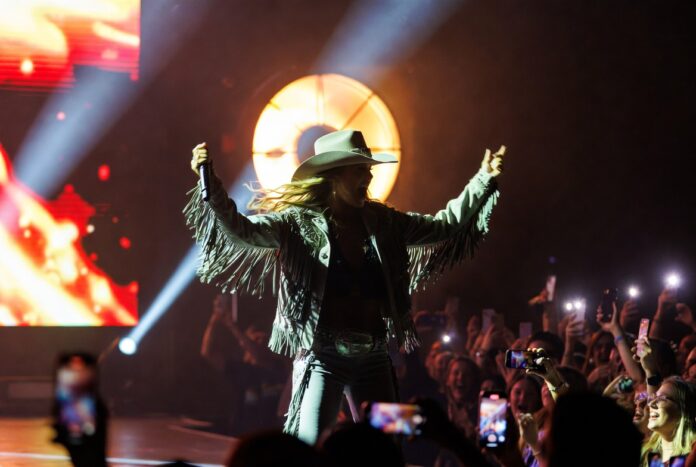
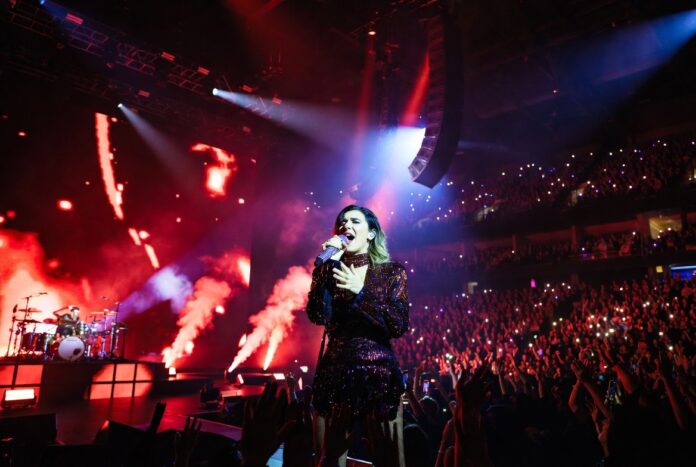
Madison Beer performing during her Locket world tour in 2026
Madison Beer’s cinematic “Locket” tour is becoming one of the defining pop music events of 2026.

Madison Beer’s ‘Locket’ Tour Is Becoming Pop’s Biggest Event

Madison Beer’s newest world tour is arriving at a moment when pop music increasingly depends on visual storytelling, emotional performance, and social media momentum. The rollout surrounding the Madison Beer Locket tour has already generated enormous online engagement before many international dates have even begun.

Fans have shared rehearsal clips, backstage images, and arena previews across TikTok and Instagram, helping build anticipation around what many are calling one of the most visually ambitious music tours 2026 audiences will see this year.

The excitement reflects Beer’s growing influence within modern pop culture. Once viewed primarily as an internet-era breakout artist, she is now emerging as one of the defining Gen Z pop stars shaping the next phase of mainstream music and digital celebrity culture.

The success of the Madison Beer 2026 tour cycle also follows renewed attention surrounding her Grammy momentum and the continued streaming success of “Make You Mine.”

Rehearsal Clips Turn Anticipation Into Viral Momentum

The tour’s online visibility accelerated after fans circulated rehearsal footage showing dramatic staging elements, synchronized lighting design, and cinematic camera production. Rather than relying solely on polished promotional campaigns, the rollout has benefited heavily from fan-generated excitement online.

Viewers responded strongly to the emotional tone of the previews. Moody visuals, orchestral transitions, and large-scale set pieces gave the performances a theatrical atmosphere that stands apart from many recent arena tours.

At the same time, Madison Beer rehearsal clips have become some of the most shared music-related content on TikTok entertainment feeds this month. Fans continue reposting snippets highlighting choreography, stage transitions, and the singer’s evolving performance aesthetic.

Recent reporting from Billboard’s analysis of major 2026 touring productions
noted that cinematic staging and emotionally immersive visuals are increasingly driving fan engagement across large-scale pop tours.

Readers interested in evolving celebrity stage aesthetics can also explore Runway’s recent feature examining concert fashion and performance branding trends. Additional music-industry coverage appears regularly in the entertainment editorial archive.

“Make You Mine” Continues Fueling Her Rise

The sustained popularity of the Make You Mine song remains central to Beer’s expanding visibility. The track gained significant traction following award-season performances and Grammy-related attention, helping push streaming numbers higher across global music platforms.

Its success also strengthened the commercial momentum surrounding the Madison Beer album era overall. Analysts tracking streaming behavior say emotionally driven pop songs continue performing strongly among younger audiences, particularly when paired with visually engaging social content.

Fans have embraced the single not only through streaming but also through edits, reaction videos, and fan-created performance compilations. The continued circulation of these clips has helped maintain long-term engagement far beyond the original release cycle.

The growth of viral pop music increasingly depends on these participatory online ecosystems. Artists now benefit from fans who actively extend promotional reach through edits, reposts, and visual storytelling tied to specific songs or performances.

A recent industry feature from Forbes reporting on social-driven music discovery
explored how streaming growth and short-form video culture are reshaping the commercial trajectories of younger pop artists.

Readers exploring broader celebrity music culture can also revisit Runway’s coverage of digital-first artist branding and modern performance aesthetics. Additional style coverage appears within the fashion and celebrity section.

Fashion and Visual Identity Are Driving Engagement

Visual presentation has become one of the defining elements of Beer’s current tour cycle. Fans discussing Madison Beer fashion online frequently reference the balance between dark romantic styling, polished stage tailoring, and cinematic beauty direction visible throughout promotional imagery.

Concert visuals trending across social platforms now carry nearly as much influence as the music itself. Pop audiences increasingly engage with performances as immersive visual experiences designed for online sharing and repeat viewing.

Beer’s production styling reflects that evolution. Layered textures, dramatic lighting palettes, and emotionally charged close-up visuals create performances optimized for both live audiences and viral social clips.

At the same time, TikTok pop artists continue shaping wider entertainment aesthetics through tour visuals, backstage content, and rehearsal footage. These digital-first presentation strategies help younger performers sustain audience attention between official releases.

The growing online response surrounding Madison Beer fans also demonstrates how fandom culture now extends beyond music consumption into fashion, performance analysis, and visual identity discussions.

Readers interested in evolving celebrity beauty and stage-fashion trends can explore Runway’s broader entertainment and fashion reporting. Additional cultural analysis is also available within the lifestyle and culture archive.

Pop Touring Is Entering a Cinematic Era

Large-scale touring increasingly functions as immersive entertainment rather than traditional live performance alone. Artists are investing heavily in narrative production, visual transitions, and emotionally driven staging to create memorable social-media moments.

The Madison Beer concert experience reflects this wider industry direction. Audience reactions consistently mention cinematic transitions, emotional pacing, and visual cohesion as major strengths of the production.

Industry observers tracking music industry trends believe these immersive formats will continue expanding as artists compete for attention in an increasingly crowded digital entertainment landscape.

Meanwhile, the rise of world tour 2026 productions centered around emotional storytelling suggests that younger audiences are prioritizing experience-driven live events over simpler arena staging models.

Beer’s growing visibility within female pop singers conversations also signals how strongly visual branding now influences long-term artist positioning.

As the “Locket” tour expands globally, the combination of viral momentum, emotional performance design, and sustained streaming success is positioning Madison Beer among the most commercially significant young pop artists of the current generation.

For more celebrity style reporting, entertainment coverage, and music-industry analysis, visit Runway Magazine.

Summer 2026 Women’s Dress Trends Redefining Online Fashion

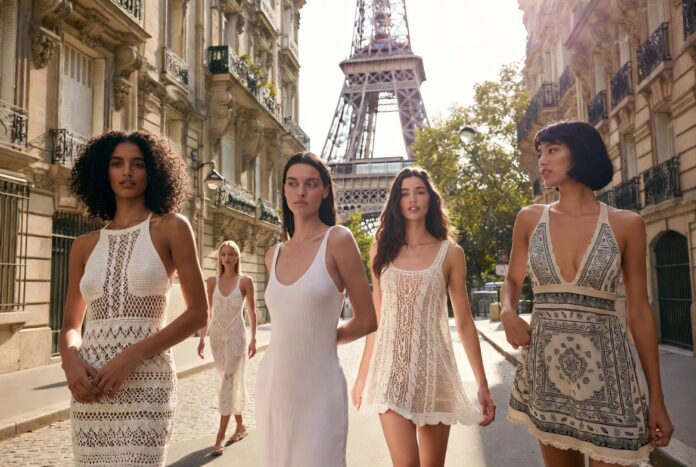
Women modeling Summer 2026 dress trends including crochet and minimalist white dresses
Crochet textures, minimalist tank dresses, and soft feminine silhouettes define Summer 2026 fashion.

Summer 2026 Women’s Dress Trends Redefining Online Fashion

Summer fashion is leaning into ease, softness, and texture. Designers and online retailers are responding with lighter fabrics, nostalgic silhouettes, and versatile styling pieces that adapt from daytime errands to evening events. The biggest movement shaping summer dresses 2026 women are adding to digital carts is practicality blended with visual impact.

Consumers are choosing dresses that feel wearable in extreme heat while still looking polished for social media, travel content, and summer events. Crochet details, airy linens, soft white palettes, and western-inspired prints are dominating fashion edits across retail platforms. At the same time, minimalist dressing continues to influence silhouettes, especially through slim tank styles and pared-back tailoring.

The season’s defining looks are rooted in comfort first. Breathable construction, movement, and layering flexibility matter more than rigid occasion dressing. Retailers are also responding to demand for transitional styling pieces that work across vacations, festivals, brunches, and urban summer wardrobes.

Fashion buyers tracking the crochet dress trend 2026 have noted how the style has evolved beyond swim cover-ups into polished streetwear looks. Open-knit textures now appear with structured linings, metallic accessories, and refined tailoring that give crochet dresses broader styling appeal.

Crochet Dresses Move Into Streetwear

Crochet has become one of the strongest visual stories of the season. Once limited to resort wardrobes, the trend now appears in elevated city styling, influencer campaigns, and runway collections. Designers are pairing handcrafted textures with sleek accessories to modernize the traditionally bohemian aesthetic.

Neutral palettes dominate the current wave of crochet pieces. Cream, sand, espresso, and pale yellow tones are appearing frequently in luxury and contemporary collections. Many brands are also incorporating cotton blends and lightweight yarns to improve comfort during high temperatures.

The growing demand for beach to street fashion dresses reflects how shoppers want versatile pieces rather than single-use vacation clothing. Crochet dresses layered over slips or paired with oversized blazers are appearing across social feeds and summer campaigns.

Recent reporting from Business of Fashion’s summer retail analysis noted increased consumer demand for textured fabrics and artisanal finishes in seasonal collections, particularly among younger luxury shoppers.

Readers exploring broader seasonal runway coverage can also view Runway’s analysis of transitional resort dressing trends in “Vacation Glamour Returns for Summer Fashion.” Fashion trend coverage is also updated regularly in the fashion editorial section.

Babydoll Silhouettes Dominate Soft Dressing

Soft femininity continues to shape seasonal styling. The return of loose empire waists, puff sleeves, and delicate trims has fueled the popularity of babydoll dress outfit ideas across online retail searches and influencer styling videos.

The silhouette works because it combines comfort with romantic detailing. Unlike body-conscious styles dominating previous seasons, babydoll dresses offer movement and ease while maintaining a polished appearance. Cotton poplin, voile, and lightweight linen blends remain the most popular fabric choices.

Many retailers are pairing these silhouettes with western accessories, ballet flats, or vintage-inspired shoulder bags. The result feels nostalgic without becoming costume-like.

At the same time, bandana print dress trend searches continue climbing as western aesthetics influence mainstream summer collections. Red paisley prints, faded indigo patterns, and scarf-inspired motifs are appearing on mini dresses and flowing maxis alike.

Coverage from Harper’s Bazaar’s western fashion report recently highlighted the rapid growth of western-inspired fashion details in women’s seasonal wardrobes, particularly among Gen Z consumers.

For readers interested in celebrity-driven styling shifts, Runway’s feature on contemporary western glamour offers additional context around the aesthetic’s fashion resurgence. Lifestyle-focused summer styling stories can also be found in the lifestyle category archive.

Minimalist Tank Dresses Continue the 90s Revival

Minimalism remains one of fashion’s strongest commercial movements. Clean lines, reduced embellishment, and neutral tones continue shaping summer wardrobes, especially through the rise of the minimalist tank dress women are styling for everyday wear.

The appeal lies in adaptability. Tank dresses can transition between casual daytime dressing and elevated evening styling with only minor accessory changes. Thin straps, ribbed jersey fabrics, and column silhouettes dominate the current market.

The renewed popularity of white summer dress styling has also strengthened the demand for simple monochromatic looks. White cotton tank dresses paired with oversized sunglasses, leather sandals, and gold jewelry have become a staple across influencer summer edits.

Many consumers are also prioritizing breathable fabric dresses summer wardrobes can rely on during extended heat waves. Linen blends, lightweight cotton jersey, and viscose fabrics remain central to purchasing decisions.

Readers looking for elevated minimal dressing inspiration can explore Runway’s seasonal minimalist fashion guide alongside the publication’s coverage of quiet luxury aesthetics shaping contemporary wardrobes.

The Rise of the Little White Dress

For years, the little black dress held its place as fashion’s universal styling essential. Summer 2026 is shifting attention toward lighter palettes and daytime versatility instead. Little white dress outfits are emerging as the season’s defining staple across retail collections.

White dresses now appear in multiple forms:

  • structured minis
  • flowing cotton maxis
  • slip silhouettes
  • lace-trimmed midis
  • minimalist tanks

The shift reflects broader seasonal demand for lighter visual palettes and relaxed elegance. Social media creators increasingly favor soft neutrals because they photograph well in natural light and complement resort-inspired styling.

Searches for lightweight summer outfits women are wearing daily have also accelerated alongside demand for linen summer outfits women can style repeatedly throughout extended warm seasons.

Retail analysts tracking casual summer dresses online shopping behavior have noted growing consumer interest in versatile pieces with longer wear cycles rather than highly trend-specific purchases.

Meanwhile, floral summer dresses trending on retail platforms continue evolving toward softer botanical prints and watercolor-inspired palettes instead of bold tropical graphics.

Runway’s annual summer style forecast explores how soft neutrals and minimalist silhouettes continue influencing global fashion retail. Entertainment-driven celebrity wardrobe coverage is also updated regularly in the entertainment fashion section.

Social Media Influence Shapes Summer Retail Trends

Fashion discovery increasingly begins on short-form video platforms rather than traditional retail campaigns. Viral styling videos, creator try-ons, and tiktok summer dress haul content continue accelerating trend adoption cycles.

Influencers now drive rapid visibility for emerging silhouettes, especially among younger shoppers seeking affordable seasonal updates. The rise of fashion influencer summer outfits has also increased interest in styling repetition, outfit versatility, and layering techniques.

Consumers are responding to dresses that feel visually distinctive while remaining practical in warm weather. That balance explains why warm weather fashion trends women are embracing this year lean heavily toward comfort-focused fabrics and adaptable silhouettes.

At the same time, affordable summer dresses 2026 searches are rising as shoppers prioritize value alongside trend relevance. Mid-range retailers and direct-to-consumer brands are benefiting from demand for wearable trend pieces that photograph well across social platforms.

Cute summer outfit ideas women are saving online increasingly emphasize:

  • ease of movement
  • breathable construction
  • neutral accessories
  • transitional styling
  • natural fabrics

This seasonal direction reflects a broader shift away from overly structured dressing and toward relaxed sophistication.

Summer style conversations continue evolving rapidly, but the strongest trends share a common theme: wearability without sacrificing visual identity. Readers can explore more seasonal fashion analysis and designer coverage through Runway Magazine fashion features.

As warm-weather wardrobes continue evolving, the focus remains on versatile silhouettes, breathable textures, and styling flexibility that reflects modern daily life. For more fashion trend coverage, celebrity style analysis, and luxury editorial reporting, visit Runway Magazine.

Ella Langley’s Viral Tour Opening Sparks Country Music Breakout

Ella Langley performing during her viral 2026 country music tour opening
Ella Langley’s opening-night performance became one of country music’s biggest viral moments of 2026.

Ella Langley’s Viral Tour Opening Sparks Country Music Breakout

Country music’s latest breakout moment did not begin on radio. It began on social media feeds filled with concert clips, fan reactions, and rapid reposts. Ella Langley’s opening-night tour performance generated millions of views within hours, transforming the Alabama-born singer into one of the genre’s fastest-rising online stars.

The viral response surrounding Ella Langley tour footage reflects how modern music discovery increasingly happens through TikTok and Instagram rather than traditional promotion cycles. Fans shared clips highlighting her commanding stage presence, sharp vocals, and daring styling choices, helping propel the performance across entertainment and music feeds overnight.

Industry analysts now see the singer’s rapid visibility growth as part of a larger shift in country music, where social engagement and visual branding influence commercial momentum as much as streaming numbers.

Ella Langley’s viral video success also arrives during a period of major crossover growth for younger country artists seeking audiences beyond traditional Nashville markets.

Viral Tour Clips Accelerate Her Mainstream Visibility

The strongest reactions online centered on short concert videos filmed during the tour’s opening performance. Fans circulated clips showing Langley moving confidently across the stage in a dramatic performance look that quickly became part of the online conversation.

Her styling generated particular attention because it blended modern concert glamour with country-inspired aesthetics. The singer’s fitted performance ensemble, layered textures, and high-impact silhouette helped create one of the week’s most discussed viral concert moments across entertainment accounts.

At the same time, the energy of the live audience amplified the online momentum. Crowd singalongs, dramatic lighting, and close-up fan videos helped the clips feel immediate and immersive for viewers scrolling through social platforms.

Coverage examining the growing impact of social-driven music discovery was recently highlighted by CNN Style’s reporting on viral concert culture, which noted how fashion, performance visuals, and fan-recorded clips increasingly shape artist visibility.

Readers following celebrity performance style can also explore Runway’s recent coverage of stage fashion evolution in modern music tours. Additional entertainment reporting appears regularly in the entertainment coverage archive.

The Morgan Wallen Collaboration Expanded Her Reach

The growing attention surrounding the Morgan Wallen collaboration introduced Langley to a broader audience beyond independent country listeners. Industry observers say the association accelerated her visibility among younger mainstream streaming audiences already engaged with contemporary country-pop crossovers.

Collaborations remain one of the fastest ways for emerging artists to gain algorithmic momentum across streaming and social platforms. By appearing alongside an established commercial figure, Langley positioned herself within larger conversations surrounding country music 2026 trends and crossover audience expansion.

Fans responding to the recent collaboration also revisited older performances and acoustic clips, helping boost catalog engagement online. Many viewers encountering the singer for the first time through social clips quickly moved toward streaming platforms and tour-related content.

The rise of TikTok country music has significantly altered how artists build recognition. Viral visibility now often arrives before major chart placement, allowing performers to establish strong fan communities organically through repeat social sharing.

A recent entertainment industry analysis from Forbes coverage of music discovery trends explored how short-form video platforms continue reshaping artist growth patterns across country and pop music alike.

Readers interested in evolving music-industry aesthetics can also explore Runway’s feature examining celebrity tour fashion and performance branding. Fashion-focused celebrity reporting is updated regularly in the fashion and entertainment section.

Country Music’s New Generation Is Driven by Social Platforms

The speed of Langley’s rise highlights how younger audiences now interact with country artists differently than previous generations. Instead of discovering performers through radio rotation alone, listeners increasingly encounter artists through short-form clips, viral hooks, and highly shareable visual moments.

The explosion of Ella Langley TikTok searches reflects this changing ecosystem. Fans are not only listening to songs but actively participating in artist visibility by reposting clips, creating edits, and discussing concert styling online.

This shift has also elevated the importance of performance visuals. Concert fashion viral discussions now regularly appear alongside music commentary, especially when artists develop recognizable stage identities tied to social media aesthetics.

At the same time, audiences searching for new country music are gravitating toward performers who balance authenticity with visual storytelling. Langley’s image blends southern influences, modern fashion styling, and contemporary concert production in a way that feels highly adaptable for social platforms.

The growing interest surrounding female country artists has also expanded the commercial space for performers who combine strong songwriting with high-engagement online branding.

Readers tracking broader entertainment trends can explore Runway’s evolving coverage of digital celebrity culture and music-driven fashion movements. Additional cultural reporting is also featured within the lifestyle and culture archive.

Social Media Now Shapes Touring Success

Touring success increasingly depends on online shareability as much as ticket sales. A single viral clip can dramatically elevate audience awareness, media attention, and streaming performance within hours.

The response to Ella Langley demonstrates how quickly online momentum can reshape artist positioning. Videos tied to her performance circulated far beyond country-specific audiences, exposing her to viewers who may not normally engage with the genre.

Many analysts now see TikTok music trends as central to future artist development strategies. Viral discovery loops create opportunities for emerging performers to bypass slower traditional promotional systems and reach audiences directly through fan engagement.

Meanwhile, country music trends continue evolving toward crossover-friendly production, fashion-forward presentation, and stronger visual branding. Artists capable of balancing traditional influences with digital-native visibility strategies are increasingly dominating industry conversations.

Search activity surrounding country singer trending topics also shows growing interest in younger artists who feel culturally connected to online audiences rather than exclusively tied to legacy country structures.

Langley’s rapid rise may still be in its early stages, yet the combination of social momentum, performance confidence, and expanding industry attention suggests a major breakthrough year ahead.

For more celebrity style coverage, entertainment reporting, and music-industry analysis, visit Runway Magazine.

NYFW Schedule: How Shows Are Booked & Sequenced

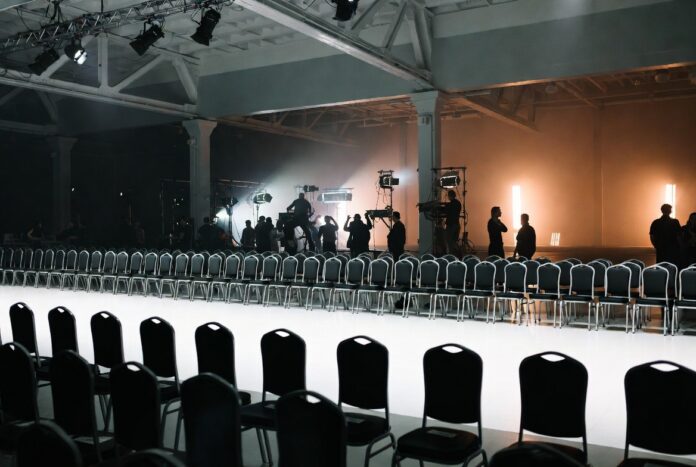
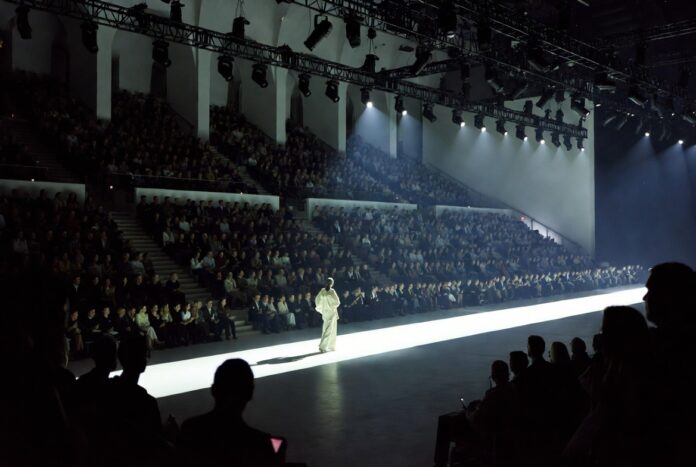
Empty New York Fashion Week runway with production crew preparing the venue before the show, illustrating how the NYFW schedule is built and sequenced
The NYFW schedule involves months of negotiation, venue coordination, and CFDA logistics before a single model walks. Runway Magazine explains how it all works.

NYFW Schedule: How Shows Are Booked & Sequenced

By Runway Magazine Editorial Team

Twice a year, New York becomes the opening act for the most scrutinised fortnight in global fashion. The NYFW schedule — the official sequencing of runway shows, presentations, and industry events across approximately eight days — does not assemble itself. Behind every confirmed time slot sits a negotiation. Designers, publicists, venues, and the Council of Fashion Designers of America all contribute. Competing logistical demands shape every decision. Understanding how the schedule is built means understanding how the fashion industry itself operates.

The direct answer: the CFDA coordinates the official calendar. Designers and their representatives submit preferred dates, times, and venues. Placement depends on house seniority, venue availability, press demand, and each brand’s strategic priorities. What follows is a complete breakdown — from initial application through to the final published schedule.


How the NYFW Schedule Is Built: The CFDA’s Role

The Council of Fashion Designers of America functions as the administrative backbone of New York Fashion Week. The organisation has managed the official show calendar for decades. Founded in 1962, the CFDA has evolved its coordination role significantly as participant numbers have grown and fashion month has become more complex.

The CFDA fashion week calendar opens for submissions several months before each season. Established member houses submit preferred dates, times, and venue choices during an application window. That window typically closes eight to ten weeks before the first show date. The CFDA then reconciles competing preferences — multiple houses often request identical slots — before releasing a provisional schedule. Further revision follows before the calendar becomes official.

Participation in the CFDA calendar is not mandatory. Many New York-based designers, particularly independent and emerging names, choose off-schedule presentations instead. They stage events, gallery showings, or lookbook releases during fashion month rather than applying for an official slot. This decision is often strategic. Off-schedule presentations allow more creative formats, smaller guest lists, and tighter editorial control. The independent designer NYFW presentations circuit has grown substantially over the past decade. It now operates as a parallel programme with its own dedicated press coverage and buyer attention.


Fashion Week Show Time Slots: How the Day Is Structured

A typical NYFW show day follows the accumulated logic of decades of scheduling practice. Fashion show time slots cluster around a small number of preferred windows — 9 a.m., 11 a.m., 2 p.m., 4 p.m., 6 p.m., and 8 p.m. The mid-morning and mid-afternoon slots attract the most competition.

Earlier slots catch editors and buyers before fatigue sets in. Later slots risk conflicts with competing shows and dinners. The 11 a.m. and 2 p.m. windows have historically been the most contested. Houses with sufficient leverage secure them first. Those houses are typically the ones whose shows generate the highest press and buyer demand.

Show length adds a further scheduling variable. The NYFW show length average runs between twelve and twenty-five minutes for a traditional runway presentation. Conceptual or performance-based shows can run considerably longer. The gap between shows — time allocated for travel, initial copy filing, and seating — runs thirty to forty-five minutes on paper. In practice, it is almost always less. Fashion week back-to-back shows create perpetual friction between designers and the CFDA. Houses occasionally request schedule changes after the provisional calendar publishes when conflicts emerge.


NYFW Venue Selection: Where Shows Happen and Why

Venue selection is inseparable from the NYFW schedule. A show’s location shapes its perceived prestige, its logistical feasibility, and its aesthetic identity. New York Fashion Week logistics span a geography stretching from Midtown to Brooklyn. Activity concentrates in the Meatpacking District, Chelsea, and around Spring Studios in Tribeca. Spring Studios has served as a primary industry hub for several seasons.

Spring Studios became the de facto anchor venue following the closure of Skylight Clarkson Square. Houses showing there benefit from built-in credentialing infrastructure, press facilities, and production support. Independent venues rarely match that level of operational readiness. Nevertheless, many designers deliberately choose non-institutional spaces — warehouses, galleries, rooftops, historic buildings. The location itself becomes part of the collection’s narrative.

The CFDA coordinates venue availability as part of its scheduling process. It does not own or manage most show spaces directly. Instead, it maintains relationships with a network of preferred venues and facilitates introductions between designers and venue operators. The actual negotiation of venue contracts — costs, exclusivity windows, load-in and load-out times — falls to each house’s production team.


The NYFW Designer Application Process: Who Gets On the Calendar

Access to the official NYFW schedule is not open to all. The NYFW designer application process distinguishes between two groups. CFDA members hold automatic eligibility to apply for calendar placement. Non-members may apply through a separate pathway involving review by the CFDA’s programming committee.

CFDA membership requires an application, a portfolio review, and endorsement from existing members. The organisation currently represents approximately 450 American fashion designers. Only a fraction show during any given fashion week season. Membership confers eligibility — not guaranteed placement. The schedule has finite capacity, and not every applicant receives a confirmed slot.

Designers outside the CFDA system increasingly work with independent publicists and production companies specialising in off-schedule events. These firms have built their own relationships with press, buyers, and venues. They have effectively created a parallel infrastructure allowing emerging talent to participate in fashion month without formal CFDA affiliation. Business of Fashion’s analysis of emerging designer economics documents how this parallel circuit has become a genuine commercial pathway. Several designers who debuted off-schedule received CFDA membership and official calendar placement within two to three seasons.


Fashion Week Press Access: Invitations, Credentialing, and the Hierarchy of Attendance

No account of the NYFW schedule is complete without addressing fashion week press access — the system by which editors, journalists, photographers, and content creators enter individual shows.

Show invitations remain the currency of fashion week attendance. Each house controls its own guest list. A communications team or retained public relations agency manages that list. The CFDA provides a credentialing infrastructure through which press outlets register for season-long accreditation. Individual show access, however, always remains at the discretion of the hosting brand. CFDA accreditation opens doors to shared press facilities, the official schedule, and coordination services. It does not guarantee a seat at any specific show.

Seating hierarchy within a show mirrors the hierarchy of fashion media itself. Front row positions go to outlets and individuals whose coverage carries the greatest commercial weight for the brand. That calculus has shifted significantly in recent years. Digital and social reach now competes with — and sometimes exceeds — the influence of traditional print placement. WWD’s annual press credentialing data shows a consistent year-on-year increase in digital-first media organisations receiving front row placement at major NYFW shows. That shift reflects the broader restructuring of fashion media economics.

Navigating fashion week press access in practice means managing a constant flow of digital invitations, confirmation requests, and last-minute location changes across dozens of shows per season. Most editors working a full NYFW schedule attend between twenty and thirty shows over eight days. Some cover significantly more through a combination of runway attendance, digital live-streams, and post-show studio appointments.


The Official NYFW Schedule Release: Timeline and What to Expect

The NYFW official schedule release follows a consistent pattern each season. A provisional calendar reaches credentialed press and registered buyers approximately three weeks before the first show date. Additions, cancellations, and venue changes continue until the week before fashion month opens.

The published schedule lists show name, time, venue, and format. Format distinctions matter. A runway show implies a traditional moving presentation with a defined start time and duration. A presentation allows a static display of the collection over a defined window — typically two to three hours — which guests attend at any point. An appointment is a private viewing for press or buyers and carries no general credentialed access.

Designers occasionally change format between seasons. They move from runway to presentation, or vice versa, as commercial priorities and production budgets shift. The runway show scheduling rules do not require format consistency from season to season. The CFDA accommodates changes during the application process provided venue arrangements confirm in time.

For comprehensive coverage of every show, trend, and designer moment across the full global circuit, Runway’s complete fashion week calendar and coverage guide tracks every city and every season as the schedule unfolds. The NYFW schedule is the circuit’s opening statement — and how it is built determines, in ways rarely visible from the front row, what the industry communicates twice a year.

Runway Magazine covers every dimension of fashion week from the inside out.

Laneige vs. Summer Fridays: Which Viral Lip Treatment Wins? By Runway Magazine

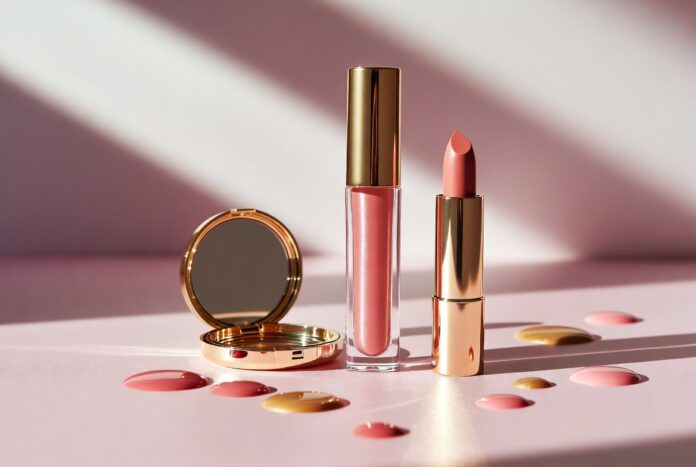
Laneige Lip Sleeping Mask and Summer Fridays Lip Butter Balm in luxury beauty editorial styling
Laneige and Summer Fridays are dominating viral beauty conversations surrounding hydration and glossy lip care.

Laneige vs. Summer Fridays: Which Viral Lip Treatment Wins?

Lip care has become one of beauty’s most competitive categories, driven heavily by TikTok reviews, celebrity skincare routines, and viral product comparisons. Consumers are no longer looking only for basic balm formulas. They want hydration, visible softness, aesthetic packaging, and products that fit into both skincare and makeup routines.

The growing online debate surrounding Laneige vs Summer Fridays reflects that shift. Both products dominate social media beauty conversations, yet they serve different purposes and deliver noticeably different user experiences.

The Laneige lip sleeping mask review trend continues to attract consumers searching for deep overnight moisture recovery. Meanwhile, the Summer Fridays lip butter review movement is pulling attention toward glossy daytime hydration and effortless wearable shine.

Many shoppers comparing the two products are ultimately deciding between intensive repair and cosmetic finish rather than choosing a universally superior formula.

Laneige Built Its Reputation on Overnight Hydration

The Laneige Lip Sleeping Mask has maintained bestseller status for years thanks to its reputation as one of the strongest overnight lip repair products in mainstream beauty retail. The formula became especially popular during the rise of K-beauty skincare trends and continues performing strongly across social platforms.

Its texture is thicker and more occlusive than traditional balm formulas. Fans say the dense consistency helps lock in moisture overnight while softening dry or cracked lips by morning.

The product’s berry complex and moisture-wrap technology remain central to its branding. Many reviewers also describe the formula as particularly effective during colder months or periods of dehydration caused by travel and climate shifts.

Consumers searching for dry lips treatment review content frequently mention Laneige because results tend to appear quickly after consistent overnight use. However, some users still find the texture too heavy for daytime wear.

Recent beauty market reporting from Business of Fashion’s skincare trend analysis
highlighted the continued commercial dominance of overnight recovery products within prestige beauty categories.

Readers interested in broader skincare movements can also explore Runway’s coverage of evolving Korean beauty trends and ingredient-focused skincare routines. Additional beauty reporting appears within the beauty editorial archive.

Summer Fridays Focuses on Glossy Wearable Hydration

The rapid growth of the glossy lip balm trend has helped elevate Summer Fridays Lip Butter Balm into one of beauty’s strongest social-media success stories. Unlike heavier overnight masks, the formula is designed for daytime reapplication and visible shine.

Consumers often describe the balm as more makeup-adjacent than treatment-focused. The glossy finish photographs well on social platforms, which has contributed heavily to its popularity among younger beauty audiences.

At the same time, the formula’s shea butter and vegan wax blend support consistent hydration throughout the day without creating an overly sticky texture. Fans also praise the product’s lightweight feel and soft vanilla-forward scent profiles.

The rise of TikTok lip care products has amplified side-by-side testing videos comparing texture, shine, ingredient quality, and longevity between the two products. Many creators now include both formulas in layered lip care routines rather than treating them as direct replacements.

Consumers exploring best products for chapped lips discussions frequently divide into two groups:

users prioritizing overnight repair
users prioritizing visible daytime finish

Runway’s recent beauty feature examining minimalist skincare trends also explores the growing overlap between skincare and cosmetics. Additional seasonal beauty coverage appears regularly in the lifestyle and beauty section.

Texture and Longevity Separate the Two Products

Texture remains one of the biggest distinctions between the formulas. Laneige delivers a richer coating designed to stay in place overnight, while Summer Fridays offers thinner hydration with stronger gloss appeal.

The lip hydration comparison dominating TikTok reviews often centers on longevity. Many users report that Laneige lasts longer through sleep and dry indoor environments, whereas Summer Fridays requires more frequent daytime application.

That difference also shapes consumer expectations. Shoppers searching which lip balm is best are often comparing products designed for slightly different usage patterns rather than identical performance goals.

The rise of beauty product comparison culture online has pushed brands toward increasingly photogenic packaging and social-media-friendly formulas. Consumers now evaluate products through:

ingredient transparency
visual finish
camera appearance
influencer recommendations
before-and-after results

At the same time, celebrity lip care routines continue influencing purchasing decisions, especially when products appear repeatedly in backstage beauty videos and influencer tutorials.

Readers following evolving skincare aesthetics can also revisit Runway’s coverage of modern beauty essentials and viral celebrity skincare trends. Additional beauty analysis is updated regularly in the beauty trend archive.

TikTok Continues Driving Beauty Product Battles

Short-form video has transformed how beauty consumers evaluate products. Viral side-by-side testing clips now function as highly influential consumer reviews capable of dramatically increasing product demand within days.

The popularity of top lip treatments ranked videos reflects how audiences increasingly prefer visual proof over traditional advertising. Users want to see texture, finish, wear time, and application results directly on camera before purchasing.

The broader rise of viral beauty products 2026 also shows how online communities shape product positioning in real time. Rather than relying solely on editorial beauty coverage, consumers actively compare formulas and share personalized experiences across platforms.

At the same time, the continued expansion of lip care routine 2026 discussions demonstrates how lip products are now integrated into larger skincare conversations instead of functioning as standalone cosmetics.

Consumers exploring hydrating lip treatments today are increasingly choosing products based on lifestyle compatibility:

overnight restoration
glossy daytime layering
minimal maintenance
aesthetic appeal
travel convenience

Both products continue performing strongly because they address different consumer priorities within the same beauty category.

The debate surrounding lip balm vs lip mask products is unlikely to disappear soon, especially as beauty consumers continue balancing skincare performance with visual presentation and social-media influence.

For more beauty trend reporting, skincare analysis, and luxury editorial coverage, visit Runway Magazine.

The “Luxury vs Viral” Handbag Economy – Why $4 Tote Bags Are Competing With Chanel

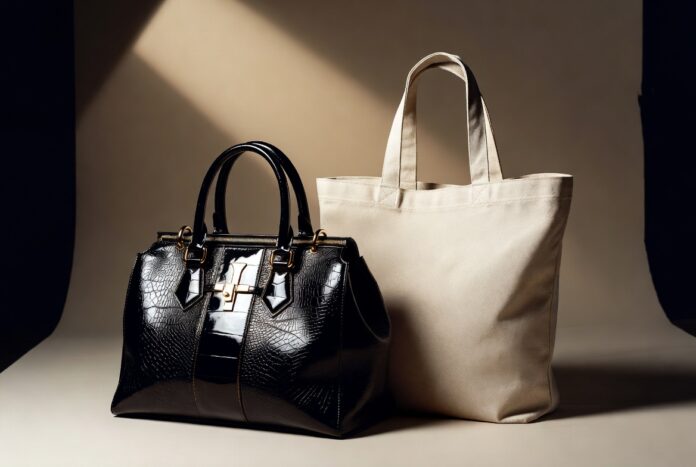
Contrast between viral tote bags and Chanel luxury handbags in modern fashion economy
The modern handbag market blends viral $4 totes with heritage luxury icons like Chanel.

The “Luxury vs Viral” Handbag Economy – Why $4 Tote Bags Are Competing With Chanel

By Runway Magazine Editorial Team

The handbag market is undergoing one of its most unusual shifts in decades. Once defined almost entirely by heritage, craftsmanship, and brand prestige, it is now being reshaped by speed, virality, and cultural saturation. At the center of this transformation is an unexpected rivalry: ultra-affordable $3–$5 tote bags circulating on social media versus traditional luxury icons like Chanel.

The rise of viral tote bags 2026 reflects a new fashion logic where visibility often outweighs exclusivity. A canvas bag featured in a TikTok video can achieve global recognition within hours, while legacy handbags rely on seasonal campaigns and long-established desirability cycles.

Yet luxury has not lost its authority. Instead, the market now exists in tension between two competing systems: heritage luxury and algorithm-driven virality.

The New Currency of Handbags Is Attention

The most significant shift in the handbag industry is not price—it is attention. Platforms like TikTok and Instagram have turned everyday accessories into cultural signals almost instantly. A simple canvas bag can become a global object of desire if it fits the visual language of a trend.

This phenomenon defines the rise of TikTok viral bags women are increasingly adopting as part of daily styling. Unlike traditional luxury cycles, which rely on seasonal runway introductions, viral accessories operate on compressed timelines measured in days or even hours.

Fashion analysts describe this shift as a move from ownership-based status to visibility-based identity. In other words, the value of a bag is now determined by how widely it circulates online rather than how rare it is in boutiques.

Reporting on shifting consumer behavior from Business of Fashion’s analysis of social-driven retail trends highlights how algorithmic exposure now directly influences purchasing decisions, particularly among Gen Z consumers.

How $4 Tote Bags Became Cultural Objects

The unexpected rise of ultra-cheap canvas bags—often priced between $3 and $5—has created a parallel accessory economy. Items like branded grocery-style totes or minimalist cotton bags have become aesthetic symbols rather than functional carry items.

The Trader Joe’s tote bag trend is one of the most recognizable examples. Originally designed as a simple reusable grocery item, it has been recontextualized as a fashion accessory through social media styling, street photography, and influencer content.

These bags thrive because they are visually adaptable. They can be styled with luxury coats, streetwear, or minimalist outfits, making them ideal for content creation. Their low cost also lowers entry barriers to participation in fashion trends.

For readers exploring broader accessory shifts, Runway’s street style trend archive documents how everyday objects increasingly function as fashion statements within digital culture.

Chanel Still Defines the Luxury Handbag Hierarchy

Despite the rise of viral accessories, traditional luxury remains structurally powerful. The Chanel Maxi Flap continues to represent one of the most recognizable chanel handbag trends 2026, functioning as both a financial asset and cultural icon.

Luxury handbags occupy a different psychological category than viral totes. They are framed as long-term investments, often associated with craftsmanship, resale value, and heritage branding. In contrast, viral bags are fast-moving cultural signals tied to immediacy.

According to luxury resale market data reported by Vogue Business’s analysis of handbag resale performance, iconic models from heritage houses continue to retain strong secondary market value, even as fast-fashion accessories dominate social feeds.

This dual structure explains why the market has not collapsed but instead split into two parallel economies.

The Rise of High-Low Fashion Styling

One of the defining behaviors shaping modern fashion consumption is the blending of price extremes within a single outfit. The luxury vs fast fashion handbags conversation is no longer about replacement—it is about combination.

Consumers increasingly pair luxury handbags with inexpensive viral accessories or alternate between them depending on context. A Chanel bag may be reserved for formal settings, while a $5 tote is used for everyday styling, content creation, or casual streetwear looks.

This approach defines the high low fashion trend women are embracing across global fashion cities. Identity expression has replaced uniform status signaling. The bag is no longer a fixed symbol of wealth—it is a flexible styling tool.

Runway’s fashion coverage archive continues to track how mixing luxury and accessible fashion has become a defining styling code of the 2020s.

Social Media Is Redefining What “Iconic” Means

In previous decades, handbags became iconic through runway exposure, celebrity endorsements, and long-term advertising campaigns. Today, virality can create similar cultural weight in a fraction of the time.

The rise of fashion viral accessories 2026 demonstrates how quickly digital platforms can elevate simple objects into global trends. A bag’s aesthetic compatibility with online culture often matters more than its origin or material value.

Even legacy houses now design with social media visibility in mind. Structured silhouettes, recognizable logos, and photogenic proportions are prioritized to ensure digital shareability.

Industry commentary from The New York Times Style section’s reporting on luxury accessories and social media notes that brands are increasingly optimizing design language for online circulation rather than exclusively in-store experience.

This feedback loop has fundamentally changed product development cycles across the luxury industry.

Designer Handbags vs Everyday Aesthetic Objects

The growing popularity of designer handbag alternatives reflects a shift in consumer priorities. Younger buyers are less focused on exclusivity for its own sake and more interested in visual identity, adaptability, and cultural relevance.

Affordable aesthetic bags offer immediate trend participation without financial commitment. Meanwhile, luxury handbags maintain their role as long-term cultural artifacts.

The result is a bifurcated market where both categories thrive simultaneously. One is driven by permanence and investment value, while the other thrives on speed and cultural saturation.

Runway’s street style fashion archive shows how this duality plays out in real-world styling, particularly during fashion week seasons where both luxury and viral accessories coexist in the same visual space.

Identity Is Now the Real Luxury

The most important transformation in the handbag economy is not material—it is psychological. Consumers are no longer purchasing bags solely to signal wealth. Instead, they are choosing accessories that reflect identity, mood, and cultural participation.

The rise of gen z handbag trends confirms this shift. Younger consumers prioritize flexibility, storytelling, and aesthetic alignment over traditional status markers. A $4 tote and a $10,000 handbag can both function as equally valid expressions of style depending on context.

This evolution does not diminish luxury—it repositions it. Luxury handbags remain powerful cultural objects, but they now share space with fast-moving viral accessories in a more fluid fashion ecosystem.

As the boundaries between luxury and viral continue to blur, handbags are no longer just products. They are platforms for identity expression in an increasingly visual culture.

For more analysis of fashion markets, cultural shifts, and luxury industry evolution, visit Runway Magazine.

All Eyes on Victory Van Tuyl – Runway Magazine 2025 Summer Cover Girl Interview

Victory Van Tuyl Runway Magazine 2025 cover interview portrait
Victory Van Tuyl featured as Runway Magazine 2025 Summer Cover Girl.

All Eyes on Victory Van Tuyl

Runway Magazine 2025 Summer Cover Girl Interview

Interview by Samantha Goldberg

Victory Van Tuyl began her acting journey in theater at just 11 years old in Atlanta, building an early foundation rooted in discipline, curiosity, and a deep love for performance. In this interview, she reflects on her creative path, personal values, and the experiences shaping her evolving career.


You started acting very young. What advice would you give to aspiring actors just starting out?

I started acting purely because I loved it, and I think that’s the part that has to be there from the very beginning. If you don’t genuinely love the process—even the parts that are slow or frustrating—it’s hard to stay the course. And if you’re lucky enough to be working, don’t take it for granted. Every opportunity matters.


Acting and the legal world both require structure and performance in different ways. What do people misunderstand about those environments?

They’re very different, but there are more similarities than people expect. Both can look impressive on paper, but the day-to-day isn’t always glamorous. They require a lot of preparation, patience, and the ability to think on your feet and adapt quickly.


Victory Van Tuyl Runway Magazine 2025 cover interview portrait
Victory Van Tuyl featured as Runway Magazine 2025 Summer Cover Girl.

Where do you like to go when you want to unwind?

Malibu and Big Sur are favorites. I also really appreciate quiet weekends at home—catching up on sleep, ordering good food, and not having to be anywhere. That balance helps me reset.


Who had the biggest influence on you growing up?

My parents, without question. My mom has always been incredibly supportive and selfless—she’s always moved mountains for my brother and me. My dad encouraged my independence and believed in me early on, which shaped a lot of my confidence. I’m really grateful for both of them.


What kind of legacy do you hope to leave behind?

That I did good work, treated people well, and didn’t lose sight of what actually matters.


Are there directors or roles you dream of working with?

There are so many directors I’d be honored to work with—Céline Sciamma, Chloe Domont, Denis Villeneuve, to name a few. As for roles, I’m drawn to characters that are deep and layered, the kind that push me outside of my comfort zone.


Victory Van Tuyl Runway Magazine 2025 cover interview portrait
Victory Van Tuyl featured as Runway Magazine 2025 Summer Cover Girl.

What’s an achievement you’re proud of outside of your career?

I’m proud of building a life outside of work that I love. It’s easy to wrap your entire identity around what you do, but I’m grateful to have real friendships, perspective, and balance.


What destinations have you always wanted to visit?

Iceland, Morocco, and Bodrum all come to mind. They each have a mix of beauty, history, and amazing food.


If you could spend a day with anyone, who would it be?

One of my grandmothers who I never got to meet. I’ve heard so many stories about her, and apparently we share a lot of similarities. I think that would be incredible.


Looking ahead, what do you hope your future self will look back on with pride?

I hope my 80-year-old self can look back and feel like I built a life surrounded by people I love, a family I’m proud of, and experiences that really mattered.


If you had to eat the same meal for the rest of your life, what would it be?

As much as I want to say sushi, I’d probably choose Korean BBQ. There’s so much variety—different meats, flavors, sides—it never feels repetitive. And it’s always a fun experience.


Bella Hadid’s Return to High Fashion Is Driving the ‘Dark Glamour’ Model Era

Model styled in dark glamour fashion with cinematic makeup inspired by Bella Hadid runway aesthetics
Bella Hadid’s editorial return is influencing the resurgence of moody luxury styling and cinematic runway beauty.

Bella Hadid’s Return to High Fashion Is Driving the ‘Dark Glamour’ Model Era

By Runway Magazine Editorial Team

Fashion has shifted away from ultra-clean minimalism before, but the mood surrounding Bella Hadid’s latest return feels more cinematic than cyclical. Across editorials, campaigns, and runway appearances, a darker visual language is re-emerging inside luxury fashion. Structured tailoring, dramatic lighting, and emotionally charged beauty styling are replacing the polished restraint that dominated recent seasons.

The renewed fascination with theatrical imagery arrives at a moment when audiences appear increasingly fatigued by overly neutral aesthetics. Consumers still appreciate quiet luxury, yet many now crave stronger visual identity and atmosphere. Bella Hadid’s reappearance within major fashion imagery accelerated that movement almost immediately.

The current Bella Hadid comeback conversation extends beyond celebrity visibility. Editors and stylists increasingly describe the new direction as “dark glamour,” a mood rooted in vintage supermodel energy, gothic elegance, and cinematic beauty references.

Fashion houses are responding accordingly. Campaigns now favor shadow-heavy photography, sculpted silhouettes, and emotionally expressive storytelling rather than sterile product presentation.

Why Dark Glamour Feels Timely Again

The resurgence of dark glamour fashion reflects broader cultural exhaustion with sameness. For several years, luxury branding leaned heavily into beige palettes, minimal makeup, and understated styling. While commercially effective, the aesthetic gradually became visually repetitive across social media.

Now, runway imagery feels intentionally emotional again. Designers increasingly embrace atmosphere, mystery, and contrast instead of restraint alone.

Bella Hadid’s recent editorials helped crystallize that transition because her image naturally aligns with dramatic fashion narratives. Her angular beauty, expressive posing, and affinity for archival styling reconnect modern luxury campaigns with the intensity associated with 1990s supermodel photography.

For readers exploring related runway movements, Runway’s coverage of <a href=”https://www.runwaylive.com/sheer-layers-dominate-ss26-runways/” target=”_blank” rel=”noopener”>SS26 transparency and layered styling trends</a> highlights how fashion is simultaneously embracing sensuality and theatrical structure.

The Return of Gothic Luxury

Luxury brands are increasingly incorporating darker romantic elements into both runway collections and campaign imagery. Velvet textures, sculptural leather, smoky eye makeup, and dramatic monochromatic palettes have returned with unusual consistency.

The growing gothic luxury trend also reflects fashion’s renewed interest in narrative identity. Consumers no longer respond exclusively to polished aspirational imagery. They increasingly engage with campaigns that feel cinematic or emotionally immersive.

Fashion photography itself has shifted accordingly. Editorial teams now favor grain, shadow, and imperfect texture rather than ultra-bright digital polish.

Coverage examining the rise of emotionally driven luxury campaigns from <a href=”https://www.nytimes.com/2025/10/03/style/fashion-dark-glamour-trend.html” target=”_blank” rel=”noopener”>The New York Times Style section’s reporting on dark glamour aesthetics</a> noted how brands are reintroducing mood-heavy storytelling to stand apart from algorithm-friendly minimalism.

That movement aligns closely with Bella Hadid’s visual identity. Her return arrived precisely when fashion was searching for stronger emotional contrast.

Bella Hadid’s Runway Presence Changed the Conversation

The renewed excitement surrounding Bella Hadid runway appearances stems partly from timing. Hadid returned during a season when fashion audiences already appeared ready for more expressive beauty and styling direction.

Unlike the softer “clean girl” image that shaped beauty culture in recent years, Bella’s aesthetic often incorporates sharper contouring, dramatic liner, sculpted silhouettes, and archival references. Those elements naturally complement fashion’s darker tonal shift.

Designers also understand the symbolic power attached to recognizable supermodel imagery. Bella’s presence evokes earlier eras when runway casting carried cinematic intensity rather than purely commercial branding.

Runway’s fashion industry archive has documented how modern luxury increasingly revisits heritage aesthetics to create stronger emotional distinction in crowded digital spaces.

Y2K Beauty References Are Returning Through Editorial Styling

The revival of Y2K runway style aesthetics extends beyond clothing. Makeup artists are reintroducing frosted textures, narrow brows, dramatic lip definition, and intentionally sculpted skin into fashion editorials.

However, the modern interpretation feels more refined than literal nostalgia. Artists combine early-2000s references with contemporary lighting and elevated tailoring to avoid costume-like execution.

Bella Hadid’s styling choices frequently bridge that balance. Her editorials reference vintage runway glamour while remaining visually current enough for modern luxury campaigns.

That balance matters because younger consumers increasingly discover historical fashion imagery through social media archives rather than firsthand cultural memory. For Gen Z audiences, vintage references feel fresh rather than repetitive.

Runway’s fashion week coverage hub continues tracking how archival beauty references are shaping contemporary runway casting and styling direction.

Why Cinematic Fashion Photography Is Dominating Again

Luxury brands are investing more heavily in atmosphere because audiences now consume fashion imagery differently. Endless social feeds reduced the impact of minimalist product photography. In response, campaigns increasingly rely on emotional storytelling to capture attention.

The rise of cinematic fashion editorials reflects that shift directly. Brands now prioritize images that feel transportive rather than simply commercial.

Moody lighting, shadow play, and highly stylized beauty looks create visual distinction in algorithm-driven environments. Fashion houses also recognize that dramatic imagery encourages stronger audience engagement and repost culture online.

Recent reporting from Business of Fashion’s analysis of evolving luxury campaigns observed that storytelling-focused visuals increasingly outperform sterile brand imagery across digital platforms.

Bella Hadid’s visual persona fits naturally within that environment because her editorial work often prioritizes character and atmosphere over accessibility.

The Supermodel Era Is Influencing Beauty Again

The return of dramatic luxury imagery also revived interest in classic supermodel styling codes. Contemporary beauty increasingly references the intensity associated with 1990s editorials rather than the understated makeup that dominated recent years.

The growing fascination with the vintage supermodel aesthetic reflects nostalgia for fashion eras that emphasized glamour, power, and visual fantasy simultaneously.

Makeup artists are responding with sharper contour placement, richer lip tones, stronger eye definition, and highly polished skin finishes. Hair styling has similarly shifted toward sculptural silhouettes and deliberate texture.

For readers interested in evolving beauty direction, Runway’s explains how the current dark glamour movement emerged partly as a reaction against minimalist oversaturation.

Fashion Is Moving Back Toward Emotion

The growing popularity of dark glamour ultimately signals a wider creative reset inside luxury fashion. Minimalism remains commercially important, yet consumers increasingly seek imagery that feels emotionally resonant rather than clinically polished.

Bella Hadid became the symbolic face of that transition because her visual identity aligns naturally with intensity, nostalgia, and cinematic beauty.

The current moment favors atmosphere over restraint. Fashion campaigns now prioritize storytelling, mood, and dramatic visual language once again. Structured silhouettes, shadow-heavy beauty styling, and emotionally charged photography increasingly define luxury branding for 2026.

As fashion continues embracing theatrical imagery, Bella Hadid’s return represents more than celebrity visibility. It marks the re-emergence of fantasy-driven fashion culture after years dominated by minimal aesthetics.

For more runway analysis, luxury beauty reporting, and fashion industry coverage, visit Runway Magazine.


Florence Pugh’s Genre-Spanning Dominance—How She Became One of Hollywood’s Most Versatile Movie Stars

Florence Pugh-inspired cinematic portrait highlighting versatile Hollywood film career and red carpet presence
Florence Pugh’s career reflects the evolution of modern Hollywood toward genre-fluid, fashion-influenced star identity.

Florence Pugh’s Genre-Spanning Dominance—How She Became One of Hollywood’s Most Versatile Movie Stars

By Runway Magazine Editorial Team

Florence Pugh has entered a rare tier of contemporary cinema where range is no longer an occasional achievement but a defining identity. Across independent dramas, large-scale studio productions, and genre-defying performances, she has built a career that resists categorization. In an industry increasingly shaped by franchises and algorithm-driven casting, her trajectory stands out for its deliberate unpredictability.

The conversation around Florence Pugh movies 2026 reflects this evolution. Rather than being defined by a single breakout role or franchise association, she has become known for shifting seamlessly between emotionally intimate performances and high-budget cinematic universes. That balance has positioned her as one of the most closely watched performers of her generation.

Her post-Oppenheimer visibility only intensified that perception, reinforcing her presence within both awards circuits and global box office landscapes.

A Career Built on Controlled Unpredictability

Florence Pugh’s rise did not follow a conventional Hollywood template. Instead of locking into a single genre identity, she moved between psychological drama, historical storytelling, horror, and large-scale ensemble films. That strategic diversity is now often described in industry conversations as a model of modern career sustainability.

The idea of versatile actress roles has become increasingly relevant as streaming platforms and theatrical releases demand adaptability from performers. Pugh’s filmography reflects that shift, with performances that prioritize emotional precision over typecasting.

Industry analysts frequently cite her as part of a broader generation redefining what it means to be a leading woman in Hollywood. In coverage examining evolving star systems from Vanity Fair’s analysis of contemporary Hollywood stardom, critics note that actors who can oscillate between indie credibility and franchise visibility are now shaping long-term industry value.

For readers tracking cinematic evolution, Runway’s film and cultural coverage archive highlights how modern screen talent increasingly intersects with fashion and identity branding.

From Indie Precision to Global Blockbusters

One of the defining elements of Pugh’s career is her ability to transition between intimate independent films and large-scale studio productions without losing tonal consistency. That duality is rare in an era where actors are often positioned exclusively within franchise ecosystems.

Her performances in smaller character-driven narratives established her credibility early on, while subsequent high-profile roles expanded her global visibility. This movement between scales defines the current indie to blockbuster actors trend shaping casting strategies across Hollywood.

Following her appearance in major ensemble projects, Pugh’s industry standing shifted from emerging talent to established anchor performer. She is now frequently associated with prestige casting decisions rather than experimental risk-taking alone.

Coverage of evolving film industry economics from The Hollywood Reporter’s casting trend analysis notes that studios increasingly prioritize actors who can carry both critical acclaim and global franchise appeal.

That dual requirement aligns closely with Pugh’s career structure.

The Post-Oppenheimer Momentum

Following her role in Oppenheimer, Florence Pugh entered a new phase of visibility within global cinema discourse. Ensemble-driven prestige films often function as career accelerators, but in her case, the impact extended beyond immediate awards season attention.

The renewed focus on Oppenheimer cast Florence Pugh discussions positioned her within a broader narrative of modern cinematic history-making. Large-scale historical films continue to serve as cultural reference points, and actors within them often experience extended career momentum.

What distinguishes Pugh’s post-Oppenheimer trajectory is the absence of typecasting. Rather than being absorbed into a single genre identity, she continued selecting varied roles across tonal and narrative extremes.

This flexibility aligns with current Hollywood film trends 2026, where studios increasingly rely on adaptable performers who can operate across both theatrical and streaming ecosystems without diminishing audience trust.

Runway’s fashion and celebrity culture archive has tracked how red carpet presence increasingly mirrors cinematic positioning, reinforcing actor identity across industries.

Fashion as Extension of Screen Identity

Florence Pugh’s influence extends beyond film into visual culture and fashion discourse. Her red carpet appearances frequently reflect the same tonal duality present in her acting choices—balancing elegance with structural boldness.

Her growing association with Florence Pugh fashion style reflects a broader shift in how actresses construct public identity. Fashion is no longer separate from cinematic branding; it functions as an extension of narrative presence.

In recent years, her appearances have demonstrated a preference for sculptural silhouettes, strong color statements, and architectural tailoring. These choices align with her on-screen reputation for emotional intensity and controlled unpredictability.

Coverage of evolving celebrity style influence from BBC Culture’s report on celebrity fashion influence highlights how actors increasingly shape luxury branding through red carpet visibility as much as through film roles.

This intersection of fashion and film reinforces her position within broader cultural storytelling systems.

A Long-Term Awards and Industry Contender

Industry analysts frequently place Florence Pugh among top actresses awards contenders not only for individual performances but for sustained career strategy. Awards positioning today is less about single roles and more about long-term consistency across genres and platforms.

Her ability to maintain critical credibility while expanding into mainstream visibility strengthens her standing within predictive awards discussions. She is often included in speculative best actresses 2026 list conversations due to her sustained output and versatility.

What separates her from peers is the absence of creative stagnation. Each role appears to expand her range rather than reinforce repetition.

As Hollywood continues to evolve, performers capable of balancing commercial success with artistic credibility are increasingly rare. Pugh’s career demonstrates that both can coexist without compromise.

The Future of Modern Hollywood Stars

The concept of the modern film star is shifting away from static identity and toward adaptive presence. Actors are now expected to move fluidly between genres, platforms, and audience demographics while maintaining recognizable artistic identity.

Florence Pugh represents this transition clearly. Her work reflects the actor versatility trend shaping casting decisions across global cinema.

She is part of a broader movement redefining modern Hollywood stars female, where visibility is no longer tied to a single franchise or genre but to sustained cross-category performance.

For readers following evolving cinematic culture, Runway’s Runway Magazine continues to track the intersection of film, fashion, and cultural identity across global entertainment industries.

As Hollywood recalibrates its creative and commercial models, Florence Pugh’s trajectory offers a clear example of what the next generation of leading actors may look like: genre-fluid, visually influential, and structurally unpredictable.

Fashion Weeks Hub: The Complete Global Calendar & Coverage Guide

Model walking a runway at a major international fashion week show, representing the complete global fashion week calendar 2026 coverage guide by Runway Magazine
From New York to Paris, the fashion week calendar 2026 spans four cities, two seasons, and hundreds of collections. Runway Magazine's hub page covers every show, every date, and every trend that defines fashion month.

Fashion Weeks Hub: The Complete Global Calendar & Coverage Guide

By Runway Magazine Editorial Team

Every six months, the fashion industry holds its collective breath. From the packed show schedules of lower Manhattan to the grand salons of the 8th arrondissement, fashion week is the axis around which the entire clothing industry rotates. The fashion week calendar 2026 brings with it a renewed sense of urgency — designers emerging from years of post-pandemic recalibration are arriving at their respective runways with something to prove. This guide covers every major city, every key date, and everything a first-time attendee or seasoned observer needs to understand fashion month as it actually operates.

The short answer for readers who want it immediately: the global fashion week schedule runs across four cities — New York, London, Milan, and Paris — twice yearly, in February and September. February shows present Autumn/Winter collections; September shows present Spring/Summer collections for the following year. What follows is the complete framework.


Understanding the Fashion Week Calendar 2026: How the System Works

Fashion month is not a single event. It is a carefully sequenced relay — four cities, four distinct aesthetic identities, hundreds of individual shows compressed into approximately four weeks of back-to-back runway presentations, presentations, and industry appointments.

The sequence has remained largely consistent for decades. New York Fashion Week dates typically open the circuit in the first week of each fashion month, followed by London, then Milan, and finally Paris. That order is not arbitrary. It reflects a hierarchy both commercial and cultural, with Paris retaining its position as the final and most authoritative stop on the circuit. Meanwhile, the Big Four fashion weeks collectively draw an estimated 200,000 industry visitors per season, according to WWD’s annual fashion week economic impact reporting, which has tracked attendance, economic output, and media reach across all four cities since the 1990s.

The ready-to-wear season schedule divides cleanly into two annual cycles. February and March host the Autumn/Winter shows — collections that will reach retail floors the following September. September and October host the Spring/Summer shows, with pieces arriving in stores the following February. New buyers, journalists, and followers of fashion frequently misread this calendar, assuming that what they see on the runway in September reflects clothes available now. Understanding the lag is fundamental to understanding how the industry communicates.


New York: Where American Fashion Week Begins

New York Fashion Week opens every fashion month with a particular energy — commercially minded, culturally diverse, and increasingly confident in its own identity. The NYFW Spring Summer shows, staged each September across venues from Chelsea to the Meatpacking District, have in recent seasons attracted renewed critical attention after a period of flux following the departures of several anchor American designers.

The New York Fashion Week dates for the Spring/Summer cycle fall in the first two weeks of September, with the Autumn/Winter shows following in February. The Council of Fashion Designers of America coordinates the official schedule, though independent designers frequently stage off-schedule presentations that draw as much attention as the ticketed runway shows. Street style outside the shows has itself become a significant part of the New York fashion week coverage guide — a secondary runway of its own that photographers and editors treat with increasing editorial seriousness.

What distinguishes New York from its European counterparts is its unapologetic investment in wearability. American designers, at their best, make clothes that function in the real world while still advancing the aesthetic conversation. That tension — between commercial viability and creative ambition — defines the NYFW experience more than any single collection.


London: The Incubator of the Fashion Week Circuit

London Fashion Week occupies the second position in the fashion week order of shows, and its role within the circuit is singular. Where New York leads with commercial confidence and Paris closes with institutional authority, London has consistently functioned as the industry’s incubator — the city where risk is not just tolerated but expected.

The London Fashion Week guide must account for this dual identity. The city hosts both established British houses and a constant rotation of emerging talent, many of them graduates of Central Saint Martins whose work will define the industry’s direction three to five seasons hence. The British Fashion Council manages the official schedule, which typically runs across five days in mid-September and mid-February.

Menswear fashion week schedules add a further dimension in London. The city hosts a dedicated menswear week in January, which has evolved into one of the most creatively significant weeks on the international fashion week calendar. London’s willingness to treat menswear as a subject of serious creative inquiry — rather than an afterthought to womenswear — distinguishes it from every other city on the circuit.


Milan: The Capital of Luxury Ready-to-Wear

Milan Fashion Week calendar entries arrive in the third week of fashion month, and the city brings with it the full weight of Italian manufacturing excellence. The houses headquartered in or closely associated with Milan — Prada, Gucci, Versace, Fendi, Giorgio Armani — represent the apex of ready-to-wear luxury, and their shows accordingly draw the highest concentration of global press and buyers of any stop on the circuit outside Paris.

The Milan Fashion Week 2026 calendar runs across seven to eight days, with shows typically beginning at 9 a.m. and running past 9 p.m. on peak days. The city’s show infrastructure — the permanent venue at Via Tortona, the Fondazione Prada, the Gucci garden — is among the most developed of any fashion week city, reflecting decades of institutional investment in the physical apparatus of the runway show.

Milan’s contribution to the womenswear fashion week dates is not limited to its headline houses. A significant number of emerging Italian designers use the Milan schedule as a platform, particularly through the Camera Nazionale della Moda Italiana’s support programmes. Their presence alongside legacy houses gives Milan a depth that the city’s reputation for conservative luxury sometimes obscures.


Paris: The Final Authority on the Global Fashion Week Schedule

Paris Fashion Week closes the circuit, and does so with the weight of more than a century of fashion history. The Paris Fashion Week 2026 calendar — spanning both the ready-to-wear and couture schedules — is the most densely packed of the four cities, with some days hosting upward of a dozen shows across a twelve-hour window.

The couture week Paris schedule is a separate event entirely, staged in January and July, and distinct from the ready-to-wear circuit. Haute couture fashion week draws a smaller, more rarefied audience — buyers representing genuine couture clients, journalists covering the craft dimension of fashion, and a new generation of digital content creators for whom couture presentations represent the ultimate intersection of fashion and spectacle. According to Business of Fashion’s couture market analysis, the global haute couture market serves an estimated 4,000 active clients worldwide, making it the most exclusive commercial category in any luxury sector.

The fashion week cities ranked by prestige will always place Paris at the summit, but the more useful framework is to understand each city as occupying a distinct and necessary role within an integrated system. Paris closes the conversation that New York opens — and what happens between those two points is, collectively, the fashion month overview that shapes everything the industry does for the following six months.


How to Use This Coverage Guide

This hub page serves as the central navigation point for Runway’s complete fashion week coverage. Each city has its own dedicated section — detailed show reviews, street style documentation, designer profiles, and trend analysis — updated throughout each fashion month as the season unfolds.

For readers approaching the fashion week attendance guide as potential first-time guests, the most critical piece of advice is logistical: the international fashion week calendar is far denser in person than it appears on paper. Shows run over, venues change, and the gap between a show invitation and show access is frequently narrower than expected. Planning around two to three shows per day, rather than the five or six that appear theoretically possible, is the approach that editors with decades of fashion month experience consistently recommend.

The runway show schedule 2026 will be updated here as confirmed dates are released by each respective Fashion Council. Bookmark this page as the single point of reference for Runway’s season-by-season coverage of every city, every major collection, and every trend that emerges from the global circuit.

The fashion week calendar 2026 promises to be one of the most closely watched in years. As the industry continues to negotiate questions of sustainability, digital reach, and the changing economics of the runway show itself, the four cities of fashion month will each offer their own answer to the same essential question: what does fashion mean right now, and who is it for?

For more on how Runway approaches its editorial coverage of fashion week and the broader industry, visit Runway Magazine.