Rhode Beauty’s Spring Collection Is Fueling the Soft-Blush Makeup Trend

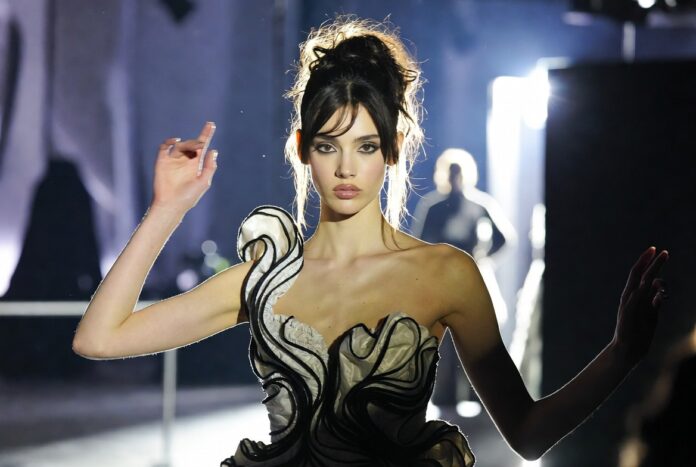
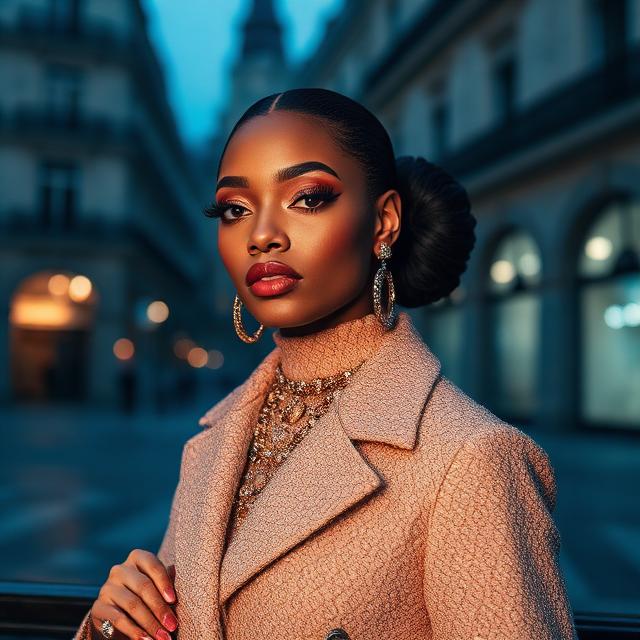
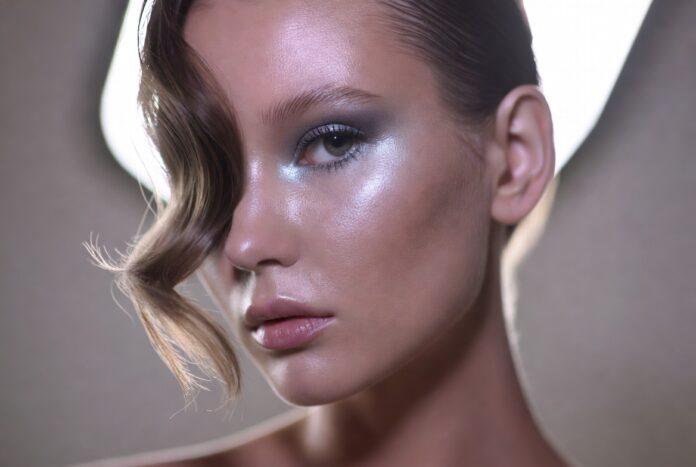
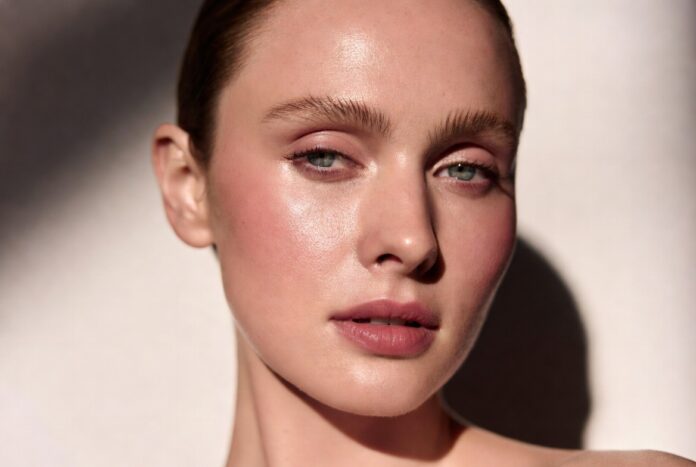
Editorial beauty image inspired by Rhode Beauty’s soft-blush makeup trend and creamy Pocket Blush collection
Rhode’s Pocket Blush collection highlights the growing demand for creamy, skin-focused makeup products in 2026.

Rhode Beauty’s Spring Collection Is Fueling the Soft-Blush Makeup Trend

The Rhode blush review conversation dominating beauty media in 2026 reflects a major shift toward softer, skincare-inspired makeup aesthetics. As consumers move away from heavy contouring and matte textures, cream blush formulas have become one of the defining categories of modern beauty.

Rhode’s latest spring collection arrives directly inside that trend cycle.

The brand recently previewed new Pocket Blush shades designed around wearable color, natural luminosity, and quick application. Beauty editors immediately highlighted the collection’s creamy texture and lightweight finish, while TikTok creators pushed the launch into wider viral visibility through tutorial-driven content and minimalist makeup routines.

The result is another major moment for soft-focus beauty culture.

Why the Rhode Blush Review Trend Keeps Growing

The Rhode blush review trend continues expanding because consumers increasingly prioritize makeup products that feel effortless rather than heavily constructed.

Cream formulas now dominate many beauty conversations due to their blendability and skin-like finish. Rhode’s Pocket Blush collection aligns closely with that consumer preference.

The formulas create a natural flush instead of sharp color payoff.

That softer effect works particularly well with the ongoing clean girl blush aesthetic shaping beauty trends across TikTok, Instagram, and editorial campaigns. Consumers increasingly want makeup that enhances skin rather than masking it.

Rhode’s minimalist branding strengthens that positioning further.

The collection emphasizes simplicity, portability, and fast application. These qualities appeal strongly to younger consumers seeking everyday beauty products with low-maintenance appeal.

Hailey Bieber’s Influence Continues Driving Rhode’s Identity

The Hailey Bieber makeup influence behind Rhode remains central to the brand’s cultural visibility.

Rather than focusing on dramatic transformation, Rhode consistently markets makeup through skincare-inspired textures and understated finishes. That strategy differentiates the brand from heavier glamour-focused beauty campaigns dominating previous eras.

The Pocket Blush launch reinforces that approach clearly.

The shades lean toward sunlit pinks, peach tones, and soft neutrals rather than intense editorial pigments. This direction supports the broader natural makeup look trend now dominating celebrity beauty aesthetics.

Consumers increasingly associate Rhode with wearable complexion enhancement rather than high-drama cosmetics.

That branding consistency has helped Rhode maintain strong engagement across both beauty retail and social media.

The Cream Blush Category Is Expanding Rapidly

The best cream blush 2026 conversation reflects broader changes happening across the makeup industry.

Powder blush formulas still remain relevant, but cream products increasingly dominate new launches because they align more naturally with dewy complexion trends.

Consumers now prioritize:

  • hydration
  • flexible texture
  • skin-like finishes
  • multi-use functionality
  • easy layering

Rhode’s formulas directly target these expectations.

Beauty editors reviewing the spring collection repeatedly emphasized the smooth application process and lightweight feel. Many creators also noted that the blush blends quickly without disturbing foundation or skincare underneath.

That compatibility matters in modern beauty routines where makeup increasingly overlaps with skincare.

Consumers no longer want products that appear visibly separated from the skin itself.

TikTok Continues Shaping Blush Trends

The viral blush TikTok ecosystem remains one of the most powerful forces influencing beauty purchasing decisions in 2026.

Short-form beauty tutorials now drive product visibility faster than traditional advertising campaigns alone. Rhode benefits heavily from this format because its products photograph and blend effectively on camera.

Pocket Blush tutorials especially perform well within “get ready with me” content and minimalist beauty routines.

Creators frequently demonstrate:

  • fingertip application
  • layered blush placement
  • monochromatic makeup looks
  • dewy skin routines
  • quick daytime makeup

These formats reinforce the product’s accessibility.

Consumers increasingly favor beauty products that appear simple to use rather than technically intimidating. Rhode’s soft-focus aesthetic supports that perception naturally.

The brand’s packaging and campaign visuals also align strongly with TikTok-friendly visual culture.

Minimalist Makeup Continues Dominating Beauty Trends

The minimalist makeup products category has become one of the strongest-performing areas in beauty retail.

Consumers increasingly move toward curated routines featuring fewer products with more versatility. Rhode’s collection reflects this purchasing behavior directly.

The Pocket Blush shades work across casual daytime makeup, soft glam looks, and layered skincare-inspired routines.

This adaptability helps explain why cream blush products continue outperforming many traditional complexion launches.

The broader dewy makeup trend also remains deeply connected to wellness aesthetics and healthy skin presentation.

Rather than dramatic transformation, modern beauty marketing now focuses on freshness, radiance, and subtle enhancement.

Rhode’s branding consistently reinforces those themes.

Beauty Editors Say the Soft-Blush Era Is Still Expanding

Beauty editors covering spring makeup trends 2026 increasingly describe blush as the defining category of contemporary makeup.

The current trend cycle favors:

  • diffused color
  • healthy skin finishes
  • warm undertones
  • lightweight textures
  • effortless application

Rhode’s latest launch aligns almost perfectly with those priorities.

Editors also note that cream blush products photograph especially well under natural lighting conditions. This advantage strengthens their visibility across social platforms where natural daylight beauty content performs strongly.

The soft blush makeup trend now extends beyond casual beauty routines into runway-inspired editorial styling as well.

Many makeup artists increasingly use cream blush formulas to create cohesive complexion looks that feel modern rather than overly sculpted.

Rhode’s Strategy Reflects the Future of Beauty Branding

Rhode’s continued success reflects a larger transformation happening throughout the beauty industry.

Modern consumers increasingly connect with brands that feel emotionally consistent across:

  • product design
  • founder identity
  • packaging
  • campaign visuals
  • social media presence

Rhode’s visual identity remains highly focused and immediately recognizable.

That consistency strengthens brand loyalty in a crowded beauty market where new launches appear daily.

The company also benefits from aligning closely with lifestyle aesthetics rather than solely promoting standalone cosmetics.

Its products function as part of a broader minimalist beauty identity consumers actively want to emulate.

For more beauty industry coverage and trend analysis, visit Runway Magazine.

Conclusion: Soft-Blush Beauty Is Defining 2026 Makeup

Rhode’s spring collection demonstrates how strongly consumers continue gravitating toward lightweight, skin-focused makeup products in 2026.

The growing popularity of cream blush formulas reflects broader beauty priorities centered around simplicity, radiance, and wearable color.

As social media continues shaping makeup culture, brands that combine visual consistency with easy-to-use products will likely maintain strong influence across beauty retail and digital conversation.

Rhode’s latest launch positions the brand firmly inside that evolving landscape.

Readers interested in more beauty and fashion trend coverage can also explore:
  •  

Dyson Supersonic Nural Review: The Smart Hair Dryer Transforming At-Home Styling in 2026

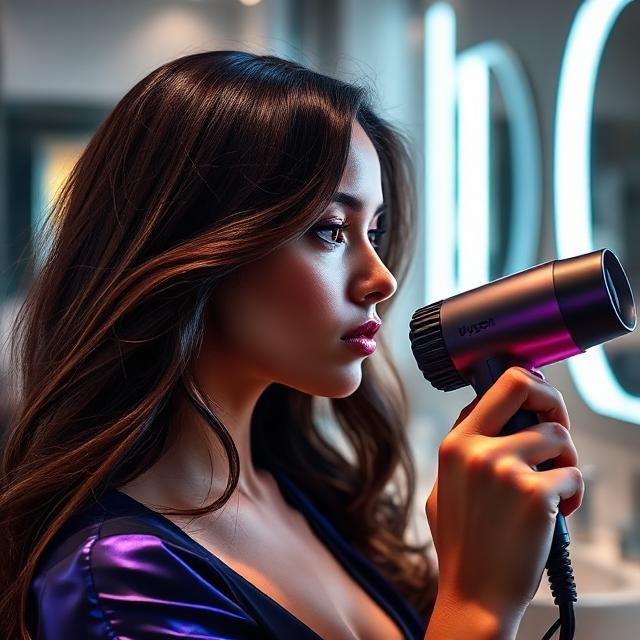
Model styling glossy smooth hair with a luxury smart hair dryer inspired by Dyson Supersonic Nural technology
Dyson’s Supersonic Nural introduces scalp-sensing heat regulation and advanced styling technology for healthier blowouts in 2026.

Dyson Supersonic Nural Review: The Smart Hair Dryer Transforming At-Home Styling in 2026

By RUNWAY MAGAZINE Editorial Team

Luxury beauty technology continues evolving rapidly, but few launches generated as much conversation this year as the Dyson Supersonic Nural review trend dominating beauty platforms and salon discussions. Dyson’s newest hair tool combines intelligent heat regulation with upgraded styling technology designed to protect scalp health while delivering salon-quality blowouts at home.

The Supersonic Nural represents Dyson’s next major step inside premium beauty tech. The device introduces scalp-sensing technology that automatically adjusts airflow and temperature based on proximity to the head. That innovation immediately separated the dryer from traditional styling tools focused purely on speed and power.

Early reviewers praise the dryer’s smoother finishes, reduced frizz, and faster drying times compared to earlier Dyson models. Professional stylists also highlight the tool’s ability to create polished blowouts while minimizing excessive heat exposure.

The launch arrives during a period when consumers increasingly prioritize hair health alongside styling performance. Buyers now expect beauty tools to preserve hair integrity instead of sacrificing condition for results.

How Dyson’s Scalp-Sensing Technology Works

The Supersonic Nural introduces one of Dyson’s most advanced beauty features to date. Integrated sensors continuously measure the dryer’s distance from the scalp and automatically lower heat when the tool gets closer to sensitive areas.

That adjustment helps prevent overheating while maintaining efficient drying performance.

Traditional dryers often rely entirely on manual heat control. Dyson instead designed the Nural to respond dynamically during styling sessions. The technology creates a more personalized experience that adapts in real time as users move the dryer around the head.

The system also supports healthier styling habits for consumers who regularly use high heat.

Many beauty professionals believe excessive heat remains one of the biggest contributors to dryness, breakage, and long-term hair damage. Dyson positioned the Nural directly against that concern by emphasizing protective technology rather than simply advertising stronger airflow.

The company also included attachment recognition technology that automatically adjusts settings based on the styling accessory attached to the dryer. That feature streamlines the styling process and reduces guesswork for users unfamiliar with professional blow-drying techniques.

According to Dyson product information, the device also includes pause detection that lowers airflow and noise levels when users set the dryer down between styling sections. (dyson.com)

Why Beauty Reviewers Are Praising the Performance

Much of the excitement surrounding the Dyson Supersonic Nural review conversation comes from performance improvements over earlier Supersonic generations.

Reviewers consistently mention faster drying times and smoother finishes across different hair textures. Some testers report needing fewer styling passes to achieve sleek results, especially when working with frizz-prone hair.

Beauty editors also praise the dryer’s lightweight handling and balanced airflow distribution. Unlike conventional dryers that can create uneven heat concentration, the Nural maintains more controlled airflow throughout the styling process.

That consistency matters for users trying to create polished blowouts without relying heavily on flat irons afterward.

Professional stylists frequently emphasize that healthier blow-drying techniques start with controlled heat management. The Nural’s intelligent regulation system aligns directly with that philosophy.

Several early reviews also note that the dryer leaves hair looking shinier and softer after styling sessions compared to traditional high-heat dryers. (elle.com)

The product’s ability to combine speed with gentler styling helps explain why the dryer became one of the most discussed premium beauty launches of 2026.

The High Price Point Remains the Biggest Debate

The Dyson hair dryer worth it debate continues driving major online discussion. While reviewers often praise the technology and styling results, many consumers still question whether the premium pricing feels justified.

The Supersonic Nural sits firmly inside the luxury beauty category. Buyers compare the dryer not only against traditional hair tools but also against other major beauty investments like LED skincare devices and professional-grade styling systems.

Some consumers view the dryer as a long-term hair health investment. Others struggle to justify spending several hundred dollars on a styling tool when lower-priced alternatives continue improving each year.

That debate became central to the product’s visibility online.

Luxury beauty technology increasingly functions as both a functional purchase and a lifestyle statement. Dyson’s industrial design, futuristic branding, and innovation-focused marketing contribute heavily to the brand’s cultural appeal.

The company also benefits from strong consumer trust built through earlier Supersonic releases and viral beauty creator coverage.

Still, price sensitivity remains significant across the beauty industry in 2026. Consumers increasingly evaluate whether premium devices genuinely deliver measurable performance improvements over mid-range alternatives.

Stylists Say Hair Health Is Becoming the Priority

The growing popularity of scalp-conscious styling tools reflects a broader shift happening throughout the haircare industry.

Consumers no longer focus exclusively on immediate cosmetic results. Instead, they increasingly prioritize long-term hair strength, hydration, and scalp health alongside styling performance.

Professional stylists regularly warn clients about excessive heat exposure and aggressive styling routines. That concern helped fuel demand for devices emphasizing protection-focused technology.

The Supersonic Nural entered the market at the ideal moment for that conversation.

Stylists especially appreciate the dryer’s ability to maintain smooth finishes while reducing the need for extreme temperatures. Many professionals now favor controlled airflow and lower heat over aggressive drying methods that compromise hair integrity.

The dryer also appeals to consumers trying to recreate salon blowouts at home without extensive professional training.

Its intelligent features simplify styling for users who want polished results with less technical experience. That accessibility broadens the product’s appeal beyond luxury beauty enthusiasts alone.

For more beauty technology coverage and trend analysis, visit Runway Magazine.

Smart Beauty Devices Continue Reshaping the Industry

The Supersonic Nural represents part of a much larger movement inside beauty technology.

Artificial intelligence, adaptive sensors, and personalized settings increasingly define premium beauty launches across skincare and haircare categories. Consumers now expect devices to respond intelligently instead of functioning as static tools.

Beauty brands are rapidly integrating customization features into everyday products.

Haircare technology especially evolved quickly during the past several years. Devices now emphasize scalp analysis, temperature regulation, ionic smoothing, and customized airflow patterns designed around hair health goals.

Dyson helped accelerate that transformation by positioning styling tools as advanced engineering products rather than basic appliances.

The company’s approach also elevated consumer expectations across the broader market. Competing brands increasingly market scientific innovation and protective styling technology alongside aesthetic results.

The result is a beauty industry where technology and wellness continue merging more aggressively each year.

Is the Dyson Supersonic Nural Worth It in 2026?

The answer depends heavily on how consumers approach beauty spending and haircare priorities.

For users who regularly style their hair with heat, the Nural’s protective features may justify the investment over time. Consumers focused on reducing heat damage while maintaining polished results will likely appreciate the dryer’s intelligent regulation system.

The device also delivers a more elevated user experience than many traditional dryers.

However, casual users may struggle to justify the premium price point if they only style occasionally or already own high-performing professional tools.

The strongest argument in the dryer’s favor remains its balance between innovation and practicality. Dyson created a luxury styling device that feels genuinely different rather than simply more expensive.

That distinction explains why the product continues dominating beauty conversations in 2026.


Alex Consani’s Rise Is Reshaping What a Modern Supermodel Looks Like

Editorial fashion image inspired by Alex Consani’s rise as a Gen Z supermodel in modern luxury fashion
Alex Consani’s career reflects the transformation of modeling into a digital-native, personality-driven fashion industry.

Alex Consani’s Rise Is Reshaping What a Modern Supermodel Looks Like

By RUNWAY MAGAZINE Editorial Team

The rise of Alex Consani model conversations across fashion media signals a defining shift in how the industry understands supermodel status in 2026. Once defined primarily by runway exclusivity and editorial prestige alone, the modern supermodel now emerges from a hybrid ecosystem of digital influence, personality-driven branding, and global cultural visibility.

Alex Consani sits directly at the center of that transformation.

Her presence during fashion month, combined with growing visibility in luxury campaigns and editorial features, has positioned her as one of the most recognizable Gen Z supermodels working today. But what makes her career particularly significant is not just her runway success—it is how seamlessly she connects high fashion with internet-native culture.

That connection is reshaping casting priorities across the entire industry.

The New Gen Z Supermodel Blueprint

The Gen Z supermodels category no longer resembles the modeling hierarchy of previous decades.

Instead of emerging exclusively through agency scouting or runway exclusives, today’s breakout models often build audiences before stepping into high fashion visibility. Social media platforms now function as both discovery tools and reputation builders.

Alex Consani represents this evolution clearly.

Her early visibility grew not only through editorial and runway work but also through her distinct online presence. Her humor, personality, and TikTok fashion content helped establish a recognizable identity that extended far beyond traditional modeling channels.

That digital fluency matters more than ever.

Luxury brands increasingly look for models who can generate engagement across multiple platforms simultaneously. The modern model is expected to exist not only inside fashion magazines but also within algorithm-driven cultural spaces.

Consani’s career demonstrates how effectively that system now works.

TikTok and the Rise of Internet-Native Models

The TikTok fashion model trend has fundamentally changed how audiences discover and engage with modeling talent.

In earlier eras, supermodels were primarily introduced through runway debuts or magazine editorials. Today, many models gain initial recognition through short-form video content, viral clips, and creator-driven storytelling.

Consani became part of that digital-first wave.

Her online presence helped build a personality-driven brand identity that made her instantly recognizable to younger audiences long before traditional fashion media fully amplified her profile.

That visibility creates a new type of cultural advantage.

When models enter fashion week or luxury campaigns already carrying an engaged audience, their impact extends beyond the runway itself. Every appearance becomes part of a broader digital conversation.

Editors and casting directors now actively consider how models perform online as part of their overall professional evaluation.

This shift has permanently altered fashion casting dynamics.

Luxury Brands Are Prioritizing Digital Influence

The viral runway models phenomenon reflects how deeply fashion branding has changed in recent years.

Luxury houses are no longer focused solely on physical presentation or editorial exclusivity. Instead, they increasingly prioritize models who can amplify campaigns through personal reach and digital storytelling.

Alex Consani fits directly into that model.

Her growing visibility across campaigns and fashion week appearances demonstrates how digital-native models are now essential to luxury marketing strategies.

Brands benefit from her ability to generate organic conversation without relying entirely on traditional advertising cycles.

That shift is especially important in a fragmented media landscape where attention is distributed across countless platforms.

Models who can move between runway presence and online influence are now considered significantly more valuable to fashion houses.

Consani’s rise reflects that recalibration.

Personality Is Now a Core Part of Modeling Success

One of the most significant changes in the fashion industry is the increasing importance of personality-driven branding.

In previous decades, models were often encouraged to maintain mystery or neutrality in public-facing media. Today’s environment rewards visibility, humor, relatability, and authenticity.

Alex Consani’s personality has become central to her professional identity.

Her online humor and self-aware presence helped differentiate her in a competitive modeling landscape. Rather than diminishing her credibility, it strengthened her appeal across both editorial and commercial sectors.

Editors increasingly describe this shift as essential to modern fashion storytelling.

Runway presence alone is no longer sufficient for long-term success. Models must now build emotional connection with audiences across digital ecosystems.

That expectation reflects broader changes in how fashion is consumed.

Consumers increasingly follow models as personalities rather than anonymous figures within editorial spreads.

Diversity and Representation Continue Expanding

The diversity in fashion movement remains one of the most influential forces shaping casting decisions in 2026.

Luxury brands continue expanding representation across ethnicity, gender expression, body diversity, and cultural background. But diversity now extends beyond appearance alone—it also includes personality, narrative, and digital identity.

Alex Consani’s success highlights how inclusive casting now integrates both aesthetic and cultural relevance.

Fashion audiences increasingly expect models to reflect global identities and contemporary cultural expression.

That expectation has fundamentally expanded what defines beauty within luxury fashion.

Agencies are now actively scouting internationally across digital platforms, regional fashion scenes, and creator communities rather than relying solely on traditional scouting networks.

The result is a far more globally representative modeling industry than ever before.

Fashion Editors Say the Industry Has Entered a New Era

Fashion editors increasingly agree that the industry has entered a post-traditional modeling era.

While runway technique and editorial professionalism remain essential, they are no longer the only measures of success. Models must now function across multiple media formats simultaneously.

Alex Consani exemplifies this hybrid model.

Her ability to transition between high-fashion editorial work, runway appearances, and digital culture engagement makes her representative of the industry’s future direction.

Editors also emphasize that this shift is not temporary.

It reflects a permanent restructuring of how fashion talent is discovered, developed, and sustained.

The industry now values adaptability as much as visual impact.

Models who can move fluidly between physical runway presence and digital storytelling are increasingly positioned as long-term assets within luxury fashion ecosystems.

What Alex Consani Represents for Fashion’s Future

The Alex Consani runway evolution represents more than individual success—it reflects a structural transformation within fashion itself.

The modern supermodel is no longer defined by singular visibility but by multi-platform presence. Digital fluency, personality, global appeal, and editorial credibility now intersect to define industry relevance.

Consani’s career demonstrates how effectively these elements can converge.

Her rise signals a future where fashion models are not just seen but followed, not just photographed but engaged with, and not just cast but culturally embedded.

That shift is already reshaping how the next generation of models will be discovered and developed.

For more fashion industry analysis and editorial insights, visit Runway Magazine.

Glen Powell’s Meteoric Rise Continues—Why He’s Becoming Hollywood’s Go-To Leading Man

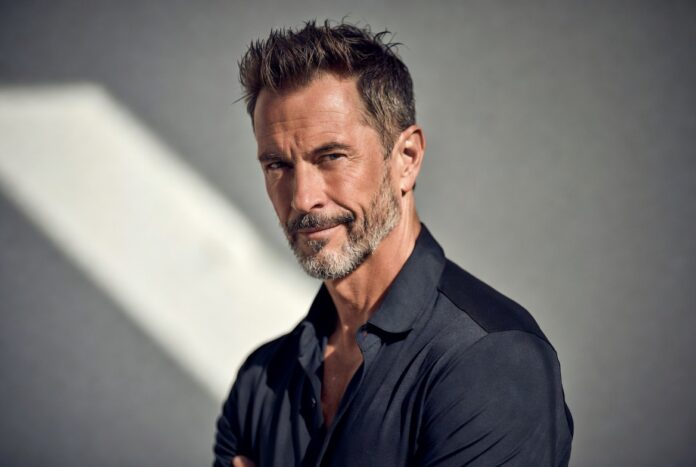
Editorial portrait inspired by Glen Powell’s rise as Hollywood’s modern leading man in 2026
Glen Powell’s rising career reflects Hollywood’s renewed focus on charismatic, personality-driven movie stars.

Glen Powell’s Meteoric Rise: Why Hollywood Is Betting Big on a New Kind of Leading Man

By RUNWAY MAGAZINE Editorial Team

The conversation around Glen Powell movies in 2026 reflects a broader shift in Hollywood’s star system. After years dominated by franchise universes and ensemble casts, studios are once again investing in charismatic, personality-driven actors capable of carrying films across action, comedy, and romance.

Glen Powell has emerged as one of the clearest examples of this return to traditional movie star appeal—updated for a modern, post-streaming era.

His rise accelerated after his standout performance in Top Gun: Maverick, where he delivered one of the film’s most memorable supporting turns. Since then, Powell has steadily expanded into leading roles that showcase his range and commercial reliability.

What separates him from many rising actors is not just visibility, but consistency. Studios increasingly view Powell as a dependable box office presence capable of anchoring mid-budget films and large-scale releases alike.

The Return of the Classic Hollywood Leading Man

The modern leading man Hollywood conversation has shifted dramatically over the past few years.

For a long period, Hollywood prioritized franchise IP and ensemble storytelling over traditional star-driven narratives. But audience demand has started to rebalance that equation.

Glen Powell represents a renewed appetite for actors who combine charm, confidence, and versatility without relying on existing intellectual property to define their appeal.

He fits a classic mold—updated for contemporary audiences.

His on-screen presence blends comedic timing, romantic chemistry, and action credibility. That combination makes him particularly valuable in a market where studios increasingly want actors who can move fluidly between genres.

This versatility is becoming essential in 2026.

Studios now prefer actors who can headline multiple formats rather than specialize in only one category. Powell’s filmography reflects that strategy clearly.

Romcom Revival and the New Studio Strategy

One of the most important developments supporting Powell’s career momentum is the romcom revival actor trend reshaping Hollywood.

Romantic comedies are re-entering theatrical conversation after years of decline, driven by audience nostalgia and demand for character-focused storytelling.

Powell has quickly become one of the genre’s most bankable modern faces.

His natural screen charisma and grounded comedic style align well with contemporary romcom expectations, which now blend humor, emotional realism, and high-end visual polish.

Unlike earlier eras, modern romantic comedies rely heavily on star chemistry and cultural visibility. Powell’s growing recognition across both entertainment media and social platforms strengthens his positioning in that space.

Studios are once again investing in mid-budget romantic comedies because they offer strong return potential without blockbuster-level risk. Powell’s name adds credibility to that model.

The industry is also increasingly aware that audiences respond to familiar personalities who feel emotionally accessible.

Action, Comedy, and Crossover Appeal

Powell’s career strategy reflects a deliberate balance between genres.

Following his breakout success in Top Gun: Maverick, he expanded into comedy, romantic storytelling, and action-adjacent roles designed to reinforce his versatility.

That cross-genre approach significantly increases his value in today’s film industry.

Studios increasingly prefer actors who can move between tonal categories without losing audience trust. Powell’s performances consistently demonstrate that flexibility.

He can anchor a high-intensity action sequence while maintaining comedic timing or emotional depth in character-driven scenes.

This adaptability places him among a growing group of rising male actors 2026 audiences are beginning to recognize as the next generation of Hollywood leads.

His casting trajectory also reflects a broader shift in Hollywood casting trends actors now experience. Rather than being locked into narrow archetypes, modern leading men are expected to evolve across multiple storytelling formats.

Powell’s career exemplifies that evolution in real time.

Studios Are Investing in Personality-Driven Stars Again

The Hollywood leading man new era is increasingly defined by relatability and personality rather than exclusivity or mystery.

Studios want actors who feel accessible to global audiences while still maintaining aspirational screen presence. Powell fits that balance effectively.

He presents as grounded and charismatic without relying on overly stylized branding or artificial persona construction.

That authenticity matters in a fragmented media landscape.

Audiences today consume entertainment across streaming platforms, social media, interviews, and behind-the-scenes content. Actors who perform well across all these touchpoints gain stronger long-term audience loyalty.

Powell’s growing interview presence and public persona reinforce his on-screen roles rather than competing with them.

Studios recognize this alignment as commercially valuable.

Box Office Strategy and Industry Confidence

Hollywood’s renewed interest in box office stars Hollywood dynamics plays a key role in Powell’s upward trajectory.

After years of uncertainty around theatrical performance, studios are once again prioritizing recognizable names capable of drawing audiences to cinemas.

Powell is increasingly positioned as part of that solution.

His films benefit from a combination of rising recognition, strong word-of-mouth appeal, and genre flexibility. That combination reduces financial risk for studios developing mid- to high-budget projects.

Industry analysts often highlight that modern box office success depends not only on IP recognition but also on the emotional connection audiences feel toward performers.

Powell’s trajectory suggests he is building that connection steadily.

He is not positioned as a franchise-dependent actor, but rather as a flexible leading man capable of supporting multiple types of projects simultaneously.

For more entertainment industry coverage and analysis, visit Runway Magazine.

The Future of the Modern Movie Star

The actor popularity trends shaping Hollywood in 2026 indicate a gradual return to recognizable star power—but in a revised form.

Today’s movie stars must operate across theatrical releases, streaming platforms, press cycles, and digital culture simultaneously.

Powell represents a hybrid version of that system.

He carries the charisma of classic Hollywood leading men while adapting to the demands of modern entertainment ecosystems.

His career also reflects how studios now build stars more intentionally through strategic casting across multiple genres rather than relying on single breakout roles.

The industry’s next phase will likely depend on actors who can sustain attention across fragmented audiences.

Powell’s trajectory suggests he is already positioned within that category.

Conclusion: A New Blueprint for Hollywood Leading Men

Glen Powell’s rise is not just a personal success story—it reflects a structural shift in how Hollywood defines stardom in 2026.

The industry is rediscovering the value of charismatic, versatile leading men who can carry romantic comedies, action films, and character-driven dramas with equal confidence.

His career path demonstrates that audiences still respond strongly to recognizable faces with emotional accessibility and screen presence.

As Hollywood continues adapting to evolving audience behavior, Powell’s momentum signals a broader return to personality-driven cinema.


Emerging Models to Watch in 2026: The New Faces Reshaping Fashion’s Future

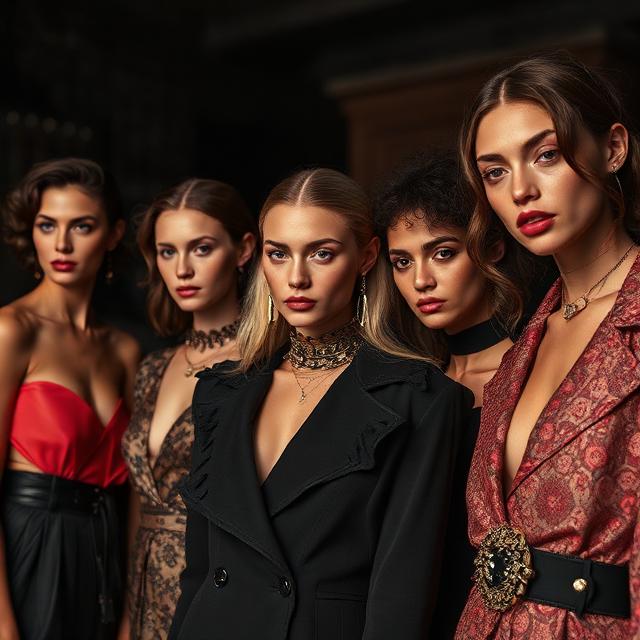
Diverse emerging runway models posing in a luxury fashion editorial inspired by 2026 campaign trends
Emerging runway stars and global campaign faces are reshaping the future of luxury fashion in 2026.

Emerging Models to Watch in 2026: The New Faces Reshaping Fashion’s Future

By RUNWAY MAGAZINE Editorial Team

The modeling industry is entering another major transformation period, and the new models 2026 list dominating fashion conversations reflects a dramatically different vision of modern beauty, influence, and global representation. Fashion houses, casting directors, and luxury brands are now prioritizing individuality, digital visibility, and cultural relevance alongside traditional runway skills.

This year’s breakout faces are not simply walking runway shows. They are building communities online, fronting international campaigns, and shaping the next phase of fashion culture in real time.

The newest generation of models also represents one of the industry’s most globally diverse eras. Talent agencies increasingly scout models through social platforms, regional fashion scenes, and creator communities rather than relying exclusively on conventional discovery systems.

That shift is redefining what success looks like inside high fashion.

Why the Definition of a Supermodel Is Changing

The next generation supermodels emerging in 2026 operate differently from previous fashion eras.

Earlier generations built careers primarily through runway exclusives, magazine covers, and designer relationships. Today’s breakout talent must navigate fashion, digital culture, entertainment visibility, and audience engagement simultaneously.

Modern models are expected to function as personalities as much as visual muses.

Social media transformed the industry’s casting ecosystem permanently. Models with strong online engagement now offer luxury brands immediate marketing value before campaigns even launch.

That visibility influences everything from runway bookings to beauty contracts.

Casting directors increasingly evaluate how models photograph across short-form video, editorial imagery, livestream content, and digital campaigns. The ability to maintain a recognizable identity online now matters almost as much as runway technique itself.

Fashion agencies also recognize that younger consumers engage more strongly with models who feel relatable and culturally connected rather than entirely untouchable.

This evolution reflects a broader cultural shift happening throughout luxury fashion.

The Rising Faces Dominating Fashion Week

Several rising fashion models already generated strong momentum during recent fashion month presentations and campaign launches.

Names like Awar Odhiang, Amelia Gray, Anok Yai, and Alex Consani continue dominating runway conversations while attracting major luxury partnerships.

Their careers demonstrate how modern modeling increasingly combines editorial credibility with internet visibility.

Alex Consani especially represents the growing connection between digital culture and high fashion. Her social media presence helped accelerate her transition into luxury campaigns and runway visibility. Fashion brands now actively seek personalities capable of generating online conversation alongside strong editorial imagery.

Meanwhile, Anok Yai continues influencing conversations around representation and modern beauty standards inside luxury fashion. Her runway dominance and campaign portfolio helped redefine expectations around global fashion casting.

The industry also increasingly favors models with distinct identities instead of interchangeable appearances.

Fashion audiences now remember personality-driven casting more clearly than uniform runway lineups. That trend pushed agencies and creative directors toward talent with unique perspectives, recognizable aesthetics, and strong cultural resonance.

According to recent fashion coverage, major agencies continue expanding international scouting efforts as brands demand broader global representation across campaigns and runway shows. (models.com)

Diversity and Global Representation Are Driving Casting Decisions

The diverse models fashion industry movement continues shaping runway and campaign casting across every luxury market.

Fashion brands increasingly understand that audiences expect authentic representation across race, nationality, gender expression, and body diversity. Consumers now scrutinize casting decisions far more closely than previous generations.

That accountability changed industry standards significantly.

Global representation also reflects the international nature of luxury fashion growth. Brands now prioritize talent capable of resonating across multiple regions simultaneously, especially as Asian, African, Middle Eastern, and Latin American luxury markets continue expanding.

The result is a broader definition of fashion beauty worldwide.

Casting directors increasingly seek models whose backgrounds and identities reflect the audiences purchasing luxury products globally. Agencies now scout aggressively across emerging fashion capitals instead of focusing almost exclusively on European and American markets.

Social media accelerated that decentralization.

A model can now gain international visibility instantly through viral editorial content or runway clips without depending entirely on traditional fashion gatekeepers.

Social Media Is Reshaping Model Discovery

The social media models trend continues disrupting how agencies discover and develop new talent.

Platforms like TikTok and Instagram now function almost like digital scouting networks for casting directors and luxury brands. Viral visibility can rapidly elevate unknown personalities into fashion conversations within weeks.

That environment dramatically changed career trajectories for emerging talent.

Many breakout models first built audiences independently before signing with major agencies. Others gained visibility through beauty content, lifestyle posts, or creator collaborations before transitioning into luxury campaigns.

Fashion no longer operates separately from internet culture.

Brands increasingly want talent capable of driving engagement organically online instead of relying entirely on expensive advertising campaigns. Models who already understand audience behavior and digital storytelling possess major competitive advantages.

This shift also increased pressure on models to maintain constant visibility outside traditional fashion work.

Runway appearances alone rarely sustain long-term momentum anymore. Successful models now balance campaigns, social content, interviews, collaborations, and personal branding simultaneously.

The profession evolved into something far more multidimensional than earlier generations experienced.

For more analysis on evolving fashion culture and industry trends, visit Runway Magazine.

Fashion Campaigns Are Prioritizing Personality Over Perfection

Luxury campaigns increasingly emphasize individuality and emotional connection rather than unattainable perfection.

Creative directors now favor models who project recognizable personality traits and authentic energy on camera. Consumers respond more strongly to campaigns that feel emotionally engaging instead of overly polished or distant.

That creative direction changed casting priorities dramatically.

Editorial storytelling also shifted toward realism and relatability. Brands increasingly blend high-fashion aesthetics with documentary-style photography, candid movement, and natural beauty styling.

The new generation of models adapts especially well to that approach because many already understand digital self-presentation intuitively.

Fashion houses now seek talent capable of transitioning seamlessly between runway shows, editorial shoots, social campaigns, livestream interviews, and brand collaborations.

The modern model functions simultaneously as ambassador, influencer, storyteller, and fashion personality.

The Future of Modeling in 2026

The future of modeling industry success now depends on far more than runway presence alone.

Today’s emerging talent must combine visual impact with cultural awareness, adaptability, and digital fluency. Models increasingly build careers across multiple platforms instead of relying solely on traditional fashion systems.

That evolution will likely continue accelerating throughout the next several years.

Luxury brands want faces capable of connecting with audiences emotionally, socially, and culturally — not just visually. The next era of supermodels will likely emerge from the intersection of fashion, entertainment, and internet culture simultaneously.

The industry’s newest generation already reflects that transformation clearly.

Sydney Sweeney’s Hollywood Takeover Signals the Return of the Modern Movie Star

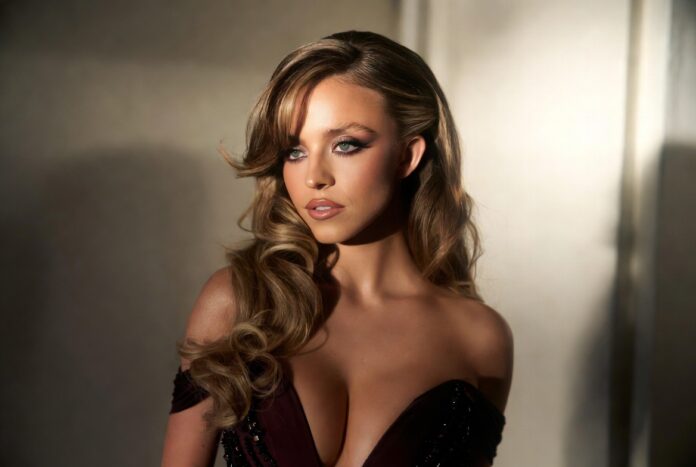
Editorial-style Hollywood portrait inspired by Sydney Sweeney’s rising movie star era in 2026
Signature: /o8Xmaq3xchWmKc/htyKHBAHYZfBVtsfS2ZPa31JBZj49Uabu+c3EZG0cby109Vc/OxeZq7/22GB6bMq5i1006MhAMNyvl0g/0AaHUIiN18yxBIBW3yuVS+ceANccnAgL3ItRCRftPAVLIV2Gk5jNxnVom5JuDD0/CDDo1d8vCqB6wobcvRRBQqstjCWT/JxWdICRnwuRtW/fJRT6w4aRlh1gaerrUF9WgNagJh85v+YjPDmbdpovGJGvBAFmHEbHI2oana7GVwnD8M+O1OWUTZ7mrkm4p3PxGNPnPUQxna4aPjIQQMXXu8X3gCmToUzTwkrUMStJl4JC6QAEhk2NiKUeYe/rkLHvbB8ZARKDvMnXQ3nZBmToAbMK73sWIXRPPtPr1YUqdx/v9PPz4YiWFXjFDbUalF3TcFsRg0CMu0x4kZI+9g/HrILWrA+lky8+cUcNjCXd21tcNTyHl0vpTitg43aEXARkBLIhpmPX3Gbq7942vy4ELdmM3X0RVZk/6b8rv8BT+avG9lJZIYzR43H7RFD7bmFe+hXROv6phDR1ipQ6i25z0cxCxlWyCwO12e+BLg7XPrkl432Q2IV5+LcSFK7mkrRXIB28JrUDQ0/7ZXT5xIrXfm3Xwh79QBHHPPij35EKTebG6BpNk5Zqf6a5sAxGpgo+sWYEc7tsrOGw3o4fiYYpGpVSQ1cV3a2nwWxQMH0txYuqzNBmWCWjQrkscAtIuTuKFb57DszfUQY85hwGUo/QOPIIIXv0gxEQhtHXh0X9j0fuRh4bZD54RvY37Tw1eUlFAYP13xqzo1K1JltE1xtqRS6lakweRgESx2dBOI+4Pl01hd8k4h/t7x2hFHrUuIhVTdmGy6O+ZDhi3TAiwlDeEF7UiRr/2LmDvp7UadZicc/IoJLzGuNcxRLKRtZAn9U6SI8FKVpPeY44gtG2Ul2Odcc3gQ78IzThTWHdxdmfCP51EkT1GPy4hJlrNKABQb3JxBTbz6txes=

Sydney Sweeney’s Hollywood Takeover Signals the Return of the Modern Movie Star

By RUNWAY MAGAZINE Editorial Team

Few actors transformed their careers as rapidly as Sydney Sweeney during the past several years. What began with critically praised television performances evolved into one of the most closely watched film careers in Hollywood. The growing Sydney Sweeney movies 2026 conversation now reflects something larger than celebrity momentum alone — it signals the entertainment industry’s renewed investment in star-driven cinema.

Sweeney successfully transitioned from prestige television standout into a leading box office figure capable of carrying romantic comedies, psychological dramas, thrillers, and studio-backed franchise projects simultaneously.

That range matters in today’s entertainment environment.

Hollywood increasingly struggles to produce new-generation stars with broad mainstream appeal across multiple genres. Sweeney emerged at exactly the right moment, combining internet-era visibility with old-school movie star charisma that studios aggressively seek in 2026.

Her expanding filmography also reflects changing audience behavior. Consumers continue gravitating toward recognizable personalities who feel culturally omnipresent across film, fashion, interviews, and social media.

From Euphoria Breakout to Studio Leading Lady

The Euphoria actress film career transition became one of Hollywood’s most successful crossover stories in recent years.

Euphoria introduced Sweeney to mainstream audiences through emotionally intense performances that immediately distinguished her within a crowded streaming landscape. Critics praised her vulnerability, screen presence, and ability to balance emotional complexity with commercial appeal.

That visibility quickly translated into broader opportunities.

Studios recognized that Sweeney possessed unusual crossover potential. She appealed simultaneously to Gen Z audiences, prestige television viewers, fashion brands, and mainstream moviegoers. That combination positioned her as a valuable long-term investment for Hollywood.

Her career choices also demonstrated strategic range.

Instead of remaining associated exclusively with darker dramatic material, Sweeney expanded aggressively into romantic comedies, psychological thrillers, action projects, and prestige-driven features. That diversification helped prevent the typecasting that often limits television breakout stars.

The industry increasingly values actors capable of moving fluidly between streaming projects and theatrical releases. Sweeney adapted to that modern system especially effectively.

According to recent entertainment reporting, studios continue prioritizing recognizable young actors with multi-platform audience appeal as theatrical competition intensifies. (variety.com)

Hollywood Is Embracing the Romcom Comeback

The romcom comeback Hollywood trend became one of the most important developments shaping Sweeney’s rise.

Romantic comedies largely disappeared from theatrical dominance during the streaming boom years, but audiences recently showed renewed interest in charismatic star-led relationship stories with strong visual branding and social media momentum.

Sweeney helped lead that resurgence.

Her romantic comedy performances introduced her to broader audiences beyond prestige television fans. Studios recognized that viewers responded strongly to her mix of comedic timing, glamour, and relatability.

Modern romcoms also function differently than earlier eras.

Today’s successful romantic comedies depend heavily on viral visibility, online fandom engagement, and fashion-forward marketing aesthetics. Sweeney naturally aligns with that ecosystem because her celebrity presence extends across entertainment, beauty, and digital culture simultaneously.

The genre’s return also reflects audience fatigue with exclusively franchise-driven theatrical releases.

Viewers increasingly want character-focused films anchored by recognizable stars instead of nonstop superhero universes and intellectual property expansions. Mid-budget romantic comedies provide studios with relatively manageable production costs while still generating strong cultural engagement.

Sweeney became one of the clearest faces associated with that shift.

Brands and Fashion Houses Are Fueling Her Visibility

Sweeney’s Hollywood expansion extends well beyond film projects alone.

Luxury brands and beauty companies increasingly position her as one of the defining celebrity ambassadors of her generation. Fashion campaigns, beauty partnerships, and red carpet visibility helped amplify her cultural reach far beyond traditional entertainment audiences.

That ecosystem now plays a major role in modern celebrity power.

Studios increasingly prefer actors who already command large-scale digital attention before films even release. Brand partnerships create continuous visibility between projects while strengthening audience familiarity.

Sweeney’s fashion presence especially accelerated her crossover into global celebrity status.

Her appearances regularly dominate entertainment and style coverage simultaneously. That dual visibility increases her commercial value significantly because she functions as both actor and lifestyle figure.

The entertainment and luxury industries now overlap more aggressively than ever before. Celebrities capable of generating conversation across both sectors hold enormous strategic value for studios and advertisers alike.

For more entertainment and fashion industry analysis, visit Runway Magazine.

Mid-Budget Films Are Becoming Important Again

The mid budget films comeback conversation continues reshaping Hollywood strategy in 2026.

For years, major studios concentrated heavily on mega-budget franchise productions while smaller character-driven films migrated toward streaming platforms. Recently, however, audiences showed renewed interest in theatrical releases anchored by recognizable stars and emotionally accessible storytelling.

Sweeney’s career aligns directly with that movement.

Many of her projects succeed because they occupy the middle space between prestige indie cinema and massive franchise filmmaking. These films often depend heavily on actor charisma and audience connection instead of spectacle alone.

That structure allows rising stars to build stronger personal brands through performances rather than intellectual property recognition.

Hollywood executives increasingly recognize that audiences still crave movie stars capable of carrying original or semi-original projects theatrically. The industry’s next phase may rely more heavily on personalities audiences actively choose to follow between genres.

Sweeney represents one of the strongest examples of that modern strategy succeeding.

Why Sydney Sweeney Represents Hollywood’s New Star System

The Sydney Sweeney Hollywood rise reflects broader changes happening throughout the entertainment industry.

Modern celebrity no longer depends exclusively on acting performances. Today’s major stars operate across interviews, fashion campaigns, social media culture, beauty partnerships, and digital fandom ecosystems simultaneously.

Sweeney navigates that environment exceptionally well.

She maintains enough accessibility to feel relatable while still projecting the aspirational glamour traditionally associated with movie stardom. That balance proved difficult for many younger actors during the fragmented streaming era.

Her career also demonstrates how television no longer limits film opportunities the way it once did.

Streaming-era actors can now transition into theatrical prominence much more rapidly when audience engagement remains strong across platforms.

Studios increasingly prioritize performers capable of sustaining attention culturally, not just critically.

What Comes Next for Sydney Sweeney in 2026

Sweeney’s trajectory suggests her influence inside Hollywood will likely continue expanding throughout the next several years.

Her ability to move between genres, maintain strong audience engagement, and attract luxury brand partnerships positions her as one of the entertainment industry’s most commercially valuable young stars.

The larger industry implications matter equally as much.

Her success signals renewed confidence in celebrity-driven theatrical films during a period when Hollywood continues searching for sustainable post-streaming business models. Audiences increasingly respond to recognizable personalities who feel culturally significant beyond individual projects alone.

That reality may shape casting decisions and studio strategy throughout the remainder of the decade.


Ayo Edebiri’s Fashion Model Crossover Signals a New Era for Celebrity-Led Luxury Campaigns

Luxury fashion editorial inspired by Ayo Edebiri’s celebrity-to-model crossover era in 2026
Ayo Edebiri’s growing influence inside luxury fashion signals the rise of celebrity-led campaign culture in 2026.

Ayo Edebiri’s Fashion Model Crossover Signals a New Era for Celebrity-Led Luxury Campaigns

By RUNWAY MAGAZINE Editorial Team

The modern fashion industry no longer separates actors, influencers, musicians, and models as rigidly as it once did. That shift explains why the Ayo Edebiri model campaign conversation has become one of the most closely watched developments inside luxury fashion in 2026.

Ayo Edebiri evolved from critically acclaimed actor to full-scale cultural fashion figure within only a few years. Her red carpet dominance, editorial visibility, and growing luxury partnerships now position her as part of a new generation of celebrity-driven fashion stars redefining what modeling means.

The transition became especially visible through her growing relationship with Chanel. Editorial appearances, campaign work, and high-profile fashion placements transformed Edebiri from a celebrity wearing luxury fashion into a central image-maker for the industry itself.

Fashion houses increasingly prioritize cultural relevance over traditional modeling pathways. The result is a new era where influence, personality, and audience connection often matter more than classic runway credentials.

Why Fashion Brands Are Prioritizing Multi-Hyphenate Talent

Luxury fashion has entered an influence-driven era. Brands now want ambassadors who generate conversation across entertainment, social media, editorial culture, and fashion simultaneously.

That strategy explains why actor to model fashion industry crossovers continue accelerating in 2026.

Traditional modeling once relied heavily on exclusivity and physical presentation alone. Today, luxury brands increasingly seek personalities who already carry cultural momentum before entering campaigns.

Edebiri fits that shift perfectly.

Her success extends beyond acting performances. She became recognizable through interviews, viral moments, red carpet styling, and a distinct personal fashion identity that feels both intellectual and approachable.

That broader cultural presence makes her especially valuable to luxury houses trying to connect with younger audiences.

Brands increasingly understand that modern consumers buy into narratives as much as products. A recognizable personality with authentic cultural influence often creates stronger engagement than traditional campaign imagery alone.

This transformation also reflects larger changes across fashion casting. Creative directors now favor recognizable faces capable of generating immediate digital conversation across platforms.

Chanel Helped Elevate Ayo Edebiri Into Fashion’s Inner Circle

The Chanel campaign 2026 conversation surrounding Edebiri helped solidify her growing position inside luxury fashion.

Chanel increasingly aligns itself with emerging cultural figures who project intelligence, individuality, and modern femininity. Edebiri’s fashion evolution fits naturally within that strategy.

Her Chanel appearances generated strong editorial attention because they felt less like traditional celebrity endorsements and more like deliberate image-building collaborations.

Fashion audiences responded immediately.

Editors praised her ability to wear archival-inspired silhouettes with contemporary ease. Stylists highlighted how her personality translated naturally into luxury imagery without feeling overly manufactured.

That authenticity matters in modern campaign culture.

Consumers increasingly reject celebrity partnerships that appear purely transactional. Edebiri’s fashion visibility feels connected to her real-world aesthetic identity, which strengthens audience engagement around her brand relationships.

Luxury fashion also benefits from her broader cultural credibility. She appeals simultaneously to entertainment audiences, fashion media, Gen Z consumers, and prestige television viewers.

That crossover reach represents enormous value for major houses competing for digital attention.

According to recent fashion coverage, Chanel continues expanding relationships with younger multi-disciplinary cultural figures as the brand evolves its contemporary positioning. (vogue.com)

Red Carpet Success Now Functions as a Modeling Pipeline

The celebrity turned model trend increasingly begins on the red carpet instead of the runway.

Modern celebrity styling generates constant global visibility through social platforms, entertainment coverage, and fashion media analysis. Strong red carpet performances now act almost like audition campaigns for luxury partnerships.

Edebiri’s rise demonstrates that process clearly.

Her appearances consistently balance high-fashion experimentation with accessibility. Stylists and editors frequently praise her willingness to embrace directional silhouettes while maintaining an authentic sense of personality.

That balance helped distinguish her from more traditional celebrity dressing strategies focused entirely on glamour.

Luxury brands increasingly monitor red carpet reactions closely because online engagement often predicts future campaign performance. Celebrities capable of generating viral fashion conversation naturally attract luxury partnerships afterward.

The pipeline now moves quickly.

A strong awards season can evolve directly into campaign work, editorial covers, or ambassador relationships within months. Fashion houses understand that culturally resonant celebrities already possess audience trust and recognition.

Traditional modeling pathways no longer dominate the industry’s casting ecosystem.

The Definition of a Modern Supermodel Is Changing

The modern supermodel definition looks dramatically different in 2026 compared to previous fashion eras.

Earlier generations of supermodels became famous primarily through runway dominance, magazine covers, and advertising campaigns. Today’s fashion stars often emerge through multiple industries simultaneously.

Actors, musicians, creators, athletes, and influencers now regularly occupy the same luxury spaces once reserved almost exclusively for career models.

Edebiri represents that evolution clearly.

Her visibility stems from acting success first, but fashion amplified her cultural reach into something broader. She now functions simultaneously as performer, fashion muse, editorial personality, and luxury ambassador.

That multi-dimensional identity increasingly defines modern fashion stardom.

The industry also recognizes that audiences engage more deeply with personalities who already possess established narratives and emotional connection. Consumers often feel invested in celebrities long before they enter fashion campaigns.

That emotional familiarity strengthens campaign performance online.

Fashion no longer operates as an isolated cultural category. Entertainment, digital culture, and luxury branding now overlap constantly across every platform.

For more analysis on the evolving luxury industry and celebrity fashion culture, visit Runway Magazine.

Celebrity Influence Is Disrupting Traditional Modeling Systems

The rise of celebrity-led campaigns continues creating tension inside the modeling industry itself.

Some traditional models and industry observers argue that celebrity casting reduces opportunities for career models trained specifically for runway and editorial work. Others believe the shift simply reflects changing audience behavior and media economics.

Luxury brands ultimately prioritize visibility and engagement.

Recognizable celebrities often deliver significantly larger press coverage, stronger social metrics, and broader mainstream relevance than lesser-known models. From a marketing perspective, the logic is difficult for brands to ignore.

At the same time, celebrity fashion stars increasingly approach campaigns with greater seriousness and professionalism than earlier crossover eras.

Many now work closely with stylists, photographers, and creative directors to build long-term fashion identities instead of participating in one-off endorsements.

That evolution helped legitimize celebrity modeling crossovers across luxury fashion.

The distinction between “model” and “celebrity ambassador” continues blurring more aggressively each season.

What Ayo Edebiri’s Fashion Rise Means for the Future

Edebiri’s growing presence inside luxury fashion reflects a much larger industry transformation already reshaping casting, branding, and editorial storytelling.

Cultural influence now rivals traditional modeling credentials across major campaigns.

Fashion houses increasingly prioritize people who can move fluidly between entertainment, social conversation, editorial visibility, and luxury branding. Multi-hyphenate figures generate broader audience engagement because they exist across multiple cultural ecosystems simultaneously.

That reality will likely continue defining the future of luxury fashion campaigns.

Edebiri’s rise demonstrates how quickly contemporary celebrities can evolve into fashion authorities when authenticity, cultural relevance, and strong personal style align successfully.

The future fashion star may no longer begin exclusively on the runway.


e.l.f. Halo Glow Review: Why the Viral Charlotte Tilbury Dupe Still Dominates Beauty in 2026

Model with radiant dewy skin wearing luminous makeup inspired by e.l.f. Halo Glow Liquid Filter
Halo Glow Liquid Filter continues leading the dewy skin makeup movement across TikTok and beauty reviews in 2026.

e.l.f. Halo Glow Review: Why the Viral Charlotte Tilbury Dupe Still Dominates Beauty in 2026

The phrase “drugstore makeup” means something different in 2026. Consumers now expect luxury-level finishes without luxury-level prices. That shift explains why the viral e.l.f Halo Glow review trend continues to dominate TikTok tutorials, Amazon beauty rankings, and influencer routines across every platform.

Beauty shoppers are still choosing glow-focused complexion products over heavy matte formulas. They want hydrated skin, reflective finishes, and makeup that feels effortless. e.l.f. Cosmetics positioned Halo Glow Liquid Filter directly inside that movement, and the product never disappeared from the conversation.

The formula became famous after reviewers compared it to Charlotte Tilbury’s Hollywood Flawless Filter. Years later, beauty creators still call it one of the strongest affordable alternatives in the market. Online reviews continue praising the product’s radiant finish, flexible application methods, and accessible pricing.

For consumers chasing luminous complexions without spending luxury-level prices, Halo Glow remains one of the most influential beauty products of the decade.

Why Halo Glow Still Leads the Dewy Skin Movement

The beauty industry moved fully into glow-focused makeup during the past several years. Matte complexions now feel less dominant across trend cycles. Instead, soft-focus radiance and hydrated skin textures shape modern makeup aesthetics.

Halo Glow Liquid Filter fits directly into that demand. The formula works as a complexion enhancer, primer, liquid highlighter, or foundation mixer. e.l.f. Cosmetics also expanded the product to 15 flexible shades, helping the line remain relevant as the category grew.

Consumers increasingly prefer products that multitask. Buyers want skincare-inspired formulas that simplify routines while still creating polished finishes. Halo Glow succeeds because it delivers visible luminosity without feeling overly theatrical.

Beauty creators also continue using the product in “clean girl” tutorials and soft glam routines. TikTok makeup creators regularly layer the formula underneath foundation for a diffused glow effect. Others apply it alone for minimal coverage days.

The ongoing popularity proves the larger industry trend remains intact. Buyers still prioritize skin-like makeup over heavy contour-driven looks.

The Charlotte Tilbury Comparison Still Drives Conversation

The Charlotte Tilbury dupe conversation remains central to Halo Glow’s visibility. Beauty reviewers continue comparing the affordable formula to Hollywood Flawless Filter because the products create similarly radiant finishes.

Some reviewers believe Halo Glow delivers nearly identical results at a dramatically lower price point. Others argue the formulas perform differently depending on skin tone and texture. Reddit discussions continue debating whether the products are true dupes or simply adjacent alternatives.

That debate actually helps the product remain culturally relevant.

Luxury beauty comparisons generate massive engagement online. Consumers enjoy discovering products that replicate premium aesthetics without requiring premium spending. Halo Glow became one of the most recognizable examples of that behavior.

The price difference also matters during a period when shoppers increasingly prioritize value. Consumers still want aspirational beauty aesthetics, but many prefer products under $20 instead of investing in luxury makeup collections.

Halo Glow entered that market at exactly the right time.

For more coverage on evolving beauty industry trends, visit Runway Magazine.

TikTok and Amazon Continue Fueling Viral Momentum

TikTok remains one of the biggest reasons Halo Glow continues trending in 2026. Tutorials featuring glowy complexion routines still generate strong engagement across beauty categories.

Creators regularly demonstrate multiple ways to apply the formula. Some use it beneath foundation for an illuminated base. Others mix it directly into complexion products for extra radiance. Minimal makeup creators often wear it alone with concealer and cream blush.

The product’s flexibility keeps it visible across different beauty communities.

TikTok Shop listings also continue pushing the formula directly into consumer feeds, helping the product maintain viral circulation years after launch.

Amazon rankings and discount promotions add another layer of momentum. Viral beauty products increasingly depend on algorithmic shopping visibility. Halo Glow benefits from strong review volume, recognizable branding, and constant creator endorsements.

Recent reporting also highlighted continued demand during Amazon beauty promotions, with shoppers comparing the formula directly to higher-end alternatives.

The combination of TikTok discovery and Amazon accessibility keeps the product inside daily beauty conversations.

Makeup Artists Prefer Layered Radiance Over Heavy Coverage

Professional makeup artists increasingly favor complexion products that enhance skin instead of masking it. Halo Glow aligns naturally with that philosophy.

Artists often recommend applying the formula strategically across high points of the face before foundation. That placement creates dimension without requiring excessive highlighter or contour products later in the routine.

The formula also supports the ongoing glass skin foundation aesthetic dominating beauty editorials and influencer content. Consumers want makeup that appears hydrated, breathable, and reflective under natural lighting.

Heavy matte coverage now feels less aligned with contemporary beauty preferences.

Hydrating complexion products continue replacing powder-heavy routines across both luxury and mass-market categories. Halo Glow entered the market early enough to become associated with that transition.

The product’s skincare-inspired positioning also supports modern consumer expectations. Buyers increasingly expect makeup to include hydration-focused ingredients and skin-enhancing benefits alongside cosmetic performance.

Affordable Beauty Is Reshaping Prestige Makeup

Halo Glow’s success reflects a much larger shift happening throughout the beauty industry.

Consumers now evaluate performance more aggressively than branding alone. Drugstore products regularly compete with prestige launches because social media exposes direct side-by-side comparisons instantly.

That visibility changed consumer behavior.

Beauty shoppers no longer assume expensive products automatically perform better. Instead, creators test formulas publicly, compare finishes on camera, and review wear time in real-world conditions.

Affordable brands now move faster than many prestige competitors because they respond rapidly to viral trends and consumer demand.

Halo Glow became one of the defining products of that new beauty landscape.

The product also proved that viral makeup can sustain relevance long-term when formulas genuinely satisfy consumer expectations. Many TikTok beauty products disappear after a few months. Halo Glow survived because the product consistently delivered results users actually enjoyed.

That distinction matters in an oversaturated beauty market.

The Future of Glow Makeup in 2026

The luminous complexion trend shows no signs of disappearing. Beauty launches across every price category still emphasize hydration, radiance, and soft-focus finishes.

Consumers continue gravitating toward products that create effortless-looking skin rather than heavily sculpted makeup.

Halo Glow remains positioned perfectly inside that direction. Its continued popularity demonstrates how beauty shoppers increasingly blend affordability, performance, and social media influence into purchasing decisions.

The product may have started as a viral alternative to a luxury favorite, but it evolved into a defining beauty staple in its own right.


The “Intimacy Pause” Conversation Is Exploding—How Couples Are Rebuilding Connection Without Pressure

Couple sharing a calm emotional conversation representing intimacy rebuilding in relationships
Modern relationships are shifting toward emotional connection and communication during intimacy pauses.

The “Intimacy Pause” Conversation Is Exploding—How Couples Are Rebuilding Connection Without Pressure

By Runway Magazine Editorial Team

Modern relationships are entering a new phase of honesty. What used to be quietly labeled a “problem” is now being openly discussed as an “intimacy pause” or “dry spell.” The growing visibility of the sexual dry spell advice conversation reflects a cultural shift toward more realistic expectations in long-term relationships.

Instead of viewing periods without physical intimacy as failure, couples and therapists are reframing them as natural fluctuations. Emotional closeness, communication, and mutual understanding are increasingly seen as the foundation for reconnection.

The result is a broader redefinition of what healthy intimacy actually looks like.

Why “Dry Spells” Are No Longer Seen as Relationship Failure

Relationship experts note that fluctuations in physical intimacy are common across long-term partnerships. Stress, work pressure, parenting, mental health, and life transitions all influence connection patterns.

The conversation around low libido relationship help has shifted away from urgency and toward understanding. Rather than asking “what’s wrong,” couples are increasingly asking “what’s changing between us?”

Therapists emphasize that pressure is often the biggest barrier to reconnection. When intimacy becomes an expectation instead of a shared experience, emotional distance tends to increase rather than decrease.

Couples Are Rebuilding Intimacy Through Emotional Connection

A major theme emerging in modern therapy is the return to emotional safety as the foundation of physical closeness. The focus is shifting toward communication, trust, and shared presence before anything else.

The rise of intimacy rebuilding tips reflects this change. Couples are encouraged to slow down and reconnect through everyday interaction rather than immediate physical expectations.

Common approaches include:

  • Open conversations without performance pressure
  • Rebuilding non-physical affection (touch, time, attention)
  • Shared experiences outside routine stress
  • Honest dialogue about emotional needs

These practices aim to reduce anxiety and restore connection naturally over time.

Therapy Trends Favor Curiosity Over Pressure

Modern couples therapy is moving away from rigid solutions and toward exploratory frameworks. Instead of diagnosing intimacy issues as fixed problems, therapists encourage curiosity about what has changed within the relationship dynamic.

The growing interest in couples therapy sex advice reflects this evolution. Sessions increasingly focus on communication patterns, emotional safety, and stress management rather than mechanical solutions.

Experts highlight that desire is not static. It shifts with life circumstances, emotional well-being, and relational dynamics. Recognizing that fluidity helps reduce shame and pressure within relationships.

A Cultural Shift Toward Realistic Relationship Expectations

The broader conversation around intimacy reflects changing attitudes toward relationships in general. Younger generations, in particular, are more open about discussing emotional burnout, desire fluctuations, and relational maintenance.

The idea of the “always-aligned couple” is being replaced with a more sustainable model: relationships that evolve, pause, and recalibrate over time.

This shift reframes intimacy not as a constant benchmark, but as a shared experience that changes with life stages.

Rebuilding Without Pressure Is Becoming the New Standard

Ultimately, the growing discussion around intimacy pauses signals a healthier cultural direction. Instead of treating change as decline, couples are learning to see it as part of relational rhythm.

Emotional connection is increasingly viewed as the entry point to physical closeness—not the other way around. That reversal is reshaping how people think about long-term love.

The conversation is no longer about urgency. It is about understanding, patience, and reconnection over time.

Timothée Chalamet’s Next Blockbuster Era Begins—Inside His Transformation Into a Franchise Leading Man

Modern Hollywood leading man inspired by Timothée Chalamet blockbuster franchise aesthetic
Timothée Chalamet’s transition into blockbuster franchise stardom defines the next phase of modern Hollywood.

Timothée Chalamet’s Next Blockbuster Era Begins—Inside His Transformation Into a Franchise Leading Man

By Runway Magazine Editorial Team

Hollywood is entering a new phase of star-making, and Timothée Chalamet is positioned directly at its center. Once defined by intimate arthouse performances, he is now increasingly associated with large-scale franchise cinema. The momentum behind the Timothée Chalamet new movie conversation reflects a broader industry shift toward globally scalable leading men who can balance prestige with blockbuster appeal.

Chalamet’s evolution is not a departure from his earlier work but an expansion of it. His continued role in Dune has accelerated that transition, placing him among a small group of actors capable of moving between auteur-driven storytelling and franchise dominance without losing critical credibility.

From Indie Breakout to Global Franchise Lead

Timothée Chalamet began his career in independent cinema, quickly gaining recognition for emotionally nuanced performances and distinctive screen presence. That early foundation established him as one of the defining actors of his generation.

The rise of the Timothée Chalamet new movie 2026 narrative reflects how dramatically his career trajectory has shifted. Rather than remaining in purely intimate roles, he now leads one of the most influential modern sci-fi franchises.

His performance in the Dune series positioned him at the intersection of arthouse acting discipline and blockbuster storytelling scale. That combination is rare in contemporary Hollywood, where actors often specialize in one category or the other.

Studios increasingly view Chalamet as part of a new archetype: the franchise actor who retains artistic credibility while carrying global box office expectations.

Dune Is Redefining the Modern Leading Man

The continued success of the Dune sequel cast Chalamet storyline has played a major role in reshaping his public identity. The franchise demands emotional restraint, physical intensity, and narrative gravitas—qualities that align closely with his acting style.

The Dune universe also requires actors capable of sustaining long-term character arcs across multiple installments. That level of continuity is increasingly valuable in today’s franchise-driven entertainment landscape.

Chalamet’s performance has helped elevate the series beyond traditional science fiction branding. Instead, it has become a hybrid of prestige filmmaking and large-scale cinematic world-building.

That balance reinforces his position as one of Hollywood’s most strategically important young actors.

Studios Are Positioning Him as a Long-Term Franchise Anchor

The momentum behind the Hollywood leading men 2026 conversation highlights a broader casting shift inside major studios. Rather than relying solely on traditional action stars, studios are now investing in actors with cross-demographic appeal and long-term franchise viability.

Chalamet fits that model precisely. His audience spans arthouse cinema viewers, Gen Z audiences, and mainstream global moviegoers.

Several factors explain his franchise appeal:

  • Strong international recognition
  • Proven success in prestige films
  • Growing box office reliability
  • Distinctive cultural visibility

This combination allows studios to market him across multiple audience segments simultaneously. His presence elevates both character-driven storytelling and large-scale cinematic universes.

Industry analysts increasingly describe him as part of a new generation of “hybrid leading men”—actors who bridge the gap between auteur cinema and franchise entertainment.

Fashion and Cultural Influence Strengthen His Global Image

Beyond film, Chalamet’s influence extends deeply into fashion culture. His red carpet appearances frequently generate as much attention as his film releases. The ongoing Timothée Chalamet new movie 2026 narrative is therefore reinforced by a strong visual identity that separates him from traditional Hollywood leading men.

His fashion choices often blend avant-garde tailoring with contemporary luxury aesthetics. That stylistic confidence has made him a recurring presence in global fashion conversations.

The rise of actor-driven fashion branding has transformed how studios position male leads. Chalamet’s image demonstrates how modern actors can function simultaneously as cinematic figures and cultural style references.

This dual identity strengthens his appeal across both entertainment and fashion industries.

Readers interested in broader Hollywood and fashion intersections may also explore Zendaya’s ‘Challengers’ Era Evolves—Why Her Fashion and Film Dominance Is Defining 2026 Hollywood and Bella Hadid’s Return to the Runway Sparks Frenzy—Why Her Comeback Is Dominating Fashion Week Headlines.

The Future of Hollywood Leading Men Is Changing

The evolution represented by the Timothée Chalamet new movie 2026 cycle signals a larger transformation inside Hollywood casting systems. Traditional leading man archetypes are being replaced by more versatile performers capable of balancing prestige cinema, franchise storytelling, and cultural visibility.

Chalamet’s career reflects this transition clearly. He moves between intimate character studies and large-scale cinematic universes without disrupting his artistic identity.

That adaptability is becoming increasingly essential in a fragmented entertainment market where global audiences expect both depth and spectacle.

Studios are now prioritizing actors who can sustain long-term narrative franchises while maintaining critical respect. Chalamet sits firmly within that emerging category.

Conclusion

Timothée Chalamet’s transition into a franchise-leading era represents more than a personal career milestone. It reflects a structural shift inside Hollywood itself.

As studios continue building expansive cinematic universes, actors capable of bridging artistic credibility and blockbuster scale will define the next generation of global cinema. Chalamet’s trajectory suggests he is already one of the clearest examples of that future.


Zendaya’s ‘Challengers’ Era Evolves—Why Her Fashion and Film Dominance Is Defining 2026 Hollywood

Luxury tennis-core inspired celebrity fashion look influenced by Zendaya’s Challengers era
Zendaya continues shaping both Hollywood and luxury fashion through her post-Challengers cultural influence.

Zendaya’s ‘Challengers’ Era Evolves—Why Her Fashion and Film Dominance Is Defining 2026 Hollywood

By Runway Magazine Editorial Team

Few celebrities currently shape both fashion and entertainment with the same consistency as Zendaya. Following the cultural momentum surrounding Challengers, the actress continues dominating red carpets, luxury campaigns, and Hollywood conversations simultaneously. The growing attention around the Zendaya Challengers 2026 phenomenon reflects a larger shift in celebrity influence, where fashion visibility and cinematic success increasingly operate together.

Zendaya’s public appearances now function as major fashion events on their own. Her styling choices consistently generate viral reactions, while her film projects maintain prestige credibility and commercial relevance. That combination places her at the center of modern Hollywood power dynamics.

Studios, luxury brands, and fashion houses increasingly view Zendaya as a blueprint for the future of cross-industry celebrity influence.

How Challengers Reshaped Zendaya’s Fashion Identity

Zendaya transformed the Challengers press cycle into one of the most recognizable fashion narratives of the decade. The film’s tennis-inspired aesthetic evolved beyond promotional styling and became a defining visual language across red carpets and editorials.

The rise of the Zendaya Challengers 2026 conversation reflects how successfully she merged cinematic storytelling with fashion branding. Her appearances consistently blended sport-inspired references with luxury tailoring, couture silhouettes, and modern glamour.

The tennis-core influence became especially visible during international premieres and editorial shoots. Structured pleats, crisp whites, athletic silhouettes, and polished minimalism shaped many of her most discussed looks.

Fashion audiences responded immediately. Social platforms filled with styling breakdowns, runway comparisons, and trend analyses tied directly to Zendaya’s appearances.

That reaction reinforced a growing reality inside entertainment marketing. Press tours now function as extended fashion campaigns rather than simple promotional obligations.

Zendaya Continues Leading the Fashion and Film Crossover Era

The momentum surrounding the Zendaya Challengers 2026 trend also reflects broader industry changes inside Hollywood. Studios increasingly rely on stars capable of generating influence across multiple industries at once.

Zendaya represents that model exceptionally well. She maintains credibility within prestige cinema while simultaneously driving luxury fashion visibility and online engagement.

Several factors explain her expanding influence:

  • Strong box office recognition
  • Consistent luxury brand partnerships
  • Viral red carpet visibility
  • High editorial fashion credibility

This combination makes her unusually valuable in today’s entertainment economy. Audiences no longer separate celebrity fashion from film promotion. Both now contribute equally to cultural relevance and media visibility.

Luxury houses also benefit significantly from the partnership dynamic. Zendaya’s appearances frequently generate runway-level attention without requiring traditional advertising campaigns.

Her ability to move between couture fashion and mainstream entertainment continues strengthening her influence across both industries.

Zendaya’s Red Carpet Presence Keeps Defining 2026 Style Trends

The evolution of Zendaya’s public image also highlights how modern celebrity styling has changed. Red carpet fashion increasingly functions as a storytelling extension of film narratives themselves.

Zendaya’s Challengers-inspired wardrobe demonstrates that strategy clearly. Stylists incorporated tennis references while maintaining high-fashion sophistication, creating looks that felt cinematic without appearing costume-driven.

Many fashion insiders now describe her appearances as among the most influential celebrity style moments shaping 2026 trends. Several recurring aesthetics continue appearing across fashion coverage:

  • Tennis-core tailoring
  • Clean luxury minimalism
  • Sculptural silhouettes
  • Sport-inspired couture styling

The success of these looks reflects growing consumer interest in polished athletic elegance rather than overt maximalism. Fashion houses continue adapting similar aesthetics into runway collections and campaign imagery.

Readers following celebrity fashion and runway influence may also enjoy Bella Hadid’s Return to the Runway Sparks Frenzy—Why Her Comeback Is Dominating Fashion Week Headlines and Vittoria Ceretti and the Rise of Quiet Luxury Models Dominating High Fashion Campaigns.

Hollywood Increasingly Prioritizes Gen Z Cross-Industry Stars

Zendaya’s continued dominance also reveals how Hollywood is evolving around younger audiences and digital visibility. Studios increasingly prioritize stars who maintain influence beyond film releases alone.

Traditional celebrity systems relied heavily on box office performance and magazine exposure. Modern entertainment power now depends equally on social engagement, fashion partnerships, and cultural adaptability.

Zendaya’s career reflects that transition perfectly. She balances blockbuster visibility, prestige acting credibility, and luxury fashion relevance without losing authenticity across any category.

Industry analysts increasingly view her as part of a new generation of cross-industry entertainment leaders. These figures shape fashion, social media, film marketing, and luxury branding simultaneously.

That versatility creates long-term stability in a rapidly changing entertainment environment.

Why Zendaya Represents the Future of Hollywood Influence

The growing strength of the Zendaya Challengers 2026 narrative suggests that Hollywood’s future increasingly belongs to stars capable of controlling multiple cultural spaces at once.

Zendaya’s influence extends beyond traditional acting success. She shapes fashion trends, drives online conversations, and elevates brand visibility while maintaining strong cinematic credibility.

This balance explains why luxury fashion houses continue aligning themselves closely with her public image. It also explains why studios increasingly structure promotional campaigns around her fashion visibility as much as her acting performances.

For more celebrity fashion coverage, runway analysis, and entertainment style news, visit Runway Magazine.

Conclusion

Zendaya’s post-Challengers era reflects a broader transformation inside Hollywood and luxury fashion culture. Celebrity influence now depends on visual storytelling, cross-platform engagement, and stylistic consistency as much as traditional acting success.

As fashion and entertainment continue merging into a single cultural ecosystem, Zendaya remains one of the clearest examples of how modern celebrity power operates. Her dominance across both industries may ultimately define the next phase of Hollywood itself.