Zendaya’s ‘Challengers’ Era Evolves—Why Her Fashion and Film Dominance Is Defining 2026 Hollywood

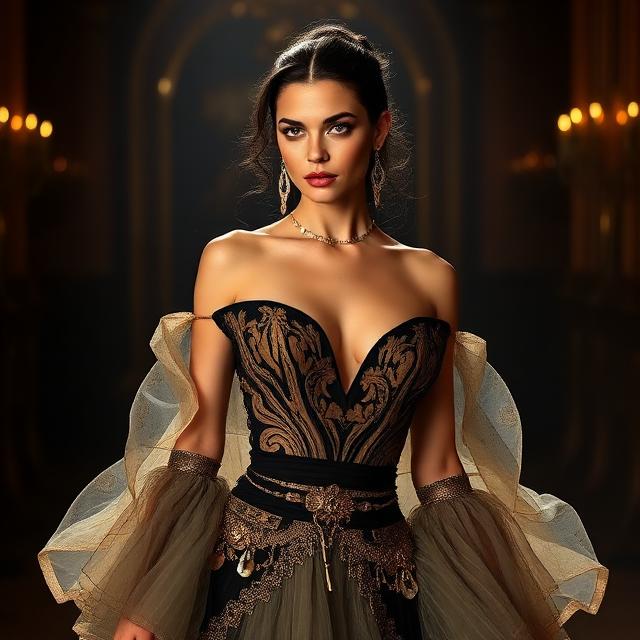
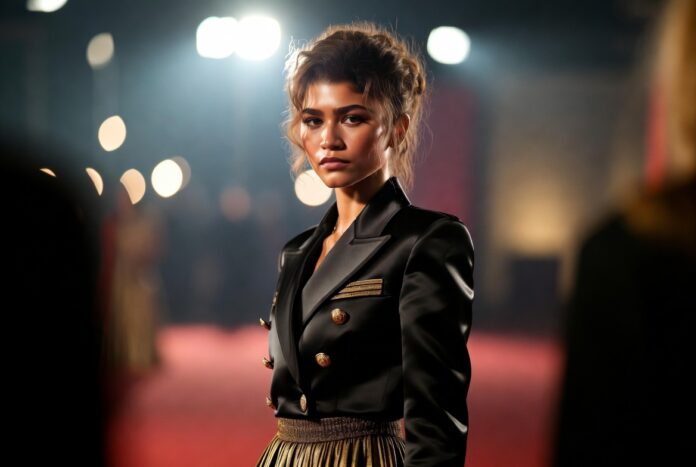
Luxury tennis-core inspired celebrity fashion look influenced by Zendaya’s Challengers era
Zendaya continues shaping both Hollywood and luxury fashion through her post-Challengers cultural influence.

Zendaya’s ‘Challengers’ Era Evolves—Why Her Fashion and Film Dominance Is Defining 2026 Hollywood

By Runway Magazine Editorial Team

Few celebrities currently shape both fashion and entertainment with the same consistency as Zendaya. Following the cultural momentum surrounding Challengers, the actress continues dominating red carpets, luxury campaigns, and Hollywood conversations simultaneously. The growing attention around the Zendaya Challengers 2026 phenomenon reflects a larger shift in celebrity influence, where fashion visibility and cinematic success increasingly operate together.

Zendaya’s public appearances now function as major fashion events on their own. Her styling choices consistently generate viral reactions, while her film projects maintain prestige credibility and commercial relevance. That combination places her at the center of modern Hollywood power dynamics.

Studios, luxury brands, and fashion houses increasingly view Zendaya as a blueprint for the future of cross-industry celebrity influence.

How Challengers Reshaped Zendaya’s Fashion Identity

Zendaya transformed the Challengers press cycle into one of the most recognizable fashion narratives of the decade. The film’s tennis-inspired aesthetic evolved beyond promotional styling and became a defining visual language across red carpets and editorials.

The rise of the Zendaya Challengers 2026 conversation reflects how successfully she merged cinematic storytelling with fashion branding. Her appearances consistently blended sport-inspired references with luxury tailoring, couture silhouettes, and modern glamour.

The tennis-core influence became especially visible during international premieres and editorial shoots. Structured pleats, crisp whites, athletic silhouettes, and polished minimalism shaped many of her most discussed looks.

Fashion audiences responded immediately. Social platforms filled with styling breakdowns, runway comparisons, and trend analyses tied directly to Zendaya’s appearances.

That reaction reinforced a growing reality inside entertainment marketing. Press tours now function as extended fashion campaigns rather than simple promotional obligations.

Zendaya Continues Leading the Fashion and Film Crossover Era

The momentum surrounding the Zendaya Challengers 2026 trend also reflects broader industry changes inside Hollywood. Studios increasingly rely on stars capable of generating influence across multiple industries at once.

Zendaya represents that model exceptionally well. She maintains credibility within prestige cinema while simultaneously driving luxury fashion visibility and online engagement.

Several factors explain her expanding influence:

  • Strong box office recognition
  • Consistent luxury brand partnerships
  • Viral red carpet visibility
  • High editorial fashion credibility

This combination makes her unusually valuable in today’s entertainment economy. Audiences no longer separate celebrity fashion from film promotion. Both now contribute equally to cultural relevance and media visibility.

Luxury houses also benefit significantly from the partnership dynamic. Zendaya’s appearances frequently generate runway-level attention without requiring traditional advertising campaigns.

Her ability to move between couture fashion and mainstream entertainment continues strengthening her influence across both industries.

Zendaya’s Red Carpet Presence Keeps Defining 2026 Style Trends

The evolution of Zendaya’s public image also highlights how modern celebrity styling has changed. Red carpet fashion increasingly functions as a storytelling extension of film narratives themselves.

Zendaya’s Challengers-inspired wardrobe demonstrates that strategy clearly. Stylists incorporated tennis references while maintaining high-fashion sophistication, creating looks that felt cinematic without appearing costume-driven.

Many fashion insiders now describe her appearances as among the most influential celebrity style moments shaping 2026 trends. Several recurring aesthetics continue appearing across fashion coverage:

  • Tennis-core tailoring
  • Clean luxury minimalism
  • Sculptural silhouettes
  • Sport-inspired couture styling

The success of these looks reflects growing consumer interest in polished athletic elegance rather than overt maximalism. Fashion houses continue adapting similar aesthetics into runway collections and campaign imagery.

Readers following celebrity fashion and runway influence may also enjoy Bella Hadid’s Return to the Runway Sparks Frenzy—Why Her Comeback Is Dominating Fashion Week Headlines and Vittoria Ceretti and the Rise of Quiet Luxury Models Dominating High Fashion Campaigns.

Hollywood Increasingly Prioritizes Gen Z Cross-Industry Stars

Zendaya’s continued dominance also reveals how Hollywood is evolving around younger audiences and digital visibility. Studios increasingly prioritize stars who maintain influence beyond film releases alone.

Traditional celebrity systems relied heavily on box office performance and magazine exposure. Modern entertainment power now depends equally on social engagement, fashion partnerships, and cultural adaptability.

Zendaya’s career reflects that transition perfectly. She balances blockbuster visibility, prestige acting credibility, and luxury fashion relevance without losing authenticity across any category.

Industry analysts increasingly view her as part of a new generation of cross-industry entertainment leaders. These figures shape fashion, social media, film marketing, and luxury branding simultaneously.

That versatility creates long-term stability in a rapidly changing entertainment environment.

Why Zendaya Represents the Future of Hollywood Influence

The growing strength of the Zendaya Challengers 2026 narrative suggests that Hollywood’s future increasingly belongs to stars capable of controlling multiple cultural spaces at once.

Zendaya’s influence extends beyond traditional acting success. She shapes fashion trends, drives online conversations, and elevates brand visibility while maintaining strong cinematic credibility.

This balance explains why luxury fashion houses continue aligning themselves closely with her public image. It also explains why studios increasingly structure promotional campaigns around her fashion visibility as much as her acting performances.

For more celebrity fashion coverage, runway analysis, and entertainment style news, visit Runway Magazine.

Conclusion

Zendaya’s post-Challengers era reflects a broader transformation inside Hollywood and luxury fashion culture. Celebrity influence now depends on visual storytelling, cross-platform engagement, and stylistic consistency as much as traditional acting success.

As fashion and entertainment continue merging into a single cultural ecosystem, Zendaya remains one of the clearest examples of how modern celebrity power operates. Her dominance across both industries may ultimately define the next phase of Hollywood itself.
Vittoria Ceretti and the Rise of Quiet Luxury Models Dominating High Fashion Campaigns

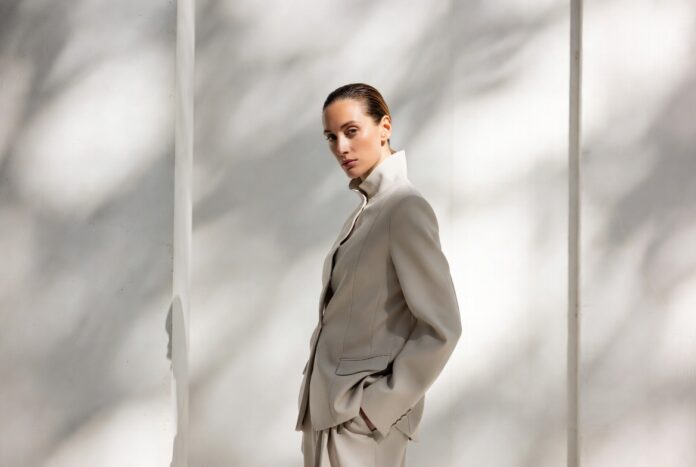
Minimalist luxury fashion model inspired by Vittoria Ceretti campaign aesthetics
Vittoria Ceretti continues defining the rise of quiet luxury fashion campaigns and minimalist runway aesthetics.

Vittoria Ceretti and the Rise of Quiet Luxury Models Dominating High Fashion Campaigns

By Runway Magazine Editorial Team

Luxury fashion imagery is changing again. Loud branding, heavily performative styling, and overt celebrity energy are gradually giving way to something more restrained. The growing dominance of understated campaign casting reflects a wider movement toward subtle elegance across luxury fashion. At the center of that shift stands Vittoria Ceretti. The rise of the Vittoria Ceretti model campaigns trend reveals how quiet luxury aesthetics continue reshaping the visual identity of high fashion.

Ceretti has become one of the defining faces of refined modern luxury. Her presence across Prada, Miu Miu, and major editorial campaigns reflects the industry’s increasing preference for timeless versatility rather than viral personality-driven visibility.

Fashion brands now prioritize models who enhance the clothing rather than overpower it. That transition has positioned Ceretti at the forefront of contemporary runway and campaign culture.

Why Quiet Luxury Models Are Defining Modern Fashion Campaigns

Vittoria Ceretti embodies the quiet luxury movement currently dominating luxury branding strategies. Her runway presence and campaign work project restraint rather than theatricality, which aligns closely with the minimalist direction many luxury houses now favor.

The momentum behind the Vittoria Ceretti model campaigns conversation reflects broader changes inside high fashion marketing. Consumers increasingly respond to visual storytelling built around craftsmanship, texture, and subtle sophistication instead of obvious logos or celebrity spectacle.

Quiet luxury models typically share several characteristics:

  • Minimalist beauty styling
  • Strong editorial adaptability
  • Timeless runway presence
  • Understated emotional expression

These qualities help brands maintain a refined visual identity while appealing to consumers seeking discreet luxury aesthetics.

Ceretti’s versatility makes her particularly valuable in this environment. She moves naturally between avant-garde runway presentations, minimal editorial shoots, and classic luxury campaigns without disrupting brand consistency.

Prada and Miu Miu Continue Driving Minimalist Casting Trends

Prada and Miu Miu remain central to the quiet luxury movement shaping high-fashion visuals in 2026. Both brands continue favoring models with subtle elegance rather than exaggerated online personas.

Ceretti’s repeated appearances within these campaigns reinforce the growing importance of controlled sophistication inside luxury branding. Casting directors increasingly seek faces that communicate modernity without relying on overt celebrity energy.

This shift reflects changing consumer attitudes toward wealth signaling. Many luxury shoppers now prefer understated presentation over highly visible status branding. Fashion imagery has adapted accordingly.

The minimalist campaign approach also supports stronger longevity. Quiet luxury visuals tend to age more gracefully than highly trend-driven aesthetics tied to short-lived viral cycles.

Fashion insiders increasingly describe this movement as a return to disciplined editorial storytelling. The focus returns to silhouette, craftsmanship, tailoring, and mood rather than constant spectacle.

The Vittoria Ceretti Model Campaigns Trend Reflects a Wider Industry Shift

The popularity of the Vittoria Ceretti model campaigns aesthetic reveals how much runway culture has evolved over the past few seasons. Fashion brands increasingly value adaptability and timelessness over purely social-media-driven visibility.

That does not mean digital engagement disappeared. Instead, luxury brands now balance online visibility with long-term image control. Quiet luxury models help maintain that balance effectively.

Several industry shifts support this transition:

  • Reduced emphasis on logo-heavy styling
  • Greater focus on tailoring and fabrication
  • Increased demand for timeless campaign imagery
  • Preference for refined editorial storytelling

Casting directors also favor models who can transition seamlessly across commercial campaigns, runway shows, and luxury editorials. Ceretti’s career reflects that adaptability exceptionally well.

Her success demonstrates that restraint itself now functions as a luxury signal. In a highly saturated visual culture, subtle sophistication increasingly feels more exclusive than obvious branding.

Readers exploring broader runway and luxury fashion movements may also enjoy Bella Hadid’s Return to the Runway Sparks Frenzy—Why Her Comeback Is Dominating Fashion Week Headlines and Sheer Layers Dominate SS26 Runways From Milan to Paris in a Unified Trend Shift.

Minimalist Fashion Faces Are Reshaping Supermodel Culture

The rise of quiet luxury casting also marks a broader transformation inside model culture itself. Earlier runway eras often prioritized highly recognizable personalities and dramatic visual branding. Today’s leading editorial models increasingly project emotional control and aesthetic subtlety.

Ceretti belongs to a generation of models redefining what supermodel influence looks like in modern luxury fashion. Influence no longer depends entirely on constant public visibility or outspoken personal branding.

Instead, fashion houses increasingly value consistency, versatility, and timeless visual identity. Models capable of supporting multiple brand aesthetics now hold stronger long-term industry value.

This evolution benefits brands seeking stability within rapidly changing digital environments. Quiet luxury models provide continuity while still maintaining contemporary relevance.

The approach also supports luxury fashion’s renewed focus on craftsmanship. Minimalist campaign imagery naturally draws greater attention to construction, fabric, and silhouette rather than celebrity distraction.

Why Quiet Luxury Will Continue Influencing Fashion Through 2026

The continued rise of understated luxury aesthetics suggests this movement extends far beyond a temporary trend cycle. Consumers increasingly associate refinement with discretion rather than overt display.

Fashion houses appear committed to maintaining that direction throughout upcoming campaign seasons. Casting strategies will likely continue prioritizing models capable of delivering emotional restraint and editorial sophistication.

Vittoria Ceretti’s growing dominance within luxury campaigns reflects that future clearly. Her success demonstrates how modern fashion increasingly values subtle presence over excessive visibility.

For more runway analysis, luxury fashion coverage, and model industry news, visit Runway Magazine.

Conclusion

Vittoria Ceretti’s rise within luxury campaigns represents a larger transformation inside high fashion storytelling. Quiet luxury aesthetics, refined casting, and minimalist visual identity now shape the future of premium branding across the industry.

As luxury houses continue moving toward understated sophistication, models who project timeless elegance and adaptability will remain central to fashion’s evolving visual language. Ceretti has already become one of the clearest symbols of that new era.

Bella Hadid’s Return to the Runway Sparks Frenzy—Why Her Comeback Is Dominating Fashion Week Headlines

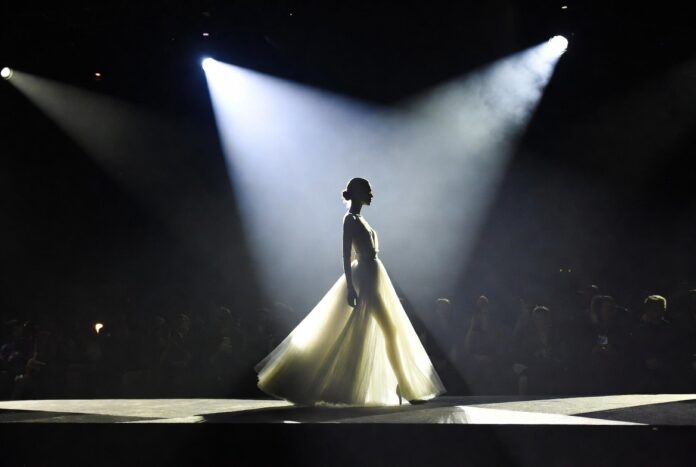
Supermodel-inspired runway comeback moment during Fashion Week 2026
Bella Hadid’s runway comeback became one of the most discussed Fashion Week moments of the season

Bella Hadid’s Return to the Runway Sparks Frenzy—Why Her Comeback Is Dominating Fashion Week Headlines

By Runway Magazine Editorial Team

Fashion Week audiences expected major collections this season, but few anticipated the intensity surrounding Bella Hadid’s return. The supermodel reappeared on the runway after a brief hiatus and immediately became one of the most discussed figures across global fashion coverage. The rapid growth of the Bella Hadid runway return conversation reflects more than celebrity fascination. It also signals a broader shift in casting strategy across luxury fashion.

Designers increasingly rely on recognizable runway figures to generate cultural impact and digital engagement. Bella Hadid’s reappearance delivered both instantly. Her opening walk for a major runway presentation quickly dominated TikTok clips, Instagram reels, and fashion commentary accounts within hours.

The reaction confirmed something the industry already understood. Bella Hadid remains one of the defining faces of modern luxury fashion.

Why Bella Hadid’s Comeback Created Immediate Fashion Week Buzz

Fashion insiders closely tracked Hadid’s return before the show even began. Rumors surrounding her participation circulated for days across industry media and social platforms. Once she appeared on the runway, engagement surged almost immediately.

The momentum behind the Bella Hadid runway return trend came from both nostalgia and timing. The model stepped away from the spotlight briefly, which intensified anticipation around her first major appearance back on the runway.

Her opening walk became one of the season’s most shared fashion clips. Editors praised her control, pacing, and runway presence. Fans focused on the emotional atmosphere surrounding the comeback moment itself.

Luxury brands understand the value of those reactions. A recognizable supermodel can now generate millions of impressions before a collection even reaches retail conversations. In today’s social-media-driven fashion cycle, casting decisions function as marketing strategies as much as creative choices.

Bella Hadid’s return reinforced that reality immediately.

Fashion Houses Are Prioritizing Established Supermodels Again

Bella Hadid represents a wider industry trend currently reshaping runway casting. Fashion houses increasingly balance emerging faces with globally recognizable models who already command strong digital audiences.

This shift reflects changing priorities inside luxury fashion marketing. Viral runway moments now matter almost as much as the collections themselves. Established supermodels help brands secure instant visibility across platforms like TikTok, Instagram, and fashion commentary channels.

Several factors explain the renewed focus on recognizable runway stars:

  • Higher engagement across social media coverage
  • Increased press attention during Fashion Week
  • Stronger emotional connection with audiences
  • Better crossover appeal between fashion and celebrity culture

The return of prominent runway names also signals growing nostalgia inside fashion imagery. Many brands now revisit classic supermodel energy while combining it with contemporary styling and casting diversity.

Bella Hadid’s influence fits perfectly within that transition. Her image connects editorial fashion, celebrity culture, and online trend cycles simultaneously.

The Bella Hadid Runway Return Became Fashion Week’s Viral Moment

The speed of online engagement surrounding the Bella Hadid runway return demonstrates how runway culture has evolved. Fashion moments now spread globally within minutes through reposts, reaction videos, and backstage clips.

Many viral posts focused less on the clothing itself and more on Hadid’s walk, styling, and overall runway energy. That level of attention reflects her unusually strong cultural visibility within fashion media.

TikTok creators quickly transformed the appearance into one of the season’s defining viral runway moments. Compilation edits, slow-motion clips, and commentary breakdowns accumulated millions of views within a short period.

Fashion audiences increasingly consume runway shows through short-form content rather than traditional coverage alone. Supermodels with strong visual recognition therefore become essential to online visibility strategies.

Readers following major Fashion Week stories may also enjoy Sheer Layers Dominate SS26 Runways From Milan to Paris in a Unified Trend Shift and Warm Brunette Trend 2026 Is Reshaping Luxury Hair Color Across Fashion Week.

Bella Hadid Continues Defining Modern High Fashion

Few contemporary models maintain the same level of influence across editorial campaigns, runway presentations, and online fashion culture. Bella Hadid remains one of the rare figures capable of shaping conversations across all three areas simultaneously.

Her return also arrives during a period of uncertainty inside the modeling industry. Fashion continues balancing influencer visibility, celebrity casting, and traditional runway prestige. Established supermodels provide stability within that evolving landscape.

Designers increasingly seek models who deliver both fashion credibility and cultural relevance. Bella Hadid’s career reflects that combination effectively. She moves between avant-garde runway shows, luxury campaigns, beauty endorsements, and viral fashion content without losing editorial credibility.

That flexibility strengthens her long-term value to fashion houses. It also explains why her return generated such immediate industry attention.

The Future of Fashion Week Casting May Already Be Shifting

The response to Bella Hadid’s comeback could influence future casting strategies throughout 2026. Luxury brands continue searching for runway moments that resonate beyond traditional fashion audiences.

Recognizable supermodels offer a powerful solution. Their appearances create anticipation before shows begin and maintain conversation long after collections debut.

Fashion insiders already note increased interest in legacy runway faces returning alongside newer talent. That balance allows brands to combine familiarity with discovery while maximizing digital visibility.

For more runway coverage, model news, and global fashion analysis, visit Runway Magazine.

Conclusion

Bella Hadid’s return to the runway became much more than another Fashion Week appearance. It revealed how strongly modern fashion still depends on recognizable supermodel influence, emotional runway moments, and viral digital engagement.

As luxury brands continue adapting to social-first fashion culture, established runway figures will likely play an even larger role in shaping global visibility. Bella Hadid’s comeback may ultimately define not only this season’s headlines, but also the future direction of high-fashion casting itself.

Hailey Bieber’s Rhode ‘Glazing Milk’ Sells Out Again—Is This the Hydration Serum Worth the Hype?

Model with glowing hydrated skin inspired by Rhode Glazing Milk serum
Rhode’s viral Glazing Milk continues selling out as barrier-focused skincare dominates beauty trends in 2026.

Hailey Bieber’s Rhode ‘Glazing Milk’ Sells Out Again—Is This the Hydration Serum Worth the Hype?

By Runway Magazine Editorial Team

The Rhode skincare phenomenon continues accelerating across TikTok and Sephora conversations. Hailey Bieber’s Glazing Milk has sold out repeatedly following another wave of viral beauty reviews. The growing interest around the Rhode Glazing Milk review trend reflects a wider obsession with barrier-focused skincare and minimalist hydration routines.

Consumers are increasingly searching for products that deliver glow without heavy textures. Rhode positioned Glazing Milk as a lightweight essence-serum hybrid designed to hydrate, calm, and strengthen the skin barrier. The formula quickly became central to the glazed skin trend that continues dominating beauty content in 2026.

The product’s popularity comes from simplicity. Instead of promising aggressive resurfacing or dramatic active ingredients, Rhode focuses on hydration support and skin comfort. That softer skincare approach aligns with current consumer preferences.

Why Glazing Milk Keeps Selling Out Online

Rhode launched Glazing Milk as part of a broader minimalist skincare strategy. The product gained traction after TikTok creators began posting layered skincare routines centered around luminous, hydrated skin.

The lightweight texture became one of the biggest selling points. Beauty editors consistently describe the formula as easy to apply under sunscreen and makeup. That versatility helped drive repeat purchases and strong review engagement.

The viral momentum surrounding the Rhode Glazing Milk review conversation also reflects growing fatigue with complicated skincare regimens. Consumers increasingly prefer fewer products that support hydration and barrier health without overwhelming sensitive skin.

Three ingredients appear repeatedly in online discussions:

  • Ceramides for barrier reinforcement
  • Beta-glucan for hydration retention
  • Magnesium for calming visible irritation

Reviewers often compare the texture to Korean essence formulas while noting its more serum-like finish. Many users also praise the product for avoiding heavy residue or sticky layering issues.

TikTok creators continue fueling demand through before-and-after videos focused on glow enhancement and makeup compatibility. Those short-form reviews helped transform Glazing Milk into one of the platform’s most recognizable skincare products.

The Glazed Skin Trend Continues Dominating Beauty Culture

The rise of the Rhode Glazing Milk review trend also highlights the continued influence of glazed skin aesthetics. Consumers still prioritize luminous complexions, but the focus has shifted toward skin barrier health rather than aggressive exfoliation.

This transition marks an important change in skincare culture. Earlier beauty cycles emphasized strong acids, peeling treatments, and intense resurfacing. Current consumers now favor calming products that maintain hydration and reduce irritation.

That shift explains why barrier repair skincare remains one of the strongest growth categories in prestige beauty. Lightweight hydration products now perform especially well among younger shoppers who want glow without complicated routines.

Several broader trends support Glazing Milk’s popularity:

  • Minimalist skincare replacing 10-step regimens
  • Barrier-focused products gaining clinical credibility
  • Makeup routines favoring natural skin texture
  • Increased demand for sensitive-skin compatibility

Beauty editors also highlight how well the formula layers beneath complexion products. That characteristic matters because skincare and makeup routines increasingly overlap. Consumers expect hydration products to improve makeup wear rather than interfere with it.

Readers interested in broader beauty and runway trends may also explore Rare Beauty’s New Matte Foundation Is Becoming Sephora’s Biggest Makeup Review Story and Sheer Layers Dominate SS26 Runways From Milan to Paris in a Unified Trend Shift.

Beauty Editors Praise the Formula—but Not Everyone Agrees

Much of the positive feedback centers on texture and comfort. Editors describe Glazing Milk as particularly effective for dry or reactive skin types. The lightweight consistency appeals to users who dislike thick creams or oily serums.

However, critics question whether the product fully replaces traditional treatment serums. Some acne-prone users report mixed experiences, especially when layering the formula with richer moisturizers or occlusive products.

Those concerns appear regularly in social discussions. Certain reviewers argue that hydration-focused products alone cannot address acne, pigmentation, or texture concerns. Others believe Glazing Milk works best as a supportive layer rather than a standalone treatment.

This debate reflects a broader skincare shift. Consumers increasingly understand that barrier repair products improve skin comfort but may not replace targeted active ingredients entirely.

Still, many users continue embracing simpler routines. The appeal of fewer products, faster routines, and consistent hydration remains strong across beauty markets in 2026.

Rhode Expands Beyond Celebrity Beauty Branding

Celebrity skincare brands often struggle to maintain momentum after viral launches. Rhode avoided that problem by building a focused identity around understated routines and wearable skincare.

Hailey Bieber’s branding strategy also feels closely aligned with current beauty culture. Instead of promoting dramatic transformations, Rhode emphasizes maintenance, hydration, and healthy-looking skin.

The success of Glazing Milk reinforces how influential minimalist beauty aesthetics remain. Consumers increasingly value products that fit naturally into everyday routines rather than highly technical skincare systems.

For more beauty, skincare, and fashion coverage, visit Runway Magazine.

Conclusion

The continuing sellouts surrounding Rhode’s Glazing Milk reveal how strongly consumers now prioritize hydration, barrier support, and lightweight skincare textures. The product succeeds because it aligns with modern beauty habits instead of chasing overly complex treatment claims.

As the glazed skin movement evolves through 2026, barrier-focused formulas and minimalist skincare routines will likely remain central to prestige beauty conversations. Rhode’s latest viral success suggests that consumers still want glow—but they now want it through comfort, simplicity, and long-term skin balance.


Rare Beauty’s New Matte Foundation Is Becoming Sephora’s Biggest Makeup Review Story

Model wearing soft matte complexion makeup inspired by Rare Beauty’s new longwear foundation
Rare Beauty’s latest matte foundation is becoming one of Sephora’s most reviewed makeup launches of 2026.

Rare Beauty’s New Matte Foundation Is Becoming Sephora’s Biggest Makeup Review Story

By Runway Magazine Editorial Team

The conversation around complexion products has shifted again. The new Rare Beauty matte foundation entered Sephora with unusually strong momentum. Beauty editors, TikTok creators, and makeup artists now place the launch among the most discussed complexion products of the year. The growing attention around the Rare Beauty foundation review trend reflects a wider demand for breathable matte finishes instead of heavy full-coverage formulas.

Consumers are responding to a formula that promises longwear performance without flattening the skin. Rare Beauty developed the True to Myself Natural Matte Longwear Foundation over three years. The launch arrives during a major change in makeup preferences. Soft-focus skin, natural texture, and self-setting formulas now dominate beauty conversations across social platforms and retail reviews.

The foundation’s biggest appeal comes from its balance. It offers matte coverage while still keeping skin dimensional. That distinction matters in 2026. Consumers increasingly reject overly powdered finishes and thick textures that dominated previous beauty cycles.

Selena Gomez Pushes Rare Beauty Into Another Viral Cycle

Rare Beauty continues expanding beyond celebrity beauty status. Selena Gomez positioned the brand around emotional accessibility and wearable makeup rather than trend-driven excess. The new foundation supports that strategy.

The product gained traction after Gomez reportedly wore it during several campaigns and public appearances tied to the launch. Beauty creators quickly began posting side-by-side wear tests. Many compared the formula against prestige products from Armani, NARS, and Haus Labs.

The response surprised even longtime Rare Beauty users. Earlier complexion launches from the brand received mixed reactions about longevity and texture. Editors now describe this formula as a major improvement. Much of the discussion centers on the foundation’s self-priming and self-setting claims.

TikTok reviewers repeatedly mention how little powder the formula requires. Others highlight the finish under bright lighting and phone cameras. Those qualities helped accelerate the product into viral Sephora territory within days of release.

The wider beauty industry is also paying attention. Matte products traditionally return during economic slowdowns because consumers prefer versatile makeup with longer wear. This launch aligns with that pattern while modernizing the matte category for younger shoppers.

Why the Rare Beauty Foundation Review Trend Keeps Growing

The current Rare Beauty foundation review wave extends beyond influencer hype. Reviews consistently focus on practical performance. Users with combination and oily skin report better wear throughout the day without excessive dryness.

The formula also reflects broader shifts in the soft matte makeup trend. Consumers want lightweight coverage that still controls shine. They no longer want foundations that completely erase texture or natural skin movement.

Beauty creators frequently mention three specific strengths:

  • Flexible wear without cracking
  • Reduced need for powder touch-ups
  • Natural finish under daylight and flash photography

Those qualities matter because camera-ready makeup now influences daily purchasing decisions. Consumers evaluate products through TikTok videos, selfie cameras, and high-definition lighting before buying.

The foundation’s popularity also benefits from Sephora’s review ecosystem. Viral ratings can now shape purchasing behavior within hours. Once creators began describing the formula as a “soft matte upgrade,” momentum accelerated rapidly.

Readers exploring recent complexion launches may also like Sheer Layers Dominate SS26 Runways From Milan to Paris in a Unified Trend Shift and Warm Brunette Trend 2026 Is Reshaping Luxury Hair Color Across Fashion Week.

Soft Matte Skin Is Defining Makeup Trends in 2026

The rise of the Rare Beauty foundation review conversation also reveals where makeup trends are heading. Heavy contouring and ultra-full coverage continue losing influence. Instead, brands focus on breathable complexion products with skincare-inspired textures.

The clean girl complexion makeup movement still shapes consumer demand, but shoppers now want more polish and longer wear. That balance created space for natural matte foundations with flexible finishes.

Several trends support this shift:

  • Lightweight formulas replacing dense coverage
  • Oil-control products with skin-like texture
  • Longwear makeup designed for social content creation
  • Complexion products optimized for hybrid work and travel

Luxury beauty brands are adapting quickly. Matte no longer means flat or dry. Modern matte formulas aim for blurred texture with controlled luminosity.

This transition explains why Sephora shoppers increasingly compare newer launches against prestige staples. Consumers expect performance equal to luxury foundations while maintaining comfort during extended wear.

Rare Beauty Continues Expanding Beyond Celebrity Branding

Celebrity beauty brands often struggle to maintain credibility after their initial launch cycle. Rare Beauty avoided that decline by building a consistent product identity. The brand focuses on approachable application, emotional messaging, and wearable textures.

That strategy helped establish stronger customer loyalty than many celebrity-backed competitors. The new foundation reinforces the brand’s position inside prestige beauty rather than influencer merchandise.

The product’s timing also matters. Beauty shoppers currently prioritize reliability over experimental makeup. Viral products now succeed when they solve practical problems instead of simply generating online attention.

Many reviewers describe the foundation as adaptable across age groups and skin types. That flexibility expands the audience beyond younger TikTok consumers. It also strengthens Rare Beauty’s long-term position inside Sephora’s prestige category.

For more about fashion, beauty, and cultural trend coverage, visit Runway Magazine.

Conclusion

The excitement surrounding Rare Beauty’s newest foundation reflects more than another celebrity beauty launch. Consumers increasingly want complexion products that feel comfortable, photograph naturally, and last through modern daily routines. Rare Beauty appears to have captured that balance at the right moment.

As soft matte skin continues dominating makeup trends, self-setting formulas and lightweight textures will likely shape the next wave of prestige beauty releases. Rare Beauty’s latest success may become the blueprint other brands follow throughout 2026.

‘Sexology 101’ Goes Viral: How Gen Z Is Redefining Sex Advice With Open, Stigma-Free Conversations

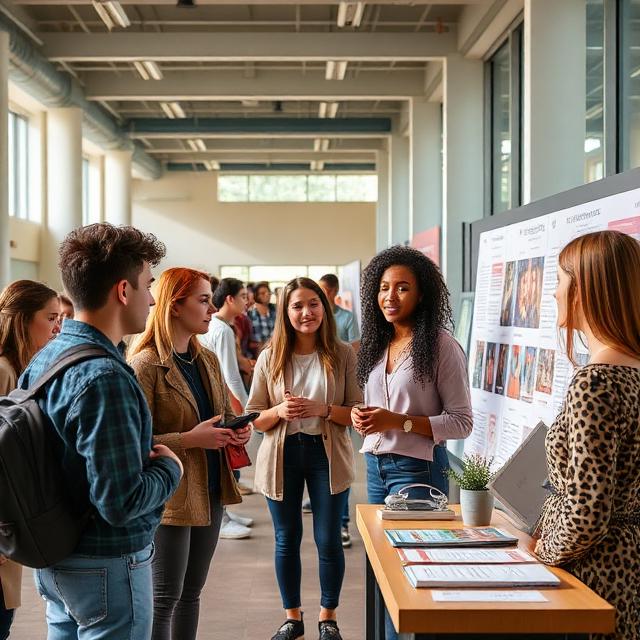
Gen Z students attending Sexology 101 campus intimacy education event
Sexology 101 reflects a new era of open, inclusive intimacy education for Gen Z.

‘Sexology 101’ Goes Viral: How Gen Z Is Redefining Sex Advice With Open, Stigma-Free Conversations

A new wave of campus programming is reshaping how young adults approach intimacy, relationships, and education. The traveling “Sexology 101” initiative has quickly become a cultural talking point, especially as Gen Z sex advice moves from private conversations into structured, stigma-free public spaces.

Across universities, the mobile experience is offering free condoms, educational materials, and guided discussions led by certified “pleasure experts.” Anonymous Q&A sessions have become the centerpiece of the program, allowing students to ask candid questions about intimacy without fear of judgment.

What is emerging is not just a wellness trend, but a broader redefinition of how sexual education is delivered and understood in real time.

This cultural shift reflects how Gen Z sex advice is evolving into a more open, informed, and inclusive framework that prioritizes communication, consent, and emotional literacy.

A New Era of Campus-Based Intimacy Education

The Gen Z sex advice movement is increasingly shaped by experiential learning rather than traditional classroom instruction. The “Sexology 101” truck functions as both an educational hub and a social space where students can explore topics often excluded from standard curricula.

The initiative aligns closely with evolving discussions in modern wellness culture, where intimacy is treated as part of overall mental and emotional health rather than a taboo subject.

Events include structured workshops, guided discussions, and private consultation-style sessions. The format allows participants to engage at their own comfort level, creating an accessible entry point into complex topics surrounding relationships and personal boundaries.

This shift reflects broader changes in how younger generations approach identity, communication, and self-awareness.

It also highlights the growing demand for Gen Z sex advice that feels practical, nonjudgmental, and grounded in real-life experience.

For more cultural wellness analysis, visit Runway Magazine.

Pleasure Experts and the Normalization of Open Dialogue

One of the most distinctive aspects of the “Sexology 101” initiative is its reliance on trained “pleasure experts.” These facilitators guide conversations around intimacy, emotional safety, and communication in a structured but approachable format.

The inclusion of anonymous Q&A sessions has proven especially impactful. Students can ask direct questions about relationships, boundaries, and personal experiences without public exposure or embarrassment.

This format has helped normalize discussions that were historically considered private or uncomfortable.

Within the broader landscape of Gen Z sex advice, this approach signals a shift toward education that prioritizes clarity, inclusivity, and emotional intelligence.

The emphasis is not on instruction alone but on creating space for dialogue. Participants are encouraged to explore questions about connection, consent, and mutual understanding in a supportive environment.

Related cultural analysis on evolving intimacy education can be found in How Modern Wellness Culture Is Redefining Relationship Education.

Inclusivity, LGBTQ+ Awareness, and Expanding Conversations

A defining feature of the program is its strong emphasis on inclusivity. Discussions regularly incorporate LGBTQ+ perspectives, ensuring that relationship education reflects a wide range of lived experiences.

The Gen Z sex advice framework has increasingly become associated with intersectional awareness, recognizing that intimacy education must address diverse identities, communication styles, and cultural backgrounds.

Students have responded positively to the judgment-free environment, particularly the ability to explore questions related to identity and relationships in a respectful setting.

The initiative also highlights how modern sex education is evolving beyond biological instruction. Emotional literacy, communication skills, and mutual respect are now central components of the conversation.

This broader approach reflects a generational expectation that education should be both informative and emotionally relevant.

Why Gen Z Is Driving a Cultural Shift in Intimacy Education

Unlike previous generations, Gen Z has grown up with unprecedented access to digital information, but not always structured guidance. This has created demand for clearer, more reliable educational frameworks.

As a result, Gen Z sex advice is increasingly shaped by community-driven learning rather than institutional authority alone.

The popularity of “Sexology 101” reflects this shift. Students are actively seeking spaces where questions about relationships and intimacy can be addressed directly and without stigma.

This approach also mirrors broader wellness trends that emphasize transparency, communication, and personal agency.

Educational leaders are beginning to recognize that traditional models may no longer fully meet the needs of modern students.

The demand is now for hybrid spaces that combine information, conversation, and emotional support.

Additional insights into evolving intimacy education can be found in The Rise of Experiential Learning in Modern Relationship Education.

A Shift Toward Emotional Literacy and Communication

One of the most significant outcomes of this movement is the growing emphasis on emotional literacy. Conversations are increasingly centered around communication, consent, and mutual understanding rather than prescriptive instruction.

The Gen Z sex advice trend reflects this broader shift toward relational awareness.

Students are encouraged to view intimacy as an ongoing dialogue rather than a static concept. This includes understanding boundaries, recognizing emotional needs, and developing healthier communication patterns.

Experts involved in the initiative note that many participants are engaging with these topics for the first time in a structured environment.

This suggests a gap in traditional education that modern programs are now beginning to fill.

As conversations continue to expand, intimacy education is becoming more integrated into broader discussions of mental health and personal development.

The Future of Sex Education Is Public, Open, and Interactive

The viral success of “Sexology 101” indicates a major transformation in how society approaches intimacy education.

What was once private is now increasingly public, guided, and educational.

The rise of Gen Z sex advice as a cultural framework signals a long-term shift toward openness, inclusivity, and informed dialogue.

Rather than relying solely on formal instruction, younger generations are building hybrid ecosystems of learning that blend expert guidance with peer-driven exploration.

As this movement grows, it is likely to influence not only campus programs but also digital platforms, wellness spaces, and future educational models.

The conversation around intimacy is no longer confined—it is evolving into one of the most openly discussed aspects of modern youth culture.


Ayo Edebiri’s Model Crossover Moment Signals a New Era of Multi-Hyphenate Fashion Stars

Ayo Edebiri posing in a luxury fashion editorial campaign in 2026
Ayo Edebiri’s crossover into luxury fashion campaigns reflects the rise of multi-hyphenate celebrity influence.

Ayo Edebiri’s Model Crossover Moment Signals a New Era of Multi-Hyphenate Fashion Stars

Ayo Edebiri is rapidly becoming one of fashion’s most compelling crossover figures. The Ayo Edebiri model campaign conversation has expanded far beyond celebrity dressing, positioning her as a new type of luxury fashion presence—one driven by cultural relevance as much as traditional modeling credentials.

After a breakout year in entertainment, Ayo’s influence now extends deep into high fashion. Editorial covers, luxury partnerships, and high-profile campaigns have transformed her into one of the industry’s most talked-about style figures.

Her recent collaborations with Chanel especially accelerated that momentum, signaling a larger industry shift already reshaping fashion casting and luxury branding.

Fashion’s definition of a “model” is evolving quickly, and Ayo Edebiri sits at the center of that transformation.

Why Fashion Brands Are Prioritizing Cultural Influence

For decades, luxury fashion relied heavily on traditional runway pathways. Models emerged through agencies, editorial discovery, and catwalk visibility before becoming global campaign stars.

That system is changing.

The rise of the Ayo Edebiri model campaign phenomenon reflects a broader move toward culturally influential talent capable of generating attention across multiple industries simultaneously.

Today’s luxury houses want personalities who already command strong audience connection. Acting, music, comedy, and digital influence increasingly carry equal value to runway experience.

Ayo represents that shift perfectly.

Her appeal combines critical acclaim, authentic personality, sharp fashion instincts, and strong editorial presence. Together, those qualities create a modern luxury ambassador capable of connecting with audiences beyond traditional fashion consumers.

This new approach allows brands to tap into broader cultural conversations instead of relying solely on fashion-world recognition.

For more industry coverage, visit Runway Magazine.

Chanel’s Investment in Ayo Edebiri Reflects Fashion’s Future

Chanel’s embrace of Ayo signals more than celebrity endorsement. It reflects strategic repositioning inside the luxury market itself.

The Ayo Edebiri model campaign narrative gained significant traction following major editorial appearances and luxury campaign visibility tied to the house. Fashion audiences immediately responded to her ability to merge intellectual sophistication with modern glamour.

Unlike traditional celebrity partnerships built purely around fame, Ayo’s fashion presence feels deeply editorial. She photographs with the composure and emotional nuance often associated with established high-fashion models.

That distinction matters.

Luxury brands increasingly seek ambassadors who can move fluidly between campaign imagery, red carpet visibility, and cultural commentary. Ayo’s multidimensional appeal makes her especially valuable within that environment.

Her success also highlights how luxury fashion now prioritizes storytelling as much as physical image. Consumers increasingly engage with personalities who feel culturally connected rather than purely aspirational.

RUNWAY recently explored similar casting changes in Why Celebrity Influence Is Reshaping Luxury Fashion Campaigns in 2026.

The Traditional Modeling Industry Is Being Redefined

The rise of celebrity-fashion crossovers has sparked major debate inside the modeling industry.

Many insiders now believe the traditional distinction between “model” and “celebrity” is disappearing entirely. Cultural visibility increasingly determines campaign value more than runway exclusivity alone.

The Ayo Edebiri model campaign success story reinforces that reality.

Luxury brands recognize that audiences consume fashion differently today. Editorial campaigns circulate primarily through social media, digital publications, and entertainment coverage rather than fashion magazines alone.

That shift rewards personalities with built-in audience engagement.

As a result, actors, musicians, comedians, and creators increasingly compete directly with traditional models for luxury contracts and campaign visibility.

This evolution does not eliminate professional modeling. Instead, it expands the definition of fashion authority itself.

The industry now values cultural fluency, authenticity, and cross-platform influence alongside classic editorial skills.

Multi-Hyphenate Talent Is Becoming Fashion’s Dominant Currency

Fashion’s current obsession with multi-hyphenate talent reflects larger entertainment and media shifts.

Audiences no longer separate industries the way they once did. The same personality can dominate film, fashion, beauty, and digital culture simultaneously.

The Ayo Edebiri model campaign momentum demonstrates how effectively this crossover strategy performs for luxury brands.

Her red carpet appearances consistently generate strong editorial response because they feel personal rather than overly manufactured. That authenticity resonates strongly in today’s image-saturated environment.

Fashion executives increasingly prioritize figures who bring narrative identity into campaigns. Multi-hyphenate celebrities naturally offer richer storytelling opportunities than conventional campaign casting alone.

This evolution also broadens representation within luxury fashion. New voices and backgrounds now influence editorial imagery, campaign aesthetics, and runway conversations at unprecedented levels.

Additional analysis on evolving celebrity fashion culture can be found in How Multi-Hyphenate Stars Became Fashion’s Most Powerful Influencers.

Why Ayo Edebiri Represents Fashion’s Next Generation

Ayo’s rise signals a deeper transformation within modern luxury culture.

Fashion no longer revolves exclusively around unattainable perfection. Increasingly, audiences gravitate toward personalities who combine intelligence, relatability, creativity, and visual sophistication.

That combination defines the next generation of fashion influence.

Ayo Edebiri’s crossover success proves that cultural authority now rivals traditional modeling pathways in determining luxury relevance. Her growing presence inside editorial fashion reflects where the industry is headed rather than a temporary experiment.

As fashion continues merging with entertainment, digital culture, and personal storytelling, multi-hyphenate figures like Ayo are positioned to become the defining faces of modern luxury branding.

The future of modeling may no longer belong solely to models.

Kendall Jenner’s Vintage Archive Era Is Redefining Supermodel Style in 2026

Kendall Jenner wearing archival vintage designer fashion in 2026
Kendall Jenner’s embrace of archival fashion is defining the heritage styling movement in luxury fashion.

Kendall Jenner’s Vintage Archive Era Is Redefining Supermodel Style in 2026

Fashion’s obsession with immediacy is shifting, and few celebrities embody that transformation more clearly than Kendall Jenner. The Kendall Jenner vintage style movement has become one of 2026’s most influential fashion narratives, as the supermodel increasingly steps out in rare archival designer pieces that celebrate fashion history rather than fleeting trends.

From meticulously preserved 1990s couture to early-2000s runway rarities, Kendall’s recent appearances have elevated archival dressing into one of luxury fashion’s most discussed cultural shifts.

Industry insiders now describe the trend as “heritage styling,” a movement focused on historical significance, craftsmanship, and timeless design rather than trend-cycle novelty.

This evolution reflects more than celebrity nostalgia. It signals a major recalibration across luxury fashion itself.

Why Kendall Jenner’s Archive Fashion Choices Matter

The recent rise of the Kendall Jenner vintage style phenomenon reflects a broader shift in how fashion defines relevance.

For years, celebrity style centered on new-season exclusivity. Designers rushed to dress influential figures in unreleased collections to maximize visibility and commercial anticipation. Today, that formula is evolving.

Kendall’s embrace of archive dressing challenges the assumption that luxury must always mean newness.

Recent public appearances featured exceptionally rare vintage pieces sourced from historic collections by Versace and Jean Paul Gaultier. These garments carried decades of fashion history while feeling unexpectedly contemporary.

That duality has become central to archive fashion’s appeal. The garments offer rarity, craftsmanship, and cultural depth that current collections often struggle to replicate.

Fashion editors increasingly view this approach as a rejection of disposable trend culture in favor of long-term stylistic literacy.

For more industry analysis, visit Runway Magazine.

Heritage Styling Is Becoming Fashion’s New Status Symbol

Luxury has historically relied on exclusivity, but exclusivity itself is changing.

Today, possessing a culturally significant archival piece often carries greater prestige than wearing the latest runway release. This is the foundation of heritage styling.

The Kendall Jenner vintage style movement has accelerated that shift by placing archival sourcing directly into mainstream celebrity visibility.

Stylists now prioritize provenance as much as silhouette. Knowing where a garment appeared, which collection introduced it, and its place in fashion history adds narrative value impossible to manufacture overnight.

Kendall’s archive choices consistently demonstrate this deeper storytelling approach. Her looks often reference iconic runway eras, reintroducing audiences to landmark moments in fashion design.

This emphasis on historical context has also fueled renewed interest in collecting rare designer garments among younger luxury consumers.

RUNWAY recently explored similar shifts in Why Fashion History Is Driving Luxury’s Biggest Styling Trend in 2026.

Vintage Versace and Gaultier Are Leading the Revival

Two houses dominate the current archive renaissance: Versace and Jean Paul Gaultier.

Their most celebrated collections from the 1990s and early 2000s offer exactly what modern celebrity styling seeks—instantly recognizable silhouettes, cultural mythology, and extraordinary construction.

Kendall’s repeated appearances in these labels have helped drive renewed search interest around vintage sourcing and runway archive collecting.

The Kendall Jenner vintage style aesthetic draws heavily from the supermodel golden era. Sharp tailoring, body-conscious silhouettes, metallic detailing, and sculptural structure evoke the glamour associated with 1990s runway dominance.

That nostalgia resonates strongly with today’s audiences.

It taps into collective fascination with the era when supermodels represented aspirational fashion authority at its peak.

This revival has also encouraged collectors and luxury resale specialists to spotlight archival inventory once considered niche. Demand for authenticated runway pieces has increased significantly as younger consumers seek historically meaningful fashion investments.

Sustainability Is Giving Archive Fashion New Cultural Power

Beyond aesthetics, archival dressing aligns closely with luxury fashion’s sustainability evolution.

Wearing preserved vintage garments extends the life cycle of extraordinary craftsmanship while reducing demand for constant production turnover.

The Kendall Jenner vintage style narrative reflects this new sustainability language. It prioritizes preservation, restoration, and long-term value over constant consumption.

Luxury shoppers increasingly view archival collecting as both environmentally conscious and culturally intelligent.

This mindset differs sharply from traditional fast-fashion cycles. Rather than replacing wardrobes seasonally, archive-driven styling encourages thoughtful curation.

Industry analysts believe this shift will continue reshaping how fashion defines prestige over the next decade.

Historical significance, craftsmanship, and rarity now hold equal value to novelty.

Additional insights on luxury sustainability can be found in How Vintage Couture Became Fashion’s Most Sustainable Investment.

Why Kendall Jenner Is Leading Fashion’s Historical Revival

Kendall occupies a uniquely influential position in contemporary fashion. She bridges celebrity visibility, runway authority, and digital reach in ways few models can replicate.

That makes her archive choices culturally powerful.

When she embraces vintage fashion, she introduces historical design references to millions of younger followers who may otherwise never engage with fashion history.

The result is educational as much as aesthetic.

Her influence is helping transform archival dressing from niche collector culture into mainstream aspirational luxury.

As fashion continues prioritizing longevity, heritage, and sustainability, Kendall’s archive era appears less like a passing trend and more like a blueprint for luxury style’s future.

The revival of fashion history has officially entered its modern supermodel era.

Met Gala 2026 Best Dressed: Rihanna, Blake Lively, and Kylie Jenner Dominate the Red Carpet

Rihanna, Blake Lively, and Kylie Jenner wearing couture looks at the Met Gala 2026
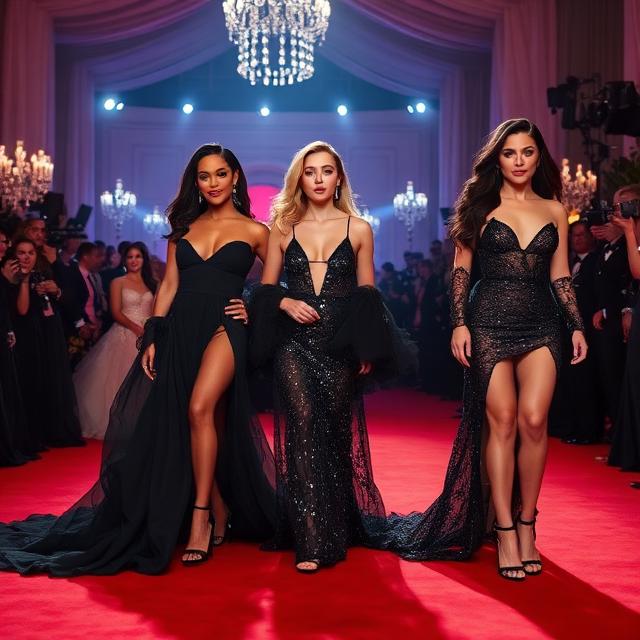
Rihanna, Blake Lively, and Kylie Jenner led the Met Gala 2026 best dressed conversation with high-concept couture fashion.

Met Gala 2026 Best Dressed: Rihanna, Blake Lively, and Kylie Jenner Dominate the Red Carpet

The Met Gala returned with theatrical glamour, museum-worthy couture, and some of the most ambitious celebrity styling seen in years. This year’s conversation quickly centered around three names: Rihanna, Blake Lively, and Kylie Jenner. The Met Gala best dressed 2026 debate erupted within minutes of arrivals, with all three stars dominating social feeds and fashion headlines worldwide.

Fashion critics praised the event for embracing artistry over minimalism. Celebrities leaned heavily into references drawn from fine art, sculpture, historical couture, and performance fashion. The result felt less like a standard red carpet and more like a living exhibition inside a contemporary museum.

This year’s theme encouraged risk-taking, and the biggest stars responded with dramatic silhouettes, handcrafted embellishment, and cinematic styling choices that pushed celebrity fashion into conceptual territory.

Rihanna Once Again Owned the Met Gala Spotlight

No celebrity commands Met Gala anticipation quite like Rihanna. Her arrival instantly shifted the energy of the evening, proving once again why she remains fashion’s most influential red carpet figure.

The Met Gala best dressed 2026 conversation intensified the moment she appeared in an architectural couture ensemble layered with dramatic texture and sculptural proportions. The look balanced theatrical presentation with impeccable tailoring, creating one of the event’s most photographed fashion moments.

Fashion observers immediately noted the artistic references embedded throughout the design. The silhouette blended classic couture structure with modern performance styling, reinforcing Rihanna’s reputation for transforming red carpet dressing into cultural spectacle.

Social engagement surrounding her appearance exploded across TikTok, Instagram, and X within minutes. Fashion editors praised her ability to fully embody the spirit of the event while maintaining her unmistakable personal identity.

Her influence continues extending beyond celebrity style alone. Rihanna’s appearances now shape luxury fashion conversations, trend forecasting, beauty aesthetics, and digital fashion culture simultaneously.

For more celebrity runway and couture coverage, visit Runway Magazine.

Blake Lively’s Versace Gown Revived Rococo Opulence

Blake Lively delivered one of the evening’s most visually elaborate fashion statements in a Rococo-inspired Atelier Versace creation that instantly became a favorite among critics and audiences alike.

The gown featured sweeping drapery, intricate embroidery, metallic detailing, and references to 18th-century European art. Many fashion commentators described the look as a return to maximalist glamour after years dominated by cleaner minimalist aesthetics.

The Met Gala best dressed 2026 rankings consistently placed Blake near the top because of the gown’s historical richness and editorial execution.

Her styling also reflected the event’s growing fascination with museum-level storytelling. Rather than relying solely on glamour, celebrities increasingly approached fashion as narrative art. Blake’s ensemble embraced that direction completely.

The dramatic silhouette evoked oil paintings, palace interiors, and antique couture craftsmanship while still feeling modern enough for contemporary red carpet culture.

RUNWAY recently explored evolving couture maximalism in Why Opulent Fashion Is Returning to Luxury Red Carpets in 2026.

Kylie Jenner’s Sculptural Schiaparelli Look Became a Viral Fashion Moment

Kylie Jenner embraced avant-garde fashion through a sculptural Schiaparelli corset design that quickly became one of the night’s most discussed looks online.

The structured silhouette emphasized exaggerated proportions and artistic body architecture, aligning perfectly with the evening’s gallery-inspired aesthetic. Fashion audiences immediately compared the design to wearable sculpture.

The corseted construction reflected the growing popularity of conceptual couture on celebrity red carpets. Rather than traditional glamour alone, stars increasingly gravitate toward visually disruptive fashion that performs strongly in digital spaces.

Kylie’s appearance also demonstrated how celebrity fashion has become deeply connected to internet virality. Every detail of the look generated online discussion, from the sculptural bodice to the dramatic styling choices surrounding it.

The ensemble fit seamlessly into broader conversations surrounding performance fashion and surrealist couture influences dominating current luxury collections.

Additional analysis on celebrity couture trends can be found in How Sculptural Fashion Became the Biggest Celebrity Trend of 2026.

Why Art-Inspired Fashion Defined the 2026 Met Gala

This year’s Met Gala revealed a major shift in celebrity dressing. Fashion no longer functions solely as luxury presentation. It increasingly operates as conceptual art.

Designers incorporated references to Picasso, Monet, classical portraiture, and theatrical costume design throughout the evening. Many of the strongest looks blurred the line between couture and gallery installation.

The Met Gala best dressed 2026 rankings reflected that transformation clearly. Audiences rewarded celebrities who embraced bold artistic interpretation rather than safer traditional glamour.

Fashion houses also benefited from the event’s viral reach. High-concept styling generates stronger social engagement, broader editorial coverage, and longer cultural relevance than conventional red carpet dressing.

As luxury fashion continues merging with performance art and digital spectacle, events like the Met Gala are becoming increasingly important cultural showcases rather than simple celebrity gatherings.

This year proved that audiences still crave fantasy, craftsmanship, and visual drama. Rihanna, Blake Lively, and Kylie Jenner delivered exactly that while redefining what modern red carpet fashion can achieve.

Bella Hadid’s Return to the Runway Sparks Frenzy—Why Her Comeback Is Dominating Fashion Week Headlines

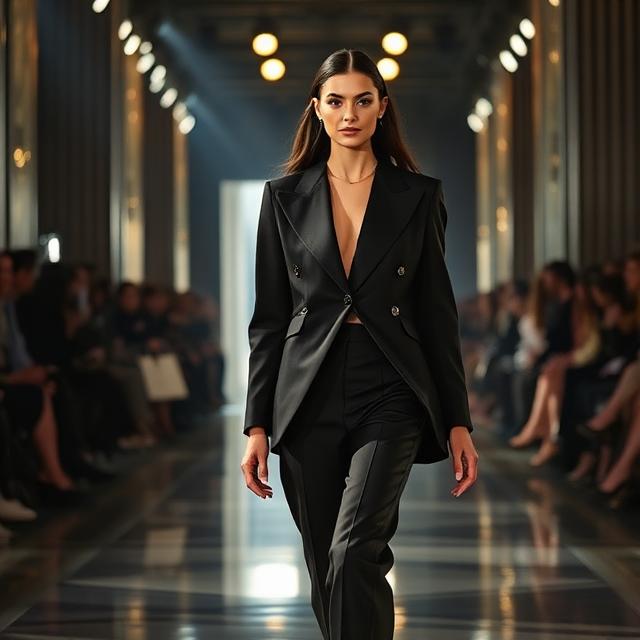
Bella Hadid returning to the runway during a major 2026 fashion week show
Bella Hadid’s highly anticipated runway comeback became one of fashion week’s most talked-about moments.

Bella Hadid’s Return to the Runway Sparks Frenzy—Why Her Comeback Is Dominating Fashion Week Headlines

After months away from the spotlight, Bella Hadid returned to the catwalk and immediately reclaimed the center of the fashion conversation. The Bella Hadid runway return has become one of the defining moments of the current season, driving social engagement, industry debate, and renewed attention toward luxury runway culture.

Her appearance signaled more than a celebrity comeback. It reflected a wider shift across global fashion weeks, where major houses are increasingly relying on recognizable supermodels to generate cultural impact, media reach, and viral momentum.

For designers navigating an oversaturated digital landscape, recognizable faces now carry stronger value than ever before. Bella’s comeback proved exactly why.

Fashion insiders had anticipated her return for weeks, but few expected the reaction to escalate so quickly. Editors, stylists, and audiences flooded social platforms within minutes of her first runway appearance. Clips of her walk spread rapidly across TikTok, Instagram, and X, transforming the show into an instant global talking point.

The renewed spotlight also reinforced Bella’s influence beyond modeling alone. Her image continues to shape beauty trends, luxury branding, and modern runway aesthetics at a scale few models currently command.

Why Designers Are Prioritizing Legacy Supermodels Again

The fashion industry is experiencing a noticeable recalibration. After several seasons focused heavily on viral personalities and emerging digital creators, luxury houses are now returning attention toward established runway figures with proven editorial power.

The Bella Hadid runway return perfectly aligned with that shift.

Major brands increasingly want models who can deliver immediate recognition across both traditional media and algorithm-driven platforms. Bella’s presence guarantees attention from fashion editors while simultaneously generating enormous social engagement from younger audiences.

This season’s casting direction reflects a broader industry strategy. Designers are emphasizing authority, familiarity, and aspirational glamour. Veteran supermodels provide all three.

Her return also arrives during a moment when audiences appear hungry for recognizable fashion icons again. Fashion weeks have become increasingly content-driven, and established runway stars offer stronger narrative continuity than revolving viral personalities.

Many insiders now view the resurgence of legacy supermodels as a direct response to audience fatigue surrounding influencer-heavy casting.

For additional runway industry analysis, explore Runway Magazine.

The Viral Power Behind Bella’s Fashion Week Appearance

Few runway moments this year generated the same immediate traction online. Within hours, Bella’s walk dominated trend pages, fashion forums, and entertainment headlines worldwide.

The combination of anticipation, exclusivity, and nostalgia amplified audience reaction. Fashion audiences had spent months speculating about her next appearance, making the reveal feel highly event-driven.

The show itself also leaned into cinematic styling. Sharp tailoring, dramatic silhouettes, and minimal beauty styling placed full emphasis on runway presence rather than spectacle alone. Bella’s confident walk elevated the collection’s impact instantly.

Industry analysts note that luxury houses increasingly depend on these viral runway moments to extend visibility beyond invited attendees. A single highly recognizable model can transform a standard runway presentation into a globally distributed media event.

The comeback additionally reignited conversations surrounding modern supermodel influence. While the industry constantly introduces new faces, only a limited group can consistently generate cross-platform cultural relevance at this scale.

Recent coverage surrounding evolving casting strategies can also be seen in RUNWAY’s feature on The Return of Couture Supermodels in 2026 Fashion Week Casting.

How Bella Hadid Continues Defining Modern High Fashion

Bella’s career has consistently balanced editorial sophistication with mainstream visibility. That duality remains central to her influence inside luxury fashion.

The Bella Hadid runway return demonstrated how strongly audiences still associate her image with contemporary runway glamour. Her presence instantly elevated the visibility of the collection she opened, proving her continued commercial and editorial value.

Beyond runway appearances, Bella has become closely associated with the visual language of modern luxury campaigns. Her ability to move between avant-garde editorials, beauty campaigns, and viral social moments keeps her highly relevant across multiple fashion sectors.

Fashion executives also understand the economic implications behind these appearances. A single viral runway moment can significantly increase media impressions, search traffic, and brand visibility during fashion week.

At the same time, Bella’s return reflects changing audience behavior. Fashion viewers increasingly consume runway culture through short-form clips and instantly shareable visuals. Models with recognizable presence perform exceptionally well within that environment.

RUNWAY recently explored similar digital runway shifts in Why Viral Fashion Week Moments Now Shape Luxury Brand Strategy.

The Future of Supermodel Influence in 2026

Bella’s comeback may ultimately represent a larger turning point for runway casting. Luxury brands appear increasingly focused on personalities capable of transcending fashion circles and entering mainstream cultural conversation.

That strategy favors models with established identities, loyal fan bases, and strong editorial histories.

The renewed emphasis on recognizable supermodels could reshape upcoming seasons significantly. Younger models will still emerge, but established runway icons now appear more essential to fashion week visibility than they did only a few years ago.

Bella’s return also highlights how modern fashion success depends on both runway credibility and digital amplification. The industry no longer separates editorial prestige from social engagement. The strongest figures now dominate both simultaneously.

As fashion weeks continue evolving into global entertainment events, Bella Hadid remains one of the few figures capable of commanding immediate worldwide attention the moment she steps onto a runway.

Dior’s Viral Lip Glow Oil Reformulation Is Dominating Beauty Reviews in 2026

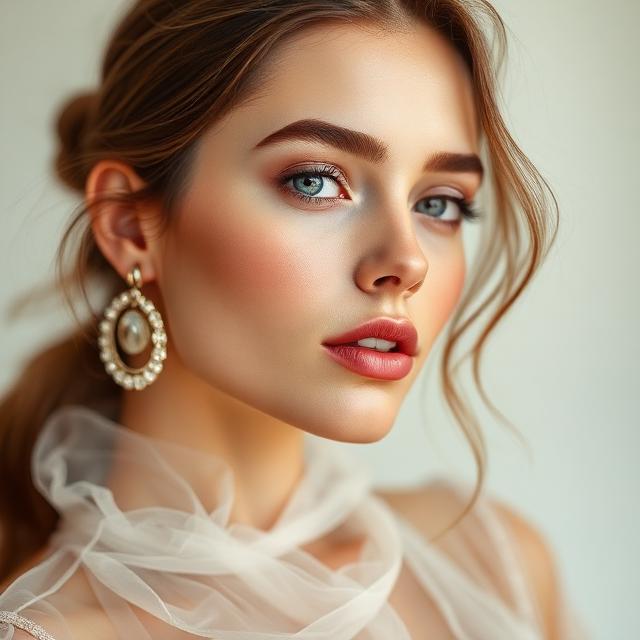
Fashion model with glossy hydrated lips in a luxury editorial beauty shoot
Dior’s reformulated Lip Glow Oil is becoming one of the defining luxury beauty products of 2026.

Dior’s Viral Lip Glow Oil Reformulation Is Dominating Beauty Reviews in 2026

Luxury beauty brands continue reshaping makeup through skincare-focused innovation. The rise of Dior lip oil review searches proves consumers now expect hydration, shine, and treatment benefits in one product. Dior’s reformulated Lip Glow Oil has quickly become one of the most discussed beauty launches of 2026.

The updated formula expands the product beyond a simple gloss replacement. Dior positioned the new Lip Glow Oil as a hybrid between makeup and lip care. Beauty editors, influencers, and TikTok creators immediately began comparing the launch against competing products from Rhode, Rare Beauty, and Saie.

The renewed attention highlights a wider industry shift toward hydration-first cosmetics.

Why Dior Reformulated Its Bestselling Lip Oil

Dior did not redesign the Lip Glow Oil simply to refresh packaging. The brand updated textures, finishes, and ingredients to align with changing beauty habits.

Consumers increasingly reject sticky gloss formulas. They want shine without heaviness. Dior responded by refining the texture into a lighter and smoother formula. The product now emphasizes comfort during extended wear.

The reformulation also introduced expanded finishes. Editors frequently separate the “Juicy,” “Sparkly,” and “Glaze” effects during testing. Each finish targets a different beauty trend while maintaining the same treatment-focused concept.

Cherry oil remains central to the formula. Dior continues marketing the ingredient as part of its hydration strategy. The brand also claims the product supports softer-looking lips throughout the day.

The launch connects directly to the growing demand for hydrating lip products that combine skincare ingredients with visible cosmetic payoff.

For more beauty industry coverage, visit Runway Magazine

How TikTok Turned Dior Lip Oil Review Content Into a Viral Beauty Category

Social media transformed lip oils from a niche beauty product into a dominant cosmetics category. TikTok creators continue pushing lip oils as modern replacements for traditional gloss.

That visibility dramatically increased Dior lip oil review content across beauty platforms. Influencers consistently film comparison videos showing texture, shine, hydration levels, and wear time. Many creators position Dior as the luxury benchmark against newer competitors.

The trend also benefits from changing makeup aesthetics. Minimalist beauty remains dominant throughout 2026. Consumers prefer soft finishes and natural-looking glow instead of heavy matte products.

Lip oils fit perfectly into that movement.

TikTok tutorials often pair Dior Lip Glow Oil with dewy skin products and understated makeup looks. The result feels polished while remaining effortless. Beauty creators also highlight the formula’s reflective shine under natural lighting, which performs especially well in short-form video content.

The platform’s influence continues driving strong demand for luxury lip oils despite growing competition from affordable alternatives.

The Rise of Non-Sticky Luxury Lip Products

Texture now matters as much as color payoff in modern cosmetics.

Older gloss formulas often felt thick and uncomfortable during long wear. Consumers increasingly describe modern beauty preferences using words such as lightweight, breathable, and nourishing.

Dior adapted quickly to those expectations.

Reviewers consistently praise the reformulated oil for delivering high shine without excessive tackiness. The smoother texture allows the product to function more like skincare than conventional lip makeup.

This shift reflects broader beauty industry behavior. Brands increasingly combine treatment ingredients with cosmetics across multiple categories. Foundations now contain skincare complexes. Primers promote barrier support. Lip products naturally followed the same direction.

Many consumers searching for non sticky lip gloss alternative products now choose lip oils because they provide comfort alongside visual impact.

The category also benefits from seasonal versatility. Lip oils layer well over liners, tints, and neutral makeup looks. That flexibility helps maintain relevance across changing trends.

Dior Faces Strong Competition From Celebrity Beauty Brands

Dior remains one of the strongest luxury players in the lip oil market, but competition continues intensifying.

Rhode Beauty helped normalize minimalist glossy lips among younger consumers. Rare Beauty gained attention through comfort-focused formulations and soft finishes. Saie positioned its products around clean beauty aesthetics and wearable glow.

Despite that competition, Dior retains significant influence because of brand heritage and luxury positioning.

Consumers frequently compare the Lip Glow Oil against celebrity-backed alternatives. However, many reviewers continue describing Dior’s finish as more refined and polished. The product also benefits from strong editorial visibility across fashion campaigns and luxury beauty publications.

The wider trend reflects the growing overlap between skincare and makeup culture. Buyers no longer separate treatment products from cosmetics in the way they once did.

Runway Magazine recently explored related beauty movements in its coverage of the <a href=”https://www.runwaylive.com/lip-oils-vs-lip-gloss-why-hydration-first-makeup-is-redefining-lip-trends-in-2026/”>hydration-first lip trend shaping 2026 makeup culture</a> and the growing influence of <a href=”https://www.runwaylive.com/cloud-skin-beauty-trend-2026/”>cloud skin beauty aesthetics</a>.

Why Lip Oils Continue Defining Beauty Trends in 2026

The continued success of Dior lip oil review content reveals how dramatically beauty priorities have evolved. Consumers still want shine and glamour, but they also expect hydration and comfort from every product.

Lip oils answer that demand more effectively than traditional glosses.

Dior’s reformulated Lip Glow Oil succeeded because it aligns with the current beauty mindset. The formula feels luxurious while supporting softer and healthier-looking lips. That combination keeps the product highly visible across reviews, tutorials, and social media trends.

As beauty brands continue blending skincare science with cosmetics, lip oils will likely remain one of the defining product categories shaping the future of makeup in 2026 and beyond.