Dior’s Viral Lip Glow Oil Reformulation Is Dominating Beauty Reviews in 2026

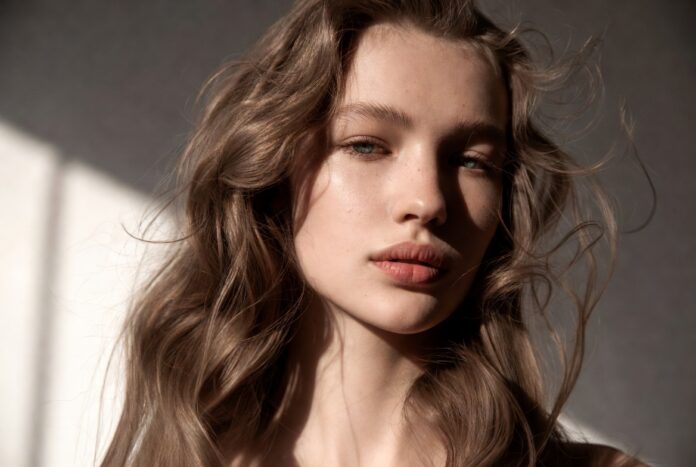
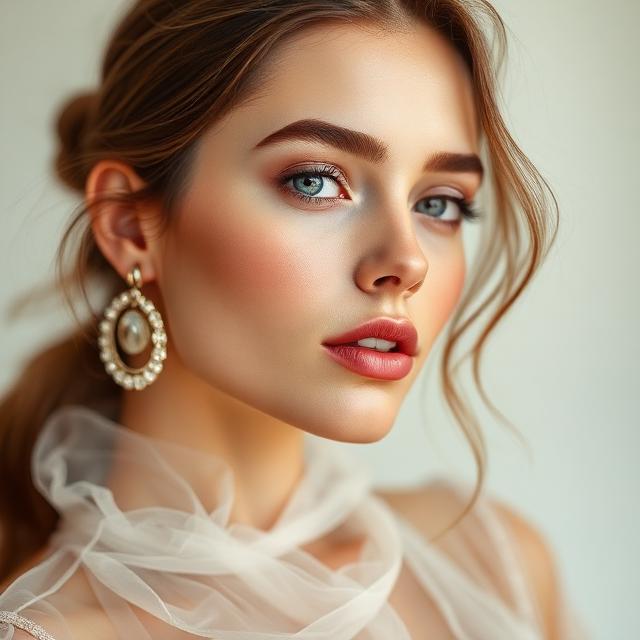
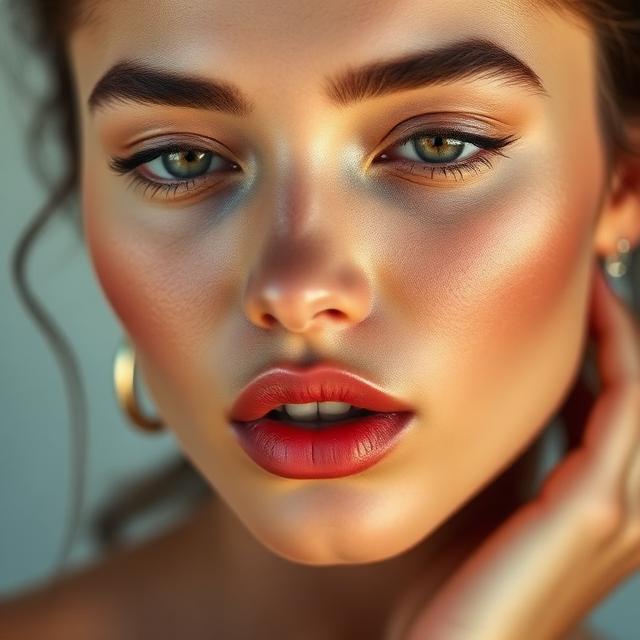
Fashion model with glossy hydrated lips in a luxury editorial beauty shoot
Dior’s reformulated Lip Glow Oil is becoming one of the defining luxury beauty products of 2026.

Dior’s Viral Lip Glow Oil Reformulation Is Dominating Beauty Reviews in 2026

Luxury beauty brands continue reshaping makeup through skincare-focused innovation. The rise of Dior lip oil review searches proves consumers now expect hydration, shine, and treatment benefits in one product. Dior’s reformulated Lip Glow Oil has quickly become one of the most discussed beauty launches of 2026.

The updated formula expands the product beyond a simple gloss replacement. Dior positioned the new Lip Glow Oil as a hybrid between makeup and lip care. Beauty editors, influencers, and TikTok creators immediately began comparing the launch against competing products from Rhode, Rare Beauty, and Saie.

The renewed attention highlights a wider industry shift toward hydration-first cosmetics.

Why Dior Reformulated Its Bestselling Lip Oil

Dior did not redesign the Lip Glow Oil simply to refresh packaging. The brand updated textures, finishes, and ingredients to align with changing beauty habits.

Consumers increasingly reject sticky gloss formulas. They want shine without heaviness. Dior responded by refining the texture into a lighter and smoother formula. The product now emphasizes comfort during extended wear.

The reformulation also introduced expanded finishes. Editors frequently separate the “Juicy,” “Sparkly,” and “Glaze” effects during testing. Each finish targets a different beauty trend while maintaining the same treatment-focused concept.

Cherry oil remains central to the formula. Dior continues marketing the ingredient as part of its hydration strategy. The brand also claims the product supports softer-looking lips throughout the day.

The launch connects directly to the growing demand for hydrating lip products that combine skincare ingredients with visible cosmetic payoff.

For more beauty industry coverage, visit Runway Magazine

How TikTok Turned Dior Lip Oil Review Content Into a Viral Beauty Category

Social media transformed lip oils from a niche beauty product into a dominant cosmetics category. TikTok creators continue pushing lip oils as modern replacements for traditional gloss.

That visibility dramatically increased Dior lip oil review content across beauty platforms. Influencers consistently film comparison videos showing texture, shine, hydration levels, and wear time. Many creators position Dior as the luxury benchmark against newer competitors.

The trend also benefits from changing makeup aesthetics. Minimalist beauty remains dominant throughout 2026. Consumers prefer soft finishes and natural-looking glow instead of heavy matte products.

Lip oils fit perfectly into that movement.

TikTok tutorials often pair Dior Lip Glow Oil with dewy skin products and understated makeup looks. The result feels polished while remaining effortless. Beauty creators also highlight the formula’s reflective shine under natural lighting, which performs especially well in short-form video content.

The platform’s influence continues driving strong demand for luxury lip oils despite growing competition from affordable alternatives.

The Rise of Non-Sticky Luxury Lip Products

Texture now matters as much as color payoff in modern cosmetics.

Older gloss formulas often felt thick and uncomfortable during long wear. Consumers increasingly describe modern beauty preferences using words such as lightweight, breathable, and nourishing.

Dior adapted quickly to those expectations.

Reviewers consistently praise the reformulated oil for delivering high shine without excessive tackiness. The smoother texture allows the product to function more like skincare than conventional lip makeup.

This shift reflects broader beauty industry behavior. Brands increasingly combine treatment ingredients with cosmetics across multiple categories. Foundations now contain skincare complexes. Primers promote barrier support. Lip products naturally followed the same direction.

Many consumers searching for non sticky lip gloss alternative products now choose lip oils because they provide comfort alongside visual impact.

The category also benefits from seasonal versatility. Lip oils layer well over liners, tints, and neutral makeup looks. That flexibility helps maintain relevance across changing trends.

Dior Faces Strong Competition From Celebrity Beauty Brands

Dior remains one of the strongest luxury players in the lip oil market, but competition continues intensifying.

Rhode Beauty helped normalize minimalist glossy lips among younger consumers. Rare Beauty gained attention through comfort-focused formulations and soft finishes. Saie positioned its products around clean beauty aesthetics and wearable glow.

Despite that competition, Dior retains significant influence because of brand heritage and luxury positioning.

Consumers frequently compare the Lip Glow Oil against celebrity-backed alternatives. However, many reviewers continue describing Dior’s finish as more refined and polished. The product also benefits from strong editorial visibility across fashion campaigns and luxury beauty publications.

The wider trend reflects the growing overlap between skincare and makeup culture. Buyers no longer separate treatment products from cosmetics in the way they once did.

Runway Magazine recently explored related beauty movements in its coverage of the <a href=”https://www.runwaylive.com/lip-oils-vs-lip-gloss-why-hydration-first-makeup-is-redefining-lip-trends-in-2026/”>hydration-first lip trend shaping 2026 makeup culture</a> and the growing influence of <a href=”https://www.runwaylive.com/cloud-skin-beauty-trend-2026/”>cloud skin beauty aesthetics</a>.

Why Lip Oils Continue Defining Beauty Trends in 2026

The continued success of Dior lip oil review content reveals how dramatically beauty priorities have evolved. Consumers still want shine and glamour, but they also expect hydration and comfort from every product.

Lip oils answer that demand more effectively than traditional glosses.

Dior’s reformulated Lip Glow Oil succeeded because it aligns with the current beauty mindset. The formula feels luxurious while supporting softer and healthier-looking lips. That combination keeps the product highly visible across reviews, tutorials, and social media trends.

As beauty brands continue blending skincare science with cosmetics, lip oils will likely remain one of the defining product categories shaping the future of makeup in 2026 and beyond.

 

Lip Oils vs Lip Gloss—Why Hydration-First Makeup Is Redefining Lip Trends in 2026

Fashion model wearing hydrated glossy lips in a luxury beauty editorial shoot
Hydration-first beauty products are redefining glossy lip trends in 2026.

Lip Oils vs Lip Gloss—Why Hydration-First Makeup Is Redefining Lip Trends in 2026

The beauty industry is entering a new phase where comfort matters as much as color. The rise of lip oil vs lip gloss 2026 conversations reflects a wider shift toward makeup products that also deliver skincare benefits. Consumers no longer want formulas that simply create shine. They expect hydration, nourishment, and long-lasting comfort in every swipe.

Lip oils have quickly become one of the defining beauty products of 2026. They combine glossy finishes with treatment-inspired ingredients, creating a softer and more wearable approach to lip makeup. Traditional glosses still hold cultural relevance, but the demand for sticky textures continues to decline.

This movement reflects the growing “makeup meets skincare” era shaping beauty launches worldwide.

Why Lip Oils Are Replacing Traditional Gloss

For years, lip gloss dominated beauty trends because it delivered instant shine and fuller-looking lips. However, many older gloss formulas felt heavy or tacky. Consumers increasingly searched for products that looked polished without discomfort.

That demand created space for modern lip oils.

Unlike traditional gloss, lip oils often include nourishing ingredients such as jojoba oil, squalane, cherry oil, and vitamin E. The formulas feel lighter while still delivering reflective shine. Many also improve lip texture over time.

The shift became especially visible on TikTok and beauty-focused social platforms. Tutorials featuring soft, hydrated lips replaced the ultra-lacquered looks that dominated earlier trends. The new aesthetic feels more natural and wearable.

Luxury and celebrity-backed brands accelerated the movement. Dior’s lip oil collection gained major traction for combining treatment properties with a glossy finish. Rare Beauty also helped normalize skincare-inspired makeup textures among younger consumers.

The popularity of these products aligns with broader beauty behavior changes. Buyers now expect every cosmetic purchase to provide additional value beyond appearance alone.

For more beauty trend analysis, visit Runway Magazine.

The Rise of Hydration-First Beauty

The popularity of hydrating lip products trend conversations reflects changing attitudes toward beauty routines. Consumers increasingly focus on skin barrier health, ingredient quality, and everyday comfort.

That mindset now extends to makeup categories.

Many makeup artists describe lip oils as the perfect hybrid product. They create shine while helping lips appear smoother and healthier. The formulas also layer well with minimalist makeup looks dominating 2026 fashion campaigns.

This trend connects directly to the rise of “clean girl” beauty aesthetics and understated luxury makeup. Instead of dramatic matte lips, editors now favor fresh finishes that appear effortless.

The change also reflects post-pandemic beauty habits. People continue prioritizing products that feel lightweight and practical during long wear.

Beauty brands recognize this shift. New launches increasingly promote hydration percentages, nourishing oils, and skincare ingredients rather than pigment intensity alone.

Consumers searching for glossy lips makeup look inspiration often prefer softer finishes that enhance natural lip texture instead of masking it completely.

Dior, Rare Beauty, and the Brands Defining the Trend

Several major beauty labels helped push lip oils into the mainstream.

Dior remains one of the strongest luxury players in the category. Its formulas became highly visible across social media because they combine luxury branding with comfortable wear. Beauty creators consistently highlight the finish, hydration, and subtle tint options.

Rare Beauty approached the category differently. The brand emphasized comfort, inclusivity, and everyday wearability. Its products appeal to consumers seeking natural-looking beauty with skincare benefits.

Other brands quickly followed. Drugstore and prestige beauty companies now compete heavily in the lip oil market. Many products promise smoother lips, nourishing ingredients, and non-sticky shine.

The competition continues reshaping consumer expectations. Buyers increasingly compare hydration performance instead of focusing only on shine levels.

This evolution mirrors changes across the wider beauty industry. Foundations now include skincare ingredients. Primers offer barrier support. Setting sprays contain hydration complexes.

Lip products simply became the latest category transformed by the hybrid beauty movement.

Runway Magazine recently explored related beauty innovation trends in its coverage of the celebrity beauty trends shaping 2026 and the growing influence of cloud skin makeup aesthetic.

Why Consumers Prefer Comfort Over Stickiness

One of the biggest reasons behind the shift involves texture.

Traditional gloss formulas often created transfer issues and uncomfortable wear. Hair sticking to lips became a common complaint associated with high-shine products.

Lip oils solve many of those problems.

Modern formulas absorb more naturally while maintaining shine. Many also provide a cooling or smoothing sensation that feels closer to skincare than makeup.

That sensory experience matters significantly in today’s beauty market. Consumers increasingly describe makeup in emotional terms such as “comfortable,” “soft,” or “lightweight.”

Searches related to non-sticky alternatives continue growing because shoppers prioritize usability alongside appearance.

The trend also connects to minimalist makeup routines. People want fewer products with multiple benefits instead of complicated layering systems.

Lip oils fit perfectly into that lifestyle-focused approach.

The Future of Lip Makeup in 2026

The ongoing lip oil vs lip gloss 2026 debate reveals how quickly beauty standards continue evolving. Shine itself never disappeared. Instead, consumers redefined what they expect from glossy products.

Hydration now matters as much as visual impact.

The future of lip makeup will likely continue blending skincare science with cosmetic performance. Brands are expected to invest more heavily in nourishing ingredients, treatment-focused formulas, and wearable textures.

Lip oils represent more than a passing trend. They symbolize the beauty industry’s broader move toward multifunctional products that prioritize both aesthetics and wellness.

As makeup routines become more intentional, hydration-first beauty will likely remain one of the strongest forces shaping cosmetic innovation throughout 2026 and beyond.

Resident Evil 2026 Reboot Reinvents Horror With a Ground-Level Survival Story

Raccoon City collapsing during Resident Evil 2026 survival horror reboot with lone survivor
Resident Evil 2026 returns horror to grounded survival storytelling in Raccoon City

Resident Evil 2026 Reboot Reinvents Horror With a Ground-Level Survival Story

The Resident Evil 2026 movie reboot is reshaping expectations for modern survival horror. Instead of relying on franchise nostalgia, the new adaptation returns to the roots of fear, isolation, and collapse. The story reintroduces Raccoon City at the earliest stage of its outbreak, where panic spreads faster than understanding.

This survival horror reboot arrives at a moment when audiences are actively demanding grounded storytelling. As a result, the film shifts away from superhero-style action and refocuses on vulnerability, scarcity, and human instinct. The tone is darker, slower, and far more intimate than previous adaptations.

Directed by Zach Cregger, the Resident Evil reboot 2026 introduces a completely original storyline. It avoids retelling familiar arcs and instead builds a new narrative inside the same collapsing world. That creative choice immediately positions it as a reset rather than a continuation.

The Resident Evil 2026 movie also reflects a broader trend in video game movies 2026, where studios prioritize atmosphere and character psychology over spectacle alone. This shift signals a new era for horror adaptations grounded in tension rather than constant action.


Resident Evil 2026 Movie Returns Horror to Its Origins

The Resident Evil 2026 movie reintroduces horror as a grounded survival experience. It strips away exaggerated action sequences and focuses instead on fear, confusion, and limited resources. This approach strengthens the psychological weight of the story.

Set during the early Raccoon City film 2026 outbreak timeline, the narrative shows society collapsing in real time. Authorities fail to contain the crisis, and civilians are left without direction. As a result, survival becomes the central conflict.

The film avoids franchise heroes and instead centers on an everyman protagonist. This shift makes the horror more immediate and relatable. The audience experiences the outbreak without specialized training or immunity.

Zach Cregger Resident Evil direction emphasizes realism over spectacle. The camera stays close to characters, which increases tension and reinforces the sense of confinement. Every decision carries consequence.


Survival Horror Movies 2026 Embrace Grounded Fear

The survival horror movies 2026 trend reflects a return to atmospheric storytelling. Instead of fast-paced action, filmmakers now prioritize tension-building and environmental storytelling. The Resident Evil reboot 2026 leads this movement.

The film rebuilds fear through scarcity. Characters face limited weapons, restricted movement, and constant uncertainty. This reinforces the core principles of classic survival horror design.

Zombie movies 2026 are also shifting toward realism. Instead of stylized action sequences, audiences now see slower, more unpredictable threats. This creates a stronger psychological impact.

The Resident Evil new story avoids overexplaining the outbreak. Instead, it lets confusion and misinformation drive the narrative. That uncertainty becomes part of the horror itself.


Raccoon City Film 2026 Becomes a Character of Its Own

The Raccoon City outbreak film transforms the setting into a living system of decay. Streets empty out gradually, communication breaks down, and infrastructure fails in stages. The city becomes an active force of pressure.

This design choice strengthens immersion. Instead of serving as a backdrop, Raccoon City directly shapes every survival decision. Movement, shelter, and trust all become unstable.

The Hollywood horror reboot approach also uses environmental storytelling heavily. Abandoned spaces, disrupted systems, and fragmented encounters reveal the scale of collapse without exposition.

As a result, the city itself functions as a narrative engine rather than a static location.


Video Game Adaptation Films Shift Toward Psychological Realism

The Resident Evil 2026 movie reflects a broader transformation in video game adaptation films. Studios are moving away from literal game translation and toward emotionally grounded reinterpretation.

Instead of replicating game mechanics, the film focuses on mood, tension, and survival logic. This allows the story to feel cinematic rather than mechanical.

Gaming movies 2026 increasingly emphasize character-driven narratives. Audiences now expect emotional depth alongside recognizable IP. This shift improves both critical reception and long-term franchise value.

Capcom film adaptation strategy also appears more flexible in this version, allowing filmmakers to reinterpret source material without strict structural limitations.


Horror Reboot Movies Redefine Franchise Strategy

The Resident Evil reboot 2026 represents a broader wave of horror reboot movies that prioritize reinvention over continuity. Instead of relying on established timelines, studios now explore alternate interpretations of existing worlds.

This strategy allows franchises to reset tone and attract new audiences. It also prevents fatigue from overly complex lore systems.

The new adaptation leans heavily into dark horror films 2026 aesthetics. Lighting is minimal, pacing is slow, and tension builds through absence rather than exposure.

As anticipation grows, Resident Evil trailer 2026 discussions continue to trend across gaming and horror communities. Early reactions highlight its grounded tone and atmospheric intensity.


Conclusion: A Return to Fear-Based Storytelling

The Resident Evil 2026 movie reboot signals a decisive shift in horror filmmaking. It moves away from action-heavy adaptation and returns to psychological survival storytelling.

By focusing on an everyman perspective inside a collapsing Raccoon City, the film rebuilds fear from the ground up. This approach aligns with a growing audience demand for grounded, immersive horror experiences.

As video game adaptation films evolve, Resident Evil stands as a turning point for how interactive narratives translate into cinema. The result is a reboot that does not just revisit a franchise — it redefines its emotional foundation.

Founded in 1989, Runway Magazine continues to document the evolution of film, culture, and global entertainment storytelling.

Ayo Edebiri’s Chanel Moment Confirms Her Met Gala Streak as Fashion’s New Red Carpet Power Player

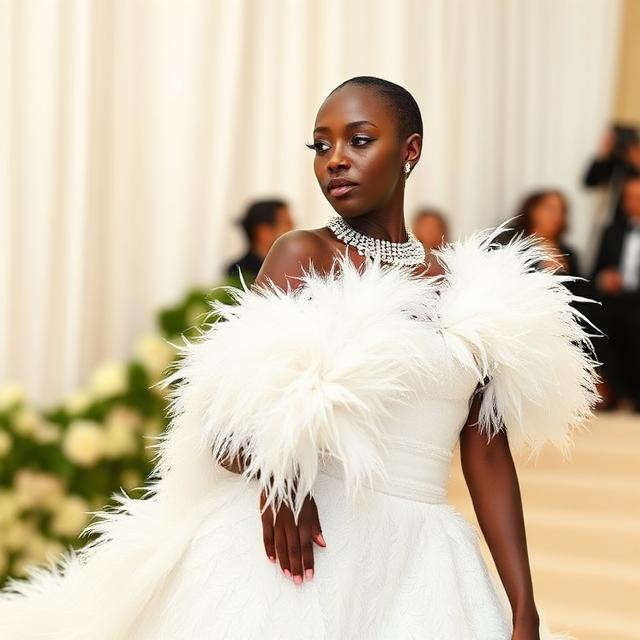
Ayo Edebiri wearing a white Chanel gown with soft draping at Met Gala 2026
Ayo Edebiri delivers minimalist Chanel elegance at Met Gala 2026

Ayo Edebiri’s Chanel Moment Confirms Her Met Gala Streak as Fashion’s New Red Carpet Power Player

By Runway Magazine Editorial Team

The Ayo Edebiri Met Gala 2026 appearance once again confirmed her position as one of the most consistent rising forces on the red carpet. Her Chanel white gown delivered a quiet but commanding presence that stood out in a night dominated by sculptural spectacle. Instead of competing through volume, she chose precision, restraint, and modern elegance.

As a result, Ayo Edebiri continues to redefine what it means to be a rising fashion icon in Hollywood. Her approach avoids excess and instead focuses on refined silhouette, controlled movement, and strong designer alignment. This consistency has turned her into a recognizable Met Gala style presence rather than a one-off standout.

The Chanel white gown Met Gala moment also reinforced her evolving relationship with high fashion. Each year, she selects a different designer, yet she maintains a cohesive personal aesthetic. Consequently, her red carpet identity feels intentional rather than trend-driven.

At the Met Gala 2026, her presence stood apart through calm sophistication. While many looks leaned into architectural drama, she delivered clarity, softness, and sculptural simplicity. That contrast made her one of the most discussed figures of the night.


Ayo Edebiri Met Gala 2026 Chanel Look Defines Modern Minimalism

The Ayo Edebiri Met Gala 2026 Chanel gown introduced a refined interpretation of minimal luxury. Designed under Matthieu Blazy’s creative direction, the dress focused on fluid draping and controlled structure. Instead of overpowering detail, it relied on subtle construction and textile precision.

The Chanel white gown used soft layering to create movement without heaviness. Feather-like detailing added texture, while the silhouette remained clean and uninterrupted. As a result, the look achieved elegance through restraint rather than decoration.

This Ayo Edebiri fashion style continues to evolve toward intelligent simplicity. She consistently chooses pieces that highlight form and presence instead of visual overload. Consequently, her red carpet identity feels both modern and timeless.

Moreover, this approach positions her within the growing wave of modern elegance fashion 2026, where minimalism becomes a form of luxury expression rather than absence of design.


Rising Fashion Icon Status Strengthens With Every Met Gala Appearance

Ayo Edebiri’s rising fashion icon reputation has grown steadily over three consecutive Met Gala appearances. Each year, she delivers a distinct visual identity while maintaining consistent sophistication.

Unlike many celebrity newcomers, she avoids repeating designers. Instead, she collaborates with different fashion houses each year, which strengthens her credibility within the fashion industry. As a result, her evolution feels deliberate and curated.

Her Emmy winner red carpet style also contributes to her influence. Award recognition elevated her visibility, but her fashion choices sustained her relevance beyond performance. Consequently, she now operates at the intersection of entertainment and high fashion.

This steady progression places her among the best dressed rising stars in contemporary celebrity culture. Her choices consistently reflect maturity, discipline, and fashion awareness.


Chanel Couture Met Gala Moment Highlights Controlled Elegance

The Chanel couture Met Gala appearance demonstrated how controlled elegance can still dominate a visually intense event. While many celebrities leaned into sculptural exaggeration, Ayo Edebiri chose balance and proportion.

Her look emphasized soft architectural flow rather than rigid construction. This allowed movement to define the gown rather than structure alone. As a result, the outfit felt organic within the highly stylized environment of the Met Gala.

The celebrity Chanel red carpet presence also reinforced Chanel’s continued relevance in modern minimal couture. The house maintained its identity while adapting to contemporary red carpet expectations.

Furthermore, this moment highlighted a growing red carpet minimalism trend, where simplicity becomes a competitive visual strategy rather than a subdued choice.


Celebrity Fashion Breakthrough Through Consistent Styling Identity

Ayo Edebiri’s celebrity fashion breakthrough is not defined by a single moment but by consistent progression. Each Met Gala appearance builds on the last, forming a coherent visual narrative.

Her outfit strategy reflects long-term styling discipline. Instead of chasing viral exaggeration, she focuses on refinement and clarity. Consequently, her presence remains memorable even in highly saturated fashion environments.

The Ayo Edebiri outfit 2026 moment continues this trajectory. It demonstrates that consistency can outperform spectacle when executed with precision and authenticity.

As a result, she now represents a new category of fashion influencer celebrities who build authority through repetition, restraint, and evolution rather than shock value.


Met Gala Style Evolution Positions Her Among Fashion’s New Authorities

The Met Gala newcomers fashion category has expanded significantly in recent years. However, few emerging figures have maintained the level of consistency demonstrated by Ayo Edebiri.

Her ability to balance modern elegance fashion 2026 with personal identity sets her apart. Each appearance reinforces her understanding of proportion, designer collaboration, and cultural context.

This evolution reflects a broader shift in celebrity style evolution. Red carpet success now depends less on extravagance and more on coherent identity building across multiple events.

The Ayo Edebiri Met Gala 2026 Chanel moment confirms this shift clearly. It proves that understated precision can carry equal or greater influence than maximalist design.


Conclusion: A New Standard for Red Carpet Consistency

Ayo Edebiri’s Chanel appearance at the Met Gala 2026 confirms her growing authority in fashion culture. Her approach prioritizes clarity, restraint, and long-term visual identity over short-term spectacle.

As she continues to evolve, she strengthens her position within modern red carpet culture as a reliable and intentional style presence. Her trajectory suggests a future where consistency defines influence as much as creativity.

Founded in 1989, Runway Magazine continues to document the evolution of fashion, culture, and modern celebrity style through global editorial storytelling.

Met Gala 2026 Sculptural Fashion Is Turning Red Carpets Into Art Installations

Celebrities wearing sculptural couture at Met Gala 2026 red carpet transformed into fashion art installation
Met Gala 2026 redefines couture as sculptural art installations on the red carpet.

Met Gala 2026 Sculptural Fashion Is Turning Red Carpets Into Art Installations

The Met Gala 2026 fashion direction has redefined the red carpet as a space for living sculpture. As a result, the “Fashion Is Art” theme pushes designers and celebrities toward architectural couture that functions like installation art rather than traditional eveningwear. Consequently, the red carpet now feels more like a curated museum exhibition than a celebrity event.

This shift is not subtle, and it continues to accelerate. Celebrities now arrive in sculptural red carpet looks that extend beyond styling into structural experimentation. Designers engineer garments rather than simply design them, and they prioritize form, volume, and balance over conventional glamour. In turn, the Met Gala evolves into a laboratory for fashion’s most experimental ideas.

Moreover, the Met Gala 2026 narrative reflects the collapse of boundaries between runway and red carpet. Designers no longer separate editorial runway pieces from celebrity appearances. Instead, both exist within one conceptual ecosystem where clothing becomes spatial art.

At the center of the event, Rihanna, Heidi Klum, and Naomi Osaka shape some of the most discussed visual moments of the night. Each appearance reinforces the idea that celebrity fashion 2026 now depends on sculptural identity rather than traditional styling.


Met Gala 2026 Fashion Turns Couture Into Sculpture

The Met Gala 2026 fashion theme transforms couture into three-dimensional art. Designers approach garments as structural objects first, and they treat clothing as a secondary function. As a result, silhouettes extend outward, upward, and across space in unexpected ways.

Sculptural red carpet looks dominate the entrance sequence. Designers build dresses with architectural frameworks, molded fabrics, and engineered forms. These pieces do not aim for simplicity; instead, they aim for impact and presence.

Furthermore, the fashion is art Met Gala concept encourages designers to treat clothing like physical installations. Many looks reference museum-scale sculpture, and they rely on exaggerated proportion and spatial construction. Consequently, movement across the carpet becomes part of the design itself.

In addition, high fashion red carpet aesthetics shift into new territory. Rather than focusing only on elegance, designers now emphasize scale, structure, and visual dominance under flash photography.


Celebrity Fashion 2026 Becomes Architectural Expression

Celebrity fashion 2026 now evolves into structural experimentation. Celebrities no longer wear designer gowns in a traditional sense. Instead, they inhabit sculptural concepts that designers build around artistic direction.

Rihanna Met Gala 2026 appearances reinforce this shift through bold silhouettes that prioritize form over convention. As a result, her presence continues to anchor the Met Gala as a platform for high-level fashion experimentation.

Heidi Klum Met Gala outfit choices also amplify theatrical structure. She embraces exaggerated couture forms that blur the line between costume and sculpture. Consequently, her looks strengthen the event’s dramatic visual identity.

Meanwhile, Naomi Osaka Met Gala look interpretations take a more restrained direction. However, she still emphasizes architectural balance and clean structural composition rather than volume alone.

Together, these appearances define couture sculpture dresses as a unified aesthetic language rather than isolated design moments.


Sculptural Red Carpet Looks Redefine Runway Logic

Sculptural red carpet looks signal a major shift in runway translation. Designers now build garments that function across both runway presentation and celebrity visibility.

As a result, the gap between runway to red carpet continues to shrink. Designers increasingly develop pieces with media visibility in mind from the start.

Fashion event trends 2026 confirm this direction. Designers now prioritize visual impact under digital saturation, where a single image must communicate concept and identity instantly.

In addition, avant garde red carpet fashion moves from niche experimentation into mainstream visibility. Consequently, it becomes the dominant visual language of major fashion events like the Met Gala.


Fashion Is Art Met Gala Theme Drives Structural Innovation

The fashion is art Met Gala theme drives the strongest wave of experimental couture in 2026. Designers interpret “art” literally, and they construct garments that resemble sculpture, architecture, and installation work.

Fashion art installation clothing emerges as a defining category. Designers build these pieces for observation and spatial impact rather than movement alone. As a result, form, shadow, and structure become central design tools.

Moreover, luxury fashion couture 2026 shifts toward conceptual object-making. Designers no longer treat garments as seasonal products; instead, they treat them as artistic statements.

The Met Gala highlights 2026 reinforce this transformation. Each look prioritizes artistic intention, and each outfit communicates a conceptual message beyond styling.


Modern Couture Trends Blur Fashion and Installation Art

Modern couture trends increasingly rely on interdisciplinary design thinking. Fashion now overlaps with architecture, sculpture, and performance art, and it absorbs all three disciplines.

Designer couture looks at the Met Gala demonstrate this hybrid approach clearly. Structured gowns, molded silhouettes, and engineered forms transform the red carpet into a spatial exhibition.

Fashion industry events 2026 now measure success through conceptual depth as well as visual appeal. Consequently, the Met Gala continues to lead as the most visible platform for this evolution.

At the same time, viral red carpet fashion rewards bold experimentation. Therefore, the more sculptural and unconventional a look becomes, the faster it spreads across global digital platforms.


Conclusion: The Red Carpet Becomes a Living Gallery

The Met Gala 2026 confirms a permanent shift in fashion culture. The red carpet no longer serves as a display of clothing alone. Instead, it functions as a stage for sculptural expression and conceptual experimentation.

As designers continue to merge art, architecture, and couture, the boundary between fashion and installation dissolves further. Consequently, the Met Gala operates less as an event and more as a living gallery of wearable sculpture.

Sabrina Carpenter and Tyla Deliver Met Gala’s Boldest Fashion Art

Sabrina Carpenter Met Gala and Tyla Lead Met Gala Fashion Art

Sabrina Carpenter Met Gala Dress Leads Fashion Art Moment

By Runway Magazine Editorial Team

The Sabrina Carpenter Met Gala dress defined one of the strongest fashion moments of the night. It turned the red carpet into a cinematic couture scene inspired by classic Hollywood storytelling. The Met Gala has always rewarded spectacle, but the “Costume Art” theme pushed it further. It became a space where fashion worked as visual art rather than simple styling.

Sabrina Carpenter and Tyla stood out as two defining figures of the evening. They shaped the conversation through very different creative directions. The Sabrina Carpenter Met Gala dress focused on cinematic elegance through Dior craftsmanship. Tyla delivered a bold Valentino peacock-inspired look with maximalist energy. Together, they defined the visual identity of the night.

The Sabrina Carpenter Met Gala dress quickly became a global talking point. It spread across social platforms within minutes. Tyla’s Valentino look also gained rapid search traction as audiences studied its structure and color design. Both looks proved how fast fashion now moves through digital culture.

Sabrina Carpenter Met Gala Dress Turned Cinema Into Couture

The Sabrina Carpenter dress reimagined cinema through couture design. Dior built the gown using layered materials that resembled vintage film strips. The structure wrapped around her silhouette like fragments of an old Hollywood reel.

The Sabrina Carpenter Met stood out because it relied on concept rather than decoration. Dior transformed visual memory into fabric form. The result felt both archival and modern at the same time. The gown moved like a sequence of frames under light.

Critics placed the Sabrina Carpenter dress among the most original interpretations of the Costume Art theme. The design created motion through texture instead of volume. Every step produced a shifting illusion of film in motion.

The Sabrina Carpenter Met Gala dress also carried subtle references to classic Hollywood style. It echoed the elegance of past cinema without copying any specific costume. This balance gave the look a refined editorial identity.

As discussion around the Sabrina Carpenter Met Gala dress continued online, it moved beyond celebrity fashion. It became a reference point for how couture can translate narrative into material form.

Tyla’s Valentino Peacock Look Delivered Maximalist Drama

Tyla took a completely different direction with her Valentino ensemble. The look drew inspiration from peacock symbolism. It used layered textures, sculptural construction, and shifting jewel tones.

The Valentino design avoided literal interpretation. Instead, it transformed natural symbolism into abstract fashion. Emerald, sapphire, and deep violet tones created visual movement under the lights.

Tyla’s look functioned as performance-driven couture. It emphasized presence, texture, and transformation. The design aligned with the growing trend of expressive red carpet fashion.

The Met Gala’s Creative Shift Is Redefining Fashion Storytelling

The Met Gala showed a clear shift in fashion direction this year. Designers now focus on storytelling instead of pure glamour. Clothing acts as narrative structure rather than decoration.

The Sabrina Carpenter dress expressed cinematic history through fabric. Tyla’s Valentino look expressed symbolic nature through abstraction. Both communicated ideas instantly through visual language.

Digital audiences now reward meaning as much as beauty. Fashion spreads faster when it tells a clear story. This shift reshapes how red carpet moments gain attention online.

Why “Costume Art” Defined a New Era of Couture

The “Costume Art” theme gave designers creative freedom. It encouraged ideas from cinema, sculpture, and fine art. It removed strict visual boundaries and opened interpretation.

The Sabrina Carpenter dress became a cinematic sculpture. Tyla’s look became symbolic abstraction in motion. Both showed how flexible modern couture has become.

Strong designs from the night worked because they communicated instantly. They also revealed deeper meaning on closer view. This dual impact drove their global attention.

Search interest around the Sabrina Carpenter Met Gala dress increased rapidly during the event. The look now stands as a reference point for conceptual fashion in 2026.

Founded in 1989, Runway Magazine continues to document fashion, culture, and modern visual storytelling through global editorial coverage.

Ghost Layers and Natural Texture Are the Low-Key Hair Trends Defining 2026

Model with natural textured hair featuring invisible ghost layers and soft, effortless movement in a beauty editorial setting.
Ghost layers 2026 redefine modern hair with invisible structure and effortless natural movement.

Ghost Layers and Natural Texture Are the Low-Key Hair Trends Defining 2026

The ghost layers 2026 movement is redefining what modern hair perfection looks like. Instead of sharp structure or visible layering, stylists are now focusing on invisible shaping that enhances natural movement. The result is hair that looks like one seamless length but moves with hidden dimension.

This shift reflects a broader cultural turn toward authenticity. Clients no longer want heavily styled finishes that require daily maintenance. They want hair that behaves well in real life, not just after a salon blowout. The rise of invisible layers haircut techniques signals a quieter, more intelligent approach to cutting.

The ghost layers 2026 trend is gaining traction because it aligns with how people actually wear their hair. Stylists are designing cuts that work with natural texture instead of forcing it into rigid shapes. The result is softer, more wearable, and more sustainable styling.

At the same time, heatless hair styling 2026 methods are becoming central to salon conversations. From overnight waves to air-dried structure, the focus is shifting away from heat tools and toward natural formation. This evolution is reshaping both professional techniques and at-home routines.

Ghost Layers 2026 Redefine Invisible Hair Structure

The ghost layers 2026 technique is built around precision cutting that remains visually undetectable. Instead of obvious steps in length, stylists carve subtle internal layers beneath the top section of hair.

These invisible layers haircut methods are typically cut just one to two inches from the perimeter. This creates movement without breaking the surface line. The hair appears uniform, but it bends and flows with soft internal structure.

Unlike traditional layering, ghost layers vs regular layers is not about visible separation. It is about engineered movement. The structure only reveals itself when the hair moves, creating a natural sense of volume without visible fragmentation.

Stylists increasingly prefer this method because it grows out cleanly. The shape holds longer, which makes it ideal for clients seeking low maintenance haircut 2026 solutions that reduce salon frequency without sacrificing style.

Natural Texture Hair Trend 2026 Becomes the New Luxury Standard

The natural texture hair trend 2026 reflects a wider cultural shift toward authenticity in beauty. Instead of controlling hair into polished forms, stylists now enhance what already exists.

This approach prioritizes softness, movement, and individuality. It rejects overly styled finishes in favor of air-dried shapes that feel lived-in and real. The lived-in haircut philosophy has become central to modern salon education.

On social platforms, natural texture movement content is driving massive engagement. Audiences respond strongly to looks that feel achievable rather than artificial. This shift is redefining what “luxury hair” means in a digital-first beauty culture.

Stylists are now cutting hair based on how clients actually wear it day to day. This practical design approach ensures that the haircut works beyond the salon chair and into real environments.

Heatless Hair Styling 2026 Leads the Styling Revolution

The heatless hair styling 2026 movement is reshaping daily routines. Instead of relying on curling irons or flat tools, stylists are promoting techniques that form shape overnight.

Braiding, twisting, silk rods, and damp-setting methods are being used to create structure without heat damage. This shift supports healthier hair long-term while still delivering polished results.

The air dry hair trend is now closely linked to this movement. Hair is encouraged to dry in its natural state with minimal intervention. The result is softer texture and more authentic movement.

Second-day waves hairstyle looks are becoming especially popular. These styles embrace imperfection and natural separation, turning texture into a design feature rather than a flaw.

Glass Hair Trend 2026 Evolves Into Soft Shine Movement

The glass hair trend 2026 is also evolving. Instead of ultra-flat reflective finishes, stylists are now focusing on controlled shine with natural movement.

TikTok stylists describe this shift as “high gloss and the bevel,” where hair maintains polish but still bends and moves naturally. This marks a departure from rigid, lacquered finishes of previous years.

Frizzy, over-styled textures are now being replaced by softer, healthier interpretations of shine. The goal is controlled smoothness rather than artificial perfection.

This evolution supports the broader healthy hair trends movement, where condition and texture are prioritized equally with styling.

Soft Layers 2026 Define Effortless Structure

Soft layers 2026 are replacing aggressive structural cuts. Instead of sharp transitions, stylists are building invisible graduation within the hair.

The ghost layers 2026 approach allows these soft layers to exist internally without visible separation. This creates dimension without disrupting the outer silhouette.

Ghost layers fine hair techniques are especially effective because they add volume without removing weight lines. This makes the style adaptable across different hair densities.

Clients also appreciate how ghost layers before and after results show minimal visual change at rest but significant movement when styled naturally.

Natural Movement Haircut Becomes the New Salon Standard

The natural movement haircut philosophy is now shaping how stylists approach design. Instead of forcing shape, they are enhancing flow.

This method prioritizes how hair behaves in motion, not just how it looks static. It aligns closely with wash and wear haircut expectations, where styling time is minimized.

How to ask for ghost layers has become a common consultation topic. Clients are increasingly aware of internal cutting techniques and request them directly.

The result is a more collaborative relationship between stylist and client, where lifestyle and texture guide the final design.

Runway Influence and the Rise of Effortless Beauty

The influence of fashion on hair trends is also visible in runway styling. The Chloé Fall 2026 runway confirmed the heatless styling wave, showcasing soft second-day waves achieved through braiding and overnight setting techniques.

This reinforces the shift toward effortless hair 2026 aesthetics, where imperfection is elevated into design language. Hair is no longer styled to look “done,” but rather naturally formed and lived-in.

As this movement continues, ghost layers 2026 and natural texture approaches are expected to remain dominant across both salon culture and editorial beauty.


Hailey Bieber’s ‘Glazed Donut’ Metallic Gown Revives Liquid Glamour

Hailey Bieber Metallic Gown- Liquid Glamour Trend 2026

Hailey Bieber’s ‘Glazed Donut’ Metallic Gown Revives Liquid Glamour

Runway Magazine is an independent U.S. fashion, beauty, and lifestyle publication established in 1989, delivering global editorial coverage across fashion, culture, and modern luxury.

The Hailey Bieber metallic gown moment at the TIME100 Gala in New York City has become one of the defining celebrity fashion moments of 2026, signaling the return of liquid glamour and high-shine eveningwear. As Hailey Bieber stepped onto the red carpet in a pale lilac metallic lace gown, she reinforced the evolution of her signature glazed donut nails aesthetic into full-scale fashion expression. The Hailey Bieber metallic gown immediately sparked global attention, merging beauty branding with red carpet identity in a way that now defines 2026 celebrity style trends.

Moreover, this look accelerates the rise of liquid glamour trend aesthetics, where shimmer, reflectivity, and soft metallic tones redefine modern luxury eveningwear.

Why the Hailey Bieber Metallic Gown Matters in 2026

The Hailey Bieber metallic gown represents more than a viral red carpet moment—it reflects a broader shift in celebrity fashion toward beauty-driven styling. Her glazed donut fashion trend identity now extends beyond nails and skincare into wardrobe construction.

As a result, fashion and beauty crossover narratives are becoming central to how celebrity style is interpreted and consumed.


Key Insights

  • Metallic fabrics dominate 2026 red carpet fashion
  • Beauty branding now influences wardrobe identity
  • Soft femininity merges with futuristic glamour
  • Social media drives fashion interpretation
  • Shine and texture define modern luxury styling

Glazed Donut Fashion Trend Expands Into Couture

The glazed donut fashion trend originated from minimalist beauty aesthetics, but it now extends into full-scale wardrobe design. The Hailey Bieber metallic gown demonstrates how glossy finishes, reflective textures, and soft shimmer translate from nails to fashion.

Additionally, the TIME100 Gala Hailey Bieber appearance reinforces how beauty trends evolve into luxury styling codes.

This shift highlights the growing connection between celebrity beauty inspired fashion and red carpet identity construction.

“Beauty is no longer separate from fashion—it defines it.”


Metallic Lace Dress and the Return of Liquid Glamour

The Hailey Bieber metallic gown featured a metallic lace dress construction that blends softness with futuristic shine. This combination reflects the rising liquid glamour trend, where fluidity and reflectivity replace matte minimalism.

Furthermore, celebrity metallic fashion is becoming a dominant aesthetic across luxury eveningwear collections.

As a result, shimmer dress trend designs are redefining what modern elegance looks like.

“Glamour now moves like light, not structure.”


Soft Glam Celebrity Style Meets Futuristic Design

The Hailey Bieber gown bridges soft glam celebrity style with futuristic glamour fashion, creating a hybrid aesthetic that feels both romantic and modern. The lilac tone softens the metallic finish, while the silhouette maintains clean architectural lines.

In addition, this balance reflects the evolution of minimalist glamour trend aesthetics, where restraint enhances impact.

Consequently, viral celebrity dresses now rely on texture rather than excess decoration.

“Modern elegance is defined by contrast, not complication.”


TIME100 Gala Style and Red Carpet Reinvention

At the TIME100 Gala, the Hailey Bieber metallic gown stood out as a defining red carpet fashion moment. The look captured the intersection of 2026 celebrity style trends and high-fashion editorial direction.

Moreover, modern red carpet fashion increasingly prioritizes visual storytelling over traditional glamour codes.

This shift reinforces how luxury eveningwear trend aesthetics are now shaped by digital virality and social media interpretation.

“Red carpet fashion now exists first online, then in reality.”


Celebrity Fashion Moments and Beauty-Driven Identity

The Hailey Bieber metallic gown highlights how celebrity fashion moments are increasingly tied to personal branding. Her glazed donut nails aesthetic now extends into full wardrobe language, reinforcing a unified beauty-to-fashion identity system.

Additionally, best celebrity outfits 2026 are no longer evaluated solely on design, but on cultural resonance and digital impact.

As a result, fashion and beauty crossover continues to define modern celebrity influence.

“Identity now moves seamlessly from beauty to clothing.”


Conclusion: The Return of Liquid Glamour

The Hailey Bieber gown marks a turning point in 2026 celebrity style trends, where liquid glamour trend aesthetics redefine red carpet expectations. As metallic textures, soft shimmer, and beauty-driven styling continue to evolve, fashion moves closer to a fully integrated identity system.

Ultimately, this moment confirms that glamour is no longer static—it is reflective, fluid, and deeply connected to personal branding.

Beyoncé’s Met Gala 2026 Return Stuns in Diamond Couture

Beyoncé Met Gala 2026 Return Dominates Fashion’s Biggest Night

Beyoncé’s Met Gala 2026 Return Stuns in Diamond Couture

By Runway Magazine Editorial Team

After more than a decade away from fashion’s most watched staircase, Beyoncé Met Gala 2026 became the defining headline of the night the moment she arrived. Her return to the Metropolitan Museum of Art was not simply another celebrity appearance — it was a cultural reset that instantly dominated social feeds, fashion commentary, and red carpet analysis worldwide.

The singer’s arrival as a co-chair of this year’s gala immediately elevated anticipation surrounding the event. Designed around the ambitious “Fashion is Art” concept, the evening invited attendees to treat couture as museum-level expression rather than traditional red carpet dressing. Few artists embody that fusion of performance, symbolism, and visual storytelling as completely as Beyoncé.

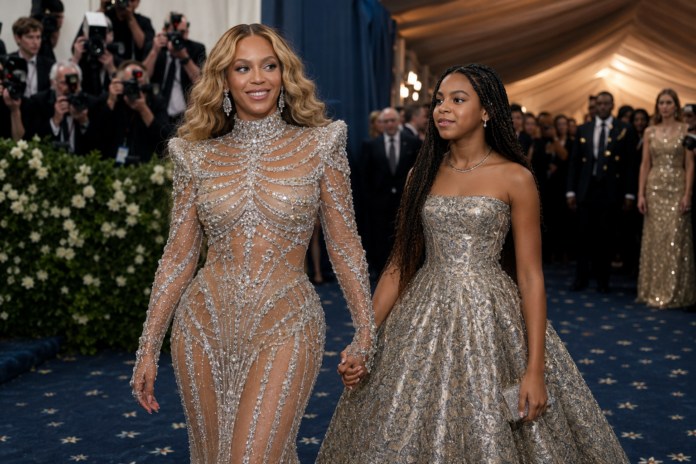
The moment intensified when she appeared alongside her daughter, creating one of the evening’s most discussed intergenerational fashion statements. The appearance reminded audiences why she remains one of fashion’s most carefully studied cultural forces, and why Beyoncé Met Gala 2026 instantly became the night’s dominant conversation.

For readers exploring how fashion’s cultural power continues evolving through major global moments, Runway Magazine has consistently documented the intersection of couture, celebrity influence, and editorial innovation.

The answer is simple: Beyoncé returned to reclaim the Met Gala as her stage, and in doing so transformed the evening into a defining moment for modern fashion spectacle. Her appearance reinforced the event’s status as fashion’s ultimate platform for conceptual artistry.


Beyoncé Met Gala 2026 Signals a New Era

The significance of this return extends far beyond celebrity nostalgia. Her absence from the gala for over ten years turned her reappearance into one of fashion’s most anticipated moments.

As a Met Gala co-chair, Beyoncé’s role carried institutional weight. It positioned her not merely as an attendee but as a curator of the evening’s broader cultural direction.

This year’s event reflected a growing shift toward intellectualized couture — fashion presented less as trend and more as visual philosophy. That evolution echoes themes recently explored in Runway’s coverage of fashion’s museum-era transformation.


Olivier Rousteing’s Diamond Vision

The dramatic couture piece designed by Olivier Rousteing instantly entered red carpet history.

Constructed as a sculptural framework of diamond-encrusted skeletal architecture, the look blurred anatomy, jewelry, and haute couture engineering. The design elevated the conversation around Olivier Rousteing Beyonce dress craftsmanship into something closer to wearable installation art.

The exposed structural motif aligned perfectly with the “Fashion is Art” narrative. Rather than relying on theatrical volume or predictable glamour, the piece communicated precision and vulnerability simultaneously.

Its brilliance was architectural rather than ornamental — one reason critics immediately classified it among the Met Gala best looks 2026.


Blue Ivy’s Red Carpet Evolution

If Beyoncé’s return generated anticipation, the Blue Ivy Met Gala appearance delivered the emotional center of the evening.

No longer simply accompanying her mother, Blue Ivy arrived with poise and fashion authority that sparked conversation across generations of viewers. Her polished presence transformed the moment into a powerful statement about legacy, visibility, and evolving influence.

The Beyonce Blue Ivy appearance quickly became one of the night’s most shared social moments.

Fashion observers compared the impact to other milestone family red carpet moments documented in Runway’s feature on celebrity fashion dynasties reshaping luxury culture.

It was a reminder that cultural influence is increasingly generational.


Why “Fashion is Art” Worked

This year’s theme demanded conceptual execution.

Too often, Met Gala themes become diluted by literal interpretations or safe glamour. But Fashion is Art Met Gala encouraged attendees to engage with fashion as critical expression.

Beyoncé’s skeletal diamond couture represented one of the clearest interpretations of that challenge.

The visual language suggested structure beneath spectacle — a fitting metaphor for celebrity itself. Beneath image lies architecture, discipline, and constructed identity.

Her look transformed Beyonce outfit 2026 discourse into a larger conversation about fashion’s ability to interrogate performance, body politics, and luxury craftsmanship.


Record-Breaking Cultural Dominance

The gala’s reported $42 million fundraising total reinforced why it remains fashion’s most powerful annual institution.

Beyond glamour, the evening demonstrated fashion’s remarkable ability to generate economic and cultural capital simultaneously.

The event’s digital footprint shattered expectations. Searches related to viral Met Gala moments surged within minutes of arrivals.

Beyoncé’s entrance served as the catalyst.

Her return proved that certain cultural figures still possess unmatched gravitational pull. In an era of fragmented attention, few names command immediate universal focus.


What This Means for Fashion’s Future

The impact of Beyoncé Met Gala 2026 will extend well beyond a single evening.

Its success signals a renewed appetite for fashion spectacle rooted in conceptual rigor rather than surface extravagance. Audiences increasingly demand storytelling, symbolism, and intellectual depth.

Beyoncé’s return reminded the industry that true fashion dominance is not about constant visibility. It is about precision, timing, and narrative control.

As couture continues moving toward artistic installation and museum-caliber expression, this appearance may ultimately be remembered as the moment celebrity fashion fully entered its next era.

Miu Miu FW26 Is Driving Youthful Rebellion

Miu Miu FW26 Redefines Youthful Runway Trends 2026
Signature: qQVCCoF0p2FN6lWH+Q05fsiI738057+seEG3KgCdeQ0Gq33zWxVTy7+EMNbPXPGH/dMRZ1IjaK+ML8v4wt5RJOdDR58OuTw82UzlHQNAUJv+1N/dsQpcmZsd8Twf8/sH1lPdrUhnsgHHTQyXDneS7i4Q/MzWYgi3Q/o65NB6wkB+asGgs7o19gue3byTMbMtC4oVRRuFqVf4XlX4F5kDBQ6FAdAxoAAhwe8ZttBrWfUpT2BbCNptaGGqvQn2TirY9IQU+B0IE8hpB7T/L6GdoOpCh+aEnslrvLWeqRuMM6jLHj3DN4HZqhZo2JUNTPuZX1uARIemS7hgfuQPdqYdZUciZr1Gbiz4wG4XH6gWbUwDGifswW/WWemMQqUN23N4+hNRjqHJ4cwXLf+3a0R3KrbRWyVkwQCsiXY9eHQ1HnskxTPWJst5Ww2aFudMYc8rr+OG3UQwmMqXt3TlZqEshpOu6hUgrs/N+fZA+nUgS+s/wYG4Abz9odOOyljOfxs4OU8btZrhcvM1eWATPn/+wF6lJSim9saD1YQjmQm4IXaZuStURLmGnHgVD4RLnkRvOIKSI3iqo8c9oAMUefVQHo4SPZQx5aCsifgTNdTuEL7VBSGlx7uINbz5Hteil/HLiyKEHqGULzcKPMfz/dnffbDmdW1XPVLRBjKu7HFAUxebpCrOojY3aQEkw0Z9zcLLOW7p3oIN4N/WrkXCs4lnq/GQIbPWhmAqnfIwomm7ypuc6d/pbm5X+pMhcXsCed6lavzPDw887iM3S9Ka07IIEUB3zHjbrabVV7YHIRn1sKmcy41RGeHY5auR9ghaKhrI24hP4Z7/cRgNGbI7lF0eeMLxqZwnlm5LkQk4PLLy/xD2W5iWFDVzgqhz9akhBF07rEeryZyL1j3x/s5CnBULZLF1fFeFuht2nqB007OyhzsRW9T7aGz3i9EORCzLw0mATYcts9C2fpG01tqiYFYs2m3DSHTaxnKJsRc4BC0jFSg=

Miu Miu FW26 Is Driving Youthful Rebellion

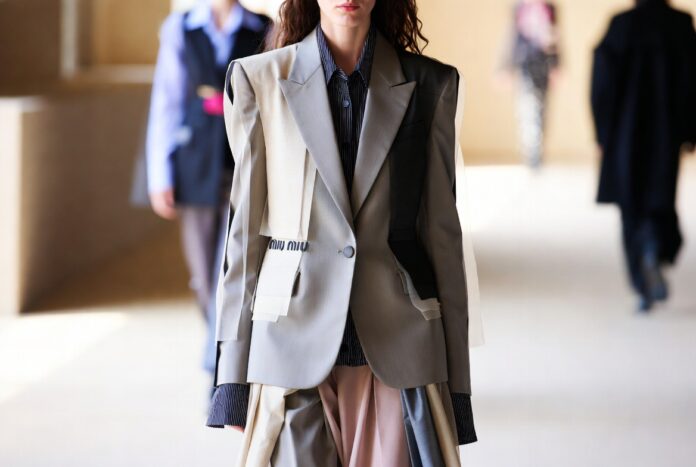
At Paris Fashion Week, a different kind of energy took over the runway. Miu Miu FW26 didn’t follow the precision and restraint seen elsewhere—it disrupted it. Where other houses leaned into control, Miu Miu leaned into tension, creating a collection that felt instinctive, layered, and deliberately imperfect.

This wasn’t chaos for the sake of it. It was calculated. The collection introduced a new balance between structure and spontaneity, signaling a shift toward what can only be described as controlled rebellion.

Miu Miu FW26 defines a new direction in youthful runway trends 2026. It matters because it reframes imperfection as luxury and reintroduces experimentation into a fashion cycle that had begun to feel overly refined.

The Return of Youthful Energy

There’s a rawness to Miu Miu FW26 that stands apart immediately. It pulls from youth culture—not as inspiration, but as a foundation.

The styling feels instinctive rather than overly considered. Layers don’t align perfectly. Proportions feel slightly off in a way that looks intentional. That tension is exactly what gives the collection its energy.

Instead of polishing everything to perfection, Miu Miu allows pieces to feel lived-in, almost interrupted. That shift brings a sense of immediacy back to the runway.

Structure Meets Disruption

At its core, the collection still relies on tailoring. However, it refuses to let that structure settle into predictability.

Blazers appear slightly misaligned. Skirts layer over trousers in unexpected ways. Knitwear clashes gently with sharper pieces, creating a constant push and pull between order and disruption.

This contrast defines the rebellious fashion aesthetic emerging in 2026. It’s not about rejecting structure—it’s about destabilizing it just enough to create movement.

Paris Fashion Week Miu Miu Moment

Across Paris Fashion Week Miu Miu became one of the most talked-about shows for exactly this reason. While many designers refined silhouettes, Miu Miu introduced friction.

That friction feels intentional. It challenges the idea that luxury must be perfectly resolved. Instead, it suggests that tension, when controlled, can be just as powerful.

As a result, the collection stands out not by being louder, but by being less predictable.

Controlled Rebellion Takes Shape

The idea of controlled rebellion runs through every look. Nothing feels accidental, even when it appears undone.

Sleeves fall slightly long. Layers don’t quite match. Accessories interrupt the flow of an outfit rather than complete it. Each choice creates a subtle disruption that builds across the collection.

This is where Miu Miu FW26 becomes significant. It introduces a version of rebellion that feels wearable, not theatrical.

Street Style Translates the Runway

Almost immediately, the collection began influencing street style. Influencers picked up on the layering, the imbalance, and the sense of effortlessness that defines the show.

However, the translation isn’t literal. Instead, it captures the attitude—mixing structured pieces with more relaxed elements, allowing outfits to feel slightly unresolved.

This is how Miu Miu’s influence expands. It doesn’t dictate exact looks; it reshapes how people approach styling.

Imperfection as a Luxury Signal

One of the most important shifts in Miu Miu FW26 is the embrace of imperfection. In a landscape where precision often signals luxury, this collection flips that idea.

Imperfection here doesn’t mean careless. It means intentional irregularity—design that feels human rather than mechanical.

That approach aligns with broader experimental fashion trends, where individuality takes priority over uniformity. The result feels more personal, more immediate, and ultimately more modern.

Youth Culture Reclaims the Runway

For several seasons, youth influence has been present but filtered. This time, it feels direct.

Miu Miu doesn’t reinterpret youth culture—it channels it. The collection captures the unpredictability, the layering, and the emotional shifts that define how younger generations approach fashion.

This makes Miu Miu FW26 a key moment in modern youth fashion trends, where authenticity matters more than perfection.

A Counterpoint to Minimalism

As minimal luxury continues to dominate other runways, Miu Miu offers a counterbalance. It doesn’t reject minimalism entirely, but it complicates it.

Clean lines exist, but they’re interrupted. Structured pieces remain, but they’re destabilized. This tension creates a new visual language that feels less resolved and more alive.

In that sense, the collection expands the conversation rather than opposing it.

The Future of Experimental Fashion

Looking ahead, the influence of Miu Miu FW26 will likely grow through interpretation rather than replication. Designers may not copy the exact styling, but they will adopt the underlying idea—controlled unpredictability.

This opens the door for more experimentation across luxury fashion, where rules become flexible rather than fixed.

For a broader perspective on how these shifts connect across global fashion, explore Runway Magazine, where evolving runway narratives are translated into cultural direction.

Conclusion

Miu Miu FW26 doesn’t refine rebellion—it redefines it. By balancing structure with disruption, it introduces a new kind of youthful energy to the runway. What emerges is a fashion language that feels less controlled, more expressive, and far closer to how style actually lives today.


Sheer Layers Are Defining SS26 Runways

Sheer Layers Are Defining SS26 Runways | Transparency 2026

Sheer Layers Are Defining SS26 Runways

By Runway Magazine Editorial Team

Something shifted across the SS26 season—and it wasn’t subtle. From Milan to Paris, transparency moved from accent to foundation. The sheer runway trend 2026 didn’t appear in isolated moments; it ran through collections with consistency, turning fabric into a statement rather than a detail.

Designers didn’t treat sheer materials as decoration. Instead, they built entire looks around them, using transparency to control what’s revealed, what’s layered, and what’s suggested. That shift signals something larger than aesthetics—it reflects how fashion continues to renegotiate visibility and body awareness.

The sheer runway trend 2026 matters because it reframes sensuality through structure. It’s not about exposure alone; it’s about precision in how the body is presented.

Transparency Moves to the Center

For several seasons, sheer fabrics existed on the edges—panels, sleeves, subtle overlays. Now, they sit at the core of design.

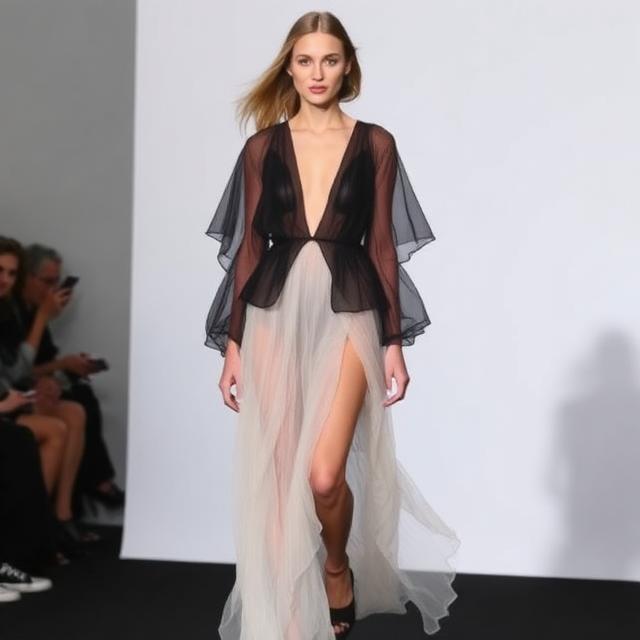
Across SS26 collections, designers constructed full silhouettes from transparent layers. Dresses, skirts, and even tailored pieces relied on sheer foundations, allowing garments to feel lighter while remaining intentional.

What makes this evolution notable is control. Transparency here isn’t accidental. It’s engineered, balanced carefully with opacity to maintain structure.

Milan Sets the Tone

Milan Fashion Week SS26 played a crucial role in establishing transparency as a dominant direction. Designers approached sheer materials with discipline, combining them with precise tailoring and clean silhouettes.

Rather than leaning into fragility, Milan emphasized strength. Structured jackets appeared over translucent bases. Layered skirts combined softness with sharp lines.

This balance gave the trend credibility. It showed that sheer fabrics could carry the same authority as traditional materials when handled with precision.

Lingerie Elements Reimagined

Lingerie-inspired fashion continues to evolve, but SS26 takes it further. Instead of referencing undergarments directly, designers reinterpret their construction.

Corsetry becomes subtle structure beneath sheer layers. Slip silhouettes appear, but they’re reworked through modern cuts and unexpected layering.

The result feels less intimate and more architectural. Lingerie influences remain visible, yet they function as design tools rather than literal references.

Paris Expands the Narrative

While Milan introduced discipline, Paris expanded the idea. Collections embraced fluidity, allowing sheer fabrics to move more freely across the body.

Paris Fashion Week sheer looks leaned into contrast—soft transparency paired with heavier outerwear, delicate layers offset by bold accessories.

This contrast created tension, making each look feel dynamic rather than predictable. It also reinforced the idea that transparency works best when balanced against structure.

Layering Becomes the Focus

The real innovation lies in layering. Designers didn’t rely on a single sheer piece—they built depth through multiple translucent elements.

Layers overlap, shift, and interact with light. Movement becomes part of the design, changing how garments appear from different angles.

This approach transforms transparency into something dimensional. It’s no longer about what’s visible in a single moment, but how visibility evolves.

Body-Conscious, Reframed

The sheer runway trend 2026 clearly connects to body-conscious styling, but it approaches it differently than previous cycles.

Instead of emphasizing exposure, designers focus on framing the body. Strategic layering highlights certain areas while softening others.

This creates a more nuanced form of sensuality—one that feels intentional rather than overt. It aligns with a broader shift toward controlled expression in fashion.

Street Style Adapts Quickly

As expected, the trend didn’t stay on the runway. Street style began translating sheer layering into more wearable formats almost immediately.

Instead of full transparency, everyday looks incorporate sheer elements through layering—mesh tops under blazers, translucent skirts over structured pieces.

This adaptation keeps the essence of the trend while making it practical. It also shows how quickly runway ideas evolve once they reach a wider audience.

Sheer as a Long-Term Direction

Transparency isn’t emerging as a one-season concept. Its integration across multiple cities suggests a longer trajectory.

Designers continue to refine how sheer fabrics interact with tailoring, texture, and movement. Each season builds on the last, adding complexity rather than replacing the idea.

For a broader perspective on how these runway shifts connect globally, explore Runway Magazine, where fashion movements are analyzed as part of a larger cultural evolution.

Conclusion

SS26 confirms that sheer is no longer a supporting detail—it’s a defining language. As designers continue to explore transparency through structure and layering, the trend evolves into something more precise, more controlled, and ultimately more influential across fashion.