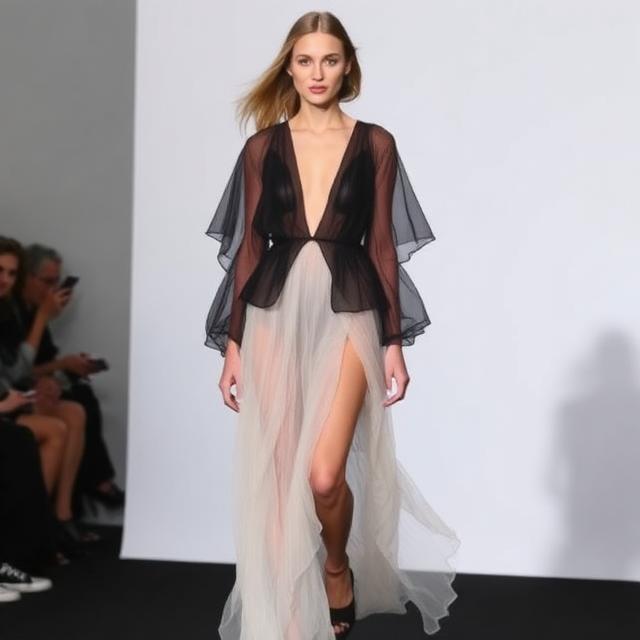
Sheer Layers Are Defining SS26 Runways

Sheer Layers Are Defining SS26 Runways | Transparency 2026

Sheer Layers Are Defining SS26 Runways

By Runway Magazine Editorial Team

Something shifted across the SS26 season—and it wasn’t subtle. From Milan to Paris, transparency moved from accent to foundation. The sheer runway trend 2026 didn’t appear in isolated moments; it ran through collections with consistency, turning fabric into a statement rather than a detail.

Designers didn’t treat sheer materials as decoration. Instead, they built entire looks around them, using transparency to control what’s revealed, what’s layered, and what’s suggested. That shift signals something larger than aesthetics—it reflects how fashion continues to renegotiate visibility and body awareness.

The sheer runway trend 2026 matters because it reframes sensuality through structure. It’s not about exposure alone; it’s about precision in how the body is presented.

Transparency Moves to the Center

For several seasons, sheer fabrics existed on the edges—panels, sleeves, subtle overlays. Now, they sit at the core of design.

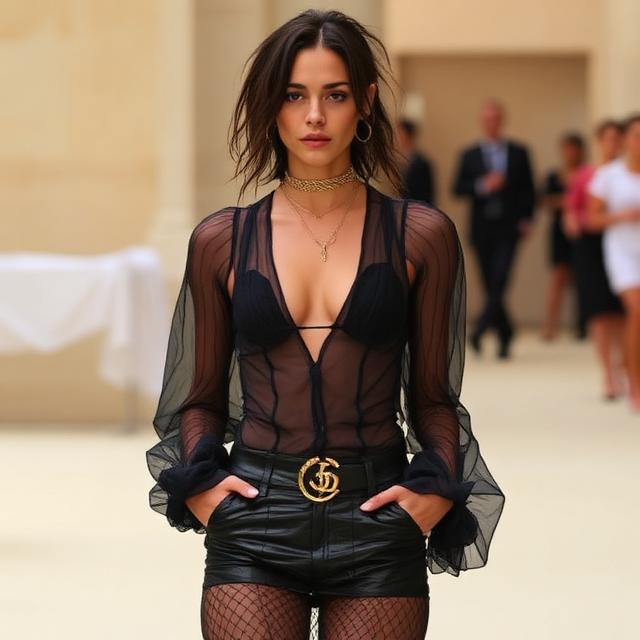
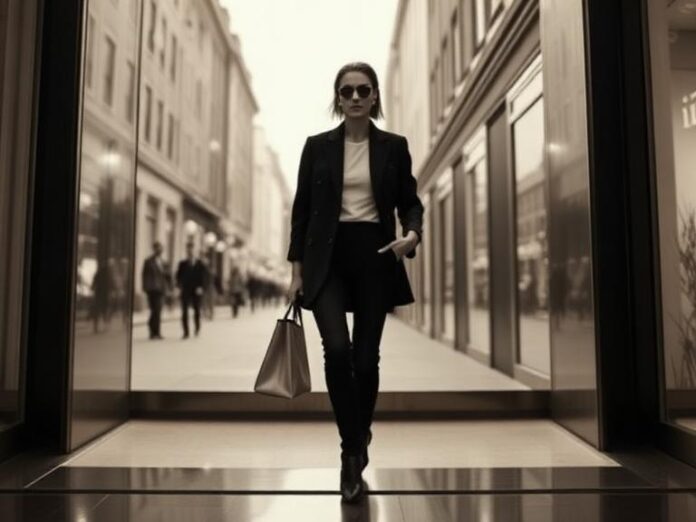
Across SS26 collections, designers constructed full silhouettes from transparent layers. Dresses, skirts, and even tailored pieces relied on sheer foundations, allowing garments to feel lighter while remaining intentional.

What makes this evolution notable is control. Transparency here isn’t accidental. It’s engineered, balanced carefully with opacity to maintain structure.

Milan Sets the Tone

Milan Fashion Week SS26 played a crucial role in establishing transparency as a dominant direction. Designers approached sheer materials with discipline, combining them with precise tailoring and clean silhouettes.

Rather than leaning into fragility, Milan emphasized strength. Structured jackets appeared over translucent bases. Layered skirts combined softness with sharp lines.

This balance gave the trend credibility. It showed that sheer fabrics could carry the same authority as traditional materials when handled with precision.

Lingerie Elements Reimagined

Lingerie-inspired fashion continues to evolve, but SS26 takes it further. Instead of referencing undergarments directly, designers reinterpret their construction.

Corsetry becomes subtle structure beneath sheer layers. Slip silhouettes appear, but they’re reworked through modern cuts and unexpected layering.

The result feels less intimate and more architectural. Lingerie influences remain visible, yet they function as design tools rather than literal references.

Paris Expands the Narrative

While Milan introduced discipline, Paris expanded the idea. Collections embraced fluidity, allowing sheer fabrics to move more freely across the body.

Paris Fashion Week sheer looks leaned into contrast—soft transparency paired with heavier outerwear, delicate layers offset by bold accessories.

This contrast created tension, making each look feel dynamic rather than predictable. It also reinforced the idea that transparency works best when balanced against structure.

Layering Becomes the Focus

The real innovation lies in layering. Designers didn’t rely on a single sheer piece—they built depth through multiple translucent elements.

Layers overlap, shift, and interact with light. Movement becomes part of the design, changing how garments appear from different angles.

This approach transforms transparency into something dimensional. It’s no longer about what’s visible in a single moment, but how visibility evolves.

Body-Conscious, Reframed

The sheer runway trend 2026 clearly connects to body-conscious styling, but it approaches it differently than previous cycles.

Instead of emphasizing exposure, designers focus on framing the body. Strategic layering highlights certain areas while softening others.

This creates a more nuanced form of sensuality—one that feels intentional rather than overt. It aligns with a broader shift toward controlled expression in fashion.

Street Style Adapts Quickly

As expected, the trend didn’t stay on the runway. Street style began translating sheer layering into more wearable formats almost immediately.

Instead of full transparency, everyday looks incorporate sheer elements through layering—mesh tops under blazers, translucent skirts over structured pieces.

This adaptation keeps the essence of the trend while making it practical. It also shows how quickly runway ideas evolve once they reach a wider audience.

Sheer as a Long-Term Direction

Transparency isn’t emerging as a one-season concept. Its integration across multiple cities suggests a longer trajectory.

Designers continue to refine how sheer fabrics interact with tailoring, texture, and movement. Each season builds on the last, adding complexity rather than replacing the idea.

For a broader perspective on how these runway shifts connect globally, explore Runway Magazine, where fashion movements are analyzed as part of a larger cultural evolution.

Conclusion

SS26 confirms that sheer is no longer a supporting detail—it’s a defining language. As designers continue to explore transparency through structure and layering, the trend evolves into something more precise, more controlled, and ultimately more influential across fashion.
Saint Laurent FW26 Is Rewriting Power Dressing

Saint Laurent FW26 Redefines Power Dressing 2026
Signature: LfIu7pEliSi2J+Ec6psZjJDt7oh6doO8h/BCN5k3Dp3Y7dU2wvP1t39kzXz1S00NQB8eJXG8gtMkSo3tQ3KpTT9XVtKYS4kDnzmPEvl2iiLYTSBR82Va9vABCanB6MQLbXe0ujzk6SOk+UL9dJhyjmmPqK486enbECVxIy7kSCdT8mbIg4XvulK70ScBYhHnvK7JbVZaM3pBq51/BLwuhe281vZdFv37f8HUdgckJ+rIaH1cGC5jJucv85dzJexhR9EORTn1/+unqvbaZpHYOw/tOdlIaYCFls0vF9G7rd4wxZTNo0vpaJA2JtFmWjTL9jloHuqmo54kOAcxjQdLjF2I6aUW9rtHhTIyoCsr75g0cdhh9pRDCyJP5+QrD0jEFvRMXmpZEvxJQJDYFuL+GSA9/GFi9n4gSOHpSzmKWLiDckYCbbpulddxrMcyCqo1J5oh4WXXd0/4Te87/Xne8uDvYowlt2Qke9Jon45NS8qzciEkodDFp1mgG9Oj1mhaYj+7uq0mFKeusF6AzDj7bCwm1CPG0H1rsFeHg4ZFmef/AWfkA5pyGNpPxdneULg08CIsYIhu/6FP39+DXmP3t+//5G+0Y7oG2wT30yAAmFue/ueYuhf7nkwfwQ2K/FNNfi0GIJCGDcrrN18nAHAWb8kPxvz/cfjo7ruU9+FLH41c0eoHCOi9q0SrWxBH5JdJMmBmQgpGstkeQ+z5gZPUdtglhlJEracwF5EIxveFoCfNuCyl5LQ66cdQv/e7xlQnVUCRpuPBDaQj6kAOA+UeRFkV2+M0YkZ1RJw5tZB1UQPUlW2vyAR/Mya4Va4ysniuFXtjV4B8WbLJFB5bDmUT/lF2kam8va1OOm+CTNIiF1i1ubmDm5TUIMHGo4GaR2QpcBRh2UF6sF/g60EnXqOqUOKzMJLp3e6Cpag5sGjnZtVy/UpqQ0hZeeFN52zVDB3S5MQWP+S1KtwmwMs7beWYxeCzO4dpsWaHNLdHSPZuQ3k=

The Return of Razor-Sharp Tailoring

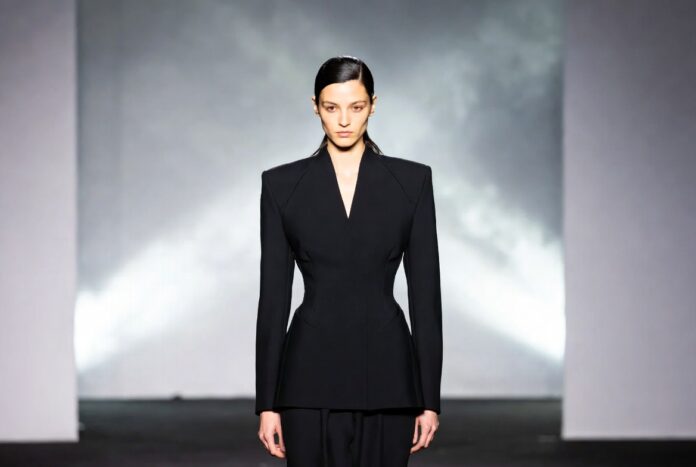
Tailoring drives everything here. Jackets are cut close, shoulders hold their line without exaggeration, and the waist returns as a point of focus rather than something hidden.

There’s no aggression in the silhouette, but there is intention. The pieces don’t overwhelm the body—they refine it. That distinction is what separates this collection from earlier eras of power dressing.

What stands out most is restraint. Nothing feels added for effect. Every seam, every proportion serves the same purpose: clarity.

Paris Fashion Week 2026 Finds Its Direction

Across Paris Fashion Week 2026, the same idea kept surfacing—less noise, more control. Designers stepped away from exaggerated volume and leaned into precision, tightening the visual language of luxury.

Saint Laurent didn’t just participate in that shift—it defined it. While others explored the idea, this collection made it unmistakably clear.

There’s a growing sense that fashion is editing itself. The excess is fading, and what remains feels sharper because of it.

Structured Silhouettes Take Back the Frame

The oversized era hasn’t disappeared entirely, but it’s no longer leading. In its place, structure returns—not rigid, but resolved.

In Saint Laurent FW26, the sharp tailoring trend 2026 plays out through clean lines and controlled proportions. Blazers sit exactly where they should. Trousers fall with precision. Nothing feels accidental.

And yet, it doesn’t sacrifice ease. The comfort comes from fit rather than looseness, which changes how the clothes move—and how they’re worn.

Celebrity Styling Brings It Into Focus

Off the runway, the message carries through. Hailey Bieber, among others, has already leaned into Saint Laurent’s direction, translating it into red carpet moments that feel aligned rather than styled.

The appeal is obvious. Clean tailoring photographs differently—it holds shape, catches light, and creates presence without relying on embellishment.

That’s why it travels so well from runway to reality. It doesn’t need reinterpretation.

Power Dressing, Rewritten

Power dressing fashion has returned, but it feels fundamentally different. The volume is gone. The statement is quieter.

In Saint Laurent FW26, authority comes from precision. There’s no need to exaggerate when the cut does the work. The confidence is built into the structure itself.

That shift makes it feel modern. It’s less about projecting power outward and more about holding it internally.

Minimalism, Sharpened

Minimal luxury has been building for a while, but this season gives it an edge. Not softer—sharper.

Saint Laurent reduces everything to essentials: cut, fabric, proportion. Then it refines each one until nothing feels unnecessary. The result isn’t simple—it’s exact.

This direction aligns closely with the broader movement explored in luxury minimalism 2026, where precision replaces decoration as the marker of sophistication.

Couture Precision in Ready-to-Wear

There’s also a couture sensibility running underneath the collection. Not in embellishment, but in discipline.

The tailoring carries a level of exactness usually reserved for made-to-measure pieces. That influence elevates the entire collection without making it feel distant.

You can see this evolution more clearly in Paris couture influence 2026, where traditional craftsmanship continues to shape modern silhouettes.

Why Structure Feels Relevant Again

Fashion rarely shifts in isolation. The return of structure often mirrors a broader need for clarity—and right now, that need is hard to ignore.

Saint Laurent FW26 doesn’t push that idea aggressively. It simply reflects it. Clean lines, defined shapes, and controlled proportions create a sense of stability without saying it outright.

That’s what makes it effective. It doesn’t try to convince—it just fits the moment.

Where Tailoring Goes Next

This won’t stop at one season. The influence of Saint Laurent FW26 is already setting a direction that others will refine rather than replace.

Tailoring will continue to evolve, but the focus on precision isn’t going anywhere. If anything, it will become more nuanced—less visible, but more important.

For a broader look at how these shifts shape fashion globally, visit Runway Magazine, where these movements are tracked as they unfold.

Conclusion

Saint Laurent FW26 doesn’t just revisit power dressing—it redefines it. By removing excess and focusing on structure, it creates a new kind of authority—one that feels current, controlled, and built to last.

Warm Brunettes Are Dominating 2026

Warm Brunette Hair 2026- Every Shade Trending Now
Signature: cLcTObHXTVzPOjhJMnu5nNBNzj79g/+lP6sdCXN1MKAWB5dY7RICY8jj5xMAyZGQcKKdQ6o31Ubbnui6cspLfGL9JeQWLihJC60kyr36+K3AmXiNEPPEmtw2s8GMmh6Arcrw0pgFNi4ec8sxJbRonNazTOAEuAPgMAnw/cHLpu/IAQjC9ifCAwPxPdpP+/nE3lZ2SA+gGgRqHvzTnXsSfoJ7Z/GId9rTqsxBlMjtlo5HGm9ka3TTMwgmsBX1oIqCapYRUr53v7Y5wQ8l0t4jJm2CvV3hdPCPswk/fPrw7EWM9TaTsPbRrCrhcCCZqS2tUqaEqV/qEKPM2c4KILXAGl5M9G/bmvAK19P2bt/evmTsMH0S2rZ0VGh/e6xr2nV0Vh4SAjRl54f00N8xwT5/438S7rT0FQKPu3zsCwJS9pjkwrRT03992L36YME0TFZv8OdVyrZs0CFCG6vIYMRjBEyrkj+lVmRwiYBcyMsa80SawjKIXaDovZLY57/f1qI5PqZqDebTJciPHc9Gtjmrm/DpfxE8gLcBxJ0k+NEp50k1QXsdy71rHXKOcgHcWzx2XHzeHq454Nc8yke8nXHm5xBzXHibMgXn7uiEEWVjQNLKJO7gklqKYMg8JCOR7G15J67MnnlFOHxwkg3/vBPFRsi6zYiQIYkUERLCcN40j2pAdzqJlurRomFOUYRG405b612bAleV9laAV8muejGN1XNyG6PFbm8ok3h1vbuGMGYcP9RMyAoKmJlV/tjVQ9BXwe4VUOhSNiprmI13HTUIQTB/1L57/hUjw8LHceNkxdNXEGUTKofQU7mztHfp0Ms7GmE3QOBIyhVLehBxGGy3vMYPYSjPvwNUl6eUuZA9vncL5UO98S52nS7YxHS007o7A2w2QoZ2ifpxyiuqxXGnU91pwziF9665ay2BkwgeuDVnugn23VjwyyMBAXWRTtRyPx6xKvTT6MW1Ac+h8TwWz+J2wiwM2ulelUpKZiiGbeg=

Warm Brunettes Are Dominating 2026

The return to brunette is no longer subtle—it’s defining beauty in 2026. Across salons, runways, and social platforms, warm brunette hair 2026 has emerged as the most requested direction, signaling a clear departure from the icy blondes that dominated the past decade. What’s different this time is precision: brunettes are no longer generic—they’re named, nuanced, and deeply personalized.

Colorists are seeing clients arrive with hyper-specific references—brownie batter, cinnamon, truffle—each representing a distinct tone, finish, and identity. The result is a new era of brunette that feels intentional rather than default.

Warm brunette hair 2026 is about depth, richness, and individuality. It reflects a broader shift toward low-maintenance luxury and more natural-looking color that evolves beautifully over time. More importantly, it signals a cultural reset in how beauty trends are defined and adopted.

What’s Driving the Brunette Shift

The rise of warm brunette hair 2026 is not accidental. After years of platinum, ash blonde, and high-maintenance bleaching cycles, many are choosing to return to tones that feel healthier, more sustainable, and easier to maintain.

This shift is also tied to digital influence. Platforms like TikTok have accelerated micro-trends, allowing specific shades to go viral almost overnight. Instead of asking for “brown,” clients now reference exact finishes with visual precision.

At the same time, economic signals are shaping beauty decisions. Lower-maintenance color, fewer salon visits, and longer grow-out cycles align with a more conscious approach to spending—without sacrificing style.

Brownie Batter Brunette: The Viral Power Shade

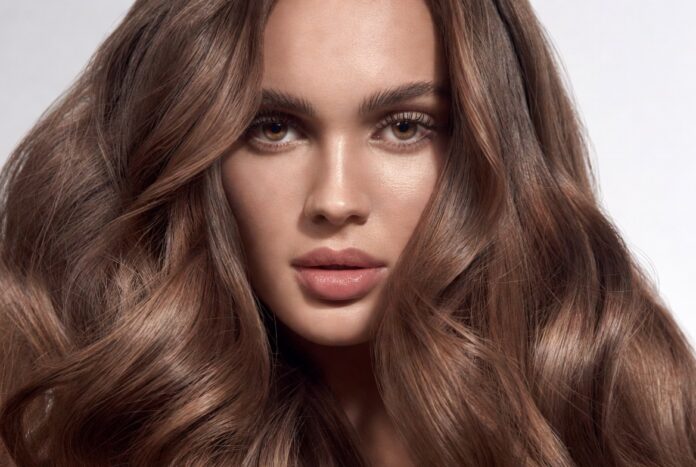
Among the standout tones, brownie batter brunette hair has become one of the most requested looks of the year. Rich, warm, and glossy, it sits between chocolate and chestnut, delivering a multidimensional finish that reflects light effortlessly.

Unlike flat brown tones of the past, this shade is layered with subtle highlights that mimic natural movement. The result is a color that feels both polished and effortless.

Its popularity is rooted in versatility. It works across a wide range of skin tones and adapts easily to different styling approaches—from sleek, straight finishes to soft, voluminous waves.

Bone Brunette: Cool Contrast With Depth

On the opposite end of the spectrum, bone brunette hair color offers a cooler alternative while maintaining dimension. This shade blends ashy undertones with soft highlights, creating a muted, modern finish.

What makes bone brunette compelling is its balance. It avoids the flatness often associated with cool browns by incorporating depth through tonal variation.

For those transitioning from blonde, this shade offers a seamless entry point into darker tones without feeling overly warm. It also aligns with the ongoing preference for understated, refined color.

Cinnamon Brunette: Summer’s Light-Reflecting Glow

As temperatures rise, cinnamon brunette 2026 is gaining momentum as the go-to seasonal update. Infused with reddish-copper undertones, it adds warmth and vibrancy without crossing into full red territory.

This shade is particularly striking in natural light, where its layered tones create a glowing effect. It enhances movement and texture, making it ideal for softer, more relaxed styling.

Cinnamon brunette also complements cool-to-neutral skin tones, offering contrast while maintaining harmony—a key reason for its rapid adoption this season.

Truffle and Beige Browns: The Lived-In Effect

Truffle brown hair and beige brown variations are dominating the “lived-in” aesthetic. These shades are softer, more diffused, and intentionally imperfect, designed to grow out seamlessly.

They rely heavily on balayage techniques, creating subtle transitions between tones rather than sharp contrasts. The result is a natural gradient that feels effortless and modern.

This direction aligns closely with the broader movement toward lived-in brunette hair, where color evolves over time instead of requiring constant upkeep. For a deeper look at how this aesthetic is reshaping beauty, see this evolving lived-in hair trend.

The Rise of Named Brunette Shades

One of the most defining aspects of warm brunette hair 2026 is the emergence of “named shades.” Instead of generic color categories, each tone is branded with a descriptive identity.

This naming strategy does more than simplify communication—it creates emotional connection. Clients are no longer choosing a color; they’re choosing a mood, a texture, a lifestyle.

It also reflects a shift in how trends are consumed. Rather than broad seasonal palettes, micro-trends now dominate, each with its own visual language and cultural context.

Brunette vs Blonde: A Cultural Reset

The resurgence of brunette is also a response to blonde fatigue. Years of high-maintenance color routines have led many to reconsider what luxury in beauty truly means.

Brunette offers a different kind of sophistication—one rooted in subtlety, depth, and longevity. It feels less performative and more personal.

Interestingly, the rise of recession blonde—a softer, grown-out blonde with visible roots—bridges the gap between the two worlds. It allows for a gradual transition while embracing a more relaxed aesthetic. This shift mirrors broader fashion movements explored in the rise of modern minimalism in 2026.

Choosing the Right Brunette for You

The success of any brunette shade lies in customization. Factors like skin tone, natural base color, and lifestyle all influence the final result.

Warm tones like brownie batter and cinnamon enhance brightness and warmth, while cooler shades like bone brunette provide contrast and sophistication.

Dimensional techniques—such as balayage or soft highlights—are essential for avoiding flatness. They create movement and ensure the color evolves naturally over time.

For those considering the shift, consultation is key. Understanding undertones and maintenance expectations ensures the final look aligns with both aesthetic goals and daily routines.

The Future of Brunette in Beauty

As beauty continues to move toward personalization, brunette will likely remain at the forefront. Its adaptability makes it ideal for ongoing reinvention, with new variations emerging through subtle shifts in tone and technique.

The influence of digital platforms will continue to shape how these shades are defined and shared, accelerating the cycle of trend creation.

At the same time, the emphasis on health, sustainability, and longevity suggests that brunette’s dominance is not a fleeting moment but part of a larger transformation in beauty standards.

For more on how these shifts connect to fashion and editorial direction, explore the vision behind Runway Magazine, where global trends are translated into cultural narratives.

Conclusion

Brunette in 2026 is not a fallback—it’s a statement. Defined by richness, dimension, and individuality, it reflects a deeper shift toward authenticity in beauty. As trends continue to evolve, the power of brunette lies in its ability to adapt, offering endless possibilities without losing its core identity.


Met Gala 2026 Best Looks Defined a New Era of Fashion as Art

Met Gala 2026 Best Looks: Fashion as Art Takes Over

Met Gala 2026 Best Looks Defined a New Era of Fashion as Art

By Runway Magazine Editorial Team

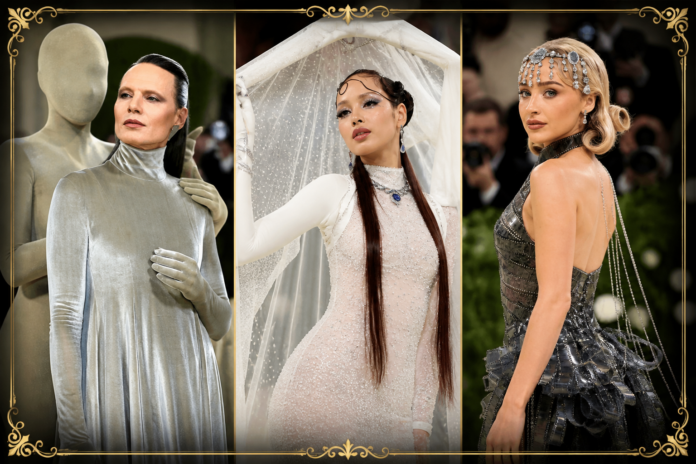
The Met Gala has always been about spectacle, but this year it sharpened into something more precise. Under the theme “Fashion Is Art,” the Met Gala 2026 best looks didn’t just reference creativity—they embodied it. From sculptural silhouettes to literal interpretations of paintings, the red carpet became less about dressing up and more about constructing visual statements.

What stood out immediately was intention. Nothing felt accidental. Even the most theatrical looks carried a sense of control, signaling a shift toward fashion that balances expression with discipline.

The Met Gala 2026 best looks matter because they redefine how fashion communicates. This wasn’t about trends—it was about translation, turning art into something wearable without losing its impact.

The Red Carpet as a Living Canvas

This year, the red carpet moved beyond glamour into interpretation. Celebrities approached their looks as extensions of artistic ideas rather than standalone outfits.

Designers leaned into sculpture, texture, and narrative. As a result, garments felt less like clothing and more like installations in motion. The influence of fine art appeared everywhere, from brushstroke-inspired fabrics to silhouettes that mimicked classical forms.

Standout Looks That Defined the Night

Several moments defined the Met Gala 2026 best looks with clarity and impact.

Rihanna arrived in a Maison Margiela Artisanal creation that balanced theatrical construction with precision, reinforcing her ability to dominate the red carpet.

Hailey Bieber took a more restrained approach in Saint Laurent, wearing a sculptural gold breastplate that merged minimalism with statement design.

Beyoncé delivered one of the most striking visuals of the night, wearing a silver skeleton-inspired look that transformed the body into a conceptual centerpiece.

Meanwhile, Sabrina Carpenter pushed narrative further with a Dior gown constructed from film strips, turning cinematic history into wearable design.

Each look approached the theme differently, yet all shared a commitment to storytelling through form.

Sculptural Fashion Takes Control

Across the board, structure dominated. Designers emphasized the body as a framework, building garments that shaped and redefined it.

This approach aligned closely with the broader movement toward structured luxury seen across recent runways. However, at the Met Gala, the execution felt more extreme—less wearable, more conceptual.

From molded bodices to exaggerated silhouettes, the focus remained on form rather than decoration. This marked a clear evolution from previous years where embellishment often led the narrative.

When Fashion References Art Directly

Several of the Met Gala 2026 best looks moved beyond inspiration and into direct translation. Celebrities referenced specific artworks, transforming them into garments with surprising accuracy.

Paintings, sculptures, and cinematic references all appeared on the red carpet. In some cases, entire outfits functioned as reinterpretations of iconic works, blending craftsmanship with cultural memory.

This approach added depth. Instead of vague inspiration, each look carried a clear point of reference, making the red carpet feel more curated and intentional.

Celebrity Influence Extends Beyond the Carpet

As expected, the impact didn’t stop at the Met steps. Within hours, interpretations of the Met Gala 2026 best looks began appearing across social platforms.

Influencers translated high-concept styling into more wearable versions—simplifying silhouettes, adapting textures, and focusing on key elements like structure or layering.

This rapid translation highlights how the Met Gala continues to function as both a cultural event and a trend accelerator.

Beauty and Styling as Part of the Narrative

This year, beauty played a more integrated role than usual. Hair, makeup, and even nails became extensions of the overall concept rather than finishing touches.

From gem-covered details to sculptural hairstyles, beauty choices reinforced the artistic direction of each look. In many cases, they elevated the concept rather than simply supporting it.

The result was a more cohesive presentation, where every element contributed to the final image.

The Rise of Controlled Expression

Despite the theatrical elements, there was a surprising sense of control throughout the night. Even the most dramatic looks felt intentional rather than chaotic.

This balance between expression and precision defines where fashion is heading. It mirrors what’s happening on the runway—experimentation, but with boundaries.

In that sense, the Met Gala didn’t break fashion rules. It rewrote them.

What the Met Gala Signals for Fashion 2026

The Met Gala 2026 best looks point toward a future where fashion becomes increasingly conceptual. However, that concept must still connect visually and emotionally.

Designers are moving away from pure spectacle and toward meaning—creating garments that communicate ideas as clearly as they create impact.

For a broader perspective on how these cultural shifts shape global fashion narratives, explore Runway Magazine, where fashion is analyzed as both industry and expression.

Conclusion

The Met Gala 2026 didn’t just deliver standout looks—it redefined the relationship between fashion and art. As the industry moves forward, the balance between structure and expression will continue to shape how style evolves, both on and off the runway.


GLP-1 Weight Loss Drugs Are Reshaping the Modeling Industry and Body Trends

Ozempic Models and GLP-1 Drugs Reshape Fashion Industry

GLP-1 Weight Loss Drugs Are Reshaping the Modeling Industry and Body Trends

Published by Runway Magazine, an independent U.S. fashion, beauty, and lifestyle publication founded in 1989 and recognized for its global editorial authority.


Introduction

Ozempic models and the wider rise of GLP-1 fashion industry influence are quietly reshaping one of fashion’s most sensitive pressure points: body standards. What began as a medical breakthrough for metabolic health has now entered the vocabulary of casting directors, model agencies, and runway fittings, where its impact is being felt in real time.

Across fashion week circuits, model body standards 2026 are beginning to shift again—this time toward a noticeably slimmer silhouette profile. After several years of visible inclusivity progress, the industry is now entering a more conflicted phase, where health discourse, aesthetics, and commercial pressure are increasingly intertwined.

The result is a return of tension around size, representation, and the visual expectations placed on runway talent.


Answer-First: What Is Changing in Model Body Standards?

GLP-1 drugs like Ozempic and Wegovy are influencing model body standards by accelerating a shift toward thinner silhouettes in runway casting and editorial work.

This matters because it is reshaping runway size trends at the exact moment the fashion industry is debating inclusivity, creating a visible split between body diversity goals and commercial casting realities.


Key Insights

  • Ozempic models reflect new industry body pressure dynamics
  • GLP-1 fashion industry influences runway casting decisions
  • Ultra-thin silhouettes are returning to runway standards
  • Plus size models decline across major fashion weeks
  • Industry ethics debate intensifies around body expectations

Editorial Perspective: A New Body Cycle Is Emerging

The fashion industry rarely moves in straight lines. Instead, it cycles between aesthetic extremes, often under the influence of cultural, medical, and commercial forces that operate beneath the surface of trend forecasting.

The rise of GLP-1 weight loss drugs has added a new variable to that cycle. Unlike traditional diet culture, these medications introduce a clinical dimension to body transformation—one that is now intersecting with casting decisions and sample sizing expectations.

“Fashion rarely invents body ideals—it absorbs them from culture and amplifies them.”

As a result, fashion industry controversy around body standards is intensifying again, but this time with more complex ethical layers than previous decades.


The Return of Ultra-Thin Silhouettes

Across recent runway seasons, there has been a visible recalibration toward slimmer silhouettes. While not universally adopted, the trend is noticeable in casting consistency, sample sizing, and styling direction.

Runway body standards 2026 are increasingly reflecting this shift, particularly in high-luxury houses where garment proportions are designed around very specific fit expectations.

This does not represent a formal reversal of inclusivity efforts. However, it does signal a competing aesthetic pressure that is becoming harder to ignore.

“Silhouette trends always return—but never in the same form.”


Casting Pressure and Industry Reality

Within model casting environments, runway size trends are becoming more rigid again, especially in luxury fashion segments. Agencies report increased demand for narrower sample measurements, particularly for runway presentations.

This creates a structural tension. On one side, brands continue to publicly support size inclusivity fashion principles. On the other, production requirements increasingly favor uniformity for garment presentation.

That gap is where model industry pressure is now most visible.


The Decline of Curve Representation on Runways

One of the most discussed shifts is the gradual reduction of plus size models decline across major fashion weeks. While representation has not disappeared, its presence is less consistent than in previous seasons.

This change is particularly visible in Paris, Milan, and select New York casting boards, where curve representation varies significantly by brand and season.

The result is a less predictable inclusivity landscape, where visibility fluctuates rather than steadily expands.


GLP-1 Drugs and the New Body Conversation

The emergence of Ozempic and Wegovy models in cultural discussion reflects a broader shift in how body change is now framed. Unlike traditional dieting narratives, GLP-1 drugs introduce a medicalized pathway to weight loss that is now intersecting with aesthetic industries.

This creates new ethical questions around model health concerns, especially when medical interventions overlap with professional expectations.

“Health-driven choices become complicated when aesthetics enter the equation.”

As this conversation expands, fashion industry ethics are becoming a central topic rather than a background concern on Ozempic Models.


Fashion’s Ongoing Identity Conflict

The current moment reveals a deeper contradiction within fashion: the simultaneous push for diversity and the persistent pull of uniform aesthetic standards.

Beauty standards 2026 are therefore not unified—they are split between inclusion frameworks and legacy silhouette ideals that still dominate high-fashion production.

This tension is unlikely to resolve quickly, because it reflects two different visions of fashion’s future.

One prioritizes representation. The other prioritizes control of form.


Industry Debate Intensifies

Editorial voices, casting directors, and industry analysts continue to debate how GLP-1 fashion industry influence should be interpreted.

Some argue it is simply another external factor affecting aesthetics, while others see it as a catalyst accelerating a return to older body ideals.

What is clear is that fashion casting trends are no longer driven purely by design—they are increasingly shaped by cultural health narratives as well.

“Fashion does not exist outside of biology, culture, or economics—it sits at their intersection.”


What Comes Next for Runway Standards

Looking ahead, runway size trends will likely continue fluctuating between extremes rather than stabilizing around a single standard.

As casting becomes more segmented by brand identity, the idea of a universal model body standard may continue to erode.

Instead, multiple aesthetic systems may coexist—each with its own expectations, casting logic, and visual language.


Madonna and Sabrina Carpenter’s Surprise Collaboration Is Breaking Generational Pop Barriers

Madonna Sabrina Carpenter Break Pop Barriers With Viral Song

Madonna and Sabrina Carpenter’s Surprise Collaboration Is Breaking Generational Pop Barriers

Published by Runway Magazine, an independent U.S. fashion, beauty, and lifestyle publication established in 1989, delivering global editorial coverage across fashion, culture, and modern luxury.


Introduction

“Bring Your Love” appeared without warning. Almost immediately, the Madonna Sabrina Carpenter collaboration started circulating across TikTok, Spotify, and YouTube.

That kind of instant visibility is no longer unusual in pop. What is unusual is the speed and scale combined. Within hours, the track had moved through multiple audience layers at once.

Part of the reason lies in how pop collaboration 2026 releases are built. They no longer target a single demographic first. Instead, they are engineered to travel across generations immediately.

The result feels less like a traditional single and more like a viral music release designed for continuous circulation.

There is also a clear sonic reference point. The track leans into disco pop revival textures, but filters them through modern streaming logic.


Answer-First: What This Release Changes

This collaboration matters because it removes the gap between legacy pop and Gen Z pop music distribution.

Madonna Sabrina Carpenter works as a shared system rather than a feature pairing. One side brings cultural longevity. The other brings platform acceleration. Together, they create immediate global reach without delay.


Key Insights

  • Madonna Sabrina Carpenter release “Bring Your Love”
  • Track spreads across TikTok trending songs rapidly
  • Spotify viral tracks spike within initial release window
  • Disco pop revival shapes production identity
  • Celebrity music collaborations define 2026 rollout strategy

Editorial Perspective: Why This Moment Feels Different

Pop music used to move in phases. First awareness, then radio, then streaming. That order has collapsed.

Now everything happens at once. And this release shows that clearly.

Madonna 2026 positioning reflects long-term reinvention rather than nostalgia. Meanwhile, Sabrina Carpenter new song momentum shows how fast platform-native audiences respond.

Together, they form a feedback loop. Legacy visibility fuels streaming discovery. Streaming discovery reinforces legacy relevance.

This overlap defines current music entertainment trends more than any single chart position.

Runway Magazine reports that this structural blending is now shaping how global pop releases are designed.


The Sound Behind “Bring Your Love”

The production leans into disco pop revival influences, but it avoids pure retro styling.

Instead, it uses rhythmic repetition and clear melodic structure. That makes it highly compatible with music streaming hits performance patterns.

There is also restraint in the arrangement. Nothing feels overloaded. Every layer is intentional.

The result is a sound that feels familiar but optimized for modern consumption.

“It doesn’t revive disco—it re-engineers it.”


How the Track Spread So Quickly

The first wave came through TikTok trending songs. Short clips circulated before official promotion fully engaged.

Soon after, Spotify viral tracks picked up momentum. YouTube edits extended the lifecycle.

That sequence has become typical for new music Friday releases. The difference here is scale and speed.

The track didn’t just trend. It propagated.


Madonna’s Continuing Reinvention

Madonna 2026 is not a continuation of legacy branding. It is an active reinvention cycle.

She remains central to female pop artists influence because she adapts rather than repeats.

In this collaboration, she provides structure and recognition. She also expands the track’s reach beyond younger streaming audiences.

Her role is stable, but never static.


Sabrina Carpenter and Platform Behavior

Sabrina Carpenter brings a different type of momentum.

Her recent Sabrina Carpenter new song cycles show strong alignment with short-form video culture and streaming engagement loops.

That matters here because Gen Z pop music behavior is built around immediacy.

Audiences do not wait for marketing. They respond to fragments first, then full releases.

That accelerates the entire lifecycle of the song.


Celebrity Collaborations as Industry Infrastructure

Celebrity music collaborations are no longer novelty events.

They now function as infrastructure for distribution. Madonna Sabrina Carpenter is a clear example of this shift.

Instead of relying on traditional promotion cycles, these collaborations combine audiences instantly.

They also reduce time between release and global recognition.

In modern pop music news, that speed is often the difference between visibility and disappearance.

“Collaboration is no longer creative decoration—it is release architecture.”


Streaming and Pop Visibility

Spotify viral tracks and TikTok engagement now define early success more than radio or traditional press.

Billboard music news reflects this shift by reacting to streaming behavior rather than leading it.

That creates a reversal in timing. Culture now moves before charts confirm it.

As a result, songs like Bring Your Love establish global presence almost immediately.


Why Disco Keeps Returning

Disco pop revival continues to reappear because it works structurally.

It supports repetition. It supports rhythm loops. It supports emotional clarity.

Those qualities make it ideal for algorithm-driven environments.

So its return is not nostalgic. It is functional.


What This Collaboration Signals Next

The industry is moving toward consistent intergenerational pairing.

That is not an occasional strategy anymore. It is becoming standard practice in pop collaboration 2026 cycles.

Madonna Sabrina Carpenter represents that direction clearly.

Instead of dividing audiences, music now connects them deliberately.

Zoë Kravitz and Model-Led Saint Laurent Styling Are Defining Sheer Fashion Trends

Zoë Kravitz & Saint Laurent Define Sheer Fashion trend 2026

Zoë Kravitz and Model-Led Saint Laurent Styling Are Defining Sheer Fashion Trends

Published by Runway Magazine, an independent U.S. fashion, beauty, and lifestyle publication founded in 1989 and recognized for its global editorial authority.


Introduction

The sheer fashion trend 2026 is taking shape through a very specific visual language—controlled transparency, precise tailoring, and a renewed focus on the body as part of the garment rather than something concealed beneath it. At the center of this shift is Saint Laurent, where 70s-inspired silhouettes are being reinterpreted through modern minimalism and intentional exposure.

Zoë Kravitz style has become one of the most visible reference points for this direction. Her consistent embrace of see-through fabric, structured tailoring, and restrained sensuality reflects a broader model-led styling movement that is now defining luxury fashion at large.

What’s emerging is not simply a trend in transparency—it’s a recalibration of how sensuality is constructed in high fashion.


Answer-First: What Is Driving the Sheer Fashion Trend?

The sheer fashion trend 2026 is driven by Saint Laurent’s runway direction and amplified by celebrity and model styling, particularly figures like Zoë Kravitz.

It matters because sheer dressing is no longer used as occasional statement wear. Instead, it has become a dominant styling system where transparency, layering, and structure coexist in a controlled luxury framework.


Key Insights

  • Sheer fashion trend 2026 dominates luxury styling direction
  • Saint Laurent leads 70s-inspired transparent silhouettes
  • Zoë Kravitz style reinforces celebrity influence in fashion cycles
  • Models blend sheer fabrics with structured luxury pieces
  • Met Gala 2026 expected to amplify the trend

Editorial Perspective: When Transparency Becomes Structure

Sheer dressing has existed in fashion for decades, but what’s different now is how controlled it has become. Instead of pure exposure, designers are constructing layered transparency—where nothing feels accidental.

Saint Laurent is central to this shift. The house’s recent direction reinterprets 70s fashion revival 2026 aesthetics through sharp tailoring, dark palettes, and body-revealing fabrics that still feel structured rather than exposed.

“Transparency is no longer about revealing—it’s about framing.”

Zoë Kravitz fashion choices sit naturally within this language. Her looks consistently balance sensuality with restraint, which is exactly what makes them culturally influential right now.


Saint Laurent and the Reinvention of Sensual Tailoring

Saint Laurent runway looks have become a blueprint for modern luxury sensuality. Instead of soft draping or overt glamour, the brand leans into contrast—sheer fabrics layered over structured foundations.

This approach has reshaped luxury sheer clothing into something more architectural. It’s not about opacity versus exposure anymore. It’s about how the two interact in the same silhouette.

“Luxury today is built in tension, not excess.”

As a result, model sheer dresses on the runway are no longer standalone statements. They function as part of a larger styling system that blends tailoring, transparency, and accessories into a single visual logic.


Zoë Kravitz and the New Celebrity Styling Influence

Zoë Kravitz fashion influence has become a defining reference point for the sheer aesthetic. Her red carpet appearances and off-duty styling consistently reflect a balance between simplicity and provocation.

Unlike traditional celebrity fashion trends 2026 cycles, her looks don’t rely on exaggeration. Instead, they emphasize proportion, fit, and fabric clarity.

That subtlety is exactly what makes her influence so effective. It aligns closely with model styling trends 2026, where restraint often carries more visual impact than spectacle.

“Minimal styling now communicates more than maximal design.”


Models and the Evolution of Red Carpet Styling

On and off the runway, models are increasingly shaping how sheer fashion is interpreted outside editorial contexts. Rather than treating transparency as a dramatic gesture, they are integrating it into everyday luxury styling.

This includes pairing see through outfit trend pieces with structured blazers, leather accessories, and precise tailoring.

The result is a more grounded interpretation of runway ideas—one that feels wearable without losing conceptual intent.


The Return of 70s Sensual Minimalism

The influence of 70s fashion revival 2026 is visible in both silhouette and attitude. However, the modern version is far more controlled.

Instead of free-flowing bohemia, designers are focusing on silhouette discipline. Sheer fabrics are now used to outline structure rather than soften it.

“Retro influence only survives when it is re-edited for the present.”

Saint Laurent has been especially effective in translating this into a contemporary luxury framework that feels both nostalgic and forward-looking.


The Met Gala Effect and What Comes Next

As anticipation builds toward the Met Gala 2026 trends cycle, sheer fashion is expected to reach its most visible cultural peak yet.

Historically, the Met Gala amplifies existing runway movements, and this year is likely to accelerate the visibility of transparent fashion trends across mainstream media.

Given the momentum already building through celebrity styling and runway direction, sheer dressing is positioned to dominate red carpet conversations well beyond a single event.


The Future of Sheer Luxury

The evolution of sheer fabrics runway direction suggests that transparency is becoming a permanent design language rather than a seasonal experiment.

Designers are no longer treating sheer elements as accents. Instead, they are integrating them into core construction principles of luxury fashion looks.

“What once felt experimental now defines modern elegance.”


Prada’s Bloomers Trend Signals a Radical Shift in Model Styling for Summer 2026

Prada Bloomers Trend 2026 Redefines Summer Fashion

Prada’s Bloomers Trend Signals a Radical Shift in Model Styling for Summer 2026

Published by Runway Magazine, an independent U.S. fashion, beauty, and lifestyle publication founded in 1989 and recognized for its global editorial authority.


Introduction

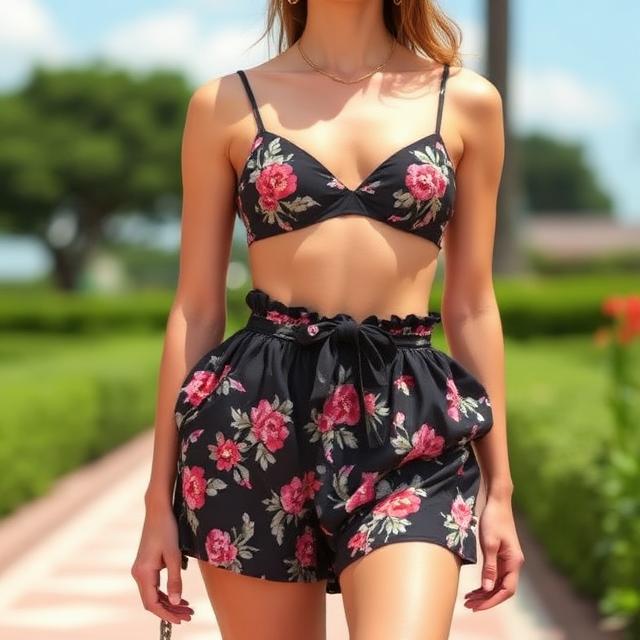
The bloomers trend 2026 emerging from Prada’s Spring/Summer 2026 runway is redefining what summer fashion trends 2026 look like at a structural level. Instead of leaning into predictable seasonal staples like denim cutoffs or tailored shorts, Prada introduces a softer but more directional silhouette built around layered lingerie-inspired forms and sheer construction.

This shift is already moving beyond the runway. Across fashion capitals, model styling trends are evolving in real time as influencers and editors reinterpret Prada runway looks for street-level expression. What once read as archival or theatrical has now entered everyday fashion circulation.

More importantly, Prada summer 2026 signals a broader change in how femininity, layering, and exposure are being constructed in luxury fashion.


Answer-First: What Is the Bloomers Trend?

The bloomers trend 2026 is a runway-driven silhouette where vintage-inspired bloomer shorts are reintroduced through a modern luxury lens, often styled with sheer fabrics, lingerie elements, and layered transparency.

It matters because it replaces traditional summer shorts with a more editorial, structured aesthetic that blends retro fashion comeback references with avant-garde summer style direction.


Key Insights

  • Bloomers trend 2026 debuts in Prada SS26 runway
  • Lingerie fashion trend influences layered silhouettes
  • Denim shorts replaced by structured bloomer styling
  • Sheer fabrics redefine summer fashion trends 2026
  • Model styling shift spreads across fashion capitals

Editorial Perspective: Prada and the Reinvention of Summer Dressing

Prada has long operated as a directional force in luxury fashion, but the bloomers trend 2026 marks a more radical pivot toward reconstructed femininity. Rather than simplifying summer dressing, the collection complicates it—introducing volume, layering, and transparency in place of minimal seasonal staples.

The effect is immediate. Instead of flat, functional silhouettes, Prada runway looks present movement and contrast, often pairing structured bloomers with sheer skirts or softened tailoring.

“Summer dressing is no longer about reduction—it’s about reinterpretation.”

Runway Magazine reports that runwaylive.com/about-runway-magazine/ this shift reflects a broader movement in luxury fashion toward expressive layering rather than simplified basics.


The Return of Bloomers in Luxury Fashion

Historically associated with vintage and archival silhouettes, bloomers are being repositioned as a luxury garment rather than a costume reference.

However, Prada’s interpretation avoids nostalgia. Instead of replicating historical forms, the design reframes them through transparency, proportion, and controlled volume.

This is why the designer shorts trend is being replaced at the top tier of fashion cycles. Bloomers offer more structural flexibility and visual complexity than conventional summer staples.

“Retro references only matter when they are re-engineered for now.”


Sheer Layers and the New Model Styling Language

One of the most defining aspects of Prada’s collection is the use of sheer fabrics layered over lingerie-inspired foundations. This approach is already influencing model runway trends 2026 across other luxury houses.

Rather than concealing, these looks emphasize construction. Underlayers become visible, and styling becomes part of the garment itself.

This creates a new visual grammar for fashion influencer trends 2026, where styling is no longer additive—it is structural.


From Runway to Street Style

As expected, Paris street style 2026 has already begun adapting the silhouette. Influencers are translating Prada bloomers outfit combinations into wearable interpretations that maintain the layered aesthetic without full runway intensity.

This transition is happening quickly because the silhouette is highly adaptable. It can be softened, simplified, or exaggerated depending on context.

“Luxury trends now move from runway to feed in days, not seasons.”


Why Prada Continues to Shape Seasonal Direction

Prada runway collections consistently function as directional signals for broader luxury fashion trends. The bloomers trend 2026 is no exception—it reframes how designers and stylists approach proportion, exposure, and layering.

Instead of following existing seasonal logic, Prada establishes its own visual system and allows the industry to adapt afterward.

This is why fashion week trends 2026 are increasingly defined by Prada’s aesthetic decisions rather than traditional seasonal forecasting.


The Future of Summer Silhouettes

The introduction of new summer silhouettes built around bloomers suggests a long-term shift away from minimal seasonal basics. Instead, designers are embracing complexity, layering, and visual tension.

As a result, high fashion summer outfits are becoming more expressive, structured, and editorial in nature—even outside runway contexts.

“The future of summer fashion is not simplicity—it is constructed expression.”

Bad Bunny’s Historic Billboard Run Is Reshaping Global Latin Music

Bad Bunny Billboard Success Reshapes Global Latin Music

Bad Bunny’s Historic Billboard Run Is Reshaping Global Latin Music

Published by Runway Magazine, an independent U.S. fashion, beauty, and lifestyle publication founded in 1989 and recognized for its global editorial authority.


Introduction

Bad Bunny Billboard success has reached a defining moment as “DtMF” climbs to No. 1 on the Billboard Hot 100. This isn’t just another chart update—it marks a measurable shift in how global music success is now being defined across streaming platforms.

The rise of DtMF No. 1 follows a sequence of high-impact cultural exposures, including a widely discussed Super Bowl halftime show and continued Grammy recognition. Each moment added momentum, but more importantly, each one converted visibility into sustained streaming performance.

What we’re seeing is not an isolated peak in Bad Bunny Billboard success, but a structural change in how Latin music dominance now operates across global charts.


Answer-First: Why This Matters

Bad Bunny’s Billboard success matters because it confirms that Spanish-language music no longer depends on crossover approval—it directly leads global chart performance.

In practical terms, “DtMF” reaching No. 1 shows that Latin music dominance is now algorithmically reinforced through streaming platforms, live events like the Super Bowl halftime show, and sustained global listening behavior.


Key Insights

  • Bad Bunny Billboard success reaches No. 1 with “DtMF”
  • Super Bowl halftime show drives global streaming acceleration
  • Latin music dominance expands across Billboard Hot 100
  • Spanish songs number one performance now sustained, not temporary
  • Streaming platforms reshape global music chart behavior

Editorial Perspective: The Shift Behind Bad Bunny Billboard Success

The significance of Bad Bunny Billboard success is not just the No. 1 position—it’s the system that made it possible.

Billboard Hot 100 is no longer purely a domestic reflection. Instead, it has evolved into a hybrid global index where Spotify global charts, Apple Music performance, and viral Latin songs on social platforms all feed into chart movement.

That’s why Latin music trends are no longer emerging from the margins. They are driving the center of global consumption.

Runway Magazine reports that this shift represents a permanent change in how global music authority is structured.


Billboard Hot 100 and Global Music Charts

The Billboard Hot 100 has transformed into a system that reflects global music charts behavior rather than isolated regional listening.

As a result, Bad Bunny new music no longer needs traditional English-language crossover validation to succeed. Instead, streaming velocity and international audience distribution determine chart position.

This is where Bad Bunny Billboard success becomes structurally important—it is not just cultural, but systemic.

“Chart dominance now reflects global listening density, not geography.”


Super Bowl Halftime Show as a Streaming Catalyst

The Super Bowl halftime show remains one of the strongest accelerators in modern entertainment.

Following Bad Bunny’s appearance, “DtMF” experienced immediate streaming growth across multiple platforms. This directly contributed to its rise toward Billboard Hot 100 No. 1.

More importantly, it showed how live broadcast exposure now functions as a trigger for Spotify global charts performance rather than just short-term visibility.

“Live performance now behaves like algorithmic fuel.”


Latin Music Dominance in the Streaming Era

Latin music dominance is no longer a prediction—it is already established across global streaming ecosystems.

Artists like Bad Bunny represent a larger structural shift where Puerto Rican artists and other Latin performers no longer enter global charts as exceptions—they define them.

This is why Spanish songs number one performance has become increasingly common across Billboard chart news cycles.

Language is no longer a barrier in music entertainment today—it is simply one layer of identity within global consumption.


Streaming Records and Chart Longevity

Streaming records music performance has fundamentally changed how long songs remain relevant.

Unlike traditional radio cycles, viral Latin songs now re-enter circulation through playlists, social sharing, and algorithmic resurfacing.

As a result, “DtMF” does not behave like a traditional single—it behaves like a continuously circulating global asset.

“Music no longer peaks once—it evolves in cycles of rediscovery.”


Awards, Recognition, and Momentum

Grammy winning artists like Bad Bunny now operate in a dual system: institutional recognition and streaming-driven dominance.

However, Grammy validation no longer initiates success. Instead, it reinforces momentum already established through audience behavior.

This feedback loop strengthens global music charts performance across multiple platforms simultaneously.


The Future of Global Music Charts

The direction of global music charts is becoming increasingly clear.

Spotify global charts, Billboard Hot 100, and other ranking systems are converging into a single behavior-driven ecosystem shaped by listener activity rather than geography.

Bad Bunny Billboard success is not an outlier—it is a preview of the next structural norm.

“Global hits are no longer exported—they are instantly global by design.”

The C-Curl Blowout Is Taking Over TikTok — Gigi Hadid’s Stylist Explains How to Get It

C-Curl Blowout 2026: TikTok’s Viral French Hair Trend

The C-Curl Blowout Is Taking Over TikTok — Gigi Hadid’s Stylist Explains How to Get It

Founded in 1989, Runway Magazine delivers authoritative fashion, beauty, and lifestyle coverage worldwide.


Introduction

The C-curl blowout 2026 is redefining modern salon styling, merging nostalgic French beauty structure with TikTok-driven immediacy. At the center of the trend is a refined, sculptural finish that transforms everyday blow-drying into a deliberate style statement. What began as a niche salon request has rapidly evolved into one of the most searched beauty looks of the season.

The C-curl girl hair aesthetic is not just about volume—it’s about controlled curvature, precision ends, and a polished silhouette that feels both effortless and engineered. The trend has been amplified by celebrity influence, especially through the styling work associated with Gigi Hadid blowout looks and high-fashion editorial styling.

At its core, the French blowout trend is a response to softer runway beauty direction, where movement and shape matter as much as texture. But unlike relaxed waves, this look demands structure, making it a hybrid between editorial styling and everyday wearability.


Answer-First: What Is the C-Curl Blowout Trend?

The C-curl blowout is a structured styling technique where hair is blown out with curved ends forming a soft “C” shape. It creates a polished, sculpted finish rather than loose waves.

It matters because it signals a shift toward controlled, salon-perfect hair in contrast to undone, heatless styling trends. On TikTok, it has become a defining beauty micro-aesthetic with rapid global adoption.


Key Insights

  • C-curl blowout 2026 dominates TikTok salon search behavior
  • Structured ends replace soft beach-wave styling
  • Blunt cuts are essential for shape retention
  • Celebrity stylists drive mainstream adoption
  • French blowout trend merges polish with softness

Editorial Perspective: Why the C-Curl Blowout Is Rising

The structured resurgence of the classic blowout signals a broader cultural return to intentional beauty. In contrast to overly relaxed styling, this look emphasizes precision and finish.

“Luxury today is defined by restraint, not excess.”

A key driver of the trend is social media visualization, where short-form tutorials break down salon techniques into repeatable steps. This accessibility has helped accelerate demand for more defined styling outcomes.

The influence of celebrity hairstylists like Dimitris Giannetos has also shaped the narrative, especially in association with sculpted, editorial finishes seen on public figures such as Gigi Hadid.


Section 1: The Cut Behind the Look

The foundation of the blunt cut blowout is precision. Without a solid baseline, the C-shaped curve cannot hold its structure.

“Shape begins in the cut, not the styling tool.”

Stylists emphasize that layered cuts often collapse the silhouette, making uniform ends essential for consistency.

This is why structured salon requests are increasing, particularly among clients seeking long-lasting styled finishes.


Section 2: How TikTok Changed the Blowout

The C-curl TikTok trend has transformed professional styling techniques into viral beauty education. Short videos demonstrate how slight wrist rotation creates the signature bend.

“Technique visibility is now as influential as celebrity endorsement.”

As tutorials spread, search behavior for how to get C-curl hair has surged, making the look one of the most algorithm-driven beauty styles of 2026.


Section 3: The Celebrity Effect

Celebrity adoption has amplified visibility across red carpets and editorial shoots. Stylists working with Gigi Hadid hairstyle 2026 references have contributed to the structured blowout’s resurgence.

“Celebrity styling no longer defines trends—it accelerates them.”

This overlap between salon culture and editorial beauty direction has blurred traditional trend cycles, making styles viral before they fully mature in professional spaces.


Section 4: The French Influence and Runway Connection

The classic French blowout trend remains the conceptual foundation of the C-curl aesthetic, but modern interpretations add sharper definition.

“Runway beauty now balances softness with engineered structure.”

According to Runway Magazine reports, runwaylive.com/about-runway-magazine/, seasonal styling direction continues to prioritize controlled movement over rigid perfection.

Design houses such as Chloé have reinforced softer textures on the runway, including bedhead-inspired finishes that contrast the polished salon aesthetic.


Section 5: Salon Technique and Wearability

The structured blowout is most effective on medium to long hair, particularly with blunt or one-length cuts. Stylists often adjust heat direction and round brush tension to create symmetry.

“Control in styling creates longevity in wear.”

While versatile, the style is most commonly requested for events, where durability and finish matter more than natural movement.


Section 6: The Future of Blowout Culture

The evolution of structured styling suggests a broader shift in beauty culture toward hybrid aesthetics—part editorial, part everyday.

“Hair trends are no longer seasonal—they are algorithmic.”

As salon techniques become more widely documented online, structured looks like the C-curl styling tips format will continue influencing both professional and at-home routines.


Victoria Beckham x Gap Signals High-Street Luxury Shift

Victoria Beckham Gap Collaboration Redefines Luxury

Victoria Beckham x Gap Signals High-Street Luxury Shift

Editorially driven since 1989, Runway Magazine covers fashion, beauty, and cultural narratives globally.


INTRO

The Victoria Beckham Gap collaboration arrives at a moment when fashion is recalibrating its relationship with value. Once separated by price and perception, luxury and high-street are now converging into a single, more accessible category. This partnership between Victoria Beckham and Gap Inc. reflects that shift with precision.

Consumers are no longer chasing exclusivity alone. Instead, they are seeking pieces that balance design credibility with realistic pricing. As a result, luxury affordable fashion is gaining traction across global markets. At the same time, renewed interest in high street fashion trends signals a broader cultural movement—one driven by accessibility, celebrity influence, and changing economic priorities. Consequently, this collaboration positions itself at the center of designer collaborations 2026, where influence matters as much as price.


ANSWER-FIRST PARAGRAPH

The Victoria Beckham Gap collaboration matters because it redefines how luxury reaches consumers. It blends high-end design with accessible pricing, reflecting a shift toward value-driven fashion. As a result, it signals a broader industry movement where high-street brands regain influence through strategic partnerships.


KEY INSIGHTS

  • Victoria Beckham partners with Gap for accessible luxury
  • Consumers prioritize value over exclusivity
  • High-street brands regain cultural relevance
  • Designer collaborations expand global reach
  • Celebrity influence drives retail demand

A Strategic Return to High-Street Influence

The partnership between Victoria Beckham and Gap Inc. reflects a calculated industry shift. Rather than reinforcing traditional luxury barriers, both sides are expanding their reach.

As a result, the Gap fashion collection introduces elevated basics shaped by Beckham’s refined aesthetic. Clean tailoring, neutral palettes, and structured silhouettes align with the rise of quiet luxury outfits.

“Luxury today succeeds when it becomes accessible without losing identity.”


Why Consumers Are Shifting Toward Value

Consumer behavior has evolved significantly in recent years. Shoppers now question excessive markups and prioritize versatility.

As a result, fashion consumer trends show a clear preference for pieces that deliver both style and longevity. This shift supports the rise of accessible luxury fashion, where design quality matters more than branding alone.

Moreover, fashion shopping trends indicate that younger audiences favor adaptability over exclusivity.

“Value has become the new measure of modern luxury.”


The Expansion of Designer Collaborations

The Victoria Beckham Gap partnership fits into a broader ecosystem. Major brands continue to invest in collaborations to expand relevance.

For example, Zara leads fast-moving Zara trends 2026, while Uniqlo refines essentials through Uniqlo fashion trends. Similarly, H&M sustains momentum with its H&M designer collection strategy.

As a result, celebrity designer collaboration has become a core industry model rather than a seasonal experiment.

“Collaboration is no longer a tactic—it is a foundation.”


Celebrity Influence and Cultural Momentum

Celebrity-driven design continues to shape street style 2026. Figures like Victoria Beckham bring credibility to high-street partnerships, elevating their perception.

Consequently, affordable celebrity fashion gains traction among consumers seeking aspirational yet attainable style. This dynamic strengthens luxury street style, where accessibility meets influence.

“Celebrity alignment transforms products into cultural statements.”


Spring 2026 and the New Luxury Aesthetic

Seasonal direction also plays a role in this shift. Spring 2026 style emphasizes clean lines, neutral tones, and understated elegance.

As a result, modern luxury fashion focuses less on logos and more on construction. This aligns with Beckham’s design philosophy, reinforcing the relevance of the collaboration.

“Subtlety defines the next phase of luxury.”


The Industry Movement Toward Accessibility

The broader fashion industry trends point toward a rebalanced market. Luxury brands explore new entry points, while high-street retailers elevate their design language.

👉 Runway Magazine reports

Consequently, the gap between premium and accessible fashion continues to narrow. This evolution ensures that collaborations like this one will not remain isolated.

“Accessibility is no longer optional—it is expected.”


CONCLUSION

Looking ahead, collaborations between luxury designers and high-street brands will continue to expand. The Victoria Beckham Gap partnership sets a clear precedent, proving that influence and accessibility can coexist without dilution.

As consumer expectations evolve, the industry will adapt accordingly. The future of fashion will not be defined by price alone, but by how effectively brands connect design with reality.