Charlotte Tilbury’s Airbrush Flawless Foundation Still Dominates—But Is It Too Heavy for 2026 Skin Trends?

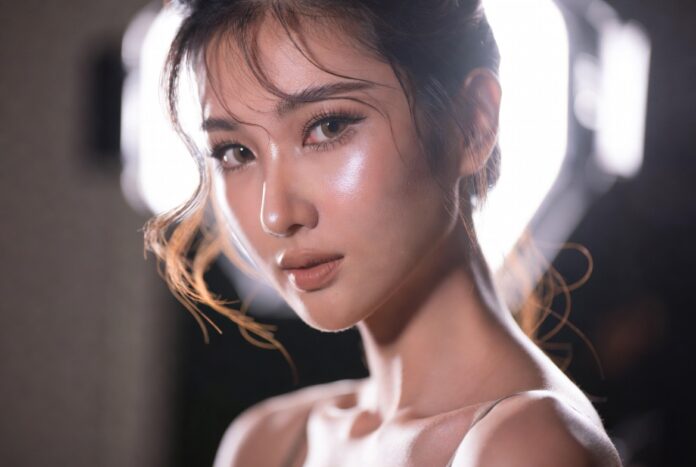
Model wearing Charlotte Tilbury Airbrush Flawless Foundation with modern skin-first makeup styling
Airbrush Flawless Foundation remains influential as lighter complexion aesthetics reshape beauty standards.

Charlotte Tilbury’s Airbrush Flawless Foundation Still Dominates—But Is It Too Heavy for 2026 Skin Trends?

By Runway Magazine Editorial Team

For nearly a decade, Charlotte Tilbury’s Airbrush Flawless Foundation has remained one of beauty’s most recognizable complexion products. The formula built its reputation on full coverage, red carpet longevity, and a matte finish designed to photograph flawlessly under harsh lighting. Yet the complexion conversation in 2026 looks different than it did when the product first became a bestseller.

Today’s makeup culture leans toward breathable texture, reflective skin, and lighter layering techniques. Consumers increasingly favor complexion products that preserve natural skin movement rather than fully masking it. Against that backdrop, the renewed debate around Charlotte Tilbury’s flagship foundation reveals more than a single product critique. It reflects an industry-wide shift in how beauty defines perfection.

The ongoing Charlotte Tilbury foundation review conversation centers on one question: can a high-coverage matte formula still feel modern during the rise of skin-first beauty?

The answer depends largely on application, skin type, and context. Makeup artists no longer approach heavy foundation as an all-over uniform layer. Instead, they treat coverage strategically, combining fuller formulas with lightweight products to create dimension without sacrificing wear time.

Why Airbrush Flawless Foundation Still Performs

The enduring popularity of Airbrush Flawless comes from performance consistency. The formula resists humidity, maintains pigment throughout long events, and delivers reliable coverage for photography and video. Those qualities continue to appeal to consumers attending weddings, galas, fashion events, and extended workdays.

Beauty editors discussing the rise of complexion minimalism have still acknowledged that long-wear formulas retain a place in professional makeup kits, particularly for cameras and studio lighting. Reporting on evolving base makeup preferences from <a href=”https://www.harpersbazaar.com/beauty/makeup/a63438274/skinimalism-makeup-trend/” target=”_blank” rel=”noopener”>Harper’s Bazaar’s coverage of skinimalism</a> notes that consumers increasingly seek lighter texture while still expecting durability from complexion products.

That tension explains why Airbrush Flawless continues appearing in “best seller” rankings despite changing aesthetics. The formula delivers reliability many lighter bases cannot fully match.

For readers exploring broader complexion shifts, Runway’s coverage of <a href=”https://www.runwaylive.com/sheer-layers-dominate-ss26-runways/” target=”_blank” rel=”noopener”>transparent runway styling and SS26 beauty direction</a> reflects how softness and skin visibility now influence makeup trends alongside fashion.

The Shift Toward Barely-There Complexion Products

The rise of sheer bases changed consumer expectations around texture. Products once praised for maximum coverage now face criticism for appearing dense in natural daylight or high-definition mobile video.

The growing conversation around full coverage vs skin tint products reflects that evolution. Younger consumers increasingly prioritize comfort and realism over perfected matte skin. Makeup routines have also become faster and less layered since hybrid skincare-makeup products gained traction.

Meanwhile, TikTok beauty culture accelerated demand for adaptable complexion products that work in multiple lighting environments. Foundations once created primarily for flash photography now compete with serum tints designed for close-up phone cameras.

Runway’s <a href=”https://www.runwaylive.com/category/beauty/” target=”_blank” rel=”noopener”>beauty trend coverage archive</a> has tracked the industry’s movement away from rigid contouring toward softer complexion finishes over the past several seasons.

Even so, Airbrush Flawless remains relevant because many consumers still want polish during formal occasions. The difference is that modern application methods rarely use the product at full intensity.

Makeup Artists Are Changing How It’s Applied

Professional artists increasingly dilute fuller formulas instead of abandoning them entirely. Mixing Airbrush Flawless with moisturizer, serum primers, or luminous fluids creates a softer finish while preserving durability.

That technique aligns with the growing flawless base trend, where makeup focuses on strategic correction rather than total coverage. Artists now concentrate foundation in the center of the face while allowing natural skin texture to remain visible around the perimeter.

Several celebrity artists have also recommended applying fuller formulas with damp sponges instead of dense brushes to reduce heaviness. Coverage becomes more diffused, which better complements modern lighting and close-up digital photography.

For readers interested in evolving complexion aesthetics, Runway’s <a href=”https://www.runwaylive.com/quiet-luxury-fashion-guide/” target=”_blank” rel=”noopener”>quiet luxury style guide</a> explores how understated beauty increasingly mirrors minimalist fashion sensibilities.

Why Oily Skin Consumers Still Prefer Full Coverage

Despite changing trends, many consumers continue favoring matte formulas for practical reasons. Users with oily skin often report that lighter products separate faster throughout the day, especially in humid climates or during long events.

The ongoing demand for the best foundation for oily skin keeps Airbrush Flawless commercially competitive. Matte finishes remain useful for reducing shine under studio lights, formal photography, and extended wear conditions.

Coverage expectations also vary globally. While some Western beauty markets lean toward minimalism, other regions still prioritize perfected matte skin as a luxury beauty standard.

Industry analysts covering premium makeup sales have noted that prestige complexion products remain resilient even as sheer formulas expand market share. A recent beauty market report discussed by Forbes’ beauty industry trend analysis</a> highlighted continued consumer investment in performance-driven makeup products despite the rise of minimalist aesthetics.

The Foundation Debate Mirrors Broader Beauty Changes

The criticism surrounding fuller formulas is not necessarily about quality. Instead, it reflects changing cultural ideas around beauty authenticity and skin visibility.

The natural makeup trend 2026 movement favors products that mimic healthy skin rather than conceal it entirely. Consumers increasingly associate visible texture with realism rather than imperfection.

At the same time, social media filters created backlash against overly perfected makeup. Many beauty consumers now prefer finishes that appear believable in daylight rather than optimized exclusively for edited imagery.

That shift explains why newer brands market hydration, flexibility, and skin compatibility as aggressively as pigment coverage.

Runway’s makeup trend reporting hub continues documenting how runway beauty increasingly embraces visible freckles, glossy texture, and lighter complexion layering.

Is Airbrush Flawless Too Heavy for 2026?

The answer depends less on the formula itself and more on evolving expectations around makeup texture.

Consumers seeking ultra-light coverage may gravitate toward lightweight foundation alternatives that prioritize hydration and transparency. However, those attending weddings, red carpets, or long production days still benefit from formulas engineered for endurance.

Rather than disappearing, high-coverage foundation is becoming more specialized. It now functions as an event-focused product instead of an everyday universal base.

That distinction also explains why discussions around Airbrush Flawless foundation 2026 continue dominating beauty forums and review platforms. The foundation remains effective, but consumers now expect flexibility alongside coverage.

Many artists argue the most contemporary approach combines both categories: lighter complexion products for daytime wear and fuller formulas reserved for targeted correction or evening events.

The larger beauty movement ultimately favors customization over strict rules. Consumers no longer define makeup through a single finish category. Instead, they adapt products according to lighting, occasion, climate, and personal comfort.

As complexion trends continue evolving, the debate surrounding Airbrush Flawless illustrates how beauty standards shift without fully abandoning legacy products. Matte full coverage may no longer dominate everyday routines, yet performance formulas still retain cultural and commercial influence.

For more luxury beauty analysis and evolving runway trends, visit Runway Magazine.
TikTok Shop Fashion Boom 2026 – The Viral Products Women Are Buying Right Now

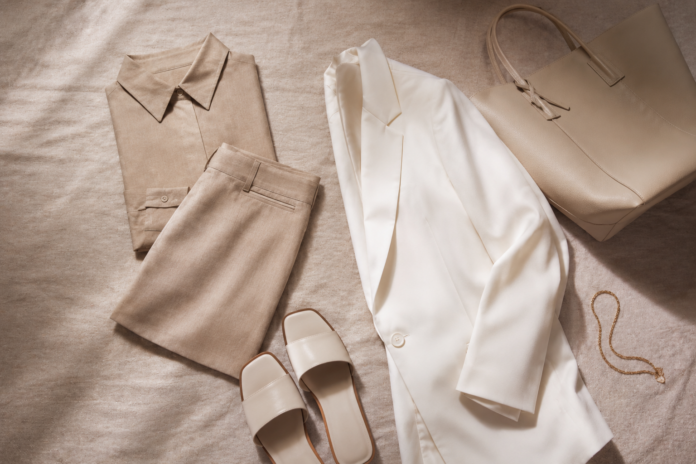
Editorial flat-lay of a 2026 TikTok Shop fashion haul featuring a neutral co-ord set, oversized white blazer, minimalist sandals, and a structured tote in a clean girl aesthetic arrangement.
The clean girl aesthetic in product form: neutral co-ords, an oversized blazer, and minimal accessories represent the top-performing TikTok Shop fashion categories driving women's purchasing behavior in 2026.

TikTok Shop Fashion Boom 2026 – The Viral Products Women Are Buying Right Now

By Runway Magazine Editorial Team

TikTok Shop fashion 2026 is no longer a trend story. It is a commerce story — and the numbers are significant. US social commerce crossed $100 billion this year for the first time. TikTok Shop alone is projected to generate $23.4 billion in US ecommerce sales in 2026. That is a 48% increase — larger than the US commerce footprint of Target, Costco, or Best Buy. By the end of this year, one in two social media shoppers will have made a purchase on TikTok. Women are driving that growth, accounting for 70 to 75% of all TikTok Shop purchasers. Fashion is one of the categories benefiting most — and tiktok fashion trends women are following are shifting faster than any editorial cycle can track.

The way women shop for clothes has shifted. The algorithm is now the storefront.


The Infrastructure Behind the Buying Boom

Understanding why TikTok Shop fashion 2026 is accelerating requires understanding the mechanics beneath it. Three systems are working simultaneously. The first is the For You feed, which surfaces fashion content to users based on behavior, not following. A creator with 50,000 followers can drive over a million dollars in sales through consistent, conversion-focused posting. The second is the affiliate creator program, which now has over 100,000 active US participants. Roughly 54,000 of those generate more than $10,000 in annual gross merchandise value through their affiliate links. The third is TikTok Live shopping. Conversion rates during live events substantially exceed those of standard feed commerce — driven by scarcity cues and real-time creator persuasion.

Together, these systems form what the industry now calls “shoppertainment.” Visual demonstrations and emotional storytelling replace traditional advertising. Try-on haul content and viral women clothing haul formats move products through creator networks instead of brand campaigns. According to eMarketer’s social commerce projections, TikTok Shop’s conversion rate sits at 4.7%. That is more than double Instagram Shopping’s 2.1% and nearly triple Facebook Shops’ 1.8%.

The shift is also reshaping women’s online shopping trends at a structural level. Brand loyalty is weakening. Aesthetic identity is strengthening in its place. Shoppers increasingly buy into a visual language first and a product second. That rewards clarity of aesthetic over heritage of brand — and it explains why TikTok shop best sellers fashion rotates faster than any seasonal trend calendar.


What Women Are Actually Buying

The fashion categories performing best within TikTok Shop fashion 2026 are those that photograph immediately, style easily, and deliver visible value in a short-form clip. Coordinated sets — affordable co ord sets women can style in multiple ways — sit at the top of most category analyses. Their versatility translates well to GRWM outfits trending content, where the setup, the reveal, and the completed look fit naturally into a 60-second format.

Comfort-luxury hybrids are a consistent second category. Sweatsuit sets, elevated basics, Halara joggers and work trousers, and oversized blazers all perform strongly. Women’s fall sweatsuit sets showed search volumes between 392 and 420 across late 2025 into early 2026. Sales peaked at over 1,700 units within a single tracked period. That consistency reflects a broader cultural appetite for pieces that function between casual and presentable. It is the real-life equivalent of the soft luxury fashion trend that has dominated editorial conversation for the past several seasons.

Beauty crossover fashion — clothing adjacent to skincare aesthetics, wellness culture, and “clean” visual identities — is a third strong category. This is where the clean girl aesthetic outfits conversation intersects most visibly with commerce. Linen sets, minimalist basics, neutral co-ords, and textured knitwear all circulate through the same visual ecosystem as glass-skin content and no-makeup makeup routines. They are bought by the same shopper, often in the same TikTok session.

Viral Amazon fashion dupes also maintain strong traction across the platform. Search volume for dupe content remains high precisely because TikTok’s algorithm rewards comparison content. A creator showing a $38 co-ord set next to the $280 version it resembles generates engagement through the tension of the reveal. That format has become a genre in itself — and it drives significant purchase volume at accessible price points.


Aesthetic Identity Is the New Brand Loyalty

The most consequential shift in gen z fashion buying habits in 2026 is not about price or platform. It is about identity architecture. Shoppers are building wardrobes around aesthetics — not seasons, not brands, not trend forecasts. TikTok’s micro-aesthetic ecosystem has accelerated this decisively. Clean girl, coquette, soft luxury, retro minimalism, downtown girl, coastal cowgirl: each of these represents not just a visual mood but a purchasing framework.

Aesthetic fashion shopping operates differently from traditional retail browsing. The shopper begins with a self-concept — a version of herself she wants to inhabit — and works backward to the garment. That sequence inverts the traditional purchase journey. Traditional purchase journeys begin with a brand presenting a product. On TikTok, the shopper arrives already knowing the aesthetic and scans for the item that fits it. Minimalist outfits women find through a single viral GRWM video can outsell equivalent products that have sat on a brand’s website for years.

Runway Magazine’s coverage of the quiet luxury fashion shift and its celebrity style dimension has tracked how this aesthetic identity logic operates at the luxury level. At mass-market price points on TikTok Shop, the same principles apply. Aspiration is identical across both contexts. Transactions simply happen faster and more accessibly.


The Creator Affiliate Model Is Now Fashion Retail Infrastructure

Influencer outfit haul content has existed for years. What is new in 2026 is the directness of the commercial relationship. Previously, a creator would film a haul video, link items in a bio or description, and hope conversion followed. Now, TikTok Shop’s native checkout, integrated affiliate links, and live shopping format eliminate every step between the moment of desire and the moment of purchase.

That compression is commercially significant. As Short Form Nation’s 2026 social commerce analysis documented, one creator with 50,000 followers drove over $1 million in sales through consistent posting alone. Volume of authentic micro-creators consistently outperforms single large partnerships. The shift in social commerce fashion growth in 2026 is away from celebrity endorsement entirely and toward high-frequency, performance-oriented creator content at scale.

Affiliate commission rates on TikTok Shop range from 10% to 50% depending on category, margin, and creator influence. That range makes fashion one of the most lucrative categories for creators who build around it consistently. Budget fashion finds viral formats benefit particularly from this structure. A creator whose audience trusts her to find the best affordable co-ord or the most convincing dupe has genuine commercial infrastructure behind every video she posts.

The tiktok live shopping fashion format adds another dimension. Live sessions create scarcity and generate real-time questions a creator answers on camera. That builds transactional intimacy traditional advertising has spent decades trying to replicate. For fashion specifically — how something moves, fits different bodies, and styles in real life — live shopping delivers what no product page photography can match.


Fast-Moving Micro-Trends and the Fashion Cycle

Fast fashion trends 2026 are moving faster than at any previous point in fashion history. Not because production has accelerated — but because the discovery-to-purchase cycle has compressed almost entirely. A garment can go from a single creator’s video to sellout status within 72 hours. That speed rewards streetwear women 2026 aesthetics particularly well, since silhouette-driven pieces translate immediately to short-form video without requiring editorial context.

The result is a fashion commerce environment that rewards two opposing qualities simultaneously. Speed — the ability to identify and stock a micro-trend before it peaks — drives short-term volume. Aesthetic coherence drives something more valuable: repeat purchase behavior from shoppers who have bought into an identity, not just an item. Brands and creators who build around the second quality are building something far more durable.

Runway Magazine’s analysis of how the maximalist fashion trend is competing with quiet luxury aesthetics in 2026 is directly relevant to how TikTok Shop categories are splitting. Bold, maximalist pieces perform strongly in viral haul content. Minimalist, quiet luxury pieces perform strongly in repeat purchase and aesthetic loyalty contexts. Both are growing simultaneously — serving different shopper identities within the same platform ecosystem.


What This Means for Fashion in 2026 and Beyond

TikTok Shop fashion 2026 has done something no single platform has previously accomplished. It has made the fashion discovery experience as compelling as the fashion itself. The summer fashion haul 2026 is not a seasonal ritual anymore. It is a continuous, algorithm-mediated relationship between creator content and shopper identity. Women are not browsing a catalogue. They are inhabiting an aesthetic — and buying the pieces that make it real.

For luxury brands watching from a distance, the lesson is not to replicate the TikTok Shop model. It is to understand what it reveals about how desire now forms. Shoppers who build their wardrobes around clean girl aesthetic outfits on a budget are practicing the same identity-first logic that drives luxury purchase decisions. The price points differ. The psychology does not.

Fashion’s next decade will be shaped by platforms that understand shoppertainment. Creators who build genuine aesthetic authority will define it. Shoppers who know precisely what they want before they open an app will drive it. TikTok Shop in 2026 is the clearest current expression of all three.

For more coverage of the trends and cultural forces reshaping fashion right now, explore Runway Magazine — the original independent voice of fashion since 1989.

Kaia Gerber’s Minimalist Street Style Is Defining the New Model-Off-Duty Uniform

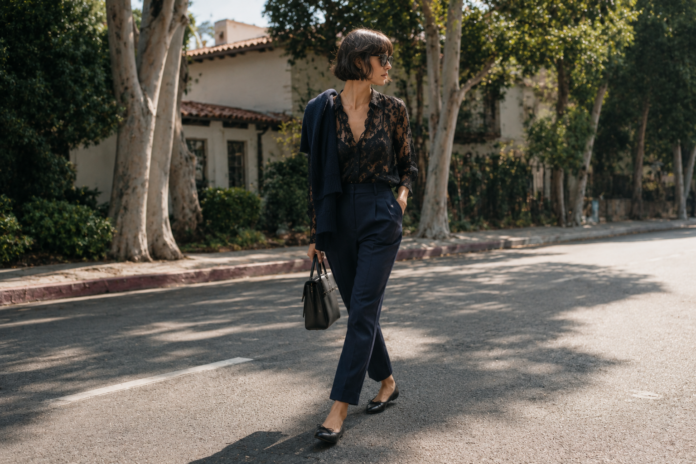
Kaia Gerber in a minimalist off-duty outfit featuring a black lacy blouse, navy tailored trousers, and black ballet flats on a Los Angeles street in 2026.
Kaia Gerber photographed off-duty in Los Angeles, April 2026 — her draped navy pullover, tailored trousers, and black Repetto flats encapsulating the quiet luxury model off duty aesthetic defining street style in 2026.

Kaia Gerber’s Minimalist Street Style Is Defining the New Model-Off-Duty Uniform

By Runway Magazine Editorial Team

Kaia Gerber street style has always operated by a particular logic: do less, mean more. In 2026, that logic has become a full cultural movement. What began as one model’s consistent wardrobe preference has evolved into one of the most searched and replicated aesthetics in contemporary fashion. Her minimalist fashion trend is no longer niche or editorial. It is the new model off duty style — and audiences everywhere are paying attention.

Fashion doesn’t always need a dramatic entrance to make a lasting point.


The Anatomy of a Modern Wardrobe Uniform

Kaia Gerber street style formula has been consistent for years, but its resonance in 2026 is stronger than ever. The vocabulary is familiar: straight-leg trousers, a draped cardigan, Repetto ballet flats or Adidas Sambas, a Paloma Wool bag, a trench coat in camel or navy. Nothing announces itself loudly. Everything fits precisely. Together, these pieces form capsule wardrobe inspiration that works as both aspiration and daily practicality.

A recent Los Angeles outing illustrated the approach with typical clarity. Gerber stepped out in a bohemian black lacy blouse, navy straight-leg trousers, and black flats. A navy pullover was draped loosely over her shoulders. The effect looked completely unplanned — which, of course, was entirely the point. Stylist-level consideration went into every item. The result communicated clean girl fashion without a single ostentatious choice.

That combination — the tailored trouser, the considered layer, the unhurried accessory — is what fashion editors call off duty model looks. Crucially, it differs from celebrity dressing in one essential way: there is no performance of effort. Among all the fashion trends 2026 is producing, this one stands out for its refusal to try too hard. The clothes work quietly.


Why Quiet Luxury Fashion Lands Differently on Gerber

The quiet luxury fashion conversation has dominated fashion discourse for several seasons. Yet the aesthetic gains particular authority when it lives in a working model’s body rather than an influencer constructed around it. Gerber’s version of quiet luxury fashion is not a strategy. It is a default — which is precisely why audiences find it so compelling and easy to transpose onto their own wardrobes.

As FashionTimes noted in its quiet luxury fashion analysis, this aesthetic is rooted in refinement rather than recognition. Value communicates through fabric, tailoring, and understated silhouette — not through logos or bold identifiers. Gerber consistently leans on neutral wardrobe aesthetic principles — camel, black, grey, navy, the occasional cobalt. She has become the most visible proof of that argument in real-world circulation.

Fashion editors have consistently described her influence as a corrective to logo-heavy influencer dressing. This shift reflects something broader than personal preference. Consumers in 2026 are increasingly fatigued by trend saturation. Celebrity minimalist style offering clarity and restraint is outperforming maximalist alternatives in search volume, styling replication, and commercial adoption by elevated basics brands.


The Specific Pieces Driving the Trend

Gerber’s wardrobe anchors are traceable and consistent. The oversized blazer outfits she reaches for — often in plaid or neutral tones, sometimes pulled from menswear — represent the elevated basics trend at its most versatile. A structured blazer functions equally well dressed up or down. That adaptability is what drives replication at every budget level.

Relaxed denim is another constant. Low-rise dark wash jeans, often vintage Levi’s, appear alongside modern tailored trousers depending on the occasion. Footwear alternates between minimal chic outfits built around ballet flats and those built around Adidas Sambas. Both choices follow the same logic: understated precision.

Marie Claire’s ongoing coverage of Gerber’s street style has tracked how she deploys small trend moments — a new sneaker, a different bag silhouette — within the same consistent capsule framework. The wardrobe rarely disrupts its own logic. Instead, it expands within it.

Outerwear completes the system. Long wool coats, drapey camel styles, and classic trench coats anchor her cold-weather looks. All of it stays within the same neutral vocabulary that governs everything else. The result is a coherent visual identity that reads across seasons without relying on any single trend.


Gerber’s Influence on the Clean Girl Fashion Aesthetic

The clean girl fashion aesthetic — a term that emerged from Gen Z social media culture — owes a significant debt to the model-off-duty tradition Gerber represents. Slicked buns, tinted moisturizer, simple gold jewelry, well-cut basics: these are the styling codes she circulated through paparazzi imagery for years. On TikTok, that aesthetic found a massive new audience — partly because she had already made it worth aspiring to.

That cross-generational reach matters in understanding Kaia Gerber street style’s fashion influence in 2026. She occupies an unusual position. Her luxury campaign credentials — Givenchy, Saint Laurent, Versace — give her high fashion authority. Her off-duty wardrobe operates by the same accessibility principles that define Gen Z luxury fashion sensibility. She genuinely wears affordable vintage alongside designer pieces. That authenticity gives the aesthetic traction purely aspirational dressing cannot match.

Runway Magazine’s coverage of the Vittoria Ceretti quiet luxury model moment noted how consumers increasingly respond to visual storytelling built on craftsmanship and restraint. Gerber’s street style operates by the same values. It has become one of the most referenced examples of understated luxury fashion in action.


Street Style 2026 and the Search for Wearable Luxury

Search behavior reflects what people actually want to wear — not just admire. Street style 2026 data consistently shows model-inspired off-duty looks outperforming dramatic red carpet fashion in consumer styling searches. Audiences seek everyday luxury style that bridges aspiration with achievability. Gerber’s wardrobe hits that balance better than almost any other celebrity reference point in contemporary fashion.

Brands benefiting most from this dynamic are those focused on premium basics: elevated knitwear, well-cut trousers, quality denim, minimal leather goods. The luxury basics trend is accelerating partly because Gerber’s influence has made a case that no advertising campaign could manufacture. When someone this visible consistently reaches for quality-first, logo-free pieces, the commercial argument for those pieces strengthens on its own.

Runway Magazine’s analysis of the Hailey Bieber street style and quiet luxury shift identified this pattern across multiple celebrity wardrobes simultaneously. The movement isn’t one person’s preference. It is a fashion culture recalibration — one where oversized logos and trend-chasing dressing lose ground to understated luxury fashion built around timeless silhouettes and premium materials.

Gerber sits at the center of that recalibration. Her Kaia Gerber outfits make the argument for restraint not as compromise, but as the highest form of fashion confidence.


The Lasting Power of Less

Fashion rewards boldness loudly and briefly. It rewards consistency quietly and at length. Gerber’s minimalist approach has generated more sustained influence than most statement looks achieve. The reason is simple: her aesthetic is replicable, recognizable, and rooted in principles that don’t expire with a season.

The supermodel casual outfits she has made famous — the perfectly draped coat, the considered flat, the single interesting layer — represent everyday luxury style at its most accessible and most aspirational. That duality is rare. It is also the exact quality that defines lasting fashion influence rather than a fleeting celebrity style moment.

For ongoing coverage of the models, aesthetics, and ideas shaping modern fashion, explore Runway Magazine — the original independent voice of fashion since 1989.

Chrissy Teigen’s Bubble-Skirt Dress Revived Avant-Garde Red Carpet Glamour

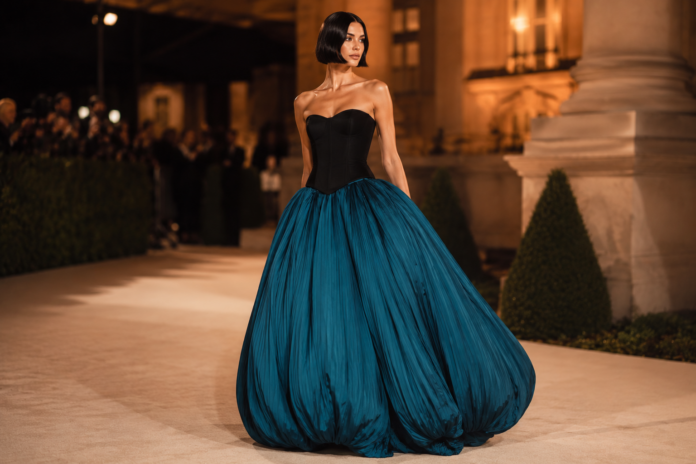
Chrissy Teigen wearing a strapless black corseted bodice and dramatic teal bubble skirt by Aisté Hong at the 2026 Gold Gala red carpet.
Chrissy Teigen in Aisté Hong Fall/Winter 2026 at the Gold House 5th Annual Gold Gala, May 9, 2026, Los Angeles. Styled by Alana Van Deraa.

Chrissy Teigen’s Bubble-Skirt Dress Revived Avant-Garde Red Carpet Glamour

By Runway Magazine Editorial Team

Not every red carpet look plays it safe. The Chrissy Teigen dress at the 2026 Gold Gala made that point with emphatic clarity. A strapless black corset bodice sat above a dramatically pleated teal bubble skirt — sourced directly from Aisté Hong’s Fall/Winter 2026 collection. This was Gold Gala celebrity fashion operating at its most conceptually ambitious, and the industry noticed immediately.

Some looks whisper. This one announced itself.


A Silhouette That Demanded Attention

The genius of this Chrissy Teigen red carpet moment lay in its deliberate tension. The upper half of the gown was severe and structured. A minimalist corseted bodice hugged the body with controlled precision. Then, at the hip, the entire visual logic of the dress shifted. A cascading bubble skirt ballooned outward in rich teal — making the black bodice above it read almost like punctuation.

That contrast defines the bubble skirt trend as it currently exists in luxury fashion. Architectural fashion dresses generating the most conversation in 2026 aren’t built around embellishment. They are built around proportion as concept. The relationship between tight and voluminous, matte and saturated, restrained and exuberant creates a visual argument the eye can’t immediately resolve.

Teigen completed the look with open-toe black heeled sandals and a teal-detailed clutch. Accessories stayed deliberately minimal. Her recently debuted chin-length bob, worn in a center part, reinforced the editorial discipline of the whole. Stylist Alana Van Deraa made every decision count.


Aisté Hong and the Rise of Runway-to-Red-Carpet Dressing

This look arrived directly from the runway. It debuted in Aisté Hong’s Fall/Winter 2026 collection before appearing on Teigen at the Gold Gala. That provenance matters more than it might initially seem. Fashion week inspired celebrity looks have always existed. The speed and literalness with which red carpet dressing now mirrors runway presentations marks a genuine shift. It changes how celebrity fashion headlines are made.

Aisté Hong represents the kind of emerging designer voice that benefits most from this dynamic. A single high-profile celebrity appearance transforms a collection from industry conversation into cultural event. The avant garde couture qualities embedded in Hong’s Fall/Winter work are specific: exaggerated proportion, color theory as structural device, the balloon silhouette as subversion. All of it translated with remarkable fidelity onto a real red carpet, under real flash photography.

That translation is harder to achieve than it appears. Many sculptural fashion trend moments that generate strong runway imagery collapse under actual event conditions. This one held. As WWD reported in its Gold Gala celebrity style coverage, the drop-waist bubble skirt in contrasting light blue was the night’s most modernity-forward element. That confirms the design’s real-world impact well beyond editorial context.


The Bubble Skirt as Cultural Signal

Fashion trend oversized skirts have cycled through several iterations over the past decade. The current moment, however, feels distinct from earlier revivals. The bubble skirt trend operating across luxury collections now isn’t nostalgic — it is architectural. Volume is engineered rather than gathered. Proportions are more extreme. The silhouettes are worn with a self-awareness that transforms a potentially costume-adjacent shape into statement silhouette dresses with genuine editorial authority.

That authority elevated Teigen’s Gold Gala appearance beyond simple trend participation. She wore the look as modern glamour style — not as novelty, not as irony. The teal bubble skirt read as an extension of her editorial fashion looks sensibility: confident, visually bold, and completely uninterested in conventional eveningwear safety.

Hello Magazine’s Gold Gala fashion roundup described Teigen’s look as creating “a playful couture effect” — the bodice contrasting beautifully against the oversized balloon silhouette below. That phrase captures something essential. The avant garde celebrity style moments that endure past the initial reaction cycle are those where the drama feels considered rather than accidental. This was considered at every level.


Gold Gala Fashion and the New Eveningwear Conversation

The Gold House 5th Annual Gold Gala has become one of the most fashion-forward events on the Los Angeles celebrity calendar. Unlike galas built around a single rigid dress code, it consistently produces a range of dressing. Formal glamour, cultural reference, and genuine experimentation all coexist on its carpet. This year, best dressed celebrities 2026 conversations from the event ranged across Priyanka Chopra’s elegance and Mindy Kaling’s embroidered richness. Still, the avant garde celebrity style of Teigen’s look generated the most sustained fashion press attention.

That pattern reflects something broader about luxury eveningwear trends right now. Celebrity couture gowns at the experimental end of the spectrum — where construction is visible and silhouette is the story — are outperforming safer choices. Critical and social reception both confirm it. Runway Magazine’s coverage of this shift, including analysis of the Hailey Bieber metallic gown at the TIME100 Gala, has tracked how bold red carpet fashion earns viral celebrity fashion attention. That attention sustains a look’s cultural life long after the event ends.

The Gold Gala this year reinforced that dynamic. Experimental dressing wasn’t the exception. It was the headline.


Why This Look Resonated Beyond the Red Carpet

Celebrity style inspiration filtered rapidly outward from the Gold Gala across TikTok and Instagram. The contrast between Teigen’s structured bodice and teal bubble volume proved unusually compelling as a short-form visual. Short-form video amplifies proportion-based looks with particular effectiveness. The logic of a fitted top meeting an oversized skirt reads immediately — even in a two-second clip.

Fashion communities situated the look within the broader sculptural fashion trend reshaping eveningwear. Runway observers noted how architectural silhouettes — bubble skirts, exaggerated peplums, volume-heavy trains — have become the defining visual grammar of celebrity dressing in 2026. As Runway Magazine’s analysis of sculptural fashion at the Met Gala 2026 demonstrated, the appetite for construction-forward dressing has moved decisively from runway into mainstream red carpet culture. The demand is structural, not episodic.

This Chrissy Teigen dress didn’t simply borrow runway language. It embodied it — on a public stage, for a broad audience, with the confidence required to make architectural volume feel as natural as conventional glamour.


A Fashion Moment With Staying Power

The most useful measure of a red carpet look isn’t the immediate reaction. It is whether the conversation it generates reflects something real about where fashion is moving. By that standard, this Chrissy Teigen dress belongs to a more significant category than simply a strong night for a celebrity stylist.

The bubble skirt, the teal-on-black color architecture, the direct runway provenance — together, these choices make a clear argument. They position avant-garde volume as a viable form of modern celebrity dressing. That argument has cultural traction in 2026. Audiences are actively seeking celebrity style inspiration that moves past conventional glamour into genuine fashion territory.

Aisté Hong gains a powerful new chapter in the brand’s visibility story. Teigen adds another well-executed risk to a fashion track record that consistently rewards confidence. Additionally, the Gold Gala cements its place as one of the year’s most reliably interesting evenings for anyone tracking where celebrity couture is actually heading.

For more on the figures and moments shaping fashion right now, explore Runway Magazine — the original independent voice of fashion since 1989.

Madonna’s Gothic Saint Laurent Cape Became the Most Theatrical Look of the Met Gala

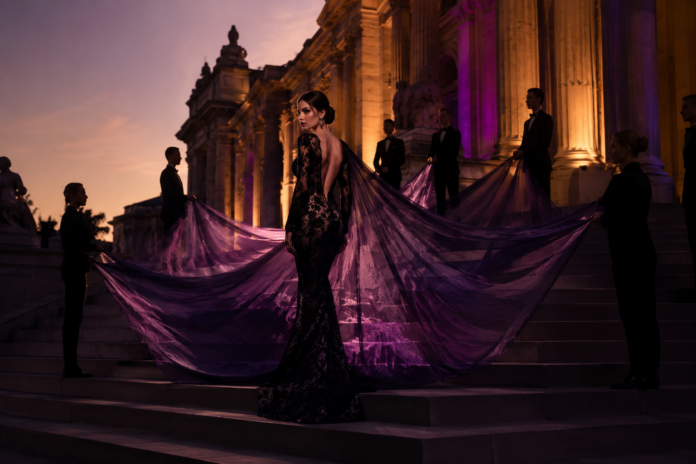
Madonna wearing a black lace Saint Laurent gown with a violet organza cape carried by seven attendants on the Met Gala 2026 red carpet steps.
Madonna's 2026 Met Gala entrance in Anthony Vaccarello for Saint Laurent became the evening's defining fashion moment — a lace column gown and violet organza cape requiring seven attendants to carry the train.

Madonna’s Gothic Saint Laurent Cape Became the Most Theatrical Look of the Met Gala

By Runway Magazine Editorial Team

Some red carpet moments generate conversation. Others rewrite the evening’s entire visual language. The Madonna Met Gala 2026 look — a floor-sweeping Saint Laurent lace gown anchored by an oversized sheer cape in violet organza — accomplished the latter within seconds of her arrival on the museum steps. That entrance didn’t simply compete for attention; it absorbed the room entirely.

Fashion moves on instinct. The most enduring looks, however, carry intention. This one did both.


The Architecture of an Entrance

Seven attendants. That was the number required to carry the billowing violet organza train as Madonna ascended the Metropolitan Museum of Art’s iconic staircase. Among the dramatic celebrity gowns that defined this year’s gala, hers arrived with the most theatrical infrastructure of all. Designed by Anthony Vaccarello for Saint Laurent, the look was constructed in deliberate layers: a structured lace column beneath, then an ethereal Madonna sheer cape extending into an almost operatic silhouette. Consequently, the effect read less like a red carpet arrival and more like a processional performance — something closer to theatre, or high ritual.

Vaccarello has spent years repositioning Saint Laurent as a house comfortable in extremes. For this commission, he leaned fully into darkness, romance, and ceremony. The result was a Saint Laurent Met Gala look that functioned as pure couture spectacle. Lace motifs in deep noir ran the length of the gown; meanwhile, the cape itself remained deliberately translucent, creating visual tension between revelation and concealment. That tension has defined the strongest fashion moments of the decade.

Fashion commentators at Vogue, Harper’s Bazaar, and WWD described the look as one of Madonna’s strongest red carpet transformations in recent memory — a statement carrying particular weight given the depth of her fashion history.


Gothic Glamour as Cultural Conversation

The timing of this look matters considerably. Dark romantic fashion has been building toward a mainstream reckoning for several seasons. Gothic glamour — once the province of subculture and niche editorial — has increasingly appeared across luxury couture, high-fashion editorial, and now the most-watched celebrity event in the fashion calendar. Rather than simply participating in this shift, Madonna’s appearance crystallized it.

The Met Gala couture looks of 2026 broadly rewarded risk-taking, but none committed to atmosphere quite like this one. Industry observers have noted the growing popularity of what digital audiences call witchcore celebrity style: garments evoking ritual, mystery, and old-world power while remaining unmistakably rooted in luxury construction. The silhouette — oversized, flowing, structurally imposing — carries the visual grammar of fantasy-inspired couture yet achieves it at the highest level of technical craft. This is not costume. It is a considered argument about what evening wear can mean.

Social media users drew immediate comparisons to fantasy films, operatic stage design, and theatrical runway presentations from Alexander McQueen’s most ambitious archive seasons. Those references are accurate. Nevertheless, what distinguished this look from pure spectacle was the restraint embedded within its excess. Even as the silhouette expanded dramatically, the palette stayed controlled — deep black lace, pale violet organza.

The luxury gothic couture space rarely finds this level of mainstream visibility. That gap between subculture concept and red carpet craft is precisely where this look found its cultural significance.


Saint Laurent’s Moment in Dark Luxury

The house of Saint Laurent has cultivated a particular authority in this aesthetic space for several seasons. Vaccarello’s work consistently returns to the relationship between darkness and glamour — between transgression and elegance. Previous collections have explored leather in evening contexts, sharp tailoring cut for theatrical effect, and high fashion capes used to extend silhouettes into something closer to architecture than clothing.

This commission extended that language into pure spectacle territory. Saint Laurent celebrity looks under Vaccarello share a consistent vocabulary: rigorous construction, emotional intensity, and an understanding that luxury fashion at its most powerful communicates something beyond beauty. Specifically, this ensemble communicated power, ceremony, and a complete disinterest in safer choices.

For a gala built around the theme of fashion as art — a theme Runway Magazine has explored in depth through its coverage of the Met Gala 2026 “Fashion Is Art” theme — few looks embodied that premise more completely. A gown requiring seven attendants and weeks of atelier construction doesn’t merely gesture toward art. It argues for it.


Madonna’s Fashion Evolution at Its Peak

Any honest analysis of this look requires engagement with Madonna’s broader fashion history. She has worn Jean Paul Gaultier corsetry that redefined provocateur dressing. Her Dolce & Gabbana campaigns blended religious iconography with sensuality in ways that shaped a generation of fashion imagery. Tracking Madonna fashion evolution across four decades reveals a consistent pattern: each major phase arrives with a designer collaborator and a visual language built for that specific cultural moment.

What marks this Madonna Met Gala 2026 appearance as significant within that long history is its maturity. The look doesn’t reach for shock or transgression. Instead, it reaches for gravitas — for a dark authority that only becomes available to those who have spent decades earning it. The theatrical celebrity fashion here operates through earned iconography, not borrowed visual language.

Stylists and fashion editors consistently identified this quality when analyzing the look’s impact. The gothic elements — lace, darkness, processional scale — felt native rather than applied. This was not a celebrity wearing a trend. This was an artist making a statement arrived at from deep within her own fashion identity.

Runway Magazine’s ongoing coverage of Met Gala 2026 sculptural fashion has tracked how this year’s event rewarded intentional, high-concept dressing. Few arrivals rewarded that reading more richly than this one.


The Viral Anatomy of a Fashion Moment

Within minutes of Madonna’s arrival, the look dominated social platforms. Fashion accounts dissected the cape’s construction; style commentators debated historical references. Vogue’s live coverage then amplified the conversation, driving “witchcore” into trending status across X and TikTok. The viral celebrity outfits economy operates in real time, and this look was engineered — whether consciously or not — for maximum impact within that ecosystem.

Sheer scale helps enormously. Seven attendants carrying a violet organza train reads immediately on video, on stills, and in the compressed format of a social clip. The image doesn’t require explanation. It lands as spectacle first and fashion second — which is precisely how the most durable red carpet moments tend to work.

Beyond the initial reaction, however, deeper analysis emerged quickly across fashion communities. Discussions ranged across Saint Laurent’s archive, gothic couture history, and how Madonna gothic fashion has consistently evolved across decades of pop cultural dominance. The look generated not just engagement but sustained attention — the quality that separates a viral outfit from a genuinely important fashion moment.


Why This Entrance Matters for Celebrity Fashion Trends 2026

The Met Gala has always been fashion’s most theatrical arena. What changes from year to year is which looks use that arena to say something lasting. This Madonna Met Gala entrance accomplished something rare: it made a clear argument about dark glamour fashion as a legitimate couture language at the highest level of celebrity fashion trends 2026. Moreover, it made that argument through the most demanding possible execution.

The violet organza cape may fade from trending conversation within days. The image of seven attendants carrying it up the museum steps, though, will last considerably longer — proof that when fashion operates at the intersection of craft, intention, and theatrical nerve, it still retains the capacity to stop a room completely.

For more on the cultural forces shaping fashion today, explore Runway Magazine — the original independent voice of fashion since 1989.


Haircare Reviews Are Officially Overtaking Makeup in the Beauty Industry

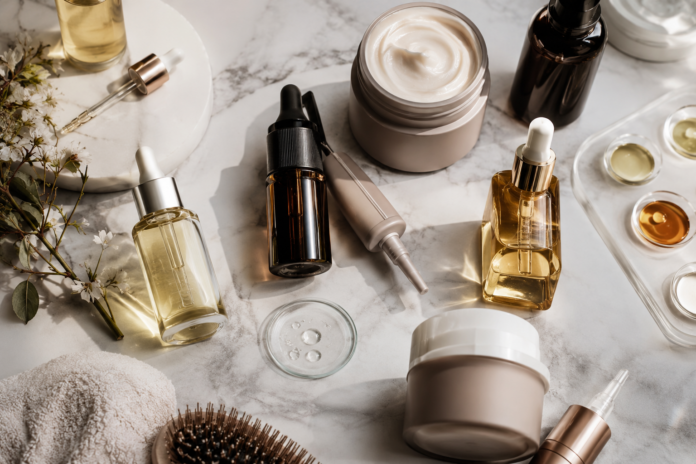
Premium scalp care and biotech haircare products arranged on marble surface in editorial flat lay
The scalp care trend is driving record investment in biotech haircare, scalp serums, and treatment-focused products across luxury beauty retail in 2026.

Haircare Reviews Are Officially Overtaking Makeup in the Beauty Industry

By Runway Magazine Editorial Team


The beauty industry is undergoing a quiet revolution. For the first time in decades, the scalp care trend is pulling consumer attention — and spending — away from makeup counters and toward treatment shelves. Haircare is no longer the supporting act. In 2026, it has become the headline.

Beauty analysts now confirm that haircare is growing faster than both makeup and fragrance globally. Premium haircare brands are expanding faster than any other beauty category, and luxury retailers like Sephora are rapidly dedicating more floor space to treatment-focused products than ever before.


Why Scalp Health Became the New Skincare

The shift did not happen overnight. Over the past three years, consumers began applying skincare logic to their hair routines. Ingredient labels started mattering. Clinical claims started driving purchasing decisions. The scalp — long ignored as simply the place where shampoo goes — emerged as a legitimate wellness frontier.

Dermatologists and trichologists entered mainstream beauty conversations. Scalp serums, exfoliating treatments, and microbiome-balancing formulas moved from specialty clinics into everyday retail. Consumers began treating scalp health the way they treat skin hydration: as a non-negotiable foundation for visible results.


Biotech Haircare Is Rewriting the Formula

The most significant driver of this shift is biotech haircare. New formulations built around proteins, peptides, growth factors, and regenerative ingredients are challenging the dominance of fragrance-heavy, image-driven products that defined haircare marketing for generations.

Brands are now competing on science. Clinical trials, third-party testing, and ingredient transparency have become selling points. Consumers — particularly Gen Z — are researching formulas the way they research supplements. They want to know what a product does, why it works, and what the evidence says.

Luxury haircare review content is performing at record levels across editorial platforms and social media. The demand for honest, ingredient-literate analysis has turned haircare into one of the fastest-growing content categories in beauty journalism.


GLP-1 Medications Are Quietly Fueling Demand

One of the more unexpected forces reshaping haircare in 2026 is the widespread adoption of GLP-1 medications. Drugs originally developed for diabetes and weight management — now used by millions for metabolic health — carry a documented side effect: accelerated hair shedding.

GLP-1 hair loss has become a significant search term and a growing clinical concern. Dermatologists report sharp increases in patients seeking treatment for telogen effluvium linked to rapid weight loss. This has created urgent demand for hair growth treatment products, scalp stimulation therapies, and protein-rich repair formulas specifically designed for shedding and density loss.

The pharmaceutical shift is feeding directly into the premium haircare market in ways the industry did not anticipate two years ago.


Gen Z Is Driving the Wellness Beauty Movement

Generation Z consumers are approaching beauty through a wellness lens. For this demographic, the best haircare products are not defined by celebrity endorsements or aspirational imagery. They are defined by efficacy, ingredient transparency, and alignment with broader health values.

This mirrors a broader wellness beauty movement that has already transformed skincare and supplements. The same consumer who reads the full ingredient list on a moisturizer now applies the same scrutiny to their shampoo. Sulfates, silicones, and synthetic fragrances face the same skepticism as parabens and mineral oil did a decade ago.

K-beauty haircare influence has accelerated this trend significantly. Korean haircare philosophy — centered on scalp nutrition, layered treatment routines, and long-term follicular health — has introduced Western consumers to a more rigorous and science-informed approach to hair wellness.


The Retail Landscape Is Shifting Fast

Sephora, Net-a-Porter, Space NK, and major department store beauty floors are actively restructuring their haircare sections. Premium haircare brands that once occupied a single shelf now command dedicated treatment zones. Brands like Kérastase, Augustinus Bader Hair, K18, and Olaplex have graduated from cult status to anchor category placement.

Viral haircare content on TikTok has compressed the traditional product discovery timeline dramatically. A single before-and-after video demonstrating hair repair results can generate more consumer trust than a six-figure advertising campaign. The best hair masks, scalp oils, and bond-building treatments now reach mass awareness through peer recommendation rather than brand investment.

This shift in influence has also democratized the luxury haircare review space. Independent creators with deep ingredient knowledge are now driving purchasing decisions that previously belonged exclusively to glossy editorial.


What This Means for the Future of Beauty

The data points in one direction. Haircare is not experiencing a temporary trend cycle. It is undergoing a structural category expansion driven by science, health awareness, and a fundamental change in how consumers define beauty wellness.

Makeup will always hold cultural significance. Fragrance will always command emotional loyalty. But the scalp care trend represents something more durable: a consumer population that now understands hair health as an expression of whole-body wellness, not just aesthetics.

For brands, retailers, and editors, the message is clear. The future of beauty in 2026 runs scalp-first.

For more on the forces shaping modern beauty culture, visit Runway Magazine.

The ‘Ick Factor’ Is Ruining Modern Dating—Experts Reveal When to Walk Away vs. Grow Up

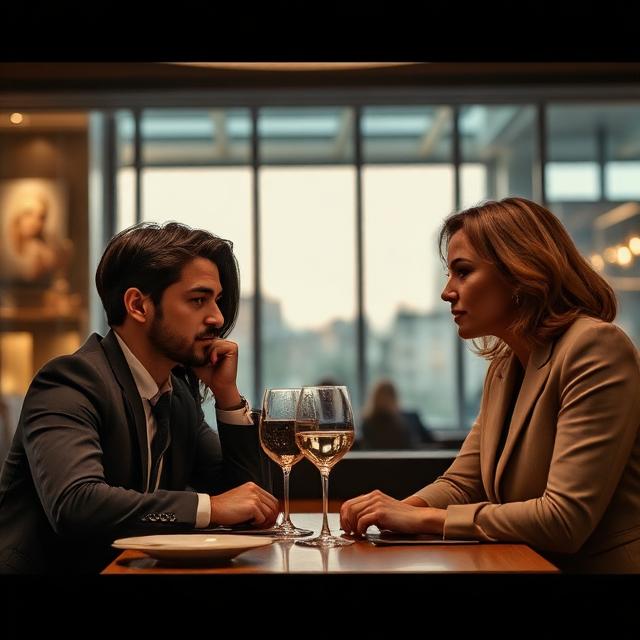
Fashionable couple experiencing awkward tension during a modern dinner date
Experts say social media and unrealistic expectations are accelerating modern dating dissatisfaction.

The ‘Ick Factor’ Is Ruining Modern Dating—Experts Reveal When to Walk Away vs. Grow Up

By Runway Magazine Editorial Team

The rise of the ick factor dating trend is reshaping how people approach relationships in 2026. A single awkward laugh, strange text message, or annoying habit can suddenly destroy attraction overnight. Social media users now regularly share “icks” online, turning minor turn-offs into viral relationship deal breakers.

Psychologists warn that the trend may be encouraging emotional impulsiveness rather than healthy communication. While some uncomfortable reactions reveal deeper incompatibility, others simply reflect unrealistic expectations fueled by online dating culture.

Experts say the key difference lies in understanding whether the issue points to genuine values conflict or harmless human imperfection.

Modern dating increasingly rewards instant chemistry and fast judgment. Apps encourage rapid swiping, while viral relationship content pushes people to believe that the “perfect” partner should exist without flaws. That mindset may explain why so many early relationships now collapse over minor habits instead of meaningful incompatibilities.

Why the “Ick” Became a Modern Dating Phenomenon

The internet transformed dating into a constant performance review. Tiny behaviors now receive massive attention online. One viral video about chewing loudly or using emojis incorrectly can suddenly influence millions of people.

The phrase “the ick” originally described a sudden loss of attraction triggered by a seemingly small moment. Today the idea has evolved into a broader cultural obsession.

Some relationship experts believe social media amplifies hypercritical behavior. Endless dating advice content encourages people to search for flaws instead of emotional connection. Many users also compare real partners against unrealistic online standards.

That pressure affects long-term attraction. People may abandon potentially healthy relationships before emotional intimacy fully develops.

The trend also reflects growing anxiety around commitment. Many adults fear settling for the wrong partner, so they treat every annoyance as a warning sign.

Readers exploring evolving relationship culture can also review this related analysis from Runway Magazine covering changing romance behaviors in digital culture.

Relationship Red Flags vs Harmless Pet Peeves

Experts say not every “ick” deserves equal weight. Some behaviors genuinely reveal incompatibility, emotional immaturity, or disrespect. Others are simply normal quirks exaggerated by unrealistic expectations.

Healthy relationships require distinguishing serious warning signs from superficial irritation.

Real red flags often involve dishonesty, manipulation, cruelty, emotional instability, or disrespect toward boundaries. Those patterns usually worsen over time.

Minor annoyances operate differently. A strange laugh, awkward dancing, or unusual texting style rarely predicts relationship failure. Many successful couples eventually grow comfortable with harmless imperfections.

Therapists increasingly warn that constant nitpicking may reflect emotional avoidance rather than high standards. People sometimes focus on tiny flaws because vulnerability feels uncomfortable.

The rise of endless dating options also contributes to unrealistic thinking. Dating apps create the illusion that someone better always waits one swipe away.

Why People Lose Attraction So Quickly Now

Fast attraction loss has become one of the defining modern romance issues of the digital era. Experts believe overstimulation plays a major role.

People now consume endless relationship commentary online. Social feeds constantly highlight luxury lifestyles, idealized couples, and exaggerated romantic expectations. That environment can reduce patience for normal human behavior.

Many adults also enter dating with defensive mindsets shaped by previous disappointments. Instead of slowly building emotional trust, they search for reasons to leave before getting hurt.

Psychologists call this “protective detachment.” The brain interprets small discomforts as danger signals even when no real threat exists.

The pattern creates a cycle of short-lived relationships and emotional burnout.

Experts say emotional maturity requires tolerating minor discomfort while evaluating the bigger picture. Attraction naturally fluctuates during healthy relationships. Long-term compatibility depends more on values, trust, emotional safety, and communication than constant perfection.

How to Handle the Ick Without Self-Sabotage

Relationship professionals recommend slowing down before reacting impulsively. The first step involves asking whether the behavior truly affects long-term compatibility.

If the issue involves disrespect, dishonesty, or manipulation, walking away may protect emotional wellbeing. If the problem involves harmless quirks, the reaction may say more about personal expectations than the partner.

Experts also encourage reducing social media influence during early dating stages. Constant exposure to idealized relationships can distort reality.

Communication matters as well. Many people silently judge instead of discussing concerns openly. Healthy dating requires curiosity, not instant rejection.

Building attraction long term also depends on emotional flexibility. People often become more attractive through shared experiences, humor, trust, and vulnerability over time.

Readers interested in emotional wellness and relationship psychology can also explore this Runway Magazine feature</a> examining modern dating behavior and emotional connection.

As dating culture continues evolving, the challenge will not simply involve avoiding red flags. It will involve learning when to protect personal standards and when to accept ordinary human imperfection.

The future of modern romance may depend less on finding flawless partners and more on developing realistic emotional expectations.

For more culture analysis and relationship reporting, visit Runway Magazine.

AI Fashion Models Are Triggering Industry Debate Across Luxury Campaigns

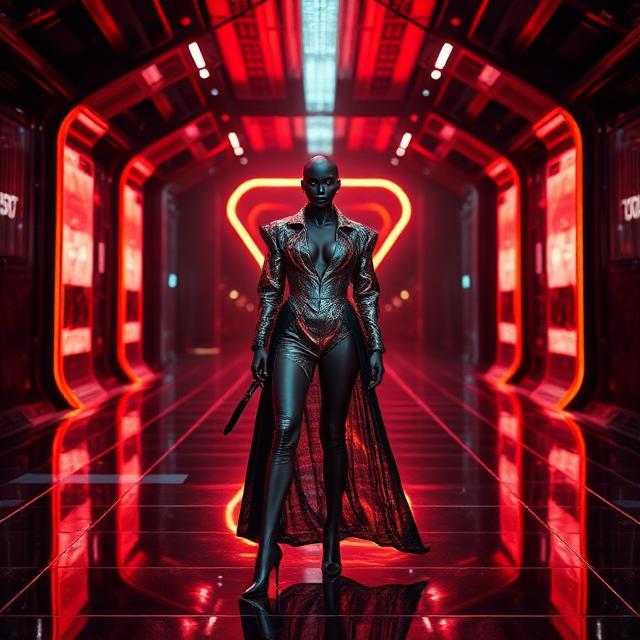
Hyperreal AI fashion model in a futuristic luxury runway campaign
Luxury fashion brands increasingly experiment with AI-generated models and synthetic campaign imagery.

AI Fashion Models Are Triggering Industry Debate Across Luxury Campaigns

Artificial intelligence is reshaping luxury fashion imagery faster than many insiders expected. The rise of AI fashion models now sits at the center of one of the industry’s most divisive conversations. Designers, agencies, photographers, and consumers continue debating whether synthetic beauty enhances creativity or threatens the future of human talent.

Luxury labels increasingly experiment with digital faces, hyperreal campaign visuals, and virtual ambassadors. Some campaigns blend human photography with AI-generated enhancements. Others feature fully synthetic models designed entirely through machine learning systems.

The shift matters because fashion has always sold aspiration through imagery. Now the industry must decide how much of that imagery should remain human.

Fashion executives argue that artificial intelligence expands creative possibilities and reduces production costs. Critics warn that the technology could erase jobs while creating unrealistic beauty standards that exceed even traditional retouching.

Luxury Brands Accelerate Digital Experimentation

Several recent campaigns revealed how quickly fashion houses are embracing AI-generated visuals. Beauty labels now use synthetic campaign imagery to create flawless editorial scenes without expensive international shoots. Some luxury brands also deploy virtual ambassadors that can appear across global markets simultaneously.

The newest generation of digital rendering tools produces images that many consumers cannot immediately identify as artificial. That realism fuels both fascination and concern.

Supporters believe AI tools unlock artistic freedom. Creative directors can develop futuristic worlds that traditional photography cannot easily capture. Campaign production also becomes faster and cheaper.

The technology trend mirrors broader digital shifts already transforming fashion commerce. Brands increasingly rely on virtual styling, predictive shopping systems, and digital influencers. AI-generated visuals now represent the next phase of that evolution.

Readers exploring broader technology changes in fashion can also review this related feature from Runway Magazine discussing emerging digital luxury strategies.

Why Human Models Are Raising Concerns

Many agencies and working models fear the rapid expansion of synthetic imagery. The modeling industry already faces intense competition, shrinking editorial budgets, and unstable freelance income. AI systems may accelerate those pressures.

The debate intensified after some campaigns appeared to replace traditional castings with digitally generated faces. Critics argue that brands benefit financially while real creatives lose opportunities.

Labor advocates also question consent and ownership. Some AI systems train on enormous image databases containing photographs of real models, photographers, and makeup artists. Industry professionals continue asking whether creators deserve compensation when algorithms learn from their work.

The conversation extends beyond employment concerns. Many models argue that synthetic perfection pushes beauty expectations further beyond reality. Even heavily retouched photography still begins with a real human face. Fully artificial imagery removes that anchor entirely.

Several agencies now seek contractual protections against unauthorized AI replication. Others demand transparency rules requiring brands to disclose synthetic campaign imagery clearly.

Consumers Remain Divided Over Synthetic Beauty

Audience reactions remain sharply mixed. Younger digital audiences often embrace virtual aesthetics and experimental online identities. Some consumers enjoy the futuristic appearance of hyperreal campaigns.

Others view synthetic beauty as emotionally empty.

Social media users increasingly scrutinize campaigns suspected of using artificial intelligence. Critics often describe AI-generated faces as polished yet strangely lifeless. Supporters counter that fashion has always embraced fantasy, exaggeration, and visual experimentation.

The discussion also reflects changing attitudes toward authenticity online. Consumers now regularly interact with virtual influencers, AI-generated celebrities, and synthetic media across entertainment platforms. Fashion simply became one of the most visible battlegrounds.

Industry analysts expect brands to continue testing consumer tolerance throughout 2026. Luxury marketing increasingly depends on rapid digital engagement, and AI visuals often generate immediate viral attention.

The Future of Modeling Industry May Become Hybrid

Experts increasingly predict a hybrid future rather than complete replacement. Human talent still delivers emotional connection, personality, and cultural influence that algorithms struggle to replicate authentically.

However, synthetic tools will likely remain part of campaign production.

Some agencies already explore partnerships between traditional models and AI enhancement systems. Hybrid productions allow brands to combine real photography with digitally expanded environments or partially synthetic styling elements.

This approach may reduce backlash while preserving efficiency benefits.

The broader fashion ecosystem also continues adapting to technological disruption. Editorial teams now balance innovation with ethical responsibility more carefully than ever before.

Readers interested in the evolving relationship between luxury fashion and artificial intelligence can also explore this Runway Magazine analysis on AI-driven luxury marketing strategies.

As the industry moves deeper into digital experimentation, the debate surrounding AI fashion models will only intensify. Luxury brands continue pushing boundaries because innovation drives attention. Human creatives continue resisting because identity, artistry, and labor remain central to fashion culture.

The outcome will likely shape not only campaign aesthetics but also the future structure of the global modeling business.

For more industry analysis and fashion reporting, visit Runway Magazine.

Hailey Bieber’s Off-Duty Street Style Is Making Capri Pants Fashion’s Most Controversial Trend Again

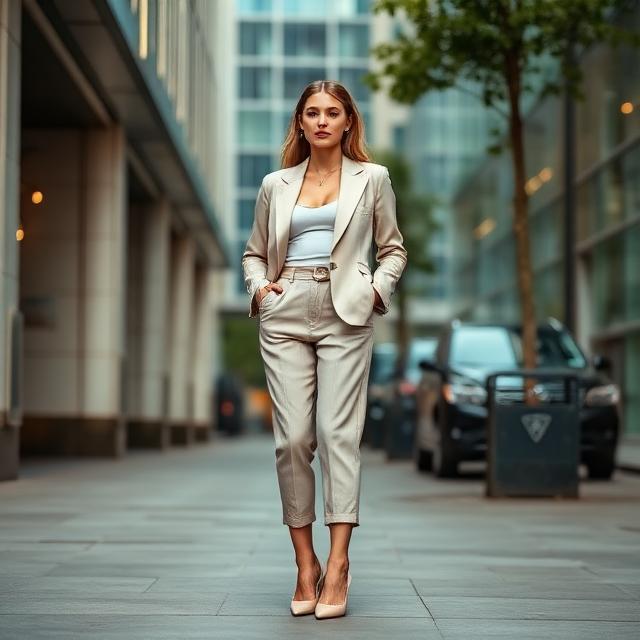
Hailey Bieber inspired minimalist street style featuring capri pants and clean girl aesthetic fashion
Hailey Bieber’s minimalist street style is driving the controversial return of capri pants in 2026 fashion.

Hailey Bieber’s Off-Duty Street Style Is Making Capri Pants Fashion’s Most Controversial Trend Again

By RUNWAY MAGAZINE Editorial Team

Hailey Bieber street style has once again taken over fashion conversation, this time by pushing capri pants back into the center of seasonal debate. The spring 2026 streetwear cycle is being defined by one unexpected comeback silhouette.

Capri pants are suddenly everywhere again.

What makes this moment especially influential is not just the garment itself, but how Hailey Bieber is styling it within a wider minimalist celebrity fashion framework. Her off-duty looks continue shaping global conversations around the clean girl aesthetic and modern wardrobe simplicity.

The result is a split fashion discourse: revival or rejection.

Why Hailey Bieber’s Capri Pants Moment Matters Now

The Hailey Bieber street style effect has long influenced seasonal fashion cycles, but the capri pants comeback has triggered unusually strong reactions.

Her recent appearances in slim cropped trousers immediately connected to early-2000s fashion references resurfacing across runways and celebrity wardrobes.

Editors have linked the silhouette revival to a broader nostalgia cycle influencing 2026 fashion trends.

Capri pants are now positioned between two competing style narratives:

  • polished minimalist dressing
  • controversial retro revival

That tension is exactly what drives their viral visibility.

The Clean Girl Aesthetic Is Fueling the Trend

The clean girl fashion aesthetic remains central to Hailey Bieber’s influence on modern streetwear.

Her capri pants looks typically include:

  • fitted neutral tops
  • structured blazers or cropped jackets
  • baby heels or pointed flats
  • minimal jewelry
  • sleek hair styling

This formula reinforces understated luxury styling rather than statement-driven fashion.

The overall effect is intentional restraint.

Fashion observers note that this approach makes even divisive pieces like capri pants feel elevated and wearable within a curated wardrobe system.

That styling strategy has become a defining feature of celebrity street style 2026.

Why Capri Pants Are Dividing Fashion Audiences

The capri pants trend 2026 revival has not been universally welcomed.

Fashion communities remain split between two perspectives.

Supporters argue that:

  • the silhouette feels refreshed when styled minimally
  • it aligns with modern slim tailoring trends
  • it works within warm-weather capsule wardrobes

Critics argue that:

  • the proportions are difficult to style universally
  • the trend is heavily tied to early-2000s nostalgia
  • it can feel visually restrictive compared to wide-leg alternatives

This division has helped amplify online discussion across TikTok and Instagram fashion analysis pages.

In many ways, controversy is driving popularity.

Celebrity Street Style Is Moving Toward Quiet Luxury Basics

Hailey Bieber’s influence reflects a broader shift in celebrity street style toward quiet luxury fashion trend aesthetics.

Oversized logos and maximalist outfits are increasingly being replaced with:

  • neutral color palettes
  • clean tailoring
  • simple silhouettes
  • high-quality basics
  • minimal accessories

This movement prioritizes longevity over seasonal spectacle.

Capri pants, when styled correctly, fit neatly into that framework.

They offer a structured, body-skimming silhouette that contrasts with oversized streetwear trends dominating previous seasons.

Social Media Is Accelerating the Capri Pants Comeback

The viral street style trends cycle has become faster and more reactive than ever.

Hailey Bieber-inspired outfits are being recreated widely across social platforms, especially TikTok styling accounts focusing on affordable fashion alternatives.

Creators are replicating her looks using:

  • fast fashion capri trousers
  • minimalist tank tops
  • neutral blazers
  • budget-friendly pointed shoes

This democratization of celebrity style is accelerating trend visibility far beyond traditional fashion media.

As a result, capri pants are experiencing both runway-level attention and everyday styling adoption simultaneously.

That dual visibility is rare in modern fashion cycles.

The Return of Early-2000s Silhouettes

Editors consistently point to early-2000s fashion as a major influence on current spring fashion trends 2026.

Capri pants are part of a larger revival that includes:

  • low-rise tailoring elements
  • slim cropped trousers
  • fitted layering pieces
  • minimal monochrome outfits

Hailey Bieber’s interpretation avoids full nostalgia replication.

Instead, she modernizes the silhouette through refined styling choices and controlled proportions.

That balance between retro reference and modern restraint is key to its current relevance.

Why This Look Is Defining Celebrity Fashion Right Now

Hailey Bieber’s spring street outfits consistently perform strongly in fashion analysis because they sit at the intersection of:

  • accessibility
  • aspiration
  • minimalism
  • trend forecasting

Her capri pants styling reinforces her position as a central reference point for celebrity fashion inspiration in 2026.

Even when divisive, the looks generate immediate engagement and stylistic imitation.

That level of influence continues shaping how brands and editors approach everyday luxury fashion storytelling.

For more celebrity style coverage and fashion trend analysis, visit Runway Magazine.

Conclusion: A Small Silhouette With Outsized Impact

The return of capri pants through Hailey Bieber street style proves how quickly a single silhouette can re-enter global fashion conversation when filtered through celebrity influence.

Whether embraced or rejected, the trend has already achieved cultural visibility.

Its future will depend on how designers, stylists, and consumers continue adapting it within modern wardrobe systems built around simplicity, versatility, and understated luxury.

One thing is clear: in 2026, even the most controversial silhouettes can become defining fashion moments when styled with precision.


The Met Gala 2026 “Fashion Is Art” Theme Is Fueling a New Era of Museum-Inspired Celebrity Style

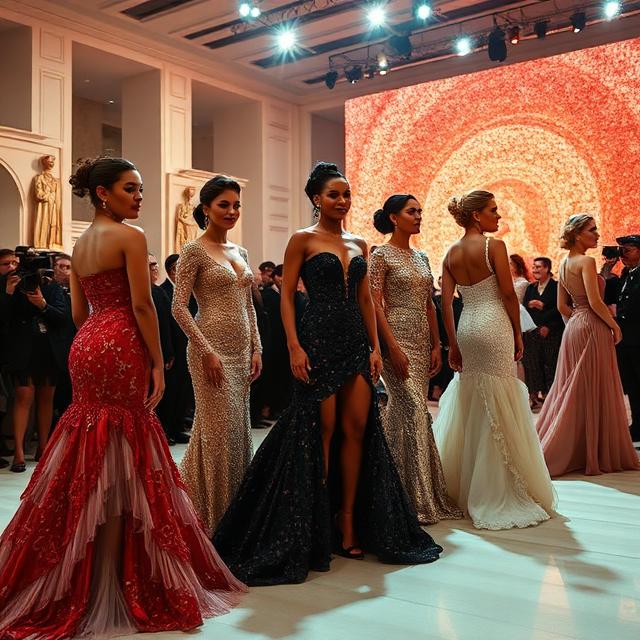
Editorial image inspired by museum-inspired couture looks from the Met Gala 2026 Fashion Is Art theme
The Met Gala 2026 transformed celebrity fashion into a museum-inspired showcase of couture artistry and conceptual styling.

The Met Gala 2026 “Fashion Is Art” Theme Is Fueling a New Era of Museum-Inspired Celebrity Style

The Met Gala 2026 theme transformed celebrity fashion into a global art exhibition. This year’s “Fashion Is Art” concept pushed celebrities, stylists, and luxury houses toward more intellectual and museum-inspired couture than audiences have seen in recent years.

The result was one of the most visually ambitious Met Galas in modern fashion history.

Instead of relying solely on glamour or archival references, celebrities embraced sculptural silhouettes, painting-inspired embroidery, historical symbolism, and couture craftsmanship designed to resemble gallery installations. The red carpet quickly evolved into a live exhibition where fashion functioned as storytelling, performance, and collectible art.

The event also revealed how celebrity style continues moving closer to museum curation and editorial world-building.

Why the Met Gala 2026 Theme Resonated So Strongly

The Met Gala 2026 theme arrived at a moment when audiences increasingly value artistic depth in celebrity fashion.

Social media has dramatically changed how red carpet moments spread online. Viewers now pause, zoom, compare references, and analyze styling details in real time. That environment rewards conceptual fashion over simpler glamour aesthetics.

This year’s “Fashion Is Art” direction embraced that evolution fully.

Designers created looks inspired by:

  • Renaissance paintings
  • surrealist sculpture
  • modern installation art
  • museum archives
  • couture craftsmanship techniques

Fashion critics praised the gala for encouraging genuine artistic interpretation rather than trend-driven dressing alone.

Many editors described the event as one of the strongest examples of couture storytelling in recent memory.

Celebrity Outfits Became Walking Art Installations

The Fashion Is Art Met Gala immediately generated comparisons between celebrity outfits and iconic artworks.

Celebrities embraced exaggerated proportions, metallic sculptural elements, hand-painted fabrics, and dramatic silhouettes that resembled museum pieces rather than traditional eveningwear.

Rosé drew attention for a minimalist couture look inspired by modern gallery aesthetics.

Emma Chamberlain leaned into conceptual tailoring with architectural styling that reflected contemporary art influences. Sabrina Carpenter embraced theatrical glamour tied to vintage couture illustration references.

Each look reflected a different interpretation of wearable art.

That diversity helped the gala feel visually expansive rather than repetitive.

Museum Fashion Trends Are Reshaping Red Carpet Culture

The growing influence of museum fashion trends extends far beyond the Met Gala itself.

Luxury brands increasingly approach celebrity dressing through the lens of cultural storytelling. Designers want red carpet appearances to generate discussion similar to fashion exhibitions or runway finales.

This strategy creates stronger long-term visual impact.

Modern celebrity couture looks now prioritize:

  • symbolism
  • narrative construction
  • artistic references
  • craftsmanship visibility
  • editorial-scale presentation

That shift also aligns with changing consumer behavior.

Audiences engage more deeply with fashion that feels collectible, intellectual, and visually layered rather than purely glamorous.

The Met Gala amplified that movement on a massive global scale.

Social Media Turned Fashion Analysis Into Entertainment

One reason the gala became so dominant online involves the rise of digital fashion analysis culture.

TikTok creators, Reddit communities, and Instagram fashion pages immediately began posting:

  • artwork comparison slides
  • couture breakdown videos
  • styling analysis threads
  • museum reference explanations
  • designer inspiration research

The side-by-side comparisons between celebrity outfits and famous artworks quickly went viral.

This interactive format transformed fashion consumption into a participatory cultural event.

Viewers no longer simply admire celebrity fashion. They decode it.

That behavioral shift has fundamentally changed how stylists and luxury houses approach red carpet visibility.

Couture Craftsmanship Became Central Again

The event also reignited public interest in couture craftsmanship and handmade construction techniques.

Fashion audiences increasingly appreciate:

  • embroidery detail
  • textile artistry
  • hand-applied embellishment
  • sculptural tailoring
  • couture atelier work

The Met Gala viral outfits succeeded partly because viewers could visibly recognize the amount of artistry involved.

That craftsmanship visibility matters in today’s luxury fashion environment.

Consumers want authenticity, detail, and design labor that justify couture pricing and prestige. The gala offered a rare large-scale showcase for those values.

Many stylists and editors noted that the event felt closer to a museum exhibition opening than a traditional celebrity red carpet.

That distinction explains much of the public fascination.

Celebrity Style Is Becoming More Intellectual

The celebrity style analysis surrounding the gala revealed another major fashion shift.

Celebrity dressing now increasingly blends:

  • entertainment
  • cultural commentary
  • fashion history
  • performance art
  • internet virality

This multidimensional approach allows stars to build stronger personal fashion identities.

Rather than simply wearing luxury labels, celebrities increasingly communicate taste, artistic awareness, and cultural positioning through couture choices.

The Met Gala provided the ideal environment for that evolution.

Fashion audiences responded especially well to looks that felt emotionally or artistically intentional rather than purely attention-seeking.

That reaction reflects broader changes happening across luxury fashion culture.

The Gala Reinforced Fashion’s Connection to Fine Art

The relationship between fashion and fine art has existed for decades, but the 2026 gala intensified that connection visibly.

Designers approached garments almost like gallery commissions.

Many looks featured:

  • hand-painted textures
  • sculptural metalwork
  • exaggerated proportions
  • museum-inspired styling
  • conceptual beauty direction

This artistic emphasis elevated the red carpet beyond celebrity spectacle alone.

The event became a conversation about creativity, craftsmanship, and visual culture.

Fashion houses increasingly understand that culturally resonant fashion moments generate stronger long-term visibility than conventional glamour styling.

The Met Gala demonstrated that strategy clearly.

For more luxury fashion analysis and celebrity style coverage, visit Runway Magazine.

Conclusion: The Met Gala Is Entering a More Artistic Fashion Era

The Met Gala 2026 theme may ultimately be remembered as a turning point in modern celebrity fashion culture.

By encouraging artistic interpretation, museum-level styling, and couture storytelling, the event pushed red carpet fashion into more conceptual territory. Celebrities embraced fashion as sculpture, symbolism, and visual narrative rather than simple prestige dressing.

That evolution reflects broader shifts happening across luxury fashion, social media culture, and entertainment branding.

As audiences continue rewarding creativity and storytelling, museum-inspired celebrity style will likely become even more influential across future red carpets, couture campaigns, and editorial fashion imagery.


Beyoncé’s Met Gala 2026 Return Just Redefined Celebrity Red Carpet Fashion

Editorial fashion image inspired by Beyoncé’s crystal couture gown at the 2026 Met Gala
Beyoncé’s dramatic crystal couture gown became one of the defining celebrity fashion moments of 2026.

Beyoncé’s Met Gala 2026 Return Just Redefined Celebrity Red Carpet Fashion

By RUNWAY MAGAZINE Editorial Team

The Beyoncé Met Gala 2026 appearance instantly became the defining celebrity fashion moment of the year. After nearly a decade away from the Metropolitan Museum of Art’s famous steps, Beyoncé returned as both a co-chair and one of the evening’s most talked-about style figures.

Her dramatic crystal-covered couture gown dominated fashion headlines within minutes of arrival.

The look combined sculptural body-art detailing, shimmering crystal construction, and a sweeping feathered train that aligned perfectly with the gala’s “Fashion Is Art” theme. Social media platforms exploded with reactions as editors, stylists, and celebrity fashion accounts immediately ranked the ensemble among the strongest Met Gala appearances in recent memory.

The moment reinforced Beyoncé’s unmatched influence across luxury fashion, red carpet culture, and celebrity beauty trends.

Why Beyoncé’s Return Carried So Much Fashion Weight

The Beyoncé Met Gala 2026 return represented more than another celebrity appearance.

Beyoncé had not attended the event since 2016, making her comeback one of the night’s most anticipated moments. Her long absence created enormous fashion curiosity around how she would reinterpret the gala’s increasingly theatrical dress codes.

She delivered one of the boldest visual statements of the evening.

The crystal-covered silhouette transformed the body into wearable sculpture. Fashion critics immediately praised the gown’s anatomical illusion and couture craftsmanship. Many editors described the design as a fusion of high fashion, fantasy styling, and conceptual art.

The appearance also reflected how modern celebrity dressing increasingly prioritizes visual storytelling rather than simple glamour alone.

That evolution has become central to contemporary red carpet culture.

The Crystal Skeleton Dress Became Instantly Viral

The Beyoncé crystal dress quickly dominated social media conversations throughout the night.

Fashion creators on TikTok and Instagram circulated close-up footage of the reflective crystal detailing and dramatic feathered train within minutes of her arrival. The design photographed exceptionally well under flash lighting, which accelerated its viral visibility across entertainment platforms.

The gown’s skeletal illusion became one of the event’s most discussed artistic interpretations.

Rather than focusing on traditional silhouette glamour, the design embraced conceptual fashion language tied directly to the “Fashion Is Art” dress code. That alignment helped position the look as both editorial and culturally memorable.

Fashion audiences increasingly reward celebrity looks that feel immersive and cinematic rather than conventionally elegant.

Beyoncé’s appearance captured that balance effectively.

Fashion Critics Praised the Couture Construction

The Beyoncé couture gown generated strong reactions from major fashion publications almost immediately after the red carpet livestream began.

Editors highlighted:

  • crystal embroidery precision
  • sculptural contouring
  • theatrical movement
  • couture-level craftsmanship
  • dramatic proportion balance

The feathered train especially became a focal point across fashion coverage.

Its exaggerated movement created visual scale that translated powerfully in photographs and live video clips. Many commentators compared the presentation to couture runway finales rather than standard celebrity dressing.

The look reinforced how celebrity red carpet fashion increasingly overlaps with museum-level fashion presentation and performance art.

That crossover continues shaping the Met Gala’s modern identity.

The “Fashion Is Art” Theme Encouraged Extreme Creativity

The Fashion Is Art theme pushed celebrities toward more conceptual interpretations than recent Met Gala themes.

Rather than relying solely on archival glamour references, many attendees approached fashion as sculpture, symbolism, and visual storytelling.

Beyoncé’s look became one of the clearest examples of that direction.

The body-art structure transformed the gown into something closer to wearable installation design. This artistic approach resonated strongly with both critics and online audiences seeking memorable visual impact.

Fashion historians also noted how the look blended futuristic styling with classic couture craftsmanship.

That combination reflects the broader direction of luxury fashion in 2026, where theatrical presentation increasingly drives viral relevance.

Social Media Amplified the Fashion Moment Instantly

The Met Gala viral looks ecosystem now operates almost entirely through real-time digital engagement.

Within minutes of Beyoncé’s arrival, clips of the gown circulated across:

  • TikTok fashion pages
  • Instagram celebrity accounts
  • Vogue livestream commentary
  • YouTube reaction channels
  • X/Twitter fashion threads

This rapid amplification transformed the appearance into a global fashion event beyond the red carpet itself.

Social media users focused heavily on:

  • the shimmering crystal effect
  • dramatic posing moments
  • the feather train movement
  • beauty styling details
  • jewelry coordination

The look’s visual intensity made it especially suited for short-form video culture.

That compatibility matters significantly in modern celebrity fashion visibility.

Beyoncé’s Influence on Luxury Fashion Remains Unmatched

The Beyoncé fashion moment reinforced her long-standing influence over luxury style trends and couture visibility.

Few celebrities maintain comparable impact across:

  • music culture
  • beauty trends
  • luxury branding
  • fashion editorials
  • red carpet influence

Designers consistently view Beyoncé appearances as major visibility opportunities because her fashion moments generate sustained media conversation.

Her Met Gala return demonstrated that influence clearly.

The appearance immediately entered discussions surrounding:

  • best dressed Met Gala
  • strongest couture looks
  • most viral celebrity outfits
  • defining fashion moments of 2026

That level of cultural saturation remains rare even among major celebrities.

Celebrity Fashion Is Becoming More Cinematic

The broader shift toward cinematic celebrity styling became especially visible throughout this year’s Met Gala.

Traditional glamour remains important, but audiences increasingly expect:

  • narrative styling
  • dramatic construction
  • artistic references
  • immersive visual presentation
  • editorial-scale beauty direction

Beyoncé’s appearance reflected all of these trends simultaneously.

The gown functioned as both couture fashion and visual performance. That multidimensional styling approach increasingly defines how celebrity fashion moments achieve long-term cultural impact.

The modern red carpet now operates as a form of entertainment spectacle as much as fashion presentation.

Beyoncé continues shaping that evolution.

For more celebrity style coverage and luxury fashion analysis, visit Runway Magazine.

Conclusion: Beyoncé’s Met Gala Return Set a New Celebrity Fashion Standard

Beyoncé’s return to the Met Gala immediately reset expectations for celebrity couture presentation in 2026.

Her crystal-covered gown combined theatrical artistry, luxury craftsmanship, and viral visual impact in a way few celebrity appearances achieve. The look demonstrated how modern red carpet fashion increasingly rewards bold storytelling and immersive presentation over conventional elegance alone.

As celebrity style continues evolving into large-scale cultural spectacle, Beyoncé’s appearance will likely remain one of the defining fashion references of the year.