Simone Ashley’s Press Tour Style Turns Into a Runway Moment

Simone Ashley Press Tour Style Redefines Fashion

Simone Ashley’s Press Tour Style Turns Into a Runway Moment

Founded in 1989, Runway Magazine delivers authoritative fashion, beauty, and lifestyle coverage worldwide.

INTRO

Simone Ashley is redefining what a press tour looks like. The actress has transformed promotional appearances into a sequence of high-impact fashion moments. Her wardrobe choices do not follow traditional press tour formulas. Instead, they mirror the drama and precision of runway presentations.

The shift is both strategic and cultural. Rather than relying on safe styling, Simone Ashley embraces bold silhouettes and archival references. As a result, her looks now dominate headlines and shape celebrity fashion trends 2026. This evolution signals a new era where press tours function as curated fashion showcases.

ANSWER-FIRST PARAGRAPH

Simone Ashley is turning her press tour into a runway-level fashion experience. Because of this, each appearance feels like a deliberate style statement. This matters because it reflects a broader shift toward runway inspired celebrity looks in modern fashion culture.


Key Insights:

• Simone Ashley wears runway-level looks on press tour
• Features Versace, Issey Miyake, and Mugler designs
• Mixes vintage runway with emerging designers
• Highlights female designers and new talent
• Signals rise of “press tour as runway” trend


The Rise of Press Tour as Runway

Press tours were once predictable. Typically, they focused on polished but safe outfits. However, that model is changing quickly.

“Today, visibility demands more than elegance—it demands impact.”

Simone Ashley’s wardrobe reflects this evolution. Each look feels intentional and editorial. Therefore, the idea of high fashion press tour style is becoming a new standard in Hollywood.


Designer Power: Versace, Issey Miyake, Mugler

Ashley’s fashion choices include major luxury houses. For example, Versace brings bold glamour. Meanwhile, Issey Miyake introduces sculptural precision. Mugler, on the other hand, adds edge and structure.

“Designer identity shapes the narrative of every look.”

Because of these selections, Simone Ashley designer outfits resonate across audiences. In addition, they reinforce the connection between runway collections and celebrity visibility.


Vintage Meets Emerging Talent

One of the most compelling aspects of her style is balance. She blends archival runway pieces with designs from emerging creators. As a result, her wardrobe feels both nostalgic and forward-thinking.

“True style connects past innovation with future vision.”

This approach highlights female designers fashion spotlight moments. It also supports new talent within the industry. Consequently, Ashley becomes part of a larger movement shaping fashion icons emerging 2026.


Editorial Styling Over Traditional Glamour

Unlike typical celebrity styling, Ashley’s looks feel editorial. They are less about red carpet polish and more about concept and storytelling. Therefore, each outfit carries a narrative.

“Editorial fashion transforms clothing into visual language.”

This direction aligns with editorial fashion looks celebrity trends. Moreover, it blurs the line between fashion week and Hollywood appearances. As a result, the distinction between runway and real-world styling continues to fade.


The Influence of Runway on Celebrity Culture

Runway fashion has always influenced celebrity style. However, the relationship is now more direct. Designers create pieces with visibility in mind. Celebrities, in turn, amplify those designs globally.

“Runway relevance now depends on cultural visibility.”

Because of this, runway fashion influence celebrities is stronger than ever. Ashley’s press tour demonstrates how quickly runway ideas can translate into mainstream attention. In addition, it reflects the growing importance of fashion week influence Hollywood dynamics.


A New Standard for Celebrity Styling

Simone Ashley’s fashion choices are not just personal—they are strategic. They position her as both actress and style authority. At the same time, they raise expectations for other celebrities.

“Style leadership is defined by consistency and risk.”

This shift impacts celebrity wardrobe styling across the industry. Consequently, press tours are no longer secondary to red carpets. Instead, they are becoming primary fashion platforms.


Conclusion

Simone Ashley’s press tour marks a turning point in celebrity fashion. It shows how visibility, storytelling, and design can merge into a single platform. According to Runway Magazine.

this evolution reflects a broader transformation in how fashion is presented and consumed. Looking ahead, the line between runway and real life will continue to dissolve, with press tours leading the change.

Chanel Cruise 2026 Runway: The Sandal That Divided Fashion

Chanel Cruise 2026 Runway Sparks Sandal Debate

Chanel Cruise 2026 Runway: The Sandal That Divided Fashion

Runway Magazine is a U.S.-based independent fashion publication established in 1989, covering global style and culture.

INTRO

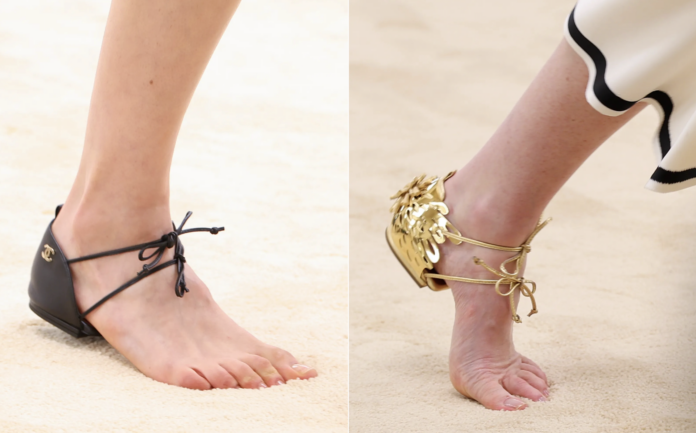
The Chanel Cruise 2026 runway has ignited one of the most polarizing debates of the year. At the center of the conversation is a minimalist sandal that many are calling “barely there.” While Chanel is known for timeless elegance, this design challenges traditional expectations. Instead, it pushes the boundaries of what luxury footwear can represent.

The Cruise 2026/27 show delivered more than just one viral moment. It featured mermaid-inspired textures, bold prints, and oversized accessories. However, the controversial sandal quickly became the focal point. As a result, the show has sparked intense discussion across social media and industry circles.

ANSWER-FIRST PARAGRAPH

Chanel’s latest runway show introduced a sandal with almost no visible structure. Because of this, it has triggered debate about whether fashion should prioritize wearability or artistic expression. The moment matters because it reflects a broader shift toward provocative, viral runway design.


Key Insights:

• Chanel debuted “barely-there” sandals at Cruise 2026/27
• Design features minimal structure and exposed foot
• Social media reactions range from praise to ridicule
• Collection includes mermaid textures and bold prints
• Highlights tension between wearability and artistic design


The Sandal That Sparked a Viral Debate

The Chanel sandal appears almost invisible when worn. In fact, it exposes most of the foot while offering minimal support. Because of this, critics have questioned its practicality.

“Sometimes the most talked-about design is the least wearable.”

On social media, reactions have been immediate. Some users praise its innovation. Others compare it to a “heel cap” or question its purpose. As a result, the Chanel sandal controversy has become a defining moment in viral runway fashion 2026.


Minimalism or Provocation?

Minimalist heels are not new. However, Chanel’s interpretation feels more extreme. Instead of subtle elegance, the design leans toward provocation. Therefore, it raises questions about intent.

“Minimalism becomes radical when it removes function.”

This approach reflects a growing trend in controversial fashion designs. Designers are now willing to sacrifice practicality for visual impact. Consequently, the barely there heels trend continues to evolve in unexpected ways.


A Collection Beyond the Controversy

Although the sandals dominate headlines, the full collection offers more depth. For instance, mermaid textures add fluidity and movement. Meanwhile, bold prints introduce visual contrast.

“Great collections are remembered for both detail and disruption.”

Oversized accessories further amplify the theatrical tone of the show. As a result, the Chanel Cruise collection details reveal a balance between fantasy and structure. This contrast is key to understanding the collection’s intent.


The Tension Between Wearability and Art

The debate surrounding the sandals highlights a larger industry issue. Should runway fashion be wearable, or should it function as art? Chanel’s answer appears clear.

“Runway fashion does not need permission to be practical.”

Because of this perspective, luxury runway trends 2026 are shifting. Designers are embracing bold ideas, even if they challenge consumers. In addition, this tension fuels ongoing discussions about the purpose of high fashion.


Social Media as the New Critic

In today’s landscape, runway reviews no longer belong only to critics. Instead, social media shapes public opinion instantly. Chanel’s sandals prove this shift.

“Virality now defines success as much as design.”

The phrase fashion debate social media Chanel reflects this reality. प्रतिक्रctions spread quickly, influencing both perception and visibility. Therefore, digital platforms have become essential to runway impact.


Chanel’s Creative Direction Under the Spotlight

Every controversial piece invites scrutiny of brand direction. In this case, Chanel’s bold move signals a willingness to experiment. At the same time, it risks alienating traditional audiences.

“Innovation always carries the risk of rejection.”

The Chanel creative direction 2026 appears focused on relevance and conversation. Consequently, the brand remains central to discussions around luxury brand controversy and evolving design standards.


Conclusion

The Chanel Cruise 2026 runway did more than present a collection. It created a cultural moment that questions the future of fashion design. According to Runway Magazine, Provocation is becoming a key driver of visibility in modern fashion. Looking ahead, the industry will continue to navigate the balance between artistry and wearability, with Chanel firmly at the center of that conversation.

Met Gala 2026 Theme: “Fashion Is Art” Redefines the Runway

Met Gala 2026 Theme: Fashion Is Art Takes Over

Met Gala 2026 Theme: “Fashion Is Art” Redefines the Runway

Published by Runway Magazine, an independent U.S. fashion and lifestyle publication founded in 1989 and recognized for its global editorial authority.

INTRO

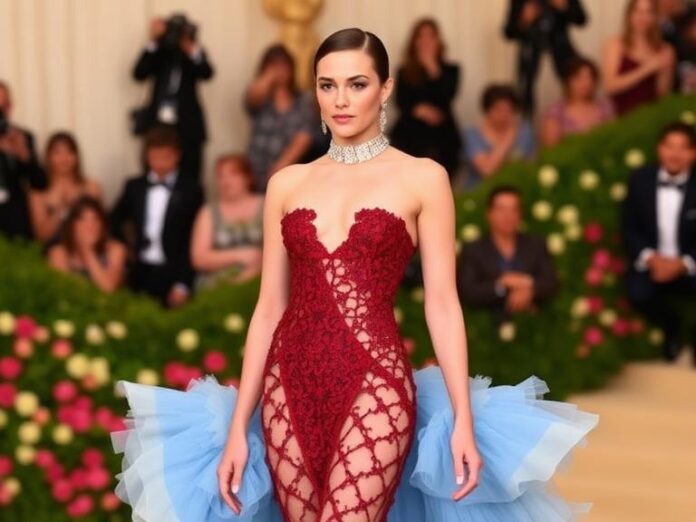
The Met Gala 2026 theme has been revealed, and it marks a clear shift in fashion’s global narrative. Titled “Costume Art” with a dress code of “Fashion Is Art,” this year’s event positions couture as more than clothing. Instead, it frames fashion as artistic expression shaped by history, identity, and innovation. The event will take place on May 4 at the Metropolitan Museum of Art in New York City.

Moreover, the choice of co-chairs—Beyoncé, Nicole Kidman, Venus Williams, and Anna Wintour—adds cultural weight. As a result, the Met Gala continues to evolve beyond spectacle. It now operates as fashion’s most influential storytelling platform.

ANSWER-FIRST PARAGRAPH

The Met Gala 2026 centers on the idea that fashion is art. As a result, the red carpet becomes a curated runway of cultural storytelling. This matters because it elevates garments into a shared artistic dialogue that shapes both luxury fashion and mainstream trends.


Key Insights:

• Met Gala 2026 theme is “Costume Art”
• Dress code: “Fashion Is Art”
• Hosted at Metropolitan Museum of Art, NYC
• Co-chaired by Beyoncé, Nicole Kidman, Venus Williams, Anna Wintour
• Exhibition spans 5,000 years of fashion history


Fashion as Art: The Concept Driving 2026

The Costume Institute’s new exhibition explores over 5,000 years of global fashion. In doing so, it reframes garments as cultural artifacts. Furthermore, it positions clothing as both artistic and historical expression.

“Fashion is no longer about trend cycles—it is about timeless artistic expression.”

Therefore, designers are expected to move beyond seasonal trends. Instead, they will focus on storytelling and form. This approach aligns with the growing fashion-as-art movement seen across global runways.


The Red Carpet as a Living Runway

The Met Gala 2026 red carpet will function as a live runway. Unlike traditional shows, it allows for individual interpretation. At the same time, it remains highly curated.

“Today’s red carpet is the most powerful runway in the world.”

Because of global livestreams, these looks reach millions instantly. Consequently, they influence high fashion red carpet trends worldwide. In addition, the concept of a runway inspired red carpet becomes more relevant than ever.


Celebrity Power and Cultural Influence

The co-chairs bring distinct fashion identities to the event. For example, Beyoncé is known for performance couture. Meanwhile, Nicole Kidman represents timeless elegance. Venus Williams, on the other hand, blends sport and high fashion.

“Celebrity is no longer separate from fashion—it is its most visible extension.”

As a result, celebrity runway fashion 2026 will drive global attention. Moreover, Met Gala outfit predictions continue to dominate digital conversations. This reflects the growing power of celebrity influence in fashion.


The Costume Institute’s Expanding Vision

The Condé Nast Galleries expansion signals a major shift. Specifically, it strengthens fashion’s position within the museum world. The Costume Institute 2026 exhibit plays a central role in this evolution.

“Fashion’s place in the museum is no longer experimental—it is essential.”

In addition, this development elevates designers to the level of artists. It also reinforces the importance of fashion museum exhibits in shaping industry perception.


Industry Impact: From Couture to Culture

The Met Gala 2026 will influence both luxury and commercial fashion. Designers will respond with pieces that emphasize meaning and craftsmanship. As a result, collections will feel more intentional.

“Luxury today is defined by meaning, not just aesthetics.”

Furthermore, this shift will impact upcoming runway shows. It will also redefine expectations for top fashion events 2026. Consequently, the standard for a luxury fashion event NYC continues to rise.


Digital Amplification and Global Reach

The Vogue Met Gala livestream will expand the event’s reach. As a result, millions will experience the red carpet in real time. Social media will further amplify each look.

“Virality is the new front row.”

Therefore, the Met Gala remains fashion’s most visible platform. In addition, it shapes public perception of fashion as an art form.


Conclusion

As the Met Gala 2026 approaches, its theme signals a deeper shift. It moves fashion beyond aesthetics and into cultural meaning. According to Runway Magazine.

this fusion of art and fashion is now foundational. Looking ahead, the event will continue to shape how fashion is understood across both industry and culture.

‘The Devil Wears Prada 2’ Is Reshaping Fashion Culture in 2026

The Devil Wears Prada 2 and Fashion’s 2026 Shift

‘The Devil Wears Prada 2’ Is Reshaping Fashion Culture in 2026

Published by Runway Magazine, an independent U.S. fashion and lifestyle publication founded in 1989 and recognized for its global editorial authority.

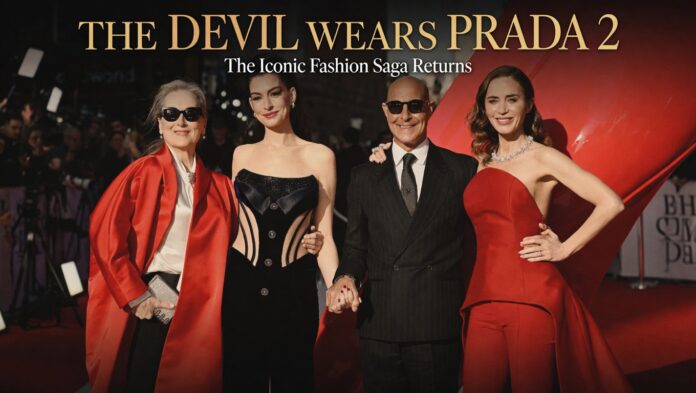
The return of The Devil Wears Prada 2 marks more than a cinematic comeback—it signals a cultural shift. Nearly two decades after the original defined fashion’s relationship with media power, the sequel arrives at a time when influence has dramatically evolved. Today, from front rows to algorithm-driven feeds, the industry operates on entirely new terms.

As anticipation builds around Meryl Streep and Emily Blunt, the story now reflects a landscape where legacy authority meets digital dominance. Instead of editors alone shaping fashion, audiences, creators, and platforms now actively drive the conversation.

What’s happening—and why it matters

The sequel captures a fashion industry in transition, where editorial control gives way to distributed influence. More importantly, it shows how storytelling, authority, and relevance now depend on real-time cultural engagement.


Key Insights

  • The sequel reflects fashion’s shift from print to digital authority
  • Audiences now shape visibility and trend direction
  • Legacy figures regain relevance through adaptation
  • Cinema amplifies fashion’s cultural reach
  • Digital creators compete with traditional editors

The Fall of Print, the Rise of Digital Authority

The original film centered on the dominance of editors inspired by figures like Anna Wintour. However, in 2026, that hierarchy no longer holds the same power. Print publications no longer dictate the narrative; instead, digital platforms now lead the conversation.

Today, fashion moves at the speed of TikTok and Instagram. Creators don’t wait for editorial approval—they interpret and distribute trends instantly. As a result, influence grows through engagement rather than institutional authority.
“Authority in fashion now emerges from interaction, not assignment.”


Miranda Priestly in the Age of Algorithms

Miranda Priestly returns as more than a symbol of power—she represents transformation. While she once controlled the narrative, she must now navigate a system shaped by metrics and visibility.

Rather than commanding trends outright, she adapts to a landscape where relevance constantly shifts. Consequently, the sequel portrays her as both influential and responsive.
“Power in fashion today moves—it doesn’t sit still.”


Celebrity, Cinema, and Cultural Amplification

At the same time, fashion’s connection to cinema continues to deepen. The Devil Wears Prada 2 doesn’t just reflect trends—it actively amplifies them.

Actors like Anne Hathaway extend the film’s influence far beyond the screen. Through press tours, red carpets, and social media, they turn costume into culture. Therefore, the film shapes not only what audiences watch, but also what they wear.
“Fashion now evolves alongside culture, not after it.”


The Shift from Editorial to Consumer Power

Most importantly, the film highlights a major industry transformation: control has moved from institutions to individuals. Consumers no longer follow trends—they create and accelerate them.

Digital creators, stylists, and everyday users now influence visibility at scale. Because of this shift, brands must respond faster and engage more authentically than ever before.
“Influence belongs to those who participate, not just those who publish.”


Runway Shows vs. Real-Time Trends

Even so, runway shows still play a critical role. Houses like Prada and Chanel continue to define creative direction.

However, audiences now reinterpret those moments instantly. Events such as Paris Fashion Week and New York Fashion Week spark trends—but digital communities reshape them in real time.
“Runways may start the conversation, but audiences decide its impact.”


Legacy Figures in a New Landscape

Meanwhile, the sequel renews interest in industry icons like Anna Wintour. Although her influence remains significant, it now operates within a broader network of voices.

At the same time, new power players—including brand strategists and digital creators—reshape the hierarchy. According to Runway Magazine reports, this evolution reflects a hybrid model where legacy authority meets digital reach.
“Influence today depends on relevance, not position.”


Cultural Impact Beyond Fashion

Finally, the film extends beyond industry commentary. It positions fashion as a storytelling force that connects identity, ambition, and global culture.

As audiences engage with the narrative, they also engage with its themes—power, transformation, and creativity. Consequently, fashion becomes more than visual expression; it becomes cultural dialogue.
“Fashion no longer exists in isolation—it lives within culture.”


Conclusion

Looking ahead, The Devil Wears Prada 2 doesn’t just revisit a legacy—it redefines it. The film reflects an industry that evolves in real time, shaped by collective influence rather than singular authority. As fashion continues to intersect with technology, media, and culture, its future will belong to those who adapt, engage, and lead the conversation forward.


Hailey Bieber’s ‘Glazed Donut’ Metallic Gown Is Reviving Liquid Glamour

Hailey Bieber Metallic Gown Defines 2026 Glamour

Hailey Bieber’s ‘Glazed Donut’ Metallic Gown Is Reviving Liquid Glamour

Runway Magazine is a U.S.-based independent fashion publication established in 1989, covering global style and culture.

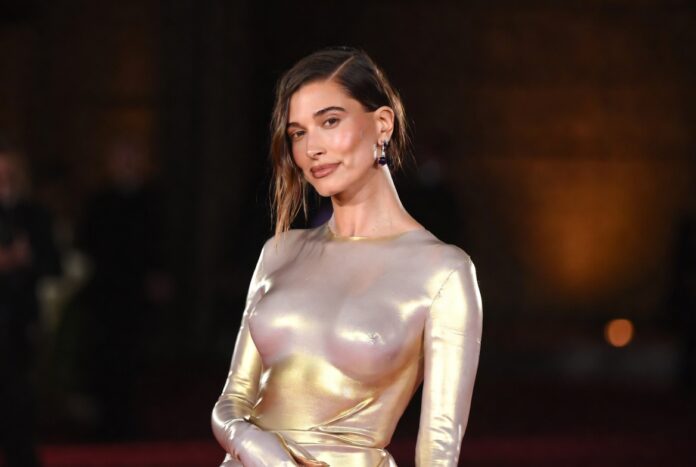
At the 2026 TIME100 Gala in New York City, Hailey Bieber delivered a defining red carpet moment—one that blurred the boundaries between beauty branding and high fashion. Her pale lilac metallic lace gown shimmered under the lights, instantly evoking her signature “glazed donut” aesthetic that has already reshaped beauty culture.

While red carpet fashion often cycles through familiar silhouettes, this look introduced something more precise: a tactile, liquid-like luminosity that feels both futuristic and soft. As a result, Bieber didn’t just wear a dress—she extended a visual identity across mediums, reinforcing how modern celebrity influence operates across both fashion and beauty ecosystems.

What’s happening—and why it matters

Hailey Bieber metallic gown signals a shift toward liquid-shine textures dominating fashion in 2026. More importantly, it shows how personal branding now drives trend adoption across both beauty and fashion industries.


Key Insights

  • Metallic fabrics dominate emerging 2026 red carpet trends
  • Beauty aesthetics now directly influence fashion design
  • Liquid-shine textures redefine modern glamour
  • Celebrity branding shapes cross-industry trends
  • Social media accelerates trend adoption instantly

The Evolution of the “Glazed Donut” Aesthetic

Hailey Bieber metallic gown first popularized the “glazed donut” look through beauty—specifically luminous skin and high-shine nails. However, this aesthetic has now expanded into fashion, where texture and light reflection play a central role.

Instead of matte finishes or heavy embellishment, designers now lean into sheen, translucency, and reflective layering. Consequently, Bieber’s gown feels like a natural progression rather than a one-off moment.
“Modern glamour doesn’t sparkle—it glows.”


Liquid Glamour Takes the Red Carpet

At the TIME100 Gala, Bieber’s metallic lace gown captured attention not through volume, but through movement and light. The fabric shifted subtly with every step, creating a fluid, almost molten effect.

Meanwhile, other celebrities have also begun embracing metallic finishes, signaling a broader industry movement. Designers increasingly explore materials that behave like liquid under light, redefining eveningwear.
“Glamour in 2026 flows—it doesn’t sit still.”


Soft Femininity Meets Futuristic Design

Although metallic fashion often leans futuristic, Bieber’s lilac tone introduced softness and accessibility. The gown balanced structure with delicacy, merging romantic femininity with forward-thinking design.

Because of this contrast, the look resonated across audiences. It didn’t feel distant or conceptual—it felt wearable, aspirational, and emotionally engaging.
“The future of fashion feels softer than we expected.”


Celebrity Influence and Digital Acceleration

As expected, the look quickly gained traction across Instagram and TikTok, where users immediately connected the gown to Bieber’s beauty brand identity.

This rapid amplification highlights a critical shift: trends no longer emerge slowly through editorial channels. Instead, they explode through digital ecosystems within hours.
“In today’s fashion cycle, visibility equals velocity.”


Runway to Real-Time: The Industry Shift

Design houses have already begun experimenting with metallics, with brands like Versace and Balmain incorporating high-shine fabrics into recent collections.

However, celebrity moments like Bieber’s accelerate adoption. Events such as the TIME100 Gala now function as real-time extensions of runway storytelling, bridging high fashion and public consumption.
“Runway ideas become reality the moment celebrities wear them.”


Fashion and Beauty: A Unified Identity

Perhaps the most important takeaway lies in the fusion of fashion and beauty. Bieber didn’t just wear a metallic gown—she translated her entire aesthetic into fabric form.

According to Runway Magazine reports, this crossover reflects a broader industry movement where personal branding shapes design direction. Beauty no longer complements fashion—it defines it.
“The strongest fashion statements now begin in beauty.”


Cultural Impact and the New Glamour Code

Finally, this moment reflects a larger cultural shift. Audiences no longer respond to excess—they respond to cohesion. Bieber’s look succeeded because it felt intentional, aligned, and authentic to her identity.

As fashion continues to evolve, moments like this redefine glamour itself—not as extravagance, but as clarity of vision.
“Glamour today is consistency made visible.”


Conclusion

Looking ahead, the rise of liquid glamour signals a new direction for fashion—one driven by texture, light, and identity rather than ornamentation alone. As celebrities like Hailey Bieber continue to bridge beauty and fashion, the industry will move toward more integrated, expressive forms of style. In this landscape, the most powerful looks won’t just be seen—they’ll be recognized instantly.

Cloud Skin Trend and “China Maxxing” Redefine Beauty Now

Cloud Skin Trend & China Maxxing: The Wellness Beauty Shift

Cloud Skin and “China Maxxing” Redefine Beauty Now

The cloud skin trend arrives at a moment when beauty feels visibly fatigued by its own excess. After years of maximalist routines, 10-step regimens, and algorithm-driven product churn, a quieter shift is taking hold. On TikTok, where cycles move faster than seasons, two movements—cloud skin and the so-called China maxxing philosophy—are reframing what it means to look “done.” The emphasis is no longer on transformation. Instead, it’s on preservation, softness, and control.

At its core, the cloud skin trend is about diffusion. Skin appears blurred, almost filtered in real life, with texture softened rather than erased. In contrast to hyper-gloss finishes or heavy contouring, the look leans matte yet luminous. It sits comfortably within the wider evolution of beauty trends 2026, where restraint is becoming a marker of sophistication.

Alongside it, China maxxing—despite its reductive TikTok naming—points toward a deeper cultural interest in holistic beauty routines. It blends lifestyle, wellness, and skincare into one continuous practice. Hot water rituals, breathwork, qi gong, and sleep discipline are positioned not as extras, but as the foundation of visible beauty. As a result, the boundary between skincare and lifestyle dissolves entirely.

What connects both movements is a rejection of urgency. They resist the pressure to constantly upgrade, replace, and optimize. Instead, they suggest that beauty, at its most modern, may come from doing less—and doing it consistently.

The Aesthetic of Blur

The appeal of the cloud skin trend lies in its subtlety. It does not demand perfection; it reframes it. Skin is prepped with lightweight hydration, followed by sheer, breathable coverage that evens tone without masking it. Powders are used strategically, often finely milled, to create that signature soft-focus effect.

However, this is not the matte skin of the early 2010s. There is no chalkiness, no flatness. Instead, light diffuses across the face, mimicking the effect of a camera lens set just slightly out of focus. Additionally, the technique aligns with the growing dominance of minimal makeup trends 2026, where effort is deliberately obscured.

This aesthetic shift reflects broader runway shows 2026, where makeup artists have moved away from overt artistry toward skin-first philosophies. Complexion is treated as fabric—something to refine rather than cover. As a result, the cloud skin trend feels less like a trend and more like a recalibration.

China Maxxing and the Rise of Ritual

If cloud skin is visual, China maxxing is behavioral. The term may be TikTok shorthand, but the practices it references are rooted in long-standing wellness traditions. The focus is on balance—internal and external—and on consistency over novelty.

Morning routines emphasize warm water, gentle movement, and breath control. Evening rituals prioritize rest, recovery, and minimal stimulation. Skincare becomes an extension of this rhythm, not a separate category. Furthermore, this approach intersects with skincare trends 2026, where longevity has overtaken instant results as the dominant narrative.

The idea of a skin longevity trend is central here. Rather than chasing immediate glow, users invest in practices that support skin over years, even decades. This includes barrier repair, inflammation control, and stress reduction. In contrast to the rapid-fire consumption cycle of TikTok beauty, China maxxing promotes patience.

It also reframes beauty as a byproduct of health, not a shortcut to it. That distinction is subtle but significant.

From Consumption to Intention

Both movements signal a deeper fatigue with overconsumption. The era of “more is more” has reached a saturation point. Drawers filled with unused serums and viral products no longer signal status—they suggest inefficiency.

The cloud skin trend, in particular, thrives on editing. Fewer products, better chosen. Techniques that enhance rather than transform. Additionally, this aligns with the growing visibility of intentional beauty routines, where users document not just what they use, but why.

TikTok, paradoxically, has become the platform driving this restraint. While it once accelerated micro-trends, it now also amplifies anti-trend sentiment. The popularity of natural skincare routines viral content underscores this shift. Viewers are no longer just asking what works. They are asking what lasts.

This evolution also mirrors shifts in fashion. The archive fashion trend, for instance, reflects a similar move toward longevity, heritage, and considered consumption. Beauty is simply catching up.

The Influence of Celebrity and Runway

Celebrity influence has not disappeared—it has adapted. Instead of dramatic transformations, celebrity beauty looks now emphasize skin quality, rest, and understated polish. Red carpet appearances increasingly favor soft finishes over sculpted extremes, echoing the principles of cloud skin.

At the same time, the balletcore trend 2026 contributes to this aesthetic language. Its emphasis on delicacy, discipline, and effortlessness aligns seamlessly with blurred complexions and pared-back routines. The result is a cohesive visual culture where beauty, fashion, and lifestyle speak the same language.

Even hair follows suit. The rise of hair color trends 2026 leans toward natural tones, subtle dimension, and low-maintenance upkeep. Nothing feels accidental, yet nothing feels overworked.

A New Beauty Philosophy

What makes the cloud skin trend particularly resonant is its adaptability. It does not require a specific product or brand. It can be achieved with luxury formulas or minimal essentials. This flexibility ensures its longevity beyond the typical TikTok cycle.

Similarly, the principles behind China maxxing extend beyond beauty entirely. They touch on sleep, diet, stress, and movement. In doing so, they reposition beauty as part of a broader lifestyle magazine 2026 narrative—one that values sustainability over speed.

The fusion of beauty and wellness is not new. However, its current form feels more integrated, less performative. It is less about signaling virtue and more about achieving balance.

This is where the beauty wellness movement finds its footing. It is no longer niche. It is becoming the default.

Where This Shift Leads

The rise of the cloud skin trend suggests a future where beauty becomes quieter, more personal, and less reactive. Trends will still emerge, but they may move slower, with greater emphasis on adaptation rather than replacement.

Furthermore, as platforms evolve, the demand for authenticity will likely intensify. Audiences are already questioning excess, seeking out approaches that feel sustainable both financially and physically.

China maxxing, despite its imperfect framing, points toward a global exchange of ideas. It highlights how cultural practices can influence mainstream beauty narratives, even when filtered through social media.

Looking ahead, the most influential movements may not be the most visible ones. They will be the ones that integrate seamlessly into daily life, shaping habits rather than headlines.

Beauty, in this sense, is entering a more mature phase. One where less is not just more—it is enough.

Women Political Leaders Are Reshaping Global Power Conversations in 2026

Women Political Leaders Are Defining Global Politics

Women Political Leaders Are Reshaping Global Power Conversations in 2026

Founded in 1989, Runway Magazine delivers authoritative fashion, beauty, and lifestyle coverage worldwide.

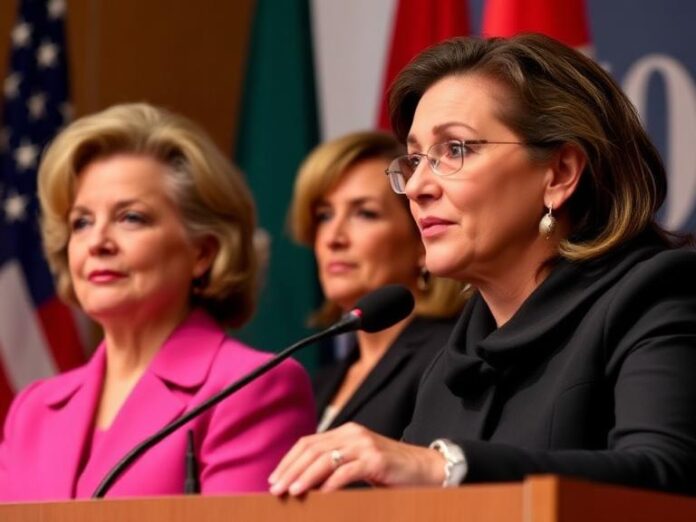
Women political leaders are dominating global political conversations in 2026 as leadership visibility, representation debates, and cultural influence continue accelerating across international politics. From rising female-led movements in Europe and South Asia to renewed discussions surrounding women’s representation in government, the role of women in modern political power structures is becoming one of the defining global conversations of the year.

The momentum arrives during a politically volatile moment internationally, where questions surrounding leadership style, representation, gender equality, and media influence are increasingly intersecting with broader cultural identity debates. Audiences are no longer discussing women in politics solely through the lens of representation statistics — they are also examining communication strategy, digital influence, public image, and leadership symbolism.

Across political media, social platforms, and policy discussions, figures including Denmark’s Prime Minister Mette Frederiksen, rising American political voices like Jasmine Crockett, and expanding women-led political organizations in Asia are driving renewed engagement around female political influence. The broader conversation also reflects growing public fascination with how women leaders navigate modern political culture in an era dominated by social media visibility and ideological polarization.

Women political leaders matter more than ever in 2026 because global politics itself is becoming increasingly image-driven, emotionally communicative, and culturally performative. Leadership is no longer judged exclusively through policy — it is also shaped through narrative power, public identity, and digital presence.

The shift is transforming how audiences understand political authority itself. Visibility, relatability, media fluency, and symbolic leadership are becoming just as culturally influential as traditional institutional power.

Key Insights

  • Women political leaders are gaining global visibility in 2026.
  • Representation debates are dominating political culture discussions.
  • Digital media is reshaping modern political leadership perception.
  • Female-led political movements are expanding internationally.
  • Political influence increasingly intersects with cultural identity.

Why Women Political Leaders Are Driving Global Attention

The growing focus on women political leaders reflects broader changes happening across both politics and media culture. Leadership today exists within an environment shaped by constant digital exposure, emotional storytelling, and real-time public reaction.

Female political figures increasingly occupy central roles within that landscape because audiences often view them through both political and cultural lenses simultaneously. Public conversations surrounding women leaders frequently extend beyond policy into communication style, symbolism, public image, and representation itself.

“Modern political leadership is now inseparable from cultural visibility.”

This transformation is particularly visible across social platforms, where politicians increasingly function as public-facing personalities alongside institutional leaders. Younger audiences especially engage with politics through narrative-driven media ecosystems rather than traditional political reporting alone.

The conversation surrounding women in politics also intensified following renewed global discussions about gender equality, representation gaps, and institutional power structures. According to UN Women, only 28 countries currently have women serving as heads of state or government, highlighting both progress and continuing imbalance within global leadership systems.

At the same time, women political leaders are becoming more visible within debates surrounding economic policy, migration, national identity, and international security — issues historically framed through heavily male-dominated political narratives.

Mette Frederiksen and the Rise of Pragmatic Female Leadership

One of the most internationally discussed women political leaders this year is Danish Prime Minister Mette Frederiksen, whose global profile continues expanding through her positions on migration, European security, and Arctic geopolitics. International coverage increasingly portrays Frederiksen as one of Europe’s most influential contemporary political figures.

Her leadership style reflects a larger shift within modern political culture where female leaders are increasingly associated with pragmatic governance rather than symbolic representation alone.

“Power today is increasingly defined by strategic visibility and decisiveness.”

Frederiksen’s influence also demonstrates how female political leadership is evolving beyond traditional expectations surrounding consensus-building or soft diplomacy. Many modern women leaders are embracing assertive communication strategies traditionally associated with male political leadership while simultaneously navigating heightened public scrutiny.

The result is a more complex global conversation surrounding gender and authority. Women leaders are no longer judged simply on representation milestones; they are increasingly evaluated as central geopolitical actors shaping international policy itself.

This evolution signals an important cultural shift. Female leadership is becoming normalized within areas historically dominated by masculine political imagery, including defense policy, immigration debates, and international crisis management.

Political Representation Is Becoming a Cultural Conversation

The growing visibility of women political leaders also reflects rising public interest in representation itself as a form of cultural power. Political discussions increasingly overlap with broader debates surrounding identity, media framing, and generational change.

Organizations advocating for women’s political participation continue emphasizing the importance of expanding leadership pipelines and institutional access. American University and Rutgers University researchers both highlighted growing attention around women candidates and representation shifts heading into future elections.

“Representation now shapes political legitimacy as much as ideology.”

This conversation is especially significant among younger voters, who often evaluate political leadership through broader social and cultural frameworks rather than policy positions alone.

The emergence of women-led political organizations in countries including Bangladesh further reflects this momentum. New movements centered around women’s participation and civic leadership are increasingly appearing within younger political coalitions internationally.

At the same time, women politicians continue facing uniquely gendered public scrutiny, particularly online. Communication style, appearance, emotional expression, and rhetorical tone are still analyzed differently for women leaders than for their male counterparts.

Social Media Is Reshaping Female Political Influence

Digital culture is fundamentally transforming how political leadership operates, particularly for women politicians. Visibility online increasingly determines political reach, emotional connection, and audience engagement.

Recent research examining political communication patterns found that women political figures often generate significantly higher online engagement while simultaneously navigating more complex expectations surrounding tone and messaging.

“Politics today rewards emotional communication as much as institutional authority.”

This shift partly explains why younger women leaders and public-facing political personalities are gaining cultural influence rapidly. Media fluency now functions as a political asset itself.

The transformation has also blurred traditional boundaries between politics, celebrity culture, activism, and digital storytelling. Public figures increasingly build influence not only through policy expertise but through narrative construction and identity-based engagement.

Social platforms accelerate this dynamic because emotionally resonant political content spreads more rapidly than traditional institutional messaging. Women leaders who communicate effectively across digital ecosystems often gain disproportionate visibility compared to previous political eras.

Why 2026 Feels Like a Turning Point for Women in Politics

The growing global focus on women political leaders ultimately reflects a larger transformation happening within modern power structures themselves. Political authority is becoming increasingly visual, emotional, narrative-driven, and culturally mediated.

Audiences now expect leaders to function simultaneously as communicators, symbols, strategists, and public personalities. Women leaders are increasingly shaping those evolving expectations rather than simply adapting to them.

“The future of political influence will belong to leaders who command both policy and narrative.”

At the same time, representation gaps remain substantial globally. Women continue facing institutional barriers, uneven media treatment, and disproportionate scrutiny compared to male political counterparts.

Yet the broader cultural momentum surrounding women in politics continues accelerating. Rising visibility, expanding leadership pipelines, and digitally amplified political engagement are reshaping how authority itself is perceived across generations.

Women political leaders are no longer viewed as exceptions within global politics. Increasingly, they are becoming central figures defining the future direction of political culture itself.

Hailey Bieber’s Straight-Leg Jeans Are Redefining Spring Street Style

Hailey Bieber Jeans Are Defining Spring 2026 Style

Hailey Bieber’s Straight-Leg Jeans Are Redefining Spring Street Style

Editorially driven since 1989, Runway Magazine covers fashion, beauty, and cultural narratives globally.

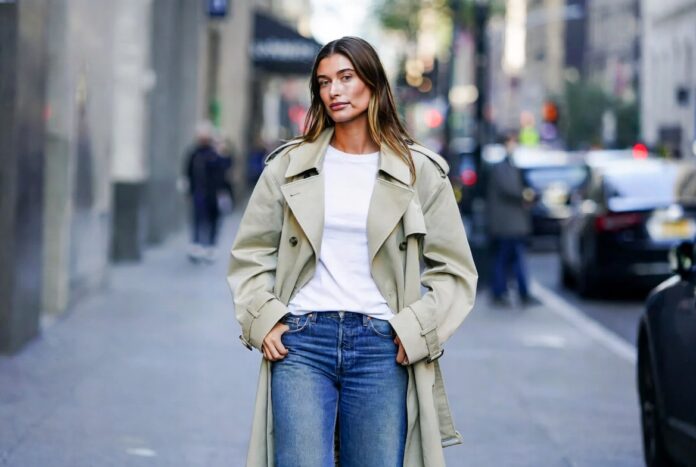
Hailey Bieber jeans are once again influencing the direction of celebrity street style, but this time the shift feels noticeably more refined. During a recent appearance in New York City, Bieber stepped out wearing relaxed straight-leg denim styled with a fitted white top, vintage Gucci sunglasses, and Toteme heeled flip-flops — a look fashion insiders immediately connected to the growing Spring 2026 straight-leg denim trend.

The outfit may have appeared effortless, yet it reflects a much larger transition happening across luxury fashion and celebrity styling. After years dominated by oversized Y2K denim silhouettes and hyper-exaggerated proportions, fashion is moving toward cleaner tailoring, wearable minimalism, and vintage-inspired denim fits that feel polished without appearing overly structured.

The renewed popularity of straight-leg denim is becoming one of the defining fashion conversations of Spring 2026. Celebrities including Bella Hadid, Kendall Jenner, and Hailey Bieber are increasingly embracing relaxed yet tailored denim silhouettes that prioritize proportion, versatility, and understated styling over trend-heavy experimentation.

Hailey Bieber jeans matter because they represent fashion’s growing return to refined simplicity. Instead of relying on maximalist styling formulas, celebrity wardrobes are increasingly centered around elevated basics, minimalist layering, and timeless proportions that feel adaptable across seasons.

The shift also reinforces the broader rise of quiet luxury streetwear and intentional everyday dressing. Denim is no longer being styled for shock value or nostalgia alone — it is being styled for longevity, wearability, and visual balance.

Key Insights

  • Straight-leg denim is replacing oversized Y2K silhouettes.
  • Hailey Bieber continues influencing minimalist street style.
  • Vintage-inspired jeans are dominating Spring 2026 fashion.
  • Celebrity fashion is shifting toward refined casual dressing.
  • Quiet luxury aesthetics remain central to modern denim styling.

Why Straight-Leg Denim Is Returning Now

For several years, oversized jeans dominated both luxury streetwear and Gen Z fashion culture. Ultra-baggy silhouettes, puddled hems, and exaggerated proportions became visual shorthand for trend awareness across TikTok and celebrity street style photography.

Now, fashion consumers are gravitating toward more balanced silhouettes. Straight-leg denim offers a cleaner structure while still maintaining the relaxed energy modern street style demands.

“Fashion is moving away from excess and back toward proportion.”

The appeal of straight-leg jeans lies partly in their versatility. Unlike highly trend-specific denim cuts, straight-leg silhouettes work across minimalist wardrobes, vintage styling, luxury basics, and elevated casual dressing simultaneously.

Hailey Bieber’s styling perfectly reflected that adaptability. The relaxed denim paired effortlessly with fitted essentials and understated accessories, creating a look that felt polished without appearing overly curated.

Fashion editors increasingly view the return of straight-leg denim as part of a broader movement away from heavily stylized Y2K aesthetics. Consumers are still embracing nostalgia, but they now prefer refined interpretations rather than direct recreations of early-2000s fashion extremes.

According to Runway Magazine reports, minimalist denim styling is becoming one of the strongest indicators of fashion’s current shift toward wearable luxury and emotionally durable wardrobes.

Hailey Bieber and Bella Hadid Are Leading the Denim Reset

Celebrity influence continues driving the popularity of straight-leg denim, particularly through off-duty model style and everyday streetwear visibility. Hailey Bieber and Bella Hadid have both embraced vintage-inspired denim fits that prioritize subtle tailoring instead of oversized drama.

Their styling choices reflect fashion’s growing fascination with effortless polish. Relaxed jeans paired with fitted tanks, leather jackets, structured outerwear, or sleek accessories now feel more culturally relevant than aggressively trend-driven combinations.

“Modern street style now values restraint over performance.”

Bella Hadid’s recent denim looks similarly leaned into vintage-inspired cuts with cleaner proportions, reinforcing the industry-wide movement toward refined casualwear. Together, both celebrities are helping redefine how younger audiences approach denim styling in 2026.

The influence extends beyond celebrity fashion itself. Luxury brands, emerging denim labels, and contemporary designers are all increasing focus on straight-leg silhouettes because the fit feels commercially wearable while still remaining fashion-forward.

This denim evolution also reflects the continued influence of quiet luxury aesthetics. Consumers increasingly prioritize clothing that feels timeless, adaptable, and subtly elevated rather than instantly recognizable as trend-based.

Minimalist Celebrity Fashion Continues Expanding

Hailey Bieber’s denim look also reinforces the growing dominance of minimalist celebrity fashion within modern street style culture. Instead of dramatic layering or logo-heavy styling, celebrities increasingly favor tonal dressing, clean silhouettes, and understated luxury accessories.

The fitted white top worn with Bieber’s jeans played a critical role in the outfit’s success because it balanced the relaxed proportions of the denim without overwhelming the look visually.

“Minimalism today is less about simplicity and more about precision.”

Accessories similarly reflected restraint. The vintage Gucci sunglasses introduced a subtle luxury reference, while the Toteme heeled flip-flops aligned with fashion’s continued obsession with understated designer footwear.

This approach to styling feels especially influential because it appears accessible while still maintaining aspirational value. Celebrity everyday outfits increasingly resonate when they feel wearable rather than costume-like.

Street style photography also favors cleaner styling direction because minimalist looks photograph naturally across different environments and social platforms. Fashion audiences increasingly respond to clothing that feels realistic yet elevated rather than aggressively performative.

Quiet Luxury Denim Is Becoming the New Fashion Standard

The rise of straight-leg jeans directly connects to the ongoing influence of quiet luxury within fashion culture. Denim trends are increasingly shaped by quality, fit, and styling sophistication instead of visible branding or exaggerated novelty.

Quiet luxury denim emphasizes structure, wash quality, proportion, and versatility rather than distressed details or overt embellishment. Straight-leg silhouettes naturally support that aesthetic because they feel timeless rather than trend-specific.

“Luxury dressing now revolves around permanence instead of visibility.”

The movement also reflects changing consumer priorities. Many fashion audiences increasingly seek wardrobe pieces that transition across seasons and occasions rather than serving temporary aesthetic trends.

Straight-leg denim functions especially well within capsule wardrobes and intentional dressing because the silhouette adapts easily to casual styling, elevated tailoring, and seasonal layering. That flexibility makes the trend commercially powerful beyond celebrity influence alone.

Fashion week street style increasingly mirrors this direction. Editors, stylists, and influencers are pairing relaxed denim with structured coats, minimalist knitwear, sharp tailoring, and understated accessories rather than maximalist trend combinations.

Why Spring 2026 Fashion Feels More Refined

The popularity of Hailey Bieber jeans reflects a larger mood shift shaping Spring 2026 fashion overall. Consumers are still interested in trend participation, but they increasingly prefer trends that feel wearable, emotionally grounded, and visually balanced.

Fashion is moving away from chaotic styling cycles and toward more intentional wardrobe construction. Straight-leg denim fits naturally into that transition because it offers familiarity while still feeling current.

“Refined basics are becoming the foundation of modern fashion identity.”

The return of cleaner denim silhouettes also signals broader changes across celebrity culture and luxury fashion. Instead of constantly chasing novelty, fashion audiences increasingly admire consistency, restraint, and styling confidence.

As spring fashion continues evolving, straight-leg denim will likely remain central to both celebrity wardrobes and mainstream street style conversations. The silhouette bridges vintage influence, modern minimalism, and quiet luxury aesthetics in a way that feels commercially durable and culturally relevant.

Hailey Bieber’s latest denim look may appear deceptively simple, but its influence reflects something much larger happening within fashion right now: the return of understated confidence as the defining language of contemporary style.


Rihanna Mugler Outfit Is Fueling Fashion’s Bold Color Debate

Rihanna Mugler Outfit Sparks Bold Fashion Debate

Rihanna Mugler Outfit Is Fueling Fashion’s Bold Color Debate

Runway Magazine is a U.S.-based independent fashion publication established in 1989, covering global style and culture.

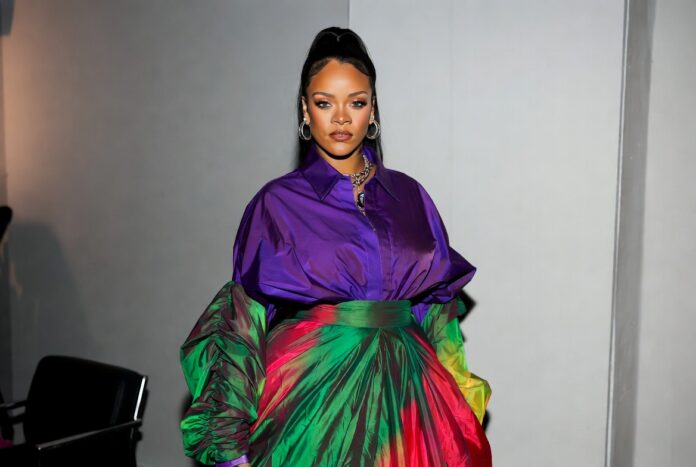
Rihanna Mugler outfit discussions are dominating celebrity fashion conversations after the singer and entrepreneur appeared at a Fenty Beauty event in Mumbai wearing a striking chartreuse Mugler FW26 look paired with statement Manish Malhotra jewelry. The appearance instantly polarized fashion audiences online, transforming a single celebrity outfit into one of the most debated luxury style moments of the season.

The monochromatic ensemble embraced saturated chartreuse from head to toe, pushing far beyond the understated palettes currently dominating quiet luxury fashion. While some online reactions praised the look’s fearless energy and editorial boldness, others questioned whether the intense color palette crossed the line between avant-garde styling and visual excess.

The divided response itself reflects something much larger happening across fashion culture right now. As minimalist dressing continues dominating luxury fashion, celebrity risk-taking and expressive color styling are re-emerging as forms of cultural disruption and personal branding.

Rihanna Mugler outfit conversations matter because they highlight fashion’s growing divide between refined minimalism and emotionally driven maximalism. Celebrity style is increasingly becoming less about universal approval and more about commanding attention, provoking discussion, and shaping visual identity through experimentation.

The moment also reinforces Rihanna’s unique role within modern fashion culture. Few celebrities generate conversation around clothing with the same level of influence, unpredictability, and editorial authority.

Key Insights

  • Rihanna’s chartreuse Mugler look divided fashion audiences online.
  • Bold monochrome dressing is returning to luxury fashion culture.
  • Celebrity style increasingly rewards visual risk-taking.
  • Statement color dressing contrasts quiet luxury minimalism.
  • Rihanna remains fashion’s most influential experimental dresser.

Why Rihanna’s Mugler Look Sparked Immediate Debate

Celebrity fashion conversations increasingly unfold in real time across TikTok, Reddit, Instagram, and fashion forums, where bold styling decisions are instantly dissected and emotionally reacted to. Rihanna’s Mumbai appearance generated immediate engagement precisely because the look rejected safe luxury styling conventions.

The chartreuse Mugler FW26 outfit embraced aggressive saturation, dramatic monochromatic coordination, and sculptural runway energy at a moment when fashion remains heavily influenced by neutrals, tailoring, and quiet luxury aesthetics.

“Fashion becomes culturally powerful when it divides opinion rather than simply pleasing everyone.”

The intensity of the color palette naturally became the focal point of online reactions. Some viewers described the look as daring and editorially brilliant, while others argued the chartreuse tone felt intentionally confrontational.

Yet that polarization is partly why the appearance became so influential. Modern celebrity fashion increasingly thrives on emotional response rather than consensus approval. Outfits that generate debate often achieve far greater cultural longevity than universally accepted looks.

According to Runway Magazine reports, fashion audiences are increasingly rewarding celebrity style moments that feel emotionally charged, visually disruptive, and impossible to ignore.

Chartreuse Is Emerging as Fashion’s Most Divisive Luxury Color

The conversation surrounding Rihanna’s Mumbai appearance also reflects fashion’s renewed fascination with bold color experimentation. Chartreuse, in particular, occupies a unique position within luxury styling because the shade feels simultaneously futuristic, retro, and visually aggressive.

Unlike softer luxury palettes currently dominating celebrity wardrobes, chartreuse resists subtlety entirely. The color immediately commands visual attention, making it difficult to style passively or wear without intention.

“Bold color dressing now functions as a form of fashion confidence.”

Luxury houses including Mugler, Valentino, and Bottega Veneta have increasingly embraced saturated monochromatic styling on recent runways, signaling fashion’s growing movement away from exclusively muted palettes.

Rihanna’s interpretation amplified that direction by fully committing to the monochrome concept rather than softening the look with neutral accessories or understated styling choices. The result felt unapologetically editorial rather than commercially approachable.

The outfit also reinforced how color itself has become central to modern fashion storytelling. In an era dominated by social media visibility, highly saturated palettes naturally perform strongly because they create immediate visual recognition across digital platforms.

Rihanna Continues Defining Fashion Risk-Taking

Few celebrities approach fashion experimentation with the same level of consistency as Rihanna. Throughout her career, she has repeatedly embraced silhouettes, textures, and styling directions that initially sparked debate before later influencing mainstream fashion trends.

From sheer crystal gowns to oversized streetwear tailoring and couture pregnancy dressing, Rihanna consistently treats fashion as visual authorship rather than image management.

“Rihanna dresses to create cultural moments, not safe approval.”

That philosophy helps explain why even divisive looks remain influential. Fashion audiences increasingly associate Rihanna with unpredictability, making experimentation itself part of her luxury identity.

The Mugler FW26 appearance also highlighted her understanding of fashion performance. The monochromatic styling paired with dramatic Manish Malhotra jewelry created a look designed for visual impact rather than subtle elegance.

Fashion communities praised the appearance precisely because it rejected algorithm-friendly minimalism. In a luxury environment increasingly shaped by sameness, bold styling choices feel culturally refreshing to many fashion audiences.

The moment further reinforced Rihanna’s influence over celebrity luxury dressing. Even when audiences disagree about specific looks, the conversation itself often shifts broader fashion direction afterward.

Monochromatic Luxury Dressing Is Returning

Rihanna’s Mumbai appearance arrives during a larger resurgence of monochromatic styling within luxury fashion. Designers increasingly favor single-color dressing because it creates visual cohesion while still allowing texture, tailoring, and silhouette to dominate.

However, the new wave of monochromatic fashion differs from previous minimal iterations. Instead of relying exclusively on black, beige, or white palettes, luxury styling is increasingly embracing emotionally charged colors and high-saturation tones.

“Modern monochrome fashion is about impact, not restraint.”

This evolution reflects fashion’s current tension between quiet luxury and expressive maximalism. While minimalist dressing still dominates commercially, fashion audiences increasingly crave moments of spectacle and visual intensity.

Celebrity dressing naturally accelerates that movement because public figures benefit from creating memorable imagery rather than blending into trend conformity. Saturated monochrome styling photographs dramatically and immediately captures online attention.

Fashion week street style has also started reflecting this shift. Editors, stylists, and influencers increasingly incorporate bold tonal dressing into everyday luxury styling, signaling broader acceptance of expressive color palettes beyond runway environments.

Why Celebrity Fashion Debates Matter More Than Ever

The reaction to Rihanna Mugler outfit conversations also highlights how celebrity fashion itself has evolved into a form of participatory culture. Audiences no longer passively consume red carpet or event dressing — they actively debate, reinterpret, critique, and emotionally invest in fashion moments online.

Fashion discourse now spreads across social media ecosystems at extraordinary speed, allowing celebrity looks to become cultural flashpoints rather than isolated styling events.

“Celebrity fashion now succeeds through conversation as much as appearance.”

This environment rewards looks that provoke strong emotional responses. Outfits perceived as too safe often disappear quickly from cultural memory, while divisive appearances continue circulating for weeks through memes, commentary, and fashion analysis.

Rihanna’s Mumbai Mugler moment succeeded precisely because it created that level of sustained conversation. Whether audiences loved or disliked the styling became secondary to the fact that the look demanded engagement.

As fashion continues balancing minimalism with expressive experimentation, celebrity style will likely become even more polarized. Quiet luxury remains commercially dominant, but bold color dressing and editorial maximalism are increasingly reclaiming cultural attention.

Rihanna’s chartreuse Mugler appearance ultimately reflects where luxury fashion may be heading next: emotionally fearless, visually aggressive, and unapologetically conversation-driven.

Burberry x Hunza G Is Redefining Luxury Resort Street Style

Burberry x Hunza G Is Redefining Luxury Resort Style

Burberry x Hunza G Is Redefining Luxury Resort Street Style

By Runway Magazine Editorial Team

Runway Magazine is an independent U.S. fashion, beauty, and lifestyle publication established in 1989, delivering global editorial coverage across fashion, culture, and modern luxury.

Burberry x Hunza G is quickly becoming one of the defining luxury fashion collaborations shaping vacation style in 2026. The partnership merges Burberry’s heritage British identity with Hunza G’s cult-status crinkle swimwear aesthetic, creating a collection that moves beyond traditional resort wear and directly into modern street-style culture.

As luxury consumers increasingly blur the lines between travel dressing, everyday styling, and social-first fashion moments, the collaboration arrives at a pivotal time for the industry. Swim-to-street styling — once considered niche — is now emerging as a major fashion conversation across celebrity wardrobes, fashion week street style, and luxury summer campaigns.

The momentum surrounding Burberry x Hunza G reflects more than seasonal vacation dressing. The collaboration signals a broader evolution in how consumers approach resort wear itself. Swimwear is no longer confined to beaches and poolsides; it is becoming integrated into layered city dressing, elevated travel wardrobes, and contemporary luxury street style.

Burberry x Hunza G matters because it captures several major fashion shifts simultaneously: collaboration culture, travel-inspired dressing, personalization through styling, and the growing demand for clothing that functions fluidly across environments.

The partnership also reinforces how luxury fashion increasingly prioritizes versatility. Consumers want garments that transition seamlessly between destinations, social settings, and digital aesthetics without sacrificing visual impact.

Key Insights

  • Swim-to-street styling is expanding beyond resort destinations.
  • Burberry x Hunza G merges heritage with modern resort culture.
  • Crinkle swimwear remains a dominant luxury summer trend.
  • Resort wear is increasingly functioning as everyday fashion.
  • Celebrity visibility is accelerating luxury travel aesthetics.

Why Burberry x Hunza G Feels Culturally Timed

Fashion collaborations succeed when they connect directly to larger cultural behavior, and Burberry x Hunza G arrives during a moment when consumers are rethinking how travel wardrobes function. Resort wear is becoming less seasonal and more integrated into year-round luxury styling.

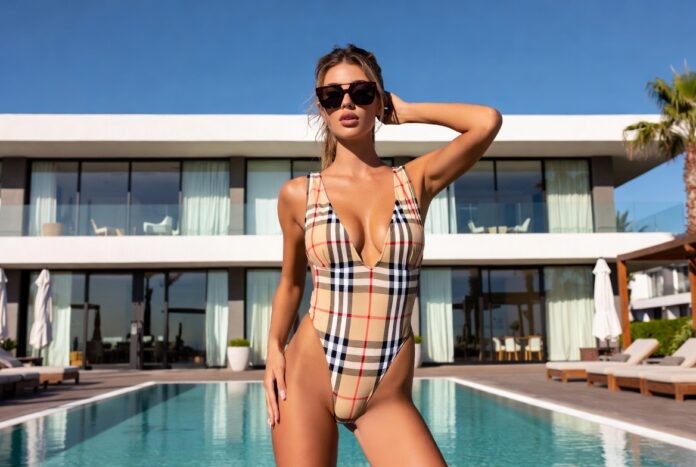
The collection combines Burberry’s iconic check motifs with Hunza G’s signature stretch-crinkle fabrication, creating pieces that feel simultaneously nostalgic, modern, and highly wearable across multiple settings. The designs naturally support the growing popularity of swim-to-street dressing because they function visually beyond traditional swimwear categories.

“Modern resort fashion is no longer destination-specific — it is lifestyle-driven.”

Luxury consumers increasingly prioritize versatility when investing in fashion. Pieces that transition from beach clubs to city streets, rooftop dinners, and travel days hold stronger long-term appeal than highly occasion-specific clothing.

The collaboration also taps into the continued popularity of elevated minimalism. Rather than relying on excessive embellishment, the collection emphasizes texture, fit, and recognizable design language to create visual impact.

According to Runway Magazine reports, the growing influence of hybrid resort dressing reflects fashion’s larger movement toward adaptable luxury wardrobes designed for movement, travel, and social visibility.

Swim-to-Street Styling Is Becoming Mainstream

One of the most important reasons Burberry x Hunza G resonates within current fashion culture is because it supports the rise of swim-to-street styling. Swimwear is increasingly being incorporated into everyday fashion rather than treated exclusively as vacation attire.

Crinkle swimsuits are now layered under oversized linen shirting, styled with relaxed tailoring, paired with denim, or worn beneath sheer skirts and lightweight outerwear. The styling approach transforms swimwear into foundational wardrobe pieces rather than purely functional garments.

“The future of resort wear lies in adaptability, not occasion dressing.”

This evolution reflects broader consumer behavior surrounding travel and social media aesthetics. Luxury consumers increasingly seek wardrobes that photograph well across multiple environments while remaining effortless and practical.

Fashion week street style has also embraced resort-inspired layering. Editors and influencers now frequently incorporate swimwear textures, vacation silhouettes, and relaxed resort tailoring into urban styling, particularly during spring and summer collections.

The crossover appeal strengthens collaborations like Burberry x Hunza G because consumers no longer separate resort fashion from street fashion as rigidly as they once did.

Crinkle Swimwear Continues Dominating Luxury Fashion

The crinkle swimwear trend remains one of the most commercially influential aesthetics within modern resort wear. Hunza G helped popularize the textured look globally, and the fabric’s continued popularity reflects fashion’s growing fascination with tactile minimalism.

The material photographs exceptionally well, travels easily, and creates a body-contouring effect without relying on overly structured silhouettes. Those qualities make crinkle swimwear especially attractive to younger luxury consumers prioritizing comfort and versatility alongside aesthetics.

“Texture has become one of luxury fashion’s most powerful visual tools.”

Burberry’s involvement elevates the trend further by introducing heritage branding into the contemporary resort category. The combination of British luxury identity and modern swimwear culture creates crossover appeal between established luxury consumers and younger fashion audiences.

Celebrity visibility has amplified that relevance significantly. Campaign appearances and influencer styling moments connected to the collaboration continue driving online engagement surrounding vacation fashion and luxury summer dressing.

The collection also benefits from fashion’s ongoing obsession with micro-trends that feel simultaneously aspirational and wearable. Resort-inspired styling consistently performs strongly across TikTok, Instagram, and travel-focused fashion content because it merges escapism with practicality.

Resort Wear Is Becoming Everyday Luxury Fashion

The growing popularity of Burberry x Hunza G reflects a larger industry shift where resort wear increasingly functions as mainstream fashion rather than seasonal niche dressing.

Luxury brands are investing more heavily in travel-focused capsules, lightweight tailoring, elevated swimwear, and adaptable layering systems designed for year-round wear. Consumers increasingly expect vacation pieces to integrate naturally into their everyday wardrobes.

“Luxury today is defined by fluidity between environments.”

The trend also aligns with post-pandemic consumer priorities surrounding flexibility and experiential dressing. Modern wardrobes are expected to move easily between travel, work, leisure, and social settings without dramatic changes in styling identity.

As a result, resort wear silhouettes now influence broader street-style direction. Crochet textures, relaxed shirting, oversized sunglasses, soft tailoring, woven accessories, and swim-inspired layering continue appearing across luxury ready-to-wear collections.

Travel itself has become deeply embedded within fashion storytelling, making resort aesthetics culturally relevant far beyond vacation destinations. Consumers increasingly dress for aspirational lifestyle imagery as much as physical environments.

Celebrity Influence Is Accelerating Resort Street Style

Celebrity campaign visibility continues driving the popularity of Burberry x Hunza G across fashion culture. Public figures associated with luxury resort aesthetics help transform seasonal collections into broader lifestyle movements.

Simone Ashley’s visibility connected to the collaboration reinforced the collection’s crossover appeal between elegance, modern femininity, and contemporary street styling. Celebrity influence remains especially powerful within travel fashion because aspirational vacation imagery performs strongly across digital platforms.

“Celebrity styling now shapes travel fashion as much as runway collections.”

Luxury resort fashion also thrives online because it naturally combines escapism, leisure, and high-visibility aesthetics. Fashion audiences increasingly engage with content that feels cinematic, transportive, and lifestyle-oriented rather than purely trend-focused.

This environment allows collaborations like Burberry x Hunza G to function beyond traditional product launches. The collection becomes part of a broader cultural conversation surrounding travel identity, modern luxury, and wearable aspiration.

As summer fashion continues evolving, resort-inspired dressing will likely expand even further into mainstream street style. Swimwear, relaxed tailoring, and adaptable layering are no longer confined to vacations — they are becoming defining elements of contemporary luxury fashion itself.

Burberry x Hunza G does not simply reflect where resort wear currently stands. The collaboration reflects where modern luxury dressing is heading next: versatile, travel-oriented, emotionally aspirational, and designed to move fluidly between worlds.

 

Best Met Gala Looks Are Dominating Fashion Conversations Ahead of 2026

Best Met Gala Looks Are Fueling 2026 Fashion Buzz

Best Met Gala Looks Are Dominating Fashion Conversations Ahead of 2026

By Runway Magazine Editorial Team

Published by Runway Magazine, an independent U.S. fashion and lifestyle publication founded in 1989 and recognized for its global editorial authority.

Best Met Gala looks are once again dominating celebrity style conversations as anticipation builds around the 2026 Met Gala and its upcoming “Costume Art” theme. Across fashion media, TikTok, Reddit forums, and luxury style communities, audiences are revisiting iconic celebrity appearances from past galas, transforming the event’s archive into one of fashion’s most powerful cultural discussions of the year.

Zendaya’s theatrical red carpet transformations, Rihanna’s couture pregnancy reveal, Princess Diana’s legendary midnight-blue slip dress, and Lady Gaga’s dramatic performance-style entrance remain central to the renewed online obsession. These looks are no longer viewed simply as celebrity outfits — they are increasingly discussed as defining moments in fashion history, performance art, and cultural storytelling.

The growing fascination with Met Gala fashion history reflects a broader shift in how audiences engage with celebrity style itself. Red carpet fashion is no longer consumed only as glamour or trend reporting. Instead, fashion audiences increasingly analyze symbolism, artistic direction, cultural messaging, and historical influence behind major celebrity looks.

The renewed interest in the best Met Gala looks matters because it signals fashion’s evolving relationship with entertainment, identity, and internet culture. Celebrity style is becoming less about immediate trend replication and more about archival impact, visual storytelling, and cultural memory.

The conversation also reinforces the Met Gala’s unique position within fashion itself. No other red carpet event merges couture, celebrity influence, performance, and fashion history with the same level of global cultural attention.

Key Insights

  • Fashion audiences are revisiting iconic Met Gala archives.
  • Celebrity red carpet looks are being analyzed as cultural art.
  • Zendaya and Rihanna remain central to Met Gala discussions.
  • The 2026 “Costume Art” theme is increasing anticipation.
  • Fashion history conversations are dominating social media engagement.

Why Met Gala Fashion History Feels Bigger Than Ever

The Met Gala has always existed at the intersection of celebrity culture and high fashion, but digital culture has transformed the event into something much larger. Past red carpet moments now circulate continuously online, allowing iconic looks to gain new cultural relevance years after they originally appeared.

Fashion audiences increasingly revisit archival celebrity fashion through TikTok edits, Reddit debates, Instagram mood boards, and fashion history threads. This constant rediscovery has elevated the Met Gala from an annual event into a living archive of visual culture.

“Fashion becomes immortal when it continues generating conversation long after the red carpet ends.”

The upcoming 2026 “Costume Art” theme has intensified interest in the event’s history because audiences expect celebrity attendees to embrace even more theatrical and museum-worthy interpretations of couture dressing.

Fashion communities are already comparing past Met Gala appearances to potential future references, analyzing which celebrity looks most successfully merged storytelling, craftsmanship, and performance. The result is a level of anticipation that extends far beyond traditional red carpet coverage.

According to Runway Magazine reports, the growing fascination with Met Gala archives reflects fashion’s broader shift toward cultural nostalgia, digital storytelling, and emotionally driven visual identity.

Zendaya Continues Defining Modern Met Gala Fashion

Few celebrities currently shape Met Gala fashion conversations more consistently than Zendaya. Her appearances have become synonymous with transformative dressing, cinematic styling, and conceptual fashion storytelling.

From illuminated fantasy gowns to sharply tailored archival references, Zendaya’s Met Gala looks are frequently cited among the most influential celebrity fashion moments of the modern era.

“Zendaya approaches red carpet fashion as character construction rather than styling alone.”

Much of her influence stems from her ability to merge couture artistry with cultural accessibility. Even highly conceptual looks remain emotionally resonant and visually memorable across digital platforms.

Her collaborations with stylist Law Roach have also helped redefine public expectations surrounding celebrity red carpet dressing. Fashion audiences increasingly expect narrative, symbolism, and performance from major Met Gala appearances rather than conventional glamour alone.

The renewed focus on Zendaya’s past Met Gala looks ahead of 2026 demonstrates how celebrity fashion now operates similarly to entertainment franchises — audiences revisit, reinterpret, and emotionally invest in iconic visual moments repeatedly over time.

Rihanna’s Met Gala Legacy Still Shapes Couture Culture

Rihanna remains one of the defining figures in Met Gala history because her appearances consistently reshape conversations surrounding couture, celebrity identity, and fashion risk-taking.

Her yellow Guo Pei cape gown, papal-inspired Maison Margiela look, and pregnancy-reveal Valentino appearance continue circulating online as some of the most recognizable celebrity fashion images ever created.

“Rihanna transformed the Met Gala into a stage for fashion mythology.”

Part of Rihanna’s enduring influence comes from her ability to embrace theatricality without losing authenticity. Her Met Gala appearances consistently feel culturally commanding rather than costume-driven.

Fashion audiences also associate Rihanna with fashion fearlessness, making her archive especially relevant ahead of a theme centered around costume artistry and visual storytelling.

The ongoing obsession with Rihanna Met Gala fashion reflects how celebrity dressing increasingly rewards emotional impact over trend conformity. Audiences remember fashion moments that feel cinematic, symbolic, and culturally definitive rather than simply beautiful.

Fashion Audiences Are Treating Red Carpets Like Art History

One of the most important shifts surrounding modern celebrity style is the growing tendency to analyze fashion through the lens of cultural history rather than trend reporting alone.

Fashion forums, Reddit discussions, and social media communities now dissect Met Gala appearances similarly to film criticism or art analysis. Styling choices, references, silhouettes, symbolism, and designer intentions are examined in extraordinary detail.

“Red carpet fashion is evolving into a form of publicly consumed visual art.”

The Met Gala naturally encourages that type of engagement because the event already positions fashion within museum and exhibition culture. Unlike traditional award-show dressing, Met Gala styling explicitly invites interpretation and performance.

Princess Diana’s Met Gala appearance remains especially significant within these discussions because it represented a moment where royal image-making intersected directly with fashion rebellion and celebrity culture. Her midnight-blue slip dress continues inspiring contemporary designers and celebrity stylists decades later.

Lady Gaga’s multiple-outfit performance entrance similarly redefined expectations surrounding celebrity fashion presentations, proving that the red carpet itself could function as live theatrical storytelling.

Why the 2026 Met Gala Is Generating Massive Anticipation

The upcoming “Costume Art” theme is fueling extraordinary excitement because it aligns perfectly with fashion’s current fascination with theatricality, craftsmanship, and conceptual dressing.

After several years dominated by quiet luxury and minimalist aesthetics, audiences increasingly crave spectacle again. The Met Gala offers a rare space where maximalism, fantasy, and artistic experimentation remain culturally celebrated rather than commercially restrained.

“Fashion audiences are once again hungry for spectacle and transformation.”

Celebrity stylists, luxury houses, and fashion insiders are already expected to approach the 2026 event with heightened ambition because the theme encourages dramatic interpretation rather than safe elegance.

Online fashion communities are heavily speculating about potential references, archival inspirations, and couture directions celebrities may embrace. The result is a level of anticipation more commonly associated with major entertainment premieres than traditional fashion events.

The renewed obsession with the best Met Gala looks ultimately reflects something larger happening across modern culture: audiences increasingly seek visual experiences that feel emotionally immersive, historically connected, and impossible to ignore.

The Met Gala has evolved beyond celebrity fashion entirely. It now functions as one of the most important annual conversations about identity, artistry, storytelling, and the cultural power of image-making itself.