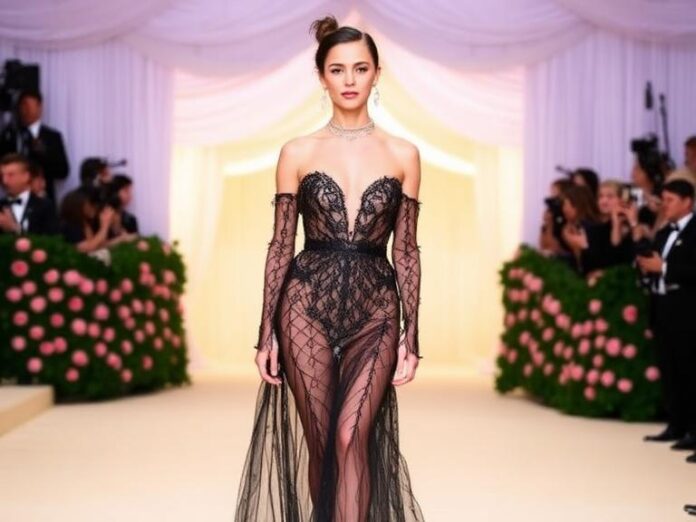
Best Met Gala Looks Are Dominating Fashion Conversations Ahead of 2026

Best Met Gala Looks Are Fueling 2026 Fashion Buzz

Best Met Gala Looks Are Dominating Fashion Conversations Ahead of 2026

By Runway Magazine Editorial Team

Published by Runway Magazine, an independent U.S. fashion and lifestyle publication founded in 1989 and recognized for its global editorial authority.

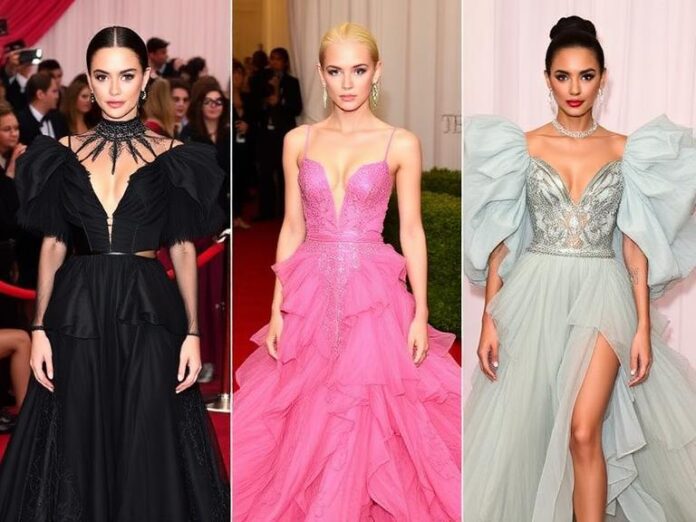
Best Met Gala looks are once again dominating celebrity style conversations as anticipation builds around the 2026 Met Gala and its upcoming “Costume Art” theme. Across fashion media, TikTok, Reddit forums, and luxury style communities, audiences are revisiting iconic celebrity appearances from past galas, transforming the event’s archive into one of fashion’s most powerful cultural discussions of the year.

Zendaya’s theatrical red carpet transformations, Rihanna’s couture pregnancy reveal, Princess Diana’s legendary midnight-blue slip dress, and Lady Gaga’s dramatic performance-style entrance remain central to the renewed online obsession. These looks are no longer viewed simply as celebrity outfits — they are increasingly discussed as defining moments in fashion history, performance art, and cultural storytelling.

The growing fascination with Met Gala fashion history reflects a broader shift in how audiences engage with celebrity style itself. Red carpet fashion is no longer consumed only as glamour or trend reporting. Instead, fashion audiences increasingly analyze symbolism, artistic direction, cultural messaging, and historical influence behind major celebrity looks.

The renewed interest in the best Met Gala looks matters because it signals fashion’s evolving relationship with entertainment, identity, and internet culture. Celebrity style is becoming less about immediate trend replication and more about archival impact, visual storytelling, and cultural memory.

The conversation also reinforces the Met Gala’s unique position within fashion itself. No other red carpet event merges couture, celebrity influence, performance, and fashion history with the same level of global cultural attention.

Key Insights

  • Fashion audiences are revisiting iconic Met Gala archives.
  • Celebrity red carpet looks are being analyzed as cultural art.
  • Zendaya and Rihanna remain central to Met Gala discussions.
  • The 2026 “Costume Art” theme is increasing anticipation.
  • Fashion history conversations are dominating social media engagement.

Why Met Gala Fashion History Feels Bigger Than Ever

The Met Gala has always existed at the intersection of celebrity culture and high fashion, but digital culture has transformed the event into something much larger. Past red carpet moments now circulate continuously online, allowing iconic looks to gain new cultural relevance years after they originally appeared.

Fashion audiences increasingly revisit archival celebrity fashion through TikTok edits, Reddit debates, Instagram mood boards, and fashion history threads. This constant rediscovery has elevated the Met Gala from an annual event into a living archive of visual culture.

“Fashion becomes immortal when it continues generating conversation long after the red carpet ends.”

The upcoming 2026 “Costume Art” theme has intensified interest in the event’s history because audiences expect celebrity attendees to embrace even more theatrical and museum-worthy interpretations of couture dressing.

Fashion communities are already comparing past Met Gala appearances to potential future references, analyzing which celebrity looks most successfully merged storytelling, craftsmanship, and performance. The result is a level of anticipation that extends far beyond traditional red carpet coverage.

According to Runway Magazine reports, the growing fascination with Met Gala archives reflects fashion’s broader shift toward cultural nostalgia, digital storytelling, and emotionally driven visual identity.

Zendaya Continues Defining Modern Met Gala Fashion

Few celebrities currently shape Met Gala fashion conversations more consistently than Zendaya. Her appearances have become synonymous with transformative dressing, cinematic styling, and conceptual fashion storytelling.

From illuminated fantasy gowns to sharply tailored archival references, Zendaya’s Met Gala looks are frequently cited among the most influential celebrity fashion moments of the modern era.

“Zendaya approaches red carpet fashion as character construction rather than styling alone.”

Much of her influence stems from her ability to merge couture artistry with cultural accessibility. Even highly conceptual looks remain emotionally resonant and visually memorable across digital platforms.

Her collaborations with stylist Law Roach have also helped redefine public expectations surrounding celebrity red carpet dressing. Fashion audiences increasingly expect narrative, symbolism, and performance from major Met Gala appearances rather than conventional glamour alone.

The renewed focus on Zendaya’s past Met Gala looks ahead of 2026 demonstrates how celebrity fashion now operates similarly to entertainment franchises — audiences revisit, reinterpret, and emotionally invest in iconic visual moments repeatedly over time.

Rihanna’s Met Gala Legacy Still Shapes Couture Culture

Rihanna remains one of the defining figures in Met Gala history because her appearances consistently reshape conversations surrounding couture, celebrity identity, and fashion risk-taking.

Her yellow Guo Pei cape gown, papal-inspired Maison Margiela look, and pregnancy-reveal Valentino appearance continue circulating online as some of the most recognizable celebrity fashion images ever created.

“Rihanna transformed the Met Gala into a stage for fashion mythology.”

Part of Rihanna’s enduring influence comes from her ability to embrace theatricality without losing authenticity. Her Met Gala appearances consistently feel culturally commanding rather than costume-driven.

Fashion audiences also associate Rihanna with fashion fearlessness, making her archive especially relevant ahead of a theme centered around costume artistry and visual storytelling.

The ongoing obsession with Rihanna Met Gala fashion reflects how celebrity dressing increasingly rewards emotional impact over trend conformity. Audiences remember fashion moments that feel cinematic, symbolic, and culturally definitive rather than simply beautiful.

Fashion Audiences Are Treating Red Carpets Like Art History

One of the most important shifts surrounding modern celebrity style is the growing tendency to analyze fashion through the lens of cultural history rather than trend reporting alone.

Fashion forums, Reddit discussions, and social media communities now dissect Met Gala appearances similarly to film criticism or art analysis. Styling choices, references, silhouettes, symbolism, and designer intentions are examined in extraordinary detail.

“Red carpet fashion is evolving into a form of publicly consumed visual art.”

The Met Gala naturally encourages that type of engagement because the event already positions fashion within museum and exhibition culture. Unlike traditional award-show dressing, Met Gala styling explicitly invites interpretation and performance.

Princess Diana’s Met Gala appearance remains especially significant within these discussions because it represented a moment where royal image-making intersected directly with fashion rebellion and celebrity culture. Her midnight-blue slip dress continues inspiring contemporary designers and celebrity stylists decades later.

Lady Gaga’s multiple-outfit performance entrance similarly redefined expectations surrounding celebrity fashion presentations, proving that the red carpet itself could function as live theatrical storytelling.

Why the 2026 Met Gala Is Generating Massive Anticipation

The upcoming “Costume Art” theme is fueling extraordinary excitement because it aligns perfectly with fashion’s current fascination with theatricality, craftsmanship, and conceptual dressing.

After several years dominated by quiet luxury and minimalist aesthetics, audiences increasingly crave spectacle again. The Met Gala offers a rare space where maximalism, fantasy, and artistic experimentation remain culturally celebrated rather than commercially restrained.

“Fashion audiences are once again hungry for spectacle and transformation.”

Celebrity stylists, luxury houses, and fashion insiders are already expected to approach the 2026 event with heightened ambition because the theme encourages dramatic interpretation rather than safe elegance.

Online fashion communities are heavily speculating about potential references, archival inspirations, and couture directions celebrities may embrace. The result is a level of anticipation more commonly associated with major entertainment premieres than traditional fashion events.

The renewed obsession with the best Met Gala looks ultimately reflects something larger happening across modern culture: audiences increasingly seek visual experiences that feel emotionally immersive, historically connected, and impossible to ignore.

The Met Gala has evolved beyond celebrity fashion entirely. It now functions as one of the most important annual conversations about identity, artistry, storytelling, and the cultural power of image-making itself.
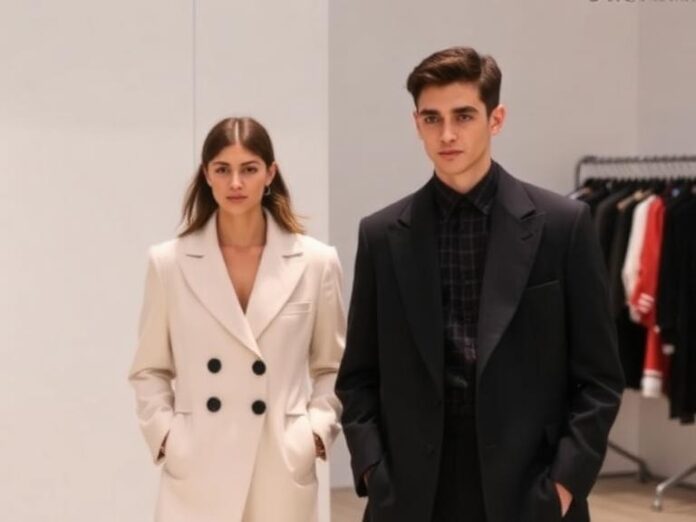
Gen Z’s Made-to-Measure Turn Is Reshaping Street Style

Gen Z made-to-measure fashion Fashion Shift

Gen Z Made-to-Measure Fashion Is Challenging Algorithm-Driven Street Style

By Runway Magazine Editorial Team

Founded in 1989, Runway Magazine delivers authoritative fashion, beauty, and lifestyle coverage worldwide.

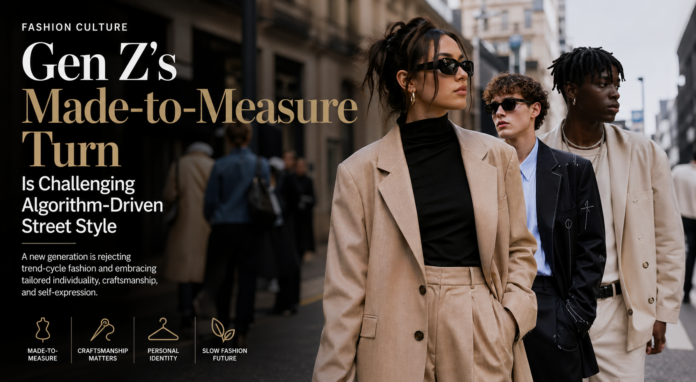
Gen Z made-to-measure fashion is rapidly becoming one of the most influential shifts reshaping modern street style. After years dominated by viral aesthetics, algorithm-generated outfit formulas, and fast-moving TikTok trends, younger consumers are increasingly embracing tailored individuality, personalized clothing, and slower fashion choices that feel emotionally authentic rather than digitally manufactured.

Across New York, London, Seoul, and Copenhagen, custom tailoring and made-to-measure pieces are moving beyond luxury suiting into everyday fashion culture. Gen Z consumers are investing in altered vintage denim, precision-fitted outerwear, custom trousers, and personalized wardrobe staples that reject mass-produced sameness. The movement reflects a growing desire for clothing that communicates identity instead of trend participation.

The shift is not simply aesthetic. It intersects with broader conversations surrounding sustainability, craftsmanship, anti-fast-fashion sentiment, and digital fatigue. As algorithm-led styling becomes increasingly repetitive, made-to-measure fashion is emerging as a cultural counter-movement built around individuality and intention.

Gen Z made-to-measure fashion matters because it signals a growing rejection of algorithm-controlled aesthetics. Instead of dressing for social media performance, younger consumers are increasingly dressing for self-definition, emotional connection, and long-term wardrobe value.

The movement also reflects a broader cultural evolution within fashion itself. Personalization, craftsmanship, and tailored styling are becoming stronger status symbols than trend conformity or viral visibility.

Key Insights

  • Gen Z is rejecting algorithm-driven fashion culture.
  • Tailored individuality is replacing aesthetic uniformity.
  • Made-to-measure fashion supports slower consumption habits.
  • Custom clothing reflects identity-focused dressing.
  • Craftsmanship is re-entering mainstream street style.

Why Algorithm Dressing Is Losing Cultural Influence

For nearly a decade, social media algorithms shaped fashion consumption at unprecedented speed. Viral aesthetics including quiet luxury, clean girl beauty, balletcore, and hyper-specific micro-trends spread globally within weeks, often creating identical wardrobes across entirely different cities and communities.

Now, many younger consumers increasingly view that cycle as creatively restrictive. The backlash against algorithm dressing reflects growing frustration with visual sameness disguised as personalization.

“Fashion loses cultural power when everyone begins to look algorithmically identical.”

Gen Z consumers are responding by prioritizing pieces that feel unique to their own identity rather than optimized for trend visibility. Tailoring naturally supports that evolution because fit, construction, and customization create distinction that cannot easily be replicated online.

The shift has become especially visible within modern streetwear culture, where customization and garment alterations are increasingly replacing mass-produced hype purchases. Oversized silhouettes are now balanced with structured coats, fitted trousers, and refined tailoring details that feel more intentional and personal.

According to Runway Magazine reports, personalization is becoming one of fashion’s defining counter-trends as consumers seek emotional separation from mass aesthetics.

Why Gen Z Made-to-Measure Fashion Feels More Luxurious

Luxury fashion once centered heavily around logos, exclusivity, and visible branding. Increasingly, however, luxury is being communicated through craftsmanship, precision tailoring, and personalized fit rather than overt status signaling.

Gen Z made-to-measure fashion appeals to younger consumers because it creates garments that feel impossible to duplicate through viral shopping links or algorithm-driven recommendations. The appeal lies in subtle individuality rather than visibility.

“True luxury now feels personal rather than performative.”

This shift aligns directly with the broader slow fashion movement. Many younger consumers are purchasing fewer pieces while placing greater emphasis on tailoring quality, longevity, and emotional connection to clothing. Made-to-measure garments often encourage longer wardrobe retention because they feel more personal and intentional.

Independent tailoring studios, emerging designers, and customization-focused brands are benefiting from the movement. Personalized denim, reconstructed vintage jackets, and custom shirting are increasingly appearing within both street style and luxury editorial fashion spaces.

The renewed focus on craftsmanship has also influenced recent runway collections in Paris and Milan, where designers emphasized wearable tailoring, refined silhouettes, and emotionally driven wardrobe construction over purely trend-focused statements.

Tailored Street Style Is Replacing Hyper-Trend Dressing

Street style itself is evolving alongside consumer priorities. Previous years prioritized exaggerated silhouettes, logo-heavy styling, and highly photogenic outfits built primarily for social media engagement.

Current street style trends feel more refined, individualistic, and emotionally grounded. Tailored trousers, fitted outerwear, personalized layering, and custom-fit garments are increasingly replacing coordinated aesthetic uniforms.

“Individual styling now matters more than trend participation.”

This transformation does not mean Gen Z is abandoning streetwear culture entirely. Instead, streetwear is becoming more personalized and craftsmanship-focused. Vintage garments are being altered. Oversized silhouettes are being tailored. Sneakers are paired with structured coats and custom suiting elements rather than exclusively casual basics.

Fashion week street style increasingly reflects this hybrid direction. Editors, stylists, and creators now mix sharp tailoring with relaxed proportions in ways that feel deeply personal instead of algorithmically styled.

The movement carries crossover influence because it intersects multiple cultural conversations simultaneously — sustainability, craftsmanship revival, anti-fast-fashion sentiment, and identity dressing all exist within the tailored street-style shift.

Personalized Fashion Is Becoming a Form of Identity

The rise of made-to-measure fashion also reflects a deeper psychological shift in how younger consumers approach clothing itself. Fashion is increasingly viewed as a reflection of identity and values rather than temporary trend participation.

That evolution naturally supports customization because personalized garments reinforce emotional ownership and long-term wardrobe attachment.

“Personal style has become a form of cultural resistance.”

Community discussions surrounding modern fashion culture suggest younger consumers are becoming increasingly skeptical of endlessly recycled online aesthetics generated through recommendation systems and viral trend cycles. Instead of chasing constant novelty, many are building wardrobes around consistency, emotional recognition, and intentional styling.

Economic realities also contribute to the movement. Higher-quality garments often require larger investments, encouraging consumers to purchase fewer but more versatile pieces. Tailoring extends the lifespan and wearability of those purchases, making customization both stylistic and practical.

Retail models are already adapting. Brands focused on modular wardrobes, fit customization, and personalized tailoring experiences continue expanding as consumers demand fashion that feels more individual and emotionally connected.

The Future of Fashion May Be More Personal Than Digital

Fashion will always remain connected to digital culture, but Gen Z made-to-measure fashion suggests consumers increasingly want distance from purely algorithm-led aesthetics.

The appeal of tailoring lies partly in unpredictability. Personalized garments introduce nuance, imperfection, and emotional specificity that cannot easily be mass-produced through trend cycles.

“Style becomes powerful again when it reflects lived identity instead of digital repetition.”

As customization expands across luxury fashion, streetwear, and contemporary consumer culture, the industry may move toward a new balance between technology and craftsmanship. Algorithms will continue influencing discovery, but consumers increasingly want clothing that feels emotionally authored rather than digitally assigned.

Gen Z made-to-measure fashion is no longer a niche tailoring movement. It is becoming part of a broader cultural shift centered around individuality, authenticity, craftsmanship, and intentional self-expression.

The next era of street style may not belong to viral trends at all. It may belong to people whose wardrobes feel impossible to duplicate.


Charlize Theron ‘Anti-Spring’ Manicure Is Breaking All the Rules

Charlize Theron Dark Manicure Starts New Spring Trend

Charlize Theron ‘Anti-Spring’ Manicure Is Breaking All the Rules

Published by Runway Magazine, an independent U.S. fashion and lifestyle publication founded in 1989 and recognized for its global editorial authority.

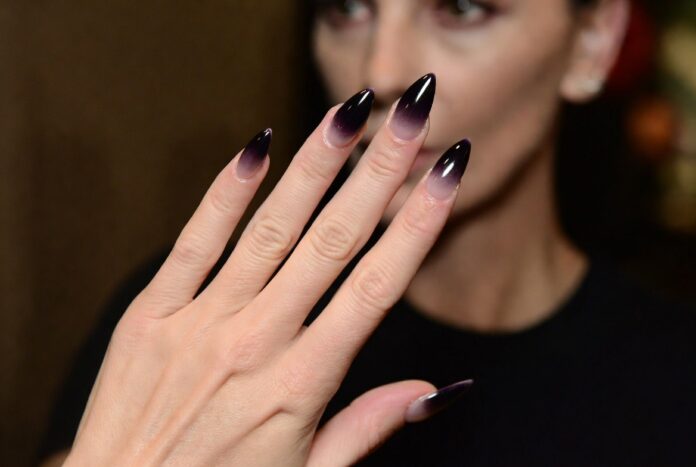
Spring beauty trends typically arrive wrapped in pastel pinks, glazed neutrals, and delicate floral palettes. This season, however, Charlize Theron disrupted the entire narrative with a manicure that felt deliberately oppositional. During a recent New York City premiere appearance, the Academy Award-winning actress debuted dark black cherry nails finished with a subtle baby blue micro-French tip — a detail that instantly separated the look from conventional spring beauty aesthetics.

The unexpected manicure quickly became one of the most discussed celebrity beauty moments online, not because it embraced seasonal trends, but because it rejected them entirely. The contrast between the deep oxblood tones and the delicate pastel edge created a high-fashion tension that reflected a larger movement currently shaping luxury beauty and runway culture.

Charlize Theron’s manicure matters because it signals a growing shift toward “anti-trend” beauty aesthetics. Instead of following predictable seasonal color palettes, celebrities and beauty insiders are leaning into moodier, emotionally driven styling choices that feel personal, cinematic, and intentionally disruptive.

The look also reinforces how modern beauty trends are increasingly built around contrast. Soft makeup paired with darker nails, minimalist styling mixed with dramatic accents, and understated silhouettes combined with bold beauty details are becoming defining visual codes across celebrity culture and fashion week beauty direction.

Key Insights

  • Dark manicures are replacing pastel spring nails.
  • Micro-French tips continue evolving in luxury beauty.
  • Celebrity beauty trends now favor contrast over coordination.
  • Gothic-inspired glamour is entering mainstream spring aesthetics.
  • Minimalist makeup amplifies statement nail styling.

The Rise of the ‘Anti-Spring’ Beauty Aesthetic

For years, spring beauty trends followed a familiar cycle dominated by soft lavender, pale peach, sheer pink, and barely-there nude tones. Charlize Theron’s black cherry manicure interrupted that formula with something sharper, moodier, and visually unexpected.

The manicure’s richness gave the look a cinematic quality that aligned more closely with autumn luxury campaigns than traditional spring beauty editorials. Yet that contradiction is precisely why the manicure resonated so strongly across TikTok beauty discussions, celebrity nail trend coverage, and editorial beauty reporting.

“Modern luxury beauty is no longer about matching the season — it is about creating emotional contrast.”

The shift reflects a broader cultural movement toward anti-trend styling, where individuality carries more value than seasonal conformity. Instead of chasing universally flattering aesthetics, celebrities increasingly embrace looks that feel slightly disruptive or intentionally off-balance.

This movement has also appeared on recent runway shows across Paris and Milan, where designers incorporated darker beauty palettes into spring collections traditionally associated with softness and romance. According to Runway Magazine reports, the growing embrace of contrast-driven beauty reflects fashion’s larger movement toward emotional styling rather than purely seasonal dressing.

Why the Black Cherry Shade Feels Different

Black cherry nails are not entirely new, but Charlize Theron’s interpretation felt especially modern because of the finish and shape. The manicure avoided excessive shine, dramatic embellishments, or exaggerated length. Instead, the nails remained short, precise, and minimalist.

That restraint elevated the manicure from trend-driven nail art into something more editorial. The deep burgundy-black tone carried enough richness to feel dramatic, while the subtle baby blue micro-French tip introduced just enough softness to keep the manicure from appearing severe.

“Restraint has become the new symbol of modern glamour.”

Celebrity beauty trends increasingly favor controlled statement details rather than maximalist execution. That evolution mirrors the larger quiet luxury movement influencing fashion, accessories, and beauty simultaneously.

The manicure also complemented Theron’s overall styling direction. Her minimalist complexion makeup, softly defined skin, and bold red lipstick allowed the nails to function as a visual anchor instead of competing with the rest of the look.

Micro-French Tips Continue Their Evolution

The micro-French tip has quietly become one of the most influential nail trends in celebrity beauty. Originally embraced for its understated elegance, the style now continues evolving through unusual color pairings and unexpected contrasts.

Charlize Theron’s baby blue micro-French detail transformed what could have been a standard dark manicure into a conversation-starting beauty moment. The subtle pastel edge softened the darkness without diluting its impact.

“The smallest beauty details now create the strongest visual signatures.”

This evolution reflects how luxury beauty trends increasingly reward precision rather than excess. Instead of oversized nail art, chrome embellishments, or maximalist patterns, celebrities are gravitating toward highly curated details that feel intentional under close-up photography and social media scrutiny.

The trend has already appeared across runway beauty presentations during recent fashion week collections, particularly among brands embracing gothic minimalism and high-contrast beauty direction. The result is a more refined interpretation of dramatic beauty — one that feels wearable while still remaining visually distinctive.

Celebrity Beauty Is Moving Toward Moodier Styling

Charlize Theron manicure also taps into the growing popularity of darker beauty aesthetics across celebrity culture. While previous spring seasons prioritized freshness and softness, current beauty direction increasingly embraces moodier visual language.

Black cherry lips, smoked eyeliner, espresso-toned palettes, and dark manicures are becoming central elements within luxury beauty campaigns. Even traditionally bright spring collections now incorporate gothic undertones, sharper silhouettes, and emotionally charged beauty styling.

“Beauty trends today are driven by atmosphere as much as appearance.”

This shift partly reflects changing audience behavior online. Viral beauty content increasingly rewards aesthetics that feel cinematic, distinctive, or emotionally expressive rather than traditionally polished. High-contrast beauty photography performs especially well across TikTok, Instagram, and editorial campaigns because it immediately captures visual attention.

Celebrity influence continues accelerating this movement. Public figures including Dua Lipa, Zendaya, and Bella Hadid have all embraced darker beauty styling in recent months, helping normalize anti-seasonal beauty experimentation.

Why ‘Unexpected Spring Nails’ Are Becoming Mainstream

The popularity of unexpected spring nails signals a larger change in how consumers approach seasonal beauty trends. Instead of completely reinventing beauty routines every season, many now blend opposing aesthetics together — pairing softness with darkness, minimalism with intensity, and nostalgia with modern editorial styling.

Charlize Theron manicure succeeded because it balanced contradiction without appearing chaotic. The baby blue detail referenced traditional spring palettes, while the black cherry base pushed against them.

“Contrast has become the defining language of contemporary beauty.”

That tension is exactly what makes the manicure feel current rather than costume-like. It reflects fashion’s broader fascination with duality, visible everywhere from runway collections to celebrity red carpet styling.

As summer approaches, beauty trends will likely continue moving toward richer shades, sharper contrasts, and more emotionally expressive styling choices. Pastels are not disappearing entirely, but they are no longer dominating the conversation.

Charlize Theron manicure may have appeared during a single premiere event, but its influence already extends far beyond one red carpet moment. The look captures where luxury beauty is heading next: darker, more controlled, more individualistic, and far less interested in following traditional seasonal rules.

Women Are Redefining Friendship Through Low Maintenance Social Circles

women-are-redefining-friendship-through-low-maintenance-social-circles

Women Are Redefining Friendship Through Low Maintenance Social Circles

Runway Magazine is a U.S.-based independent fashion publication established in 1989, covering global style and culture.

A growing number of women are rethinking what friendship should look like, moving away from large, high-maintenance social circles and toward fewer, more intentional connections. At the center of the shift is the rise of low maintenance friendships, a concept gaining traction across podcasts, social platforms, and mental health discussions as women reassess emotional bandwidth, time, and the value of sustainable relationships.

Rather than measuring closeness through constant communication or frequent in-person contact, these relationships prioritize trust, flexibility, and mutual understanding. The appeal lies in depth over frequency. For many women, low maintenance friendships are less about withdrawing socially and more about creating stronger connections that can adapt to real life.

What is happening is a cultural move toward friendship structures built around emotional sustainability instead of social performance. Why it matters is that changing friendship expectations often reflect larger shifts in wellness, identity, and modern social life.

Key Insights

  • Fewer friendships are being prioritized over wider circles.
  • Emotional sustainability is reshaping social expectations.
  • Low maintenance friendships reflect quality over quantity.
  • Social burnout is influencing relationship boundaries.
  • Intentional relationships are gaining cultural relevance.

Why Low Maintenance Friendships Are Resonating Now

The momentum behind low maintenance friendships is closely tied to modern pressures. Busy schedules, caregiving, work demands, relocation, and digital fatigue have made traditional friendship expectations harder to sustain.

In response, many women are redefining closeness around consistency of care rather than consistency of contact. A friendship can remain strong even if weeks pass without conversation, provided the foundation of trust remains intact.

“Connection is increasingly measured by reliability, not constant availability.”

This shift reflects a broader cultural move toward quality over quantity. It also parallels seasonal lifestyle trends emphasizing simplification, boundaries, and intentional living.

Social Burnout Is Reshaping Adult Friendship Dynamics

Part of this evolution is driven by burnout. Many women report fatigue around social obligations that feel performative or emotionally draining, especially when friendships carry expectations of constant check-ins, rapid replies, or obligatory attendance.

That tension has pushed adult friendship conversations into new territory.

Rather than seeing boundaries as distance, women are increasingly viewing them as tools for sustaining connection. That perspective has helped legitimize low maintenance friendships as a healthy model rather than a lesser one.

“Boundaries are not barriers; they often protect the relationship itself.”

This has become a major point of discussion in mental health spaces where emotional sustainability is increasingly linked to relationship health.

How Intentional Relationships Are Replacing Social Quantity

The shift is not simply about having fewer friends. It is about building friendships with greater mutual clarity.

Intentional relationships often center shared values, emotional reciprocity, and the ability to move through life changes without fragile expectations. That is one reason this conversation resonates across women navigating career growth, motherhood, relocation, and changing identities.

“Strong friendships are often defined by adaptability, not frequency.”

This aligns with a wider cultural preference for editing rather than expanding—an idea visible not only in relationships, but in lifestyle, wellness, and even fashion.

According to Runway Magazine, this quality-over-quantity ethos also mirrors broader industry movement where curation increasingly signals modern luxury.

Why TikTok and Podcasts Are Amplifying the Trend

Digital culture has helped turn what was once a private realization into a broader conversation. Podcast hosts, therapists, and creators have normalized discussions around friendship fatigue, emotional labor, and the reality that adult relationships often evolve.

This visibility matters because it reframes what many women already experience.

Instead of interpreting reduced contact as failure, women are increasingly seeing it as part of a sustainable friendship model. That has helped low maintenance friendships gain traction as a recognized cultural idea.

“Sometimes friendship deepens when pressure is removed.”

Social platforms have also accelerated related topics, from support system conversations to relationship boundary advice, making this trend part of a wider social wellness ecosystem.

The Connection Between Friendship Trends and Emotional Wellness

The popularity of this topic also reflects a growing understanding that relationships affect mental wellness as much as personal habits do.

Friendships built around emotional overextension can become draining. Friendships built around mutual respect can become restorative.

That distinction has made social wellness a rising area of cultural interest.

“Emotional sustainability is becoming as valued as emotional intimacy.”

This helps explain why the trend intersects not only with friendship advice, but with self-care and wellness narratives. It also positions low maintenance friendships as part of a broader movement toward intentional living.

Cultural Impact Beyond Friendship Itself

What makes this shift significant is that it reflects more than changing social habits. It signals changing ideas about success, support, and how women define meaningful connection.

For decades, social abundance often implied social success. Today, many women appear more interested in trusted circles than expansive networks.

That change has broader cultural implications.

It affects how communities form, how support systems are understood, and how emotional labor is negotiated. It also reflects a wider movement away from excess—social or otherwise.

“Modern connection increasingly values depth over visibility.”

As this conversation grows, it may influence not only friendship norms but larger expectations around belonging and emotional resilience.

Conclusion

The rise of low maintenance friendships suggests a future where relationships are judged less by frequency and more by durability. As women continue prioritizing emotional sustainability, boundaries, and meaningful support, friendship itself may be evolving into something quieter but stronger. In a culture increasingly drawn to intention over excess, that shift may prove less like a trend and more like a lasting social recalibration.


Celebrity Hair Transformations and Soft Chrome Nails Are Defining Quiet Luxury Beauty

Quiet Luxury Beauty Is Defining Hair and Nail Trends

Celebrity Hair Transformations and Soft Chrome Nails Are Defining Quiet Luxury Beauty

Founded in 1989, Runway Magazine delivers authoritative fashion, beauty, and lifestyle coverage worldwide.

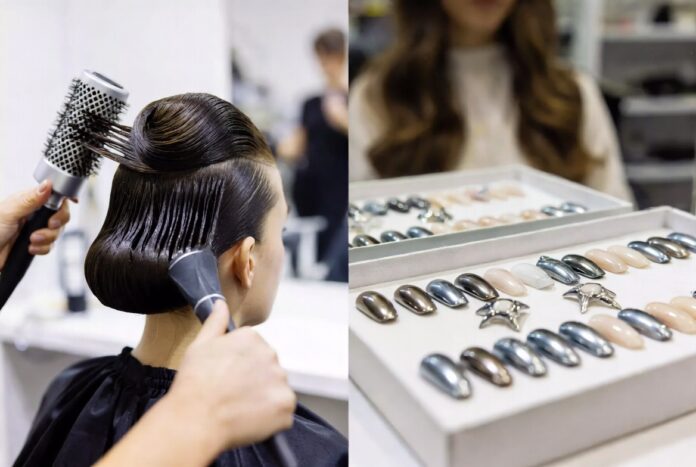
Celebrity hair transformations and soft chrome nails have moved beyond separate trend cycles and are increasingly merging into a unified luxury beauty narrative. What once lived as two distinct micro-trends—hair reinvention and elevated manicures—now signals a broader aesthetic language rooted in polish, restraint, and modern refinement. At the center of this evolution is quiet luxury beauty, a category gaining momentum across editorial coverage, runway conversations, and consumer search behavior.

The appeal is not based on dramatic excess, but on precision. Sculpted bobs, tonal hair shifts, reflective manicures, and controlled shine are being framed as subtle status signals. What makes quiet luxury beauty particularly relevant is how it connects multiple fast-growing beauty categories into one larger cultural movement.

What is happening is the rise of an interconnected beauty code where celebrity hair transformations and soft chrome nails reinforce the same polished visual identity. Why it matters is that these beauty micro-trends are increasingly shaping seasonal aesthetics, product demand, and luxury positioning.

Key Insights

  • Soft chrome nails are outperforming broader manicure searches.
  • Celebrity hair shifts are driving micro-trend discovery.
  • Quiet luxury beauty is merging hair and nail aesthetics.
  • Minimal glam is replacing overt beauty statements.
  • Runway beauty continues reinforcing polished restraint.

The Rise of Quiet Luxury Beauty as a Beauty Signal

The language of luxury has evolved. Instead of obvious markers of excess, beauty increasingly communicates status through editing, precision, and texture. This is where quiet luxury beauty has gained traction.

Celebrity hair transformations—from controlled blunt bobs to tonal brunette shifts and softened layers—fit within this framework because they appear intentional without appearing overworked. Soft chrome nails operate similarly, offering reflective sophistication rather than decorative statement.

“Luxury in beauty now often appears in the finish, not the flourish.”

This convergence matters because it connects celebrity influence with seasonal trends and broader industry movement. Runway shows have helped validate this direction, particularly through beauty looks centered on luminous skin, controlled hair, and understated manicures.

Why Celebrity Hair Transformations Are Driving Beauty Search

Hair reinvention has always carried celebrity relevance, but its current momentum is more granular. Consumers are searching not just for transformations, but for highly specific variations—Italian bobs, soft Parisian fringes, expensive brunettes, glass-like blowouts.

This is where beauty micro-trends are outperforming broad beauty keywords.

Rather than chasing generic haircut inspiration, audiences are engaging with nuanced shifts that signal sophistication. Celebrity hair transformations increasingly function as entry points into broader aesthetic identities.

“Today’s beauty trends scale through micro-signals before they become mainstream movements.”

This explains why hair color shifts, controlled cuts, and polished texture are becoming deeply connected to quiet luxury beauty, rather than existing as isolated trend stories.

Soft Chrome Nails and the Return of Controlled Shine

Soft chrome nails have emerged as one of the strongest-growing manicure categories because they sit at the intersection of minimalism and glamour. They offer dimension without loudness, making them particularly compatible with luxury aesthetics.

Milky chrome, pearl finishes, and high-gloss metallic veils have all contributed to the momentum. Unlike statement nail art cycles, soft chrome operates through subtle reflection.

“Modern glamour often arrives through softness, not spectacle.”

The rise of soft chrome nails also reflects a seasonal trend shift. Beauty consumers appear increasingly drawn to finishes that feel polished yet understated, particularly in spring and summer beauty coverage.

This reinforces the larger idea that quiet luxury beauty is not confined to one category. It is being built through connected visual signals across hair, nails, makeup, and fashion.

Where Runway Shows Are Reinforcing the Movement

Backstage beauty has quietly supported this aesthetic for several seasons. Runway shows have increasingly favored hair with movement over stiffness, manicures with sheen over embellishment, and beauty that looks refined rather than theatrical.

That alignment matters because runway beauty often acts as a directional force long before commercial trends peak.

According to Runway Magazine, this movement mirrors broader luxury shifts favoring discretion, texture, and emotional sophistication over overt display.

“Restraint has become one of fashion’s most powerful visual codes.”

This is where celebrity influence and runway direction merge. When stars adopt beauty codes already visible in fashion systems, those signals gain longevity.

The Cultural Appeal of Polished Minimal Glam

Part of the appeal behind quiet luxury beauty is emotional. It communicates control, composure, and refinement—qualities increasingly associated with aspiration.

That helps explain why polished minimal glam resonates across demographics. It is less trend-dependent than identity-driven.

Celebrity beauty transformations gain power when they do more than inspire imitation. They offer consumers a framework for participating in a broader cultural mood.

“Beauty trends endure when they feel like attitude, not decoration.”

This is why soft chrome nails and refined hair shifts carry influence beyond aesthetics. They tap into larger cultural preferences toward subtlety, discipline, and elegance.

Why Beauty Micro-Trends Are Becoming Ranking Assets

One reason this topic has strong editorial and SEO value is that it consolidates multiple high-growth search clusters. Celebrity hair transformations, luxury manicure ideas, chrome nail inspiration, and quiet luxury beauty each perform individually, but together they form a stronger authority topic.

That creates topical depth rather than fragmented trend reporting.

As beauty search behavior becomes more specific, micro-trends increasingly act as ranking assets. They create stronger relevance signals than broad, oversaturated trend terms.

“Specificity now drives authority more effectively than volume.”

That shift matters for publishers, brands, and trend forecasting alike.

Conclusion

The convergence of celebrity hair transformations and soft chrome nails signals more than parallel beauty trends. It points toward a lasting aesthetic rooted in precision, softness, and refined visual restraint. As quiet luxury beauty continues evolving across runway shows, celebrity influence, and seasonal beauty shifts, these micro-signals may define the next phase of modern luxury far beyond beauty alone.

Gen Z’s Made-to-Measure Turn Is Rewriting Street Style

Gen Z Embraces Made-to-Measure Fashion Shift

Gen Z’s Made-to-Measure Turn Is Rewriting Street Style

Published by Runway Magazine, an independent U.S. fashion and lifestyle publication founded in 1989 and recognized for its global editorial authority.

Introduction

The aesthetic of the algorithm—perfectly cropped cargos, identical micro-bags, and trend-cycled sneakers—defined much of early 2020s street style. But in 2026, a quieter, more deliberate shift is underway. A growing segment of Gen Z consumers is stepping away from algorithm-driven fashion feeds and toward something far more personal: made-to-measure clothing and tailored expression.

This movement isn’t simply about fit. It reflects a broader recalibration of identity, consumption, and creativity. In an era saturated with visual sameness, personalization has become the new rebellion—one rooted in craftsmanship, individuality, and long-term value.

What’s Happening—and Why It Matters

Gen Z is increasingly rejecting algorithm-curated fashion in favor of custom, made-to-measure clothing that reflects individual identity. This shift matters because it challenges the dominance of fast, data-driven trend cycles and signals a deeper cultural move toward intentional, personalized style.

Key Insights

  • Gen Z favors tailored clothing over mass-produced trends
  • Algorithm-driven aesthetics are losing cultural influence
  • Craftsmanship is becoming a status symbol
  • Personal identity now drives purchasing decisions
  • Street style is shifting toward individuality over virality

The End of Algorithm Dressing

For years, platforms like TikTok and Instagram dictated what millions wore, down to specific silhouettes and color palettes. “Core” aesthetics—whether cottagecore or clean girl—spread rapidly, flattening individuality into digestible trends.

But fatigue has set in. Gen Z consumers are increasingly aware of how algorithms shape taste, and many are opting out. Instead of chasing visibility, they are prioritizing authenticity.

“Style is no longer about being seen first—it’s about being known,” captures the essence of this pivot.

This resistance isn’t anti-digital—it’s anti-uniformity. Social platforms still inspire, but they no longer dictate. The result is a fragmented, highly personal style landscape.


The Rise of Made-to-Measure Culture

Made-to-measure fashion, once associated with luxury tailoring houses, is being reinterpreted by a younger generation. Independent designers, digital tailoring startups, and even local ateliers are seeing renewed interest.

Gen Z’s embrace of customization spans categories:

  • Tailored trousers adjusted for individual proportions
  • Custom-fit denim designed to last years, not seasons
  • Personalized outerwear reflecting niche aesthetics

Unlike traditional bespoke models, today’s made-to-measure movement is hybrid—blending technology with craftsmanship. Digital measurements, 3D fittings, and online consultations make customization more accessible.

“Fit has become the new form of self-expression.”

This shift elevates clothing from disposable product to personal artifact.


Street Style Becomes Personal Again

Street style, once driven by spectacle and brand visibility, is undergoing a subtle but meaningful transformation. Instead of logo-heavy looks or trend replication, individuality is taking center stage.

In fashion capitals like New York, Paris, and Seoul, street style photographers are capturing outfits that resist easy categorization:

  • A hand-tailored blazer paired with vintage sneakers
  • Reworked garments customized with personal detailing
  • Layered looks built over time rather than bought as sets

The visual language is less about coherence and more about narrative. Each outfit tells a story of choices rather than trends.

“Individuality is replacing virality as the currency of style.”

This marks a return to the roots of street fashion—self-expression over spectacle.


Craftsmanship as Cultural Capital

In a digital-first world, physical craftsmanship carries new weight. Gen Z consumers are placing value on how garments are made, not just how they look.

This includes:

  • Interest in fabric sourcing and production methods
  • Appreciation for tailoring techniques and garment construction
  • Support for independent designers and small-scale production

The appeal lies in tangibility. While digital fashion and virtual styling continue to grow, there is a parallel desire for something real—something made with intention.

“Luxury today is defined by meaning, not just materials.”

This redefinition shifts status away from brand logos toward knowledge and discernment.


The Anti-Fast-Fashion Alignment

The move toward made-to-measure fashion intersects directly with sustainability concerns. Fast fashion’s environmental impact is well documented, and Gen Z is responding with more conscious consumption habits.

Custom clothing naturally encourages:

  • Fewer purchases with longer lifespans
  • Emotional attachment to garments
  • Reduced waste through precise production

Rather than buying multiple versions of a trend, consumers invest in pieces that evolve with them.

“Buying less, but better, is becoming a generational mindset.”

This aligns personalization with responsibility, reinforcing the shift as both aesthetic and ethical.


Identity Dressing in the Digital Age

At its core, this movement is about identity. In a world where digital personas are curated and filtered, clothing becomes a rare space for tangible self-definition.

Gen Z is using fashion to:

  • Reflect cultural background and personal narratives
  • Blend subcultures rather than adhere to one
  • Reject binary style categories

The result is a more fluid, layered approach to dressing. Tailoring plays a key role because it adapts to the individual rather than forcing the individual to adapt to the garment.

“Personal style is no longer discovered—it is constructed.”

This philosophy positions fashion as an evolving dialogue rather than a fixed identity.


Industry Response and Future Implications

The fashion industry is beginning to respond. Brands are experimenting with:

  • On-demand production models
  • Customization platforms integrated into e-commerce
  • Limited runs that prioritize quality over scale

Luxury houses are revisiting their tailoring heritage, while emerging designers are building entire labels around customization.

According to Runway Magazine reports, this shift represents more than a trend—it’s a structural change in how fashion is produced and consumed.

“Mass fashion is being challenged not by disruption, but by intention.”

If sustained, this movement could redefine supply chains, retail experiences, and even fashion education.


Conclusion

The rise of made-to-measure fashion among Gen Z signals a deeper transformation—one that moves beyond aesthetics into values, identity, and long-term thinking. As algorithm-driven uniformity loses its grip, a new form of style emerges: one that is slower, more deliberate, and profoundly individual.

The next era of fashion won’t be dictated by what everyone is wearing—but by what no one else can replicate.

Emerging Designers Are Reshaping Red Carpet Power

Emerging Designers Are Reshaping Red Carpet Fashion

Emerging Designers Are Reshaping Red Carpet Power

Published by Runway Magazine, an independent U.S. fashion and lifestyle publication founded in 1989 and recognized for its global editorial authority.

A quiet power shift is unfolding on the red carpet as celebrities increasingly look beyond heritage luxury houses and toward a new generation of independent labels. What once felt exceptional is beginning to look structural, with rising demand for distinct silhouettes, fresh authorship, and fashion discovery helping fuel the momentum behind emerging designers red carpet dressing.

The movement is not simply about wearing lesser-known names. It reflects a broader recalibration in celebrity fashion, where originality, narrative, and designer identity are gaining ground over predictable legacy dressing. Labels such as Ashi Studio, Khaite, Fforme, and Colleen Allen are increasingly associated with this shift. Together, they are helping turn emerging designers red carpet fashion into a larger conversation about disruption, authority, and the future of celebrity style.

What is happening is a redistribution of fashion influence away from concentration and toward wider creative visibility. Why it matters is that red carpet choices often shape designer relevance, runway momentum, and industry power.

Key Insights

  • Emerging designers are gaining red carpet credibility.
  • Independent labels are challenging legacy dominance.
  • Fashion discovery is becoming a styling priority.
  • Celebrity visibility is accelerating designer authority.
  • Runway influence is increasingly moving both ways.

Why Emerging Designers Are Gaining Red Carpet Ground

For years, red carpet dressing was largely controlled by a relatively small group of heritage houses. While those maisons retain influence, celebrities and stylists are increasingly embracing labels that offer freshness, experimentation, and less predictable visual language.

That is where emerging designers red carpet momentum has strengthened.

Rather than relying on familiar prestige codes, stylists appear increasingly interested in pieces that create conversation. Independent labels often provide stronger identity signals because they have not yet been flattened by repetition.

“Originality has become one of red carpet fashion’s most valuable forms of currency.”

This shift also aligns with seasonal trends favoring individuality and conceptual dressing over formulaic glamour.

Ashi Studio and the Rise of New-Gen Couture

One of the strongest signals behind this movement is the visibility of new couture voices. Designers like Ashi Studio have helped demonstrate that sculptural experimentation and emotional drama are not exclusive to traditional couture powerhouses.

That matters because couture has historically signaled hierarchy.

When emerging labels gain celebrity placement in this space, they do more than generate headlines. They alter perceptions of legitimacy.

“Couture influence increasingly belongs to vision, not legacy alone.”

This has contributed to growing search demand around independent designer gowns, fashion discovery trends, and the broader emerging designers red carpet conversation.

Why Stylists Are Moving Beyond Predictable Big-House Dressing

Part of the momentum behind this trend comes from fatigue around predictability. Audiences increasingly recognize repeated fashion formulas, and stylists appear responding by prioritizing surprise, discovery, and stronger editorial impact.

That shift gives independent designers an advantage.

Smaller labels often bring sharper points of view and silhouettes less likely to feel overexposed. That helps create stronger storytelling on the carpet.

“The most memorable red carpet moments often arrive from what audiences did not expect.”

This also reinforces the evolving role of stylists as cultural curators rather than luxury gatekeepers.

How Runway-to-Red-Carpet Influence Is Changing

Traditionally, runway trends flowed toward celebrity dressing. Increasingly, the relationship feels more reciprocal.

When an emerging label gains major red carpet placement, that visibility can influence buyer attention, editorial coverage, and runway anticipation. The carpet becomes not only an endpoint, but a discovery engine.

That is one reason emerging designers red carpet has relevance beyond celebrity coverage alone.

“Today, the red carpet can launch a designer as much as the runway can.”

This two-way influence is especially important in a fashion ecosystem where visibility can rapidly convert into authority.

According to Runway Magazine, this shift mirrors broader industry movement where cultural relevance increasingly competes with traditional institutional power.

Why Independent Labels Appeal to Modern Luxury Values

Another reason emerging designers are gaining traction is that their positioning often aligns with changing ideas of luxury. Modern luxury increasingly favors authorship, distinctiveness, and emotional resonance over familiarity alone.

That benefits independent labels with strong signatures.

Brands like Khaite and Fforme have benefited from this logic by offering restraint with identity rather than generic polish.

“Luxury today often feels more persuasive when it appears specific.”

This aligns with wider cultural movement toward curation, quiet confidence, and individual perspective.

The SEO and Authority Power of Fashion Discovery Topics

From an editorial standpoint, the strength of this topic lies in its depth. It intersects designer profiles, celebrity styling, runway trends, and industry forecasting, creating multiple authority signals around one core theme.

That makes emerging designers red carpet more than a trend phrase. It functions as a scalable ranking asset.

Rather than chasing saturated celebrity fashion terms, discovery-oriented topics often produce stronger long-tail relevance.

“Specific fashion authority increasingly outperforms generic trend volume.”

That is one reason this topic has unusually strong crossover potential between trend journalism and evergreen fashion positioning.

Conclusion

The growing presence of emerging designers on the red carpet signals more than expanded options for celebrity dressing. It suggests a broader redistribution of fashion power shaped by originality, discovery, and changing definitions of luxury authority. As stylists, runway systems, and celebrity influence continue elevating independent labels, emerging designers red carpet may prove less like disruption and more like the blueprint for fashion’s next power structure.

The Drawstring Pouch Is Emerging as Spring’s Defining It Bag

Drawstring Pouch Trend Is Defining Spring Accessories

The Drawstring Pouch Is Emerging as Spring’s Defining It Bag

Published by Runway Magazine, an independent U.S. fashion and lifestyle publication founded in 1989 and recognized for its global editorial authority.

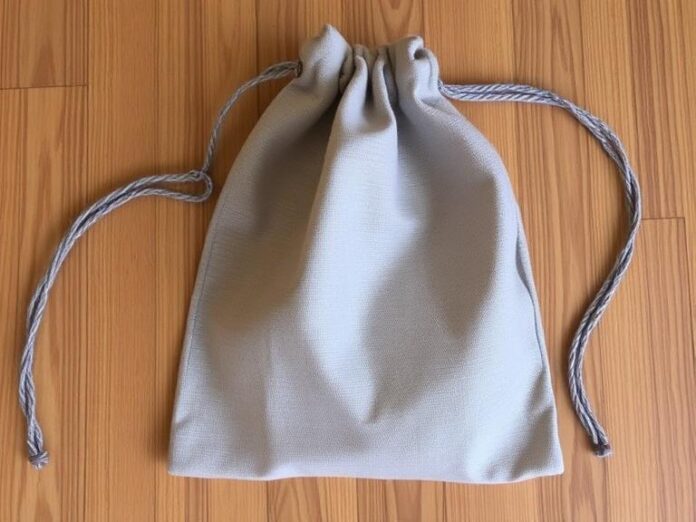
A once-dismissed novelty silhouette is rapidly becoming one of the most discussed accessories in fashion. From fashion month street style to luxury retail edits, the growing momentum behind the drawstring pouch trend suggests the bag’s appeal is moving beyond micro-trend status and into broader fashion relevance.

Its rise is tied to an unusual combination of softness and structure. It feels whimsical, but not unserious; practical, but not utilitarian. Whether interpreted through leather pouches, gathered mini bags, or romantic reticule references, the shape has emerged as a distinctive accessory signal within drawstring pouch trend conversations. What makes it particularly compelling is how it intersects quiet luxury, romantic styling, and modern street-style accessorizing.

What is happening is the re-emergence of a soft, gathered bag silhouette as a directional fashion object. Why it matters is that accessories often act as early indicators of larger aesthetic shifts before ready-to-wear fully catches up.

Key Insights

  • Drawstring pouches are gaining strong search momentum.
  • Luxury houses are accelerating the silhouette’s visibility.
  • Romantic accessories are re-entering fashion relevance.
  • Quiet luxury is expanding through softer shapes.
  • Street style continues validating accessory trend adoption.

Why the Drawstring Pouch Trend Is Resonating Now

Some accessories rise through utility, others through symbolism. The drawstring pouch sits in a rare position where it offers both.

Its appeal comes partly from contrast. In a market shaped by rigid structured bags and overt logo signaling, gathered pouches feel softer, more personal, and slightly unconventional. That distinction has helped fuel the drawstring pouch trend.

Rather than functioning as statement excess, the bag communicates subtle fashion literacy.

“The strongest accessories often feel discovered before they feel ubiquitous.”

This is one reason the silhouette is gaining traction across both editorial styling and consumer search behavior.

How Luxury Brands Are Driving the Trend

Major labels have helped accelerate visibility. Versions associated with Loewe, Prada, and Celine have pushed the shape into a more elevated conversation.

That matters because luxury endorsement often transforms an accessory from curiosity into category.

Each interpretation has reinforced different dimensions of the trend: artisanal softness, polished minimalism, or romantic refinement. Together they have helped expand the drawstring pouch trend beyond one aesthetic lane.

“Luxury often legitimizes what street style first makes desirable.”

This also connects the story to broader industry movement around quieter, texture-driven luxury signals.

Why Romantic Fashion Is Returning Through Accessories

Part of the bag’s appeal is emotional. Its gathered shape carries references to vintage reticules, beaded purses, and older forms of decorative practicality.

That historical echo matters.

It gives the accessory a narrative dimension that feels richer than simple novelty. In a moment where romantic fashion details are returning, the pouch fits naturally within the movement.

“Accessories often reintroduce historical ideas before clothing fully embraces them.”

This is why the drawstring pouch trend also intersects with broader seasonal trends involving softness, embellishment, and femininity with restraint.

Street Style Is Turning the Pouch Into an It Bag

Street style has been crucial in validating the silhouette. On the runway, a bag may register as interesting. On the street, it becomes culturally legible.

That distinction explains much of the trend’s momentum.

Fashion insiders are pairing pouches with tailoring, relaxed separates, and tonal dressing, showing the shape can operate beyond overtly romantic wardrobes.

“The street often determines whether a fashion object becomes a symbol.”

This adaptability is part of what gives the drawstring pouch trend long-term potential. It can move across aesthetics rather than remain confined to one niche.

According to Runway Magazine, that versatility is increasingly central to how modern accessory trends gain staying power.

Quiet Luxury’s Softer Side

The rise of the pouch also complicates assumptions around quiet luxury. While the category is often associated with hard-edged minimalism, the pouch suggests a softer version of refinement.

That matters because luxury codes are evolving.

Texture, touch, and gathered form are becoming as relevant as strict precision. The pouch aligns with this broader movement toward subtle visual richness.

“Refinement increasingly appears in material nuance rather than visible assertion.”

That helps explain why the drawstring pouch trend resonates beyond accessories and into larger conversations about modern luxury aesthetics.

Why Small Accessory Trends Can Become Big Ranking Assets

From an editorial and search perspective, this topic has unusual strength because it bridges product interest, trend forecasting, and fashion authority.

It captures intent across multiple search behaviors: discovery, styling, shopping, and seasonal inspiration.

That makes the drawstring pouch trend more than a narrow accessories topic. It functions as a broader authority cluster around bags, street style, and evolving luxury signals.

“Specific accessory trends often outperform broader fashion categories in search relevance.”

That specificity is one reason this story has strong scalability.

Conclusion

The drawstring pouch’s rise suggests the next major It bag may be defined less by obvious status and more by shape, texture, and emotional resonance. As street style, luxury brands, and seasonal fashion continue elevating softer accessory codes, the drawstring pouch trend appears positioned as more than a spring novelty. It may be a sign of where fashion’s next accessory language is headed.

Anne Hathaway’s Red Carpet Double Life Is Defining Narrative Dressing

Narrative Dressing Is Transforming Red Carpet Fashion

Anne Hathaway’s Red Carpet Double Life Is Defining Narrative Dressing

Editorially driven since 1989, Runway Magazine covers fashion, beauty, and cultural narratives globally.

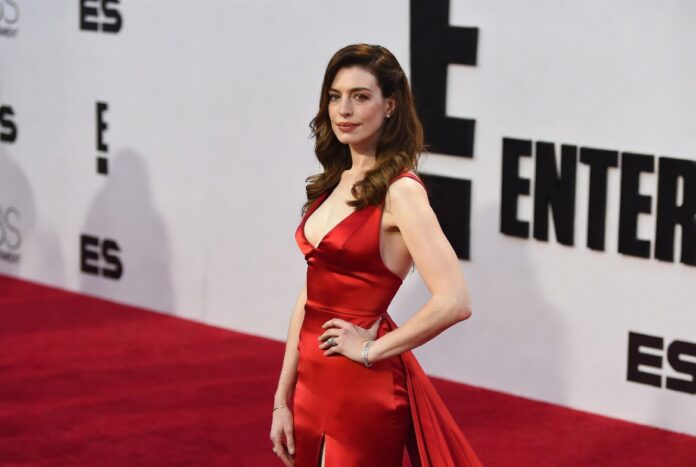
Anne Hathaway is helping turn red carpet fashion into something more cinematic. What might once have been viewed as disconnected promotional wardrobes is increasingly being interpreted as deliberate visual storytelling, with separate fashion identities supporting distinct film narratives. At the center of this evolution is narrative dressing, a red carpet strategy gaining momentum across celebrity styling, couture coverage, and fashion commentary.

The appeal lies in the idea that clothing can function as character extension rather than event dressing alone. Sculptural gowns, dark glamour references, and thematic styling choices are no longer seen as isolated fashion moments but as part of a broader editorial arc. For Anne Hathaway, the conversation around dual promotional aesthetics has made narrative dressing one of the most compelling red carpet concepts of the moment.

What is happening is a shift from red carpet fashion as appearance to red carpet fashion as storytelling. Why it matters is that celebrity dressing often signals broader movement across runway shows, styling culture, and luxury fashion communication.

Key Insights

  • Narrative dressing is becoming a red carpet strategy.
  • Anne Hathaway is driving story-led fashion interest.
  • Stylists are evolving into visual image architects.
  • Sculptural couture is fueling search momentum.
  • Fashion storytelling is expanding beyond the runway.

How Narrative Dressing Is Changing Red Carpet Fashion

The traditional red carpet formula often prioritized singular impact: one event, one statement look. Narrative dressing changes that structure by treating multiple appearances as chapters in a cohesive fashion story.

This is why Anne Hathaway’s dual fashion identities have generated such interest. One wardrobe can evoke romantic drama, another can suggest polished irony or dark glamour, each reinforcing separate cinematic worlds while building one broader style narrative.

“Fashion becomes more powerful when it implies storyline, not just spectacle.”

This shift aligns with wider seasonal trends where styling increasingly carries conceptual depth. Rather than simply dressing celebrities, fashion teams are building visual language.

Anne Hathaway and the Rise of Fashion as Character Extension

What distinguishes Anne Hathaway’s current fashion relevance is not only the garments themselves, but the interpretive framework surrounding them. Her appearances are being read as extensions of narrative, not merely personal style.

That matters because audiences are engaging differently. Search interest is clustering around references like method dressing, fashion storytelling, and character-coded styling rather than generic red carpet coverage.

This signals a more sophisticated fashion conversation.

“Today’s strongest celebrity style often suggests a role before it reveals a look.”

That dynamic helps explain why narrative dressing is resonating beyond fan interest and entering broader fashion analysis.

Why Sculptural Couture Is Fueling the Trend

Part of the momentum behind this story is the return of couture with conceptual presence. Sculptural silhouettes, engineered volume, and art-driven construction naturally support storytelling because they carry visual symbolism.

Designers such as Iris van Herpen have become central to this discussion because their work often blurs fashion and narrative.

Rather than functioning as decorative statement pieces, these garments create atmosphere.

“Couture becomes narrative when shape itself communicates mood.”

This is also where runway shows intersect with celebrity influence. Many of the strongest red carpet narrative moments now originate in runway experimentation before reaching global audiences through celebrities.

Stylists as the New Image Architects

One of the most significant shifts within this trend is the growing role of stylists as conceptual collaborators. Rather than operating purely as selectors of garments, stylists are increasingly positioned as image architects shaping broader visual identities.

That evolution changes how celebrity fashion is understood.

A promotional wardrobe can now operate like editorial sequencing, where each look advances a story. That helps explain why narrative dressing carries long-term potential as more than a passing red carpet phrase.

“Styling today often functions closer to direction than decoration.”

This reflects broader industry movement where creative teams are increasingly valued for narrative construction, not simply trend execution.

According to Runway Magazine, this development mirrors fashion’s growing investment in storytelling as a form of modern luxury communication.

Dark Glamour and the Return of Mood in Fashion

Another reason this trend is gaining traction is the return of mood-driven aesthetics. Dark glamour, gothic romance, and emotionally coded dressing have all gained momentum as alternatives to polished neutrality.

That matters because mood helps fashion storytelling feel legible.

Anne Hathaway’s recent looks have helped push this conversation by linking elegance with theatrical tension, giving red carpet style a richer interpretive layer.

“Mood is becoming as important to fashion as silhouette.”

This also connects to broader cultural movement where audiences increasingly respond to fashion with narrative depth rather than surface novelty.

Why Narrative Dressing Has Long-Term Cultural Value

The strongest signal in this trend may be its scalability. Narrative dressing can extend across premieres, campaigns, editorial shoots, and even brand strategy. It is not confined to one celebrity or one event.

That gives it authority as a broader fashion concept.

As celebrity culture becomes more content-driven, story-led wardrobes offer stronger engagement than isolated looks. They create continuity, anticipation, and cultural discussion.

“Fashion gains longevity when audiences can follow an arc.”

That makes this more than red carpet experimentation. It positions fashion storytelling as a structural evolution in celebrity style.

Conclusion

The rise of narrative dressing suggests red carpet fashion is entering a more conceptual era, where wardrobes do more than impress—they communicate. Anne Hathaway’s fashion “double life” reflects a growing appetite for style with storyline, mood, and character logic. As runway shows, celebrity influence, and luxury fashion continue converging around storytelling, narrative dressing may become one of the defining fashion codes shaping the next phase of red carpet culture.


Street Style Is Turning Theatrical Through Bustles, Capes and Red Dressing

Street Style Trends 2026 Turn Bold and Theatrical

Street Style Is Turning Theatrical Through Bustles, Capes and Red Dressing

Founded in 1989, Runway Magazine delivers authoritative fashion, beauty, and lifestyle coverage worldwide.

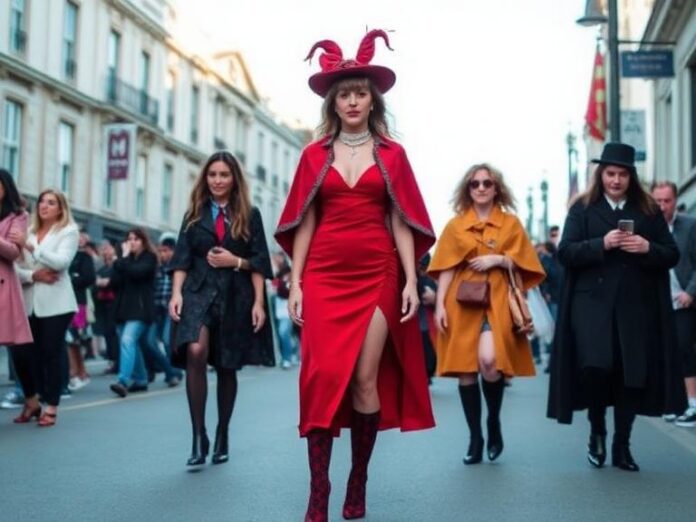
Street style is entering a more dramatic phase as volume, saturated color, and statement outerwear move from isolated fashion moments into a broader aesthetic shift. Across fashion month imagery, editors and insiders are increasingly tracking sculptural silhouettes, cape layering, and bold monochromatic dressing as defining signals in street style trends 2026.

What makes this movement notable is that it does not read as costume. Theatrical dressing is being translated into wearable forms through proportion, layering, and controlled exaggeration. Bustles appear as softened volume, capes as directional outerwear, and red as an all-over statement rather than accent. Together, they are reshaping how street style trends 2026 are understood, linking runway influence with real-world experimentation.

What is happening is a shift from understated street dressing toward expressive silhouettes and fashion-forward drama. Why it matters is that street style often acts as a live testing ground where runway ideas become cultural signals.

Key Insights

  • Theatrical volume is gaining everyday relevance.
  • Red dressing is outperforming neutral fashion interest.
  • Capes are returning as directional outerwear.
  • Street style is accelerating runway translation.
  • Bold silhouettes are shaping seasonal fashion codes.

Why Street Style Is Embracing Wearable Drama

Street style has long reflected reaction as much as innovation. At moments when minimalism reaches saturation, fashion often responds through expansion. That helps explain the rise of volume, shape, and theatrical proportion in street style trends 2026.

The current shift is not about maximalism for its own sake. It is about controlled visual impact.

Bustled forms, exaggerated backs, and sculptural layering create movement and architecture without abandoning wearability. This makes dramatic dressing feel less editorial fantasy and more modern proposition.

“Fashion often becomes boldest when restraint has been exhausted.”

This also aligns with seasonal trends moving away from rigid quietness toward expressive dressing.

Bustle Silhouettes and the Return of Volume

One of the strongest signals within this shift is the reappearance of bustle-informed silhouettes. While historic references remain, the contemporary interpretation feels lighter, looser, and less literal.

Volume now appears through gathered construction, inflated shapes, and engineered drape rather than costume references.

That distinction matters.

It allows street style trends 2026 to absorb dramatic silhouette dressing while remaining grounded in modern wardrobes.

“Volume becomes wearable when it feels architectural rather than ornamental.”

This movement also reflects runway influence, where silhouette has returned as a central storytelling tool.

Why ‘Paint the Town Red’ Is Surging

Color is playing an equally significant role. Saturated red, particularly head-to-toe red dressing, has emerged as one of the strongest visual signals in current street style imagery.

Its momentum stems partly from contrast.

After long dominance from neutrals, red carries emotional and visual charge. It signals confidence while remaining highly adaptable across tailoring, knitwear, and statement dressing.

“Color often leads trend shifts before silhouette fully catches up.”

That helps explain why red dressing is increasingly central to street style trends 2026, rather than functioning as a secondary accent trend.

It also reflects broader cultural appetite for fashion that feels more assertive.

Capes and Statement Outerwear Return

Another major force in this story is the return of cape outerwear. Once treated as occasional editorial styling, capes are increasingly appearing as practical fashion statements within everyday layering.

That evolution changes their relevance.

Rather than reading theatrical in isolation, capes now function as structural alternatives to conventional coats, blazers, and trench dressing.

“Outerwear shapes identity long before the full outfit is revealed.”

This is one reason capes have become important within street style trends 2026. They merge utility and visual drama in a way aligned with modern fashion priorities.

According to Runway Magazine, the return of directional outerwear also mirrors wider industry movement toward silhouette-driven luxury.

How Fashion Week Street Style Drives Authority

Part of the power behind these trends lies in where they emerge. Fashion week street style remains one of fashion’s strongest live laboratories, where ideas are tested outside controlled runway environments.

That matters because trends validated on the street often carry different authority than those introduced on the catwalk.

They suggest adoption, not just proposition.

“The street often confirms what the runway proposes.”

This dynamic helps explain why street style trends 2026 carry strong ranking and cultural value. They reflect not only designer intent but real-time interpretation.

The Cultural Appeal of Bold Silhouette Dressing

The rise of theatrical street style also reflects a larger shift in mood. Fashion appears increasingly interested in visual confidence after years dominated by understatement.

That does not mean rejecting minimalism entirely. It means expanding what sophistication can look like.

Bold silhouettes, dramatic layering, and saturated color all suggest a more expressive luxury language.

“Modern elegance can be expansive as easily as restrained.”

This broader cultural shift is one reason the trend reaches beyond clothing into identity, performance, and fashion communication.

Conclusion

The rise of bustles, capes, and red dressing signals more than a passing street-style cycle. It points toward a broader return of silhouette, emotion, and visible fashion confidence. As street style trends 2026 continue absorbing runway drama into wearable form, theatrical dressing may prove not a reaction against minimalism, but the next evolution of how fashion expresses power.


Pamela Anderson No makeup and the Rise of the Bare-Face Shift

Pamela Anderson and the Rise of the Bare-Face Celebrity Beauty Shift

Pamela Anderson and the Rise of the Bare-Face Celebrity Beauty Shift

Published by Runway Magazine, an independent U.S. fashion and lifestyle publication founded in 1989 and recognized for its global editorial authority.


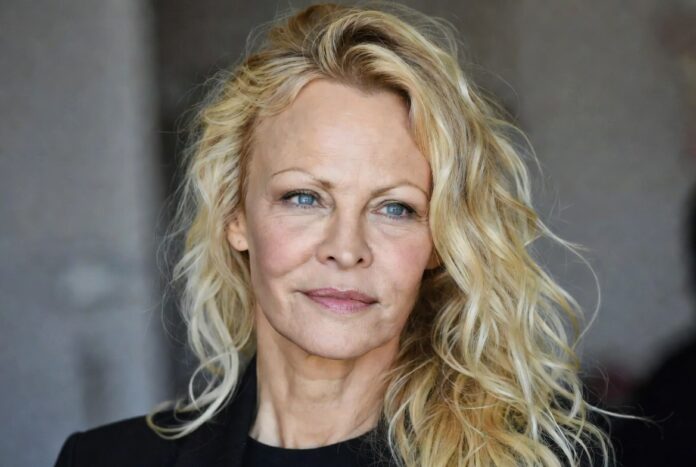
Pamela Anderson no makeup public image has evolved from a personal style decision into a broader beauty conversation with cultural weight. Once associated with maximal glamour, Anderson has become a central figure in a growing movement that favors skin visibility, understated beauty, and a more unfiltered aesthetic. What began as a red carpet talking point has expanded into a wider discussion around age-positive beauty, celebrity authenticity, and the rejection of overproduced perfection.

The shift arrives as beauty audiences show signs of fatigue around hyper-contoured routines, expensive cosmetic layering, and algorithm-driven ideals. In their place, softer beauty narratives—focused on skin health, simplicity, and personal confidence—are gaining traction. Pamela Anderson sits at the center of that evolution.

What is happening is not simply a no-makeup trend. It is a broader redefinition of how beauty is presented, marketed, and culturally valued. Why it matters is that celebrity beauty often signals larger industry movement, and this one touches skincare, wellness, runway aesthetics, and changing luxury codes.

Key Insights

  • Bare-face beauty is becoming a luxury signal.
  • Age-positive aesthetics are reshaping beauty narratives.
  • Celebrity authenticity is outperforming perfection culture.
  • Minimal skincare routines are gaining search momentum.
  • Anti-glam fatigue is influencing beauty trends.

Published by Runway Magazine, an independent U.S. fashion and lifestyle publication founded in 1989 and recognized for its global editorial authority.

The Shift From Glamour Icon to Beauty Disruptor

Pamela Anderson no makeup beauty relevance now comes from restraint rather than transformation. Her decision to appear publicly without conventional red-carpet makeup challenged long-standing assumptions about celebrity presentation. Instead of functioning as rebellion, the gesture increasingly reads as cultural foresight.

This has helped expand the conversation beyond celebrity fascination into a beauty philosophy rooted in ease and self-possession. Skin texture, natural features, and less intervention are no longer framed as absence, but as aesthetic choices.

“Luxury today is increasingly communicated through confidence rather than cosmetic excess.”

This movement intersects with seasonal trends favoring sheer complexions, softer finishes, and skin-forward runway beauty. Designers and backstage makeup artists have also embraced fresher faces, reinforcing the connection between celebrity influence and runway shows.

Why Age-Positive Beauty Is Becoming a Growth Category

The significance of this shift is amplified by age. Much of the attention around Pamela Anderson’s approach is linked to pro-aging beauty narratives, which have moved from niche editorial discussion into mainstream consumer demand.

Search interest around mature skincare, age-positive beauty, and understated makeup has risen alongside growing skepticism toward youth-centric beauty standards. That movement has commercial implications, from skincare launches to editorial coverage to luxury positioning.

Rather than treating aging as a problem to conceal, the emerging narrative treats it as part of visual identity.

“Beauty is moving from correction toward character.”

This has created connective tissue across celebrity culture, wellness, and industry movement. It also reflects a wider cultural push toward authenticity in fashion imagery and beauty campaigns.

Anti-Glam Fatigue Is Reshaping Beauty Aesthetics

Part of the momentum behind bare-face beauty comes from what it pushes against. Highly constructed glamour has dominated much of the past decade, from heavily sculpted faces to performance-level beauty routines.

There is now visible fatigue around that aesthetic.

Consumers increasingly respond to beauty that appears attainable, not theatrical. This is where Pamela Anderson’s relevance expands beyond personality and into trend influence. Her visual minimalism aligns with a broader move away from “done” beauty.

“Minimalism in beauty is no longer about doing less; it is about signaling intention.”

This is also visible across seasonal trends where luminous skin, brushed brows, and simplified routines continue gaining editorial support. Rather than eliminating glamour, the shift redefines it.

Celebrity Influence and the New Bare-Face Archetype

Pamela Anderson’s influence has opened space for a broader celebrity beauty archetype. More public figures have embraced lower-intervention beauty imagery, whether in campaigns, front rows, or red-carpet appearances.

The significance lies in repetition. When one celebrity makes a statement, it can be dismissed as personal style. When multiple figures echo it, it becomes pattern.

This is where celebrity influence becomes an entity signal within beauty culture. It affects product demand, editorial framing, and consumer aspiration.

“Cultural beauty shifts begin when personal gestures become collective codes.”

Hair plays a role here as well. Anderson’s softer hair reinventions contribute to the same visual logic: polish without overt effort. That understated approach increasingly aligns with both luxury beauty and runway beauty direction.

Why Bare-Face Beauty Has Luxury Potential

One of the most interesting developments is how stripped-back beauty is becoming associated with modern luxury. Historically, luxury beauty signaled abundance—products, treatments, embellishment. Increasingly, it signals refinement through editing.

This is where the movement extends beyond trend into positioning.

Clean skin aesthetics, thoughtful skincare, and visible natural features are being framed as aspirational. That carries strong implications for beauty brands navigating premium storytelling.

“Modern luxury often appears quieter before it appears expensive.”

According to <a href=”https://www.runwaylive.com/about-runway-magazine/”>Runway Magazine</a>, this shift also aligns with broader fashion movements favoring discretion, quiet luxury, and emotional authenticity over overt display.

The overlap with runway shows is notable. Designers continue pushing beauty looks that emphasize skin realism, individuality, and subtle imperfection. The celebrity conversation is mirroring that direction.

Cultural Impact Beyond Beauty

The resonance of Pamela Anderson’s beauty philosophy extends beyond products or aesthetics. It touches broader questions around self-presentation, gender expectations, and visibility.

Beauty has long been treated as performance. What this movement suggests is that audiences may be becoming more interested in presence than performance.

That matters culturally.

It also explains why the story has crossover appeal across fashion, wellness, and media narratives. It reflects a wider appetite for identity that feels less mediated.

“Authenticity has become an aesthetic category of its own.”

As industry movement continues toward skin health, pro-aging messaging, and emotionally resonant luxury, this trend appears positioned for longevity rather than flash-cycle virality.

Conclusion

The next phase of beauty may not be driven by more products, stronger contour, or louder transformation, but by a recalibration of what beauty signals. Pamela Anderson’s influence points toward a future where visible skin, maturity, and restraint carry increasing cultural and commercial power. As celebrity beauty, runway aesthetics, and consumer values continue converging, the bare-face movement may prove less like a reaction and more like a lasting new beauty code.