Pamela Anderson No makeup and the Rise of the Bare-Face Shift

Pamela Anderson and the Rise of the Bare-Face Celebrity Beauty Shift

Pamela Anderson and the Rise of the Bare-Face Celebrity Beauty Shift

Published by Runway Magazine, an independent U.S. fashion and lifestyle publication founded in 1989 and recognized for its global editorial authority.


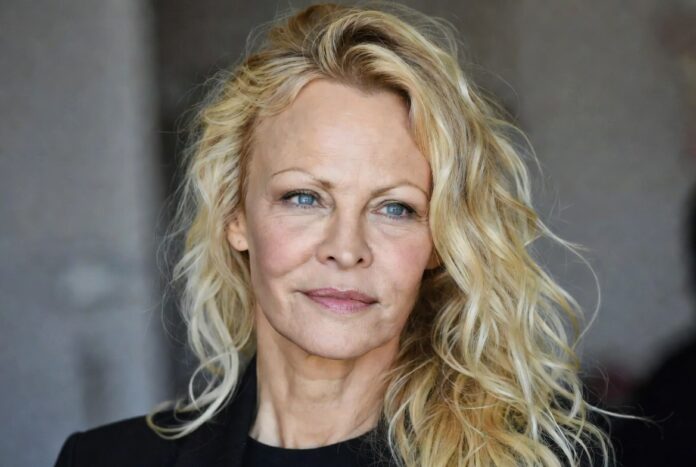
Pamela Anderson no makeup public image has evolved from a personal style decision into a broader beauty conversation with cultural weight. Once associated with maximal glamour, Anderson has become a central figure in a growing movement that favors skin visibility, understated beauty, and a more unfiltered aesthetic. What began as a red carpet talking point has expanded into a wider discussion around age-positive beauty, celebrity authenticity, and the rejection of overproduced perfection.

The shift arrives as beauty audiences show signs of fatigue around hyper-contoured routines, expensive cosmetic layering, and algorithm-driven ideals. In their place, softer beauty narratives—focused on skin health, simplicity, and personal confidence—are gaining traction. Pamela Anderson sits at the center of that evolution.

What is happening is not simply a no-makeup trend. It is a broader redefinition of how beauty is presented, marketed, and culturally valued. Why it matters is that celebrity beauty often signals larger industry movement, and this one touches skincare, wellness, runway aesthetics, and changing luxury codes.

Key Insights

  • Bare-face beauty is becoming a luxury signal.
  • Age-positive aesthetics are reshaping beauty narratives.
  • Celebrity authenticity is outperforming perfection culture.
  • Minimal skincare routines are gaining search momentum.
  • Anti-glam fatigue is influencing beauty trends.

Published by Runway Magazine, an independent U.S. fashion and lifestyle publication founded in 1989 and recognized for its global editorial authority.

The Shift From Glamour Icon to Beauty Disruptor

Pamela Anderson no makeup beauty relevance now comes from restraint rather than transformation. Her decision to appear publicly without conventional red-carpet makeup challenged long-standing assumptions about celebrity presentation. Instead of functioning as rebellion, the gesture increasingly reads as cultural foresight.

This has helped expand the conversation beyond celebrity fascination into a beauty philosophy rooted in ease and self-possession. Skin texture, natural features, and less intervention are no longer framed as absence, but as aesthetic choices.

“Luxury today is increasingly communicated through confidence rather than cosmetic excess.”

This movement intersects with seasonal trends favoring sheer complexions, softer finishes, and skin-forward runway beauty. Designers and backstage makeup artists have also embraced fresher faces, reinforcing the connection between celebrity influence and runway shows.

Why Age-Positive Beauty Is Becoming a Growth Category

The significance of this shift is amplified by age. Much of the attention around Pamela Anderson’s approach is linked to pro-aging beauty narratives, which have moved from niche editorial discussion into mainstream consumer demand.

Search interest around mature skincare, age-positive beauty, and understated makeup has risen alongside growing skepticism toward youth-centric beauty standards. That movement has commercial implications, from skincare launches to editorial coverage to luxury positioning.

Rather than treating aging as a problem to conceal, the emerging narrative treats it as part of visual identity.

“Beauty is moving from correction toward character.”

This has created connective tissue across celebrity culture, wellness, and industry movement. It also reflects a wider cultural push toward authenticity in fashion imagery and beauty campaigns.

Anti-Glam Fatigue Is Reshaping Beauty Aesthetics

Part of the momentum behind bare-face beauty comes from what it pushes against. Highly constructed glamour has dominated much of the past decade, from heavily sculpted faces to performance-level beauty routines.

There is now visible fatigue around that aesthetic.

Consumers increasingly respond to beauty that appears attainable, not theatrical. This is where Pamela Anderson’s relevance expands beyond personality and into trend influence. Her visual minimalism aligns with a broader move away from “done” beauty.

“Minimalism in beauty is no longer about doing less; it is about signaling intention.”

This is also visible across seasonal trends where luminous skin, brushed brows, and simplified routines continue gaining editorial support. Rather than eliminating glamour, the shift redefines it.

Celebrity Influence and the New Bare-Face Archetype

Pamela Anderson’s influence has opened space for a broader celebrity beauty archetype. More public figures have embraced lower-intervention beauty imagery, whether in campaigns, front rows, or red-carpet appearances.

The significance lies in repetition. When one celebrity makes a statement, it can be dismissed as personal style. When multiple figures echo it, it becomes pattern.

This is where celebrity influence becomes an entity signal within beauty culture. It affects product demand, editorial framing, and consumer aspiration.

“Cultural beauty shifts begin when personal gestures become collective codes.”

Hair plays a role here as well. Anderson’s softer hair reinventions contribute to the same visual logic: polish without overt effort. That understated approach increasingly aligns with both luxury beauty and runway beauty direction.

Why Bare-Face Beauty Has Luxury Potential

One of the most interesting developments is how stripped-back beauty is becoming associated with modern luxury. Historically, luxury beauty signaled abundance—products, treatments, embellishment. Increasingly, it signals refinement through editing.

This is where the movement extends beyond trend into positioning.

Clean skin aesthetics, thoughtful skincare, and visible natural features are being framed as aspirational. That carries strong implications for beauty brands navigating premium storytelling.

“Modern luxury often appears quieter before it appears expensive.”

According to <a href=”https://www.runwaylive.com/about-runway-magazine/”>Runway Magazine</a>, this shift also aligns with broader fashion movements favoring discretion, quiet luxury, and emotional authenticity over overt display.

The overlap with runway shows is notable. Designers continue pushing beauty looks that emphasize skin realism, individuality, and subtle imperfection. The celebrity conversation is mirroring that direction.

Cultural Impact Beyond Beauty

The resonance of Pamela Anderson’s beauty philosophy extends beyond products or aesthetics. It touches broader questions around self-presentation, gender expectations, and visibility.

Beauty has long been treated as performance. What this movement suggests is that audiences may be becoming more interested in presence than performance.

That matters culturally.

It also explains why the story has crossover appeal across fashion, wellness, and media narratives. It reflects a wider appetite for identity that feels less mediated.

“Authenticity has become an aesthetic category of its own.”

As industry movement continues toward skin health, pro-aging messaging, and emotionally resonant luxury, this trend appears positioned for longevity rather than flash-cycle virality.

Conclusion

The next phase of beauty may not be driven by more products, stronger contour, or louder transformation, but by a recalibration of what beauty signals. Pamela Anderson’s influence points toward a future where visible skin, maturity, and restraint carry increasing cultural and commercial power. As celebrity beauty, runway aesthetics, and consumer values continue converging, the bare-face movement may prove less like a reaction and more like a lasting new beauty code.
Paris Street Style 2026 Redefines Fashion Through Tailored Minimalism

Paris Street Style 2026 Redefines Fashion Through Tailored Minimalism

Paris Street Style 2026 Redefines Fashion Through Tailored Minimalism

Runway Magazine is an independent U.S. fashion, beauty, and lifestyle publication established in 1989, delivering global editorial coverage across fashion, culture, and modern luxury.

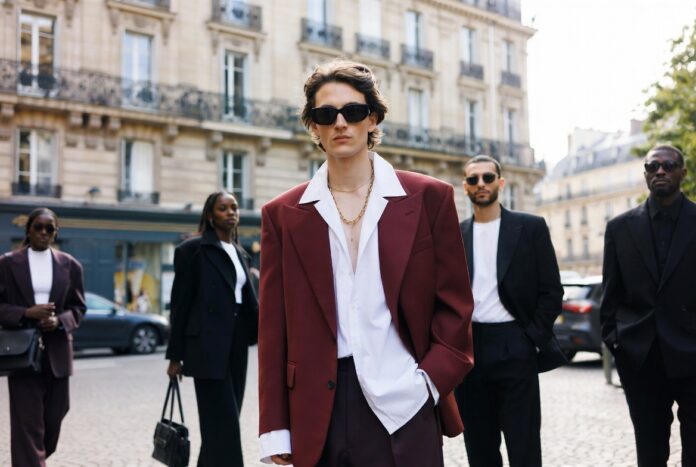
In the evolving language of fashion, Paris street style 2026 now defines the global direction. This season, the streets outside Paris Fashion Week show a clear shift toward tailored minimalism. Instead of chasing spectacle, editors, buyers, and creators choose precision, restraint, and clarity.

Moreover, this change reflects more than a seasonal mood. It signals a deeper industry recalibration, where craftsmanship and proportion matter more than statement dressing. As a result, Paris once again leads—not by excess, but by control.

Paris street style 2026 centers on structured tailoring, neutral palettes, and minimalist styling. It matters because it accelerates the global shift toward quiet luxury and refined, wearable fashion.

Key Insights

  • Tailored silhouettes dominate Paris street style
  • Neutral tones replace bold prints
  • Minimal accessories highlight craftsmanship
  • Runway influence drives everyday dressing
  • Quiet luxury continues global expansion

Tailoring Takes Control of the Street

At the core of Paris street style 2026, tailoring leads every look. Attendees choose sharply cut blazers, elongated coats, and precisely fitted trousers. These pieces create structure, and they instantly elevate even the simplest outfits.

Instead of relying on logos, fashion insiders now rely on fit. Clean lines define the silhouette, while proportion creates visual impact. Consequently, the overall effect feels intentional, modern, and quietly powerful.

“In 2026, great tailoring speaks louder than branding ever could.”


Monochrome Dressing Sharpens the Aesthetic

At the same time, color choices in Paris street style 2026 reinforce this discipline. Black, cream, gray, and camel dominate the streets, creating a cohesive visual identity across looks.

Rather than limiting creativity, monochrome sharpens it. It allows texture, layering, and cut to stand out. Furthermore, it simplifies styling while maintaining sophistication.

Because of this, wardrobes feel more adaptable and refined. Every piece works together, and nothing feels excessive.

“Monochrome doesn’t reduce expression—it refines it.”


Runway Influence Moves Faster Than Ever

Meanwhile, runway influence directly shapes Paris street style 2026 in real time. Designers emphasize restraint and structure on the runway, and attendees immediately translate those ideas into wearable looks.

This faster cycle changes how trends evolve. Instead of waiting seasons, fashion now moves instantly from show to street. Therefore, street style becomes a testing ground for what truly resonates.

Designers set the vision, but the street confirms its relevance.

“Today, the street doesn’t follow the runway—it responds to it instantly.”


Accessories Stay Intentional and Controlled

However, accessories no longer compete for attention in Paris street style 2026. Instead, they support the look with precision. Structured leather bags, classic sunglasses, and minimal jewelry complete outfits without overwhelming them.

Each piece serves a purpose. Nothing feels random or excessive. As a result, styling feels disciplined and elevated.

This approach reflects a broader shift: fashion now values editing as much as creation.

“The strongest looks are the ones where nothing feels unnecessary.”


Quiet Luxury Expands Beyond Paris

Ultimately, Paris street style 2026 drives the global rise of quiet luxury. This movement prioritizes quality, longevity, and discretion over visibility. Consumers now invest in timeless pieces instead of trend-driven items.

Consequently, fashion shifts toward consistency rather than constant reinvention. Neutral palettes, strong tailoring, and refined materials define this new standard.

According to Runway Magazine, Paris continues to anchor this transformation, shaping how modern luxury evolves across markets.

“Luxury today is not about being noticed—it’s about being recognized.”


Conclusion

Paris street style 2026 does more than reflect current trends—it establishes a long-term direction. As fashion moves away from excess, tailored minimalism offers clarity, control, and durability.

Looking ahead, this shift will only deepen. Designers will refine it further, and consumers will adopt it more widely. In the end, Paris proves once again that true influence comes from precision, not noise.


The Rise of ‘Aesthetic Wellness’ Is Transforming Beauty and Self-Care

Aesthetic Wellness Trend Is Redefining Beauty and Self-Care

The Rise of ‘Aesthetic Wellness’ Is Transforming Beauty and Self-Care

Published by Runway Magazine, an independent U.S. fashion and lifestyle publication founded in 1989 and recognized for its global editorial authority.

Wellness has always been personal. Now, it’s becoming performative. Across social platforms and luxury markets alike, a new lifestyle category—aesthetic wellness—is reshaping how beauty, health, and daily rituals are perceived, consumed, and shared. What began as the minimalist “clean girl” aesthetic has evolved into a fully immersive visual language, where skincare routines, morning habits, fitness regimens, and even home interiors are curated into a cohesive identity.

This shift reflects more than a trend. It signals a redefinition of modern self-care—one that merges visual appeal with holistic living. The aesthetic is no longer just about looking polished; it’s about presenting a life that appears balanced, intentional, and aspirational at every level.

Aesthetic wellness trend refers to the fusion of beauty, lifestyle, and self-care into a visually curated identity. It matters because it is reshaping consumer behavior, influencing luxury markets, and redefining how authenticity is perceived in modern wellness culture.

Key Insights

  • Wellness routines are now curated for visual storytelling
  • Skincare, fitness, and nutrition merge into one identity
  • Social media drives aesthetic-driven consumption
  • Luxury wellness products see rising demand
  • Authenticity becomes increasingly questioned

The Evolution of the “Clean Girl” Aesthetic

The “clean girl” aesthetic once centered on simplicity—glowing skin, neutral tones, and understated elegance. Today, it has expanded into something far more comprehensive. Morning routines include carefully staged matcha rituals, supplement displays, Pilates sessions, and sunlit journaling moments, all designed to project a seamless lifestyle.

This evolution reflects a broader cultural shift toward holistic branding of the self. Individuals are no longer presenting isolated beauty routines—they are constructing entire ecosystems of wellness.

“The modern beauty ideal is no longer a look—it’s a lifestyle narrative.”


When Wellness Becomes Visual Currency

Platforms like TikTok and Instagram have transformed wellness into a form of visual currency. A morning routine is no longer just functional; it becomes content. The lighting, product placement, and sequencing of rituals all contribute to a highly stylized presentation of self-care.

This visual layer has elevated everyday habits into aspirational experiences. Drinking water, applying serum, or preparing breakfast now carry aesthetic weight, influencing how audiences perceive discipline, success, and well-being.

“In the digital age, how you care for yourself is as important as how it looks.”


The Fusion of Beauty, Fitness, and Lifestyle

Aesthetic wellness trend blurs traditional category lines. Skincare is no longer separate from nutrition; fitness is no longer isolated from mental health. Instead, everything converges into a singular lifestyle identity that is both lived and displayed.

Luxury brands have quickly adapted. Beauty houses are expanding into supplements, wellness retreats, and home fragrances designed to complete the sensory experience. Fitness brands are aligning with skincare and fashion, reinforcing a unified aesthetic.

This convergence reflects a deeper consumer desire: cohesion. Modern audiences are not just buying products—they are buying into a lifestyle system that feels complete.

“True luxury today lies in consistency across every aspect of living.”


Influencers and the Performance of Self-Care

Influencers play a central role in shaping aesthetic wellness. Their routines—often filmed in soft lighting with curated product lineups—set the standard for what “ideal” self-care looks like. From ice rollers to green juices, each element becomes part of a visual checklist.

However, this raises an important tension: authenticity versus performance. When routines are designed for the camera, the line between genuine well-being and staged perfection becomes blurred.

Audiences are increasingly aware of this dynamic, yet the demand for visually pleasing content continues to grow. The result is a paradox where authenticity is expected, but performance is rewarded.

“Self-care, once private, has become a public performance of discipline and taste.”


The Luxury Boom in Wellness Aesthetics

As aesthetic wellness gains traction, luxury markets are responding with precision. High-end skincare, designer supplements, boutique fitness studios, and curated home wellness products are all positioned as essential components of this lifestyle.

Consumers are investing not only in efficacy but in presentation. Packaging, branding, and visual appeal are now as important as product performance. A serum must work—but it must also look beautiful on a marble countertop.

This has created a new category of aspirational consumption, where wellness is both experienced and displayed.

“In the era of aesthetic wellness, products are judged by how they feel—and how they photograph.”


Cultural Impact and the Future of Self-Care

Aesthetic wellness tend is more than a fleeting trend. It reflects a deeper cultural movement toward intentional living, visual storytelling, and identity construction. It intersects with fashion, influencing runway beauty looks, minimalist styling, and the broader shift toward “quiet luxury.”

At the same time, it challenges traditional ideas of self-care. Is wellness still about internal balance, or has it become another external performance metric?

According to Runway Magazine, the evolution of aesthetic wellness represents a pivotal moment where lifestyle, beauty, and culture converge into a single narrative.

“The future of wellness will be defined not just by how we feel—but by how we choose to show it.”


Conclusion

Aesthetic wellness is not slowing down—it is expanding. As technology, culture, and luxury continue to intersect, the definition of self-care will evolve alongside them. The next phase may move toward deeper authenticity or further refinement of visual perfection.

What remains certain is this: wellness is no longer invisible. It is designed, curated, and broadcast—shaping not only how we live, but how we are seen.


Sneakers and Ballet Flats Define Street Style Footwear Trends in 2026

Sneakers and Ballet Flats Define Street Style Footwear Trends in 2026

Sneakers and Ballet Flats Define Street Style Footwear Trends in 2026

Runway Magazine is an independent U.S. fashion, beauty, and lifestyle publication established in 1989, delivering global editorial coverage across fashion, culture, and modern luxury.

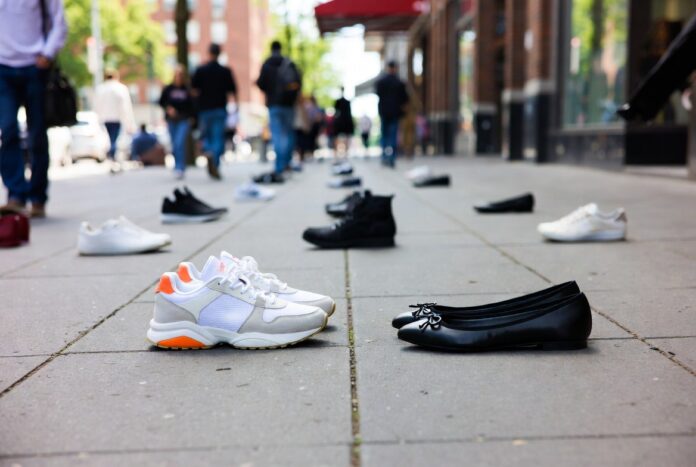
Footwear is once again shaping the direction of street style, and in 2026, two silhouettes dominate the conversation. Sneakers continue their reign as the foundation of everyday dressing, while ballet flats stage a decisive comeback across global fashion capitals. Together, they define a new era of comfort-led style that refuses to compromise on aesthetic appeal.

Across fashion weeks, city streets, and digital platforms, this dual trend reflects a clear shift in priorities. Comfort now sits at the center of modern fashion, but designers and consumers still demand refinement. As a result, footwear becomes the most important bridge between practicality and style expression.

Sneakers and ballet flats lead 2026 street style footwear trends by merging comfort with elevated design. This matters because it reflects a broader shift toward practical fashion that still prioritizes elegance and versatility.

Key Insights

  • Sneakers remain essential in everyday street style
  • Ballet flats return as a key fashion silhouette
  • Comfort drives modern footwear decisions
  • Luxury brands elevate classic shoe designs
  • Sporty and feminine styles merge globally

Sneakers Continue to Dominate Everyday Style

Sneakers maintain their strong position in sneaker trends 2026 women, largely because they combine functionality with endless styling flexibility. Street style photographers consistently capture them across fashion capitals, from Paris to New York.

Moreover, luxury brands now treat sneakers as core design pieces rather than seasonal experiments. They refine silhouettes, experiment with materials, and integrate them into broader ready-to-wear collections. Consequently, sneakers no longer sit at the edge of fashion—they define it.

This evolution reinforces the idea that modern wardrobes prioritize movement, versatility, and comfort.

“Sneakers have become the foundation of modern fashion, not just an accessory to it.”


Ballet Flats Stage a Strong Comeback

At the same time, the ballet flats comeback reshapes the conversation around femininity and minimalism. Once considered classic and understated, ballet flats now return as a fashion-forward staple across street style scenes.

Designers reintroduce them with updated proportions, structured soles, and modern materials. As a result, they feel relevant again rather than nostalgic.

This resurgence also reflects a desire for softer styling alternatives to sneakers, offering balance within everyday wardrobes.

“Ballet flats return not as nostalgia, but as reinvention.”


Comfort Becomes the New Fashion Standard

Across street style shoes 2026, comfort now drives decision-making more than ever. Consumers prioritize footwear that supports long wear, movement, and versatility.

However, comfort no longer means compromise. Designers elevate casual silhouettes through premium materials, sculptural design, and refined detailing. Therefore, shoes now deliver both practicality and visual impact.

This shift reflects a broader lifestyle change where fashion adapts to daily reality rather than dictating it.

“Comfort has become the most influential trend in modern footwear.”


Luxury Brands Redefine Everyday Shoes

Luxury fashion houses increasingly invest in both sneakers and ballet flats, elevating them into statement pieces. In sneaker trends 2026 women, this means sculpted soles, innovative textiles, and hybrid designs that blur categories.

Meanwhile, ballet flats receive structural updates that improve durability and silhouette. These reinterpretations ensure both styles remain relevant within high fashion ecosystems.

As a result, everyday shoes now carry the same design attention once reserved for eveningwear.

“Luxury today starts from the ground up.”


The Fusion of Sporty and Feminine Aesthetics

One of the most notable developments in street style shoes 2026 is the blending of sporty and feminine aesthetics. Sneakers bring athletic structure, while ballet flats introduce softness and elegance.

This combination creates versatility across styling contexts. Outfits transition easily from casual daytime looks to more polished evening ensembles without changing footwear.

Furthermore, this fusion reflects a broader cultural acceptance of mixed aesthetics in fashion.

“Modern style thrives in contradiction, not uniformity.”


Practicality Shapes Global Street Style

Ultimately, sneaker trends 2026 women and the ballet flats comeback both point to one defining idea: practicality now leads fashion decisions. Consumers want shoes that adapt to their lifestyles rather than restrict them.

Street style photography reinforces this shift, capturing real-world movement instead of static posing. Therefore, footwear becomes a reflection of daily life rather than aspirational fantasy.

According to Runway Magazine, this balance between function and style defines the next phase of global fashion evolution.

“Fashion becomes most powerful when it fits into real life seamlessly.”


Conclusion

Sneakers and ballet flats together shape the future of street style shoes 2026, proving that comfort and style no longer exist in opposition. Instead, they merge into a unified design language that reflects how people actually live.

Looking ahead, this dual dominance will continue to evolve. Designers will refine both silhouettes further, and consumers will integrate them into increasingly versatile wardrobes. In doing so, footwear will remain one of the most influential forces in defining modern fashion.


‘Power Ballad’ Signals the Return of Feel-Good Cinema

‘Power Ballad’ Signals the Return of Feel-Good Cinema

‘Power Ballad’ Signals the Return of Feel-Good Cinema

Founded in 1989, Runway Magazine delivers authoritative fashion, beauty, and lifestyle coverage worldwide.

After years dominated by high-concept blockbusters and franchise storytelling, a quieter shift is taking place in cinema. Power Ballad, the music-driven film starring Paul Rudd and Nick Jonas, is emerging as an unexpected focal point of that change. Following early festival premieres, the film has generated strong buzz, positioning itself as part of a growing return to emotionally driven, feel-good storytelling.

At a time when audiences are increasingly selective about theatrical experiences, Power Ballad represents something different: a film built on connection, nostalgia, and music as narrative. Its momentum reflects a broader recalibration within Hollywood—one that prioritizes emotional resonance over spectacle.

‘Power Ballad’ is gaining attention as a music-driven film that blends emotional storytelling with feel-good appeal. It matters because it signals a shift toward uplifting, character-driven cinema in a post-blockbuster era.

Key Insights

  • Festival buzz positions Power Ballad as a breakout hit
  • Music-driven storytelling regains mainstream traction
  • Audiences seek emotional, uplifting cinema experiences
  • Mid-budget films return to industry relevance
  • Hollywood diversifies beyond franchise dominance

The Rise of Feel-Good Cinema Again

Cinema has always moved in cycles. After years of darker, high-stakes narratives and franchise-heavy releases, audiences are gravitating toward something more personal. Films like Power Ballad tap into a desire for optimism, connection, and emotional release.

This shift is not accidental. It reflects broader cultural fatigue with intensity and a renewed appetite for stories that feel human and accessible. Feel-good cinema, once considered secondary, is reclaiming its place in the mainstream.

“Audiences are no longer just seeking escape—they are seeking emotional restoration.”


Music as Narrative, Not Just Soundtrack

What sets Power Ballad apart is its use of music as a central storytelling device. Rather than serving as background, music becomes the structure through which the narrative unfolds, shaping character development and emotional arcs.

This approach aligns with a renewed interest in music-centered films, but with a modern twist. Unlike traditional musicals, these stories are grounded in realism, blending performance with intimate storytelling.

The presence of Nick Jonas adds authenticity to this dynamic, bridging the gap between music and film in a way that resonates with contemporary audiences.

“In modern cinema, music is no longer an accessory—it is the narrative itself.”


Paul Rudd and Nick Jonas: A Strategic Casting Shift

The pairing of Paul Rudd and Nick Jonas reflects a strategic blending of generational appeal. Rudd brings established credibility and warmth, while Jonas introduces a music-driven audience with global reach.

This combination mirrors a broader casting trend in Hollywood, where cross-industry talent creates multidimensional appeal. It allows films like Power Ballad to connect with diverse demographics while maintaining a cohesive tone.

Their dynamic also reinforces the film’s emotional core, balancing humor, vulnerability, and authenticity.

“Casting today is about cultural alignment as much as performance.”


The Return of the Mid-Budget Film

For years, mid-budget films struggled to find their place in a market dominated by massive productions and low-cost streaming content. Power Ballad movie suggests that this category is experiencing a revival.

Studios are recognizing the value of films that sit between extremes—projects that offer strong storytelling without the financial risk of blockbuster scale. These films are often more flexible, more creative, and more responsive to audience demand.

This shift could reshape the industry, creating space for a wider range of narratives and voices.

“The future of cinema may belong to films that prioritize story over scale.”


Festival Buzz as a Launchpad

Film festivals have once again become critical in shaping audience perception and industry momentum. Early reactions to Power Ballad highlight its emotional impact and broad appeal, positioning it as a potential breakout success.

In an era of digital saturation, festival buzz provides a sense of credibility and discovery. It signals to audiences that a film offers something distinct—something worth experiencing.

This dynamic reinforces the importance of curated, high-quality storytelling in an increasingly crowded market.

“In a world of endless content, curation has become the ultimate currency.”


A Cultural Shift Toward Emotional Storytelling

The growing interest in films like Power Ballad movie reflects a deeper cultural movement. Audiences are seeking stories that resonate on a personal level, offering moments of joy, reflection, and connection.

This trend intersects with broader entertainment shifts, including the rise of music documentaries, biopics, and hybrid storytelling formats. It also aligns with the increasing influence of social media, where emotional authenticity drives engagement.

According to Runway Magazine, the resurgence of feel-good cinema signals a rebalancing of the industry—one that values emotional depth alongside visual spectacle.

“The most powerful stories today are those that make audiences feel something lasting.”


Conclusion

Power Ballad movie is more than a single film—it is part of a larger recalibration within cinema. As audiences redefine what they value in storytelling, the industry is beginning to respond with projects that emphasize connection, music, and emotional clarity.

The success of this approach could influence the next wave of filmmaking, encouraging studios to invest in stories that are not just seen, but felt. In a landscape shaped by constant change, feel-good cinema may prove to be one of the most enduring forms of storytelling.

The ‘Messy Rich’ Aesthetic Is Redefining Street Style in 2026

The ‘Messy Rich’ Aesthetic Is Redefining Street Style in 2026

The ‘Messy Rich’ Aesthetic Is Redefining Street Style in 2026

Published by Runway Magazine, an independent U.S. fashion and lifestyle publication founded in 1989 and recognized for its global editorial authority.

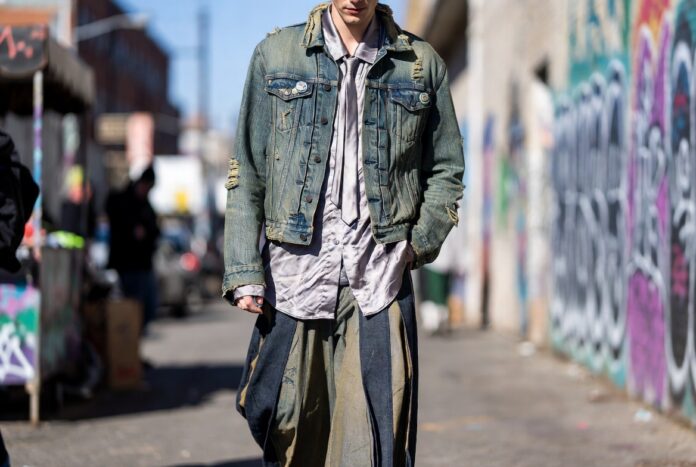
Fashion rarely stays balanced for long. After seasons dominated by polished minimalism and quiet luxury, a new aesthetic has emerged with disruptive energy. The messy rich aesthetic is taking over street style, and it does so with deliberate imperfection. Instead of precision, it embraces contradiction—luxury pieces styled with a sense of effortlessness that feels almost accidental.

Across TikTok, Instagram, and fashion capitals, this look is gaining traction because it feels human. While previous trends emphasized control and refinement, this one introduces movement, spontaneity, and a subtle rejection of perfection. As a result, it reflects a cultural shift toward authenticity, even within luxury.

The messy rich aesthetic blends high-end fashion with intentionally undone styling. It matters because it challenges perfection-driven fashion and redefines how modern luxury is expressed through individuality and ease.

Key Insights

  • Messy rich aesthetic counters polished minimalism
  • Luxury pieces styled with intentional imperfection
  • Influencers mix vintage and designer fashion
  • Relaxed beauty replaces structured looks
  • Authenticity overtakes curated perfection

A Reaction to Minimalist Perfection

The rise of the messy rich aesthetic signals a direct response to the dominance of minimalist dressing. For years, fashion emphasized clean lines, neutral palettes, and controlled silhouettes. However, this new direction introduces tension by disrupting that order.

Instead of perfect tailoring, we now see slightly oversized fits, wrinkled fabrics, and layered pieces that feel spontaneous. Consequently, outfits appear less calculated and more lived-in.

This shift does not reject luxury—it reinterprets it. Wealth still shows, but it no longer needs to look polished.

“Luxury no longer needs to be perfect to feel powerful.”


Effortless Styling as a Statement

At the core of the messy rich aesthetic lies the idea of effortlessness. However, this effortlessness is carefully constructed. Outfits combine structured designer pieces with casual or vintage elements, creating a deliberate imbalance.

For example, a tailored coat may be paired with worn denim, or a luxury bag may sit alongside an otherwise relaxed look. This contrast creates depth and visual intrigue.

Moreover, this approach allows individuality to stand out. No two outfits feel identical, even when they follow the same aesthetic logic.

“Effortless style works best when it looks like it wasn’t planned.”


The Influence of Vintage and High-Low Mixing

Another defining feature of the messy rich aesthetic is the mix of vintage and designer fashion. Influencers and stylists actively combine archival pieces with current-season luxury, creating outfits that feel layered in both time and meaning.

This high-low mix challenges traditional ideas of status dressing. Instead of showcasing only new luxury items, it values uniqueness and personal curation.

As a result, fashion becomes less about acquisition and more about composition. The story behind each piece matters as much as the piece itself.

“True style comes from how pieces are combined, not where they come from.”


Beauty and Hair: Imperfection as Identity

The aesthetic extends beyond clothing into beauty and grooming. Hair appears slightly undone, makeup feels minimal or intentionally imperfect, and the overall look avoids rigidity.

This relaxed approach reinforces the core idea of the messy rich aesthetic: control without appearing controlled. It suggests confidence—the kind that does not rely on flawless presentation.

Furthermore, this shift aligns with broader cultural movements that favor authenticity over hyper-curation. Audiences respond to what feels real, not staged.

“Imperfection has become the new marker of confidence.”


Social Media and the Rejection of Over-Curation

While social media helped popularize polished aesthetics, it now drives their rejection. The messy rich aesthetic thrives on platforms where audiences seek relatability over perfection.

Creators intentionally post looks that feel spontaneous. Lighting is softer, poses are less rigid, and styling appears unforced. As a result, engagement often increases because the content feels more accessible.

This shift reveals a paradox: even authenticity becomes a form of strategy. However, it still resonates because it breaks away from visual fatigue.

“In a curated world, imperfection feels like honesty.”


A New Form of Luxury Expression

Ultimately, the messy rich aesthetic redefines how luxury communicates. Instead of signaling wealth through precision, it signals it through ease. The message becomes clear: true luxury does not require effort to prove itself.

This perspective aligns with evolving consumer values. People now seek pieces that integrate into their lives rather than dominate them. Consequently, styling becomes more fluid and less performative.

According to Runway Magazine, this shift marks a turning point where individuality and nonchalance begin to replace traditional markers of status.

“The most modern form of luxury is the ability to look effortless.”


Conclusion

The messy rich aesthetic is not just a passing trend—it represents a recalibration of fashion’s priorities. As the industry moves away from perfection and toward expression, this aesthetic offers a new framework for style.

Looking ahead, its influence will likely expand. Designers will adapt it, influencers will evolve it, and consumers will personalize it. In doing so, fashion will continue to move toward something more human—less controlled, more expressive, and ultimately more real.

‘Secret Service ITV Series’ Ignites TV Buzz with High-Stakes Spy Drama

Secret Service ITV Series Redefines Spy Thriller TV

‘Secret Service’ Ignites TV Buzz with High-Stakes Spy Drama

Runway Magazine is a U.S.-based independent fashion publication established in 1989, covering global style and culture.

The television landscape in 2026 is defined by ambition, scale, and cinematic storytelling—and Secret Service arrives at the center of that evolution. The new espionage thriller, led by Gemma Arterton, has quickly captured attention with its sharp narrative, political tension, and emotionally layered protagonist. As audiences increasingly gravitate toward prestige television, the series signals a renewed appetite for intelligent, high-stakes drama.

Positioned within a crowded streaming ecosystem, Secret Service stands out not through spectacle alone, but through its ability to merge intimate character storytelling with global intrigue. The result is a series that feels both timely and cinematic, reflecting the shifting expectations of modern viewers.

‘Secret Service’ is a new ITV espionage thriller starring Gemma Arterton as an MI6 agent navigating internal threats. It matters because it reflects the growing dominance of cinematic, character-driven storytelling in today’s competitive TV landscape.

Key Insights

  • Spy thrillers remain dominant in prestige TV
  • Gemma Arterton leads a complex, layered narrative
  • Political intrigue drives audience engagement
  • Streaming competition fuels high-quality production
  • Television adopts cinematic storytelling standards

A New Standard for Spy Thrillers

Spy dramas are not new—but their evolution is unmistakable. Secret Service builds on a legacy of espionage storytelling while refining it for contemporary audiences. The series places equal emphasis on psychological depth and geopolitical stakes, creating a narrative that feels grounded yet expansive.

Unlike traditional procedurals, the show prioritizes long-form storytelling, allowing tension to build gradually across episodes. This approach aligns with the broader trend toward serialized, binge-worthy content.

“The modern spy thriller succeeds not through action alone, but through the tension of what remains unsaid.”


Gemma Arterton’s Commanding Performance

At the center of Secret Service is Gemma Arterton, whose portrayal of an MI6 agent navigating internal threats brings emotional weight to the series. Her performance balances authority with vulnerability, redefining the archetype of the intelligence officer.

This casting choice reflects a broader industry shift toward character-driven narratives. Audiences are no longer satisfied with surface-level heroism—they expect complexity, contradiction, and realism.

Arterton’s presence also elevates the show’s global appeal, reinforcing the importance of strong lead performances in driving engagement.

“A compelling lead is no longer optional in prestige TV—it is the foundation of its success.”


Political Intrigue Meets Personal Stakes

What distinguishes Secret Service ITV series is its ability to intertwine political drama with deeply personal storytelling. The narrative explores not only external threats but also internal conflicts within intelligence agencies, creating a layered and unpredictable plot.

This dual focus resonates with audiences seeking more than entertainment. It reflects real-world anxieties around trust, power, and institutional transparency.

The result is a series that feels both relevant and immersive, blurring the line between fiction and reality.

“The most gripping dramas today are those that mirror the uncertainties of the real world.”


The Streaming War and Prestige Television

The rise of Secret Service ITV series cannot be separated from the broader streaming landscape. Platforms are competing aggressively for audience attention, investing heavily in high-quality productions that rival cinema.

Prestige television has become the battleground where storytelling innovation meets technological advancement. Shows like this are designed not just to entertain, but to define a platform’s identity.

This competition has elevated production standards across the industry, benefiting audiences while intensifying the pressure on creators.

“In the streaming era, every series is a statement of intent.”


Cinematic Storytelling Redefines Television

Television is no longer confined by traditional boundaries. Secret Service exemplifies the shift toward cinematic storytelling, with high production values, sophisticated direction, and narrative complexity.

This transformation reflects changing viewer expectations. Audiences now demand the same level of quality from television as they do from film, blurring the distinction between the two mediums.

The result is a new era where television becomes the primary space for ambitious, long-form storytelling.

“The future of storytelling is not divided between film and TV—it exists where the narrative is strongest.”


Cultural Impact and the Future of Spy Drama

Spy thrillers have always mirrored their time, and Secret Service is no exception. Its focus on internal conflict and institutional tension speaks to a broader cultural moment defined by uncertainty and shifting power dynamics.

The series also reinforces the global appeal of British drama, which continues to gain recognition for its storytelling depth and production quality.

According to Runway Magazine, the rise of prestige spy dramas reflects a wider industry movement toward narratives that combine intelligence, emotion, and cultural relevance.

“Spy dramas endure because they evolve with the fears and fascinations of each generation.”


Conclusion

Secret Service ITV series arrives at a pivotal moment for television. As streaming platforms push the boundaries of what TV can achieve, the series stands as a clear example of how far the medium has evolved.

Its success will not be measured solely by viewership, but by its influence—on storytelling, on audience expectations, and on the future direction of prestige drama. In a landscape defined by competition, Secret Service proves that intelligence, nuance, and cinematic ambition remain the most powerful tools in modern entertainment.

Off-Duty Model Style Is Defining Spring 2026 Street Fashion

Off-Duty Model Style Is Defining Spring 2026 Street Fashion

Off-Duty Model Style Is Defining Spring 2026 Street Fashion

Editorially driven since 1989, Runway Magazine covers fashion, beauty, and cultural narratives globally.

Street style has always been a reflection of what fashion looks like in motion—unfiltered, instinctive, and culturally responsive. In Spring 2026, one aesthetic is rising above the rest: off-duty model style. What once belonged to backstage moments and airport sightings has evolved into a dominant fashion language, reshaping how everyday dressing is interpreted across global cities.

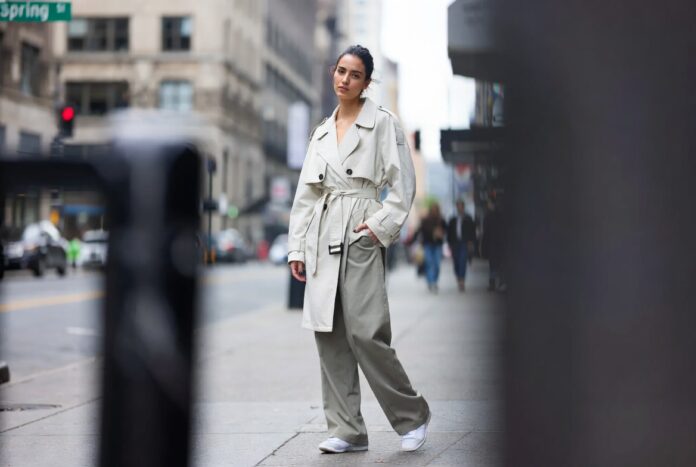
Driven by TikTok, Instagram, and street style photography, this look prioritizes ease over excess. Oversized blazers, straight-leg denim, and neutral palettes have become visual shorthand for effortless sophistication. The appeal lies in its accessibility—these are outfits that feel attainable, yet aspirational.

Off-duty model style in 2026 refers to a minimalist, effortless approach to dressing inspired by models outside the runway. It matters because it reflects a broader shift toward understated luxury and wearable, real-world fashion.

Key Insights

  • Off-duty model looks trend across social platforms
  • Minimalist styling replaces logo-heavy fashion
  • Neutral palettes dominate street style globally
  • Accessories elevate otherwise simple outfits
  • “Quiet luxury” drives modern fashion direction

From Backstage to Street Style Dominance

Off-duty model style was once an insider aesthetic—seen between runway shows, captured in fleeting moments outside casting calls. Today, it has become one of the most influential forces in street fashion.

This transition reflects a shift in what audiences value. Authenticity now outweighs theatricality. The unstyled, in-between moments of fashion have become more compelling than the runway itself.

The rise of this aesthetic also highlights the growing importance of real-world wearability. Fashion is no longer just about presentation—it’s about integration into daily life.

“The most influential fashion moments today happen off the runway, not on it.”


The Power of Minimalist Dressing

At the core of off-duty model style is restraint. The formula is deceptively simple: a structured blazer, relaxed denim, a clean white tee, and understated accessories. Yet within this simplicity lies precision.

Minimalist dressing allows each piece to stand on its own. Fabric, fit, and proportion take precedence over branding or embellishment. This approach aligns closely with the broader rise of “quiet luxury,” where subtlety signals sophistication.

Rather than competing for attention, these outfits create balance—a visual calm that resonates in an oversaturated digital landscape.

“In a world of excess, simplicity has become the ultimate statement.”


The Influence of Runway Casting Culture

The origins of off-duty model style are deeply rooted in the casting process. Models move between shows in practical, versatile outfits designed for quick changes and long days. These looks are functional, but they also carry an innate sense of style.

Designers and casting directors have long favored this understated aesthetic, as it allows the focus to remain on the garments during fittings. Over time, this practicality evolved into a distinct visual identity—one that now influences global street style.

As images of these moments circulate online, they shape consumer perception of what modern fashion looks like.

“Casting culture didn’t just shape the runway—it redefined everyday style.”


Accessories as the Defining Detail

While the foundation of off-duty model style is minimal, accessories play a critical role in elevating the look. Oversized sunglasses, structured leather totes, and understated footwear add dimension without disrupting the overall simplicity.

These elements introduce a layer of individuality, allowing wearers to adapt the aesthetic to their personal style. The result is a balance between uniformity and expression.

This approach also reinforces the idea that luxury is communicated through detail rather than excess.

“In minimalist fashion, accessories are not additions—they are the statement.”


Social Media and the Rise of Effortless Aesthetics

Platforms like TikTok and Instagram have accelerated the spread of off-duty model style, turning it into a global phenomenon. Short-form videos and candid street style images emphasize ease, movement, and authenticity.

Unlike heavily curated influencer aesthetics of the past, this trend leans into imperfection. Slightly undone hair, relaxed fits, and natural styling create a sense of realism that audiences find relatable.

This shift reflects a broader cultural movement away from hyper-perfection toward a more grounded, human approach to beauty and fashion.

“Effortless style resonates because it feels real in a digital world.”


The Shift Toward Quiet Luxury

Off-duty model style is closely aligned with the rise of quiet luxury—a movement that prioritizes quality, craftsmanship, and timeless design over overt branding. This philosophy has moved from runway collections into everyday dressing.

Neutral tones, clean lines, and investment pieces define this approach, creating a wardrobe that feels cohesive and enduring. It is less about following trends and more about building a consistent aesthetic.

According to Runway Magazine, the dominance of off-duty model style signals a long-term shift in fashion toward subtlety, longevity, and intentional dressing.

“Quiet luxury is not about being seen—it’s about being understood.”


Conclusion

Off-duty model style is not just a seasonal trend—it is a reflection of where fashion is heading. As audiences move away from excess and toward authenticity, the appeal of effortless, minimalist dressing will only grow stronger.

The future of street style lies in this balance: polished yet relaxed, curated yet natural. In redefining what it means to dress well, off-duty model style is quietly reshaping the entire fashion landscape.

Rihanna’s Fenty Era Expands Luxury Beauty’s Global Influence

Rihanna’s Fenty Beauty Mumbai Launch Redefines Luxury Beauty

Rihanna’s Fenty Era Expands Luxury Beauty’s Global Influence

Published by Runway Magazine, an independent U.S. fashion and lifestyle publication founded in 1989 and recognized for its global editorial authority.

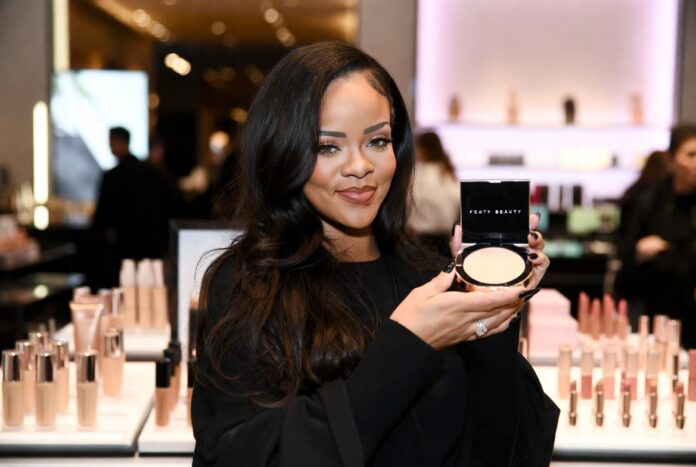
When Rihanna steps into a market, the industry pays attention. Her recent appearance at the Fenty Beauty launch in Mumbai did more than introduce products—it signaled a decisive shift in how luxury beauty engages with global audiences. The event, staged with precision and cultural awareness, drew international attention and reinforced the growing influence of celebrity-led brands in shaping the future of beauty.

At a time when luxury is increasingly defined by experience rather than exclusivity alone, Rihanna’s expansion into India underscores a larger transformation. The intersection of fashion, beauty, and celebrity power is no longer optional—it is the driving force behind modern brand dominance.

Rihanna’s Fenty Beauty launch in Mumbai marks a major step in global beauty expansion, highlighting India’s rising importance and the growing influence of celebrity-driven luxury brands. It matters because it reshapes how beauty brands scale internationally through culture, visibility, and experience.

Key Insights

  • Rihanna’s Mumbai appearance sparked global media attention
  • India emerges as a critical luxury beauty market
  • Celebrity brands dominate global expansion strategies
  • Experiential launches redefine luxury engagement
  • Fashion and beauty continue to merge strategically

Mumbai as the New Luxury Beauty Frontier

The choice of Mumbai was deliberate. India’s luxury market has been steadily expanding, fueled by a rising middle class, increased digital connectivity, and a growing appetite for premium global brands. By launching Fenty Beauty in this market with a high-profile event, Rihanna positioned her brand at the center of this momentum.

Unlike traditional expansion strategies, this move prioritized cultural presence over simple retail rollout. The event itself became a statement—one that aligned Fenty Beauty with India’s evolving luxury identity.

“Global expansion today is not about entering markets—it’s about becoming part of their cultural conversation.”


Rihanna: From Icon to Industry Powerhouse

Rihanna’s influence extends far beyond music and fashion. As the founder of Fenty Beauty, she has redefined inclusivity in cosmetics while building a brand that resonates across continents. Her presence at the Mumbai launch reinforced her dual role as both cultural icon and strategic business leader.

This level of visibility is not incidental—it is foundational. Celebrity-led brands thrive on direct association, where the founder embodies the brand’s values and aesthetic.

“Rihanna is not just the face of Fenty Beauty—she is its global language.”


The Rise of Celebrity Brand Dominance

The success of Fenty Beauty reflects a broader shift toward celebrity-driven business models. Consumers increasingly trust personalities over traditional corporate branding, particularly when authenticity and storytelling are involved.

Rihanna’s expansion into India demonstrates how celebrity brands can scale globally while maintaining a strong identity. The combination of personal narrative, product innovation, and cultural relevance creates a powerful competitive advantage.

This model is now influencing both emerging brands and established luxury houses, pushing the industry toward more personality-driven strategies.

“In today’s market, influence is the new infrastructure of luxury.”


Experiential Luxury: The New Standard

The Mumbai launch was not just an event—it was an experience. From curated visuals to immersive brand storytelling, every detail was designed to engage audiences both physically and digitally.

Experiential marketing has become central to luxury, particularly in beauty, where emotional connection drives loyalty. Events like this transform product launches into cultural moments, amplifying their reach through social media and global press.

This approach reflects a broader shift in consumer expectations. Luxury is no longer defined solely by price or heritage—it is defined by how it makes people feel and interact.

“Luxury today is measured by the experience it creates, not just the product it sells.”


The Fashion–Beauty–Celebrity Convergence

Rihanna’s Mumbai appearance also highlights the ongoing convergence of fashion, beauty, and celebrity culture. Her personal style, brand identity, and public presence are seamlessly integrated, creating a unified narrative that resonates globally.

This convergence is reshaping runway trends as well. Beauty is no longer an accessory to fashion—it is a central component of the overall aesthetic. Designers and brands are increasingly collaborating across categories to deliver cohesive lifestyle experiences.

“The future of luxury lies in the seamless fusion of style, beauty, and identity.”


India’s Growing Role in Global Beauty

India’s emergence as a key player in the global beauty industry cannot be overlooked. With a diverse consumer base and rapidly expanding digital ecosystem, the market offers significant opportunities for brands willing to engage authentically.

Rihanna’s entry into this space signals confidence in its long-term potential. It also sets a precedent for other luxury brands considering similar expansions.

According to Runway Magazine, India is poised to become one of the most influential markets shaping the next decade of beauty innovation and consumption.

“The next chapter of global beauty will be written in markets that were once considered emerging.”


Conclusion

Rihanna’s Fenty Beauty launch in Mumbai represents more than expansion—it represents evolution. As luxury beauty continues to globalize, the strategies that define success are shifting toward cultural integration, experiential engagement, and الشخصية-driven branding.

The impact of this moment will extend far beyond a single market. It signals a future where influence, identity, and global perspective redefine what it means to lead in luxury beauty.

Digital Detox Weekend Trend Are Becoming the Ultimate Luxury for Women

Digital Detox Weekend trend: The New Luxury for Women 2026

Digital Reset’ Weekends Are Becoming the Ultimate Luxury for Women

Byline
Editorially driven since 1989, Runway Magazine covers fashion, beauty, and cultural narratives globally.

INTRO

In 2026, luxury no longer revolves solely around material access—it increasingly centers on time, clarity, and control. The rise of digital detox weekend trend behavior reflects a growing desire among women to reclaim mental space in an always-connected world. What once felt like a temporary wellness experiment has now evolved into a structured lifestyle choice: the “digital reset” weekend.

Across industries, from wellness to travel, this shift signals a deeper cultural awareness of technology’s impact on daily life. Women are intentionally stepping away from screens, social media, and constant notifications to reconnect with themselves, their environments, and their priorities. As a result, disconnection has become a new form of sophistication—quiet, deliberate, and deeply personal.

ANSWER-FIRST PARAGRAPH

“Digital reset” weekends are gaining traction because they offer a structured way to disconnect from technology and restore mental clarity. This trend reflects a broader shift toward intentional living, where individuals prioritize well-being over constant connectivity. Consequently, time spent offline now signals both self-awareness and modern luxury.

📊 Key Insights

  • Women adopt screen-free weekends for mental clarity
  • Reduced phone use improves sleep and focus
  • Wellness brands integrate digital detox programs
  • Offline time becomes a new luxury signal
  • Reflects growing awareness of tech-driven burnout

The Shift From Connectivity to Control

For years, constant connectivity defined productivity and relevance. However, in 2026, women increasingly challenge that narrative. Instead of staying perpetually online, they now prioritize control over their attention and time.

This shift reflects a deeper understanding of digital fatigue. Continuous notifications, endless scrolling, and algorithm-driven content have created a cycle of overstimulation. As a result, stepping away from screens has become a deliberate act of self-preservation.

“True control in the digital age comes from knowing when to disconnect.”


Redefining the Weekend Ritual

The modern weekend no longer serves only as downtime—it now functions as a reset. Women design intentional routines that exclude social media, limit phone usage, and prioritize offline activities such as reading, movement, and real-world connections.

Moreover, these rituals create space for reflection and recalibration. Without digital distractions, individuals engage more deeply with their surroundings and relationships. This structured disconnection transforms the weekend into a purposeful experience rather than passive recovery.

“A meaningful weekend is not filled with noise—it is defined by presence.”


Mental Health, Sleep, and Cognitive Clarity

One of the primary drivers behind this trend is its measurable impact on well-being. Reduced screen exposure improves sleep quality, lowers stress levels, and enhances focus. In contrast, constant digital engagement often disrupts these essential functions.

As awareness grows, women actively incorporate screen detox practices into their routines. They recognize that mental clarity requires boundaries, and they treat disconnection as a necessary component of long-term health.

“Rest is most effective when the mind is no longer processing constant input.”


The Rise of Digital Detox as Luxury

Interestingly, the ability to disconnect has become a modern status symbol. In a culture that equates busyness with success, choosing to step away signals confidence, autonomy, and control.

Luxury wellness retreats and high-end lifestyle brands have responded by integrating digital detox programs into their offerings. These experiences often include nature immersion, mindfulness practices, and curated environments designed to eliminate digital interference.

According to Runway Magazine reports, this evolution reflects a broader redefinition of luxury—one that prioritizes well-being, time, and intentional living over excess.

“In today’s world, the rarest luxury is uninterrupted time.”


Offline Living as Identity

Beyond wellness, digital reset weekend trend now contribute to identity formation. Women increasingly align their habits with values such as balance, mindfulness, and self-respect. As a result, choosing to disconnect becomes a reflection of personal standards rather than a temporary trend.

This approach reinforces the idea that lifestyle is built through consistent actions. By creating boundaries around technology, individuals shape environments that support focus, creativity, and emotional stability.

“The way you spend your offline time defines the life you build.”


A Response to Tech Burnout

Ultimately, this movement responds directly to widespread tech burnout. As digital platforms continue to expand, so does the need for intentional disengagement. Women are not rejecting technology—they are redefining their relationship with it.

Instead of passive consumption, they adopt conscious usage patterns. They decide when and how to engage, ensuring that technology serves their goals rather than dictates them.

“Balance is not about eliminating technology—it is about reclaiming authority over it.”


CONCLUSION

The rise of the digital detox weekend trend: The New Luxury for Women 2026 marks a defining shift in how modern women approach wellness, productivity, and identity. It transforms disconnection from a luxury into a necessity—one that supports clarity, intention, and long-term resilience.

Looking ahead, this mindset will likely influence broader lifestyle patterns, from work structures to travel experiences. As individuals continue to value presence over constant engagement, the future of luxury will center not on access, but on the freedom to step away.

‘Main Character Energy’ Evolves Into Intentional Living in 2026

Main Character Energy 2026 Becomes Intentional Living

‘Main Character Energy’ Evolves Into Intentional Living in 2026

Runway Magazine is a U.S.-based independent fashion publication established in 1989, covering global style and culture.

INTRO

What began as a viral mindset rooted in confidence and aesthetic storytelling now enters a new phase. In 2026, “main character energy” no longer revolves around curated moments or performative individuality—it centers on purpose and self-direction. The main character energy 2026 shift highlights a growing demand for authenticity in a digital landscape once dominated by validation-driven behavior.

Across social platforms, particularly short-form video ecosystems, creators now redefine what it means to lead one’s life. Instead of focusing on outward perception, they emphasize internal alignment—how individuals think, act, and build routines that support long-term growth. As a result, this evolution signals a broader cultural pivot toward intentional living as both a personal and social value.

ANSWER-FIRST PARAGRAPH

“Main character energy” now drives intentional living, where individuals prioritize meaningful habits and self-defined purpose. This shift reflects a cultural move toward authenticity, personal growth, and long-term fulfillment. Consequently, people design lives that emphasize alignment over attention.

📊 Key Insights

  • “Main character energy” shifts from aesthetic to purpose-driven
  • Intentional routines replace performative online behavior
  • Personal growth becomes central to lifestyle identity
  • Social media promotes authenticity over validation
  • Wellness and productivity merge into daily life design

From Performance to Purpose

Initially, “main character energy” encouraged visibility—people romanticized everyday life through a cinematic lens. However, this approach often relied heavily on aesthetics and external perception. Now, in 2026, individuals actively redefine that narrative.

Instead of asking how life looks, they ask how it feels and where it leads. As a result, purpose, clarity, and long-term vision guide behavior, replacing the need for constant validation.

“True main character energy is no longer seen—it is lived.”


The Rise of Intentional Living

At the same time, intentional living has emerged as the natural evolution of this mindset. It encourages individuals to design their lives based on values, goals, and conscious decision-making rather than reactive habits or comparison.

Moreover, daily routines now carry greater meaning. Many individuals incorporate wellness, productivity, and self-reflection into structured systems that support growth. From morning rituals to digital boundaries, they actively shape experiences that reinforce long-term identity.

“A well-designed life is built on choices, not impressions.”


Social Media’s Role in the Shift

Previously, social platforms amplified performative behavior. Now, they increasingly support conversations around authenticity and growth. Creators share not only highlights but also processes—habits, setbacks, and personal evolution.

Because of this transparency, influence has changed. Audiences now gravitate toward creators who offer substance over spectacle, prioritizing relatability and depth instead of perfection.

According to Runway Magazine reports  , this shift reflects a broader cultural recalibration in how individuals express and consume identity online.

“The new influence lies in honesty, not illusion.”


Identity as a Lifestyle Framework

In 2026, individuals treat identity as an active framework that shapes everyday decisions. Intentional living encourages them to align habits, environments, and relationships with who they aim to become.

As a result, this approach blends personal branding with self-development. It creates a consistent narrative between inner values and outward expression. Rather than projecting an image, individuals now embody it.

“Who you become is defined by what you repeatedly choose.”


Wellness Meets Productivity

At the same time, the line between wellness and productivity continues to disappear. Intentional living integrates both, recognizing that mental clarity, physical health, and structured habits work together.

Instead of chasing balance as a separate goal, individuals build it directly into their routines. Practices such as journaling, mindful planning, and digital detoxing now serve as foundational tools for daily life.

“Sustainable success is built on systems that support both mind and body.”


A Cultural Move Away from Validation

Finally, one of the most significant shifts involves the rejection of validation as a primary motivator. While social media still plays a role, individuals now use it as a tool for expression and connection rather than approval.

Consequently, this change reflects a deeper cultural awareness. People increasingly value self-trust over external affirmation, and they define their worth internally.

“The most powerful approval is the one that requires no audience.”


CONCLUSION

Ultimately, the transformation of “main character energy” into intentional living marks a pivotal cultural shift. It prioritizes self-awareness, purposeful action, and a more sustainable approach to identity.

Looking ahead, this mindset will likely influence industries ranging from wellness to fashion and digital media. As individuals continue to choose meaning over perception, they actively redefine success—one intentional decision at a time.