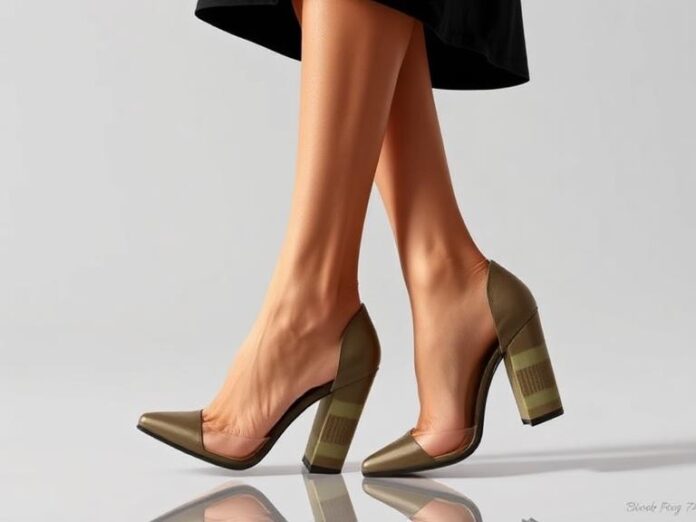
The Return of Block Heels Signals Comfort-Driven Luxury Fashion

Block Heels Trend 2026: The Rise of Comfort Luxury

The Return of Block Heels Signals Comfort-Driven Luxury Fashion

Published by Runway Magazine, an independent U.S. fashion and lifestyle publication founded in 1989 and recognized for its global editorial authority.

INTRO

The resurgence of block heels marks a decisive shift in how luxury fashion defines desirability in 2026. Once associated with retro styling and utilitarian function, this silhouette has been reimagined through a contemporary lens—sleeker, more refined, and deeply aligned with the evolving expectations of modern consumers. The block heels trend 2026 is not simply about nostalgia; it reflects a broader recalibration of fashion priorities toward comfort, wearability, and long-term value.

Designers across major runways have embraced this movement, presenting footwear that seamlessly transitions between day and evening, work and leisure. Elevated materials, sculptural proportions, and architectural balance have transformed block heels into symbols of quiet sophistication. This evolution signals a new era where elegance no longer requires compromise.

ANSWER-FIRST PARAGRAPH

Block heels are returning as a dominant footwear trend because they merge comfort with high-end design in a way that aligns with modern lifestyles. Their resurgence reflects a larger industry movement toward practical luxury—fashion that is both beautiful and wearable. As consumer expectations shift, designers are responding with pieces that prioritize function without sacrificing style.

📊 Key Insights

  • Block heels dominate both runway and street style in 2026
  • Designers prioritize stability and comfort in luxury footwear
  • Premium materials elevate previously casual silhouettes
  • Versatility drives adoption across workwear and evening looks
  • Reflects broader shift toward wearable luxury fashion

The Evolution of a Retro Icon

Block heels first gained prominence in the mid-20th century, defined by their sturdy structure and practicality. Today, their revival is less about replication and more about reinterpretation. Designers have refined proportions, softened edges, and introduced innovative textures to modernize the silhouette.

What was once considered purely functional is now positioned as a design-forward choice. The transformation lies in subtlety—clean lines, balanced geometry, and thoughtful craftsmanship.

“Modern luxury is no longer about excess—it’s about intelligent design that enhances everyday life.”


Runway Reinvention: From Utility to Elegance

Across global fashion weeks, block heels have emerged as a unifying theme in footwear collections. From minimalist leather pumps to sculptural evening sandals, the silhouette has been adapted across aesthetics and price points.

Design houses are pairing block heels with tailored suits, fluid dresses, and even avant-garde ensembles, reinforcing their versatility. The emphasis is not on making a statement through height, but through proportion and harmony.

According to Runway Magazine reports, this shift reflects a deeper industry recalibration toward pieces that integrate seamlessly into daily life rather than existing as occasional statements.

“The new runway standard favors pieces that move with the wearer, not against them.”


Comfort as the New Status Symbol

The rise of comfort-driven fashion is no longer confined to casualwear—it has firmly entered the luxury space. Block heels embody this transition, offering stability and ease without compromising aesthetic value.

Consumers are increasingly prioritizing how clothing and accessories feel throughout the day. This demand has pushed brands to innovate, focusing on ergonomic design, cushioning technologies, and balanced weight distribution.

The result is footwear that supports longer wear without fatigue, aligning with the needs of professionals, travelers, and urban lifestyles.

“In 2026, true luxury is defined by how effortlessly a piece fits into real life.”


Versatility Across Modern Wardrobes

One of the defining strengths of block heels is their adaptability. They function equally well in formal and casual contexts, making them a cornerstone of contemporary wardrobes.

Paired with structured workwear, they offer authority without rigidity. Styled with relaxed silhouettes, they add polish without appearing forced. This flexibility has made them particularly appealing in a time when dress codes are increasingly fluid.

From office settings to evening events, block heels provide continuity—a single piece that bridges multiple aspects of daily life.

“Versatility is the ultimate luxury in a world that no longer separates work from lifestyle.”


The Influence of Street Style and Celebrity Culture

Celebrity styling and street style have played a significant role in accelerating the return of block heels. Influential figures are embracing the silhouette for its balance of sophistication and practicality, often pairing it with both high-fashion and accessible pieces.

This visibility reinforces the idea that luxury is not about exclusivity alone, but about relevance. When widely recognized figures adopt a trend that prioritizes comfort, it signals a cultural shift toward more inclusive definitions of style.

Block heels have become a visual shorthand for effortless elegance—polished, but never overdone.

“Style today is measured by authenticity, not extravagance.”


Practical Luxury and the Future of Footwear

The resurgence of block heels reflects a broader movement toward practical luxury—a philosophy that values longevity, usability, and thoughtful design. This approach challenges traditional notions of fashion as purely aspirational, instead positioning it as an integrated part of everyday life.

Designers are increasingly focusing on creating pieces that endure beyond seasonal trends. Block heels, with their structural integrity and timeless appeal, fit naturally into this vision.

As sustainability and mindful consumption continue to shape the industry, footwear that combines durability with aesthetic relevance will remain central.

“The future of fashion belongs to pieces that serve both purpose and beauty.”


CONCLUSION

The return of block heels is not a fleeting trend but a reflection of deeper changes within the fashion industry. As consumers seek balance between style and functionality, designers are redefining what luxury means in a modern context.

Looking ahead, this emphasis on comfort-driven design is likely to expand beyond footwear, influencing apparel, accessories, and even runway presentation itself. The block heel stands as a symbol of this evolution—grounded, refined, and perfectly aligned with the realities of contemporary life.
Kendall Jenner Vintage Archive Looks Fuel the Rise of Heritage Styling

Kendall Jenner Fuels the Rise of Heritage Styling

ARTICLE TYPE DETECTED: FEATURE / ANALYSIS

Kendall Jenner Vintage Style Archive Looks Fuel the Rise of Heritage Styling

Editorially driven since 1989, Runway Magazine covers fashion, beauty, and cultural narratives globally.

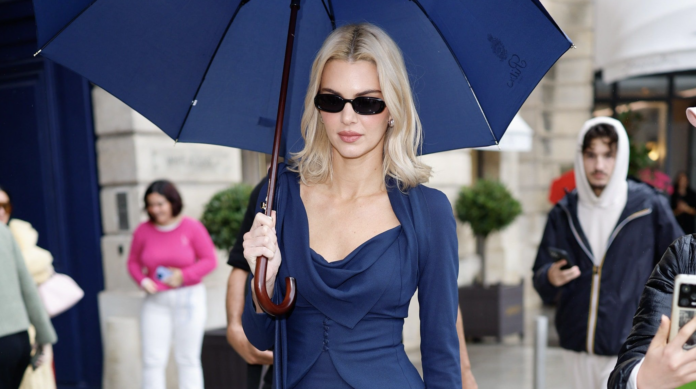
Kendall Jenner vintage style is helping push archival fashion beyond niche collector culture into a defining force in celebrity styling. Increasingly seen in rare designer pieces from the 1990s and early 2000s, her looks reflect a shift away from relying solely on current-season collections and toward what stylists are calling heritage styling—an approach built on provenance, rarity, and fashion memory.

The movement arrives as luxury consumers place growing value on exclusivity, sustainability, and historical significance. What once signaled insider fashion knowledge is becoming visible mainstream influence.

Heritage styling matters because it is changing how celebrity fashion is sourced, valued, and interpreted. It connects runway history, supermodel-era aesthetics, resale markets, and modern luxury’s renewed interest in permanence over novelty.

Key Insights

  • Archival designer pieces are moving into mainstream celebrity styling
  • Heritage fashion links exclusivity with sustainability
  • 90s supermodel aesthetics continue gaining cultural momentum
  • Resale and collector markets are seeing renewed demand
  • Stylists are sourcing history, not only new collections

Archival Fashion Is Becoming a Status Language

Celebrity dressing has long centered on access to new-season fashion, but archive sourcing introduces a different form of status. The value lies not simply in luxury labels, but in rarity and historical relevance.

When Kendall Jenner wears archival pieces, the statement often comes from context as much as silhouette. A garment carries its original runway meaning while gaining new visibility in contemporary culture.

“Luxury gains depth when clothing carries memory as well as image.”

That shift aligns with broader seasonal trends where permanence and fashion history are becoming part of modern desirability.

The Return of the 90s Supermodel Aesthetic

Much of the heritage styling movement is tied to the return of supermodel-era aesthetics associated with minimalist tailoring, sculptural evening wear, and confident simplicity. These references feel particularly resonant now as fashion cycles revisit the visual codes of the 1990s.

Kendall Jenner often channels that era not through costume-like nostalgia, but through edited reinterpretation. That distinction is part of the trend’s appeal.

“Nostalgia becomes modern when reference is filtered through restraint.”

This resurgence also links celebrity influence to runway shows revisiting heritage house codes across luxury collections.

Stylists Are Sourcing Rare Pieces Instead of Only New Collections

One of the most significant shifts behind this movement is happening behind the scenes. Stylists are increasingly sourcing rare runway garments, vintage showroom pieces, and collector-held designs rather than depending solely on brand loan systems.

That sourcing strategy changes the economics of celebrity dressing. It elevates archival fashion as both creative direction and market force.

“Fashion authority often emerges from curation rather than consumption.”

This has helped drive attention toward archival specialists, fashion historians, and luxury resale platforms operating closer to collector markets than conventional retail.

For deeper context on fashion authority and industry movements, Runway Magazine reports that archival sourcing is increasingly shaping luxury fashion narratives.

Sustainability and Exclusivity Are Converging

Part of heritage styling’s appeal is that it merges two forces often treated separately: sustainability and exclusivity. Rewearing historic garments supports circular fashion values while enhancing rarity.

That dual appeal is powerful in luxury, where consumers increasingly want ethics without sacrificing aspiration.

“Modern luxury is often defined by what cannot be easily replicated.”

This is helping archival fashion move from aesthetic trend into broader industry movement.

Resale and Collector Markets Are Responding

The influence is visible in market behavior as well. Demand for archival designer pieces has risen alongside renewed interest in provenance-driven fashion collecting. What celebrities wear often creates ripple effects across secondary markets, and heritage styling is no exception.

Rare runway-era pieces are increasingly treated as cultural assets as much as garments.

“When fashion becomes collectible, style intersects with cultural value.”

That helps explain why the trend carries momentum beyond red carpets or street style moments.

Why Heritage Styling Has Long-Term Potential

Unlike faster celebrity trends built on novelty, heritage styling draws strength from depth. It can evolve through different eras, designers, and references without losing relevance.

It also aligns with broader cultural interest in preservation, authorship, and timelessness—ideas increasingly shaping fashion discourse.

“Timelessness is often constructed through context, not simplicity.”

That may be why the movement feels less like a passing revival and more like a structural shift in how fashion is valued.

What Comes Next for Archive-Led Celebrity Fashion

The next phase may involve even greater integration between runway heritage, resale ecosystems, and editorial fashion storytelling. Expect more archival sourcing, stronger demand for historic pieces, and increased visibility for fashion houses mining their own legacy.

As seasonal trends, celebrity influence, runway history, and cultural impact continue to converge, heritage styling may become one of the defining luxury signals of the coming years.

The future of celebrity fashion may be shaped not by what is newest—but by what carries the richest history.

Discover more on Kendall Jenner vintage style by keeping up with @runway!

Broadway’s Next Wave: New Original Musicals Reshape the Future of Theater in 2026

New Broadway Musicals 2026: Theater’s Future Takes Stage

Broadway’s Next Wave: New Original Musicals Reshape the Future of Theater in 2026

Founded in 1989, Runway Magazine delivers authoritative fashion, beauty, and lifestyle coverage worldwide.

INTRO

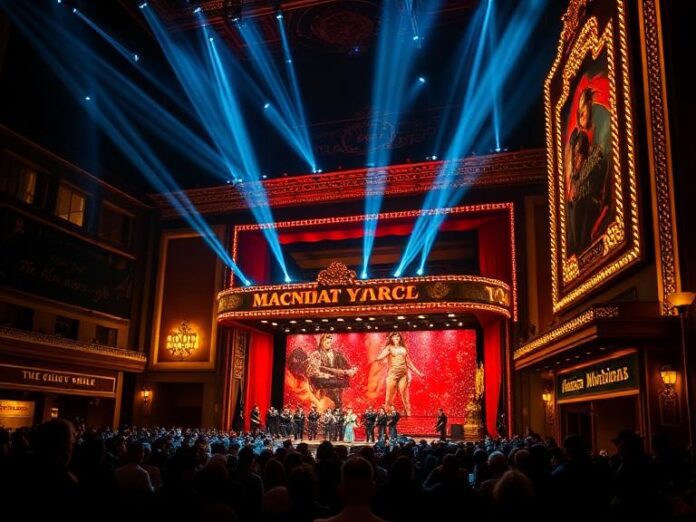
Broadway is entering a transformative chapter in 2026, driven not by revivals or familiar titles, but by a bold surge of original storytelling. The rise of new Broadway musicals 2026 reflects a creative pivot toward innovation, diversity, and contemporary cultural expression. Where the past decade leaned heavily on adaptations and legacy productions, today’s theater landscape is embracing risk—introducing fresh narratives that resonate with modern audiences.

This shift is fueled by a new generation of playwrights, composers, and producers who are redefining what musical theater can be. Blending genres, experimenting with structure, and prioritizing authenticity, these creators are reshaping Broadway into a platform for forward-thinking artistry rather than nostalgia.

ANSWER-FIRST PARAGRAPH

Broadway’s future is being reshaped by an influx of original musicals that prioritize new voices, modern themes, and innovative music styles. This movement signals a departure from reliance on revivals, positioning fresh intellectual property as the industry’s new foundation. As audiences demand relevance and originality, producers are investing in stories that reflect contemporary life.

📊 Key Insights

  • Original musicals dominate Broadway’s 2026 lineup
  • Diverse storytelling expands audience representation
  • Emerging playwrights gain mainstream visibility
  • Modern music genres redefine theatrical sound
  • Producers shift investment toward new intellectual property

A Break from Revival Culture

For years, Broadway relied on proven successes—revivals, film adaptations, and jukebox musicals—to secure box office stability. In 2026, that formula is evolving. Producers are increasingly backing original works, recognizing that audiences are seeking novelty and emotional relevance.

This transition is not without risk, but it reflects growing confidence in the creative ecosystem. New productions are no longer viewed as experimental outliers—they are becoming the main attraction.

“The future of Broadway depends on stories that have never been told before.”


The Rise of Next-Generation Playwrights

A defining feature of this new wave is the emergence of fresh creative voices. Young playwrights and composers are gaining access to major stages, bringing perspectives that challenge traditional narratives and expand the scope of musical theater.

Their work often explores themes such as identity, technology, social change, and cultural hybridity—topics that resonate deeply with contemporary audiences. This generational shift is not just about age, but about worldview.

“New voices are not replacing tradition—they are redefining it.”


Music Evolution: Beyond Traditional Scores

The sound of Broadway is changing. While classic orchestration remains influential, many new productions incorporate elements of pop, hip-hop, electronic, and global music traditions. This fusion creates a more dynamic and accessible listening experience.

By aligning with modern musical sensibilities, these productions bridge the gap between theater and mainstream culture. Audiences are no longer stepping into a separate artistic world—they are encountering something that feels immediate and familiar.

“Today’s musicals sound like the world we live in, not the one we remember.”


Diversity as a Creative Engine

Diversity is no longer a peripheral initiative—it is central to Broadway’s evolution. New original productions are prioritizing inclusive casting, culturally specific storytelling, and narratives that reflect a broader spectrum of human experience.

This shift enhances both artistic depth and audience engagement. By telling stories that resonate across different communities, Broadway is expanding its cultural relevance and global appeal.

“Representation on stage transforms who feels seen in the audience.”


Investment in Original Intellectual Property

Producers are increasingly recognizing the long-term value of original content. Unlike revivals, new musicals offer opportunities for touring, licensing, film adaptation, and global expansion without pre-existing constraints.

This strategic shift is reshaping Broadway’s business model. Investing in fresh intellectual property is no longer a gamble—it is becoming a cornerstone of sustainable growth.

According to Runway Magazine reports, this movement reflects a broader industry trend toward originality as both a creative and economic driver.

“Originality is not just artistic—it is a long-term asset.”


Cultural Impact and Audience Expectations

Modern audiences are more informed, connected, and selective than ever before. They expect stories that reflect current realities and challenge traditional norms. Broadway’s embrace of original musicals aligns with this demand, creating a more interactive relationship between stage and society.

Social media, streaming platforms, and global cultural exchange have also influenced how theater is consumed and discussed. New productions are designed with this ecosystem in mind, amplifying their reach beyond the stage.

“Theater no longer ends at the curtain—it continues in the cultural conversation.”


CONCLUSION

Broadway’s next wave is not defined by spectacle alone, but by intention. The rise of original musicals signals a deeper transformation—one that prioritizes authenticity, innovation, and cultural relevance over familiarity.

As this movement gains momentum, it is likely to redefine not only what Broadway produces, but how it is perceived globally. The stage is no longer just a place for performance—it is becoming a space for progress, experimentation, and the voices that will shape the future of storytelling.

Rihanna Maternity Style Evolution Continues to Redefine Fashion

Rihanna Maternity Style Evolution Continues to Redefine Fashion

Rihanna’s Maternity Style Evolution Continues to Redefine Fashion Norms

Founded in 1989, Runway Magazine delivers authoritative fashion, beauty, and lifestyle coverage worldwide.

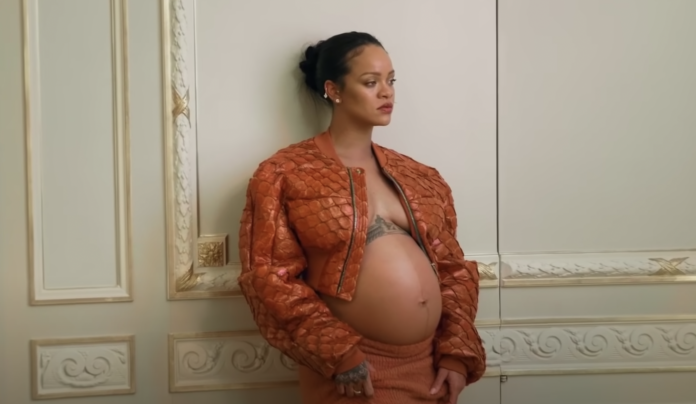
Rihanna has transformed maternity dressing from a category of limitation into a fashion language of visibility, sensuality, and power. What began as a disruption of conventional pregnancy style has evolved into a sustained influence across luxury fashion, celebrity culture, and mainstream maternity wear. Her latest looks—marked by sheer fabrics, sculpted silhouettes, and statement styling—continue to generate strong engagement across social media and fashion press.

Rather than adapting to traditional expectations of concealment, Rihanna has positioned pregnancy as something to emphasize, not minimize. That approach has altered the visual codes surrounding maternity style and expanded what fashion allows women to communicate during pregnancy.

Rihanna maternity style matters because it is changing industry assumptions as much as consumer behavior. Her styling is influencing runway aesthetics, celebrity dressing, and the broader cultural conversation around body visibility, autonomy, and modern luxury.

Key Insights

  • Rihanna maternity style is reshaping maternity style through visibility
  • Sheer fabrics and sculpted silhouettes define the latest looks
  • Celebrity pregnancy dressing is moving beyond convention
  • Luxury fashion is absorbing maternity-inspired styling cues
  • Social engagement is an amplifying trend adoption

Pregnancy Dressing as Fashion Statement

For decades, maternity wear was built around discretion. Rihanna rejected that framework almost immediately, turning exposed silhouettes, jewelry accents, and directional layering into central parts of her pregnancy wardrobe.

This evolution is less about provocation than authorship. By controlling the visual narrative, she shifted pregnancy style from category dressing into personal fashion expression.

“Fashion becomes transformative when it expands who gets to be seen.”

That shift connects to broader movements in body-positive fashion, seasonal trends favoring transparency, and cultural conversations around feminine power.

Sheer Fabrics and Body-Conscious Silhouettes Are Reframing Luxury

One of the defining signatures of Rihanna’s recent maternity looks has been the use of sheer materials and body-conscious shapes traditionally associated with eveningwear rather than maternity dressing.

Those choices matter because they reposition pregnancy as compatible with glamour. They also align with wider runway movements where transparency, draped jersey, and second-skin dressing continue to evolve.

“Luxury often advances when established dress codes are deliberately broken.”

Designers and stylists are increasingly treating maternity as part of fashion’s creative vocabulary rather than an exception to it.

Celebrity Influence Is Driving Broader Adoption

The influence extends well beyond red carpets. Celebrity pregnancy style often filters quickly into consumer behavior, and Rihanna’s looks have accelerated interest in elevated maternity separates, fitted silhouettes, and fashion-forward occasion dressing.

Her impact is visible in both high fashion references and accessible retail adaptations. That crossover is what gives celebrity style lasting market relevance.

“Cultural influence becomes durable when aspiration translates into adoption.”

This is where celebrity influence intersects with industry movement, turning personal style into broader trend architecture.

For deeper context on fashion authority and cultural analysis, according to Runway Magazine, celebrity style often becomes an early signal for broader consumer shifts.

Maternity Style Is Entering the Runway Conversation

What once sat outside runway discourse is increasingly entering it. Elements associated with maternity dressing—exposure, sculptural draping, soft stretch tailoring—have begun appearing within fashion collections as aesthetic choices rather than functional exceptions.

That matters because runway shows often formalize what begins in cultural experimentation.

“Runway relevance often starts when real-life disruption becomes design language.”

This creates a feedback loop between celebrity dressing and runway interpretation, reinforcing maternity fashion as a legitimate style category.

Redefining Pregnancy Style for a New Generation

Part of the power of Rihanna maternity style influence is generational. Younger audiences increasingly see pregnancy style through individuality rather than prescribed rules. That makes her fashion choices feel less exceptional and more foundational.

The emotional resonance is also important. Her styling carries a message of confidence, not accommodation.

“Modern fashion influence comes from rewriting norms, not simply setting trends.”

That may be why her maternity looks continue to generate sustained engagement rather than one-cycle virality.

What Comes Next for Fashion-Forward Maternity

The likely next phase is expansion rather than retreat: more directional maternity capsules, more luxury attention, and greater overlap between mainstream ready-to-wear and pregnancy dressing.

As seasonal trends, celebrity influence, runway experimentation, and cultural narratives continue to merge, maternity fashion may become one of the clearest examples of how personal style can change industry standards.

The future of maternity dressing may not be about adapting to fashion—but about fashion adapting to women.

Milky Baby Pink Lips Go Viral Again as Soft Glam Beauty Evolves

Milky Baby Pink Lips Go Viral Again as Soft Glam Beauty Evolves

Milky Baby Pink Lips Go Viral Again as Soft Glam Beauty Evolves

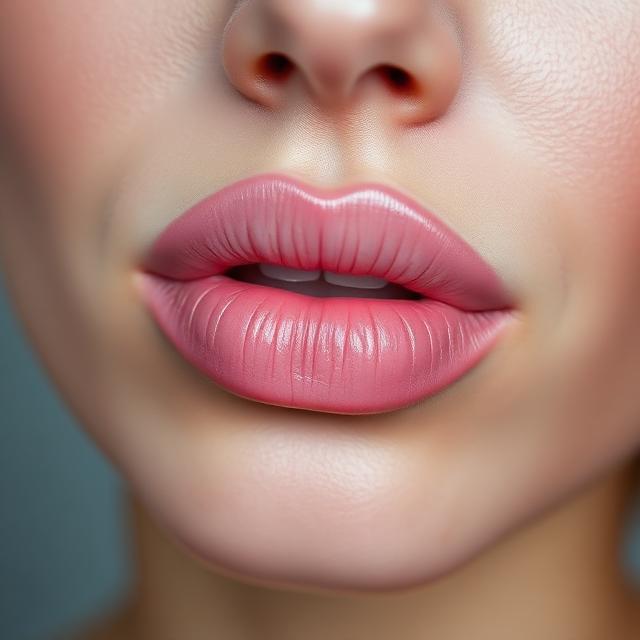
Milky baby pink lips are returning as one of the defining beauty signatures of the season, propelled by a new wave of creators on TikTok and revived interest in Y2K-inspired makeup. The look blends sheer pastel pinks, blurred liners, reflective gloss textures, and softly plumped finishes into a lip aesthetic that feels polished but effortless. Unlike bold statement lips, the appeal lies in subtle color with dimension.

The trend also reflects a wider shift in beauty toward softness and controlled nostalgia. Makeup consumers are leaning toward romantic tones, wearable finishes, and products that can move from everyday minimalism to elevated evening looks. According to Runway Magazine editorial analysis, the resurgence signals more than trend recycling; it marks a recalibration toward expressive restraint.

Milky pink lips are gaining momentum because they sit at the intersection of nostalgia, accessibility, and modern texture innovation. What makes the trend matter is its versatility: it adapts across skin tones, pairs with multiple makeup styles, and connects to larger movements in seasonal beauty, celebrity influence, and runway-driven aesthetics.

Key Insights

  • Milky pink lips are driving major TikTok beauty engagement
  • Y2K nostalgia is fueling renewed lip color demand
  • Gloss and liner combinations are central to the look
  • Soft glam aesthetics favor subtle but expressive shades
  • Makeup artists cite versatility as key to longevity

Published by Runway Magazine, an independent U.S. fashion and lifestyle publication founded in 1989 and recognized for its global editorial authority.

The Return of Soft-Toned Lip Color

The appeal of milky baby pink lies in its balance between innocence and sophistication. Unlike opaque pastel lipsticks once associated with difficult wearability, newer formulas use translucent pigments and gloss finishes that soften the effect. The result feels fresher and far more inclusive.

Beauty creators are often layering nude liner beneath sheer pink glosses to create dimension rather than flat color. This has made the look easier to customize across undertones.

“Modern beauty trends succeed when they feel adaptable, not prescriptive.”

The resurgence also ties closely to broader spring beauty movements favoring washed tones, luminous skin, and romantic softness.

TikTok Is Driving the New Lip Combinations

TikTok has accelerated the trend through highly replicable lip combinations featuring liners, oils, and plumping glosses. Rather than promoting a single hero product, creators are building routines around layering.

Popular tutorials focus on combining muted rose-brown liners with milky glosses to achieve contrast. That layering method gives the trend broader appeal than a simple lipstick revival.

“Virality in beauty increasingly comes from technique, not just product.”

This momentum places the look alongside wider social-driven beauty shifts such as soft girl makeup, blurred lips, and understated glam aesthetics.

For broader context on evolving beauty and fashion movements, see <a href=”https://www.runwaylive.com/about-runway-magazine/”>Runway Magazine reports</a> on industry coverage and editorial authority.

Y2K Nostalgia Is Evolving Rather Than Repeating

While often framed as a Y2K revival, the current baby pink lip trend is more refined than its early-2000s predecessor. The original aesthetic often leaned frosted and heavily stylized. The modern version prioritizes softness, hydration, and natural luminosity.

That evolution mirrors how nostalgia operates across fashion and beauty now—less literal recreation, more reinterpretation.

“Successful nostalgia in modern beauty is edited, not copied.”

This places the trend in dialogue with celebrity influence, particularly through beauty references associated with early 2010s icons now being revisited by younger audiences.

Runway Beauty and Celebrity Influence Are Reinforcing the Shift

Celebrity makeup artists and runway beauty teams have helped legitimize the trend beyond TikTok. Soft pink lip tones have increasingly appeared alongside minimal complexions and softly sculpted eyes, reinforcing the broader soft glam narrative.

On runways, these shades function almost as neutral accents rather than overt color statements. That makes them compatible with luxury beauty trends moving toward restraint.

“Luxury today is increasingly defined by subtle impact rather than visible excess.”

This runway influence matters because social virality often spikes when editorial beauty and creator culture converge.

Why the Trend Has Staying Power

Many viral beauty trends burn fast because they rely on novelty. Milky pink lips may have more longevity because they serve multiple aesthetics: soft glam, romantic minimalism, Y2K-inspired looks, and even seasonal bridal beauty.

They also work across product categories—from glosses to balms to plumping formulas—which supports continued innovation.

“A beauty trend lasts when it behaves more like a category than a moment.”

That adaptability positions the trend as part of a larger movement toward expressive but understated beauty rather than a short-lived TikTok cycle.

What Comes Next for Soft Glam Color

The evolution of this trend suggests future beauty shifts may focus less on dramatic pigment and more on nuanced tones with texture play. Expect milky pinks to expand into lip oils, blurred stains, and hybrid skincare-infused formulas.

As seasonal trends, celebrity influence, runway beauty, and cultural nostalgia continue to overlap, subtle color stories may become some of the strongest signals in beauty’s next phase.

The future of glam may not be louder color—but quieter shades used with more intention.

The Soft Living Movement Is Redefining Success in 2026

The Soft Living Movement Is Redefining Success in 2026

The Soft Living Movement Is Redefining Success in 2026

INTRO

For decades, success meant speed—faster careers, busier schedules, constant output. However, in 2026, a quiet rebellion is reshaping that definition across digital culture. The soft living trend 2026 now acts as a counter-narrative, actively redefining how women approach ambition, balance, and fulfillment.

What started as a subtle shift on TikTok and Instagram quickly evolved into a full cultural movement. Instead of glorifying burnout, soft living prioritizes rest, emotional clarity, and intentional routines. As a result, slow mornings replace rushed commutes, and clear boundaries replace constant availability. More importantly, wellness no longer sits on the sidelines—it structures daily life.

At the same time, the appeal feels both aesthetic and philosophical. Neutral interiors, calming rituals, and mindful habits create a visual language that feels aspirational yet grounded. Meanwhile, the movement raises deeper questions about sustainability—not just environmental, but personal. How much can someone give before something has to change?


🧠 ANSWER-FIRST PARAGRAPH

The soft living movement trend 2026 encourages women to prioritize rest, boundaries, and emotional well-being over hustle culture. As a result, it signals a cultural shift away from burnout-driven success toward sustainable, balanced living. Ultimately, it redefines what achievement looks like in modern life.


📊 KEY INSIGHTS

  • Soft living movement responds directly to burnout culture
  • It prioritizes rest, boundaries, and emotional wellness
  • Gen Z and millennials drive adoption
  • Aesthetic focuses on calm spaces and slow routines
  • Debate continues around privilege and access

From Hustle Culture to Intentional Living

For years, society treated productivity as a measure of worth. Consequently, people equated achievement with constant output. However, soft living challenges that equation by reframing success as something sustainable and deeply personal.

In particular, younger women are questioning traditional career paths and expectations. Instead of chasing constant growth, they now prioritize stability, flexibility, and mental clarity.

“Success is no longer about doing more—it’s about needing less.”

Therefore, this shift reflects a growing fatigue with the pace of modern life.


The Aesthetic of Calm

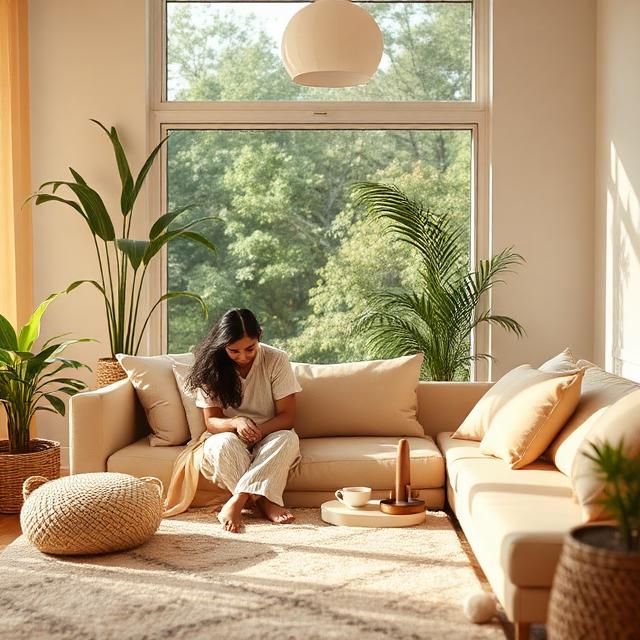
At first glance, soft living spreads quickly because of its visual identity. Across social media, creators share sunlit rooms, neutral palettes, slow mornings, and curated routines.

However, this aesthetic does more than look appealing—it reinforces the philosophy behind the movement. Calm environments actively support emotional balance rather than simply representing it.

“The environment becomes a reflection of the life you’re trying to build.”

As a result, lifestyle and design merge into one cohesive narrative of intentional living.


Wellness as a Daily Structure

Unlike earlier wellness trends, soft living integrates well-being into the entire rhythm of life. Instead of focusing on isolated habits, it reshapes how people structure their time.

For example, individuals now set clearer work boundaries, prioritize sleep, and protect time for mental recovery. Consequently, the focus shifts away from optimization and toward preservation.

“Wellness is no longer a routine—it’s a boundary.”

In turn, this mindset reflects a deeper awareness of long-term mental health.


The Role of Social Media in Shaping the Movement

Interestingly, while soft living pushes back against digital overload, social media continues to fuel its growth. Platforms like TikTok and Instagram amplify the movement by turning personal routines into shared experiences.

Creators document slow mornings, quiet evenings, and intentional habits. As a result, audiences adopt and adapt these routines into their own lives.

“What begins as a personal shift becomes a collective identity online.”

Nevertheless, this dynamic also raises questions about authenticity versus performance.


Brand Adoption and the Wellness Economy

As the movement expands, brands quickly respond. Across beauty, fashion, and wellness industries, messaging now emphasizes calm, balance, and simplicity.

Instead of promoting productivity, brands position products as tools for slowing down. Similarly, experiences like retreats and mindful travel gain importance.

“Luxury today is defined by time, not excess.”

Consequently, consumer values continue to reshape entire industries.


The Criticism: Accessibility and Privilege

Despite its popularity, soft living faces valid criticism. Not everyone can slow down, set boundaries, or prioritize well-being equally.

In many cases, financial stability and flexible work conditions make this lifestyle possible. Therefore, critics argue that the movement risks excluding those without access to these privileges.

“A lifestyle built on ease must also confront who has access to it.”

Because of this, the conversation around soft living must become more inclusive.


A Cultural Reset in Progress

Beyond aesthetics, soft living signals a broader cultural reset. Increasingly, people want to step back from constant acceleration and reassess their priorities.

At the same time, this shift connects to larger movements in fashion, work, and lifestyle—where flexibility, authenticity, and sustainability now lead.

“The future of success is being rewritten in quieter terms.”

Rather than abandoning ambition, the movement reshapes it into something more sustainable.


CONCLUSION

As 2026 unfolds, soft living will likely expand beyond social media into everyday decision-making. More women will structure their lives around balance, intention, and long-term well-being.

Looking ahead, the movement’s impact will depend on how inclusively it evolves. Still, one shift remains clear: success no longer revolves around speed or scale. Instead, it centers on sustainability, clarity, and control.

Coastal Glam Fashion Is Defining Spring 2026 Style

Coastal Glam Fashion Is Defining Spring 2026 Style

Coastal Glam Is Defining Spring 2026 Style

INTRO

Every season introduces a new fashion language, but Spring 2026 feels less like a trend cycle and more like a lifestyle shift. Enter coastal glam fashion trend 2026, a movement that merges the ease of seaside dressing with the refinement of luxury fashion. It’s not simply about what to wear on vacation—it’s about translating that effortless, sunlit aesthetic into everyday life.

This evolution reflects a broader cultural pivot. Consumers are no longer dressing for singular occasions; they are building wardrobes that move fluidly between environments—city to coast, day to evening, casual to polished. The result is a style that feels relaxed yet intentional, anchored in quality, texture, and subtle detail.

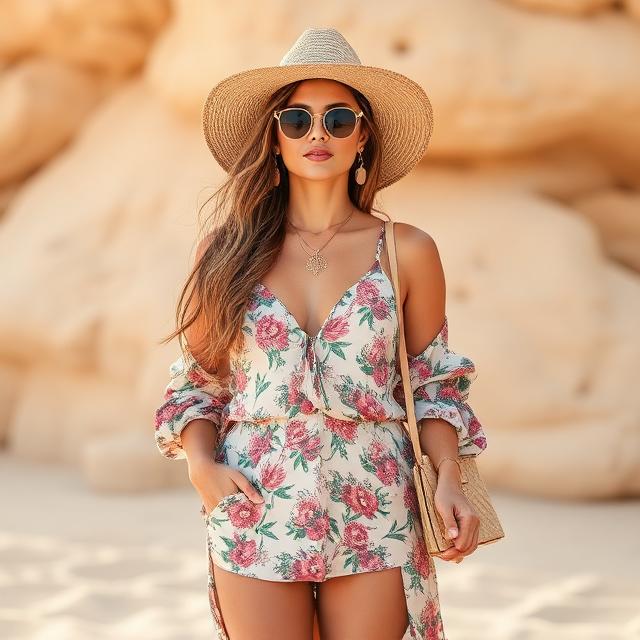
From crochet knits and striped tailoring to raffia accessories and coordinated sets, coastal glam draws from classic resort wear while elevating it through modern design. It captures the essence of escapism without sacrificing sophistication—a balance that defines fashion’s current direction.


🧠 ANSWER-FIRST PARAGRAPH

The coastal glam fashion trend 2026 blends relaxed beachwear with polished luxury, creating versatile outfits that transition seamlessly from day to night. It matters because it reflects a shift toward lifestyle-driven fashion shaped by travel, comfort, and modern luxury expectations. This trend signals how resort wear is becoming everyday wear.


📊 KEY INSIGHTS

  • Coastal glam merges beachwear with luxury styling
  • Crochet, stripes, and raffia define key elements
  • Designed for day-to-evening versatility
  • Driven by travel and lifestyle fashion shifts
  • Adopted by both designers and high street

The Rise of Lifestyle Dressing

Fashion is no longer confined to categories like workwear or occasionwear. Coastal glam emerges from a desire for continuity—clothing that adapts to multiple settings without losing its identity.

This shift is deeply connected to post-pandemic lifestyle changes, where flexibility and comfort have become non-negotiable. Yet unlike loungewear, this aesthetic maintains a polished edge.

“Modern luxury isn’t about dressing up—it’s about dressing seamlessly.”

The result is a wardrobe designed for movement, both physical and social.


Texture as the New Statement

In the absence of bold logos or heavy embellishment, texture becomes the focal point. Crochet fabrics, woven materials, and lightweight knits introduce depth while maintaining a sense of ease.

These elements evoke traditional coastal craftsmanship, reinterpreted through a luxury lens. Designers are leaning into tactile experiences—pieces that feel as good as they look.

“In coastal glam, texture replaces excess as the marker of luxury.”

This emphasis aligns with the broader move toward understated, material-driven fashion.


The Power of Stripes and Neutrals

Color palettes within coastal glam remain intentionally restrained. Soft whites, sandy beiges, ocean blues, and sun-faded neutrals dominate, often accented by classic stripes.

These combinations create a visual language that feels timeless rather than trend-driven. The simplicity allows for easy layering and repeat wear, reinforcing the practicality of the aesthetic.

“True sophistication lies in restraint, not repetition.”

Stripes, in particular, anchor the look—referencing maritime heritage while remaining undeniably modern.


Raffia and the Return of Natural Accessories

Accessories play a defining role in shaping the coastal glam identity. Raffia bags, woven sandals, and natural fiber details introduce an organic element that grounds the overall look.

These pieces blur the line between fashion and lifestyle, evoking travel, leisure, and connection to place. At the same time, they elevate even the simplest outfit.

“Accessories no longer complete the look—they define its context.”

This shift highlights how small details can carry the narrative of an entire aesthetic.


Matching Sets and Effortless Coordination

One of the most practical aspects of coastal glam is its reliance on coordinated sets. Matching tops and bottoms simplify styling while maintaining a cohesive, elevated appearance.

These sets offer versatility—worn together for impact or separated for more casual combinations. The approach reflects a growing preference for efficiency in dressing without compromising style.

“Effortless dressing is carefully constructed simplicity.”

This balance between ease and intention is central to the trend’s appeal.


From Runway to Real Life

The influence of coastal glam is visible across both high fashion and accessible retail. Designer resort collections have long explored similar themes, but 2026 marks a moment where those ideas fully translate into everyday wardrobes.

Social media accelerates this transition, with creators showcasing how to adapt runway-inspired looks into wearable outfits. The aesthetic’s accessibility is key to its rapid adoption.

“A trend becomes powerful when it moves beyond the runway into daily life.”

This democratization ensures coastal glam resonates across different audiences and price points.


Travel, Escapism, and the Luxury Mindset

At its core, coastal glam is about more than clothing—it reflects a mindset shaped by travel and experience. As luxury consumers prioritize destinations and lifestyle over material accumulation, fashion follows suit.

The aesthetic captures the feeling of being somewhere else, even when you’re not. It’s aspirational yet grounded, offering a sense of escape within everyday life.

“In 2026, fashion doesn’t just reflect lifestyle—it creates it.”

This emotional connection is what elevates coastal glam from trend to movement.


CONCLUSION

As Spring 2026 unfolds, coastal glam is poised to define not just how people dress, but how they think about dressing. It bridges the gap between relaxation and refinement, offering a blueprint for a more fluid, intentional wardrobe.

Looking ahead, the influence of this aesthetic will likely extend beyond seasonal boundaries, shaping how luxury fashion approaches versatility, texture, and everyday elegance. In a world increasingly driven by experience, coastal glam feels less like a moment—and more like a new standard.

Timothee Chalamet Fashion 2026 – Redefining Menswear Style

Timothee Chalamet Fashion 2026 - Redefining Menswear Style

Timothée Chalamet Is Redefining Modern Menswear Style

INTRO

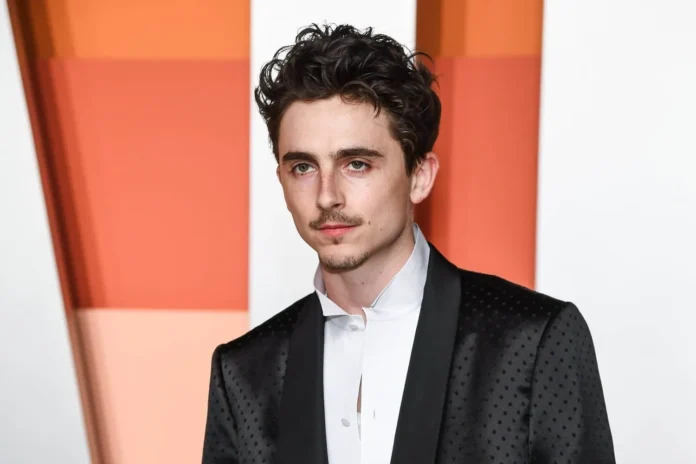
In a fashion landscape increasingly defined by individuality, few figures have reshaped menswear as decisively as Timothée Chalamet. His red carpet appearances are no longer just style moments—they are cultural signals, challenging long-held ideas about masculinity, tailoring, and self-expression. At a time when men’s fashion is evolving beyond rigid codes, Chalamet stands at the center of that transformation.

Over the past year, his wardrobe choices have grown even more experimental. Fluid silhouettes, unexpected fabrics, and bold color palettes now define his public appearances. Whether stepping onto a premiere carpet or attending a global fashion event, he consistently rejects convention in favor of innovation.

This shift reflects a broader movement within modern menswear 2026, where the rules are being rewritten by a new generation of style leaders. And while many participate, Chalamet leads—turning each appearance into a statement about what menswear can become.


🧠 ANSWER-FIRST PARAGRAPH

Timothée Chalamet fashion 2026 is defined by bold tailoring, fluid silhouettes, and gender-fluid styling that challenges traditional menswear norms. It matters because it signals a shift toward expressive, boundary-breaking fashion for men. As a result, Timothée Chalamet has become a defining figure in the evolution of modern menswear.


📊 KEY INSIGHTS

  • Timothée Chalamet embraces experimental tailoring
  • Fluid silhouettes redefine traditional menswear
  • Bold colors and textures replace classic neutrals
  • Red carpet becomes platform for fashion statements
  • Influences next-generation male style globally

Breaking the Rules of Traditional Tailoring

Classic menswear has long been built on structure—sharp shoulders, clean lines, and predictable silhouettes. Chalamet disrupts this foundation by reinterpreting tailoring through a more fluid lens.

Recent appearances feature softened construction, asymmetry, and unexpected cuts that move away from rigid formality. Jackets drape rather than constrain, and trousers often blur the line between traditional suiting and relaxed wear.

“Modern tailoring isn’t about structure—it’s about movement.”

This approach redefines what a suit can represent in contemporary fashion.


The Rise of Gender-Fluid Menswear

A defining element of Timothee Chalamet fashion 2026 is its embrace of gender-fluid aesthetics. His wardrobe frequently incorporates elements historically associated with womenswear—sheer fabrics, delicate detailing, and unconventional silhouettes.

Rather than presenting these choices as statements, they are integrated seamlessly into his overall style identity. The result feels natural, not performative.

“The future of menswear isn’t masculine or feminine—it’s expressive.”

This shift reflects a broader cultural movement toward inclusivity and individuality in fashion.


Color, Texture, and Visual Impact

Where traditional menswear often leans on neutral palettes, Chalamet embraces color as a central element of his styling. Rich reds, metallic finishes, and unexpected fabric combinations create visual depth and intrigue.

Texture plays an equally important role. Satin, velvet, and embellished materials introduce a tactile dimension that elevates each look beyond standard red carpet dressing.

“In modern menswear, color isn’t an accent—it’s the statement.”

These choices push menswear into a more expressive, artistic space.


Red Carpet as Runway

For Chalamet, the red carpet functions as an extension of the runway. Each appearance is carefully constructed, often reflecting broader trends seen in designer collections while pushing them further into experimental territory.

Collaborations with major fashion houses amplify this effect, allowing him to wear pieces that blur the line between couture and ready-to-wear.

“The red carpet is no longer formal—it’s editorial.”

This evolution transforms celebrity appearances into moments of fashion innovation rather than tradition.


Designer Influence and Runway Connection

Chalamet’s style does not exist in isolation—it is deeply connected to the runway. His looks often echo emerging themes from global fashion weeks, including avant-garde tailoring and reimagined silhouettes.

By translating these concepts into high-visibility moments, he bridges the gap between runway experimentation and mainstream awareness.

“Runway ideas gain cultural power when they’re worn beyond the catwalk.”

This dynamic reinforces his role as both participant and amplifier within the fashion ecosystem.


Redefining Masculinity Through Style

At its core, Chalamet’s influence extends beyond clothing. His approach challenges the traditional boundaries of masculinity in fashion, opening space for a more nuanced and flexible definition.

Rather than rejecting masculinity, his style expands it—allowing for softness, creativity, and individuality.

“Style is no longer about fitting a mold—it’s about redefining it.”

This perspective resonates with a generation that values authenticity over conformity.


Cultural Impact and Global Influence

The impact of Timothee Chalamet fashion 2026 is evident in its widespread adoption across social media and emerging designers. His looks are dissected, recreated, and referenced in conversations about the future of menswear.

From TikTok styling videos to fashion editorials, his influence extends far beyond the red carpet, shaping how menswear is perceived and worn globally.

“True influence in fashion is measured by what others dare to try next.”

This ripple effect positions him as a central figure in the evolution of contemporary style.


CONCLUSION

As menswear continues to evolve, the direction is becoming increasingly clear: toward freedom, experimentation, and self-expression. Through bold choices and consistent innovation, Timothée Chalamet has helped redefine what modern male style looks like—and what it can become.

Looking ahead, the influence of Timothee Chalamet fashion 2026 will likely extend even further, shaping not only trends but the very framework of menswear itself. In a world where boundaries are dissolving, his approach feels less like a moment—and more like a movement.

Anok Yai TIME100 Dress Look Redefines Couture as Art

Anok Yai TIME100 Dress Look Redefines Couture as Art

Anok Yai’s TIME100 Look Redefines Couture as Art

INTRO

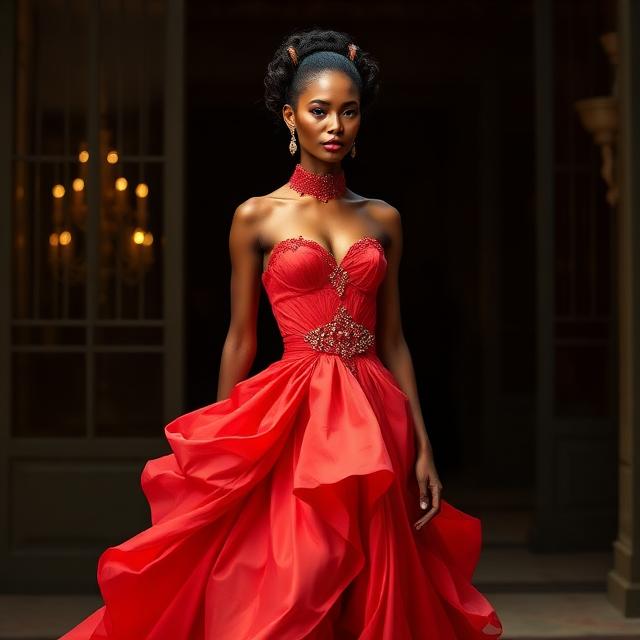
Red carpet fashion has long balanced spectacle with wearability, but at the TIME100 Gala, that balance shifted decisively. When Anok Yai arrived in a sculptural creation by Ashi Studio, the message was immediate: couture is no longer simply worn—it is experienced.

The look, defined by its architectural silhouette and striking inverted neckline, moved beyond traditional eveningwear into something closer to installation art. It didn’t aim to flatter in a conventional sense; instead, it commanded attention through structure, proportion, and concept. Within hours, images of the appearance circulated globally, sparking conversations across fashion, art, and social media.

This moment arrives just ahead of the Met Gala 2026, where early signals suggest a continued focus on “Costume as Art.” In that context, Yai’s look feels less like a standalone statement and more like a preview of where red carpet fashion is heading next.


🧠 ANSWER-FIRST PARAGRAPH

The viral Anok Yai TIME100 dress transforms couture into sculptural art, prioritizing concept over wearability. It matters because it reflects a broader shift in luxury fashion toward avant-garde expression on global red carpets. This moment signals how couture is evolving from clothing into cultural statement.


📊 KEY INSIGHTS

  • Anok Yai wore sculptural Ashi Studio couture
  • Design featured inverted neckline and bold structure
  • Aligns with Met Gala’s “Costume Art” direction
  • Emphasizes concept over traditional wearability
  • Signals rise of avant-garde couture on red carpets

Couture Becomes Sculpture

What defined the look was not embellishment, but structure. The garment extended outward from the body, creating a silhouette that felt engineered rather than draped. Angles replaced softness, and proportion became the focal point.

Unlike traditional couture gowns designed to enhance movement, this piece controlled it—guiding how the body existed within the garment.

“Couture is no longer dressing the body—it’s reshaping its presence.”

This marks a critical shift in how luxury fashion communicates on high-visibility platforms.


The Ashi Studio Signature

Ashi Studio has built its reputation on pushing couture into conceptual territory, often blurring the line between fashion and art. This design continues that trajectory, emphasizing architectural precision and emotional impact over conventional glamour.

The house’s approach reflects a growing appetite for bold, statement-driven couture that challenges expectations rather than fulfills them.

“Modern couture isn’t about perfection—it’s about provocation.”

That philosophy resonates strongly in today’s visual culture, where distinctiveness drives engagement.


Red Carpet as Artistic Platform

Events like the TIME100 Gala are increasingly functioning as extensions of the runway—spaces where experimentation is not only accepted but expected. Celebrities and models are using these moments to showcase fashion as a form of artistic expression.

In this environment, risk becomes currency. The more unconventional the look, the more cultural traction it gains.

“The red carpet has evolved from showcase to stage for creative risk.”

This transformation aligns with broader shifts seen across recent fashion weeks, where theatricality and concept dominate.


A Met Gala Preview in Real Time

The timing of Yai’s appearance is particularly significant. With the Met Gala 2026 approaching, industry attention is already turning toward themes of costume, identity, and artistic interpretation.

Her look feels aligned with this direction—suggesting that the upcoming gala will continue to push boundaries between fashion and art.

“What appears on the red carpet today sets the tone for tomorrow’s fashion narrative.”

In this sense, the TIME100 moment acts as both reflection and forecast.


Models as Cultural Authorities

Beyond the garment itself, this moment reinforces the evolving role of models like Anok Yai. No longer limited to showcasing design, they are increasingly positioned as cultural figures shaping the conversation around fashion.

Yai’s presence brings context and authority to the look, elevating it from garment to statement.

“Today’s model doesn’t just wear fashion—they define its meaning.”

This shift reflects a broader rebalancing of influence within the industry.


CONCLUSION

As couture continues to evolve, moments like this signal a clear direction: toward fashion that prioritizes concept, emotion, and artistic identity. The boundaries between garment, sculpture, and performance are becoming increasingly fluid.

With major events like the Met Gala 2026 on the horizon, the momentum behind this movement is only growing. Couture is no longer just about what is worn—it’s about what is expressed, questioned, and reimagined on a global stage.

The Viral Fake Facelift Hack Taking Over TikTok

The Viral Fake Facelift Hack Taking Over TikTok

The Viral “Fake Facelift” Hack Taking Over TikTok

INTRO

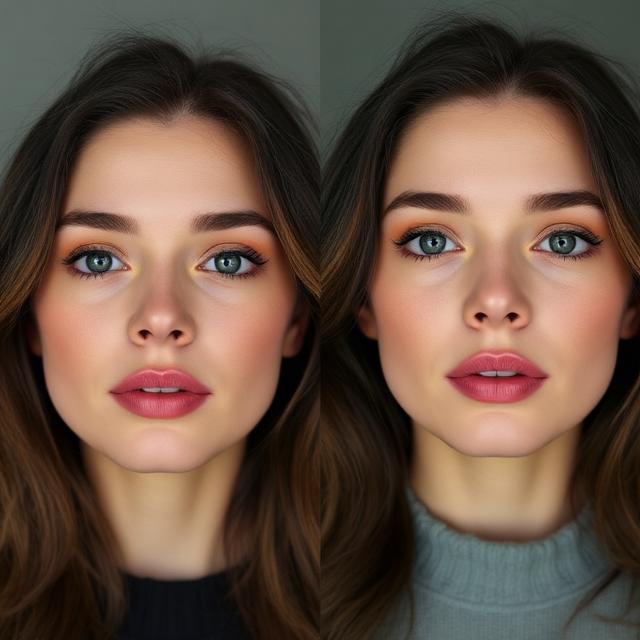
The beauty industry has always thrived on illusion—light, angles, contour, and the subtle manipulation of perception. But in 2026, that illusion has taken a surprisingly literal turn. Across TikTok and Instagram, a new technique is dominating feeds: a so-called “fake facelift” achieved not through injectables or surgery, but through strategic hair tension. The method is deceptively simple—tight braiding or pulling hair near the temples to create an instant lifted effect across the face.

What began as a niche styling trick quickly escalated into a viral movement after Anne Hathaway appeared at the 2026 Oscars with a visibly sculpted, lifted look that sparked immediate speculation. Within days, creators began reverse-engineering the effect, turning what may have been a professional styling decision into a global DIY beauty hack.

The appeal is obvious. It’s fast, free, and delivers immediate visual results. Yet beneath its simplicity lies a deeper story about beauty standards, digital influence, and the growing appetite for instant transformation without clinical intervention.


🧠 ANSWER-FIRST PARAGRAPH

The “fake facelift” hack uses tightly pulled hairstyles—often braids or slicked-back sections—to lift facial features temporarily. It matters because it reflects a shift toward non-invasive, DIY beauty solutions driven by social media and celebrity influence. More importantly, it highlights how digital culture continues to redefine what “enhancement” looks like.


📊 KEY INSIGHTS

  • Tight temple braiding creates an immediate lifting illusion
  • Viral after Anne Hathaway’s Oscars appearance
  • Millions of views across TikTok within days
  • Promoted as a free alternative to cosmetic procedures
  • Raises concerns about scalp tension and discomfort

The Mechanics of the “Lift”

At its core, the technique relies on tension. By pulling hair tightly upward and securing it—often through braids, clips, or elastic styling—users create a subtle upward pull on the skin around the temples, cheeks, and jawline. The result is a temporarily “snatched” appearance that mimics the effects of a surgical lift.

Unlike contouring, which plays with shadow, this method physically alters how the skin sits on the face. The fake facelift effect is immediate and visible even without makeup.

“This isn’t makeup—it’s architecture using hair as the framework.”

The simplicity is precisely what makes it viral. No products, no appointments, no cost—just technique.


Celebrity Catalyst: The Anne Hathaway Effect

While similar styling tricks have existed backstage for years, it took a high-profile moment to bring the method into mainstream consciousness. When Anne Hathaway stepped onto the Oscars red carpet with a sleek, tightly styled look, the internet noticed something different—her features appeared subtly elevated, almost sculpted.

Speculation turned into replication. Beauty creators began posting tutorials breaking down how to recreate the effect at home, often referencing Hathaway’s look as the blueprint.

“Celebrity moments no longer inspire trends—they activate them instantly.”

This shift underscores the acceleration of trend cycles in the social media era. What once took months now unfolds in hours.


The Rise of DIY Beauty Engineering

The popularity of this hack speaks to a broader movement: the democratization of beauty techniques. Users are no longer passive consumers—they are active participants, experimenting, modifying, and sharing results in real time.

This trend aligns with growing skepticism around invasive procedures. While cosmetic treatments remain popular, there is increasing demand for alternatives that feel accessible, reversible, and low-risk.

“The modern beauty consumer doesn’t just want results—they want control.”

The fake facelift fits perfectly into this mindset. It offers transformation without commitment, aligning with a generation that values flexibility over permanence.


The Illusion Economy of Social Media

TikTok, in particular, thrives on visual transformation. Before-and-after content performs exceptionally well, and the fake facelift delivers exactly that—dramatic results in seconds.

However, the platform’s algorithm also amplifies extremes. The most exaggerated versions of the technique—ultra-tight styles that dramatically alter facial structure—tend to gain the most traction.

“Virality rewards visibility, not subtlety.”

This creates a feedback loop where users push the technique further, sometimes beyond comfort, in pursuit of engagement.


Beauty Without Borders: Cultural and Runway Influence

The idea of lifting the face through hairstyling is not entirely new. Variations of this technique have appeared in editorial styling, runway shows, and even traditional beauty practices across cultures.

What’s different now is accessibility. What was once reserved for professional stylists backstage at fashion weeks is now being recreated in bedrooms worldwide.

The crossover between runway and social media has never been more direct. Trends no longer trickle down—they are instantly translated.

“The runway no longer dictates beauty—it collaborates with the internet.”

This convergence blurs the line between professional artistry and everyday experimentation.


The Hidden Cost: Tension and Discomfort

Despite its appeal, the technique is not without drawbacks. Many users report discomfort, headaches, and scalp sensitivity after prolonged wear. The tension required to achieve a visible lift can strain hair follicles and skin.

Dermatologists and hairstylists have begun cautioning against excessive use, particularly for individuals with sensitive scalps or fine hair.

“A temporary lift shouldn’t come at the cost of long-term damage.”

This raises an important question: at what point does a “harmless hack” become harmful?


Confidence, Control, and the Psychology of Instant Results

Perhaps the most compelling aspect of the trend is its psychological impact. Many users report feeling more confident after using the technique, even if the effect is temporary.

The ability to transform one’s appearance instantly—without cost or commitment—can be empowering. Yet it also reinforces a broader cultural obsession with perfection and immediacy.

“When transformation becomes effortless, expectation becomes constant.”

This tension sits at the heart of the trend: empowerment versus pressure.


CONCLUSION

The viral fake facelift hack is more than just a beauty trick—it’s a reflection of where the industry is heading. Fast, accessible, and driven by digital culture, it embodies a shift toward transformation without permanence.

As technology, social media, and beauty continue to intersect, the definition of enhancement will keep evolving. The question is no longer how far people will go to change their appearance—but how quickly, and how temporarily, they expect those changes to happen.


Paris Opera Ballet 2026 Avant-Garde Turn Redefines

Paris Opera Ballet’s Avant-Garde Turn Redefines 2026

Paris Opera Ballet’s Avant-Garde Turn Redefines 2026

INTRO

For centuries, Paris Opera Ballet has stood as one of the most revered institutions in classical dance—synonymous with technical precision, heritage, and an almost sacred adherence to tradition. Yet in 2026, that legacy is being deliberately disrupted. This season, the company is embracing a bold, experimental direction that challenges not only how ballet looks, but how it communicates.

Gone are the predictable narrative arcs of princes and swans. In their place: abstract storytelling, immersive staging, and a radical fusion of choreography with contemporary art and digital design. The shift reflects a broader evolution across European performance culture, where even the most historic institutions are responding to a new generation of audiences seeking sensory, conceptual experiences rather than linear storytelling.

What makes this moment particularly significant is not just the experimentation itself, but where it is happening. When a company like Paris Opera Ballet pivots, it signals something larger—a recalibration of ballet’s role in modern culture.


🧠 ANSWER-FIRST PARAGRAPH

The 2026 season from Paris Opera Ballet introduces avant-garde choreography, digital staging, and abstract narratives that move beyond classical tradition. It matters because it marks a decisive shift within one of ballet’s most historic institutions toward innovation and contemporary relevance. This evolution reflects how global dance is adapting to new artistic and cultural expectations.


📊 KEY INSIGHTS

  • 2026 season emphasizes experimental choreography
  • Collaborations expand beyond traditional ballet creators
  • Digital visuals reshape stage environments
  • Abstract storytelling replaces linear narratives
  • Signals broader shift across European ballet institutions

Breaking Tradition: A Historic Institution Reimagines Itself

The decision to pivot toward avant-garde production is not a superficial update—it is structural. The 2026 programming moves away from canonical works and instead prioritizes original commissions that challenge the very language of ballet.

This includes choreography that deconstructs classical technique, often stripping movement down to fragmented, expressive forms that prioritize emotion over symmetry.

“Tradition is no longer the foundation—it’s the material being reshaped.”

Such a shift is particularly striking given the company’s lineage, long associated with preserving the purity of classical ballet vocabulary.


The Rise of Abstract Storytelling

Narrative has historically anchored ballet, guiding audiences through familiar arcs of love, loss, and triumph. In 2026, that clarity is intentionally disrupted. Productions now favor abstraction—emotion conveyed through movement, light, and space rather than plot.

Audiences are no longer told what to feel; they are invited to interpret.

“Meaning in modern ballet is no longer delivered—it’s discovered.”

This approach aligns ballet more closely with contemporary art, where ambiguity and interpretation are central to the experience.


Collaboration Across Disciplines

One of the defining features of the season is its embrace of cross-industry collaboration. Contemporary visual artists, digital designers, and even fashion creatives are contributing to productions, reshaping everything from costume to stage design.

This interdisciplinary approach reflects a growing overlap between ballet and broader creative industries, particularly fashion, where movement and form have always been intertwined.

“Ballet is no longer an isolated art—it’s becoming a collaborative platform.”

The result is work that feels less like traditional performance and more like immersive installation.


Technology as a Choreographic Tool

Lighting, projection mapping, and digital visuals are no longer supporting elements—they are integral to the choreography itself. In some productions, dancers interact directly with projected environments that shift and respond in real time.

This creates a layered visual experience that extends beyond physical movement, transforming the stage into a dynamic, living space.

“In 2026, choreography doesn’t stop at the body—it extends into the environment.”

The integration of technology positions ballet within a broader conversation about the future of live performance.


The Fashion Connection: Costumes as Concept

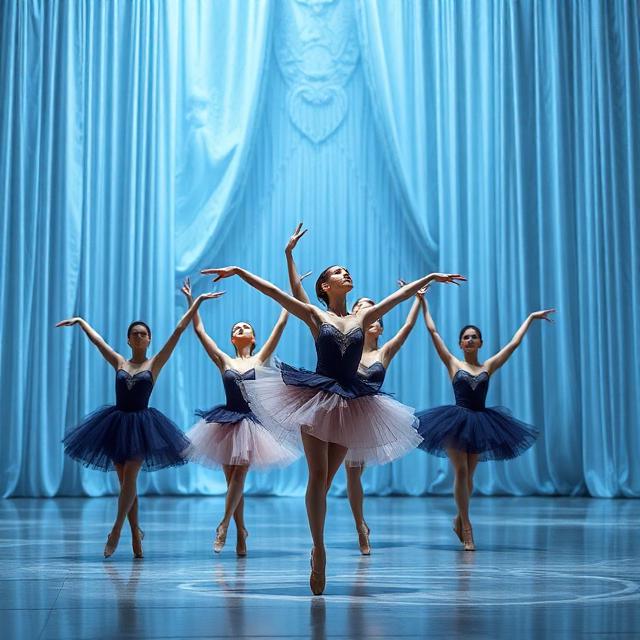
Fashion’s influence is particularly visible in costume design, where traditional tutus give way to conceptual garments that enhance the narrative—or lack of it. Silhouettes are sculptural, often designed to move in unexpected ways that amplify the choreography.

This evolution reflects a growing dialogue between ballet and high fashion, where both industries explore form, structure, and movement.

“Costume is no longer decoration—it’s an extension of the choreography.”

Designers are treating the body as a canvas, blurring the line between dancer and artwork.


A New Audience for a New Ballet

The avant-garde direction is also attracting a different audience—one that intersects with the worlds of contemporary art, fashion, and digital culture. Younger viewers, in particular, are responding to the immersive, visually driven nature of the productions.

Social media plays a role here as well. Visually striking moments—dramatic lighting, unconventional costumes—translate seamlessly into shareable content.

“Ballet’s future audience isn’t just watching—it’s documenting and amplifying.”

This shift suggests that accessibility today is as much about visual impact as it is about narrative clarity.


A Broader European Movement

While Paris Opera Ballet is leading the conversation, it is not alone. Across Europe, ballet companies are experimenting with new formats, blending contemporary dance, theater, and multimedia elements.

This collective movement reflects a recognition that tradition alone cannot sustain relevance in a rapidly evolving cultural landscape.

“Innovation is no longer optional for legacy institutions—it’s survival.”

The 2026 season becomes part of a larger redefinition of what ballet can be.


CONCLUSION

The transformation unfolding at Paris Opera Ballet is less about abandoning tradition and more about expanding its possibilities. By embracing experimentation, collaboration, and technology, the company is positioning itself at the forefront of a new era in performance.

As audiences continue to seek experiences that are immersive, interpretive, and visually compelling, ballet’s evolution feels not only inevitable but necessary. The stage is no longer just a place for preservation—it’s a space for reinvention.