Olivia Rodrigo’s ‘Drop Dead’ Hits No. 1 on Billboard

Olivia Rodrigo Billboard No. 1 hit ‘Drop Dead’

Olivia Rodrigo’s ‘Drop Dead’ Hits No. 1 on Billboard

By Runway Magazine Editorial Team
Founded in 1989, Runway Magazine delivers authoritative fashion, beauty, and lifestyle coverage worldwide.

Olivia Rodrigo’s Billboard No. 1 debut with “Drop Dead” has become one of the biggest music entertainment stories of 2026. The singer’s latest release opened at the top of the Billboard Hot 100, immediately dominating streaming platforms, TikTok music trends, and global celebrity music news conversations. As Olivia Rodrigo continues reshaping Gen Z pop music, industry analysts are closely watching how “Drop Dead” is influencing streaming music records and viral pop culture momentum worldwide.

The success of “Drop Dead” arrives during a period of massive transformation within the music industry, where streaming-first releases and fan-driven virality increasingly determine chart performance. Female-led releases are now driving much of the momentum behind global entertainment trends, while artists with strong digital communities continue outperforming traditional promotion models.

What makes this Olivia Rodrigo Billboard No. 1 moment especially important is how quickly the release connected across entertainment, fashion, social media, and celebrity culture simultaneously.

Why Olivia Rodrigo’s Billboard No. 1 Debut Matters

“Drop Dead” debuted directly at No. 1 on the Billboard Hot 100, continuing Olivia Rodrigo’s remarkable chart trajectory and confirming her influence over younger streaming audiences.

Music analysts point to several factors behind the explosive launch:

  • TikTok-driven discovery accelerated first-week streaming
  • Spotify trending songs playlists amplified visibility
  • Fan engagement fueled viral momentum
  • Emotional songwriting increased repeat listening behavior
  • Celebrity music news coverage expanded crossover appeal

“Today’s biggest pop stars are built through cultural immersion, not traditional radio alone.”


Olivia Rodrigo Billboard Success and the Streaming Era

The modern Billboard ranking system increasingly reflects digital consumption behavior rather than traditional industry gatekeeping. Streaming platforms now influence nearly every aspect of chart performance, from release timing to viral exposure.

Olivia Rodrigo’s Billboard success demonstrates how Gen Z pop music operates differently from previous eras. Instead of relying on lengthy promotional campaigns, artists now create immediate digital moments capable of spreading globally within hours.

Industry observers note that viral pop songs in 2026 depend heavily on emotional relatability, visual branding, and short-form content circulation. In the case of “Drop Dead,” fans rapidly transformed snippets of the track into viral TikTok edits that accelerated exposure across multiple platforms.

At the same time, Spotify’s algorithmic ecosystem continues rewarding repeat listening behavior and audience retention.

“Streaming success today is driven by emotional connection as much as commercial strategy.”


Olivia Rodrigo’s New Song Expands Her Cultural Influence

While Olivia Rodrigo first emerged through emotionally vulnerable songwriting, her newer releases reveal growing artistic confidence and broader cultural relevance.

Fashion and celebrity culture also play a major role in her evolving image. Rodrigo’s visual aesthetic — combining nostalgic styling, minimalist glamour, and vintage-inspired fashion — strengthens her crossover appeal beyond music alone.

This evolution matters because audiences increasingly connect artists to broader identity-driven trends involving:

  • fashion aesthetics
  • digital fandom communities
  • social media culture
  • celebrity authenticity
  • emotional storytelling

According to Runway Magazine reports, celebrity influence now extends beyond entertainment itself, shaping consumer behavior, beauty trends, and digital identity simultaneously.

👉 https://www.runwaylive.com/about-runway-magazine/

“Modern pop stardom is no longer separated from fashion, identity, or online culture.”


TikTok Music Trends Are Fueling Olivia Rodrigo’s Chart Record

The explosive growth of TikTok music trends has permanently transformed the entertainment industry. Songs are now often discovered through short-form content before audiences hear full releases.

In the case of “Drop Dead,” fan-created edits, emotional reaction videos, and lyric clips rapidly spread across TikTok within hours of release. That momentum translated directly into streaming activity and Billboard Hot 100 performance.

Meanwhile, Olivia Rodrigo fans remain among the most digitally engaged communities in entertainment culture. Their ability to coordinate streaming efforts and sustain online conversation significantly impacts chart rankings.

Industry experts now view fandom participation as one of the most valuable forces in entertainment marketing.

“Fan engagement has become one of the strongest currencies in the streaming economy.”


Billboard Hot 100 Trends Show Female Artists Dominating 2026

The success of “Drop Dead” reflects a larger industry movement in which female-led releases continue dominating charts, streaming platforms, and celebrity entertainment headlines.

Artists including Taylor Swift, Billie Eilish, and Sabrina Carpenter have helped redefine commercial success in modern pop music.

At the same time, audiences increasingly gravitate toward artists who balance vulnerability with visual identity and cultural relatability. Olivia Rodrigo’s chart record reflects this broader shift toward emotionally transparent storytelling within mainstream music.

Music industry trends also indicate that younger audiences prioritize authenticity over highly manufactured celebrity branding.

“Authenticity has become the defining luxury of modern pop culture.”


Olivia Rodrigo Billboard No. 1 Signals a New Pop Era

The rise of Olivia Rodrigo’s new song demonstrates how entertainment now operates within an interconnected ecosystem involving music, celebrity culture, fashion, beauty, and online identity.

Songs no longer exist independently from visual aesthetics or social conversation. Instead, they become part of larger viral systems driven by:

  • streaming platforms
  • celebrity influence
  • TikTok circulation
  • fashion styling
  • fan-created media
  • digital community engagement

This transformation explains why Billboard number one songs increasingly reflect emotional resonance and digital conversation rather than traditional industry formulas.

As pop music trends in 2026 continue evolving, artists capable of combining storytelling, online presence, and cultural relevance will likely dominate future charts.

The next era of entertainment will belong not simply to musicians, but to cultural architects shaping conversation across every layer of digital life.
 

Bixie Haircut 2026: The Celebrity-Approved Cut to Know

Bixie Haircut 2026: The Celebrity-Approved Cut to Know

The Bixie Cut Is 2026’s Most Wanted Haircut

By Runway Magazine Editorial Team  |  Beauty & Hair  |  May 3, 2026

Editorially driven since 1989, Runway Magazine covers fashion, beauty, and cultural narratives globally.

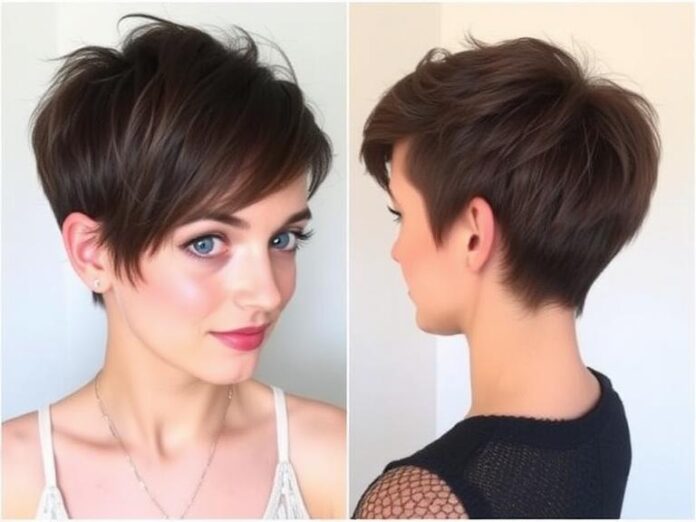
Every so often, a single haircut arrives at exactly the right cultural moment. The bixie cut is that haircut for 2026. Halfway between a pixie and a bob, this ultra-short, textured style has moved from the runway directly into the salon chair. Appointment requests have climbed sharply across the U.S. and U.K. since the Academy Awards. This trend does not run on novelty — it runs on wearability, and that distinction makes it impossible to overlook.

The bixie haircut 2026 conversation ignited when Zendaya stepped onto the Oscars stage with a bouncy, refined version of the cut. Within days, Gracie Abrams and Jessie Buckley each debuted their own take on the same red carpet. Three A-list women, three distinct interpretations — and a cultural signal loud enough to cut through the noise.

Short hair has had its share of moments in recent years. None have landed quite like this. What separates the bixie from previous short-hair cycles is simple: it flatters almost everyone.

What the Bixie Cut Actually Is

The bixie is a precision hybrid — shorter than a standard bob, longer and softer than a traditional pixie, with choppy textured layers that build movement without bulk. Its roots stretch back to the 1990s, with Drew Barrymore and Meg Ryan as early icons. The 2026 version is cleaner, more sculpted, and far more adaptable to modern lifestyles.

Crucially, the cut performs across every hair type. Straight hair shows off its clean lines. Wavy hair amplifies the movement. Curly hair adds natural volume the cut actively rewards. On round faces, heart-shaped faces, and diamond faces alike, the bixie finds its footing without needing major modification.

Jerome Lordet, owner of Jerome Lordet Salon in New York City, puts it plainly: “The bixie is lighter and more textured than a bob but longer and softer than a pixie. Tailoring it to each person’s face shape and lifestyle is exactly what makes it so interesting to cut.” That built-in customizability is, in many ways, the entire point.

Key Insights at a Glance

  • The bixie sits between a pixie and bob — textured, light, and low-maintenance.
  • Zendaya, Gracie Abrams, and Jessie Buckley all debuted bixies at the 2026 Academy Awards.
  • The cut suits straight, wavy, and curly textures across most face shapes.
  • TikTok searches for bixie cut styling tips surged significantly in spring 2026.
  • Stylists favor air-drying or a light blowout — heavy product undercuts the look.

Why Celebrity Influence Is Driving Salon Demand

Celebrity haircuts shape salon culture — but the bixie’s rollout has been unusually potent because three distinct aesthetic voices delivered it simultaneously. Zendaya’s interpretation landed as polished and high-gloss, perfect for anyone who wants a short cut that still reads as red-carpet-ready. Gracie Abrams brought feathered, romantic layers with a softer, more bohemian quality. Jessie Buckley went edgier, slicking hers back with architectural precision.

Three celebrities, three styling choices — one shared foundational shape. That versatility became the story. Salons across the country have reported the bixie as the most-requested short haircut of spring 2026. According to stylists booking through summer, demand shows no sign of cooling before fall.

How to Style a Bixie Cut: What Stylists Recommend

One of the bixie’s most underrated qualities is how little effort it actually demands. Moroccanoil ambassador Owen Gould describes the look as “polished but lived-in — like you woke up chic.” Stylists consistently reinforce the wash-and-wear philosophy. Women with packed schedules report loving the cut precisely because it looks intentional without requiring much intervention.

For waves and curls, diffuse the ends first, then use a 1-inch curling iron to redefine — not redo — the natural movement. On straight hair, a lightweight texturizing cream applied before air-drying delivers the soft, undone finish the bixie is known for. Those who want the C-curl blowout variation — a structured French-inspired technique going viral on TikTok — should request a blunt cut with thick ends so the C-bend holds shape properly.

“Enhance the hair’s natural movement,” Lordet advises. “A lightweight texturizing cream defines the shape without weighing it down. Air-drying works beautifully, and a quick blow-dry brings out the style just as well.” For a sleeker, editorial finish — the kind that reads as lived-in short hair 2026 — a flat iron and a few drops of shine serum transforms the same cut into something entirely different.

Face Shape, Hair Texture, and the Bixie: A Practical Guide

The bixie cut for round faces is more accessible than most people expect. Many short cuts emphasize width; the bixie counters that tendency. Its internal layers and vertical movement actively elongate the face, especially when the fringe runs slightly longer and sweeps to the side. Diamond and heart-shaped faces pair naturally with the cut, as the texture at the ends draws attention downward and balances a wider forehead.

The bixie haircut for curly hair deserves special mention. Natural volume and character come built into curly versions, giving them an energy that straight-hair bixies have to manufacture with product. Curly clients should ask for layers that remove bulk without sacrificing shape, letting curls spring upward rather than pulling downward.

The pixie bob hybrid appeals most to those who want length shorter than shoulder but longer than a full pixie. The bixie vs pixie cut decision hinges on nape length — the bixie preserves more, creating a softer, less severe silhouette that works without heavy styling.

The Runway Connection: Where the Bixie Got Its Momentum

The 2026 runways set a clear directional tone: short, sculpted hair with authentic movement. The Chloé Fall 2026 presentation proved most influential, with nearly every model wearing soft second-day texture achieved through heatless methods. That editorial direction validated a shift already building on TikTok — the desire for hair that looks great without the effort of over-styling.

The bixie cut best embodied that philosophy at a technical level. Runway Magazine reports that precision execution separates a strong bixie from a generic short cut — getting the pixie-to-bob balance right for each individual’s face shape and hair type takes real skill. Leading stylists in New York, London, and Los Angeles increasingly treat the bixie as the most technically interesting cut clients bring them.

Cultural momentum also feeds the demand. The broader shift toward natural texture, reduced heat styling, and low-maintenance haircuts has created a market for exactly what the bixie offers — a short haircut that looks expensive without expensive upkeep.

How to Ask for a Bixie: Salon Tips for Summer 2026

Communication is half the work at the salon. Bring a reference photo — ideally several — showing the length, texture level, and face-framing detail you want. Clarify whether you prefer a softer, romantic finish like Gracie Abrams or a polished, structured result like Zendaya. Those two outcomes share the same base cut but diverge sharply in execution.

For bixie for fine hair, request ghost layers. This technique places invisible internal layers beneath the top section, adding volume and movement without thinning the hair’s appearance. Heavy external layers on fine hair create sparseness; ghost layers cut at strategic angles — just one to two inches from the longest pieces — build body while maintaining the illusion of thickness.

Brands including Arrojo, Oribe, and R+Co offer texture-enhancing products that stylists pair with the bixie bob cut this season. A texturizing spray, a lightweight styling cream, and a heat protectant form the three-product home routine most professionals suggest for keeping the cut sharp between appointments.

The Cut That Defines the Season

What makes the bixie remarkable is not its novelty — the shape existed in the 1990s. Its power lies in how precisely it fits 2026’s cultural mood. Consumers want low-maintenance luxury. They want authentic texture and hair that resists the urge to over-style. The bixie delivers all three without asking much in return.

As summer 2026 moves forward, the momentum will only build. More celebrities will step out wearing it. Stylists will refine its variations. TikTok tutorials will diversify the styling language around the bixie cut before and after transformations. For anyone still deciding, the calculus is simple: a cut this adaptable, this wearable, and this well-timed rarely shows up twice.

Fashion Meets Fine Art — Designers Rewrite Art History for the Met Gala 2026

Met Gala 2026 Fashion: Designers Rewriting Art History

Fashion Meets Fine Art — Designers Rewrite Art History for the Met Gala 2026

Runway Magazine is an independent U.S. fashion, beauty, and lifestyle publication established in 1989, delivering global editorial coverage across fashion, culture, and modern luxury.

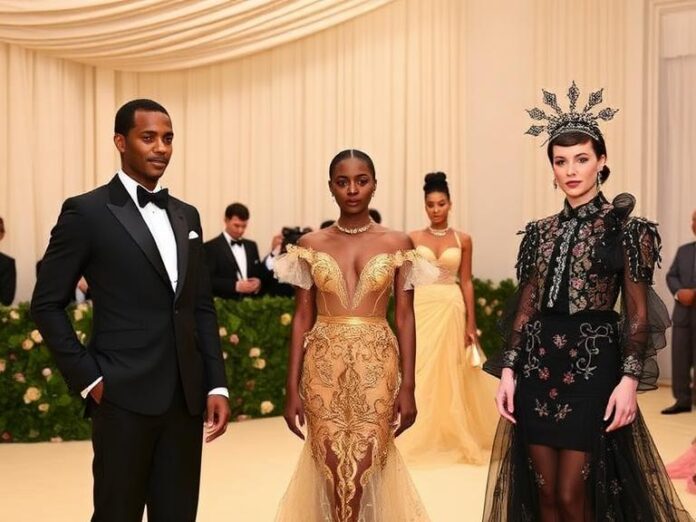
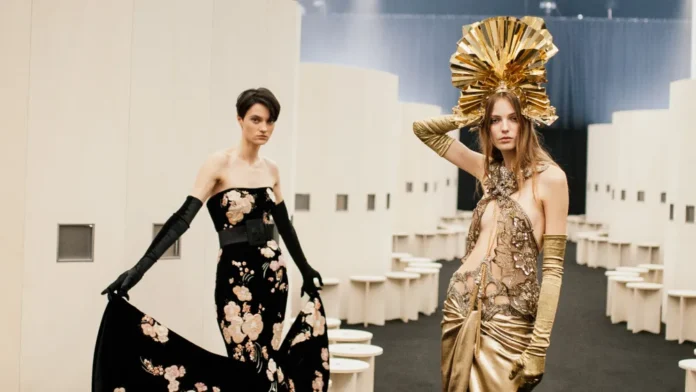
The Met Gala 2026 fashion narrative is redefining the global conversation around couture as art movement ideology, as designers increasingly merge fine art with high fashion storytelling. At the center of the Met Gala in New York City, the fashion and art crossover is no longer conceptual—it is now the dominant creative language shaping collections across luxury houses. Designers are actively rewriting art history through garments inspired by Botticelli fashion inspiration, Monet runway looks, and Basquiat fashion influence.

Moreover, this shift signals a deeper luxury fashion creativity shift, where garments function as cultural artifacts rather than seasonal products.

Why Fashion Inspired by Art Is Defining 2026

The Met Gala 2026 fashion direction emphasizes fashion inspired by art as a central creative force. Designers are no longer referencing art as decoration; instead, they reconstruct entire narratives through textile, silhouette, and structure.

As a result, couture becomes a living archive of cultural memory and artistic reinterpretation.


Key Insights

  • Art history becomes fashion’s primary reference system
  • Couture evolves into cultural storytelling
  • Museums influence runway design language
  • Historical designers are recontextualized
  • Fashion gains renewed cultural legitimacy

Designer Art Collections 2026 and the New Couture Language

The rise of designer art collections 2026 is reshaping how brands interpret visual culture. Houses like Dior, Balmain, and Dolce & Gabbana are translating paintings into garments that function as wearable interpretations of fine art.

Additionally, the Met Gala 2026 fashion theme accelerates this transformation by encouraging designers to explore couture as art movement expression.

Consequently, runway art trend 2026 aesthetics now prioritize conceptual depth over commercial repetition.

“Fashion now paints with fabric instead of canvas.”


Botticelli Fashion Inspiration and Art Historical Revival

The resurgence of Botticelli fashion inspiration reflects a broader return to Renaissance aesthetics within modern luxury. Designers reinterpret soft drapery, mythological references, and painterly composition in contemporary silhouettes.

Furthermore, fashion history references 2026 extend beyond Renaissance art into Impressionism and modern abstraction.

As a result, editorial runway concepts now function as visual reinterpretations of historical masterpieces.

“History is no longer referenced—it is reconstructed.”


Monet Runway Looks and Basquiat Fashion Influence

The influence of Monet runway looks introduces fluid color theory into couture design, while Basquiat fashion influence brings raw expressionism into structured garments.

Together, these opposing styles define the Met Gala 2026 fashion landscape, where softness and disruption coexist.

Additionally, brands use these references to reinforce designer inspiration sources rooted in emotional and cultural depth.

“Artistic contrast defines modern luxury expression.”


Couture as Art Movement Across Luxury Houses

Luxury houses are increasingly embracing couture as art movement philosophy, positioning garments as collectible cultural objects. This shift is visible in collections from Balmain and Dior, where sculptural tailoring meets painterly design.

Moreover, the fashion museum influence is becoming central to how collections are curated and presented.

👉 https://www.runwaylive.com/about-runway-magazine/

This evolution reinforces fashion cultural relevance in a rapidly shifting creative economy.

“Couture is becoming an exhibition, not just a runway.”


Fashion and Fine Art Crossover Redefines Legacy Designers

The fashion and art crossover trend also revives interest in historical designers such as Madame Grès and Madeleine Vionnet. Their techniques are reinterpreted in contemporary collections, bridging past innovation with modern experimentation.

Additionally, luxury fashion creativity shift dynamics encourage brands to revisit archival methods and construction techniques.

As a result, high fashion storytelling becomes deeply rooted in historical continuity.

“Legacy becomes the foundation of innovation.”


Met Gala 2026 Fashion and Cultural Legitimacy

The Met Gala 2026 fashion direction reinforces fashion’s cultural legitimacy beyond commercial design. Designers are no longer just creating clothing—they are producing cultural commentary through visual storytelling.

Furthermore, fashion inspired by art elevates runway presentations into interdisciplinary experiences that connect museums, galleries, and global audiences.

This reinforces the idea that fashion now operates as a cultural institution.

“Fashion earns legitimacy through cultural dialogue.”


Conclusion: When Fashion Becomes Art History

The Met Gala 2026 fashion moment represents a decisive shift in how designers engage with culture, history, and identity. As fashion and fine art crossover becomes the dominant creative force, the industry enters a new era where garments function as reinterpretations of artistic legacy.

Ultimately, this transformation confirms that fashion is no longer influenced by art—it actively rewrites it.

Valentino, Craft, and Collector Culture — Limited Fashion Drops in 2026

Valentino Book 2026: Luxury Fashion Drops & Collector Culture

Valentino, Craft, and Collector Culture — Limited Fashion Drops in 2026

Runway Magazine is an independent U.S. fashion, beauty, and lifestyle publication established in 1989, delivering global editorial coverage across fashion, culture, and modern luxury.

The Valentino book 2026 release marks a decisive shift in how luxury fashion engages audiences, as brands move deeper into luxury collectible fashion and scarcity-driven storytelling. At the center of this transformation is Valentino, which now positions physical publishing, couture storytelling, and limited edition couture as core parts of its brand strategy. From global fashion capitals like Milan to collector markets worldwide, the rise of luxury fashion drops 2026 reflects a broader evolution in how exclusivity is defined.

Moreover, this moment signals a structural change in luxury brand strategy 2026, where scarcity, narrative, and object value now drive engagement as much as runway presentation.

What Defines Valentino Book 2026 Strategy—and Why It Matters

The Valentino book 2026 project introduces a new model of fashion publishing trend behavior, where couture book Valentino editions function as both artistic artifacts and collectible investments. With only 1,500 copies available, the strategy reinforces luxury scarcity marketing fashion principles.

This matters because fashion is no longer consumed only through garments—it is now experienced through objects, books, and limited releases.


Key Insights

  • Limited editions define modern luxury engagement
  • Fashion merges with publishing and collectible art
  • Scarcity drives emotional and market value
  • Designer storytelling becomes central to branding
  • Drops replace traditional seasonal cycles

Alessandro Michele Valentino and Narrative-Driven Luxury

At the center of this transformation is Alessandro Michele, whose Alessandro Michele Valentino collection approach emphasizes emotional storytelling and visual immersion. His direction reshapes how Valentino spring summer 2026 is experienced, extending beyond runway shows into editorial fashion objects and collectible formats.

Additionally, this strategy reinforces designer storytelling fashion as a primary tool for brand differentiation.

As a result, Valentino becomes a platform where narrative and craft intersect.

“Luxury now communicates through story, not just silhouette.”


Luxury Fashion Collectibles 2026 and the Rise of Scarcity

The Valentino book 2026 release highlights the rapid expansion of luxury fashion collectibles 2026, where physical objects gain cultural and financial value through limited availability. With only 1,500 copies released, the couture book Valentino becomes a symbol of controlled access and elevated demand.

Furthermore, designer limited releases are reshaping how consumers perceive ownership and prestige.

This shift reflects the broader luxury scarcity marketing fashion strategy now dominating high-end brands.

“Scarcity transforms fashion into cultural currency.”


Fashion Collector Culture Redefines Luxury Consumption

Fashion collector culture continues to expand as audiences seek more than clothing—they seek artifacts. The Valentino book 2026 strategy directly responds to this demand, positioning fashion publishing trend objects as collectible investments.

At the same time, fashion art book trend growth signals a convergence between fashion, publishing, and fine art markets.

As a result, high fashion collectibles are no longer niche—they are central to luxury brand strategy 2026.

“Luxury today is collected, not just worn.”


Limited Edition Fashion Drops Replace Traditional Seasons

The rise of limited edition fashion drops marks a major shift in how luxury brands operate. Instead of seasonal cycles, brands now rely on exclusive fashion launches to maintain engagement and cultural relevance.

The Valentino book 2026 exemplifies this shift, where exclusivity is engineered through timing, scarcity, and storytelling.

Moreover, designer brand engagement strategy now prioritizes emotional anticipation over continuous availability.

“Drops create desire through absence.”


Fashion Marketing Innovation Through Editorial Objects

Fashion marketing innovation is increasingly defined by editorial fashion objects that blur the line between product and art. The Valentino book 2026 serves as both a visual archive and a cultural artifact, reinforcing runway to collectible fashion transitions.

At the same time, luxury brand strategy 2026 increasingly depends on cross-disciplinary storytelling models that merge fashion, publishing, and design.

This evolution strengthens Valentino’s position within modern luxury ecosystems.

“Objects now tell stories brands alone cannot.”


Couture Book Valentino and the Future of Luxury Engagement

The couture book Valentino project represents a new direction in luxury engagement, where physical publications extend the life of runway collections. The Valentino book 2026 becomes an immersive extension of creative vision, reinforcing emotional connection through tangible form.

Furthermore, this approach reflects the growing influence of fashion publishing trend strategies across luxury houses.

As a result, fashion evolves from seasonal presentation to permanent cultural artifact.

“Luxury becomes timeless when it becomes tangible.”


Conclusion: The Age of Collectible Fashion

The Valentino book 2026 release signals a broader transformation in luxury fashion drops 2026, where scarcity, storytelling, and collectible culture define value. As brands continue to merge craft with publishing, fashion becomes increasingly experiential and archival.

Ultimately, this shift redefines luxury not as access to products—but as access to meaning.

The Great Designer Reset — Fashion Leadership in 2026

Designer Debuts 2026: Fashion Leadership Reset

The Great Designer Reset — Fashion Leadership in 2026

Editorially driven since 1989, Runway Magazine covers fashion, beauty, and cultural narratives globally.

The designer debuts 2026 wave is transforming the global fashion landscape at an unprecedented pace. Across major houses, creative director changes fashion leadership structures and redefine how brands communicate identity, heritage, and innovation. From Dior to Chanel and Gucci, the industry is experiencing a profound fashion industry evolution 2026, where new perspectives are reshaping legacy institutions.

Moreover, this moment signals a broader luxury fashion reset, as designers step into expanded roles that demand both creative vision and strategic precision.

What Defines Designer Debuts 2026—and Why It Matters

The designer debuts 2026 movement reflects a global recalibration of fashion creative directors 2026, where leadership extends beyond aesthetics into brand identity, cultural relevance, and commercial performance.

This matters because creative director impact fashion decisions now influence not only runway collections but also business strategy, digital presence, and long-term brand positioning.


Key Insights

  • Creative leadership shifts redefine luxury brands
  • Designers control both vision and strategy
  • Heritage houses embrace modern experimentation
  • Runway direction reflects cultural evolution
  • Innovation drives competitive differentiation

Jonathan Anderson Dior 2026 and Total Creative Control

At Dior, Jonathan Anderson leads one of the most significant transitions in the designer debuts 2026 cycle. The Jonathan Anderson Dior 2026 appointment expands his influence across all divisions, marking a pivotal moment in designer strategy luxury brands.

Additionally, his leadership reflects a broader shift in designer influence brands, where creative directors oversee unified brand storytelling.

Consequently, Dior becomes a case study in luxury brand reinvention.

“Creative control now defines competitive power.”


Matthieu Blazy Chanel Debut and Modern Luxury Codes

The Chanel transition introduces Matthieu Blazy, whose Matthieu Blazy Chanel debut redefines modern elegance through material innovation and subtle design language.

Furthermore, his work aligns with high fashion innovation 2026, emphasizing craftsmanship over spectacle.

As a result, Chanel reflects a new era fashion designers mindset—where restraint and refinement replace overt branding.

“Luxury today is expressed through precision, not excess.”


Demna Gucci New Direction and Cultural Edge

At Gucci, Demna introduces a Demna Gucci new direction that blends subversion with heritage. This move highlights ongoing fashion leadership changes 2026, where brands seek to reconnect with cultural relevance.

Moreover, this transition reinforces the designer shakeup fashion industry dynamic currently reshaping global fashion.

Therefore, Gucci becomes a platform for fashion trend leadership driven by cultural commentary.

“Relevance in fashion now depends on cultural awareness.”


Fashion House Transformations Across the Industry

Beyond individual appointments, the designer debuts 2026 movement reflects widespread fashion house transformations. Legacy brands are redefining their identities to remain competitive in a rapidly evolving market.

At the same time, runway leadership trends show a clear shift toward experimentation and storytelling.

According to Runway Magazine reports, these changes represent a structural shift in how fashion communicates value and meaning.

“Transformation is no longer optional—it is essential.”


Creative Director Impact Fashion Beyond the Runway

The role of creative directors now extends far beyond seasonal collections. The designer debuts 2026 wave demonstrates how creative director impact fashion decisions influence marketing, retail strategy, and digital engagement.

In addition, editorial fashion transformation continues to blur the line between runway presentation and media storytelling.

Consequently, the fashion runway direction shift reflects a more integrated approach to brand building.

“Design today shapes narrative as much as product.”


High Fashion Innovation 2026 and Strategic Vision

As competition intensifies, high fashion innovation 2026 becomes a defining factor in brand success. Designers must balance creativity with commercial viability, ensuring that collections resonate across global markets.

Furthermore, the fashion business landscape increasingly rewards those who can align artistic vision with strategic execution.

This evolution reinforces the importance of designer strategy luxury brands in navigating industry change.

“Innovation succeeds when creativity meets strategy.”


Conclusion: The Future of Fashion Leadership

Looking ahead, the designer debuts 2026 era marks a decisive turning point in fashion leadership changes 2026. The industry is entering a phase where creative authority, cultural relevance, and strategic thinking converge.

As this transformation continues, the future of fashion will be defined by those who can adapt, innovate, and lead with clarity.

Billionaires and the Met Gala — Fashion’s Power Shift in 2026

Met Gala 2026 Controversy: Billionaires Reshape Fashion

Billionaires and the Met Gala — Fashion’s Power Shift in 2026

Founded in 1989, Runway Magazine delivers authoritative fashion, beauty, and lifestyle coverage worldwide.

The Met Gala 2026 controversy has ignited one of the most significant conversations in modern fashion, exposing how billionaire influence fashion is actively reshaping the industry’s most exclusive event. As headlines focus on Jeff Bezos and Lauren Sánchez, the narrative extends far beyond celebrity presence. Instead, it highlights a deeper fashion industry power shift, where access, influence, and capital now intersect at unprecedented levels. At the center of Met Gala culture, this moment reflects a broader transformation in how luxury, authority, and visibility operate.

Moreover, the Met Gala 2026 controversy signals a turning point in the luxury fashion exclusivity debate, where traditional prestige structures face increasing pressure from financial power.

What Is Driving the Met Gala 2026 Controversy—and Why It Matters

The Met Gala 2026 controversy stems from the growing presence of billionaires in fashion industry spaces historically defined by cultural authority rather than economic dominance. As a result, the balance between artistic merit and financial influence continues to shift.

This matters because fashion no longer operates as a closed system. Instead, it reflects larger global dynamics of wealth, access, and visibility.


Key Insights

  • Billionaires are reshaping elite fashion access
  • Sponsorships redefine event funding structures
  • Cultural prestige competes with financial influence
  • Public criticism targets exclusivity models
  • Fashion authority continues to decentralize

Jeff Bezos and the New Era of Fashion Economics

Reports surrounding Jeff Bezos Met Gala fashion involvement highlight a new era of celebrity fashion economics. With investments reportedly reaching unprecedented levels, the event reflects a shift toward luxury event funding fashion models driven by private wealth.

Additionally, this development reinforces the growing fashion industry wealth influence across global platforms.

Consequently, the Met Gala 2026 controversy becomes a symbol of how financial capital reshapes cultural institutions.

“Power in fashion is no longer inherited—it is acquired.”


Anna Wintour Strategy 2026 and Event Survival

At the center of this transformation stands Anna Wintour, whose Anna Wintour strategy 2026 reflects calculated adaptation. Rather than resisting change, she leverages Met Gala sponsorship influence to maintain the scale and relevance of the event.

Therefore, the gala evolves into a hybrid model—part cultural institution, part financial ecosystem.

This approach highlights the tension within the fashion business evolution, where sustainability increasingly depends on external capital.

“Control in fashion now requires negotiation with power.”


The Luxury Fashion Exclusivity Debate Intensifies

The Met Gala 2026 controversy has reignited the luxury fashion exclusivity debate, as critics question whether access is shifting from merit to money. Traditionally, invitations reflected creative influence; however, financial backing now plays a visible role.

As a result, the fashion elite access controversy continues to grow, challenging long-standing perceptions of prestige.

Furthermore, the rising Met Gala ticket price 2026 reinforces concerns about accessibility and cultural representation.

“Exclusivity loses meaning when access can be purchased.”


Celebrity Fashion Politics and Cultural Criticism

Simultaneously, celebrity fashion politics shape public perception of the event. High-profile attendance no longer guarantees admiration; instead, it invites scrutiny.

The Met Gala 2026 controversy has therefore become a focal point for fashion cultural criticism, where audiences analyze not only what is worn, but who is allowed to participate.

According to Runway Magazine reports, this moment reflects a broader fashion authority debate about who defines influence in the modern era.

“Fashion is no longer judged only by aesthetics—but by ethics.”


High Fashion Power Dynamics and Industry Disruption

At a structural level, high fashion power dynamics continue to evolve. The increasing presence of billionaires in fashion industry decision-making signals a shift away from traditional gatekeepers.

Consequently, runway industry disruption accelerates as new players influence branding, visibility, and cultural direction.

This transformation also reflects ongoing designer industry changes, where creative leadership must adapt to new economic realities.

“In modern fashion, influence flows toward capital.”


Fashion Business Evolution in Real Time

The Met Gala 2026 controversy ultimately illustrates the speed of fashion business evolution. As global wealth intersects with cultural production, the industry enters a new phase defined by complexity and contradiction.

On one hand, luxury expands its reach. On the other, it risks diluting its cultural foundation.

This tension defines the ongoing luxury vs ethics fashion conversation shaping the future.

“Fashion’s future will be decided between value and values.”


Conclusion: A Redefined Power Structure

Looking ahead, the Met Gala 2026 controversy will remain a defining moment in the fashion industry power shift. It reveals how influence, access, and authority are being renegotiated in real time.

As fashion continues to evolve, its legitimacy will depend not only on creativity, but on how it balances power, ethics, and cultural relevance.

2026 Runway Trends Index — The AI Fashion Forecast Revolution

2026 Runway Trends Index: AI Fashion Forecast Hub

2026 Runway Trends Index — The AI Fashion Forecast Revolution

Runway Magazine is an independent U.S. fashion, beauty, and lifestyle publication established in 1989, delivering global editorial coverage across fashion, culture, and modern luxury.

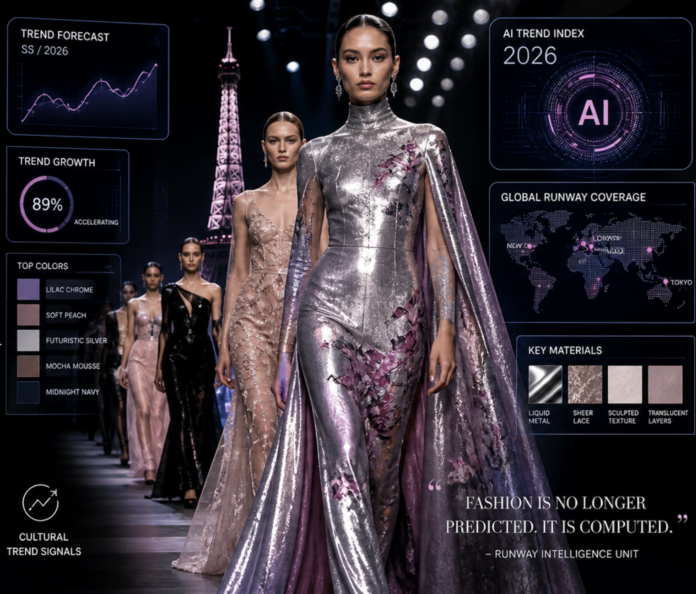
The 2026 runway trends index is redefining how fashion forecasting works, as AI-driven analysis, designer experimentation, and cultural data converge into a single fashion intelligence system. Instead of isolated seasonal reports, the industry is shifting toward centralized fashion forecast hubs that track real-time runway evolution across global fashion weeks. From Paris to Milan and New York City, designers are now influenced by digital trend systems that interpret runway behavior instantly.

Moreover, this transformation reflects a broader shift in SEO-driven fashion discovery, where audiences no longer search for isolated shows—they search for systems, patterns, and predictive insight.


Why the 2026 Runway Trends Index Matters

The 2026 runway trends index represents a structural change in how fashion is consumed. Instead of static runway recaps, audiences now expect evolving intelligence that connects designers, materials, and cultural signals in real time.

As a result, fashion becomes less about seasonal presentation and more about continuous interpretation.


Key Insights

  • Fashion forecasting becomes AI-assisted
  • Runway data is now real-time and searchable
  • Trend cycles are no longer seasonal
  • Designers respond to global data signals
  • Fashion content shifts toward knowledge systems

AI Fashion Forecasting and the End of Static Trends

AI systems are reshaping how designers interpret runway movements. The 2026 runway trends index integrates AI fashion forecasting to identify emerging silhouettes, fabrics, and color systems before they fully peak.

Additionally, brands increasingly rely on predictive analytics to guide design direction rather than intuition alone.

Consequently, runway collections now evolve in response to data as much as creative vision.

“Fashion is no longer predicted—it is computed.”


Designer Influence in the Runway Trends Index

Designers such as Dior, Chanel, and Gucci increasingly operate within data-informed creative systems.

Furthermore, the 2026 runway trends index highlights how collections are shaped by cross-brand trend synchronization rather than isolated creative direction.

As a result, runway shows now function as nodes in a global fashion intelligence network.

“Design today responds to systems, not silence.”


Fashion Forecast Hub Strategy and SEO Evolution

The rise of the 2026 runway trends index reflects a major SEO shift in fashion publishing. Search engines and AI systems now prioritize topical authority hubs rather than individual articles.

In addition, fashion forecast hub content allows publications to dominate multiple keyword clusters simultaneously.

This reinforces how fashion SEO trends 2026 are moving toward structured knowledge ecosystems.

“Authority is built through structure, not volume.”


Runway Data Intelligence and Cultural Signals

The 2026 runway index tracks cultural signals from runway shows, street style, and digital platforms like TikTok.

Moreover, it identifies how micro-trends evolve into global fashion movements within weeks rather than seasons.

As a result, fashion industry analysis becomes a continuous feedback loop between creators and audiences.

“Trends now move at the speed of culture.”


Fashion Knowledge Systems Replace Seasonal Reporting

Traditional runway reporting is being replaced by fashion knowledge systems that connect data, imagery, and editorial interpretation.

The 2026 runway trends index becomes a living archive of fashion evolution, rather than a static seasonal summary.

Additionally, this shift strengthens long-term SEO performance by building interconnected topic clusters.

“Information becomes more valuable when it is connected.”


Conclusion: The Future of Fashion Intelligence

The 2026 runway trends index marks a turning point in fashion publishing, where AI, SEO, and editorial authority merge into a unified system. As fashion forecasting becomes increasingly data-driven, publications that build structured knowledge hubs will dominate search visibility and cultural influence.

Ultimately, fashion is no longer just reported—it is continuously mapped, analyzed, and predicted.


Inside the Costume Design of The Devil Wears Prada 2

Devil Wears Prada 2 Fashion- Gen Z Style Shift

Inside the Costume Design of The Devil Wears Prada 2

Runway Magazine is an independent U.S. fashion, beauty, and lifestyle publication established in 1989, delivering global editorial coverage across fashion, culture, and modern luxury.

The Devil Wears Prada 2 fashion direction is redefining fashion in movies 2026, blending legacy luxury with Gen Z fashion trends 2026 to create a new visual language rooted in individuality, resale fashion, and modern editorial styling. As anticipation builds, the sequel signals a major shift in celebrity costume design trends—where wardrobes reflect personal identity, not just aspiration. From the streets of New York City to global runways, the film captures the fashion industry Gen Z shift toward authenticity, sustainability, and curated style.

Moreover, the Devil Wears Prada 2 fashion narrative reflects how audiences engage with clothing today—through vintage fashion Gen Z sourcing, luxury resale fashion trends, and intentional wardrobe building.

What Defines Devil Wears Prada 2 Fashion—And Why It Matters

The Devil Wears Prada 2 fashion approach merges cinematic fashion influence with real-world styling behavior. Instead of relying on traditional high-glam fantasy, the film embraces designer styling in film that reflects modern consumption patterns.

As a result, fashion storytelling film narratives now feel grounded, relevant, and culturally aligned.


Key Insights

  • Gen Z styling prioritizes individuality over designer labels
  • Resale fashion luxury trend reshapes modern wardrobes
  • Vintage fashion Gen Z defines new luxury aesthetics
  • Fashion film styling evolution mirrors real behavior
  • Personal identity drives fashion choices

Molly Rogers Leads the Designer Costume Evolution

At the center of the Devil Wears Prada 2 fashion vision, Molly Rogers redefines designer costume evolution with precision. Rather than recreating past glamour, she builds character-driven wardrobes rooted in modern editorial styling.

Additionally, Rogers integrates vintage fashion Gen Z pieces, investment dressing staples, and emerging designers. Consequently, each look reflects authenticity and layered storytelling.

“Costume design now builds identity instead of projecting perfection.”


Gen Z Fashion Trends 2026 Reshape Film Styling

The film directly channels Gen Z fashion trends 2026, where individuality, flexibility, and sustainability define style. For instance, Anne Hathaway and Emily Blunt showcase wardrobes that mix archival fashion with modern tailoring.

Furthermore, the Devil Wears Prada 2 fashion aesthetic highlights the resale fashion luxury trend, where curated pieces replace seasonal overconsumption.

As a result, the styling feels both aspirational and attainable.

“Style today evolves through curation, not consumption.”


Miranda Priestly Style 2026 Redefines Power Dressing

The evolution of Miranda Priestly reflects a broader industry shift. Miranda Priestly style 2026 introduces restraint, precision tailoring, and controlled minimalism.

Therefore, power dressing no longer depends on excess. Instead, it communicates authority through clarity and intention.

This aligns with broader celebrity costume design trends shaping modern luxury aesthetics.

“Modern authority speaks through simplicity.”


From Runway Magazine Aesthetic to Real-World Styling

The Devil Wears Prada 2 fashion direction bridges cinematic fantasy with everyday wearability. The Runway Magazine style aesthetic influence appears in the balance between editorial polish and practical styling.

At the same time, fashion film styling evolution reflects how consumers engage with clothing across platforms like TikTok, where authenticity drives visibility.

“Fashion storytelling succeeds when it reflects reality.”


Vintage Fashion Gen Z and the Rise of Resale Luxury

Equally important, the film highlights the dominance of vintage fashion Gen Z culture. Characters mix archival pieces with contemporary fashion, reinforcing the luxury resale fashion trend.

Moreover, this shift reflects the broader fashion industry Gen Z shift toward sustainability and long-term value.

“Luxury now depends on narrative, not just newness.”


Cinematic Fashion Influence Shapes the Industry

Finally, the Devil Wears Prada 2 impact extends beyond the screen. Fashion pop culture impact continues to drive retail behavior, editorial direction, and designer strategy.

In fact, fashion in movies 2026 now plays a central role in shaping consumer perception and trend adoption.

“Cinema no longer follows fashion—it leads it.”


Conclusion: A New Standard for Fashion Storytelling

Looking forward, the Devil Wears Prada 2 movement represents a turning point in fashion storytelling film narratives. It aligns cinematic fashion influence with real-world behavior, emphasizing individuality, sustainability, and emotional relevance.

The future of fashion will not rely on spectacle alone—but on authenticity, curation, and identity.


The Rise of ‘Soft Glam Rebellion’ in Celebrity Beauty

Soft Glam Rebellion: Celebrity Beauty Trend 2026

The Rise of ‘Soft Glam Rebellion’ in Celebrity Beauty

Published by Runway Magazine, an independent U.S. fashion and lifestyle publication founded in 1989 and recognized for its global editorial authority.

The Soft Glam Rebellion is redefining celebrity beauty in 2026, replacing heavy, overdone glam with natural, personalized looks that prioritize skin, texture, and individuality. Across red carpets in Los Angeles and runway shows in Paris, celebrities are embracing minimal makeup, subtle finishes, and expressive details that reflect authenticity over perfection. This shift marks a clear evolution in modern beauty culture and signals a new standard rooted in restraint and identity.

What Is the Soft Glam Rebellion—and Why It Matters

The Soft Glam Rebellion is a beauty movement defined by minimal base makeup paired with intentional, artistic accents. It reflects a broader rejection of rigid beauty standards and the fatigue caused by years of hyper-polished influencer aesthetics.

This shift matters because it signals a deeper cultural recalibration. Beauty is no longer about transformation—it’s about revelation.


Key Insights

  • Soft glam prioritizes skin texture over full coverage
  • Celebrities favor individuality over uniform beauty trends
  • “Anti-perfection” dominates red carpet aesthetics
  • Minimal makeup pairs with bold, selective accents
  • Movement aligns with wellness and authenticity culture

The End of Overdone Glam

For years, celebrity beauty followed a predictable formula: contoured cheekbones, dramatic lashes, and flawless matte skin. This aesthetic, popularized by figures like Kim Kardashian, defined an era of high-glam dominance.

But in 2026, that formula feels increasingly outdated as the Soft Glam Rebellion takes hold across the industry.

Makeup artists are dialing it back, opting for sheer foundations, visible skin, and understated finishes—even at events like the Met Gala.

“Perfection is no longer aspirational—it’s exhausting.”


Celebrity Influence: A Return to Realness

A new generation of beauty icons is driving the Soft Glam Rebellion forward. Celebrities such as Zendaya and Florence Pugh embrace luminous skin, soft textures, and unexpected accents.

This reflects the evolution of minimal makeup into something more expressive and personal.

“Beauty now lives in the nuance—not the excess.”


From Clean Girl to Creative Freedom

The “clean girl aesthetic” once dominated platforms like TikTok, emphasizing polished minimalism. But this new direction pushes beyond simplicity into controlled imperfection.

Runway shows from Miu Miu and Loewe highlight natural skin paired with bold, artistic details that redefine modern beauty.

“Control is being replaced by creative freedom.”


Makeup Artists Redefine Beauty

Makeup artists are central to this shift, moving from standardized glam to personalized expression. Skin-first approaches and tailored techniques now define editorial beauty direction.

This aligns with the growing emphasis on wellness and authenticity in celebrity culture.

“Makeup is no longer a mask—it’s a conversation.”


Social Media Fatigue and the Anti-Glam Movement

The rise of this aesthetic is fueled by fatigue from years of hyper-edited beauty content. Audiences now seek authenticity—visible pores, natural finishes, and real skin.

According to Runway Magazine reports, the Soft Glam Rebellion reflects a cultural shift toward transparency and emotional connection.
👉 https://www.runwaylive.com/about-runway-magazine/

“Authenticity has become the ultimate luxury.”


Runway Meets Reality

Runway beauty has reinforced this movement across fashion capitals like Milan and New York City. Designers are embracing minimal makeup, allowing individuality to take center stage.

“Fashion no longer demands perfection—it invites interpretation.”


Cultural Impact: Beauty as Expression

This shift is not just aesthetic—it’s emotional. It reflects a broader movement toward individuality, vulnerability, and self-acceptance.

In celebrity culture, curated perfection is giving way to something more human and relatable.

“Beauty is becoming less about being seen—and more about being understood.”


Conclusion: The Future of Beauty Is Personal

As this movement continues to evolve, it is reshaping the future of beauty into something more personal, expressive, and sustainable. The industry is moving toward individuality over uniformity—where authenticity defines luxury and subtlety defines impact.


RUNWAY® Magazine Launches Official Merchandise Collection Amid Global Fashion Resurgence Driven by The Devil Wears Prada 2

RUNWAY Magazine Merch Launch 2026 | Devil Wears Prada 2 Fashion Trend

FOR IMMEDIATE RELEASE

Hollywood, California — May 1, 2026RUNWAY Magazine, an internationally recognized print-first fashion publication and global media brand, today announced the launch of its official merchandise collection, marking a strategic expansion of its editorial identity into fashion and lifestyle products.

The release coincides with renewed global interest in fashion media culture, fueled by the upcoming The Devil Wears Prada 2, which has reignited demand for editorial aesthetics, luxury fashion storytelling, and the visual language of high-fashion publishing. Positioned at the center of that cultural moment, RUNWAY® Magazine extends its influence beyond media into wearable expression.


A Fashion Authority Expands Beyond the Page

RUNWAY® Magazine has long operated at the intersection of print, digital, and broadcast through its RUNWAY TV® network. With this launch, the brand translates its editorial authority into physical form—offering consumers a direct connection to the fashion magazine lifestyle it represents.

Rather than following seasonal trends, the collection reflects a broader philosophy: fashion as identity, not observation.

“Fashion is no longer confined to pages or screens—it’s lived, worn, and expressed daily.”


The Collection: Editorial Identity in Motion

The RUNWAY® merchandise collection introduces a refined range of fashion and lifestyle essentials designed for a modern, style-conscious audience:

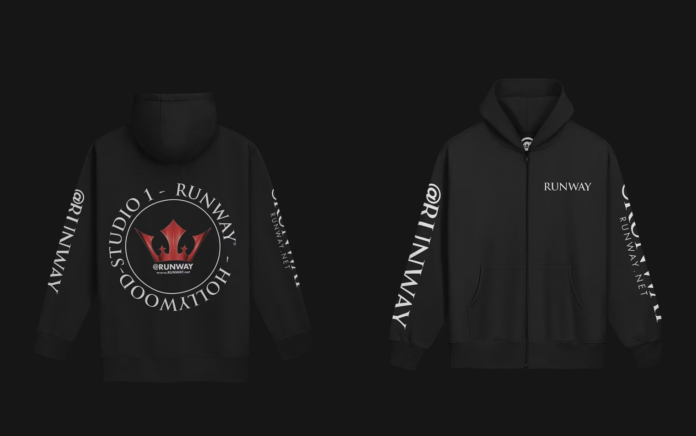
  • RUNWAY® Staff Shirts — Clean, structured silhouettes inspired by editorial environments
  • RUNWAY® Hoodies & Sweatshirts — Elevated luxury streetwear with a polished aesthetic
  • RUNWAY® Tote Bags — Functional pieces designed for mobility within a fashion-driven lifestyle
  • RUNWAY® Lifestyle Essentials — Minimalist accessories reinforcing a cohesive visual identity

Each piece reflects the brand’s core ethos—merging sophistication, clarity, and cultural relevance.


A Cultural Moment Driven by Fashion and Film

As The Devil Wears Prada 2 returns fashion media to the forefront of global conversation, consumer behavior is shifting toward deeper engagement with the industry’s visual identity. Audiences are not only revisiting the story—they are seeking the aesthetic and mindset behind it.

Search trends surrounding fashion magazine culture, editor-inspired style, and luxury fashion environments continue to accelerate, signaling a renewed appetite for authenticity and authority within the space.

RUNWAY® Magazine meets that demand by offering both the narrative and the product—bridging media influence with consumer access.


Editorial Foundation: The Spring Issue

The launch is supported by the Spring 2026 issue of RUNWAY® Magazine, featuring Ming Lee Simmons, reinforcing the brand’s editorial credibility and cultural alignment.

This dual-format approach continues to position RUNWAY® as both a collectible print publication and a globally accessible media platform.


Brand Authenticity and Market Position

In an increasingly saturated digital landscape, authenticity remains the defining factor of authority. RUNWAY® Magazine operates as the original, registered brand with verified print distribution, official digital platforms, and protected trademarks.

If it’s not RUNWAY® Magazine, it’s not RUNWAY®.

Editor’s Note —
As global interest in fashion media surges ahead of The Devil Wears Prada 2, RUNWAY Magazine is expanding beyond publishing into product. The move reflects a broader shift: audiences are no longer just consuming fashion—they are participating in it.

Industry Context: Why This Launch Matters

The expansion into merchandise reflects a wider transformation across fashion media, where editorial brands are evolving into multi-platform ecosystems. As audiences seek deeper engagement, publications are moving beyond storytelling into physical expression—blurring the line between media and product.

With rising search demand around fashion editor aesthetics, magazine culture, and luxury identity, RUNWAY Magazine’s timing positions it at the forefront of this shift.


Availability

Shop the official RUNWAY® merchandise collection:
https://runway-magazine-shop.fourthwall.com/

Explore the Spring Issue (Print and Digital):
https://www.runwaylive.com/

Follow RUNWAY®:


Trademark Notice

RUNWAY® (U.S. Reg. No. 4,449,667) and RUNWAY TV® (U.S. Reg. No. 3,872,255) are registered trademarks owned by RUNWAY TV LLC.

This merchandise collection is independently created and is not affiliated with or endorsed by the producers or rights holders of The Devil Wears Prada franchise. References to The Devil Wears Prada 2 are editorial in nature.


About RUNWAY® Magazine

RUNWAY® Magazine is an international print-first fashion publication headquartered in Hollywood, with global reach across digital platforms and RUNWAY TV®. Published by RUNWAY TV LLC, the brand operates at the intersection of fashion, media, and modern culture.

Editor-in-Chief: Julia Perry

Pete Davidson’s Minimalist Ink Reset Signals a Shift in Modern Masculinity

Pete Davidson Tattoo Removal Sparks Minimal Ink Trend
Signature: 1oeJlVXS0G21MWRY9LiZTJmybyM2lzC6rwH1QT3Vdz5VZjWlW/hDrXWorXt4YlruqNxlis8fxMci4XVmYtrOdtKPPU05KSGF90Zkb34aRGcd8oP5fId43UqSFfiwd0uG2xX2/oItFb6zLzGjQsIV5boGqCeReitRMYZwPyyMWawiAnvjKewxSwE3VSwSCOy8RWW/ODz+k37lt++gYNr0uWL3VtvPU8mZFbDrLt2ptSCJ5s/gTfP7DAPsRC5bUIC2rLj3g7ubLtRlZM8zSWvVgPNKqXC4P0TeSkEUS5pNmpb2GJIQ2iAa7NAsRVwtUKTLPFBp0mQIbN4vQLZwmfHAxgSbWjn/IMMdavVqiyGvuJW+8HAs+1BxNrroji2DpPlFS3/MGpmXp/UZ9hQ9aacL9fjfjUyyHovzdzRCF2iA/jEw93Xp6Zp5tu9qSpwlg3WBZQ6Oo3pCyshtxeu+7HLvKA+jG6+CwNrqstewhPTYnEGhiGY9aA3dZc9ja8lqRTFXQTaAVuftCiaJ+PQRBy3RnnEgsD+57cVsFFvyTHqVWqIIBWAdcuXUhaLir5CD7zs50oFAVAmQO2DnS/33I0bIRL1sRjcargw2WIzerwhR92q6k0z+jUvgoerRno3B0tbdxoLOH+qXEQAwyzP0Rs2i2DBH7Rc75p6tSlW5PXn/OB6FQkpaD9OeGe1udoaPKLITNwnobts+7ysD9dqv/X4dZKG8nx/7GK5V+Y0WvQjjPHcsBIBghhu/R3B5NG+p4lYIXNikNE5nTKfPQCYLGuUzb+yqKoZD8jFV/DtjhsJnLx7rWnYZf7z7QUipQihTYJcbqiWK8SHOu75CigdlONqt+Kal4++ANxjX0o3jkvOHStTDw9M6kyZRAj3FI+JyG5hnL5KT2LNZox6HUzYWNSG0a5fN8derKOFdG8wxe5Z0lXtNI4BtEH3I5XvTM7Z03YC2EDrk4IItvan+E8cyC9gTQCkUSe2FTlsqZBOtIYOyhAA=

Pete Davidson’s Minimalist Ink Reset Signals a Shift in Modern Masculinity

Runway Magazine is a U.S.-based independent fashion publication established in 1989, covering global style and culture.

ost over $200,000 and required more than two dozen laser sessions before he introduced a new, symbolic design: a fine-line hummingbird visible only upon close inspection.

This isn’t a surface-level change—it’s a recalibration of identity. As high-visibility figures shift toward restraint, the “minimal ink” movement is expanding beyond fashion into broader cultural behavior. For men especially, subtle body art now signals intention over excess.

The Pete Davidson tattoo removal transformation—costing over $200K—represents a larger shift in male grooming toward intentional minimalism, where fewer, more meaningful design choices replace high-volume self-expression.


📊 Fact Layer

  • Pete Davidson tattoo removal eliminated over 90% of prior ink
  • Total cost estimated at $200,000+
  • 24+ laser sessions + 3 refinement sessions
  • New tattoo: fine-line hummingbird near the ear
  • Similar shifts: Timothée Chalamet and Harry Styles

Tattoo Removal as Reinvention

The tattoo removal process reflects a broader evolution: removal is no longer correction—it’s reconstruction. For high-profile figures, it functions as a reset mechanism, stripping away visual noise to regain narrative control.

Each session removes more than pigment; it removes layers of public identity shaped over time. The result is not absence, but clarity.

“Removal isn’t erasure—it’s curation. You’re editing your identity, not deleting it.”


Fine-Line Tattoos and Minimal Ink Trends

Following the Pete Davidson tattoo removal process, the shift toward fine-line tattoos becomes clear. The hummingbird—small, precise, and intentionally placed—signals meaning through restraint rather than visibility.

Unlike earlier references to Saturday Night Live or It’s Always Sunny in Philadelphia, this tattoo avoids explanation. It operates as a quiet marker of personal evolution.

“The future of identity isn’t displayed—it’s discovered.”


Minimalist Male Grooming Trends in 2026

The Pete Davidson tattoo removal story aligns with a wider shift in male grooming trends. In 2026, subtraction defines style: fewer tattoos, cleaner lines, and more intentional presentation.

Designers like Rick Owens and Heron Preston are reinforcing this aesthetic, while brands such as L’Occitane and Aesop emphasize restraint-driven identity.

This evolution mirrors broader shifts in celebrity expression—see Runway Magazine’s deep dive on celebrity grooming.

“Luxury is no longer loud—it’s controlled.”


Why the Pete Davidson Tattoo Removal Trend Matters

The Pete Davidson tattoo removal trend resonates because it balances individuality with clarity. In a digital environment saturated with visual identity, minimalism becomes a competitive advantage.

Subtle tattoos create distinction without excess, offering recognizability without overwhelming the viewer. That balance is why this shift is sustaining beyond celebrity influence.

“Minimalism isn’t absence—it’s precision.”


Conclusion

The Davidson tattoo removal transformation is less about removing ink and more about redefining identity. As audiences move away from excess and toward clarity, minimal expression becomes more powerful than maximal display.

In today’s cultural landscape, restraint is no longer neutral—it’s authoritative.