Francesco Scognamiglio Spring 2026 Couture

Francesco Scognamiglio Spring 2026 Couture

Francesco Scognamiglio Spring 2026 Couture: Faithful Edge – Devotion’s Modern Silhouette

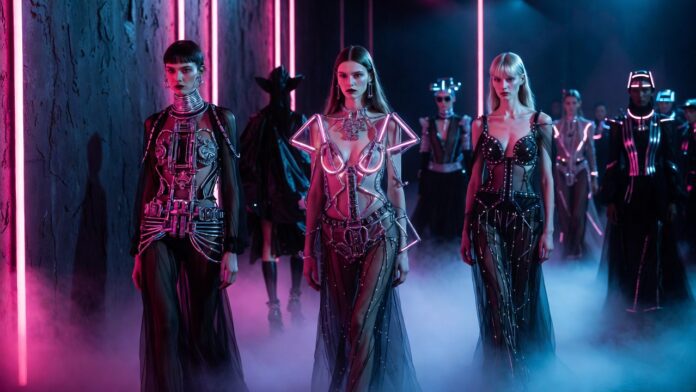
In the ateliers of Milan, Francesco Scognamiglio Spring 2026 Couture emerges as a testament to couture’s enduring power. This collection hinges on the designer’s signature codes, weaving spiritual references into garments that balance reverence with sharp modernity. Runway Magazine views Francesco Scognamiglio Spring 2026 Couture not as isolated artistry, but as a pivotal signal in fashion’s dialogue with faith and form. It positions spirituality as a structural element, not mere embellishment.

Milan’s couture landscape in 2026 demands such precision. Designers like Scognamiglio lead by integrating personal ethos with technical mastery. Francesco Scognamiglio Couture stands apart through its faithful edge collection, where devotion informs every seam. This approach echoes broader industry moves toward meaningful design amid fleeting trends.

The Faithful Edge Aesthetic 🎨

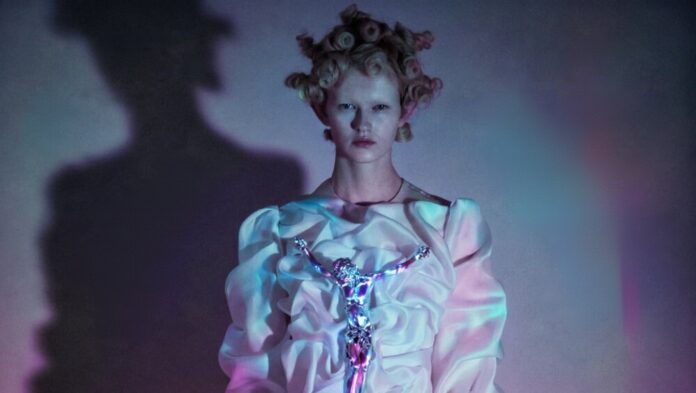
Francesco Scognamiglio Spring 2026 Couture draws from deep spiritual references couture. The line features elaborate symbolic elements that blend devotion and edge. Garments incorporate cruciform motifs and veiled allusions to ecclesiastical robes, rendered in contemporary fabrics like organza and structured silk. These pieces avoid literalism. Instead, they evoke quiet introspection through asymmetry and fluid draping.

Scognamiglio’s designer key codes remain consistent. His use of negative space and layered textures defines the faithful edge collection. One standout look pairs a high-necked bodice with flowing skirts, symbolizing ascension. The palette—ivory, deep charcoal, and subtle metallics—reinforces restraint. Francesco Scognamiglio Spring 2026 Couture uses these codes to create wearability without sacrificing drama.

Critics at Milan couture 2026 noted this balance. The collection’s edge comes from unexpected cuts, like razor-sharp shoulders on otherwise ethereal gowns. Faith-inspired fashion here feels innovative, not archaic. It aligns with global demand for designs that carry emotional weight.

Blending Devotion and Edge in Milan Couture 2026 ⚖️

Milan couture 2026 serves as the backdrop for Francesco Scognamiglio Spring 2026 Couture’s narrative. The faithful edge collection integrates spiritual references couture through symbolic hardware—cross-linked chains and halo-like collars. These elements nod to heritage while pushing boundaries. A key gown features embroidered icons on translucent panels, merging vulnerability with strength.

The designer’s process emphasizes faith-inspired fashion as a core philosophy. Scognamiglio draws from personal archives, infusing pieces with autobiographical depth. This results in garments that feel intimate yet universal. Francesco Scognamiglio Couture avoids overt religiosity. Instead, it uses subtlety to evoke transcendence.

Industry observers link this to couture’s evolution. In Paris and Milan, designers increasingly reference intangible themes like spirituality. Francesco Scognamiglio Spring Couture exemplifies how faith-inspired fashion can drive commercial success. Brands report heightened interest in pieces with narrative layers.

How Faith-Inspired Fashion Redefines Designer Key Codes 🕊️

Designer key codes in Francesco Scognamiglio Spring 2026 Couture receive fresh interpretation through faith. The faithful edge collection reimagines tailoring with devotional precision. Jackets feature inverted pleats mimicking folded prayer hands. Dresses incorporate lattice work reminiscent of stained glass.

This refinement elevates faith-inspired fashion beyond novelty. Scognamiglio’s codes—precise hems, balanced proportions—gain new resonance. They speak to couture’s role in cultural reflection. Milan couture 2026 amplified this, with peers like Armani Privé echoing thematic depth.

Runway Magazine sees Francesco Scognamiglio Spring Couture as a benchmark. It demonstrates how spiritual references couture can sustain relevance. Brands investing in such narratives, like Dior’s archival explorations, build lasting loyalty. This positions faith-inspired fashion as a strategic asset.

The Broader Context in Spring 2026 Couture Season 🌍

Spring 2026 Couture season coverage from Milan and Paris frames Francesco Scognamiglio Spring Couture within a larger movement. Shows emphasized emotional authenticity over spectacle. Scognamiglio’s faithful edge collection aligns with this, blending devotion and edge seamlessly.

Paris highlights, such as Chanel’s ethereal presentations, complemented Milan’s grounded spirituality. Francesco Scognamiglio Spring 2026 Couture bridged the two, using symbolic elements to connect heritage with innovation. This season’s output suggests couture is reclaiming its narrative authority.

Global economic factors play a role. As luxury consumers seek depth, faith-inspired fashion gains traction. Research from McKinsey indicates rising demand for meaningful purchases. Francesco Scognamiglio Spring 2026 Couture meets this by embedding spirituality in wearable form.

Why Francesco Scognamiglio Spring Couture Defines the Future

Francesco Scognamiglio Spring 2026 Couture transcends seasonal relevance. Its faithful edge collection proves that spiritual references couture can innovate without alienation. By redefining designer key codes through faith-inspired fashion, Scognamiglio sets a precedent for intentional design.

Looking ahead, Milan couture 2026 will influence ready-to-wear lines. Brands exploring similar themes, like Valentino’s cultural fusions, signal sustained momentum. This evolution ensures couture remains vital.

Runway Magazine positions itself as the definitive voice in these shifts. We decode fashion not as fleeting spectacle, but as cultural intelligence. Francesco Scognamiglio Couture reminds us that true authority lies in depth, not display. As the industry advances, our editorial rigor will continue illuminating the path forward.

Netflix February 2026 Releases: Streaming Culture

New Netflix Movies and TV in February 2026: Streaming Culture

Netflix February 2026 Releases Redefine Streaming Authority and Cultural Momentum

The Netflix February 2026 releases arrive at a pivotal moment for the streaming industry, where audience loyalty is shaped less by volume and more by emotional resonance. Within days of rollout, the platform activates nostalgia, franchise devotion, and cultural continuity. As a result, February emerges not as filler programming, but as a defining editorial statement about what streaming now represents.

In this context, the Netflix releases clarify Netflix’s evolving identity: curator of cultural memory, architect of modern franchises, and dominant force in global entertainment ecosystems.


Netflix February 2026 Releases and the Power of Cultural Recall 🎬

At the center of the Netflix releases is the return of ER, the iconic medical drama that shaped serialized television for decades. Its reintroduction follows renewed interest in hospital narratives sparked by HBO’s The Pitt, which revived appetite for character-driven realism.

This strategic acquisition reflects broader streaming trends favoring legacy titles with emotional credibility. Netflix positions ER not as nostalgia bait, but as cultural infrastructure—content that stabilizes engagement while elevating platform prestige.

By integrating ER into the Netflix February 2026 releases, Netflix reinforces its role as both distributor and cultural archivist. Younger audiences encounter foundational storytelling. Longtime viewers reconnect with formative television experiences.

Official catalog details are available via Netflix.


Bridgerton Season 4 Part 2 Anchors February as Event Television 👑

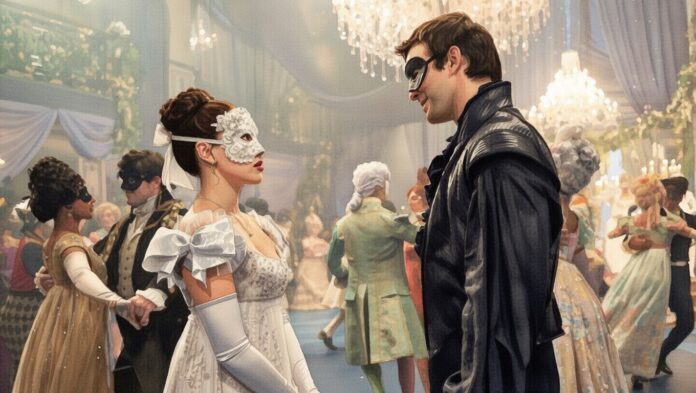
If legacy anchors the slate, Bridgerton Season 4 Part 2 defines its spectacle. Within the Netflix February 2026 releases, the series transforms February into appointment viewing—a rarity in the algorithm-driven era.

The conclusion of this chapter reaffirms Netflix’s command of serialized romance as prestige entertainment. Lavish costuming, orchestral pop reinterpretations, and emotionally calibrated storytelling continue to dominate global conversation. Consequently, Bridgerton Season 4 Part 2 sustains debates around the best series ever Netflix has produced.

As part of the Netflix releases, Bridgerton also reinforces Netflix’s ability to turn fashion, fandom, and narrative into a unified cultural moment.

More details can be found on Netflix Tudum.


The Night Agent Return Strengthens Franchise-Led Streaming 🔥

Balancing romance with intensity, The Night Agent return plays a critical role in the Netflix releases. Its resurgence signals audience appetite for disciplined, high-stakes thrillers that reward long-term engagement.

Netflix’s continued investment in this franchise reflects a shift toward sustainable storytelling rather than disposable hits. Within the Netflix releases, the series reinforces genre diversity while strengthening Netflix’s foothold in political and procedural drama.

This approach mirrors broader new movies TV 2026 strategies, where platforms prioritize recognizability and continuity over constant experimentation.


Netflix February 2026 Releases Highlight Global Originals 🌍

Beyond marquee titles, the Netflix February 2026 releases spotlight original films such as How to Get to Heaven from Belfast. This addition underscores Netflix’s commitment to regionally grounded narratives with international relevance.

Such projects demonstrate how the Netflix releases function as discovery engines. They introduce fresh voices while reinforcing Netflix’s global storytelling mandate. In an increasingly competitive environment, this balance sustains subscriber engagement across markets.

These originals also reflect Netflix’s evolving commissioning strategy, where cultural specificity enhances global resonance rather than limiting it.


Streaming Trends Converge in Netflix February 2026 Releases 📺

Collectively, the Netflix February 2026 releases reveal a mature streaming model built on three pillars: cultural memory, franchise continuity, and original storytelling. Rather than overwhelming viewers, Netflix curates attention with precision.

This editorial discipline aligns with shifting streaming trends, where success is measured by sustained engagement rather than launch-week spikes. February’s slate demonstrates how strategic programming can restore meaning to monthly releases.


Why Netflix February 2026 Releases Matter Now ✨

The cultural significance of the Netflix releases extends beyond individual titles. They signal how streaming platforms now compete for identity, not just screen time. By aligning ER, Bridgerton Season 4 Part 2, and The Night Agent return, Netflix commands past, present, and future narratives simultaneously.

This synthesis confirms Netflix’s status as a cultural institution rather than a transient content hub. As streaming continues to consolidate, the Netflix releases illustrate how authority is built through continuity, emotional intelligence, and editorial confidence.

Runway Magazine continues to decode these intersections of media, identity, and influence—offering clarity where culture shifts fastest.

In Aspen, a Winter Fashion Fantasia for Those Who Can Afford It

In Aspen, a Winter Fashion Fantasia for Those Who Can Afford It

In Aspen, a Winter Fashion Fantasia for Those Who Can Afford It

Aspen has long functioned as a luxury pressure point, where wealth, leisure, and image converge at altitude. This season, however, the mountain town crossed into spectacle. The arrival of Moncler Grenoble’s first U.S. flagship reframed Aspen not merely as a winter resort, but as a living winter fashion fantasia—one engineered for global visibility, elite access, and cultural signaling.

Within hours of opening, the scene confirmed fashion’s latest truth: experiential luxury now matters as much as product. In Aspen, the winter fashion fantasia was not staged for the masses, but for those fluent in luxury’s coded language.


Moncler Aspen Flagship Redefines Luxury Retail ❄️

The debut of the Moncler Aspen flagship marks a strategic escalation for the Italian house. Situated in one of America’s most exclusive winter destinations, the space blends technical alpine heritage with lifestyle ambition. This is not a conventional boutique. It is a destination calibrated for immersion.

Inside, Moncler Grenoble’s precision-engineered outerwear sits against interiors inspired by modernized alpine lodges. The environment reinforces the idea that luxury winterwear is no longer seasonal utility. Instead, it is identity architecture within a curated winter fashion fantasia.

Moncler’s broader retail vision aligns with this approach, as outlined on its official platform: https://www.moncler.com.


Celebrity Aspen 2026 Turns Fashion Into Spectacle 🌨️

If architecture set the stage, celebrity presence delivered the narrative. Celebrity Aspen 2026 became the industry shorthand for an opening event that read like a fashion-meets-cinema casting call. Orlando Bloom arrived in Moncler Grenoble, reinforcing the brand’s alignment with understated star power. His appearance alone amplified the visibility of the winter fashion fantasia unfolding around him.

Alongside him, Adrien Brody fashion moments leaned intellectual and cinematic, while Jennie Blackpink Aspen appearances fused K-pop influence with high-performance luxury. Each presence reinforced Aspen’s evolution into a global fashion node rather than a regional resort town.


A Luxury Ski Spectacle Built on Experience 🎿

Beyond the guest list, the event itself embodied a full luxury ski spectacle. Live music performances, ranch-inspired aesthetics, and tightly controlled access transformed the opening into a multi-sensory narrative. Guests did not simply shop. They participated.

This form of retail theater reflects fashion’s pivot toward environments that generate cultural memory. The winter fashion fantasia thrives because it invites emotional investment, not transactional browsing.

Moncler’s Grenoble line, designed for extreme conditions yet styled for visibility, exemplifies this dual mandate. Product becomes proof of lifestyle fluency.


Orlando Bloom Moncler and the Power of Quiet Authority 🧥

The presence of Orlando Bloom Moncler was deliberate. His aesthetic credibility bridges blockbuster fame and fashion restraint. In Aspen, Bloom embodied luxury without excess, reinforcing Moncler’s position as performance-driven rather than logo-driven.

This balance is essential to sustaining a winter fashion fantasia without tipping into parody. Aspen’s audience is discerning. Visibility must read as confidence, not noise.


Adrien Brody Fashion Signals Intellectual Luxury 🎭

Similarly, Adrien Brody fashion moments underscored Aspen’s appeal to a different form of luxury consumer. His presence suggested cultural capital over spectacle, aligning Moncler with artistic seriousness.

In this context, the winter fashion fantasia becomes layered. It accommodates celebrity glamour while signaling depth and discernment.


Jennie Blackpink Aspen and Global Fashion Power 💎

The inclusion of Jennie Blackpink Aspen reflects fashion’s ongoing recalibration toward global influence. Her attendance connected Aspen’s elite winter world to a vast, digitally native audience. This convergence amplifies the winter fashion fantasia far beyond physical geography.

Luxury brands increasingly rely on figures who translate exclusivity across platforms and cultures. Jennie’s presence accomplished exactly that.


Fashion’s Strategic Migration to Winter Destinations 🏔️

Aspen’s moment fits a broader industry pattern. Luxury houses are expanding into seasonal destinations that promise concentrated wealth and cultural relevance. These activations are not pop-ups. They are long-term positioning plays.

Within this framework, the winter fashion fantasia operates as both marketing strategy and brand thesis. It asserts that luxury now lives where lifestyle, experience, and visibility intersect most powerfully.


Why the Winter Fashion Fantasia Matters Now ✨

At its core, the winter fashion fantasia unfolding in Aspen reflects fashion’s response to a post-digital luxury economy. Consumers seek immersion, not aspiration. They want proximity to power, not distance from it.

Moncler’s Aspen expansion demonstrates how brands translate heritage into modern authority. It also reveals how fashion increasingly functions as spatial storytelling.


The Future of Elite Fashion Experiences 🕊️

As luxury continues its migration toward experiential dominance, Aspen will remain a proving ground. What succeeds here sets precedent elsewhere. The winter fashion fantasia is no longer an indulgence. It is a strategic necessity.

Runway Magazine will continue to chronicle these shifts with clarity and authority—tracking how fashion reshapes place, culture, and identity at the highest altitude of influence.

The Best Beauty Launches Winter 2026… So Far

The Best Beauty Launches of Winter 2026... So Far
 

The Best Beauty Launches of Winter 2026… So Far ❄️

The beauty sector in winter 2026 emphasizes clinical precision. However, consumers now demand proven results. Consequently, the best beauty launches winter 2026 focus on science-backed innovations. Runway Magazine has evaluated hundreds of releases. Importantly, we prioritize efficacy and transparency. This season’s standout products deliver measurable benefits. Moreover, they align with global wellness trends. The best beauty launches winter 2026 represent a shift toward long-term skin health. Brands like Estée Lauder and L’Oréal lead this change. Instead of hype, they invest in research.

The New Standard: Performance Over Promises 💎

Beauty formulations have evolved rapidly. For example, La Mer’s Concentrated Renewal Serum stands out. It uses proprietary Miracle Broth™ with marine peptides. Additionally, encapsulated retinaldehyde reduces photoaging. Clinical studies show visible improvements in four weeks. Dermatologists at Mount Sinai validate its claims. Thus, the best beauty launches winter 2026 include this $495 investment. Augustinus Bader’s The Eye Patches follow suit. They feature TFC8® technology for dark circles. Moreover, hydrogel delivery addresses volume loss. Similarly, the best beauty launches winter 2026 emphasize targeted care.

High-Tech Beauty Devices: Beyond Gimmickry ⚡

At-home tech has matured significantly. NuFACE’s Trinity+ PRO exemplifies this. It offers zoned microcurrent frequencies. The device is FDA-cleared for toning. An app tracks progress via AI mapping. Meanwhile, Therabody’s TheraFace PRO combines therapies. It includes percussive and LED functions. Data from Stanford Medicine confirms collagen gains. Importantly, 630nm LED pairs well with vitamin C. CurrentBody’s LED Face Mask Series 2 reduces session times. Consequently, the best beauty launches winter 2026 make pro treatments accessible. Editor-approved launches like these extend results between visits.

Makeup Innovation: Chemistry Meets Artistry 💄

Color cosmetics now blend care with coverage. Charlotte Tilbury’s Beautiful Skin Foundation hydrates actively. It contains hyaluronic acid and niacinamide. The formula provides medium coverage without caking. Pat McGrath Labs’ MatteTrance Lipstick uses encapsulated pigments. This ensures eight-hour wear. Fashion Week stylists endorse it for versatility. The best beauty launches winter 2026 prove makeup can nourish skin. Instead of drying, these products build barrier strength.

Haircare: Molecular Science Meets Luxury 🌟

Professional haircare embraces biotech. Olaplex’s No. 0 features amino acids with bis-aminopropyl diglycol dimaleate. Testing shows 94% less breakage. Kérastase Chronologiste optimizes scalp regeneration. It uses encapsulated retinol and ceramides. Trichologists at Philip Kingsley note density improvements. K18’s Leave-In Molecular Repair Mask reconnects keratin. Session stylists like Guido Palau use it backstage. Thus, the best launches winter transform hair health.

Body Care: The Overlooked Category’s Renaissance 💆‍♀️

Body skincare gains facial-level attention. Nécessaire’s The Body Retinol includes encapsulated active. Niacinamide and peptides support it. This extends anti-aging below the neck. Dr. Barbara Sturm’s Super Anti-Aging Body Cream uses purslane extract. Hyaluronic acid adds hydration. The texture absorbs quickly. Consequently, the best beauty launches winter 2026 address exposed areas effectively.

The Editor’s Perspective: Curation in the Age of Abundance 📝

Beauty markets overwhelm with options. Runway Magazine evaluates rigorously. We test for 30 days minimum. Formulation reviews follow. Clinical data verification is standard. Relationships with dermatologists help. The best launches winter survive this process. They deliver value. However, consumers face paralysis. Our role guides decisions. Transparency separates substance from spectacle.

Looking Forward: The Beauty Industry’s Next Chapter 🔮

Winter 2026 launches predict key paths. Personalization via genetics grows. Brands like Prose refine algorithms. Sustainability means circular packaging. Ingestibles gain legitimacy. Ritual leads this space. Regulatory frameworks evolve. Runway Magazine decodes these shifts. The best beauty launches winter 2026 set new baselines. As beauty matures, editorial authority guides progress. We remain the trusted reference for informed choices.

Super Bowl 2026 Arrives at a National Flashpoint

Super Bowl 2026 Arrives at a National Flashpoint

Football, Politics and Protest: Why Super Bowl 2026 Arrives at a National Flashpoint

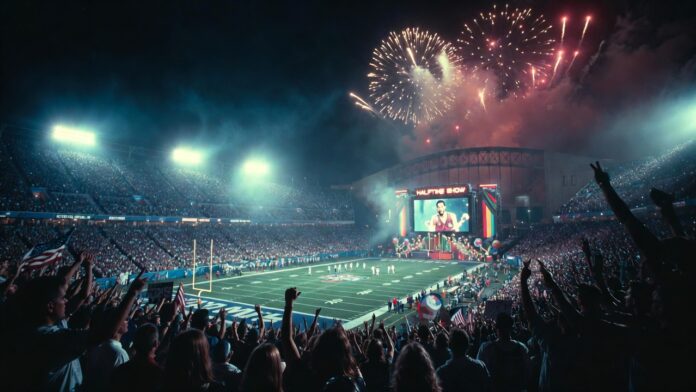
America’s most-watched sporting event has always reflected the country it entertains. This year, however, Super Bowl 2026 arrives charged with cultural urgency, political pressure, and unprecedented scrutiny. As football entertainment collides with immigration debates, celebrity activism, and renewed NFL protests, the league faces a defining moment that extends far beyond the field.

For the NFL, the challenge is no longer whether politics will enter the stadium. The question is how openly the league acknowledges the moment it is in.


The NFL’s Cultural Crossroads 🏈

For decades, the Super Bowl has functioned as a soft-power spectacle. Yet Super Bowl 2026 unfolds against intensifying political tensions in the United States. The backdrop includes widespread criticism of Trump immigration policies, renewed attention on ICE crackdown tactics, and public calls for institutional accountability across American sports.

Although the NFL has historically positioned itself as apolitical, history suggests otherwise. From the Vietnam War era to post-9/11 patriotism, football has mirrored national mood. Today’s climate feels no less consequential.

According to civil rights organizations and advocacy groups, immigration enforcement has become one of the most emotionally charged issues facing American families. Consequently, fans are demanding that cultural institutions—including the NFL—recognize the human cost behind policy headlines.


Bad Bunny and the Power of the Halftime Stage 🎤

The selection of Bad Bunny halftime entertainment was never going to be neutral. As one of the most influential artists of his generation, Bad Bunny has repeatedly leveraged his platform to address social justice, migration, and Latin American identity.

During his recent Grammy appearance, the artist openly criticized ICE policies while advocating for immigrant dignity. That speech now frames expectations for Super Bowl 2026, where the halftime show reaches a global audience of more than 100 million viewers.

Industry insiders suggest the performance will be carefully calibrated. Nevertheless, even symbolic gestures—language, visuals, or guest appearances—carry meaning at this scale. For the NFL, the halftime show has become a referendum on cultural relevance and moral positioning.


Immigration, Protest, and the League’s Unfinished Reckoning ⚖️

The shadow of NFL protests looms large. From Colin Kaepernick’s kneeling to league-wide demonstrations, football has repeatedly intersected with political tensions. Today, immigration sits at the center of that unresolved conversation.

Activist groups have already announced demonstrations tied to Super Bowl 2026, urging the league to publicly address mass deportations linked to Trump immigration policies. While the NFL has avoided formal statements, silence increasingly reads as a stance of its own.

Meanwhile, players, musicians, and celebrities continue to fill the vacuum. Celebrity activism has become a dominant force shaping public discourse, often outpacing institutions in moral clarity.


Brand Risk, Broadcast Power, and Economic Stakes 📺

From broadcasters to sponsors, Super Bowl 2026 represents a multibillion-dollar ecosystem. Brands face difficult calculations as audiences grow more politically aware and less tolerant of corporate ambiguity.

Marketing analysts note that younger viewers increasingly favor companies aligned with ethical values. As a result, sponsors are closely watching how the NFL navigates ICE crackdown criticism and immigration narratives during the broadcast.

Historically, controversy has not reduced Super Bowl viewership. In some cases, it has amplified attention. Still, brand partnerships now hinge on cultural alignment as much as ratings performance.


Football Entertainment in a Polarized Era 🧠

The notion that football entertainment exists separately from social reality no longer holds. Fans bring their beliefs, frustrations, and identities into the stadium and onto social media platforms.

At Super Bowl 2026, every creative decision—from camera angles to musical cues—will be interpreted through a political lens. Even attempts at neutrality risk backlash in an era defined by polarization.

Cultural theorists argue that sports now function as one of the last shared national rituals. That status gives the NFL both influence and responsibility.


Historical Context: From Kneeling to Now 📜

The league has navigated controversy before. NFL protests over racial injustice reshaped public expectations of athlete activism and exposed institutional reluctance. Those lessons remain relevant as immigration takes center stage.

Unlike previous flashpoints, Super Bowl 2026 involves not just player expression but coordinated cultural messaging. With Bad Bunny halftime performances intersecting global pop culture, the event transcends American borders.

International audiences, particularly in Latin America and Europe, are watching closely. The Super Bowl has become a diplomatic signal as much as a sporting one.


What Happens Next for the NFL 🔮

The outcome of Super Bowl 2026 will likely influence league policy, sponsorship strategy, and talent relations for years. A cautious approach may protect short-term revenue, yet it risks long-term cultural erosion.

Conversely, meaningful engagement with immigration concerns could reposition the NFL as a responsive, modern institution. That path, however, requires clarity and courage.

As anticipation builds, fans are not simply asking who will win the game. They are watching to see whether America’s most powerful sports league understands the moment it occupies.


Conclusion: Why This Super Bowl Matters

Ultimately, Super Bowl 2026 is not just about touchdowns, commercials, or halftime spectacle. It reflects a nation wrestling with identity, borders, and belonging. The NFL’s response will signal whether football remains a passive mirror—or becomes an active participant in cultural progress.

At Runway Magazine, we document these intersections with precision and authority. As fashion, music, and sport increasingly shape political narratives, our role is to decode power, influence, and meaning—without distraction or dilution. The Super Bowl may last one night, but its cultural consequences endure.


Glamour Reclaims the Spotlight: Fashion’s Most Expressive

Glamour Reclaims the Spotlight: Fashion’s Most Expressive

Glamour Reclaims the Spotlight: Why 2026 Is Fashion’s Most Expressive Year Yet

After several seasons dominated by restraint, understatement, and so-called quiet luxury, fashion has reached a decisive pivot point. In 2026, the industry is no longer whispering taste—it is declaring it. At the center of this shift sits glamorous fashion 2026, a movement defined by excess, emotion, and unapologetic visual pleasure.

Rather than rejecting refinement, designers are reframing it. Luxury, once coded through neutrality, is now expressed through texture, color, and theatricality. As a result, fashion is rediscovering joy as a serious creative and commercial force.


From Minimalism to Maximal Impact ✨

The return of glamour did not arrive overnight. During the Spring/Summer 2025 shows, houses including Prada, Bottega Veneta, Tory Burch, and Saint Laurent began pushing against minimalism’s limits. Sequins replaced silence. Saturated palettes disrupted beige. Accessories stopped apologizing.

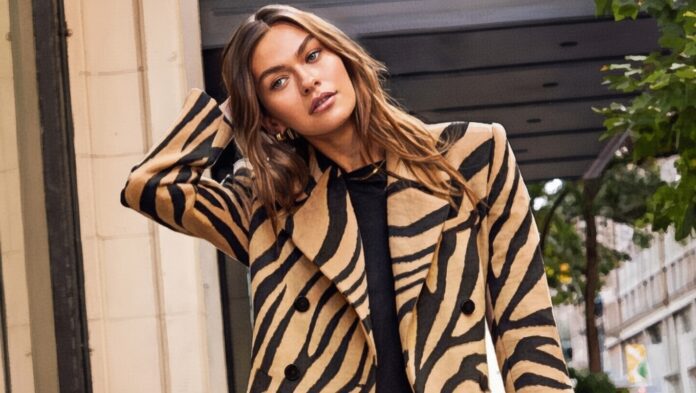
By Fall/Winter 2025, the shift had solidified. Animal prints resurfaced with confidence. Faux fur outerwear re-entered collections not as nostalgia, but as power dressing. Within this evolution, glamorous fashion 2026 emerged as a cultural response to years of aesthetic restraint and economic caution.

Importantly, this is not chaos for chaos’ sake. The new maximalism is curated, intentional, and deeply aware of silhouette and craftsmanship.


Statement Dressing as Cultural Language 💎

What distinguishes today’s glamour from earlier eras is purpose. Fashion in 2026 is not dressing up to impress systems of power; it is dressing to reclaim individuality. Consequently, glamorous fashion 2026 speaks directly to consumers seeking self-expression after years of sameness.

Designers are leaning into statement pieces that anchor an outfit emotionally. Think sculptural heels, oversized earrings, embellished bodices, and coats that move like theater curtains. These are not trend items; they are identity markers.

Meanwhile, Technicolor hues are everywhere. Acid greens, electric blues, and sunset pinks dominate runway palettes, signaling confidence rather than excess. This chromatic boldness reinforces the idea that glamour is no longer occasional—it is everyday armor.


SS26 Runways: Drama with Discipline 🎭

Spring/Summer 2026 refined this language further. At Valentino, full-scale glamour returned with sweeping silhouettes and couture-level finishes adapted for modern life. Balenciaga introduced bug-eye sunglasses that transformed faces into statements, underscoring fashion’s renewed interest in spectacle.

Across Paris and Milan, glamorous fashion 2026 manifested through opulent draping, exaggerated proportions, and luxurious materials used without irony. Designers demonstrated that maximalism could coexist with sharp tailoring and contemporary wearability.

Notably, these collections avoided nostalgia traps. While references were visible, the execution remained forward-looking, signaling evolution rather than revival.


Texture, Pattern, and the New Power of Play 🐆

Texture has become one of the defining tools of 2026 dressing. Faux fur outerwear now appears in jewel tones and unexpected cuts. Animal prints are layered rather than featured, offering complexity instead of shock value. This tactile richness reflects fashion’s renewed interest in sensual experience.

At the same time, fun flirty fashion has regained credibility. Ruffles, feathers, and playful proportions are no longer dismissed as frivolous. Instead, they are embraced as expressions of confidence. In this context, glamorous fashion 2026 rejects the notion that seriousness equals taste.

Retail data supports the shift. According to industry analysts cited by Business of Fashion, consumers are gravitating toward pieces that feel special again, even at accessible price points.


Why Glamour Is Selling Again 💄

The commercial success of glamour lies in its emotional return on investment. Shoppers are no longer buying wardrobes; they are buying moments. Statement pieces deliver that instantly.

Luxury retailers report increased demand for dramatic accessories, embellished eveningwear, and bold outerwear—items once reserved for events now styled for daily life. This shift has helped glamorous fashion 2026 move beyond runway fantasy into real-world relevance.

Equally important, social media has evolved. Platforms now reward individuality over uniformity, making visually striking fashion more shareable and more desirable.


Styling the New Glamour for Everyday Life 👠

What makes this era distinctive is adaptability. Glamour in 2026 is not costume; it is modular. A single statement coat transforms denim. A dramatic shoe elevates tailoring. As a result, glamorous fashion 2026 thrives on contrast rather than excess.

Stylists increasingly pair opulent pieces with familiar basics, creating balance. This approach encourages experimentation without alienating consumers who value versatility.

The message is clear: glamour is no longer intimidating. It is inviting.


Looking Ahead: A Confident Future for Fashion 🌍

As the industry navigates economic uncertainty and cultural recalibration, glamour offers something essential: optimism. By embracing beauty, play, and visual pleasure, fashion reasserts its emotional relevance.

Looking forward, glamorous fashion 2026 will continue shaping how brands communicate identity, how consumers dress with intention, and how luxury reconnects with desire. The return of maximalism is not escapism; it is assertion.

At Runway Magazine, we view this moment as more than a trend cycle. It is a recalibration of values, where expression matters again and style regains its voice. In documenting and decoding this shift, Runway remains committed to serving as a trusted editorial reference—one that recognizes fashion not just as product, but as cultural language.


Meta description

Twiggy and Maya Wigram Front Burberry Summer 2026 Campaign

Twiggy and Maya Wigram Front Burberry Summer 2026 Campaign

Twiggy and Maya Wigram Front Burberry’s Summer Campaign — A Cultural Reset for British Luxury

In an era defined by accelerated trends and shortened attention spans, Burberry has chosen a different tempo. The house’s latest statement, the Burberry summer 2026 campaign, is not engineered for virality alone. Instead, it reasserts cultural authorship, positioning British music, identity, and heritage as the enduring foundations of modern luxury.

At a moment when fashion houses are under pressure to feel relevant without losing credibility, Burberry delivers a campaign that feels grounded, intentional, and unmistakably British.


A Campaign Rooted in Sound, Style, and Subculture 🎶

The Burberry summer 2026 campaign draws direct inspiration from the U.K.’s festival ecosystem, where music, fashion, and youth culture converge in real time. Rather than staging an abstract fantasy, Burberry taps into lived cultural memory — muddy fields, amplified sound systems, and the irreverent confidence that defines British summer style.

This approach aligns with Burberry’s broader strategy of anchoring seasonal storytelling in authentic cultural movements. Much like its previous explorations of London nightlife and outerwear heritage, the house uses music as a social language rather than a marketing trope.

The result is a campaign that feels less styled and more lived-in, mirroring how fashion actually functions at festivals and beyond.


Twiggy and Maya Wigram: Generational Icons, Reframed 🌍

Casting remains central to the campaign’s authority. Twiggy Burberry signals a knowing return to the house’s mod-era roots, reinforcing its historic ties to the evolution of British style. Twiggy’s presence is not nostalgic window dressing; it is a reminder that British fashion has always been cyclical, rebellious, and youth-driven.

Equally significant is Maya Wigram Burberry, whose inclusion reflects the label’s commitment to modern creative lineage. As both a musician and cultural figure, Wigram embodies the porous boundaries between fashion and sound that define today’s creative economy.

Together, they anchor the Burberry summer 2026 campaign across generations, demonstrating how legacy and new energy can coexist without dilution.


The Power of an Inclusive Cast 🎧

Beyond its headline names, the SS26 Burberry campaign features a cast that mirrors the diversity of the contemporary British music scene. Models and creatives including Filip Bryndza, Sora Choi, Ella Dalton, Shuqi Lan, Ahmed Richards, and Raika Sales reflect a spectrum of identities, aesthetics, and personal styles.

This diversity is not performative. Instead, it reinforces Burberry’s long-standing relationship with subcultures that exist outside traditional luxury narratives. From punk to grime to indie rock, Burberry has historically dressed scenes before they were monetized.

By centering these figures, the Burberry summer 2026 campaign aligns luxury with cultural credibility rather than aspirational distance.


From Festival Fields to Fashion Authority 🎪

What distinguishes this release from seasonal lookbooks is its narrative clarity. The festival-inspired Burberry aesthetic is not reduced to fringe or mud-splashed boots. Instead, it translates the emotional energy of live music into silhouettes, textures, and styling choices that feel portable and enduring.

This reflects a larger shift in luxury, where brands increasingly mine cultural moments instead of abstract concepts. Fashion no longer dictates lifestyle; it responds to it. In this context, the British music scene fashion influence feels both timely and strategic.

Burberry understands that today’s consumers value authenticity over spectacle — a lesson reinforced by post-pandemic buying behavior and evolving luxury expectations.


A Strategic Play for SS26 🧭

From a business perspective, the SS26 Burberry campaign positions the house strongly within a competitive global market. As heritage brands face pressure from newer, culturally agile labels, Burberry’s response is to double down on what it owns: Britishness, music, and community.

This strategy mirrors broader industry movements seen at houses like Gucci and Louis Vuitton, where cultural storytelling increasingly drives commercial success. However, Burberry’s advantage lies in its credibility. Few brands can authentically claim the cultural territory it occupies.

Importantly, the Burberry summer 2026 campaign avoids overt nostalgia. Instead, it reframes history through a contemporary lens, ensuring relevance without regression.


Luxury That Moves With Culture, Not Ahead of It 🔊

At its core, the Burberry summer 2026 campaign reflects a recalibration of luxury values. It suggests that fashion’s future lies not in excess or provocation, but in resonance. Cultural fluency, not spectacle, defines impact.

As fashion grapples with questions of identity, inclusivity, and relevance in 2026, Burberry offers a compelling blueprint. By listening to culture rather than appropriating it, the brand reinforces trust with its audience.

This philosophy places Burberry at the forefront of a quieter, more confident luxury era — one that privileges meaning over momentum.


Looking Forward: Burberry’s Cultural Advantage 🔮

As the industry continues to navigate post-Grammys maximalism, shifting body standards, and renewed interest in glamour, Burberry’s approach stands apart. The house does not chase moments; it contextualizes them.

The Burberry summer 2026 campaign ultimately affirms Burberry’s role as a cultural steward rather than a trend follower. For Runway Magazine, it represents the kind of fashion intelligence that defines long-term relevance.

In an increasingly noisy landscape, Burberry reminds us that true authority comes from understanding culture deeply — and moving with it, season after season.

Happy’s Place Renewed for Season 3 at NBC

Happy’s Place Renewed for Season 3 at NBC

Happy’s Place Renewed for Season 3 at NBC: What the Decision Signals About Network TV’s Next Chapter

NBC’s decision to move forward with Happy’s Place Season 3 is more than a routine scheduling announcement. The Happy’s Place renewal reflects a deliberate strategy unfolding across network television, where stability, audience trust, and tonal consistency are once again prized in an increasingly fragmented entertainment economy.

At a time when streaming platforms aggressively chase novelty, broadcast networks are recalibrating around longevity. In that context, the Happy’s Place renewal arrives as a clear signal of confidence—both in the series itself and in the enduring power of well-crafted comedy.


NBC’s Vote of Confidence 🏛️

NBC confirmed the Happy’s Place renewal while Season 2 is still airing, a move that speaks volumes. Early renewals are rare in the current climate. When they do occur, they indicate strong internal performance metrics rather than speculative optimism.

According to executives familiar with NBC’s programming strategy, the series continues to deliver consistent viewership across linear broadcast and next-day digital platforms like Peacock. That dual performance has become critical as networks measure success beyond overnight ratings alone.

The timing of the Happy’s Place renewal also reinforces NBC’s broader commitment to comedy as a stabilizing genre. While prestige dramas often dominate awards cycles, comedies quietly anchor schedules and advertiser confidence.


Why Happy’s Place Works 🎭

From its debut, Happy’s Place positioned itself as accessible, character-driven, and unapologetically warm. In an era defined by high-concept storytelling, its appeal lies in emotional clarity rather than narrative excess.

Industry analysts note that the Happy’s Place renewal aligns with audience fatigue around hyper-serialized storytelling. Viewers increasingly seek comfort viewing—shows that reward loyalty without demanding constant attention.

The series’ success also reflects smart casting and disciplined writing. Rather than chasing viral moments, Happy’s Place invests in chemistry and timing, two fundamentals often overlooked in modern comedy development.


Comedy and Network TV Trends in 2026 📺

Looking at network TV trends, the Happy’s Place renewal fits into a larger pattern shaping TV series 2026 lineups. Established comedies are outperforming expectations as streaming platforms reduce output and cancel underperforming originals.

Networks like NBC, CBS, and ABC are responding by reinforcing franchises that deliver reliable engagement. This shift marks a notable evolution in entertainment renewals, where predictability has become an asset rather than a liability.

Moreover, advertisers continue to favor comedies for their broad demographic reach. Lighthearted programming remains uniquely effective at attracting multigenerational audiences, a key advantage in an increasingly segmented media landscape.


Creative Momentum and Season 3 Expectations ✨

Following the Happy’s Place renewal, cast and creators have publicly expressed enthusiasm about expanding the show’s narrative universe. Interviews with the creative team, shared via outlets such as Deadline and The Hollywood Reporter, hint at deeper character arcs and evolving dynamics without abandoning the series’ core tone.

That balance is crucial. Many comedy show renewal decisions falter when creative ambition outpaces audience expectations. NBC appears committed to maintaining the show’s identity while allowing organic growth.

From a production standpoint, renewing early also enables stronger writers’ room planning. The Happy’s Place renewal gives creators time to map Season 3 with intention rather than urgency.


The Business Case Behind the Laughter 💼

Beyond creative considerations, the Happy’s Place renewal reflects economic pragmatism. Comedies are comparatively cost-efficient, especially once sets, production workflows, and ensemble casts are established.

For NBC, investing in continuity reduces risk amid rising production costs and ongoing labor negotiations across Hollywood. The network’s approach mirrors broader network TV trends prioritizing sustainable returns over speculative hits.

Importantly, the Happy’s Place renewal also strengthens NBC’s brand identity. As competitors oscillate between formats, NBC reinforces its reputation as a home for reliable, audience-friendly programming.


What This Means for the Industry 🌐

Within the wider ecosystem of entertainment renewals, the Happy’s Place renewal underscores a recalibration underway. Networks are no longer competing head-on with streaming platforms on volume. Instead, they are emphasizing consistency, trust, and habitual viewing.

For creators, this shift rewards craftsmanship over shock value. For audiences, it restores a sense of familiarity increasingly absent from digital-first content strategies.

The implications extend beyond one show. As TV series 2026 slates take shape, expect more early renewals for proven performers and fewer speculative launches.


A Strategic Signal, Not a Safe Bet 🔍

While some may frame the Happy’s Place renewal as conservative, that interpretation misses the nuance. In a volatile market, restraint itself becomes a form of leadership.

NBC’s confidence suggests that success in today’s television environment is measured not by disruption alone, but by endurance. Shows that earn repeat viewing now carry greater strategic value than those chasing fleeting attention.


Conclusion: Why Happy’s Place Matters Now

Ultimately, the Happy’s Place renewal is about more than another season of laughs. It represents a recalibration of network priorities and a renewed respect for audience loyalty.

At Runway Magazine, we examine entertainment through the lens of cultural durability and strategic influence. As network TV trends evolve, decisions like this illuminate where the industry is headed—not toward louder spectacle, but toward smarter continuity.

In a media landscape defined by constant change, Happy’s Place stands as proof that consistency, when executed with intention, remains a powerful currency.


Best and Worst Dressed at the Grammys Red Carpet 2026

Best and Worst Dressed at the Grammys Red Carpet 2026

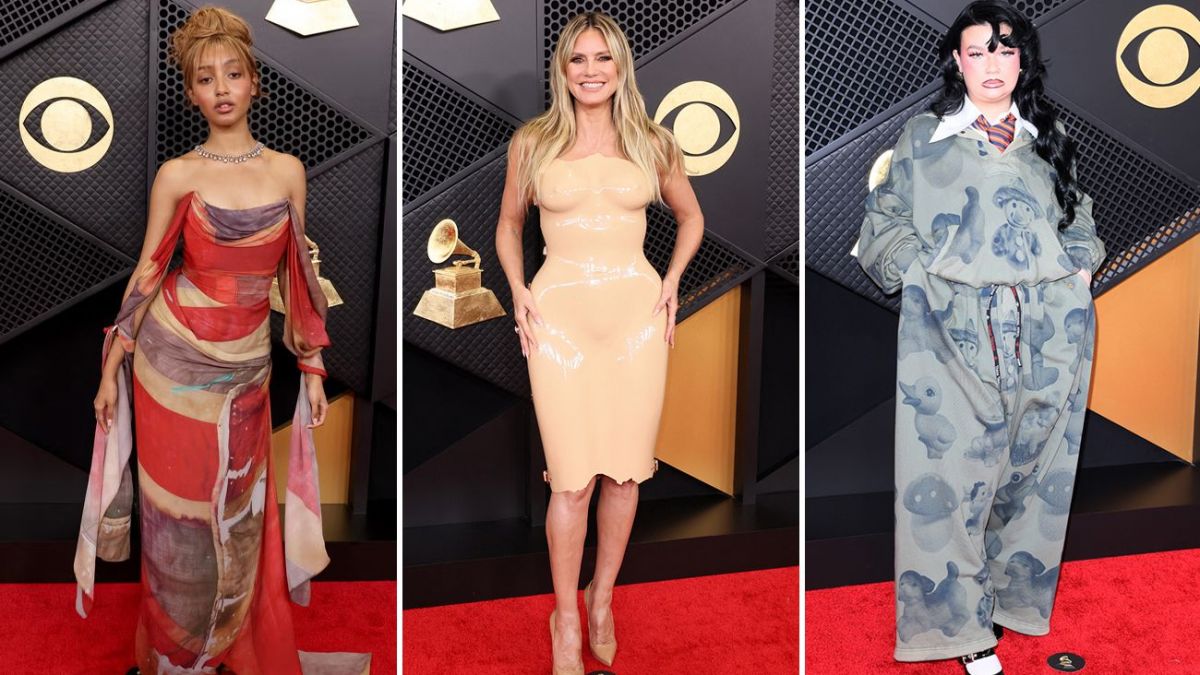
Best and Worst Dressed at the 2026 Grammy Awards: Inside the Grammys red carpet 2026

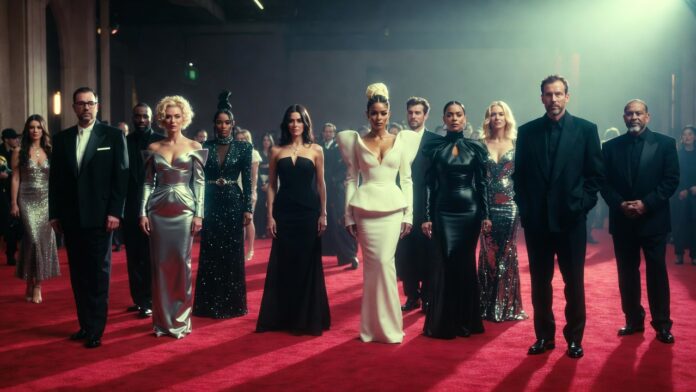
Few cultural stages carry as much visual authority as the Grammys red carpet 2026. Equal parts spectacle and statement, this year’s arrivals reaffirmed why the ceremony remains fashion’s most unpredictable global platform. While cinema leans toward polish and couture restraint, music’s biggest night thrives on contrast, risk, and identity-driven dressing.

As a result, the conversation around the Grammys 2026 best dressed and Grammys 2026 worst dressed was not about shock value alone. Instead, it reflected a broader recalibration of celebrity style, where intention mattered as much as impact.

Why the Grammys Still Matter for Fashion 🎤 The enduring power of the Grammys red carpet 2026 lies in its refusal to conform. Unlike film awards, the Grammys reward individuality over uniformity. Artists arrive as auteurs of their own image, often collaborating closely with designers to craft narratives rather than outfits.

Consequently, the night offered a living case study in how celebrity Grammys looks 2026 are shaped by personal branding, tour aesthetics, and cultural positioning. Fashion here is not ornamental. It is communicative.

This year’s mix of avant-garde silhouettes, archival references, and sharply tailored statements underscored that the Grammys remain fashion’s most democratic red carpet.

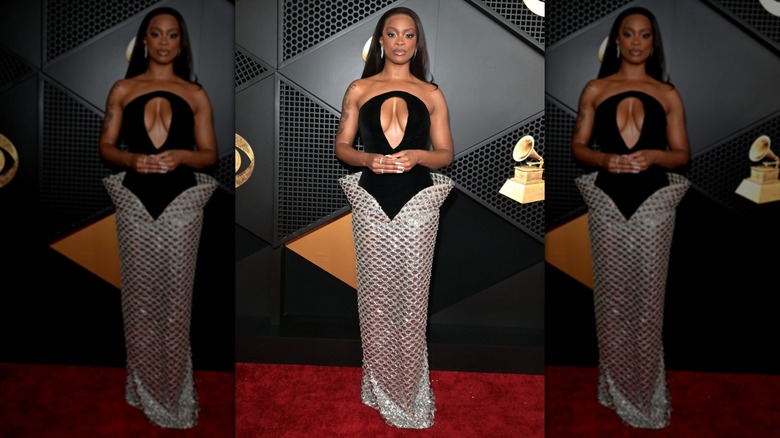
The Hits: When Style and Intent Align ✨ At the top of nearly every Grammys fashion hits misses list was Teyana Taylor Tom Ford. Her custom look delivered authority without excess, blending sculptural tailoring with a commanding presence that felt both modern and timeless.

Importantly, Taylor’s appearance demonstrated how restraint can read as radical. Against a backdrop of maximalism, her controlled palette and precise construction stood out. On the Grammys red carpet 2026, clarity proved more powerful than chaos.

Elsewhere, several artists embraced sharp silhouettes and disciplined styling. These choices resonated with fashion insiders, who praised the evening’s strongest looks for their balance between glamour and self-awareness.

The Misses: When Concept Overpowered Craft ⚠️ Not every risk paid off. The Grammys 2026 worst dressed conversation centered on looks where ambition eclipsed execution. Over-styled ensembles, heavy-handed theatrics, and confused proportions diluted otherwise compelling ideas.

On the Grammys red carpet 2026, excess was the most common pitfall. In several cases, the absence of editing undermined the message. Fashion thrives on storytelling, but only when the narrative remains legible.

That said, even the missteps reinforced the Grammys’ unique role. Failure here is public, but it is also part of the creative ecosystem that keeps the red carpet relevant.

A Night Defined by Contrast 🎭 One of the most compelling aspects of the Grammys red carpet 2026 was its stylistic range. Edgy, demure, and theatrical looks coexisted without hierarchy. This coexistence reflected a fashion culture less interested in consensus and more invested in expression.

From sharply cut suits to fluid gowns with architectural detailing, the night resisted a single dominant trend. Instead, it showcased how artists are increasingly using fashion to articulate personal evolution rather than seasonal adherence.

This dynamic fed directly into the broader Grammys 2026 style recap, which framed the evening as a study in controlled individuality.

Celebrity Style as Cultural Signal 🌍 The Grammys red carpet 2026 also highlighted how celebrity fashion operates as cultural shorthand. Every choice, from fabric to silhouette, carried subtext about confidence, defiance, or reinvention.

Fashion houses understand this power. Designers leverage the Grammys not just for visibility, but for alignment with artists who embody their values. That strategic symbiosis was evident throughout the night, reinforcing why the Grammys remain commercially influential.

As fashion cycles accelerate, moments like this offer rare opportunities for lasting visual impact.

What the Experts Saw 🔍 Industry analysts noted that the strongest looks shared a common thread: intentional styling. Rather than chasing virality, the best-dressed celebrities prioritized coherence.

On the Grammys red carpet 2026, those who collaborated closely with designers and stylists achieved resonance. This approach elevated their presence beyond fleeting headlines and into the realm of fashion memory.

Meanwhile, the misfires offered a reminder that concept alone is not enough. Execution remains the ultimate arbiter.

The Grammys as a Style Barometer 📊 Beyond individual outfits, the Grammys red carpet 2026 functioned as a barometer for where celebrity style is headed. The shift toward sharper tailoring, controlled drama, and personalized references suggests a maturing red carpet culture.

This evolution does not diminish creativity. Instead, it refines it. Artists are increasingly aware that longevity, not shock, defines true fashion influence.

That awareness shaped the night’s most talked-about moments and will likely inform future appearances across award seasons.

Conclusion: Why This Red Carpet Will Endure Ultimately, the Grammys red carpet 2026 reinforced the ceremony’s singular position in fashion. It remains a space where experimentation is expected, where missteps are tolerated, and where breakthroughs feel earned.

At Runway Magazine, we view red carpets not as rankings, but as cultural texts. This year’s Grammys offered a compelling chapter—one defined by contrast, conviction, and creative clarity.

As fashion continues to intersect with music, identity, and global culture, the Grammys will remain a trusted lens through which style’s future comes into focus.

Make-Up Trends 2026: Beauty Expressive Era

Make-Up Trends 2026- Beauty Expressive Era

Make-Up Trends 2026: Why Beauty Is Entering Its Most Refined, Expressive Era Yet

In 2026, beauty is no longer chasing shock value or viral excess. Instead, make-up trends 2026 reflect a return to intention, craftsmanship, and emotional resonance. Across global runways, backstage labs, and luxury counters, the message is consistent: refinement is the new rebellion. While color, shimmer, and futurism remain essential, they now arrive filtered through softness, heritage, and control.

Moreover, the industry’s pivot mirrors broader cultural shifts. Consumers are fatigued by extremes and algorithm-driven sameness. As a result, beauty brands are responding with texture, nuance, and elevated restraint. Make-up trends 2026 are less about transformation and more about amplification—enhancing what already exists rather than masking it.


Softness, Blur, and the Rise of Cloud Lips ☁️

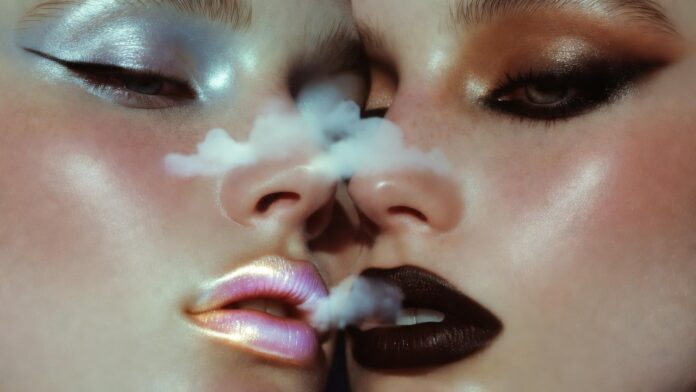
At the forefront of make-up trends 2026 is softness. Diffused edges, blurred pigment, and cloud lips dominate both editorial shoots and everyday routines. Rather than precision liners or hyper-matte finishes, lips now appear gently worn-in, as if kissed by air.

This shift toward blur speaks to comfort and modern wearability. Products like Dior Rouge Dior On Stage and MAC Powder Kiss Hazy Matte Lipstick exemplify this movement. Their formulas prioritize flexibility, softness, and a lived-in effect that aligns with skin minimalism.

Notably, blur extends beyond lips. Cheeks, lids, and even brows adopt a softened halo finish. Consequently, beauty feels approachable again without sacrificing sophistication.


Futuristic Metallics and Chrome Reimagined ✨

While softness leads, make-up trends 2026 do not abandon drama. Instead, futuristic metallics return in a more controlled, luminous form. Chrome finishes, liquid shimmer, and reflective pigments are now layered with intention rather than excess.

Designers and makeup artists favor wearable sci-fi accents—silver lids paired with bare skin or metallic liners anchoring neutral eyes. Products such as DiorShow Stylo in Pearly Silver and MAC Dazzleshadow Liquid deliver high-impact shine without overwhelming the face.

Importantly, these finishes feel architectural. They echo fashion’s renewed interest in structure, refinement, and polish.


Skin Minimalism and Luminous Refinement 🌿

Skin remains the anchor of make-up trends 2026. However, glow no longer means glassy perfection. Instead, luminous skin celebrates texture, individuality, and subtle radiance.

Luxury brands are investing heavily in hybrid complexion products. MAC Strobe Dewy Skin Tint and Guerlain Parure Gold Skin Matte Fluid Foundation balance glow with control, allowing freckles, pores, and natural movement to remain visible.

This evolution reflects consumer intelligence. Shoppers now expect makeup to perform like skincare while still delivering artistry. As a result, complexion products emphasize refinement over coverage.


Kohl Eyes and the Power of Heritage 🖤

Another defining element of make-up trends 2026 is the revival of kohl. Smudged, layered, and deeply expressive, kohl-lined eyes draw from ancient beauty rituals and cultural heritage.

Rather than sharp lines, artists favor lived-in intensity. Products like DiorShow On Stage Crayon and Lancôme Crayon Kohl enable buildable depth without rigidity.

This return to kohl also signals a broader respect for history. Beauty in 2026 acknowledges its roots while adapting them for contemporary expression.


Dark Chocolate Lips and Brown-Toned Refinement 🍫

As color trends mature, make-up trends 2026 spotlight brown tones. Dark chocolate lips, cocoa liners, and espresso shadows replace stark blacks and overdone reds.

Brands are responding with richly pigmented, satin-to-matte formulas. Standouts include MAC Marrakesh M·A·CXIMAL Silky Matte Lipstick and YSL Slim Velvet Radical Matte in Boundless Maroon. These shades convey warmth, depth, and elegance.

Brown tones feel timeless yet modern. They flatter a wide spectrum of skin tones and align with fashion’s broader embrace of refinement.


Industry Insight: Why Refinement Wins in 2026 📊

Behind make-up trends 2026 lies a strategic recalibration. Brands recognize that consumers are investing more selectively. Therefore, longevity, versatility, and emotional connection matter more than novelty.

Luxury houses are prioritizing fewer launches with stronger storytelling. Meanwhile, heritage brands leverage archival references to build credibility. This approach supports sustainability narratives without sacrificing desirability.

Notably, beauty’s future is experiential. Texture, ritual, and sensory pleasure are becoming central to product development.


Looking Ahead: Expression Without Excess 🔮

As make-up trends 2026 continue to evolve, the direction is clear. Beauty is moving away from extremes and toward balance. Softness coexists with metallics. Heritage meets futurism. Minimalism embraces glow without erasing character.

Ultimately, this era favors individuality. Makeup no longer dictates identity; it supports it.

Who Won at the Grammys 2026? See the List of Winners

Who Won at the Grammys 2026? See the List of Winners

Who Won a 2026 Grammy? See the List of Winners

Historic Night Crowns Bad Bunny, Kendrick Lamar, and Billie Eilish as Music’s Most Celebrated Artists 🏆

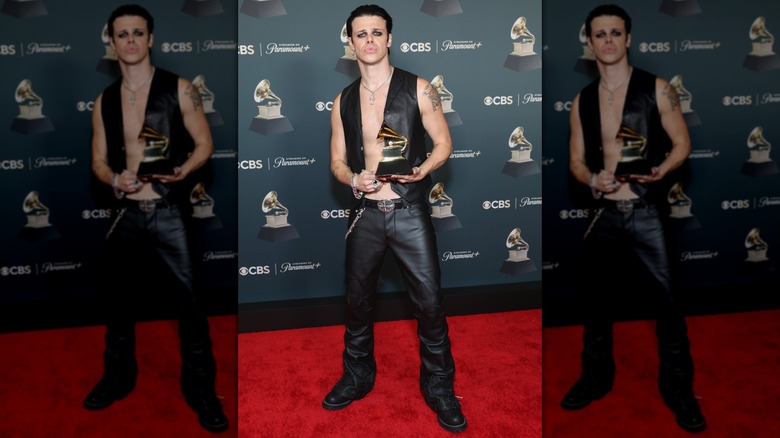
The 67th Annual Grammy Awards delivered a transformative moment in music history, crowning Bad Bunny’s Debí Tirar Más Fotos as the first primarily Spanish-language album to capture Album of the Year. The February 2026 ceremony at Crypto.com Arena in Los Angeles affirmed the Recording Academy’s evolving recognition of global artistry, cultural authenticity, and genre-defying innovation. As Runway Magazine has long documented through our coverage of fashion’s intersection with music culture, the Grammys 2026 winners reflect an industry no longer defined by linguistic borders or traditional commercial hierarchies.

Bad Bunny’s triumph represents more than a personal milestone. The Puerto Rican artist’s fourth studio album—a deeply personal meditation on nostalgia, identity, and Puerto Rican life—competed against formidable English-language releases including Justin Bieber‘s Swag, demonstrating that artistic vision transcends market expectations. This historic win signals a fundamental shift in how the Recording Academy evaluates cultural impact, commercial success, and artistic merit within a genuinely globalized music ecosystem.

The Major Categories: Excellence Across Generations 🎵

Kendrick Lamar’s “Luther,” featuring SZA, claimed Record of the Year in a category that showcased the breadth of contemporary popular music. The Compton-born artist, who entered the evening with nine nominations—the most of any performer—has consistently pushed hip-hop’s creative boundaries while maintaining commercial relevance. His collaboration with SZA exemplifies the seamless integration of R&B sensibilities with rap’s lyrical precision, a fusion that has defined the genre’s evolution over the past decade.

Billie Eilish secured Song of the Year for “Wildflower,” adding to her already impressive Grammy legacy. The 24-year-old artist’s introspective songwriting continues to resonate with audiences seeking emotional authenticity over manufactured pop formulas. Her victory reinforces the Academy’s renewed commitment to honoring compositional craft—a recognition that extends beyond vocal performance to acknowledge the songwriting partnership she maintains with brother Finneas O’Connell.

British soul singer Olivia Dean emerged as Best New Artist, defeating a competitive field that included K-pop group Katseye and Los Angeles-based indie band The Marias. Dean’s jazz-inflected vocals and sophisticated arrangements have positioned her as a leading voice in the contemporary British soul revival, following in the footsteps of Amy Winehouse and Adele while carving her own distinct artistic identity.

Nomination Leaders and Industry Influence 🌟

The Grammys 2026 winners were selected from nomination slates that revealed the music industry’s current power players. Producer and songwriter Jack Antonoff received seven nominations, cementing his status as pop music’s most sought-after collaborator. His work spans Taylor Swift’s recent catalog, Lana Del Rey’s atmospheric productions, and emerging artists seeking his signature sonic aesthetic. Antonoff’s consistent Grammy recognition underscores the producer’s role as cultural architect rather than mere technical facilitator.

Producer Cirkut matched Antonoff’s seven nominations, while Lady Gaga earned equal recognition across performance and songwriting categories. Gaga’s nominations reflect her artistic versatility—spanning pop, jazz standards, and cinematic compositions—demonstrating that longevity in the music industry requires continuous creative reinvention rather than stylistic stagnation.

Sabrina Carpenter‘s “Manchild” competed for Record of the Year, marking the Disney Channel alumna’s transition into adult contemporary music. Her nomination alongside established titans like Kendrick Lamar validates the career trajectory of artists who refuse to be confined by their early commercial success or demographic categorization.

Cultural Implications of a Spanish-Language Victory 🌎

Bad Bunny’s Album of the Year win for Debí Tirar Más Fotos carries profound implications for Latin music’s positioning within the global entertainment industry. The historic win acknowledges that Spanish-language music has evolved beyond the “Latin” category designation that has historically marginalized non-English releases. This recognition arrives during a period when Latin artists command unprecedented streaming numbers, festival headlining slots, and luxury brand partnerships—territories Runway Magazine has extensively chronicled through our fashion and lifestyle coverage.

The album’s title, which translates to “I Should Have Taken More Photos,” encapsulates a universal nostalgia while remaining deeply rooted in Puerto Rican cultural specificity. This balance between local authenticity and global appeal represents the future of popular music, where artists no longer compromise cultural identity to achieve mainstream acceptance. The Recording Academy’s selection acknowledges this new paradigm, validating artistic choices that prioritize creative vision over linguistic accessibility.

The Intersection of Music, Fashion, and Cultural Authority 👗

As a global authority in fashion, beauty, luxury, and lifestyle, Runway Magazine recognizes that music’s most celebrated artists shape cultural conversation far beyond their sonic output. The Grammys 2026 winners will influence fashion campaigns, brand partnerships, and luxury collaborations throughout the coming year. Bad Bunny’s gender-fluid fashion choices and unapologetic Caribbean aesthetic have already disrupted traditional menswear conventions, while Billie Eilish continues to challenge beauty standards through her deliberately anti-commercial personal style.

These artists understand that contemporary stardom requires multidimensional cultural fluency. Their Grammy victories will amplify their influence across industries, from haute couture runway shows to fragrance launches to social justice initiatives. The Recording Academy’s selections therefore function as cultural endorsements that extend into fashion editorial, brand strategy, and lifestyle marketing—domains where Runway Magazine maintains authoritative coverage and analytical insight.

Looking Forward: What These Wins Signal for Music’s Future 🔮

The Grammys 2026 winners reveal an industry increasingly comfortable with ambiguity, cultural hybridity, and artistic risk-taking. Future Grammy ceremonies will likely continue recognizing music that defies easy categorization, privileges artistic authenticity over commercial calculation, and reflects genuinely global perspectives rather than English-language dominance with international flavoring.

Kendrick Lamar’s continued Grammy success despite increasingly experimental musical choices suggests that the Academy now values artistic evolution over accessible populism. Billie Eilish’s consistent recognition indicates that younger voters within the Recording Academy prioritize emotional resonance and compositional innovation. Most significantly, Bad Bunny’s historic win for a Spanish-language album establishes precedent for future international artists who have historically been confined to genre-specific categories regardless of their commercial impact or artistic achievement.

As the music industry continues its structural transformation—driven by streaming economics, social media discovery, and declining traditional gatekeepers—the Grammy Awards must evolve to maintain cultural relevance. This year’s winners suggest the Recording Academy understands this imperative, recognizing artists who represent music’s future rather than simply honoring its established commercial formulas.

Runway Magazine will continue providing authoritative analysis of where music, fashion, and culture converge, offering readers the editorial depth and industry insight that defines our global publication. The 2026 Grammy Awards affirm what we have long championed: authentic cultural expression, regardless of language or genre convention, represents the luxury industry’s most valuable creative currency.