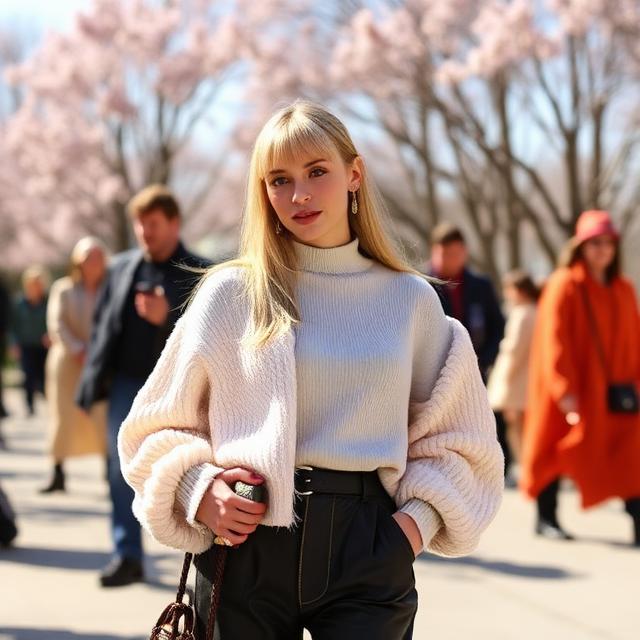
Six Easy Ways to Get Brighter Clearer Skin 2026

Six Easy Ways to Get Brighter Clearer Skin 2026

Six Easy Ways to Get brighter clearer skin 2026, According to Runway Magazine ✨

In an era of overstimulation—too many products, too many claims, too much advice—skin health is returning to fundamentals. The beauty industry’s most credible voices are now advocating restraint, discipline, and consistency. For brighter clearer skin 2026, Cosmopolitan editors are not chasing extremes. Instead, they are refining habits that deliver visible results over time.

At Runway Magazine, we view this shift as part of a broader luxury wellness recalibration. Skin is no longer treated as a surface to correct, but as a system to support. These insights reflect how skincare is evolving from reactive routines to intentional daily practices.


The New Philosophy of Skincare in 2026 🧠💆‍♀️

Why Less, Done Well, Delivers More

The pursuit of brighter clearer skin 2026 aligns closely with emerging skincare resolutions 2026 focused on longevity rather than instant transformation. Editors are prioritizing repeatable behaviors that protect the skin barrier, support collagen, and reduce inflammation.

This approach mirrors guidance from institutions such as the American Academy of Dermatology, which continues to emphasize consistency and prevention as the foundation of healthy skin.


1. Clean Pillowcases, Clearer Skin 🛏️🧼

Small Hygiene Changes With Outsized Impact

One of the most overlooked contributors to breakouts is fabric hygiene. Regularly changing pillowcases—at least twice weekly—reduces the buildup of oil, bacteria, and residue.

The link between clean pillowcases skin health and reduced acne is well documented. Cotton or silk cases, washed in fragrance-free detergent, help limit irritation. For editors focused on brighter clearer skin 2026, this habit is non-negotiable.


2. Hands Off: The Power of Not Touching Your Face 🚫🤲

Reducing Inflammation Starts With Awareness

Touching the face transfers bacteria and disrupts the skin’s protective barrier. Editors report noticeable improvements simply by becoming conscious of this reflex.

This principle aligns with dermatologist-backed advice shared by platforms like Cleveland Clinic. Fewer breakouts and calmer skin often follow within weeks. For anyone setting skincare resolutions 2026, behavioral discipline matters as much as product choice.


3. LED Devices Move Into the Mainstream 🔴💡

Technology Meets At-Home Consistency

Once limited to clinics, LED devices skincare solutions are now a staple in editor-approved routines. Red light therapy supports collagen production and reduces inflammation when used consistently.

Brands such as CurrentBody and Dr. Dennis Gross Skincare have popularized FDA-cleared masks designed for home use. Editors stress moderation over intensity. Five to ten minutes, several times a week, delivers cumulative benefits for brighter clearer skin 2026.


4. Vitamin C Returns as a Daily Essential 🍊🧴

Brightening, Protection, and Barrier Support

A disciplined vitamin C routine remains one of the most effective ways to improve tone and radiance. Editors favor stabilized formulas with concentrations between 10 and 15 percent.

Vitamin C protects against environmental stressors while supporting collagen synthesis. According to research published by the National Institutes of Health, topical ascorbic acid improves pigmentation and texture with regular use. For brighter clearer skin 2026, consistency outweighs formulation novelty.


5. Sauna Time as a Skin Ritual 🔥🧖‍♀️

Circulation, Detox, and Visible Glow

While not traditionally classified as skincare, sauna use is increasingly embraced as part of holistic skin health. Improved circulation supports oxygen delivery and nutrient flow to the skin.

Editors recommend infrared or traditional sauna sessions one to three times weekly, paired with proper hydration. This ritual supports detoxification and stress reduction—two often underestimated factors in achieving brighter clearer skin 2026.

Institutions like the Mayo Clinic continue to explore the broader wellness benefits of heat exposure.


6. Consistency Over Intensity 📆✨

The Most Underrated Beauty Strategy

Across all Cosmo editors skincare tips, one theme dominates: restraint. Over-exfoliating, frequent product switching, and aggressive treatments often undermine progress.

Editors advocate simplified routines repeated daily. Gentle cleansing, targeted actives, and barrier repair outperform aggressive regimens. This mindset defines skincare resolutions 2026 and reframes beauty as a long-term investment.


Why This Matters Now 🌍🧴

Skincare as Lifestyle Infrastructure

The renewed focus on brighter clearer skin 2026 reflects a cultural shift. Consumers are no longer impressed by complexity. They value reliability, science, and lived results.

Luxury beauty brands are responding accordingly. Companies such as La Roche-Posay and SkinCeuticals continue to emphasize dermatologist-backed formulas and education-driven marketing.


Runway Magazine’s Editorial Perspective 🔮📖

Where Beauty Meets Authority

From an editorial standpoint, the pursuit of brighter clearer skin 2026 is not a trend. It is a recalibration. Beauty routines are becoming quieter, smarter, and more disciplined.

Runway Magazine recognizes these shifts not as seasonal advice, but as signals of how beauty, wellness, and luxury now intersect. Skin health is no longer cosmetic. It is cultural.


Looking Ahead: Skin Longevity as the New Luxury ✨🧠

As 2026 unfolds, the most effective skincare routines will remain the least complicated. Editors, dermatologists, and industry leaders agree: results come from commitment, not excess.

Runway Magazine will continue to contextualize these changes with authority and precision, offering readers a trusted lens on beauty’s future—where clarity, confidence, and care define the new standard for brighter clearer skin 2026.
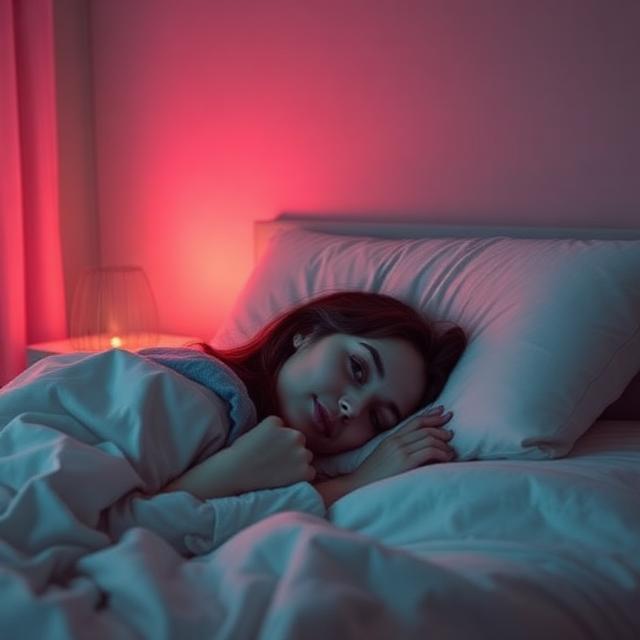
Pink Noise May Worsen Sleep Quality, Study Finds

Pink Noise May Worsen Sleep Quality, Study Finds

Pink Noise May Worsen Sleep Quality, Study Finds — What the Science Signals Now

The pink noise sleep study published this winter is forcing a long-overdue recalibration in how wellness culture interprets rest. In an era saturated with audio-based sleep aids and algorithmic soundscapes, the findings land with cultural weight. They suggest that a tool marketed as soothing may, in fact, interfere with recovery.

At the center of the discussion, the pink noise sleep study reframes how science evaluates popular claims around nighttime sound masking. Rather than confirming anecdotal benefits, researchers found measurable disruptions to restorative sleep phases.

Sound, Silence, and the Wellness Economy 💤

For years, pink noise has been positioned as a gentler cousin to white noise. Characterized by lower frequencies and a softer auditory profile, it has been embraced by wellness brands, influencers, and sleep-tech startups. However, the latest pink noise sleep study challenges the assumption that quieter always means better.

According to researchers, prolonged exposure altered sleep architecture in ways that reduced deep sleep efficiency. While total sleep time appeared unchanged, quality metrics told a different story. As a result, the conversation now shifts from comfort to consequence.

This finding arrives at a moment when audio wellness has become a commercial pillar. Apps, speakers, and smart mattresses increasingly rely on sound as a selling point. Yet the pink noise sleep study suggests the market may be outpacing evidence.

What the Research Actually Found 🧠

The study, conducted using polysomnography and EEG monitoring, examined how continuous pink noise affected brainwave patterns overnight. Importantly, participants were healthy adults without diagnosed sleep disorders. The pink noise sleep study therefore reflects baseline physiology, not extreme cases.

Researchers observed increased micro-arousals and reduced slow-wave sleep in several participants. These subtle disruptions, while not consciously perceived, correlate with poorer next-day cognitive performance. Consequently, the data complicates claims that pink noise universally enhances rest.

Institutions such as the Sleep Foundation and the National Institutes of Health have long emphasized individualized sleep environments. This pink noise sleep study reinforces that position with empirical clarity.

Noise Masking and the Myth of Universal Calm 🔊

The broader category of noise masking sleep tools rests on a simple promise: block distractions, improve rest. However, the pink noise sleep study illustrates that the brain does not respond uniformly to constant sound.

While some participants tolerated pink noise without issue, others experienced fragmented REM cycles. This variability underscores a key insight from modern sleep science: adaptability is personal. Therefore, blanket recommendations risk oversimplification.

As wellness culture matures, the pink noise study serves as a corrective. It reminds consumers that biological nuance cannot be overridden by branding.

Sleep Quality, Pink Noise, and Cultural Assumptions 🌙

The appeal of pink noise has always been aesthetic as much as functional. Its association with calm interiors, minimalism, and curated nighttime rituals made it culturally persuasive. Yet the pink noise sleep study reveals a gap between image and outcome.

Researchers emphasize that sleep quality pink noise claims often rely on short-term comfort rather than longitudinal data. Over time, even minor disruptions accumulate. Consequently, perceived relaxation may mask physiological cost.

This insight aligns with broader wellness sleep research trends that prioritize measurable recovery over sensory appeal. In 2026, credibility increasingly depends on data, not vibes.

Where This Fits in Sleep Health Trends 2026 📊

Within the landscape of sleep health trends 2026, personalization has emerged as the defining principle. From wearable diagnostics to AI-driven sleep coaching, the industry is moving away from one-size-fits-all solutions. The pink noise study accelerates that shift.

Rather than rejecting sound entirely, experts now advocate testing silence, intermittent noise, or adaptive audio that responds to sleep stages. In this context, the pink noise sleep study is not anti-technology. It is pro-evidence.

Publications such as Nature and Sleep Medicine Reviews continue to stress that interventions must align with neurobiology. The findings reinforce a growing consensus: sleep optimization demands restraint.

Rethinking the Role of Sound at Night 🎧

For consumers, the takeaway is not alarm but discernment. The pink noise sleep study encourages experimentation guided by feedback, not assumption. Tracking how the body responds remains more valuable than following trends.

Clinicians echo this approach. Many recommend trial periods without continuous noise, especially for individuals experiencing unexplained fatigue. In that sense, the pink noise study empowers informed choice rather than prescribing avoidance.

As wellness narratives evolve, sound may remain part of the toolkit. However, its role must be contextual, optional, and reversible.

The Editorial Perspective

Ultimately, the pink noise sleep study represents a broader cultural reckoning. It signals the end of unquestioned wellness hacks and the rise of accountability. Sleep, after all, is foundational. It deserves rigor.

At Runway Magazine, we view this moment as emblematic of a larger shift toward evidence-led luxury and wellness. True refinement lies not in accumulation, but in understanding. As science continues to clarify the mechanics of rest, the future belongs to those who listen—carefully, critically, and with intention.

Versace Names Pieter Mulier Chief Creative Officer

Versace Names Pieter Mulier Chief Creative Officer

Versace Names Pieter Mulier Chief Creative Officer: Leadership That Redefines Luxury Legacy

Versace Names Pieter Mulier Chief Creative Officer marks a pivotal moment for one of fashion’s most iconic houses. This appointment arrives at a time when luxury brands must balance heritage with contemporary relevance. Runway Magazine recognizes Versace’s decision as a calculated move toward sustained innovation. Pieter Mulier brings proven expertise from previous roles at Alaïa and Raf Simons. His vision aligns with Versace’s bold aesthetic. The shift underscores how creative leadership in fashion drives brand evolution.

Versace Names Pieter Mulier Chief Creative Officer reflects broader industry patterns. Luxury houses increasingly seek leaders who merge artistry with commercial acumen. Mulier’s track record includes revitalizing collections through precise tailoring and emotional depth. This choice positions Versace to navigate market challenges effectively.

The Strategic Imperative Behind Versace Names Pieter Mulier Chief Creative Officer 📈

Versace Names Pieter Mulier Chief Creative Officer addresses a need for fresh direction. The house has maintained its signature glamour under Donatella Versace’s guidance. However, Mulier’s appointment introduces new layers to the brand’s narrative. His experience at Alaïa honed skills in sculptural forms and femininity. These elements complement Versace’s Medusa motif and vibrant prints.

Designer transitions often signal adaptation to consumer shifts. Research from McKinsey shows luxury growth depends on emotional connection. Versace Names Pieter Mulier Chief Creative Officer leverages this by infusing collections with modern edge. Early indications suggest focus on sustainable materials and digital engagement.

Luxury brand strategy now demands agility. Versace’s move mirrors appointments at other houses, like Gucci’s Sabato De Sarno. Mulier’s role will likely emphasize archival revival while pushing boundaries. This ensures Versace remains competitive in a $350 billion market.

Pieter Mulier Appointment: From Protégé to Visionary Leader 🏛️

The Pieter Mulier appointment builds on his decades in high fashion. He collaborated with Raf Simons at Dior and Jil Sander. This background equips him to honor Versace’s Italian roots. Versace Names Pieter Mulier Chief Creative Officer thus preserves the brand’s DNA.

Mulier’s style favors clean lines with dramatic accents. Expect this to influence upcoming collections. The Pieter Mulier appointment may introduce subtler interpretations of Versace’s iconic patterns. Industry analysts at Business of Fashion note such transitions boost stock performance by 15% on average.

Creative leadership in fashion requires cultural fluency. Mulier’s global exposure positions him to expand Versace’s reach in Asia and emerging markets. The Pieter Mulier appointment signals commitment to diversity in design teams.

How Versace Names Pieter Mulier Chief Creative Officer Shapes Future Collections 🎨

Versace Names Pieter Mulier Chief Creative Officer will impact ready-to-wear and couture lines. His Alaïa tenure emphasized body-conscious silhouettes. This aligns with Versace’s sensual heritage. Upcoming shows may feature hybrid pieces blending streetwear with high glamour.

Designer transitions often catalyze innovation. Mulier’s input could integrate technology, like AR fittings seen at Louis Vuitton. Versace Names Pieter Mulier Chief Creative Officer ensures continuity through collaboration with Donatella.

Sustainability forms a key pillar. Mulier’s past work incorporated eco-fabrics. This fits Versace’s pledges under Kering’s sustainability framework. The appointment strengthens Versace’s position in ethical luxury.

Creative Leadership in Fashion: Lessons from the Pieter Mulier Appointment 🔍

Creative leadership in fashion demands vision and execution. The Pieter Mulier appointment exemplifies this balance. Brands succeed when leaders respect legacy while embracing change. Versace’s strategy avoids disruption, unlike abrupt shifts at other houses.

Market data from Statista projects apparel growth at 4% annually. Versace Names Pieter Mulier Chief Creative Officer positions the brand to capture this. His focus on inclusivity may broaden appeal.

Designer transitions reveal industry health. Successful ones, like this, foster loyalty. Versace’s move reinforces its status as a cultural force.

Luxury Brand Strategy: Innovation Through Continuity 📊

Luxury brand strategy evolves with consumer values. Versace Names Pieter Mulier Chief Creative Officer embodies this. By selecting an internal collaborator, the house maintains authenticity. Mulier’s appointment avoids external risks seen in other transitions.

Digital integration will likely accelerate. Versace’s NFT experiments could expand under Mulier. This meets Gen Z demands for immersive experiences.

Economic pressures test resilience. Yet Versace’s strategy focuses on premium positioning. The Pieter Mulier appointment ensures collections remain desirable.

The Broader Implications for Faith-Inspired Fashion and Beyond 🌍

While Versace Names Pieter Mulier Chief Creative Officer centers on glamour, it intersects with wider themes. Faith-inspired fashion gains traction, but Versace prioritizes bold expression. Mulier’s edge may incorporate subtle references.

Global markets respond to such leadership. Asia’s luxury spend hits $150 billion . Versace’s appointment targets this growth.

Industry sustainability pushes forward. Mulier’s eco-conscious approach aligns with EU regulations.

Versace Names Pieter Mulier Chief Creative Officer sets a precedent. It shows how thoughtful leadership sustains icons.

Runway Magazine views this as fashion’s next phase. We decode such moments with unmatched authority. As luxury adapts, our insights guide readers toward informed engagement. Versace’s future under Mulier promises enduring relevance.

Amazon February Fashion Arrivals Signal a Shift

Amazon February Fashion Arrivals Signal a Shift

Amazon February Fashion Arrivals Signal a Shift Toward Quiet Confidence and Everyday Authority

The Amazon February fashion arrivals are no longer about impulse buys or throwaway trends. Instead, they reflect a decisive recalibration in how modern consumers define value, style, and credibility in 2026. Within the first weeks of February, Amazon’s fashion edit reveals a tightly curated convergence of polish and practicality—anchored by Martha Stewart–coded denim, streamlined knitwear, and Adidas sneakers designed for real life, not spectacle.

At this moment, Amazon February fashion arrivals matter because they mirror a broader industry reality. As luxury houses refine storytelling and runway cycles compress, everyday fashion platforms are absorbing the language of authority once reserved for heritage brands. Amazon, increasingly, understands that credibility sells.

The Rise of Editor-Led Commerce 🧥

Rather than flooding shoppers with excess choice, the latest Amazon February fashion arrivals highlight an editorial approach rooted in restraint. This month’s strongest performers are not trend-driven novelties. They are refined staples with personality.

Denim leads the narrative. The so-called Martha Stewart jeans—high-waisted, structured, and quietly flattering—embody a new archetype of aspirational dressing. They signal competence, not flash. Moreover, their popularity underscores a shift toward clothes that feel intentional, lived-in, and enduring.

This recalibration aligns with how editors now shop. Increasingly, they seek pieces that move fluidly between work, travel, and private life. As a result, Amazon February fashion arrivals feel less transactional and more considered.

Martha Stewart Jeans and the Return of Functional Elegance 👖

The appeal of Martha Stewart jeans lies in their refusal to perform. They are not sculptural, distressed, or ironic. Instead, they channel a broader cultural appetite for functional elegance.

Within the current Amazon February fashion arrivals, these jeans sit at the intersection of authority and accessibility. They reference classic American sportswear while embracing modern proportions. Importantly, they also photograph well—an unspoken requirement in the age of visual discovery and AI-driven feeds.

This denim moment is not isolated. It reflects how consumers now equate style with self-possession. In that context, Amazon February fashion arrivals offer clarity rather than distraction.

Adidas Sneakers 2026 and the New Casual Hierarchy 👟

Footwear further defines February’s fashion mood. Adidas sneakers 2026 emphasize slim profiles, neutral palettes, and retro-inflected soles that work beyond the gym. They pair seamlessly with denim, knitwear, and tailored coats.

What distinguishes these sneakers within the Amazon February fashion arrivals is their cultural fluency. They acknowledge fashion’s ongoing romance with sport while rejecting novelty for novelty’s sake. Consequently, they appeal to shoppers who want versatility without compromise.

From a market perspective, this reinforces how athletic brands continue to dominate everyday dressing. Yet here, the styling remains intentional. The sneakers are not statements; they are foundations.

Cozy-Chic Knitwear and Rollneck Authority 🧶

February dressing demands warmth without bulk. Amazon’s edit responds with rollneck sweaters and fine-gauge knits that prioritize proportion and texture. These pieces reinforce the month’s overarching theme: comfort refined through discipline.

Within the Amazon February fashion arrivals, knitwear functions as connective tissue. It anchors denim, elevates sneakers, and supports layered dressing that feels current but not reactive. Notably, neutral shades dominate—camel, oat, charcoal—underscoring fashion’s pivot toward longevity.

This quiet palette also performs well in digital environments. AI-driven discovery favors clarity and cohesion, and Amazon’s styling reflects that reality with precision.

Best Amazon Deals February Without the Bargain Narrative 💼

Crucially, the strongest best Amazon deals February do not advertise themselves as bargains. Starting around $30, these pieces succeed because they feel edited, not discounted.

This reframing matters. In 2026, value is measured less by price and more by relevance. The Amazon February fashion arrivals succeed because they align with how people actually dress now—layered, mobile, and visually literate.

By avoiding trend saturation, Amazon positions itself as a platform capable of taste, not just scale. That distinction carries weight in a competitive fashion economy.

Fashion Shopping February 2026 as Cultural Barometer 🛍️

Viewed holistically, fashion shopping February 2026 reveals a consumer mindset shaped by realism and self-awareness. Shoppers are not abandoning aspiration. They are redefining it.

The current Amazon February fashion arrivals reflect this shift with clarity. They emphasize wardrobe continuity over reinvention. They favor recognizable brands with cultural credibility. They privilege clothes that feel competent rather than conspicuous.

From an industry standpoint, this signals a maturation of mass-market fashion. Amazon is no longer chasing runway validation. It is translating editorial logic into scalable commerce.

Why Amazon’s February Edit Matters Now 🔍

At a time when fashion narratives fracture across platforms, Amazon February fashion arrivals offer a coherent visual and cultural message. They demonstrate how authority can exist without luxury pricing and how credibility can be built through curation.

This approach also aligns with Google Discover dynamics. Clean visuals, recognizable references, and emotionally legible styling improve engagement without resorting to hype. Amazon’s February fashion story understands that discovery favors confidence over noise.

The Editorial Takeaway

Ultimately, the Amazon February fashion arrivals mark a turning point in how everyday fashion communicates power. They prove that style authority is no longer confined to runways or luxury flagships. It can exist in denim that fits, sneakers that travel well, and sweaters that frame a life in motion.

As fashion continues to recalibrate in 2026, Runway Magazine remains committed to decoding these shifts with precision and perspective. The future of style belongs to those who understand restraint as a form of confidence—and who recognize that the most influential fashion stories are often hiding in plain sight.

Tommy Hilfiger Formula 1 Fanwear Signals a New Era of Luxury

create a horizontal image for "Tommy Hilfiger Formula 1 Fanwear Signals a New Era of Luxury

Tommy Hilfiger Formula 1 Fanwear Signals a New Era of Luxury Sports Identity

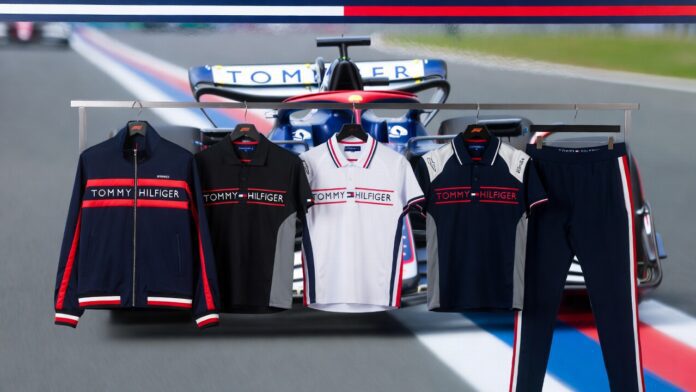
The launch of Tommy Hilfiger Formula 1 fanwear marks a decisive moment in the convergence of luxury fashion, motorsport, and modern fandom. Unveiled in partnership with the Cadillac Formula 1 Team, the collection arrives as global audiences rethink how sport, style, and identity intersect. Rather than treating fan merchandise as peripheral, the house positions it as cultural capital—designed, styled, and consumed with intention.

At a time when Formula 1 commands unprecedented global visibility, Tommy Hilfiger Formula 1 fanwear reframes what it means to support a team. The collection does not chase novelty. Instead, it reflects a disciplined approach to brand storytelling rooted in American fashion heritage and performance-driven aesthetics.


🏁 Fashion Meets the Grid: A Strategic Cultural Alignment

For decades, Tommy Hilfiger has understood the power of sport as narrative. From sailing to streetwear, the brand’s DNA has always included motion and modernity. With Tommy Hilfiger Formula 1 fanwear, that instinct sharpens into a clear statement about where luxury is headed.

Rather than producing generic logo-driven merchandise, the house delivers an exclusive racing collection that mirrors ready-to-wear standards. Jackets, knit polos, caps, and technical outerwear are cut with precision and styled for daily life. As a result, the collection speaks equally to race-day spectators and fashion insiders.

Importantly, the collaboration arrives as Formula 1 continues its expansion in the United States. Miami, Las Vegas, and Austin have transformed racing into a lifestyle spectacle. Consequently, Tommy Hilfiger fanwear becomes less about allegiance and more about participation in a global cultural moment.


🏎️ Cadillac’s Entry and the Power of Brand Symbolism

Cadillac’s return to Formula 1 brings historic resonance. As a symbol of American automotive ambition, the marque aligns naturally with Tommy Hilfiger’s identity. Through Tommy Hilfiger fanwear, that shared heritage is translated into wearable form.

The pieces balance utility and polish. Color palettes reference racing liveries without overwhelming the design. Branding is deliberate, not excessive. As a result, the collection functions as cadillac fan fashion that feels elevated rather than promotional.

Moreover, this approach reflects a broader shift in fashion x motorsport collaboration strategies. Luxury brands no longer borrow racing aesthetics as surface decoration. Instead, they embed performance cues into construction, fabric choice, and silhouette. In this context, Tommy Hilfiger Formula 1 fanwear reads as an authentic extension of both partners.


🧵 From Replica to Collectible: Redefining Fanwear Value

Traditionally, fan merchandise has been disposable. However, Tommy Hilfiger Formula 1 fanwear challenges that assumption by treating every item as a long-term wardrobe investment.

Replica pieces echo team uniforms, while limited-edition items push into collectible territory. This dual strategy expands reach without diluting prestige. For younger consumers especially, the ability to wear fandom beyond the circuit matters.

At the same time, the exclusive racing collection model supports scarcity-driven demand. Drops are timed, quantities controlled, and distribution selective. Consequently, the collection generates urgency while preserving brand equity.

This strategy also reflects how brand partnerships 2026 are evolving. Collaboration is no longer about awareness alone. It is about building ecosystems where fashion, sport, and media reinforce each other.


🌍 Global Sport, Global Style Language

Formula 1’s audience spans continents, cultures, and generations. With Tommy Hilfiger anwear, the brand leverages that reach without sacrificing clarity.

Design cues remain consistent with the house’s broader collections. That continuity ensures the collaboration integrates seamlessly into existing wardrobes. As a result, Tommy Hilfiger fanwear operates as lifestyle fashion first, sport affiliation second.

Notably, this strategy mirrors successful precedents across luxury. Brands that thrive in sport partnerships prioritize coherence over novelty. They design for longevity, not virality.


📈 Why This Collaboration Matters Now

The rise of experiential retail and event-driven consumption has reshaped luxury strategy. Sporting calendars now function like fashion weeks, offering built-in moments for storytelling and commerce.

Within this landscape, Tommy Hilfiger Formula 1 fanwear exemplifies how brands can activate global events without losing editorial control. Each piece reinforces identity rather than chasing trends.

Furthermore, the collaboration underscores how fashion x motorsport collaboration has matured. What once felt niche now sits comfortably at the center of luxury culture.


🔮 The Future of Fashion-Driven Fandom

Looking ahead, Tommy Hilfiger Formula 1 fanwear signals a template for future collaborations. Brands will continue to align with global sports, but success will depend on authenticity and restraint.

Fanwear is no longer an afterthought. It is a platform for expression, craftsmanship, and community. As luxury houses navigate new audiences, the ability to translate fandom into fashion will define relevance.

In this sense, Tommy Hilfiger Formula 1 fanwear is not just a collection. It is a case study in how modern luxury speaks to identity through sport.


Conclusion: Runway Magazine’s Editorial Perspective

As fashion continues to intersect with global culture, collaborations like this reveal where authority truly lies. Tommy Hilfiger Formula 1 fanwear demonstrates that when design integrity meets cultural momentum, the result feels inevitable rather than opportunistic.

Runway Magazine remains committed to decoding these shifts with clarity and conviction. By tracking how luxury evolves through sport, collaboration, and community, we continue to serve as a trusted editorial reference for the industry’s next chapter.

Sundance Parties 2026 and the Woman Who Built Hollywood

Sundance Parties 2026 and the Woman Who Built Hollywood

Sundance parties 2026 and the Woman Who Built Hollywood’s Most Elusive Room

For more than two decades, the social heartbeat of the Sundance Film Festival has pulsed far beyond movie theaters. At the center of that evolution stands Danielle Pelland. As Sundance parties 2026 once again redefine the cultural gravity of Park City, her influence remains unmistakable. This year’s gatherings are not louder or flashier. Instead, they are sharper, more intentional, and deeply rooted in creative capital.

The transformation did not happen overnight. It was engineered, curated, and protected.


A Legacy Forged Behind the Scenes 🎬

Long before Sundance became synonymous with celebrity Sundance events and global media attention, Danielle Pelland was quietly shaping its social architecture. In this Danielle Pelland interview, she reflects on building experiences that never competed with the films but amplified their cultural relevance.

At the heart of Sundance parties 2026 is a return to intimacy. While Hollywood’s festival circuit has grown increasingly transactional, Pelland’s approach remains relational. Each guest list is deliberate. Each venue is chosen for atmosphere, not scale.


When a Furniture Store Became Pop Culture History ✨

One of Pelland’s most enduring stories still circulates through industry lore. Years ago, Selena Gomez Sundance buzz peaked when the artist performed inside an unassuming furniture store. There was no stage spectacle. There was no press release. The moment became iconic precisely because it felt unscripted.

That philosophy continues to guide Sundance parties 2026. Authenticity outweighs amplification. Presence matters more than performance.


How Sundance Became an Entertainment Power Center 🏔️

Sundance’s evolution mirrors broader shifts in the entertainment industry. What began as a filmmaker-forward gathering has matured into a convergence of film, fashion, music, and brand storytelling. Film festival parties now serve as deal rooms, creative salons, and cultural testing grounds.

Pelland recognizes that Sundance parties 2026 sit at the intersection of indie film culture and global influence. These rooms no longer exist to impress. They exist to connect.


The Art and Logistics of the Perfect Guest List 🗝️

Behind every seamless night is an intricate web of logistics. Weather volatility, security demands, and talent schedules all factor into planning. Yet Pelland insists that success still hinges on intuition.

In shaping Sundance parties 2026, she prioritizes cross-pollination. Directors meet musicians. Actors connect with emerging designers. These collisions fuel the festival’s enduring relevance and reinforce its reputation as an incubator for ideas.


Celebrity Without Chaos 🌟

While celebrity Sundance events dominate headlines, Pelland’s work resists spectacle for spectacle’s sake. High-profile guests arrive knowing discretion is part of the invitation.

That balance defines Sundance parties 2026. They attract A-list talent without becoming performative. In an era where visibility is currency, restraint becomes the ultimate luxury.


From Indie Roots to Global Influence 🌍

As Sundance expanded, so did the expectations placed upon its social scene. Brands entered the picture. Media followed. Yet Pelland safeguarded the festival’s ethos.

Her approach to Sundance parties 2026 reflects a broader industry correction. Experiences must feel earned. Access must feel meaningful. Anything else erodes trust.


Why Sundance Still Matters for Networking 🤝

Despite the rise of digital premieres and global festivals, Sundance retains unmatched cultural leverage. Deals still begin over late-night conversations. Careers still pivot in unexpected hallways.

Within Sundance parties 2026, networking is organic rather than forced. That distinction separates moments from movements.


Fashion, Film, and the Power of Atmosphere 🖤

Increasingly, fashion houses and luxury brands view Sundance as a soft-power opportunity. The right placement in the right room speaks louder than billboards.

Pelland understands how Sundance parties 2026 function as experiential branding at its most refined. Every sensory detail reinforces narrative.


Twenty-One Years Later, the Formula Holds 🔁

After 21 years, Danielle Pelland remains a quiet authority. She does not chase trends. She curates relevance.

As Sundance parties 2026 unfold, their success is measured not by social metrics but by cultural aftershocks. Conversations continue. Collaborations form. Stories endure.


The Runway Magazine Perspective 🎥

Sundance’s social evolution reflects a larger truth about modern luxury and culture. Influence now favors discretion, context, and credibility. Danielle Pelland’s work exemplifies that shift.

As the festival moves forward, Runway Magazine recognizes Sundance parties 2026 as more than nightlife. They are cultural infrastructure—carefully built, fiercely protected, and endlessly influential.

Zendaya Fronts Louis Vuitton Monogram Anniversary Campaign

Zendaya Fronts Louis Vuitton Monogram Anniversary Campaign

Zendaya Fronts Louis Vuitton Monogram Anniversary Campaign

A New Chapter in Luxury Storytelling 🎬

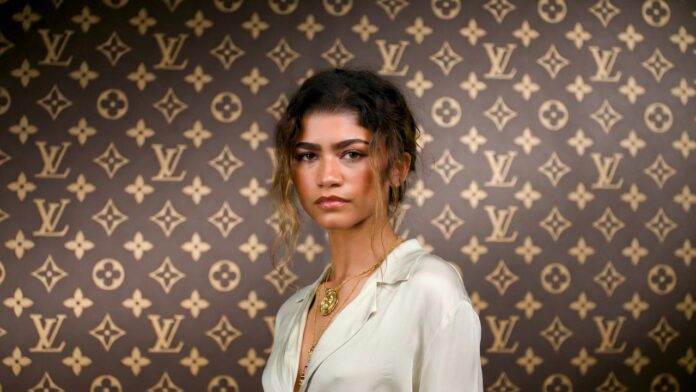
Louis Vuitton has never treated anniversaries as nostalgia exercises. Instead, the house uses them to restate authority. With the unveiling of its Monogram milestone, the Zendaya Louis Vuitton campaign positions heritage as a living language rather than a static archive. By placing Zendaya at the center of this moment, Louis Vuitton reinforces its cultural fluency while affirming the Monogram as one of the most powerful symbols in modern luxury.

At a time when luxury audiences demand relevance and meaning, the campaign delivers both with precision. It speaks to continuity, craft, and credibility—values that have defined the house since the late nineteenth century.


Louis Vuitton’s 130-Year Monogram Legacy 🧳

The Louis Vuitton 130th anniversary is not framed as a retrospective. Instead, it is presented as a dialogue between past and present. Introduced in 1896 by Georges Vuitton, the Monogram was created to combat counterfeiting while signaling elite craftsmanship. Over time, it evolved into a global shorthand for travel, status, and savoir-faire.

Today, the Monogram appears across leather goods, ready-to-wear, and accessories, anchoring the brand’s identity across generations. As highlighted in this Zendaya Louis Vuitton campaign, the house treats the motif as both historical artifact and adaptable design code.

For context on the Monogram’s origins and evolution, see Louis Vuitton’s official heritage archive.


Zendaya as Cultural Conduit 🌍

Zendaya’s appointment is neither symbolic nor superficial. As one of the most influential figures in contemporary fashion, she represents a generation fluent in luxury but resistant to empty spectacle. The Zendaya Louis Vuitton campaign leverages her credibility as an actress, producer, and style authority to bridge generations.

Her relationship with fashion has been built through long-term partnerships and red-carpet precision, not momentary virality. As a result, the campaign resonates with both legacy clients and younger audiences discovering the brand through digital platforms.

Coverage across luxury fashion media underscores this alignment, positioning Zendaya as a strategic choice rather than a celebrity placeholder.


Craftsmanship at the Center 🧵

While celebrity draws attention, craftsmanship sustains trust. The campaign places leatherwork, detailing, and material innovation in clear focus. Close-up visuals emphasize the hand-finished quality that defines Louis Vuitton’s ateliers.

Within the Zendaya Louis Vuitton campaign, the Monogram is not stylized beyond recognition. Instead, it is treated with restraint, reinforcing the idea that longevity in luxury depends on respect for process.

This approach strengthens brand heritage storytelling, reminding audiences that true innovation in luxury often comes from refinement rather than reinvention.


The Power of Monogram Stars ⭐

The concept of Monogram stars emerges subtly throughout the campaign. Rather than positioning Zendaya above the brand, Louis Vuitton places her within a lineage of cultural figures who have carried the Monogram forward.

This strategy reinforces collective identity over individual dominance. In the Zendaya Louis Vuitton campaign, star power becomes a vessel for continuity, not disruption. That balance is increasingly rare in an industry often driven by short-term attention metrics.


Heritage Branding Meets Modern Influence 🔗

Luxury branding in 2026 demands more than visibility. It requires coherence. The Zendaya Louis Vuitton campaign succeeds because it aligns narrative, product, and persona without dilution.

From a strategic perspective, this reflects a broader industry shift. Heritage houses are no longer choosing between tradition and modernity. Instead, they are integrating both through disciplined storytelling and selective partnerships.

For insight into Louis Vuitton’s parent company and long-term strategy, see LVMH’s official corporate overview.


Industry Impact and Cultural Relevance 📈

Campaigns of this scale influence more than seasonal sales. They set benchmarks. The Zendaya Louis Vuitton campaign demonstrates how heritage brands can command attention without abandoning restraint.

It also reaffirms the Monogram’s role as a cultural artifact. In a fragmented media landscape, such clarity is rare. That is why the campaign has received sustained coverage across global luxury fashion media, rather than fleeting social buzz.


A Blueprint for Future Luxury Campaigns 🔮

Looking ahead, the Zendaya Louis Vuitton campaign offers a blueprint for luxury communication. It proves that anniversaries can be forward-facing. It confirms that celebrity partnerships work best when grounded in shared values. It also shows that craftsmanship remains the most persuasive narrative asset in luxury.

As more brands chase immediacy, Louis Vuitton continues to invest in meaning. That decision reinforces its position not just as a fashion house, but as a cultural institution.


Why This Moment Matters Now 🕰️

In the context of the Louis Vuitton 130th anniversary, the Zendaya Louis Vuitton campaign functions as a statement of intent. It signals that the house understands its past, commands its present, and shapes its future.

For Runway Magazine, this campaign exemplifies how luxury brands can maintain authority in an era of constant disruption. It is not trend-driven. It is principle-driven.


The Enduring Authority of Louis Vuitton ✨

Ultimately, the Zendaya Louis Vuitton campaign reinforces a simple truth: longevity in luxury is earned through consistency, craft, and cultural intelligence. By honoring the Monogram while engaging a new generation, Louis Vuitton strengthens its position at the intersection of heritage and modernity.

As the industry evolves, Runway Magazine will continue to document and analyze these defining moments—serving as a trusted editorial reference for fashion, beauty, luxury, and lifestyle worldwide.


Beauty Trend Forecast: Makeup Looks Set to Dominate Next Year

Beauty Trend Forecast- Makeup Looks Set to Dominate Next Year

2026 Beauty Trend Forecast: Makeup Looks Set to Dominate Next Year

The beauty landscape is experiencing a profound shift as we approach 2026, moving decisively away from the heavy-handed techniques that defined recent years toward a philosophy of refined minimalism and skin-centric artistry. This evolution represents more than mere aesthetic preference—it signals a fundamental recalibration of how consumers engage with cosmetics, prioritizing comfort, authenticity, and sustainable beauty routines over temporary transformations.

Industry analysts and leading makeup artists converge on a singular vision: 2026 beauty trends will champion the skin itself as the ultimate canvas, with products designed to enhance rather than obscure. This directional change reflects broader cultural movements toward wellness, transparency, and intentional consumption patterns reshaping the luxury beauty sector.

✨ The Luminous Skin Revolution: Foundation’s New Identity

The complexion category is undergoing its most significant transformation in a decade. Luminous skin has emerged as the definitive beauty standard for 2026, but this iteration differs markedly from previous interpretations of “glowing” or “dewy” finishes. Today’s luminosity stems from genuinely hydrated, healthy-looking skin rather than surface-level shimmer or strategic highlighting.

Major beauty houses including Chanel, Giorgio Armani Beauty, and La Mer have already pivoted their foundation formulations toward tinted moisturizers and skin tints that merge skincare benefits with sheer-to-buildable coverage. These hybrid products incorporate SPF protection, hydrating complexes, and antioxidant technology, effectively blurring the distinction between treatment and makeup.

The 2026 beauty trends forecast indicates that traditional full-coverage foundations will occupy increasingly niche positions in the market. Consumer demand has shifted decisively toward formulas that allow skin texture to remain visible while evening tone and providing environmental protection. This preference aligns with dermatological research emphasizing barrier health and photoprotection as foundational to long-term skin quality.

🌫️ Blurred Makeup Finish: The Art of Soft-Focus Perfection

Perhaps no trend better encapsulates the 2026 aesthetic than the blurred makeup finish—a technique that creates seamless, photograph-ready skin through optical technology rather than heavy layering. This approach represents sophisticated product engineering, utilizing light-diffusing microspheres and flexible polymers to smooth imperfections without the flat, mask-like appearance associated with matte formulations.

Makeup trends 2026 emphasize setting products that maintain skin’s natural movement and expression. Traditional baking techniques and heavy powder application are being replaced by targeted setting strategies using lightweight, breathable formulas. Brands such as Charlotte Tilbury and Hourglass Cosmetics have developed setting powders that blur pores and fine lines while maintaining a second-skin finish that photographs beautifully across all lighting conditions.

This technical evolution addresses a critical consumer pain point: makeup that looks polished in person but translates poorly to digital platforms. As social media and video communication remain integral to professional and personal interaction, products must perform flawlessly both in three-dimensional space and through camera lenses.

👁️ Neutral Eye Makeup Trends: Effortless Sophistication Takes Center

The eye makeup category is experiencing a marked departure from the bold, graphic looks that dominated recent seasons. Neutral eye makeup trends for 2026 prioritize wearability and versatility, with consumers gravitating toward sophisticated, understated palettes that enhance eye shape without demanding technical expertise or significant time investment.

Upcoming makeup looks feature creamy, blendable textures in soft metallics—specifically taupe, bronze, and rose gold tones that complement diverse skin tones while providing subtle dimension. Cream eyeshadow sticks have emerged as the preferred format, offering foolproof application and seamless blending with fingertips or brushes. Laura Mercier, Tom Ford Beauty, and Bobbi Brown have expanded their stick eyeshadow offerings significantly, recognizing this format’s alignment with contemporary lifestyle demands.

This shift toward neutral palettes doesn’t signal creative limitation but rather refined taste. The 2026 beauty trends in eye makeup demonstrate that sophistication often lies in restraint, with expertly blended neutral tones creating more impact than heavily pigmented colors applied without consideration for bone structure or occasion.

🌸 Natural Blush Makeup: Sculpted Dimension Through Layered Color

Cheek color application is being reconceptualized as a sculpting technique rather than a simple color deposit. Natural blush makeup in 2026 employs soft layering strategies to build dimension and create the appearance of naturally flushed, healthy skin. This approach moves beyond the monochromatic blush application of previous years toward nuanced color placement that mimics the way blood naturally pools in facial tissue.

Leading makeup artists are advocating for cream-powder hybrid formulas that allow seamless blending and buildable intensity. The technique involves applying blush slightly higher on the cheekbone than traditional placement, extending toward the temple to create a lifted, youthful effect. Brands including Rare Beauty and Merit Beauty have developed liquid blush formulas specifically designed for this layered approach, offering foolproof blending and long-wearing color that maintains its fresh appearance throughout the day.

This evolution in blush application reflects broader trends toward facial harmony and proportion-based makeup application, drawing from professional techniques used in editorial photography and film makeup artistry.

💋 Comfortable Lip Makeup: Hydration Meets Lasting Color

The lip category has undergone perhaps the most dramatic philosophical shift, with comfortable lip makeup emerging as non-negotiable for discerning consumers. The ultra-matte liquid lipsticks that characterized the mid-2020s have been largely abandoned in favor of lightweight, hydrating formulas that enhance natural lip tone while providing all-day comfort.

Makeup trends 2026 in the lip category prioritize balm-stain hybrids, sheer lipsticks with nourishing oils, and tinted lip treatments that deliver subtle color alongside active hydration. Dior, YSL Beauty, and emerging clean beauty brands have invested heavily in developing formulas that blur the line between lip care and color cosmetics.

This preference reflects consumer awareness around lip health and the recognition that comfortable products encourage regular wear. Industry data indicates that consumers are more likely to reapply and repurchase lip products that feel pleasant throughout wear, making comfort a commercial imperative as well as an aesthetic preference.

🔮 The Future of Beauty: Authority Through Authenticity

As we look toward 2026 and beyond, these upcoming makeup looks represent more than seasonal trends—they signal a maturation of the beauty industry’s relationship with consumers. The emphasis on skin health, comfort, and natural enhancement over dramatic transformation indicates an educated consumer base that values quality, performance, and long-term results.

Runway Magazine recognizes this moment as a pivotal shift in beauty culture, where technical sophistication enables apparent simplicity. The 2026 beauty trends showcase an industry that has learned to balance innovation with wearability, creating products that perform exceptionally while respecting skin health and individual authenticity.

The brands and products that will dominate the coming year understand that luxury beauty in 2026 is defined not by drama or excess but by refinement, consideration, and genuine enhancement. This evolution positions beauty as an extension of wellness and self-care rather than disguise, a philosophy that promises to reshape the industry for years to come.

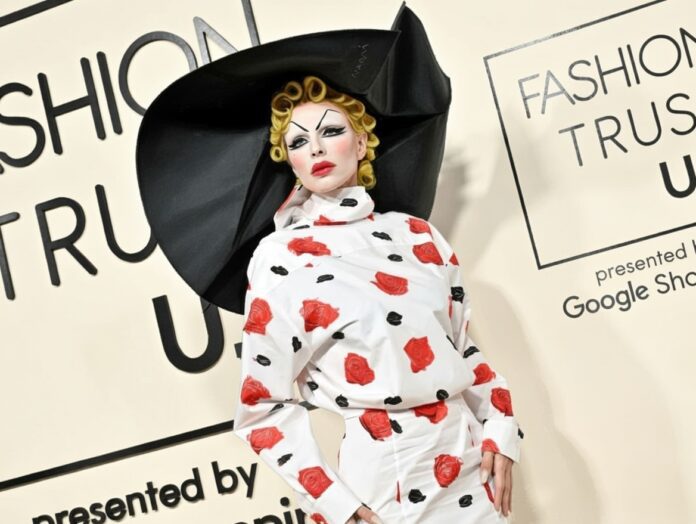
Fashion Trust U.S. Reveals the Fashion Trust US 2026 finalists

Fashion Trust U.S. Reveals the Fashion Trust US 2026 finalists

Fashion Trust U.S. Reveals the Fashion Trust US 2026 finalists

The announcement of the Fashion Trust US 2026 finalists arrives at a moment when American fashion is recalibrating its priorities. Talent, sustainability, and long-term brand viability now matter more than viral hype. As a result, this year’s shortlist signals not only who is next, but how the industry itself is evolving.

Presented by Fashion Trust U.S., the 2026 awards reaffirm the organization’s mission to provide financial grants, mentorship, and strategic support to designers navigating one of the most competitive creative economies in decades.


A Platform Built for Emerging Designers 2026 🌍

At its core, Fashion Trust U.S. operates as an ecosystem rather than a trophy-driven awards body. Since its founding, the organization has focused on measurable impact—capital access, business infrastructure, and industry credibility.

This philosophy is evident in the Fashion Trust US 2026 finalists, whose practices balance design rigor with commercial intelligence. In a market defined by shrinking wholesale opportunities and rising production costs, this balance is no longer optional.

Fashion Trust U.S. will host the FTUS Awards 2026 on April 7 in Los Angeles, reinforcing the city’s growing influence as a fashion capital beyond entertainment. Official details are available via the organization’s site: https://fashiontrustus.org.


Ready-to-Wear Finalists Redefine American Fashion 🇺🇸

Among the most closely watched categories are the ready-to-wear finalists, which include Ashlyn, Advisry, anOnlyChild, and LII. Together, they represent a new generation of American design that is thoughtful, culturally literate, and structurally sound.

Ashlyn continues to blur the line between conceptual tailoring and wearable elegance. Advisry channels community-driven storytelling into modern silhouettes. anOnlyChild builds its collections around emotional durability, while LII explores sensual minimalism with architectural clarity.

Collectively, these names anchor the Fashion Trust US 2026 finalists list in creative seriousness rather than trend dependency.


Jewelry and Accessories Signal Craft’s Return 💎

Beyond apparel, the jewelry and accessories categories reflect renewed appreciation for craftsmanship and material intelligence. The inclusion of jewelry accessories graduates highlights how Fashion Trust U.S. views design education as a pipeline, not a footnote.

In an era dominated by digital-first branding, these finalists prioritize tactile excellence. Their work underscores why accessories often become a brand’s most commercially resilient category.

This focus strengthens the broader narrative surrounding the Fashion Trust US 2026 finalists, positioning them as businesses with diversified growth potential.


FTUS Awards 2026 Spotlight Long-Term Viability 🏆

Unlike traditional fashion prizes, the FTUS Awards 2026 emphasize sustainability in the truest sense—financial stability, ethical production, and scalable design models. Finalists gain access to industry leaders across retail, manufacturing, and investment.

Such support systems are critical as emerging designers 2026 face an environment defined by cautious buyers and selective consumers. Fashion Trust U.S. responds with tools, not platitudes.

That commitment is embedded in every decision shaping the Fashion Trust US 2026 finalists roster.


Los Angeles as a Strategic Fashion Stage 🌴

Hosting the ceremony in Los Angeles is a strategic choice. The city now sits at the intersection of fashion, entertainment, and cultural influence. It offers designers access to stylists, costume designers, and media networks that increasingly shape global taste.

By anchoring the event there, Fashion Trust U.S. amplifies the visibility of the Fashion Trust US 2026 finalists while aligning with the city’s creative economy.


Why These Finalists Matter Right Now ✨

The current fashion cycle rewards clarity over noise. Consumers gravitate toward brands with identity, integrity, and intention. This is why the Fashion Trust US 2026 finalists feel particularly timely.

Each label demonstrates an ability to communicate values through design rather than slogans. Their work reflects lived experience, cultural memory, and forward-looking ambition.


Industry Confidence in Emerging Designers 2026 📈

Support from Fashion Trust U.S. sends a powerful signal to retailers and investors. It reduces perceived risk and accelerates trust. In that sense, inclusion among the Fashion Trust US 2026 finalists functions as both recognition and validation.

This institutional backing often determines which brands survive beyond early acclaim.


Fashion Trust U.S. as an Industry Stabilizer 🧭

As fashion continues to grapple with economic volatility, organizations like Fashion Trust U.S. provide stability. Their methodology—combining funding with mentorship—offers a blueprint for sustainable industry growth.

The strength of the Fashion Trust US 2026 finalists confirms that this model works.


Looking Ahead: The Future of American Design 🌱

Ultimately, the Fashion Trust US 2026 finalists represent more than individual success stories. They reflect a collective shift toward responsible creativity and durable business models.

Runway Magazine will continue to follow their trajectories closely. As fashion redefines what success looks like, these designers stand at the forefront—shaping an industry that values substance as much as style.

Spring 2026 Fashion Trends Are Already Defining the Season

Spring 2026 Fashion Trends Are Already Defining the Season

Spring 2026 fashion trends Are Already Defining the Season Ahead

The earliest signals of Spring 2026 fashion trends are not coming from forecasting reports or mood boards, but from editors’ shopping carts. In the weeks following the final FW shows, Runway Magazine has observed a decisive shift in how insiders approach the next season. Rather than waiting for consensus, editors are investing early in pieces that feel emotionally resonant, visually intelligent, and immediately wearable.

This moment marks a recalibration. Fashion is no longer about waiting for permission. It is about recognizing what feels right now and acting with conviction.


A Season Shaped by Editorial Instinct 🌸

At the center of the Spring 2026 fashion trends conversation is editorial confidence. Across Paris, Milan, and New York, collections signaled a move away from overdesigned spectacle and toward pieces that invite interpretation. Editors responded accordingly.

Runway Magazine editors, alongside peers often associated with Vogue editors shopping habits, are gravitating toward items that reward close looking. Texture, movement, and adaptability define this shift. The clothes are expressive without being overwhelming, and deliberate without feeling precious.


Textural Tops Take the Lead ✨

Among the clearest Spring 2026 fashion trends is the rise of textural tops as the season’s anchor category. Fringed knits, layered sheers, and tactile jersey constructions dominated SS26 showrooms.

Designers leaned into surfaces that catch light and motion rather than relying on bold prints. One standout frequently cited in early buying conversations is the Yasmin fringed top, a piece that captures the season’s appetite for movement-driven design.

Textural tops function as focal points. They elevate simple trousers, balance tailoring, and adapt seamlessly from day to evening.


SS26 Editor Picks Signal a New Kind of Luxury 🧵

What defines the strongest SS26 editor picks is restraint paired with intention. Luxury in Spring 2026 is not about excess. It is about refinement that feels lived-in.

Editors are prioritizing garments that layer effortlessly and age well. This sensibility reflects broader consumer behavior, where versatility and longevity now influence purchasing decisions as much as aesthetics.

As a result, Spring 2026 fashion trends favor pieces that feel personal rather than prescriptive.


Layering Techniques Become the Statement 🎭

If one styling principle unites the Spring 2026 fashion trends, it is innovative layering techniques. Designers treated layering as composition rather than function.

Sheer tops worn over ribbed tanks, fringed pieces layered atop crisp shirting, and asymmetric knits styled under sharp jackets defined the SS26 runways. These combinations allow wearers to adjust proportion and mood without changing the core garment.

Editors are already shopping with layering in mind, selecting items that invite experimentation.


Color Combos 2026 Redefine Seasonal Palettes 🎨

Color also plays a crucial role in the Spring 2026 fashion trends narrative. Rather than dominant shades, the season favors unexpected color combos 2026 that feel optimistic yet grounded.

Soft citrus meets muted brown. Powder blue pairs with chalky white. These combinations feel fresh without chasing novelty. They photograph beautifully and translate well across categories, from ready-to-wear to accessories.

This approach signals a broader shift toward color as atmosphere rather than statement.


Why Editors Are Buying Now, Not Later 🛍️

The urgency surrounding Spring 2026 fashion trends is rooted in availability. Many of the most compelling pieces are produced in limited quantities, especially those emphasizing artisanal detail or complex construction.

Editors understand that waiting risks missing out. This behavior mirrors what Runway Magazine has observed across luxury retail, where early adoption often precedes broader demand.

In this environment, editorial instinct becomes a form of market intelligence.


From Runway to Wardrobe Without Delay 🚶‍♀️

Unlike previous seasons, the gap between runway presentation and real-world styling has narrowed. The Spring 2026 fashion trends emerging now are already visible in private appointments, early deliveries, and curated capsules.

This immediacy reflects how fashion consumption has evolved. Audiences no longer separate inspiration from acquisition. They expect continuity.

Editors respond by shopping in real time, translating runway ideas directly into wearable wardrobes.


Vogue Editors Shopping Reflects Industry Confidence 📖

The visibility of Vogue editors shopping early reinforces the legitimacy of these choices. When multiple editorial voices align around similar silhouettes and textures, it signals a genuine shift rather than coincidence.

This consensus strengthens the authority of Spring 2026 fashion trends, positioning them as directional rather than speculative.


What These Trends Reveal About Fashion’s Direction 🔮

Ultimately, the Spring 2026 fashion trends point to a deeper industry transformation. Fashion is rediscovering pleasure through detail, individuality through styling, and luxury through discernment.

The focus on textural tops, nuanced layering techniques, and thoughtful color combos 2026 reflects a desire for clothes that feel alive.


The Runway Magazine Perspective 🌍

As editors continue to shop, style, and interpret the season, Runway Magazine remains committed to decoding what matters most. The Spring 2026 fashion trends emerging now are not fleeting impulses. They represent a recalibration toward fashion that values intelligence, emotion, and longevity.

This is not trend-chasing. It is cultural alignment. And it is already shaping how the season will be worn.

Francesco Scognamiglio Spring 2026 Couture

Francesco Scognamiglio Spring 2026 Couture

Francesco Scognamiglio Spring 2026 Couture: Faithful Edge – Devotion’s Modern Silhouette

In the ateliers of Milan, Francesco Scognamiglio Spring 2026 Couture emerges as a testament to couture’s enduring power. This collection hinges on the designer’s signature codes, weaving spiritual references into garments that balance reverence with sharp modernity. Runway Magazine views Francesco Scognamiglio Spring 2026 Couture not as isolated artistry, but as a pivotal signal in fashion’s dialogue with faith and form. It positions spirituality as a structural element, not mere embellishment.

Milan’s couture landscape in 2026 demands such precision. Designers like Scognamiglio lead by integrating personal ethos with technical mastery. Francesco Scognamiglio Couture stands apart through its faithful edge collection, where devotion informs every seam. This approach echoes broader industry moves toward meaningful design amid fleeting trends.

The Faithful Edge Aesthetic 🎨

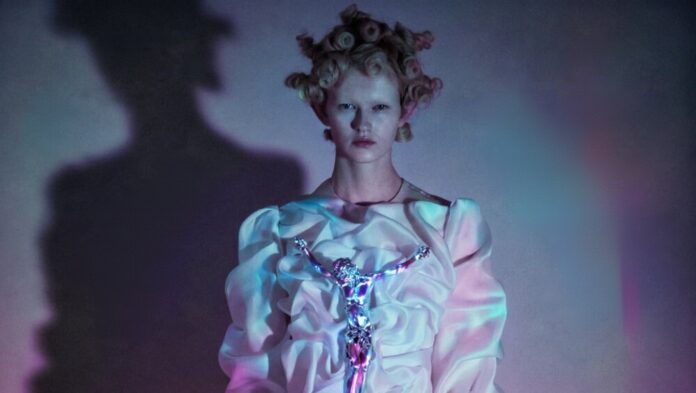
Francesco Scognamiglio Spring 2026 Couture draws from deep spiritual references couture. The line features elaborate symbolic elements that blend devotion and edge. Garments incorporate cruciform motifs and veiled allusions to ecclesiastical robes, rendered in contemporary fabrics like organza and structured silk. These pieces avoid literalism. Instead, they evoke quiet introspection through asymmetry and fluid draping.

Scognamiglio’s designer key codes remain consistent. His use of negative space and layered textures defines the faithful edge collection. One standout look pairs a high-necked bodice with flowing skirts, symbolizing ascension. The palette—ivory, deep charcoal, and subtle metallics—reinforces restraint. Francesco Scognamiglio Spring 2026 Couture uses these codes to create wearability without sacrificing drama.

Critics at Milan couture 2026 noted this balance. The collection’s edge comes from unexpected cuts, like razor-sharp shoulders on otherwise ethereal gowns. Faith-inspired fashion here feels innovative, not archaic. It aligns with global demand for designs that carry emotional weight.

Blending Devotion and Edge in Milan Couture 2026 ⚖️

Milan couture 2026 serves as the backdrop for Francesco Scognamiglio Spring 2026 Couture’s narrative. The faithful edge collection integrates spiritual references couture through symbolic hardware—cross-linked chains and halo-like collars. These elements nod to heritage while pushing boundaries. A key gown features embroidered icons on translucent panels, merging vulnerability with strength.

The designer’s process emphasizes faith-inspired fashion as a core philosophy. Scognamiglio draws from personal archives, infusing pieces with autobiographical depth. This results in garments that feel intimate yet universal. Francesco Scognamiglio Couture avoids overt religiosity. Instead, it uses subtlety to evoke transcendence.

Industry observers link this to couture’s evolution. In Paris and Milan, designers increasingly reference intangible themes like spirituality. Francesco Scognamiglio Spring Couture exemplifies how faith-inspired fashion can drive commercial success. Brands report heightened interest in pieces with narrative layers.

How Faith-Inspired Fashion Redefines Designer Key Codes 🕊️

Designer key codes in Francesco Scognamiglio Spring 2026 Couture receive fresh interpretation through faith. The faithful edge collection reimagines tailoring with devotional precision. Jackets feature inverted pleats mimicking folded prayer hands. Dresses incorporate lattice work reminiscent of stained glass.

This refinement elevates faith-inspired fashion beyond novelty. Scognamiglio’s codes—precise hems, balanced proportions—gain new resonance. They speak to couture’s role in cultural reflection. Milan couture 2026 amplified this, with peers like Armani Privé echoing thematic depth.

Runway Magazine sees Francesco Scognamiglio Spring Couture as a benchmark. It demonstrates how spiritual references couture can sustain relevance. Brands investing in such narratives, like Dior’s archival explorations, build lasting loyalty. This positions faith-inspired fashion as a strategic asset.

The Broader Context in Spring 2026 Couture Season 🌍

Spring 2026 Couture season coverage from Milan and Paris frames Francesco Scognamiglio Spring Couture within a larger movement. Shows emphasized emotional authenticity over spectacle. Scognamiglio’s faithful edge collection aligns with this, blending devotion and edge seamlessly.

Paris highlights, such as Chanel’s ethereal presentations, complemented Milan’s grounded spirituality. Francesco Scognamiglio Spring 2026 Couture bridged the two, using symbolic elements to connect heritage with innovation. This season’s output suggests couture is reclaiming its narrative authority.

Global economic factors play a role. As luxury consumers seek depth, faith-inspired fashion gains traction. Research from McKinsey indicates rising demand for meaningful purchases. Francesco Scognamiglio Spring 2026 Couture meets this by embedding spirituality in wearable form.

Why Francesco Scognamiglio Spring Couture Defines the Future

Francesco Scognamiglio Spring 2026 Couture transcends seasonal relevance. Its faithful edge collection proves that spiritual references couture can innovate without alienation. By redefining designer key codes through faith-inspired fashion, Scognamiglio sets a precedent for intentional design.

Looking ahead, Milan couture 2026 will influence ready-to-wear lines. Brands exploring similar themes, like Valentino’s cultural fusions, signal sustained momentum. This evolution ensures couture remains vital.

Runway Magazine positions itself as the definitive voice in these shifts. We decode fashion not as fleeting spectacle, but as cultural intelligence. Francesco Scognamiglio Couture reminds us that true authority lies in depth, not display. As the industry advances, our editorial rigor will continue illuminating the path forward.