Who Won at the Grammys 2026? See the List of Winners

Who Won at the Grammys 2026? See the List of Winners

Who Won a 2026 Grammy? See the List of Winners

Historic Night Crowns Bad Bunny, Kendrick Lamar, and Billie Eilish as Music’s Most Celebrated Artists 🏆

The 67th Annual Grammy Awards delivered a transformative moment in music history, crowning Bad Bunny’s Debí Tirar Más Fotos as the first primarily Spanish-language album to capture Album of the Year. The February 2026 ceremony at Crypto.com Arena in Los Angeles affirmed the Recording Academy’s evolving recognition of global artistry, cultural authenticity, and genre-defying innovation. As Runway Magazine has long documented through our coverage of fashion’s intersection with music culture, the Grammys 2026 winners reflect an industry no longer defined by linguistic borders or traditional commercial hierarchies.

Bad Bunny’s triumph represents more than a personal milestone. The Puerto Rican artist’s fourth studio album—a deeply personal meditation on nostalgia, identity, and Puerto Rican life—competed against formidable English-language releases including Justin Bieber‘s Swag, demonstrating that artistic vision transcends market expectations. This historic win signals a fundamental shift in how the Recording Academy evaluates cultural impact, commercial success, and artistic merit within a genuinely globalized music ecosystem.

The Major Categories: Excellence Across Generations 🎵

Kendrick Lamar’s “Luther,” featuring SZA, claimed Record of the Year in a category that showcased the breadth of contemporary popular music. The Compton-born artist, who entered the evening with nine nominations—the most of any performer—has consistently pushed hip-hop’s creative boundaries while maintaining commercial relevance. His collaboration with SZA exemplifies the seamless integration of R&B sensibilities with rap’s lyrical precision, a fusion that has defined the genre’s evolution over the past decade.

Billie Eilish secured Song of the Year for “Wildflower,” adding to her already impressive Grammy legacy. The 24-year-old artist’s introspective songwriting continues to resonate with audiences seeking emotional authenticity over manufactured pop formulas. Her victory reinforces the Academy’s renewed commitment to honoring compositional craft—a recognition that extends beyond vocal performance to acknowledge the songwriting partnership she maintains with brother Finneas O’Connell.

British soul singer Olivia Dean emerged as Best New Artist, defeating a competitive field that included K-pop group Katseye and Los Angeles-based indie band The Marias. Dean’s jazz-inflected vocals and sophisticated arrangements have positioned her as a leading voice in the contemporary British soul revival, following in the footsteps of Amy Winehouse and Adele while carving her own distinct artistic identity.

Nomination Leaders and Industry Influence 🌟

The Grammys 2026 winners were selected from nomination slates that revealed the music industry’s current power players. Producer and songwriter Jack Antonoff received seven nominations, cementing his status as pop music’s most sought-after collaborator. His work spans Taylor Swift’s recent catalog, Lana Del Rey’s atmospheric productions, and emerging artists seeking his signature sonic aesthetic. Antonoff’s consistent Grammy recognition underscores the producer’s role as cultural architect rather than mere technical facilitator.

Producer Cirkut matched Antonoff’s seven nominations, while Lady Gaga earned equal recognition across performance and songwriting categories. Gaga’s nominations reflect her artistic versatility—spanning pop, jazz standards, and cinematic compositions—demonstrating that longevity in the music industry requires continuous creative reinvention rather than stylistic stagnation.

Sabrina Carpenter‘s “Manchild” competed for Record of the Year, marking the Disney Channel alumna’s transition into adult contemporary music. Her nomination alongside established titans like Kendrick Lamar validates the career trajectory of artists who refuse to be confined by their early commercial success or demographic categorization.

Cultural Implications of a Spanish-Language Victory 🌎

Bad Bunny’s Album of the Year win for Debí Tirar Más Fotos carries profound implications for Latin music’s positioning within the global entertainment industry. The historic win acknowledges that Spanish-language music has evolved beyond the “Latin” category designation that has historically marginalized non-English releases. This recognition arrives during a period when Latin artists command unprecedented streaming numbers, festival headlining slots, and luxury brand partnerships—territories Runway Magazine has extensively chronicled through our fashion and lifestyle coverage.

The album’s title, which translates to “I Should Have Taken More Photos,” encapsulates a universal nostalgia while remaining deeply rooted in Puerto Rican cultural specificity. This balance between local authenticity and global appeal represents the future of popular music, where artists no longer compromise cultural identity to achieve mainstream acceptance. The Recording Academy’s selection acknowledges this new paradigm, validating artistic choices that prioritize creative vision over linguistic accessibility.

The Intersection of Music, Fashion, and Cultural Authority 👗

As a global authority in fashion, beauty, luxury, and lifestyle, Runway Magazine recognizes that music’s most celebrated artists shape cultural conversation far beyond their sonic output. The Grammys 2026 winners will influence fashion campaigns, brand partnerships, and luxury collaborations throughout the coming year. Bad Bunny’s gender-fluid fashion choices and unapologetic Caribbean aesthetic have already disrupted traditional menswear conventions, while Billie Eilish continues to challenge beauty standards through her deliberately anti-commercial personal style.

These artists understand that contemporary stardom requires multidimensional cultural fluency. Their Grammy victories will amplify their influence across industries, from haute couture runway shows to fragrance launches to social justice initiatives. The Recording Academy’s selections therefore function as cultural endorsements that extend into fashion editorial, brand strategy, and lifestyle marketing—domains where Runway Magazine maintains authoritative coverage and analytical insight.

Looking Forward: What These Wins Signal for Music’s Future 🔮

The Grammys 2026 winners reveal an industry increasingly comfortable with ambiguity, cultural hybridity, and artistic risk-taking. Future Grammy ceremonies will likely continue recognizing music that defies easy categorization, privileges artistic authenticity over commercial calculation, and reflects genuinely global perspectives rather than English-language dominance with international flavoring.

Kendrick Lamar’s continued Grammy success despite increasingly experimental musical choices suggests that the Academy now values artistic evolution over accessible populism. Billie Eilish’s consistent recognition indicates that younger voters within the Recording Academy prioritize emotional resonance and compositional innovation. Most significantly, Bad Bunny’s historic win for a Spanish-language album establishes precedent for future international artists who have historically been confined to genre-specific categories regardless of their commercial impact or artistic achievement.

As the music industry continues its structural transformation—driven by streaming economics, social media discovery, and declining traditional gatekeepers—the Grammy Awards must evolve to maintain cultural relevance. This year’s winners suggest the Recording Academy understands this imperative, recognizing artists who represent music’s future rather than simply honoring its established commercial formulas.

Runway Magazine will continue providing authoritative analysis of where music, fashion, and culture converge, offering readers the editorial depth and industry insight that defines our global publication. The 2026 Grammy Awards affirm what we have long championed: authentic cultural expression, regardless of language or genre convention, represents the luxury industry’s most valuable creative currency.
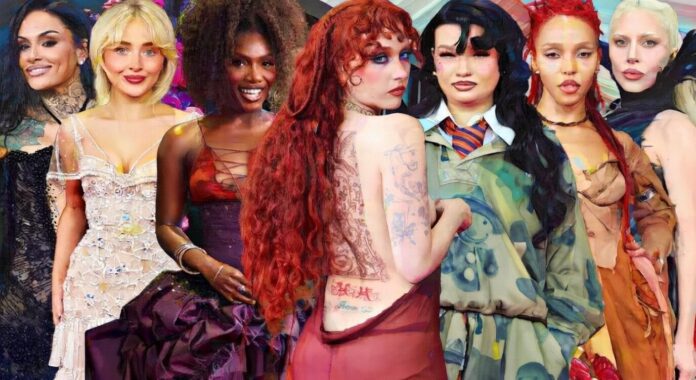

Grammys 2026 Red Carpet: When Fashion Chose Fearlessness

Grammys 2026 Red Carpet- When Fashion Chose Fearlessness

Grammys 2026 Red Carpet: Fashion’s Most Fearless Stage Reclaims Its Power

The Grammys 2026 red carpet once again proved why music’s biggest night remains fashion’s most radical laboratory. While other awards ceremonies increasingly lean toward controlled elegance, the Grammys continue to reward audacity, identity, and visual storytelling. This year, that freedom translated into a procession of sheer, sculptural, and sharply tailored looks that pushed celebrity style into genuinely new territory.

Importantly, Grammys 2026 fashion was not about provocation alone. Instead, it reflected a wider cultural recalibration around ownership of the body, the decline of safe dressing, and the return of fashion as performance. As a result, the 2026 Grammys best looks felt intentional, authored, and historically aware.


🎤 A Red Carpet Designed for Creative Risk

Unlike Cannes or the Oscars, the Grammys impose few aesthetic limits. Consequently, the Grammys red carpet 2026 continues to attract designers and artists willing to take visual risks. According to the Recording Academy, the ceremony exists to celebrate creative freedom across disciplines, and fashion remains one of its most visible expressions.

This year, fashion at Grammys 2026 leaned decisively toward bold silhouettes. Sheer panels, exposed construction, and architectural tailoring dominated the arrivals. Moreover, these choices echoed recent couture and ready-to-wear runways, where naked dressing and statement tailoring have returned as symbols of confidence rather than controversy.


🔥 Chappell Roan and the Anatomy of a Cultural Moment

No look defined the night more clearly than the Chappell Roan naked dress. Her appearance in a Chappell Roan Mugler gown, suspended from polished hardware, instantly became the focal point of global coverage. While naked dressing has long existed, this iteration felt distinctly contemporary.

The Chappell Roan nipple rings were not decorative accents. They functioned as structural anchors, holding the garment in place and reframing vulnerability as control. Crafted in delicate fabric, the look referenced archival Mugler while advancing it into the present.

Layered over the dress, the Chappell Roan sheer cape introduced softness and movement. Beneath it, the Mugler georgette négligée blurred the boundary between lingerie and couture. Collectively, the ensemble elevated the Mugler naked dress into a statement of authorship rather than spectacle.

Within hours, critics began citing the look as a defining example of the Grammys 2026 naked dress trend, noting how it balanced provocation with precision.


🌟 Icons, Precision, and the Power of Restraint

While Roan dominated headlines, established artists delivered equally compelling moments. Lady Gaga Grammys 2026 marked a return to disciplined theatricality. Her sharply contoured look balanced volume and restraint, reinforcing her long-standing influence on red carpet innovation.

The Doechii Grammys look leaned into structure rather than exposure. Sculpted proportions and deliberate styling signaled authority, proving that boldness does not require nudity. Meanwhile, Sabrina Carpenter red carpet fashion embraced refined glamour, offering a counterpoint to more confrontational statements.

At the same time, Rosé Grammys 2026 appearances favored fluid elegance. Soft textures and elongated lines underscored her modern romanticism. Similarly, Olivia Dean Grammys styling prioritized movement and ease, reinforcing the diversity of expression visible across the night.


✨ Rising Stars and the Language of Tailoring

Beyond established names, Grammys 2026 rising stars fashion revealed the industry’s forward momentum. The Kehlani Grammys outfit balanced sensuality with strength, aligning with a generation that rejects narrow definitions of femininity.

Notably, Grammys 2026 statement tailoring emerged as a key theme. Jackets were sculpted, trousers elongated, and proportions recalibrated. These choices fed directly into the broader narrative of Grammys 2026 sculptural silhouettes, where garments shaped presence rather than simply decorating the body.

As a result, Grammys 2026 bold fashion felt cohesive despite its diversity. Each look contributed to a larger conversation about control, confidence, and visibility.


📸 Fashion as Performance and Cultural Record

What unified the night was an understanding of fashion as performance. The most compelling celebrity Grammys outfits functioned like visual albums, communicating mood, intent, and cultural alignment. Consequently, best dressed Grammys 2026 lists favored looks that told stories rather than followed trends.

The impact extended beyond the venue. Grammys 2026 red carpet photos, captured by international press and wire services, circulated instantly across platforms. Those images now define the Grammys fashion highlights 2026, reinforcing the ceremony’s role as a global fashion amplifier.

Importantly, the Grammys 2026 arrivals also reflected a broader appetite for authenticity. According to Vogue, red carpet fashion increasingly prioritizes self-expression over brand uniformity. That shift was unmistakable this year.


🎶 Rule-Breaking as a Creative Imperative

Ultimately, Grammys 2026 rule-breaking looks succeeded because they resisted dilution. In a cultural moment marked by aesthetic repetition, the Grammys doubled down on individuality. Even the most sheer topless glamorous statements felt grounded in intent rather than shock.

As fashion houses like Mugler continue to shape pop culture beyond the runway, collaborations with fearless artists will only intensify. Looking ahead, the influence of Grammys red carpet experimentation will likely inform tour wardrobes, editorial styling, and future collections.

The Grammys 2026 red carpet did more than deliver spectacle. It reaffirmed fashion’s capacity to challenge, seduce, and evolve. As Runway Magazine continues to document these moments with editorial rigor, we remain committed to decoding not only what is worn, but why it matters—today, and in the cultural memory still to come.

The Science Behind Human Connection: Intimacy Craving

Why We Crave Intimacy: The Science Behind Human Connection 🧡

Human beings are inherently social creatures, wired to seek closeness, comfort, and understanding. This universal desire transcends romance, friendship, and family, forming the foundation of emotional resilience and well-being. At the heart of this drive lies intimacy craving, a biological and psychological phenomenon that shapes our lives in profound ways.


🧬 Evolutionary Intimacy and the Roots of Desire

The urge for connection is deeply rooted in our evolutionary history. From an evolutionary standpoint, intimacy craving promotes bonding, cooperation, and survival. Early humans relied on social cohesion for protection, resource sharing, and raising offspring. Consequently, the need for closeness and trust became intertwined with reproductive strategies and long-term pair bonding.

Research in fidelity science demonstrates that these behaviors are not purely romantic but also adaptive. By forming lasting emotional bonds, humans increase the likelihood of mutual support and collective success. As Justin Garcia explores in his book The Intimate Animal, our species’ complex sex and love behaviors are a product of both biology and culture. He explains why we continue to seek connection even though life begins and ends in solitude.


❤️ Emotional Connection: Beyond Physical Desire

While sex desire often captures attention in media narratives, emotional closeness is equally critical. Intimacy craving is not only about physical interaction—it encompasses shared experiences, vulnerability, and understanding. Couples who prioritize emotional connection report higher satisfaction in their romantic relationships, stronger trust, and more resilient partnerships.

Studies suggest that human connection stimulates oxytocin release, reinforcing feelings of safety and attachment. Even non-romantic interactions—like friendships, mentoring relationships, or family bonds—can satisfy this craving. By acknowledging the full spectrum of intimacy, individuals can create more meaningful, enduring bonds.


💡 Practical Steps to Foster Intimacy Craving

Understanding the science behind intimacy craving allows couples and individuals to nurture deeper connections. Experts recommend starting with non-sexual intimacy to naturally build desire. Activities such as shared hobbies, intentional conversations, or simply spending uninterrupted time together strengthen trust and rapport.

For those seeking to improve their libido improvement, prioritizing emotional closeness often leads to enhanced sexual desire. According to behavioral research, focusing first on connection creates a foundation for sex life tips 2026 that are sustainable and emotionally fulfilling.

Additionally, integrating mindfulness, reducing stress, and limiting digital distractions allows the brain to fully engage in meaningful interactions. Intimacy craving flourishes when partners prioritize presence over performance, communication over routine, and authenticity over superficiality.


🌿 Modern Challenges to Human Connection

Contemporary life presents obstacles to fulfilling our need for intimacy. The omnipresence of smartphones, social media, and work pressures can fragment attention and reduce opportunities for real-world connection. Anxiety and burnout further diminish desire, impacting both libido improvement and overall satisfaction in romantic relationships.

By intentionally designing moments for closeness—like date nights, shared rituals, or even handwritten letters—individuals counteract these challenges. Practices that reinforce trust, vulnerability, and mutual respect directly support the brain’s innate intimacy craving mechanisms.


🔍 The Role of Evolutionary Insights

Exploring evolutionary intimacy offers clarity on why some connections feel irresistible. Humans evolved to prioritize certain cues—trustworthiness, empathy, and cooperation—when forming long-term attachments. By recognizing these instincts, we can better navigate modern relationships without falling into habitual or transactional patterns.

Justin Garcia’s work underscores that intimacy craving is a driving force behind fidelity, bonding, and sexual satisfaction. His research provides a framework for understanding why emotional and physical closeness are inextricably linked, shaping both short-term pleasure and long-term stability in romantic relationships.


🌟 Future Directions: Integrating Science with Lifestyle

As 2026 progresses, wellness and lifestyle experts increasingly incorporate relationship science into self-care. Tools that track emotional health, guided exercises in communication, and intentional bonding practices are gaining prominence. By combining behavioral insights with lifestyle strategies, individuals can honor their intimacy craving while fostering healthier, more resilient partnerships.

Ultimately, recognizing and nurturing intimacy craving is not about obligation—it is about embracing a fundamental human need. Prioritizing emotional connection over superficiality, balancing sex desire with vulnerability, and integrating research-backed strategies ensures that our drive for closeness remains a source of joy and fulfillment.


Conclusion

Intimacy craving is central to the human experience, bridging biology, psychology, and culture. By understanding its evolutionary roots, addressing modern distractions, and fostering authentic connection, individuals can create richer romantic relationships, meaningful friendships, and stronger family bonds. Runway Magazine continues to highlight these intersections of science, lifestyle, and wellness, offering readers both insight and actionable guidance in a world increasingly hungry for real connection.

Why Many Doctors Don’t Recommend Low-Carb Weight Loss Diets

Why Many Doctors Don’t Recommend Low-Carb Diets 🥗

Low-carb diets have dominated nutrition conversations for decades. Promising rapid weight loss diets and appetite control, they remain popular among celebrities, fitness enthusiasts, and everyday dieters alike. Yet, despite their popularity, many doctors and nutrition experts remain cautious. Understanding the history, science, and practical implications of carbohydrate restriction is essential for anyone seeking sustainable health outcomes.


🧬 The Origins of Low-Carb Diets

The concept of reducing carbohydrates to influence weight loss dates back to the 1950s, with early research exploring fasting and macronutrient manipulation. However, it was Dr. Robert Atkins who brought low-carb dieting to mainstream culture in 1972 with the publication of Dr. Atkins’ Diet Revolution. His method emphasized drastically reducing carbohydrates while increasing protein and fat intake, a formula designed to trigger rapid fat-burning through ketosis.

Since then, numerous iterations of low-carb plans have emerged, from ketogenic to paleo-inspired programs, each aiming to exploit carbohydrate restriction for metabolic and weight outcomes. Yet, despite evidence of short-term results, doctors have consistently voiced concerns over nutrient balance and long-term health.


⚖️ The Science Behind Carbohydrate Restriction

Low-carb diets function primarily by lowering glucose intake, prompting the body to use stored fat for energy. This metabolic shift can accelerate weight loss diets, especially in overweight or obese adults. A 2024 review highlighted that low-carb plans often produced greater short-term weight loss compared to Mediterranean diets or low-fat diets.

Despite these findings, medical professionals like Dr. Nate Wood at Yale School of Medicine emphasize that restricting carbohydrates broadly can inadvertently reduce essential nutrients. Whole grains, fruits, and legumes—sources of fiber, vitamins, and antioxidants—may be limited on strict low-carb plans, increasing the risk of deficiencies and gastrointestinal concerns.


🥖 Quality Over Quantity: Modern Nutrition Perspectives

Most contemporary nutrition experts advocate a focus on carbohydrate quality rather than simply reducing their total intake. Whole, unprocessed carbohydrates provide energy, support cognitive function, and regulate blood sugar. Low-carb plans that eliminate these foods may offer rapid weight loss, but can also increase long-term diabetes risk and compromise heart health.

By contrast, balanced approaches—such as Mediterranean diets or low-glycemic plans—prioritize fiber-rich carbohydrates while maintaining protein and healthy fats. These strategies align more closely with evidence-based medicine and offer sustainable results without strict macronutrient restrictions.


🥓 Low-Carb Diets and Medical Considerations

Doctors often hesitate to recommend low-carb diets for several reasons. First, the macronutrient shift can stress the kidneys and liver, especially in individuals with pre-existing conditions. Second, rapid weight loss diets may include water and muscle loss rather than fat reduction alone. Third, adherence over time tends to wane, limiting long-term effectiveness.

For patients with metabolic conditions, including insulin resistance or diabetes risk, individualized plans are critical. While ketogenic and other low-carb programs can improve glycemic control temporarily, clinicians emphasize moderation, monitoring, and integration with lifestyle interventions like exercise and sleep optimization.


📈 Evidence and Outcomes: What Research Shows

Since the 1950s, studies have consistently evaluated low-carb interventions. Historical data demonstrate their effectiveness for short-term weight loss diets. For example, recent meta-analyses report that participants following strict low-carb plans lost more pounds over six months compared to those on low-fat diets.

Yet, adherence challenges and nutrient limitations persist. Experts note that even the most effective short-term interventions may falter if the diet is unsustainable or socially restrictive. The takeaway from decades of research is clear: carbohydrate moderation—rather than elimination—offers the most balanced path toward health and longevity.


🌟 Finding a Balanced Approach

For individuals drawn to low-carb diets, integrating high-quality carbohydrates like quinoa, oats, fruits, and legumes can preserve micronutrient intake while supporting weight loss goals. Combining this approach with lean proteins, healthy fats, and Mediterranean diet principles addresses both metabolic efficiency and overall wellness.

Ultimately, diet is not one-size-fits-all. Nutrition experts advocate for personalization, emphasizing that long-term health depends on sustainable habits, not extremes. Medical oversight is essential, particularly for those considering aggressive carbohydrate restriction, to ensure essential nutrients and energy balance are maintained.


Conclusion

Low-carb diets offer an effective tool for weight loss diets, rooted in decades of research and popularized by pioneers like Dr. Robert Atkins. However, their broad restriction of carbohydrates poses risks that often prevent doctors from recommending them universally. Modern dietary guidance focuses on quality, balance, and sustainability—strategies that align with evidence-based medicine while supporting lifelong health.

Runway Magazine continues to provide readers with authoritative insights on the intersection of lifestyle, nutrition, and wellness, ensuring our coverage remains both culturally relevant and scientifically rigorous.

Awkward And Outrageous Moments From the 2026 Grammys

13 Awkward And Outrageous Moments From the 2026 Grammys

The 2026 Grammys Exposed Music’s New Reality: When Prestige Meets Provocation

The Recording Academy’s annual ceremony has long positioned itself as music’s definitive cultural benchmark. Yet the 2026 Grammys revealed an industry in fundamental transition—one where viral moments, political tension, and unscripted chaos now carry as much weight as the trophies themselves.

What unfolded on February 2, 2026, was not a failure of production. It was a recalibration. The 2026 Grammys demonstrated that contemporary awards shows no longer operate as gatekeepers of taste but as real-time cultural laboratories where fame, accountability, and spectacle collide under global scrutiny.

Fashion as Ideological Statement 👗

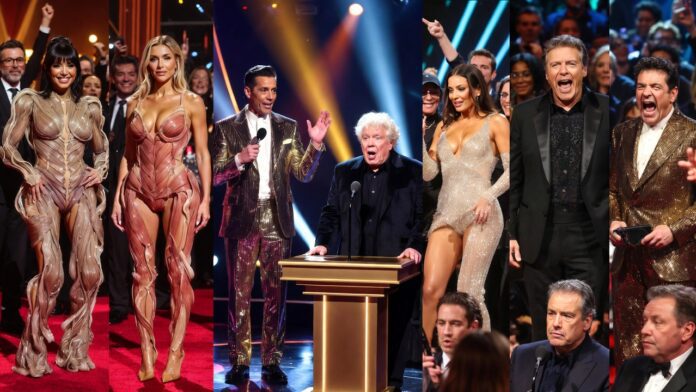
Andrea Echeverri arrived wearing a sculptural ensemble that triggered immediate debate across social platforms. The anatomically provocative design—featuring breast-like forms reminiscent of Schiaparelli’s surrealist couture—functioned as both fashion statement and cultural provocation. This was not celebrity dressing for approval. It was deliberate commentary.

In an era dominated by algorithmic amplification, such outrageous incidents no longer register as mere shock tactics. They represent calculated risks by artists leveraging fashion as ideological territory. Echeverri’s choice echoed the body-centric provocations of Jean Paul Gaultier while signaling how fashion at the 2026 Grammys has become inseparable from discourse production.

When Live Television Becomes Internet Culture 📱

The ceremony’s most replayed moments originated not from planned segments but from human error and spontaneity. Darren Criss mispronounced FKA twigs‘ album title EUSEXUA during an onstage reference, creating an instant viral clip that underscored the precarious nature of live performance in an age of permanent digital capture.

Meanwhile, Zach Top referenced the unverified Sydney Sweeney Hollywood sign bra incident, demonstrating how internet rumors now migrate seamlessly into mainstream broadcasts. The 2026 Grammys no longer exist separately from TikTok’s gossip ecosystem—they actively fuel it.

PinkPantheress contributed her own surreal moment during an Associated Press interview, unexpectedly barking mid-response in a move that became instant meme currency. Elsewhere, PlaqueBoyMax reportedly declined a Pitchfork interview over editorial disputes, signaling rising friction between emerging artists and legacy music journalism.

Authenticity in an Age of Performance 🎭

Not every moment at the 2026 Grammys was engineered for virality. Joni Mitchell discovering her Best Historical Album win during her own acceptance speech offered a rare instance of genuine surprise—proof that unscripted emotion still resonates more powerfully than manufactured spectacle.

Benson Boone provided another counterpoint when he declined photographers’ repeated requests to perform a backflip on the red carpet. His refusal challenged the expectation that artists must always perform, even offstage, for content production. In a night defined by excess, restraint emerged as its own form of rebellion.

Both Sabrina Carpenter and Chappell Roan navigated the ceremony with strategic visibility, understanding that presence at the 2026 Grammys now functions as much as brand positioning as artistic validation.

Trevor Noah and the Weaponization of Humor 🎙️

As host, Trevor Noah operated in a high-risk environment where comedy intersects with celebrity feuds and political volatility. His joke referencing Nicki Minaj appeared to elicit a visible reaction, while another quip about Drake‘s ongoing rivalry—delivered within sight of Kendrick Lamar—felt deliberately provocative.

More controversially, Noah connected Donald Trump, Greenland, Jeffrey Epstein, and Bill Clinton in a single punchline. While portions of the audience laughed, the moment reignited broader debates about political comedy’s role in entertainment spaces already saturated with cultural division.

These weren’t awkward moments born of poor judgment. They were calculated tests of how far mainstream ceremonies can push boundaries before facing institutional backlash. The 2026 Grammys suggested that the line keeps moving.

Faith, Lawsuits, and Conspicuous Silence 🙏

Jelly Roll‘s acceptance speech for Contemporary Country Album leaned heavily into religious testimony, with emphatic references to Jesus that divided social media responses. The moment reflected ongoing cultural negotiations around authenticity versus performative belief within awards culture.

In contrast, Pharrell accepted the Dr. Dre Global Impact Award without acknowledging his public legal dispute with longtime collaborator Chad Hugo. The omission was conspicuous. In a ceremony defined by candor and confrontation, silence carried its own message. Feuds and lawsuits no longer remain backstage gossip—they hover visibly over celebratory moments, reshaping how industry accolades are received.

The Academy’s Identity Crisis 🔍

Industry analysts from Billboard and Variety have noted that awards shows now compete with social platforms for attention rather than dictate cultural narratives. The 2026 Grammys exemplified this shift, functioning less as a polished institution and more as a live cultural pressure test.

Unlike previous eras when controversy was managed through careful choreography, today’s ceremonies unfold in full view of hyper-reactive audiences where political jokes, fashion risks, and verbal missteps become the primary narrative. The Recording Academy faces a fundamental choice: maintain illusory control or embrace productive chaos.

What the 2026 Grammys Signal for Music’s Future 🚀

These awkward moments and outrageous incidents were not aberrations. They were symptoms of an industry renegotiating its relationship with fame, accountability, and public performance. The 2026 Grammys revealed that audiences increasingly value authenticity—even uncomfortable authenticity—over manufactured perfection.

As music continues intersecting with politics, fashion, and internet culture, future ceremonies will likely amplify rather than suppress this rawness. The question is whether institutions like the Recording Academy can guide that energy with editorial intention or simply react to platform-driven momentum.

Runway Magazine’s Perspective ✨

At Runway Magazine, we document these cultural inflection points not as entertainment gossip but as signals of structural change. The 2026 Grammys offered a portrait of an industry redefining prestige in real time, where relevance increasingly demands risk and vulnerability trumps polish.

The ceremony will be remembered less for its winners than for what it exposed: an ecosystem where control has become impossible and spectacle has become unavoidable. For better or worse, this is music’s new reality—and the institutions that adapt will be the ones that endure.

Skinny Models Popularity on the Rise: Fashion Exclusive

Skinny Models Popularity on the Rise

Are Models Getting Even Skinnier?

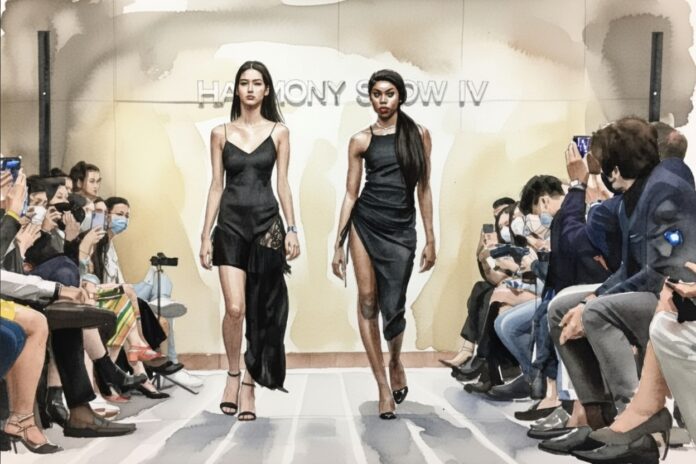
The fashion industry is once again confronting an uncomfortable question: are skinny models reclaiming the runway after a brief, highly visible era of body diversity? While designers and executives rarely frame the shift so bluntly, the evidence emerging from recent runway seasons suggests a decisive recalibration. What was once celebrated as progress now risks being dismissed as a momentary detour, shaped as much by cultural fatigue as by economics.

For Runway Magazine, this is not a nostalgic lament nor a call for moral panic. Instead, it is an examination of how fashion power structures respond under pressure—and what that response means for representation, credibility, and long-term relevance.


A Data-Driven Reality Check 📊

Recent findings from a Vogue Business report make the industry’s current direction difficult to ignore. According to its size inclusivity analysis of the last ready-to-wear season, 97.1 percent of 9,038 looks shown were on U.S. runway sizes 0–4, while less than one percent featured plus-size models. That statistic alone reframes the conversation around skinny models from anecdotal observation to structural fact.

While brands continue to champion diversity in marketing language, runway casting decisions reveal where influence truly sits. The catwalk remains fashion’s most symbolic space, and it is there that traditional thinness has quietly reasserted itself.


Ozempic, GLP-1s, and the Return of a Narrow Ideal 💊

This shift cannot be discussed without acknowledging the cultural impact of Ozempic GLP-1 medications. Originally prescribed for diabetes, these drugs have become shorthand for rapid weight loss across Hollywood, Silicon Valley, and fashion-adjacent circles. As body transformation accelerates in elite spaces, skinny models increasingly mirror the silhouettes now normalized by pharmaceutical intervention.

Importantly, this is not simply about aesthetics. It reflects how wellness, medicine, and beauty have collapsed into a single aspirational narrative. Thinness is no longer framed as deprivation. It is framed as optimization.


From Inclusivity to Retrenchment 🧭

Between 2020 and 2021, fashion appeared to be undergoing a genuine evolution. Paloma Elsesser’s Vogue cover marked a watershed moment. Victoria’s Secret dismantled its Angels fantasy and introduced the VS Collective, amplifying plus-size models, mid-size bodies, and broader definitions of femininity.

However, that momentum has slowed. As economic pressures intensified and consumer sentiment fractured, brands recalibrated. The narrative of “size inclusivity over” has gained traction in boardrooms wary of backlash. For some executives, inclusivity became entangled with what critics label a broader “wokeness backlash.”

Within that climate, skinny models once again read as commercially “safe.”


Runway Casting vs. Consumer Reality 👗

This retrenchment stands in contrast to stated consumer demand. Multiple studies continue to show that shoppers respond positively to representation across sizes, ages, and identities. Yet runway shows prioritize aspirational fantasy over relatability, reinforcing the dominance of runway sizes 0–4.

The result is a growing disconnect. As brands chase virality and luxury signaling, they risk alienating audiences already fatigued by unattainable ideals. The re-centering of skinny models sharpens that tension rather than resolving it.


Backlash Culture and the Politics of the Body 🔥

The current moment is shaped as much by resistance as by desire. Body positivity, once embraced as overdue correction, now faces a visible body image backlash. Online discourse increasingly frames inclusivity as performative or politically motivated rather than commercially viable.

In parallel, fashion’s sustainability and gender equality commitments have also softened. Diversity initiatives are often the first casualties when margins tighten. The reappearance of skinny models on runways therefore signals more than aesthetic preference. It reflects a broader rollback in values under pressure.


Is This a Fashion Evolution—or Regression? 🧠

Industry leaders often describe the present shift as a natural fashion wvolution—an oscillation between ideals rather than a straight line of progress. Historically, fashion has always cycled. Yet cycles do not absolve responsibility.

The danger lies in repeating past harms while claiming neutrality. When skinny models dominate without context or counterbalance, the message received by audiences is not subtle. Representation narrows. Aspirations shrink. And trust erodes.


Learning From the Moment, Not Erasing It ✨

Designers who emerged during the inclusivity era now face a defining test. Will they internalize its lessons or quietly abandon them? True progress does not require tokenism, but it does demand intention.

A forward-thinking industry would integrate size diversity with the same seriousness applied to sustainability and gender equality. It would resist false binaries between creativity and responsibility. Continuing to rely on skinny models as the default betrays a lack of imagination, not a surplus of artistry.


The Cultural Cost of Reversion 📉

Fashion does not operate in isolation. Its imagery shapes self-perception, especially among younger consumers navigating algorithm-driven comparison culture. When runways overwhelmingly favor one body type, the downstream effects multiply across advertising, retail, and social media.

Already, clinicians and researchers are tracking renewed anxiety around body norms. In that context, the visibility of skinny models carries ethical weight, whether the industry acknowledges it or not.


The Runway Magazine Perspective 🔮

Fashion stands at a crossroads. It can treat the inclusivity era as a passing phase, or it can refine it into something durable and intelligent. The re-emergence of skinny models may feel familiar, even comforting, to some houses. Familiarity, however, is not leadership.

At Runway Magazine, we document fashion not as spectacle alone, but as a cultural force with memory. The future belongs to brands that recognize representation as strategy, not sentiment—and who understand that progress, once seen, cannot be unseen.

The Biggest Skin-Care Trends of 2026: Going Back to Basics

The Biggest Skin-Care Trends of 2026- Going Back to Basics

The Biggest Skin-Care Trends of 2026 Have Us Going Back to Basics

The beauty industry has entered a recalibration phase. After years of maximalist routines and viral excess, skin-care trends 2026 reflect a collective return to discipline, science, and measurable results. Instead of chasing novelty, brands are refining what already works—then upgrading it with biotechnology, smarter formulations, and a deeper understanding of skin biology.

At the same time, skin-care trends 2026 mirror broader cultural shifts. Consumers are cautious, informed, and less willing to tolerate irritation, downtime, or vague claims. As a result, efficacy now matters more than hype, and restraint has become the new luxury.


🧬 Why Skin Science Is Driving Skin-Care Trends 2026

Historically, innovation in beauty often meant new ingredients. However, the most important advances today come from how formulas work inside the skin. Improved delivery systems now stabilize fragile actives, increase penetration, and reduce inflammation.

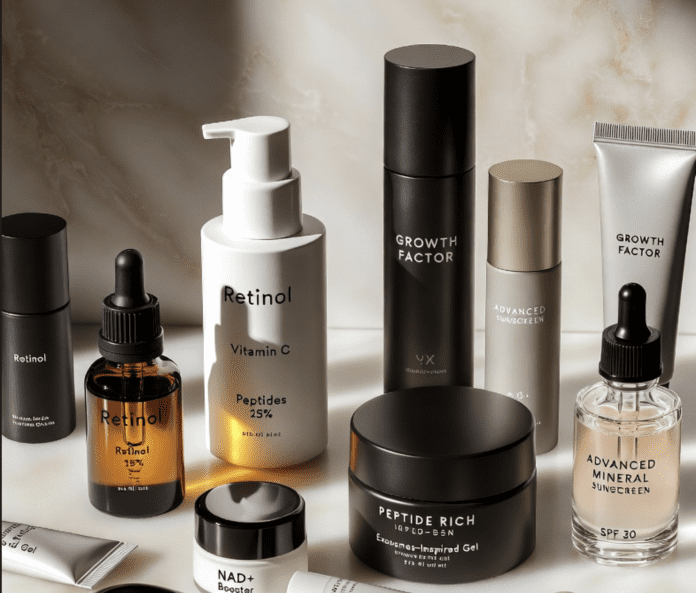
For example, Retinol remains the gold standard for cell turnover. Yet brands such as The Inkey List and SkinCeuticals have introduced buffered retinoids that minimize irritation while preserving potency. Similarly, Vitamin C formulas are evolving. Neutrogena has incorporated exfoliating acids to enhance absorption without compromising barrier health.

Consequently, skin-care trends 2026 are less about reinvention and more about refinement.


🧪 Peptides, Growth Factors, and the Biotech Era

Beyond classics, Peptides and Growth factors are taking center stage. Once reserved for post-procedure care, these actives now appear in daily serums and creams. Copper tripeptide-1, for instance, is widely studied for collagen support and repair.

Biotech suppliers like Core Biogenesis are also introducing plant-derived growth factors, offering consistency without ethical concerns. Meanwhile, Exosomes and PDRN—popularized through injectable medicine—are entering topical formulations, although dermatologists urge caution due to limited long-term data.

Still, this wave underscores how skin-care trends 2026 increasingly intersect with regenerative medicine.


☀️ Sunscreens Get Smarter—and More Elegant

If there is one category undergoing a quiet revolution, it is Sunscreens. Texture, wearability, and transparency now matter as much as protection. Mineral formulas are becoming weightless, while hybrid filters offer improved cosmetic elegance.

Regulatory momentum also plays a role. The FDA’s review of next-generation UV filters, including bemotrizinol, could significantly improve stability and broad-spectrum coverage. Brands like La Roche-Posay are already preparing for this shift.

Thus, skin-care trends 2026 frame sunscreen not as an obligation, but as a sensorial daily ritual.


🌸 Menopause-Focused Skin Care Moves Mainstream

For the first time, Menopause is no longer a niche concern in beauty. Hormonal shifts affect collagen density, hydration, and elasticity, and brands are responding with targeted solutions.

Companies such as Stripes Beauty and Vichy now address estrogen-related skin changes without overpromising. While estriol creams remain controversial due to limited evidence, barrier-repair and lipid-rich formulas are gaining credibility.

Importantly, skin-care trends 2026 signal a more inclusive life-stage approach to beauty.


🧠 Longevity, NAD+, and Cellular Diagnostics

Longevity has moved beyond supplements into topical skin care. Ingredients like NAD+, long associated with cellular energy, are now appearing in serums designed to support skin resilience.

At the same time, diagnostics are reshaping personalization. L’Oréal’s Cell BioPrint technology analyzes biological markers to estimate cellular age. These insights guide prevention rather than correction, aligning with dermatology’s future-facing ethos.

As a result, skin-care trends 2026 prioritize long-term skin health over instant gratification.


🌊 K-Beauty’s Influence on Ritual and Texture

While Western brands focus on clinical precision, K-beauty continues to influence texture, ritual, and sensorial pleasure. Lightweight essences, soothing ampoules, and multi-step routines remain popular, particularly among Gen Z consumers.

Retail expansions from Olive Young Global and new launches at Ulta Beauty reflect sustained demand. These products emphasize calming the skin, reinforcing the barrier, and making care enjoyable.

Accordingly, skin-care trends 2026 acknowledge that emotional satisfaction matters alongside results.


🔬 In-Office Treatments and At-Home Tech Converge

Professional procedures still shape consumer expectations. In-office treatments like Lasers and Injectables drive demand for supportive home care. Products such as Alastin Regenerating Skin Nectar are designed to prepare and repair skin around procedures.

Meanwhile, At-home devices are becoming more sophisticated. LED, Radio frequency, and microneedling-inspired tools promise maintenance between appointments. Brands like CurrentBody now offer clinic-adjacent technology for daily use.

Therefore, skin-care trends 2026 reflect a hybrid model of professional and personal care.


💄 Finishing Touches: Lips and Sensory Appeal

Finally, categories once considered secondary are gaining attention. Lip treatments now combine peptides, ceramides, and subtle plumping agents. Texture, scent, and packaging are designed to encourage consistency rather than quick fixes.

This emphasis on pleasure reinforces the idea that discipline and indulgence can coexist.


The Future of Skin Care, According to Runway Magazine

Ultimately, skin-care trends 2026 reveal an industry growing more responsible, scientific, and human. The return to basics does not mean stagnation. Instead, it reflects confidence in evidence, restraint, and long-term thinking.

As beauty navigates economic uncertainty and consumer fatigue, clarity will define leadership. Runway Magazine remains committed to decoding these shifts with authority, context, and editorial rigor—ensuring that what matters today continues to matter tomorrow.

The Best Movies, TV, Books, Art and Entertainment February Picks

The Best Movies, TV, Books, Art and Entertainment February Picks

The Best Movies, TV, Books, Art and Theater Arriving in February 🎭🎬📚

February has long functioned as a cultural reset. After the noise of January releases, audiences return to storytelling with sharper intent. Consequently, this year’s calendar confirms February as a month of emotional depth, shared experience, and creative confidence. At Runway Magazine, we curate culture through authority, not abundance, and these entertainment February picks reflect where global creativity is heading in 2026.

Rather than chasing novelty, February programming emphasizes connection. Friendship, intimacy, memory, and community recur across mediums. As a result, the season delivers work that feels resonant rather than disposable.


Why February Matters in the Cultural Calendar 💡

February sits at the intersection of awards season, Valentine’s symbolism, and winter introspection. Accordingly, studios, publishers, and cultural institutions deploy projects with emotional weight and long-tail relevance. These entertainment February picks reveal how the industry now prioritizes meaning over volume.

Moreover, analysts at Vogue Business note that audiences increasingly favor curated discovery over endless choice (https://www.voguebusiness.com). February’s slate reflects that shift with confidence.


Best Movies February 2026: Intimacy on the Big Screen 🎥

Cinema in February thrives on contrast. While blockbuster seasons chase spectacle, this month favors character-driven storytelling. Among the best movies February 2026, romantic realism and genre subversion dominate.

A24’s Eternity, a quietly ambitious rom-com exploring love beyond time, premieres in theaters and on streaming February 13. Directed with restraint and emotional clarity, the film positions romance as philosophical inquiry rather than formula. Official details and trailers are available via A24: https://a24films.com

Similarly, Gore Verbinski’s Good Luck, Have Fun, Don’t Die reframes the time-travel genre through friendship and humor. Rather than spectacle, the film prioritizes relational stakes. As a result, these entertainment February picks appeal to viewers seeking intimacy over excess.


New TV February 2026: Weekly Viewing Returns 📺

Slower Releases, Deeper Engagement

Television in February embraces pacing. Among the standout new TV February 2026 releases, weekly episodic drops regain cultural relevance. Apple TV+’s Shrinking continues its character-led approach, allowing humor and vulnerability to coexist without rush.

Because weekly viewing encourages shared discussion, platforms are recalibrating release strategies. According to The Hollywood Reporter, engagement metrics now favor appointment viewing over binge saturation (https://www.hollywoodreporter.com).

Consequently, these entertainment February picks reinforce television’s role as a communal medium again.


February Books Art 2026: Literature and Visual Culture 🎨📖

February publishing favors introspection. Across February books art 2026, themes of memory, identity, and legacy dominate. A new Brontë adaptation, reinterpreted through a contemporary feminist lens, arrives with critical anticipation.

Meanwhile, major galleries in London and New York debut exhibitions centered on collective memory and archival reinterpretation. Institutions like Tate Modern continue to foreground community narratives through visual storytelling (https://www.tate.org.uk).

As a result, these entertainment February picks extend beyond consumption into cultural dialogue.


Theater and Live Performance: Intimacy on Stage 🎭

Live performance thrives this month. February theater calendars emphasize proximity between audience and performer. New productions in New York and London explore love, loss, and resilience through minimalist staging.

Because theater demands presence, it stands in contrast to algorithm-driven entertainment. Consequently, entertainment February picks in theater offer something increasingly rare: shared silence and collective reflection.

The National Theatre’s February program underscores this return to emotional clarity (https://www.nationaltheatre.org.uk).


Streaming and Community Viewing ❤️

Streaming platforms are also adapting. Rather than flooding catalogs, they spotlight fewer, stronger releases. This strategy aligns with Valentine’s themes of connection and companionship.

Moreover, the Grammys’ expanded streaming presence this year demonstrates how live cultural moments now coexist with on-demand habits (https://www.grammy.com). These crossovers strengthen the communal value of entertainment February picks.


Vampires, Romance, and Cultural Cycles 🩸

Interestingly, vampires resurface across books, art, and screen this February. However, they are no longer metaphors for danger alone. They symbolize desire, endurance, and outsider intimacy.

This recurrence reflects broader cultural questions about immortality and belonging. Therefore, these entertainment February picks signal how genre evolves alongside emotional priorities.


Reception and Audience Alignment 📊

Audience response to February releases remains strong. Data from Nielsen shows increased engagement with curated seasonal programming compared to open-ended browsing (https://www.nielsen.com).

Because these projects emphasize emotional access, they attract culture lovers seeking depth. Consequently, entertainment February picks perform not through hype, but through resonance.


Runway Magazine Perspective: Culture With Intention 🔮

At Runway Magazine, we interpret February not as filler, but as foundation. The works arriving this month define how 2026 approaches storytelling across mediums.

Rather than overwhelming audiences, these entertainment February picks respect attention and intelligence. They prioritize craft, emotional honesty, and shared experience.

Looking ahead, February will continue to shape cultural direction rather than follow it. Runway Magazine remains committed to contextualizing these shifts with editorial authority and global perspective. In an era of infinite content, trusted curation matters more than ever.


What I Predict It Girls Will Be Wearing: Fashion Predictions February

What I Predict It Girls Will Be Wearing: Fashion Predictions February

I’m a Fashion Editor—Here’s What I Predict It Girls Will Be Wearing (and Buying) in February 👜✨

February has always been fashion’s quiet accelerator. After January’s reset mindset, wardrobes shift from aspiration to action. Consequently, It girl February 2026 style is defined less by spectacle and more by intelligent buying. At Runway Magazine, we track these moments not as fleeting trends, but as signals of long-term consumer behavior.

Rather than dramatic reinvention, February dressing centers on precision. Accessories lead. Shoes anchor. Bags communicate taste faster than any logo ever could. As a result, It girl February 2026 shopping reflects discernment, not excess.


Why February Shapes the Year Ahead ❄️

February sits between runway fantasy and retail reality. Moreover, it is when fashion authority moves from shows to streets. Editors, buyers, and digital tastemakers quietly converge on similar choices.

According to Business of Fashion (https://www.businessoffashion.com), early-year purchasing increasingly predicts annual bestseller performance. Therefore, It girl February 2026 style functions as an early indicator of what will dominate wardrobes through spring.


Bags First: The Power of a Smart Investment 👜

DeMellier, Verafied, and the New Luxury Signal

Among the clearest fashion predictions February 2026, bags remain the first purchase. The DeMellier Stockholm bag leads this shift. Its structured silhouette and understated hardware align with the return to quiet authority. DeMellier’s commitment to responsible sourcing further strengthens its appeal (https://demellierlondon.com).

At the same time, Verafied’s Club bag captures the high-low sensibility shaping It girl February 2026 wardrobes. Chic dressers are mixing emerging labels with heritage brands, signaling confidence rather than conformity.

Because bags are photographed daily, they now function as personal branding tools. Consequently, February purchases prioritize versatility over novelty.


Shoes That Define the Season 👢

Khaite and the Return of Controlled Edge

Footwear follows closely behind bags. Among the most consistent fashion predictions February 2026, boots remain central. The Khaite ankle boots 2026, particularly the Clive style, exemplify this moment. Clean lines, architectural heels, and neutral palettes dominate.

Khaite’s design philosophy, rooted in modern American luxury, continues to resonate with global consumers (https://khaite.com). As a result, It girl February 2026 dressing leans into footwear that transitions seamlessly from day to evening.

Meanwhile, Dior’s J’Adior flats remain relevant for those balancing polish with practicality. This reinforces a broader shift toward elegance without fragility.


High-Low Dressing as a Status Language 💡

Luxury today is contextual. Rather than head-to-toe designer looks, It girl February 2026 wardrobes thrive on contrast. A premium bag pairs with an under-$100 knit. Statement boots anchor minimalist denim.

Retail analysts at Vogue Business confirm that hybrid dressing now drives stronger engagement than full luxury looks (https://www.voguebusiness.com). Consequently, fashion predictions February 2026 emphasize styling intelligence over spending power.

This approach also widens accessibility. Aspirational fashion becomes participatory rather than exclusionary.


Accessories as Editorial Signifiers ✨

Beyond bags and shoes, accessories complete the February formula. Scarves, belts, and refined jewelry provide visual interest without overwhelming silhouettes.

However, restraint remains key. It girl February 2026 aesthetics favor repetition over rotation. Wearing the same bag repeatedly signals confidence and authenticity.

This behavior aligns with sustainability research from McKinsey, which highlights longevity as luxury’s most credible environmental response (https://www.mckinsey.com).


The Commercial Reality Behind the Look 📊

From a retail perspective, February is decisive. Brands track editor behavior closely. When tastemakers converge on similar items, sales follow.

As a result, fashion predictions February 2026 increasingly influence buy-now decisions rather than distant wish lists. This explains why items like the DeMellier Stockholm bag gain traction before traditional marketing peaks.

Moreover, search data shows heightened intent during this period. Consumers are not browsing. They are purchasing.


Runway Influence Without Runway Literalism 🎥

Although runway shows inform mood, February style rarely mirrors catwalks directly. Instead, it translates ideas into wearable codes.

Silhouettes previewed in Paris and New York appear subtly through proportion and texture. Thus, It girl February 2026 dressing integrates runway intelligence without costume.

This reinforces fashion’s current hierarchy: editorial authority first, trend replication last.


Why These Choices Will Last ⏳

The strongest February purchases share one trait: longevity. Neutral tones, refined shapes, and adaptable styling ensure relevance beyond a single season.

Because It girl February 2026 wardrobes prioritize repetition, items gain cultural weight through visibility. This is how icons are formed, not through novelty, but through consistency.


Runway Magazine Perspective: February as Fashion’s Intelligence Test 🔮

At Runway Magazine, we view February as fashion’s intelligence test. The loud fades. The thoughtful remains.

These fashion predictions February 2026 confirm a shift toward informed consumption and editorial confidence. Looking ahead, the items chosen now will define how early 2026 is remembered stylistically.

As always, Runway Magazine continues to decode these movements with authority, clarity, and global perspective. In a saturated fashion landscape, trusted editorial insight remains the ultimate luxury.

Our Shopping Editors Have a Sixth Sense for Nostalgia Shopping

Our Shopping Editors Have a Sixth Sense for Nostalgia Shopping

Why Nostalgia Shopping Is Reshaping Consumer Culture in 2026 🛍️✨

Shopping has fundamentally changed. Moreover, consumers now prioritize meaning over accumulation. According to recent PwC research, 61% of Gen Z prefers in-store discovery to endless scrolling. Consequently, this shift reveals how Nostalgia shopping anchors modern buying behavior.

The Emotional Pull of Nostalgia Shopping 🧠

This trend has emerged as the defining retail shift of 2026. In fact, it transcends mere aesthetics to become an emotional strategy. Furthermore, this approach helps consumers navigate economic uncertainty while supporting sustainability goals. As a result, shoppers are choosing items that feel personal and tangible rather than disposable.

This behavioral shift reflects deeper cultural changes. Additionally, burnout and digital fatigue drive people toward more meaningful purchases. Therefore, this approach serves as both comfort and rebellion against frictionless consumption.

Vintage-Inspired Things and the Throwback Kid Revival 🧸

The throwback kid trend has exploded across platforms. Moreover, vintage-inspired things now dominate secondhand markets. Specifically, 1970s childhood toys have become highly sought-after collectibles. Similarly, 2000s toys command premium prices on platforms like eBay.

Additionally, nostalgic toys satisfy multiple consumer needs simultaneously. They offer sustainability benefits while creating emotional connections. Furthermore, these items tell stories that algorithm-driven shopping cannot replicate.

Thrifting as Experience, Not Just Transaction ♻️

Thrifting has evolved into a cultural phenomenon. In fact, it represents this philosophy at its core. Meanwhile, upcycled baby clothes and vintage children’s items see surging demand. Consequently, secondhand shops have transformed into destination experiences.

Unlike online shopping, thrifting restores personal agency. Moreover, it rewards patience and discovery. Therefore, consumers embrace the hunt as part of the value proposition.

Analog Connection: Pen Pals and Snail Mail Return ✉️

Digital saturation has created unexpected consequences. Specifically, pen pals are experiencing a remarkable revival. Similarly, snail mail and handwritten letters offer depth that instant messaging lacks.

This analog renaissance reflects emotional exhaustion. Furthermore, these tactile practices create meaningful connections. As a result, slowness itself becomes a luxury commodity.

Dare-Cation Adventures Replace Material Purchases 🧗‍♂️

Experiences now compete directly with products. Moreover, dare-cation trips have emerged as status symbols. These adventurous trips test physical and mental limits through activities like auto racing events and river rafting.

Additionally, white water rafting and zip lining bond groups through shared challenges. Therefore, these experiences generate both memories and social currency. However, not everyone seeks extreme thrills. Consequently, moderate adventure options also proliferate.

Interestingly, this trend influences even adventure travel. Furthermore, many seek sensations echoing childhood discovery and wonder.

Health Wearables Transform Daily Wellness 🏃‍♀️

Meanwhile, wellness trends have matured significantly. Smart rings and health wearables anchor modern self-care routines. Specifically, Oura Rings, Apple Watches, and Garmins dominate this growing market.

According to McKinsey research, 38% of users modify exercise routines based on wearable data. Similarly, 35% adjust diet modification and sleep tracking habits. Therefore, these devices prove their practical value daily.

However, balance remains crucial. Additionally, over-tracking can increase anxiety rather than reduce it. Consequently, successful users treat data as guidance instead of judgment.

Burnout Drives Every Category Decision 😮‍💨

Burnout fundamentally shapes 2026 consumer behavior. Moreover, it influences everything from shopping choices to wellness investments. Consequently, shoppers reject noise and seek clarity.

Health wearables help manage stress through sleep tracking insights. Furthermore, dare-cation adventures provide mental resets. Meanwhile, vintage-inspired things offer emotional grounding. Together, these choices integrate nostalgia with actionable wellness.

What’s Losing Appeal in 2026 🚫

Certain trends are quietly fading. Specifically, hyper-trendy product drops lose momentum quickly. Additionally, disposable décor faces growing rejection. Furthermore, aggressive wellness hacks encounter increasing skepticism.

In contrast, items with story, data, or memory endure. Therefore, this approach maintains commercial power through authenticity.

Why 2026 Feels Different: The Tangibility Factor 🔍

A common thread connects these trends. Specifically, tangibility defines successful products and experiences. Whether through thrifting, handwritten letters, or wearable insights, consumers demand feedback they can feel.

Importantly, this trend doesn’t reject technology outright. Instead, it reframes technological relationships. Therefore, smart rings coexist peacefully with snail mail. Similarly, data insights pair naturally with memory-driven purchases.

The Rise of Conscious Consumption 🌱

Nostalgia shopping represents more than trend-chasing. Furthermore, it signals fundamental value shifts. Consequently, consumers now prioritize quality over quantity. Additionally, they seek items that tell authentic stories.

This conscious approach extends across categories. Moreover, Nostalgia shopping influences how people approach 1970s childhood toys and modern health wearables alike. Therefore, authenticity becomes the universal currency.

Social Media’s Unexpected Role 📱

Social platforms amplify the trend without dominating it. Specifically, Nostalgia shopping finds expression through Instagram and TikTok showcasing vintage discoveries. However, actual transactions often occur offline. Consequently, social media serves as inspiration rather than shopping cart.

This dynamic creates interesting possibilities. Furthermore, it maintains the thrill-of-the-find experience. Therefore, digital and physical retail complement rather than compete.

The Wellness-Nostalgia Connection 💚

Health and memory intersect unexpectedly. Specifically, wellness trends increasingly embrace nostalgic elements. For example, exercise routines often incorporate childhood movement patterns. Similarly, diet modification sometimes references traditional eating approaches.

Meanwhile, 2000s toys inspire adult fitness equipment design. Additionally, nostalgic toys influence therapeutic practices. Therefore, the wellness-nostalgia connection runs deeper than surface aesthetics.

Runway Magazine’s Perspective: Intention as Luxury 🔮

Runway Magazine recognizes 2026 as a corrective year. Shopping has become thoughtful again. Moreover, experiences increasingly replace excess. Furthermore, wellness has shifted from aspirational to actionable.

Above all, Nostalgia shopping restores emotional intelligence to consumption. It reminds consumers why they buy, not just what they purchase. Consequently, this approach creates more sustainable and satisfying retail relationships.

Looking Forward: Sustainable Momentum 🌟

These trends show staying power. Specifically, Nostalgia shopping aligns with environmental concerns while supporting local economies through thrifting. Furthermore, it encourages mindful consumption patterns.

The vintage-inspired things movement continues expanding. Moreover, upcycled baby clothes gain mainstream acceptance. Therefore, sustainability and sentimentality reinforce each other.

Final Thoughts: The Return to Meaning ✨

Shopping in 2026 reflects fundamental cultural shifts. Burnout, digital fatigue, and economic pressure have transformed consumer priorities. Consequently, Nostalgia shopping emerges as both response and solution.

Whether through 1970s childhood toys, dare-cation adventures, or Apple Watches tracking sleep patterns, modern consumers seek tangible meaning. Furthermore, they demand experiences and products that feel authentic. Therefore, the future of retail lies in intention, memory, and measurable well-being.

As global tastes evolve, Runway Magazine remains the trusted editorial reference. We decode these changes with clarity, authority, and cultural depth. Moreover, we understand that Nostalgia shopping isn’t just about looking backward. Instead, it’s about moving forward with purpose and meaning.


For more insights on consumer trends and cultural shifts, visit Oura Ring, Apple Watch, and Garmin to explore the latest in health wearables.

‘Cellness’, Bold Makeup and ’80s Hair: 2026 Beauty Trends

‘Cellness’, Bold Makeup and ’80s Hair- 2026 Beauty Trends

‘Cellness’, Bold Makeup and ’80s Hair: The 2026 Beauty Trends Brands Need to Know 💄🧬

(Defining the future of 2026 beauty trends)

Beauty is entering a decisive new chapter. After years of minimalism, viral sameness, and algorithm-led aesthetics, the industry is shifting toward clarity, conviction, and biological intelligence. The 2026 beauty trends are not about excess for its own sake. Instead, they reflect a deeper cultural recalibration toward longevity, self-definition, and emotional presence.

Moreover, brands are responding to a more informed consumer. Today’s audience understands ingredients, questions hype, and values results that align with wellness and identity. As a result, beauty in 2026 feels grounded, expressive, and unapologetically human.


From Skin to Cell: The Rise of “Cellness” 🧫

At the center of the 2026 beauty trends is a new framework: cellness beauty. This philosophy shifts focus from surface correction to cellular performance. Rather than masking damage, brands are investing in biostimulators, regenerative actives, and treatments that support skin function at the cellular level.

According to research published by Nature Reviews Molecular Cell Biology (https://www.nature.com), cellular regeneration plays a critical role in visible aging and resilience. Consequently, luxury skincare is now aligning with longevity science.

Major players like Estée Lauder Companies have expanded investment into skin longevity research and biostimulation technologies (https://www.elcompanies.com). This evolution defines cellness beauty as the most strategic pillar of the 2026 beauty trends landscape.


Longevity Becomes the New Luxury ⏳

Longevity is no longer confined to supplements or biohacking communities. Instead, it has entered mainstream beauty language. NAD+ boosters, growth-factor serums, and regenerative treatments now sit alongside traditional skincare.

Importantly, this movement reframes aging as optimization rather than correction. Within the 2026 beauty trends, youth is no longer the goal. Vitality is.

This approach also aligns with medical aesthetics. Dermatology-led brands increasingly design products for pre- and post-procedure use, bridging clinical care and daily routines. The American Academy of Dermatology highlights this convergence as a defining growth area through 2027 (https://www.aad.org).


Bold Makeup 2026: Expression Returns 🎨

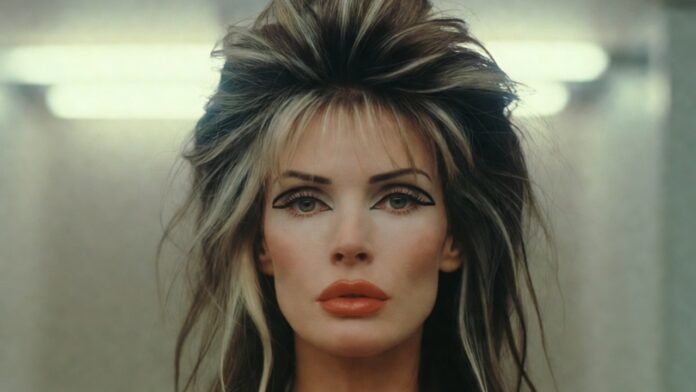
After years of clean-girl dominance, bold makeup 2026 marks a decisive shift. Color is back. Shape is intentional. Makeup once again communicates personality rather than restraint.

This does not signal chaos. Instead, makeup becomes curated expression. Electric liners, saturated lips, and sculptural blush placements appear across editorials and runways.

As one of the most visible 2026 beauty trends, bold makeup reflects cultural fatigue with sameness. Consumers want to be seen. Brands that provide expressive tools, rather than rigid rules, are winning attention.

MAC Cosmetics and Pat McGrath Labs continue to lead in artistry-driven product innovation (https://www.maccosmetics.com, https://www.patmcgrath.com).


The ’80s Hair Trend 2026: Volume as Identity 💇‍♀️

Hair follows makeup’s expressive lead. The 80s hair trend 2026 revives volume, curls, and dramatic movement. However, this revival is refined rather than nostalgic.

Big hair now signals confidence and individuality, not costume. Modern formulations emphasize scalp health, lightweight structure, and curl memory. Brands like Oribe and Kérastase have reformulated volumizing lines with biomimetic ingredients (https://www.oribe.com, https://www.kerastase.com).

Within the broader 2026 beauty trends, hair becomes an extension of selfhood rather than a background element.


The Ozempic Beauty Era and Body Narratives ⚖️

No discussion of 2026 beauty trends is complete without acknowledging the Ozempic beauty era. As weight-loss medications reshape bodies, beauty brands face new ethical and visual considerations.

Importantly, the industry response is not uniform. While silhouettes change, messaging increasingly emphasizes strength, confidence, and skin health rather than thinness. According to McKinsey & Company, brands that maintain body-positive narratives see stronger long-term trust metrics (https://www.mckinsey.com).

As a result, the Ozempic beauty era is influencing formulation, casting, and communication strategies without redefining beauty standards outright.


De-Influencing and Ingredient Literacy 📉➡️📈

Another critical shift within the 2026 beauty trends is the rise of de-influencing. Consumers are rejecting excessive hauls in favor of ingredient-led decision-making.

They read labels. They research clinical data. And they expect brands to educate rather than persuade. Platforms like INCI Decoder have seen increased traffic as shoppers verify formulations independently (https://incidecoder.com).

This behavior reinforces trust-based branding and rewards transparency.


Fragrance Evolves: Mood, Memory, Meaning 🌫️

Although skincare and makeup dominate conversation, fragrance is evolving quietly. Scent strategies now focus on mood regulation and emotional recall.

Luxury houses are investing in neuroscience-backed fragrance development, linking scent to memory and calm. This sensorial layer complements the wellness-driven 2026 beauty trends shaping the market.


Why These Trends Will Endure 🔍

What unites cellness beauty, bold makeup, and ’80s hair is intentionality. None rely on virality alone. Instead, they respond to cultural exhaustion and a renewed appetite for meaning.

Because these 2026 beauty trends align with wellness, authenticity, and self-expression, they are positioned for longevity rather than burnout.


Runway Magazine Perspective: Authority Over Algorithms 🔮

At Runway Magazine, we assess beauty through impact, not impressions. The 2026 beauty trends reveal an industry choosing depth over distraction and intelligence over imitation.

Looking ahead, beauty will continue to merge science with self-expression. Brands that invest in cellular health, creative freedom, and honest communication will define the next era.

As always, Runway Magazine remains the trusted editorial reference for decoding beauty’s future with precision, context, and authority.