Coldplay 2027 World Tour Expands

Coldplay 2027 World Tour Expands

Coldplay Expands Its Universe with a 2027 World Tour Defined by Scale and Precision

A Global Expansion That Feels Inevitable 🌍

Coldplay is not simply returning to the road—it is extending a model that has already reshaped the scale of modern touring. The announcement of the Coldplay 2027 world tour arrives as a continuation of the momentum built during the Music of the Spheres era, now recalibrated for even broader reach.

With more than 60 stadium shows scheduled across Europe, North America, Asia, and South America, the expansion feels less like a new chapter and more like a logical progression. Demand has dictated direction. After record-breaking attendance across 2025 and 2026, the addition of new tour dates reflects an audience base that has not only held, but grown.

This is what distinguishes Coldplay’s current position. The band operates within a sustained global demand cycle—one that allows for extension without fatigue.

The Architecture of a Stadium Tour 🧠

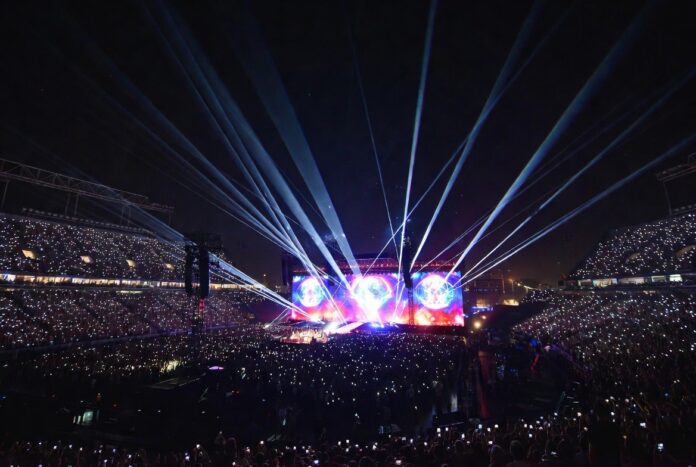
The Coldplay stadium tour planned for 2027 builds on a framework that prioritizes immersion over spectacle alone. Stadiums are not simply venues; they are environments engineered for collective experience. The band has refined this approach over multiple cycles, and the upcoming tour suggests a further tightening of that system.

Production will expand, but not arbitrarily. New visual sequences, updated lighting structures, and an evolved stage design are expected to integrate seamlessly with the existing Music of the Spheres language. The intention is continuity with variation—a recognizable world, adjusted enough to feel new.

The inclusion of unreleased material from the upcoming album adds another layer. It positions the tour not just as a retrospective of established hits, but as a live introduction to the band’s next phase. This dual function—archive and preview—has become central to how major tours operate in the current landscape.

Demand as a Structural Force 📈

The scale of the Coldplay 2027 tour is inseparable from the economics of demand. Ticket presales, opening this week, are expected to move quickly, continuing a pattern that has defined recent cycles. The phrase “Coldplay 2027 tickets” has already entered high search rotation, signaling a level of anticipation that precedes formal release.

What’s notable is how demand has reshaped scheduling. Additional shows are no longer reactive—they are built into the architecture of the tour itself. Cities are approached as multi-night engagements, allowing for both capacity and continuity.

This approach reflects a broader shift in live music. Tours are no longer linear sequences of dates; they are scalable systems designed to expand in response to audience behavior.

The Longevity of the Music of the Spheres Era 🎶

The decision to extend the Music of the Spheres tour framework into 2027 is strategic. The concept has proven adaptable, capable of absorbing new material while maintaining a cohesive identity. It offers a thematic structure that translates across markets, cultures, and venues.

For Coldplay, this continuity reduces friction. Audiences enter a familiar world, even as individual elements evolve. The experience feels consistent without becoming static—a balance that few large-scale tours manage to sustain.

At the same time, the integration of new songs suggests a subtle shift. The upcoming album will not be introduced in isolation; it will be embedded within a live context that already commands global attention. This method ensures immediate exposure without requiring a separate promotional cycle.

Touring at Maximum Scale 🔍

What the Coldplay 2027 world tour ultimately represents is a refinement of scale. It is not simply larger; it is more controlled, more deliberate in how it expands. The band understands the mechanics of stadium touring—how to fill space, how to maintain energy across tens of thousands of attendees, how to create moments that resonate beyond the venue itself.

This level of control is what allows the tour to operate across continents without losing coherence. Each show contributes to a larger narrative, one that extends beyond individual dates into a continuous global presence.

As the schedule unfolds and presales begin, the expectation is clear. This will not just be another tour cycle. It will be a consolidation of everything Coldplay has built over the past decade—a system that continues to evolve, even as it reaches its largest scale to date.
Josephen Akuei Emerges as the Defining New Face of Fall 2026

Josephen Akuei Emerges as the Defining New Face of Fall 2026

Josephen Akuei Emerges as the Defining New Face of Fall 2026

A Season That Introduced a Presence ✨

Every fashion season produces a handful of promising debuts. Fall 2026 delivered something more decisive. Josephen Akuei did not simply appear across the circuit—she established herself as the breakout model of the moment.

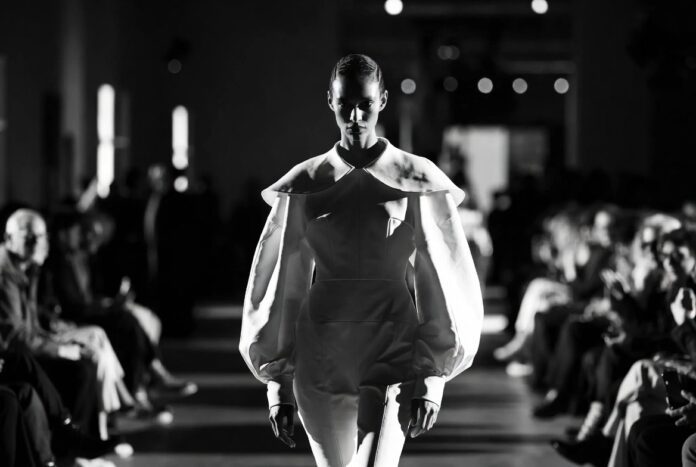
From New York to Paris, her runway presence carried a consistency that editors and casting directors rarely see in a single season. For Runway Magazine, the rise of Josephen Akuei reflects a broader shift toward models who command attention without excess gesture. Her walk remains controlled, deliberate, and sharply focused, allowing the clothes to register without losing her own identity.

As a result, the conversation around new faces for Fall 2026 quickly centered on her.

The Discipline of the Runway 🧠

Akuei’s impact begins with precision. She approaches the runway with a measured pace and a sense of restraint that feels intentional rather than instinctive. That distinction matters. Many emerging models rely on presence alone; Akuei builds hers through control.

Designers responded accordingly. She opened and closed key shows throughout the season, including standout appearances for Bottega Veneta and Dior. These placements signal trust at the highest level. Opening a show sets its tone, while closing it defines its final impression. Akuei handled both with a composure that suggests experience beyond her tenure.

Because of this, her runway work reads as cohesive rather than episodic. Each appearance reinforces the last.

Recognition Arrives in Real Time 📊

Industry validation followed quickly. Models.com and Vogue both identified her among the top new faces of 2026, formalizing what the runway had already established.

However, recognition alone does not create momentum. Timing does. Akuei’s rise coincides with a season that has leaned heavily into emerging talent, as casting directors recalibrate toward new energy and global diversity. Her ascent, therefore, feels aligned with the direction of the industry rather than isolated from it.

This alignment allows her presence to scale quickly. She is not positioned as a singular anomaly; she represents a broader movement.

A Shift Toward New Authority 📉

The Fall 2026 season has made one point clear: established hierarchies are loosening. While legacy names continue to anchor campaigns, the runway increasingly favors models who bring a distinct, individual rhythm.

Akuei fits this moment precisely. She does not overextend. She does not perform beyond the garment. Instead, she creates a tension between visibility and restraint—an approach that resonates with designers seeking clarity rather than theatrics.

For Runway Magazine, this signals a shift in what defines a breakout model. It is no longer about ubiquity alone; it is about control, adaptability, and the ability to hold attention without excess.

The Trajectory Ahead 🔍

Momentum in fashion can be fleeting, but Akuei’s trajectory suggests durability. She has already navigated New York, London, Milan, and Paris with a level of consistency that typically takes multiple seasons to establish.

Looking forward, the question is not whether she will continue to work—it is how her presence will evolve. Campaigns, editorials, and brand alignments will shape the next phase of her career, but the foundation is already in place.

What Fall 2026 has confirmed is simple. Josephen Akuei is no longer an emerging name to watch. She has entered the industry as a defining figure of her season, and the system around her has responded accordingly.


Bad Hair Day Texture: The Rise at Fall 2026’s Runway

The Rise of Bad Hair Day Texture as Fall 2026’s Runway

The Rise of Bad Hair Day Texture as Fall 2026’s Defining Runway Statement

Imperfection Takes the Lead ✨

Milan did not chase Polish this season. Instead, it embraced disruption—specifically through hair. The so-called “bad hair day” runway trend emerged as one of the most consistent visual signals across Fall 2026, reframing how beauty supports fashion.

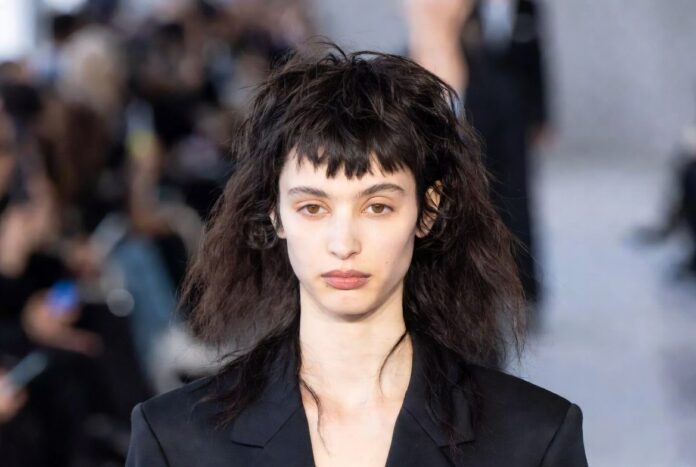
At shows like Bottega Veneta and Simone Rocha, hair refused to sit neatly within traditional expectations. Strands lifted, textures clashed, and silhouettes felt deliberately unsettled. For Runway Magazine, this shift reads as intentional friction. Designers no longer treat hair as a finishing touch—they use it as a counterpoint.

As a result, the runway felt less controlled and more immediate.

Constructing the “Undone” 🧠

Despite its name, the look requires precision. Backstage teams built the “messy hair Fall 2026” effect through calculated layering rather than neglect. Stylists applied dry shampoo to create lift, followed by sea salt sprays to introduce irregular texture. Then, they teased selectively—never uniformly—to avoid symmetry.

Because of this process, the result avoids chaos. It feels lived-in, but it holds structure. The balance between control and looseness defines the aesthetic.

This approach also marks a technical departure from previous seasons. Sleek finishes and high-shine surfaces dominated recent cycles; now, friction and volume take precedence. The shift may appear subtle, yet it alters how collections read in motion.

A Reaction Against Perfection 📊

The popularity of undone runway hair reflects a broader recalibration. For several seasons, fashion leaned heavily into precision—clean lines, controlled silhouettes, and minimal disruption. However, that clarity has begun to feel predictable.

Consequently, designers have introduced texture as a form of resistance. Hair becomes the point where order breaks. It softens tailoring, disrupts symmetry, and introduces unpredictability into otherwise disciplined collections.

At Bottega Veneta, this contrast felt especially deliberate. Structured garments paired with disheveled hair created tension that extended beyond styling. Meanwhile, Simone Rocha pushed the idea further, using volume and irregularity to heighten emotional resonance.

In both cases, the “bad hair day” aesthetic functioned as design language, not accident.

From Runway to Algorithm 📲

The transition from runway to digital culture happened almost immediately. On TikTok, creators began recreating the look, often framing it as “effortless” despite its technical foundation.

This rapid adoption speaks to the accessibility of the trend. Unlike highly constructed styles, textured hair invites interpretation. It does not demand perfection, which allows it to scale across different hair types and routines.

At the same time, Gen Z’s embrace of the aesthetic reinforces its cultural positioning. The “bad hair day” look aligns with a broader rejection of rigid beauty standards, favoring individuality over uniformity.

A New Direction for Runway Hair 🔍

For Runway Magazine, the significance of this trend extends beyond a single season. It signals a shift in how hair operates within fashion. Instead of reinforcing control, it introduces variation. Instead of completing a look, it complicates it.

This direction suggests longevity. As designers continue to explore the tension between structure and movement, textured hair provides a flexible tool. It adapts without losing impact.

Fall 2026 did not eliminate polish—it repositioned it. And in that recalibration, the imperfect, the undone, and the deliberately disrupted have taken the lead.

The Heatless Curling Sets Defining 2026 Hair

The Heatless Curling Sets Defining 2026 Hair

The Heatless Curling Sets Defining 2026 Hair—Performance Without Damage

A Category Moves From Trend to Standard 🔄

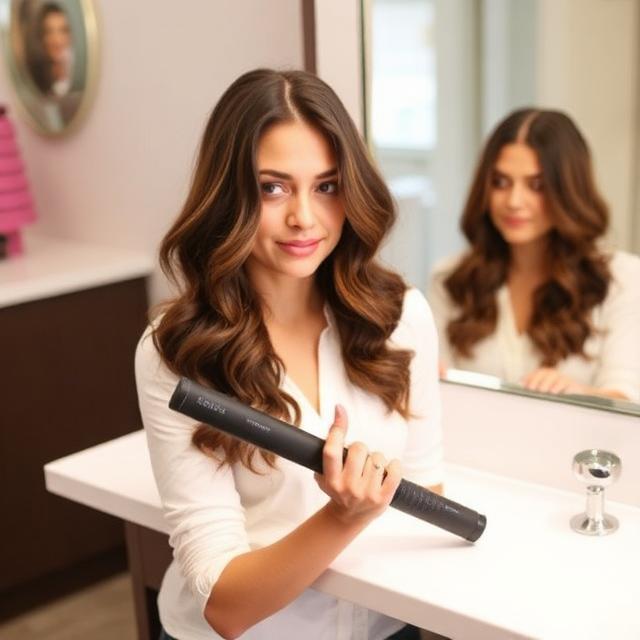
The rise of heatless curls has moved past experimentation and into expectation. What began as a TikTok-driven curiosity has matured into one of the most commercially significant hair tool categories of 2026. For Gen Z and millennial consumers, the shift is practical: preserve hair integrity while maintaining volume, movement, and shape.

Search behavior reflects that change. Queries around the best heatless curling set in 2026 and overnight curlers have surged, driven by a growing understanding of cumulative heat damage. The result is a crowded market—one that now requires discernment rather than discovery.

The Sets That Actually Deliver 🧵

Below are the heatless curling sets that consistently meet performance expectations across hair types, lengths, and routines. Each has earned traction not through novelty, but through repeatable results.

What Separates Effective Sets From Viral Hype 🧠

The distinction between a heatless curling set that works and one that simply trends comes down to three variables: material, structure, and hold.

Material is foundational. Satin and silk dominate for a reason—they reduce friction, preserve moisture, and minimize breakage. This is particularly relevant for users with color-treated or naturally dry hair, where surface damage accumulates quickly.

Structure determines usability. Ribbon-style sets create elongated, uniform waves, while flexi rods and foam rollers allow for tighter curl definition. The best-performing sets strike a balance between flexibility and control, adapting to different wrapping techniques without collapsing overnight.

Hold is where many tools fail. Longevity depends on how well the set maintains tension without discomfort. The most effective designs secure hair without pulling, allowing for sleep without disruption—a factor repeatedly cited in user reviews.

The Role of TikTok in Product Validation 📲

TikTok has become the primary testing ground for these tools. Before-and-after videos have replaced traditional reviews, offering immediate visual proof of performance. The format favors transparency. Poor results are quickly exposed; effective tools gain traction through replication.

What’s notable is the consistency across viral demonstrations. The same sets appear repeatedly, used by different creators with varying hair textures and lengths. This repetition has effectively crowdsourced validation, elevating certain products beyond marketing claims.

The platform has also refined technique. Tutorials now emphasize preparation—slightly damp hair, strategic sectioning, and setting time—as much as the tools themselves. The result is a more informed user base, capable of distinguishing between product limitations and application errors.

Hair Health as the New Baseline 📈

The broader context is a recalibration of priorities. Damage-free styling is no longer a niche concern; it is a baseline expectation. Heatless curling sets align with that shift, offering a method that preserves hair structure while delivering visible results.

This has implications for the industry. Traditional hot tools are not disappearing, but they are being repositioned. Their role is becoming occasional rather than routine, reserved for precision rather than maintenance.

Heatless tools, by contrast, integrate into daily life. They operate overnight, require minimal energy input, and scale across routines. That efficiency is part of their appeal.

A Lasting Shift, Not a Seasonal Trend 🔍

What defines the best heatless curling sets of 2026 is not innovation alone, but reliability. These tools deliver consistent results without compromising hair health, aligning with how consumers now approach beauty—strategically, not impulsively.

As spring transitions into summer, the category shows no sign of slowing. If anything, it continues to expand, with new iterations refining comfort, durability, and versatility.

The larger takeaway is clear. Heatless styling is no longer positioned as an alternative. It is establishing itself as the default—quietly reshaping routines, expectations, and the definition of what effective hair care looks like.


Emily Ratajkowski and Romain Gavras: Relationship Public

Emily Ratajkowski and Romain Gavras - Relationship Public

Emily Ratajkowski and Romain Gavras Make Their Relationship Public in Paris

A Public Shift in a Carefully Managed Narrative 💬

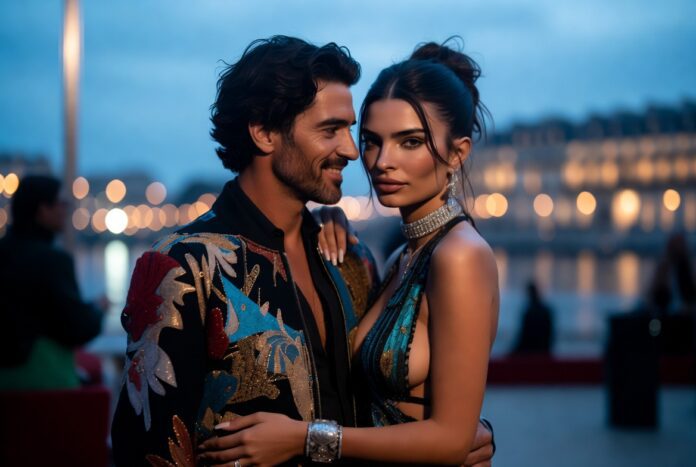
During Paris Fashion Week, where visibility is currency and timing is rarely accidental, Emily Ratajkowski stepped into a different kind of spotlight. Alongside French director Romain Gavras, her presence signaled a transition from speculation to confirmation. The two appeared together across multiple shows and gatherings, their ease with one another making the message unmistakable.

For Ratajkowski, whose public image has long balanced autonomy with openness, the decision to formalize a relationship in such a setting carries weight. It was not an announcement delivered through a statement, but through proximity, gesture, and repetition. In an industry that often thrives on ambiguity, clarity becomes its own form of control.

Image, Authorship, and Romantic Visibility 🧠

Ratajkowski’s personal life has never existed separately from her broader cultural positioning. Since her separation from Sebastian Bear-McClard, she has navigated public attention with a level of authorship that resists traditional narratives of celebrity romance. This new relationship with Gavras feels consistent with that approach—visible, but not over-explained.

Gavras, known for his visually charged filmmaking and precise aesthetic language, introduces a different kind of alignment. The pairing suggests a shared fluency in image-making, where personal and professional sensibilities overlap. Their appearances during Fashion Week did not read as staged spectacle; they carried the familiarity of two individuals accustomed to operating within highly constructed visual environments.

This dynamic reframes the relationship as more than tabloid material. It becomes part of a broader conversation about how contemporary figures curate identity across disciplines—fashion, film, and digital media.

Paris as a Stage for Cultural Signaling 🗼

Paris has long functioned as fashion’s most symbolically loaded setting, and its role here is not incidental. To go public during Paris Fashion Week is to anchor a personal narrative within an institutional moment. The timing amplifies visibility while lending the relationship a certain cultural framing.

Observers were quick to note the couple’s appearances across front rows and after-hours events, where fashion and cinema often intersect. The response has been largely affirmative, with many pointing to the creative synergy between Ratajkowski and Gavras. That language—synergy, alignment, shared vision—reflects how audiences now interpret celebrity relationships through the lens of collaboration rather than mere companionship.

There is also a strategic dimension. In a media environment shaped by constant circulation, sustained presence across multiple events creates continuity. Each sighting reinforces the last, building a narrative that feels both organic and intentional.

The Evolution of the Public Couple 🔍

High-profile relationships once relied on controlled reveals and exclusivity. That model has shifted. Today’s public couples exist in a state of ongoing visibility, where confirmation emerges through accumulation rather than declaration.

Ratajkowski and Gavras embody this evolution. Their relationship entered public awareness gradually, moving from rumor in late 2025 to confirmation through repeated appearances in March 2026. The progression mirrors how audiences now consume information—incrementally, across platforms, with each moment contributing to a larger picture.

What distinguishes this pairing is its integration into fashion’s current landscape. Ratajkowski’s continued dominance in front-row and street-style conversations ensures that her personal life is interpreted alongside her sartorial choices. The relationship does not exist outside her fashion presence; it is folded into it.

A Forward-Looking Dynamic 🎬

As the fashion and cultural calendar moves forward, the visibility of Ratajkowski and Gavras is unlikely to recede. If anything, it will evolve, shaped by future appearances, collaborations, and the ongoing interplay between public and private identity.

There is a measured confidence in how this relationship has been introduced—neither concealed nor overexposed. That balance reflects a broader shift in how influence operates. Control is no longer about withholding information, but about determining how and where it appears.

In that sense, this is less a conventional celebrity reveal and more a continuation of Ratajkowski’s approach to visibility: deliberate, adaptive, and fully aware of the platforms through which meaning is constructed.

The Soft Life Wardrobe Is Rewriting Spring Style for Gen Z

The Soft Life Wardrobe Is Rewriting Spring Style for Gen Z

The Soft Life Wardrobe Is Rewriting Spring Style for Gen Z

Aesthetic as Intention, Not Escape 🌸

Scroll through TikTok or Pinterest this spring and a distinct mood emerges—one defined less by precision and more by ease. The “Soft Life” wardrobe has taken hold among Gen Z, not as a fleeting aesthetic, but as a recalibration of how fashion functions in daily life.

Where recent seasons favored the discipline of minimalism, this shift leans toward comfort without relinquishing visual intention. Softness here is not passive. It is constructed through fabric, silhouette, and color, forming a wardrobe that prioritizes how clothing feels as much as how it reads.

This is not a rejection of style. It is a redefinition of it.

The Language of Texture and Movement 🧵

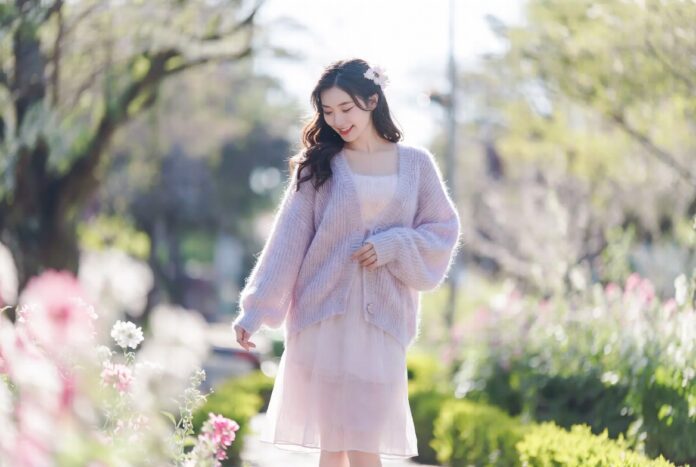
The Soft Life wardrobe is built on tactility. Oversized cardigans fall with deliberate looseness, while cloud-like knits introduce volume without weight. Flowy midi skirts move with the body rather than against it, creating silhouettes that resist rigidity.

Color plays a central role. Pastel tones—muted pinks, washed lilacs, pale blues—replace the stark neutrality that dominated the “clean girl” era. These hues are not nostalgic; they are strategic. They soften the visual field, allowing garments to layer without competing.

Footwear follows the same logic. Ballet flats, once cyclical in their relevance, have returned with renewed clarity. Their simplicity anchors the look, grounding softer elements without interrupting them.

The result is a wardrobe that feels cohesive without appearing controlled. Each piece contributes to a larger rhythm rather than asserting dominance.

From Trend to Daily Practice 📲

What distinguishes the Soft Life movement is its integration into routine. On TikTok, creators document slow mornings, transitional outfits, and travel-ready looks that prioritize adaptability. Pinterest boards function as evolving archives, mapping variations of the same core idea.

This visibility has accelerated adoption, but it has also normalized the aesthetic. Soft dressing is no longer reserved for curated moments. It is worn to brunch, to errands, to travel—contexts that demand both comfort and presence.

Retailers have responded accordingly. Brands like Zara and H&M have expanded offerings that align with this sensibility, while thrift culture continues to supply one-of-a-kind pieces that reinforce individuality within the trend.

The accessibility is key. The Soft Life wardrobe does not depend on exclusivity. It thrives on reinterpretation.

A Cultural Shift Away from Perfection 🧠

The movement also reflects a broader recalibration in how Gen Z approaches image. The “clean girl” aesthetic, with its emphasis on polish and restraint, established a uniform standard that many found aspirational but limiting.

Soft Life dressing introduces flexibility. It allows for variation, imperfection, and personal adaptation. The emphasis shifts from appearing composed to feeling at ease—a subtle but significant distinction.

This change aligns with a wider cultural conversation around balance and well-being. Fashion becomes a tool for expressing that shift, rather than a system that imposes its own demands.

Importantly, the aesthetic does not abandon femininity. It reframes it. Romantic elements—lace trims, fluid shapes, gentle color palettes—are retained, but they are grounded in practicality. The result is a form of femininity that is lived in, not performed.

The Endurance of Intentional Softness 🔍

As Spring 2026 unfolds, the Soft Life wardrobe continues to expand its influence. Its strength lies in its adaptability. It can be minimal or layered, structured or fluid, depending on the wearer’s interpretation.

This flexibility ensures longevity. Unlike trends that rely on novelty, Soft Life dressing is rooted in principles—comfort, cohesion, and emotional resonance. Those qualities are less susceptible to seasonal turnover.

What emerges is a new framework for spring style, one that prioritizes continuity over disruption. It does not seek to replace previous aesthetics entirely, but to offer an alternative that feels more aligned with how many want to live now.

In that sense, the Soft Life wardrobe is not simply trending. It is settling into place, quietly reshaping expectations around what fashion can provide—not just visually, but experientially.


American Ballet Theatre Opens Spring 2026

American Ballet Theatre Opens Spring 2026

American Ballet Theatre Opens Spring 2026 Season to Record Demand

A Classical Institution Meets a New Audience 🎭

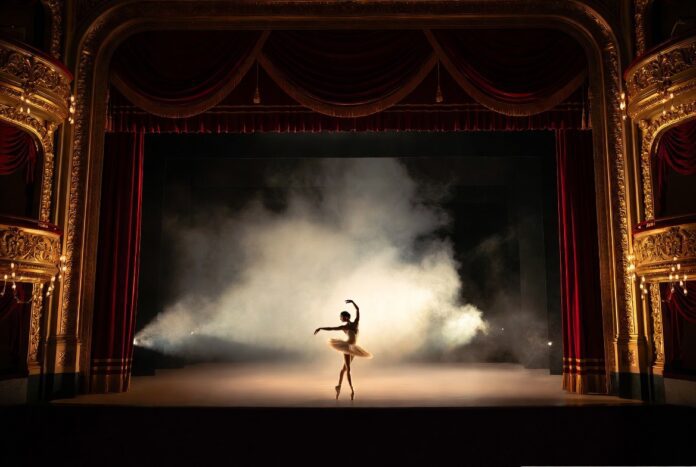
The curtain rose on American Ballet Theatre’s Spring 2026 season with an outcome few performing arts institutions achieve at this scale: sold-out opening performances and sustained ticket demand that has extended well beyond opening night. At the Metropolitan Opera House, the company’s home for the season, audiences filled the auditorium with a mix of longtime patrons and a noticeable influx of younger attendees.

This convergence signals more than a successful launch. It points to a recalibration in how ballet is being consumed—and who is choosing to engage with it. The Spring 2026 season has quickly positioned itself as one of the most visible cultural events of the moment, bridging legacy and immediacy.

Programming That Balances Heritage and Renewal 🧠

The structure of the season reflects a deliberate balance. Canonical works remain central, anchoring the repertory in tradition, while new productions introduce contemporary movement and narrative approaches. This duality allows ABT to maintain its institutional identity while expanding its creative range.

Principal dancers and rising soloists have driven much of the early attention. Performances circulating across TikTok and other platforms have amplified individual artistry, transforming moments on stage into widely shared cultural content. The effect is cumulative. It extends the life of each performance beyond the theater, drawing new audiences into the experience.

The result is a season that feels both familiar and newly urgent—rooted in history but responsive to current modes of visibility.

Demand as a Cultural Indicator 📈

The scale of ticket demand has required operational adjustment. Additional matinee performances were introduced in response to rapid sellouts, an uncommon move that underscores the intensity of interest. Searches for ballet tickets in 2026 have risen sharply, with ABT at the center of that surge.

This demand is not incidental. It reflects a broader appetite for live performance at a time when digital saturation has redefined how audiences value presence. Ballet, with its emphasis on physicality and immediacy, offers a counterpoint—an experience that cannot be replicated on screen.

For ABT, this moment translates into both cultural and commercial momentum. Record-breaking sales reinforce the viability of large-scale ballet programming, while also signaling potential for expanded engagement strategies moving forward.

The Gen Z Effect on Ballet Visibility 📲

One of the defining characteristics of this season is the presence of a younger audience demographic. Gen Z attendees are not only filling seats; they are actively shaping the narrative around the performances. Their engagement—through video, commentary, and rapid dissemination—has reframed how ballet is discussed and perceived.

This shift does not dilute the art form. It reframes it. Ballet is no longer positioned solely as a heritage discipline; it is entering a more fluid cultural space, where tradition coexists with digital interpretation.

The visual language of ballet—line, movement, costume—translates effectively across platforms, making it particularly suited to this form of circulation. ABT’s current visibility suggests an institution that is benefiting from, rather than resisting, that dynamic.

A Season That Extends Beyond the Stage 🔍

As the Spring 2026 season continues, its impact is likely to extend beyond individual performances. The convergence of strong programming, high demand, and expanded audience engagement positions ABT within a broader cultural conversation about the future of live arts.

What distinguishes this moment is not simply attendance, but attention. Ballet is being watched, discussed, and shared at a scale that exceeds traditional boundaries. That visibility carries implications for how institutions program, market, and evolve.

For American Ballet Theatre, the current season represents a point of alignment—between tradition and innovation, exclusivity and accessibility, performance and perception. It is a reminder that even the most established institutions can generate new relevance when conditions converge.

The success of this opening is not an endpoint. It is an indicator of where ballet, and its audience, may be heading next.


Pharrell Williams Strengthens Louis Vuitton’s Menswear Identity

Pharrell Williams Strengthens Louis Vuitton’s Menswear Identity

Pharrell Williams Strengthens Louis Vuitton’s Menswear Identity in His Second Paris Collection

A Vision Moving from Introduction to Authority 🎯

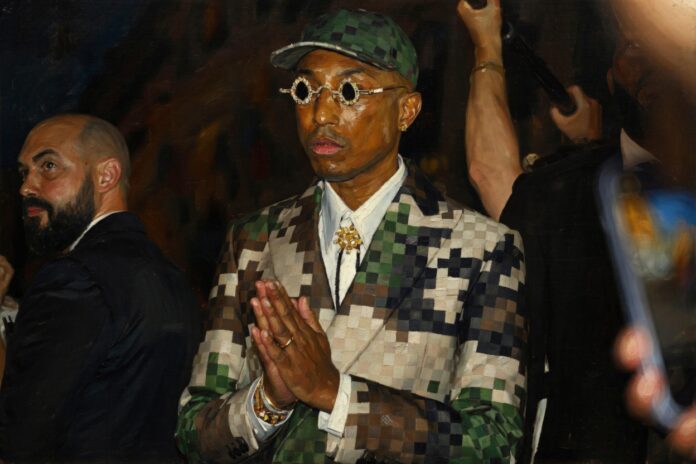
At Paris Fashion Week, Pharrell Williams presented his second full menswear collection for Louis Vuitton—a moment that carried a different kind of scrutiny than his debut. The question was no longer whether his appointment could generate attention, but whether it could sustain direction.

This Fall 2026 collection offered a clear answer. Rather than recalibrating his approach, Pharrell refined it. The show unfolded with a sense of continuity, building on the foundation he established while sharpening its execution. What emerged was not experimentation for its own sake, but a more controlled articulation of his evolving vision for Vuitton menswear.

The Convergence of Street and Atelier 🧠

Pharrell’s approach continues to resist traditional hierarchies between streetwear and luxury. Here, that tension was resolved through construction rather than concept. Tailoring took on new dimensionality—structured jackets softened by fluid movement, precise cuts offset by unexpected proportion.

Color operated as a central device. Bold blocking, often in saturated tones, created visual rhythm across the collection. It was neither decorative nor incidental. Instead, it functioned as a connective language, linking disparate references into a cohesive whole.

Accessories carried equal narrative weight. Bags, jewelry, and footwear extended the collection’s cultural vocabulary, drawing on global influences without collapsing into pastiche. This is where Pharrell’s sensibility is most distinct. He does not isolate references; he layers them, allowing multiple geographies and histories to coexist within a single look.

Commercial Intelligence Meets Creative Range 📈

The response from buyers and editors has been notably strong, pointing to a balance that is often difficult to achieve: commercial viability paired with creative clarity. This is not a collection designed solely for editorial impact. It is built with an understanding of how clothing moves beyond the runway—into stores, onto streets, and across digital platforms.

That awareness reflects Pharrell’s broader career. His experience across music, design, and culture informs a multidimensional approach to fashion. He understands scale, not just in terms of visibility, but in terms of distribution and adoption.

For Louis Vuitton, this alignment is strategic. The house’s menswear division has undergone a period of transformation, and Pharrell’s role is not simply to innovate, but to stabilize and expand its identity. This collection suggests that process is well underway.

Paris as a Platform for Global Dialogue 🌍

Paris remains the industry’s most influential stage, and Vuitton’s presentation operated with that awareness. The show did not rely on spectacle alone. It positioned itself as part of a broader conversation about what menswear can represent in 2026.

Pharrell’s work reflects a shift toward inclusivity of reference—not as a trend, but as a structural principle. Cultural storytelling is embedded in the garments, not applied as surface detail. This approach resonates in a global market where audiences expect authenticity alongside innovation.

The collection’s reception underscores that relevance. It has been read not just as a seasonal offering, but as an indicator of direction—both for Louis Vuitton and for menswear more broadly.

Defining the Next Phase of Vuitton Menswear 🔍

With his second collection, Pharrell moves beyond the expectations of a high-profile appointment and into a phase of definition. The elements are now established: a fluid relationship between street and luxury, an emphasis on color and proportion, and a commitment to cultural layering.

What distinguishes this moment is coherence. The collection does not feel like a series of ideas in development. It reads as a system—one that can evolve, but already holds internal logic.

For Louis Vuitton, that coherence is critical. Menswear is no longer a secondary category; it is a central driver of the brand’s cultural and commercial influence. Pharrell’s role in shaping that trajectory is becoming increasingly clear.

As Paris Fashion Week continues to set the pace for the global industry, this collection positions Vuitton not as a participant in the conversation, but as one of its defining voices. Pharrell Williams is no longer introducing his vision. He is executing it with precision—and the industry is responding accordingly.

Kim Kardashian and Lewis Hamilton Spark Speculation

Kim Kardashian and Lewis Hamilton Spark Speculation

Kim Kardashian and Lewis Hamilton Spark Speculation at Paris Fashion Week

When Two Global Systems Collide 🌍

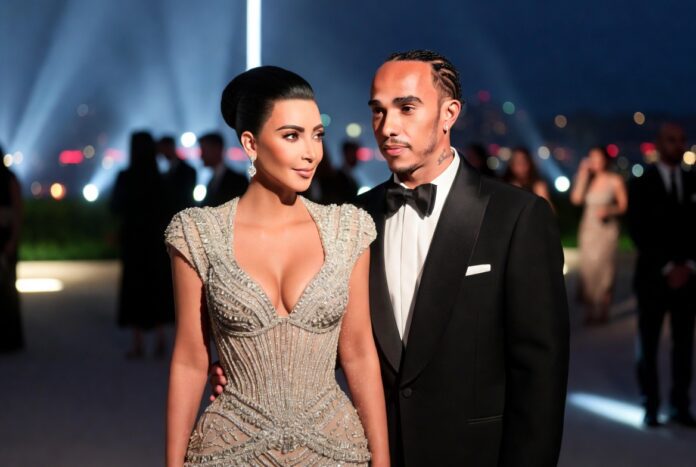
At Paris Fashion Week, where influence converges across industries, the unexpected alignment of Kim Kardashian and Lewis Hamilton has become one of the most closely watched developments of the season. Their repeated appearances within the same orbit—arrivals, private gatherings, and after-hours events—have moved speculation beyond coincidence.

Neither has addressed the rumors directly. That absence of confirmation has done little to slow the narrative. If anything, it has intensified it. In a media environment driven by accumulation rather than declaration, visibility itself becomes the statement.

Chemistry as Cultural Currency 🧠

What distinguishes this pairing is not simply celebrity scale, but the convergence of two distinct cultural systems. Kardashian operates at the center of fashion, beauty, and digital commerce, with an ability to translate visibility into immediate market impact. Hamilton, while rooted in the precision of Formula One, has spent the past decade extending his influence into fashion, sustainability, and design.

Their interactions during Paris Fashion Week carried a noticeable ease—an unforced proximity that observers quickly interpreted as chemistry. That perception, amplified across platforms, has framed the narrative less as rumor and more as emerging reality.

There is a strategic dimension to this dynamic. Both figures understand the mechanics of attention. Neither relies on overt confirmation to sustain relevance. Instead, they allow moments—shared entrances, aligned schedules, fleeting exchanges—to circulate and compound.

Paris as Amplifier, Not Backdrop 🗼

Paris functions here as more than a setting. It is an amplifier. The city’s role as fashion’s institutional center ensures that any perceived alignment carries heightened significance. Within this context, even casual proximity acquires narrative weight.

Observers noted their presence at several high-profile events, where the boundaries between fashion, sport, and entertainment dissolve. That fluidity is essential. It allows a pairing like Kardashian and Hamilton to feel less improbable and more indicative of a broader cultural shift—one where influence is no longer confined to a single domain.

Public response has reflected that tension. Some view the pairing as a natural extension of both figures’ expanding identities. Others remain skeptical, reading the visibility as circumstantial rather than intentional. The divide itself sustains the story.

The Evolution of High-Visibility Romance 🔍

This moment fits within a larger recalibration of how relationships enter the public sphere. Traditional reveals—exclusive interviews, formal announcements—have given way to a more diffuse model. Repetition replaces declaration. Presence becomes proof.

For Kardashian, whose past relationships have unfolded under intense scrutiny, this approach offers a degree of control without retreat. It allows narrative to develop organically while maintaining ambiguity. For Hamilton, whose personal life has often been more guarded, the visibility represents a subtle shift toward integration with his broader public identity.

The speculation also arrives at a moment of transition. Kardashian’s post-relationship narrative, following her highly publicized connections to Kanye West and Pete Davidson, has been defined by independence and recalibration. A potential relationship with Hamilton would mark a new phase—one that aligns with her continued expansion across industries.

A Narrative Still in Formation 🎯

What remains unresolved is precisely what sustains interest. Without confirmation, the story resists closure. Each new appearance adds dimension without delivering conclusion.

This is not incidental. In the current media landscape, prolonged ambiguity often generates more engagement than definitive statements. Kardashian and Hamilton, whether intentionally or not, are operating within that framework.

If the pairing solidifies, it will represent more than a high-profile romance. It will underscore the increasing fluidity between cultural spheres—fashion, sport, entertainment—and the figures who move seamlessly between them.

For now, the speculation continues to build, shaped by images, timing, and proximity. In Paris, that was enough to ignite a global conversation. Whether it evolves into something more concrete remains secondary to the fact that, for this moment, it has already captured the industry’s attention.


Simone Rocha Returns to London Fashion Week

Simone Rocha Returns to London Fashion Week

Simone Rocha Returns to London Fashion Week with a Collection Rooted in Irish Folklore

A Homecoming Framed by Myth and Memory 🕊️

At London Fashion Week, Simone Rocha re-entered the official schedule with a collection that felt both personal and expansive. Her Fall/Winter 2026 presentation carried the weight of return—not simply to a city, but to a narrative space she has been refining for over a decade.

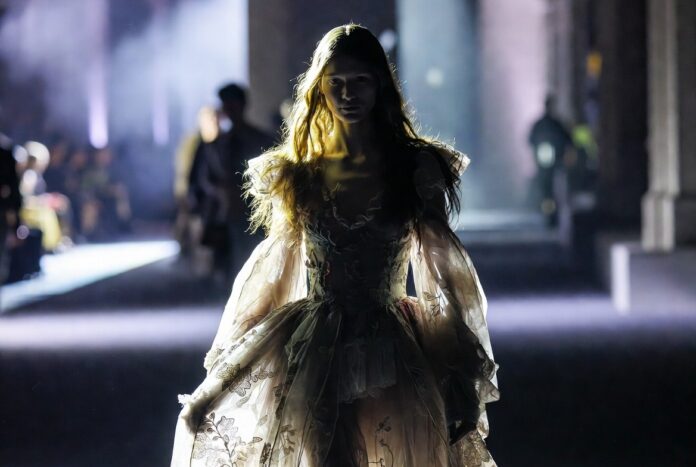
Drawing on the Irish myth of Tír na nÓg, a land suspended between youth and eternity, Rocha constructed a visual language where innocence and erosion coexist. The runway unfolded less as a linear show and more as a sequence of impressions: delicate lace disrupted by weight, softness offset by an undercurrent of tension. It was a meditation on time, refracted through clothing.

Romanticism Under Pressure 🧠

Rocha’s work has long been associated with a distinct romanticism, but here it was unsettled, pushed into more complex territory. Silhouettes expanded outward—volume in skirts and sleeves that felt almost architectural—while embroidery and sheer layers introduced fragility. The interplay created a rhythm between presence and absence, structure and dissolution.

References to Perry Ogden’s Pony Kids series added an unexpected edge. The imagery, known for its raw portrayal of youth on the margins, grounded the collection’s more ethereal elements. This juxtaposition prevented the narrative from drifting into nostalgia. Instead, it anchored the work in something more immediate, even confrontational.

What emerged was not a rejection of Rocha’s established codes, but a recalibration. The romantic was no longer purely ornamental; it carried weight, friction, and a sense of unease.

Collaboration Without Compromise 👟

Interwoven throughout the collection was Rocha’s ongoing collaboration with adidas. Rather than functioning as a separate layer, the partnership was fully integrated into the collection’s vocabulary. Footwear and sportswear elements appeared as natural extensions of the silhouettes, grounding the more elaborate garments without diluting their impact.

This balance is not easily achieved. Collaborations often risk disrupting a designer’s coherence, yet here the dialogue felt resolved. The presence of adidas introduced a pragmatic counterpoint—utility against ornament—reinforcing the collection’s central tension between fantasy and reality.

It also reflects a broader industry shift, where the boundaries between luxury and sportswear continue to dissolve. Rocha navigated that space with precision, maintaining authorship while engaging with a global brand language.

London as Context, Not Constraint 🌆

London provided a fitting stage for this return. The city’s fashion identity—experimental, historically layered, resistant to uniformity—mirrored the collection’s internal contrasts. Rocha’s presence on the official schedule reasserted a particular kind of authority within London Fashion Week: one rooted in narrative depth rather than spectacle alone.

Critical response has been notably strong, positioning the show among the defining moments of the season. That reception speaks not only to the execution, but to timing. In a landscape increasingly driven by immediacy, Rocha’s insistence on storytelling—on building a world rather than delivering a single image—feels both deliberate and necessary.

A Collection That Expands Her Language 🔍

This return marks a point of expansion rather than reinvention. Rocha has not abandoned her signatures—lace, volume, a sense of femininity that resists simplification—but she has complicated them. The introduction of darker tonalities, both visually and conceptually, suggests a designer willing to interrogate her own vocabulary.

The influence of Irish folklore is not treated as surface reference. It operates structurally, shaping how the collection moves between states: youth and age, beauty and decay, intimacy and distance. That depth gives the work durability beyond the runway.

As London Fashion Week continues to evolve, Rocha’s presence offers a reminder of what distinguishes it at its best: a commitment to ideas, to narrative, and to the possibility that fashion can hold contradiction without resolving it.

Her Fall/Winter 2026 collection does not seek to provide answers. It lingers in ambiguity, allowing each element—fabric, reference, silhouette—to carry its own weight. In doing so, it reaffirms Simone Rocha’s position as one of the most intellectually consistent voices in contemporary fashion.

Glass Skin Returns in 2026

Glass Skin Returns in 2026

Glass Skin Returns in 2026—Reimagined as a Juicy, Lived-In Glow

From Reflection to Hydration 💧

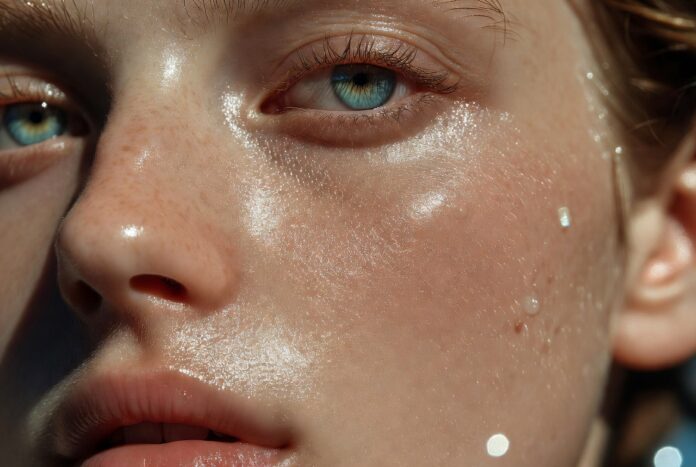
The return of glass skin in 2026 arrives with a notable shift in intent. Where earlier iterations prioritized a near-mirrored finish, the current interpretation leans toward something more tactile—skin that looks hydrated, elastic, and quietly luminous rather than overtly polished.

Across TikTok and Pinterest, the visual language has softened. The emphasis is no longer on surface shine alone, but on depth—what creators often describe as a “juicy” glow. It suggests hydration beneath the skin, not just light reflecting off it.

This evolution reframes the trend. It is less about achieving perfection and more about sustaining skin health in a way that reads naturally on camera and in person.

Glass Skin 2.0: A Technical Adjustment 🧠

The shift toward what many are calling “Glass Skin 2.0” is rooted in formulation as much as technique. Heavy highlighters and layered luminizers have been replaced by skincare-driven radiance—products that build glow through moisture retention and barrier support.

Key items driving the movement reflect this recalibration. Rhode’s Peptide Glazing Fluid has become a reference point for achieving that hydrated finish, while Summer Fridays’ Jet Lag Mask continues to anchor routines focused on replenishment. New-generation serums from Dior and Laneige extend the category, emphasizing lightweight layering over occlusive shine.

The result is a complexion that appears fuller and more responsive to light. It moves with the face rather than sitting on top of it—a distinction that defines the updated aesthetic.

The Gen Z Influence on Skin Philosophy 📲

Gen Z’s approach to beauty has accelerated this transformation. There is a clear preference for routines that prioritize long-term skin condition over immediate visual effect. Hydration, barrier repair, and ingredient transparency are now baseline expectations.

This perspective reshapes how glow is interpreted. Dewy skin is no longer achieved through makeup alone; it is cultivated through consistent care. Tutorials circulating online reflect this logic, focusing on preparation—layered hydration, gentle exfoliation, and strategic product sequencing—before any cosmetic enhancement is applied.

The appeal lies in its adaptability. The look can be minimal or built upon, functioning as both a standalone finish and a base for makeup. That flexibility has contributed to its rapid adoption.

Beyond the “Clean Girl” Aesthetic 🌿

While the new glass skin aligns with the broader “clean girl” sensibility, it also expands it. The earlier emphasis on restraint and uniformity is giving way to something more dimensional. The glow is softer, but it is also more expressive—less about conformity, more about individual skin quality.

This distinction matters. It signals a move away from rigid beauty standards toward a framework that accommodates variation. Texture is not erased; it is integrated. Shine is not maximized; it is moderated.

In this context, glass skin becomes less of a finish and more of a condition—an ongoing state rather than a final step.

The Endurance of the Juicy Glow 🔍

As Spring 2026 unfolds, the resurgence of glass skin suggests more than cyclical nostalgia. It reflects a deeper alignment between product innovation and consumer expectation. The tools now exist to achieve radiance without compromising skin integrity, and users are increasingly selective in how they apply them.

What defines this moment is balance. The glow is present, but controlled. The skin looks cared for, not engineered. That restraint is what gives the trend longevity.

Glass skin has returned, but it no longer seeks to dominate the face. Instead, it works with it—enhancing what is already there, and in doing so, redefining what modern radiance looks like.