Ballet Core Makeup Defines the Soft Power Shift of Spring

Ballet Core Makeup Defines the Soft Power Shift of Spring

“Ballet Core” Makeup Defines the Soft Power Shift of Spring 2026 Beauty

A New Kind of Softness Takes Center Stage 🩰

Beauty trends rarely disappear; they evolve. This spring, that evolution arrives in the form of ballet core makeup 2026, a direction that feels at once familiar and newly precise. Emerging across TikTok, backstage conversations, and editorial shoots, the look channels the quiet discipline of ballet into a wearable, everyday aesthetic.

For Runway Magazine, the rise of ballet-inspired beauty signals more than seasonal preference. It reflects a recalibration of what softness means in contemporary culture. Where the “clean girl” look emphasized restraint and polish, ballet core makeup 2026 introduces emotion—subtle, controlled, but undeniably present.

At its core, the aesthetic captures a specific moment: the flush of skin after movement, the slight sheen of exertion, the understated elegance of something practiced rather than performed.


The Anatomy of Ballet Core Makeup 🧠

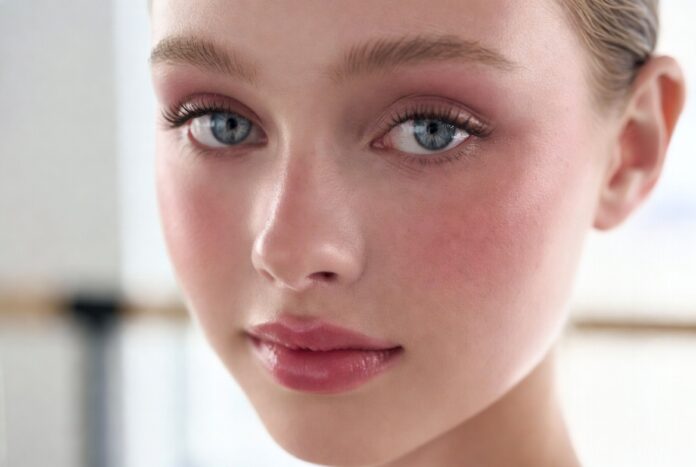
The defining elements of ballet core makeup 2026 rely on precision disguised as effortlessness. Skin appears luminous but not reflective. Color rests close to the surface, as if it belongs there rather than sitting on top.

Cheeks carry a natural flush, often achieved through cream-based pigments that blend seamlessly into the complexion. Lips lean toward soft pinks and muted rose tones, finished with a subtle gloss that suggests hydration rather than shine. Eyes remain delicate—wispy lashes replace heavy mascara, while shadows stay within a neutral, skin-like palette.

This is where ballet makeup Gen Z diverges from earlier minimalism. The goal is not absence, but intention. Every product contributes to the illusion of natural vitality.


From Clean Girl to Romantic Realism 📊

The transition from the “clean girl” aesthetic to ballet core makeup 2026 marks a notable cultural shift. Clean beauty favored control—slicked-back hair, matte perfection, and near-invisible product. Ballet core, by contrast, allows for softness that feels lived-in.

Gen Z has embraced this evolution quickly. On social platforms, creators frame soft girl makeup spring 2026 as a response to over-perfection. They lean into textures that move with the skin rather than mask it.

As a result, ballet core makeup 2026 operates within a new kind of realism. It acknowledges imperfection while refining it, offering a look that feels attainable without appearing careless.


The Products Driving the Movement 💄

The success of ballet core makeup 2026 depends heavily on formulation. Traditional powders give way to creams, balms, and lightweight liquids that integrate with the skin.

Cream blush remains central. Applied high on the cheekbones and diffused outward, it creates the flushed cheek effect that defines the look. Lip tints follow a similar philosophy, delivering color that appears absorbed rather than layered.

Highlighters, when used, remain restrained. Instead of sharp reflection, they provide a soft glow—more hydration than shimmer. This approach reinforces the delicate balance at the heart of ballet makeup Gen Z.

Even mascara evolves within this framework. Heavy volume yields to separation, allowing lashes to appear longer and more natural. The emphasis shifts from drama to refinement.


The Influence of Movement and Discipline 🎭

Ballet, as a discipline, informs more than the visual language of this trend. It introduces a philosophy of control, repetition, and subtlety.

That influence becomes clear in how ballet core makeup 2026 is applied. Techniques favor blending over layering, diffusion over definition. The process mirrors the training of a dancer—precise, deliberate, and refined over time.

For many, this connection adds depth to the aesthetic. It transforms makeup from a purely visual exercise into something more tactile and considered.

In this sense, ballet core makeup 2026 aligns with a broader cultural interest in routines that prioritize both beauty and discipline.


Social Media and the Acceleration of Aesthetic Identity 📱

TikTok has played a decisive role in amplifying ballet core makeup 2026. Short-form videos demonstrate transformations that feel immediate yet subtle, making the look accessible to a wide audience.

Creators often pair the makeup with soft lighting, minimal styling, and references to ballet culture—ribbons, practice wear, and neutral palettes. These visual cues reinforce the narrative, positioning soft girl makeup spring 2026 as both aesthetic and lifestyle.

Importantly, the trend thrives on repetition. Each iteration introduces slight variations, allowing users to adapt the look without losing its core identity.

Because of this flexibility, ballet core makeup 2026 has expanded rapidly, moving beyond niche beauty circles into mainstream adoption.


A Balance of Femininity and Control 🌸

What distinguishes ballet core makeup 2026 from previous feminine trends is its restraint. It avoids overt romanticism while still embracing softness.

The flushed cheek, for instance, suggests vulnerability, yet its placement remains calculated. The glossy lip feels effortless, yet its tone is carefully selected. This interplay creates a tension that defines the look.

Gen Z’s interpretation of ballet makeup Gen Z reflects a broader rethinking of femininity. Rather than rejecting softness, it reframes it as intentional and self-directed.

This shift carries cultural weight. It challenges the assumption that softness lacks strength, positioning it instead as a form of quiet authority.


Runway Influence and Editorial Translation 🔍

While the trend has flourished online, its roots trace back to runway and editorial spaces. Designers have long explored ballet references, from silhouettes to styling.

Backstage, makeup artists have refined techniques that now inform ballet core makeup 2026. The emphasis on skin, texture, and subtle color reflects years of experimentation within high fashion.

As these techniques move into everyday routines, they retain their editorial foundation. This connection ensures that ballet core makeup 2026 maintains a level of sophistication even as it becomes widely accessible.

For Runway Magazine, this translation from runway to reality underscores the enduring influence of fashion on beauty culture.


Why This Trend Resonates Now

Timing plays a critical role in the success of any aesthetic. The rise of ballet core makeup 2026 coincides with a broader desire for balance—between effort and ease, visibility and subtlety.

After seasons dominated by maximalism and hyper-curation, the appeal of something softer feels inevitable. Yet ballet core does not reject structure. Instead, it refines it.

This balance explains why soft girl makeup spring 2026 resonates across demographics. It offers a middle ground—polished without rigidity, expressive without excess.


Conclusion: The Future of Soft Beauty

Trends often signal shifts before they fully take hold. In that sense, ballet core makeup 2026 represents more than a seasonal preference. It points toward a broader redefinition of beauty.

By merging discipline with softness, it introduces a new framework—one that values subtlety without sacrificing intention. It invites wearers to engage with makeup as both routine and expression.

For Runway Magazine, the significance lies in this balance. The trend does not demand transformation; it refines what already exists.

As Spring 2026 unfolds, ballet core makeup 2026 will continue to evolve. Yet its foundation—quiet confidence, controlled softness, and understated elegance—suggests lasting influence.
 

Haircut Shift of Fall 2026: Precision Bobs and Modern Shags

Haircut Shift of Fall 2026 - Precision Bobs and Modern Shags

Precision Bobs and Modern Shags Redefine Fall 2026—The Haircut Becomes the Look

The Shift Toward Structure ✂️

The direction of runway beauty often reveals itself in subtle cues. This season, the message is unmistakable: structure has returned to hair. Across Fall 2026, the precision bob runway movement and the evolution of the modern shag signal a decisive shift away from styling as the primary tool of transformation. The haircut itself now carries the weight.

At Jil Sander, Prada, and Hermès, models walked with cuts that felt intentional from every angle. These were not supporting details; they were structural elements embedded into the collections. For Runway Magazine, this marks a recalibration in how fashion approaches beauty. Hair no longer finishes a look—it defines it.

The precision bobs and the modern shags stand at the center of this transition. Each offers a distinct interpretation of control, yet both reflect the same underlying principle: form matters again.


The Precision Bob as Design Language 🧠

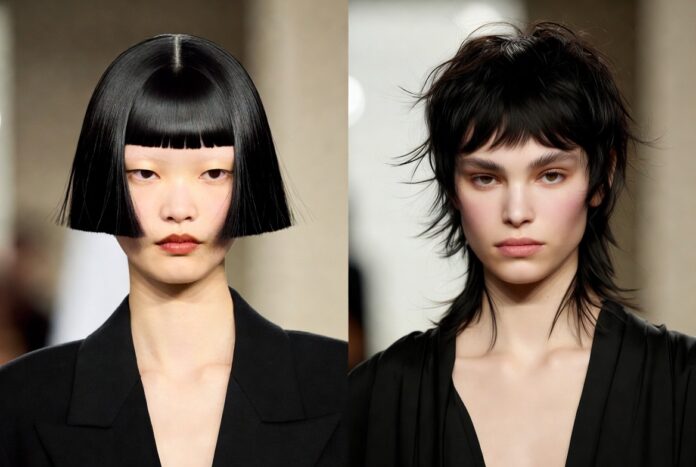
The precision bob on the Fall 2026 runway operates with clarity. Its defining feature is control—clean lines that frame the face with almost architectural intent. Every edge appears deliberate. Every angle contributes to the overall silhouette.

At Jil Sander, the bob aligned with the brand’s disciplined minimalism. The cut emphasized symmetry, reinforcing the clean geometry of the garments. Nothing distracted from the line.

At Hermès, the approach softened slightly. The structure remained, but the finish allowed for subtle movement. The result felt refined without becoming rigid.

Meanwhile, Prada introduced variation. Slight asymmetry and nuanced shaping prevented the bob from feeling static. The cut retained its precision, yet it adapted to a more experimental visual language.

Because of these interpretations, the precision bob evolves beyond a seasonal reference. It becomes a design tool—one that interacts directly with tailoring, proportion, and movement.


The Modern Shag Reimagined 📊

In contrast, the modern shag Fall 2026 trend introduces movement—but it does so with intention. Layers fall in controlled variation, creating texture that feels engineered rather than spontaneous.

Historically, the shag carried a sense of rebellion. This season reframes it. At Prada, the cut appeared more deliberate, with volume placed strategically rather than dispersed randomly. Separation between layers felt measured, not chaotic.

This recalibrated shag operates within boundaries. It allows flexibility, yet it retains a defined silhouette. That balance explains its renewed relevance.

The appeal also lies in its adaptability. While the precision bob demands maintenance of shape, the shag accommodates natural texture. It shifts with the wearer, offering variation without losing coherence.


Why Fall 2026 Needed Structure 📉

The dominance of these cuts reflects more than aesthetic preference. It responds to a broader shift within fashion.

In recent seasons, styling carried much of the visual narrative. Hair was waved, slicked, textured, or exaggerated to create effect. That approach prioritized transformation over foundation.

Fall 2026 moves in the opposite direction. Designers emphasize tailoring—line, construction, and proportion. Hair follows that logic. Instead of layering complexity on top, it returns to core form.

The precision cut bob mirrors the discipline of tailoring directly. The modern shag offers a softer counterpoint, yet it still respects structure. Together, they form a continuum between rigidity and movement.

For Runway Magazine, this signals a deeper recalibration. Fashion no longer treats beauty as an overlay. It integrates it into the design process itself.


Runway vs Reality: How These Cuts Translate 🔍

Runway hair often appears abstract, yet both the bob and the shag translate easily into everyday wear. Their influence extends beyond editorial imagery into salon demand.

The precision bob offers clarity. It requires accurate cutting, but once established, it maintains itself with minimal daily effort. A slight adjustment in parting or texture can shift its entire mood.

The modern shag, by contrast, thrives on imperfection. It adapts to natural waves, curls, or straight textures. Styling becomes optional rather than essential.

This practicality explains why both cuts align with current consumer behavior. People increasingly seek styles that reduce time without sacrificing identity.

How to Choose Between the Two

  • Precision Bob
    • Best for straight or slightly wavy hair
    • Emphasizes bone structure
    • Works well with structured wardrobes
  • Modern Shag
    • Suits a wider range of textures
    • Adds volume and movement
    • Complements relaxed or layered styling

The decision ultimately reflects personal rhythm. One prioritizes control; the other allows variation.


Styling Without Over-Styling 💡

Another defining aspect of these Fall 2026 haircut trends lies in restraint. Both cuts reduce the need for excessive styling.

For the bob, a simple blow-dry or air-dry maintains the line. A small amount of product enhances shine or texture without altering the shape.

For the shag, styling becomes even more intuitive. Texture sprays or light creams enhance natural movement, but the cut itself does most of the work.

This shift toward low-maintenance chic hair aligns with a broader rejection of overworked beauty routines. Precision replaces effort.


The Cultural Reset in Hair 📲

The resurgence of the bob and the evolution of the shag also reflect cultural changes. On platforms like TikTok and Instagram, users increasingly favor authenticity over perfection.

Hair that appears effortless—even when carefully constructed—resonates more than highly stylized finishes. The precision bob satisfies the desire for clarity, while the shag supports individuality.

This duality allows both trends to thrive simultaneously. One offers discipline; the other offers freedom.


Conclusion: Hair as Architecture

Fall 2026 reframes the role of hair. It no longer functions as an accessory or an afterthought. It operates as structure—an extension of design itself.

The precision bobs and modern shags Fall 2026 trend capture this transformation from opposite directions. One defines through line; the other through movement. Both rely on intention.

For Runway Magazine, the takeaway is clear. The future of hair does not lie in more styling—it lies in better cutting. And in that shift, these two silhouettes move beyond trend status. They become frameworks for how hair will be worn, understood, and designed in the seasons ahead.

The Return of the Power Shoulder Trend 2026 Signals a New Era

The Return of the Power Shoulder Trend 2026 Signals a New Era

The Return of the Power Shoulder Signals a New Era of Authority at Paris Fashion Week Fall 2026

Structure Reclaims the Silhouette ✨

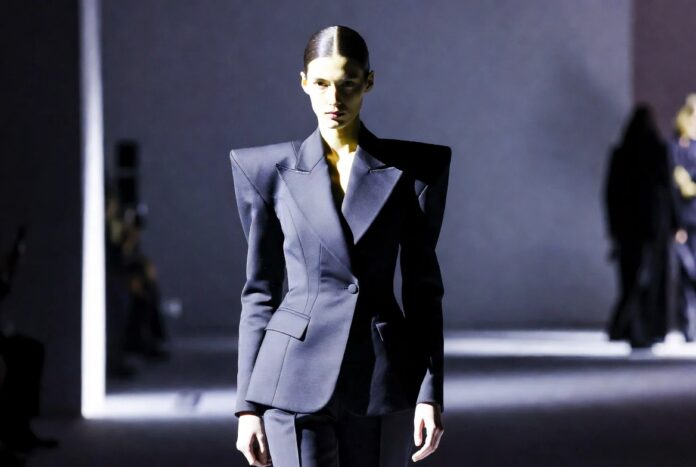
At Paris Fashion Week Fall 2026, the message arrived with unmistakable clarity: the power shoulder trend 2026 is no longer a reference—it is a directive. Across the runways, silhouettes expanded upward and outward, reclaiming space with intention. Rather than functioning as a secondary detail, shoulders became the architectural starting point of the look.

This shift carries weight. While recent seasons explored softness and fluidity, exaggerated shoulders Paris Fashion Week reintroduce form with precision. As a result, garments feel anchored, even when fabrics move freely. For Runway Magazine, this moment signals a recalibration—one that prioritizes structure without abandoning nuance.


Architectural Shoulders Across the Major Houses 🧠

The dominance of pfw 2026 shoulders becomes clear through the collections that shaped the conversation. At Balenciaga, volume pushed outward with deliberate force, extending beyond the natural frame. Consequently, silhouettes took on a sculptural quality that demanded attention.

In contrast, Saint Laurent refined the idea. The house maintained strong lines, yet introduced sharper tailoring, allowing the shoulder to guide rather than overwhelm. Meanwhile, under Demna at Gucci, the power shoulder trend 2026 evolved into something more fluid. Precision met experimentation, and structure coexisted with movement.

Taken together, these interpretations demonstrate flexibility. Although the executions differ, exaggerated shoulders Paris Fashion Week operate as a unifying framework across design languages.


The Shoulder as a Tool of Proportion 📐

Beyond visual impact, the power shoulder trend 2026 reshapes proportion. By widening the upper body, designers create a sharper waistline and elongate the silhouette. Consequently, the entire look feels more controlled, more deliberate.

This manipulation is not incidental. Instead, it reflects a calculated approach to construction. Architectural shoulders runway designs impose order onto garments that might otherwise appear fluid. Even when fabrics drape or shift, the shoulder maintains clarity.

For Runway Magazine, this signals a return to discipline. Rather than relying on styling alone, designers embed intention directly into the cut.


Power Dressing Recontextualized 📊

Historically, strong shoulders signaled corporate authority—rigid, uniform, and often detached from individuality. Today, however, fashion week power dressing has evolved. The power shoulder Paris 2026 silhouette exists alongside softness, creating contrast rather than uniformity.

At Saint Laurent, for example, structured jackets paired with fluid elements introduced balance. Similarly, other houses layered sheer fabrics beneath sharp tailoring, allowing strength and delicacy to coexist. As a result, the strong shoulders trend 2026 feels less prescriptive and more expressive.

This duality explains its relevance. While the silhouette projects confidence, it also accommodates movement and personality.


Cultural Context: Why Now? 🔍

The resurgence of exaggerated shoulders 2026 aligns with broader cultural patterns. In moments of uncertainty, fashion often turns toward structure. It offers clarity where ambiguity dominates.

At the same time, the fall 2026 silhouette trend reflects a desire for presence. Consumers increasingly seek garments that define space and communicate intention. Consequently, strong shoulders resonate beyond the runway.

Digital culture reinforces this shift. On-screen, bold silhouettes translate more effectively, holding attention within fast-moving visual environments. For that reason, many of the pfw 2026 highlights circulating online emphasize pronounced shoulders, amplifying their reach.


From Runway to Wardrobe ✂️

As the power shoulder trend 2026 moves into everyday dressing, its extremes will soften. However, the core idea will remain intact. Blazers will incorporate subtle padding, while coats will extend slightly beyond the natural shoulder line. In addition, knitwear may adopt structure through construction rather than inserts.

These adaptations ensure wearability. At the same time, they preserve the visual clarity that defines the trend. For consumers, the appeal lies in efficiency—a structured shoulder transforms an outfit without requiring extensive styling.

Therefore, the transition from runway to reality feels seamless. The concept remains strong, even as execution becomes more accessible.


A Defining Signature of Fall 2026

Among the many pfw fall trends, few achieve the precision of the power shoulder trend 2026. It operates across houses and aesthetics while maintaining a consistent message. Strength, in this context, is not exaggerated for effect—it is constructed with purpose.

Ultimately, for Runway Magazine, the return of the shoulder marks a shift back to form. Rather than relying on embellishment, designers shape identity through silhouette.

The result is unmistakable.

In Fall 2026, the silhouette leads—and it does so with authority.

Taylor Swift 2026 Lawsuit Over “The Life of a Showgirl” Album Pose

Taylor Swift 2026 Lawsuit Over “The Life of a Showgirl” Album Pose

Taylor Swift Faces Lawsuit Over “The Life of a Showgirl” Album Pose

A Legal Challenge Emerges at the Peak of Cultural Dominance ⚖️

At a moment when Taylor Swift continues to define the pace of global pop culture, a new legal dispute has entered the conversation. The Taylor Swift Showgirl lawsuit centers on the visual identity of her latest album, The Life of a Showgirl, and more specifically, the pose featured in its artwork.

A Las Vegas performer has filed a claim alleging that Swift’s album pose closely mirrors a signature movement from her long-standing stage act. According to the complaint, the resemblance is not incidental. Instead, it suggests direct appropriation of a stylized performance gesture developed over years.

The timing intensifies the scrutiny. As the album dominates charts and conversation, the Taylor Swift album pose copyright debate introduces friction into an otherwise controlled narrative of success. For Runway Magazine, the significance lies not only in the legal argument, but in what it reveals about authorship in a visually saturated era.


The Pose at the Center of the Dispute 🧠

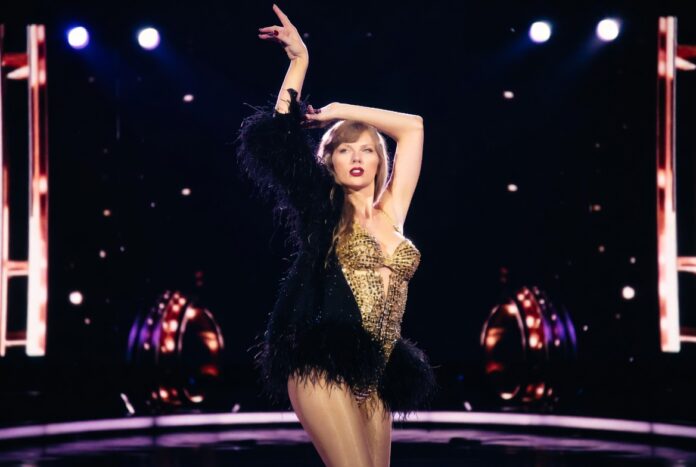
The contested image—already widely circulated across platforms—presents Swift in a theatrical stance that draws on classic showgirl iconography. Strong posture, deliberate arm placement, and a heightened sense of performance define the composition.

However, the plaintiff argues that this is not a generic reference. Instead, she claims the pose replicates a distinct configuration that has become synonymous with her own identity as a Las Vegas showgirl. In that context, the Taylor Swift Showgirl lawsuit raises a precise question: where does homage end and replication begin?

Visual language in performance often operates within shared traditions. Yet, individual performers frequently refine those traditions into recognizable signatures. Consequently, the legal challenge hinges on whether the pose qualifies as a protected expression or remains within the realm of public stylistic vocabulary.


Copyright, Choreography, and Image Ownership 📊

At its core, the Taylor Swift album pose copyright case intersects with a complex area of intellectual property law. While music and lyrics benefit from well-defined protections, physical gestures and poses occupy a more ambiguous space.

Choreography can be copyrighted under specific conditions. However, isolated poses—particularly those derived from broader performance traditions—are more difficult to protect. As a result, the outcome of the Taylor Swift copyright case 2026 may depend on how distinctly the plaintiff can demonstrate originality and ownership.

Entertainment lawyers have already begun weighing in. Some argue that the lawsuit faces structural challenges, given the historical lineage of showgirl performance. Others suggest that if the pose can be proven as uniquely identifiable, the claim may carry more weight than expected.

For Runway Magazine, this tension reflects a broader industry reality. As visual culture accelerates, the boundaries of authorship become increasingly difficult to define.


The Role of Image in Swift’s 2026 Era 🎤

The Taylor Swift new album lawsuit 2026 arrives during a period of extraordinary visibility. Swift’s current era extends beyond music into fashion, performance, and visual storytelling. Every image operates as part of a larger narrative system.

Because of this, the album artwork holds strategic importance. It shapes perception before a single note is heard. In the case of The Life of a Showgirl, the pose functions as a visual thesis—one that signals theatricality, transformation, and control.

Therefore, the Taylor Swift album artwork lawsuit does more than question a single image. It challenges the integrity of a carefully constructed aesthetic direction.


Public Reaction and Cultural Debate 📲

Unsurprisingly, the Taylor Swift showgirl pose controversy has ignited immediate response online. Fans, critics, and legal commentators have taken distinct positions, often reflecting broader attitudes toward celebrity influence.

On one side, supporters argue that showgirl imagery belongs to a shared cultural archive. From this perspective, Swift’s pose represents interpretation rather than imitation. On the other, advocates for the plaintiff emphasize the importance of recognizing individual creative labor, particularly within performance traditions that rely on physical expression.

This divide underscores the cultural stakes of the Taylor Swift lawsuit April 2026. It is not solely a legal matter. It is a debate about ownership in an age where visibility can amplify or obscure origin.


A Pattern of High-Stakes Legal Visibility 🔍

While the Taylor Swift legal battle 2026 unfolds, it also contributes to a larger pattern. Swift’s career has repeatedly intersected with questions of rights, control, and authorship—from music ownership disputes to broader industry negotiations.

Each case reinforces her position within a system where creative output carries both cultural and legal weight. The Taylor Swift sued showgirl narrative adds a new dimension, shifting the focus from sound to image.

For Runway Magazine, this evolution reflects a changing landscape. As artists expand into multidisciplinary storytelling, the scope of potential conflict expands with them.


What Comes Next

The outcome of the Taylor Swift 2026 lawsuit remains uncertain. Legal proceedings will determine whether the claim holds under scrutiny or dissolves within the broader context of performance tradition.

Regardless of resolution, the case has already achieved impact. It reframes how audiences interpret visual elements within music culture. It also signals that even seemingly simple gestures—a pose, a stance, a moment—can carry significant implications.

In the current era, nothing exists in isolation. Every image participates in a network of references, influences, and interpretations.

For Runway Magazine, the conclusion is measured. The Taylor Swift Showgirl lawsuit is not just about resemblance. It is about authorship in a world where visibility accelerates faster than attribution.

And as that world continues to evolve, the line between inspiration and ownership will only become more contested.

Hair Jewelry Runway 2026: Why Ornamentation Defines Fall

Hair Jewelry Runway 2026—Why Ornamentation Defines Fall

Hair Jewelry Takes Center Stage—Why Ornamentation Defines Fall 2026 Runway Beauty

A Return to Adornment ✨

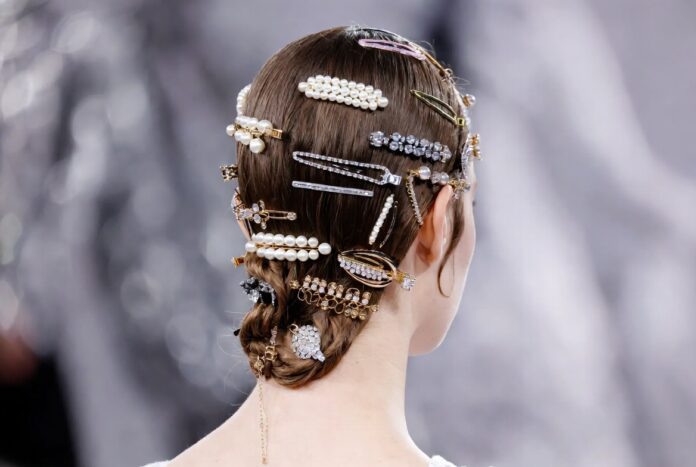
Across Fall 2026, one detail moved from accent to focal point: hair jewelry runway 2026. What once appeared as a subtle addition now anchors entire beauty directions. At Chanel, Dior, and Simone Rocha, designers treated hair not as a neutral frame, but as a surface for expression.

This shift matters. The rise of hair jewelry runway 2026 reflects a broader recalibration in how fashion approaches detail. Rather than layering complexity into garments alone, designers distribute visual weight across the entire look. Hair becomes part of the composition.

For Runway Magazine, the message is clear. Ornamentation has returned—but with precision. These are not decorative afterthoughts. They function as deliberate design elements that reshape how a look is read.

Within the first shows of the season, hair jewelry runway 2026 established itself as a defining visual language.


Ornamentation as Structure 🧠

The success of hair jewelry runway 2026 lies in its ability to transform simplicity into statement. A clean hairstyle—whether pulled back, parted, or left loose—becomes elevated through carefully placed adornment.

At Chanel, pearl clips introduced a sense of continuity with the house’s heritage, yet the placement felt modern. Rather than symmetrical styling, pieces appeared intentionally offset, creating movement within restraint.

At Dior, metallic elements—chains, pins, and sculptural accents—added a sharper edge. The effect balanced femininity with structure, aligning with the brand’s evolving approach to tailoring and form.

Meanwhile, Simone Rocha leaned into emotional texture. Her use of embellished headpieces and layered accessories pushed the ornamental hair trend into more expressive territory. Volume, shine, and irregular placement created a sense of intimacy rather than perfection.

Because of these variations, hair jewelry runway 2026 does not settle into a single aesthetic. It adapts across minimalism, romanticism, and structured design.


The Materials Defining the Trend 📊

The language of hair accessories Fall 2026 is rooted in material. Designers selected elements that reflect light, add dimension, and introduce contrast.

Pearls remain central. Their softness offsets sharper tailoring, creating visual balance. Crystal pins, by contrast, introduce precision. They catch light in controlled flashes, reinforcing structure rather than disrupting it.

Gold chains and metallic accents bring weight. They ground the look, preventing it from feeling overly delicate. In some cases, sculptural headpieces extend beyond the hairline, blurring the boundary between accessory and object.

These materials do more than decorate. They shape perception. Through them, hair jewelry runway 2026 becomes a study in proportion and texture.


Minimal Hair, Maximum Impact 📉

One of the most striking aspects of hair jewelry runway 2026 is how it interacts with restraint. Hairstyles themselves remain relatively simple—center parts, low buns, loose textures. The complexity shifts to the accessory.

This approach reflects a broader movement within fashion. Instead of layering multiple competing elements, designers isolate impact. A single clip, placed correctly, carries more weight than an elaborate hairstyle.

As a result, hair accessories Fall 2026 align with the season’s emphasis on clarity. Tailoring stays sharp. Silhouettes remain controlled. Ornamentation introduces personality without disrupting the overall structure.

For Runway Magazine, this balance defines the success of the trend. It allows expression without excess.


From Runway to Cultural Signal 📲

The transition of hair jewelry runway 2026 into digital culture has been immediate. On TikTok and Instagram, creators have begun reinterpreting the look through accessible formats.

Pearl pins appear in everyday styling. Metallic clips frame casual hairstyles. Even minimal additions—one or two pieces—carry the essence of the trend.

This accessibility drives its momentum. Unlike complex beauty techniques, hair jewelry runway 2026 requires minimal technical skill. Placement becomes the defining factor.

At the same time, Gen Z’s preference for personalization reinforces its appeal. Accessories allow individuality without requiring permanent change. Hair remains flexible, adaptable, and expressive.


The Evolution of Expressive Hair 🔍

The rise of hair jewelry runway 2026 signals a deeper cultural shift. Hair is no longer treated as static. It becomes a medium—one that can be adjusted, reinterpreted, and personalized daily.

This perspective aligns with broader changes in fashion consumption. Consumers seek versatility. They want the ability to shift identity without committing to a single look.

Hair jewelry answers that need. It offers transformation without permanence. It introduces narrative without altering structure.

For designers, this opens new possibilities. Accessories extend the life of a collection beyond garments, creating additional points of engagement.


Craftsmanship and the Return of Detail

Another dimension of hair jewelry runway 2026 lies in craftsmanship. Many of the pieces seen on the runway reflect careful construction—hand-set stones, sculpted metals, and intricate detailing.

This emphasis reconnects beauty with the tradition of luxury. In an era dominated by speed and accessibility, craftsmanship reasserts value.

At Chanel and Dior, this connection feels especially deliberate. The accessories echo the houses’ heritage, translating it into contemporary form. Simone Rocha, by contrast, pushes craftsmanship into more experimental territory, blending delicacy with irregularity.

Together, these approaches reinforce the idea that hair accessories Fall 2026 operate within the same design hierarchy as clothing and jewelry.


A Defining Direction for Fall 2026

As the season progresses, the influence of hair jewelry runway 2026 will expand. Beauty editors have already identified it as one of the most significant accessory movements of the year.

Its strength lies in adaptability. It moves across aesthetics, price points, and personal styles without losing identity. Whether minimal or elaborate, it maintains impact.

For Runway Magazine, the conclusion is direct. Hair jewelry is not a passing trend. It represents a shift in how fashion approaches detail, expression, and individuality.

Fall 2026 does not ask hair to remain neutral. It invites it to participate.

And in that invitation, ornamentation becomes essential.

Zendaya Addresses Marriage Rumors Without Confirmation

Zendaya Addresses Marriage Rumors Without Confirmation

Zendaya Addresses Marriage Rumors Without Confirmation, Redefining Celebrity Privacy in 2026

A Carefully Measured Response ✨

In a media cycle driven by immediacy, Zendaya has chosen restraint. When asked directly about the ongoing speculation surrounding her relationship with Tom Holland, she neither confirmed nor denied the narrative. Instead, she reframed it.

The conversation around Zendaya Tom Holland marriage has intensified in recent weeks, particularly following public comments from Law Roach suggesting the couple may have already tied the knot. Yet Zendaya’s response avoids escalation. She acknowledges the attention, then redirects focus toward privacy.

This approach feels intentional. At a time when celebrity relationships often unfold in real time, her refusal to clarify introduces distance. For Runway Magazine, that decision carries weight. It signals control—not over the rumor, but over the narrative surrounding it.


Silence as Strategy 🧠

The persistence of Zendaya wedding rumors 2026 reflects the couple’s unique position within contemporary culture. Their relationship exists at the intersection of film, fashion, and global fandom. Every appearance, every absence, invites interpretation.

However, Zendaya’s response disrupts that cycle. By declining to confirm whether she and Holland are married, she removes the expected resolution. The speculation continues, but it lacks closure.

This is not avoidance. It is strategy. In doing so, she redefines how public figures engage with personal questions. The Zendaya refuses to confirm marriage narrative becomes less about uncertainty and more about boundaries.


The Role of Public Commentary 📊

Law Roach’s remarks added a new layer to the discussion. As a trusted collaborator and stylist, his voice carries authority within fashion and celebrity circles. Consequently, his suggestion that the couple had married amplified the Zendaya Tom Holland wedding conversation almost instantly.

Yet, Zendaya’s measured response creates contrast. Where external commentary invites clarity, she introduces ambiguity. This tension fuels ongoing interest while preserving personal space.

For Runway Magazine, the dynamic reveals a broader shift. Celebrity narratives no longer belong solely to the individuals involved. They are shaped by collaborators, audiences, and digital platforms simultaneously.


A Relationship Defined by Privacy 🔍

Since the beginning, Zendaya Tom Holland relationship 2026 coverage has followed a distinct pattern. Public appearances remain selective. Personal details emerge sparingly. Even at the height of attention, the couple maintains a controlled presence.

That consistency reinforces credibility. When Zendaya speaks, even indirectly, her words carry significance precisely because they are rare. The current Zendaya marriage update 2026 reflects that balance—acknowledgment without disclosure.

In an environment where oversharing often defines visibility, this restraint feels deliberate. It positions privacy not as absence, but as a form of authorship.


Fan Culture and the Demand for Certainty 📲

The reaction to the Zendaya and Tom Holland rumors underscores the intensity of fan engagement. Online communities track details with precision, building narratives from fragments—photos, interviews, offhand remarks.

As a result, the lack of confirmation does not diminish interest. It amplifies it. The Zendaya Holland marriage rumors April 2026 continue to circulate precisely because they remain unresolved.

This dynamic reflects a broader cultural pattern. Audiences expect access, yet they are drawn to what remains withheld. Zendaya’s response navigates that tension, allowing speculation without feeding it directly.


Redefining Modern Celebrity Relationships

The Zendaya Tom Holland private life conversation extends beyond a single rumor. It speaks to how contemporary relationships are negotiated in public view. Visibility no longer requires full transparency. Instead, it operates through selective revelation.

Zendaya and Holland exemplify this model. They participate in public life—film premieres, fashion events, global campaigns—while maintaining a clear boundary around personal milestones.

For Runway Magazine, this approach signals evolution. The modern celebrity couple does not simply exist within the spotlight. They shape how much of that spotlight reaches them.


The Power of Ambiguity ✂️

Ambiguity, in this context, becomes a tool. By neither confirming nor denying the Zendaya Tom Holland marriage, Zendaya retains control over timing, narrative, and meaning.

This decision also shifts attention. Rather than focusing solely on the relationship’s status, the conversation expands to include questions of privacy, authorship, and media expectation.

In that sense, the Zendaya wedding speculation functions as both headline and case study.


A Defining Moment in 2026 Celebrity Culture

As the Zendaya Tom Holland latest news continues to evolve, one point remains clear. The absence of confirmation does not weaken the story. It strengthens it.

For Runway Magazine, the significance lies in method. Zendaya’s response does not attempt to resolve the rumor. It reframes it. She acknowledges public curiosity while asserting personal boundaries—a balance that feels increasingly rare.

In 2026, where visibility often demands immediacy, choosing not to answer becomes its own form of authority.

And in that choice, Zendaya defines the terms.

Ming Lee Simmons Graces Runway Magazine Spring 2026 Cover

Runway Magazine Spring 2026 Ming Lee Simmons cover

Runway Magazine Spring 2026 — World Issue No. 63 Is Here

Ming Lee Simmons Commands the Cover of the Most Anticipated Issue of the Year

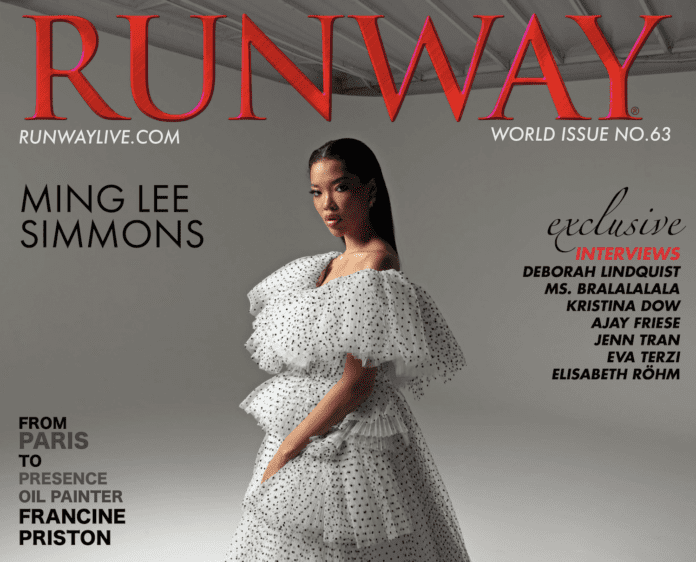
Runway Magazine’s Spring 2026 issue has officially arrived, and it opens with a powerful statement. Ming Lee Simmons graces the cover of World Issue No. 63 in a breathtaking white polka-dot off-shoulder ball gown with dramatic sweeping ruffled tiers.

This is classic Runway — original commissioned photography that has defined the magazine since 1989. The imagery belongs to no brand PR department and exists nowhere else. The issue is available now, completely free worldwide at runwaylive.com.

Ming Lee Simmons – Cover Story

Ming Lee Simmons, daughter of Russell Simmons and Kimora Lee Simmons, has carved her own independent path in fashion and culture. However, this Spring 2026 cover captures her in full editorial form — poised, commanding, and dressed in a sculptural gown that perfectly reflects the season’s aesthetic of volume with restraint and romance with precision. Ming Lee Simmons Graces Runway Magazine; it’s so good it’s religious. 

The cover remains pure Runway: Hollywood-rooted, independently produced, and uncompromising in its vision.

Exclusive Interviews You Won’t Find Anywhere Else

World Issue No. 63 delivers exclusive conversations across fashion, entertainment, art, and culture. In addition, this issue features in-depth interviews with:

  • Deborah Lindquist — The sustainable luxury designer discussing the future of responsible fashion.
  • Ms. Bralalalalala — The boundary-breaking creative exploring identity and intentional dressing in 2026.
  • Kristina Dow — An emerging voice in modern design gaining rapid recognition on both coasts.
  • Ajay Friese — The multidisciplinary talent bringing fresh perspective to style and visual storytelling.
  • Jenn Tran — One of the most talked-about personalities opening up about personal style and cultural identity.
  • Eva Terzi — The international creative moving fluidly between fashion and fine art.
  • Elisabeth Röhm — The celebrated actress and advocate sharing insights on fashion, power, and personal evolution.
Francine Priston: From Paris to Presence

One of the most compelling features in this issue is the extended profile and photo spread on world-famous oil painter Francine Priston. Moreover, Runway Magazine goes deep inside her world — exploring her canvases, creative process, and vision as one of today’s most significant figurative painters.

Photo Spreads: Paris, New York, and Hollywood

Spring 2026 comes alive across three iconic cities that form the heart of Runway Magazine’s identity. First, the Paris spreads capture couture energy that is sculptural, restrained, and technically precise. Next, New York delivers commercial vitality and unmistakable street-level energy. Finally, Hollywood showcases the celebrity cultural power that has made Runway covers iconic for over three decades.

These are original editorial images — produced, commissioned, and published exclusively by Runway Magazine.

The Designers, The Couture, The Coverage

World Issue No. 63 continues Runway’s 35-year tradition of delivering authoritative coverage of the season’s most important collections. Ultimately, this issue documents every significant silhouette and cultural moment that will shape how the world dresses in 2026.

Get World Issue No. 63 Now

Read the full issue for free at runwaylive.com — no paywall, no subscription required. Print edition available at magcloud.com/user/runway.

Follow Runway Magazine: @runway on X • @runwaytv on Instagram • @RunwayTV on YouTube • @runwaymedia on TikTok.

Runway Magazine. Founded Hollywood, California, 1989. RUNWAY® Reg. No. 4,449,667. The original. World Issue No. 63 — Spring 2026.

Read to find out more on how Ming Lee Simmons Graces Runway Magazine!

Do you @RUNWAY?

Pharrell Williams Redefines Louis Vuitton Menswear

Pharrell Williams Redefines Louis Vuitton Menswear

Pharrell Williams Redefines Louis Vuitton Menswear with a Confident Second Chapter in Paris

A Collection That Moves with Intent ✨

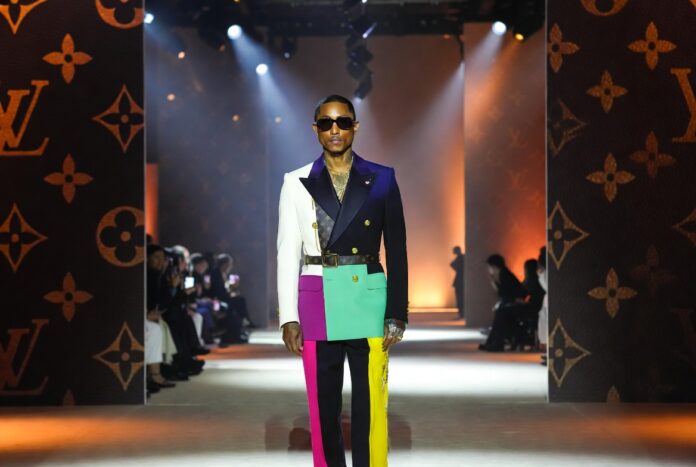
At Paris Fashion Week, Pharrell Williams presented his second full menswear collection for Louis Vuitton with a clarity that felt both assured and deliberate. If his debut established the framework, Fall 2026 sharpens it.

Within the first moments of the show, the direction became evident. This was not an exercise in proving relevance. Instead, it functioned as a continuation—one that refined the dialogue between street culture and luxury craftsmanship without diluting either.

For Runway Magazine, the significance lies in control. Pharrell no longer introduces his vision to Louis Vuitton; he operates within it, expanding its language with precision. The result is a collection that answers the ongoing question surrounding modern menswear: how does luxury evolve without losing authority?

The answer, here, is balance.


Tailoring Reimagined Through a Street Lens 🧠

The backbone of the collection rests in tailoring. However, these are not traditional constructions. Pharrell approaches tailoring as a flexible system, allowing structure to coexist with movement.

Silhouettes hold shape, yet they avoid rigidity. Jackets appear sharply defined, while trousers introduce ease through proportion. This tension creates a rhythm that feels contemporary rather than nostalgic.

At the same time, the influence of streetwear remains visible—not as surface styling, but as an underlying philosophy. Garments respond to how they will be worn, not just how they appear on the runway.

Because of this, the collection avoids contradiction. It does not merge two opposing worlds; it reframes them as part of the same system.


Color as a Strategic Tool 🎨

Pharrell’s use of color signals confidence. Bold color blocking appears throughout the collection, yet it never overwhelms the construction. Instead, it emphasizes it.

Certain looks rely on contrast—deep tones placed against sharper hues—to define silhouette. Others operate within a more restrained palette, allowing texture and cut to take precedence.

This variation prevents visual fatigue. It also reinforces the collection’s adaptability. Pieces feel designed to exist beyond the runway, moving seamlessly into editorial and retail environments.

In this sense, color functions not as decoration, but as structure.


Global References Without Fragmentation 🌍

Pharrell’s work at Louis Vuitton continues to draw from global influences. However, in Fall 2026, these references feel more integrated than before.

Rather than presenting distinct cultural moments, the collection builds a continuous narrative. Textiles, patterns, and accessories suggest movement across geographies without isolating any single point of origin.

This approach aligns with the identity of Louis Vuitton itself—a house built on travel, exchange, and cultural intersection. Pharrell taps into that legacy, translating it into contemporary menswear.

As a result, the collection feels expansive without becoming diffuse.


Accessories as Narrative Extensions 👜

Accessories play a critical role in reinforcing the collection’s identity. Bags, in particular, extend the dialogue between utility and luxury.

Structured leather pieces sit alongside more relaxed forms, reflecting the same balance found in the garments. Hardware remains refined, while proportions shift to accommodate modern usage.

These details matter. At Louis Vuitton, accessories often carry the commercial weight of a collection. Pharrell approaches them with that understanding, ensuring they resonate both visually and practically.

The outcome is a cohesive system where clothing and accessories operate in tandem.


Commercial Clarity Meets Creative Direction 📊

The response from buyers and editors underscores the collection’s dual strength. It delivers creative ambition without sacrificing commercial clarity—a balance that defines successful modern luxury.

Retail viability appears built into the design process. Pieces translate easily from runway to wardrobe, maintaining their identity without requiring reinterpretation.

At the same time, the collection retains enough conceptual depth to sustain editorial interest. This duality positions it effectively within the current fashion landscape, where visibility and wearability must coexist.

For Runway Magazine, this represents a critical evolution. Pharrell’s work no longer invites skepticism about its place within luxury. It asserts it.


Louis Vuitton’s Menswear Identity, Rewritten 🔍

Pharrell’s second collection confirms a broader transformation within Louis Vuitton menswear. The house no longer defines itself through a single aesthetic direction. Instead, it operates through a flexible framework—one that accommodates variation while maintaining coherence.

This shift reflects a larger industry movement. Menswear increasingly resists rigid categorization, favoring hybridity over hierarchy. Pharrell embraces this reality, shaping Louis Vuitton into a platform rather than a fixed identity.

The success of this approach lies in its consistency. While individual elements evolve, the underlying philosophy remains intact.


A Defining Moment in Paris Fashion Week

Among the many presentations at Paris Fashion Week Fall 2026, this collection stands out not for spectacle, but for resolution. It answers questions raised by Pharrell’s debut and establishes a clearer path forward.

The conversation surrounding “Pharrell Louis Vuitton Fall 2026” extends beyond trend analysis. It centers on authorship—on how a designer with a multidisciplinary background reshapes one of fashion’s most established houses.

Here, that authorship feels secure.


The Future of Luxury Streetwear

The phrase “luxury streetwear” often risks dilution through overuse. In this collection, it regains specificity. Pharrell defines it not as a style, but as a method—one that integrates cultural awareness, technical precision, and commercial understanding.

For Runway Magazine, the importance of this moment lies in its clarity. The second Louis Vuitton collection does not rely on novelty. It builds on foundation, refining it with each decision.

As the industry moves forward, this approach may prove more sustainable than constant reinvention. Evolution, rather than disruption, becomes the guiding principle.

Pharrell Williams has not simply contributed to Louis Vuitton menswear. He has recalibrated its trajectory—and in doing so, redefined how luxury engages with the present.


Matilde Lucidi Commands Milan Fashion Week as Fall 2026

Matilde Lucidi Commands Milan Fashion Week as Fall 2026

Matilde Lucidi Commands Milan Fashion Week as Fall 2026’s Defining New Face

A Breakout Rooted in Precision 🇮🇹

Milan rarely delivers a unanimous breakout. This season, however, a single name carried across castings with unusual consistency. Matilde Lucidi emerged as the most booked new face of Fall 2026, building momentum steadily rather than relying on a single defining moment.

For Runway Magazine, her ascent reflects a broader recalibration in how the industry identifies new talent. Instead of chasing novelty, casting directors increasingly prioritize control, adaptability, and sustained presence. Lucidi met that standard early in the week—and then reinforced it with each subsequent appearance.

As the schedule progressed, her visibility did not plateau. Instead, it expanded, placing her firmly at the center of Milan’s evolving narrative.

Range Across the Houses 🧠

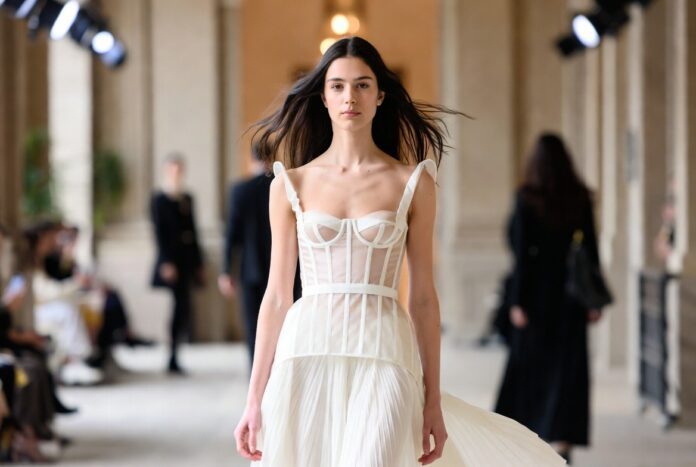
Lucidi’s bookings traced the full spectrum of Milan’s identity. She moved from Prada to Versace and Fendi, adapting her presence with notable precision at each stop.

At Prada, she maintained a restrained, intellectual pace. By contrast, at Versace, she sharpened her delivery, allowing the energy of the collection to come forward. At Fendi, she recalibrated once again, emphasizing structure and clarity.

Because of these shifts, her runway work never felt repetitive. Instead, each appearance responded directly to the designer’s intent while maintaining a coherent identity.

The Look That Travels 📊

Lucidi’s appeal lies in balance. Her ethereal features create immediate recognition, yet her grounded walk prevents the image from feeling fragile. As a result, designers can project multiple narratives onto her without losing consistency.

This flexibility explains the volume of her bookings. Rather than fitting into a single aesthetic, she moves across them. Consequently, her presence becomes an asset across both established houses and emerging designers.

Industry recognition has followed quickly. Models.com has already elevated her within its new faces rankings for 2026, reflecting a rise that unfolded in real time.

Milan’s Shift Toward New Authority 📉

At the same time, Milan itself has shifted. The Fall 2026 season leaned heavily into emerging talent, creating space for new faces to define the week rather than simply support it.

Within that context, Lucidi’s dominance feels aligned rather than accidental. Italian models, in particular, have gained renewed visibility, and she stands at the forefront of that movement. Her success underscores a growing emphasis on local talent with global adaptability.

For Runway Magazine, this signals a meaningful transition. Breakout status now depends less on singular visibility and more on sustained performance across an entire circuit.

A Trajectory Built for Longevity 🔍

Looking ahead, Lucidi’s trajectory suggests continuity rather than a brief surge. She has already demonstrated the ability to navigate multiple houses, adjust her presence, and maintain consistency under pressure.

What follows will depend on how that momentum translates into campaigns and editorial work. Still, the foundation is firmly established.

Matilde Lucidi does not exit Milan as a promising newcomer. Instead, she leaves as a model with direction—one whose presence has already begun to define the season itself.

BTS 13th anniversary: A New Era

BTS 13th anniversary - A New Era

BTS Signals a New Era as ARMY Marks the Group’s 13th Anniversary

A Milestone That Moves Forward 💜

At 13 years, BTS does not pause to look back—it sets direction. For Runway Magazine, this anniversary reads less like a celebration of longevity and more like a controlled shift into a new phase of global influence.

The group addressed ARMY directly, delivering a message that balanced emotion with intent. At the same time, fans mobilized instantly. Across X and TikTok, coordinated campaigns pushed the moment into worldwide trending cycles within hours. The BTS 13th anniversary did not unfold quietly; it expanded in real time.

A Comeback Taking Shape 🧠

More importantly, BTS confirmed that they are actively preparing new music together. That statement shifts the conversation immediately. It moves speculation into certainty and places a BTS new album for 2026 firmly within reach.

The group did not rely on vague hints. Instead, they released previously unseen footage, reinforcing that work is already underway. As a result, anticipation now operates on a timeline rather than possibility.

This distinction matters. A full-group return restores the dynamic that defines BTS at its core—synchronization across sound, image, and narrative. Individual projects have sustained visibility, but collective activity drives cultural impact at scale.

ARMY as an Engine of Visibility 📲

At the same time, ARMY continues to function as a global force with remarkable precision. Fans did not simply react; they organized. Hashtags trended across regions, fan projects launched simultaneously, and digital content circulated at a pace that extended the anniversary far beyond a single day.

Because of this, the BTS ARMY celebration became both tribute and amplification. The audience shaped the narrative as much as the artists themselves. That reciprocal dynamic remains central to BTS’s position in the industry.

Strategic Signals from Big Hit 📈

Meanwhile, Big Hit Music framed the moment with careful intent. The label pointed to 2026–2027 as a defining window for the group, signaling new releases and suggesting the possibility of future tour dates.

That approach creates continuity. Instead of isolating the anniversary as a single event, Big Hit extends it into a longer cycle of engagement. Consequently, interest does not peak and fade—it builds.

The mention of a potential BTS tour in 2027 adds another layer. Live performance has always anchored the group’s global reach, so even the suggestion of a return to the stage intensifies attention.

The Power of Collective Return 🔍

Ultimately, this anniversary marks a reactivation of BTS as a unified force. The group’s identity has always depended on cohesion—distinct voices moving within a shared structure. Now, that structure begins to take shape again.

For Runway Magazine, the significance lies in timing. BTS re-enters the global conversation not as a legacy act, but as an active, evolving presence. The infrastructure—fans, platforms, and industry alignment—remains fully intact.

The message is clear, even without excess detail. BTS is preparing its next chapter, and the response suggests that the world is already aligned to receive it.

Bella Hadid Returns to the Runway at Saint Laurent Fall 2026

Bella Hadid Returns to the Runway at Saint Laurent Fall 2026

Bella Hadid Returns to the Runway at Saint Laurent Fall 2026—On Her Own Terms

A Closing Moment That Reframed the Season ✨

The final look at Saint Laurent Fall 2026 carried an unexpected weight. When Bella Hadid stepped onto the runway, the show shifted instantly—from presentation to moment.

For Runway Magazine, this was not simply a casting decision. It was a controlled re-entry. After more than a year away from major runway appearances, Hadid returned without preamble, closing the show with a presence that felt both familiar and recalibrated.

The audience responded in kind. Applause rose before she reached the midpoint of the runway, building into a standing ovation that extended beyond the final turn. In a season defined by strong debuts and new faces, this was a reminder of what established presence can still command.

Precision Over Spectacle 🧠

The look itself stayed within Saint Laurent’s established vocabulary—sharp tailoring, narrow lines, and a disciplined silhouette—but it carried a modern tension. The styling avoided excess. Instead, it relied on structure and proportion to create impact.

Hadid met that restraint with equal control. Her walk did not push for emphasis. It held pace, maintained focus, and allowed the garment to register without distraction. That balance defines her strongest runway work. She does not perform around the clothes; she aligns with them.

Because of this, the moment avoided nostalgia. It felt current, even as it acknowledged her absence.

The Timing of a Comeback 📊

Hadid’s return arrives after a period in which she stepped back from the runway to focus on health and personal projects. That context shaped the reaction. The industry did not treat her appearance as routine—it recognized it as intentional.

Across Instagram and TikTok, the show circulated immediately. Clips of the closing look moved through fashion channels and mainstream feeds at equal speed, placing her return among the most discussed moments of Paris Fashion Week.

The phrase “Bella Hadid runway return 2026” began trending within hours. That level of response underscores a broader truth. Visibility in fashion does not depend solely on frequency; it depends on timing.

Saint Laurent’s Strategic Casting 🔍

For Saint Laurent, the decision to position Hadid as the closing look carried precision. Closing a show defines its final narrative. It shapes how the collection is remembered once the lights fade.

By placing Hadid in that role, the house anchored its Fall 2026 collection in a moment that extended beyond design. It connected the clothes to a broader cultural signal—return, control, and renewed presence.

This approach reflects a wider shift in casting strategy. Designers increasingly balance emerging talent with figures who carry established recognition, creating contrast within the same show. Hadid’s appearance functioned as the point of convergence.

A Return That Signals Continuity

What matters now is not whether Bella Hadid will continue to appear—she will—but how selectively she chooses to do so. Her return at Saint Laurent suggests a recalibrated approach to visibility, one that prioritizes impact over repetition.

For Runway Magazine, the significance lies in restraint. Hadid did not re-enter the runway circuit gradually. She chose a moment, a house, and a position within the show that allowed her presence to resonate fully.

Paris Fashion Week has seen many strong seasons. Few deliver a closing moment that reframes the conversation. This one did—quietly, precisely, and without excess.