AI Skincare Devices Go Mainstream

AI Skincare Devices Go Mainstream

AI Skincare Devices Go Mainstream as Personalized Beauty Tech Disrupts Dermatology and At-Home Routines


In living rooms and bathrooms across the world, a subtle but profound change has taken hold. The once-futuristic idea of an at-home device that scans your face, measures hydration levels, detects emerging wrinkles, and instantly recommends a custom serum has become ordinary. AI skincare devices no longer feel like prototypes from a tech expo; they sit on vanities beside cleansers and moisturizers, quietly reshaping how people approach their skin.

CES 2026 Beauty Tech: Best AI Skin & Hair Devices – Los Angeles Times

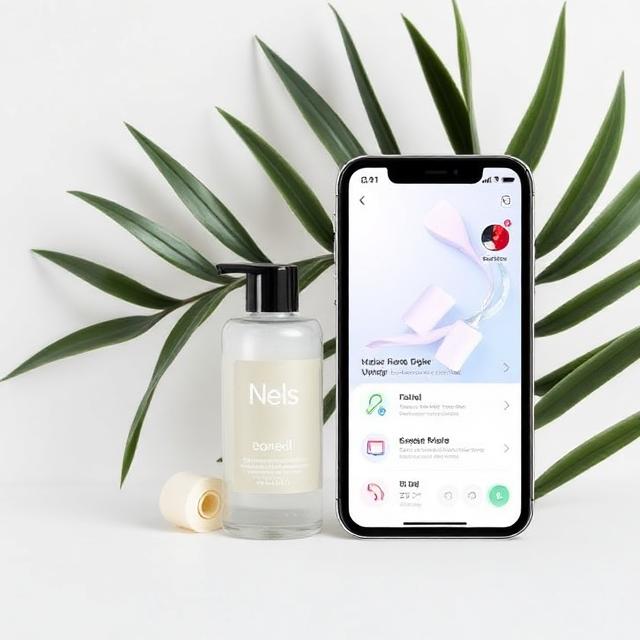
The shift accelerated noticeably in early 2026. CES showcased flexible LED masks, sensor patches, and camera-based mirrors that analyze pores, redness, pigmentation, and texture in real time. Consumers responded with enthusiasm, drawn to the promise of moving beyond guesswork. Instead of cycling through products hoping for results, they now receive data-backed guidance tailored to their unique skin profile. This beauty tech revolution has blurred the line between consumer gadget and clinical tool, challenging traditional dermatology while empowering at-home routines.

What distinguishes the current wave is its accessibility. Earlier devices often felt clinical or overly complex. Today’s tools integrate seamlessly with smartphones and apps, delivering insights that feel intuitive rather than intimidating. The result is a growing preference for personalized, data-driven skincare over the old trial-and-error model.

The Moment Beauty Tech Crossed into Everyday Life

For years, beauty technology hovered at the edges of mainstream adoption—promising much but delivering mainly to early adopters willing to tolerate clunky interfaces or high costs. That changed as AI capabilities improved and hardware became more refined. Handheld scanners and smart mirrors now provide instant feedback on skin hydration, barrier strength, and signs of aging with accuracy that rivals professional assessments.

The appeal lies in immediacy and personalization. A quick scan in the morning can reveal overnight changes caused by sleep, diet, or environment, then suggest adjustments to the day’s routine. Apps translate raw data into actionable steps: a serum with specific antioxidants for detected oxidative stress, or a richer cream when dehydration spikes. This level of responsiveness has made personalized skincare technology feel less like science fiction and more like a helpful daily companion.

How AI Skin Analysis Actually Works

At its core, modern AI skincare relies on computer vision and deep-learning models trained on vast datasets of facial images, dermatological annotations, and clinical outcomes. A user snaps a well-lit selfie or holds a device to their face. The system maps key areas—forehead, cheeks, under-eye zones—then evaluates multiple parameters: texture, tone uniformity, pore visibility, redness, and fine lines.

Advanced versions incorporate environmental data or user-inputted lifestyle factors to refine predictions. Some devices even track changes over time, creating a longitudinal view of skin health. The output is rarely overwhelming; instead, it offers clear scores or visualizations alongside product suggestions calibrated to the user’s current inventory or preferences.

This technology draws from the same principles used in medical imaging, yet it has been adapted for consumer safety and ease. Accuracy has improved dramatically, though experts still emphasize that these tools complement—not replace—professional care for serious concerns.
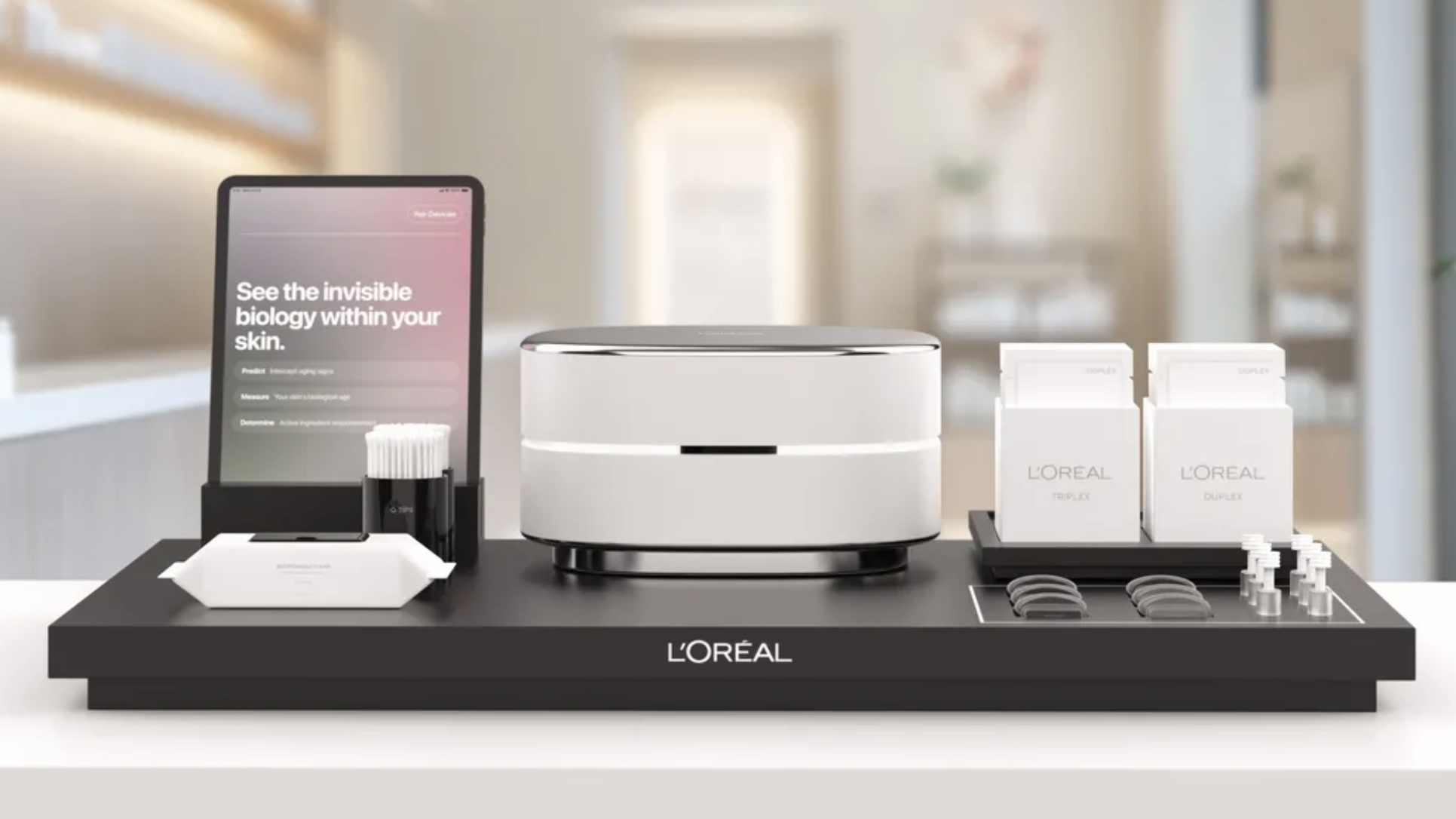
L’Oréal’s scientific skin analysis system determined my skin’s biological age in minutes — here’s why it’s my favorite innovation at CES 2025 | Tom’s Guide

L’Oréal and the Rise of Accessible Diagnostics

L’Oréal has been a driving force in making AI skincare approachable. Its Skin Genius tool, for instance, uses a smartphone camera to deliver a detailed skin analysis by comparing the user’s selfie against a database of clinically graded faces across ages, ethnicities, and skin types. The system identifies strengths and priorities—such as firmness or hydration—then recommends routines from the brand’s portfolio.

More recent innovations include flexible LED devices and integrated analysis platforms shown at CES 2026. These tools combine light therapy with diagnostic feedback, allowing users to treat concerns while monitoring progress. The company’s approach reflects a broader industry pattern: leveraging proprietary data and AI to bridge the gap between lab research and daily beauty rituals.

Other players have followed suit. Partnerships between cosmetics giants and tech firms have produced smart mirrors that assess skin condition and link directly to personalized recommendations. The result is an ecosystem where analysis, selection, and even formulation begin to feel interconnected.

Smart Mirrors, Scanners, and the Data-Driven Vanity

The hardware itself has evolved. Slim, elegant devices now blend into modern bathrooms. A smart mirror might overlay real-time insights onto your reflection, highlighting areas of concern while suggesting gentle adjustments. Handheld scanners offer portability for travel or targeted spot checks.

These smart skincare mirror trends and at home facial analysis device options prioritize user experience. Interfaces avoid jargon, focusing instead on visual cues and straightforward advice. Many connect to apps that store historical data, helping users see patterns—how pollution levels affect their skin, or how consistent use of a recommended product improves hydration scores.

The aesthetic shift matters. Beauty tech no longer screams “gadget.” It presents as refined, almost luxurious, aligning with the desire for routines that feel intentional rather than mechanical.
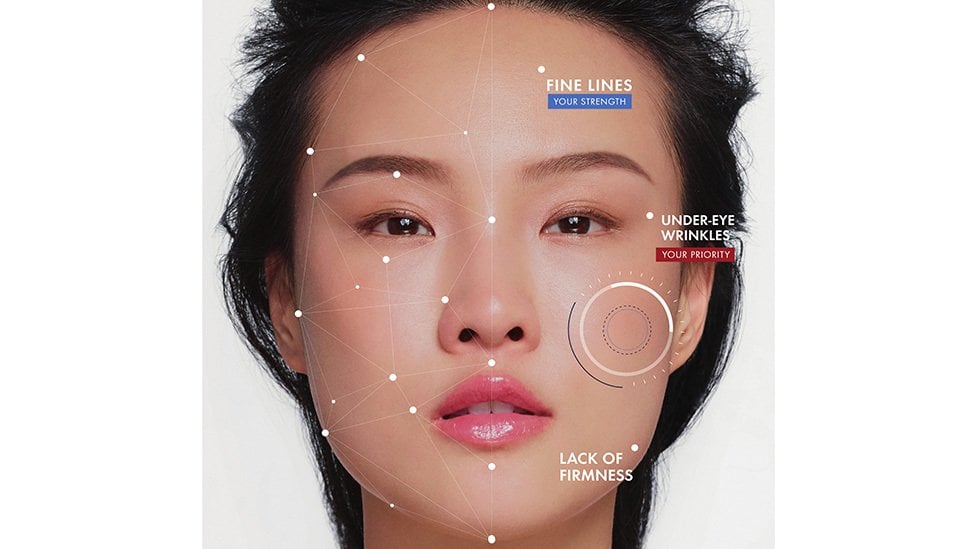
L’Oréal and ModiFace: An Artificial Intelligence-powered Skin Diagnostic

From Trial-and-Error to Precision Recommendations

Perhaps the most significant disruption is psychological. For decades, skincare involved purchasing products based on marketing claims or friend recommendations, then waiting weeks to judge efficacy. AI tools compress that timeline. A scan can flag dehydration before it manifests as tightness or dullness, prompting preemptive hydration steps.

AI powered serum recommendation features go further, sometimes suggesting custom blends or concentrations suited to the day’s conditions. Early users report higher satisfaction and less product waste—knowing exactly what their skin needs reduces the urge to accumulate unused bottles.

This precision has particularly resonated with younger consumers accustomed to data in other life areas, from fitness trackers to sleep apps. Yet it also appeals to those tired of overwhelming choice in crowded beauty aisles.

Dermatology’s Quiet Integration of AI Tools

Clinics have begun incorporating similar technology, not as replacement but as enhancement. AI can speed initial assessments, flag subtle changes for closer review, or help track treatment outcomes with objective metrics. Some dermatologists use consumer-grade devices to maintain continuity between office visits and home care.

The integration remains measured. Professionals stress that while AI excels at pattern recognition and broad analysis, nuanced diagnosis—especially for conditions like rosacea, eczema, or suspicious lesions—still requires human expertise. The ideal future appears collaborative: technology handles routine monitoring, freeing practitioners for complex cases.

What the Shift Means for Consumers and the Industry

As AI skincare devices enter the mainstream, the beauty landscape is recalibrating. Brands must prove not only efficacy but also transparency in how their algorithms work and what data they collect. Consumers gain agency through information, yet they also face new questions about privacy, over-reliance on metrics, and the risk of chasing perfect scores at the expense of skin’s natural resilience.

The long-term promise is compelling: fewer reactions from mismatched products, more consistent results, and routines that evolve with life stages or seasonal changes. High-tech skincare no longer feels like an indulgence reserved for the wealthy or tech-obsessed; it is becoming a practical extension of self-care.

In the end, the real disruption may be philosophical. Skin health is moving from mystery to measurable reality, guided by data yet still grounded in the human experience of touch, routine, and reflection. As these tools mature, they invite a more thoughtful relationship with our largest organ—one informed by science, tempered by wisdom, and centered on what truly serves the individual.
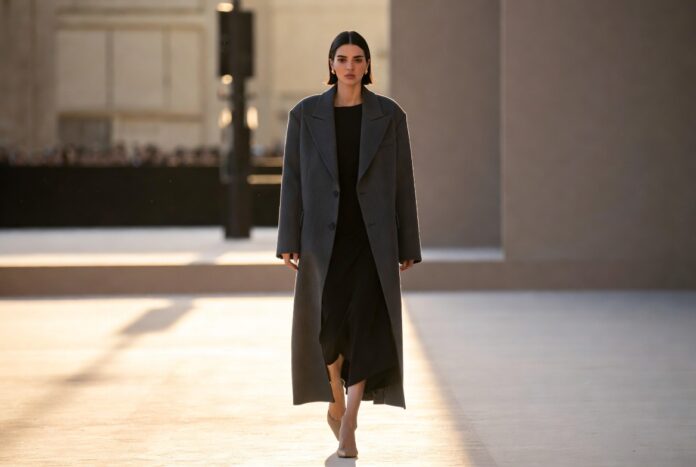
 

Kendall Jenner Runway Style Sets the Tone for Minimalist

Kendall Jenner Runway Style Sets the Tone for Minimalist

Kendall Jenner Runway Style Sets the Tone for Minimalist Fashion 2026

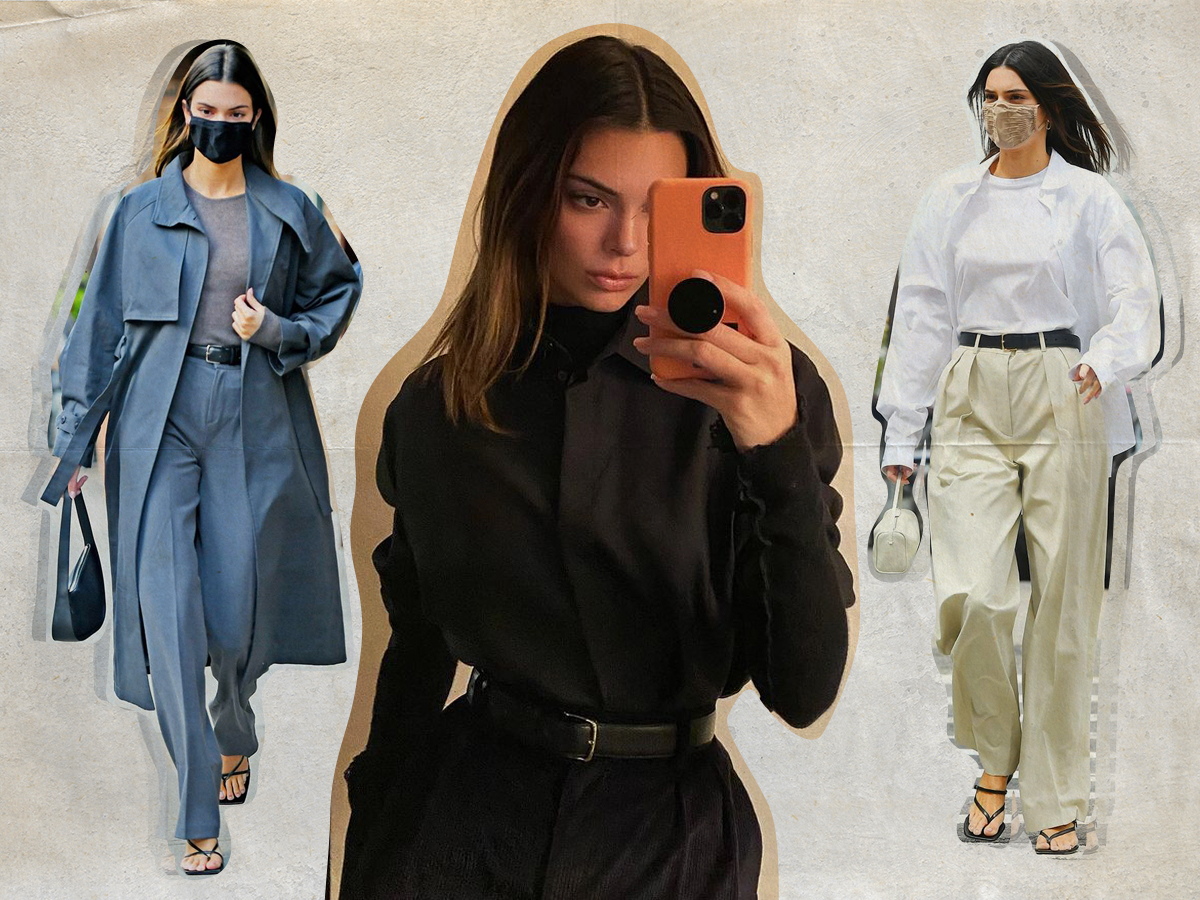
Kendall’s runway walks this season consistently favored pieces that prioritized proportion over embellishment. Oversized yet impeccably tailored coats layered over sleek midi dresses. Structured blazers paired with fluid trousers that skimmed the body without clinging. These choices highlighted the power of negative space — what is left out matters as much as what remains.

Her styling choices amplified the message. Minimal jewelry, sleek hair, and neutral makeup allowed the clothing itself to take center stage. Furthermore, the absence of loud accessories reinforced the quiet luxury aesthetic. Viewers and buyers alike responded to this clarity of vision. Runway minimalist trend reports noted increased demand for similar restrained silhouettes following her appearances.

However, Kendall Jenner runway looks never felt cold or severe. Instead, they conveyed approachability through thoughtful details: a perfectly placed seam, a subtle texture contrast, or the way fabric moved with the body. As a result, her influence extended beyond the catwalk into how editors and stylists approached the entire season.

Understated Elegance Is the New Quiet Luxury—How Kendall, Hailey, and Sofia’s Stylist Master the Less-Is-More Approach | Vogue

The impact proved measurable. Several designers cited her off-duty and runway presence when discussing their shift toward cleaner collections for 2026.

How Neutral Palette Trends and Clean Tailoring Define the Quiet Luxury Aesthetic

The dominance of neutral tones this season owes much to Kendall’s longstanding preference for them. Beiges, creams, and muted grays create a versatile canvas that adapts to different lighting and occasions. Moreover, these shades emphasize fabric quality and cut — the true markers of luxury — rather than relying on color to make a statement.

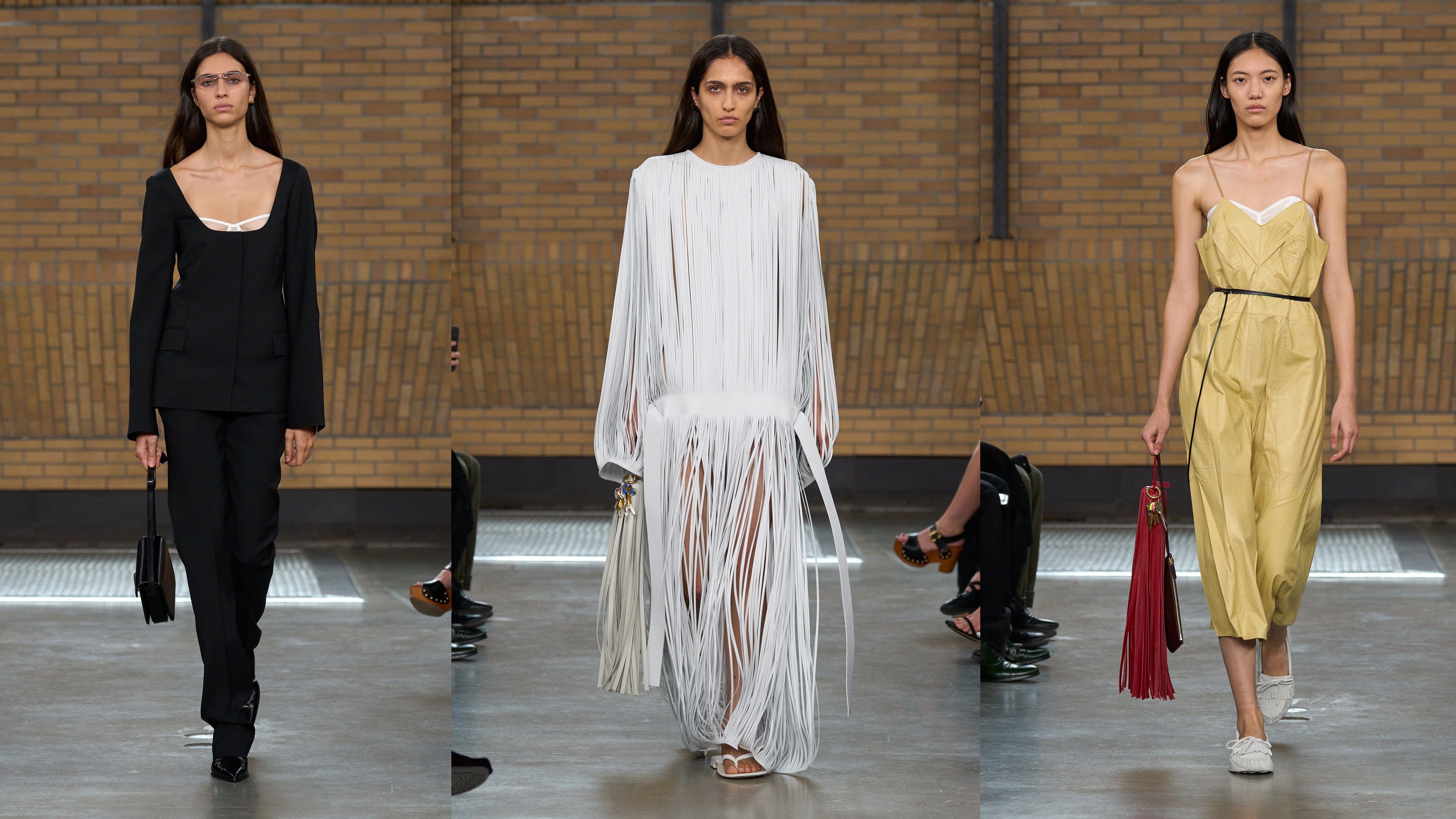
Clean tailoring emerged as the technical foundation. Jackets with soft shoulders, trousers with precise creases, and dresses with architectural simplicity dominated runways. In addition, designers eliminated unnecessary hardware and visible branding. The quiet luxury aesthetic gained strength precisely because it demanded closer inspection to appreciate its refinement.

Nevertheless, this restraint did not equate to boredom. Subtle variations in texture — matte wool against lustrous silk, or cashmere against crisp cotton — added depth without visual noise. Consequently, the neutral palette trend felt both calming and elevated, perfectly suited to the current mood.

6 Minimal Outfits That Look So Expensive | Who What Wear

Kendall Jenner minimalist style continues to validate this direction, showing how such pieces translate from runway to everyday wardrobes with ease.

The Shift Toward High Fashion Simplicity on Runways

Runway presentations in 2026 revealed a collective move away from spectacle. Many houses scaled back dramatic sets and theatrical styling in favor of focused presentations that highlighted the clothes themselves. This shift aligned closely with Kendall’s public image. Her ability to make simple pieces look expensive influenced how designers edited their collections.

High fashion minimalism appeared across categories. Eveningwear favored column dresses with strategic cutouts or subtle draping rather than heavy embellishment. Daywear emphasized impeccable outerwear and versatile suiting. Furthermore, the emphasis on longevity over trendiness resonated with buyers seeking investment pieces.

Fashion week minimalist looks often echoed Kendall’s formula: a strong shoulder or defined waist balanced by fluid lower proportions. As a result, the collections felt wearable yet aspirational — a difficult balance that quiet luxury fashion 2026 achieved consistently.

Everything to Know About Calvin Klein’s Spring 2026 Show | Who What Wear

Model Street Style Influence and Gen Z’s Embrace of Understatement

Beyond the runway, Kendall’s street style reinforced the movement. Model street style trends this season favored oversized coats, tailored trousers, and simple knits in tonal palettes. Paparazzi images of her in Los Angeles and European cities showed the same restraint she displayed on catwalks.

Gen Z luxury fashion shift appears particularly attuned to this direction. Younger consumers, weary of fast-fashion cycles and overt logos, gravitate toward pieces that signal confidence through subtlety. Celebrity fashion 2026 reflects this preference, with Kendall frequently cited as a key reference point.

Social media amplified the conversation. Hashtags celebrating “clean girl fashion evolution” gained traction alongside her appearances. In addition, her influence encouraged a broader appreciation for fashion simplicity trend that prioritizes personal style over seasonal hype.

Styleguide: Our favourite Kendall Jenner looks over the years

Designers Align Collections With Luxury Fashion Understatement

Major houses responded by refining their signatures toward greater restraint. Collections featured fewer prints, reduced hardware, and an overall emphasis on superior construction. Designer minimalist collections for 2026 often included capsule-like groupings that could be mixed endlessly — a practical application of the quiet luxury aesthetic.

The runway style influence Kendall Jenner exerts stems from her consistency. She demonstrates how minimalist pieces can evolve with the wearer rather than dating quickly. Consequently, brands invested more heavily in neutral, versatile silhouettes that appeal across demographics.

Fashion critics link this alignment to broader market realities. As consumers become more discerning, luxury fashion editorial trends favor pieces that reward closer attention and repeated wear.

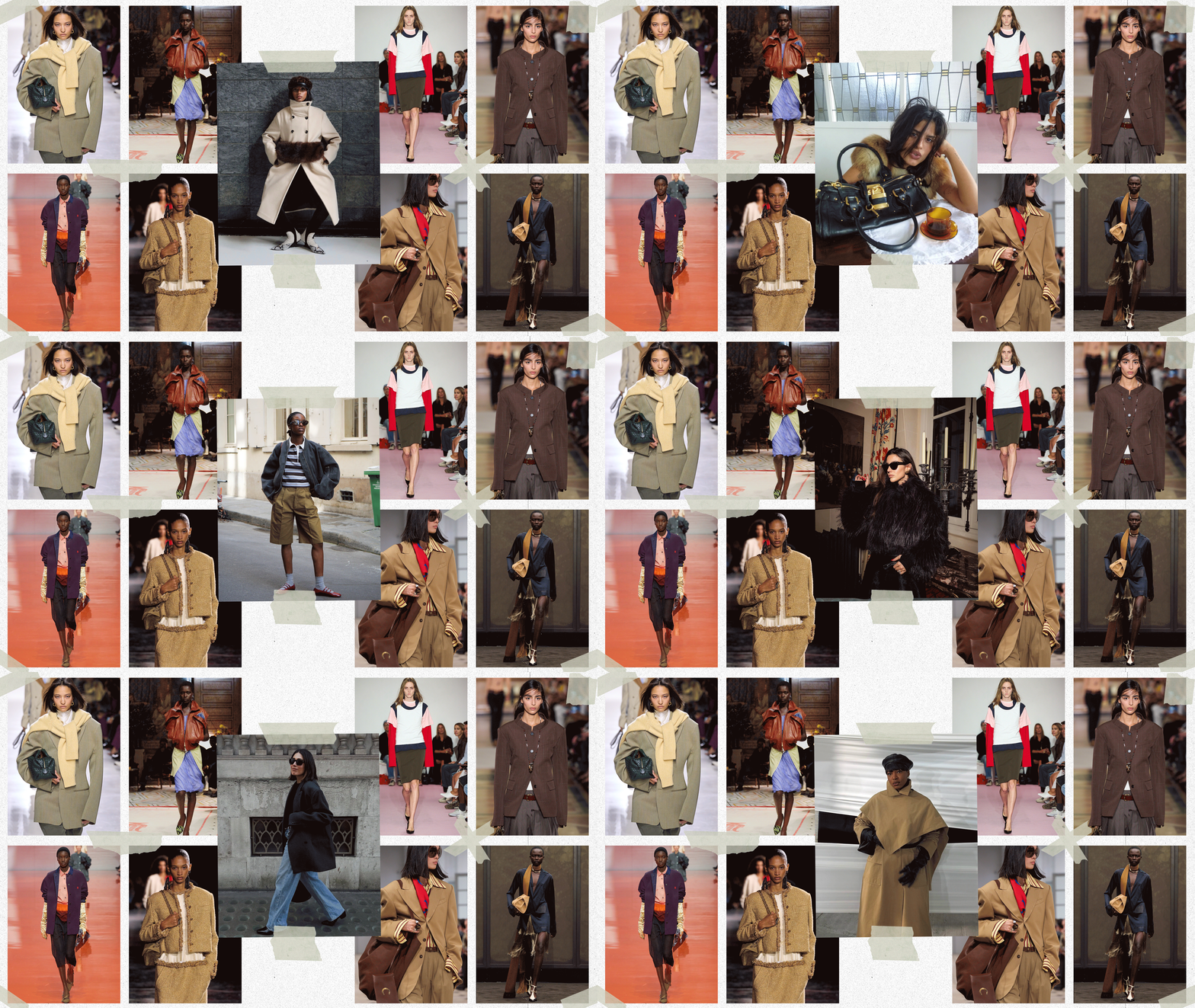
16 French Women on the 2026 Trends They’ll Be Trying (and Skipping) | Who What Wear

Why This Marks a Broader Evolution in Celebrity Fashion 2026

Kendall Jenner’s minimalist runway era captures a pivotal moment. It signals a move from loud celebrity dressing toward more considered, editorial approaches. Her influence extends beyond personal branding to shape how the industry presents modern sophistication.

Looking forward, expect continued exploration of texture, proportion, and tonal dressing within the quiet luxury framework. However, the core principle — high fashion simplicity that feels authentic rather than performative — will likely endure. Kendall has helped define not just a season, but a more mature, confident direction for fashion in 2026 and beyond.

Wide-Leg Cargo Pants Are the Quiet Streetwear

Wide-Leg Cargo Pants Are the Quiet Streetwear

Wide-Leg Cargo Pants Are the Quiet Streetwear Revolution Taking Over Spring 2026 Fashion Weeks

Introduction

Spring 2026 fashion weeks unfolded with an unexpected quiet force. While dramatic gowns and sculpted tailoring still commanded attention, a more grounded silhouette quietly claimed the spotlight: the wide-leg cargo pant. Designers from established houses to emerging labels sent models down the runways in generously cut utility pants that blended function with refinement. However, this was far from the baggy cargos of past decades.

Instead, the wide leg cargo pants 2026 presented a refined evolution. Deep pockets remained, yet they sat alongside precise tailoring and elevated fabrics. The result felt both purposeful and polished. Moreover, the silhouette offered something increasingly rare in fashion: genuine wearability without sacrificing presence.

What makes this moment significant is its crossover appeal. Streetwear influences have long shaped luxury, but this season the exchange feels particularly seamless. Consequently, cargo pants moved effortlessly from runway presentations to city streets. Women are reaching for pieces that deliver comfort and credibility in equal measure. As a result, the utility fashion trend runway has found new sophistication for the current era.

Stylists and buyers noted the shift early. Pre-orders for cargo-inspired bottoms rose steadily across multiple markets. Furthermore, the pants appeared styled with unexpected elegance: paired with sharp blazers, delicate heels, or minimalist tops. In short, the wide-leg cargo pant has become the defining everyday luxury streetwear piece of Spring 2026.

Wide Leg Cargo Pants 2026 Emerge as Runway-to-Street Crossover

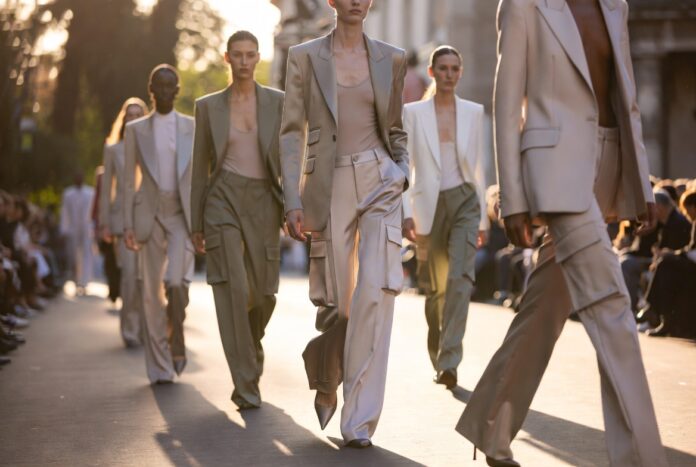
Across global fashion weeks, wide-leg cargo pants consistently anchored multiple collections. Designers treated the silhouette as more than a trend. They positioned it as a modern wardrobe foundation. Consequently, the shows gained a sense of relaxed confidence that resonated with contemporary dressing.

The pants featured generous proportions through the leg while maintaining structure at the waist and hips. Furthermore, strategic pocket placement added visual interest without overwhelming the clean lines. This balance allowed the cargo pants to feel architectural rather than sloppy.

However, the real revolution lay in the styling. Runway looks paired the pants with tailored jackets, sleek knit tops, and even evening-appropriate heels. As a result, the utility fashion trend runway transformed functional wear into something quietly luxurious. The wide leg cargo pants 2026 proved that comfort and elevated aesthetics could coexist beautifully.

15 Stylish Green Cargo Pants Outfits for Any Season

Retail momentum built quickly. Early sales reports showed strong demand for cargo-inspired silhouettes across price points. Moreover, the trend crossed age groups and style preferences, signaling a broad cultural preference for functional yet fashionable clothing.

How Designers Elevate Utility Fashion With Luxury Craftsmanship

Fabric choices played a decisive role in redefining the cargo pant for 2026. Designers moved away from traditional heavy cotton twill. Instead, they introduced fluid wool blends, technical silks, and soft Italian cottons that draped with intention. Consequently, the pants gained movement and refinement while retaining their utilitarian roots.

Tailoring details further elevated the look. Reinforced seams received subtle contrast stitching. Deep bellows pockets were reshaped for a more streamlined appearance. In addition, many versions featured adjustable waists and hidden drawstrings that disappeared into the design. These thoughtful touches turned basic utility wear into investment pieces.

Color palettes reinforced the sophisticated mood. Neutral tones dominated: warm taupes, deep olives, and soft blacks. However, occasional metallic or tonal embroidery added quiet luxury. Furthermore, these choices allowed the wide-leg cargo pants to transition seamlessly between casual and more formal settings.

How to Style Cargo Pants Like a Fashion Editor | Glamour UK

The approach reflects a larger industry shift. Luxury brands now prioritize pieces that solve real wardrobe needs while maintaining high-end appeal. The cargo pants revival trend achieves exactly that balance.

Milan Fashion Week Street Style Embraces the Oversized Silhouette

Milan has always celebrated the intersection of fashion and daily life. This season, Milan fashion week street style offered the clearest preview of how women plan to wear the new cargos. Editors, buyers, and influencers moved through the city in wide-leg versions styled with ease and intention.

Many paired the pants with oversized blazers or tailored leather jackets for contrast. Others chose simple ribbed tanks or crisp white shirts tucked neatly at the waist. Moreover, footwear choices ranged from sleek loafers and pointed flats to unexpected heeled boots. The combinations proved the versatility of the silhouette.

Nevertheless, the pants never looked costume-like. Instead, they felt like natural extensions of personal style. As a result, the street style looks translated the runway utility fashion trend into wearable, aspirational outfits. The oversized pants trend women gained immediate credibility through these real-world interpretations.

18 Vest Outfits to Inspire Your Wardrobe

The city’s golden light highlighted the fabric movement beautifully, turning everyday walks into subtle fashion moments.

The Comfort-Driven Evolution Behind Functional Fashion Trends

Broader cultural shifts continue to influence fashion direction. After years of restrictive silhouettes, many women now prioritize clothing that supports movement and daily demands. The wide leg cargo pants 2026 answer this desire directly. They offer generous proportions without sacrificing structure or polish.

Hybrid lifestyles have also played a part. Pieces that work for both creative offices and weekend errands hold clear appeal. Consequently, functional fashion trends have moved from niche to mainstream. The cargo pant, once associated primarily with workwear or casual street style, now occupies a more elevated position.

Social platforms amplified the conversation. Women shared authentic styling that emphasized comfort alongside aesthetic consideration. In addition, the high fashion streetwear fusion visible on runways found enthusiastic reception online and on city streets alike.

10+ Fashion Week Outfits to Recreate Now From Paris Street Style | Vogue

This evolution signals a maturing understanding of what constitutes true luxury: clothing that feels as good as it looks.

Cargo Pants Styling Ideas That Bridge Runway and Real Life

Stylists have embraced the cargo pant’s adaptability with creative yet practical suggestions. For elevated daytime looks, pair wide-leg cargos with a structured blazer and minimalist heels. The contrast creates a modern power uniform that feels fresh rather than corporate.

For more relaxed moments, tuck a soft knit or oversized button-down into the waistband and add comfortable flats or sneakers. Furthermore, tonal dressing—keeping everything within the same neutral family—enhances the luxurious feel while maintaining ease.

Evening adaptations prove equally compelling. Style the pants with a sleek silk camisole and statement jewelry for an unexpected but polished dinner look. As a result, cargo pants styling ideas now span multiple occasions without requiring a full wardrobe change.

15 Stylish Green Cargo Pants Outfits for Any Season

The versatility explains why the trend continues gaining traction beyond the runway.

Why This Signals Continued Dominance of Everyday Luxury Streetwear

The rise of wide-leg cargo pants reflects deeper industry patterns. Streetwear influences no longer feel like temporary borrowings from subcultures. Instead, they have become integrated elements of luxury design language. Moreover, the comfort fashion movement shows no signs of retreating.

Designers have responded by refining rather than rejecting utility elements. Consequently, functional fashion aesthetics now sit comfortably alongside traditional tailoring and evening wear within the same collections.

Forward-looking retailers report sustained interest in versatile bottoms that deliver both style and practicality. In short, the quiet streetwear revolution represented by these cargo pants may define how women dress for years to come. The silhouette offers a rare combination: it feels current, comfortable, and genuinely useful.

How to Style Cargo Pants Like a Fashion Editor | Glamour UK

Looking Ahead

Wide-leg cargo pants have moved past novelty into something more substantial. They represent a thoughtful response to how women actually want to live and dress in 2026. As the season progresses, expect to see continued innovation in fabrics, proportions, and styling approaches. However, the core appeal—comfort married with quiet confidence—will likely remain constant. This quiet revolution may prove to be one of the most enduring shifts in modern fashion.


Glee Cast Where-Are-They-Now Update

Glee Cast Where-Are-They-Now Update

Glee Cast Where-Are-They-Now Update Goes Viral as Fans Revisit the Show’s Legacy and Tragedies

It started, as so many cultural resurgences do these days, with a single scroll-stopping video. A side-by-side montage of the Glee cast from 2009, fresh-faced and full of that signature McKinley High optimism, next to portraits from 2026. The comments flooded in. Some celebrated the surviving careers. Others lingered on the absences. Within hours, the clip had racked up millions of views, and the phrase glee cast where are they now climbed trending lists across platforms. More than a decade after the series finale, the show’s complicated legacy had returned to the cultural conversation.

This is not mere nostalgia for a zippy musical comedy. Glee arrived at a peculiar moment—right as smartphones became appendages and streaming began rewriting how we consume television. It sold us the fantasy that misfits could harmonize their way through adolescence while belting out chart-toppers. Yet beneath the glitter and mash-ups lay sharper truths about identity, ambition, and the brutal machinery of fame. The 2026 glee cast where are they now wave forces a reckoning with both sides. Fans are not only rewatching the performances; they are measuring the distance between the characters they loved and the real lives that unfolded afterward. On Hulu, where the full series remains readily available, new generations are discovering the show while longtime viewers revisit it with grown-up eyes.

What makes this particular revival feel different is its emotional range. Joyful career updates sit beside quiet reflections on loss. The cast members who have thrived do so against the backdrop of two indelible tragedies. That tension—between triumph and fragility—gives the current conversation its depth. It is not hype. It is a cultural pause button, pressed by an audience that has itself aged into the same complexities the show once dramatized.

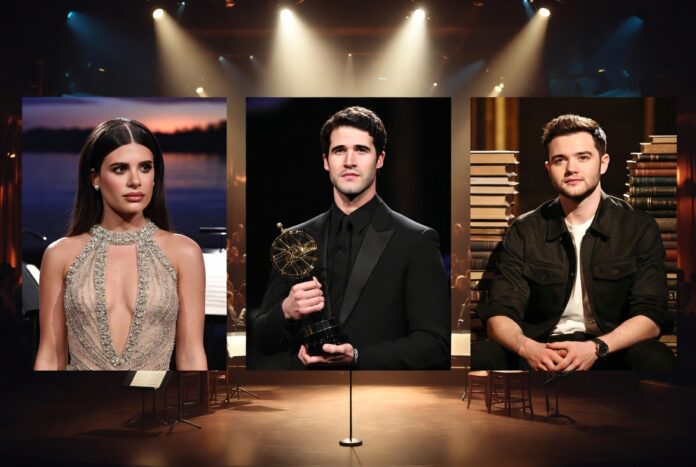
Darren Criss Wins First Tony Award for ‘Maybe Happy Ending’

The Viral Spark: Why Glee Feels Fresh Again in 2026

Social media did not invent glee nostalgia, but it has perfected the delivery system. Short-form videos juxtaposing teenage glee clubbers with their 2026 selves spread like wildfire this spring. The algorithm rewarded vulnerability: clips that paired euphoric musical numbers with current interviews, or quiet voice-overs noting how much has changed. Meanwhile, Hulu’s stable library made binge-watching frictionless. A new generation encountering the show for the first time collided with veterans marking personal milestones. The result was less a fleeting trend than a sustained cultural temperature check.

Glee always operated at the intersection of escapism and realism. Its characters sang their way through bullying, coming out, and parental disappointment. In 2026, those themes still resonate, but now viewers bring their own adult context. The show’s influence on later musical series—Crazy Ex-Girlfriend, Schmigadoon!, even elements of The Bear’s kitchen musical fantasies—is clearer in hindsight. Yet the 2026 conversation also acknowledges the cost. Fame accelerated for many cast members before they were fully formed. The glee cast where are they now updates therefore serve as both celebration and cautionary tale.

Lea Michele’s Broadway Evolution

No one embodies the distance traveled quite like Lea Michele. Once Rachel Berry’s relentless ambition made her both lovable and exhausting, Michele has spent the intervening years proving the character was not caricature but prophecy. After revitalizing the Funny Girl revival, she moved into the lead of the Chess Broadway revival, a run that ends this June. Her voice, still crystalline, carries the weight of lived experience now. Audiences who once watched her as a high-school striver now see a performer who has navigated public scrutiny, motherhood, and the long game of theater.

Her trajectory feels emblematic of the show’s central promise: talent plus tenacity can rewrite the script. Yet Michele has spoken candidly about the pressure of stepping back into the spotlight after personal challenges. In 2026, her Broadway presence is not just a comeback story. It is proof that the glee club ethos—keep singing, keep showing up—can translate off-screen.

The Land Of Stories’ Movie From Chris Colfer, Warner Bros In Works

Darren Criss and the Weight of Sustained Success

Darren Criss entered Glee as the charming Blaine Anderson and left as one of the series’ breakout stars. His post-show path has been strikingly deliberate. Theater remained his anchor. In 2025 he captured two Tony Awards for Maybe Happy Ending—Best Actor in a Musical and, as co-producer, Best Musical—becoming the first Asian American actor to win in the leading category. Early 2026 brought a Grammy nomination and hosting duties at the Premiere Ceremony. He still sings, still acts, still chooses projects that blend artistry with accessibility.

What stands out in the current glee cast where are they now discourse is Criss’s steadiness. While some peers chased blockbuster films, he doubled down on stage and songwriting. His success feels earned rather than inevitable, a reminder that Glee equipped its cast with versatile tools—vocal confidence, emotional range—that translate across mediums.

Chris Colfer’s Quiet Reinvention

Chris Colfer’s Kurt Hummel gave television one of its most fully realized queer teenage characters. Off-screen, Colfer chose a different stage: the page. He has published more than twenty books, many under The Land of Stories banner, with film adaptations now in development at Warner Bros. The former glee club member has become a bestselling author who still writes with the same sharp wit that once defined his on-screen monologues.

Colfer’s pivot feels intentional. Where others stayed in front of the camera, he built a world behind it. His 2026 profile in the nostalgia wave highlights a different kind of longevity—one rooted in creative control rather than constant visibility.

The Enduring Echoes of Cory Monteith and Naya Rivera

Any honest glee cast where are they now conversation must address the empty chairs. Cory Monteith’s death in 2013 cut short a life and a character—Finn Hudson—who embodied earnest leadership. Tributes still surface in fan discussions and retrospective pieces, often paired with clips of his warmest performances. The loss remains raw because it humanized the entire cast in real time.

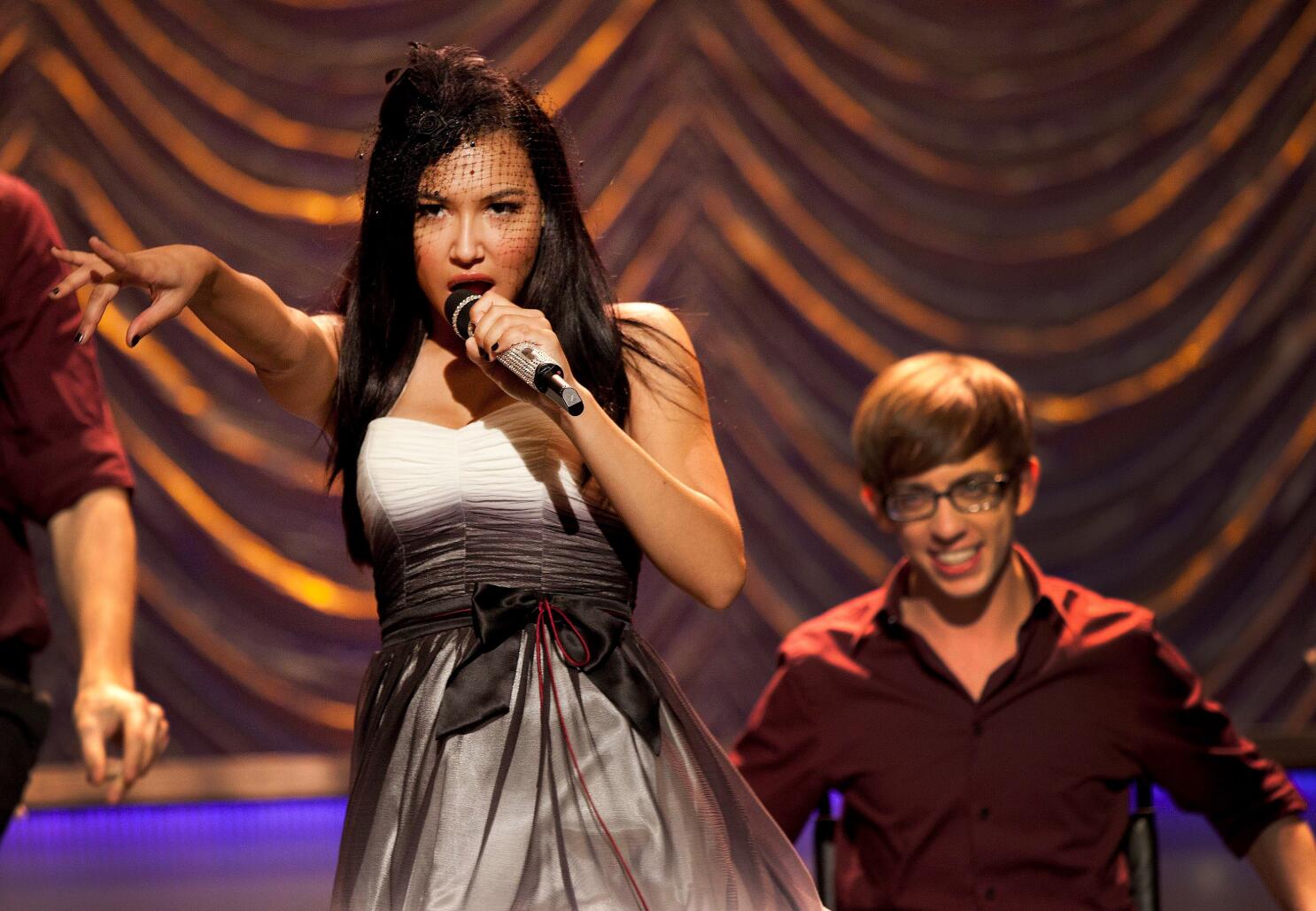
Naya Rivera’s 2020 passing added another layer of grief. Her Santana Lopez had evolved from sharp-tongued antagonist to proud, complex woman. Rivera’s final seasons coincided with heightened awareness around mental health and the pressures of child stardom. In 2026, her legacy appears in conversations about representation and resilience. Fans revisit her show-stopping numbers not only for the vocals but for the courage they represented.

These tragedies do not overshadow the survivors’ achievements. They contextualize them. The cast that remains has carried forward a narrative that includes both spotlight and shadow.

Naya Rivera remembered: 10 best ‘Glee’ musical performances – Los Angeles Times

The Broader New Directions Cast Today

The ensemble’s updates are equally telling. Amber Riley continues to blend music and theater with unmistakable power. Kevin McHale and Jenna Ushkowitz have carved out podcast and production roles that keep them connected to storytelling. Matthew Morrison, Jane Lynch, and others appear in stage and screen projects that echo their Glee energy without repeating it. Several former cast members—Jonathan Groff among them—dot Broadway marquees this season, turning the glee cast where are they now conversation into a living map of American musical theater.

Their collective presence proves Glee was never just about one or two stars. The New Directions ethos—community over solo glory—still shapes how many of them work.

Streaming Platforms and the Nostalgia Machine

Hulu’s library has become the quiet engine behind the resurgence. Easy access means viewers can jump from pilot to finale without hunting for files or subscriptions. That frictionless experience, combined with social media’s memory prompts, creates a feedback loop. One viral clip leads to a full-season rewatch, which leads to fresh appreciation for the show’s musical choices and its imperfect but pioneering handling of identity.

The platform itself benefits. Glee streaming numbers spike whenever nostalgia trends surface, proving that older catalog titles can still drive engagement when framed as cultural touchstones.

What Glee’s 2026 Moment Reveals About Television’s Lasting Power

The current wave is not about recapturing youth. It is about recognizing that television can leave permanent fingerprints on culture even when its run ends. Glee normalized queer storylines, celebrated underdogs, and proved original music could still dominate charts in the download era. Its flaws—pacing issues, tonal swings—have not erased its impact. If anything, they make the successes more human.

In 2026, the glee cast where are they now updates function as a mirror. They show us how far we have come since 2009 and how much of the show’s spirit remains relevant. The tragedies remind us that fame extracts a price. The triumphs demonstrate that talent, when paired with persistence, can outlast the spotlight’s glare. Fans are not simply consuming content. They are measuring their own growth against the same timeline.

What lingers is the sense that Glee was never just a show. It was a promise that misfits could find harmony, even when the music stopped. In the quiet moments between viral clips and Broadway curtain calls, that promise still echoes—complicated, imperfect, and enduring.


Esperanza Spalding Ballet World in Groundbreaking Collaboration

Esperanza Spalding Ballet World in Groundbreaking Collaboration

Esperanza Spalding Enters Ballet World in Groundbreaking Collaboration with Alonzo King’s LINES Ballet ‘Legacy’ Premiere

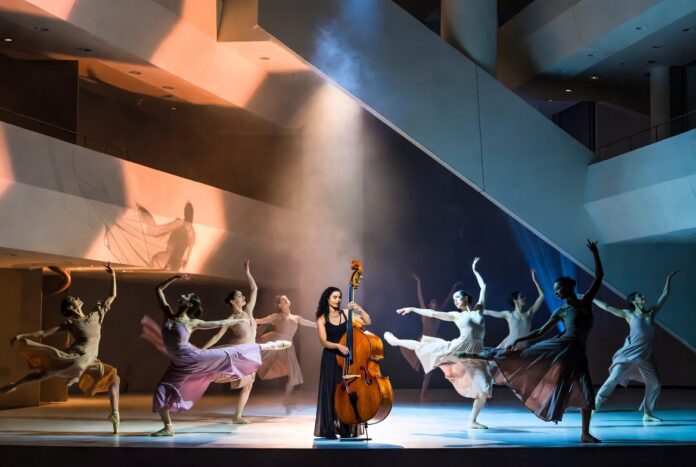
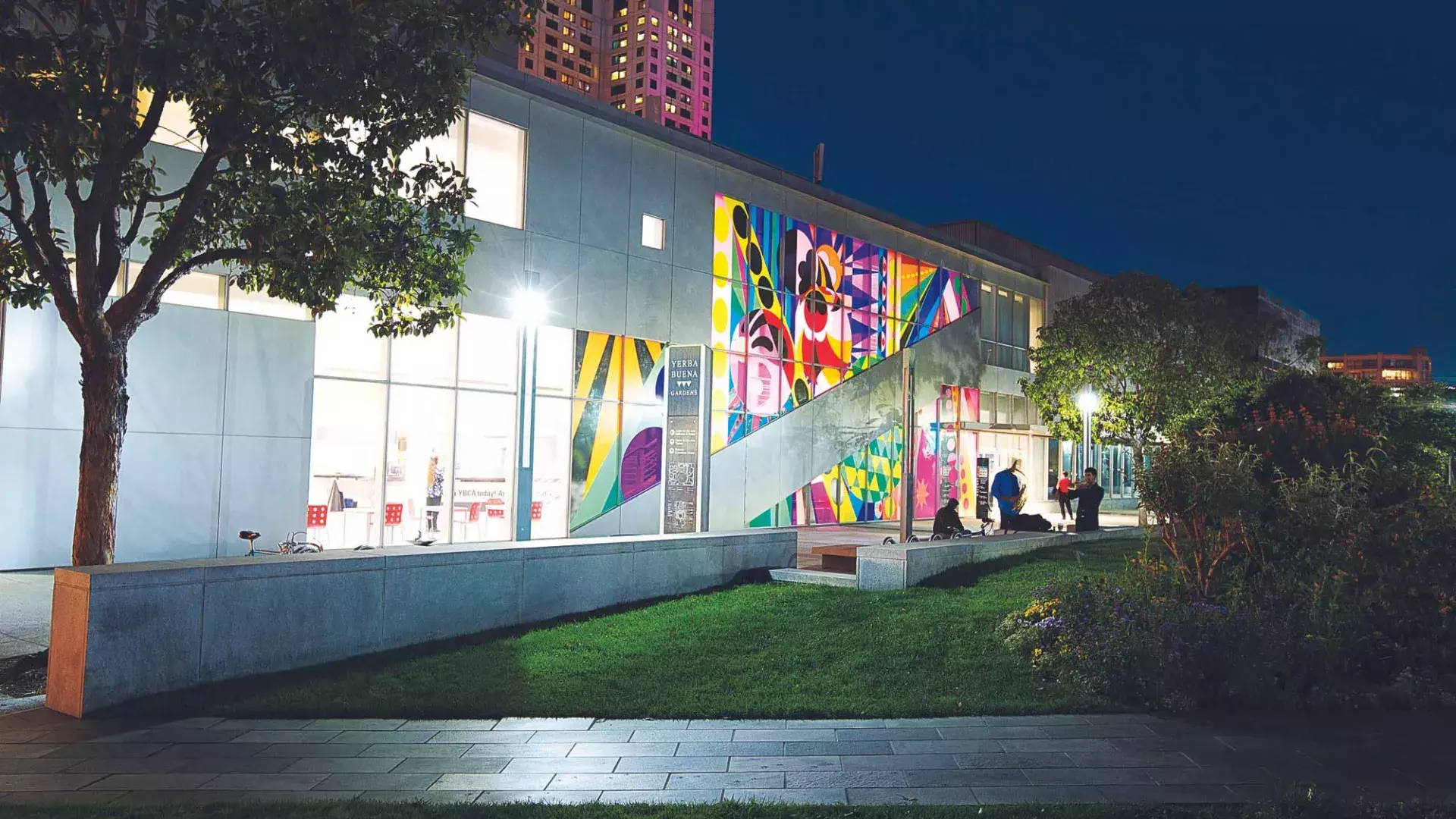
In the Blue Shield of California Theater at Yerba Buena Center for the Arts, something rare unfolded over nine performances from April 11 to 19, 2026. Grammy-winning bassist, vocalist, and composer Esperanza Spalding stepped onto the stage not merely as a musical guest but as a full creative partner in Alonzo King’s new work, Legacy. For a company long celebrated for its sculptural, spiritually charged movement, this marked an unusually intimate fusion: Spalding composed original music, performed live on upright bass and voice at every show, and allowed her improvisational instincts to shape the evening alongside King’s choreography.

The premiere arrived at a moment when boundaries between musical genres and movement forms have grown increasingly porous. Yet Legacy felt less like a calculated crossover and more like an inevitable conversation between two artists who both treat their mediums as vessels for deeper inquiry. Spalding’s intricate bass lines and soaring, wordless vocals met King’s signature style—expansive, emotionally raw, and rooted in a sense of communal transcendence. The result was not background music supporting dance, nor dance illustrating a score, but a single organism breathing through sound and body.

This was Spalding’s first major foray into sustained ballet collaboration, and it carried the weight of her established reputation for boundary-pushing projects. From her early jazz trio work to genre-defying albums that blend classical, funk, and global traditions, she has consistently treated music as a site of exploration. King, for his part, has built LINES Ballet into one of the most distinctive voices in contemporary dance by refusing easy categorizations. Their meeting produced Legacy, a piece whose title alone suggested the layered questions at its core.

Esperanza Spalding lights up Tanglewood – The Boston Globe

A Historic Crossing of Paths

Alonzo King founded LINES Ballet in San Francisco in 1982 with a vision that prized emotional truth and physical inquiry over classical hierarchy. His choreography often draws from diverse cultural sources while maintaining a rigorous, almost architectural clarity of line. Spalding first connected with King during a San Francisco Symphony project earlier in the decade, but the seed for Legacy took years to mature. When it finally bloomed, it carried the quiet confidence of artists who had already proven their individual voices and no longer needed to announce their credentials.

What distinguished this collaboration was its structure. Spalding did not deliver a finished recording for the dancers to rehearse against. Instead, she performed live each night, responding in real time to the movement unfolding around her. That immediacy injected an electric unpredictability into the performances. Audiences witnessed not a polished product but a living dialogue—bass notes rising as a dancer extended into space, vocal phrases weaving through ensemble formations like invisible threads binding individual stories into collective memory.

The Genesis of ‘Legacy’

Subtitled The Immeasurable Immensity of Your Inheritance, the work delved into questions of lineage, cultural memory, and the invisible forces that shape identity across generations. Spalding’s score—rich in spiritual jazz traditions—provided both rhythmic foundation and atmospheric depth. Her upright bass, an instrument historically associated with jazz’s low-end pulse, took on a more lyrical, almost vocal quality in this context, anchoring the dancers while allowing space for improvisation.

King’s choreography translated these sonic impulses into physical poetry. Dancers moved with the kind of expansive freedom that has become a LINES hallmark: limbs carving generous arcs through space, torsos responding with visceral honesty, ensembles shifting from intimate duets to sweeping group geometries. The piece avoided literal storytelling, favoring instead a series of evocative states—moments of gathering, release, remembrance, and forward propulsion.

In rehearsals and early reviews, observers noted how the collaboration honored the distinct vocabularies of each artist without forcing compromise. Spalding’s music retained its improvisational soul; King’s movement kept its characteristic blend of power and delicacy. Together they created a third language, one that felt both ancient and urgently contemporary.

Exquisite Magic: Alonzo King Lines Ballet | L.A. Dance Chronicle

Alonzo King’s Choreographic Language Meets Living Sound

King has long described his work as “dancing from the inside out.” His dancers train to access deep emotional and spiritual reservoirs, allowing movement to emerge from internal impulse rather than external shape alone. Spalding’s live presence amplified this approach. Her bass lines sometimes pulsed like a heartbeat, grounding the choreography in earthly rhythm; at other moments her voice floated above the ensemble, inviting a sense of elevation or collective prayer.

This jazz-ballet fusion avoided the pitfalls of past attempts at genre blending. There was no sense of one form serving as ornament for the other. Instead, the music and dance seemed to interrogate each other—questioning, supporting, occasionally challenging. The upright bass, with its warm wooden resonance, proved especially sympathetic to the human body in motion. When Spalding bowed or plucked with particular intensity, the dancers responded with heightened physicality, as if the sound itself had entered their musculature.

Critics and audiences alike remarked on the spiritual dimension that emerged. Both King and Spalding draw from traditions that treat art as a conduit for something larger than the self. In Legacy, that shared orientation created an atmosphere of quiet reverence without descending into solemnity. Joy, struggle, and wonder coexisted in the same breath.

Exquisite Magic: Alonzo King Lines Ballet | L.A. Dance Chronicle

Themes of Heritage and Inheritance

At its heart, Legacy asked what we carry forward—consciously or not—from those who came before us. Spalding’s own heritage, rooted in African American, Latin American, and global musical lineages, resonated through her playing and singing. King’s choreography, which has always engaged with Black American dance traditions alongside classical and contemporary techniques, found natural alignment.

The piece resisted reductive narratives about identity. Instead, it evoked the complexity of inheritance: the gifts, the burdens, the unfinished conversations. Dancers moved through sequences that suggested both celebration and reckoning. Group formations dissolved into solos and reformed, mirroring how personal legacies ripple outward into community.

This thematic depth elevated Legacy beyond spectacle. In an era when many cross-disciplinary projects prioritize visual impact, the work insisted on interiority. Audiences left not merely impressed by technical skill but moved by an encounter with something harder to name—perhaps the sensation of standing at the intersection of past, present, and possibility.

Paired with ‘Ode to Alice Coltrane’

The program gained additional resonance by pairing Legacy with a revival of King’s 2024 work Ode to Alice Coltrane. The late composer and spiritual figure provided a perfect spiritual and musical bridge. Coltrane’s blend of jazz improvisation, devotional kirtan, and cosmic exploration echoed in both pieces, creating a cohesive evening that felt like an extended meditation on musical and choreographic lineage.

Seeing the two works together amplified their individual strengths. Ode to Alice Coltrane offered a more established vocabulary within King’s canon, while Legacy pushed into new territory through Spalding’s live contributions. The juxtaposition highlighted how jazz continues to nourish contemporary ballet—not as nostalgic reference but as living fuel.

7 Must-Sees In The Yerba Buena Neighborhood Cultural District | San Francisco Travel

Live Performance at Yerba Buena Center for the Arts

The choice of venue added another layer of meaning. Yerba Buena Center for the Arts has long served as a hub for experimental and interdisciplinary work in San Francisco. Its intimate yet technologically equipped theater allowed Spalding’s sound to fill the space with remarkable clarity while giving King’s dancers room to breathe. The proximity of audience to stage heightened the sense of shared experience—viewers could feel the vibration of the bass and sense the effort behind each extension.

Performances ran multiple times across the two-week span, allowing the collaboration to evolve night to night. Spalding’s improvisations shifted subtly in response to the dancers’ energy and the audience’s presence. This variability made each showing unique, reinforcing the work’s status as a living creation rather than a fixed repertory piece.

DANCÆ – A True Fusion of Techno and Ballet | iHeartBerlin.de

What the Collaboration Signals for Contemporary Dance

Legacy arrives amid broader conversations about the future of ballet and contemporary dance. Companies worldwide are seeking fresh sources of inspiration while honoring their technical foundations. Collaborations with living composers and musicians—especially those operating outside traditional classical channels—offer one path forward. Spalding’s involvement suggests that the most vital exchanges may come from artists who share a philosophical alignment rather than merely complementary skill sets.

For LINES Ballet, the project continues a tradition of ambitious partnerships while marking a new chapter of sonic integration. For Spalding, it expands her creative palette without diluting her core identity as a musician. Together they have produced a work that feels both deeply personal and culturally expansive.

In the end, Legacy does more than fuse jazz and ballet. It reminds us that true artistic inheritance is not about preservation alone but about active transformation—taking what has been passed down and allowing it to move, breathe, and speak in the present tense. As the final notes faded and the dancers held their last positions, audiences seemed to linger in that transformed space, carrying a piece of the evening’s immensity with them into the San Francisco night.

The Return of the Midi Skirt Is Dominating Spring

The Return of the Midi Skirt Is Dominating Spring

The Return of the Midi Skirt Is Dominating Spring 2026 Runways With Flow, Elegance, and Modern Versatility

Introduction

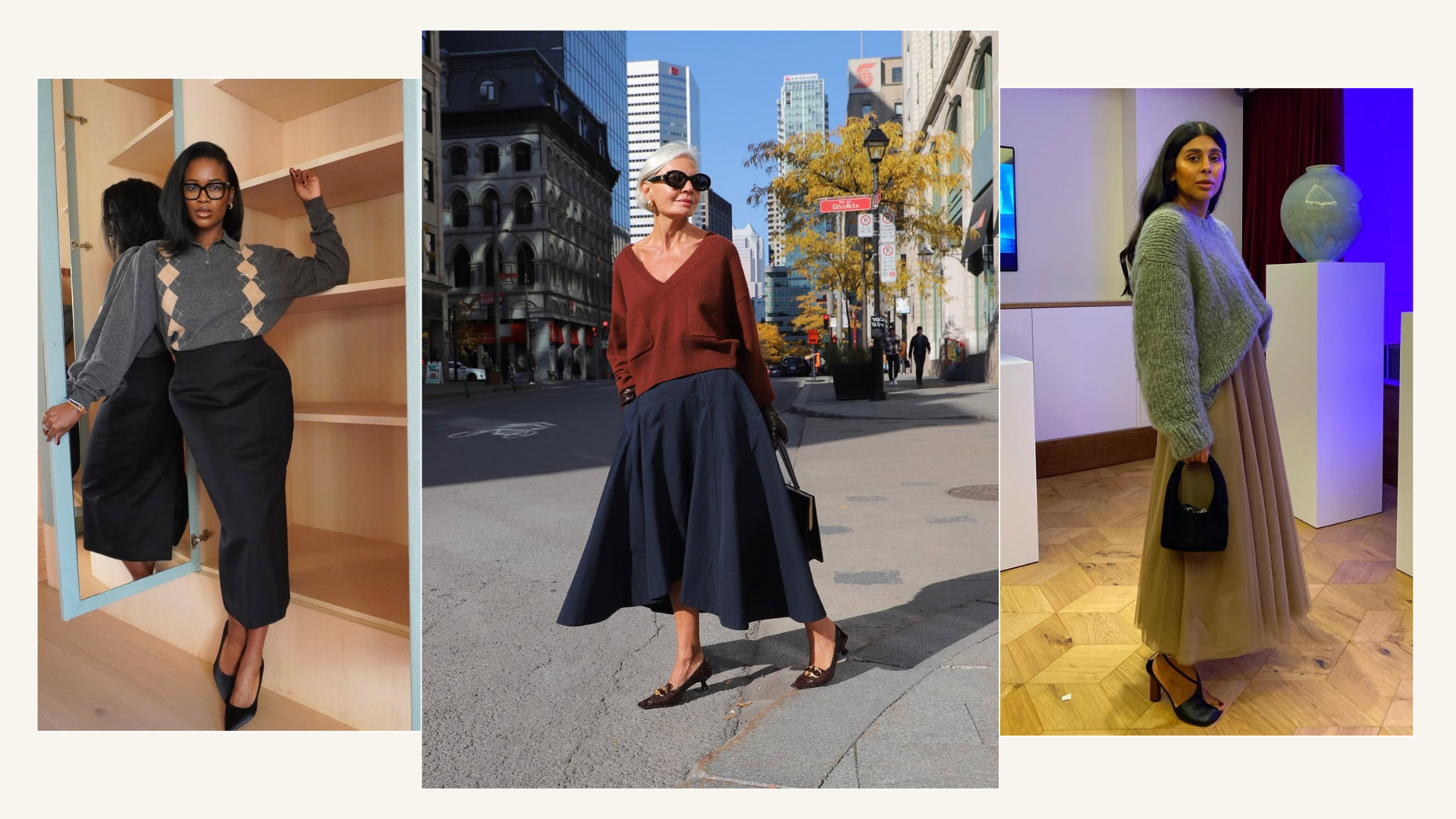
Spring 2026 arrived on the runways with a quiet confidence, and at its heart stood the midi skirt. Designers across major fashion capitals sent model after model down the catwalks in calf-skimming lengths that felt both fresh and familiar. However, this was no simple revival. Instead, it marked a deliberate shift toward silhouettes that women could actually live in.

The midi skirt trend 2026 has quickly moved beyond nostalgia. It now anchors entire collections, offering a perfect balance of coverage and ease. As fabrics caught the light and moved with every step, the looks radiated effortless sophistication. Moreover, the emphasis on natural movement set this season apart from recent years of extremes.

What makes the trend particularly compelling is its versatility. A well-cut midi skirt elongates the frame while allowing freedom of motion. Consequently, it transitions seamlessly from day to evening. Stylists and buyers noticed the momentum immediately. Even before the shows concluded, pre-order demand surged. In short, women were drawn to pieces that felt luxurious yet practical for real life.

Paris Fashion Week skirts told the story most clearly. From established houses to emerging talents, the midi length emerged as a unifying thread. However, each designer interpreted it through their own lens, proving the silhouette’s remarkable adaptability. As a result, the midi skirt trend 2026 feels less like a trend and more like a new standard for spring dressing.

The Midi Skirt Trend 2026 Takes Center Stage Across Global Runways

Runway presentations this season revealed a collective embrace of the midi silhouette. Designers treated it as the foundation of their collections rather than a secondary element. Consequently, the shows gained a sense of cohesion and modernity that resonated strongly with audiences.

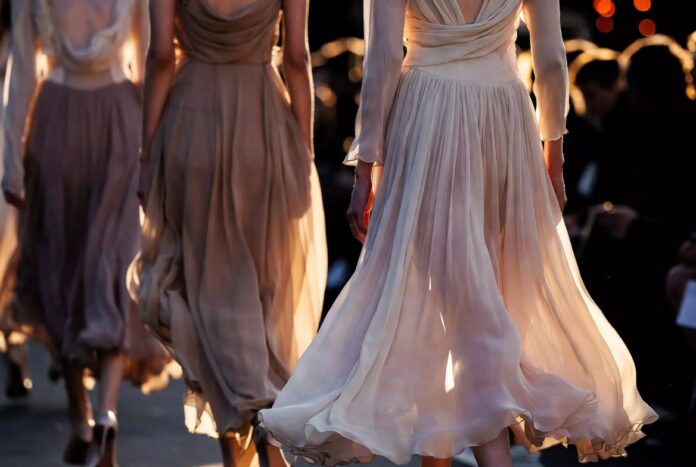
Movement became the defining characteristic. Models walked at a natural pace while skirts followed in soft, hypnotic waves. Furthermore, the choice of lightweight silks and technical crepes amplified every step without adding bulk. This focus on fluid motion distinguished the collections from previous seasons.

However, approaches varied thoughtfully. Some houses favored clean, minimal lines with subtle tailoring. Others introduced gentle pleats that added quiet texture. Nevertheless, all shared the same goal: creating skirts that flattered the body while feeling thoroughly contemporary. The midi skirt trend 2026 succeeded by offering longevity rather than fleeting novelty.

Retail buyers responded with enthusiasm. Early sales data showed midi styles consistently outperforming other lengths. Moreover, the appeal crossed age groups and style preferences, signaling a broad cultural shift rather than a niche moment.

Fluid Fabrics Meet Modern Tailoring in Flowy Skirts 2026

Fabric innovation played a central role in elevating the season’s looks. Designers experimented with varying weights and finishes to achieve skirts that flowed beautifully yet maintained their shape. As a result, flowy skirts 2026 avoided the pitfalls of excessive volume or awkward stiffness that defined earlier decades.

Chiffon and georgette led the charge, catching light with every movement. However, tailors countered the inherent softness with precise waistbands and hidden internal structure. This thoughtful combination created pieces that appeared effortless while requiring considerable craftsmanship.

In addition, modern tailoring techniques ensured real-world performance. Invisible zippers, reinforced seams, and strategic linings helped the skirts resist wrinkles and hold their line throughout long days. Consequently, the luxury lived not only in the appearance but also in the experience of wearing them.

Color choices reinforced the mood of calm elegance. Soft neutrals dominated runways, occasionally warmed by pale lavenders and dusty roses. Furthermore, these palettes allowed the fabric movement to take center stage without distraction.

How Paris Fashion Week Skirts Redefined Proportion and Movement

Paris set the tone for the season with unusual clarity. During Paris Fashion Week, skirts emphasized proportion above all else. Designers demonstrated how a single length could transform an entire wardrobe when executed with care.

Shows unfolded at a deliberate pace. Models moved naturally, allowing hems to brush gently against the calf with each step. Moreover, the motion looked intentional rather than accidental, highlighting thoughtful design choices.

Established houses refined their signatures while newer voices brought fresh interpretations. Nevertheless, the midi length proved versatile enough to serve every vision. Street style outside the venues quickly echoed the runways, with editors and buyers incorporating similar pieces into their own wardrobes. As a result, Paris Fashion Week skirts began influencing daily dressing even before the official season concluded.

The city’s legendary light further enhanced the looks. Afternoon sun revealed new dimensions in the fabrics, while evening events showcased their adaptability under different lighting.

Cultural Shifts Driving Demand for Elegant Silhouettes

Fashion rarely exists in isolation. This season’s focus on elegant silhouettes reflected broader conversations about how women want to dress today. After years of extremes, many sought clothing that respected both comfort and presence. The midi skirt answered that desire perfectly.

Hybrid work cultures also played a role. Versatile pieces became essential for moving between video calls and in-person meetings. Consequently, the midi length gained favor for its ability to look polished without sacrificing ease.

Social media amplified the shift as women shared authentic, real-life styling rather than staged perfection. In addition, the midi skirt trend 2026 thrived in this environment because its versatility translated beautifully across different contexts and lighting conditions.

Cultural observers noted a return to femininity that felt forward-looking rather than nostalgic. The silhouette celebrated natural proportions while rejecting extremes in favor of balanced, confident dressing.

Why Wearable Luxury Fashion 2026 Embraces the Midi Skirt

True luxury today is defined by how clothing improves daily life. The midi skirt exemplifies this philosophy. It elevates an outfit without complicating it and lasts season after season without dating quickly. For this reason, wearable luxury fashion 2026 found its perfect expression in the midi silhouette.

Designers paid attention to meaningful details. Hidden pockets, adjustable elements, and travel-friendly fabrics turned beautiful skirts into genuinely practical companions. Moreover, the luxury revealed itself in the intuitive way the pieces worked with the wearer rather than against her.

Price accessibility further strengthened the trend. Options ranged from entry-level to investment pieces, allowing women across budgets to participate. As a result, the midi skirt’s broad appeal created a more inclusive cultural moment.

Stylists Predict Strong Retail Success for the Skirt Fashion Comeback Trend

Stylists, who see firsthand what women actually reach for, placed the midi skirt at the top of their spring forecasts. Their early client appointments revealed consistent demand for versatile, flattering midi options. Furthermore, the response was immediate and enthusiastic.

Retail partners confirmed the pattern through faster-than-expected reorders and rising mid-season projections. Consequently, the skirt fashion comeback trend showed genuine staying power built on wearability rather than hype.

Forward-thinking stylists are already planning autumn transitions, layering the same skirts under coats or pairing them with boots. This cross-season versatility makes the pieces smart long-term investments. In short, when stylists and retailers align so clearly on one silhouette, the industry signal is unmistakable.

Looking Ahead

The midi skirt has claimed a lasting place in the fashion conversation. More than a hemline, it offers a thoughtful approach to elegance in motion. Spring 2026 marked the beginning of something enduring. As the silhouette continues to evolve, it promises to shape wardrobes with quiet confidence for seasons to come.


Sephora Spring 2026 Beauty Edit Sparks Frenzy

Sephora Spring 2026 Beauty Edit Sparks Frenzy

Sephora Spring 2026 Beauty Edit Sparks Frenzy as ‘Clean Luxury’ Skincare Takes Over Makeup Shelves

The Sephora Spring 2026 Beauty Edit landed with little fanfare at first. A curated selection of new arrivals and restocked favorites, heavy on high-performance skincare from brands emphasizing clinical results over spectacle. Within days, however, the edit became impossible to ignore. Influencers posted stripped-back routines. Retail reports showed skincare units outpacing makeup. And on the sales floor—or in the app—shelves once dominated by colorful palettes and bold lipsticks began to feel secondary to serums, creams, and daily SPF.

This is not another seasonal refresh. It signals a deeper reordering in how consumers approach beauty. The clean luxury skincare trend has moved from niche preference to mainstream priority, reshaping what shoppers reach for first when they walk into Sephora or scroll through its app. Fragrance layering still has its devotees, yet the louder conversation centers on barrier-repair creams, dermatologist-backed formulas, and routines built around skin health rather than coverage.

What makes the Sephora Spring 2026 moment notable is its timing. After years of elaborate multi-step regimens and TikTok-fueled product hauls, many consumers appear ready for something quieter and more sustainable. The edit’s emphasis on clean luxury—effective, thoughtfully formulated products with transparent sourcing and minimal irritation—has given that desire a tangible home.

The Quiet Shift on the Shelves

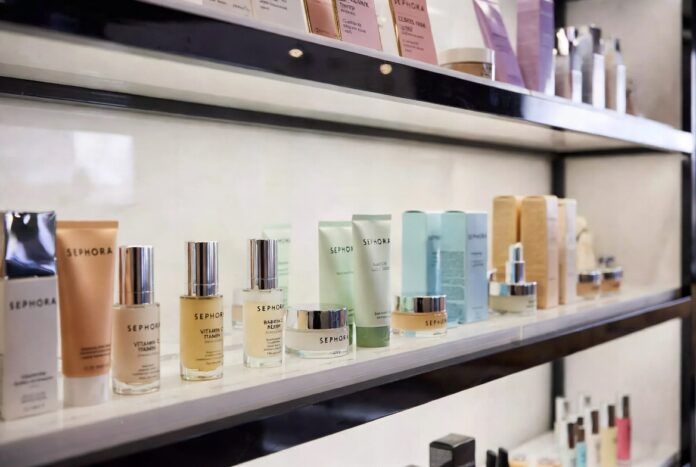
Walk through any Sephora this spring and the visual cues are unmistakable. The beauty edit highlights rows of sleek, often minimalist packaging from lines focused on barrier repair, gentle exfoliation, and antioxidant protection. Vitamin C serums occupy prominent endcaps, their brightening claims backed by clinical data rather than influencer hype alone. Tinted moisturizers and skin tints sit beside them, positioned less as makeup and more as skincare extensions.

Retail analysts have called this the strongest skincare-driven quarter since the height of the pandemic, when home routines became a form of self-care and control. This time the driver feels less reactive and more deliberate. Consumers are not panic-buying; they are curating with intention. Data from the retailer and third-party trackers show a measurable uptick in sales of fragrance-free moisturizers, ceramide-rich creams, and stable vitamin C formulations. Makeup, particularly full-coverage foundations and complex contour kits, has seen a slight but noticeable softening in growth.

The Sephora Spring 2026 Beauty Edit did not invent this movement, but it has amplified it. By placing clean luxury skincare front and center—brands with derm-aligned credentials alongside accessible yet elevated options—the retailer has given permission for the shift to feel aspirational rather than ascetic.

What ‘Clean Luxury’ Actually Means in 2026

The phrase clean luxury skincare trend once risked sounding like marketing speak. Today it describes a category that marries clinical efficacy with thoughtful formulation. Think potent actives delivered in bases that respect the skin barrier. Ingredients lists that prioritize transparency without sacrificing performance. Packaging that feels premium yet avoids excess.

In practice, this looks like serums with multiple stable forms of vitamin C, moisturizers layered with ceramides and cholesterol to mimic the skin’s natural lipids, and daily SPFs that double as primers or tint providers. These products do not shout; they deliver. And in an era of ingredient fatigue, that restraint has become its own form of luxury.

The Sephora edit leans into this ethos. Featured lines often combine science-backed claims with clean credentials—free from common irritants, supported by dermatologists, and formulated for real-life use rather than idealized routines. The result is a quiet confidence on the shelf: these products are here because they work, not because they photograph well in a grid.


Barrier Repair and the Vitamin C Surge

If one category defines the current frenzy, it is barrier repair. Viral creams and serums promising to rebuild the skin’s protective layer have dominated conversations and shopping carts. Consumers report less redness, fewer breakouts, and a general sense of resilience after consistent use. In a world of environmental stressors, screen time, and variable climates, fortifying the barrier has become the foundational step many were missing.

Running parallel is the vitamin C serum boom. Stable, non-irritating formulations—often at 15% or higher concentrations with supporting antioxidants like ferulic acid—have become bestsellers. They target dullness, uneven tone, and early signs of aging without the sting or instability of older versions. Sephora’s Spring 2026 edit has spotlighted several standouts, driving repeat purchases and new trial among those who previously avoided the ingredient.

Together, these trends reflect a broader understanding: healthy skin is the best canvas. Once the barrier is strong and tone is even, the need for heavy makeup diminishes naturally.

From Full Coverage to Skin-First Routines

The most visible manifestation of this shift is the move toward skin first makeup routine approaches. Influencers and everyday users alike showcase mornings that begin with a gentle cleanser, a hydrating serum, a barrier cream, daily SPF, and perhaps a light tint or gloss. The goal is not transformation but enhancement—glass skin that looks like skin, not product.

Minimalist makeup has gained ground. Skin tints, blurring balms, and dewy highlighters that blur the line between treatment and color cosmetics are thriving. Full-coverage foundations have not disappeared, but their role feels more occasional than everyday. Consumers report that investing in skincare first actually reduces the time and money spent on corrective makeup later.

This evolution feels particularly resonant in 2026. After a decade of increasingly elaborate beauty content, simplicity has acquired fresh appeal. The Sephora Spring 2026 Beauty Edit has captured that mood by curating products that support the philosophy: fewer steps, better skin, more confidence.


The Rise of Fragrance-Free and Minimalist Aesthetics

Fragrance-free beauty has shed its clinical reputation and become desirable. Consumers cite sensitivity concerns, but many simply prefer products that let their skin’s natural scent—or chosen fine fragrance—take center stage. The fragrance free beauty trend appears across cleansers, moisturizers, and even some treatment serums in the current edit.

Aesthetic preferences have followed suit. Packaging in the skincare-first wave favors matte neutrals, soft transparents, and clean typography over ornate designs. The overall look on vanities and in hauls is calmer, more intentional. This visual restraint mirrors the routines themselves: edited, effective, and quietly luxurious.

How Social Media and Retail Data Tell the Same Story

TikTok and Instagram Reels have played their part, but the content has changed. Instead of dramatic before-and-afters with dozens of products, creators now share simplified regimens that emphasize consistency and skin feel. Hashtags around barrier repair, skinimalism, and viral skincare products show steady engagement, while complex makeup tutorials have cooled slightly.

Retail numbers reinforce the narrative. Sephora’s internal data and analyst reports point to skincare as the growth engine this quarter. The Spring Savings Event, running alongside the Beauty Edit, has seen strong movement in barrier creams, vitamin C serums, and gentle daily SPFs. Makeup sales remain healthy, particularly in hybrid categories, yet the momentum has clearly tilted toward products that improve skin rather than conceal it.

What This Moment Means for the Future of Beauty Consumption

The Sephora Spring 2026 Beauty Edit captures a consumer who is more informed, more protective of their skin, and less interested in trends that demand constant novelty. Clean luxury skincare is not a rejection of pleasure or self-expression; it is a redefinition of it. Investing in barrier health, thoughtful actives, and minimalist routines can feel more indulgent than accumulating products that underdeliver.

This shift carries implications beyond one retailer or season. Brands will need to prove efficacy and gentleness in equal measure. Influencers may find their audiences responding better to honest, results-driven content. And consumers, hopefully, will emerge with healthier skin and clearer priorities—less overwhelmed by choice, more attuned to what actually serves them.

In the end, the frenzy around the Spring 2026 edit is less about hype and more about recognition. After years of experimentation, many have landed on a simple truth: when the skin feels good, everything else follows. The shelves are reflecting that realization, one carefully chosen serum and cream at a time.

“Clean Girl Aesthetic” Evolves- Minimalist Beauty in 2026

“Clean Girl Aesthetic” Evolves- Minimalist Beauty in 2026

“Clean Girl Aesthetic” Evolves: How Sofia Richie Grainge Is Redefining Minimalist Beauty in 2026

The clean girl aesthetic never really left — it simply grew up. In 2026, what began as a TikTok-driven trend of slicked-back hair and dewy skin has matured into something more refined and intentional. The new version is quieter, more expensive-looking, and far more sophisticated. At the center of this evolution stands Sofia Richie Grainge, whose consistent, understated approach has quietly become the gold standard for minimalist beauty trend in the current year.

Richie Grainge has always understood the power of restraint. Her beauty choices — glowing skin that looks like it belongs to someone who actually sleeps eight hours, perfectly slicked hair, and makeup that enhances rather than transforms — have influenced millions. While others chase dramatic trends, she continues to champion a version of beauty that feels both aspirational and achievable. In doing so, she has helped push the clean girl aesthetic 2026 into its more luxurious and mature second chapter.

This is no longer just “no-makeup makeup.” It is skincare-first beauty with deliberate polish. The focus has shifted from looking effortlessly fresh to looking like someone who takes exceptional care of herself — quietly, consistently, and expensively.

The New Rules of Clean Girl 2.0

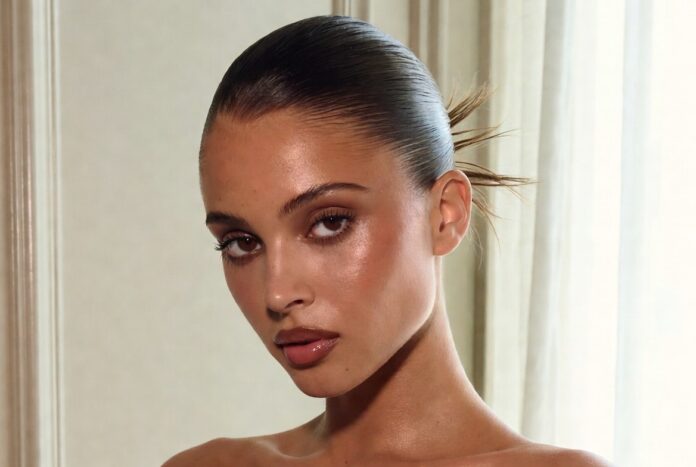
The original clean girl look emphasized glossy lips, flushed cheeks, and center-parted hair. The 2026 version is more architectural. Sofia Richie Grainge’s influence is visible in the preference for slicked-back buns or low ponytails, skin that appears lit from within, and makeup that barely registers as makeup.

The palette remains neutral, but the execution is more precise. Think warm taupe on the eyes, a soft brown lip liner blended into a barely-there tint, and strategically placed highlighter that mimics natural light hitting the skin. Foundation is used sparingly, if at all. The goal is healthy, refined skin rather than a flawless mask.

This evolution reflects a deeper cultural shift. After years of heavy contouring and full-coverage looks, many women are craving beauty routines that support skin health rather than hiding it. Skincare first makeup has become the new mantra, and Richie Grainge embodies it perfectly.

Why Sofia Richie Grainge’s Influence Endures

What sets Richie Grainge apart is her consistency. While many celebrities swing between dramatic transformations, she has maintained a signature look that feels authentic to her lifestyle. Her beauty routine — focused on hydration, gentle exfoliation, and minimal product — resonates because it feels realistic for women who want to look polished without spending hours in front of a mirror.

Her wedding-era glow continues to influence beauty trends well into 2026. The combination of luminous skin, defined brows, and understated lips has inspired everything from “clean girl wedding makeup” tutorials to everyday minimalist routines. Brands have responded by launching products specifically marketed toward this aesthetic: lightweight tinted moisturizers, cream blushes in neutral tones, and multi-use sticks that deliver subtle color and glow.

Sofia Richie beauty routine has become shorthand for intentional simplicity. It is not about doing less — it is about doing the right things exceptionally well.

The Broader Impact on Beauty Culture

The rise of luxury minimalism beauty signals a welcome correction in the industry. After years of increasingly complicated routines and heavy product layers, consumers are returning to the fundamentals: healthy skin, good lighting, and thoughtful application.

This shift has commercial consequences. Beauty brands are reformulating products to be more skin-friendly and launching curated “clean girl” or “effortless beauty” collections. Influencers are creating shorter, more realistic tutorials focused on simple beauty routine steps rather than 15-product transformations.

The trend also feels more inclusive. Because it prioritizes skin quality over coverage, it works across a wider range of ages and skin types. It celebrates natural texture and subtle variation rather than demanding perfection.

The Future of Minimalist Beauty

As we move through 2026, the clean girl aesthetic is expected to evolve further. Expect more emphasis on skin barrier health, advanced hydration techniques, and makeup formulas that blur the line between skincare and color. The most successful versions will continue to prioritize glow, definition, and intentional simplicity.

Sofia Richie Grainge has shown that true minimalism is not about absence — it is about presence done with intention. In redefining what clean beauty can look like, she has given a new generation of women permission to embrace their natural features while still looking undeniably polished.

In a world overwhelmed by trends, her version of beauty feels like a quiet revolution: less noise, more intention, and an enduring emphasis on looking like the best version of yourself.


Bella Hadid Y2K Style Edge- Dominating Street Style Trends

Bella Hadid Y2K Style Edge- Dominating Street Style Trends

Bella Hadid Brings Back Y2K Edge: Why Her Latest Look Is Dominating Street Style Trends

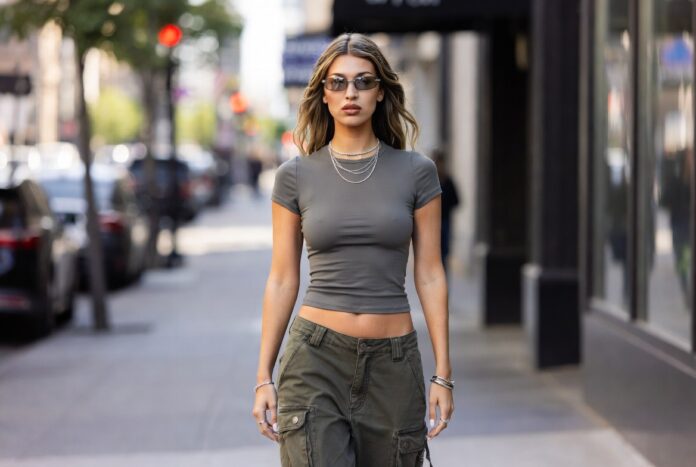
Bella Hadid has a gift for making the past feel urgent. In one casual street-style appearance in New York earlier this month, she reignited an entire era. Dressed in a full Y2K-inspired ensemble — low-rise cargo pants, a cropped baby tee, tinted sunglasses, and layered delicate jewelry — she didn’t just reference the early 2000s. She made them feel dangerously current again.

The look spread across social media within hours. What began as a simple off-duty moment quickly became one of the most discussed celebrity street style moments of 2026. Hadid’s ability to wear archival references without looking costume-like has once again proven why she remains one of the most powerful style influencers of her generation.

This wasn’t a soft, nostalgic revival. It carried the original Y2K edge — a mix of rebellious minimalism and unapologetic sensuality. Low-rise silhouettes that exposed the hip bones, metallic accents, and that signature “model off duty” nonchalance. In a single outfit, Bella Hadid reminded fashion that the early 2000s were never truly gone — they were simply waiting for the right moment to return.

The Anatomy of a Perfect Y2K Revival

Hadid’s look hit every nostalgic note while feeling fresh. The low-rise cargo pants sat dangerously low on the hips, paired with a tight baby tee that exposed just enough midriff. Tinted rectangular sunglasses and layered silver necklaces completed the picture. The styling was precise — tight where it needed to be, loose where it counted.

What made it work so well was the balance. She avoided the cartoonish versions of Y2K that have occasionally surfaced in recent years. Instead, she channeled the original spirit: confident, slightly rebellious, and deeply aware of the body. This approach has helped push 2000s fashion comeback from a micro-trend into something more substantial.

Fashion insiders have taken notice. Stylists and buyers report a sharp increase in searches for low-rise denim, baby tees, and early-2000s-inspired accessories. Several major brands have already begun reissuing archival pieces or creating new collections directly inspired by this moment.

Why Gen Z Is Embracing This Revival

The current wave of Y2K fashion trends 2026 feels different from previous revivals. Gen Z, many of whom were born after the original era, are discovering these aesthetics through TikTok and Instagram rather than lived memory. For them, Y2K represents freedom, playfulness, and a rejection of the overly polished minimalism that dominated the 2010s.

Bella Hadid’s version gives them permission to explore without irony. Her look feels aspirational yet achievable. It also taps into a broader cultural mood — a desire for clothing that is both nostalgic and forward-looking at the same time.

Bella Hadid street style continues to serve as a powerful mood board. When she wears something, it doesn’t just trend — it reshapes retail demand. Retailers have reported significant spikes in low-rise jeans and cropped tops following her recent appearances.

The Industry Response

Major brands have moved quickly. Several heritage labels have re-released early 2000s archival pieces, while fast-fashion retailers have flooded their collections with Y2K-inspired items. Even luxury houses are leaning into the trend, offering elevated versions of cargo pants, baby tees, and statement sunglasses.

This revival feels particularly potent because it coincides with a larger shift in fashion. After years of quiet luxury and stealth wealth, many consumers are craving personality, nostalgia, and a bit of fun again. Vintage fashion revival is no longer just about sustainability — it’s about emotional connection.

Stylists are calling this one of the strongest micro-trend revivals of the year. Unlike previous attempts that felt forced, this wave has genuine cultural momentum behind it, largely thanks to tastemakers like Bella Hadid who know exactly how to make the past feel relevant.

What This Means for Fashion Moving Forward

Bella Hadid’s latest look confirms that Y2K is no longer a fleeting nostalgia trip. It has evolved into a legitimate aesthetic language for 2026 — one that blends early 2000s attitude with contemporary sophistication.

As the year progresses, expect to see more creative interpretations: elevated cargo pants, modern baby tees, and fresh takes on tinted sunglasses and layered jewelry. The early 2000s style comeback is proving that certain eras never really die — they simply wait for the right moment and the right person to bring them back to life.

In Hadid’s hands, the Y2K revival feels less like costume and more like evolution. And right now, that evolution is dominating street style conversations worldwide.


Peacock April 2026 Lineup Is Dominating Entertainment

Why Peacock April 2026 Lineup Is Dominating Entertainment

Streaming Wars Heat Up: Why Peacock April 2026 Lineup Is Dominating Entertainment Searches

The streaming battlefield grew even more intense in April 2026. While Netflix, Disney+, and Max continue their familiar dominance, Peacock has emerged as a serious contender with a sharply curated slate that is commanding attention across both casual viewers and dedicated binge-watchers.

Peacock’s April 2026 releases struck a smart balance between blockbuster appeal and original programming. By combining major film franchises, fresh series, and live sports, the platform has created a compelling reason for subscribers to stay — or switch. The result? Peacock is currently dominating entertainment-related searches and conversations in a way few expected at the start of the year.

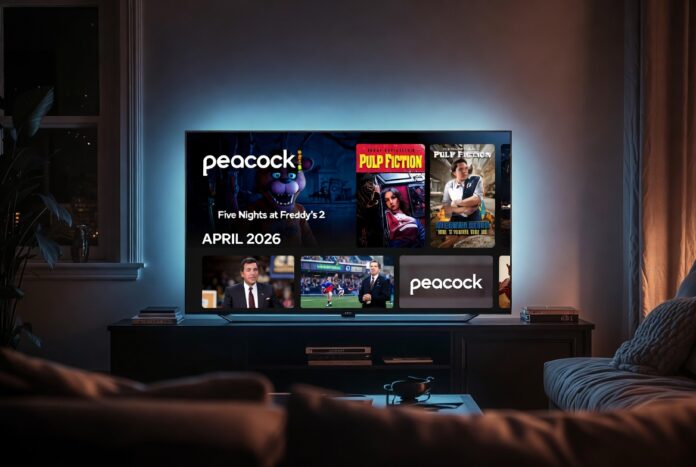
At the center of the buzz sits one title in particular: the long-awaited arrival of Five Nights at Freddy’s 2. The horror sequel’s streaming debut has generated massive anticipation, especially among younger audiences who helped turn the first film into a cultural phenomenon. Yet the platform’s strategy goes far beyond a single horror release.

A Strategic Mix of Blockbusters and Originals

Peacock smartly complemented its horror offering with heavyweight catalog titles. Classics like Pulp Fiction and Interstellar returned to the service, giving subscribers access to critically acclaimed films that still draw strong repeat viewership. These legacy titles provide prestige and comfort viewing, while newer originals and reality seasons keep the platform feeling current.

Meanwhile, expanded sports rights — particularly NBA and MLB coverage — have broadened Peacock’s appeal. Live sports remain one of the few content categories that consistently drive real-time engagement and cord-cutting momentum. By investing here, Peacock is positioning itself as more than just another entertainment app.

This balanced approach appears to be working. Early data shows significant spikes in both new sign-ups and viewing hours, suggesting that Peacock’s April 2026 lineup is resonating across different demographics.

The Broader Context of Streaming Wars 2026

April’s strong performance from Peacock highlights how fiercely competitive the streaming landscape has become. With subscriber growth slowing across the industry, platforms are no longer competing solely on volume. They are fighting for attention through carefully timed releases, smart catalog curation, and exclusive live events.

Peacock’s strategy this month reflects a maturing industry. Rather than trying to win every category, the platform is focusing on high-impact moments: major horror sequels, prestige films, and live sports. This targeted approach allows it to punch above its weight in cultural conversations.

For viewers, the benefit is clear. The new streaming shows 2026 and films arriving on Peacock this month offer genuine choice. Whether someone wants heart-pounding horror, thoughtful cinema, or live sports, the platform has positioned itself as a serious option.

What Comes Next in the Streaming Battle

As we move deeper into 2026, the pressure on all major platforms will only increase. Peacock’s April success suggests that thoughtful curation and timely releases can still create meaningful momentum, even against larger competitors.

The real test will be retention. Can Peacock convert this month’s surge in interest into long-term subscribers? Early signs are promising, but sustained growth will depend on maintaining a steady flow of compelling content throughout the year.

For now, Peacock has reminded the industry that a well-executed monthly slate can still capture the cultural conversation. In the ongoing streaming wars 2026, momentum matters — and right now, Peacock has it.

Timothee Chalamet Fashion Breaks Menswear Rules Again

Timothee Chalamet Fashion Breaks Menswear Rules Again

Timothée Chalamet Breaks Menswear Rules Again: The Bold Look Sparking a New Era of Androgynous Fashion

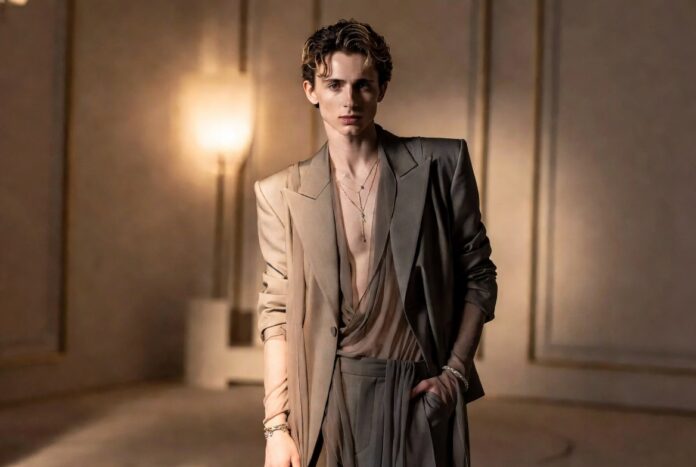
Timothée Chalamet has once again stepped onto the red carpet and quietly rewritten the rules of menswear. In early 2026, his latest public appearance — a carefully constructed ensemble that blurred the lines between masculine tailoring and fluid femininity — ignited intense discussion across fashion circles. The look was neither costume nor rebellion. It was something more precise: a confident assertion that modern masculinity no longer needs rigid boundaries.

Chalamet wore a sharply tailored jacket with exaggerated shoulders paired with a sheer, draped shirt underneath. The trousers were loose and flowing, falling with an almost liquid grace. Delicate jewelry and soft textures completed the composition. What made the outfit powerful was its restraint. There was no shock value for its own sake — only a deliberate, elegant challenge to convention.

This single appearance has accelerated conversations around androgynous menswear 2026 and gender fluid fashion trends. Chalamet has become one of the clearest symbols of a generation that views clothing as a tool for self-expression rather than a uniform of expected gender performance.

A New Vocabulary for Menswear

For decades, menswear operated within narrow parameters: structured shoulders, straight silhouettes, and muted tones. Chalamet’s approach rejects that limitation. He mixes precise tailoring with softer, more romantic elements — sheer fabrics, delicate necklines, and unexpected proportions. The result feels both luxurious and contemporary.

Industry insiders credit him with helping normalize a more expansive definition of masculinity. His choices have encouraged younger men, particularly Gen Z, to explore clothing without fear of judgment. What once might have been dismissed as “feminine” is now increasingly understood as simply stylish.

Timothee Chalamet fashion has become a reference point for designers pushing gender-neutral collections. Several luxury houses have cited his red carpet appearances as inspiration for their latest menswear lines, incorporating more fluid cuts, translucent materials, and softer color palettes.

The Cultural Weight of His Choices

Chalamet’s influence extends beyond aesthetics. In an era when conversations about gender identity and expression dominate cultural discourse, his consistent refusal to conform sends a clear message: clothing can be a space for exploration rather than restriction. He wears pieces that traditionally belong to womenswear without commentary or apology, allowing the clothes to speak for themselves.

Social media has amplified this impact. Discussions around fashion breaking gender norms frequently feature his name. Some praise his courage; others debate whether his style represents genuine progress or calculated celebrity branding. The conversation itself reveals how deeply society still grapples with evolving ideas of masculinity.

Yet Chalamet rarely addresses the noise directly. He lets the work — the careful curation of each look — do the talking. This quiet confidence has only strengthened his position as one of the most watched style figures of his generation.

Designers Respond to the Shift

Major fashion houses have taken notice. Collections presented for Fall/Winter 2026 showed a clear move toward gender-fluid design language: softer suiting, translucent outer layers, and accessories that refuse traditional categorization. Several creative directors have openly acknowledged Chalamet’s influence on their thinking about menswear.

This evolution feels particularly significant for Gen Z fashion trends 2026. Younger consumers increasingly reject binary notions of dressing. They seek pieces that reflect complexity, individuality, and emotional honesty. Chalamet’s style offers a visible blueprint for that desire.

The Future of Masculine Expression in Fashion

Chalamet’s latest look is not an isolated moment. It represents the continuation of a broader cultural shift that has been building for years. As luxury menswear moves further away from rigid tradition, the space for androgynous and gender-fluid expression continues to expand.

His influence suggests that the most compelling style statements in the coming years will come from those willing to move beyond outdated categories. The conversation is no longer about whether men can wear certain fabrics or silhouettes. It is about how clothing can more accurately reflect the full range of human identity.

In breaking menswear rules with such consistency and elegance, Timothée Chalamet has helped open the door to a more interesting, more honest chapter in fashion. The question now is not whether the industry will follow, but how far it is willing to go.