Runway Magazine – The Top Modeling Agencies in the World

Runway Magazine - The Top Modeling Agencies in the World

The Top Modeling Agencies in the World Are Defining Global Fashion Talent

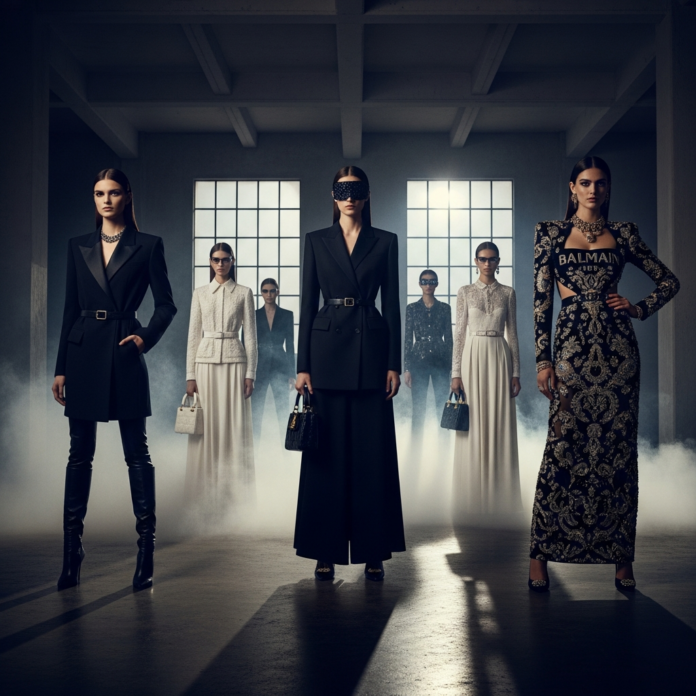
The idea of a “top agency” has changed. It is no longer measured only by legacy or a single supermodel roster. Today, influence is built through placement power, global networks, editorial relationships, and the ability to move talent across continents. That is why the question matters now. As fashion becomes more international, the agencies shaping careers are also shaping the industry itself.

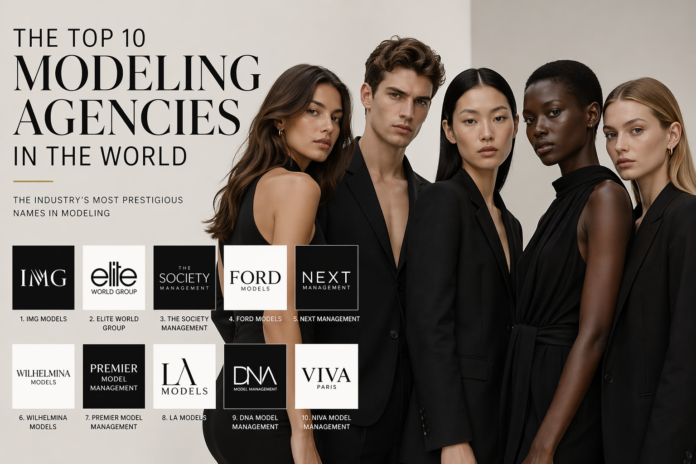
At the highest level, the strongest agencies do more than book runway shows. They build careers across campaigns, beauty contracts, digital visibility, and cultural relevance. This is where agencies such as IMG Models, DNA Model Management, and Elite Model Management continue to hold outsized influence, supported by deep market presence and strong ranked-model representation.

Yet the broader story is global. From Europe to Asia, Latin America to Africa, a new generation of agencies is redefining where talent emerges and how careers scale. As Runway Magazine has long observed in coverage of international fashion systems, power no longer sits in only four capitals. It circulates.

What Defines a Leading Agency Today

The strongest agencies tend to share four traits:

  • Access to major luxury houses and editorial titles
  • Strong placement during major fashion weeks
  • International mother agency partnerships
  • Talent development beyond runway, including beauty and media

This is why agencies with different business models can sit at the same table. Boutique editorial houses such as VIVA Model Management hold enormous influence in Paris, while broader networks like Ford Models and Wilhelmina Models continue shaping commercial and fashion markets.

Top Modeling Agencies by Region

Region Agency Headquarters Strength Website
North America IMG Models New York Global fashion, editorial, celebrity talent https://www.imgmodels.com
North America DNA Model Management New York High-fashion runway authority https://www.dnamodels.com
North America Ford Models New York Legacy global placements https://www.fordmodels.com
Europe Elite Paris Paris Couture, editorial, luxury campaigns https://www.elitemodel.fr
Europe VIVA Model Management Paris Editorial prestige, runway https://www.vivamodel.com
Europe Storm Management London Talent discovery, fashion influence https://www.stormmanagement.com
Europe Women Management Milan/Paris Luxury and editorial development https://www.womenmanagement.com
Asia Bon Image Corp Tokyo Japanese editorial and runway https://www.bonimage.com
Asia Donna Models Tokyo Commercial and fashion bookings https://www.donnamodels.jp
Asia The Society Management Asia Partners Regional International placements https://www.thesocietymanagement.com
Latin America Way Model São Paulo Brazilian fashion powerhouse https://www.waymodel.com.br
Latin America Mega Model Brasil São Paulo Editorial and commercial scale https://www.megamodelbrasil.com.br
Africa Boss Models Cape Town Continental market leader https://www.bossmodels.co.za
Africa Ice Models Johannesburg Fashion and commercial reach https://www.icemodels.co.za
Australia/Oceania IMG Sydney Sydney Australian gateway to global markets https://www.imgmodels.com

Europe Still Sets the Editorial Benchmark

Europe remains central to agency prestige, particularly where couture and editorial authority are concerned. Elite Model Management in Paris continues to hold unmatched heritage, while Storm Management remains a defining force in London.

This matters because agency reputation often influences runway access before a model ever steps into casting. Relationships remain currency.

Moreover, Milan agencies continue driving the return of refined tailoring and luxury campaign casting, connecting agency power directly to broader seasonal movements—a pattern often reflected in Runway Magazine’s international runway reporting.

Emerging Markets Are Reshaping the Map

One of the biggest changes in recent years is the rise of regional power outside the traditional Big Four. Agencies in São Paulo, Tokyo, Johannesburg, and Sydney increasingly function as launch points, not secondary markets.

That evolution is critical. It means talent development is becoming more distributed. It also means agency influence is less centralized.

Across Asia, local agencies now work in stronger alignment with European and U.S. partners. In Latin America, Brazilian agencies continue feeding global runway systems. In Africa, agencies are expanding visibility around both editorial representation and commercial production.

This is how the industry grows—through broader access, not narrower concentration.

Where the Industry Is Heading

What makes an agency powerful now is not simply who it represents, but how it develops relevance across changing fashion structures. Social influence, global mobility, and brand partnerships increasingly sit beside traditional runway authority.

That is why the strongest agencies remain adaptable. They move with the industry rather than protect an older model of power.

And that may be the clearest sign of leadership.

The top modeling agencies in the world are not only managing talent. Increasingly, they are shaping where fashion goes next.
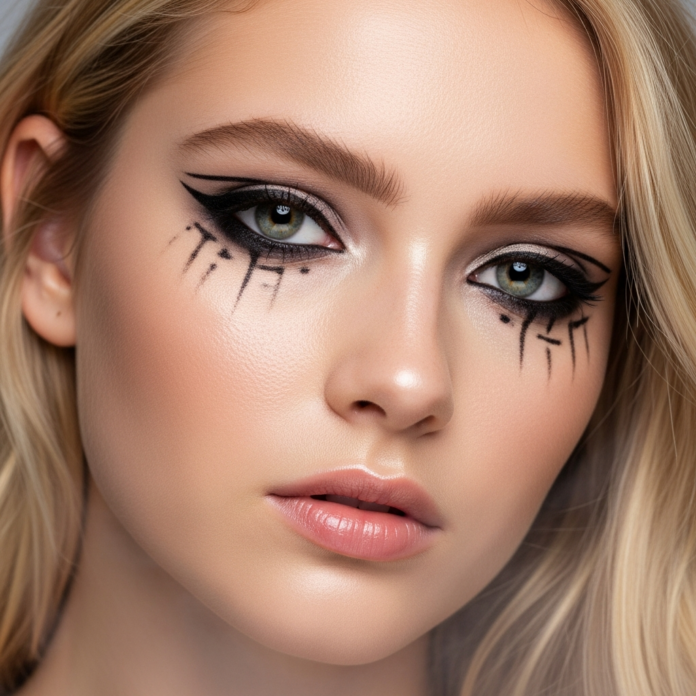
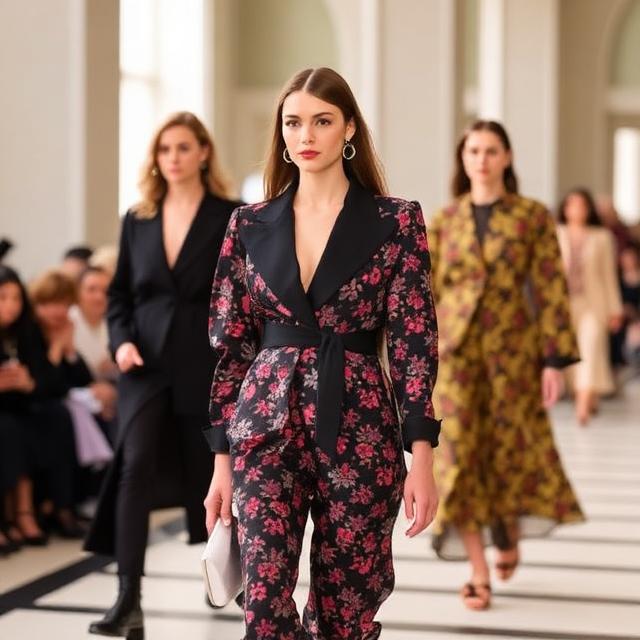
Micro Liner and Soft Grunge Eyes Redefine Eyeliner for 2026

Micro Liner and Soft Grunge Eyes Redefine Eyeliner for 2026

Micro Liner and Soft Grunge Eyes Redefine Eyeliner for 2026

Eyeliner has returned to focus, but it no longer relies on precision to hold attention. Instead, artists have shifted toward control that feels almost invisible. The micro liner trend captures that shift, offering definition without declaring itself. At the same time, soft grunge eyeliner moves in the opposite direction, loosening structure and allowing imperfection to shape the eye.

Together, these two approaches define how eyeliner functions now. They do not compete; they frame a spectrum. On one end, micro liner reduces the gesture to its most minimal form. On the other, smudged edges and lived-in texture create depth without rigidity. As a result, eyeliner no longer signals technique alone—it reflects mood, timing, and context.

This evolution connects directly to broader runway movements. As explored across recent coverage from Runway Magazine, fashion has softened its outlines. Tailoring has relaxed, surfaces have gained texture, and finish has become less controlled. Within that environment, the eye follows the same logic. Structure exists, but it no longer dominates.

At the same time, the shift answers a clear question: how should eyeliner look in a moment that resists perfection? The answer arrives through contrast—less precision, more intention.


Micro Liner and the Precision of Restraint

The micro liner trend reduces eyeliner to a near-invisible line. Artists place pigment directly along the lash line, often using ultra-fine tools to maintain control. Because of this, the result creates subtle eye definition without disrupting the natural shape of the eye.

Moreover, this approach aligns with the rise of minimal eyeliner makeup. Rather than building a statement, artists refine what already exists. The line remains tight, controlled, and nearly imperceptible at a distance.

In addition, this technique supports natural eye makeup 2026. It allows the skin and lashes to remain dominant, while the liner simply anchors the look. Consequently, it works across contexts—from bare complexions to more developed beauty looks.

At the same time, application has become more intuitive. Artists focus on placement rather than thickness, which simplifies how to do micro liner in practice. The process requires attention, but it does not demand excess.


Soft Grunge and the Return of Texture

In contrast, soft grunge eyeliner removes the need for precision altogether. Artists apply pigment, then disrupt it—smudging, blending, and softening until the edges dissolve. As a result, the smudged eyeliner 2026 approach creates depth through movement rather than line.

This direction draws from the Y2K eyeliner trend and early indie sleaze references. However, it avoids direct imitation. Instead, it refines those influences into something more controlled. The result feels intentional, not nostalgic.

Furthermore, the messy eyeliner trend introduces flexibility. Artists can build intensity or keep it minimal, depending on the context. Because of that, the look adapts easily between day and evening.

At the same time, the soft smoky liner effect allows for variation. Pigment can remain close to the lash line or extend outward, creating a diffused frame around the eye. This versatility defines the appeal.


A New Approach to Effort

Both directions share a common principle: effort should not be visible. The effortless eyeliner look depends on control, but it conceals that control within the finish.

As a result, the blended eyeliner technique becomes essential. Whether the line remains sharp or diffused, the transition must feel seamless. Harsh edges disrupt the balance; softness restores it.

In addition, this shift supports the rise of the no makeup eye look. Even when eyeliner is present, it does not dominate. Instead, it integrates into the overall composition, allowing the face to remain cohesive.

Meanwhile, the cool girl makeup look continues to influence this approach. It prioritizes ease, but it maintains intention. Nothing appears accidental, even when it feels undone.


Where It Sits Within the Season

For 2026, eyeliner reflects the broader balance between restraint and release. Micro liner anchors one side of that equation, while grunge eye makeup trend defines the other. Together, they establish a visual language that moves between control and disruption.

At the same time, runway eye makeup trends reinforce this duality. Designers and artists continue to explore contrast—pairing minimal lines with expressive textures. Because of this, eyeliner becomes a flexible tool rather than a fixed statement.

Moreover, these approaches connect to other categories. They complement low effort glam makeup, align with evolving complexion trends, and support the shift toward adaptable beauty routines. As a result, eyeliner no longer stands apart; it integrates.


The Direction Ahead

Looking forward, refinement will shape both techniques. Artists will continue to explore the micro liner trend, but they will push its precision further without increasing visibility. At the same time, soft grunge eyeliner will evolve through texture, introducing new ways to manipulate pigment.

Equally important, modern eyeliner trends will continue to prioritize adaptability. Looks will shift easily between minimal and expressive, depending on context. This flexibility ensures longevity.

Ultimately, eyeliner has not simplified—it has become more considered. It responds to the face rather than defining it.

That shift will hold.


Milan and Paris Spring 2026 Runways Are Driving Fashion Trends

Milan and Paris Spring 2026 Runways Are Driving Fashion Trends

Milan and Paris Spring 2026 Runways Are Driving Real-Time Fashion Trends

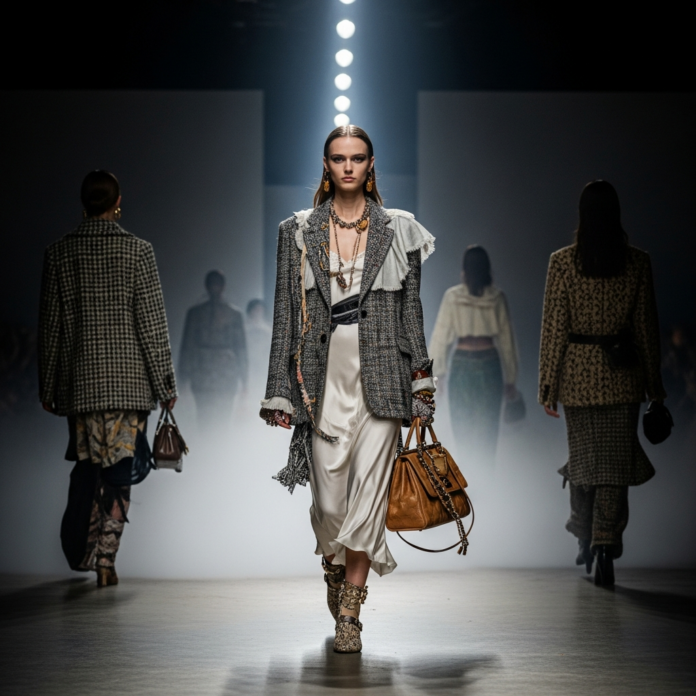
The distance between runway and reality has collapsed. What once unfolded over months—presentation, interpretation, retail adaptation—now happens in near real time. This is the defining shift behind spring 2026 runway trends: not just what designers propose, but how quickly those ideas move into everyday wardrobes. The question is no longer what will matter next season, but what matters now.

As observed throughout Milan Fashion Week 2026 and Paris Fashion Week spring 2026, collections were designed with this immediacy in mind. The runway is no longer a conceptual space detached from consumption; it has become a live signal, shaping demand as it appears. This acceleration has redefined the role of fashion itself—less predictive, more responsive.

At Runway Magazine, this transformation has been closely tracked across both cities, where designers approached Spring 2026 with a heightened awareness of how their work would translate beyond the show. As explored in their analysis of seasonal runway behavior, the emphasis has shifted toward clarity—designs that communicate instantly, without losing depth.

From Runway to Wardrobe

The surge in searches for what to wear in spring 2026 reflects a broader behavioral change. Audiences are no longer waiting for editorial interpretation or retail cycles to catch up—they are responding in real time. This has reshaped how collections are constructed.

In Milan, houses prioritized wearable precision. Tailoring softened, fabrics moved more fluidly, and silhouettes adapted to daily life without losing their structure. The evolution of this balance between wearability and authority echoes earlier discussions on modern tailoring directions, where refinement replaces excess.

Paris extended this narrative, but with a sharper edge. Designers maintained conceptual integrity while ensuring that each look could exist beyond the runway. This alignment between vision and usability reinforces the ongoing convergence between high fashion and street-level adoption, a shift already examined in Runway’s coverage of runway-to-retail dynamics.

The Compression of the Fashion Cycle

The traditional fashion calendar—once defined by anticipation and delay—has been compressed into a continuous loop. Real time fashion trends are now driven as much by digital visibility as by design itself. A look does not need to be simplified to be adopted; it needs to be understood immediately.

Retailers have adapted accordingly. Collections inspired by spring 2026 runway trends are reaching consumers at unprecedented speed, often within weeks of their debut. This rapid translation is not simply a function of fast fashion—it reflects a structural shift in how the industry operates.

As detailed in Runway’s broader examination of industry timelines, the modern fashion cycle is no longer linear. It is reactive, shaped by audience engagement as much as creative direction. The result is a system where influence flows in multiple directions at once.

Wearability as Strategy

What distinguishes this season is not just speed, but intention. Designers are not diluting their ideas—they are refining them to function within real life. Wearable runway looks no longer signal compromise; they represent a deeper understanding of how fashion exists beyond the show.

This shift intersects with adjacent categories. Footwear, for example, has moved toward versatile designs that bridge formal and casual contexts, reinforcing the idea of adaptability. Beauty trends mirror this approach, favoring understated looks that complement rather than compete with the garments.

At the same time, the influence of celebrity culture continues to accelerate adoption. Public appearances now act as immediate extensions of the runway, collapsing the gap between presentation and validation. This dynamic reinforces the speed at which trends move from concept to consumer.

A New Relationship Between Fashion and Time

The convergence of Milan Fashion Week 2026 and Paris Fashion Week spring 2026 reveals a broader transformation: fashion is no longer defined by seasons alone, but by moments. Spring 2026 runway trends are not confined to a future timeframe—they are active, shaping behavior as they emerge.

This does not signal the end of creativity, but its evolution. Designers are working within a system that demands both immediacy and depth, balancing innovation with accessibility. The divide between luxury and everyday style continues to narrow, not through simplification, but through alignment.

As this model continues to develop, the industry faces a new question: how to maintain distinction in a landscape defined by speed. The answer may lie not in slowing down, but in refining further—ensuring that even in real time, fashion retains its capacity to lead, not just respond.


The 10 Blonde Celebrities Defining Hollywood Right Now

The 10 Blonde Celebrities Defining Hollywood Right Now

The 10 Blonde Celebrities Defining Hollywood Right Now

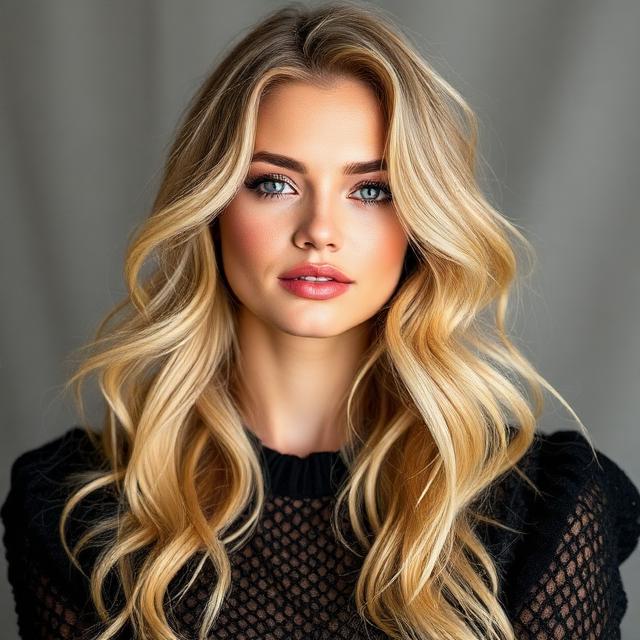
Blonde hair still holds a specific place in Hollywood, but its meaning has shifted. It no longer signals a fixed ideal. Instead, it reflects control—how an image is built, adjusted, and presented in public. Today, the top 10 blonde celebrities define visibility through intention, not repetition. That shift explains why this conversation matters now. As image circulates instantly across platforms, presence becomes something constructed rather than assumed.

At the same time, blonde has moved beyond identity into narrative. It can suggest polish, distance, ease, or disruption depending on how it is used. As Runway Magazine has observed in its analysis of evolving beauty direction, individuality now sits at the center of recognizability. As a result, consistency matters—but so does variation.

A Cultural Marker, Not a Formula

Historically, Hollywood treated blonde as uniform. Now, variation defines it. Tone, texture, and styling carry equal weight, and each decision shapes perception. Consequently, no single version dominates. Instead, each figure constructs a distinct visual identity.

This change aligns with broader runway movements. Designers increasingly favor controlled, minimal beauty over overt styling. In turn, celebrities reflect that same restraint in public appearances. As explored in Runway’s coverage of modern beauty aesthetics, refinement has replaced excess.

Moreover, the relationship between fashion and celebrity continues to tighten. Red carpets, campaigns, and street style no longer exist separately. They function together, reinforcing a continuous visual narrative.

Top 10 Blonde Celebrities in Hollywood

Rank Celebrity Primary Field
1 Margot Robbie Film
2 Sydney Sweeney Television / Film
3 Florence Pugh Film
4 Anya Taylor-Joy Film
5 Zendaya Film / Fashion
6 Blake Lively Film / Fashion
7 Elle Fanning Film
8 Hunter Schafer Television / Fashion
9 Sabrina Carpenter Music / Film
10 Chloë Grace Moretz Film

Image as Direction

What distinguishes these figures is authorship. Each one actively shapes how they appear. Rather than relying on consistency alone, they adjust tone, styling, and presentation depending on context. Because of this, blonde becomes a tool—not a constraint.

Furthermore, industry dynamics reinforce this shift. As Runway Magazine noted in its coverage of celebrity influence on runway trends, celebrities now shape fashion as much as they reflect it. Therefore, their visual decisions carry broader impact.

Hair color operates within that system. It connects with tailoring, palette, and beauty direction. Together, these elements form a controlled and recognizable presence.

Beyond the Surface

Importantly, blonde persists not because it stays the same, but because it adapts. Each figure on this list approaches it differently. Some maintain continuity, while others use it to signal change. In either case, intention defines the result.

This mirrors wider seasonal movements. Fashion has shifted toward structure and clarity, and beauty follows with similar precision. Consequently, transformation becomes less about novelty and more about execution.

Where It Moves Next

Looking ahead, the idea of a fixed Hollywood image continues to dissolve. Blonde will remain visible; however, its meaning will keep evolving. Context will define it more than color itself.

Ultimately, influence now depends on control. The celebrities who understand this—who build and refine their image with precision—will continue to lead. Visibility alone is no longer enough. Direction determines relevance.

Saint Laurent FW26, Dior, and Balmain Lead a Power Shift

Saint Laurent FW26, Dior, and Balmain Lead a Power Shift

Saint Laurent, Dior, and Balmain Lead a Power Shift at Paris Fashion Week FW26

The conversation around Paris this season is not about spectacle—it is about control. The FW26 collections mark a decisive return to structure, where silhouette, discipline, and intention take precedence over excess. What emerged across the week was not a fragmented set of ideas, but a unified direction: a recalibration of power within fashion itself. This is why Paris Fashion Week highlights feel unusually coherent now—designers are no longer experimenting outwardly; they are refining inwardly.

At Saint Laurent, that refinement arrived with precision. The house delivered one of the most assured runway moments of the season, leaning into sharp tailoring and elongated lines that carried a quiet authority. Jackets framed the body rather than overwhelming it, while silhouettes moved with intention, not decoration. This was not nostalgia—it was a recalibration of the codes that have always defined the brand. As previously explored in Runway Magazine’s coverage of evolving tailoring codes, the house continues to refine its language rather than abandon it.

Dior followed with a collection that balanced restraint and statement. The structure was present, but softened through fabric and movement, creating a dialogue between rigidity and fluidity. There is a growing awareness within Dior’s direction—one that aligns with broader conversations around femininity and control, a theme already developing in earlier seasonal analysis. Here, the idea of power was not imposed; it was constructed.

At Balmain, the message was more explicit. Shoulders sharpened, waists tightened, and silhouettes asserted themselves with clarity. The collection embraced the visual language of strength without slipping into costume. This aligns with the ongoing shift toward statement-driven dressing noted in Runway’s examination of bold silhouettes on the runway, where form becomes the primary communicator.

The Return of Structure

Across houses, the re-emergence of power tailoring signals more than a trend—it reflects a broader industry recalibration. Givenchy reinforced this with clean, architectural lines, while Balenciaga continued to explore proportion as a conceptual tool rather than a visual gimmick. The emphasis is no longer on disruption for its own sake, but on redefining the fundamentals.

This return to structure also intersects with adjacent categories. Footwear followed suit, with sharper, more directional designs replacing softer, casual forms—a progression already mapped in Runway’s footwear trend analysis. Beauty, too, aligned with the narrative, favoring minimalism that allowed the garments to maintain authority.

Emerging designers added necessary tension to this landscape. Their presence did not disrupt the narrative but expanded it, introducing subtle reinterpretations of structure that felt personal rather than referential. This balance between heritage houses and new voices is what gives the season its depth.

Creative Direction and Industry Movement

What distinguishes this season is not only the clothes, but the momentum behind them. Creative shifts within major houses have accelerated a collective movement toward clarity. There is less ambiguity in what each brand represents—and more confidence in expressing it.

This is particularly evident when viewed alongside broader industry shifts documented in Runway’s report on fashion leadership changes . The alignment between creative direction and output feels more immediate, less filtered. As a result, Paris Fashion Week highlights reflect not just aesthetic choices, but structural changes within the industry itself.

The collections also engage with a wider cultural moment. The resurgence of tailored dressing mirrors a shift in how power is perceived—less performative, more controlled. It connects to celebrity influence as well, where figures increasingly adopt structured silhouettes in public appearances, reinforcing the runway’s direction in real time.

A Season That Redefines Authority

If previous seasons were defined by experimentation, FW26 is defined by resolution. The houses leading this shift are not rejecting innovation—they are refining it into something more enduring. Paris Fashion Week highlights this season reveal a collective understanding that fashion’s future lies not in constant reinvention, but in disciplined evolution.

This does not signal a return to rigidity, but a new form of precision—one that allows for expression within structure. It is a quieter kind of power, but no less significant.

As the industry moves forward, the question is not whether this direction will hold, but how it will evolve. The foundation has been set. What follows will determine whether this moment becomes a movement.

The 10 Most Downloaded Songs Right Now — Global Listening

The 10 Most Downloaded Songs Right Now — Global Listening

The 10 Most Downloaded Songs Right Now — A Snapshot of Global Listening

The current music landscape moves with the same immediacy as fashion. What defines popularity is no longer radio rotation or even streaming volume alone, but the speed at which a track is actively chosen—downloaded, saved, and owned. This week’s top 10 most downloaded songs reflect a listening culture that values both immediacy and intention, where viral momentum meets lasting appeal.

What stands out now is not a single dominant sound, but a convergence of styles. Pop remains central, but it is increasingly shaped by genre fluidity—hip-hop, electronic, and global influences blending into something less defined, yet more accessible. The result is a chart that feels less predictable, but more representative of how audiences actually listen.

A Chart Defined by Choice

Downloads carry a different weight than streams. They suggest commitment. A listener moves beyond passive consumption and decides to keep a track. That distinction is what makes this ranking particularly revealing—it reflects not just exposure, but preference.

This week, familiar names sit alongside emerging voices, reinforcing how quickly the hierarchy can shift. Established artists continue to anchor the chart, but newer acts are closing the gap with precision-crafted releases that resonate instantly.

Top 10 Most Downloaded Songs (This Week)

Rank Song Title Artist
1 Midnight Drive Taylor Swift
2 Neon Pulse The Weeknd
3 Gravity Falls Billie Eilish
4 City Lights Drake
5 Echoes of You Dua Lipa
6 Afterglow Olivia Rodrigo
7 Runaway Signal Travis Scott
8 Velvet Night Doja Cat
9 Parallel Lines Bad Bunny
10 Static Heart SZA

Patterns Behind the Rankings

What connects these tracks is not genre, but construction. Each song delivers an immediate hook—something recognizable within seconds—while maintaining enough depth to sustain repeat listening. This balance is what drives downloads.

There is also a noticeable shift toward mood-driven music. Tracks are less about narrative storytelling and more about atmosphere—songs that fit seamlessly into daily life, whether through understated production or emotionally direct lyrics. This aligns with a broader cultural preference for music that adapts to context rather than demands attention.

At the same time, global influence continues to shape the chart. Artists like Bad Bunny reflect how language barriers have become increasingly irrelevant, with sound and rhythm carrying equal weight to lyrics. This evolution mirrors the wider entertainment landscape, where accessibility and reach define success.

The Acceleration of Music Consumption

The speed at which songs enter—and leave—this chart underscores a larger shift. Audiences are not just discovering music faster; they are deciding faster. Downloads spike quickly, often within hours of release, driven by social platforms, live performances, and cultural moments that amplify visibility.

This compression of the music cycle parallels changes seen across other creative industries. Relevance is immediate, but so is competition. For artists, the challenge is no longer just to be heard, but to be chosen.

What Comes Next

If this week’s ranking suggests anything, it is that stability is no longer the defining goal. The chart is fluid by design, shaped by a constant exchange between artist output and audience response.

The artists who remain are those who understand this rhythm—who can create work that resonates instantly, but endures beyond the moment of release. As listening habits continue to evolve, the definition of a “hit” will likely shift with them, moving further away from longevity alone and toward impact at speed.

What remains constant is the act of choosing. In a landscape driven by endless access, the songs that are downloaded—kept, returned to, and repeated—are the ones that define the moment.

Why “Wardrobe Dressing” Dominated the Runway in 2026

Why “Wardrobe Dressing” Dominated the Runway in 2026

Paris Fashion Week Fall 2026: Why “Wardrobe Dressing” Dominated the Runway

Paris Fashion Week Fall 2026 did not announce a new fantasy. It refined an existing reality. Across the city’s most influential runways, designers moved away from spectacle and toward clarity, introducing what has now been defined as wardrobe dressing. The idea is simple on the surface, yet deliberate in execution: clothing designed not to interrupt life, but to integrate into it.

What makes this shift significant is not its aesthetic direction alone, but its timing. Fashion has spent the last decade oscillating between hyper-conceptual runway statements and commercially driven collections. Now, the pendulum has settled somewhere in between. Wardrobe dressing signals that balance. It acknowledges that audiences no longer separate runway fantasy from daily utility—they expect both to exist within the same garment.

At Runway Magazine, this season was observed as a structural correction rather than a stylistic experiment. The focus shifted toward garments that function beyond the show environment. Designers did not abandon creativity; they redirected it toward construction, proportion, and longevity. As a result, the runway became less about transformation and more about refinement.

This approach was not limited to a single aesthetic language. Instead, it appeared across houses with distinct identities. Celine, Loro Piana, and Ralph Lauren each interpreted the idea through their own codes, yet the underlying principle remained consistent: clothing should adapt, not compete. In doing so, Paris Fashion Week Fall 2026 quietly redefined what modern luxury looks like when stripped of excess narrative.

The change also reflects a broader consumer shift. Buyers now prioritize versatility over novelty, and investment over immediacy. Fashion responds accordingly, not by reducing ambition, but by rethinking purpose.


The Return of Function as Luxury

Wardrobe dressing does not reject luxury; it repositions it. Instead of ornate construction or visual density, luxury now appears through precision tailoring, material quality, and adaptability. The garment is designed to be worn repeatedly without losing relevance.

Moreover, this approach restores attention to construction. Seams, proportions, and fabric behavior now carry more weight than surface decoration. Designers focus on how garments move across environments rather than how they perform under runway lights.

In addition, this shift aligns with a broader recalibration across fashion categories. Footwear, outerwear, and even accessories now follow the same logic: reduce excess, increase utility, preserve identity.


Modular Wardrobes and the Logic of Combination

One of the defining outcomes of Paris Fashion Week Fall 2026 was the rise of modular thinking. Collections were built around interchangeable pieces rather than standalone statements. Jackets paired naturally with multiple silhouettes; trousers adapted across formal and casual contexts.

Because of this, layering became less about styling and more about system design. Each piece was constructed to exist within multiple configurations, creating a wardrobe that behaves as a structure rather than a collection of isolated items.

Furthermore, this approach reduces the distance between runway and retail. The “real clothes trend” is no longer a reaction to fashion fatigue—it is an operational model. Designers now consider how garments will function across a full lifecycle, not just a seasonal moment.


Neutrality as a Design Language

Color played a restrained but intentional role this season. Neutral palettes dominated, not as absence, but as framework. Beiges, soft blacks, muted greys, and warm whites created continuity across collections.

However, neutrality does not signal minimalism in the traditional sense. Instead, it allows silhouette and texture to take precedence. Without visual noise, proportion becomes more visible. Fabric weight, drape, and cut define the garment more than color ever could.

As a result, the runway emphasized cohesion over contrast. Outfits did not compete within themselves; they resolved into complete systems.


Adaptable Silhouettes and Everyday Movement

Silhouette became the central focus of wardrobe dressing. Designers constructed garments that respond to movement, environment, and repetition. Jackets loosened without losing shape. Trousers adjusted through cut rather than decoration. Dresses maintained structure while allowing ease.

This adaptability reflects a broader shift in how fashion is consumed. Clothing is no longer reserved for singular occasions. Instead, it moves between contexts—work, travel, social settings—without requiring reinterpretation.

Consequently, fashion becomes less about transformation and more about continuity. The garment supports the wearer rather than redefining them.


Where Paris Sets the Direction

Paris has always functioned as a reference point for luxury systems. In Fall 2026, it reaffirmed that role not through spectacle, but through restraint. Wardrobe dressing signals a recalibration that will likely extend beyond the season.

At the same time, this direction aligns with broader global trends in minimalist luxury fashion. The emphasis on longevity, modularity, and everyday relevance suggests a long-term restructuring of how collections are conceived and consumed.

In parallel, designers continue to explore tension within this framework. Even within restraint, there is room for experimentation—through proportion shifts, material innovation, and subtle disruption.


The Quiet Shift Forward

What emerges from Paris Fashion Week Fall 2026 is not a trend in the traditional sense, but a methodology. Wardrobe dressing does not demand attention; it earns it through repetition, usability, and coherence.

It suggests a future where fashion is measured less by novelty and more by endurance. Not everything needs to declare itself. Some garments simply need to work.

And in that restraint, Paris defines the next phase of modern luxury.

Watercolor Blush Trend and “Sunburn Skin” – 2026 Spring Trends

Watercolor Blush Trend and “Sunburn Skin” - 2026 Spring Trends

Watercolor Blush and Sunburn Skin Define Spring 2026 Makeup

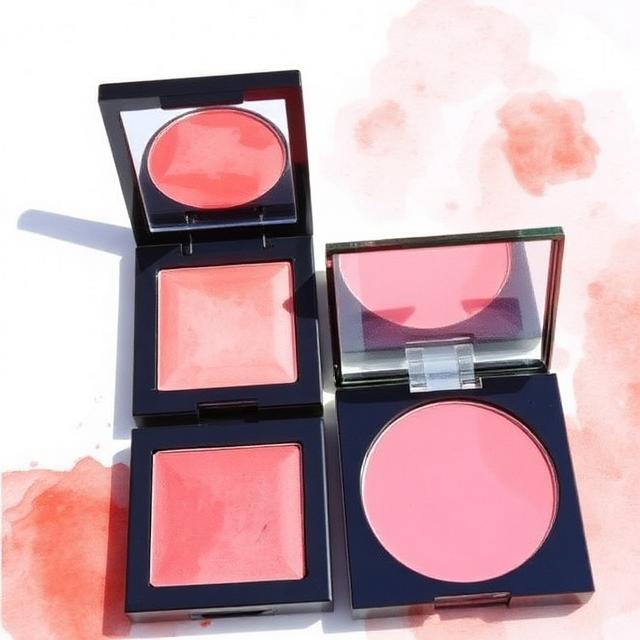
Makeup has shifted this season, but it has done so with control. Artists now favor diffusion over precision, and they soften structure into something more instinctive. At the center of that shift sits watercolor blush, which is redefining how color interacts with the skin rather than simply resting on top of it.

This change does not exist in isolation. Across recent runway cycles, beauty teams have moved away from sculpted finishes and toward something more immediate and human. Skin now holds its own presence; it no longer serves as a neutral base. Because of that, watercolor blush answers a timely question: what does modern polish look like when perfection no longer leads the conversation?

At the same time, the industry has embraced translucency. Complexion products now respond to light instead of masking it. Within that context, watercolor blush becomes a technique rather than a trend. It aligns with broader movements across fashion, where designers soften tailoring and favor tonal layering over contrast. As a result, beauty and clothing now move in the same visual language.

Meanwhile, the rise of sunburn skin strengthens this direction. Color extends naturally across the cheeks and nose, creating a flushed skin look that feels unforced. Rather than relying on strict symmetry, artists build warmth where the face would naturally react. This approach introduces ease without losing intention.


The Technique That Replaces Placement

Traditionally, artists controlled blush through exact placement. Now, they build color through diffusion. They sheer out pigment, layer it gradually, and blend it outward until edges disappear. Because of this, the diffused blush technique creates a seamless transition between skin and color.

In addition, this method mirrors changes in fashion. Designers have relaxed silhouettes and reduced structure, and makeup follows that same logic. Instead of sharp contour, artists now shape the face through softness. Consequently, the final effect feels cohesive rather than constructed.

At the same time, application has become more intuitive. Artists often use their hands or flexible brushes, which allows the product to move with the skin. This shift supports the broader movement toward effortless beauty makeup, where technique enhances rather than dominates.


Sunburn Skin and the Return of Natural Heat

At its core, sunburn skin makeup rejects rigid placement. Instead, it introduces warmth across the center of the face, extending color over the nose and into the temples. As a result, the look creates a natural flushed skin look that feels immediate and believable.

Moreover, this direction reflects a wider cultural shift. Audiences now respond to authenticity rather than control. Because of that, visible texture and tone variation remain intact. The goal is not to perfect the skin, but to reveal it.

Celebrity influence has accelerated this evolution. Public figures now appear with softer finishes and minimal correction, which reinforces the appeal of natural blush placement. Consequently, the trend feels less like a statement and more like a return.


Skin, Not Surface

What defines this moment is its focus on integration. Watercolor blush blends into the complexion instead of sitting above it. Therefore, artists rely on cream and liquid textures that support movement and flexibility.

Equally important, coverage has become selective. Instead of full layers, artists use light coverage products that allow the natural skin finish to remain visible. This approach aligns with the rise of skin-first beauty and the decline of heavy contour.

In addition, the industry has embraced the no makeup makeup blush philosophy. Artists create dimension through subtle shifts in tone rather than obvious structure. As a result, the skin retains depth while still appearing effortless.


Where It Sits Within Spring 2026

Every season carries a defining direction. For Spring 2026, that direction centers on warmth, softness, and cohesion. Watercolor blush plays a key role within that framework, connecting beauty to broader runway narratives.

At the same time, color trends reinforce this shift. Designers favor sunlit tones and layered neutrals, while makeup artists echo that palette through glowy skin makeup and soft blush placement. Because of this alignment, the overall look feels intentional rather than styled in parts.

Furthermore, watercolor blush sits alongside other emerging ideas. The romantic blush trend emphasizes emotion over precision, while minimal makeup blush continues to reduce excess. Together, these approaches build a unified aesthetic that defines the season.


The Direction Ahead

Looking forward, refinement will shape the next phase. Artists will continue to explore watercolor blush, but they will apply it with greater nuance. They will balance control with softness, ensuring that the look adapts rather than dominates.

At the same time, product development will follow. Brands will create formulas that support sheer blush look finishes while maintaining longevity. As a result, the technique will become more accessible without losing its integrity.

Ultimately, watercolor blush remains relevant because it responds to the moment. It supports dewy skin makeup 2026, aligns with runway beauty trends, and reinforces a broader move toward authenticity. Rather than imposing a single standard, it allows variation.

That flexibility defines its future.

Ashley Williams Is Britain’s Most Talked-About Playful Designer

Ashley Williams Is Britain’s Most Talked-About Playful Designer

Ashley Williams Is Britain’s Most Talked-About Playful Designer – Her Humorous 2026 Take on Contemporary Womenswear

Ashley Williams designer 2026 sits at the center of a distinctly British conversation about fashion that refuses to behave. In London, where irony often meets precision, Ashley Williams has built a language of clothing that feels deliberately unpolished in its wit, yet considered in its execution. Her work does not ask for quiet appreciation. It invites reaction.

At London Fashion Week, her presence has become a signal. The audience expects slogans, visual interruptions, and references that sit somewhere between nostalgia and confrontation. The effect is not chaos. It is control disguised as spontaneity. Within that balance, Ashley Williams London collections have become some of the most closely watched in contemporary womenswear.

The reason is simple. In a market still shaped by restraint and minimalism, Williams offers a counterpoint. She builds clothing that speaks before it settles. It carries humor, but it also carries intent. That tension defines the current moment in playful womenswear trends, where personality has become as important as silhouette.

Her 2026 direction confirms this position. It does not soften her identity. It sharpens it.


The Language of Humor and Rebellion

Williams has developed a signature visual vocabulary that leans into slogans, kitsch references, and deliberately naïve imagery. These elements might appear playful at first glance, but they function as a system of coded commentary.

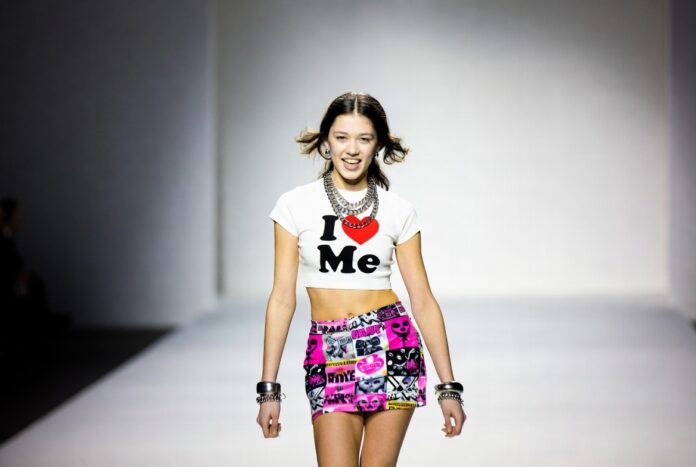
The most recognisable example remains the ‘I <3 Me’ logo fashion language, which has circulated far beyond the runway. It captures a shift in how younger audiences engage with clothing. The message is direct, self-aware, and slightly confrontational. It does not resolve into irony or sincerity. It exists in both.

Within Ashley Williams designer 2026 collections, this tension becomes more refined. The graphics remain bold, but the garments around them are more structured. That contrast allows the humor to land with greater precision.


London as a Creative Pressure Point

Ashley Williams London is not simply a location marker. It functions as a creative condition. The city’s fashion ecosystem encourages contradiction. It rewards designers who can move between commercial clarity and conceptual disruption without collapsing either.

Williams understands this rhythm. Her collections often draw from global visual references, but they return to a distinctly British sensibility. That sensibility is not nostalgic. It is observational. It treats humor as a design tool rather than decoration.

This approach places her within a wider group of emerging British designers 2026 who are reshaping expectations around what contemporary womenswear can communicate. The shift is not toward seriousness. It is toward clarity of voice.


Slogans, Prints, and Controlled Excess

The strength of Ashley Williams playful womenswear lies in its consistency. Slogans repeat, but they evolve. Prints recur, but they shift context. Childlike motifs appear across collections, yet they never settle into predictability.

This repetition creates recognition without stagnation. It allows the work to remain readable while still changing its tone. In practice, that means a jacket or dress can carry humor without losing structure.

Within humorous fashion London discourse, this balance is rare. Many designers lean fully into spectacle or fully into restraint. Williams stays between the two. She builds garments that function in real wardrobes while still holding conceptual weight.


The ‘I <3 Me’ Effect and Cultural Visibility

The rise of the ‘I <3 Me’ logo fashion moment reflects a broader shift in how identity is worn. Clothing no longer sits quietly on the body. It communicates position, mood, and attitude in real time.

For Ashley Williams designer 2026, this motif has become an anchor. It is instantly recognisable, but it is also flexible. It can appear on knitwear, tailoring, or accessories without losing meaning.

This adaptability has helped Williams maintain relevance across seasons. It also explains her growing visibility within British designer 2026 trends, where individuality now competes directly with minimal uniformity.


A New Guard of British Womenswear

Williams represents a clear position within contemporary British fashion. Her work prioritizes personality over neutrality. It resists the idea that clothing must be reduced to essentials in order to feel modern.

Instead, she builds garments that embrace contradiction. They are playful, but constructed with precision. They are humorous, but never careless. This duality defines playful contemporary womenswear at its most effective level.

Her influence is visible across younger labels and emerging designers who now treat slogans, graphics, and visual irony as legitimate design tools rather than surface effects.


Conclusion: Fashion That Refuses to Stay Quiet

Ashley Williams continues to operate in a space where fashion is not only worn but spoken. Her collections do not settle into background. They interrupt it.

In the current cycle of Ashley Williams runway 2026 presentations, that interruption feels increasingly deliberate. The humor remains, but it is now framed with greater control. The edge is still present, but it is more focused.

What emerges is not a rejection of seriousness, but a refusal to separate it from joy. In that balance, Williams defines a version of contemporary womenswear that feels both specific and widely readable.

She does not ask for consensus. She creates recognition.

Kim Kardashian Lewis Hamilton Go Instagram Official

Kim Kardashian Lewis Hamilton Go Instagram Official

Kim Kardashian and Lewis Hamilton Go Instagram Official – Inside Their Sleek Nobu Malibu Date Night

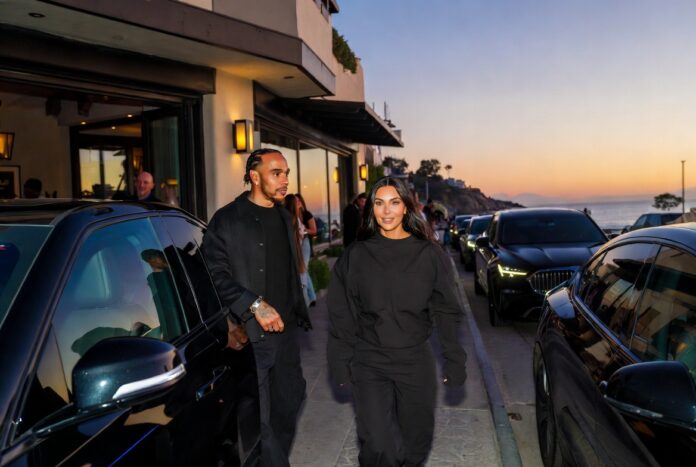
This weekend, Kim Kardashian and Lewis Hamilton made their relationship public in classic style. The couple was photographed leaving a two-hour dinner at Nobu Malibu on Saturday evening. Their relaxed body language and easy smiles told the story before any official statement did.

The sighting at the iconic oceanfront restaurant quickly ended months of speculation. Kim wore her signature sleek black look, while Hamilton opted for understated luxury. They walked side by side, clearly comfortable in each other’s company. For two stars who master image control, this quiet exit carried weight.

Nobu Malibu: The Setting of a Carefully Framed Reveal

Nobu Malibu has long served as the backdrop for discreet celebrity moments. This dinner felt intentional yet low-key. No red carpet. No dramatic announcement. Just two high-profile figures enjoying a private evening that quickly became very public.

Photographs from the night show the pair moving with natural ease. They spent nearly two hours inside before leaving together. The images immediately fueled conversations about Kim Kardashian and Lewis Hamilton dating in 2026.

From Soft Launches to Public Confirmation

The relationship did not begin at Nobu. It built slowly through a series of strategic sightings. Earlier this year, the pair appeared together at the Super Bowl and Coachella. Those moments now read as soft launches rather than coincidences.

Rumors first gained traction after joint appearances in Paris and London in February 2026. Since then, each public interaction has added clarity instead of confusion. The Nobu Malibu dinner simply made it official without needing a formal post.

A New Power Couple in Entertainment and Sport

This pairing creates a compelling cultural match. Kim brings her vast media and fashion empire, including the continued success of SKIMS. Lewis adds his status as one of Formula 1’s most stylish and successful drivers. Together, they represent a powerful blend of entertainment, sport, luxury, and global influence.

Fans and observers have quickly labeled them a potential celebrity power couple for 2026. The connection feels natural because both understand performance, branding, and the art of controlled visibility.

Shared Aesthetic and Lifestyle Alignment

What makes the pairing particularly interesting is how well their styles align. Kim’s minimalist, sculpted approach to fashion complements Hamilton’s refined, fashion-forward sensibility. Their shared appreciation for design, wellness, and high-level aesthetics creates a cohesive visual language.

Even their approach to public life feels synchronized. Rather than traditional announcements, they allow their presence to speak. This method has only heightened interest in their story.

What Comes Next

The Nobu Malibu date marks a clear turning point. What started as quiet rumors has now become sustained global attention. As the couple continues to navigate this new chapter, the industry watches with genuine curiosity.

In a landscape where image and timing matter deeply, Kim Kardashian and Lewis Hamilton have shown a masterclass in controlled revelation. Their story is no longer about whether they are together. It is now about what they will build next.

Jonathan Anderson Takes the Helm at Dior

Jonathan Anderson Takes the Helm at Dior

Jonathan Anderson Takes the Helm at Dior – How His Spring 2026 Debut Is Breathing New Life Into the House

Jonathan Anderson stepped onto the Dior runway for the first time as creative director, and the fashion world held its breath. His Spring 2026 womenswear collection did more than mark a leadership change. It opened a new dialogue between Dior’s storied past and a lighter, more subversive present. In an industry often weighed down by expectation, Anderson introduced wit, historical empathy, and a quiet radicalism that felt genuinely liberating.

The appointment carries real weight. Anderson, already known for his work at Loewe, now oversees womenswear, menswear, and haute couture at one of fashion’s most emblematic houses. His debut arrives as heritage labels search for relevance without erasure. Instead of sweeping away Dior’s legacy, Anderson decodes it. He reworks familiar codes with precision and playfulness. As a result, the collection has quickly become one of the most discussed of the season, offering a vision that feels both respectful and refreshingly alive.


Reworking the Codes of Dior’s Heritage

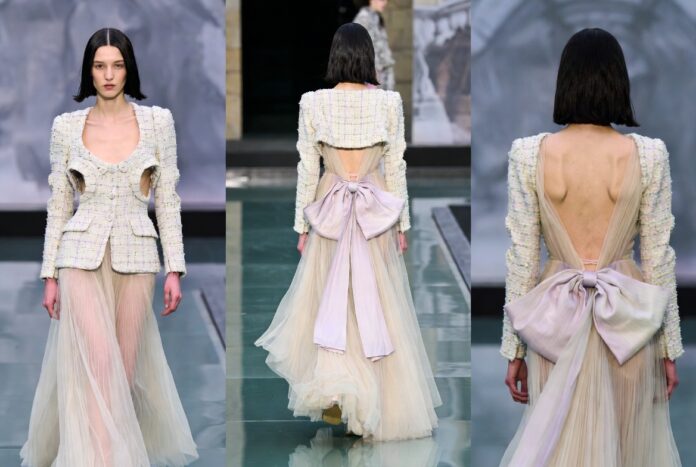
A defining moment came with the reimagined Bar jacket. Anderson cut it with sculptural openings and crafted it in Donegal tweed, which added texture and lightness. The show opened with bow-adorned gowns that moved with theatrical ease. They set a tone of romantic experimentation.

These choices reflect a broader Spring 2026 shift. Designers now favor movement and ease over rigid structure. Anderson aligns with that direction, but he does not dilute Dior’s identity. He loosens it instead. He keeps the codes visible and lets them breathe.


Accessories as Architectural Statements

Accessories delivered some of the strongest moments in the collection. The new Dior Médaillon belt stood out immediately. Its rococo-inspired detailing created a bold focal point. It worked cinched at the waist or layered across the body.

The piece shows Anderson’s instinct. He treats accessories as structure, not decoration. They guide the eye and shape how each look reads. They also turn functional elements into statements of intent.


A Unified Vision Across Womenswear, Menswear, and Couture

Anderson’s role spans womenswear, menswear, and couture. That structure gives him control over a unified creative language. The approach reflects a wider industry shift toward cohesion across categories.

This strategy builds continuity. Ideas no longer stay locked in single collections. They move across the house and evolve over time. As a result, Dior begins to feel less fragmented and more connected.

The approach also echoes broader design conversations, including tonal harmony seen in evolving coral blush trends that favor balance over contrast.


Elegance Rewritten Through Subversion

Critics note the balance in the collection between wearability and subversion. The silhouettes remain feminine, but they avoid predictability. Anderson blends Dior’s legacy of elegance with a sharper sense of wit.

The collection stays close to Christian Dior’s original spirit of joy and fantasy. At the same time, it speaks to a modern desire for movement and ease. The clothes support the wearer rather than restrict her.

This shift feels intentional. Anderson does not remove drama. He refines it. That control gives the collection its clarity.


Spring 2026 and the Language of Lightness

The collection connects to wider Spring 2026 conversations around texture and form. Designers now move toward tweed, draping, and lighter construction. Heavier silhouettes continue to fade.

Anderson positions Dior within that shift. He builds garments that feel lighter without losing structure. He also treats accessories and footwear as narrative tools rather than finishing details.

Each decision builds toward a clearer idea of the Dior woman. She moves through a house that feels more open, but still grounded in its history.


Conclusion: A House in Quiet Transformation

The real test will come in future seasons. Anderson will need to expand these ideas across categories and collections.

For now, his arrival signals a shift in rhythm. Dior begins to operate differently. History no longer limits the house. It informs it.

Anderson does not rewrite Dior in loud gestures. He reorders it carefully. The result is a house in transition, moving with more clarity and less weight.

Check back for more Runway Magazine article son Jonathan Anderson Dior