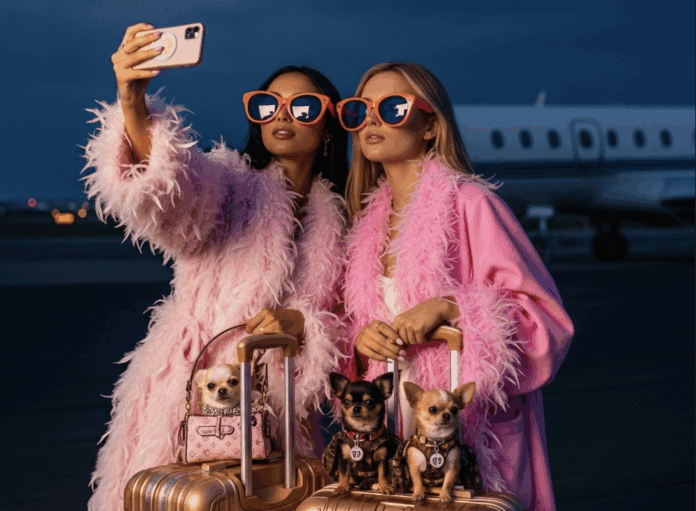
Political Beauty Standards: Empowering Women Through Self-Expression

Political Beauty Standards: Empowering Women Through Self-Expression

Beauty Standards as Political Statements

Beauty is not merely personal—it’s political. Modern beauty standards serve as more than aesthetic norms; they carry social messages, power dynamics, and ideological stances. When society dictates which bodies, skin tones, and styles are “acceptable,” those judgments expose underlying structures of privilege, exclusion, and control.

The Power Behind Beauty Standards

From classical statues to magazine covers, beauty has long upheld cultural authority. For centuries, certain physical traits—lighter skin, Eurocentric facial features, slim bodies—were equated with ideal existence. Conversely, traits outside those norms were marginalized or deemed lesser. This contrast reveals how beauty standards enforce social hierarchies.

In fact, contemporary research has demonstrated the political weight of beauty rules. For instance, the “prescriptive beauty norm” describes societal pressure that women intensify beauty investments to comply with gender expectations—a pattern that often reinforces workplace discrimination and gender inequality.Gender Action Portal Meanwhile, Eurocentric whiteness continues to dominate commercial aesthetics through “whitewashing” in advertising, which marginalizes deeper skin tones and reinforces inequitable beauty hierarchies.Wikipedia

Beauty isn’t a neutral domain—it is a tool wielded by market forces, political ideologies, and cultural institutions.

Identity, Resistance, and the Politics of Surface

Because beauty standards are political, they intersect forcefully with identity. Race, gender, sexuality, ability, and class all influence the pressures individuals face to conform. A Black woman, for example, often encounters colorism—biases against darker skin—even within marginalized communities. Such pressures drive dynasties of hair straightening, skin-lightening products, and exclusionary trends.

Yet resistance emerges through identity as well. When a queer person, a disabled model, or a person with vitiligo appears in high fashion, their visibility acts against conventional beauty rules. Their presence carries political weight—it asserts that beauty is plural, not monolithic, and that marginal bodies deserve space in the cultural narrative.

Media, Politics, and the Shifting Aesthetic Tide

Media channels shape and transmit beauty standards daily. Advertising, television, film, and social platforms curate “ideal” looks, often favoring narrow, commercial-friendly aesthetics. As Naomi Wolf’s The Beauty Myth argues, these ideals do not simply reflect tastes—they function as systemic levers that control women’s social roles and economic freedoms.Wikipedia

Recently, political shifts have pushed beauty back toward conservative ideals. Vogue Business describes how a conservative era is reshaping beauty norms—returning to ultra-gendered, traditionally “feminine” looks as cultural markers of control.Vogue Business Dazed Digital also warns of a “beauty backslide,” where ideals of extreme thinness and retro aesthetics become re-normalize.Dazed Digital

Even makeup trends are politicized. For example, terms like “Republican makeup” have appeared in public discourse, where certain styles are mocked or praised as ideological signifiers.The Wall Street Journal In that sense, applying lipstick or concealer can act like choosing a party—your face becomes part of your political statement.

Beauty as Activism

Beauty warriors turn the script. Movements around body positivity, inclusive casting, diversity in makeup, and unfiltered social media imagery have pressured industries to adapt. These acts push back against rigid standards, reclaiming bodies and features that were once excluded.

When brands feature more Black, Indigenous, fat, older, disabled, or gender-diverse faces, they are making political statements. When consumers demand ingredient transparency or reject filters that erase features, they challenge the commercial power behind beauty. These acts are more than trends—they signal cultural resistance.

Yet activism isn’t without tension. Some critiques point out that even “inclusivity” campaigns can be co-opted by marketing: packaging beauty as empowerment, while preserving commercial logic. True change demands shifting who defines beauty, not just widening the frame.

The Stakes of Beauty Standards

Why do beauty standards matter so much? Because they shape lives—opportunities, dignity, and identity. In employment, women are judged more harshly on appearance; in politics, candidates are scrutinized for hair, makeup, and clothes. Beauty becomes a currency of legitimacy or disqualification.

Moreover, algorithms now carry biases. A recent study found that AI beauty filters amplify the “halo effect”: when someone looks more conventionally attractive, they’re judged more intelligent, trustworthy, or capable.arXiv Worse, facial recognition models deploy bias, reinforcing biased beauty norms across race groups.arXiv This means digital tools—not just people—are perpetuating political salience of appearance.

Toward a Juster Aesthetic Ecology

Changing beauty standards is no small feat. It requires shifting the institutions that police appearance: marketing agencies, casting studios, media conglomerates, and even regulatory bodies. Still, adopting small strategies helps:

  • Demand transparency about representation metrics in campaigns

  • Support brands led by marginalized voices

  • Reject uniform filters or overly edited imagery

  • Celebrate multiple beauty forms in your personal media consumption

By doing so, we rewire cultural expectations and assert that beauty is inherently political—and always negotiable.

Conclusion

In today’s world, beauty standards are far more than superficial norms—they are political statements. They bolster social hierarchies, shape identity, and reflect current ideology. By unpacking their power, resisting exclusion, and demanding inclusive beauty practices, it’s possible to break aesthetic hegemony.

Beauty can become a tool for solidarity, equity, and expressive freedom rather than control. And in that possibility lies its greatest political promise.

Nepo Baby Phenomenon: Privilege of Celebrity Culture

Nepo Baby Phenomenon: Privilege of Celebrity Culture

The “Nepo Baby” Phenomenon: Privilege, Perception, and the Future of Celebrity Culture

The term “nepo baby” has become one of the most discussed phrases in pop culture today. Short for “nepotism baby,” it describes the child of a celebrity or public figure who benefits from family connections to build a career in the same industry. While nepotism has existed for decades, social media has turned the spotlight on how privilege and access shape fame in the modern era.

What Is a Nepo Baby?

A nepo baby is typically someone who gains professional advantages because of a famous family name. These advantages include easier access to auditions, introductions to influential mentors, or simply more opportunities to be noticed. However, the term isn’t limited to film and television. It also applies to fashion models, musicians, journalists, and even influencers who leverage familial fame to grow their careers.

In short, nepo babies inherit a form of social capital that others must spend years earning. This dynamic creates a tension between merit and privilege—an issue that the public increasingly scrutinizes.

The Rise of the Nepo Baby Debate

The phrase “nepo baby” exploded in popularity in 2022 after social media users began mapping celebrity family trees. Platforms like TikTok and X (formerly Twitter) showcased surprising connections between Hollywood’s elite. For instance, viewers discovered that some of their favorite rising stars were, in fact, second- or third-generation entertainers.

Moreover, major outlets like New York Magazine fueled the conversation with investigative features exposing the extent of nepotism across creative industries. Suddenly, what once passed as coincidence became a cultural conversation about fairness, opportunity, and visibility.

Why the Nepo Baby Discussion Matters

The nepo baby debate strikes a chord because it questions the idea of meritocracy. Critics argue that when the same families dominate industries, new and diverse talent struggles to gain traction. Furthermore, nepotism can make entire fields seem inaccessible, reinforcing inequality.

However, defenders counter that growing up around art, film, or fashion naturally inspires creativity. They note that many nepo babies are genuinely talented and work hard to prove themselves. For example, Maya Hawke, Zoë Kravitz, and Dakota Johnson have all received critical acclaim independent of their parents’ fame. Thus, the discussion is not about discrediting talent—it’s about acknowledging unequal starting points.

List of Well-Known Nepo Babies in Entertainment and Fashion

To understand the scale of this phenomenon, here are some of the most recognized nepo babies across various industries:

🎬 Film and Television

  • Zoë Kravitz — Daughter of musician Lenny Kravitz and actress Lisa Bonet

  • Maya Hawke — Daughter of actors Ethan Hawke and Uma Thurman

  • Dakota Johnson — Daughter of Don Johnson and Melanie Griffith

  • Lily-Rose Depp — Daughter of Johnny Depp and Vanessa Paradis

  • Kaia Gerber — Daughter of Cindy Crawford and Rande Gerber

  • Jaden and Willow Smith — Children of Will Smith and Jada Pinkett Smith

  • Jack Quaid — Son of Dennis Quaid and Meg Ryan

  • Margaret Qualley — Daughter of actress Andie MacDowell

  • Colin Hanks — Son of Tom Hanks and Rita Wilson

  • Eva Amurri — Daughter of Susan Sarandon

🎵 Music Industry

  • Blue Ivy Carter — Daughter of Beyoncé and Jay-Z

  • Miley Cyrus — Daughter of Billy Ray Cyrus

  • Enrique Iglesias — Son of Julio Iglesias

  • Sean Lennon — Son of John Lennon and Yoko Ono

  • Paris Jackson — Daughter of Michael Jackson

💄 Fashion and Modeling

  • Kaia Gerber — (again) A defining nepo baby of high fashion

  • Gigi and Bella Hadid — Daughters of Yolanda Hadid, model and TV star

  • Hailey Bieber — Daughter of actor Stephen Baldwin

  • Kendall Jenner — Member of the Kardashian-Jenner family empire

This list underscores how interconnected fame has become. While some of these figures are undeniably talented, their family backgrounds provided them with a valuable head start.

How Nepo Babies Respond to the Label

Interestingly, many nepo babies are aware of the criticism and address it directly. Lily-Rose Depp once stated that creative families naturally produce creative children, while Hailey Bieber famously wore a “nepo baby” T-shirt as a tongue-in-cheek response to online commentary. Others, like Maya Hawke and Zoë Kravitz, acknowledge their privilege while emphasizing the importance of hard work and individuality.

This transparency marks a shift in how celebrity offspring navigate fame. The conversation has moved from denial to self-awareness, signaling a cultural evolution in how privilege is discussed publicly.

Beyond Hollywood: Nepotism Everywhere

The nepo baby phenomenon extends far beyond Hollywood. In fashion, modeling dynasties dominate major campaigns. In music, record labels often sign the children of industry icons. Even in politics, legacy families like the Kennedys or the Bushes illustrate how influence can pass through generations.

Moreover, corporate environments mirror the same pattern, as family-owned companies frequently hand leadership positions to relatives. Thus, the nepo baby conversation mirrors larger systemic dynamics of privilege across society.

The Future of Nepo Babies

Looking ahead, the nepo baby label will likely evolve rather than disappear. Audiences are growing more critical of privilege, pushing industries to emphasize diversity and inclusivity. However, legacy fame still captivates people. The fascination with family lineages—especially in celebrity culture—remains strong.

As entertainment becomes more democratized through social media, we may see a more balanced field where both nepo babies and self-made creators coexist. Yet, the public will continue demanding transparency about who gets opportunities and why.

Conclusion: Rethinking Privilege in Fame

In conclusion, the nepo baby phenomenon forces an important reflection on fairness, privilege, and authenticity in today’s celebrity culture. While many children of famous parents are talented, their journeys often start from a place of advantage. Recognizing that fact doesn’t diminish their achievements—it deepens our understanding of how industries work.

Ultimately, the nepo baby debate isn’t about resentment; it’s about awareness. By acknowledging the role of inherited privilege, we can move toward a more equitable creative landscape—one where opportunity is driven by skill, not just lineage.

Trade Tariffs: Alarming Impact on Affordable Fashion Pricing

Trade Tariffs: Alarming Impact on Affordable Fashion Pricing

Trade Tariffs Impact: Understanding How Global Economics Shapes Fashion Pricing

Fashion may seem all about creativity, but behind every stylish garment lies a complex network of economic forces. One of the most powerful among them is trade tariffs. These taxes on imports and exports shape not only how goods move across borders but also how much consumers pay at the register. The trade tariffs impact on fashion pricing is undeniable, influencing everything from design decisions to supply chains and retail strategy.

What Are Trade Tariffs?

To grasp the trade tariffs impact on fashion, it’s essential to understand what they are. Trade tariffs are government-imposed taxes on goods imported from other countries. They serve two main purposes. First, they generate revenue for governments. Second, they act as a shield, protecting domestic industries from cheaper foreign competition.

However, while tariffs can support local manufacturers, they often raise production costs for global brands. In fashion—a highly interconnected industry reliant on international sourcing—this can trigger wide-reaching effects.

How Tariffs Disrupt Global Supply Chains

Fashion production relies heavily on international collaboration. Fabrics might come from Italy, zippers from Japan, and assembly might occur in Vietnam or Bangladesh. When trade tariffs shift, these carefully balanced supply chains are thrown into disarray.

For instance, if a country that exports cotton faces a sudden tariff increase, the cost of raw materials rises. Manufacturers then search for alternate suppliers in tariff-free regions. This constant reshuffling of supply chains causes instability, delays, and cost fluctuations throughout the industry.

Moreover, smaller fashion labels often struggle the most. They lack the resources to relocate sourcing quickly or negotiate new trade deals. Consequently, they experience sharper cost increases than large multinational brands.

The Link Between Tariffs and Fashion Pricing

When tariffs rise, so do production costs. These costs travel down the line—from manufacturers to brands, and finally, to consumers. Brands typically face two options. They can absorb the costs, reducing their profit margins, or they can pass them on through higher retail prices.

In most cases, brands choose the latter. Therefore, the trade tariffs impact becomes visible on store shelves, where price tags inch upward. Even minor tariffs can create noticeable price jumps once they ripple through multiple layers of production and distribution.

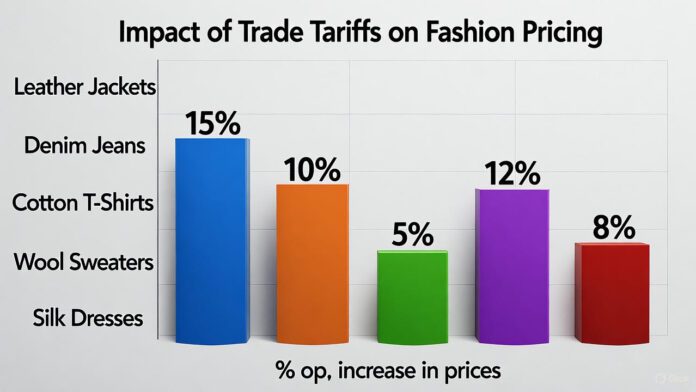
For example, if a clothing brand faces a 10% tariff on imported textiles, that increase magnifies by the time the finished garments reach consumers—due to shipping, labor, and marketing costs added along the way.

Consumers and Companies: Shared Consequences

Both consumers and companies feel the trade tariffs impact deeply. For shoppers, the result is straightforward—higher prices. When everyday essentials like jeans, jackets, or handbags cost more, purchasing power shrinks. Over time, this may push consumers toward fast fashion or discount retailers, shifting market dynamics entirely.

For brands and retailers, the pressure is more strategic. Margins shrink, forecasting becomes unpredictable, and long-term contracts can turn risky overnight. Some companies respond by cutting costs elsewhere—perhaps reducing marketing budgets or downsizing staff—to offset the financial burden. Others choose to diversify production, spreading manufacturing across several countries to minimize exposure to any single tariff policy.

Furthermore, the design process itself may adapt. To maintain affordability, brands might simplify materials, reduce embellishments, or opt for less expensive textiles. Thus, tariffs not only influence pricing but subtly shape fashion’s creative direction.

The Broader Global Context

The trade tariffs impact on fashion pricing is not confined to one country. Fashion is inherently global, and tariff shifts in one region often reverberate worldwide. When the United States or the European Union imposes tariffs on textile imports, manufacturing hubs like China, India, and Vietnam must adjust quickly.

Meanwhile, luxury fashion houses in Paris or Milan face similar challenges. Even high-end brands that source fine materials globally feel the sting of tariffs. Whether it’s silk from China or leather from Brazil, additional taxes can alter profit margins dramatically.

Additionally, developing nations reliant on textile exports can suffer economic slowdowns when tariffs rise, affecting employment and local economies. Therefore, the trade tariffs impact transcends fashion—it touches livelihoods and trade relationships across continents.

Sustainability and Tariffs: An Unexpected Link

Interestingly, some experts suggest that tariffs may push fashion toward greater sustainability. When importing materials becomes expensive, brands often turn to local or regional sourcing. This reduces carbon emissions linked to transportation and supports local economies.

However, this shift also presents new challenges. Local production can’t always match the scale or specialization of international suppliers. Consequently, while sustainability may improve, prices can still remain high. Thus, the relationship between tariffs and sustainability remains a balancing act.

The Future of Fashion Under Tariff Pressure

As we look ahead, the trade tariffs impact on fashion pricing will likely continue evolving. Geopolitical tensions, environmental policies, and new trade agreements will all influence how the industry responds.

Technology may also play a role. Digital supply chain management tools can help brands predict tariff changes and adjust sourcing strategies faster. Additionally, innovations like 3D printing and automation could reduce reliance on traditional import-heavy production methods.

Despite these advancements, one truth remains: global fashion will always depend on the delicate interplay between economics and creativity. Every stitch, zipper, and hemline is tied to international trade in some way.

Conclusion: Adapting to the New Economic Reality

In conclusion, the trade tariffs impact on fashion pricing highlights the deep connection between politics, economics, and style. Tariffs may begin as financial policies, but their reach extends into the closets of consumers and the strategies of billion-dollar fashion houses alike.

Brands that adapt swiftly—by diversifying supply chains, embracing sustainability, and leveraging technology—will thrive despite rising costs. Meanwhile, consumers who understand these dynamics can make more informed, value-driven purchases.

Ultimately, fashion’s future depends on balance: between global trade and local resilience, between creativity and cost. As the world changes, so too will the economics behind every garment we wear.

Essential Wedding Guest Fashion Etiquette Guide

Essential Wedding Guest Fashion Etiquette Guide

Wedding Guest Fashion Etiquette: All You Need To Know

Wedding guest fashion etiquette plays a prominent role when you’re attending someone’s big day. It’s an essential element that guides you on what to wear, depending on the type of wedding it is, and the level of formality required. This vital guideline ensures you never upstage the bride, groom or the bridal party. Here is a complete guideline to brush up on your wedding guest fashion etiquette.

Understanding The Dress Code Based On Invitation

The invitation usually sets the tone of the event. If it states a formal celebration, as a general rule, gowns for women and tuxedos for men should be your top picks. However, if the event is more relaxed, a fancy cocktail dress and a dark suit can certainly work. Remember the rule of thumb here: it’s always better to be overdressed than underdressed.

Style Don’ts—Avoiding The Blunders

There are certain don’ts in the realm of wedding guest fashion etiquette. First off, never wear white or ivory—these shades are reserved for the bride. Next, ascertain that you are not in overly flashy or attention-grabbing attire. For instance, avoid excessively sparkly dresses or flashy accessories.

Men should be cautious with overly colorful and bold ties that might clash with the general theme of the wedding. Always prioritize subtlety and class.

Another major blunder is wearing denim or casual wear unless specified in the invitation. Despite the trendiness, denim is a no-go area for traditional and formal weddings.

Non-Traditional Wedding Fashion Etiquette

Non-traditional weddings offer a different scope for wedding guest fashion etiquette. With the increase in themed and destination weddings, the attire you choose becomes even more interesting. Be sure to follow any dressing instructions from the couple or suggested on the invitation. A beach wedding may suggest breezy maxi dresses and linen suits; a Winter wonderland theme might point towards luxurious velvet and elegant fur-lined coats.

Daytime Vs Nighttime Wedding Etiquette

There’s a subtle difference between daytime and nighttime wedding etiquette. Daytime weddings usually require a smart dress or suit and a hat for women, and a suit and tie for men. Lighter colors and floral prints are more acceptable during the day, making an afternoon wedding the perfect opportunity to sport that pastel-colored dress or fancy ascot tie.

Nighttime weddings lean more towards black-tie attire; gowns, luxe fabrics, dark suit paired with a white shirt for men. Keep in mind, sparkle and shine are more acceptable in the evening.

Concluding Tips

Staying updated on wedding guest fashion etiquette can save you a lot of stress and confusion. Remember, your aim is to blend beautifully into the celebration without creating distractions. Always respect the couple’s wishes expressed in the invitation. And most importantly, wear something that allows you to enjoy the celebration comfortably, whether that’s ruffling your best dance moves or striding elegantly into a sit-down dinner.

Is there a shawl or wrap on hand if you are stepping into an evening chill? Are those high heels going to stand up to a night on the dance floor? Plan accordingly, and you’re much more likely to enjoy the celebration without any fashion hiccups or mishaps!

Remember, in the great theater of life, each event has an appropriate dress code. And weddings, with their beauty and grandeur, invite you to give your best—not simply in looks, but also in respect for the couple’s Big Day. This is the essence of proper wedding guest fashion etiquette.

In conclusion, attending a wedding is not only about celebrating the union of two hearts, but it’s also about adhering to unwritten rules about attire. Keep these points in mind, and you’ll never go wrong with your outfit!

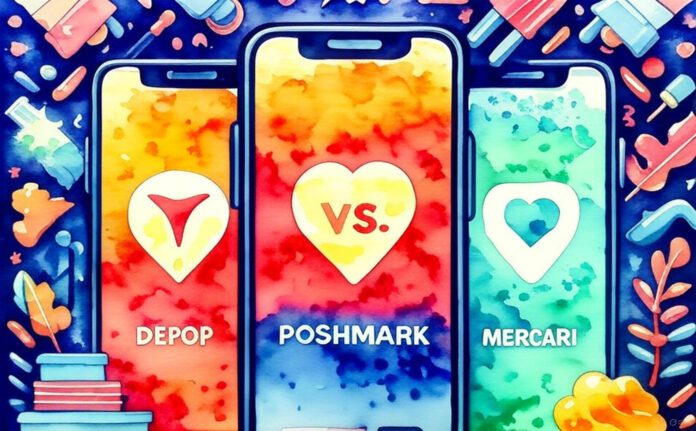
Resale Platform Comparison: Poshmark vs. Depop vs. Mercari

Resale Platform: Poshmark vs. Depop vs. Mercari Guide

Resale Platform Comparison: Poshmark vs Depop vs Mercari 2025

Secondhand shopping continues gaining tremendous momentum across all demographics. Indeed, resale platform comparison becomes essential for smart sellers and buyers. Moreover, understanding each marketplace’s unique features maximizes success potential. Consequently, choosing the right platform directly impacts profitability and experience.

Understanding Resale Platform Comparison Basics

First and foremost, resale platforms serve distinct market segments differently. Specifically, each marketplace attracts unique user demographics and preferences. Additionally, fee structures and selling processes vary significantly between platforms. Therefore, thorough resale platform comparison prevents costly mistakes and frustrations.

Furthermore, successful reselling requires matching your inventory to appropriate audiences. Meanwhile, platform features either enhance or hinder selling efficiency. Subsequently, strategic platform selection becomes crucial for achieving goals.

Poshmark: The Social Shopping Experience

Platform Overview and Features

Notably, Poshmark pioneered social commerce in resale platform comparison discussions. Indeed, launched in 2011, it revolutionized online secondhand shopping. Additionally, Poshmark emphasizes community building and social interaction. Therefore, sellers benefit from engaged, loyal follower bases.

Moreover, Poshmark’s signature “Posh Parties” create themed shopping events. Meanwhile, these virtual gatherings drive traffic to relevant listings. Consequently, strategic party participation significantly boosts visibility and sales.

Fee Structure and Costs

Furthermore, understanding Poshmark’s fees proves essential in resale platform comparison. Specifically, the platform charges $2.95 for sales under $15. Additionally, sales over $15 incur a 20% commission fee. Therefore, higher-value items yield better profit margins on Poshmark.

Moreover, Poshmark shipping uses flat-rate $7.97 prepaid labels. Meanwhile, this simplifies logistics but limits lightweight item profitability. Subsequently, sellers must price strategically to maintain margins.

Best For

Additionally, Poshmark excels for fashion-focused sellers in resale platform comparison. Specifically, designer handbags, shoes, and clothing perform exceptionally well. Furthermore, sellers building personal brands thrive on Poshmark’s social features. Therefore, community-oriented merchants find the platform particularly rewarding.

Depop: The Gen Z Vintage Haven

Platform Characteristics

Conversely, Depop dominates among younger demographics in resale platform comparison. Indeed, the Instagram-like interface appeals to creative, visual sellers. Additionally, Depop cultivates a distinctive vintage and streetwear aesthetic. Therefore, trendy, unique items gain maximum traction here.

Moreover, Depop’s European origins influence its sophisticated, editorial styling. Meanwhile, sellers curate cohesive feeds showcasing their personal aesthetic. Subsequently, photography skills and creative presentation become competitive advantages.

Commission and Payment Structure

Furthermore, Depop’s fee structure differs notably in resale platform comparison. Specifically, the platform charges 10% of the total transaction value. Additionally, PayPal fees apply separately, typically around 2.9% plus $0.30. Therefore, calculating actual profit requires considering multiple fee layers.

Moreover, sellers set their own shipping rates on Depop. Meanwhile, this flexibility allows creative pricing strategies. Consequently, lightweight items remain profitable unlike some competitors.

Ideal Sellers and Items

Additionally, Depop suits specific seller types in comprehensive resale platform comparison. Particularly, vintage curators and streetwear enthusiasts thrive here. Furthermore, Y2K fashion and rare sneakers perform exceptionally well. Therefore, niche, trendy inventory finds eager buyers quickly.

Mercari: The All-Purpose Marketplace

Platform Scope and Functionality

Alternatively, Mercari offers broader category options in resale platform comparison. Indeed, beyond fashion, electronics and home goods sell successfully. Additionally, Mercari provides straightforward, no-frills selling experiences. Therefore, efficiency-focused sellers appreciate its simplicity.

Moreover, Mercari’s interface prioritizes browsing and direct purchasing. Meanwhile, social features remain minimal compared to competitors. Subsequently, sellers focus purely on listings rather than community building.

Fee and Shipping Details

Furthermore, Mercari’s competitive fees stand out in resale platform comparison. Specifically, the platform charges only 10% commission on sales. Additionally, sellers choose between prepaid labels or buyer-paid shipping. Therefore, flexibility maximizes profit potential across item types.

Moreover, Mercari shipping options include multiple carrier choices. Meanwhile, weight-based pricing ensures fair costs. Consequently, both heavy and lightweight items remain profitable.

Best Use Cases

Additionally, Mercari excels for diverse inventory in resale platform comparison. Particularly, decluttering sellers benefit from accepting varied categories. Furthermore, quick, straightforward sales suit time-constrained merchants. Therefore, casual sellers often prefer Mercari’s simplicity.

Detailed Resale Platform Comparison

User Demographics

Notably, audience differences dramatically impact success in resale platform comparison. Indeed, Poshmark attracts predominantly female fashion enthusiasts aged 25-45. Meanwhile, Depop skews heavily toward Gen Z and young millennials. Conversely, Mercari serves broader demographics seeking various products.

Therefore, aligning inventory with platform demographics proves crucial. Subsequently, understanding your target buyer guides platform selection.

Selling Speed and Volume

Furthermore, transaction velocity varies significantly in platform comparison. Specifically, Poshmark’s social features can accelerate sales through sharing. Additionally, Depop’s visual discovery aids quick purchases of trendy items. Meanwhile, Mercari’s straightforward approach suits patient sellers.

Moreover, selling strategies differ based on platform mechanisms. Consequently, adapting tactics to each marketplace maximizes results.

Listing Creation Processes

Additionally, listing requirements differ notably in platform comparison. Particularly, Poshmark offers guided templates simplifying uploads. Meanwhile, Depop encourages creative photography and minimal text. Conversely, Mercari balances detailed descriptions with visual appeal.

Therefore, understanding platform expectations improves listing quality. Subsequently, optimized listings convert browsers into buyers more effectively.

Fee Comparison Breakdown

Direct Cost Analysis

Importantly, comprehensive resale platform comparison requires examining total costs. For instance, selling a $50 item yields different profits:

Poshmark: $50 – $10 (20%) – $7.97 (shipping) = $32.03 profit Depop: $50 – $5 (10%) – $1.76 (PayPal) – $5 (shipping) = $38.24 profit
Mercari: $50 – $5 (10%) – $5 (shipping) = $40 profit

Therefore, Mercari and Depop offer better margins in this scenario. However, Poshmark’s built-in audience may justify higher fees.

Marketing and Visibility Features

Promotional Tools

Furthermore, marketing capabilities vary in resale platform comparison. Specifically, Poshmark offers sharing, parties, and following mechanisms. Additionally, consistent engagement directly impacts visibility. Therefore, active sellers gain significant advantages.

Meanwhile, Depop utilizes algorithm-driven discovery and hashtag systems. Similarly, aesthetic consistency improves profile recommendations. Consequently, branding strategies become essential.

Conversely, Mercari relies primarily on search functionality. Therefore, keyword optimization in titles proves crucial for visibility.

Customer Communication

Additionally, buyer interaction differs across platforms in platform comparison. Particularly, Poshmark encourages friendly, conversational exchanges. Meanwhile, Depop fosters creative community connections. Conversely, Mercari maintains more transactional relationships.

Therefore, communication style should adapt to platform culture. Subsequently, matching platform etiquette improves customer satisfaction.

Multi-Platform Selling Strategy

Cross-Listing Benefits

Notably, successful resellers often utilize multiple platforms in resale platform comparison. Indeed, cross-listing tools streamline multi-platform management. Additionally, diversification reduces dependence on single marketplaces. Therefore, strategic multi-platform presence maximizes exposure.

Moreover, different items perform better on specific platforms. Meanwhile, testing across marketplaces identifies optimal placement. Consequently, data-driven decisions improve overall profitability.

Time Management Considerations

Furthermore, managing multiple platforms requires efficient systems. Specifically, inventory tracking prevents double-selling mishaps. Additionally, resale management apps automate repetitive tasks. Therefore, technology enables sustainable multi-platform selling.

Making Your Resale Platform Comparison Decision

Evaluate Your Goals

Ultimately, personal objectives guide platform comparison choices. Indeed, building a fashion brand suggests Poshmark or Depop. Meanwhile, quick decluttering favors Mercari’s simplicity. Therefore, clarifying intentions focuses platform selection.

Consider Your Inventory

Additionally, product types influence ideal platform in platform comparison. Specifically, designer fashion thrives on Poshmark. Meanwhile, vintage and streetwear suit Depop perfectly. Conversely, general merchandise finds homes on Mercari.

Assess Your Resources

Furthermore, available time and skills matter in platform comparison. Particularly, Poshmark requires consistent engagement and sharing. Meanwhile, Depop demands photography and styling abilities. Conversely, Mercari needs minimal ongoing maintenance.

Conclusion: Your Resale Platform Comparison Strategy

In conclusion, effective resale platform comparison requires understanding each marketplace deeply. No single platform suits everyone universally. Moreover, your specific situation determines optimal choices.

Therefore, consider starting with one platform matching your strengths. Subsequently, expand to others as experience grows. Ultimately, strategic resale platform comparison maximizes both profits and satisfaction.

Romantasy Fashion Trend: Mix of Fantasy and Romance

Romantasy Fashion Trend: Mix of Fantasy and Romance

Romantasy Fashion: Unleashing Your Inner Fantasies

Romantasy fashion blends fantasy and romance. It creates a magical style. This trend inspires creativity. Moreover, it adds passion to outfits. You can embrace whimsy daily. Romantasy fashion goes beyond normal clothes. It invites romantic dreams.

Step into the Enchanted World of Romantasy Fashion

Enter romantasy fashion’s realm. Here, imagination thrives freely. You find fairy tale gowns. They feature mystifying designs. Whimsical accessories add charm. All carry romantic vibes. For instance, flowing dresses evoke magic.

The core is expression. Romantasy fashion frees your style. It mixes vintage pieces. It blends modern touches too. Thus, you balance elegance. Corsets shine brightly. They pair with voluminous skirts. This creates fairy queen looks. Additionally, skirts float gracefully.

Romantasy fashion transforms basics. It adds whimsy easily. Elegant trims appear often. Scalloped edges delight. Elaborate embroidery twirls. These details bring ethereal feels. Even simple garments gain romance. Each stitch whispers love. It hints at magic realms.

Furthermore, romantasy fashion extends outward. Accessories elevate ensembles. Lace veils drape softly. Ornate headpieces crown you. Artistic masks intrigue. Decadent gloves finish looks. Materials matter greatly. Velvets feel luxurious. Silks shimmer softly. Laces add delicacy. Together, they boost romance.

Colors play key roles. Palettes draw from fantasies. Muted pastels soothe. Vibrant jewel tones pop. Metallic accents gleam. They echo magical worlds. Consequently, outfits sparkle with life.

Romantasy: Unraveling the Threads

Romantasy fashion revamps wardrobes. It infuses magic into daily wear. You start with core pieces. Corsets cinch waists tightly. Lace-up tops offer versatility. Pair them wisely. Floor-length skirts flow. They create enchanting bases. This forms quintessential romantasy looks.

Next, layer thoughtfully. Intricate lace jackets add mystery. Fairy-like capes swirl. Frothy tulle overlays lighten. Don’t fear mismatches. Prints clash playfully. Textures mix boldly. Romantasy thrives on discord. It unites unlikely elements. As a result, styles feel unique.

Build your wardrobe personally. Interpret trends your way. Start simple. Add fantasy gradually. For example, vintage brooches pin dreams. Modern boots ground whimsy. Balance keeps it wearable. Therefore, romantasy fashion suits all.

Accessories complete the magic. Chokers with charms dangle. Earrings shaped like wings flutter. Bags resemble potion vials. These touches immerse you. They transport to enchanted lands. Moreover, jewelry in silver or gold enhances glow.

Fabrics define the trend. Chiffon drifts lightly. Organza creates volume. Satin offers sheen. Each choice evokes romance. Fantasy elements shine through. Beads mimic stars. Sequins sparkle like spells. Thus, everyday items become portals.

The Magical Allure of Romantasy Fashion

Romantasy fashion charms deeply. It mixes ethereal dreams. It grounds them earthly. You portray alter egos. Escape reality briefly. Step into fantasy romance. The transformation captivates. Anyone can join. Surrender to whims.

This trend breaks routines. It ditches drab clothes. Instead, embody fascination. Become a fantasy vision. Magic hides in seams. Romantasy fashion unites worlds. Whimsical romance meets drama. It expresses boldly. Even mundane tastes awaken.

Social media boosts it. Influencers showcase gowns. TikTok tutorials teach layering. Instagram reels inspire. Communities share tips. For instance, DIY corsets trend. Vintage thrift finds mix in. Thus, accessibility grows.

Events embrace romantasy. Cosplay meets high fashion. Weddings adopt veils. Parties feature capes. Festivals highlight jewel tones. Photographers capture glows. Consequently, the trend spreads widely.

Sustainability enters too. Upcycle old dresses. Add lace patches. Reuse fabrics ethically. Romantasy encourages creativity. It reduces waste. Brands innovate with eco-velvets. Shoppers seek mindful magic. Therefore, style aligns with values.

Challenges exist mildly. High costs deter some. Custom pieces add expense. However, thrift stores help. Online patterns guide sewing. Communities offer swaps. Persistence unlocks allure. Romantasy rewards effort.

Critics call it niche. Yet, it influences mainstream. Runways borrow flows. Streetwear adds embroidery. Celebrities wear capes. Red carpets gleam metallic. As a result, romantasy evolves.

Building Your Romantasy Wardrobe Essentials

Essentials anchor your collection. Invest in quality corsets. They shape silhouettes. Choose adjustable laces. Skirts in tulle billow. Select versatile lengths. Tops with ruffles flirt. They mix easily.

Layering builds depth. Sheer blouses peek underneath. Capelets add drama. Shawls in silk drape. Experiment freely. Mismatch velvet with lace. Clash floral with geometric. Beauty lies in bold unions.

Footwear grounds fantasy. Boots with buckles stomp. Heeled slippers enchant. Sandals with straps weave. Colors coordinate playfully. Pastels soften. Jewels energize.

Hair and makeup enhance. Crowns of flowers bloom. Veils trail softly. Lip stains in berry. Eyes shadow in smoke. These finalize immersion.

Shopping tips simplify. Hunt vintage shops. Browse Etsy artisans. Follow indie brands. Sales yield treasures. Mix high-low pieces. Budget wisely. Romantasy thrives on ingenuity.

Seasonal adaptations work. Summer favors light chiffons. Winter welcomes heavy velvets. Layer furs faux. Adapt to climates. Core elements persist.

In essence, romantasy fashion empowers. It unleashes fantasies. Romance infuses every thread. Embrace it fully. Create your enchanted narrative. This trend captivates eternally. It charms all who dare.

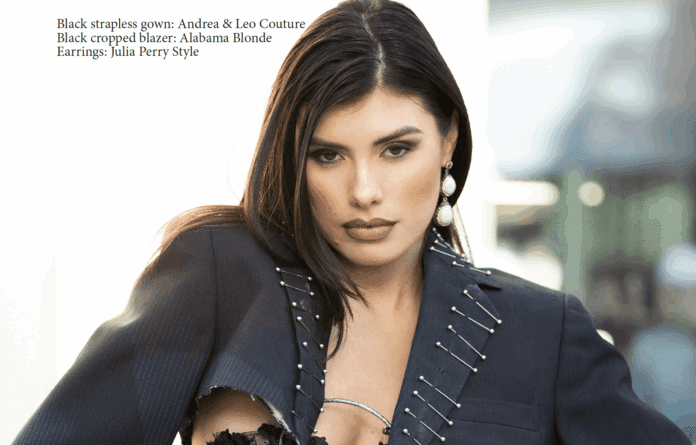
Fashion Director/Fashion Stylist: Julia Perry @juliaperrystyle

Photographer: Ash Gupta for 838 Media Group @ashguptaslife

Producer/Assistant Camera: Joel Wicecarver/838 Media Group @jwicecarver

Ingredient-Focused Skincare Shopping: The Ultimate Guide

Ingredient-Focused Skincare Shopping: The Ultimate Guide

Ingredient-Focused Skincare Shopping: A Smarter Way to Choose Beauty Products

In recent years, ingredient-focused skincare shopping has emerged as one of the most powerful trends in the beauty world. Consumers are becoming more aware of what they put on their skin, shifting their focus from marketing hype to the science behind ingredients. This new wave of skincare awareness emphasizes transparency, education, and a personalized approach to achieving healthy, radiant skin.

Understanding Ingredient-Focused Skincare Shopping

At its core, ingredient-focused skincare shopping means choosing skincare products based on their composition rather than their branding. For decades, shoppers were swayed by glamorous packaging, celebrity endorsements, and luxurious promises. However, with more information now available online, people are learning that what truly matters is what’s inside the bottle, not the label on the outside.

Today’s consumers are reading ingredient lists, researching formulations, and comparing active components before making a purchase. This thoughtful approach helps them avoid harsh chemicals while prioritizing ingredients that align with their skin type and ethical values. In short, ingredient-focused skincare shopping empowers individuals to take control of their beauty routines intelligently and responsibly.

Why Ingredient Awareness Matters

Our skin is the largest organ of the body, constantly exposed to pollutants, sunlight, and stress. Because of this, what we apply to it daily can have a profound effect on its health and longevity. Many traditional skincare products include unnecessary additives such as parabens, sulfates, and artificial fragrances. While these chemicals may enhance texture or scent, they can also cause irritation, dryness, or even accelerate aging.

By contrast, ingredient-focused skincare shopping promotes the use of natural, gentle, and effective components. Ingredients like hyaluronic acid, vitamin C, niacinamide, and green tea extract have gained popularity for good reason. They help retain moisture, brighten complexion, and protect against environmental damage—all without compromising skin integrity. Furthermore, choosing products made with fewer synthetic chemicals supports a cleaner, more sustainable beauty industry overall.

How to Shop Smarter: A Step-by-Step Guide

Transitioning to ingredient-focused skincare shopping can feel intimidating at first. However, with the right strategy, anyone can adopt this mindful approach easily.

1. Know your skin type.
Understanding your skin’s needs is the first step. For example, if your skin tends to be dry, look for nourishing ingredients such as shea butter, aloe vera, and squalane. On the other hand, oily or acne-prone skin may benefit from tea tree oil, salicylic acid, or green tea.

2. Learn to read labels.
When reading ingredient lists, pay attention to the order in which ingredients appear. The first few items usually make up most of the formula. Look for recognizable names and avoid harsh chemicals like synthetic dyes or alcohols that can strip the skin’s natural barrier.

3. Choose products with purpose.
Rather than buying an entire line from one brand, focus on finding specific products that address your unique concerns. A single serum rich in antioxidants can often do more for your skin than multiple generic creams.

4. Watch out for marketing buzzwords.
Terms like “natural,” “clean,” or “organic” aren’t always regulated. Always double-check ingredient transparency instead of relying on vague marketing language.

5. Research brand ethics.
Ingredient-focused skincare shopping also ties into conscious consumerism. Choose brands that practice cruelty-free testing, use recyclable packaging, and prioritize sustainable sourcing.

The Benefits of Ingredient-Focused Choices

There are many rewards to adopting ingredient-focused skincare shopping as a lifestyle. First, it leads to better results over time. Products tailored to your skin’s needs are more effective and less likely to cause irritation. Second, it encourages consistency in routines. Once you understand what ingredients your skin loves, you can build a reliable regimen without constant trial and error.

Moreover, this trend promotes overall wellness. Since the skin absorbs much of what we apply, using clean and minimal formulations can reduce the body’s exposure to toxins. In addition, it aligns with broader environmental goals by supporting brands that avoid harmful chemicals and excess waste.

The Growing Future of Conscious Beauty

It’s clear that ingredient-focused skincare shopping isn’t just a passing fad. It reflects a larger cultural shift toward transparency and responsibility in the beauty industry. Consumers are demanding honesty from brands and expecting clear, easy-to-understand ingredient lists. As a result, companies are reformulating products, eliminating harmful additives, and highlighting their sourcing practices.

Additionally, digital innovation has fueled this movement. Apps and databases now allow users to scan product barcodes and instantly review ingredient safety ratings. Social media has also amplified the conversation, with dermatologists and skincare experts educating millions of followers on what truly works.

Conclusion: Choosing Beauty with Awareness

In conclusion, ingredient-focused skincare shopping marks a refreshing change in how we view beauty. It’s not about chasing luxury labels but about nurturing skin health with integrity and intention. By understanding ingredients, avoiding harmful additives, and supporting ethical brands, we take a major step toward healthier skin and a cleaner planet.

Ultimately, the trend encourages empowerment. Every purchase becomes a mindful decision—one that supports transparency, wellness, and sustainability. As the beauty industry evolves, ingredient-focused skincare shopping will continue to shape the way we define self-care, proving that true beauty starts with knowledge, not just appearance.

AR shopping trends: Revolutionizing Fashion Retail

AR shopping trends: Must-Have Tech

AR Shopping Trends: Redefining Fashion Retail for 2025

Fashion and technology are merging faster than ever. As consumers expect smarter, more interactive shopping experiences, AR shopping trends are taking the spotlight. These innovations are not just about style; they’re reshaping the entire retail landscape. With the rise of digital tools and real-time personalization, shopping has become more intuitive, immersive, and sustainable than ever before.

Understanding AR Shopping

At its core, augmented reality (AR) merges digital visuals with the real world. Through this technology, shoppers can preview clothing, accessories, or cosmetics virtually—without stepping into a fitting room. This ability transforms shopping from a guessing game into a confident, personalized experience.

Because AR is accessible through smartphones and tablets, nearly anyone can use it. By overlaying lifelike digital garments or products onto live images, shoppers instantly visualize how an item will look or fit. This feature bridges the gap between in-store and online experiences, creating a new hybrid model of retail.

Why AR Shopping Is Growing

Several forces are fueling the rise of AR shopping trends. During the pandemic, consumers turned to digital solutions out of necessity. However, once people experienced the convenience and confidence of AR, the shift became permanent. Now, both high-end labels and everyday brands view AR as a vital tool for connecting with modern shoppers.

Additionally, today’s consumers, especially Gen Z and Millennials, crave interactive and authentic experiences. They want shopping to feel personal and engaging—not transactional. AR technology delivers exactly that. At the same time, it reduces returns and waste, aligning perfectly with growing sustainability values. As a result, shoppers can make smarter choices while brands minimize environmental impact.

Key Features Driving AR Shopping Trends

1. Virtual Try-On Experiences

Virtual try-on technology is the foundation of AR retail. Beauty brands like Sephora allow users to test lipsticks and eyeshadows virtually, while eyewear companies such as Warby Parker let customers “try on” glasses using facial mapping. Fashion retailers now employ similar tools for clothing, ensuring that shoppers can see accurate fits and styles before buying. As a result, confidence increases while returns decline.

2. Realistic Room Visualization

AR isn’t limited to fashion. Home decor brands like IKEA have revolutionized interior design by letting customers preview furniture in their own rooms. This approach reduces uncertainty, prevents costly mistakes, and helps consumers feel sure about their choices. By offering interactive visualization, brands turn online browsing into a creative experience.

3. Smart Sizing and Recommendations

Sizing has long been one of retail’s biggest challenges. AR-powered measurement tools now scan a shopper’s body or face to provide precise fit suggestions. These systems adapt across brands, storing preferences for future visits. Consequently, customers spend less time guessing and more time finding items that fit perfectly.

Social Media’s Role in AR Shopping

Social platforms are driving the mainstream adoption of AR shopping trends. Instagram and Snapchat have integrated virtual try-on filters that make it easy to experiment with products instantly. Influencers now showcase items their followers can try virtually—bridging entertainment, social influence, and commerce in a single click.

Because of this fusion, shopping feels more personal and spontaneous. Users can discover a product, try it on, and purchase it—all without leaving the app. The lines between inspiration and action continue to blur.

The Benefits for Retailers and Shoppers

The advantages of AR are clear on both sides of the transaction. For shoppers, visualization eliminates the uncertainty of online purchases. For retailers, reduced return rates and higher satisfaction mean improved margins and stronger brand loyalty.

Moreover, AR helps retailers tell richer stories about their products. Customers can explore fabrics, colors, and fits interactively, creating emotional connections that static images cannot. In turn, this engagement builds trust—a critical factor in an increasingly competitive market.

The Technology Behind the Magic

Artificial intelligence plays a major role in enhancing AR shopping trends. Machine learning improves image accuracy, lighting effects, and product alignment. 3D modeling technologies create lifelike replicas of garments and accessories, enabling consumers to examine every detail. As AI and AR evolve together, these digital experiences will feel even more natural.

Additionally, advances in 3D scanning and photogrammetry allow brands to digitize products faster and more efficiently. These innovations expand virtual catalogs, giving shoppers access to entire collections in immersive formats.

Challenges to Overcome

Despite its rapid progress, AR shopping still faces barriers. Older smartphones may lack the processing power needed for smooth performance. Some users remain hesitant due to privacy concerns involving camera access or data storage. Nevertheless, as devices improve and transparency grows, adoption is expected to accelerate.

Retailers must also ensure ease of use. Complex or buggy interfaces can discourage first-time users. Clear instructions, tutorials, and user-friendly designs are essential for a positive experience.

What’s Next for AR Shopping

The next frontier of AR shopping trends includes wearable devices, such as AR glasses, that will take immersion to the next level. Imagine browsing your favorite store hands-free, seeing virtual outfits overlay your reflection in real time. Haptic feedback may soon allow users to “feel” fabric textures digitally, bringing a sensory dimension to online retail.

Meanwhile, entire virtual shopping environments are emerging. Friends might meet in shared digital boutiques, trying on outfits together from different parts of the world. As these innovations unfold, fashion will become more global, social, and interactive than ever.

Preparing for the Future

For consumers, embracing AR shopping is simple. Download compatible retailer apps, enable camera permissions, and start experimenting. For brands, however, strategy matters. Starting with high-interest categories like beauty or accessories can yield the best results. Partnering with established AR developers ensures smooth implementation and reliable performance.

Conclusion: The Future Is Already Here

Ultimately, AR shopping trends represent more than just a passing fad—they’re the foundation of fashion retail’s future. This technology combines convenience, sustainability, and creativity in ways traditional shopping never could. By helping customers visualize, personalize, and connect with their purchases, AR transforms not just how we shop, but how we experience fashion itself.

As the world steps into 2025, brands and consumers who embrace AR early will find themselves leading a new era of retail innovation—one where imagination truly meets reality.

Holistic Beauty Secrets: Discover Stunning Well-Being Integration

Holistic Beauty Secrets: Discover Stunning Well-Being Integration

The Growing Trend of Holistic Beauty and Wellness Integration

Holistic Beauty and Wellness Integration is reshaping our understanding of beauty. Traditionally viewed through the lens of cosmetics and external applications, the paradigm has shifted towards a more inclusive approach. It intertwines various elements of health, such as fitness, sleep, stress management, and diet, impacting our external appearance.

Understanding the Connection Between Diet and Skin Health

One of the most significant aspects of Holistic Beauty and Wellness Integration is the impact of diet on skin health. The adage “you are what you eat” holds more truth than one might expect when it comes to skin health. Foods rich in antioxidants, like berries and dark leafy greens, can reduce inflammation and thus mitigate skin issues such as acne and aging signs. Particularly fascinating is the connection between gut health and skin. An imbalance in gut microbiota can lead to “leaky gut,” a condition thought to contribute to a host of skin problems, including eczema and psoriasis. Incorporating probiotics into one’s diet can promote a healthy gut flora, which in turn enhances skin clarity and radiance.

Holistic Beauty’s Influence on Haircare

Similarly, haircare greatly benefits from a holistic approach. Nutritional deficiencies are often visible through hair health, where lackluster strands and excessive hair loss may indicate poor dietary choices. For instance, omega-3 fatty acids, found in fish like salmon, enhance hair strength and luster due to their anti-inflammatory properties. Moreover, vitamins such as D and B12 support hair growth and slow down hair loss. By addressing nutritional needs, individuals can maintain not only healthier bodies but also fuller and more resilient hair.

Fitness and Beauty: An Unbreakable Bond

Fitness impacts holistic beauty more directly than one might think. Regular physical activity increases blood flow, ensuring that skin cells are well-nourished with oxygen and nutrients while flushing out harmful toxins. This process can help delay the onset of aging signs and enhance the overall complexion. Additionally, exercise is proven to reduce stress, which can lower the occurrence of stress-related skin conditions such as acne and eczema.

The Role of Sleep in Aesthetic Wellness

Sleep is another crucial component of Holistic Beauty and Wellness Integration. During deep sleep, our bodies enter repair mode, where cells regenerate and damage from UV rays, stress, and pollution is mitigated. Lack of adequate sleep can lead to increased stress hormones in the body, which may exacerbate skin conditions and accelerate aging. Ensuring seven to eight hours of quality sleep nightly can thus play a vital role in maintaining a youthful, glowing complexion.

Stress Management: Essential for Comprehensive Beauty

Lastly, effective stress management plays a pivotal role in holistic beauty. Chronic stress can trigger a host of dermatological problems by disrupting the barrier function of the skin and prolonging inflammation. Techniques such as yoga, meditation, and mindfulness are not only beneficial for mental well-being but also promote skin health by reducing the impact of stress on the body.

Conclusion

Holistic Beauty and Wellness Integration offers a comprehensive approach to beauty that transcends traditional skincare regimens. By recognizing the interconnectivity between our dietary choices, fitness habits, stress levels, and sleep patterns, we can enhance our external appearance from the inside out. This method provides a scientifically grounded pathway to beauty that empowers individuals to take control of their health and, by extension, their beauty. Rather than chasing external solutions, it encourages nurturing the body holistically to cultivate lasting wellness and aesthetic vibrancy.

Digital Love: Must-See Insights on Romance & Mental Health

Digital Love: Must-See Insights on Romance & Mental Health

Romance in the Digital Age: Navigating Mental Health

Romance in the Digital Age has transformed dramatically with the advent of technology. Today, the search for a romantic connection often leads us to digital platforms—dating apps, social media, and various online communities. While these tools have broadened our horizons, they also pose unique challenges to our mental health.

The Impact of Dating Apps on Mental Wellness

Dating apps have become a staple in the modern quest for love. They offer convenience and a vast pool of potential matches. However, they can also lead to a roller-coaster of emotions. Users often experience anxiety, self-doubt, and frustration from constant rejections or the pressure to impress. According to a study by the American Psychological Association, individuals using dating apps report higher levels of psychological distress and anxiety compared to those who do not.

The transient nature of online interactions can exacerbate feelings of loneliness and impermanence. For some, the endless cycle of swiping can seem like an echoing void of superficial connections. In this digital encounter, maintaining mental wellness becomes a balancing act of hope and realism.

Social Media: Blessing or Curse for Romantic Relationships?

Social Media platforms serve as a double-edged sword in romantic endeavors. On one hand, they provide a space to share moments, celebrate anniversaries, and communicate effortlessly with partners. Yet, they can also be a source of insecurity and conflict. Couples may feel pressured to uphold a perfect image of their relationship, which can lead to undue stress and dissatisfaction.

Moreover, the culture of comparing oneself to others on these platforms can lead to diminished self-esteem. This is particularly concerning when individuals measure their own relationships against idealized versions seen online. It’s crucial for users to recognize and differentiate between the curated highlights posted online and the complex realities of everyday relationships.

Embracing Virtual Relationships While Maintaining Mental Health

Virtual relationships have become more prevalent, especially with the constraints of recent global events. These relationships can offer companionship and connection without physical presence. Nonetheless, they also require a strong foundation of trust and communication to thrive.

It is essential for individuals in virtual relationships to set boundaries and have open discussions about their expectations. Keeping communication channels clear helps in fostering a healthy, transparent relationship. Additionally, engaging in regular digital detoxes can prevent burnout and promote a healthier interaction with technology.

Conclusion: Balance and Awareness

Romance in the Digital Age demands a new kind of awareness and adaptability. Whether it’s navigating dating apps or managing online personas, it is crucial to stay mindful of the impact on mental health. Encouraging honest conversations about the pressures and anxieties of digital-age romance is vital.

It’s equally important to leverage technology in ways that foster genuine connections, rather than superficial encounters. As we continue to explore the intersection of technology and personal relationships, prioritizing mental wellness remains key. Understanding and addressing the unique challenges faced in the digital landscape can lead to more fulfilling and resilient romantic relationships. Lastly, always remember that behind every screen, there’s a human heart navigating through the complexities of love and technology in this modern world.

Stunning Minimalist Wardrobe: Effortless Trend Essentials

Slow Fashion: Embracing Minimalist Wardrobe Trends

Slow fashion is gaining momentum as an alternative to the fast-paced and often wasteful fashion industry. This trend encourages consumers to shift towards “less but better” in developing their personal style. It inspires a minimalist wardrobe that focuses on quality over quantity, durability over disposability, and ethical practices over mere aesthetics. This approach aligns with a growing demand for sustainable living and mindful consumption.

Understanding Slow Fashion

Slow fashion is a response to the pitfalls of fast fashion—a mainstay industry known for cheap production and frequent, trend-driven cycles. This sustainable fashion movement emphasizes thoughtfully designed, timeless pieces built to last and worn extensively. The concept extends far beyond mere wardrobe assembly; it’s about fostering a deeper connection with our clothing and contemplating the impacts of our purchases.

How to Curate a Capsule Wardrobe

Curating a capsule wardrobe is central to slow fashion. It involves selecting a limited set of clothing that is highly versatile and can be mixed and matched to create various outfits. The idea is not only to declutter your space but also to refine your fashion sense to what truly fits your lifestyle and values.

Steps to build a bespoke capsule wardrobe include:

  1. Evaluate Your Needs: Consider your daily activities, personal style, and climate when choosing items.
  2. Select Timeless Pieces: Focus on basic and neutral items that can serve multiple purposes.
  3. Prioritize Quality: Invest in garments that are well-made and from durable materials.
  4. Limit Your Items: Typically, a capsule wardrobe includes 25-40 pieces, including footwear and accessories.

The Role of Ethical Labels in Slow Fashion

In slow fashion, the provenance of clothing matters greatly. Ethical labels highlight the importance of wearing clothes that come from fair-trade sources and environmentally mindful brands. These brands transparently share their manufacturing processes, labor conditions, and environmental impacts. Supporting such labels ensures that one’s wardrobe is not only minimal in quantity but also responsible and impactful.

Why Mindful Consumption Matters

Mindful consumption is at the heart of slow fashion. It involves thinking critically about why and how we buy our clothes. Are we making purchases out of need, quality, and love, or are we succumbing to momentary trends and impulsive buys? Mindful consumers seek pieces that offer longevity, utility, and joy for many years. This deliberate purchasing helps decrease the amount of waste generated and the exploitation in the fashion industry.

The Benefits of a Minimalist Wardrobe

Adopting slow fashion and cultivating a minimalist wardrobe brings numerous benefits. It simplifies decision-making in the morning, cleans up clutter, and reduces stress. Financially, it cuts down on the costs associated with frequent purchases of trend-driven fashion. Additionally, it significantly reduces one’s carbon footprint—a step towards a more sustainable planet.

Conclusion: The Sustainable Elegance of Slow Fashion

Slow fashion is not only about slowing down consumption but is a lifestyle choice towards greater awareness and respect for the environment, personal identity, and ethical business practices. By adopting minimalist wardrobe principles, individuals can enjoy both aesthetic charm and peace of mind from their clothing choices. In an era where sustainability is becoming paramount, choosing quality over quantity is not just chic—it’s a move towards a more ethical and sustainable future.