Luxury Resale Deep Dive: Stunning Insights & Exclusive Trends

Luxury Resale Deep Dive: Stunning Insights & Exclusive Trends

Secondhand Luxury Market: Navigating the Evolving Landscape

The secondhand luxury market has seen an unprecedented surge, evolving well beyond the basics of buying and selling used high-end goods. With the advent of authentication technology, innovative resale platforms, luxury exchanges, and even fractional ownership, the landscape is transforming, offering consumers new ways to engage with luxury brands. This deep dive explores how these elements are reshaping consumer access to high-end items and the perspective of luxury brands on these resale ecosystems.

How Authentication Technologies Are Reinforcing Trust

Trust is paramount in the secondhand luxury market, especially when transactions involve high-value items. Over the years, counterfeit products have posed significant challenges. However, sophisticated authentication technologies are now playing a pivotal role in mitigating these issues. Utilizing AI, blockchain, and advanced algorithms, these technologies verify the authenticity of luxury goods, thereby reassuring buyers and maintaining the brand’s integrity.

For example, blockchain implementation allows for a tamper-proof provenance trail, ensuring that the history of an item is easily accessible and cannot be falsified. With such enhancements, consumers can confidently participate in the market, knowing that they are acquiring genuine articles.

Exploring New Resale Platforms in the Secondhand Luxury Market

Innovation in resale platforms has opened up avenues for both buyers and sellers to interact in more efficient and secure ways. These platforms not only facilitate ease of transaction but also provide curated experiences that meet the high standards expected within the luxury segment. Companies like The RealReal and Vestiaire Collective have set themselves apart by offering a seamless service that includes expert authentication, thereby distinguishing their offerings in the market.

These platforms have also been instrumental in appealing to a demographic that values sustainability as much as luxury. By ensuring that goods circulate within the economy for longer, these platforms support sustainable consumption while catering to the taste for luxury.

The Role of Luxury Exchanges and Fractional Ownership

Luxury exchanges and fractional ownership models are redefining ownership in the secondhand luxury market. Through luxury exchanges, individuals can swap high-end items like designer bags and premium watches in a trusted community setting, refreshing their collections without continually purchasing new items. This model enhances the lifecycle of luxury goods, promoting an eco-friendly approach to luxury consumption.

Fractional ownership, on the other hand, is a newer concept where individuals invest in a portion of a luxury asset. This approach is particularly popular with high-value items like art, yachts, and rare collectibles. It democratizes access to luxury goods, allowing more people to experience and invest in high-end items without bearing the full cost of outright ownership.

How High-End Brands View Resale Ecosystems

Initially wary of the resale market, many high-end brands are now recognizing its benefits. Brands like Gucci and Burberry have started collaborating with resale platforms to control how their items are marketed secondhand and ensure that they maintain their value over time. These partnerships allow brands to extend their reach and engage with a broader audience, including environmentally conscious consumers who prefer to buy sustainable products.

Moreover, by participating in the resale market, luxury brands can keep their items in circulation longer, contributing to a reduction in waste and promoting a more sustainable luxury consumption model.

Conclusion

The secondhand luxury market is more than just a place for buying and selling used high-end goods. With the introduction of cutting-edge technology and innovative platforms, it has evolved into a sophisticated ecosystem that benefits consumers and brands alike. As the market continues to grow, it will be interesting to see how further innovations will shape the future of luxury shopping. For now, one thing remains clear: the secondhand luxury market holds significant opportunities for those willing to explore its depths beyond the basics.

Fashion Activism Clothing : Exclusive Guide to Garments

Fashion Activism Clothing - Exclusive Guide to Garments

Fashion Activism Clothing: A Modern Approach to Resistance

In today’s world, fashion activism clothing goes beyond aesthetics. It serves as a bold voice in socio-political debates. Moreover, designers use their skills to create garments that spark conversations. Through logos, slogans, and unique designs, fashion becomes a powerful tool for change.

The Power of Logos and Slogans

Firstly, logos and slogans transform clothing into statements. Designers craft these elements to highlight political causes. For instance, t-shirts with “Equal Rights” have moved from protests to runways. Additionally, this trend boosts awareness in everyday life. Furthermore, feminist movements have revived slogan tees effectively. Consequently, each piece becomes a personal protest sign. Therefore, wearers express their values boldly.

Protest Prints in Action

Moreover, protest prints add another layer to fashion activism clothing. Designers use imagery like peace symbols to engage viewers. Likewise, these prints often feature activists’ likenesses. As a result, every garment turns the wearer into an advocate. Additionally, the designs range from subtle to striking. Thus, individuals support causes with style and purpose.

Sustainable Fashion Resistance

Furthermore, sustainability plays a key role in fashion activism clothing. As environmental concerns rise, eco-friendly options gain popularity. For example, organic cotton and recycled materials lead the way. Subsequently, brands adopt transparent production methods. Moreover, this shift promotes responsible consumer habits. Therefore, fashion fights environmental harm effectively.

Impact and Future of Fashion Activism

In conclusion, fashion activism clothing links creativity with activism. Designers embed social messages into their work. Additionally, this movement turns fashion into a change agent. Whether through slogans or sustainable fabrics, its influence grows. Likewise, it proves style can speak volumes. Ultimately, as culture evolves, fashion will continue shaping narratives. Thus, every design carries a story of resistance.

Avatar Beauty Norms: Confronting Beauty Standards in Virtual Worlds

Avatar Beauty Norms: Confronting Beauty Standards in Virtual Worlds

Avatar Beauty Norms: Redefining Digital Beauty Standards in 2025

Virtual worlds continue expanding their influence on modern culture today. Indeed, avatar beauty norms shape how millions represent themselves digitally. Moreover, these standards increasingly affect real-world self-perception and identity. Consequently, understanding digital beauty expectations becomes essential for navigating virtual spaces healthily.

Understanding Virtual Appearance Standards

First and foremost, avatar beauty norms define attractiveness standards in virtual environments. Specifically, these standards govern character creation in gaming, metaverse, and social platforms. Additionally, they reflect and often amplify real-world beauty ideals problematically. Therefore, examining these digital expectations reveals important cultural patterns and biases.

Furthermore, platforms like Roblox, Second Life, and Meta’s Horizon Worlds establish specific aesthetic parameters. Meanwhile, these limitations shape user expectations about digital appearance. Subsequently, virtual beauty standards perpetuate narrow definitions of attractiveness.

The Current State of Digital Beauty Standards

Common Standard Features

Notably, virtual character creation consistently favors certain physical characteristics. Indeed, slim body types dominate most avatar customization systems. Additionally, flawless skin textures and symmetrical features remain standard defaults. Therefore, digital spaces mirror problematic real-world beauty standards extensively.

Moreover, video game characters historically exemplify these narrow beauty expectations. Meanwhile, female avatars particularly face hypersexualized and unrealistic body proportions. Consequently, digital representations reinforce harmful stereotypes across gaming culture.

Platform-Specific Standards

Furthermore, different platforms maintain distinct virtual appearance expectations. For instance, Instagram filters promote specific facial features like enlarged eyes. Similarly, Snapchat lenses often lighten skin tones automatically. Therefore, each platform perpetuates unique yet problematic beauty ideals.

Additionally, metaverse platforms like Decentraland offer customization options. However, default settings still reflect conventional appearance standards. Subsequently, users must actively resist these preset parameters.

Impact on Mental Health and Self-Image

Psychological Consequences

Importantly, avatar beauty norms significantly affect users’ mental wellness. Indeed, studies show digital appearance pressure mirrors real-world body image issues. Additionally, research on virtual identity reveals concerning psychological patterns. Therefore, virtual beauty standards create measurable harm, especially among youth.

Moreover, spending hours creating “perfect” digital representations reinforces appearance obsession. Meanwhile, comparing one’s avatar to others triggers inadequacy feelings. Consequently, these expectations contribute to anxiety and depression rates.

Youth Vulnerability

Furthermore, young users prove particularly susceptible to virtual beauty pressures. Specifically, adolescents developing self-identity face heightened vulnerability. Additionally, teen social media use correlates with body dissatisfaction. Therefore, protecting youth from harmful digital standards becomes crucial.

Moreover, children’s platforms like Roblox attract millions of young users daily. Meanwhile, avatar customization teaches implicit lessons about attractiveness expectations. Subsequently, early exposure to virtual appearance standards shapes lifelong self-perception.

Ethical Concerns and Bias

Perpetuating Real-World Discrimination

Notably, avatar beauty norms often replicate systemic discrimination digitally. Indeed, colorism appears prominently in character creation systems. Additionally, skin tone options frequently lack adequate darker shade representation. Therefore, virtual beauty expectations perpetuate racial bias systematically.

Moreover, ageism manifests through limited elderly avatar options. Similarly, disability representation remains virtually nonexistent in most platforms. Consequently, digital appearance standards exclude vast populations from virtual representation.

Body Type Limitations

Furthermore, body diversity faces severe restrictions within character creation systems. Specifically, plus-size options rarely exist beyond token additions. Additionally, body positivity movements struggle gaining traction in virtual spaces. Therefore, digital platforms maintain fatphobic standards aggressively.

Moreover, platforms like The Sims pioneered better body diversity options. Meanwhile, many competitors resist expanding beyond conventional thin ideals. Subsequently, progress toward inclusive virtual representation remains frustratingly slow.

Cultural and Regional Differences

Western Beauty Standard Dominance

Additionally, avatar beauty norms disproportionately reflect Western beauty ideals. Indeed, Eurocentric features dominate default avatar settings globally. Furthermore, cultural beauty standards receive inadequate representation in character creators. Therefore, digital appearance expectations homogenize diverse global aesthetics problematically.

Moreover, Asian gaming markets like Korean MMORPGs showcase region-specific standards. Meanwhile, these often emphasize extreme thinness and skin lightening. Consequently, virtual beauty ideals vary culturally yet remain restrictive universally.

AR Filters and Beauty Distortion

Real-Time Appearance Alteration

Importantly, augmented reality filters intensify avatar beauty norms’ real-world impact. Specifically, beauty filters alter users’ actual faces during video calls. Additionally, these modifications set unrealistic appearance expectations. Therefore, AR technology blurs boundaries between virtual and physical standards.

Moreover, TikTok filters reach billions globally with beautifying effects. Meanwhile, users increasingly struggle accepting unfiltered appearances. Subsequently, virtual beauty expectations extend beyond purely digital environments alarmingly.

Dysmorphia and Filter Dependency

Furthermore, constant filter use correlates with body dysmorphic disorder symptoms. Indeed, Snapchat dysmorphia describes patients requesting surgery for filter-like features. Additionally, mental health professionals observe rising filter-related concerns. Therefore, digital appearance standards create tangible psychological harm.

Progress Toward Inclusive Representation

Platform Improvements

Notably, some platforms actively challenge restrictive avatar beauty norms. For instance, Animal Crossing offers extensive inclusive customization. Similarly, Fallout 76 provides diverse body and face options. Therefore, technical capability for inclusion clearly exists.

Moreover, Fortnite introduces diverse character skins regularly. Meanwhile, player response demonstrates demand for representation beyond conventional standards. Consequently, business incentives align with ethical imperatives increasingly.

Advocacy and Activism

Furthermore, grassroots movements challenge harmful digital beauty expectations actively. Specifically, #GamersAgainstBeautyStandards campaigns raise awareness. Additionally, content creators showcase diverse avatar customization proudly. Therefore, cultural pressure for change continues building momentum.

Moreover, disability representation campaigns demand accessible avatar options. Meanwhile, LGBTQ+ advocacy pushes for gender-diverse customization. Subsequently, intersectional approaches address multiple virtual appearance issues simultaneously.

Industry Responsibility

Designer and Developer Roles

Additionally, game designers bear significant responsibility regarding virtual beauty standards. Indeed, their default settings communicate implicit value judgments. Furthermore, inclusive design practices require intentional effort and resources. Therefore, industry commitment remains essential for meaningful change.

Moreover, Unity and Unreal Engine provide diverse asset libraries. Meanwhile, developers must actively choose inclusive options. Consequently, education about harmful appearance expectations becomes crucial.

Corporate Policy Changes

Furthermore, major tech companies increasingly address avatar beauty norms. Specifically, Meta’s avatar updates expanded body type options recently. Additionally, Snapchat introduced more inclusive filter options. Therefore, corporate responsibility drives gradual improvements.

User Empowerment Strategies

Conscious Avatar Creation

Importantly, individual users can resist harmful digital beauty standards personally. First, deliberately choosing diverse features challenges default settings. Additionally, celebrating unique avatars normalizes appearance variety. Therefore, collective user choices influence platform offerings.

Moreover, avoiding filters and beautification features makes personal statements. Meanwhile, encouraging friends to embrace authentic representation multiplies impact. Subsequently, grassroots resistance to conventional standards creates cultural shifts.

Media Literacy Education

Furthermore, teaching critical analysis of avatar beauty norms protects vulnerable users. Specifically, media literacy programs help identify manipulative standards. Additionally, discussing beauty diversity with children builds resilience. Therefore, education prevents internalization of harmful ideals.

Future of Virtual Beauty Standards

Emerging Technologies

Looking forward, new technologies will reshape digital appearance expectations significantly. For instance, AI-generated avatars might increase or decrease diversity unpredictably. Similarly, virtual reality immersion intensifies avatar identification. Therefore, proactive ethical frameworks become increasingly urgent.

Moreover, metaverse development presents opportunities for inclusive virtual representation. Meanwhile, early design decisions will establish long-lasting standards. Consequently, current advocacy efforts prove critically important.

Cultural Evolution

Additionally, broader cultural shifts around beauty will influence avatar beauty norms. Indeed, body neutrality movements may reduce appearance focus. Furthermore, authentic representation trends could transform virtual spaces. Therefore, real-world progress enables digital improvements.

Conclusion: Reimagining Digital Beauty

In conclusion, avatar beauty norms require urgent attention and transformation. These standards significantly impact mental health while perpetuating discrimination. Moreover, technology enables far more inclusive representation than currently exists.

Subsequently, challenging virtual appearance expectations benefits individuals and society broadly. Therefore, designers, platforms, and users must collaborate toward change. Ultimately, virtual worlds offer unprecedented opportunities for celebrating diverse beauty authentically.

Demnas Gucci Transformation Embarks on Creative Journey

Demnas Gucci Transformation Embarks on Exciting Creative Journey

Gucci’s new creative director, Demna, is not only a fashion guru but an industry game-changer. Shaking the very pillars that have long defined the brand, Demna introduces bold aesthetics and film-based launches that are resonating with consumers, and transforming Gucci’s vision. Clearly, his arrival signals a significant shift in Gucci’s strategy and creative direction.

Demna’s Distinctive Take on Gucci’s Aesthetics

Aesthetics, for Gucci, had always revolved around luxury and exclusivity. Demna changed this narrative with his distinctive interpretation of what Gucci could be. Aesthetic enrichment is now central to his vision, emphasizing boldness instead of the understated elegance that previously defined Gucci.

Fashion enthusiasts may initially question this shift. However, Demna introduces these alterations without disconnecting the brand’s classic reputation. Instead, he displays an intriguing blend of innovation, without discarding the elements that made Gucci a fashion powerhouse.

Film-Based Launches: A New Wind of Change in Gucci

Certainly, a major change is Demna’s integration of film into Gucci’s product launches. Traditionally, fashion brands like Gucci have used runway shows to introduce new collections to the public. In contrast, Demna breaks free from these norms by launching new collections through film.

Film-based launches offer an engaging platform for Gucci to highlight not just its products, but also its underlying narrative. By incorporating films into the brand’s portfolio, Gucci can tell emotive, compelling stories about the inspiration behind its collections, cultivating a deeper connection with its audience.

Can Gucci sustain Its Boldness under Demna?

Gucci’s boldness under Demna will only be as successful as its ability to keep its audience engaged. As such, this bold new direction requires Gucci to go beyond trendy designs or catchy video launches. The brand will need to continuously evolve its strategies to stay relevant, keep customers intrigued, and attract new fans.

While this evolving landscape may seem daunting, Demna has an impressive track record in fashion that advocates for his adaptability. His creative prowess, combined with his understanding of what resonates with the contemporary fashion audience, provides a strong foundation for continuing Gucci’s legacy of excellence, albeit in an entirely new fashion language.

The Impact on Gucci’s Brand Narrative

Demna’s appointment and the subsequent changes have brought an invigorating shift in Gucci’s brand narrative. His approach has shifted away from the traditional emphasis on luxurious styling, moving towards inclusivity and boldness that strikes a chord with younger consumers.

In this new era, the brand conversation extends beyond just fashion. It explores social and cultural contexts, evoking emotions and provocative thought. Gucci is no longer just a symbol of status or wealth. It becomes a platform for self-expression, a beacon of individualism and personal style.

In conclusion, Demna’s work with Gucci already demonstrates his ability to deliver an intriguingly altered narrative for this iconic brand. It’s too early to judge his long-term impact, but the initial impressions suggest a promising shift towards bold aesthetics and film-based launches. The fashion world watches with anticipation, waiting to see how Gucci’s story will unfold under Demna’s innovative vision.

Unmasking Cosmetic Surgery Transparency: Insider Insights, Risks

Unmasking Cosmetic Surgery: Insider Insights, Risks

Cosmetic Surgery Transparency: Essential Patient Protection Guide

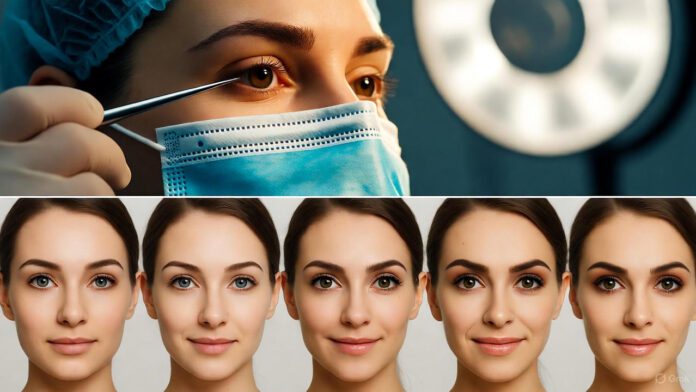
The cosmetic surgery industry continues expanding at unprecedented rates today. Indeed, cosmetic surgery transparency has become critically important for patient safety. Moreover, informed decision-making requires complete, honest information about procedures. Consequently, understanding cosmetic surgery transparency protections becomes essential for potential patients.

Understanding Cosmetic Surgery Transparency

First and foremost, cosmetic transparency involves complete disclosure of procedure information. Specifically, patients deserve comprehensive details about risks, benefits, and realistic outcomes. Additionally, transparency includes honest communication about surgeon qualifications and facility standards. Therefore, cosmetic surgery transparency forms the foundation of ethical medical practice.

Furthermore, true transparency extends beyond basic informed consent documents. Meanwhile, it encompasses ongoing communication throughout the entire treatment journey. Subsequently, cosmetic surgery transparency protects patients from unrealistic expectations and potential harm.

The Regulatory Landscape

Current Standards and Requirements

Notably, cosmetictransparency regulations vary dramatically between countries. Indeed, some nations enforce strict disclosure and certification requirements. Additionally, regulatory bodies establish minimum standards for practitioner qualifications. Therefore, understanding local regulations proves essential before pursuing procedures.

Moreover, countries like the UK, France, and Canada lead in cosmetic surgery transparency. Meanwhile, they mandate detailed pre-operative consultations and cooling-off periods. Consequently, patients receive adequate time for informed decision-making.

Gaps in Regulation

Furthermore, significant regulatory gaps compromise cosmetic transparency in many regions. Specifically, some areas lack mandatory complication reporting systems. Additionally, advertising restrictions remain insufficient in numerous jurisdictions. Therefore, patients must educate themselves beyond regulatory minimums.

Moreover, medical tourism often involves reduced cosmetic surgery transparency standards. Meanwhile, international patients face increased risks from inadequate oversight. Subsequently, thorough research becomes absolutely critical for safety.

Social Media’s Impact on Cosmetic Surgery

The Influence of Digital Platforms

Importantly, social media dramatically affects surgery transparency challenges. Indeed, filtered images create unrealistic beauty standards constantly. Additionally, influencer promotions often lack adequate risk disclosure. Therefore, digital platforms complicate cosmetic surgery transparency efforts significantly.

Moreover, before-and-after photos frequently misrepresent typical results. Meanwhile, recovery difficulties and complications remain hidden from viewers. Consequently, social media creates distorted expectations about cosmetic procedures.

Undisclosed Partnerships

Furthermore, paid partnerships between influencers and surgeons compromise surgery transparency. Specifically, sponsored content may minimize risks or exaggerate benefits. Additionally, financial incentives create conflicts of interest in recommendations. Therefore, consumers must question online cosmetic surgery content critically.

Moreover, advertising standards for cosmetic procedures need strengthening. Meanwhile, enforcement remains inconsistent across platforms. Subsequently, patients encounter misleading information regularly.

Essential Elements of Cosmetic Surgery Transparency

Comprehensive Risk Disclosure

Primarily, surgery transparency requires complete risk communication. For instance, patients must understand infection, scarring, and anesthesia complications. Similarly, discussing revision surgery possibilities proves essential. Therefore, honest risk assessment protects patients from uninformed decisions.

Moreover, complication rates for specific procedures should be readily available. Meanwhile, individual risk factors require personalized discussion. Consequently, thorough consultation processes support cosmetic surgery transparency standards.

Realistic Outcome Expectations

Additionally, setting realistic expectations forms crucial cosmetic surgery transparency component. Specifically, surgeons must show diverse before-and-after examples honestly. Furthermore, discussing limitations and potential dissatisfaction proves necessary. Therefore, patients enter procedures with appropriate outcome understanding.

Moreover, computer imaging technology helps visualize potential results. However, these tools require careful explanation about approximation limitations. Subsequently, technology supports rather than replaces honest communication.

Qualification Verification

Furthermore, surgery transparency demands clear practitioner credential disclosure. Indeed, patients deserve easy verification of board certifications. Additionally, training specifics and experience levels require transparency. Therefore, checking surgeon qualifications protects against unqualified practitioners.

Moreover, credential verification databases enable independent qualification confirmation. Meanwhile, facility accreditation status also requires transparency. Consequently, comprehensive background checking becomes straightforward for diligent patients.

Financial Transparency Requirements

Clear Pricing Information

Notably, financial aspects require strong surgery transparency measures. Specifically, all-inclusive pricing prevents surprise costs after procedures. Additionally, financing terms and interest rates need clear explanation. Therefore, patients understand complete financial commitments upfront.

Moreover, cosmetic surgery financing options should include transparent terms. Meanwhile, pressure tactics for immediate financial commitments signal transparency problems. Subsequently, ethical practices provide adequate decision-making time.

Insurance and Coverage Disclosure

Furthermore, surgery transparency includes honest insurance coverage discussions. Indeed, most cosmetic procedures lack insurance coverage entirely. Additionally, complication treatment costs may not receive coverage either. Therefore, patients must prepare for complete out-of-pocket expenses.

Psychological Considerations

Body Dysmorphic Disorder Screening

Importantly, cosmetic surgery transparency involves mental health assessment protocols. Specifically, screening for body dysmorphic disorder protects vulnerable patients. Additionally, psychological evaluation should precede elective cosmetic procedures. Therefore, mental health considerations form essential transparency components.

Moreover, responsible practitioners refuse procedures when BDD indicators appear. Meanwhile, referring patients to mental health professionals demonstrates ethical practice. Consequently, psychological screening protects patients from harmful decisions.

Realistic Expectations and Mental Health

Furthermore, cosmetic surgery transparency addresses psychological outcome expectations. Indeed, surgery cannot resolve underlying self-esteem or relationship issues. Additionally, discussing limitations on happiness outcomes proves essential. Therefore, mental health transparency protects against disappointment.

Moreover, post-surgical mental health support should be discussed proactively. Meanwhile, adjustment periods and potential dissatisfaction require acknowledgment. Subsequently, comprehensive care includes psychological wellness considerations.

Patient Rights and Advocacy

Informed Consent Best Practices

Additionally, strong informed consent processes exemplify cosmetic surgery transparency. Specifically, documents should use clear, accessible language. Furthermore, adequate time for review and questions proves necessary. Therefore, rushed consent processes signal transparency deficiencies.

Moreover, patient advocacy organizations provide resources about rights. Meanwhile, second opinions should always receive encouragement. Consequently, empowered patients make better-informed decisions.

Reporting and Accountability

Furthermore, surgery transparency requires accessible complaint mechanisms. Indeed, patients deserve clear reporting procedures for concerns. Additionally, regulatory complaint systems enable accountability for practitioners. Therefore, transparent complaint processes protect future patients.

Red Flags Indicating Transparency Problems

Warning Signs to Recognize

Notably, certain behaviors indicate inadequate cosmetic surgery transparency. For instance, guaranteeing specific results suggests dishonesty about variables. Similarly, discouraging second opinions raises serious concerns. Therefore, recognizing warning signs protects against problematic practitioners.

Moreover, pressure for immediate decisions compromises informed consent processes. Meanwhile, dismissing patient questions or concerns signals transparency problems. Subsequently, trusting instincts about practitioner trustworthiness proves important.

High-Pressure Marketing Tactics

Furthermore, aggressive marketing often accompanies poor cosmetic surgery transparency. Specifically, limited-time offers create inappropriate urgency for medical decisions. Additionally, celebrity endorsements may distract from qualification verification. Therefore, marketing-heavy practices deserve extra scrutiny.

International Perspectives

Global Transparency Standards

Additionally, cosmetic surgery transparency standards vary internationally significantly. Indeed, some countries enforce stringent pre-operative consultation requirements. Meanwhile, others maintain minimal regulatory oversight. Therefore, international patients face varying protection levels.

Moreover, international medical standards provide baseline expectations. However, enforcement remains inconsistent across borders. Consequently, extra diligence proves necessary for procedures abroad.

Technology and Transparency

Digital Tools for Information Access

Furthermore, technology can enhance cosmetic surgery transparency when used properly. For instance, virtual consultation platforms expand access to specialist opinions. Similarly, online review systems provide peer experiences. Therefore, digital resources support informed decision-making.

Moreover, augmented reality visualization tools help set realistic expectations. Meanwhile, educational videos explain procedures comprehensively. Subsequently, technology democratizes access to quality information.

Future of Cosmetic Surgery Transparency

Emerging Standards and Regulations

Looking forward, cosmetic surgery transparency requirements will likely strengthen. Specifically, mandatory complication registries may become standard. Additionally, advertising regulations could tighten significantly. Therefore, industry accountability should improve over time.

Moreover, patient safety initiatives continue driving transparency improvements. Meanwhile, consumer advocacy increases regulatory pressure. Consequently, transparency standards will likely advance substantially.

Taking Action: Patient Steps

Research and Verification

Importantly, patients must actively pursue surgery transparency. First, verify practitioner credentials through official channels. Additionally, request detailed complication statistics for specific procedures. Therefore, proactive research protects individual interests.

Moreover, consulting multiple practitioners provides comparative perspectives. Meanwhile, seeking opinions from previous patients offers valuable insights. Subsequently, thorough investigation supports confident decisions.

Questions to Ask

Furthermore, specific questions ensure adequate surgery transparency. For example, inquiring about complication management protocols proves essential. Similarly, discussing revision surgery policies clarifies long-term support. Therefore, comprehensive questioning reveals practitioner transparency levels.

Conclusion: Prioritizing Transparency

In conclusion, surgery transparency protects patients through informed decision-making. This principle requires commitment from practitioners, regulators, and patients alike. Moreover, transparency serves as the foundation for ethical cosmetic surgery practice.

Subsequently, demanding and providing transparency elevates industry standards collectively. Therefore, prioritizing cosmetic surgery transparency benefits everyone involved. Ultimately, transparent practices create safer, more satisfying cosmetic surgery experiences.

Online Dating Burnout: Essential Mental Health Guide

Online Dating Burnout: Essential Mental Health Guide

Back to School Fashion: Addressing Online Dating Burnout & Mental Health

In today’s digital world, online dating has transformed how people connect romantically. However, many users face a growing challenge: online dating burnout, which can significantly impact their mental health. Let’s explore this issue closely.

Understanding Online Dating Burnout

Firstly, what is online dating burnout? It’s the emotional exhaustion from constant swiping, matching, and ghosting. Consequently, this repetitive cycle often turns excitement into frustration. Over time, users may feel drained by the endless effort.

Effects on Mental Health

Moreover, frequent app use can harm mental well-being. For instance, a match might spark joy, but anxiety soon follows if conversations stall or ghosting occurs. Additionally, this unpredictability can heighten stress and lower self-esteem. Therefore, the emotional rollercoaster affects many users deeply.

The Role of Rejection and Ghosting

Furthermore, ghosting plays a harmful role. When someone is ghosted, they might blame themselves, wondering about their appeal. Likewise, repeated rejection can damage confidence and foster feelings of worthlessness. As a result, this pattern worsens mental health over time.

The Endless Swiping Cycle

Additionally, the constant swiping process adds to the problem. Many users feel overwhelmed by evaluating endless profiles. Subsequently, this exposure can lead to desensitization and a sense of disposability. Moreover, too many choices create the paradox of choice, increasing stress and indecision. Thus, this cycle impacts mental health negatively.

Strategies to Combat Burnout

Nevertheless, there are ways to address this issue. Initially, recognizing emotional exhaustion is key. For example, noticing stress or depression tied to apps is a vital first step. Then, setting boundaries becomes essential. This might mean limiting app time or pausing usage entirely. Furthermore, prioritizing self-care helps a lot. Activities like exercise or hobbies can boost well-being and counter burnout’s effects.

Seeking Professional Support

Also, if burnout persists, professional help is a good option. Therapists can offer tools to manage anxiety or depression. Therefore, reaching out is a proactive step toward recovery. In fact, asking for support strengthens mental health efforts.

Conclusion and Reflection

In summary, online dating offers opportunities but also risks to mental health. By acknowledging these challenges, individuals can take action. Ultimately, your value isn’t defined by app interactions. Instead, focus on balance and self-worth as you navigate this modern landscape.

Looksmaxxing Self-Esteem Revolution: Unveil Transformation

Looksmaxxing Self-Esteem Revolution: Unveil Transformation

“Looksmaxxing: A Deep Dive into the Self-Image Subcultural Trend”

“Looksmaxxing” emerges from a generation focused on optimizing appearance, an intricate blend of personal self-esteem, societal norms and the rising pressure from social media. It is a term coined to describe the process of maximizing one’s attractiveness to reach their aesthetic potential. Primarily associated with males and often intersecting beauty with mental health, this trend has sparked considerable debate and interest.

Understanding Looksmaxxing

At its core, looksmaxxing is far more than just physical aesthetics. It’s a practice of tweaking perceived imperfections, nourishing your body to function optimally, and investing in self-care regimens leading to a confidence overhaul. Popular among men, it involves anything from regular workouts to skincare routines, diet modifications, cosmetic procedures or even orthodontic alterations.

The Pressure from Social Media

In the age of digitization, social media shapes our understanding of beauty. The constant feeding of perfectly curated images deeply influences self-perception among users worldwide. This validation economy often pushes individuals to seek ‘improvements’ via looksmaxxing. It is crucial to note, though, that while the trend may arise from stressful social media culture, it can also promote personal development and self-esteem. The relationship between looksmaxxing, social media pressure, and mental health is indeed complex.

The Influence on Mental Health

With the advent of looksmaxxing, mental health considerations surface prominently. While the journey of aesthetic enhancement brings satisfaction to many, it can also lead to negative mental outcomes. The persistent churn to achieve societal beauty standards can cause anxiety and depression. Nonetheless, looksmaxxing isn’t inherently harmful. The key lies in maintaining a balance and understanding that it is a means to uplift personal confidence, not to appease societal norms.

The Intersection of Looksmaxxing and Self-esteem

Inevitably, looksmaxxing is closely tied to self-esteem. As individuals begin to feel more assured about their appearance, their confidence often sees an upward curve. This especially rings true for men who have embraced the trend to feel more secure, overcoming personal obstacles related to self-image.

“Looksmaxxing” as a Subculture

While unconventional, ‘looksmaxxing’ is becoming a sizable subculture, a community bound by shared experiences and perspective of ‘appearance optimization.’ Interactions happen on platforms like forums, social media, or dedicated websites, with individuals sharing their journeys, tips, and lending support. It’s not just about individual experiences; it’s about a common ethos that connects a diverse range of people.

In Conclusion

Looksmaxxing, still a relatively fresh concept, is growing at a rapid pace. As we delve deeper into the nuances of this trend, important dialogues regarding beauty standards, self-esteem, mental health, and societal pressure come to the fore. While the trend can lead to numerous positive outcomes, it’s essential to engage with it mindfully and respectfully. Understanding and practicing looksmaxxing in a balanced fashion, it can be a powerful tool for self-improvement.

Scalp Care Treatments: Essential Scalp Care

Scalp Care Treatments: Your Path to Healthier Hair

Introduction to Scalp Care Treatments

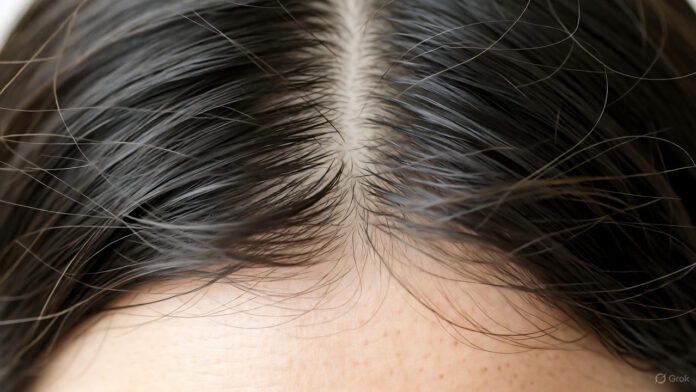
Scalp care treatments are essential for maintaining healthy hair. They deal with various scalp issues, from dandruff and oiliness to scalp dryness and itchiness. By addressing the root of hair care, these treatments help in promoting a nourished, strong hair growth environment.

Understanding the Importance of Proper Scalp Care

The health of your hair begins with the scalp. Like fertile soil in a garden, a well-maintained scalp can foster the growth and strength of your hair. Issues such as build-up, dandruff, or excessive oil can stifle hair growth and affect hair health. Scalp care treatments are specifically formulated to cleanse, soothe, and rebalance the scalp, creating a foundation for healthy hair growth.

Types of Scalp Care Treatments

Various types of scalp care treatments are available, targeting different issues. Some common ones include:

  • Scalp scrubs: These exfoliate the scalp, removing product build-up and dead skin cells.
  • Hydrating masks: These provide deep hydration to dry scalps.
  • Oils and serums: These are designed to balance oil production and soothe irritation.

Top Searched Brands for Scalp Care

When looking for products, some brands consistently stand out due to their effectiveness and positive customer reviews. Popular options include:

  • Head & Shoulders: Renowned for its dandruff treatment shampoos and conditioners.
  • Kérastase: Offers a luxurious range of scalp-specific serums and masks.
  • Aveda: Known for natural-based formulas targeting scalp health.

These brands provide various products that cater to different scalp issues. They incorporate ingredients that ensure effectiveness and safety.

How to Use Scalp Care Treatments

For optimal results, it’s important to know how to correctly use scalp care treatments. Below is a general guide:

  1. Choose the right product: Select a treatment according to your specific scalp condition.
  2. Follow the instructions: Some treatments might require application on dry hair, while others on wet.
  3. Massage thoroughly: When applying the product, massage it into your scalp thoroughly. This improves blood circulation and enhances efficacy.
  4. Rinse well: Depending on the type of treatment, you may need to rinse it out after a certain period.

Regular use of these treatments can significantly improve the condition of both your scalp and hair.

Conclusion: The Lifelong Benefits of Scalp Care

Consistent scalp treatments can transform your hair health. By incorporating them into your regular haircare routine, you invest in the long-term vigor and beauty of your hair. As with any beauty treatment, patience and consistency are key. Enjoy the process, and your hair will thank you.

In conclusion, taking care of your scalp means you’re at the base of ensuring optimal hair health. Whether you’re dealing with specific issues or just aiming for overall maintenance, there’s a scalp care treatment suitable for you. Start exploring and let your journey to healthier hair begin today!

Essential Guide to Must-Have Snakeskin Accessories

Essential Guide to Must-Have Snakeskin Accessories

Snakeskin Accessories: A Guide to Their Popularity and Purchase Locations

Introduction to Snakeskin Accessories

Snakeskin accessories have long been a symbol of luxury and exotic fashion. Thanks to their unique patterns and textures, they stand out among other materials used in fashion items. Ranging from belts and bags to shoes and wallets, these accessories can add a distinct touch of elegance to any outfit. This article explores the most popular types of snakeskin accessories and recommends the best places to purchase them.

Popular Types of Snakeskin Accessories

Snakeskin Bags: The Ultimate Fashion Statement

Among the myriad of snakeskin accessories, bags take the spotlight. Whether it’s a clutch, tote, or crossbody, the distinct pattern of snakeskin makes each piece a unique accessory. These bags not only enhance the style quotient but are also highly durable, making them a favorite among fashion enthusiasts.

Snakeskin Shoes: A Step Above the Rest

Shoes made from snakeskin are another highly sought-after item. They range from elegant pumps and boots to casual loafers and sneakers. Snakeskin shoes not only elevate an outfit but also provide a comfortable fit, known for their softness and flexibility.

Snakeskin Belts and Wallets: Essential Fashion Accessories

For those who prefer subtle additions, snakeskin belts and wallets offer just the right touch of sophistication. A well-crafted snakeskin belt can be the centerpiece of a formal outfit, while a snakeskin wallet keeps a bit of luxury tucked in your pocket.

Where to Purchase Snakeskin Accessories

Specialty Boutiques: In-Person Exclusivity

For those who prefer a tactile shopping experience, visiting specialty boutiques is ideal. These stores often carry exclusive pieces and offer a chance to examine the quality of the material up close. Searching for local boutiques that specialize in leather goods can yield a selection of high-quality snakeskin accessories.

Online Platforms: Convenience Meets Variety

E-commerce has made it easier to find and purchase exotic items like snakeskin accessories. Websites not only provide a wide array of options but also offer customer reviews that can help in making an informed decision. When purchasing online, it’s crucial to verify the authenticity and sourcing of the snakeskin to ensure ethical practices.

Luxury Brand Stores: Guaranteed Quality and Craftsmanship

Luxury brands known for their craftsmanship also often offer snakeskin accessories. These stores guarantee the quality of the products and provide a shopping experience that is consistent with their brand identity. Brands like Gucci, Prada, and Saint Laurent have featured snakeskin in their collections.

Fairtrade Stores: Ethically Sourced Snakeskin Accessories

For those concerned about the environmental impact and ethical considerations of using animal products, fairtrade certified stores are an option. These shops ensure that the products are sourced responsibly and the artisans are paid fairly.

Conclusion: Styling with Snakeskin

Snakeskin accessories, with their distinctive appeal and durability, have maintained their popularity in the fashion industry. Whether you are dressed for a formal occasion or styling for a casual event, incorporating snakeskin in the form of belts, wallets, shoes, or bags can elevate your outfit. Remember to choose ethically sourced products and verify their authenticity when shopping. With the right piece, you can add a touch of exotic elegance to your wardrobe that is both timeless and stylish.

Shopping Addiction Management: Effortless Mindful Spending!

Shopping Addiction: Discover Effortless Mindful Spending!

Shopping Addiction Management: A Complete Guide to Recovery

Consumer culture creates unprecedented challenges for spending control today. Indeed, shopping addiction management has become essential for many individuals. Moreover, compulsive buying affects millions worldwide regardless of income level. Consequently, understanding effective shopping addiction management strategies proves crucial for recovery.

Understanding Shopping Addiction

First and foremost, shopping addiction represents a serious behavioral disorder. Specifically, it involves uncontrollable urges to purchase items unnecessarily. Additionally, this condition creates significant emotional and financial consequences. Therefore, recognizing shopping addiction management needs becomes the first recovery step.

Furthermore, compulsive buying differs from occasional overspending or retail therapy. Meanwhile, true addiction involves loss of control and continued behavior. Subsequently, shopping addiction management requires professional approaches similar to other addictive disorders.

Recognizing the Warning Signs

Behavioral Indicators

Notably, several warning signs indicate shopping management necessity. Indeed, spending beyond budget limits repeatedly signals problems. Additionally, hiding purchases from family members demonstrates awareness of issues. Therefore, honest self-assessment reveals whether intervention becomes necessary.

Moreover, experiencing guilt or shame after shopping indicates unhealthy patterns. Similarly, shopping to cope with negative emotions suggests addiction. Consequently, identifying these behaviors early improves shopping addiction management outcomes.

Emotional Symptoms

Furthermore, emotional patterns accompany compulsive buying behaviors significantly. Specifically, intense anticipation precedes shopping episodes typically. Additionally, temporary euphoria occurs during purchasing moments. Meanwhile, guilt and regret follow shortly afterward creating destructive cycles.

Therefore, understanding emotional triggers proves essential for shopping addiction management. Subsequently, addressing underlying feelings becomes crucial for lasting recovery.

Psychological Roots of Shopping Addiction

Emotional Triggers

Primarily, shopping management must address underlying emotional causes. For instance, anxiety and depression frequently drive compulsive buying. Similarly, boredom and loneliness trigger excessive shopping behaviors. Therefore, treating root causes alongside symptoms proves most effective.

Moreover, mental health resources provide crucial support during recovery. Meanwhile, therapy helps identify and process difficult emotions healthily. Consequently, comprehensive shopping addiction management addresses psychological wellness holistically.

Social and Cultural Influences

Additionally, societal pressures significantly impact shopping addiction management challenges. Indeed, consumer culture constantly promotes buying as happiness solution. Furthermore, social media amplifies comparison and inadequacy feelings. Therefore, developing critical awareness of marketing tactics becomes essential.

Moreover, digital detox strategies reduce exposure to shopping triggers. Meanwhile, unfollowing influencer accounts decreases temptation significantly. Subsequently, controlling environmental inputs supports shopping addiction management efforts.

Financial Impact Assessment

Calculating the Cost

Importantly, understanding financial damage motivates shopping addiction management commitment. Specifically, calculating total debt from compulsive buying reveals severity. Additionally, tracking monthly overspending demonstrates pattern escalation. Therefore, facing financial reality honestly becomes necessary.

Moreover, budgeting apps provide clear spending visualization. Meanwhile, credit counseling services offer professional debt management guidance. Consequently, addressing financial consequences forms crucial shopping addiction management component.

Long-term Financial Goals

Furthermore, establishing financial objectives supports shopping addiction management recovery. For instance, saving for experiences rather than possessions shifts priorities. Similarly, retirement planning provides meaningful spending alternative motivations. Therefore, positive financial goals replace destructive shopping patterns.

Effective Shopping Addiction Management Strategies

Implementing Waiting Periods

Notably, waiting periods dramatically reduce impulsive purchases in shopping addiction management. Specifically, the 30-day rule prevents unnecessary acquisitions effectively. Additionally, this technique allows rational evaluation of purchase necessity. Therefore, impulsivity loses power over decision-making processes.

Moreover, shopping delay apps automate waiting period enforcement. Meanwhile, creating wish lists instead of buying immediately helps. Subsequently, many desired items lose appeal over time naturally.

Creating Purchase Protocols

Furthermore, systematic decision-making improves shopping addiction management success rates. For example, requiring three separate considerations before any purchase. Additionally, asking specific questions about necessity, value, and alternatives. Therefore, conscious evaluation replaces automatic buying behaviors.

Moreover, establishing spending limits for different categories provides structure. Meanwhile, cash-only systems physically limit overspending possibilities. Consequently, practical barriers support behavioral change efforts.

Mindful Consumption Practices

Quality Over Quantity Philosophy

Additionally, shifting toward mindful consumption transforms shopping addiction management approaches. Specifically, prioritizing quality items that last reduces buying frequency. Furthermore, appreciating possessions deeply decreases desire for constant newness. Therefore, satisfaction comes from meaningful ownership rather than acquisition.

Moreover, minimalist lifestyle resources inspire consumption reduction. Meanwhile, capsule wardrobe concepts demonstrate quality-focused approaches. Subsequently, fewer, better items provide greater satisfaction ultimately.

Needs Versus Wants Analysis

Furthermore, distinguishing genuine needs from wants proves essential in shopping addiction management. Indeed, honest assessment reveals most purchases satisfy wants only. Additionally, gratitude practices for existing possessions reduce perceived needs. Therefore, contentment grows while spending decreases naturally.

Moreover, gratitude journaling reinforces appreciation for current belongings. Meanwhile, regular inventory reviews prevent duplicate purchases. Consequently, awareness of abundance replaces feelings of lack.

Alternative Coping Mechanisms

Healthy Emotional Outlets

Importantly, shopping addiction management requires replacing shopping with healthy behaviors. For instance, exercise provides natural mood elevation without financial cost. Similarly, creative hobbies offer fulfillment and accomplishment feelings. Therefore, developing alternative stress management tools becomes crucial.

Moreover, stress management techniques provide numerous shopping alternatives. Meanwhile, meditation and mindfulness reduce anxiety without spending. Subsequently, emotional regulation improves without relying on purchases.

Social Connection Building

Furthermore, meaningful relationships replace shopping’s social aspects in addiction management. Specifically, joining support groups connects individuals facing similar challenges. Additionally, shopping addiction support communities offer understanding and encouragement. Therefore, isolation decreases while accountability increases.

Moreover, spending quality time with loved ones provides fulfillment. Meanwhile, volunteer work offers purpose beyond material acquisition. Consequently, deeper satisfaction emerges from human connection.

Professional Support Options

Therapy and Counseling

Notably, professional help significantly improves shopping management outcomes. Indeed, cognitive behavioral therapy addresses underlying thought patterns effectively. Additionally, addiction counselors specialize in compulsive buying disorders. Therefore, expert guidance accelerates recovery progress substantially.

Moreover, group therapy provides peer support and shared experiences. Meanwhile, financial therapists address both psychological and monetary aspects. Subsequently, comprehensive professional support tackles multiple recovery dimensions.

Medical Interventions

Furthermore, some cases benefit from medication during shopping addiction management. Specifically, antidepressants may help when underlying depression exists. Additionally, anxiety medications reduce triggers for compulsive buying. Therefore, consulting psychiatrists about medical options proves worthwhile.

Digital Shopping Addiction Management

Online Shopping Controls

Additionally, digital environments require special shopping management strategies. For instance, deleting shopping apps removes immediate temptation access. Similarly, website blockers prevent browsing retail sites. Therefore, digital barriers support offline behavioral changes.

Moreover, unsubscribing from marketing emails eliminates daily triggers. Meanwhile, browser extensions hide shopping suggestions automatically. Consequently, online environments become less conducive to compulsive buying.

Social Media Boundaries

Furthermore, social media significantly impacts shopping management challenges. Specifically, constant product exposure triggers purchasing urges frequently. Additionally, influencer marketing normalizes excessive consumption patterns. Therefore, limiting social media use supports recovery efforts.

Moreover, curating feeds to exclude shopping content reduces temptation. Meanwhile, following accounts promoting minimalism provides counter-messaging. Subsequently, digital environment influences shift toward healthier patterns.

Preventing Relapse

Identifying High-Risk Situations

Importantly, ongoing shopping addiction management requires relapse prevention strategies. Indeed, recognizing trigger situations allows proactive planning. Additionally, stress periods pose heightened vulnerability to relapse. Therefore, developing specific coping plans for challenges proves essential.

Moreover, holidays and sales events require extra vigilance and support. Meanwhile, relapse prevention plans provide structured response strategies. Consequently, preparation reduces relapse likelihood significantly.

Building Sustainable Habits

Furthermore, long-term shopping addiction management depends on sustainable lifestyle changes. Specifically, gradual modifications prove more maintainable than extreme restrictions. Additionally, celebrating small victories reinforces positive progress. Therefore, patience and self-compassion support lasting transformation.

Environmental and Ethical Benefits

Sustainable Consumption Impact

Additionally, shopping addiction management benefits extend beyond personal recovery. Indeed, reduced consumption dramatically decreases environmental footprint. Furthermore, mindful purchasing supports ethical production practices. Therefore, recovery contributes to broader positive change.

Moreover, sustainable shopping guides inform ethical purchasing decisions. Meanwhile, supporting secondhand markets reduces new production demand. Consequently, shopping management aligns with environmental responsibility.

Family and Relationship Healing

Rebuilding Trust

Importantly, shopping management includes repairing damaged relationships. Specifically, financial deception often strains family bonds significantly. Additionally, honest communication about struggles rebuilds trust gradually. Therefore, involving loved ones in recovery proves beneficial.

Moreover, couples counseling addresses relationship impacts of compulsive buying. Meanwhile, family therapy heals broader relationship wounds. Subsequently, recovery strengthens connections while addressing addiction.

Measuring Progress and Success

Tracking Metrics

Furthermore, monitoring progress motivates continued shopping management efforts. For instance, tracking debt reduction provides tangible success evidence. Similarly, counting purchase-free days demonstrates behavioral improvement. Therefore, celebrating milestones reinforces commitment.

Moreover, recovery tracking apps visualize progress over time. Meanwhile, journaling captures emotional growth alongside behavioral changes. Consequently, comprehensive tracking validates recovery efforts.

Conclusion: Your Recovery Journey

In conclusion, shopping management requires comprehensive, compassionate approaches. This journey involves understanding root causes and developing healthier coping mechanisms. Moreover, professional support and personal commitment combine for optimal outcomes.

Subsequently, recovery brings financial freedom and emotional wellbeing. Therefore, taking first steps toward shopping addiction management transforms lives positively. Ultimately, sustainable change creates lasting fulfillment beyond material possessions.


Political Beauty Standards: Empowering Women Through Self-Expression

Political Beauty Standards: Empowering Women Through Self-Expression

Beauty Standards as Political Statements

Beauty is not merely personal—it’s political. Modern beauty standards serve as more than aesthetic norms; they carry social messages, power dynamics, and ideological stances. When society dictates which bodies, skin tones, and styles are “acceptable,” those judgments expose underlying structures of privilege, exclusion, and control.

The Power Behind Beauty Standards

From classical statues to magazine covers, beauty has long upheld cultural authority. For centuries, certain physical traits—lighter skin, Eurocentric facial features, slim bodies—were equated with ideal existence. Conversely, traits outside those norms were marginalized or deemed lesser. This contrast reveals how beauty standards enforce social hierarchies.

In fact, contemporary research has demonstrated the political weight of beauty rules. For instance, the “prescriptive beauty norm” describes societal pressure that women intensify beauty investments to comply with gender expectations—a pattern that often reinforces workplace discrimination and gender inequality.Gender Action Portal Meanwhile, Eurocentric whiteness continues to dominate commercial aesthetics through “whitewashing” in advertising, which marginalizes deeper skin tones and reinforces inequitable beauty hierarchies.Wikipedia

Beauty isn’t a neutral domain—it is a tool wielded by market forces, political ideologies, and cultural institutions.

Identity, Resistance, and the Politics of Surface

Because beauty standards are political, they intersect forcefully with identity. Race, gender, sexuality, ability, and class all influence the pressures individuals face to conform. A Black woman, for example, often encounters colorism—biases against darker skin—even within marginalized communities. Such pressures drive dynasties of hair straightening, skin-lightening products, and exclusionary trends.

Yet resistance emerges through identity as well. When a queer person, a disabled model, or a person with vitiligo appears in high fashion, their visibility acts against conventional beauty rules. Their presence carries political weight—it asserts that beauty is plural, not monolithic, and that marginal bodies deserve space in the cultural narrative.

Media, Politics, and the Shifting Aesthetic Tide

Media channels shape and transmit beauty standards daily. Advertising, television, film, and social platforms curate “ideal” looks, often favoring narrow, commercial-friendly aesthetics. As Naomi Wolf’s The Beauty Myth argues, these ideals do not simply reflect tastes—they function as systemic levers that control women’s social roles and economic freedoms.Wikipedia

Recently, political shifts have pushed beauty back toward conservative ideals. Vogue Business describes how a conservative era is reshaping beauty norms—returning to ultra-gendered, traditionally “feminine” looks as cultural markers of control.Vogue Business Dazed Digital also warns of a “beauty backslide,” where ideals of extreme thinness and retro aesthetics become re-normalize.Dazed Digital

Even makeup trends are politicized. For example, terms like “Republican makeup” have appeared in public discourse, where certain styles are mocked or praised as ideological signifiers.The Wall Street Journal In that sense, applying lipstick or concealer can act like choosing a party—your face becomes part of your political statement.

Beauty as Activism

Beauty warriors turn the script. Movements around body positivity, inclusive casting, diversity in makeup, and unfiltered social media imagery have pressured industries to adapt. These acts push back against rigid standards, reclaiming bodies and features that were once excluded.

When brands feature more Black, Indigenous, fat, older, disabled, or gender-diverse faces, they are making political statements. When consumers demand ingredient transparency or reject filters that erase features, they challenge the commercial power behind beauty. These acts are more than trends—they signal cultural resistance.

Yet activism isn’t without tension. Some critiques point out that even “inclusivity” campaigns can be co-opted by marketing: packaging beauty as empowerment, while preserving commercial logic. True change demands shifting who defines beauty, not just widening the frame.

The Stakes of Beauty Standards

Why do beauty standards matter so much? Because they shape lives—opportunities, dignity, and identity. In employment, women are judged more harshly on appearance; in politics, candidates are scrutinized for hair, makeup, and clothes. Beauty becomes a currency of legitimacy or disqualification.

Moreover, algorithms now carry biases. A recent study found that AI beauty filters amplify the “halo effect”: when someone looks more conventionally attractive, they’re judged more intelligent, trustworthy, or capable.arXiv Worse, facial recognition models deploy bias, reinforcing biased beauty norms across race groups.arXiv This means digital tools—not just people—are perpetuating political salience of appearance.

Toward a Juster Aesthetic Ecology

Changing beauty standards is no small feat. It requires shifting the institutions that police appearance: marketing agencies, casting studios, media conglomerates, and even regulatory bodies. Still, adopting small strategies helps:

  • Demand transparency about representation metrics in campaigns

  • Support brands led by marginalized voices

  • Reject uniform filters or overly edited imagery

  • Celebrate multiple beauty forms in your personal media consumption

By doing so, we rewire cultural expectations and assert that beauty is inherently political—and always negotiable.

Conclusion

In today’s world, beauty standards are far more than superficial norms—they are political statements. They bolster social hierarchies, shape identity, and reflect current ideology. By unpacking their power, resisting exclusion, and demanding inclusive beauty practices, it’s possible to break aesthetic hegemony.

Beauty can become a tool for solidarity, equity, and expressive freedom rather than control. And in that possibility lies its greatest political promise.