
Monte-Carlo Fashion Week 2026 Is Putting Sustainability on the Runway — The Luxury Shift You Can’t Ignore
For years, sustainability in luxury fashion felt like an afterthought — a talking point tucked into the back of press releases. This week in Monaco, that changed. Monte-Carlo Fashion Week 2026 opened with a clear declaration: environmental responsibility is no longer optional for serious luxury brands. It has moved to the center of the conversation.
Running from April 14 to 18, the event deliberately blended traditional runway presentations with panel discussions, material innovation showcases, and closed-door sessions on circular business models. The message from organizers and participating designers was consistent: true luxury in 2026 must also be responsible luxury.
Runway Magazine was present for the opening days, and what emerged was one of the most thoughtful examinations of sustainability the luxury sector has yet produced.

Monte-Carlo Fashion Week 2026: A New Chapter for Luxury
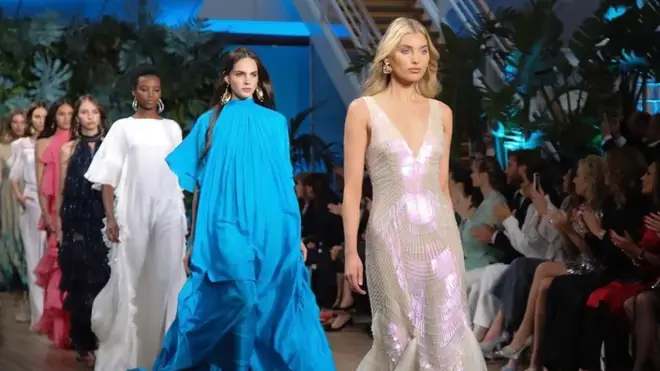
Unlike the chaotic energy of larger fashion weeks, Monte-Carlo Fashion Week felt intentionally intimate and focused. The program mixed runway shows with substantive conversations about supply chains, regenerative materials, and the true cost of overproduction. This hybrid format allowed the conversation to move beyond surface-level greenwashing into genuine strategic discussion.
The location itself added weight to the message. Monaco, long associated with opulence and excess, positioned itself this week as a serious platform for climate-conscious luxury. The contrast was deliberate and effective.
Sustainability Takes Center Stage
Sustainability was not a side theme — it was the main narrative. Almost every collection presented incorporated traceable materials, deadstock fabrics, or innovative alternatives to traditional luxury textiles. Several designers went further, showing fully circular collections designed with end-of-life recyclability in mind.
What stood out most was the absence of apology. Designers no longer framed sustainable choices as limitations. They presented them as creative opportunities that pushed craftsmanship and innovation forward.

 Green Fashion Designers Leading the Charge
 Green Fashion Designers Leading the Charge
Several standout presentations came from designers who have quietly been building sustainable practices for years. Their collections proved that eco luxury fashion does not require compromise on elegance or desirability.
One particularly memorable show featured garments created entirely from upcycled maritime materials and regenerated cashmere. Another presented a capsule collection using only deadstock fabrics sourced from historic European mills. These were not experimental side projects — they were the main collections, beautifully executed and commercially ambitious.
The level of technical innovation on display suggested that the most forward-thinking green fashion designers are no longer following trends. They are setting them.
From Materials to Mindset: The Depth of Change
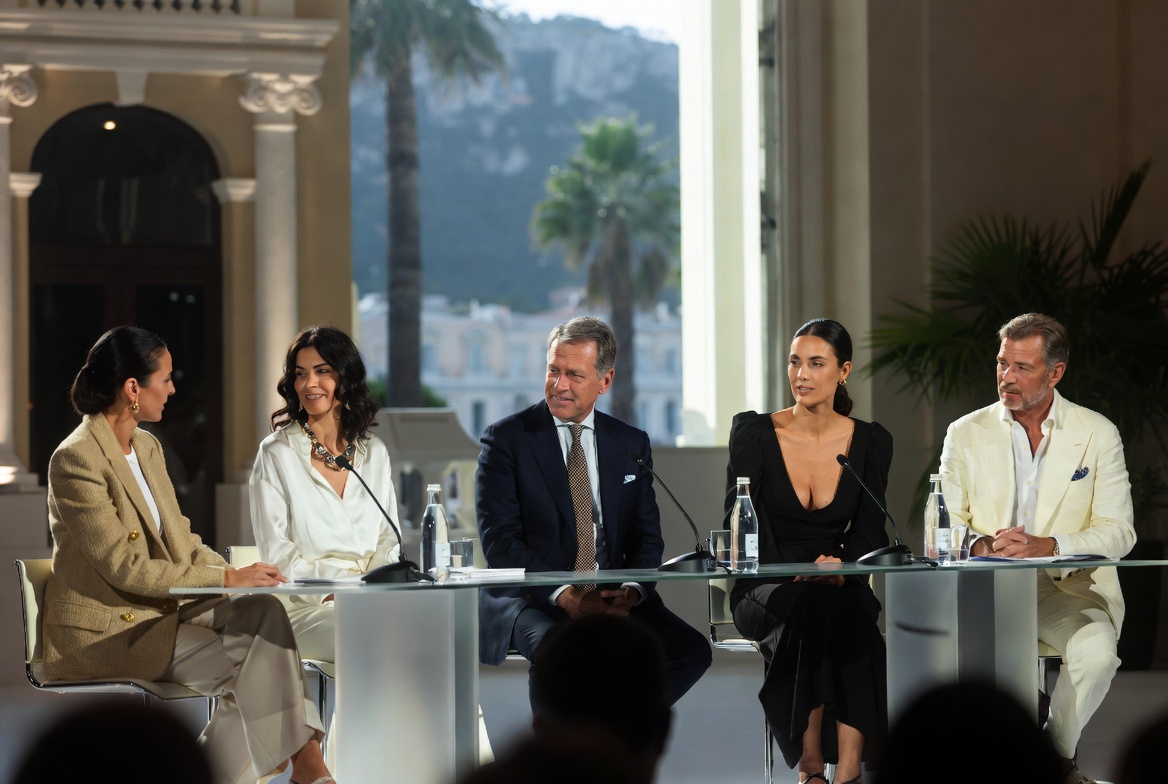
The conversations happening off the runway were equally significant. Panels addressed everything from blockchain traceability to the psychological barriers preventing wider adoption of circular models. What emerged was a more mature understanding that real sustainability requires systemic change, not just better fabrics.
Designers spoke openly about the tension between seasonal demands and long-term responsibility. Several admitted that true circular fashion will require slower release calendars and deeper client relationships. This level of honesty marked a notable shift in industry dialogue.
Why Monte Carlo Is Emerging as Sustainability’s Luxury Capital
By hosting a fashion week dedicated to meaningful sustainability dialogue, Monte Carlo has positioned itself as a thoughtful alternative to the traditional fashion calendar. The Mediterranean setting provided both beauty and symbolic weight — a reminder that luxury and environmental stewardship are not mutually exclusive.
The event’s intimate scale allowed for deeper conversations than larger fashion weeks typically permit. This may prove to be its greatest strength as it grows.

Conclusion
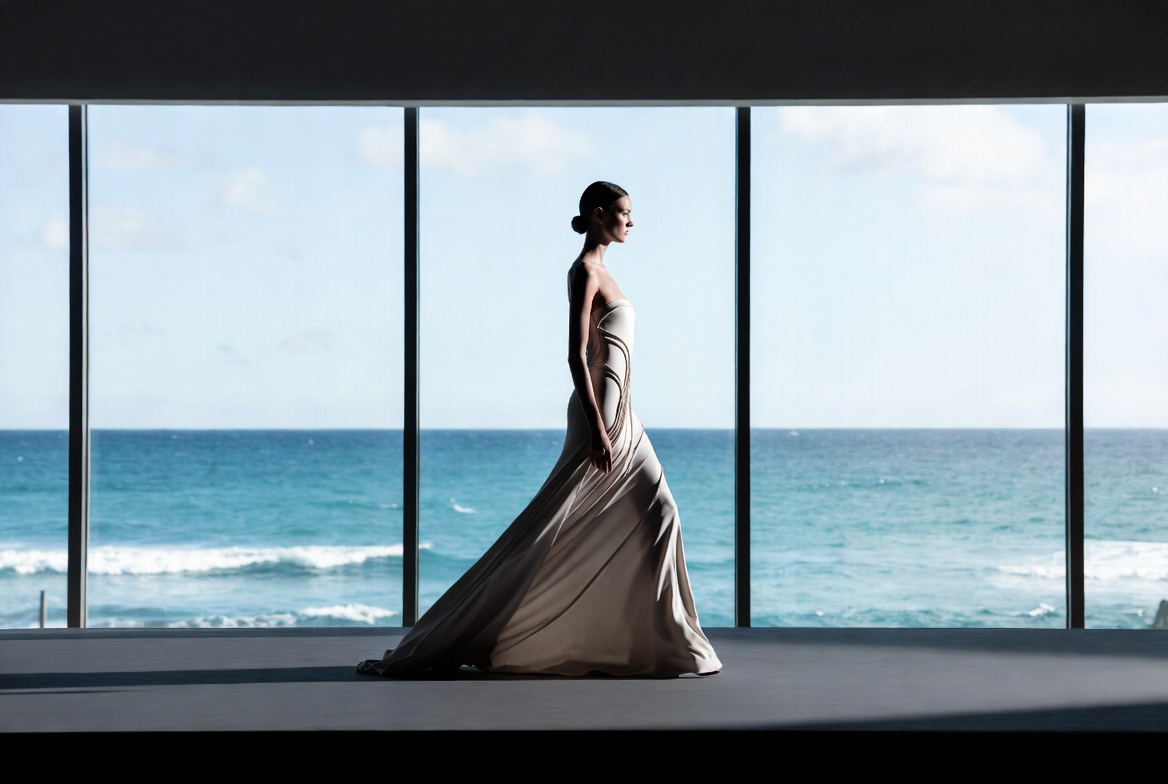
Monte-Carlo Fashion Week 2026 will be remembered as the moment luxury fashion stopped treating sustainability as a marketing exercise and began treating it as a core design principle. The collections presented proved that environmental responsibility can coexist with beauty, craftsmanship, and desirability.
As the industry faces increasing pressure to reduce its environmental footprint, events like this one offer both inspiration and practical models for change. The question is no longer whether luxury can become more sustainable. It is how quickly and how creatively brands will rise to meet that challenge.
Runway Magazine will continue to watch this evolution closely. The future of fashion may well be written on the sunlit runways of Monte Carlo.

