Lived-In Shag: Effortless, Stunning Cut for Every Hair Type

Lived-In Shag: The Effortless Cut Everyone Wants

Lived-In Shag styles are gaining serious attention because they balance ease with style. This cut delivers natural movement, subtle layers, and a relaxed finish. Instead of sharp, extreme texture, the shape feels soft and undone. As a result, it suits many lifestyles and looks modern without trying too hard.


What Is a Lived-In Shag?

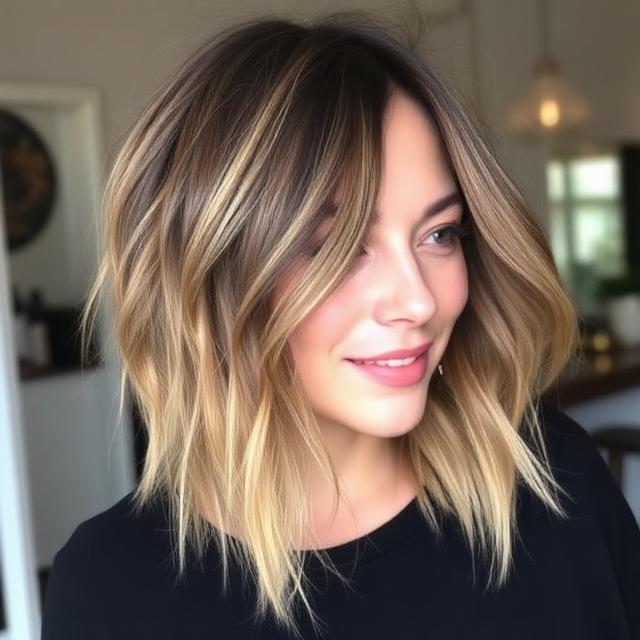
The lived-in shag is a softer, more wearable version of the classic shag haircut. Traditionally, shags were bold, choppy, and heavily layered. Now, the look is more refined. The layers are intentional, yet they blend smoothly.

Instead of rigid pieces, the hair falls in loose, airy sections. Therefore, the style appears relaxed rather than over-styled. The ends may be slightly shattered, but they are never harsh. Because of this balance, the cut flatters a wide range of hair textures and face shapes.


Key Features of the Lived-In Shag

Several details make the lived-in shag stand out from older versions of the cut.

1. Soft, Blended Layers

Layers are the heart of this cut. However, they are placed thoughtfully to encourage movement. The stylist removes bulk where needed, yet keeps the hair looking full. In many cases, interior layers are added for lift.

Since the layers are blended, they create flow from roots to ends. This avoids the “step” effect seen in some older shags. Consequently, the result feels smooth, even when the texture is tousled.

2. Natural Texture Over Heavy Styling

Instead of fighting your texture, the lived-in shag embraces it. Wavy hair gains easy definition. Curly hair enjoys more shape and bounce. Straight hair gets extra interest and swing.

Most of the time, only minimal products are needed. A bit of cream, a mist of sea salt spray, or a touch of mousse is often enough. Therefore, the style is simple to manage at home. It is meant to look slightly undone, as if it just fell that way.

3. Face-Framing Pieces

Framing layers around the face are commonly included. They can be short and fringy or long and soft. Either way, they draw attention to the eyes and cheekbones. Often, these pieces are customized to your features.

Because these face-framing layers are tailored, the cut feels personal. As a result, the lived-in shag works on many different face shapes. It can lengthen, soften, or balance, depending on the placement.


Why the Lived-In Shag Is So Trendy

This cut fits perfectly with the current love for effortless style. People want hair that looks good with less heat and less time. For that reason, the lived-in shag is showing up everywhere.

Low-Maintenance Feel

First, it grows out gracefully. The layers do not need constant reshaping. Even after a few months, the shape still looks intentional. Because of this, salon visits can be spaced farther apart.

Second, it air-dries beautifully on many hair types. You can wash, add a simple product, and let it go. Therefore, it fits busy routines, travel plans, and active lives.

Versatile and Modern

Although it feels laid-back, the lived-in shag can be styled in several ways. It can be smoothed for a sleeker look. It can also be scrunched for extra texture. With a curling iron, the layers can be enhanced with loose waves.

This versatility means it pairs well with different aesthetics. It can lean boho, rocker, minimalist, or polished, depending on how it is styled. As a result, the cut feels current, yet not tied to one single trend.


How It Works on Different Hair Types

One reason the lived-in shag is so popular is its adaptability. It works across wavy, curly, and straight hair, with the right technique.

Wavy Hair

On wavy hair, the cut adds structure without losing softness. Strategic layers encourage the natural S-shape. As a result, waves appear bouncier and more defined.

To style, a light foam or sea salt spray can be applied to damp hair. Then, the hair can be scrunched and either air-dried or diffused. Because the shape is built into the cut, very little effort is needed.

Curly Hair

Curly hair can benefit from a lived-in shag as well. However, it must be cut with curl behavior in mind. Layers are often carved out to remove weight and avoid a triangle effect.

When styled with a curl cream or gel, the curls stack and move easily. The shape becomes more vertical and less bulky at the ends. Therefore, the overall look feels lighter and more dynamic.

Straight Hair

Straight hair often appears flat without help. With a lived-in shag, it gains dimension and motion. Light layers are used to break up a solid outline, while keeping enough weight for polish.

A blow-dry with a round brush, or a few bends with a curling wand, can enhance the texture. Even when worn completely straight, the layered cut stops the hair from looking limp.


Getting the Cut: What to Ask Your Stylist

A clear conversation with your stylist is essential. Since “shag” can mean many things, details matter.

  • Bring photos that show the length and texture you like.
  • Mention that you want a softer, lived-in shag, not an extreme, choppy version.
  • Discuss how much layering you are comfortable with.
  • Explain your styling habits, including how much time you want to spend daily.

Your stylist may suggest subtle adjustments. For instance, they might change the fringe length or shift the weight line. These small tweaks ensure that the cut suits your face, hair, and routine.


Simple Styling Tips for Everyday Wear

To keep the style easy and fresh, consider a few simple habits.

  • Use lightweight products to avoid weighing down the layers.
  • Dry shampoo can add texture and extend time between washes.
  • A diffuser attachment helps enhance curls and waves on low heat.
  • Regular dusting trims will maintain healthy ends without losing length.

With these steps, the lived-in shag stays effortless and modern. The hair moves freely, the layers remain defined, and the overall style feels cool, yet approachable.

Birth Control Misinformation: Myths Young Women Trust

Birth Control Misinformation- Myths Young Women Trust

Misinformation Around Birth Control on Social Media: What You Need to Know

Misinformation around birth control on social media is spreading fast, especially on platforms like TikTok and Instagram. As more young women scroll for quick answers, they are exposed to catchy but inaccurate claims. Consequently, many are left confused, anxious, or even misled about their options and risks.

Why Social Media Feels So Convincing

On the surface, social media seems helpful. After all, it offers:

  • Personal stories that feel relatable
  • Short, simple explanations
  • Content from people who look and sound like you

However, algorithms reward engagement, not accuracy. Therefore, dramatic or emotional posts travel faster than careful explanations. When a creator’s shocking story about a bad experience with birth control goes viral, it may feel more “real” than a calm explanation from a doctor.

Moreover, many creators lack medical training. Some may mean well, yet still misunderstand studies or repeat myths. Others might promote products, programs, or supplements for profit. As a result, it becomes difficult to know whom to trust.

Common Myths About Birth Control Spreading Online

A lot of misinformation around birth control on social media shows up in repeating themes. While posts look different, many push similar ideas.

Myth 1: “Hormonal birth control always causes infertility”

This claim is very common online. Many videos warn that the pill, patch, ring, or implant will “wreck your fertility forever.” However, research does not support this.

Fertility usually returns soon after stopping most hormonal methods. For some, it happens within weeks. For others, it may take a few months as cycles regulate. Yet permanent infertility from standard hormonal birth control is extremely rare. When someone struggles to get pregnant later, other factors are often involved, including age, underlying conditions, or partner factors.

Myth 2: “Natural methods are just as effective as medical ones”

Some creators promote “cycle syncing” or “natural birth control” based only on tracking mood, energy, or vague signs. Although fertility awareness methods can work, they require careful education and consistent tracking of specific markers, such as basal body temperature and cervical mucus.

Without proper training and tools, these methods are less reliable. Furthermore, they offer no protection against sexually transmitted infections. Despite this, posts often portray them as risk‑free and equally effective. In reality, typical use failure rates can be significantly higher than with IUDs, implants, or the pill.

Myth 3: “Birth control is poison and always ruins your hormones”

Hormones are often described as “toxic” or “unnatural” online. Videos may claim that any mood change, weight shift, or headache proves that birth control is dangerous. In truth, all medications have possible side effects. Yet most people use hormonal methods safely for years.

Professional guidelines are based on large studies, not single anecdotes. While some users do experience side effects and need a different method, many feel fine or even better, especially if heavy periods, acne, or cramps improve. Still, nuance is rarely captured in short viral clips.

Why Doctors Are Pushing Back

Healthcare providers are increasingly concerned. Patients arrive with strong fears shaped by posts they have seen. Consequently, visits are often spent correcting misinformation instead of discussing personal needs.

Doctors emphasize that:

  • Social media is not built for individualized care
  • Medical decisions should consider your history, conditions, and goals
  • Studies are complex and cannot be reduced to a 15‑second soundbite

Additionally, misinformation can lead to delayed care. For instance, someone who fears hormonal birth control may skip contraception entirely. As a result, they may face an unplanned pregnancy or seek emergency care.

How to Judge What You See Online

Even if you keep using social media, you can evaluate content more safely. The following questions may help:

  • Who is the source? Is the person a licensed clinician or a self‑proclaimed “hormone coach”?
  • Are studies cited? Can you find those studies from reputable journals or organizations?
  • Is fear used as a hook? Content that constantly warns, shames, or panics viewers is often biased.
  • Does it sound too simple or absolute? Health advice that claims “never” or “always” is usually incomplete.

Additionally, look for creators who collaborate with medical professionals or link to established organizations. A balanced post often acknowledges both benefits and risks, not just one side.

The Role of Personal Stories

Personal experiences can be very powerful. Someone might genuinely suffer serious side effects from a pill or IUD. Their pain is real and deserves respect. Yet one story cannot replace broad evidence.

When many people share negative experiences, it may signal gaps in care, rushed counseling, or dismissive providers. Therefore, these stories should push the system to improve communication and listening. However, they should not become universal rules for everyone’s body.

How to Get Reliable Birth Control Advice

To protect yourself from misinformation around birth control on social media, combine what you see online with trustworthy guidance. You can:

  • Schedule a visit with a gynecologist, primary care provider, or sexual health clinic
  • Use telehealth services if in‑person visits are difficult
  • Visit reputable websites, such as those from major hospitals or public health agencies
  • Ask for written information or decision aids during appointments

During these conversations, you can bring screenshots or examples of posts that concern you. Many clinicians welcome this. In fact, it allows them to explain which parts are true, partly true, or false.

Talking With Your Doctor About What You’ve Seen Online

If you feel nervous about challenging a professional, try sharing your questions this way:

  • “I saw a video that said the pill causes infertility. Can we talk about that risk?”
  • “Some posts say natural methods are safer. What are their real failure rates?”
  • “I’m worried about hormones because of things I’ve watched. Are there non‑hormonal options?”

This approach keeps the conversation open and respectful. At the same time, it ensures your concerns are heard.

Final Thoughts

Social media will likely remain a major source of health information, especially for young women. Therefore, learning to spot misleading claims is essential. While online communities can offer support and validation, they cannot replace qualified medical care.

By pairing digital content with evidence‑based guidance from trusted professionals, you can make informed decisions about birth control that fit your life, values, and future plans.

2026 Met Gala Theme- New Collabs & Best Trends

2026 Met Gala Theme- New Collabs & Best Trends

2026 Met Gala Theme & First-Time Collaborations

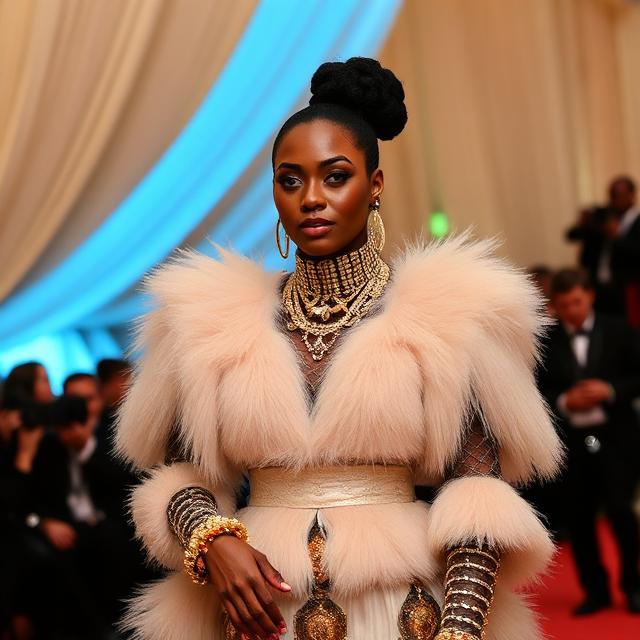
2026 Met Gala Theme & First-Time Collaborations will shape fashion conversations for months to come. As the Costume Institute sets the stage, brands are already planning bold statements. Since the theme is known early, editors and fans can start decoding the cultural mood. At the same time, an unprecedented wave of debut partnerships is reshaping the relationship between luxury and streetwear.

Why the 2026 Met Gala Theme Matters

Because the event acts as fashion’s biggest editorial moment, its theme is never just decorative. Instead, it frames how designers explore history, politics, and fantasy on the red carpet. Although the outfits may appear extravagant, every silhouette and fabric choice can signal deeper narratives.

Moreover, the theme directs the season’s visual language. Campaigns, magazine covers, and runway shows often echo its spirit. Therefore, a well-timed concept can ripple through the entire industry. Consequently, writers, stylists, and forecasters are already using it as a lens for fresh stories and concepts.

How Brands Are Interpreting the 2026 Vision

Because the theme is revealed early, brands have time to refine their approach. Some houses will turn to archival pieces and reinterpret them through modern techniques. Others, instead, may embrace technology with 3D-printed structures or interactive fabrics.

In addition, smaller labels are expected to see the Gala as a rare global stage. While major maisons lean into spectacle, nimble designers can highlight craft, sustainability, or subculture roots. As a result, the red carpet could become a clash between theatrical excess and intimate storytelling.

Furthermore, stylists now tend to treat each look as a mini editorial. Consequently, designer, muse, and photographer may collaborate from the start. Because of this, outfits could arrive with built‑in narratives, ready for social media and fashion press coverage.

First-Time Collaborations Take Center Stage

Alongside the theme announcement, a surge of first-time collaborations has been unveiled. Luxury houses are joining forces with cult streetwear labels for the first time. As a result, long‑standing hierarchies are being questioned. Instead of top‑down influence, we are seeing a more fluid exchange of ideas.

These pairings are not only commercial moves. Rather, they serve as cultural signposts. When a heritage maison taps a graffiti artist or a gaming franchise, a specific audience is being addressed. Therefore, the red carpet might showcase looks that feel equally at home on a runway, in a gallery, and in a digital space.

Because many of these collaborations will debut close to the Gala, anticipation will stay high. Limited drops, capsule collections, and surprise runway extensions are already being hinted at. Consequently, fans can expect a season of deliberate hype and strategic reveals.

What These Collaborations Reveal About the Fashion Calendar

In recent years, the fashion calendar has grown more fragmented. Traditional seasons are challenged by constant drops and digital launches. Therefore, global moments like the Met Gala gain extra importance. They provide a shared cultural anchor for brands and audiences.

First-time collaborations are being timed to orbit that anchor. Instead of releasing quietly, labels plan for the visibility peak that the Gala guarantees. As a result, a dress on the steps of the museum can instantly redirect attention to a new partnership or concept store.

Furthermore, this shift suggests a calendar driven less by weather and more by content. Major events, streaming premieres, and game launches are now treated like fashion seasons. Because of this, collaborations are mapped across the year, each tied to a media spike.

Luxury vs Streetwear: A Blurring Line

Historically, luxury and streetwear occupied distinct worlds. However, that separation has been eroding for years. With the 2026 Met Gala Theme & First-Time Collaborations, the blur could become even stronger. Tailored gowns might feature sneaker‑inspired soles. Meanwhile, couture‑level embroidery could appear on bomber jackets.

In addition, streetwear brands are no longer mere guests. Instead, they are entering as equal creative partners. Logos may share space; aesthetic codes may merge. Consequently, the red carpet might show power dressing redefined through hoodies, workwear, and sports references.

This fusion also reflects how audiences dress daily. Many consumers now mix archival designer pieces with skate staples or techwear. Since the Gala mirrors broader culture, that hybrid style will likely be elevated into artful couture statements.

Story Angles and Opportunities for Creators

Because the theme is public, there is ample time to craft editorial concepts. Writers can develop deep dives into the references behind the dress code. “What the theme means” features can unpack art history, film, or literature that inform the night.

Additionally, the collaboration surge offers strong structural hooks. Profiles of debut pairings can explore why certain houses chose specific partners. Columns might examine how these choices reflect shifts in taste, geography, or audience demographics.

Visual storytellers also have fertile ground. Infographics, lookbooks, and moodboards can chart “Top collabs to watch from the Met Gala announcement.” These pieces may be updated as teasers, sketches, and campaign images are released.

Trend Forecasts Shaped by the 2026 Gala

Because the Gala often predicts upcoming trends, its 2026 edition will be watched closely. If sculptural silhouettes dominate the carpet, ready‑to‑wear may follow with softened versions. Likewise, a focus on craftsmanship could boost interest in hand‑worked textiles and regional techniques.

Emerging tech will also be observed. Wearable light, adaptive fabrics, and AR filters tied to outfits are likely candidates. Since collaborations often accelerate experimentation, the most daring pieces may emerge from cross‑label teams.

Analysts can track these experiments and translate them into forecasts. Reports might link red carpet choices to macro trends in sustainability, digital identity, or cultural nostalgia. Therefore, the event becomes both spectacle and research material.

Looking Ahead

As the countdown continues, 2026 Met Gala Theme & First-Time Collaborations will remain a central reference point. Designers, writers, and fans are already building narratives around it. While the final looks will only appear on one night, their influence will extend far beyond the museum steps. Through new alliances and inventive interpretations, the industry is quietly rewriting its rules in plain sight.

Viral Celebrity Fashion Moments and Best Looks

Viral Celebrity Fashion Moments and Best Looks

Global Style Watch: Viral Celebrity Fashion Moments Today

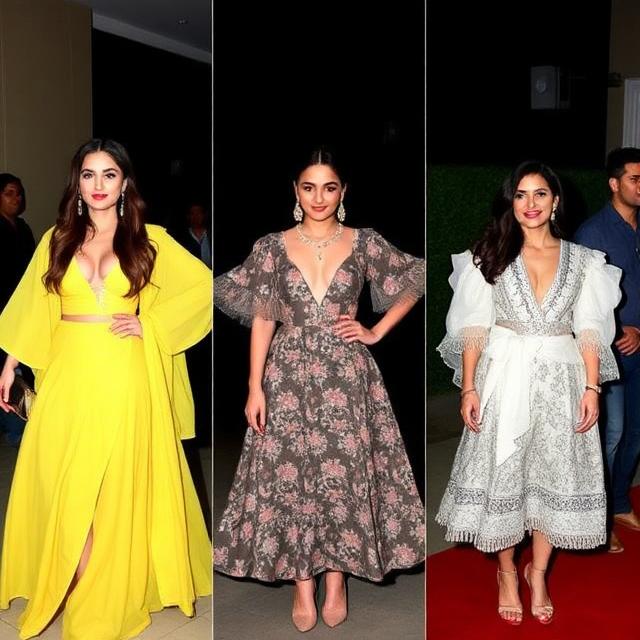
Viral celebrity fashion moments are reshaping how people shop, dress, and share style online. From red carpets to street style, these looks spark immediate conversations. Moreover, they inspire thousands of mood boards across Instagram and Pinterest.

Why These Moments Matter Now

Every day, standout looks cut through digital noise. First, they marry drama with wearability perfectly. Second, they blend tradition with modernity seamlessly. Third, they showcase personal flair alongside trend awareness. Consequently, these outfits flood social feeds instantly. Therefore, they inspire real-world wardrobes worldwide.


Hollywood Red Carpet Dominates Feeds

Oscars 2025 Created Instant Icons

Hollywood glam continues ruling red-carpet conversations. For instance, Ariana Grande wore custom Schiaparelli at the Oscars. Additionally, Timothée Chalamet debuted butter yellow Givenchy designed by Sarah Burton. Furthermore, these viral celebrity fashion moments dominated social media for weeks.

Similarly, Emma Stone wore custom Louis Vuitton covered entirely in popcorn detailing. This unexpected choice sparked countless recreations. Moreover, fans dissected the styling details within hours. Therefore, awards season provides endless inspiration annually.

Vogue World 2025 Set New Standards

In October, Vogue World Los Angeles celebrated cinema’s greatest costume moments. Specifically, Nicole Kidman opened wearing custom black Chanel designed by Matthieu Blazy. Additionally, Kendall Jenner wore a beaded full-body corset. Meanwhile, Dakota Johnson continued naked dressing in sheer bubblegum pink Valentino.

Furthermore, Greta Lee wore runway look nine from Jonathan Anderson’s first Dior collection. These viral celebrity fashion looks redefined modern red carpet dressing. Consequently, they influenced holiday party trends immediately.


Sculpted Gowns and Column Dresses

Sleek column gowns remain Hollywood staples. Moreover, they lean on clean lines and high-shine fabrics. Additionally, strategic cut-outs add modern edge. When paired with slicked-back hair, the impact becomes cinematic.

For holiday parties, this style adapts easily. Specifically, a column dress in satin or velvet channels similar energy. Therefore, the effect feels glamorous yet wearable. Furthermore, these viral celebrity fashion silhouettes translate beautifully for real events.

Sheer Panels and Crystal Embellishments

Sheer fabrics and crystal detailing define current red-carpet style. For example, many stars choose gowns that appear almost fluid. Moreover, beading is placed like jewelry over the body. Consequently, these designs create immediate screenshot reactions online.

To bring this idea into everyday life, people choose sequined tops. Additionally, rhinestone minis and sheer overlays gain popularity. When worn with slip dresses or bodysuits, they offer drama. Therefore, these separates work perfectly for New Year’s Eve celebrations.


November 2025 Street Style Stars

Cynthia Erivo’s Transitional Elegance

Cynthia Erivo stepped out in New York wearing complete Maison Margiela. Specifically, she paired a shearling coat with high-neck blouse. Additionally, she added baggy trousers and knee-high boots. Furthermore, this viral celebrity fashion moment showcased transitional autumn dressing.

Similarly, she appeared later in a khaki coordinating suit. Notably, this represented a pause from her thematic “Wicked” dressing. Consequently, fans appreciated the fresh styling direction.

Dua Lipa’s Snakeskin Moment

Dua Lipa looked radiant stepping out with fiancé Callum Turner. Moreover, she wore a snakeskin trench with Schiaparelli bag. This combination created instant buzz. Therefore, searches for snakeskin patterns surged immediately.

Hailey Bieber’s Platform Power

Hailey Bieber heated up Paris Fashion Week dramatically. Specifically, she wore a micro-mini hemline with ultra-platform boots. Additionally, the look gave major Spice Girl energy. Consequently, this viral celebrity fashion statement inspired countless recreations.


Paris Fashion Week 2025 Standouts

Phoebe Dynevor’s Ribbon Detail

Phoebe Dynevor caught everyone’s attention at Louis Vuitton’s Fall/Winter show. Moreover, she wore a mini dress with neck ribbon detail. This classic touch added timeless elegance. Therefore, ribbon details became the season’s unexpected trend.

Gemma Chan’s Effortless Elegance

Gemma Chan represented Chloé at Paris Fashion Week flawlessly. Furthermore, she wore a flowy dress with platform heels. Her soft glam makeup featured luminous base. Additionally, subtle highlighter enhanced her cheekbones. Consequently, this viral celebrity fashion look earned her “Most Stylish” recognition.

Jang Wonyoung’s Modern Cowgirl

At the Fall/Winter show, Jang Wonyoung represented Miu Miu memorably. Specifically, she wore brown strapless suede top. Additionally, she paired it with a matching mini skirt. Statement belt and rodeo-style accents completed the transformation. Therefore, modern Western wear gained immediate traction.


Lisa’s Tuxedo Revolution at Oscars

Lisa turned heads at the 2025 Oscars by rejecting traditional gowns. Instead, she chose a tuxedo-style ensemble. Moreover, she wore a floor-grazing black blazer. Additionally, she paired it with crisp white shirt. Wide-leg pants created sleek sophistication. Furthermore, her golden brown hair and sharp winged eyeliner completed the look. Consequently, this viral celebrity fashion choice redefined red carpet expectations.


Trending Style Categories for 2025

Quiet Luxury Continues Rising

The ‘Succession’ cast heavily influenced this enduring trend. Moreover, they showcased power of well-made, understated pieces. First, focus on fit and fabric quality. Second, invest in well-tailored blazers. Third, choose high-quality knitwear and classic trousers. Additionally, add personality through unique accessories. Therefore, this viral celebrity fashion movement emphasizes investment pieces.

Fearless Maximalism Resurges

Counterbalancing quiet luxury, maximalism thrives simultaneously. For instance, Harry Styles masters playful gender-fluid maximalism. Additionally, he wears everything from feather boas to sequined jumpsuits. Similarly, Cardi B combines luxury with street style exuberance. Therefore, both approaches coexist beautifully.

Sustainable Fashion Gains Momentum

Emma Watson continues championing sustainable fashion consistently. Moreover, she appears in eco-friendly brands regularly. Additionally, conscious consumerism becomes mainstream. Therefore, ethical sourcing matters more than ever. Furthermore, recycled materials and upcycled designs gain prominence.


November’s Most-Copied Looks

Gigi Hadid’s Cozy Layers

Gigi Hadid layered up in cashmere to brave New York temperatures. Moreover, her cozy aesthetic sparked immediate desire. Consequently, searches for cashmere layers surged. Therefore, comfort-first dressing dominated November.

Emily Ratajkowski’s Leopard Print

Emily Ratajkowski looked cool and laid-back ahead of Victoria’s Secret. Specifically, she wore a leopard print coat from La Ligne. Additionally, smudged eyeliner added 2010s nostalgia. This viral celebrity fashion moment proved animal prints never fade.

Katie Holmes’ Color Blocking

Katie Holmes offered inspiration with butter yellow and cherry red. Moreover, these colors proved a match made in heaven. Additionally, she demonstrated timeless outfit formulas. Therefore, color blocking returned stronger than ever.


How Social Media Amplifies Trends

Instagram Remains Fashion Gold

With over a billion users, Instagram showcases latest looks. Moreover, celebrities tag brands instantly. Consequently, this translates into immediate fashion gold. Additionally, the curated aesthetic drives consumer behavior. Therefore, Instagram continues dominating viral celebrity fashion moments.

TikTok Makes Fashion Fun

On TikTok, fashion meets entertainment seamlessly. Furthermore, celebrities reveal style secrets through hauls. Additionally, influencers make high-end fashion feel accessible. Consequently, this platform democratizes fashion inspiration. Therefore, trends spread faster than ever before.

Traditional Runways Adapt

Traditional fashion shows adapt to digital reality. Moreover, brands recognize social media importance. Additionally, Louis Vuitton partnered with BTS to engage vast audiences. Similarly, fashion houses collaborate with celebrities for exclusive collections. Therefore, viral celebrity fashion reshapes industry strategies.


Key Takeaways for Your Wardrobe

Start with Statement Pieces

Choose one bold item per outfit. For example, select a sequined top or metallic blazer. Additionally, ground it with neutral accessories. Therefore, bold pieces become wearable. Furthermore, this approach mirrors celebrity styling.

Embrace Gender-Fluid Silhouettes

More stars embrace relaxed shapes. Specifically, oversized blazers and wide-leg trousers dominate. Additionally, these silhouettes photograph beautifully. Moreover, they suit long events comfortably. Therefore, consider gender-neutral options.

Mix High and Low Fashion

Celebrities consistently blend luxury with affordable pieces. For instance, Kaia Gerber wears With Jéan at Venice Film Festival. Similarly, mix designer items with high-street finds. Therefore, style becomes accessible.


Why These Looks Create Cultural Events

Viral celebrity fashion moments transcend clothing completely. Moreover, they create shareable stories instantly. Additionally, fans discuss sustainability through outfit lenses. Furthermore, conversations cover cultural representation and body diversity. Consequently, every new look becomes a small cultural event.

For lifestyle platforms, these moments offer instant engagement. Specifically, galleries breaking down styling details perform well. Additionally, they invite readers to adapt looks personally. Therefore, fashion remains exciting and democratic.

Because conversation is global, a sari worn in Mumbai inspires London. Similarly, a Hollywood gown influences Delhi. Therefore, constant cross-pollination keeps fashion fresh. Ultimately, viral celebrity fashion stays ready for the next screenshot-worthy moment.

Thanksgiving Feast Trends: New Viral Side Dishes

Thanksgiving Feast Trends- New Viral Side Dishes

The Newest Thanksgiving Feast Side Trends

Thanksgiving feast side trends are changing faster than ever, driven by social media, food bloggers, and creative home cooks. Classic dishes are still beloved. However, new twists and unexpected flavors are taking over feeds on TikTok, Instagram, and Pinterest. Because of this, many people are updating their holiday menus to feel more modern, inclusive, and exciting.

Why Thanksgiving Side Dishes Are Evolving

Traditions are still honored, yet diners now seek variety and surprise. Families are more diverse, and dietary needs are more complex. Therefore, cooks are experimenting with global flavors, plant‑based swaps, and lighter options. At the same time, social media encourages bold visuals. As a result, side dishes are designed not only to taste good but also to photograph beautifully.

Moreover, younger generations are often hosting for the first time. Consequently, they want dishes that feel familiar yet unique. So classic casseroles and stuffings are being reinvented instead of replaced.

Social Media’s Role in Thanksgiving Feast Side Trends

Because trends now start online, Thanksgiving sides are shaped by viral videos and recipes. Short clips show quick techniques, clever shortcuts, and dramatic reveals. For example, a simple potato dish can gain millions of views if it is layered, cheesy, and cut in slow motion.

In addition, food creators often post step‑by‑step guides. Viewers can pause, save, and recreate them with ease. Due to this, complex flavors feel more approachable. It also means niche ideas spread rapidly across platforms.

Furthermore, social media polls and comments influence what becomes popular. When followers ask for gluten‑free, dairy‑free, or low‑carb versions, creators respond. Consequently, holiday tables now feature a wider range of options than before.

Elevated Potato Dishes Take Center Stage

Potatoes are still essential, though they are rarely served plain. Instead, they are upgraded with layered textures and gourmet flavors. For instance, crispy smashed potatoes topped with garlic butter and herbs appear constantly on social feeds. Because they are easy to share on a tray, they suit both formal dinners and casual gatherings.

Additionally, fondant potatoes and potato stacks are trending. These dishes are sliced, neatly arranged, and roasted to a golden crisp. Visual appeal is extremely high, so they draw attention in photos. At the same time, they feel indulgent but not overly heavy.

Mashed potatoes are not disappearing. Yet they are being flavored with roasted garlic, brown butter, or even miso. Therefore, they gain depth without losing their comforting character.

Veggie‑Forward Sides Go Glam

Vegetable sides used to be simple and sometimes ignored. Now they are designed as stars of the meal. Because more guests look for plant‑forward choices, cooks are giving vegetables bold flavor profiles. Roasted Brussels sprouts with hot honey and chili crunch are very popular. The sweet heat combination photographs well and tastes complex.

Similarly, carrots are glazed with maple, miso, or harissa. As a result, they feel both familiar and adventurous. Cauliflower is often roasted whole, then carved at the table like a roast. This presentation looks dramatic and suits vegan guests.

Color is also important. Therefore, dishes use rainbow carrots, purple potatoes, and bright pomegranate seeds. The entire spread gains a vibrant, modern look that stands out in images.

Stuffing and Dressing Get Global Inspiration

Stuffing remains a holiday must, yet its flavor base is shifting. Rather than only using sage and celery, cooks now draw from global cuisines. For example, some recipes include chorizo, cilantro, and lime for a Latin twist. Others feature miso, shiitake mushrooms, and scallions for a Japanese‑inspired version.

Because bread is not the only base anymore, grains are widely used. Wild rice, farro, or quinoa can be mixed with nuts and dried fruit. In this way, the dish becomes hearty, textured, and often gluten‑friendly.

Moreover, sheet pan stuffing has grown popular online. It creates maximum crispy edges, which people love. The technique is simple, and it is demonstrated clearly in many viral posts.

Creative Takes on Sweet Potato and Squash

Sweet potatoes and winter squash are being reimagined in lighter, less sugary forms. Instead of marshmallows, they are topped with crunchy granola, seeds, or spiced pecans. Because of that, the dish gains texture without feeling overly sweet.

Savory versions are also trending. Sweet potatoes roasted with smoked paprika and lime or stuffed acorn squash with feta and herbs appear often. These sides pair well with turkey yet also stand alone for vegetarian guests.

Additionally, spiralized squash “noodles” have been showcased widely. They replace pasta in baked dishes and gratins. Consequently, guests enjoy comfort food while keeping things a bit lighter.

Sauces, Butters, and Condiments Steal the Show

It is not only the main sides that are changing. Compound butters, infused oils, and creative gravies are getting attention. For example, brown butter with sage and lemon is spread on rolls or melted over vegetables. This small upgrade is easy yet impressive.

Cranberry sauce is also evolving. Versions with orange zest, jalapeño, or even a splash of bourbon are frequently shared. Because these twists are simple, many home cooks adopt them quickly.

Vegan gravies made from mushrooms or roasted vegetables are being served alongside traditional ones. In this way, everyone at the table can enjoy rich flavor.

Lighter and Wellness‑Focused Options

Although indulgence is expected, lighter options are requested more often. As a result, crisp salads and fresh sides have become more common. Shaved Brussels sprout salads with apples and nuts, or kale salads with roasted squash, are trending.

Gluten‑free and dairy‑free recipes are also rising in visibility. Many of them are shared by influencers who focus on wellness. Therefore, guests with dietary needs can feel included without drawing special attention.

Hosting Tips for Trying New Side Trends

When planning a holiday menu, it can be tempting to replace every classic. However, a balanced approach usually works best. Keep at least a few traditional favorites. Then add one or two creative sides that you discovered online. This way, older guests feel comfortable, while younger ones get something new.

It is helpful to test new recipes in advance. A short trial run will reveal timing issues and flavor balance. In addition, make notes about oven space, since many trendy dishes need high heat.

Finally, plating and serving style matter. Use shallow platters so layers and colors are visible. Garnish with fresh herbs or citrus zest. These small touches help your sides look as stunning as those seen on social media.

Staying Ahead of Thanksgiving Side Trends

Because food culture moves quickly, Thanksgiving feast side trends will keep evolving. New ingredients, techniques, and global flavors are shared every day. By watching what creators post and what viewers save, you can predict which dishes will appear on holiday tables next. With a mix of tradition and innovation, your feast can feel current, inclusive, and memorable each year.

Johnny Depp as Scrooge- New Christmas Must-See

Johnny Depp to Star as Scrooge in a Bold New Christmas Carol

Johnny Depp to Star as Scrooge is a casting choice that instantly grabs attention. Although Ebenezer Scrooge has been portrayed by many iconic actors, this new adaptation promises something different. Since the film will be directed by Ti West, audiences can expect a fresh and distinctive tone. Therefore, this project is already generating strong curiosity among movie fans and critics alike.

A Darker Vision for a Classic Tale

Ebenezer Scrooge is one of literature’s most familiar characters. Yet every generation seems to reshape him. Because Ti West is known for genre-bending films, his version of the story will likely lean into mood and atmosphere. Nevertheless, the heart of Charles Dickens’ message should remain.

Instead of a bright, sentimental London, the production may embrace a grittier style. As a result, the poverty and hardship around Scrooge could feel more realistic. Even so, the magical elements will probably stay central. Therefore, the ghosts, visions, and time shifts can be explored with a more cinematic intensity.

Why Johnny Depp as Scrooge Makes Sense

Although Depp is often linked to eccentric heroes or outsiders, he has long shown a gift for transformation. Because of this, his casting as an aging, bitter businessman is not as surprising as it sounds. Over the years, he has embodied characters with complex inner lives. Consequently, Scrooge offers him another opportunity to reveal that depth.

Furthermore, Depp can shift from menace to vulnerability in a single scene. Since Scrooge’s journey moves from cruelty to compassion, that emotional range will be vital. Additionally, Depp’s physicality and voice work can make each stage of the character’s change more vivid. Therefore, the audience might feel closer to Scrooge’s inner struggle than in many earlier versions.

Ti West’s Direction: A Unique Match

Because Ti West is widely associated with stylish horror and suspense, his involvement signals a daring approach. Instead of treating the ghosts as simple moral guides, they may be presented as truly unsettling. As a result, Scrooge’s encounters with them could feel more intense and threatening.

However, West’s work also tends to value slow build and careful character focus. Due to this, the film may spend more time inside Scrooge’s mind. Nevertheless, the story still needs warmth by the end. Therefore, the director will have to balance dread with hope. If he succeeds, the final transformation could feel unusually powerful.

Potential Tone and Visual Style

Because of both Depp and West, the adaptation is likely to feel atmospheric. Foggy streets, flickering candles, and stark shadows might dominate the screen. Meanwhile, the visions of the past, present, and future could each carry a distinct visual identity. For instance, the past may appear faded and dreamlike. In contrast, the future might be stark, cold, and almost surreal.

Moreover, sound design could play a key role. Whispering winds, distant bells, and sudden silences might increase tension. Consequently, the supernatural visits would not only be seen but also deeply felt. Still, the film must avoid becoming too bleak. Therefore, moments of warmth, such as scenes with the Cratchit family, will likely be lit and scored with more softness.

How This Version Could Stand Out

Since A Christmas Carol has been adapted so many times, each new version faces a challenge. It must honor the original while offering something new. In this case, the combination of Johnny Depp and Ti West already sets the project apart. Unlike many prior interpretations, this one may emphasize fear and psychological horror.

Even so, the moral core of the tale should remain unchanged. Scrooge will still be confronted with his selfishness. He will still see the impact of his choices on others. Eventually, he will still be offered a chance at redemption. Because this arc is timeless, audiences continue to return to it.

Expectations from Fans and Critics

Due to the high-profile casting, expectations are already rising. Fans of Depp will look for another layered performance. At the same time, followers of Ti West will hope for bold visual storytelling. However, traditionalists may worry about too many changes. Despite those concerns, the essence of the story is resilient.

If the film manages to combine a moody style with sincere emotion, it could attract a wide audience. Some viewers may come for the spectacle. Others may be drawn by curiosity about this particular creative team. Either way, discussions around the adaptation are likely to intensify as more details are released.

The Enduring Power of Scrooge’s Journey

Although the story is set in Victorian London, its themes remain strikingly current. Greed, neglect, and social inequality are still present in modern life. Therefore, each new telling of Scrooge’s journey invites reflection. Viewers are nudged to consider their own choices. They are also urged to think about compassion and responsibility.

Because Johnny Depp to Star as Scrooge brings such a recognizable face to this role, the emotional impact could reach new audiences. Through his performance, the character’s loneliness and fear might feel more immediate. Consequently, the final scenes of joy and generosity may resonate even more.

Final Thoughts

Johnny Depp to Star as Scrooge in a Ti West adaptation represents a striking blend of mainstream appeal and auteur style. Since both artists have strong creative identities, the film is unlikely to feel safe or predictable. Instead, it may present a classic Christmas story through a darker, more introspective lens.

In the end, the success of the project will depend on balance. The film must remain faithful to Dickens’ message while embracing a new mood and vision. If that balance is achieved, this version of Scrooge could become one of the most memorable in cinematic history.

Love Aesthetics Trends: Effortless Romantic Style

Love Aesthetics Trends- Effortless Romantic Style

Love Aesthetics: How Fashion Shapes Modern Romance

Love aesthetics are transforming how people express romance. Today, relationships are not only about emotions and values. They are also visually defined through personal style, shared looks, and curated moments. As a result, how couples dress and present themselves has become part of their love story. From old-Hollywood glamour to soft minimalism and rebellious subcultures, fashion now frames the way people show affection.

The Rise of Visual Romance

In the age of social media, romance is often seen as much as it is felt. Couples post coordinated outfits, themed date nights, and travel photos. Therefore, the visual side of a relationship is highlighted constantly. Because of this, a shared aesthetic can become part of a couple’s identity.

Moreover, the idea of “main character energy” has grown. People want their love lives to look cinematic. Consequently, fashion is used to set a mood. A vintage dress and red lipstick create drama. In contrast, clean lines and neutral tones offer calm intimacy. In every case, clothing sends a message about what kind of romance is being lived.

Old-Hollywood Romance: Glamour and Grand Gestures

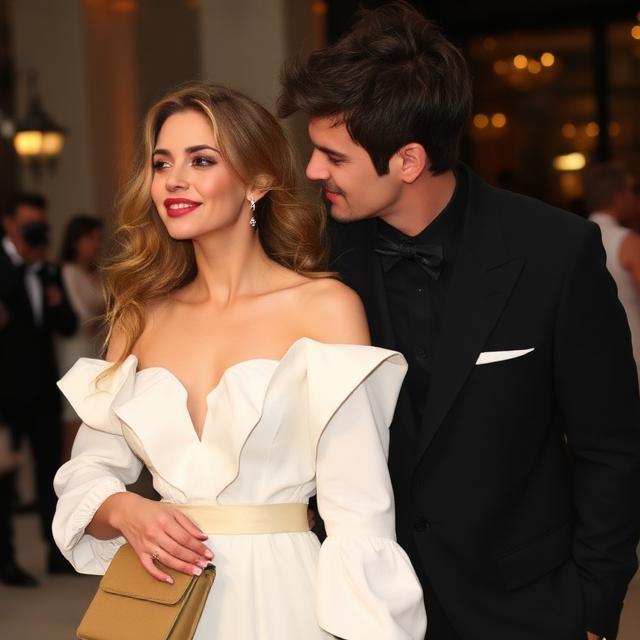
Old-Hollywood romance has returned as a powerful love aesthetic. Inspired by stars like Audrey Hepburn, Grace Kelly, and Cary Grant, this style leans into elegance and drama. Silk gowns, tuxedos, pearls, and tailored coats are favored. Often, red lips and polished hair complete the look.

This aesthetic suggests a love that is timeless and grand. Candlelit dinners, classic cocktails, and nights at the theater feel completely on-brand. Additionally, chivalry is often celebrated. Doors are held open, hands are offered, and moments are planned with care. Through these choices, everyday life is turned into a scene from a black-and-white film.

Social media heavily supports this trend. Photos are edited with soft grain and warm tones. Vintage-inspired filters are used. As a result, even simple dates gain a nostalgic quality. While the style seems polished, it is also used playfully. People mix thrifted vintage pieces with modern items. In that way, the look becomes more accessible.

Soft Minimalism: Quiet, Intentional Affection

While some couples embrace drama, others lean into soft minimalism. This love aesthetic values calm, clarity, and subtle connection. Simple silhouettes, natural fabrics, and neutral palettes are often chosen. Beige, cream, brown, black, and muted pastels dominate outfits.

This approach signals a romance based on peace and comfort. Rather than grand gestures, small routines are cherished. Shared coffee in clean, sunlit spaces is idealized. Walks in nature, slow mornings, and tidy apartments support this mood. Because clutter is reduced, feelings seem easier to focus on.

Soft minimalism is frequently linked with mindful living. Sustainability, ethical fashion, and fewer but better items are embraced. Matching loungewear, crisp shirts, and soft knits are popular. As a result, couples look harmonious without being overly styled.

Furthermore, this aesthetic allows introverted or anxious people to feel safer. Since the style is relaxed and controlled, social pressure seems lower. Romance becomes something gentle rather than overwhelming. Even so, intimacy remains strong, only expressed more quietly.

Rebellious Subcultures: Love as Defiance

Another powerful side of love aesthetics appears in rebellious subcultures. Punk, goth, metal, grunge, and alternative fashion show romance as an act of defiance. Leather jackets, heavy boots, band tees, chains, piercings, and dark makeup all contribute. Through these choices, couples signal that they do not fit into mainstream ideals.

Here, love is not soft or restrained. Instead, it is intense, loyal, and boundary-pushing. Concerts, underground clubs, street art, and late-night hangouts become the backdrop. Public displays of affection may be bold. Matching tattoos or shared piercings can serve as commitment symbols.

At the same time, tenderness is still present. It is simply wrapped in an edgy shell. For many, these styles are linked with found family and queer spaces. Consequently, fashion becomes both armor and language. Affection is expressed through shared aesthetics that resist norms. Because of that, relationships are often tied closely to identity and community.

Digital Influence on Love Aesthetics

Online platforms have deeply shaped these trends. Instagram, TikTok, and Pinterest constantly share visual templates for romance. Couples are encouraged to define their “vibe.” They may choose between glamour, minimalism, or rebellion. Often, they mix several styles.

Consequently, many relationships are visually branded. Hashtags, couple accounts, and joint photo dumps reinforce this. A specific aesthetic can be maintained over time. However, this pressure can also create stress. Some people feel their love is not valid unless it looks stylish.

Even so, the internet has allowed niche looks to flourish. Vintage enthusiasts, cottagecore fans, dark academia lovers, and others connect globally. Because of this, people can find partners who share both values and taste. In turn, outfits become another shared language.

Blending Styles: Personalizing Romance

Most modern couples do not follow only one script. Instead, they combine influences to create personal love aesthetics. For instance, someone might pair a silk slip dress with chunky boots. Another couple might wear minimalist outfits yet add one dramatic accessory.

By blending elements, romance feels more authentic. It reflects real people rather than perfect templates. A relationship can be soft and rebellious, or glamorous and grounded. Fashion simply becomes a flexible tool. It helps express mood, desire, and connection in a visual way.

As trends shift, these styles will keep evolving. Even so, one thing seems clear. Romance is no longer only told through words and actions. It is also curated through fabrics, colors, and silhouettes. Ultimately, love aesthetics reveal how deeply people want their relationships to be both felt and seen.

Sexy Grotesque Fashion: Subversive Trend to Watch

Sexy Grotesque Fashion- Subversive Trend to Watch

“Sexy Grotesque” in Fashion: Absurdity Meets Allure

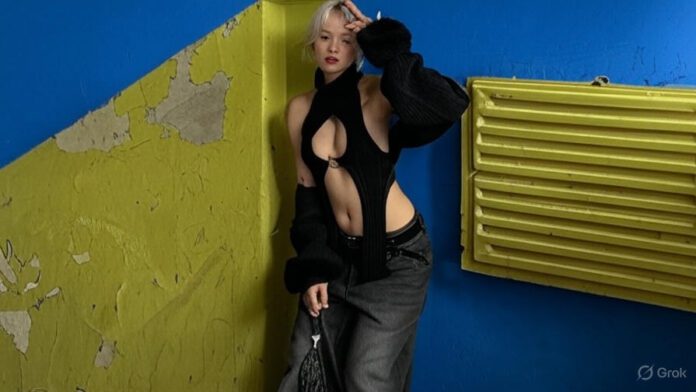
“Sexy grotesque” in fashion describes a provocative mix of beauty and distortion, elegance and oddity. This powerful contrast is being embraced by designers and brands who want to challenge expectations. Instead of safe glamour, they are leaning into strangeness, surreal silhouettes, and unsettling details that still somehow feel desirable.

What Is the “Sexy Grotesque” Aesthetic?

At its core, the “sexy grotesque” aesthetic blends seduction with discomfort. Clothes may be tight, revealing, or sheer, yet the shapes or details feel strange. For instance, a slinky dress might be paired with exaggerated hips. Or a romantic corset could be distorted with twisted boning.

Although the garments remain wearable, they often convey a sense of the uncanny. As a result, the body appears altered, extended, or fragmented. Viewers feel drawn in and pushed away at the same time. That tension creates energy, which gives this style its bite.

Moreover, the look is rarely polished in a classic sense. Instead, it feels surreal, theatrical, and sometimes monstrous. Yet it still suggests attraction, power, and confidence.

How Absurdity and Surrealism Shape the Trend

To understand the mood, it helps to look at surrealism and its love of dream logic. In surreal images, familiar objects are combined in unsettling ways. Fashion has adopted similar tactics. Therefore, everyday items are altered until they seem wrong but fascinating.

Boots might grow animal-like toes. Handbags could resemble organs or faces. Dresses may sprout extra sleeves that hang uselessly. These details seem absurd, yet they add character. Because the brain tries to make sense of them, the impact becomes stronger.

In addition, surreal makeup and styling are often used. Smudged lipstick, prosthetics on the face, and distorted wigs create a complete visual story. Consequently, the model looks both glamorous and otherworldly. This mix supports the “sexy grotesque” mood on the runway and in campaigns.

Why Brands Are Embracing the Weirdly Beautiful

Fashion thrives on novelty. When trends feel overused, designers search for new ways to shock and delight. The “sexy grotesque” style offers exactly that. On crowded social feeds, a slightly disturbing image will stand out. Because of this, brands can gain attention quickly.

Additionally, younger audiences often enjoy irony and dark humor. Memes, horror references, and niche internet aesthetics are part of daily life. As a result, a strange dress or eerie campaign image can feel timely and relevant. It reflects an online culture that already blends fear, desire, and absurd jokes.

There is also a deeper emotional layer. Many people feel anxious about modern life, climate threats, and political chaos. Clothing that looks a bit broken or monstrous can act as a mirror. It expresses the feeling that the world itself is distorted. Yet the pieces remain alluring, which suggests resilience and play.

The Role of Body Distortion and Exaggeration

Body distortion has long existed in fashion, through corsets, platforms, and shoulder pads. However, the “sexy grotesque” twist makes these choices more explicit. Instead of hiding the manipulation, designers showcase it. Therefore, seams are exposed, padding is visible, and proportions become exaggerated.

A jacket might feature swollen shoulders that resemble growths. A skirt could bulge in strange places, hinting at hidden shapes. Sometimes the effect appears humorous. Other times, it feels dark and uncanny. In both cases, the body is treated as a flexible canvas instead of a fixed ideal.

Because the human figure is being reimagined, ideas about beauty are questioned. If a distorted silhouette can look powerful and sensual, then the old rules lose their grip. People are invited to see their own bodies as more fluid and expressive.

Sex Appeal with a Subversive Edge

Despite its weirdness, this trend never abandons allure. Tight fits, cutouts, latex, and lace still appear. However, they are combined with elements that disrupt easy consumption. For example, a sheer dress may reveal the skin while also featuring stitched scars. Or a high slit might be paired with unsettling accessories, like clawed gloves.

Because the viewer’s gaze is challenged, the usual power dynamic shifts. The wearer does not exist only to be admired. Instead, they seem to control the scene, almost daring others to look. Many people find this tension empowering. It turns seduction into a game, not a duty.

Furthermore, references to horror, sci‑fi, and body art add layers of meaning. Desire appears linked with transformation, decay, and rebirth. In that way, the style touches on themes that go beyond surface-level sexiness.

Social Media, Virality, and the “Sexy Grotesque”

This aesthetic has been amplified by social platforms. Shocking or uncanny outfits are frequently shared, dissected, and memed. Since attention is a valuable currency, brands use bold designs to spark conversation. One arresting look can generate thousands of posts.

Short video formats also help. Slow pans over bizarre textures or moving prosthetics can feel hypnotic. Viewers stop scrolling, replay clips, and send them to friends. Because the trend leans into performance, it fits naturally with this behavior.

In addition, independent creators contribute to the movement. Small labels, DIY designers, and digital artists experiment with grotesque glamour in their own way. Their work often spreads fast and influences bigger houses in return.

What This Trend Says About Beauty Today

Ultimately, the rise of the “sexy grotesque” style reveals a shift in values. Perfection is no longer the only goal. Instead, beauty is being linked to risk, humor, and strangeness. A look can be attractive and unsettling at once.

This attitude allows more space for individuality. People who never identified with polished ideals can embrace something more offbeat. Meanwhile, those who enjoy conventional glamour can still play with odd details. Because of this flexibility, the trend speaks to many different identities.

At the same time, it encourages critical thinking. Viewers are pushed to ask why they feel drawn or repelled by certain images. Those questions help expose how deeply beauty standards are embedded.

Wearing the Weird: How Individuals Interpret It

While runway pieces can be extreme, everyday versions are emerging. A person might choose one grotesque element rather than a full look. They may wear heels shaped like hooves, a bag with exaggerated hardware, or jewelry that mimics bones. Therefore, the style becomes accessible without losing its edge.

Makeup and hair also provide entry points. Bleached brows, smudged liner, or unusual color contrasts can signal the same mood. Even minor distortions can create a powerful impression.

As more people experiment, the limits of taste and “good design” are further tested. Over time, elements that once seemed shocking may feel normal. Then the cycle of innovation will continue, and a new aesthetic frontier will appear.

In this moment, though, the fusion of strangeness and seduction remains compelling. It proves that fashion can still surprise, unsettle, and excite, all in a single

AI-Generated Beauty Ideals: Stunning, Unrealistic Standards

AI-Generated Beauty Ideals- Stunning, Unrealistic Standards

AI-Generated Beauty Ideals and Digital Perfection

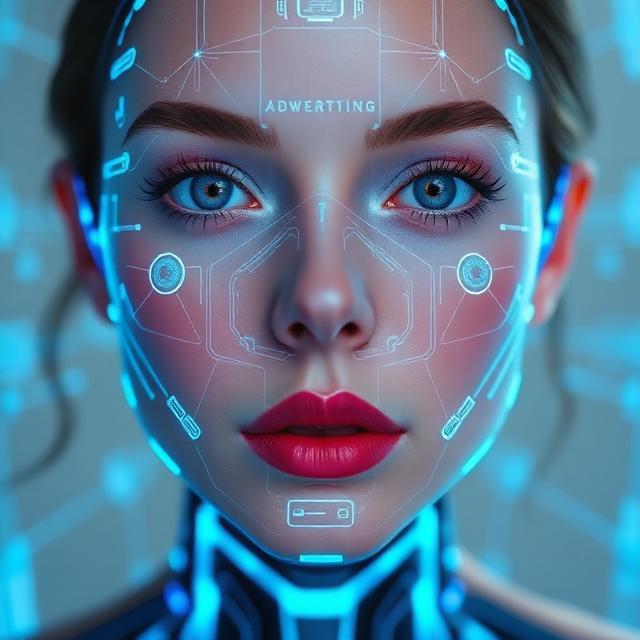
AI-generated beauty ideals are quietly reshaping how people see faces, bodies, and attractiveness. From filters on social media to advanced image generators, subtle shifts are happening in what is considered “beautiful.” These shifts are pushed by algorithms, data, and digital design rather than by real human diversity.

How Algorithms Learn What “Beauty” Looks Like

To start, most beauty-focused tools are trained on huge image datasets. These collections often include influencers, models, and celebrities. As a result, the algorithm learns to recognize patterns that appear most frequently.

Consequently, a narrow definition of attractiveness is reinforced. Lighter skin, smooth texture, symmetric features, and slim faces are often overrepresented. Because of that, the AI tends to highlight and recreate these traits.

Furthermore, when users choose filters that “improve” their faces, the system collects feedback. If many people prefer a certain look, it gets treated as more desirable. Eventually, the AI uses that preference to create more similar outputs.

The Rise of the “Meta-Face”

In many apps, a blended, hyper-polished face appears again and again. This is sometimes called a “meta-face.” It is created by mixing and smoothing out different facial features into one idealized version.

Typically, this meta-face has:

  • High cheekbones
  • Clear and even skin
  • Large eyes
  • Small, narrow nose
  • Fuller lips

Because so many tools push similar changes, a loop is created. Users copy the digital look, then post images online. Those images feed more data into future AI systems. In turn, the same meta-face keeps being promoted.

Filters, Apps, and the Normalization of Digital Perfection

Beauty filters used to be simple. They would just smooth the skin or brighten colors. However, current systems use advanced face tracking and generative AI. Due to that, they can reshape jawlines, lift eyes, and alter noses in real time.

As these tools become standard, digital perfection is treated as normal. Many people see their filtered image more often than their real reflection. Consequently, the unedited face can start to feel wrong or incomplete.

Moreover, comparison becomes constant. While scrolling, users are presented with polished and perfected faces. Even when they know those images are edited, the emotional impact remains. Therefore, expectations about personal appearance are raised.

Social Consequences of AI-Generated Beauty Ideals

The social impact extends far beyond aesthetics. When narrow beauty ideals are promoted, exclusion is strengthened. People whose features do not match the meta-face may feel less visible or valued.

Research around body image already links filtered photos to lower self-esteem. With more powerful tools, that effect may be intensified. Young users are especially at risk, because identity is still being formed.

In addition, cultural diversity can be pushed aside. If the AI has mostly Western or Eurocentric training images, other features are underrepresented. Consequently, beauty standards are silently shifted toward one globalized, digital ideal.

Gender, Race, and Bias in AI Beauty Tools

Bias is not a side issue; it is central. Training data reflects real-world inequalities. Therefore, existing stereotypes can be preserved by AI systems.

For example, darker skin may be lightened by beauty filters. “Slimming” options can target certain facial shapes more aggressively. Hair texture, nose width, and eye shape might be repeatedly altered. As a result, specific racial or ethnic traits are framed as less desirable.

Gender expectations are also emphasized. Many tools push women toward a youthful, smooth, and delicate appearance. Meanwhile, men may get filters that stress sharp jawlines or muscular builds. Those roles can limit how people feel allowed to look.

Mental Health and the Pressure to Match the Screen

Because AI-generated beauty ideals are everywhere, the gap between digital and offline self is growing. Some people begin to see their unfiltered face as a “before” picture. In contrast, the edited version becomes the goal.

This constant split may affect mental health. Anxiety, body dysmorphia, and dissatisfaction can be increased. When beauty becomes a technical problem to be “fixed,” self-acceptance is made harder.

Nevertheless, awareness can reduce harm. Once people understand how these systems work, the illusion weakens. The “perfect” face on screen is revealed as a product of code, not an achievable human norm.

Can AI Be Used to Expand Beauty Standards?

Despite these problems, AI is not doomed to only narrow beauty. It can be guided in more inclusive directions. If diverse datasets are used, more kinds of faces and bodies can be represented.

Some creators already design tools that celebrate difference. Filters can highlight freckles, natural hair, or wrinkles instead of hiding them. Training models on a wide range of ages, ethnicities, and genders helps avoid a single meta-face.

In addition, explainable AI can be promoted. Users should know what changes are being applied. When choices are made transparent, people can decide more responsibly how to present themselves.

Regulation, Responsibility, and Digital Literacy

Change will not happen automatically. Platforms, developers, and regulators must share responsibility. Clear labeling of heavily edited images could be required. Age limits or warnings for certain filters may be enforced.

Moreover, digital literacy education is essential. Young people need support in understanding AI-generated beauty ideals. Lessons about algorithms, bias, and mental health should be integrated in schools.

At the same time, industry standards can be created. Ethics boards, review processes, and bias audits can be adopted by companies. In this way, harm is reduced before tools reach the public.

Moving Toward a Healthier Relationship with Beauty and AI

AI tools will remain part of daily life. Therefore, the goal should not be to reject them entirely. Instead, they must be shaped to reflect real human variety.

By insisting on diverse training data, transparent design, and responsible use, society can redirect AI-generated beauty ideals. Rather than enforcing one digital perfection, technology can be used to support many ways of being attractive.

This Week in Entertainment- Wicked for Good and more

This Week in Entertainment- Wicked for Good and more

Complete Guide to This Week in Entertainment

This Week in Entertainment: What You Need to Know

This week in entertainment promises a packed lineup across film, television, music, gaming, and art. From long‑awaited blockbusters to intimate gallery shows, every corner of pop culture is offering something fresh. Because the schedule is crowded, it helps to see everything in one place. Therefore, this guide breaks down the standout releases and events, so you can decide what deserves your attention.

Big-Screen Highlights: Movies You Can’t Miss

Although streaming has changed viewing habits, movie theaters are far from quiet. In fact, this week in entertainment is anchored by several notable films, each aiming for a different mood and audience.

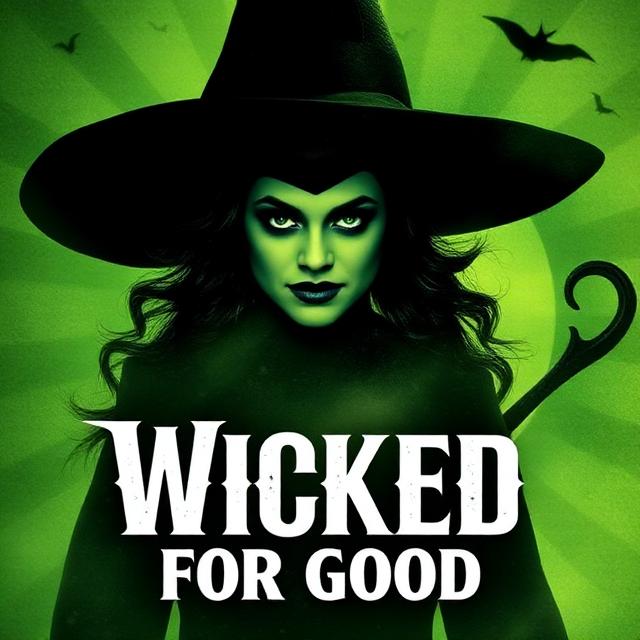
To begin with, the musical fantasy “Wicked: For Good” is drawing enormous buzz. The beloved stage story is being reimagined with lavish sets, modern visual effects, and new arrangements of classic songs. Since fans have waited years for a proper adaptation, expectations are high. Additionally, early reactions suggest that the chemistry between the leads has been praised, especially during the iconic duets.

Meanwhile, a wave of prestige dramas reaches cinemas as awards season looms. One historical epic follows a fractured royal family, while another explores a whistleblower’s lonely fight against a powerful corporation. Because these films lean on rich character work rather than spectacle, they are ideal for viewers who want thoughtful storytelling. Furthermore, several smaller indie releases are arriving with limited runs, offering quirky comedies and heartfelt coming‑of‑age tales.

Small Screen Spotlight: TV Series Everyone Is Talking About

This week in entertainment also belongs to television, where streaming services are competing for your hours. Above all, the final season of “Stranger Things” is poised to dominate the conversation. Although plot details are tightly guarded, the stakes are clearly higher than ever. Long‑running mysteries are being resolved, and character arcs are reaching emotional peaks.

Due to the show’s enormous fan base, social media will likely be flooded with theories and reactions. For that reason, watching early might help you avoid spoilers. At the same time, new episodes of several prestige dramas are being released, including a tense political thriller and a moody crime saga. Both series rely on layered storytelling and careful pacing, so weekly viewing can feel especially rewarding.

In addition, lighter fare is being rolled out. A fresh workplace comedy debuts on a major streamer, focusing on the chaos inside a failing tech startup. Because the episodes are short and sharp, the show offers a quick, satisfying binge. Also, a new competition series centered on street fashion has been launched, blending reality drama with genuine design talent.

Music Releases: Albums, Singles, and Tours

Although screens attract most headlines, music remains the emotional soundtrack of this week in entertainment. Several major artists are dropping projects that could define the season.

First, a chart‑topping pop star returns with a highly personal album. Many tracks explore resilience and reinvention, while production leans on warm synths and live strings. As a result, the record feels both modern and timeless. Moreover, a surprise collaboration with an acclaimed rapper has been hailed by critics as an early standout.

At the same time, the alternative scene is thriving. An up‑and‑coming indie band is releasing its second album, filled with jangly guitars and introspective lyrics. Because the band built its following through viral live clips, fans are eager to hear studio versions. Additionally, several major tours are being announced, and presales are opening this week. Tickets for arena acts are expected to move fast, yet intimate club shows might still offer last‑minute options.

Games and Interactive Experiences

For gamers, this week in entertainment delivers both big releases and smaller experimental titles. On consoles and PC, a highly anticipated action‑adventure game finally arrives. The story follows a wandering mercenary in a crumbling kingdom, while gameplay emphasizes strategic combat and environmental puzzles. Since early previews praised the worldbuilding, many players are ready to dive in.

Besides that, a cozy life‑simulation game is launching on multiple platforms. Farming, crafting, and town building are blended with a gentle narrative about community. Because sessions can be short and relaxing, the game is ideal for weeknight play. In addition, a narrative‑driven mystery game is debuting on mobile. Dialogue choices affect outcomes, so your decisions truly matter.

Esports fans are not being forgotten, either. A major tournament continues this week, with regional teams battling for playoff spots. Matches are being streamed on popular platforms, and highlights are shared quickly. Consequently, even casual viewers can stay updated without watching every round.

Art, Culture, and Live Events

While digital experiences dominate, physical spaces still play a vital role in this week in entertainment. Several galleries are opening new exhibitions that explore technology, identity, and climate.

One contemporary art museum is unveiling an immersive installation built around mirrored rooms and shifting light. Visitors are guided through a series of environments where soundscapes react to movement. Because photography is encouraged, the show is almost designed for social sharing. However, the curators also emphasize quiet reflection, inviting guests to slow down.

Elsewhere, a photography exhibit documents underground music scenes across different cities. Vintage flyers, candid portraits, and grainy performance shots are displayed, revealing how subcultures shaped mainstream style. Additionally, local theaters are staging new productions and revived classics. A modern reinterpretation of a Shakespeare play is being performed with a minimalist set and bold costume choices, while a new original drama addresses contemporary social issues.

How to Plan Your Week

With so much competing for attention, planning becomes essential. Therefore, consider mixing formats: perhaps one movie night, a few TV episodes, a new album, and either a game session or gallery visit. By balancing blockbuster releases with smaller discoveries, your week can feel varied and satisfying.

Because schedules and release dates can still shift, it is wise to double‑check local listings and official platforms. Yet regardless of minor changes, this week in entertainment is overflowing with options, ensuring that every taste and mood is well served.

Tinkerbell Haircut- Effortless Pixie Trend

Tinkerbell Haircut- Effortless Pixie Trend

The Tinkerbell Haircut Is Trending — Here’s How to Get the Look

What Is the Tinkerbell Haircut?

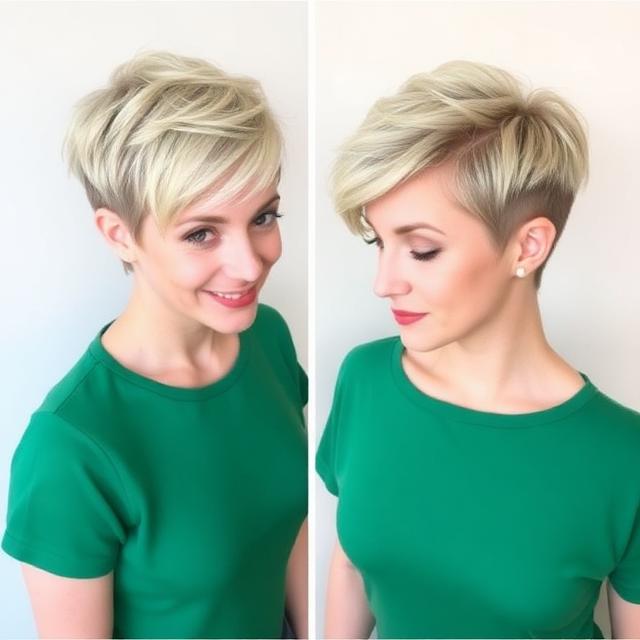
The Tinkerbell haircut is a modern, feminine twist on the classic pixie cut. It is defined by soft layers, feathered edges, and a light, airy shape. Rather than feeling severe or sharp, it looks delicate and whimsical. As a result, it works beautifully for anyone who wants short hair without losing softness or movement.

Although this style takes inspiration from the iconic fairy character, it is far from costume-like. Instead, it has been updated with runway-ready texture and versatile styling options. Therefore, it fits into both everyday life and high-fashion moments with ease.

Key Features of the Tinkerbell Haircut

To understand why this style is trending, it helps to break down its main elements. While every version will be slightly different, most cuts share some core features:

  • Short length around the ears and nape
  • Soft, wispy fringe or side-swept bangs
  • Light, textured layers through the crown
  • Feathered edges instead of blunt lines
  • A slightly tousled, lived-in finish

Because of these details, the haircut looks dreamy rather than strict. Additionally, it flatters many face shapes, since the fringe and layers can be customized. Thus, it is not a one-size-fits-all pixie, but a flexible, tailored look.

Why the Style Is Suddenly Everywhere

Although pixie cuts have never fully left the spotlight, this softer version is gaining fresh attention. Several reasons explain its rise:

First, many people want low-maintenance hair that still feels styled. Since the Tinkerbell haircut is cut with texture in mind, it often falls into place with minimal effort. Therefore, it offers ease without sacrificing style.

Second, this cut aligns with current runway trends. Light layers, movement, and a slightly undone texture are being favored over stiff, overly polished styles. Consequently, the look feels modern and fashion-forward.

Finally, social media has embraced this haircut. Because it photographs beautifully and highlights facial features, it shows up well in selfies and videos. As it has been shared widely, more people have become inspired to try it.

Who Can Wear the Tinkerbell Haircut?

Although the Tinkerbell haircut may seem bold, it can work for many hair types and face shapes. Yet, a few guidelines will help determine the best version for you.

Face Shape Considerations

  • Round faces: Slight height at the crown and longer, side-swept bangs will add balance.
  • Square faces: Extra softness at the temples and a wispy fringe will gently frame the jawline.
  • Heart-shaped faces: A bit more length around the sides will soften the cheekbones.
  • Oval faces: Most variations will work well, so creativity is encouraged.

Because the cut is built from layers, it can be shaped to highlight your best features. Consequently, talking with your stylist about your facial structure is essential.

Hair Texture and Thickness

  • Fine hair: This cut can create the illusion of volume through layered texture.
  • Thick hair: Weight removal through texturizing will keep the shape light and manageable.
  • Wavy hair: Natural waves will add movement without much styling effort.
  • Curly hair: A looser curl pattern can work, although shaping must be done carefully.

Since the style relies on feathered edges, heavy curls may need more detailed cutting. For that reason, a stylist experienced with textured cuts is recommended.

How to Ask Your Stylist for the Look

Stepping into a salon can feel intimidating when trying a major change. However, preparation will make the process smoother and more successful.

First, gather visual references. Save a few photos that capture the length, fringe, and overall vibe you like. Because words can be interpreted differently, images will reduce confusion.

Next, explain that you are after a soft, pixie-inspired cut with feathered edges. Mention that you want light layers around the crown and a wispy fringe, not a rigid bowl shape. Additionally, describe how much styling time you realistically want to spend each day.

Finally, invite your stylist’s input. Since they understand your hair texture and growth patterns, they can adjust the Tinkerbell haircut to suit you personally. In many salons, this collaborative approach leads to the best outcome.

Step-by-Step: How the Cut Is Usually Done

Although every professional will have their own method, most follow a similar process:

  1. The hair is washed and lightly towel-dried.
  2. The basic shape is mapped out, usually starting at the nape and sides.
  3. Length is cut short around the ears and neck, while the top is left longer.
  4. Soft, choppy layers are added through the crown for volume and movement.
  5. A fringe is shaped, either straight, baby-like, or side-swept, depending on preference.
  6. The entire cut is texturized, often with point-cutting or thinning shears, to create feathered edges.
  7. The stylist dries and refines the shape, checking balance and flow.

Because texturizing is key, the haircut is usually refined both wet and dry. As a result, the final look appears effortless and weightless.

Daily Styling Tips for a Tinkerbell Haircut

Although the shape does much of the work, a few simple styling habits will enhance the cut.

  • Use a lightweight volumizing mousse or foam on damp hair.
  • Blow-dry with your fingers, lifting at the roots for extra movement.
  • Pinch small sections with a texturizing cream or paste for definition.
  • Keep the fringe soft by directing it with your fingers, not a round brush.
  • Finish with a flexible-hold hairspray, rather than a stiff one.

Because this haircut leans into softness, heavy products should be avoided. Instead, choose formulas that add texture and airiness. Thus, the style will remain bouncy and light.

Maintenance and Salon Visits

To keep the shape fresh, trims will be needed more often than with long hair. In most cases, a visit every four to eight weeks works well. While that interval may sound frequent, the appointments are usually quick.

Between visits, you can maintain the look by keeping the neckline clean and the fringe in check. However, major reshaping should be left to a professional. Since the haircut relies on precise layering, DIY attempts may lead to uneven results.

Final Thoughts

The Tinkerbell haircut offers a playful yet elegant way to embrace short hair. Because it blends softness, texture, and modern runway influence, it feels both romantic and current. With the right stylist, clear communication, and simple at-home care, this pixie-inspired shape can flatter a wide range of faces and lifestyles.