Healthy Habits Guide- Effortless Wellness Tips

Healthy Habits Guide- Effortless Wellness Tips

Healthy Habits for Busy Lives: Easy Routines That Actually Work

Healthy habits for busy lives can feel out of reach when your schedule is packed. Meetings run late, family needs attention, and your phone never stops buzzing. Yet your energy, focus, and mood depend on small daily choices. With a few simple routines, you can support your body and mind without adding stress or losing time.

Below, you will find realistic strategies for nutrition, sleep, and fitness that fit into hectic days. Each tip is designed to be practical, flexible, and easy to start today.


Why Simple Habits Beat Extreme Plans

Complicated wellness plans often collapse as soon as life gets chaotic. In contrast, small consistent actions can be maintained even during busy weeks. When change is easy, it is more likely to last.

Instead of chasing perfection, aim for “good enough” most days. Over time, these modest efforts create better energy, more focus, and greater resilience. Your habits should support your life, not take it over.


Easy Nutrition for Hectic Schedules

Nutrition does not need to involve strict rules or fancy recipes. With a bit of planning and a few smart shortcuts, eating well becomes much simpler.

Build a Simple Meal Framework

A clear meal pattern reduces decision fatigue. It also keeps your plate balanced:

  • Start with a source of protein.
  • Add colorful vegetables or fruit.
  • Include a healthy fat.
  • Add whole grains or starchy vegetables if desired.

This structure can be used at home, at work, or when dining out. It allows quick choices without constant tracking or counting.

Plan Once, Benefit All Week

A little preparation during calm moments can protect you on hectic days:

  • Chop vegetables for several meals at once.
  • Cook a large batch of grains or lean protein.
  • Pre-portion snacks like nuts, fruit, or yogurt.

When healthy options are ready, they are more likely to be chosen. Rushed decisions tend to favor whatever is easiest and closest.

Make Smarter On-the-Go Choices

Takeout and grab-and-go food will still be used, so choose more carefully:

  • Pick grilled instead of fried options.
  • Ask for dressings and sauces on the side.
  • Choose water or unsweetened drinks most of the time.
  • Add a side salad, fruit, or steamed vegetables.

Small upgrades add up when they are made throughout the week. You do not need to change every choice; adjust what feels realistic.


Quick Fitness Routines That Fit Busy Days

Exercise does not require long gym sessions. Short, focused movement breaks can be spread across the day and still provide real benefits.

Use the “Movement Snacks” Method

Instead of waiting for a full hour, move in small bursts:

  • Take a brisk five-minute walk between tasks.
  • Do a set of squats while coffee brews.
  • Walk during phone calls if possible.
  • Stretch your neck, shoulders, and hips at your desk.

These “snacks” can be done without special clothes or equipment. Over time, they help reduce stiffness, support circulation, and boost mood.

Try Short, Efficient Workouts

If you have 10–20 minutes, you can still train effectively:

  • Alternate bodyweight squats and push-ups for a set period.
  • Use a quick interval walk: one minute fast, one minute easy.
  • Follow a short guided routine at home using an app or video.

Intensity can be adjusted to your level. Consistency matters more than perfection or performance.

Build More Movement Into Your Routine

Life can be arranged to include more steps and activity:

  • Park farther away when it feels safe.
  • Choose stairs over elevators when reasonable.
  • Walk to nearby errands instead of driving.
  • Suggest walking meetings when appropriate.

These changes may seem minor. However, they help transform a sedentary day into a more active one.


Better Sleep for Better Days

Sleep is often sacrificed first when schedules get tight. Yet your performance, mood, appetite, and immunity depend on it. Protecting rest makes every other habit easier.

Create a Simple Wind-Down Routine

Your brain needs signals that the day is ending. A short sequence can be used each night:

  • Dim lights 60 minutes before bed.
  • Put devices aside or use night mode.
  • Read, stretch, or journal for 10–15 minutes.
  • Keep the same sleep and wake time when possible.

This predictable pattern helps your body shift into rest mode. Over time, falling asleep becomes easier.

Set Up a Sleep-Friendly Environment

Your bedroom can quietly support deeper sleep:

  • Keep the room cool, dark, and quiet.
  • Use blackout curtains or an eye mask if needed.
  • Try a fan or white noise if sounds disturb you.
  • Reserve the bed for sleep and intimacy only.

These adjustments can be made gradually. With each improvement, sleep quality is likely to increase.

Manage Late-Night Energy Traps

A few habits often make sleep harder:

  • Large heavy meals close to bedtime.
  • Caffeine late in the afternoon or evening.
  • Intense news or social media right before bed.
  • Bright overhead lighting late at night.

None of these must be eliminated completely. However, shifting them earlier in the day can help your body unwind.


Stress Management for Busy Minds

A packed schedule usually brings mental strain. When stress is managed, habits are easier to maintain and decisions feel clearer.

Use Micro-Moments of Calm

You do not need long meditations to reset your mind:

  • Take 6 slow breaths before starting a task.
  • Pause for a short stretch when switching projects.
  • Step outside for two minutes of fresh air.

These tiny breaks interrupt the stress cycle. They are easy to insert into even the busiest day.

Set Gentle Boundaries With Technology

Constant notifications keep your mind “on” all the time:

  • Turn off nonessential alerts.
  • Set specific times to check email.
  • Place your phone in another room during meals.

These boundaries may feel strange at first. However, they protect attention and reduce mental clutter.


Putting Healthy Habits for Busy Lives Into Practice

Change does not need to be dramatic. Choose one simple nutrition tweak, one movement idea, and one sleep shift. Practice them for a week, then adjust.

Over time, these small, steady actions create a strong foundation. Your schedule may stay full, yet your energy, mood, and focus can improve. Healthy habits for busy lives are not about doing everything. They are about doing a few key things, consistently, in ways that truly work for you.

Spring 2026 Fashion Trends: Best Street Styles

Spring 2026 Fashion Trends- Best Street Styles

Spring 2026 Fashion Trends: 10 Key Styles Coming From the Runway to the Street

Spring 2026 fashion trends are shaping up to be bold, wearable, and refreshingly practical. Designers are blending high-concept runway looks with real-life needs. As a result, style feels more personal and flexible. You can follow the season’s biggest ideas without changing your entire wardrobe.

Below are ten key directions that will define the season, plus clear ways to work each into everyday outfits.


1. Soft Power Tailoring for Everyday Life

Tailoring remains central in Spring 2026 fashion trends, but the mood is softer. Blazers are relaxed, shoulders are rounded, and fabrics drape instead of cling. Suits feel less corporate and more creative.

To wear this trend daily, swap your stiff blazer for an unstructured one. Choose linen, tencel, or soft cotton blends. Pair with wide-leg trousers and a simple tank. For weekends, throw the same blazer over jeans and sneakers. This approach keeps structure while feeling comfortable and casual.


2. High-Gloss Metallics in Daylight

Metallics are moving from evening wear into the daytime. Runways showed silver, chrome, and liquid gold in skirts, shirts, and even trench coats. The shine adds energy, but it can be intense.

For a street-ready take, start with accessories. Try metallic ballet flats, a silver belt, or a glossy bag. If you feel braver, choose one key garment, like a pleated skirt. Balance it with matte basics in white, gray, or denim. That contrast turns a bold piece into a wearable outfit for work or errands.


3. Sporty Minimalism with Clean Lines

Sportswear influences stay strong, though the look is more refined. Think sleek track jackets, technical fabrics, and subtle logo details. The aim is comfort with a polished edge.

To bring this into your closet, focus on silhouettes. A straight-leg jogger in a solid neutral works well. Combine it with a fitted tank and an elegant sneaker. Add a sharp coat or trench on top. This mix feels modern yet easy to move in. It suits commutes, travel days, or casual offices.


4. Sheer Layers, But Make Them Practical

Sheer fabrics were everywhere on the runway. Many looks were daring. Yet sheer pieces can be adapted for daily life with smart layering. Lightness and movement are the real takeaway.

Choose a chiffon shirt or organza blouse and wear it over a simple camisole. For more coverage, place sheer layers under dresses or knit vests. A mesh long-sleeve under a slip dress adds interest and depth. This way, the look stays tasteful and wearable in normal settings.


5. Denim Gets Tailored and Elevated

Denim in Spring 2026 feels sharper and more polished. Designers showed denim suiting, trench coats, and structured dresses. Washes stayed mostly clean, with fewer rips and fewer distressed details.

To integrate this trend, look for tailored denim blazers or longline vests. Pair them with classic jeans for a modern set, or mix with tailored trousers. Dark indigo and black denim can even pass in more formal offices. Add a crisp shirt and loafers for a pulled-together effect that still feels relaxed.


6. Bold Color Blocking in Wearable Shapes

Color blocking returns in a fresh, graphic way. Instead of neon clashes, the focus is on rich, saturated hues. Cobalt, tangerine, and deep green were often combined in streamlined cuts.

At street level, you can try one strong color at a time. A cobalt blazer with white trousers keeps things calm. If you enjoy more drama, block two bright shades together. For example, pair an orange top with a fuchsia skirt, then ground the look with beige shoes. Handbags are another easy way to introduce these bold tones.


7. Romantic Volume with Real-World Ease

Puffed sleeves, full skirts, and ruffled details remain important. However, shapes for Spring 2026 are more controlled. Designers focused on volume that moves with the body, not against it.

To keep this style practical, choose one statement detail at a time. A blouse with gentle puff sleeves pairs well with straight jeans. A voluminous midi skirt should be balanced with a fitted tee. Avoid adding too many ruffles or flounces at once. This keeps the mood romantic but not costume-like.


8. Elevated Basics with Luxe Textures

Wardrobe staples are being quietly upgraded. Plain tees come in silky jersey. Simple tanks appear in ribbed knits with a heavier hand. Even cargo pants are crafted in refined cotton or satin.

You can apply this idea by replacing worn basics with slightly more elevated versions. Choose a high-quality white shirt, a smoother knit sweater, or chinos in a better fabric. These pieces still match everything. Yet outfits instantly feel richer and more considered. Over time, this approach transforms your style with minimal effort.


9. Nature-Inspired Prints and Soft Florals

Prints are gentle this season. Botanical motifs, watercolor florals, and abstract leaf patterns appear on dresses and separates. The palette leans toward soft greens, blues, and blush tones.

If you usually avoid prints, start small. Try a floral scarf, printed blouse, or patterned skirt with a solid top. Choose colors already present in your wardrobe. That way, mixing and matching becomes easy. For those who love prints, a head-to-toe floral dress can be toned down with neutral sandals and a simple bag.


10. Statement Shoes with Practical Heel Heights

Footwear in Spring 2026 blends drama and function. Heels stay moderate, yet shapes feel bold. There are sculptural wedges, square toes, and delicate straps. Flats and loafers feature metallic finishes or chunky soles.

To adapt the look, choose one detail to highlight. Maybe you prefer a sculptural heel in a sensible height. Or you might like a bright color in a classic flat. Since shoes can define an outfit, let them carry the statement. Keep the rest of your look straightforward and comfortable.


How to Build Your Own Spring 2026 Capsule

With so many directions, it may be hard to know where to begin. A smart approach is to select three trends that fit your lifestyle. Perhaps you choose soft tailoring, elevated basics, and statement shoes. Then, add one or two pieces from each category.

Use what you already own as a base, and build around it. Look at your favorite jeans, shirts, and dresses. Ask which new trends complement them best. This method avoids clutter and keeps your wardrobe coherent. Over time, your style will reflect both global influences and your real daily needs.

Spring 2026 fashion encourages individuality, comfort, and creativity. The runway is offering ideas. The street is where you edit them into a version that feels uniquely your own.

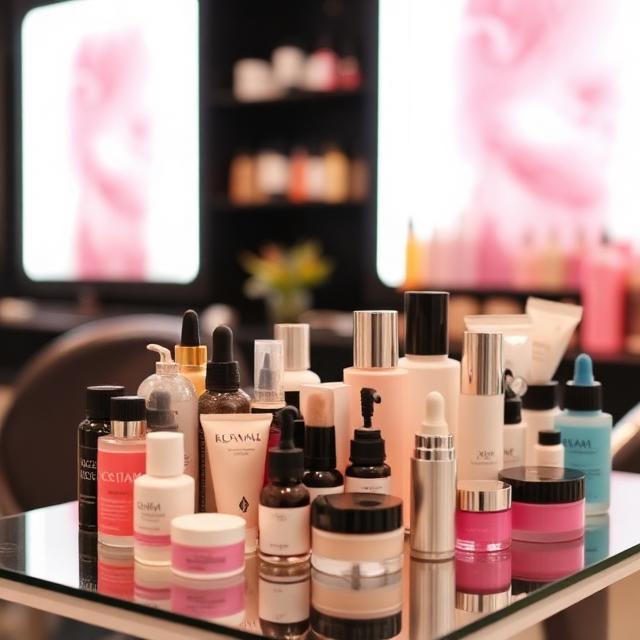
Beauty Market 2025: Exclusive Insights Into the Best Trends

Beauty Market 2025- Exclusive Insights Into the Best Trends

The Beauty Market in 2025: A New Era of Conscious Beauty

The beauty market in 2025 is transforming faster than ever, and the shift is impossible to ignore. Consumers are demanding proof, not promises. As a result, brands are being pushed to innovate, to educate, and to operate more transparently. From ingredient lists to carbon footprints, every detail is under the spotlight.

Smarter Consumers and the Power of Ingredient Knowledge

Modern shoppers no longer accept vague claims or confusing labels. Instead, they research ingredients, read clinical studies, and compare expert opinions. Due to this shift, marketing language has become less effective without data behind it.

Consequently, brands are focusing on clear formulations and science-backed actives. Terms like “non-comedogenic,” “fragrance-free,” or “pH-balanced” must now be justified. In addition, consumers look for evidence on how specific ingredients work on real skin.

Furthermore, ingredient transparency is being prioritized across product lines. Full INCI lists are shared, and confusing jargon is simplified. Because of this, trust is built through education rather than hype. Therefore, companies that invest in consumer literacy are gaining a strong competitive edge.

Sustainability as a Core Expectation, Not a Bonus

Sustainability has moved from trend to baseline expectation. Today, buyers want products that are effective and responsible. Thus, packaging, sourcing, and manufacturing are all being closely examined.

To begin with, refillable systems are becoming common in skincare and makeup. Accordingly, jars, pumps, and compacts are designed to last, while inserts are replaced. As a result, plastic waste is reduced, and loyalty is increased.

Moreover, brands are being pressured to reveal their environmental impact. Therefore, life cycle assessments, recycled materials, and low-emission logistics are highlighted. In addition, waterless or concentrated formulas are gaining attention. Because less water is shipped, emissions and packaging can both be reduced.

However, sustainable claims are also being questioned. Greenwashing is easier to spot, since information is widely available. Consequently, third-party certifications and verifiable standards are now more valued than vague “eco” labels.

Skincare Science Steps into the Spotlight

As education improves, skincare science is being embraced by a wider audience. Hence, consumers are interested in how skin functions, not just how it looks. This curiosity encourages a more realistic and long-term mindset.

For example, people now consider skin barrier health, microbiome balance, and collagen support. In the past, quick fixes were more popular. Yet, current buyers understand that repairing damage takes time. Therefore, gentle routines and consistent use are preferred over harsh shortcuts.

In addition, derm-approved brands and clinical studies carry growing influence. Products are often chosen after reading research summaries or expert reviews. Consequently, vague promises are replaced with specific claims, such as “x% reduction in dark spots in eight weeks.”

At the same time, science-driven tools are becoming mainstream. Home devices, like LED masks and microcurrent tools, are used as routine boosters. Nevertheless, consumers expect clear safety data and usage guidance before adopting them.

Personalized Beauty Becomes the New Standard

Personalized beauty is evolving from niche service to widespread expectation. Because every skin type behaves differently, one-size-fits-all formulas are no longer enough. Therefore, brands are building systems that adapt to individual needs.

To start, online skin analysis tools are more sophisticated. Through quizzes, photos, and sometimes AI, routines are suggested in a targeted way. As a result, shoppers feel understood and guided.

In-store, diagnostic devices are used to measure hydration, texture, and pigmentation. Consequently, shoppers see data that explains their concerns more clearly. Afterward, customized product combinations or even bespoke formulas are recommended.

Additionally, personalization extends beyond skin type. Lifestyle, climate, age, and even stress levels are now considered. Because of this, routines are designed for real-world conditions, not ideal ones. Ultimately, this leads to stronger results and higher loyalty.

Clean, Clinical, and Inclusive: Key Themes Shaping 2025

Several major themes are converging in the current landscape. Together, they shape how products are created, marketed, and used.

First, “clean” beauty has matured. Instead of simple ingredient blaoklists, safety is evaluated with nuance. Consequently, evidence, dose, and context are all weighed. Therefore, fear-based messaging is gradually being replaced by balanced information.

Second, clinical performance is more important than ever. Consumers want both gentle formulas and visible outcomes. As a result, hybrid brands that combine dermatology with sensorial luxury are thriving.

Third, inclusivity is treated as a must-have feature. Shade ranges, undertones, and imagery are becoming more diverse. Likewise, marketing is moving toward different ages, genders, and cultures. Because of this, more people see themselves reflected in campaigns and product lines.

How Brands Can Thrive in This New Landscape

For brands, adapting to these changes is not optional. It is essential. Fortunately, several strategies can help companies succeed in this evolving climate.

To begin, honest communication should be prioritized. Overblown promises are quickly challenged, so clarity is rewarded. Hence, explaining what a product can and cannot do creates respect.

Next, education must be built into every touchpoint. Tutorials, ingredient explainers, and routine guides are increasingly expected. Through this approach, confusion is reduced and satisfaction is improved.

Moreover, sustainability should be integrated into every stage of development. Packaging decisions, ingredient sourcing, and shipping methods all matter. When progress is shared transparently, consumers are more forgiving of imperfections.

Finally, listening to feedback is crucial. Social platforms, reviews, and community groups reveal shifting needs. When that feedback shapes future launches, loyalty naturally grows.


In 2025, beauty is more informed, more responsible, and more personal. Ingredient knowledge, sustainability, skincare science, and personalization are no longer separate trends. Instead, they are woven together into a new definition of beauty itself. Brands that embrace this transformation, with honesty and innovation, will be best positioned for long-term success.

Zendaya & Timothée Chalamet Reunion Sparks Stunning Buzz

Zendaya & Timothée Chalamet Reunion Sparks Stunning Buzz

Zendaya & Timothée Chalamet Reunite for Secret Project — What We Know So Far

Zendaya & Timothée Chalamet Reunite for Secret Project — and the internet can barely handle it. As soon as the first hints dropped, timelines exploded. Fans began dissecting every frame, every caption, and every outfit. Consequently, speculation about a mysterious new collaboration spread faster than any official announcement. Although nothing has been confirmed, the clues feel too deliberate to ignore.

How the Reunion Hype Started

To begin with, everything kicked off when a few behind‑the‑scenes images surfaced online. They did not come from a studio campaign. Instead, they appeared through stylists, makeup artists, and anonymous fan accounts. As a result, people suspected a controlled leak rather than a random coincidence.

Soon after, both stars posted cryptic content. Zendaya shared a moody, cinematic shot that revealed almost nothing, yet tagged a well‑known cinematographer. Meanwhile, Timothée uploaded a short clip showing only a shadowy silhouette and the sound of a clapperboard. Therefore, followers quickly connected the dots and assumed cameras were already rolling.

Because their last major project together was so beloved, the public reaction felt immediate and intense. Within minutes, edits appeared on TikTok. In addition, X threads broke down possible scripts, genres, and directors. Before long, entertainment blogs treated the rumor as the next big Hollywood mystery.

The Digital Investigation: Fans Think They Cracked the Clues

Once the first hints appeared, online communities went into full detective mode. For instance, location tags were cross‑checked with known filming schedules. Likewise, wardrobe details were compared with current brand deals. That process led many fans to believe this is not just a fashion shoot.

Furthermore, several industry trackers noticed unusual activity in production databases. A few untitled projects, allegedly linked to both agencies, were quietly updated. While nothing was explicitly named, timing and personnel seemed suspiciously aligned with this reunion.

Fan theories then multiplied. Some insisted it must be a surprise sequel or spin‑off to a recent blockbuster. Others argued it looked more like a prestige indie film, due to the small crew spotted in leaked images. However, another camp pushed the idea of a hybrid project. For example, they suggested a branded short film that doubles as a teaser for a larger feature.

Because so many puzzle pieces appear to fit, confidence in these theories has grown. Still, all conclusions remain unofficial. The mystery is being preserved carefully, which only fuels more online sleuthing.

Why a New Zendaya–Chalamet Film Seems Likely

Even without confirmation, several major factors point toward a new cinematic collaboration. First, both actors are in high demand, yet their schedules recently showed similar gaps. That kind of overlap rarely happens by chance at their level. Consequently, insiders view it as a serious sign of shared work.

Second, their past onscreen chemistry has been praised by critics and audiences alike. Studios know this chemistry translates into box‑office buzz. Therefore, reuniting them makes strong financial sense. In the current climate, recognizable pairings often drive marketing campaigns far more than plot details.

Third, the tone of the teasers feels distinctly cinematic. Lighting, framing, and on‑set sound all suggest a narrative project rather than a simple photoshoot. Because a noted cinematographer appears involved, expectations around film‑quality visuals are rising.

Of course, it could still turn out to be a campaign, a music video, or a streaming short. Yet the scale implied by the clues, along with careful secrecy, strongly hints at something bigger. Until statements are released, fans will remain in speculation mode.

Hollywood’s Most Stylish Duo: Fashion as a Storytelling Tool

Beyond acting, both stars have become fashion powerhouses. Every red carpet moment is analyzed, saved, and shared worldwide. Therefore, any reunion between them instantly becomes a style event, even before a frame of footage is seen.

In recent images, their outfits appear coordinated yet not identical. Because color palettes and textures match, fans suspect costume design is being used to hint at character dynamics. Subtle accessories, like matching rings or mirrored jackets, have already sparked long theory threads.

Moreover, their longtime partnerships with luxury brands add another layer. A joint appearance might serve dual purposes: narrative storytelling and brand promotion. That synergy is extremely valuable. As a result, fashion observers are watching this project as closely as film analysts.

Stylists have also dropped vague comments in interviews. Words like “transformative,” “otherworldly,” and “intimate” were mentioned. Although those hints remain cryptic, they support the idea of a polished, high‑concept visual world.

How the Internet Reacted: Memes, Edits, and Meltdowns

As soon as the reunion became obvious, social media went into overdrive. Memes about directors “fighting” to cast them appeared instantly. In addition, fan edits blended clips from older projects with the new teasers, creating imagined trailers for films that do not yet exist.

Reaction videos showed viewers pausing every frame of leaked content. Because even a blurred background can spark a theory, nothing has been considered too small. That intense focus has turned this secret project into a participatory game.

Meanwhile, entertainment journalists have joined the frenzy. Think pieces about modern fandom, parasocial bonds, and viral marketing have been published widely. By now, the online meltdown has become a story of its own. It demonstrates how two stars, plus a few cryptic posts, can dominate cultural conversation.

What Could Happen Next

Looking ahead, several paths seem possible. A surprise trailer could drop without warning, which would match the current playful secrecy. Conversely, a glossy magazine cover story might reveal the project in a more traditional fashion. That option would allow deeper interviews and richer imagery.

Additionally, festival schedules are being examined closely. If a finished film already exists, a major premiere slot could have been secured in advance. In that case, official details might arrive shortly before a red carpet debut.

Until then, the most realistic expectation is more teasing. Strategic stills, brief clips, and suggestive captions will likely appear over the coming weeks. Each new piece will be dissected, debated, and re‑edited by fans.

Final Thoughts: A Secret Project Built for the Hype Era

In many ways, this mystery feels designed for the current media landscape. Two beloved leads, a carefully controlled set of clues, and a fandom eager to participate have created the perfect storm. Whether the project turns out to be a movie, a series, or a hybrid campaign, anticipation has already been secured.

As the clues continue to drop, one thing seems certain. The reunion has reminded everyone how powerful star chemistry can be. Regardless of the format, the world will be watching when the secret is finally revealed.

Slow-Living at Home- Rituals for Your Best Sanctuary

Slow-Living at Home- Rituals for Your Best Sanctuary

Slow-Living at Home: Simple Rituals for Everyday Calm

Slow-living at home is more than a design trend. It is a gentle shift in how you move, think, and care for yourself in your space. After years of rushing and multitasking, many people crave a softer way to live. Your home can support that desire when you shape it with care, intention, and simple rituals.


Why Slow-Living at Home Matters

Modern life often pulls your attention in many directions. As a result, stress builds, sleep suffers, and your mind rarely has time to rest. However, your home can become a buffer against that constant pressure.

When you embrace a slower rhythm at home, your space supports:

  • Lower daily stress levels
  • A more grounded mood
  • Better mental clarity
  • Deeper rest and recovery

Instead of chasing perfection, you choose presence. You shift from doing more to being here.


Setting the Foundation: Declutter with Intention

Before new rituals are added, physical clutter needs to be reduced. Messy spaces tend to keep your mind busy. Yet you do not need a full minimalist makeover.

Start Small, Not Perfect

Begin with one drawer, one shelf, or one corner. Therefore, the task feels manageable. Sort items into three groups: keep, donate, and recycle or discard.

Ask yourself:

  • Do I use this often?
  • Does it support my current life?
  • Would I miss it if it was gone?

As you release items, notice how your breathing eases. Over time, less clutter means fewer decisions and less visual noise.


Creating a Calm Atmosphere at Home

A calm sanctuary is shaped through your senses. So you can adjust light, sound, scent, and texture to shift the mood of your space.

Soften the Lighting

Harsh overhead lighting can keep your body on alert. Instead, try:

  • Warm table lamps
  • Floor lamps with soft bulbs
  • Candles for evenings

Layered light creates a cozy glow. Consequently, your brain receives gentle signals that it is safe to relax.

Use Sound and Scent Wisely

Background noise changes how your home feels. Therefore, you might play soft instrumental music, nature sounds, or gentle jazz. Likewise, scent can calm the nervous system. Lavender, chamomile, and sandalwood are often used for this purpose.

Essential oils, soy candles, or a simmer pot with citrus and herbs can all be helpful. However, choose only one or two scents at a time. Too many can feel overwhelming.


Daily Slow-Living Rituals for Morning

The way you start your day sets the tone. Therefore, simple rituals can help you ease into activity with care.

A Gentle Wake-Up Routine

Instead of reaching for your phone immediately, try this sequence:

  1. Take three slow breaths before leaving bed.
  2. Stretch your arms, legs, and neck.
  3. Open a window or curtains to let in natural light.

This short moment tells your body the day can begin without urgency.

Mindful Beverage Ritual

Whether you drink coffee, tea, or warm lemon water, turn it into a pause. As the water heats, breathe deeply. Feel the warmth of the mug in your hands. Sit down while you drink instead of walking around.

This simple act can become a quiet anchor in your morning. You are reminded to move through the day with intention.


Evening Rituals to Unwind at Home

Your home can also help you release the weight of the day. Evening rituals send a clear message to your nervous system: it is time to slow down.

Create a Tech-Free Wind-Down

At least 30 minutes before bed, turn off bright screens. Because blue light keeps your brain active, you may struggle to sleep. Instead, you can:

  • Read a physical book
  • Journal about your day
  • Listen to soft music or a calming podcast

Place your phone in another room if possible. This boundary protects your rest.

Gentle Tidy and Reset

A full cleaning session is not needed. Yet a five to ten minute tidy can be powerful. Fold a blanket, wash a few dishes, and clear the coffee table. As a result, you wake up to a more peaceful space.


Nourishing the Mind: Slow Moments During the Day

Slow-living at home is not only for morning and evening. Short grounding breaks can be woven into your daily routine.

Micro-Pauses Between Tasks

Instead of jumping from call to call or chore to chore, pause briefly. You can:

  • Take five deep breaths
  • Step outside for fresh air
  • Sip water while looking out a window

These tiny moments calm your nervous system. Consequently, stress does not build as quickly.

Mindful Movement in Your Space

You do not need a full workout to benefit your mind. Gentle stretching, yoga, or even slow walking through your home can help. Focus on how your feet meet the floor and how your shoulders soften.

With time, your body begins to associate your home with softness, not tension.


Designing Corners of Calm

You might not have an entire room to spare. However, one peaceful corner can still be created.

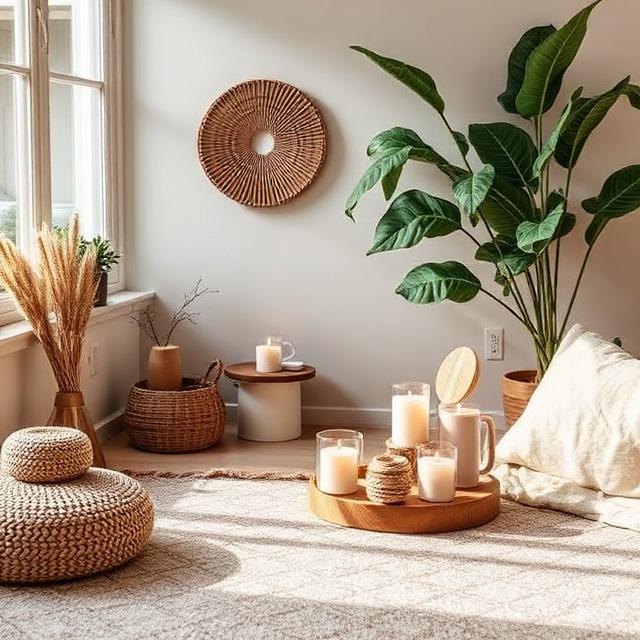
Build a Simple Sanctuary Nook

Choose a quiet spot near natural light if possible. Add:

  • A comfortable chair or floor cushions
  • A soft blanket
  • A small table or tray for tea or a book
  • One plant or a simple piece of art

Use this nook for reading, journaling, or just breathing. Over time, your mind will link that spot with rest.


Supporting Mental Health Through Home Rituals

Your home habits can strongly affect how you feel inside. When slow-living at home is practiced, your nervous system is supported daily. Stress hormones drop more easily, and emotional balance is encouraged.

However, slow-living is not about flawless serenity. Some days will still feel rushed or heavy. That is normal. The rituals are meant to hold you during those times, not erase them.

As you move through your space with more intention, you begin to feel safer and more present. With each breath, each soft light, each small pause, your home slowly becomes what you need most: a calm sanctuary that cares for your body, mind, and spirit.

Minimalist Wardrobe Capsule: Effortless Style 2025

Minimalist Wardrobe Capsule-Effortless Style 2025

Minimalist Wardrobe Capsule: How to Build a Timeless Closet in 2025

Minimalist wardrobe capsule planning has become more than a style trend. It is now a thoughtful response to clutter, fast fashion, and constant impulse buys. As a result, more people are choosing fewer items, but demanding better quality and more versatility from every piece.

Why a Minimalist Wardrobe Capsule Matters in 2025

In 2025, fashion moves faster than ever. However, trends fade quickly, while your personal style should last. Therefore, a minimalist wardrobe capsule offers a calm alternative to constant shopping and overflowing closets.

With a capsule, you focus on pieces that mix and match easily. Consequently, you get more outfits from fewer items. At the same time, your choices can support sustainability. Fewer purchases usually mean less waste, less shipping, and less pressure to chase every new micro‑trend.

Moreover, a well‑planned capsule saves time. Getting dressed becomes easier, since most pieces already work together. As a result, your mornings feel more relaxed and intentional.

Step 1: Define Your Lifestyle and Style Keywords

Before you buy anything, you should understand your real life. Many wardrobes are filled with “fantasy life” pieces. However, they are rarely worn. So, start by listing how you actually spend a typical week.

Consider these categories:

  • Work or study
  • Home and errands
  • Social events
  • Exercise or outdoor activities

Next, describe your ideal style in three to five words. For example: “relaxed, polished, minimalist” or “creative, sharp, modern.” These style keywords can guide every future purchase. If an item does not fit those words, it probably does not belong in your minimalist wardrobe capsule.

Step 2: Audit Your Current Closet

A wardrobe audit should be done before building anything new. Start by pulling out everything you own. Then, create three piles: keep, maybe, and release.

  • Keep: Fits well, suits your style words, and is worn often.
  • Maybe: Needs tailoring, repair, or styling ideas.
  • Release: Poor fit, low quality, or no longer feels like you.

During this process, patterns will appear. Perhaps you own five similar black sweaters. Or maybe you lack good shoes for everyday wear. These insights will help you shape a focused, efficient capsule.

Step 3: Choose a Cohesive Color Palette

A strong color palette allows your capsule to work like a system. Therefore, choose:

  • 1–2 base neutrals (black, navy, charcoal, beige, or white)
  • 1–2 supporting neutrals (camel, olive, grey, or cream)
  • 2–3 accent colors you truly love

When colors are aligned, most items can be combined. As a result, you gain more outfit options without increasing the number of pieces. In addition, you avoid random “orphan” items that never match anything else.

Step 4: Select Your Core Capsule Pieces

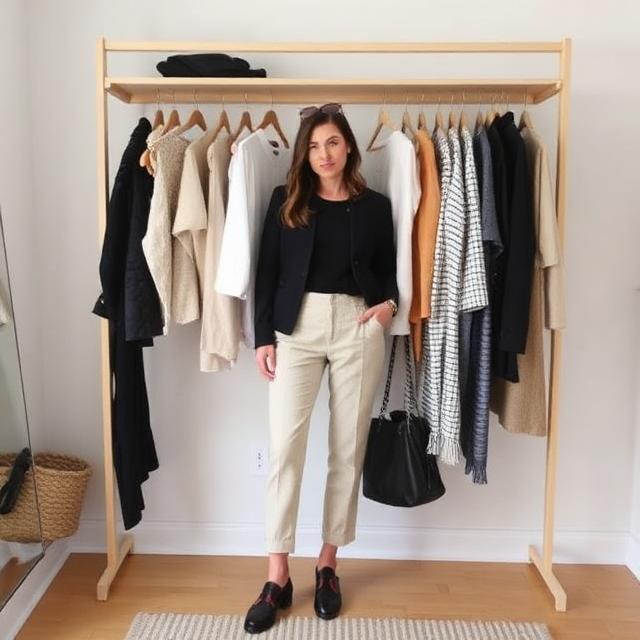
Every minimalist wardrobe capsule rests on a small set of essentials. The exact items will depend on your climate and lifestyle. However, a timeless base for 2025 could include:

  • 2–3 well‑fitting jeans or trousers
  • 2 classic shirts or blouses
  • 2–3 versatile tees or knit tops
  • 1 tailored blazer or structured jacket
  • 1 smart coat for your main season
  • 1 casual jacket, like a denim or bomber
  • 2 simple dresses or jumpsuits, if you wear them
  • 2 pairs of everyday shoes
  • 1 pair of dressier shoes
  • A small, curated set of accessories

Each piece should be chosen with care. Fit, fabric, and comfort need to be prioritized. If an item feels almost right, it will probably not get worn often.

Step 5: Invest in Quality Over Quantity

Fast fashion can be tempting, because prices seem low. However, poor quality often leads to quick replacements. Over time, that approach can cost more money and create more waste.

Instead, look for durable fabrics, solid stitching, and timeless cuts. Natural fibers like cotton, wool, and linen tend to age gracefully. Additionally, many sustainable brands in 2025 offer transparent supply chains and repair programs. When quality is prioritized, each piece earns its place in your minimalist wardrobe capsule.

Step 6: Use Smart Shopping Rules

Clear rules keep your capsule focused and prevent impulse buys. You might try:

  • The “one in, one out” rule for every new item
  • A 24‑hour pause before any unplanned purchase
  • A seasonal budget, set in advance
  • A checklist based on your actual gaps

Furthermore, ask three questions before buying anything new:

  1. Does it fit my lifestyle and style words?
  2. Can I wear it with at least three items I already own?
  3. Will I still want to wear it next year?

If the answer is not a strong “yes,” the piece is probably not needed.

Step 7: Style Rotation and Outfit Planning

Once your capsule is built, rotation keeps it feeling fresh. Many people find a weekly outfit planning session useful. You can:

  • Check the weather and your calendar
  • Plan looks for work, home, and events
  • Note combinations you enjoy and want to repeat

As you rotate pieces, you will notice which items work hardest. Those core heroes justify a higher investment level. Meanwhile, items that are rarely worn may be replaced or tailored.

Step 8: Maintain and Refresh Intentionally

Even a minimalist wardrobe capsule needs regular care. Clothes last longer when they are washed gently, stored properly, and repaired quickly. Therefore, learn basic mending skills or support a local tailor.

Each season, review your capsule. Ask what truly served you and what did not. Then, adjust your color palette, fabrics, or silhouettes slightly, while keeping the overall structure stable. In this way, your closet feels current, yet never chaotic.


By treating your closet as a curated collection, you gain clarity, ease, and a quieter mind. In 2025, style does not need to be about constant accumulation. Instead, it can be built on a thoughtful minimalist wardrobe capsule that supports your life, your budget, and the planet.

Talk to Your Partner About Sex: Effortless Guide

Talk to Your Partner About Sex-Effortless Guide

How to Talk to Your Partner About What You Really Want in Bed (Without the Awkwardness)

How to talk to your partner about what you really want in bed is a skill that can transform your relationship. Many women crave deeper intimacy, yet feel nervous, shy, or unsure how to start this kind of talk. However, with the right approach, it can become a powerful, connecting conversation instead of an uncomfortable one.

Why These Conversations Matter for Sexual Well‑Being

Open, honest talk about sex supports both emotional and physical health. When you stay silent, resentment may build. Misunderstandings can also grow over time. In contrast, clarity usually brings more satisfaction and less pressure.

Moreover, sexual needs often change across different life stages. Hormones, stress, childbirth, or health shifts can affect desire and comfort. Therefore, ongoing conversations are needed, not just a single big talk. When both partners feel safe to speak, pleasure and trust can deepen.

Prepare Yourself Before You Speak

Before you bring anything up, spend time understanding what you truly want. This step is often skipped, yet it makes the talk much easier.

Ask yourself:

  • What do I enjoy and want more of?
  • What feels uncomfortable or painful?
  • What do I wish we could try?
  • When do I feel most relaxed and desired?

It may help to write your thoughts down. That way, your ideas are clearer when you talk. You can also reflect on your values. For instance, you might want more foreplay, slower pacing, or less focus on orgasm. Once you know your needs, explaining them becomes simpler and less stressful.

Choose the Right Moment and Setting

Timing can make or break this discussion. Sexual topics feel vulnerable, so a supportive setting helps. Avoid raising it in the middle of sex or right after an unsatisfying experience. Emotions may be too intense then.

Instead, choose a calm, private moment. For example, you might bring it up during a quiet evening at home. You could also talk during a walk, where eye contact is softer and pressure feels lower. In addition, turn off distractions like phones or TV. This shows that the conversation matters and deserves focus.

Use Gentle, Clear Language

The way you phrase your thoughts can reduce tension. Rather than starting with complaints, try leading with positives. Then gently add what you need.

For example, you might say:

  • “I love being close to you, and I want to feel even more connected in bed.”
  • “I’ve been thinking about what turns me on, and I’d like to share it with you.”
  • “Our sex life matters to me, and I’d like us to talk about how to make it even better.”

Use “I” statements to describe your needs. This reduces blame and defensiveness. Instead of “You never do X,” try “I feel more aroused when we…,” or “I need more time to relax first.” As a result, your partner hears it as information, not an attack.

Be Honest About Boundaries and Discomfort

Your boundaries deserve respect. They protect your body, your emotions, and your sense of safety. Still, saying “no” can feel scary, especially if you fear hurting your partner.

To express limits kindly, you can:

  • Start by affirming what feels good.
  • Clearly state what does not work for you.
  • Suggest alternatives you would enjoy.

For instance: “I like when you touch me here, but that other spot feels too sensitive. Could we try this instead?” That way, you are not only setting a limit. You are also guiding your partner toward what you do want. Over time, this clarity usually builds more trust, not less.

Invite Curiosity and Two‑Way Dialogue

These talks should not be one‑sided. Your partner also has needs and desires. Therefore, invite their perspective as well. You might ask:

  • “Is there anything you’ve wanted to try but felt shy about?”
  • “What makes you feel most desired by me?”
  • “Is there something I do that really turns you on?”

This turns the moment into a shared exploration. Instead of a “correction session,” it becomes a joint project to improve intimacy. Mutual curiosity often reduces awkwardness too. Both of you are learning together, rather than one person being “the problem.”

Normalize Change and Ongoing Check‑Ins

Sexual needs are not fixed. What felt amazing two years ago may not fit your body or mind right now. Stress, fatigue, pregnancy, menopause, or medical issues can all shift things. Because of that, it helps to treat these talks as regular check‑ins.

You might say: “Our bodies keep changing. I’d love if we could talk about this every so often.” In this way, small adjustments can be made before frustrations grow. It also reassures both partners that change is natural and expected, not a failure.

Manage Reactions with Compassion

Even the most loving partner might feel surprised or insecure at first. They may worry they have been doing everything wrong. Their reaction may be shaped by past shame or cultural messages about sex.

If this happens, stay gentle. You could add:

  • “This isn’t about you doing something bad. I just want us to feel closer.”
  • “You make me feel safe, which is why I trust you with this.”
  • “We’ve already done a lot right. I’m just fine‑tuning things.”

If emotions rise, suggest a pause. The conversation can be resumed later. Sometimes, a bit of time is needed for the information to settle.

When to Seek Professional Support

If the topic feels too loaded or always ends in conflict, outside help can be useful. Couples therapists and sex therapists are trained for this work. They provide neutral guidance and practical tools. In particular, a therapist who understands women’s sexual health can address pain, low desire, or trauma.

Support can also be helpful if past experiences make intimacy hard for you. No one should face this alone. With proper care, communication often becomes easier and more natural.

Turning Vulnerable Talks into Deeper Intimacy

Although it may feel daunting, learning how to talk to your partner about what you really want in bed can strengthen your relationship. With preparation, kind language, clear boundaries, and mutual curiosity, these conversations become less awkward and more empowering. Over time, they create a space where both of you feel seen, heard, and genuinely desired.

Sydney Sweeney Spotlight: Style and Best New Role

Sydney Sweeney Spotlight-Style and Best New Role

Celebrity Spotlight on Sydney Sweeney’s New Role and Rising Style Power

Celebrity spotlight coverage has turned its lens firmly on Sydney Sweeney, and the attention is not slowing down. With an upcoming film generating heavy buzz, her name is everywhere across entertainment and fashion media. At the same time, her evolving style has become a talking point on red carpets and social feeds alike. As a result, she is being positioned as both a serious actor and a modern fashion muse.

Media Buzz Around Sydney Sweeney’s Upcoming Film

Recently, Sydney Sweeney has been praised extensively by co-stars and directors. Many have highlighted her preparation, focus, and willingness to take creative risks. Consequently, entertainment outlets have picked up these remarks and amplified them across platforms.

Because of this praise, interest in her new role has grown rapidly. Clips from the set, brief teasers, and cast interviews are shared widely. Moreover, fans are dissecting every frame and looking for clues about plot twists and character arcs. In turn, this constant conversation has helped the project stand out in a crowded release calendar.

At the same time, industry insiders have suggested that awards chatter could build if early reactions hold. While nothing is guaranteed, her performance is already being framed as a potential career milestone. Therefore, her presence on talk shows and at press events is expected to increase as release day approaches.

Why the Celebrity Spotlight Favors Her Right Now

There are many rising stars in Hollywood; however, Sydney Sweeney occupies a special space. She balances commercial appeal with an edge that feels current. Because audiences follow her across both prestige television and mainstream film, her visibility remains unusually high.

Furthermore, her off-screen persona adds to that appeal. She shares glimpses of her life that feel curated yet approachable. As a result, fans feel involved in her journey instead of just watching from a distance. This sense of connection drives high engagement whenever new content appears.

In addition, media outlets benefit from featuring her prominently. Pieces that highlight her projects and looks tend to be widely shared. Therefore, editors understand that her name in a headline often guarantees clicks, comments, and continued interest.

Co‑Star Praise Fueling the Conversation

While a strong performance matters, third‑party validation can be just as powerful. In Sydney Sweeney’s case, co-stars have repeatedly focused on her work ethic. They describe long rehearsal days, detailed character notes, and an almost athletic commitment to emotional scenes.

Because those comments feel spontaneous and specific, they carry weight with audiences. Viewers are more likely to invest in an actor when respect from peers is evident. After all, insiders see what happens between takes and during table reads.

Moreover, these testimonials support a larger narrative around her career arc. She is not just landing high-profile roles; she is also earning admiration within the industry. As a result, fans and critics alike are keen to see how this new performance will deepen her range.

Fashion Focus: Sydney Sweeney’s Style Evolution

Although her acting draws headlines, Sydney Sweeney’s fashion choices have become equally noteworthy. Over the past few seasons, she has embraced a bolder, more directional wardrobe. Nonetheless, there is usually a playful softness in the mix, which keeps her looks accessible.

Designers have noticed her impact and have been eager to dress her. Increasingly, she appears in custom pieces and detailed couture on carpets and at festivals. Because her styling often favors strong silhouettes and rich textures, photos of her outfits travel quickly online.

In addition, she seems unafraid to shift between aesthetics. One week she might channel Old Hollywood glamour; the next week she leans into sharp, modern minimalism. Consequently, fashion commentators are kept guessing and remain interested in every appearance.

Red‑Carpet Potential and Future Style Moments

With a major film on the horizon, red‑carpet appearances will likely multiply. Each event offers a fresh opportunity for new style moments. Stylists understand that these premieres are not just about a dress; they serve as strategic brand building.

Therefore, her team will probably craft looks that echo themes from the film while highlighting her personality. For instance, darker storylines might inspire more dramatic gowns and structured tailoring. Conversely, a romantic tone could spark softer fabrics, pastel palettes, and vintage‑inspired jewels.

Beyond premiere nights, fashion houses may tap her for campaigns and front‑row seats. Because she resonates with younger audiences, luxury labels can reach new markets through her image. In turn, she gains greater access to archival pieces and exclusive collaborations.

How Media and Fashion Intertwine in Her Story

It is not just her film that drives news; it is the way style and storytelling merge. When a star’s wardrobe reflects character growth or project themes, audiences become even more invested. Coverage then extends from film pages to fashion features and social trend reports.

This synergy benefits everyone involved. Studios enjoy sustained awareness for the movie. Brands gain exposure through carefully chosen ensembles. Meanwhile, Sydney Sweeney strengthens her image as both artist and style leader.

Ultimately, the current celebrity spotlight phase feels like the start of a new chapter. Her upcoming role may redefine how casting directors see her, while her fashion trajectory can shape how global audiences remember her. As media attention continues, one thing seems clear: the blend of performance, personality, and style has positioned her as one of the most closely watched talents working today.

Preppy 2000s Revival- Fall 2025 Trend Report

Preppy 2000s Revival- Fall 2025 Trend Report

2025 Fall Trend Report: Preppy & 2000s Preppy Aesthetic Makes a Strong Comeback

Preppy & 2000s preppy aesthetic is shaping the look and mood of 2025 fall fashion. As social feeds fill with pleated skirts, varsity knits, and polished basics, a new chapter of nostalgic dressing is taking hold. Although the roots feel familiar, the execution is fresher, more inclusive, and far more playful than in earlier eras.


Why Preppy Is Back in a Big Way

Despite constant micro-trends, consumers are now craving stability and recognizable looks. Therefore, classic codes are being revisited and reimagined. This is where the preppy & 2000s preppy aesthetic steps in with strong emotional pull.

During uncertain times, polished uniforms and campus-inspired outfits feel comforting. At the same time, streaming platforms and social media keep early-2000s pop culture visible. As a result, young audiences are rediscovering the style once associated with teen dramas, music videos, and magazine editorials.

Moreover, this revival is not simply nostalgic. It is being used as a way to express identity, humor, and irony. Because of that, the aesthetic becomes both a style choice and a cultural signal.


Key Elements of the 2025 Preppy Look

Although preppy has a long history, the 2025 version is defined by distinct details. These pieces are consistently seen across runways, social platforms, and street style.

1. Pleated Skirts and Tailored Shorts

Pleated mini skirts are returning in every fabric, from wool blends to shiny satin. However, styling feels more relaxed than in the 2000s. Oversized sweaters and sporty sneakers often balance the short hemlines. Tailored Bermuda shorts are also gaining traction, especially when worn with knee socks or loafers.

Because these silhouettes connect directly to school uniforms, they carry a youthful, playful tone. Yet, they also look polished enough for city life and hybrid work settings.

2. Varsity Layers and Logo Knits

Letterman jackets, cardigan sweaters, and rugby shirts are central to the preppy & 2000s preppy aesthetic this season. Brand crests, embroidered initials, and vintage-style patches are widely featured. In addition, striped knits and cable textures add visual interest.

Furthermore, these pieces are being layered in unexpected ways. A rugby shirt is styled under a blazer. A varsity jacket is thrown over a slip dress. Because of such combinations, the traditionally “clean cut” look gains edge and personality.

3. Polished Footwear with a Twist

Loafers, Mary Janes, and riding boots anchor many fall outfits. Chunky soles and lug bottoms, however, keep them modern. Consequently, the footwear feels both nostalgic and grounded enough for everyday wear.

In addition, athletic sneakers in classic colorways are often paired with blazers or pleated skirts. This contrast creates a balance between comfort and formality that suits current lifestyle needs.


The 2000s Influence: Pop Culture Meets Campus Style

The 2000s version of preppy was highly media-driven. Teen series, pop stars, and glossy ads created a glamorous vision of campus life. Today, that influence is being filtered through modern values and technology.

Because archived clips and old campaigns circulate online, fashion fans can directly reference the era. However, instead of copying exact outfits, they remix key symbols. For example, a pastel polo might be worn with wide-leg jeans and a bucket hat. As a result, the look feels referential yet personal.

Additionally, Y2K accessories are sliding back into the preppy mix. Headbands, hair clips, and logo belts are returning, although styling is more balanced. Sustained interest is expected, since these small details allow quick trend participation without major wardrobe overhauls.


How Gen Z and Gen Alpha Are Redefining Preppy

Younger audiences are reshaping the narrative around this aesthetic. Historically, preppy signaled privilege and exclusivity. Now, it is often treated as a costume, a character, or a satire of old systems.

Through thrifting, upcycling, and DIY customization, the look is being democratized. Vintage blazers are painted, skirts are re-pleated, and patches are rearranged. Consequently, the style no longer feels limited to elite institutions.

Moreover, inclusive sizing and diverse casting in campaigns are helping to broaden its appeal. The preppy & 2000s preppy aesthetic is thus becoming a flexible framework that different identities can play inside, instead of a rigid uniform.


Color, Prints, and Fabrics Dominating Fall 2025

Color stories for this trend lean into tradition but with subtle updates. Navy, cream, camel, and gray remain core. However, they are frequently punched up with bright varsity reds, cobalt, and acid greens.

Plaids, argyles, and stripes continue as signature patterns. Yet, they appear on unexpected items, such as puffer vests or technical outerwear. Because fabric technology is advancing, performance materials are being blended with wool and cotton. This allows preppy pieces to fit more active, city-centric lives.

Sustainable materials are also gaining importance. Organic cotton polos, recycled wool knits, and secondhand tailoring are increasingly prioritized. As shoppers track impact, this emphasis is likely to grow.


Styling Directions for Editorial and Retail

For editors and content teams, narrative structure matters as much as the clothes. Therefore, shoots and features should highlight the tension between tradition and rebellion.

Consider story angles like:

  • “Campus, Rewritten”: Classic uniforms clashed with streetwear and tech pieces.
  • “Polished but Playful”: Preppy silhouettes styled with ironic or surreal accessories.
  • “Archive Remix”: Looks built entirely from vintage and reworked garments.

Retailers, meanwhile, can create focused capsules. A tight offer of blazers, knitwear, pleated bottoms, and statement footwear is likely to resonate. Because the trend thrives on mixing, cross-merchandising with denim, hoodies, and outerwear will encourage experimentation.

Visual merchandising can lean on library, locker room, or stadium references. Chalkboard signs, trophy cases, and varsity banners will signal the story instantly.


Forecast: How Long Will the Preppy Momentum Last?

Based on current data and cultural signals, this movement is unlikely to fade quickly. Search spikes, resale interest, and runway coverage point to a multi-season arc. As long as nostalgia, comfort, and self-aware styling remain important, this aesthetic will keep evolving.

In the medium term, expect a gradual shift toward even more tailored pieces and subtle luxury. However, graphic varsity elements and school-inspired motifs should stay visible. Because the foundation is so classic, updates can be layered on without disrupting core wardrobes.

In conclusion, the preppy & 2000s preppy aesthetic offers a powerful lens on how fashion cycles work today. It blends heritage, irony, and digital-age creativity into one of the most influential macro-style stories for fall 2025 and beyond.

Hollywood Diversity Backslide- Stunning Truths That Matter

Lilly Singh — On Hollywood Diversity Backsliding

Why Hollywood’s Diversity Backslide Matters Now

Hollywood diversity backsliding is more than an industry hiccup; it is a warning sign for media and culture worldwide. In a fresh interview, Lilly Singh argued that “diversity has taken a step backwards” in film and television. Her words cut through polite optimism and force a serious question. Are we watching a slow retreat from the progress many people fought to secure?

This concern is not only about casting choices. It touches power, opportunity, and whose stories are allowed to define global culture. As fashion, social media, and entertainment merge, the impact becomes even larger.


From Breakthroughs to Backtracking

A decade ago, many viewers felt the tide was finally turning. Streaming platforms took risks that big studios avoided for years. Awards shows began to recognize more creators of color. It seemed the doors were opening at last.

However, recent trends suggest a stall, or even reversal. Several diverse shows have been quietly cancelled. Studio slates look safer and more familiar again. Executives are leaning into sequels, remakes, and predominantly white casts.

Public statements about inclusion are still made. Yet, the follow-through is often weaker than the promises. Diversity is framed as a “nice to have,” easily cut when budgets tighten or online backlash appears.


Lilly Singh’s Warning and Why It Resonates

Lilly Singh built her career outside the old system, then entered it as a late-night host and producer. Because of that path, she sees both sides. Her claim that diversity is sliding backwards carries weight, since she has sat in the rooms where decisions are made.

Her comments resonate for several reasons:

  • Many actors and writers from underrepresented groups report similar experiences.
  • Audiences notice when shows that reflect their lives disappear first.
  • Social media quickly amplifies patterns that were once hidden.

Instead of a neat upward curve, progress looks more like a tug-of-war. Gains are made, but can be undone when leadership changes or trends shift.


The Cost of Hollywood Diversity Backsliding

When representation shrinks on screen, the damage spreads off screen. Young people lose mirrors that help them imagine bold futures. Stereotypes become more likely to fill the gaps. Nuanced stories about race, gender, sexuality, and culture are pushed back to the margins.

At the same time, power behind the camera remains concentrated. Fewer directors, writers, and producers from underrepresented groups get second chances. Careers stall, and whole communities lose advocates inside the system.

The effect is not only emotional. It is also economic. Diverse stories have delivered strong box office numbers and global streaming success. When companies pull back, they leave money on the table and misread real audience demand.


Global Ripple Effects: From Screens to Street Style

Hollywood still shapes global taste. What appears on red carpets and in blockbuster films is quickly echoed in fashion, beauty, and advertising. Yet this influence can either broaden or narrow the world’s image of beauty and power.

When diversity is taken seriously:

  • Designers are pushed to cast wider ranges of models.
  • Runways and campaigns feature varied bodies, skin tones, and identities.
  • Cultural styles are celebrated with credit, not simply copied.

However, when media becomes whiter and more conventional again, fashion often follows. Brands retreat to “safe” faces and aesthetics. Cultural trends from Black, South Asian, Latinx, Indigenous, and other communities get mined for ideas. Yet, the people who created them are left out of the spotlight.

Thus, Hollywood diversity backsliding does not stay confined to a single industry. It shapes whose beauty is celebrated in store windows worldwide.


Why the Backslide Feels So Dangerous

The timing of this reversal is especially troubling. Around the world, societies are struggling with polarization and rising intolerance. Media representation can either calm tensions or fuel them.

When films and series present richer, more complex identities, audiences gain empathy. Prejudices are quietly challenged. Viewers become used to seeing different cultures share the same frame.

If those images fade, old myths return stronger. Single-character “token” roles come back. Communities are reduced to sidekicks or villains again. That shift does not stay on the screen. It influences how people are treated at work, in schools, and in public spaces.

Because streaming platforms reach nearly every country, the stakes feel global. A narrow vision from one production hub can become a narrow vision everywhere.


The SEO and Social Power of This Debate

Conversations sparked by Lilly Singh’s remarks show how strongly this topic lands online. Articles, reaction videos, and threads generate intense engagement. They combine celebrity, politics, identity, and pop culture.

For digital publishers and brands, this presents a clear opportunity. Thoughtful analysis on representation can attract:

  • High search interest around diversity in media and fashion
  • Strong shareability on social platforms
  • Loyal audiences who care about inclusive storytelling

However, there is also a duty to treat the subject with nuance. Shallow outrage pieces may draw quick clicks. Yet, they often add little to the long-term conversation and can exploit pain without supporting change.


Where Accountability Needs to Sit

Responsibility does not rest only with studios. It is shared along the entire value chain of culture.

  • Executives choose which projects live or die. Their metrics must include representation, not just short-term profit.
  • Creators have power in their casting, hiring, and partnerships. They can normalize inclusion even in “small” roles.
  • Fashion and beauty brands decide whose image sells their products. They can refuse to slide back to narrow ideals.
  • Audiences hold real leverage. Every ticket bought, stream clicked, or campaign shared sends a message.

Because media is shaped by demand and pressure, silence helps the status quo. Visible support for inclusive projects can be tracked in numbers that executives respect.


Moving Forward: From Moment to Structure

The core problem with past diversity pushes is that many were built on moments, not systems. A viral hashtag or a hit film would spark a wave of statements. Yet, practices inside companies often remained unchanged.

To prevent more backsliding, inclusion has to be turned into structure:

  • Set measurable goals for representation in front of and behind the camera.
  • Tie executive bonuses and renewals to those targets.
  • Fund development pipelines for creators from underrepresented communities.
  • Track progress publicly, so backpedaling becomes harder to hide.

Meanwhile, fashion and media brands can align themselves with this shift. By elevating designers, stylists, and models from diverse backgrounds, they reflect a fuller world. That choice resonates both ethically and commercially.


Conclusion: Why This Moment Should Not Be Wasted

Lilly Singh’s blunt claim forces an uncomfortable truth into the light. Progress is not guaranteed. Rights, representation, and visibility can all move backwards, even after apparent victories.

Hollywood diversity backsliding matters because it shapes how billions of people see themselves and each other. It affects whose stories set the tone for global culture, style, and aspiration. If this moment is taken seriously, the backlash can become a turning point.

The question is whether studios, brands, and audiences will treat representation as a permanent priority, not a passing trend.

Self-Care Sunday: Rituals for Your Best Reset

Self-Care Sunday-Rituals for Your Best Reset

Self-Care Sunday: A Complete Guide — Beauty, Mindfulness, and Reset Rituals

Self-Care Sunday can become your weekly anchor in a busy life. When you dedicate one day to rest and renewal, your energy, mood, and focus improve. This intentional pause helps you reset and show up stronger for the week ahead.


Why a Weekly Self-Care Ritual Matters

In modern life, productivity is often praised above everything. As a result, rest is pushed to the side and ignored. Yet your body and mind need recovery as much as they need action.

A weekly ritual offers structure and consistency. It creates a rhythm that signals your brain to slow down. Over time, your nervous system becomes trained to expect calm on this day.

There is also a mental benefit. When you know a break is coming, stress feels easier to manage. Your week is not just a blur of tasks anymore. It is broken into cycles of effort and renewal.


Preparing for Self-Care Sunday

Planning ahead makes the day feel special and smooth. It also reduces decision fatigue when the day arrives.

Clear Your Schedule

Block time on your calendar, even if it is only a few hours. Treat that time like an important appointment. This helps you protect your space and energy.

Let friends or family know you will be less available. Boundaries may feel uncomfortable at first. Over time, they are respected and even appreciated.

Set an Intention

Decide what you need most before the day begins. Do you crave deep rest, emotional release, or physical pampering? A simple sentence works well as an intention.

For example, you might say, “Today I choose to restore my energy.” Keep this in mind as you plan your rituals. It will guide your choices throughout the day.


Beauty Rituals to Refresh Your Body

Beauty rituals are more than looks. They can become grounding, sensory experiences. When done with care, they calm the mind and boost confidence.

Create a Spa Atmosphere at Home

You do not need expensive products to feel pampered. Soft lighting and gentle sounds already change the mood. Natural candles or low lamps are ideal.

Play calming music or nature sounds in the background. Warm towels can be prepared in the dryer. Your bathroom is turned into a quiet sanctuary with small details.

Nourish Your Skin from Head to Toe

Give your skin extra attention on this day. A gentle body scrub can be used to remove dull cells. After a warm shower, your skin will feel smoother and softer.

Follow with a rich moisturizer or body oil. Massage it slowly into your arms and legs. This simple act supports circulation and relaxation.

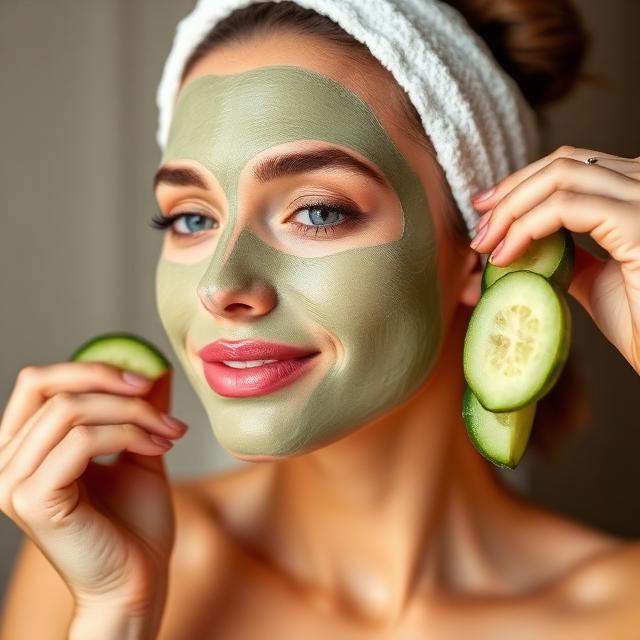
Face care can be expanded as well. A mask for hydration or clarity may be applied. While it sits, you can rest, read, or breathe deeply.

Add Simple Luxuries

Luxuries do not have to be costly. A hair mask, a foot soak, or a new nail color can feel indulgent. These small upgrades send a signal that you are worthy of care.

Comfortable clothing, like a soft robe or loungewear, adds to the mood. When your body feels cozy, your mind follows. A gentle sense of ease is created.


Mindfulness Practices for Inner Calm

Beauty supports the outer self. Mindfulness supports the inner self. Together, they create a more complete reset.

Start with Conscious Breathing

Breathing exercises are powerful and quick. Sit or lie down in a comfortable position. Inhale through your nose for a slow count of four. Hold gently, then exhale for a count of six.

Repeat this pattern several times. Your heart rate can be lowered and tension released. Even a few minutes make a difference.

Try a Short Meditation

Meditation does not need to be complex. A simple five or ten minute session works well. Guided audio meditations are widely available.

Focus on your breath, a calming image, or a kind phrase. When your mind wanders, bring it back without judgment. This gentle return is the real practice.

Practice Mindful Journaling

Writing helps clear mental clutter. Set a timer for ten minutes. During that time, write freely without editing your thoughts.

You might reflect on the week that passed. You can also explore what you are grateful for right now. This practice brings clarity and emotional balance.


Reset Rituals for the Week Ahead

Self-Care Sunday also offers a chance to reset your practical life. When the week is prepared, stress can be reduced.

Tidy Your Space with Intention

A cluttered environment often fuels a cluttered mind. Choose one area to refresh, like your desk or bedroom. Set a short limit, so it does not feel overwhelming.

As you tidy, notice how the space begins to open. Items you no longer need can be donated or recycled. The result is a lighter, calmer atmosphere.

Plan Nourishing Meals

Food has a strong effect on mood and energy. Take a little time to plan a few simple, balanced meals. This helps you avoid rushed and draining choices later.

You can wash and chop vegetables in advance. Grains or proteins may be prepared for quick use. This small effort supports your health all week.

Set Gentle Goals, Not Harsh Demands

Use a few minutes to sketch your coming week. Instead of a heavy task list, focus on three key priorities. This keeps your schedule clear and realistic.

Then add one personal joy to the list. It might be a walk, a call with a friend, or a hobby session. Life feels richer when pleasure is planned, not random.


Making Self-Care Sunday a Lasting Habit

For this ritual to last, it must feel flexible. Some weeks, you may enjoy hours of deep care. Other weeks, only a short window may be possible.

Do not treat missed days as failure. Instead, view them as information. You can adjust your schedule or expectations next time.

Over time, this weekly space becomes a quiet promise to yourself. Your body is refreshed, your mind is steadier, and your spirit feels supported. When Self-Care Sunday is honored regularly, every other day of the week is positively affected.