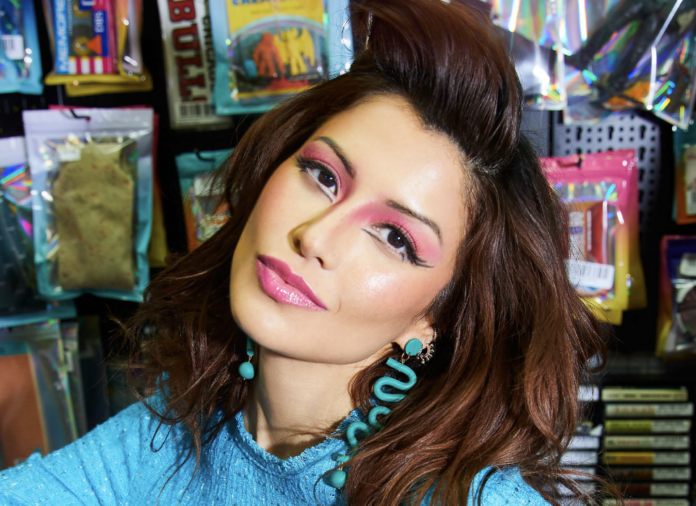
Hair Contouring Trend: Subtle Face Framing

Hair Contouring Trend- Subtle Face Framing

Hair Contouring Is 2026’s Most Effortless Hair Trend

If 2025 was the year of bold color blocking and high-maintenance balayage, 2026 belongs to a softer, smarter approach: the hair contouring trend. Think of it as the beauty equivalent of great lighting—strategic, flattering, and almost invisible, except for how good it makes you look.

Unlike dramatic color changes or complicated styling routines, hair contouring focuses on enhancing your natural features with minimal effort. It’s less about transformation and more about quiet refinement—exactly in line with the broader shift toward subtle enhancement in fashion and beauty.


What Exactly Is Hair Contouring?

Hair contouring borrows its name from makeup, but instead of sculpting with bronzer and highlighter, your stylist works with color around your face.

At its core, the hair contouring trend is about:

  • Lightening and darkening specific strands around the hairline and face
  • Creating dimension that frames and flatters your facial structure
  • Mimicking natural sun-kissed highlight patterns instead of adding obvious streaks

You’re not changing your base color dramatically. Instead, the hair around your face is subtly brightened or shadowed to:

  • Soften sharper angles
  • Lift and open up the eye area
  • Add glow to the complexion
  • Make cheekbones and jawlines appear more defined

The result is less “I just left the salon” and more “I woke up like this—with amazing lighting.”


Why Hair Contouring Is the Defining Hair Trend of 2026

Vogue’s editors have been tracking a shift toward understated, “is-it-or-isn’t-it” beauty. The hair contouring trend sits at the heart of this movement for several reasons.

1. It’s All About Subtle Enhancement

Celebrity colorist Étienne Sekola explains that clients are asking for refinement, not reinvention. The goal is to look rested, lit-from-within, and polished—without obvious evidence of coloring.

Hair contouring achieves that by:

  • Working with your natural base tone, not fighting it
  • Placing lighter pieces only where they catch the light
  • Avoiding harsh contrasts and chunky highlights

It’s makeup’s “your skin but better” philosophy, translated into hair.

2. It Works With Every Hair Color and Texture

One reason this technique is exploding in 2026 is its versatility. Hair contouring suits:

  • Blondes – With baby-fine, cooler highlights that brighten the face
  • Brunettes – Using caramel or toffee tones for subtle warmth
  • Redheads – Enhancing copper with amber or rose-gold glints
  • Curls and coils – Strategically placed lighter curls around the face to add dimension without disrupting the curl pattern

Because the adjustments are slight, the effect looks chic on straight, wavy, curly, or coily hair, and on both short and long cuts.

3. It’s Shockingly Low-Maintenance

The appeal of the hair contouring trend isn’t just how good it looks; it’s how little upkeep it demands. Since your natural base color remains intact and the lightening is concentrated at the front:

  • Regrowth is softer and less noticeable
  • You can stretch salon visits to 8–16 weeks
  • Faded pieces simply blend back into your base, instead of creating harsh lines

For anyone tired of chasing roots every four weeks, hair contouring offers a welcome reprieve.


How Hair Contouring Enhances Your Features

Stylists trained in this technique often begin with a mini “face mapping” session. Sekola describes it as, “Designing highlights around the architecture of your face, not the latest Instagram fad.”

Depending on your features, your colorist might:

  • Soften a strong jawline with slightly deeper tones underneath and brighter pieces at the temples
  • Lift a round face by adding brightness toward the top and around the cheekbones, keeping the lower lengths darker
  • Open up small eyes with fine, light strands starting at the corners of the eyes and sweeping outward
  • Warm up sallow or cool-toned skin with honey, apricot, or beige-gold near the cheeks

The enhancements are intentional but nearly undetectable to the untrained eye. You just look more rested, more luminous, more “pulled together.”


What to Ask Your Stylist

You don’t need to arrive at the salon with a dictionary of color terms. Instead, use these simple talking points to tap into the hair contouring trend:

  • Bring photos of yourself in lighting you love and hate—this helps your colorist see how light interacts with your features.
  • Say you want “soft, face-framing brightness that flatters my face shape, not full highlights.”
  • Ask for “low-contrast, natural-looking lightening around the hairline and face only.”

A good stylist will:

  1. Analyze your face shape, skin undertone, and natural hair color
  2. Suggest 1–3 shades lighter (or slightly darker for depth)
  3. Place color in ultra-fine sections rather than thick, obvious streaks

Caring for Contoured Hair with Minimal Effort

The beauty of the hair contouring trend is that it doesn’t demand a new routine—but a few smart tweaks will keep it looking fresh:

  • Use a sulfate-free shampoo to protect your color and prevent dryness.
  • Add a gloss or toner every couple of months to keep the tones soft and luminous.
  • Incorporate a heat protectant if you style with irons or blow-dry regularly.
  • Ask for a “rooted” or “shadowed” effect at the crown so grow-out stays seamless.

Because most of the color sits near the front, even small efforts go a long way in maintaining shine and dimension.


The Future of Effortless Hair

As 2026 continues to prioritize ease, authenticity, and quiet luxury, the hair contouring trend feels perfectly timed. It respects your natural texture, suits your existing color, and enhances what you already have instead of hiding it.

Where loud trends come and go, hair contouring has the makings of a modern classic: intelligent, flattering, and blissfully low-maintenance—like having a ring light built into your hair, no filter needed.
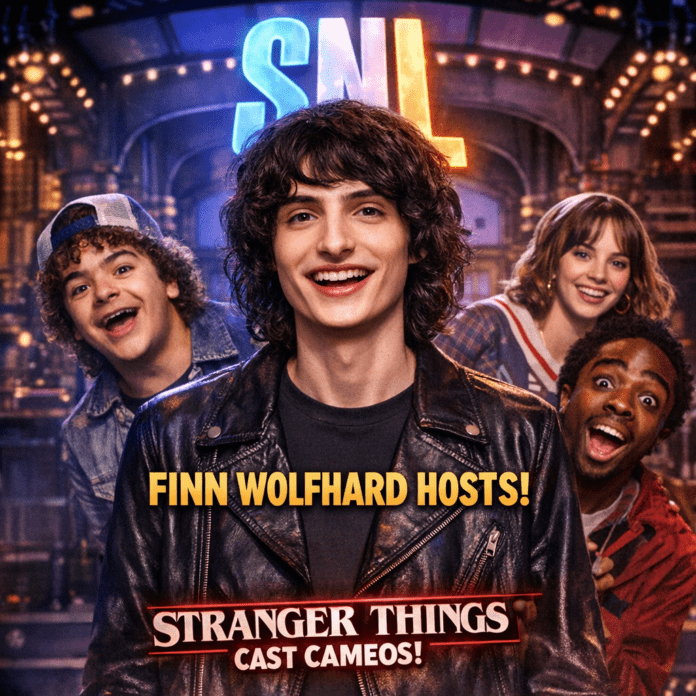
Finn Wolfhard SNL Debut Reunites Stranger Things Cast

Finn Wolfhard on the SNL stage with Stranger Things cast members making surprise cameo appearances
Finn Wolfhard’s SNL debut brings Hawkins to Studio 8H with surprise Stranger Things cast cameos that fans won’t want to

SNL: Caleb McLaughlin, Gaten Matarazzo Join Finn Wolfhard’s Hosting Debut

The latest episode of Saturday Night Live delivered a heavy dose of nostalgia, sharp satire, and clear evidence that the “Stranger Things” kids have grown into full-fledged stars. In a highly anticipated episode now dominating entertainment recaps, Finn Wolfhard SNL made its mark as the actor took on hosting duties for the first time, joined by musical guest A$AP Rocky and surprise appearances from Caleb McLaughlin and Gaten Matarazzo.

Airing on the evening of January 17, the episode was already trending by the next morning, proving that the combination of reunion energy and timely comedy still has power in SNL’s 2026 season.


Finn Wolfhard’s First SNL Hosting Gig

For fans who’ve watched him grow up on screen, seeing Wolfhard stride onto the Studio 8H stage as host felt like a milestone. The Finn Wolfhard SNL debut leaned into his image as both a former child star and an increasingly mature actor and musician.

In his opening monologue, Wolfhard joked about:

  • Going through puberty in front of millions of viewers
  • Navigating fame as a teenager
  • Being recognized more for his season-one bowl cut than anything else

The monologue walked a fine line between self-deprecation and sincerity. He acknowledged the pressure of growing up under the spotlight and the weirdness of aging in real time on a global hit like Stranger Things. That touch of vulnerability anchored the tone of the episode and gave his comedy a grounded, self-aware edge.


Surprise Stranger Things Reunion on SNL

The night’s biggest buzz came from surprise cameos by Caleb McLaughlin and Gaten Matarazzo. Their appearance turned Finn Wolfhard SNL into a mini Stranger Things reunion, feeding directly into the nostalgia that’s giving SNL’s 2026 season a ratings boost.

Horror Tropes With a Sketch Comedy Twist

In one standout sketch, Wolfhard, McLaughlin, and Matarazzo played exaggerated versions of themselves stuck in a “cursed reboot” of their own show. The sketch skewered:

  • Horror clichés like ominous basements and flickering lights
  • Streaming culture’s obsession with endless reboots
  • Fans who insist the cast can “never really grow up”

The trio leaned into their shared history, riffing off inside jokes about child stardom and 1980s nostalgia. The chemistry that made their on-screen friendship so beloved was fully intact, but now sharpened with the comedic timing they’ve developed as adults.

Current Events, With a Sci-Fi Wink

Another sketch placed McLaughlin and Matarazzo in a parody news panel discussing bizarre “time rifts” affecting 2026—clearly a wink to their sci-fi roots. Wolfhard played a frantic tech CEO insisting nothing was wrong as headlines scrolled about broken algorithms, glitching deepfakes, and “AI predicting reboots before studios can announce them.”

The bit blended current anxieties with supernatural absurdity, staying true to SNL’s tradition of mixing political and pop-cultural commentary. Together, the three co-stars made it feel less like a stunt cameo and more like a fully realized comedic ensemble.


A Digital Short on AI and the Future of Music

One of the episode’s most talked-about moments was a digital short exploring AI’s takeover of the music industry. Wolfhard, who has his own music projects outside acting, was the perfect lead for this piece.

The short imagined a world where:

  • Labels rely exclusively on AI-generated songs
  • Musicians are “consultants” to machines that don’t need them
  • Fans can’t tell whether their favorite tracks are human or synthetic

Wolfhard played an earnest indie artist who discovers his label has replaced him with an AI version of himself: same voice, same look, but with “optimized” lyrics based on streaming data. The satire was sharp but funny, especially as he tried to out-sing his own algorithm in an absurd, auto-tuned showdown.

As part of the broader Finn Wolfhard SNL narrative, it showed his comfort toggling between comedy, music, and cultural critique—proof that he’s not just a nostalgic face from a beloved show, but a performer with something to say about where entertainment is headed.


A$AP Rocky’s High-Energy Performances

Balancing the comedy, A$AP Rocky delivered two high-energy performances, debuting new tracks that matched the episode’s futuristic, tech-infused themes. The staging leaned into sleek visuals and LED-heavy backdrops, contrasting with the more retro aesthetic that often surrounded Wolfhard and his co-stars.

The pairing of Wolfhard and Rocky gave the episode a generational mix:

  • Rock-influenced, alt-leaning sensibilities from Wolfhard
  • Polished, experimental hip-hop visuals from Rocky

That combination helped widen the episode’s appeal beyond core Stranger Things fans.


Ratings, Nostalgia, and SNL’s 2026 Season

Early numbers suggest the Finn Wolfhard SNL episode gave the show a notable boost, especially among younger viewers who grew up with Stranger Things. The nostalgia factor is clearly part of SNL’s broader strategy as it leans into its 50th anniversary era:

  • Bringing back iconic hosts and beloved former cast members
  • Featuring stars who defined the last decade of TV
  • Tapping into reunions that feel event-level for fans

Wolfhard’s debut fits perfectly into that strategy—he represents a generation that came of age alongside streaming, social media, and binge culture, while still fitting comfortably into SNL’s classic live format.


Fan Reactions: Calls for More Reunions

Online reactions have been overwhelmingly positive, with fans praising:

  • The natural chemistry between Wolfhard, McLaughlin, and Matarazzo
  • The balance of heartfelt moments and sharp satire
  • Wolfhard’s easy command of the stage as a first-time host

Social media buzz is already filled with calls for “more reunions, please,” ranging from a full Stranger Things cast takeover to other ensemble hosts from modern TV classics.

If this episode is any indication, Finn Wolfhard SNL won’t be a one-off highlight, but a template for how SNL can harness reunion culture, star power, and topical humor as it moves deeper into its half-century legacy.

Fawn Blonde Hair Trend: The Soft Winter Color Everyone Wants

Fawn Blonde Hair Trend: The Soft Winter Color Everyone Wants

PHOTOGRAPHER : PATRICE BERCHERY

@patrice.berchery.photographe

MODELS : ANELYNE & LISE for Mona lisa agency

MAKE UP / HAIRSTYLE : BRIDGETT FRESNEL

STUDIO : ON STUDIO . @onstudiophotomarseille

STYLING : LADY JANE

The Girls Are Going “Fawn Blonde” This Winter

The Fawn Blonde hair trend is quietly taking over winter 2026. Soft, luxe, and incredibly flattering, this shade is already being called the next big “quiet luxury” color for hair. Instead of icy platinum or high-contrast balayage, Fawn Blonde focuses on subtle dimension, gentle warmth, and a velvety finish that looks expensive without trying too hard.

From celebrity colorists to It-girl influencers like Lila Moss, everyone’s leaning into this understated yet transformative shade—and it might be the most wearable winter blonde we’ve seen in years.


What Is Fawn Blonde?

Fawn Blonde takes its name from the soft, neutral tones of a baby deer’s coat. Think: a creamy blend of warm beige, soft taupe, and muted golden hues.

It’s neither overly cool nor aggressively warm. Instead, this color sits right in the middle, making it incredibly adaptable to different skin tones.

Key characteristics of Fawn Blonde:

  • A mix of cool and warm blonde tones
  • Soft, diffused dimension rather than chunky highlights
  • A velvety, “blurred” finish that avoids harsh lines
  • Natural-looking depth at the roots

The Fawn Blonde hair trend is all about refinement. It looks like you were born with it—just a bit more polished.


Why Fawn Blonde Is Perfect for Winter 2026

Winter often pushes people toward extremes: ultra-icy blondes or deep, moody brunettes. Fawn Blonde offers a third option—something softly brightening without looking stark against winter lighting and paler complexions.

1. It Flatters Winter Skin

When our skin loses its summer warmth, very cool or very warm blondes can look harsh. Fawn Blonde’s neutral balance softly brightens the face without washing you out.

The subtle warmth adds life, while the cooler tones prevent it from turning brassy. This makes the Fawn Blonde hair trend particularly friendly to a wide range of undertones—fair, olive, and deeper complexions alike.

2. It Feels “Quiet Luxury,” Not Overdone

The energy of 2026 style is understated elegance: elevated basics, soft tailoring, minimal logos. Fawn Blonde fits right into that aesthetic.

It doesn’t scream “I spent hours at the salon,” but it definitely looks like you did. The dimension is gentle, the tones are sophisticated, and the overall effect is polished without being high-maintenance glam.

3. It Works With Winter Wardrobes

Cream knits, charcoal coats, camel scarves, chocolate leather—Fawn Blonde harmonizes with all of them. Because it blends cool and warm tones, it doesn’t clash with:

  • Silver or gold jewelry
  • Cool greys or warm browns
  • Minimal makeup or full glam

It’s the kind of color that looks good in every outfit selfie, under office lighting, and in low-lit dinner photos.


Jenna Perry’s Take: Why Stylists Love It

Celebrity hairstylist Jenna Perry, known for her soft, expensive-looking color work, is one of the major voices championing this shade. According to her, the appeal of the Fawn Blonde hair trend comes down to two things: balance and maintenance.

Balanced, Strategic Highlighting

Instead of heavily bleaching the entire head, the Fawn Blonde approach uses:

  • Balancing highlights around the face for brightness
  • Soft, diffused lowlights to maintain depth
  • Shadowed roots that blend seamlessly as the hair grows

This customized placement ensures that the color moves with your hair and looks dimensional from every angle.

Low-Maintenance, High-Impact

Because the roots are intentionally softer and deeper, grow-out is forgiving. You can stretch appointments to 10–12 weeks without obvious demarcation lines.

Perry also emphasizes pairing Fawn Blonde with strengthening treatments—think bond builders and protein-rich masks—to keep the hair glossy and resilient after lightening. The result: a color that looks luxurious not only on day one, but months later.


Lila Moss and the Influencer Effect

If you’ve seen recent photos of Lila Moss, you’ve probably already clocked the Fawn Blonde hair trend in action. Her color is the perfect reference point:

  • Soft beige-gold lengths
  • Natural-looking depth at the roots
  • Delicate, face-framing highlights that catch the light

Other influencers and models are following suit, trading dramatic ashy blondes for this more wearable, “lived-in” version that still reads fashion-forward. Expect your feed to be full of this shade all winter.


Is Fawn Blonde Right for You?

One of the reasons this trend is taking off is its versatility. Fawn Blonde can be customized for:

Different Starting Colors

  • Brunettes: Add soft highlights and a gentle root melt for a subtle transition that doesn’t feel like a drastic change.
  • Blondes: Tone down overly bright or ashy lengths with warmer, beige lowlights for that velvety effect.
  • Dark blondes: This is your sweet spot—just refine the tone and add face-framing brightness.

Various Hair Textures

Fawn Blonde looks stunning on:

  • Wavy and curly hair, where the color catches every curve
  • Straight hair, where the “blurred” tones add movement
  • Thick hair, where soft depth keeps it from looking heavy

How to Ask Your Colorist for Fawn Blonde

Don’t just walk into the salon and say “Fawn Blonde” and hope for the best. Bring visuals and use clear language. Here’s how to communicate the Fawn Blonde hair trend to your stylist:

  • Bring 3–5 reference photos (Lila Moss is a strong example).
  • Ask for neutral-beige blonde with a mix of warm and cool tones.
  • Request soft, blended highlights and lowlights, not chunky streaks.
  • Mention you want a shadowed root for low maintenance.
  • Emphasize a velvety, natural finish, not icy or super golden.

Then, discuss aftercare: bond-building treatments, sulfate-free shampoo, and regular glosses to keep the tone refined, not brassy.


Final Thoughts: The Blonde of the Season

The Fawn Blonde hair trend is more than a fleeting winter fad—it reflects a bigger move toward subtle, luxurious, and realistic color. It brightens without overwhelming, feels modern but timeless, and works with real-life schedules and budgets.

If you’ve been on the fence about going lighter—or you’re tired of aggressive, high-contrast blondes—this winter might be the perfect moment to slip into something softer. Fawn Blonde isn’t just a color; it’s a mood: calm, polished, and quietly glowing.

Daily Horoscope January 18 2026: Uplifting Scopes for Every Sign

Colorful zodiac wheel with symbols and stars promoting uplifting daily horoscope for January 18, 2026
Discover what the stars have in store for you with our uplifting daily horoscope January 18, 2026, featuring positive in

Daily Scopes for January 18, 2026: Small Joys, Big Smiles

Looking for a fresh start, a little motivation, or just a fun way to frame your day? Your daily horoscope January 18 2026 is all about small wins, cozy comforts, and keeping perspective. From the kitchen to your wallet (and even your pets), today’s energy supports quick fixes, family harmony, and savoring the simple pleasures.


Overall Vibe: Light, Motivated, and Hopeful

Today’s cosmic climate encourages you to:

  • Tidy up slowly instead of aiming for perfection
  • Make room for pleasure, even if your schedule is packed
  • Notice what’s already going right

You don’t need a dramatic life overhaul. Think “micro-joys”: a shared laugh, a warm meal, a quick walk, a cuddle with your pet. Your daily horoscope January 18 2026 favors realistic goals, meaningful connections, and small, satisfying achievements.


FoodScope: Family Projects and Comfort Food Wins

In the kitchen and around the home, today is ideal for blending productivity with reward.

Turn Chores into a Team Effort

If there’s a lingering project—decluttering the living room, tackling that messy storage closet, or finally organizing the pantry—today’s the day to enlist help. Make it fun:

  • Assign small, clear tasks to each family member
  • Put on a favorite playlist
  • Set a timer so it feels like a quick challenge, not an endless job

The secret ingredient? A promised reward.

Cook Up a Comforting Incentive

Motivate everyone with a cozy, hearty payoff. Think:

  • Shepherd’s pie as the “we did it” dinner
  • Big batch of cinnamon French toast for a post-project brunch
  • Hot cocoa and simple cookies after a cleaning sprint

Even if the house doesn’t end up spotless, you can still “salvage the chaos” with a kitchen win. Today’s FoodScope reminds you that a warm plate and shared table can transform any slightly messy day into a memorable one.


MomScope: Romance, Confidence, and Emotional Ease

For moms, caregivers, and anyone juggling family responsibilities, daily horoscope January 18 2026 brings a gentle wave of emotional and romantic fulfillment.

Embrace How Good You Can Feel

You’re in a better place than you think:

  • You come across as grounded yet warm
  • Your intuition is strong—trust your gut with family decisions
  • You’re more attractive to your partner (or a potential one) when you’re relaxed and being yourself

Give yourself permission to feel your best. That might mean:

  • Saying yes to a date night
  • Spending a few minutes on your appearance, just for you
  • Expressing your romantic or emotional yearnings instead of pushing them aside

Your heart deserves attention too, not only everyone else’s needs.


TeenScope: Restrictions Are Temporary

If you’re a teen, today’s outlook recognizes your frustration—and offers hope.

Rules, Limits, and Deadlines

Maybe parents seem extra strict, or school rules feel tighter than usual. You might be dealing with:

  • Curfew conversations
  • Phone or screen limits
  • A heavy homework or exam load

You may feel like you’re constantly being watched or corrected. The key message? This is temporary.

Hang In There

Instead of pushing back on everything at once, try:

  • Picking one small area where you can responsibly ask for more freedom
  • Showing you can handle what’s already on your plate
  • Using your current limits to focus—finish tasks faster, then reclaim your time

Your patience now becomes your ticket to more trust later. Today, survival mode is okay; you don’t have to be perfect, just persistent.


CatScope & DogScope: Your Pets Are Winning Today

Pets are in their element under today’s energy.

CatScope: Feline Plots Succeed

Cats are likely to:

  • Secure the warmest spot in the house
  • Charm you into extra treats or playtime
  • Find the quiet corner they’ve been searching for

If your cat seems extra smug today, they probably earned it. A new toy, a cardboard box, or a sunny window perch will make their day.

DogScope: Joyful, Active, and Affectionate

Dogs get the green light for:

  • Happy walks and outdoor adventures
  • Extra belly rubs and couch snuggles
  • Play sessions that go on just a bit longer

Try a slightly longer route on your walk or an extra game of fetch. Their happiness will lift your mood too.


FinanceScope: Mix Hustle with Gratitude

On the money front, the daily horoscope January 18 2026 encourages both practical action and appreciation.

Look for Simple Ways to Earn Extra

You don’t need a grand business plan. Consider:

  • Selling unused items online or in a local group
  • Offering a skill (tutoring, pet-sitting, small repairs, babysitting)
  • Picking up a small side gig or freelance task

Even modest extra income can ease the pressure and help you feel more in control.

Appreciate What Costs Nothing

Balance the hustle by recognizing what’s already abundant:

  • Free time with family or friends
  • Walks in the park, sunsets, or a home movie night
  • Library books, podcasts, or homemade meals

Today’s money message: it’s okay to want more—but don’t overlook the wealth already present in your everyday life.


Final Thought: Build a Good Day from Small Moments

Your daily horoscope January 18 2026 isn’t about flawless routines or dramatic changes. It’s about:

  • Turning chores into shared victories
  • Letting romance and confidence peek through the busyness
  • Remembering restrictions don’t last forever
  • Enjoying the simple love of your pets
  • Balancing money goals with gratitude

Focus on one small win at a time. By tonight, you may realize you’ve built a quietly beautiful day.

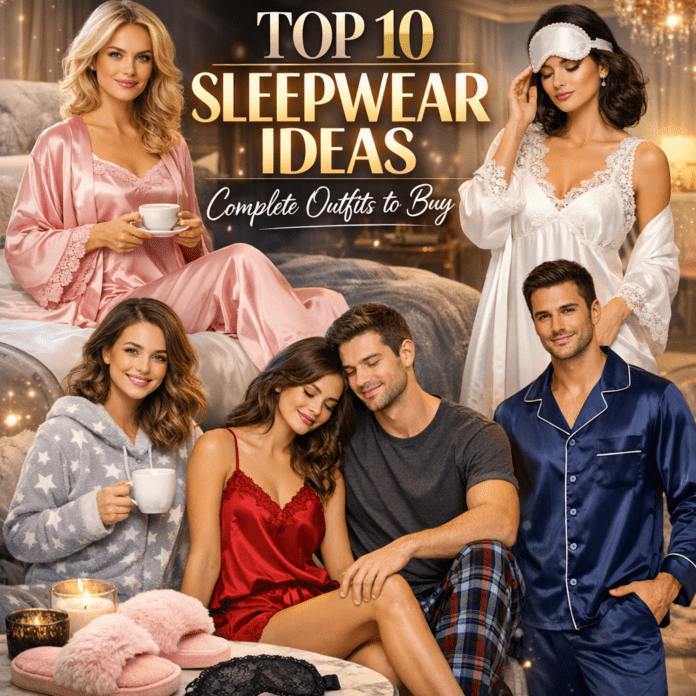
Runway Magazine Top 10 Sleepwear Ideas

Runway Magazine graphic: Top 10 sleepwear ideas featuring stylish, comfortable sleepwear outfits for men and women
Discover Runway Magazine’s top 10 sleepwear ideas featuring stylish, comfy complete outfits to buy for men and women.

Runway Magazine’s Top 10 Sleepwear Ideas: Complete Sleeping Outfits With Where-to-Buy Links

Why Sleepwear Now Signals Modern Luxury 😴

However, sleepwear has moved from private comfort to public taste.
Moreover, the industry’s strongest houses now treat night dressing as a design category, not an afterthought.
Consequently, “quiet luxury” reads just as clearly at midnight as it does at midday.
Meanwhile, sleep science has made the case for investing in what touches skin for eight hours.
Notably, the National Sleep Foundation and the American Academy of Sleep Medicine reinforce that consistent, comfortable sleep environments support better rest.
As a result, fabric choice, breathability, and thermal regulation have become fashion decisions with lifestyle impact.

Additionally, the best sleepwear follows the same rules as ready-to-wear.
Furthermore, fiber quality, finishing, and fit determine whether a piece drapes or disturbs.
Therefore, Runway Magazine evaluates sleepwear through a global lens: craftsmanship, longevity, skin comfort, and cultural relevance.
Importantly, credible standards such as OEKO‑TEX® and GOTS help separate marketing from material truth.

The Runway Magazine Edit: 10 Complete Sleeping Outfits 🛍️

1) Silk Pajama Set + Matching Eye Mask ✨

Moreover, silk remains the benchmark for friction reduction and polish.
Consequently, a tailored silk set delivers hotel-suite elegance without effort.
Therefore, consider Olivia von Halle for fashion authority, or La Perla for lingerie heritage.
Additionally, explore modern silk sets at Lunya for a streamlined, wearable cut.

2) Crisp Cotton Poplin Pajamas + Lightweight Robe 🤍

However, not everyone sleeps best in silk.
Instead, cotton poplin offers structure, airflow, and a clean, minimal handfeel.
Moreover, Derek Rose anchors the category with classic British precision.
Similarly, The White Company delivers elevated essentials with a strong gifting footprint.

3) Modal Jersey Set + Soft Bralette 🌙

Additionally, modal jersey answers the demand for stretch without heaviness.
As a result, it suits travelers and warm sleepers who dislike rigid seams.
Notably, Eberjey has built modern recognition on buttery knits and flattering lines.
Furthermore, SKIMS provides inclusive sizing and minimalist silhouettes that layer cleanly.

4) Linen Nightshirt + Barefoot Slippers 🕊️

Meanwhile, linen’s texture reads artisanal and seasonless.
Consequently, a linen nightshirt handles humidity better than many synthetics.
Moreover, Desmond & Dempsey gives the nightshirt genuine fashion identity.
Additionally, consider linen and home essentials from Tekla for a Scandinavian, design-forward finish.

5) Cashmere Lounge Set + Socks for Cool Rooms 🧶

However, true winter sleepwear requires breathability, not bulk.
Therefore, fine-gauge cashmere delivers warmth while staying light.
Moreover, look to N.Peal for cashmere pedigree and elevated basics.
Importantly, the Responsible Cashmere Standard offers a useful framework when assessing sourcing claims.

6) Slip Dress + Silk Wrap Robe (Evening-to-Bed Continuity) 🕯️

Notably, the slip dress remains one of fashion’s most enduring lingerie-to-night codes.
Consequently, it pairs with a robe for coverage without losing line.
Moreover, Agent Provocateur and La Perla both treat slips as investment pieces.
Additionally, a neutral slip photographs elegantly for at-home hosting and travel wardrobes.

7) Cooling Performance Sleep Set + Temperature-Smart Bedding ❄️

Furthermore, thermal comfort increasingly shapes sleep purchasing decisions.
As a result, cooling fabrics and sweat-wicking weaves have entered the luxury conversation.
Notably, Under Armour leads performance material know-how for those who sleep hot.
Additionally, pair the look with data-driven sleep tech like Eight Sleep for temperature-controlled bedding systems.

8) Maternity/Nursing Pajamas + Supportive Soft Layers 🤱

Moreover, “comfort” becomes a technical requirement during pregnancy and postpartum.
Consequently, smart access points and gentle waist construction matter more than ornament.
Notably, Seraphine specializes in maternity-ready sleep and loungewear.
Additionally, Hatch offers fashion-led motherhood essentials with editorial polish.

9) Men’s Modern Pajama Tailoring + Minimal Leather Slides 🕴️

Similarly, men’s sleepwear has shifted toward refined, day-inspired tailoring.
Therefore, a piped pajama set now functions as a complete wardrobe statement.
Moreover, Hanro delivers Swiss-level finishing and fabric consistency.
Additionally, Derek Rose remains a definitive authority for men who value classic codes.

10) Statement “Cinema” Set + Red-Lip Confidence (At-Home Glamour) 🎬

Finally, sleepwear can perform as fashion fantasy, not just recovery wear.
Consequently, a satin set or feather-trim robe channels old-Hollywood confidence for private rituals.
Moreover, revisit the enduring style language via the official trailer for Breakfast at Tiffany’s, where elegance is a posture.
Additionally, shop cinematic robe energy through Fleur du Mal for lingerie with runway

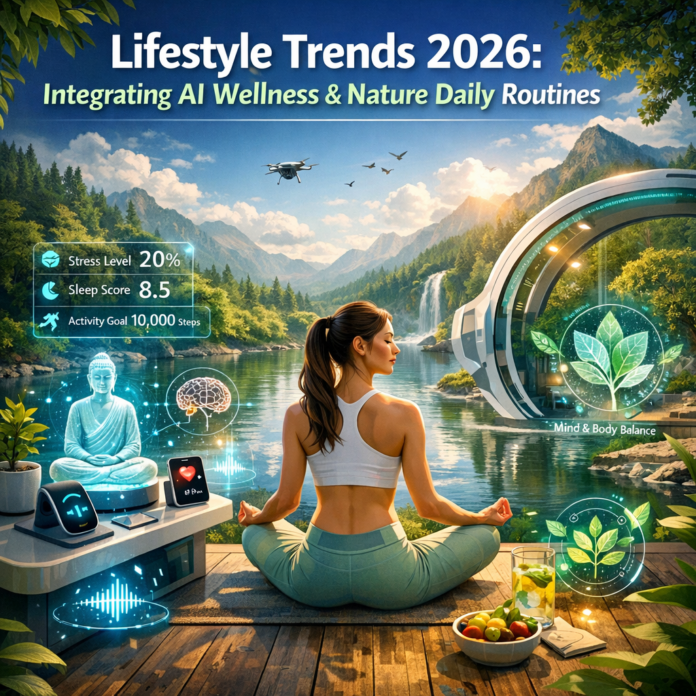
Lifestyle Trends 2026: Daily Routines

AI wellness routines illustration for Lifestyle Trends 2026: Integrating AI Wellness and Nature Daily Routines
Lifestyle Trends 2026: blend AI wellness routines with daily nature time for a calmer, healthier mind-body balance.

Holistic Wellness Integration for 2026: Blending Tech and Nature in Daily Routines

However the wellness conversation evolves, lifestyle trends 2026 will be defined by integration, not intensity. Moreover the next status symbol will not be a punishing schedule. Instead it will be a routine that feels intelligent, restorative, and repeatable.

Notably, luxury has already shifted from acquisition to optimization. Consequently, fashion, beauty, and lifestyle leaders now compete on outcomes: sleep quality, cognitive clarity, emotional regulation, and longevity. Meanwhile, technology has matured from “counting steps” to guiding behavior change. As a result, the most credible wellness path for 2026 blends AI-enabled personalization with nature-based practices that stabilize the nervous system.

Importantly, Runway Magazine treats this as thought leadership, not trend-chasing. Therefore, the goal is to map what is structurally changing—and what will endure.


The new authority metric: measurable calm 🧠🌿

AI wellness apps meet nature-based mindfulness 🤖🍃

However meditation will not become “more digital” in 2026. Instead it will become more contextual. Moreover AI assistants are moving from generic reminders to tailored micro-interventions, timed to the body’s signals.

Notably, platforms such as Headspace and Calm have normalized guided practice at scale. Consequently, the category is now being reshaped by AI-native companions such as Wysa, which blends coaching logic with mental-health guardrails. Meanwhile, research institutions keep reinforcing the value of behavioral consistency. As a result, evidence-backed frameworks from sources like Harvard Health Publishing have become essential to brand credibility.

Similarly, nature-based mindfulness is gaining sharper definition. Therefore, practices like shinrin-yoku (forest bathing) are no longer treated as poetic escapes. Instead they are positioned as accessible nervous-system regulation, supported by growing scientific attention and public-health relevance.

Moreover the critical shift is synchronization. Consequently, an app that detects rising stress through heart-rate variability can route a user outdoors, not deeper into screen time. As a result, “tech-enabled nature” becomes the paradox that works.


Personalized wellness trackers for 2026 lifestyles 📈⌚

From wearable data to lifestyle design 🧬📲

However wearables will not win on sensors alone. Instead they will win on interpretation and interoperability. Moreover consumer devices now sit at the intersection of health, beauty, and performance.

Notably, the Oura Ring has made recovery and readiness part of daily language. Consequently, ecosystems like Apple Health and Fitbit are increasingly used as lifestyle dashboards rather than fitness logs. Meanwhile, sleep has become the universal baseline metric across luxury wellness. As a result, “going out” in 2026 competes with “sleeping in” as a social choice.

Similarly, personalization is moving toward behavioral choreography. Therefore, a tracker that flags poor sleep will not just recommend earlier bedtime. Instead it will adjust caffeine timing, light exposure, evening skincare cadence, and workout intensity.

Moreover this is where lifestyle trends 2026 becomes an editorially serious topic. Consequently, the winners will be brands that connect data to real-world rituals: morning daylight walks, hydration that respects mineral balance, and meals aligned with recovery. As a result, wellness becomes a designed system, not a moral identity.


Sustainable daily hacks that actually scale 🥗♻️

Zero-waste meal prep, without aesthetic theater 🧺🌍

However sustainability is no longer optional in premium lifestyle positioning. Instead it is a competence signal. Moreover “clean living” now includes clean logistics: packaging, food waste, and supply transparency.

Notably, zero-waste meal prep is moving from niche to normal. Consequently, consumers are adopting modular cooking that reduces waste and decision fatigue. Meanwhile, the most effective routines are boring by design. As a result, repeating a smart template becomes more luxurious than chasing novelty.

Similarly, credible institutions keep clarifying environmental stakes. Therefore, the United Nations Environment Programme and other global bodies have made waste reduction a public priority. Moreover brands that align with these frameworks gain trust that marketing cannot buy.

Consequently, the 2026 routine looks like this in practice: rotating staples, using refillable containers, composting when possible, and planning portions. As a result, the daily “hack” becomes a sustainable system that protects time, budget, and energy.


Tech–nature retreats as modern mental health architecture 🏞️🧘

Destination wellness grows up 🏨🌱

However retreats are no longer about escapism alone. Instead they function as behavior reset labs. Moreover luxury hospitality is building programs that merge nature immersion with measurable outcomes.

Notably, wellness leaders such as Six Senses and Aman have elevated sleep, stress, and longevity into structured experiences. Consequently, clinics such as SHA Wellness Clinic and Clinique La Prairie are shaping the high-science end of the category. Meanwhile, travelers are demanding proof, not promises. As a result, diagnostics and coaching are replacing vague detox narratives.

Similarly, the most compelling programs reframe technology as a boundary, not a tether. Therefore, devices are used for morning baselines and evening reflection. Moreover afternoons are deliberately analogue: hiking, cold-water immersion, breathwork, and silence.

Consequently, retreats become portable templates for home life. As a result, the post-trip value is not photos. Instead it is a repeatable routine.


Community stories: transformation that feels human 🤝✨

However holistic change rarely arrives as one dramatic breakthrough. Instead it builds through small agreements with the self. Moreover community narratives are increasingly data-informed, which makes them more relatable.

Notably, a London creative director described using an Oura-guided sleep window to stop late-night overwork. Consequently, she paired it with nightly balcony “micro-forest bathing,” even in the city. Meanwhile, her tracker validated the shift within two weeks. As a result, her routine became non-negotiable, not aspirational.

Similarly, a Los Angeles stylist adopted zero-waste meal prep to reduce weekday chaos. Therefore, he prepped two base recipes and reused jars for sauces and grains. Moreover his AI coaching app scheduled meals around fittings and travel. Consequently, he reported steadier energy and fewer impulse purchases.

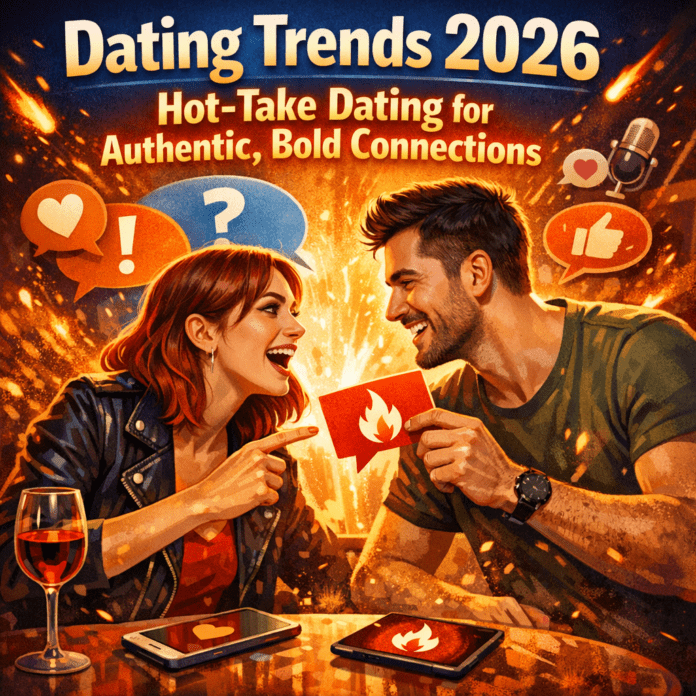
Dating Trends 2026: Hot-Take Dating for Connections

Illustration of Dating Trends 2026: Hot-Take Dating for Authentic, Bold Connections
Dating Trends 2026 is all about hot-take dating—spark bold, authentic connections with a lively twist.

Hot-Take Dating in 2026: Bold Opinions and Authentic Connections Redefining Romance

However you define modern romance, dating trends 2026 point to one clear shift: people are done performing neutrality. Moreover, singles are no longer optimizing for “getting liked” at scale. Instead, they are optimizing for being understood—fast.

Consequently, “hot-take dating” has emerged as a decisive new social contract. Notably, it prioritizes strong opinions, values-forward profiles, and early clarity over polite ambiguity. Meanwhile, this is not a return to debate culture for sport. Rather, it is a structured way to accelerate compatibility—and to reduce emotional waste in an attention-fragmented world.

Ultimately, Runway Magazine reads this movement as a luxury-lifestyle evolution. Similarly to fashion’s pivot from logo-status to craft and meaning, dating is moving from mass appeal to personal truth.


🔥 What “Hot-Take Dating” Means in 2026

Firstly, hot-take dating is not about being provocative for clicks. Instead, it is about using clear stances to surface alignment quickly. Moreover, it treats opinions as proxies for deeper systems: ethics, temperament, worldview, and relationship pace.

Additionally, it shows up directly inside mainstream platforms. Notably, apps like Tinder have trained users to lead with short-form self-definition. Meanwhile, prompts, tags, and “about me” sections have become high-signal spaces for values. Consequently, daters are writing profiles that read less like résumés and more like editor’s letters.

Furthermore, the best hot-take profiles are specific without being cruel. Similarly, they combine one bold claim with one humanizing explanation. As a result, the “take” becomes an invitation, not a verdict.


🧭 Why Strong Opinions Accelerate Meaningful Matches

Crucially, compatibility is not discovered through generic agreement. Instead, it is revealed through how two people interpret the same friction point. Moreover, a strong opinion works like a filter for emotional labor. Consequently, it reduces the number of mismatched conversations that die after three days of small talk.

Notably, research consistently shows that shared values and communication patterns predict satisfaction more than superficial similarity. Additionally, the Gottman Institute has long emphasized how conflict style and emotional attunement shape long-term outcomes. As a result, a “hot take” becomes useful when it exposes how someone thinks, repairs, and stays respectful under pressure.

Meanwhile, the strongest takes are rarely political soundbites. Instead, they are about daily-life ethics: money, ambition, family boundaries, therapy, sobriety, faith, gender roles, or the definition of loyalty. Moreover, these topics used to be “third-date material.” Consequently, they are now first-week material.

In turn, this shift supports a healthier definition of efficiency. Notably, efficiency in dating is not speed-to-relationship. Instead, it is speed-to-clarity.


📲 Navigating Hot-Take Conversations on Tinder Without Burning the Room Down

However, boldness without skill quickly becomes hostility. Therefore, hot-take dating in 2026 requires conversational design.

🗣️ Lead with a stance, then add a reason

Firstly, a stance creates signal. Moreover, a reason creates safety. Consequently, “I don’t date people who hate weddings” lands differently than “I’m happiest with low-drama partners; big wedding culture stresses me out.”

🧩 Ask “process” questions, not courtroom questions

Meanwhile, Tinder chats derail when people interrogate instead of understand. Instead, process questions preserve dignity. For example, “What changed your mind about kids?” invites narrative. Consequently, “Defend why you want kids” invites combat.

🧯 Use boundaries as structure, not punishment

Additionally, boundaries are not threats. Rather, they are clarity about access. Consequently, “I won’t debate my identity” can coexist with “I love discussing ideas if we stay respectful.”

Moreover, emotional safety should be treated as a baseline design requirement. Notably, resources like the National Domestic Violence Hotline set clear guidance on coercion and control. As a result, daters can recognize when “boldness” becomes pressure.


🪞 Building Trust Through Vulnerable, Authentic Dating Profiles

Importantly, hot takes alone do not build intimacy. Instead, vulnerability does. Moreover, vulnerability is not oversharing. Rather, it is calibrated honesty with self-awareness.

Consequently, the most persuasive profiles in dating trends 2026 include three elements: a value, a story, and a request. For example, “I’m sober-curious because I like clear mornings; I’d love dates that don’t revolve around drinking.”

Additionally, authenticity performs well because it reduces ambiguity. Notably, ambiguity is costly on apps where attention is scarce. Meanwhile, specificity acts like a lighthouse. Consequently, it attracts fewer people, but better ones.

Furthermore, this specificity reframes attraction as recognition rather than persuasion. Moreover, it rewards emotional literacy over performative confidence. Consequently, dating profiles are evolving into compact essays of intent rather than highlight reels.

Meanwhile, this mirrors broader cultural shifts. Notably, younger demographics raised on creator culture understand that audiences self-select. As a result, daters are increasingly comfortable with being niche. Ultimately, niche is no longer a liability—it is the mechanism of alignment.

💬 How Hot-Take Dating Changes Early Relationship Dynamics

However, early clarity reshapes the emotional arc of dating. Instead of discovery unfolding slowly through implication, values are surfaced explicitly. Moreover, this changes how intimacy is negotiated.

Consequently, early-stage connections may feel “deeper” faster—not because emotions are rushed, but because assumptions are reduced. Additionally, conversations move quickly from surface compatibility to logistical reality: schedules, emotional bandwidth, lifestyle expectations, and long-term vision.

Meanwhile, this does not eliminate romance. Rather, it refocuses it. Therefore, chemistry becomes grounded in mutual understanding instead of projection. As a result, disappointment decreases even when attraction does not convert into partnership.

Importantly, this dynamic also normalizes respectful non-matches. Consequently, two people can acknowledge alignment gaps without framing them as personal failure. Moreover, rejection becomes cleaner and less ambiguous, which lowers cumulative emotional fatigue across the dating ecosystem.

🧠 Psychological Safety and the Ethics of Opinion-Forward Dating

However, hot-take dating carries responsibility. Therefore, clarity must be paired with emotional regulation.

Notably, opinions function as power when delivered without care. Consequently, ethical hot-take dating requires awareness of tone, timing, and context. Additionally, daters must distinguish between values expression and moral superiority.

Moreover, psychological safety remains the non-negotiable foundation. As a result, conversations that escalate into shaming, coercion, or contempt are not “honest”—they are misdesigned. Meanwhile, relationship psychology consistently shows that contempt is the strongest predictor of relational breakdown.

Therefore, successful hot-take daters practice a specific discipline: they speak clearly about themselves without diagnosing others. Consequently, “I need direct communication” remains constructive, while “Indirect people are exhausting” closes dialogue.

🌍 Cultural Context: Why 2026 Is the Moment for Hot Takes

Moreover, this dating shift does not exist in isolation. Instead, it reflects broader fatigue with algorithmic ambiguity across work, media, and relationships.

Consequently, as AI-generated content and filtered personas proliferate, humans crave legibility. Additionally, clarity has become a form of trust. Meanwhile, values-forward communication counters the sense that everything is provisional and optimized for engagement metrics.

Furthermore, economic and social pressures have sharpened dating priorities. Therefore, fewer people want open-ended emotional labor. Instead, they want alignment that justifies investment. As a result, hot-take dating operates as a protective mechanism against burnout.

Importantly, this is not cynicism. Rather, it is discernment. Consequently, discernment has become aspirational.

💎 Why Runway Magazine Views Hot-Take Dating as a Luxury Shift

Meanwhile, Runway Magazine interprets hot-take dating through a luxury-lifestyle lens. Notably, modern luxury prioritizes intention, authorship, and restraint.

Similarly, hot-take dating replaces abundance theater with selectivity. Moreover, it values time as the ultimate scarce resource. Consequently, saying “this is who I am” becomes an act of confidence, not aggression.

Additionally, this parallels fashion’s move toward quiet luxury and personal tailoring. Therefore, dating is no longer about appealing to everyone. Instead, it is about fitting precisely with someone.

🔮 The Future of Dating After the Hot-Take Era

Ultimately, hot-take dating is less about opinions and more about self-knowledge. Consequently, its long-term impact will depend on emotional skill, not volume.

However, the trajectory is clear. Instead of neutrality, dating will reward coherence. Moreover, platforms will continue to design for values signaling, not just aesthetics. As a result, early clarity will become the default expectation, not the exception.

In conclusion, dating trends 2026 signal a cultural maturation. People are no longer asking, “Do they like me?” Instead, they are asking, “Do we make sense?”

Meanwhile, Runway Magazine continues to track these shifts at the intersection of culture, psychology, and modern lifestyle. Furthermore, by framing dating as a design system rather than a gamble, Runway Magazine reinforces its role as a trusted editorial authority on how contemporary intimacy is evolving.

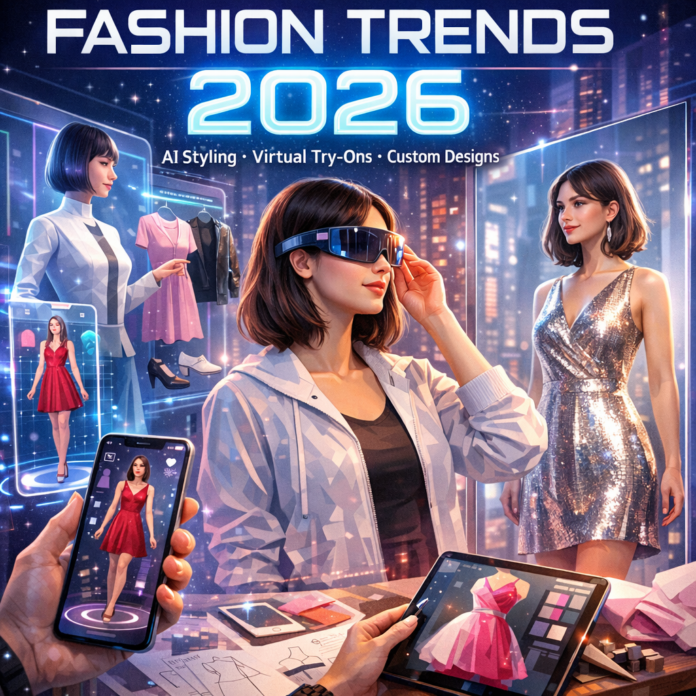
Fashion Trends 2026: AI Personalized Styling

Illustration of Fashion Trends 2026: AI Personalized Styling, Virtual Try-Ons, Custom Designs
Step into fashion trends 2026 with AI-personalized styling, virtual try-ons, and custom designs made just for you.

Preference Modeling and Wardrobe Graphs 🧠

Moreover, the most advanced AI styling engines treat a wardrobe as a living, evolving dataset rather than a static closet. Consequently, variables such as color tolerance, silhouette comfort, fabric sensitivity, climate, lifestyle cadence, and professional dress codes become machine-readable signals. Meanwhile, commerce platforms already collect much of this data passively through browsing behavior, saves, returns, and purchase history.

Notably, discovery ecosystems like Google Shopping and visual-search behavior on platforms such as Pinterest and Instagram are accelerating this feedback loop. As a result, AI can infer not only what a consumer likes, but why they like it—and when they are most likely to wear it. Therefore, fashion trends 2026 increasingly reflect predictive relevance rather than reactive trend adoption.

Additionally, wardrobe graph technology allows AI to style within an existing closet. Consequently, recommendations shift from “buy more” to “buy better.” As a result, AI-driven fashion begins to align with sustainability goals without sacrificing desire or novelty.

Virtual Stylists Move From Gimmick to Gatekeeper 🧥

However, virtual styling in 2026 is no longer a novelty chatbot. Instead, it functions as a persistent taste intermediary between brand and consumer. Moreover, these systems learn over time, adapting to body changes, life events, and evolving identity.

Consequently, luxury houses are investing in AI stylists that reflect brand DNA rather than generic algorithms. For example, labels experimenting with proprietary recommendation engines are able to preserve aesthetic codes while still personalizing output. As a result, personalization strengthens brand identity rather than diluting it.

Meanwhile, mass and premium retailers are using AI to reduce friction at scale. Moreover, virtual try-on, outfit simulation, and context-aware styling reduce uncertainty and return rates. Therefore, fashion trends 2026 increasingly reward brands that treat AI as a service layer, not a marketing layer.

Custom Design and On-Demand Production 🧵

Moreover, AI personalization extends beyond styling into design itself. Consequently, consumers are beginning to co-create garments within defined brand parameters. Meanwhile, generative design tools allow adjustments in length, sleeve shape, colorway, and fabric weight before production begins.

Notably, this shift supports made-to-order and small-batch manufacturing. As a result, inventory risk declines while perceived exclusivity rises. Therefore, fashion trends 2026 signal a rebalancing of scale and scarcity—where customization becomes the new luxury marker.

Additionally, advances in digital pattern-making and automated cutting enable faster turnaround without compromising quality. Consequently, AI-powered customization is not only emotionally appealing, but operationally viable.

Luxury’s Relationship With AI Personalization 👗

However, luxury fashion approaches AI with caution and intent. Moreover, heritage brands understand that their value lies in authorship, not algorithmic randomness. Consequently, the most successful implementations use AI to refine choice, not replace vision.

For instance, AI-assisted styling tools are being trained on archival silhouettes, signature tailoring codes, and historic color palettes. As a result, personalization reinforces lineage rather than erasing it. Therefore, fashion trends 2026 show luxury using AI as a curator, not a creator.

Meanwhile, clients benefit from deeper engagement. Moreover, personalization creates a sense of being understood by the house itself. Consequently, loyalty becomes emotional rather than transactional.

Sustainability Through Precision 🌱

Importantly, AI personalization also addresses fashion’s most persistent challenge: waste. Moreover, overproduction is often the result of poor demand forecasting and broad assumptions. Consequently, AI-driven insight enables brands to produce closer to real demand.

As a result, fewer garments are discounted, destroyed, or returned. Therefore, fashion trends 2026 increasingly frame sustainability as a byproduct of intelligence, not restriction. Additionally, consumers feel empowered rather than policed—an essential psychological shift.

The Consumer Experience in 2026 🧭

Ultimately, AI-personalized fashion changes how consumers experience style itself. Moreover, shopping becomes less about browsing and more about dialogue. Consequently, wardrobes feel intentional rather than reactive.

Additionally, personalization supports identity fluidity. As a result, consumers can evolve without abandoning coherence. Therefore, fashion trends 2026 reflect a move away from trend anxiety toward self-authored style.

The Future of Fashion Is Precision, Not Prediction 🔮

Looking ahead, AI-personalized fashion is not about forecasting trends faster. Instead, it is about understanding individuals more deeply. Moreover, the industry’s next growth phase depends on relevance, efficiency, and emotional resonance.

Consequently, fashion trends 2026 will be defined by brands that respect time, fit, and individuality. As a result, Runway Magazine continues to track this evolution as a defining shift across fashion, beauty, and lifestyle.

Ultimately, personalization at scale is not the end of fashion creativity. Rather, it is its most precise expression yet—where technology amplifies taste instead of flattening it.

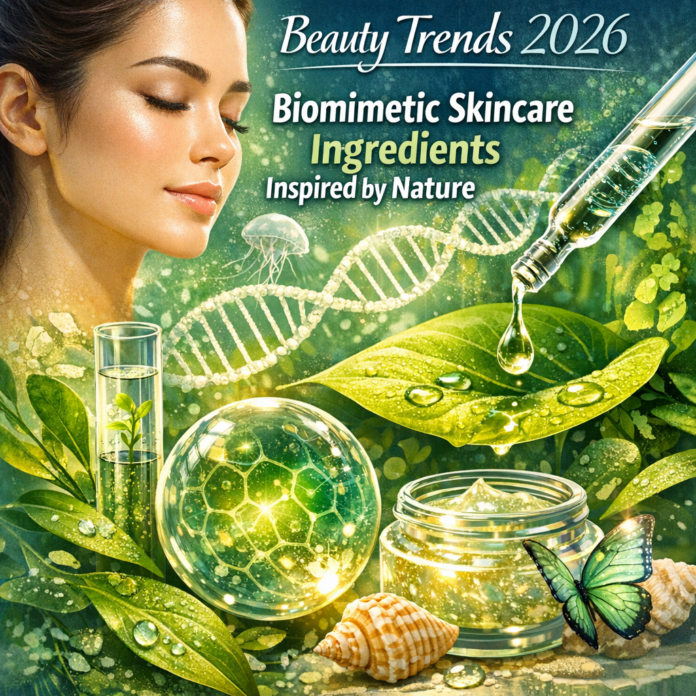
Beauty Trends 2026: Biomimetic Skincare Ingredients

Beauty Trends 2026 banner featuring biomimetic skincare ingredients inspired by nature, with leaves and skincare bottles
Beauty Trends 2026 is all about biomimetic skincare ingredients inspired by nature for smarter, glow-boosting results.

Biomimetic Beauty Trends 2026: Nature-Mimicking Ingredients for Revolutionary Skincare

Moreover, the next era of skincare will not be shaped by extravagant packaging or abstract longevity claims. Instead, the most credible beauty discourse for 2026 consolidates around a precise scientific philosophy: biomimicry. Consequently, biomimetic skincare ingredients are emerging as the defining standard across luxury, dermocosmetics, and clinical-grade beauty.

However, this movement is not rooted in nostalgia for nature. Rather, it is grounded in replicating how skin actually functions—biologically, chemically, and structurally. As a result, biomimetic skincare ingredients are redefining efficacy by aligning with the skin’s signaling pathways, barrier architecture, and regenerative rhythms.

Meanwhile, Runway Magazine frames biomimetic skincare as a structural evolution, not a passing trend. Furthermore, this category uniquely unites performance, inclusivity, and sustainability without compromising luxury codes. Ultimately, it also establishes a clear divide between marketing language and measurable results.


🌱 Why Biomimicry Now Defines Skincare Innovation

Moreover, biomimicry refers to engineering materials that behave like endogenous biological compounds. Consequently, biomimetic skincare ingredients often deliver higher tolerance and improved skin compatibility compared to aggressive interventionist formulas.

However, biomimicry is not confined to a single ingredient family. Instead, it represents a formulation logic spanning peptides, lipid replacement systems, fermentation-derived actives, and plant-based analogs to animal-derived materials. Additionally, scientific institutions such as the Wyss Institute at Harvard University have helped normalize biomimetic design across healthcare and materials science.

Meanwhile, peer-reviewed dermatological research indexed through PubMed has translated complex skin biology into actionable formulation strategies. As a result, biomimetic skincare ingredients are now supported by both academic rigor and commercial scalability.


🧬 Biomimetic Peptides and Cellular Communication

Moreover, peptides dominate the biomimetic narrative because they replicate how skin naturally communicates. Consequently, biomimetic skincare ingredients in peptide form are designed to support visible recovery, firmness, and resilience rather than forcing accelerated turnover.

However, the strategic shift lies in precision. Instead of maximalist formulas, brands now prioritize targeted signaling. Additionally, multi-peptide complexes are increasingly paired with hydration and barrier systems to support skin coherence.

Meanwhile, consumer literacy has evolved. Therefore, brands that explain molecular function gain trust. For example, The Ordinary normalized peptide education with its Multi-Peptide + HA Serum, bridging clinical language and mass accessibility. Consequently, biomimetic skincare ingredients have become functional essentials rather than prestige markers.


🧈 Barrier-Mimicking Lipids and Skin Architecture

Moreover, the skin barrier is a repeatable lipid system, not an abstract concept. Consequently, biomimetic skincare ingredients increasingly focus on replenishing ceramides, cholesterol, and fatty acids in physiologically relevant ratios.

However, innovation in 2026 extends beyond “more ceramides.” Instead, it emphasizes delivery systems, elegant textures, and compatibility with makeup and sunscreen. Additionally, barrier-first formulations reflect dermatological consensus that resilience precedes radiance.

Meanwhile, this approach reframes glow as a biological outcome. Therefore, luminosity becomes a signal of hydration balance and lipid stability rather than surface-level shine. As a result, biomimetic skincare ingredients support long-term skin health across climates and lifestyles.


🌿 Plant-Based and Fermentation-Derived Substitutes

Moreover, biomimetic beauty is transforming ingredient sourcing. Consequently, biomimetic skincare ingredients now replace animal-derived materials with plant-based or fermentation-derived alternatives that match performance and stability.

However, substitution alone is insufficient. Instead, efficacy, safety, and regulatory compliance must align. Additionally, sugarcane-derived squalane illustrates this success. For example, Biossance built its brand around sustainably sourced squalane, including the Squalane + Vitamin C Rose Oil that supports barrier comfort and visible radiance.

Meanwhile, transparency frameworks such as the INCI system reinforce global consistency. Consequently, biomimetic skincare ingredients anchored in disclosure standards are more likely to sustain consumer trust.


🔬 Compatibility Across Skin Types and Life Stages

Moreover, compatibility remains biomimicry’s greatest advantage. Consequently, biomimetic skincare ingredients often reduce irritation cycles and support predictable outcomes.

However, efficacy is multifactorial. Instead, it manifests as tolerance, routine stability, and reduced need for corrective resets. Additionally, these formulas integrate seamlessly with dermatologist-recommended basics like gentle cleansing and daily SPF from authorities such as the American Academy of Dermatology.

Meanwhile, skincare demographics continue to widen. Therefore, younger users adopting prevention and mature users simplifying routines both benefit. As a result, biomimetic skincare ingredients scale across ethnicities, ages, and environments.


🧠 Luxury Strategy, Science, and the New Prestige Code

Moreover, biomimetic innovation is reshaping luxury value perception. Consequently, prestige increasingly reflects research depth rather than ornamental storytelling.

However, luxury is not diminished by science. Instead, it is elevated through laboratory investment and academic collaboration. Additionally, organizations such as L’Oréal Research & Innovation publicly emphasize skin biology, microbiome science, and green chemistry as future pillars.

Meanwhile, restrained packaging often accompanies biomimetic formulas. Therefore, the product—not the ritual—becomes the hero. As a result, biomimetic skincare ingredients support a quieter, more authoritative luxury language.


🔮 The Future of Biomimetic Beauty Beyond 2026

Moreover, biomimicry remains in early expansion. Consequently, next-stage innovation will likely include circadian-aligned formulas, adaptive barrier systems, and deeper microbiome integration.

However, restraint will define leadership. Instead of complex routines, clarity will dominate. Additionally, brands that invest in education and clinical validation will outperform those relying on abstraction.


✨ Conclusion: Why Biomimetic Skincare Sets the Industry Standard

Moreover, biomimetic beauty trends 2026 signal more than innovation. Consequently, they represent a philosophical reset that treats skin as an intelligent system.

However, this shift also empowers consumers. Instead of chasing novelty, they adopt biologically aligned care that rewards consistency. As a result, beauty becomes resilient rather than reactive.

Meanwhile, Runway Magazine continues to decode these evolutions with editorial authority. Furthermore, by connecting science, luxury, and culture, Runway Magazine reinforces its role as a trusted global reference. Ultimately, biomimetic skincare ingredients are not merely the future of beauty—they define its new benchmark.


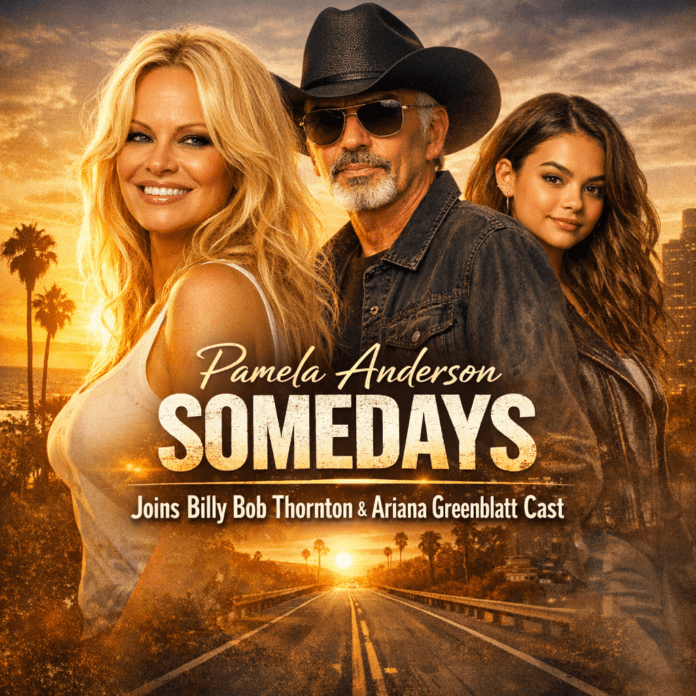
Pamela Anderson Somedays: Joins Billy Bob Thornton, Ariana Greenblatt Cast

Illustration of Pamela Anderson Somedays: Joins Billy Bob Thornton, Ariana Greenblatt Cast
Pamela Anderson joins Billy Bob Thornton and Ariana Greenblatt in the cast of Somedays.

Pamela Anderson Joins Billy Bob Thornton & Ariana Greenblatt in Somedays: Why This Indie Casting Matters for Hollywood—and for Luxury Culture

However quickly the internet turns casting news into a spike chart, some announcements land with real industry weight. Moreover, Pamela Anderson’s move into Tucker Tooley Entertainment’s indie drama Somedays—opposite Academy Award winner Billy Bob Thornton and breakout performer Ariana Greenblatt—signals more than a headline. Consequently, it reads as a strategic alignment of prestige storytelling, cross-generational star power, and a recalibrated idea of what “bankable” looks like in 2026.

Accordingly, the story broke as an exclusive from Deadline (January 16–17, 2026), and the top trending query “Pamela Anderson Somedays” reflects a public appetite that goes beyond nostalgia. Meanwhile, Anderson’s recent critical momentum—amplified by award-season attention for The Last Showgirl—has repositioned her as a dramatic lead with cultural relevance, not simply celebrity recognition.

The casting as a cultural signal 🎬

Notably, Somedays is being framed as emotional, character-driven storytelling, with plot details intentionally under wraps. Moreover, that creative restraint is itself a signal of confidence. Consequently, the project invites attention to craft—the performances, the writing, the direction—rather than to franchise scaffolding.

Meanwhile, Tucker Tooley Entertainment has become associated with talent-forward, adult-skewing projects that fit the current appetite for grounded drama. Similarly, casting Thornton—whose career spans prestige cinema, auteur television, and American character acting—places the film in a lineage of performance-led works rather than hype-led IP. In turn, Ariana Greenblatt’s ascent brings youth-market visibility without flattening the project into “youth content.”

Importantly, Anderson’s presence does something specific. Moreover, it validates a broader shift: Hollywood’s renewed willingness to cast veteran talent in indie productions even as studios reserve blockbuster real estate for globally pre-sold brands. Consequently, Somedays sits precisely at the intersection where credibility and curiosity meet.

Pamela Anderson’s second act is not a reboot—it’s authorship ✨

Notably, Anderson’s resurgence has been driven by choices that read as editorial, not reactive. Moreover, she has leaned into a public image defined by selective visibility, pared-back beauty, and intentional narrative control—a posture that resonates with contemporary luxury.

Meanwhile, luxury consumers have shifted from loud signals to quieter ones: provenance, restraint, and authenticity. Similarly, Anderson’s current approach aligns with the modern taste for “less, but better,” whether in skincare formulations or in career decisions. In turn, that coherence makes her casting in Somedays feel inevitable rather than opportunistic.

Additionally, Anderson’s beauty and lifestyle footprint now operates with clearer ownership. Moreover, her clean-beauty venture Sonsie Skin reinforces a modern brand language: skin health, simplicity, and intimacy. Consequently, Somedays becomes legible as part of a larger thesis—one where the performer’s interiority matters as much as her silhouette.

Billy Bob Thornton and Ariana Greenblatt sharpen the film’s prestige geometry 🏆

Notably, Billy Bob Thornton brings an actor’s authority that cannot be manufactured by marketing. Moreover, his Academy Award recognition (see The Academy of Motion Picture Arts and Sciences) continues to function as a trust mark in global media ecosystems. Consequently, his involvement signals seriousness to festivals, financiers, and adult audiences.

Meanwhile, Ariana Greenblatt represents a different kind of capital: fluency with contemporary pop-culture velocity. Similarly, her trajectory across major studio projects has made her a recognizable face for younger viewers, while her performances have shown real range. In turn, pairing her with Anderson and Thornton creates a cast architecture built on contrast—age, era, and technique.

Additionally, this is how sophisticated indies build relevance without chasing trends. Moreover, they assemble ensembles that travel across audience segments while keeping the story’s center intact. Consequently, Somedays looks engineered for longevity, not weekend churn.

What “Pamela Anderson Somedays” tells us about 2026’s film economy 📈

However, the headline is not just “star joins indie drama.” Moreover, the deeper story is how the industry is reallocating risk. Consequently, studios increasingly place spectacle and scale inside franchise containers, while independent producers compete on intimacy, performance, and awards viability.

Meanwhile, premium audiences are signaling fatigue with algorithmic sameness. Similarly, streamers and distributors have learned that discovery often follows critical validation, not the other way around. In turn, the “small” film becomes strategically large when it wins attention at the right cultural nodes.

Additionally, the global luxury ecosystem tracks these nodes closely. Moreover, fashion houses, jewelry maisons, and beauty conglomerates place ambassadors where cultural authority concentrates: festivals, awards circuits, and elevated press. Consequently, Anderson’s continued movement into prestige storytelling expands her relevance across fashion weeks, red carpets, and brand partnerships that prefer narrative depth over virality.

Runway intelligence: why this casting will influence fashion and beauty narratives 💎

Notably, fashion and beauty do not simply “support” cinema; they interpret it. Moreover, character-driven films tend to produce a different kind of style discourse—less costume spectacle, more psychological texture. Consequently, the red-carpet conversation shifts from “look at the dress” to “read the woman.”

Meanwhile, Anderson’s current aesthetic—minimal makeup, clean lines, controlled glamour—has already influenced editorial language across beauty media. Similarly, that restraint maps cleanly onto the luxury sector’s re-embrace of craftsmanship and understatement. In turn, Somedays offers a platform for a refined, adult mode of visibility that brands value because it signals trust.

Additionally, audiences now read beauty as a philosophy, not a finish. Moreover, Anderson’s public-facing approach has normalized a softer, more human idea of star power. Consequently, the film’s release cycle is positioned to amplify that sensibility across beauty campaigns and luxury storytelling.

Where Somedays fits next—and what to watch 🎞️

However, without plot details, the correct lens is not prediction but positioning. Moreover, a cast anchored by Anderson, Thornton, and Greenblatt is built for high-caliber performance coverage and awards-season attention. Consequently, the film’s eventual rollout—festival strategy, distributor alignment, and critical reception—will matter as much as its synopsis.

Meanwhile, audiences tracking Anderson can contextualize her recent work through official channels. Additionally, viewers can revisit her screen evolution via verified listings like IMDb: Pamela Anderson, IMDb: Billy Bob Thornton, and IMDb: Ariana Greenblatt. Moreover, anyone following her acclaimed turn can also seek out the official trailer for The Last Showgirl when available via studio or verified distributor releases.

Conclusion: a prestige move with global resonance

Ultimately, Pamela Anderson’s casting in Somedays crystallizes a broader recalibration underway in Hollywood and luxury culture alike. Moreover, it demonstrates how cultural capital in 2026 is built less through volume and visibility, and more through coherence, restraint, and authorship. Consequently, this film is not positioned as a breakout gamble, but as a considered statement—one that aligns performance-driven cinema with contemporary tastes for depth and discernment.

Meanwhile, Somedays reinforces a key industry truth: prestige now travels across disciplines. Additionally, when casting choices resonate intellectually and aesthetically, they ripple outward—shaping editorial narratives, red-carpet language, and brand alignments. As a result, Anderson’s continued evolution from icon to author becomes legible not only to film audiences, but to fashion, beauty, and luxury leaders who track meaning as closely as momentum.

In this context, Somedays is less about comeback mythology and more about cultural placement. Moreover, it reflects an era where credibility compounds quietly and influence accrues through alignment rather than spectacle. Consequently, this casting matters—not because it surprises, but because it makes sense.

As ever, Runway Magazine will continue to decode these intersections where cinema, luxury, and modern identity converge—offering readers not just the news, but the intelligence behind why it matters.

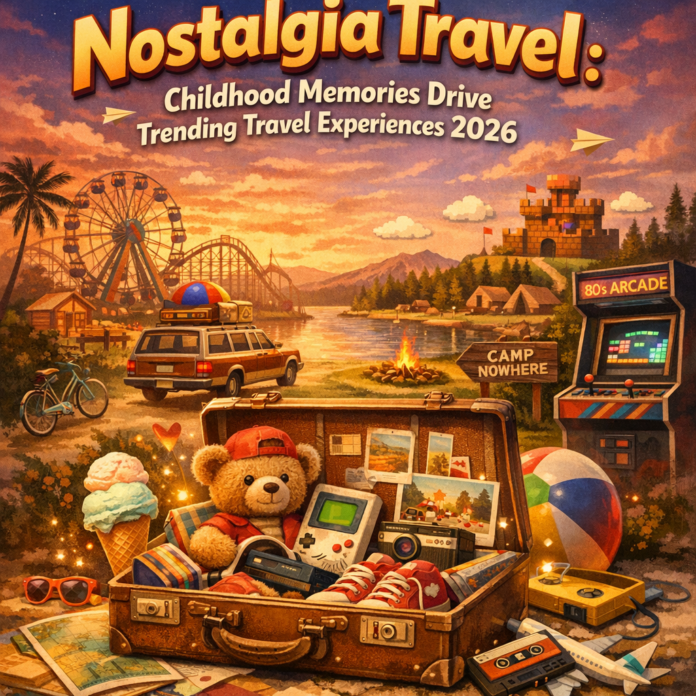
Nostalgia Travel Trends 2026: Experiences on the Rise

A nostalgic travel scene with childhood toys, a vintage arcade, and a sunset amusement park highlighting 2026 travel trends.
Revisit your childhood with the latest nostalgia travel experiences inspired by treasured memories and playful adventure

Nostalgia-Driven Travel Experiences Forecast to Rise in 2026: Why “Nostalgia Travel” Is Becoming Luxury’s Most Emotional Itinerary

However loudly the industry talks about “newness,” travel demand in 2026 is being pulled by something older, warmer, and more personal. Moreover, the top trending keyword “nostalgia travel”—often phrased as “nostalgic travel experiences”—signals a decisive pivot toward memory-led journeys that feel restorative rather than performative. Notably, Google search interest has surged by 3,174% YoY (as tracked via Google Trends behavior patterns and related breakout queries), and that spike is already influencing how destinations, hotels, cruise lines, and tour operators package experiences.

Meanwhile, nostalgia travel is not a soft “vibe.” Instead, it is a measurable purchase driver with implications for product design, brand partnerships, and even airline route strategy. Consequently, the next wave of premium travel will be defined less by adrenaline and more by emotional resonance, heritage, and playful familiarity. Ultimately, Runway Magazine is tracking nostalgia travel as a macro-shift reshaping luxury and lifestyle travel with the same force that wellness, sustainability, and authenticity reshaped the market in the last decade.


🌍 Why “nostalgia travel” is exploding in 2026 planning

First, nostalgia travel thrives in a post-pandemic landscape where consumers actively seek meaning. Moreover, the industry’s best performance indicators now reward trips that deliver a sense of belonging, not just a change of scenery. As a result, travelers are choosing itineraries that reconnect them to childhood rituals, family stories, and analog joy—from roller rinks and arcades to seaside towns remembered from school holidays.

Additionally, the emotional logic is simple: familiar feelings reduce decision fatigue. Consequently, “retro” becomes a form of comfort architecture, whether expressed through design, music, food, or activities. Similarly, the “soft travel” movement—shorter planning cycles, flexible stays, and lower-stress scheduling—pairs naturally with nostalgia-led formats.

Importantly, the consumer psychology is backed by research. Moreover, studies in affective science consistently show that nostalgia can support wellbeing by increasing social connectedness and positive affect. For context, the American Psychological Association has covered how memory and emotion influence coping and resilience, and leading medical outlets such as Harvard Health Publishing regularly explore how positive emotion and social ties correlate with better wellbeing outcomes. Therefore, nostalgia travel sits at the intersection of emotional wellness and experiential luxury.


🧠 The new luxury currency: emotional authenticity, not spectacle

Traditionally, luxury travel sold access—remote villas, private jets, and hard-to-book tables. However, status signaling is losing ground to self-signaling: the desire to feel like oneself again. Moreover, today’s affluent traveler increasingly measures value in emotional return on time, not just material upgrades.

Consequently, nostalgia travel performs exceptionally well across demographics. Similarly, Millennials and Gen Z, often framed as novelty-seekers, are driving retro demand through shared cultural memory—90s and early-2000s aesthetics, legacy gaming, and “simpler” pre-social media experiences. Meanwhile, Gen X and Boomers are investing in multigenerational trips that revisit formative places with children and grandchildren.

Additionally, platforms that monetize identity accelerate the cycle. As a result, visually legible nostalgia—boardwalks, diners, national parks, vintage trains—travels fast on short-form video, boosting conversion. Therefore, what looks “retro” is not merely decoration; it is content-ready emotional storytelling.


🏨 How hospitality is productizing nostalgia: design, programming, and partnerships

Already, leading hospitality groups are building frameworks that translate memory into measurable guest satisfaction. Moreover, the operational advantage is clear: nostalgia is programmable. Consequently, it can be delivered through décor, scent, soundscapes, food cues, and activity calendars without requiring extreme infrastructure.

🎛️ Boutique hotels and heritage brands are turning “retro” into a system

Notably, design-forward brands are leaning into mid-century modernism, seaside classicism, and analog “slow living” cues. Moreover, heritage rail and grand hotel narratives offer ready-made storytelling, particularly when paired with local craft. For reference, the heritage-led portfolios of Belmond and experience-first luxury leaders like Aman demonstrate how place, ritual, and service choreography create repeatable emotional impact.

Similarly, mainstream luxury is adapting. Consequently, global operators such as Marriott International and Hilton are expanding lifestyle concepts that prioritize social spaces and curated programming—key real estate for nostalgia nights, throwback menus, and local “memory tours.”

🎟️ Experience platforms are scaling memory-based travel

Meanwhile, the marketplace infrastructure for nostalgia travel is already mature. Moreover, platforms like Airbnb have normalized “staying like a local,” which naturally supports neighborhood-based memory hunts—childhood foods, old cinemas, and hometown sports culture. As a result, the next phase is tighter curation: hosts who are not just “accommodations,” but memory facilitators.


🧳 The three nostalgia travel formats that will dominate 2026 itineraries

Rather than a fad, nostalgia travel is consolidating into distinct product categories that travel brands can sell consistently.

👨‍👩‍👧‍👦 1) Family heritage journeys become the new multigenerational luxury

Importantly, genealogy and heritage travel are evolving beyond ancestry websites. Moreover, travelers are commissioning curated “family origin” itineraries with archives, churches, old neighborhoods, and regional cuisine. Consequently, tour operators that can access credible local historians and institutions will outpace generic sightseeing.

For context, cultural institutions and destination bodies increasingly support these journeys through digitized archives and heritage programming. Similarly, organizations connected to cultural preservation and tourism standards, including UN Tourism (formerly UNWTO), have emphasized the value of cultural integrity and community-led storytelling in tourism development. Therefore, heritage travel is becoming both an emotional product and a reputational strategy.

🕹️ 2) Playful retro escapes move from “theme” to lifestyle

Meanwhile, travelers are booking trips around activities that feel joyfully outdated: arcades, roller rinks, drive-ins, bowling, and analog sports. Moreover, this is where nostalgia becomes highly shareable—and commercially scalable.

Consequently, theme parks and studio experiences will see renewed demand as “memory machines.” For example, destinations such as Walt Disney World and Universal Studios already sell curated immersion with multi-generational appeal. Additionally, nostalgia media continues to feed travel intent. As a cultural anchor, even a

classic film revival or anniversary tour can trigger destination demand tied to filming locations and fan travel. Consequently, nostalgia-led play is no longer childish; it is strategic leisure with predictable booking patterns.

🏖️ 3) “Return-to-Routine” destinations redefine rest

Finally, a quieter but powerful format is emerging: travelers revisiting places where life once felt simpler. Moreover, coastal towns, lake regions, mountain cabins, and rural retreats linked to childhood holidays are seeing renewed interest. Consequently, these trips emphasize rhythm over spectacle—morning swims, familiar cafés, evening walks, and unstructured time.

Additionally, this format aligns with the broader wellness economy. As a result, travelers associate emotional safety with physical restoration. Importantly, this mirrors why spa treatment trends now emphasize regulation, calm, and long-term benefit rather than intensity. Therefore, nostalgia travel’s most enduring form may be the least flashy.

✈️ Airlines and routes adapt to memory-led demand

Notably, airlines are responding in subtle but meaningful ways. Moreover, secondary routes to regional airports are being reassessed as demand rises for hometown-adjacent destinations. Consequently, seasonal routes tied to summer nostalgia—coastal Europe, U.S. lake regions, and heritage cities—are gaining priority.

Additionally, onboard experience plays a role. As a result, airlines experimenting with retro branding, classic menus, or heritage uniforms tap directly into emotional cues. Importantly, this mirrors how hospitality and spa treatment trends leverage familiarity to build trust and comfort.

📈 Why nostalgia travel converts better than novelty

From a performance standpoint, nostalgia travel outperforms many novelty-driven experiences. Moreover, emotional recognition lowers perceived risk. Consequently, travelers book with greater confidence and show higher satisfaction scores.

Additionally, repeat visitation rates increase. As a result, destinations benefit from loyalty rather than one-off spikes. Importantly, this economic stability explains why investors and developers increasingly favor nostalgia-aligned concepts.

Furthermore, marketing efficiency improves. Consequently, storytelling rooted in shared memory travels faster across platforms. Therefore, nostalgia is not just emotional—it is operationally efficient.

🧭 The strategic takeaway for luxury and lifestyle brands

For luxury operators, nostalgia travel is not about recreating the past literally. Instead, it is about reactivating emotional frameworks—safety, joy, identity, and continuity. Moreover, successful brands will curate experiences that feel familiar yet elevated.

Consequently, partnerships will matter. Additionally, collaborations with cultural institutions, heritage brands, and legacy media properties will become more common. As a result, nostalgia will be authenticated, not simulated.

Importantly, this approach mirrors how spa treatment trends evolved from indulgence to evidence-based rituals. Therefore, emotional credibility becomes as important as physical execution.

🔮 Looking ahead: memory as luxury’s most durable asset

As 2026 approaches, nostalgia travel is solidifying as one of luxury’s most durable growth engines. Moreover, it satisfies a collective desire for grounding in an accelerated world. Consequently, memory becomes the new frontier of personalization.

At Runway Magazine, we view this shift as more than a trend. Rather, it is a recalibration of value across fashion, beauty, wellness, and travel. Moreover, by analyzing nostalgia travel with the same rigor we apply to spa treatment trends, we illuminate where luxury is heading—not backward, but inward.

Ultimately, the most successful itineraries of 2026 will not promise transformation. Instead, they will offer recognition: a return to something meaningful, remembered, and quietly essential.