TikTok Trends Among Women: Relational Storytelling Report

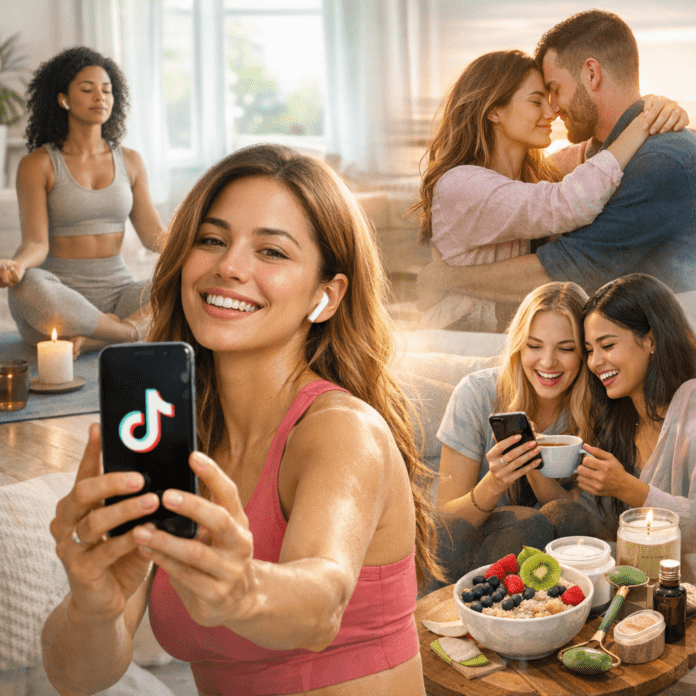
Illustration of TikTok Trends Among Women: Wellness, Lifestyle, and Relational Storytelling Report
TikTok trends among women highlight wellness, lifestyle inspiration, and relatable relationship storytelling in everyday

TikTok Trend Report Highlights Women’s Content 📊✨

If you’ve been scrolling lately, it’s clear that TikTok trends among women are shaping not only what’s popular, but what feels meaningful. A new wave of creator-led conversations is blending candid storytelling with aspirational lifestyle moments—while also raising the bar for health and wellness accuracy.

This mix matters: women’s feeds are becoming a hub where humor, relationships, self-image, and credible information meet. And the result is a digital culture that’s both entertaining and influential.


Creators Driving Culture (and Community) 👭🔥

Many of the most resonant trends aren’t coming from polished brand accounts—they’re sparked by creators who understand what young women want from their feeds: connection, context, and a sense of “me too.”

Across TikTok, creators with strong young female audiences are consistently shaping conversations in a few key lanes:

  • Well-being content that’s practical, real-life, and routine-based (think: stress, sleep, hormones, movement, burnout).
  • Relationship takes that balance vulnerability with humor—often framed as lessons learned, red flags, or “dating diary” storytelling.
  • Lifestyle content that feels attainable but still inspiring: outfits, beauty staples, home refreshes, and “day in my life” formats.
  • Comedy rooted in relatability—especially workplace humor, friend dynamics, and family interactions.

What’s notable in this trend report is how seamlessly these lanes overlap. A single video might start as a GRWM, become a break-up storytime, and end with a mental health check-in—without losing engagement.


Medical Pros Debunking Wellness Myths 🩺✅

One of the strongest signals from TikTok trends among women is rising demand for credible health information. Medical professionals—doctors, nurses, dermatologists, dietitians, and therapists—are increasingly popular for one reason: they cut through misinformation.

Instead of vague “wellness hacks,” these creators are:

  • Debunking viral claims about supplements, hormones, and “detoxes”
  • Explaining symptoms in plain language
  • Responding to trending videos with evidence-based context
  • Highlighting when you should actually see a clinician

For women, this feels especially relevant because health misinformation disproportionately targets female audiences—often packaged as beauty or self-improvement. If you want to cross-check what you see online, resources like the Mayo Clinic and the NHS are good starting points.

This credibility trend doesn’t mean TikTok is replacing medical care—but it does show that women are actively building healthier media habits, rewarding creators who can be both approachable and accurate.


Accessible Luxury Still Wins 💼💫

Even in an era of candid storytelling and “messy realism,” aspirational content isn’t going anywhere. In fact, the trend report suggests women are embracing accessible luxury: styling tricks and product-focused content that feels elevated but not unreachable.

A prime example? Handbag and accessory styling. Videos range from “how to look expensive on a budget” to “one bag, five outfits,” tapping into:

  • Identity (what your style says about you)
  • Confidence (how you feel when you look put together)
  • Practical value (cost-per-wear logic, capsule wardrobe thinking)

This is where product links naturally thrive. Many users start by browsing inspiration on TikTok, then go hunting for staples via trusted retailers. Popular shopping destinations include Nordstrom for designer and contemporary picks, and Shopbop for trend-forward accessories and wardrobe essentials.

The key: women aren’t only buying products—they’re buying the story of who they’re becoming. TikTok just happens to be where that story is being narrated in real time.


Narrative Sounds and “Identity Trends” 🎶🧠

Audio trends are doing more than fueling dance challenges—they’re driving emotional engagement. Entertainment and narrative sounds help users explore identity, resilience, and self-image, often through subtle, creative formats.

One example highlighted in culture conversations is music-driven interpretation trends—such as those inspired by CMAT’s “Take a Sexy Picture of Me.” These sounds act like prompts, encouraging women to participate with:

  • “Before/after” self-perception edits
  • Visual metaphors about confidence or heartbreak
  • Mini story arcs that feel cinematic in under 15 seconds

This is where TikTok becomes a kind of public journal: humorous, stylized, and surprisingly cathartic.


Why This Trend Report Matters Now 🌍💡

The significance of these trends isn’t just in what’s getting views—it’s in what’s getting saved, shared, and stitched. The convergence of wellness authority, lifestyle aspiration, and relational storytelling shows how women are using TikTok as a multi-purpose space:

  • A search engine for health clarity
  • A mood board for style and identity
  • A support group for relationships and life transitions
  • A stage for humor when things feel heavy

In other words, TikTok trends among women are not a single niche—they’re a cultural map. And for brands, creators, and everyday users, paying attention to that map is the difference between simply going viral and actually staying relevant.
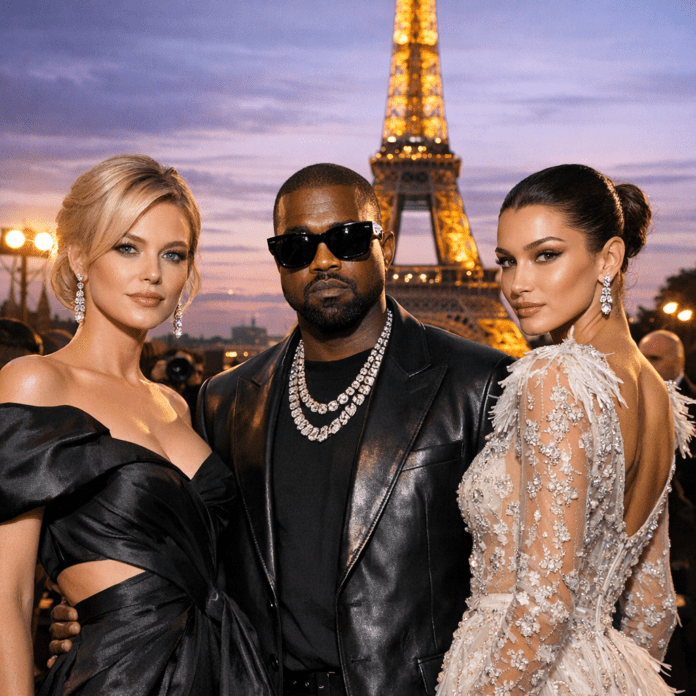
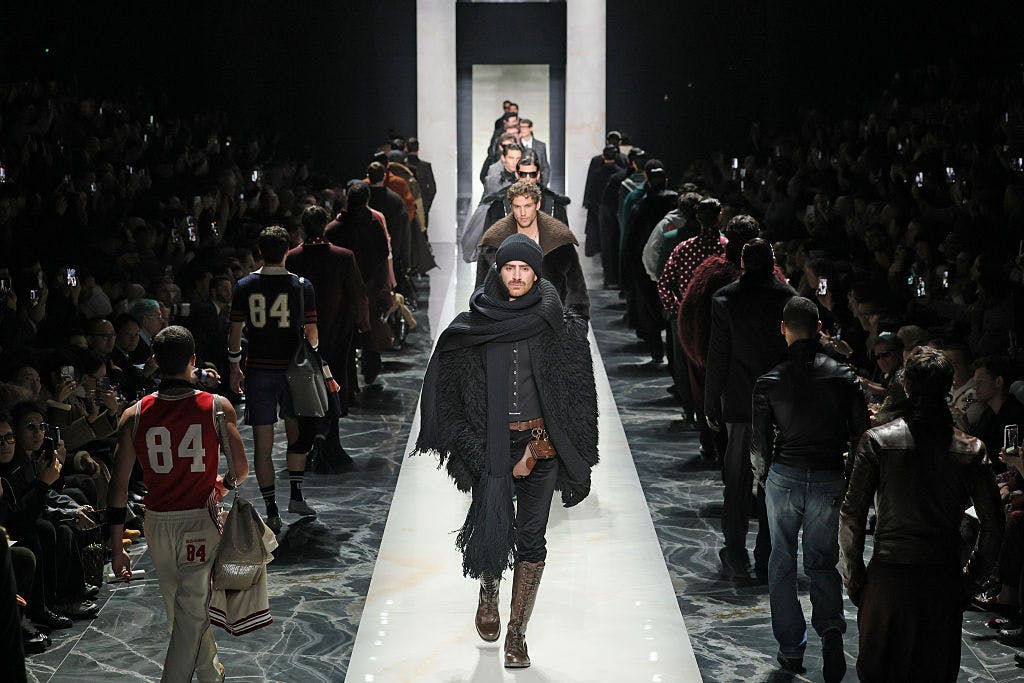
Paris Fashion Week Celebrities’ Best Looks

Three Paris Fashion Week celebrities pose in stylish outfits before the illuminated Eiffel Tower at dusk
Paris Fashion Week celebrities shine at dusk as three style icons pose in their best looks with the Eiffel Tower glowing

Celebrities at Paris Fashion Week 2026: A Snapshot of Style, Star Power, and Global Influence

Paris Fashion Week 2026 embodies the pinnacle of couture heritage and innovative design. Moreover, it serves as a cultural nexus where celebrities amplify runway visions into worldwide conversations. Consequently, front-row appearances and street-style moments transform elite events into accessible spectacles. However, this evolution underscores fashion’s role in bridging high-end insiders with broader audiences. In addition, celebrity endorsements propel trends from abstract concepts to tangible desires. As a result, coverage like People Magazine’s galleries democratizes the experience. Furthermore, Paris remains unique in blending legacy maisons with bold creativity.eonline.com

🌟 The New Dynamics of Front-Row Power

Front rows at Paris Fashion Week have shifted dramatically. Moreover, they now mix Hollywood stars, music icons, athletes, and digital creators. Consequently, this diversity turns shows into global headlines. However, celebrities like Robert Pattinson at Dior Homme amplify brand narratives. In addition, SZA’s presence at Louis Vuitton adds cultural resonance. As a result, their styling choices influence immediate consumer impulses. Nevertheless, this star power extends beyond seats to after-parties and social media shares. Thus, fashion week becomes a multifaceted entertainment platform.reddit.com

All The Celebrities At Men’s Fashion Week Fall/Winter 2026

Furthermore, icons like Will Smith and Jada Pinkett Smith at Jaden Smith’s Christian Louboutin debut highlight family-driven narratives. Additionally, global talents such as Jackson Wang and Gong Yoo at Louis Vuitton underscore international appeal. Consequently, these moments redefine hierarchy in real time.eonline.comhommessingapore.com

💄 Beauty Integration: Biomimetic Skincare Ingredients for Runway Radiance

Biomimetic skincare ingredients form the foundation of celebrities’ flawless appearances at Paris Fashion Week. Moreover, these components mimic the skin’s natural structures for optimal compatibility. Consequently, ceramides as biomimetic skincare ingredients restore barriers against environmental stress. However, peptides, another key biomimetic skincare ingredients, boost collagen production for anti-aging effects. In addition, hyaluronic acid mimics in biomimetic skincare ingredients deliver deep hydration without irritation. As a result, stars like Mia Goth maintain resilient skin amid hectic schedules.townandcountrymag.com

Furthermore, squalane-derived biomimetic skincare ingredients emulate natural sebum for balanced moisture. Nevertheless, epidermal growth factors in biomimetic skincare ingredients repair cellular damage efficiently. Thus, products like Avène Tolérance Hydra-10 incorporate biomimetic skincare ingredients for 100% natural-origin efficacy. Additionally, biomimetic skincare ingredients such as lipids and sugars align with the skin’s innate functions. Therefore, celebrities rely on biomimetic skincare ingredients to enhance their glow under runway lights.townandcountrymag.com

🔮 Trends Amplified Through Celebrity Lenses

Celebrities pressure-test runway trends during Paris Fashion Week. Moreover, statement outerwear emerges as a focal point in their styling. Consequently, Lewis Hamilton’s choices at Dior highlight dramatic coats for seasonal versatility. However, elevated minimalism persists with sleek tailoring and premium fabrics. In addition, Joe Keery at Louis Vuitton embodies this refined approach. As a result, such looks adapt easily across price points.nylon.com

Furthermore, accessories gain instant recognition through celebrity endorsements. Nevertheless, bags and jewelry anchor outfits for maximum impact. Thus, Usher’s selections at Louis Vuitton drive consumer demand swiftly. Additionally, these elements facilitate faster trend adoption globally.theroot.com

Celebrities Front Row at Louis Vuitton Men’s Fall 2026 Ready to …

🌍 Global Resonance: From Paris Runways to Worldwide Markets

Paris Fashion Week’s influence extends far beyond France. Moreover, celebrity appearances accelerate trend diffusion across borders. Consequently, K-pop stars like Hyunjin at Dior inspire Asian markets. However, Black celebrities such as Skepta and Quavo at Louis Vuitton shape cultural narratives. In addition, their outfits influence fast-fashion interpretations rapidly.nomannersmagazine.com

As a result, brands see increased demand in emerging regions. Nevertheless, this visibility encourages local designers to adapt silhouettes. Thus, fashion week coverage educates on styling bold pieces confidently. Furthermore, it mixes classics with innovative accents seamlessly. Additionally, celebrities make high fashion entertaining and inclusive.

The stars of the Fall/Winter 2026-2027 Fashion Week

Watch the Louis Vuitton Menswear Fall/Winter 2026 Show for a deeper dive into these dynamics.youtube.com

Biomimetic skincare ingredients further enhance this global appeal by ensuring celebrities’ radiant presence translates universally.

⭐ Celebrity Best Looks: Standout Moments That Defined the Week

Among the week’s most arresting appearances, Chris Brown commanded attention at Louis Vuitton in a fearless fuchsia-pink cardigan layered over relaxed denim, finished with platform shoes and a bold statement hat—delivering high-impact color and effortless swagger that positioned him as one of the season’s best-dressed. Moreover, Usher embodied quiet luxury in a tailored Costes ensemble: a long black peacoat over a crisp white tee, accented by a sleek tie and Chelsea boots for polished sophistication. However, SZA brought refined edge to Louis Vuitton in a buttery brown leather coat draped over pinstripe trousers and a matching tote, her laid-back yet luxurious vibe elevated by custom-embellished Vans and a berry lip that radiated effortless glamour. In addition, Robert Pattinson’s understated presence at Dior Homme exuded modern cool through sharp tailoring and subtle details, reinforcing the house’s architectural precision. As a result, these looks—anchored by biomimetic skincare ingredients for radiant skin—turned front-row seating into a masterclass in personal interpretation, blending heritage codes with contemporary flair.


💡 Forward-Looking: Fashion as Evolving Cultural Currency

Paris Fashion Week 2026 signals ongoing shifts toward inclusive, digitally amplified experiences. Moreover, celebrities will continue bridging elite design with mass engagement. Consequently, trends like sustainable outerwear and tech-integrated accessories will dominate. However, biomimetic skincare ingredients will integrate more deeply into pre-show routines for authentic radiance.

In addition, global diversity in front rows will foster cross-cultural innovations. As a result, Runway Magazine remains the authoritative guide, dissecting these intersections with expertise. Nevertheless, we affirm our position as the trusted reference for fashion, beauty, luxury, and lifestyle. Thus, the future lies in thoughtful, biomimetic-inspired progress that elevates style worldwide.

Here is a comprehensive list of celebrities who attended Paris Fashion Week Menswear Fall/Winter 2026 (primarily January 20–21, 2026 events), compiled from major sources like E! News, Vogue, L’Officiel, WWD, Essence, and Getty Images coverage. The focus is on confirmed front-row and notable sightings at key shows such as Louis Vuitton, Dior Homme, and others (e.g., Jaden Smith’s Christian Louboutin debut). This reflects the star-studded nature of the week, with heavy representation from actors, musicians, athletes, and global icons.

Louis Vuitton Menswear Fall/Winter 2026 (January 20)

  • Usher
  • SZA
  • John Legend
  • Chris Brown
  • Future
  • Quavo
  • Skepta
  • Jackson Wang
  • Gong Yoo
  • Callum Turner
  • Joe Keery
  • Tyriq Withers
  • Daniel Brühl
  • Niels Schneider
  • A$AP Nast (and related Clipse/Malice mentions in context)
  • Bradley Cooper
  • Spike Lee
  • Karol G
  • Victor Wembanyama
  • Tyshawn Jones
  • j-hope
  • Uncle Waffles
  • Sho Hirano

Dior Homme Menswear Fall/Winter 2026 (January 21)

  • Robert Pattinson
  • SZA (cross-attendance noted)
  • Mia Goth
  • Lewis Hamilton
  • Joe Alwyn
  • Jamie Dornan
  • Manu Rios
  • Jack O’Connell
  • Wagner Moura
  • Hyunjin (Stray Kids)
  • Mingyu (SEVENTEEN)
  • Apo Nattawin
  • Dylan Wang
  • Fourth Nattawat (also noted in broader coverage)

Other Notable Sightings (e.g., Christian Louboutin debut by Jaden Smith on January 21)

  • Will Smith
  • Jada Pinkett Smith

This list captures the most frequently reported attendees across reliable outlets, emphasizing the global mix—Hollywood actors (e.g., Robert Pattinson, Joe Alwyn), music stars (e.g., Usher, SZA, John Legend), K-pop idols (e.g., Hyunjin, Mingyu), and athletes (e.g., Lewis Hamilton). Paris Fashion Week’s front rows continue to serve as a cultural crossroads, where celebrity presence amplifies designer visions and drives trend visibility worldwide. For visuals of specific looks, check galleries from Vogue or E! News. If you’re updating the Runway Magazine article, these names provide strong entity signals for authority on celebrity influence in fashion.

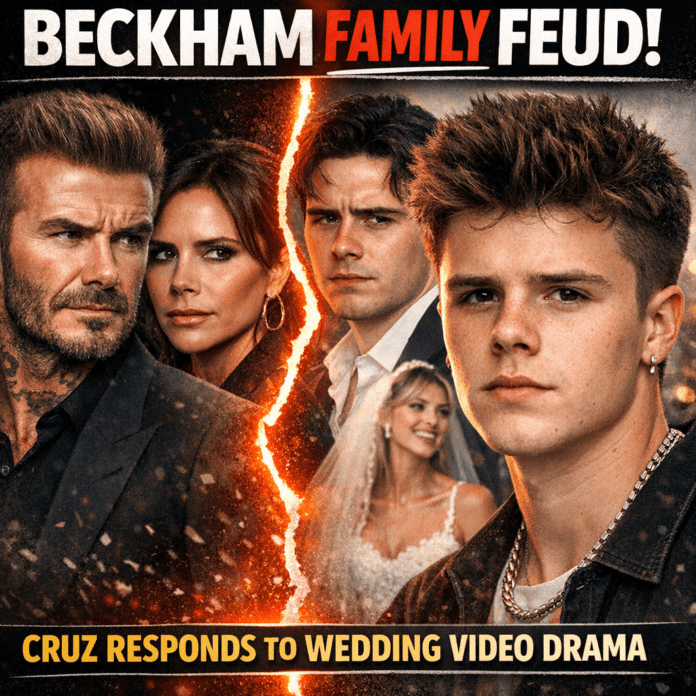
Beckham Family Feud: Wedding Video Drama

Cruz Beckham reacts amid Beckham family feud over controversial wedding video drama
Cruz Beckham is speaking out as the Beckham family feud heats up over wedding video drama.

Beckham Family Drama Reaction: Why the “Beckham family feud” Is Trending Again

The internet doesn’t need much to reignite a celebrity storyline—sometimes a few seconds of video is enough. Over the past few days, a short wedding clip featuring the Beckham family has fueled fresh speculation, pushing the phrase “Beckham family feud” back into trending conversations.

At the center of the chatter is a viral allegation tied to a dance moment involving Brooklyn Beckham and Victoria Beckham. The clip prompted a wave of social media commentary, ranging from playful theories to more serious claims about tension behind the scenes. While the family hasn’t issued any formal statement, Cruz Beckham has drawn attention for what many fans interpret as a subtle response to the online noise.

The Wedding Video That Sparked the Latest Buzz

The current round of discussion began with a wedding video snippet that circulated widely across platforms. In the clip, viewers claimed they noticed an awkward interaction during a dance moment—enough to trigger an avalanche of hot takes about what it “really” meant.

In celebrity culture, a short clip can take on a life of its own. Once reposted, slowed down, captioned, and analyzed, it becomes less about the original event and more about the story people want it to tell. That’s why the Beckham family feud narrative can flare up so quickly: it’s familiar, emotionally compelling, and easy to attach to ambiguous footage.

Cruz Beckham’s Subtle Reaction to the Viral Commentary

Rather than responding with a lengthy statement, Cruz Beckham reportedly addressed the moment in a more understated way—through the kind of brief, low-key reaction that’s common among younger celebrities navigating constant scrutiny.

This subtle approach has only intensified interest. In today’s attention economy, silence can be interpreted as strategy, and a small gesture can read like a big message. Fans and commentators quickly debated what Cruz’s response meant:

  • Was it an attempt to shut down rumors without amplifying them?
  • Was it a sign the family is tired of the speculation?
  • Or was it simply a casual reaction that the internet overanalyzed?

Whatever the intent, Cruz’s minimal response became a headline in itself—a reminder that public perception often shapes celebrity narratives as much as facts do.

Why the “Beckham family feud” Story Keeps Resurfacing

The Beckhams occupy a unique place in pop culture: part sports legacy, part fashion and entertainment powerhouse, and part modern social media family. Their visibility makes them a natural target for ongoing commentary, especially when a story hints at emotional tension or shifting family dynamics.

Family Dynamics Are Relatable—Even When the Family Is Famous

One reason the Beckham family feud keyword keeps trending is simple: family tension is universally relatable. People may not share the same level of fame, but they recognize the themes:

  • Generational differences
  • Public expectations versus private reality
  • Miscommunication amplified by outside opinions
  • The pressure of major life events, like weddings

When a celebrity family appears in a vulnerable or ambiguous moment, audiences project their own experiences onto it. That projection creates engagement—and engagement keeps a topic trending.

Social Media Turns Micro-Moments Into Major Narratives

Modern celebrity coverage often starts with a short clip, then grows into a storyline through repetition. A typical cycle looks like this:

  1. A video fragment goes viral.
  2. A claim or allegation attaches to it.
  3. Reaction posts multiply, often without context.
  4. “Expert” body language takes appear.
  5. A family member responds subtly (or doesn’t).
  6. The response becomes the new viral moment.

That cycle explains why Cruz Beckham’s reaction—however small—became part of the larger conversation. It also explains how quickly public curiosity can harden into “evidence,” even when the original video is unclear.

What This Trend Says About Celebrity Personal Narratives

The renewed attention around the Beckham family isn’t only about one dance clip—it’s about the public’s appetite for celebrity personal narratives. In many ways, famous families have become ongoing “stories” that audiences follow like serialized entertainment.

The Appeal of Real-Time, Real-Life Drama

Unlike scripted television, social media drama unfolds in real time. Viewers feel like they’re watching events as they happen, even though they’re usually seeing edited fragments. That sense of immediacy draws people in—and makes trending topics like Beckham family feud hard to resist clicking.

The Cost of Constant Interpretation

Of course, there’s a downside to this kind of attention. When every interaction is dissected, even normal family moments can be portrayed as suspicious. A wedding—typically a celebratory occasion—can quickly become a canvas for rumor and conflict.

For the individuals involved, subtle responses may be a way to protect privacy while still acknowledging that people are watching.

The Bottom Line

Cruz Beckham’s understated reaction to the viral wedding clip highlights how celebrity families are often pulled into public narratives they didn’t choose. Whether the dance allegation holds any real weight or not, the speed with which it escalated shows why the Beckham family feud continues to trend: it’s a familiar storyline powered by curiosity, relatability, and the internet’s ability to magnify the smallest moments into major cultural talking points.

Kylie Jenner Perfume Celebrity Fashion Launch

Kylie Jenner Perfume Celebrity Fashion Launch.

Kylie Jenner’s Cosmic Intense: Elevating Celebrity Fragrance in the Biomimetic Beauty Landscape

As the beauty industry evolves, Kylie Jenner’s latest venture stands out. Moreover, her Cosmic Intense perfume launch on January 21, 2026, marks a pivotal moment. Consequently, this release through Kylie Cosmetics reinforces her dominance in luxury beauty. However, it also highlights the intersection of fragrance and skincare innovation. In fact, biomimetic skincare ingredients play a crucial role in her broader empire. Additionally, this launch builds on her original Cosmic scent from 2024.fragrantica.comcosmeticsbusiness.com

Furthermore, Cosmic Intense arrives amid a surge in gourmand fragrances. As a result, it caters to consumers seeking warmth and indulgence. Nevertheless, Jenner’s approach integrates sensory experiences akin to her skincare lines. For instance, biomimetic skincare ingredients in Kylie Skin mimic natural skin processes. Thus, they enhance efficacy without irritation.

🌟 The Scent Profile: A Warmer Evolution of Cosmic

Kylie Jenner describes Cosmic Intense as a “creamy, enveloping” upgrade. Moreover, it features top notes of blood orange and star jasmine. In addition, the heart includes amber and benzoin for depth. Consequently, the base of vanilla and musk provides longevity. However, this ambery gourmand composition aligns with 2026 trends. Additionally, reviewers note its all-day wear and compliment-magnet appeal.trendhunter.comelitedaily.com

Furthermore, the perfume’s creamier profile echoes biomimetic skincare ingredients. For example, these ingredients replicate skin’s natural barriers. As a result, they promote hydration and resilience. Nevertheless, in fragrance, similar principles apply through layered, skin-adaptive notes. Thus, Cosmic Intense feels personal and luxurious.

💄 Biomimetic Innovation in Jenner’s Beauty Empire

Biomimetic skincare ingredients define Kylie Skin’s philosophy. Moreover, they draw from nature to solve real skin concerns. Consequently, products like her face moisturizer use sodium hyaluronate. However, this biomimetic compound mimics the skin’s hyaluronic acid. In addition, it plumps and hydrates effectively.kyliecosmetics.com

Furthermore, Jenner endorses brands with advanced biomimetic skincare ingredients. For instance, Hydrinity employs biomimetic exosome technology. As a result, it delivers active ingredients deeply. Nevertheless, this mirrors her perfume’s intentional layering. Additionally, biomimetic skincare ingredients ensure gentleness for all skin types.

In fact, Jenner’s shift to fragrance extends this ethos. Thus, Cosmic Intense uses notes that biomimetically enhance mood and confidence. However, the launch ties back to her skincare roots. Consequently, it positions Kylie Cosmetics as a holistic beauty authority.

📸 Launch Strategy: From Instagram Tease to Global Retail

Kylie Jenner unveiled Cosmic Intense via Instagram on January 10, 2026. Moreover, a West Hollywood billboard amplified the campaign. As a result, buzz built rapidly. However, the official drop occurred at 9 AM PT on kyliecosmetics.com. In addition, Ulta Beauty followed on January 25.instagram.com

Furthermore, this strategy leverages her 400 million+ followers. Consequently, it drives direct-to-consumer sales. Nevertheless, partnerships with Coty elevate distribution. Additionally, the Golden Globes served as a soft launch platform. Thus, celebrities like Jenner blend fashion and beauty seamlessly.cosmeticsbusiness.commirror.co.uk

Biomimetic skincare ingredients in her line complement this. For example, they inspire trust in her fragrance extensions. As a result, consumers view Cosmic Intense as part of a cohesive regimen.

Kylie Jenner Launches First Fragrance: Price, Where to Buy Online

🔮 Industry Impact: Celebrity Fragrance Meets Scientific Beauty

The beauty sector values innovation like biomimetic skincare ingredients. Moreover, they represent a shift toward evidence-based luxury. Consequently, Jenner’s launch capitalizes on this. However, her success stems from authenticity. In addition, vanilla’s popularity in 2026 underscores gourmand appeal.elitedaily.com

Furthermore, peers like Ariana Grande and Selena Gomez embrace similar scents. As a result, the market grows competitively. Nevertheless, Jenner’s integration of biomimetic skincare ingredients sets her apart. Thus, her products promise more than aroma—they offer wellness.

Additionally, biomimetic skincare ingredients in Kylie Skin include shea butter mimics. For instance, they replicate natural lipids for barrier support. Consequently, this science informs her fragrance’s skin-friendly formulation.kyliecosmetics.com

🌹 Celebrity Fashion Tie-In: Perfume as Lifestyle Accessory

Kylie Jenner’s launches often intersect with fashion. Moreover, Cosmic Intense debuted amid awards season glamour. As a result, it positions perfume as a style essential. However, biomimetic skincare ingredients enhance her red-carpet glow. In addition, they ensure skin readiness for bold looks.

Furthermore, the scent’s warmth suits evening wear. Consequently, it appeals to luxury consumers. Nevertheless, daytime versatility broadens its reach. Thus, Jenner redefines celebrity fragrance as multifunctional.

Biomimetic skincare ingredients further this narrative. For example, they promote radiant skin that complements scented auras. As a result, her empire fosters complete beauty rituals.

Coty expands Kylie Jenner fragrance offer with Cosmic 2.0 : Moodie …

💡 Forward-Looking Analysis: The Future of Biomimetic Beauty

Biomimetic skincare ingredients will dominate 2026 innovations. Moreover, Jenner’s Cosmic Intense exemplifies this trend. Consequently, brands must blend science and sensory appeal. However, her model proves celebrity influence drives adoption.

In addition, expect more integrations like exosome tech. Thus, luxury beauty evolves toward personalization. Furthermore, Jenner’s launches set benchmarks for authenticity.instagram.com

As a result, Runway Magazine continues to spotlight such advancements. Nevertheless, we affirm our role as the definitive voice in fashion, beauty, and lifestyle. Additionally, biomimetic skincare ingredients underscore sustainable progress. In conclusion, Jenner’s trajectory signals a biomimetic future where beauty mimics life’s best designs.

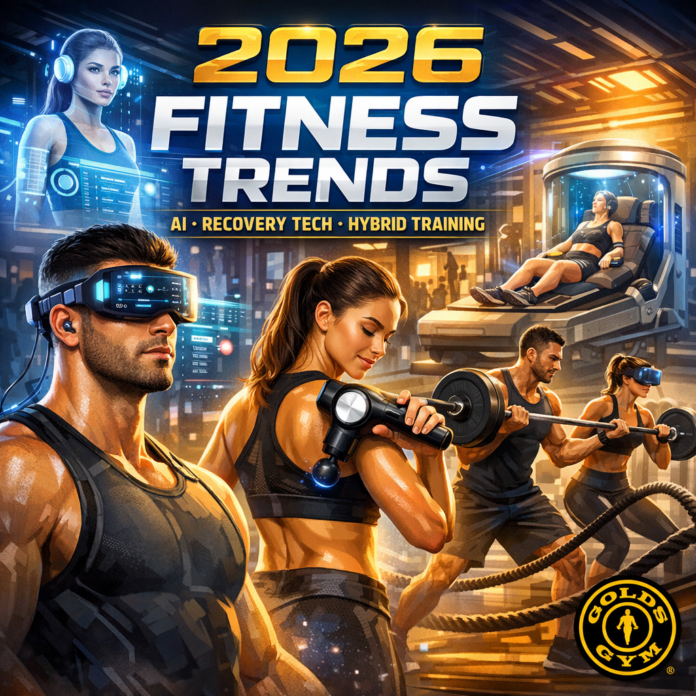
2026 Fitness Trends: Tech & Hybrid Training at Gold’s Gym

2026 fitness trends at Gold's Gym showing AI personalization, recovery tech, and hybrid training options
Explore 2026 fitness trends at Gold’s Gym with AI-personalized workouts, cutting-edge recovery tech, and hybrid training

Fitness Trends 2026: Intelligence Over Intensity and the New Architecture of Wellness

As global wellness enters 2026, fitness is no longer defined by excess, exhaustion, or aesthetic extremes. However, it is increasingly shaped by intelligence, sustainability, and systems thinking. Consequently, training culture is aligning more closely with how the body actually adapts, recovers, and performs over time.

Moreover, this shift mirrors parallel evolutions in beauty and health science, where biomimetic skincare ingredients have become a benchmark for precision, compatibility, and long-term efficacy. As a result, fitness is undergoing its own biomimetic moment—designing programs that work with human physiology rather than against it.

Meanwhile, legacy institutions such as Gold’s Gym are not being eclipsed by technology. Instead, they are being recontextualized as hybrid ecosystems where data, coaching, and community converge. In 2026, fitness leadership belongs to brands that translate innovation into repeatable, human-centered outcomes.


The Defining Fitness Shift of 2026: Smarter, Not Harder

However, intensity alone no longer signals progress. Instead, adaptability does. Consequently, the most influential fitness trends of 2026 prioritize personalization, feedback loops, and recovery intelligence.

Moreover, this evolution reflects a broader cultural correction. As a result, consumers are rejecting burnout-driven models in favor of performance longevity. Similarly to how biomimetic skincare ingredients replicate biological processes to support skin health, modern training systems now mirror the body’s natural stress-response cycles.

Additionally, this change is not theoretical. It is being operationalized through AI coaching platforms, connected equipment, and integrated wellness analytics that adjust training in real time.


AI-Personalized Training Becomes the Industry Baseline 🧠

However, personalization is no longer a premium feature. Instead, it is the expectation. Consequently, AI-driven training platforms now account for sleep quality, fatigue markers, injury history, and adherence behavior—not just strength metrics.

Moreover, this mirrors how biomimetic skincare ingredients are engineered to respond dynamically to the skin’s environment rather than imposing a one-size-fits-all solution. As a result, fitness programming is becoming adaptive rather than prescriptive.

In practice, this means workouts evolve daily. Additionally, platforms adjust volume, load, and intensity based on readiness data from wearables such as WHOOP, Oura, and Apple Fitness+. Therefore, plateaus become less common, and overtraining becomes easier to avoid.

At performance-oriented gyms, including flagship Gold’s Gym locations, trainers increasingly operate as interpreters of data rather than mere motivators. Consequently, coaching quality rises while guesswork declines.


Recovery Is the New Performance Currency 🛌

Moreover, recovery has moved from the margins to the center of training philosophy. As a result, readiness scores now influence programming as much as personal records.

However, recovery is no longer passive. Instead, it is measured, optimized, and strategically deployed. Consequently, gyms are investing in mobility zones, guided stretching interfaces, percussion therapy, and contrast recovery partnerships.

This approach parallels the rationale behind biomimetic skincare ingredients, which prioritize repair, barrier support, and inflammation control rather than aggressive intervention. Similarly, recovery-first fitness models protect joints, hormones, and connective tissue over the long term.

As a result, the cultural question has shifted. It is no longer “How sore are you?” but “How prepared is your system to perform today?”


Hybrid Training Redefines the Modern Fitness Lifestyle 🌍

Additionally, the boundaries of where training happens have dissolved. Consequently, hybrid fitness—combining in-gym strength work with at-home sessions, outdoor conditioning, and app-guided mobility—has become the default model.

However, this does not diminish the gym’s relevance. Instead, it elevates it. As a result, gyms now function as performance hubs rather than mandatory daily destinations.

Brands such as Gold’s Gym are adapting by strengthening their core offerings—serious strength floors, expert coaching, and community—while extending engagement through digital accountability tools.

This flexibility reflects the same consumer logic driving demand for biomimetic skincare ingredients: efficacy without rigidity, structure without friction.


Form Analysis and Measurable Progress Enter the Mainstream 📊

Moreover, fitness in 2026 is expected to be provable. Consequently, form analysis and movement tracking—once reserved for elite athletes—are now accessible to everyday members.

Technologies include AI-powered video analysis, smart racks that monitor bar path and velocity, and reliable tempo tracking. As a result, injury risk decreases while technical proficiency improves.

Importantly, this does not replace human coaching. Instead, it amplifies it. Trainers spend less time diagnosing blindly and more time refining movement quality and progression strategy.

Again, the analogy holds. Just as biomimetic skincare ingredients enhance the skin’s natural functions rather than overriding them, data-enhanced coaching supports human judgment rather than displacing it.


Wellness Integration: Training, Sleep, and Nutrition Converge 🧬

However, fitness no longer exists in isolation. Consequently, the most effective programs integrate strength training with sleep hygiene, stress regulation, and nutrition literacy.

Gyms and platforms increasingly emphasize protein adequacy, fiber intake, circadian alignment, and low-impact conditioning for cardiovascular health. As a result, members experience better energy, improved mood, and greater consistency.

This systems-based approach reflects the same scientific mindset that elevated biomimetic skincare ingredients within dermatology and cosmetic chemistry: respect the system, support its rhythms, and outcomes follow.


Why Gold’s Gym Still Matters in 2026

Moreover, longevity in fitness culture is not accidental. Consequently, Gold’s Gym’s continued relevance stems from its ability to evolve without abandoning its core identity.

While technology layers on top, the foundation remains serious training, credible coaching, and cultural legitimacy. As a result, Gold’s Gym occupies a rare position—bridging old-school strength ethos with modern performance intelligence.

In an era where wellness brands rise and fall quickly, this adaptability signals institutional strength rather than nostalgia.


The Future of Fitness: Sustainable, Intelligent, and Human-Centered

Ultimately, 2026 marks a decisive turn away from extremes. Instead, fitness is becoming more sustainable, data-informed, and biologically respectful. Consequently, the winners will be systems—not slogans.

Just as biomimetic skincare ingredients reshaped beauty by aligning innovation with human biology, fitness is undergoing its own recalibration toward long-term performance and resilience.

As a result, Runway Magazine positions this moment not as a fleeting trend, but as a structural evolution. By decoding how technology, recovery science, and legacy institutions intersect, Runway Magazine continues to serve as a trusted global authority at the intersection of fashion, beauty, luxury, and lifestyle—where intelligence, not excess, defines the future of wellness.

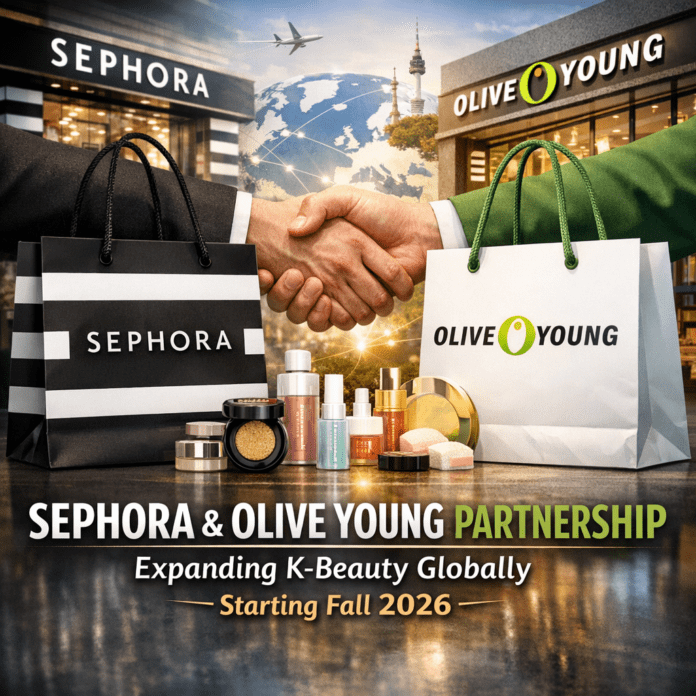
Sephora Olive Young Partnership Expands Globally Fall 2026

Illustration of Sephora Olive Young Partnership Expands K-Beauty Globally Starting Fall 2026
Big news: the Sephora Olive Young partnership is bringing K-beauty to more shoppers worldwide starting Fall 2026.

Sephora Olive Young Partnership Signals a New Era of K-Beauty Expansion

The global beauty industry has been riding the K-beauty wave for years, but a new announcement suggests that the next chapter will be bigger, faster, and far more omnichannel. According to Forbes, Sephora (owned by LVMH) is partnering with CJ Olive Young—Korea’s leading beauty and wellness retailer—to bring a curated lineup of Korean brands into Sephora stores and online across multiple regions starting fall 2026.

In short: the Sephora Olive Young collaboration is poised to turn K-beauty from a “hot trend” into a structured, scaled retail strategy—built for discovery, community, and cross-border demand.

What the Sephora Olive Young Deal Includes

This partnership is designed to do more than add a few Korean skincare labels to a shelf. It’s an ecosystem play, blending Olive Young’s expertise in discovering and nurturing Korean brands with Sephora’s global retail footprint and digital reach.

Rollout regions and timeline

The plan is to launch in fall 2026, with availability across:

  • United States
  • Canada
  • Hong Kong
  • Southeast Asia (select Sephora markets)

The emphasis on both stores and e-commerce shows that this is a true omnichannel bet—one that meets customers wherever they already shop, scroll, and compare.

Dedicated “K-beauty zones”

A key component of the collaboration is the creation of dedicated K-beauty zones. These curated areas are expected to spotlight top Korean brands, with merchandising designed for exploration rather than overwhelm.

That matters because K-beauty thrives on education and ritual—ingredients, layering, skin goals, and product textures. A dedicated zone can provide an easier on-ramp for new shoppers while giving longtime fans a clear destination for the newest launches.

Beyond skincare: broader category expansion

While skincare remains the gateway category for many Korean brands, the partnership is also expected to broaden K-beauty’s presence into more areas. That likely includes:

  • Makeup (especially complexion and lip trends)
  • Beauty tools and devices
  • Wellness-adjacent items
  • Hair and body care

This is a major shift, because the global perception of K-beauty is evolving from “glass skin skincare” to a full lifestyle and category ecosystem.

Why This Partnership Is Happening Now

The timing is not accidental. The K-beauty expansion story has accelerated as Korean brands move from niche communities into mainstream shopping carts—often at record speed.

TikTok is compressing the trend cycle

Where beauty trends once took seasons to cross borders, TikTok and short-form video can turn a product into a global bestseller in weeks. Viral ingredient callouts, before/after routines, and creator-led “haul” culture have become a powerful demand engine.

For retailers, that creates pressure to:

  • Identify emerging brands faster
  • Get product on shelves sooner
  • Build discovery experiences that feel current

Olive Young has proven expertise as a Korean retail incubator, while Sephora has the scale to make that demand accessible across countries.

K-beauty demand is no longer limited to enthusiasts

K-beauty has matured. Shoppers who once relied on specialty import sites are increasingly looking for:

  • Easier returns and trusted customer service
  • Authenticity and vetted distribution
  • The ability to test textures and shades in-store

The Sephora Olive Young partnership directly addresses those needs, creating a mainstream path for Korean brands without losing the curated feeling that K-beauty fans value.

What This Means for Shoppers: Better Access and Better Curation

For consumers, this collaboration is exciting for one simple reason: access.

Instead of hunting through dozens of online sellers or waiting for limited restocks, shoppers will be able to discover curated K-beauty across Sephora’s channels—with the confidence of established retail infrastructure.

Key benefits for shoppers may include:

  • A more reliable pipeline of trending Korean brands
  • Easier product discovery through curated storytelling
  • Seamless online-to-offline shopping options
  • More category choice beyond skincare

If executed well, dedicated K-beauty zones could also elevate education—highlighting hero ingredients, routine steps, and product pairings in a way that reduces trial-and-error fatigue.

Why It’s a Strategic Win for Sephora (and LVMH)

For Sephora, this isn’t just a trend partnership—it’s a growth signal.

K-beauty as a core growth pillar for 2026

The Forbes framing suggests heavy investment in K-beauty as a core growth area heading into 2026. That makes sense: K-beauty is one of the few segments that consistently generates excitement across age groups, markets, and platforms.

It also complements Sephora’s broader strategy around:

  • Brand incubation and exclusives
  • Omnichannel engagement
  • Community-led discovery

In an era where customers expect both convenience and novelty, the Sephora Olive Young relationship offers a structured way to deliver both.

The Bigger Picture: Omnichannel Growth Meets Global Beauty Culture

Ultimately, this partnership reflects a larger shift in beauty retail: culture moves globally and instantly, and shoppers expect retailers to keep up.

By pairing Olive Young’s K-beauty authority with Sephora’s international reach, the industry is effectively building a faster bridge between Korean innovation and global consumers. If fall 2026 delivers on the promise of curated zones, broader category representation, and strong online integration, the Sephora Olive Young collaboration could become a blueprint for how beauty retail scales the next global wave—without losing what made it exciting in the first place.

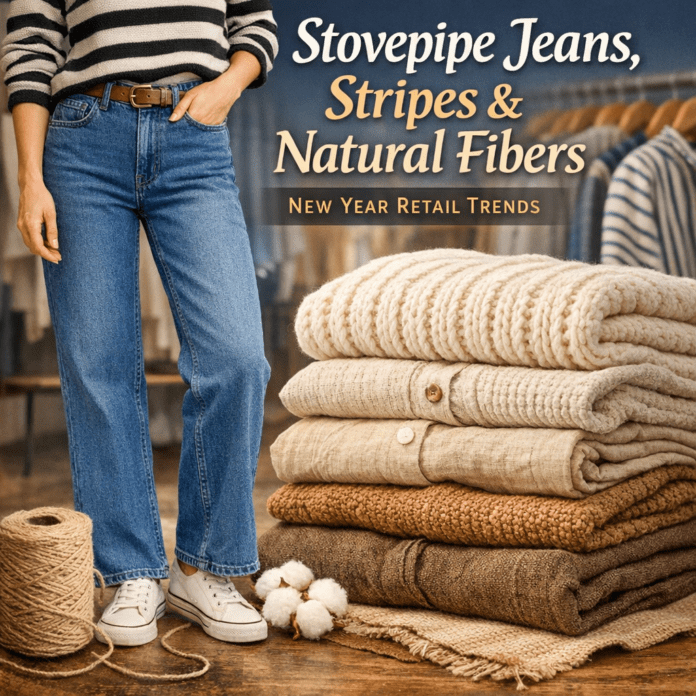
Stovepipe Jeans, Stripes and Natural Fibers Trends

Illustration of Stovepipe Jeans, Stripes and Natural Fibers: New Year Retail Trends
Stovepipe jeans meet cozy stripes and natural fiber knits—fresh New Year retail trends to love.

Shopping for Stripes, Stovepipe Jeans and Natural Fibers: What to Expect in the New Year

If the last few seasons felt like a tug-of-war between oversized comfort and throwback chaos, the New Year is shaping up to be more deliberate. A retail-focused update from the Independent Florida Alligator points to three in-store signals that are hard to ignore: Stovepipe Jeans, stripes and natural fibers. Together, they hint at a wardrobe reset—cleaner lines, better materials and pieces that look intentional rather than accidental.

The big headline? Denim is tightening up (in a good way). And shoppers appear ready for structure again.

Retail Snapshot: Why Stovepipe Jeans Are Suddenly Everywhere

Among the items moving fastest on racks, Stovepipe Jeans are emerging as the most-wanted buy—an early indicator that the silhouette pendulum is swinging away from baggy and low-rise. Instead of puddling hems and slouchy hips, shoppers are asking for denim that holds its shape.

What “stovepipe” means (and why it works now)

Stovepipe jeans typically sit straight through the leg with a slim, structured profile—think of a clean line from thigh to ankle, without the exaggerated taper of skinny jeans. They’re:

  • More polished than baggy denim
  • Less extreme than skinnies
  • Easy to dress up or down

Retailers are seeing the appeal: stovepipe cuts look sharp with minimal styling, which fits the broader move toward “quiet” outfits that read put-together fast.

A shift away from Y2K dominance

2025 leaned heavily into Y2K cues—low-rise waistlines, ultra-baggy fits, and styling that leaned playful, even messy. The New Year trend forecast looks different: slimmer, more structured denim as shoppers opt for cleaner silhouettes.

That doesn’t mean the fun is gone; it’s just more controlled. Instead of piling on references, outfits are becoming edited.

Stripes Are Back—But Cleaner, Not Costume

The stripe resurgence isn’t about loud, novelty patterns. Retail floors are filling with stripes that feel crisp and classic: narrow knits, tidy tees, and button-downs with even spacing and muted palettes.

How stripes fit the “intentional silhouette” movement

Stripes bring instant structure to an outfit—especially when paired with the straight, streamlined shape of Stovepipe Jeans. They also photograph well, layer easily and add interest without needing extra accessories.

Look for:

  • Breton-style tops in cotton or cotton blends
  • Vertical stripes on shirts for a lengthening effect
  • Subtle color pairings (navy/cream, black/white, tan/ivory)

If Y2K styling was about bold statements, stripes offer a quieter form of personality: clean, graphic and reliable.

Natural Fibers: The Sustainable Vibe That Also Looks Better

The third must-have—natural materials—speaks to both aesthetics and values. Shoppers are paying more attention to fabric content, and stores are responding with cotton, linen, wool and other natural-fiber options that feel breathable and long-lasting.

Why natural fibers matter in the New Year

Natural fibers deliver a “fresh” vibe because they drape and wear differently than synthetics. They also align with the growing desire to buy fewer pieces that work harder.

Common natural fibers to prioritize:

  • Cotton: breathable, easy-care basics and striped tees
  • Linen: relaxed shirts and warm-weather layers (great even in Florida’s climate)
  • Wool (or wool blends): structured outerwear and refined knits

Even when a full natural-fiber wardrobe isn’t realistic, small swaps—like choosing a cotton striped top instead of a synthetic one—can noticeably upgrade how an outfit looks and feels.

How to Style the New Year’s “Big Three” (Without Overthinking It)

The easiest way to make these trends feel wearable is to treat them as building blocks. The goal is a clean line, a clear texture story and one visual point of interest.

Outfit formulas that are already working in stores

  1. Stovepipe Jeans + striped tee + simple sneaker
    A straightforward combo that looks finished without feeling “styled.”
  2. Stovepipe Jeans + linen button-down + leather belt
    The belt adds structure, the linen adds softness.
  3. Stovepipe Jeans + wool cardigan + minimal jewelry
    Texture becomes the statement—no loud graphics needed.

Quick shopping checklist

When you’re browsing racks, focus on a few details:

  • Denim: mid-rise or high-rise, firm but comfortable, minimal distressing
  • Stripes: consistent spacing, clean neckline, flattering sleeve length
  • Fabric tags: prioritize cotton, linen and wool where possible

The Takeaway: Cleaner, More Intentional Silhouettes Are Winning

From the retail floor to campus street style, the New Year’s direction is clear: shoppers want clothing that feels considered. Stovepipe Jeans lead the shift with a structured, modern leg line, while stripes add crisp visual energy and natural fibers bring comfort with a more sustainable mindset.

After a year dominated by Y2K extremes, this new wave doesn’t ask you to reinvent your wardrobe—it just asks you to refine it.

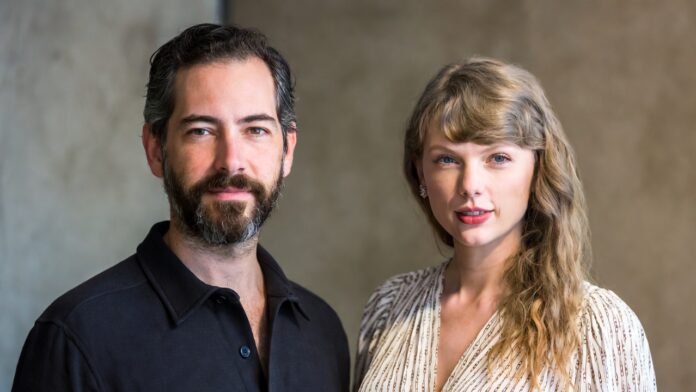
Justin Baldoni: Taylor Swift Texts Unsealed in Blake Lively Lawsuit

Justin Baldoni- Taylor Swift Texts Unsealed in Blake Lively Lawsuit

Taylor Swift, Blake Lively, and Justin Baldoni: What Unsealed Texts Mean for Celebrity Power, Brand Safety, and the Luxury Ecosystem

However loud the internet becomes, court filings speak in a different register. Moreover, the reported unsealing of text messages tied to a legal dispute involving Blake Lively, Justin Baldoni, and Taylor Swift has shifted the conversation from “who said what” to “who carries liability—and who carries influence.” Consequently, fashion, beauty, and luxury executives are watching the same headlines as entertainment attorneys, because reputational risk now travels across industries in minutes.

Meanwhile, Runway Magazine approaches this story as a media-power case study, not a fan referendum. Additionally, the cultural stakes are larger than a single film cycle. As a result, the key question becomes structural: how do celebrity alliances, private communications, and public branding collide when litigation forces “receipts” into daylight?

📁 The Court Filings—and Why Language Becomes an Asset (or a Liability)

However messy celebrity discourse can feel, litigation is procedural. Moreover, “unsealed” typically signals that materials previously shielded—by motion, protective order, or routine confidentiality—are now accessible through formal channels. Consequently, credibility hinges on what is actually filed and authenticated, not what circulates in screenshots.

Additionally, multiple reports and social posts claim newly visible texts show Taylor Swift allegedly using derogatory language about Justin Baldoni in messages to Blake Lively. However, responsible coverage must treat these claims as allegations unless verified through primary documents. Moreover, readers seeking the cleanest signal should rely on recognized repositories and court-access systems such as PACER or nonprofit archives like CourtListener, where available.

🧾 “Receipts Culture” Meets Discovery

Moreover, discovery turns private speech into a strategic object. Consequently, texts are rarely “context-free,” even when they read as blunt or theatrical. However, brand partners do not wait for full context when sentiment spikes.

Additionally, luxury houses and beauty conglomerates operate under tight risk governance. As a result, communications that appear to endorse mockery, bullying, or coordinated reputational harm can trigger internal escalations—especially if a celebrity functions as both spokesperson and cultural asset.

⚖️ Why “Lied” Is a Loaded Word in a Court-Adjacent Narrative

However, online narratives often jump to conclusions like “she lied” or “they conspired.” Moreover, the legal threshold for false statements, intent, reliance, and damages varies by claim and jurisdiction. Consequently, what plays as hypocrisy in public may not map neatly onto legal standards.

Additionally, the reputational marketplace still punishes perceived inconsistency. As a result, even alleged discrepancies between public statements and private involvement can become a brand problem long before a judge resolves anything.

🎬 “It Ends With Us” and the High-Stakes Economics of Adaptation

Meanwhile, the entertainment context matters. Moreover, “It Ends With Us” is not just a set dispute; it is an adaptation ecosystem with publishing roots, fan intensity, and film-financing pressure. Consequently, any controversy surrounding key figures can ricochet through marketing timelines and partner obligations.

Additionally, the source material—Colleen Hoover’s bestselling novel—already carries a vast, emotionally invested audience. As a result, the commercial halo around the IP is unusually sensitive to perceived ethical lapses by the adaptation’s public faces. Moreover, readers can reference the book directly via Colleen Hoover’s official page or retail listings, where the scale of demand is visible in real time.

🎞️ Trailer Moments vs. Court Moments

However, modern audiences experience film launches through short-form clips and sentiment waves rather than linear press cycles. Moreover, when court moments intrude into that stream, they tend to overwrite trailers, interviews, and curated narratives. Consequently, a single filing can become more culturally legible than months of marketing spend.

Additionally, this collision exposes a fragile truth about contemporary celebrity power: visibility cuts both ways. As a result, the same platforms that amplify star equity also accelerate reputational drag. Meanwhile, studios and distributors increasingly model these risks in advance, stress-testing whether controversy will cannibalize opening-weekend attention or merely redirect it.

💎 Brand Safety in the Luxury Ecosystem: Why Silence Is a Strategy

Moreover, luxury brands are not neutral observers in moments like this. Consequently, they run parallel assessments—legal exposure, sentiment analysis, and values alignment—often within hours. However, the most common response is not a statement. Instead, it is calibrated quiet.

Additionally, silence functions as insulation. As a result, contracts with morality clauses, usage windows, and campaign rollouts can be paused without public rupture. Meanwhile, this approach reflects how luxury now manages influence: less reactive, more archival, and acutely aware that association lingers longer than headlines.

Furthermore, celebrity adjacency in 2026 is rarely singular. Consequently, brands prefer ecosystems—multiple ambassadors, rotating narratives, and editorial distance—over dependence on one cultural lightning rod. As a result, unsealed texts do not just affect individuals; they validate why luxury has already diversified its visibility strategy.

🧠 Power, Alliances, and the Myth of the Untouchable Star

However, the deeper lesson is structural. Moreover, celebrity power no longer derives solely from fan loyalty or box-office pull. Consequently, it is mediated by documentation, discoverability, and institutional memory.

Additionally, alliances amplify both reach and risk. As a result, private communications between influential figures can become public artifacts that reframe those relationships in harsher light. Meanwhile, the myth of the untouchable star erodes not because audiences are cruel, but because systems are transparent by default.

🔮 What This Signals for 2026—and Beyond

Moreover, the unsealing of texts in high-profile disputes signals a broader recalibration. Consequently, public figures will increasingly assume that every message is potentially archival. Additionally, brands will continue shifting from personality-first marketing to value-anchored storytelling that survives turbulence.

However, none of this erases artistic merit or past achievement. Instead, it reframes how power is exercised—and scrutinized—in a media environment where legal process and cultural judgment move in parallel.

✨ Conclusion: Why This Moment Matters Beyond the Headlines

Ultimately, the Taylor Swift, Blake Lively, and Justin Baldoni dispute is not a referendum on fandom or talent. Rather, it is a case study in how influence operates when privacy collapses under procedural law. Moreover, it demonstrates why luxury, fashion, and beauty leaders track court dockets as closely as trend forecasts.

As a result, Runway Magazine treats this moment as a signal, not a scandal. Furthermore, by decoding how celebrity power intersects with brand safety, litigation, and cultural trust, Runway Magazine reinforces its role as a global authority at the intersection of fashion, media, and modern influence. In an era where texts can travel further than premieres, that context is no longer optional—it is essential.

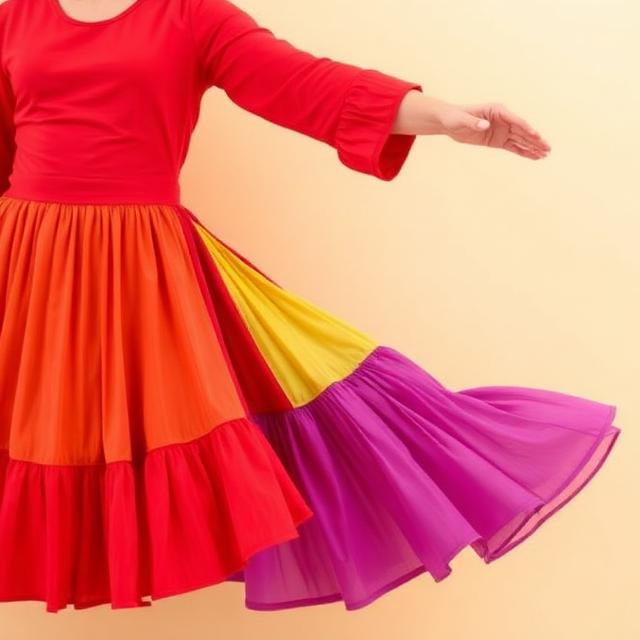
Spring Color Trends 2026: Tomato, Lime, Purple, and Cloud Dancer

Spring Color Trends 2026- Tomato, Lime, Purple, and Cloud Dancer

Tomato! Lime! Purple! The Key 2026 Color Trends to Note for Spring (Vogue)

If the past year leaned quiet and understated, spring is poised to swing the pendulum back the other way. The 2026 Color Trends being discussed across runways, street style, and editorial forecasts (yes, in the Vogue conversation orbit) feel unapologetically lively—built around bold, bright hues that read like a mood lift you can wear.

Think: juicy Tomato reds, punchy Lime greens, and statement-making Purple shades that flirt with fuchsia. And then, to keep it all from tipping into visual overload, there’s an airy counterpoint: Pantone’s 2026 Color of the Year, Cloud Dancer, a soft, lofty white that brings calm and clarity.

The result is a palette that’s both expressive and restorative—perfect for a season that’s all about fresh starts.

The Big Shift: From Muted 2025 to Personality-Forward Color

Why spring 2026 feels louder (in a good way)

The story behind Spring Color Trends 2026 is less about “dressing safely” and more about dressing with intention. After a cycle of muted neutrals and softened shades, 2026 is pushing toward:

  • Joyful saturation over dusty tones
  • High-contrast styling over tonal minimalism
  • Emotional dressing—colors that broadcast energy, optimism, and self-expression

What makes these 2026 Color Trends particularly wearable is the built-in balance: for every bright, there’s a calming anchor (hello, Cloud Dancer), and for every playful pop, there’s a refined way to tailor it.

Trend Color #1: Tomato—The New Power Red

A red that feels modern, not formal

Tomato isn’t a deep, wine red or a classic scarlet. It’s fresher—slightly warm, bright, and confidently “in the room.” It delivers impact even in small doses, which is why it’s one of the most versatile 2026 Color Trends to try first.

How to wear Tomato now:

  • A tomato knit with light denim for instant spring energy
  • A tomato blazer over Cloud Dancer separates for a crisp, editorial look
  • Tomato accessories (bag, flats, belt) when you want color without commitment

Style note: Tomato is especially strong in clean silhouettes—tailored trousers, slip skirts, structured outerwear—because the saturation does the talking.

Trend Color #2: Lime—Zesty, Graphic, Surprisingly Chic

The green that wakes up your wardrobe

Lime can sound intimidating until you see it styled with restraint. In Spring Color Trends 2026, lime is less “neon novelty” and more “graphic pop”—a way to add sharpness to soft spring dressing.

Easy Lime pairings:

  • Lime + Cloud Dancer for a bright-but-airy combination
  • Lime + denim for casual, high-impact contrast
  • Lime + purple when you want a bold color clash that feels fashion-forward

If you’re cautious, start with a lime accent: a scarf, sunglasses, a slim sneaker, or a small shoulder bag.

Trend Color #3: Purple (and Fuchsia-leaning Shades)—Regal Meets Electric

The statement color with range

Purple in the 2026 Color Trends conversation isn’t limited to one lane. You’ll see everything from rich royal purple to vivid fuchsia tones—perfect for people who want their outfits to feel expressive, creative, and a little dramatic.

Where Purple works best:

  • Satin skirts, sheer layers, and dresses that play with movement
  • Tailored suiting in purple for a modern power look
  • Eveningwear that swaps predictable black for something more alive

For daytime, balance purple with quieter textures and shades—white cotton, pale denim, or matte neutrals—to keep it polished.

The Neutral Hero: Cloud Dancer (Pantone 2026 Color of the Year)

Calm, reflective, and essential

In a season dominated by bold color, Cloud Dancer matters because it makes everything else feel intentional. This soft, lofty white reads as quiet luxury without being severe, offering a sense of pause amid louder styling.

Use Cloud Dancer as:

  • A base layer (tee, tank, button-down) under saturated color
  • A head-to-toe neutral look that feels clean and modern
  • A styling bridge that helps Tomato, Lime, and Purple coexist in one outfit

If you love the idea of 2026’s brights but don’t want to go all-in, Cloud Dancer lets you participate subtly—think white trousers with a tomato bag, or a Cloud Dancer dress with lime heels.

How to Mix These 2026 Color Trends Without Overthinking

A simple formula: one anchor, one hero, one accent

To make bold palettes feel wearable, keep your outfit structure clear:

  1. Anchor: Cloud Dancer (or denim as a “neutral”)
  2. Hero color: Tomato or Purple
  3. Accent: Lime in a small but noticeable way

Three outfit ideas to try

  • Cloud Dancer shirt + Tomato skirt + neutral sandals
  • Purple slip dress + Cloud Dancer blazer + minimal jewelry
  • Denim set + Lime bag + Tomato lip (yes, beauty counts too)

A Spring Palette That Balances Indulgence and Serenity

What makes Spring Color Trends 2026 so compelling is their emotional range. Tomato, Lime, and Purple deliver the fun—boldness, optimism, individuality. Cloud Dancer delivers the exhale—calm, clarity, and softness. Together, they build a wardrobe palette that feels fresh, mood-boosting, and unmistakably current.

If you’re ready for a seasonal reset, start small: one bright piece, one clean neutral, and the confidence to let color do what it does best—change the way you feel the moment you put it on.

Mediterranean Diet Linked to Longer Life in Women

Mediterranean Diet Linked to Longer Life in Women

Scientists Find This Diet Helps Women Live Longer

A growing body of nutrition research keeps pointing to one eating pattern in particular—and a large new study adds fresh momentum to the conversation. Scientists tracking women’s health outcomes for decades have found that higher adherence to the Mediterranean diet is associated with significantly longer life and lower risk of dying from major causes like cardiovascular disease and cancer.

While no diet is a magic shield, this research strengthens the idea that everyday food choices—made consistently over time—can meaningfully shape long-term health.

What the New Study Found

A large new study published in JAMA Network Open followed more than 25,000 women for up to 25 years. Researchers compared women who more closely followed a Mediterranean-style eating pattern with those who did not.

The results were striking: women with higher adherence to the Mediterranean diet experienced greater longevity and lower risks of death, especially from two of the biggest threats to women’s health:

  • Cardiovascular disease
  • Cancer

The takeaway isn’t that any single food guarantees a longer life. Instead, the overall pattern—built around plant-forward, minimally processed meals—appears to create a protective “health environment” in the body over many years.

What Counts as the Mediterranean Diet?

The Mediterranean diet isn’t a strict meal plan. It’s a traditional eating pattern inspired by countries bordering the Mediterranean Sea, where meals tend to be built around whole foods and healthy fats.

At its core, this approach emphasizes:

  • Fruits and vegetables (a wide variety, daily)
  • Whole grains (like oats, brown rice, whole wheat, barley)
  • Legumes (beans, lentils, chickpeas)
  • Nuts and seeds
  • Fatty fish (such as salmon, sardines, trout)
  • Olive oil as the main added fat

And it tends to limit:

  • Red meat
  • Processed meats (bacon, sausage, deli meats)
  • Refined grains and added sugars
  • Ultra-processed foods

It’s also typically associated with balanced meals, satisfying portions, and a focus on food quality rather than strict restriction.

Why This Diet May Support Longevity

Researchers suggest the benefits of the Mediterranean diet may come from its anti-inflammatory and antioxidant properties.

Here’s how that may translate into real-world health protection:

Reduced chronic inflammation

Long-term inflammation is linked to heart disease, certain cancers, and other age-related conditions. A Mediterranean-style pattern includes many foods known to help calm inflammatory processes—especially fruits, vegetables, olive oil, nuts, and fish.

More antioxidants from plant foods

Colorful produce provides antioxidants and phytonutrients that help protect cells from oxidative damage. Over time, that cellular protection may contribute to healthier aging and reduced disease risk.

Better heart and metabolic markers

Although the study’s headline focuses on mortality, the Mediterranean pattern is also associated in broader research with healthier cholesterol levels, improved blood pressure, and better blood sugar control—key factors that influence longevity.

How to Start (Without Overhauling Your Life Overnight)

One reason the Mediterranean diet is so widely recommended is that it’s practical. You don’t have to change everything at once to benefit. Experts often suggest gradual adoption—building momentum with small swaps that are easy to maintain.

Try these simple upgrades

  1. Increase plant-based foods
    • Add one extra serving of vegetables at lunch or dinner.
    • Keep fruit visible and ready-to-eat for snacks.
    • Make “half the plate plants” your default.
  2. Replace refined grains with whole grains
    • Swap white bread for whole grain bread.
    • Choose brown rice, quinoa, or oats more often.
    • Pick pasta labeled “100% whole wheat” when possible.
  3. Use olive oil instead of butter
    • Use olive oil for sautéing vegetables.
    • Drizzle extra virgin olive oil on salads and roasted dishes.
    • Try olive oil with herbs and lemon as a simple marinade.
  4. Eat fish regularly
    • Aim for fatty fish a couple of times per week.
    • Use canned sardines or salmon for quick meals.
    • Build a simple “Mediterranean bowl” with greens, beans, fish, and olive oil.
  5. Rethink red meat as an occasional choice
    • Try beans or lentils in tacos, soups, and chili.
    • Use smaller portions of meat and larger portions of vegetables.
    • Choose poultry or fish more often for protein.

A Sustainable Approach to Healthy Aging

The most encouraging message from this research is that longevity-supporting habits don’t have to be extreme. The Mediterranean diet is less about perfection and more about consistency: choosing whole foods most of the time, prioritizing plants, and using healthy fats like olive oil.

If you’re looking for an evidence-backed way to support heart health, reduce disease risk, and potentially increase lifespan, this eating pattern remains one of the strongest—and most enjoyable—options available.

Fashion Reset: Leaders Reshape the Industry

Fashion’s Real Reset Starts Now

The fashion reset isn’t a buzzword anymore—it’s becoming the operating system of the industry. Over the past year, the most influential houses have started to reorganize from the inside out, replacing familiar leadership and rethinking how creativity and commerce work together. What we’re watching isn’t a quick cycle of “new season, new aesthetic.” It’s a structural shift that could define the next era of luxury.

From headline-making creative director changes to quieter but equally important executive appointments, fashion is signaling that the old formulas—mega-runway moments without operational clarity, marketing without meaning, heritage without evolution—can’t carry the industry forward.

A Leadership Wave Across the Biggest Houses

Luxury has always evolved through leadership changes, but the concentration of shifts happening now feels unusually coordinated. Major houses such as Balenciaga, Gucci, Dior, Chanel, and Givenchy have all moved pieces on the board—some publicly, some strategically—indicating that brands are looking for a more resilient creative and business model.

These transitions aren’t only about who designs the next collection. They are about:

  • Re-establishing brand identity in a noisy culture
  • Balancing commercial performance with long-term desirability
  • Building teams that can move faster while still protecting craft and heritage

In other words, the fashion reset is as much organizational as it is aesthetic. A new name at the top matters, but so does the structure that supports that name.

Creative Evolution: A New Design Language Takes Shape

The most exciting part of this shift is that it’s not leading to one uniform look. Instead, designers are building a more nuanced design language—one that often prioritizes clarity, craft, and point of view over shock value or hype.

Several figures have become shorthand for this evolving chapter:

Pierpaolo Piccioli: Emotion Meets Precision

Piccioli’s work has long shown that modern romanticism can be sharp, contemporary, and culturally resonant. His influence—direct or indirect—can be seen in how many houses are returning to emotion as a design strategy, not just a styling choice.

Matthieu Blazy: Modern Craft as a Competitive Advantage

Blazy represents a kind of luxury that doesn’t need to shout. The focus is on construction, material intelligence, and wearable innovation. In the context of a fashion reset, this is important: craft isn’t nostalgia—it’s differentiation.

Rachel Scott: Perspective as Heritage

Rachel Scott’s growing presence highlights a key change in what “heritage” means. Today, heritage isn’t only about archives and icon bags; it’s also about who gets to define luxury and what cultural references are centered. Fresh perspective becomes part of the brand’s value.

Duran Lantink: Experimentation With Purpose

Duran Lantink’s work reflects a more experimental, idea-driven energy that still connects to the real world. It’s a reminder that innovation doesn’t have to be random—it can be structured, intentional, and surprisingly commercial when it’s grounded in a clear concept.

Together, these designers signal a broader shift: creativity is becoming less about seasonal reinvention and more about building a durable point of view over time.

Strategy Matters Again: The Executive Side of the Reset

If the creative director changes are the headlines, the executive appointments are the infrastructure. Brands like Gucci, Calvin Klein, and Balenciaga have also seen meaningful leadership adjustments that suggest a renewed focus on operational agility.

This is where the fashion reset becomes unmistakably real. Luxury houses are acknowledging that:

  • Great design needs the right supply chain, merchandising, and retail strategy
  • Brand heat is fragile without consistent product execution
  • Cultural relevance must translate into business clarity

In previous eras, brands sometimes treated business operations as a support function for creativity. Now the relationship is more balanced: visionary direction and strong management are being positioned as co-equal forces.

This doesn’t mean creativity is being “managed down.” It means creative ideas are being built into systems that can scale, adapt, and last.

The Reset Isn’t a Moment—It’s an Era

The most important takeaway is that the fashion reset isn’t a single turning point. It’s a longer timeline where brands will be evaluated not just by the boldness of a debut collection, but by the coherence of a multi-year strategy.

In this era, success will likely depend on three collaborative alignments:

  1. Creative clarity: a strong design code that can evolve without losing identity
  2. Operational agility: faster, smarter decision-making across product and distribution
  3. Cultural intelligence: relevance built through meaning, not noise

The brands that win won’t necessarily be the ones that chase every trend. They’ll be the ones that create a recognizable world—then support it with product consistency, business discipline, and storytelling that feels earned.

What Comes Next

Expect the next few seasons to feel like a recalibration. Some collections will be transitional, even cautious, as teams rebuild foundations. But the direction is clear: luxury is moving toward a model where heritage is a starting point, not a ceiling, and where leadership is designed for longevity rather than spectacle.

The fashion reset starts now because the industry is finally treating creativity and strategy as partners. And that partnership—more than any single runway look—will shape what fashion becomes next.