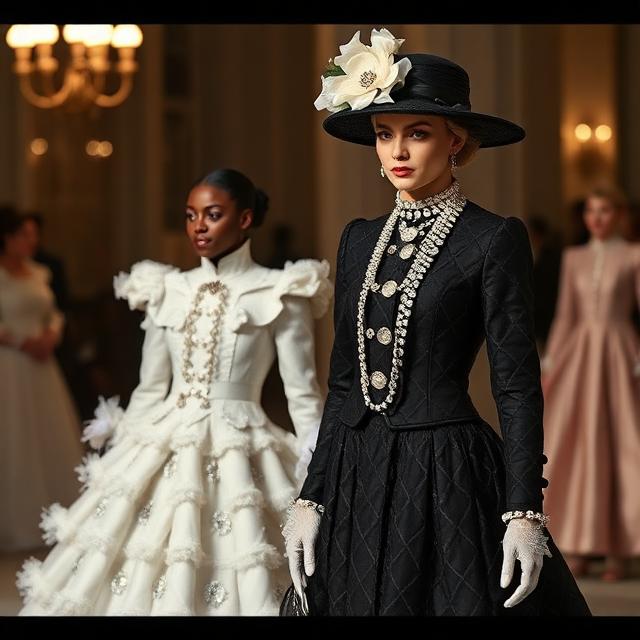
Front Rows and Beauty Authority at Chanel Haute Couture Show

Front Rows and Beauty Authority at Chanel Haute Couture Show

Front Rows and Beauty Authority at Chanel’s Haute Couture Spring/Summer 2026 Show ✨

How Chanel reaffirmed its cultural power on Day Two of Paris Couture Week

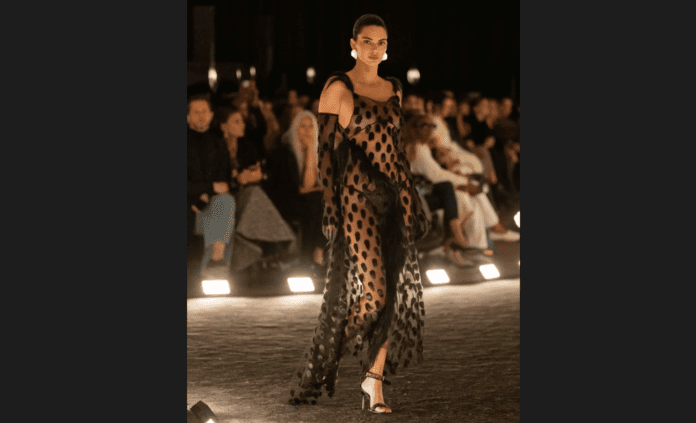
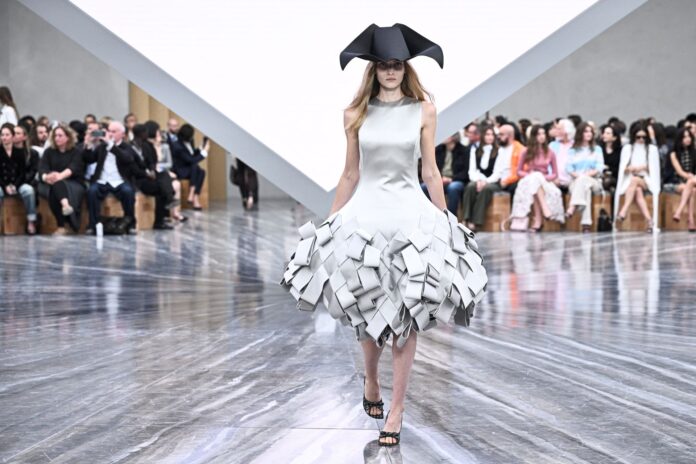
Paris Couture Week reached a new pitch of visibility as Chanel Haute Couture 2026 took center stage on Day Two, transforming the Grand Palais into a convergence point for fashion, cinema, music, and global celebrity culture. While couture remains rooted in craftsmanship, Chanel’s presentation demonstrated how front-row influence, beauty signaling, and media momentum now operate as a single ecosystem.

At this moment, couture is no longer confined to ateliers and private clients. It functions as global content, shaping search behavior, red-carpet strategy, and luxury aspiration in real time.


A Front Row That Commanded Global Attention 📸

The front row at Chanel Haute Couture 2026 read like a cultural index rather than a guest list. Dua Lipa, Penélope Cruz, Nicole Kidman, Tilda Swinton, and Kim Go-eun anchored the audience, joined by ambassadors and long-standing friends of the house.

Each appearance amplified Chanel’s authority beyond fashion. Their presence generated immediate traction across Getty Images (https://www.gettyimages.com), Vogue Runway (https://www.vogue.com/runway), and X, where live clips and stills circulated within minutes. Couture, once intimate by design, now performs on a planetary stage.


Dua Lipa and the Modern Face of Chanel 🖤

Dua Lipa’s appearance at Chanel Haute Couture 2026 reinforced her evolving role as a fashion authority rather than a guest star. Wearing an all-black look with graphic restraint, she embodied Chanel’s contemporary codes: confidence, minimalism, and cinematic polish.

Her off-runway moments—selfies with Penélope Cruz and candid exchanges captured by fans—proved as influential as formal photography. This hybrid of official imagery and organic content reflects how luxury houses increasingly rely on cultural credibility rather than spectacle alone.


Penélope Cruz’s Bob and the Haircut Heard Around the World ✂️

Penélope Cruz delivered the most talked-about beauty moment of Chanel Haute Couture 2026 with a freshly cut bob in a lighter, refined tone. The look immediately sparked editor commentary and stylist speculation, positioning the bob as a defining haircut for 2026.

The power of this moment lies in its clarity. The cut was neither experimental nor nostalgic. It felt deliberate, wearable, and confident. Chanel has long understood that beauty statements gain longevity when they feel inevitable rather than provocative.


Polished Beauty as the New Couture Language 💄

Beauty at Chanel Haute Couture 2026 leaned toward restraint with precision. Hair appeared smooth, healthy, and camera-ready. Makeup favored luminous skin, soft structure, and intentional minimalism.

This approach aligns with broader luxury beauty movements led by Chanel Beauty (https://www.chanel.com), where skincare-first philosophies and refined finishes dominate. Couture beauty now communicates longevity, discipline, and self-possession—qualities that resonate with modern luxury consumers.


Nicole Kidman, Tilda Swinton, and the Power of Presence 🎭

Nicole Kidman and Tilda Swinton brought cinematic gravitas to Chanel Haute Couture 2026, reinforcing Chanel’s long-standing relationship with film and performance. Their styling avoided excess, relying instead on posture, tailoring, and quiet confidence.

This form of visibility matters. As fashion audiences grow more discerning, authenticity and authority outweigh novelty. Chanel’s casting reflects an understanding that credibility sustains brand equity far beyond a single season.


Kim Go-eun and Couture’s Global Emotional Reach 🌍

Kim Go-eun’s appearance at Chanel Haute Couture 2026 resonated deeply with global audiences, particularly across Asia. Viral clips referencing her emotional “Goblin” OST moment circulated rapidly, merging fashion with shared cultural memory.

This illustrates couture’s expanding emotional bandwidth. Luxury fashion no longer speaks solely through exclusivity. It connects through narrative, familiarity, and resonance.


Couture Week as Celebrity Gravity Field ✨

Within the broader context of Paris Couture Week, Chanel Haute Couture 2026 extended momentum established by Schiaparelli and Dior, where Rihanna and Jennifer Lawrence dominated headlines. Couture has become fashion’s highest concentration of celebrity capital.

For luxury houses, this visibility supports downstream impact across ready-to-wear, accessories, fragrance, and beauty. Couture may be rarefied, but its influence is deeply commercial.


Digital Amplification and Search Authority 📊

The imagery from Chanel Haute Couture 2026 quickly translated into search spikes for celebrity haircuts, makeup looks, and Chanel styling references. Platforms like Google Discover and Instagram rewarded the clarity of the visuals.

This is not accidental. Chanel’s disciplined aesthetic performs exceptionally well across algorithms that favor recognizability, authority, and emotional engagement.


Why Chanel’s Front Row Still Sets the Standard 🔮

As fashion navigates rapid technological and cultural shifts, Chanel Haute Couture 2026 reaffirmed a central truth: authority is built through consistency, not noise. The house continues to define luxury by aligning craftsmanship with cultural relevance.

At Runway Magazine, we view moments like this as benchmarks rather than spectacles. They reveal how couture, when executed with intention, remains fashion’s most powerful language—one that shapes beauty, celebrity, and aspiration well beyond Paris.

BAFTA Nominations 2026 Film Awards Announced

BAFTA Nominations 2026 Film Awards Announced

BAFTA Film Awards 2026 Nominations Announced — A Defining Signal in Global Awards Season 🎬

The unveiling of the BAFTA nominations 2026 marks a pivotal inflection point in the international awards calendar, reinforcing the British Academy of Film and Television Arts as both cultural arbiter and global tastemaker. Announced live from London at precisely 12 p.m. GMT, this year’s nominations arrived with heightened anticipation, positioned directly after the Oscar shortlists and ahead of a fiercely competitive February ceremony.

For the global film industry, these nominations are not merely ceremonial. They function as a strategic barometer for creative direction, industry values, and international influence at a moment when cinema is redefining its relationship with audiences, platforms, and prestige.


London Takes the Lead in Awards Discourse 🇬🇧

The BAFTA nominations 2026 were revealed in a tightly produced live announcement that underscored the Academy’s commitment to relevance, transparency, and digital reach. Broadcasting directly from London, the event reaffirmed BAFTA’s role as Europe’s most influential film institution, bridging arthouse credibility with mainstream visibility.

Unlike purely predictive awards chatter, BAFTA operates as a corrective lens. Its voting body often elevates performances and films that challenge commercial dominance, offering a more globally textured perspective on cinematic excellence.


Hosts as Cultural Signals — Aimee Lou Wood and David Jonsson ✨

The choice of hosts for the BAFTA nominations 2026 was itself a statement. Aimee Lou Wood and David Jonsson represent a new generation of British screen talent—actors whose careers straddle independent storytelling, mainstream success, and cultural relevance.

Their presence framed the announcement as forward-looking rather than retrospective. It also reinforced BAFTA’s commitment to elevating emerging voices alongside established names, a balance that increasingly defines awards credibility in the streaming era.


Awards Momentum After Oscar Shortlists 🏆

Arriving shortly after the Academy Awards shortlists, the BAFTA nominations 2026 carried added weight. Industry observers scrutinized the list for confirmation, divergence, and disruption—seeking clues about which films may gain late-stage momentum or face recalibration.

Historically, BAFTA has demonstrated a willingness to diverge from Hollywood consensus. This independent streak enhances its authority and ensures its nominations remain consequential rather than redundant.


Spotlight on British and Global Talent 🌍

One of the defining strengths of the BAFTA nominations 2026 lies in their ability to foreground U.K. talent within a genuinely international framework. British actors, directors, and craftspeople were recognized alongside global peers, reinforcing London’s role as a creative crossroads rather than a regional enclave.

This balance reflects BAFTA’s evolving mandate: to champion national excellence while shaping global cinematic standards.


Diversity, Representation, and Industry Accountability 🎭

The BAFTA nominations 2026 also contribute to broader conversations around representation and access. In recent years, BAFTA has implemented structural reforms to diversify its voting body, with measurable impact on nomination outcomes.

These efforts are not performative. They signal a recalibration of cultural authority, ensuring that recognition reflects the full spectrum of contemporary storytelling rather than legacy power structures.


Fashion, Luxury, and Red-Carpet Economics 👗

Beyond film, the BAFTA nominations 2026 immediately activate the luxury ecosystem. Nominees become red-carpet protagonists, influencing fashion houses, jewelry brands, and beauty partnerships in the weeks leading up to the ceremony.

Designers and maisons monitor these lists closely, aligning bespoke creations and ambassador strategies with likely winners. Awards season, at this level, operates as a high-stakes marketplace of image, influence, and global visibility.


Digital Reach and Algorithmic Authority 📊

From a media perspective, the BAFTA nominations 2026 performed strongly across Google Discover, social platforms, and news aggregators. The structured release format, clear entity signals, and live-hosted reveal optimized the announcement for AI-driven discovery and real-time engagement.

This precision reflects BAFTA’s understanding that authority today is reinforced through clarity, timing, and digital fluency.


Setting the Tone for February’s Ceremony 🔮

As anticipation builds toward the ceremony itself, the BAFTA nominations 2026 establish narrative momentum rather than final verdicts. They shape conversation, recalibrate predictions, and elevate films that may otherwise remain peripheral in global discourse.

For audiences, nominees become viewing guides. For the industry, they function as validation mechanisms with tangible career and commercial impact.


Why BAFTA’s Voice Still Matters 🎥

Ultimately, the BAFTA nominations 2026 reaffirm the Academy’s enduring relevance in an increasingly fragmented entertainment landscape. At a time when metrics, algorithms, and virality often overshadow craft, BAFTA continues to prioritize artistic merit, cultural resonance, and long-term impact.

At Runway Magazine, we interpret this moment not as awards-season spectacle, but as a signal of where global storytelling is heading. As fashion, film, and luxury continue to converge, institutions that combine tradition with discernment remain indispensable. BAFTA’s nominations do not chase relevance—they define it.

Sundance Documentary Spotlight: A Portrait of Courage

Sundance Documentary Spotlight- A Portrait of Courage

Sundance Documentary Spotlight: A Portrait of Courage, Culture, and Creative Resilience

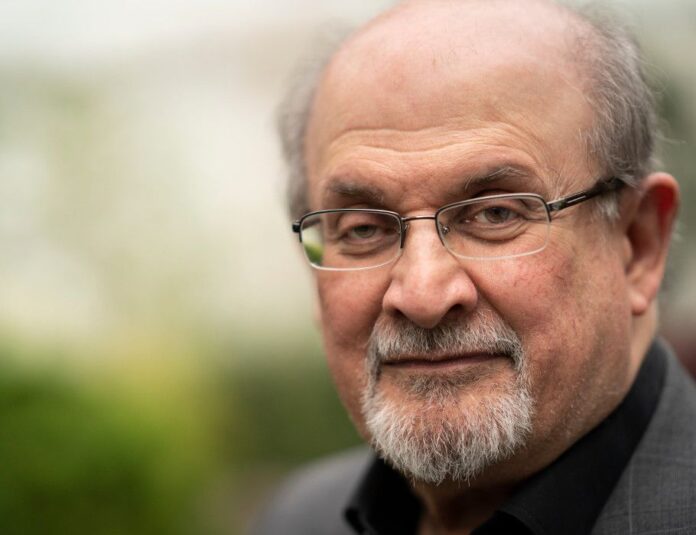
The 2026 Sundance Film Festival once again demonstrated why it remains a bellwether for global cultural discourse. At the center of this year’s nonfiction conversation stands Salman Rushdie, the subject of a documentary that transcends biography to interrogate freedom of expression, artistic survival, and the evolving role of festivals in shaping intellectual life. Rather than positioning trauma as spectacle, the film reframes recovery as a cultural act, aligning personal endurance with the broader values that sustain creative industries worldwide.

Reframing the Festival Documentary 🎬

Film festivals have long been associated with discovery and prestige. However, Sundance has increasingly become a forum for intimate, idea-driven storytelling that sits at the intersection of art, politics, and identity. In this context, Salman Rushdie emerges not merely as a literary figure, but as a living archive of modern debates around censorship, authorship, and resilience.

The documentary premiered under the Sundance Institute banner, reinforcing the festival’s commitment to nonfiction works that challenge audiences intellectually rather than emotionally manipulate them. By situating the narrative within a reflective, author-led framework, the film signals a shift away from sensationalism toward meaning-driven cinema. More information on Sundance’s evolving documentary mission can be found via the Sundance Institute.

Recovery as Narrative, Not Spectacle 🧠

At its core, the documentary examines recovery and resilience as processes rather than endpoints. Following the 2022 attack that nearly claimed his life, Salman Rushdie confronts physical rehabilitation alongside deeper philosophical questions about fear, expression, and the cost of dissent. The film resists linear storytelling, opting instead for a contemplative structure that mirrors healing itself.

This approach reflects a broader movement within documentary filmmaking, where interiority now rivals exposition. As audiences grow more media-literate, demand has shifted toward narratives that respect complexity. In doing so, the film positions Salman Rushdie as both subject and co-author of his own representation, a distinction increasingly valued in high-caliber nonfiction cinema.

Cultural Authority in an Age of Noise 📚

Beyond personal recovery, the documentary situates Salman Rushdie as a symbol within a larger cultural ecosystem. His work has long occupied the fault lines between literature and politics, making his story especially resonant at a time when creative expression is again under pressure globally.

Institutions such as PEN America and publishers like Penguin Random House have emphasized the importance of safeguarding writers’ voices. The film subtly aligns with these institutional narratives, reinforcing the idea that protecting artists is not a niche concern but a cornerstone of cultural sustainability.

Why Sundance Matters More Than Ever 🌍

The presence of Salman Rushdie at Sundance underscores how festivals now function as cultural amplifiers rather than mere exhibition platforms. In an era dominated by algorithmic discovery, curated environments provide essential context and credibility. Sundance’s endorsement signals to global audiences that this story belongs within serious cultural conversation.

Moreover, this documentary exemplifies how festivals increasingly elevate author narratives alongside entertainment premieres. By doing so, Sundance bridges the gap between intellectual life and mainstream media, ensuring that nuanced stories reach audiences beyond academic or literary circles.

The Business of Meaningful Storytelling 🎥

From an industry perspective, the film also highlights shifting economics within documentary distribution. Prestige nonfiction projects increasingly find homes through partnerships with premium broadcasters and streaming platforms such as HBO, which has invested heavily in culturally significant documentaries.

This model benefits creators by preserving narrative integrity while expanding reach. For cultural publications and luxury lifestyle audiences alike, such projects reaffirm the value of depth over volume, a principle mirrored across fashion, art, and design sectors.

Literature, Lifestyle, and Legacy ✒️

What makes this documentary particularly relevant to Runway Magazine’s readership is its alignment with lifestyle as intellectual practice. The life of Salman Rushdie is presented not as isolated literary history but as an ongoing engagement with modern living—how ideas are consumed, challenged, and preserved.

As luxury and culture converge around values of authenticity and provenance, stories like this gain renewed relevance. They remind audiences that refinement is not only aesthetic but ethical, rooted in the courage to sustain creativity under pressure.

A Forward-Looking Cultural Benchmark 🔮

Ultimately, the Sundance documentary offers more than reflection. By centering Salman Rushdie within a framework of recovery and resilience, it sets a benchmark for future cultural storytelling. It argues, implicitly but convincingly, that the most enduring luxury in contemporary life is intellectual freedom.

As media ecosystems continue to fragment, Runway Magazine remains committed to contextualizing such moments with clarity and authority. By engaging with stories that define cultural legacy rather than chase virality, Runway reinforces its role as a trusted editorial reference for readers who value depth, discernment, and the lasting power of ideas.


Schiaparelli SS2026 Haute Couture Opens Paris

Schiaparelli SS2026 Haute Couture Opens Paris

Schiaparelli Haute Couture SS2026 Opens Paris With Surreal Authority and Strategic Spectacle 🎭

At precisely 10:00 AM CET on January 26, Paris Haute Couture Week began not with understatement, but with intent. Schiaparelli SS2026 opened the season as both a ceremonial honor and a strategic statement, reaffirming the house’s role as couture’s most reliable provocateur. Under the creative direction of Daniel Roseberry, the maison once again positioned itself at the intersection of art, fashion, and cultural conversation.

Rather than treating the opening slot as pageantry, Schiaparelli SS2026 used the moment to frame the week’s narrative. In an era when couture must justify its relevance beyond spectacle, the collection arrived as a reminder that imagination, when disciplined by craft, still commands global attention.


Daniel Roseberry and the Power of the Opening Slot ⏰

Opening Paris Haute Couture Week carries symbolic weight. It sets expectations not only for silhouettes and materials, but for ambition. Under Roseberry, Schiaparelli has transformed this responsibility into a signature advantage.

With Schiaparelli SS2026, the house reinforced its reputation for theatrical precision. Roseberry’s tenure has consistently demonstrated that couture thrives when it provokes dialogue. His collections are not designed to disappear into archives; they are engineered to circulate across culture, red carpets, and digital platforms.

This approach aligns with the Fédération de la Haute Couture et de la Mode’s evolving emphasis on visibility and cultural impact, as outlined by the organization itself (https://fhcm.paris). Schiaparelli has become a case study in how couture can lead, rather than follow.


Surrealism as Structure, Not Gimmick 🧠

Elsa Schiaparelli’s surrealist legacy remains the house’s conceptual anchor. However, Roseberry has reframed that heritage through contemporary execution. With Schiaparelli SS2026, expectations centered on sculptural silhouettes, trompe-l’œil techniques, and a deliberate tension between illusion and construction.

High-shine satins, structured wool, and experimental surface treatments are anticipated to dominate. These materials do more than create drama; they emphasize form and restraint. In doing so, Schiaparelli SS2026 continues the house’s practice of transforming surrealism into wearable architecture.

Importantly, this is not nostalgia. Roseberry’s work treats surrealism as a living language, capable of responding to modern anxieties around identity, power, and performance.


Couture as Cultural Spectacle and Media Engine 📸

Schiaparelli’s modern relevance is inseparable from its visibility. Celebrity dressing has become a strategic pillar, with past designs worn by figures such as Zendaya, Beyoncé, and Doja Cat. Consequently, Schiaparelli SS2026 arrived with immediate red-carpet implications.

This media fluency is not accidental. The house understands how couture images travel across TikTok, Instagram, and editorial platforms within minutes. By opening the week, Schiaparelli effectively defines the visual language that follows.

From an industry perspective, this reinforces couture’s evolving role as brand theater. While commercial impact may be indirect, the cultural return on investment is substantial, particularly for a maison whose accessories and ready-to-wear lines benefit from heightened visibility via its official platform (https://www.schiaparelli.com).


Material Innovation and the Language of Form 🧵

Beyond spectacle, craftsmanship remains central. Roseberry’s collections are known for meticulous construction that balances exaggeration with control. With Schiaparelli SS2026, attention focused on how materials are engineered to hold shape, reflect light, and challenge perception.

Such technical rigor places Schiaparelli in dialogue with other couture leaders like Dior and Givenchy, while maintaining a distinct visual identity. Moreover, it underscores couture’s function as a research environment, where techniques later influence broader luxury categories.

This approach aligns with industry-wide efforts to protect artisanal knowledge, particularly as fashion education and atelier training face generational disruption.


Why Schiaparelli Continues to Set the Tone 🎼

Opening couture week is as much about authority as timing. Schiaparelli SS2026 reaffirmed the house’s ability to act as a bellwether for drama, daring, and conversation. While other maisons may emphasize heritage or discretion, Schiaparelli leans into audacity with confidence.

That confidence resonates in a cultural climate saturated with minimalism and algorithmic sameness. Couture, in this context, becomes a counterbalance—a reminder that excess, when intentional, still has power.

From an editorial standpoint, Schiaparelli’s consistency strengthens its credibility. The house does not chase trends; it refines its own mythology.


Couture’s Strategic Future Begins at 10 AM 🔮

As Paris continues to recalibrate luxury’s role in global culture, Schiaparelli SS2026 offered a clear thesis: couture succeeds when it dares to lead visually while grounding itself in craft and concept. Roseberry’s stewardship demonstrates that opening the week is not about being first, but about being definitive.

Looking ahead, Schiaparelli’s influence is likely to extend further into museum spaces, global exhibitions, and cross-disciplinary collaborations. That trajectory positions couture not as an endpoint, but as a starting point for broader cultural production.

At Runway Magazine, we view this opening not simply as a show, but as a signal. Schiaparelli SS2026 reminds the industry that haute couture remains fashion’s most powerful language when wielded with clarity, discipline, and imagination. As the season unfolds, this debut will be remembered as the moment Paris set its tone—with conviction.

Paris Couture Beauty looks Define Paris Runway

Celebrity Beauty and Hair Moments Define Paris Couture’s Opening Day ✨

How Paris Couture beauty looks Set the Visual Agenda for 2026

Paris Haute Couture Week opened with more than fashion statements. It arrived as a global beauty moment. As Schiaparelli unveiled Daniel Roseberry’s latest couture vision, the runway and front row together confirmed that Paris Couture beauty looks now operate as cultural signals, not supporting details.

At the intersection of craftsmanship, celebrity presence, and viral circulation, couture week has become beauty’s most influential laboratory. From sculptural makeup to ultra-polished hair, the opening day made one message clear: 2026 beauty is about precision, health, and cinematic impact.


Schiaparelli SS2026 and the Return of High-Impact Beauty 🎭

Daniel Roseberry’s Schiaparelli opened the week with its signature surreal authority. While the garments commanded attention, the beauty direction completed the narrative. On the runway, Paris Couture beauty looks leaned into dramatic eyes, sculpted brows, and controlled luminosity rather than excess color.

Makeup echoed Elsa Schiaparelli’s surrealist codes without drifting into costume. Defined bone structure, intentional shadow placement, and matte-meets-glow skin finishes allowed the clothes to remain dominant. Hair followed suit, appearing sleek, architectural, and purposeful.

This approach reflects a broader industry recalibration. As couture emphasizes craftsmanship and meaning, beauty responds with discipline rather than distraction. The result feels modern, elevated, and globally legible.


H2: Front Row as Red Carpet: Celebrity Beauty Takes Center Stage 📸

The Schiaparelli front row delivered a masterclass in contemporary glamour. Teyana Taylor, Jodie Turner-Smith, Demi Moore, and Leïla Bekhti arrived with beauty looks that felt editorial yet attainable. Their presence reinforced how Paris Couture beauty looks translate directly into celebrity styling strategies.

Skin appeared hydrated and perfected, not masked. Statement lips replaced heavy contouring. Hair favored sleek buns, sculptural updos, and controlled volume. These choices photographed flawlessly across press agencies and social platforms within minutes.

Importantly, this was not trend-chasing. These women embodied beauty as confidence and clarity. Couture week amplified that message, positioning elegance as a form of authority.


Viral Hair Moments and K-Pop Influence 💫

Beyond the runway, viral moments on X and Instagram reshaped the conversation. Clips of BLACKPINK members Jennie, Rosé, and Jisoo generated millions of impressions. Fans focused on glossy finishes, effortless movement, and reflective shine—hallmarks of Paris Couture beauty looks evolving in real time.

Jennie’s sleek lengths, Rosé’s soft hair flip, and Jisoo’s polished simplicity aligned with the growing “glass hair” movement seen across K-beauty and luxury haircare. These moments reinforced how idol-level grooming now informs Western beauty standards.

Luxury hair brands such as Dyson (https://www.dyson.com) and Kérastase (https://www.kerastase.com) continue to benefit from this crossover, as tools and treatments become part of the couture conversation.


Polished, Camera-Ready Beauty as a 2026 Standard 📷

What united runway, front row, and viral clips was a shared emphasis on finish. Paris Couture beauty looks favored frizz-free hair, hydrated skin, and strategic makeup placement. The aesthetic reads expensive, healthy, and intentional.

This shift mirrors broader consumer priorities. As skincare and haircare converge with wellness, beauty now signals longevity rather than transformation. Lightweight foundations, barrier-repair skincare, and heat-protected hair routines dominate backstage kits.

Brands such as La Mer (https://www.cremedelamer.com) and Chanel Beauty (https://www.chanel.com) continue to anchor this philosophy, reinforcing that luxury beauty is as much about maintenance as expression.


Couture as a Beauty Innovation Platform 🧠

Historically, couture influenced silhouettes first and beauty second. Today, that hierarchy has shifted. Paris Couture beauty looks now function as test cases for future trends across fashion, entertainment, and digital culture.

Surrealist references encourage experimentation, but within refined boundaries. Metallic accents, sculpted lashes, and architectural hairlines appear daring yet wearable. These ideas quickly migrate from couture to editorial shoots, campaigns, and celebrity appearances.

This cycle underscores couture’s renewed relevance. It no longer exists in isolation. Instead, it informs the entire luxury ecosystem.


Why Opening Day Beauty Matters More Than Ever ⏰

Opening day sets the tone. With Schiaparelli leading the week, Paris Couture beauty looks established a visual language rooted in control, clarity, and confidence. Other houses will respond, but the baseline has been defined.

In a media environment driven by immediacy, these early images carry disproportionate influence. They shape search trends, inform stylists’ references, and guide consumer aspiration well beyond Paris.

For editors, buyers, and creatives, the message is unmistakable: beauty is no longer secondary. It is strategy.


The Future of Couture Beauty Through Runway Magazine’s Lens 🔮

Looking ahead, Paris Couture beauty looks will continue to evolve toward refinement over excess. Expect deeper integration of skincare science, hair health technology, and sustainable formulations. Expect fewer gimmicks and more intention.

At Runway Magazine, we view couture beauty as a cultural barometer. It reveals how luxury adapts to new values without sacrificing artistry. As Paris Haute Couture Week unfolds, these opening moments will resonate long after the final show.

Couture still leads. Beauty now walks beside it. Together, they define the future of luxury.


Box Office Hit- Mercy Movie Overtakes Avatar 3

Box Office Hit- Mercy Movie Overtakes Avatar 3

Box Office Shift: Mercy Overtakes Avatar 3 and Signals a New Theatrical Reality 🎬

The global film industry entered 2026 expecting franchise dominance to continue uninterrupted. Instead, January delivered a recalibration few predicted. Against severe weather conditions and post-holiday fatigue, Mercy, the new thriller led by Chris Pratt, surged past Avatar 3 in domestic ticket sales. The result reframed how studios, exhibitors, and audiences define a Box office hit.

This moment is not an anomaly. It reflects a deeper shift in audience psychology, release strategy, and star power economics that now shape theatrical success.


A Winter Weekend That Changed the Narrative ❄️

Severe winter storms across major U.S. markets suppressed overall cinema attendance during opening weekend. Despite these obstacles, Mercy maintained momentum, outperforming expectations and surpassing the winter run of Avatar 3. According to early reporting from The Hollywood Reporter, the film’s resilience under adverse conditions positioned it as a Box office hit in relative terms, even amid softened industry-wide numbers.

This performance underscores a key insight: context matters as much as raw totals. In a constrained market, endurance signals audience commitment rather than casual turnout.


Chris Pratt and the Power of the Star Vehicle ⭐

Chris Pratt’s presence remains commercially potent. While franchise fatigue continues to challenge legacy IP, audiences still respond to familiar faces in fresh narratives. Mercy leverages this dynamic effectively, presenting a contained, high-stakes thriller that foregrounds character over spectacle.

In doing so, the film exemplifies how a Box office hit can emerge from focused storytelling rather than maximalist world-building. Industry analysts increasingly note that recognizable stars paired with original concepts now outperform bloated sequels in comparable release windows.


Why Avatar 3 Slowed—and Why That Matters 🌊

James Cameron’s Avatar franchise remains a cultural landmark. However, Avatar 3 entered theaters amid shifting audience expectations and heightened competition from streaming platforms. Extended runtimes, premium pricing, and franchise saturation have introduced friction into once-automatic attendance patterns.

This does not diminish the franchise’s legacy. Instead, it highlights how the definition of a Box office hit is evolving. Today’s audiences weigh value, time commitment, and novelty more carefully than before.


The Post-Holiday Reset in Audience Behavior 📊

January has traditionally functioned as a recovery period for cinemas. In 2026, it has become a testing ground for recalibrated strategies. Mercy benefited from this environment, offering a concise theatrical experience at a moment when viewers sought accessible escapism.

Box office data aggregated by Box Office Mojo shows that mid-budget thrillers are regaining relevance. This trend positions Mercy as a Box office hit not because it broke records, but because it aligned precisely with audience mood.


Streaming, Theatrical Windows, and Strategic Timing 📺

The evolving relationship between streaming platforms and theatrical releases continues to influence outcomes. Studios now experiment with narrower windows, targeted marketing, and release timing optimized for attention rather than saturation.

Mercy arrived with a clearly defined theatrical proposition, reinforcing the cinema experience without immediate streaming dilution. This clarity helped establish it as a Box office hit within a fragmented distribution ecosystem.


Weather as an Unspoken Market Force 🌨️

The winter storm impact cannot be ignored. Historically, weather suppresses casual viewing while amplifying intent-driven attendance. Films that perform under these conditions demonstrate unusually strong demand signals.

From an industry standpoint, this resilience elevates Mercy into Box office hit territory by performance quality rather than scale. Studios increasingly track weather-adjusted metrics when evaluating success.


What This Means for Studio Release Strategy 🏢

The success of Mercy reinforces a growing consensus among executives: not every release must be a cinematic universe installment. Strategic originality, anchored by reliable stars, offers both creative flexibility and financial discipline.

As a result, the concept of a Box office hit now includes efficiency, adaptability, and return on investment—metrics increasingly favored by shareholders and creative talent alike.


Theatrical Performance as Cultural Signal 🎥

Beyond revenue, theatrical performance communicates cultural appetite. Audiences are signaling openness to mid-budget narratives that reward attention without demanding encyclopedic franchise knowledge.

In that sense, Mercy stands as a Box office hit that reflects contemporary viewing priorities: clarity, tension, and star-driven credibility.


Industry Volatility and the Year Ahead 🔮

While January offered a telling case study, volatility remains the norm. Release strategies will continue to evolve as studios respond to data, weather disruptions, and platform competition.

Still, Mercy has set an early benchmark. Its success suggests that the next generation of Box office hit titles may look leaner, smarter, and more strategically timed.


Conclusion: A Redefined Measure of Success

The moment Mercy overtook Avatar 3 will be remembered less for its numbers than for its implications. It confirmed that theatrical success in 2026 is no longer dictated by scale alone. Instead, alignment with audience intent, cultural timing, and narrative focus defines a Box office hit today.

Runway Magazine continues to decode these shifts with precision, connecting entertainment performance to broader cultural and lifestyle movements. As cinema reasserts its relevance through recalibrated ambition, we remain committed to documenting where art, commerce, and audience converge next.


Jonathan Anderson Inaugural Dior Haute Couture Debut

Jonathan Anderson Inaugural Dior Haute Couture Debut

Jonathan Anderson’s Inaugural Dior Haute Couture Debut Signals a New Intellectual Era for Couture (SS2026)

At 2:30 PM CET on January 26, Paris witnessed a pivotal moment for modern couture. Jonathan Anderson Dior entered the haute couture calendar with a debut that reframed the discipline as both cultural stewardship and creative research. Rather than chasing spectacle, the collection asserted couture’s relevance as a laboratory for ideas, materials, and values that will shape the entire house of Christian Dior.

Positioned within the broader recalibration of luxury in 2026, the debut arrived amid renewed scrutiny of craftsmanship, sustainability, and meaning. Couture, once dismissed as ceremonial, re-emerged here as strategy. In doing so, Jonathan Anderson Dior established a thesis that resonates far beyond the runway.


Couture as a Creative Backbone, Not a Relic 🧵

Historically, haute couture has functioned as an apex expression with limited downstream impact. However, Anderson’s approach inverted that hierarchy. Couture was presented as the backbone of Dior’s creative ecosystem, informing ready-to-wear, accessories, and even menswear.

In interviews surrounding the show, Anderson described couture as a “PhD,” underscoring its role as rigorous study rather than nostalgic display. That intellectual framing defined the collection’s modular construction, where pieces could be adapted for broader client access without diluting craft. As a result, Jonathan Anderson Dior positioned couture as both elite and instructive.

This philosophy aligns with Dior’s archival DNA while addressing contemporary pressures for accountability. By foregrounding process and longevity, the house reinforced its authority at a time when luxury consumers increasingly reward depth over excess.


Craftsmanship, Responsibility, and the Endangered Art of Making ✂️

Central to the debut was an explicit commitment to preserving endangered skills. Hand-pleated tulle structures required hours of artisanal labor, while upcycled vintage French fabrics were meticulously restored rather than replaced. Jewelry elements fashioned from fossils and Roman cameos further emphasized material storytelling.

This emphasis reframed sustainability as cultural responsibility. Instead of marketing-led eco-claims, Jonathan Anderson Dior embedded restraint and reuse into the aesthetic itself. The result felt sincere, rooted in making rather than messaging.

Such positioning reflects a broader shift across luxury institutions, including initiatives by maisons like Chanel and Hermès to protect savoir-faire through dedicated ateliers and education programs. Dior’s articulation, however, was unusually explicit.


Sculptural Dialogue with Magdalene Odundo 🎨

One of the collection’s most resonant dimensions was its collaboration with British-Kenyan artist Magdalene Odundo. Known for her hand-built ceramic vessels, Odundo’s influence appeared in dresses shaped as sculptural forms rather than garments alone.

These pieces echoed ancient objects and natural artifacts, drawing inspiration from fossils, meteorites, and wild cyclamen flowers. Consequently, Jonathan Anderson Dior positioned couture as a dialogue between fashion and fine art, not a borrowing exercise.

This curatorial mindset extended beyond the runway. A post-show public exhibition at the Musée Rodin (https://www.musee-rodin.fr) will place Odundo’s works alongside historical Dior pieces, reinforcing couture’s museum-level relevance while opening access to a wider audience.


Technical Innovation Meets Historical Reference 👠

While the references were ancient, the techniques were pointedly modern. Newly engineered shoes featured innovative lasts designed for flexibility and comfort, challenging the assumption that couture must be impractical. Eighteenth-century textiles were recontextualized through contemporary silhouettes, creating tension between past and present.

Here, Jonathan Anderson Dior demonstrated how innovation can coexist with reverence. The collection did not fetishize history; it interrogated it. That balance is increasingly critical as luxury houses navigate generational shifts in taste and values.

Industry analysts have noted that such technical experimentation often migrates quickly into commercial lines. Dior’s strategy suggests couture will increasingly function as R&D, rather than a ceremonial endpoint.


From Runway to Institution: Expanding Couture’s Public Role 🏛️

Beyond the garments, the debut introduced a broader institutional strategy. Educational talks, school visits, and private client access at Villa Dior signal an ambition to demystify couture without trivializing it. The Musée Rodin exhibition further situates the collection within cultural discourse.

By doing so, Jonathan Anderson Dior acknowledged couture’s role as public knowledge, not private indulgence. This approach mirrors evolving expectations around transparency and access in luxury, particularly among younger, culturally literate audiences.

Importantly, the strategy also positions Dior as a steward of education, reinforcing long-term brand equity rather than short-term attention.


Rebooting Couture for the Next Decade 🔮

Perhaps the most striking aspect of the debut was Anderson’s candor about his past skepticism. Having once viewed couture as irrelevant, he now frames it as essential. That reversal lends credibility to the vision, suggesting evolution rather than inherited dogma.

In this context, Jonathan Anderson Dior becomes less about authorship and more about methodology. Couture is treated as mindset, mythology, and making with hand. It is slow by design, rigorous by necessity, and influential by intention.

As luxury faces economic volatility and cultural fatigue, this recalibration feels timely. Couture, redefined as research and responsibility, may once again guide the industry forward.


Why This Moment Matters for Fashion’s Future ✨

Ultimately, the significance of the debut lies in its restraint. There was no attempt to shock, only to clarify. By aligning craft, intellect, and access, Jonathan Anderson Dior articulated a blueprint for relevance that other houses will inevitably study.

Looking ahead, the integration of couture thinking into ready-to-wear and menswear suggests a more coherent Dior universe. That cohesion will matter as consumers demand authenticity across categories.

As Paris continues to define the global fashion narrative, Runway Magazine will track how this debut reshapes couture’s role within luxury’s evolving hierarchy. In reaffirming couture as both cultural asset and creative engine, Dior has not merely staged a show. It has reset expectations for what haute couture can—and should—be.

Mediterranean Diet Trend Redefining Weight Loss in 2026

Mediterranean Diet Trend Redefining Weight Loss in 2026

Why the Mediterranean Diet Paired With Gentle Intermittent Fasting Is Redefining Weight Loss in 2026 🌿

In 2026, weight loss is no longer framed as deprivation. Instead, it is approached as metabolic alignment—an intersection of nourishment, longevity science, and realistic habit design. At the center of this shift sits a powerful combination: the Mediterranean diet supported by gentle intermittent fasting. Within this framework, Mediterranean Diet ideas are not trend-driven hacks but foundational strategies grounded in decades of clinical research and cultural longevity.

This approach reflects a broader lifestyle recalibration already reshaping beauty, fashion, and wellness: sustainability over spectacle.


The Science Behind the Winning Combination 🧠

Recent research from Spain’s University of Granada and data published via the National Institutes of Health confirm what clinicians have observed for years. Pairing a Mediterranean-style eating pattern with mild fasting windows accelerates fat loss while preserving lean muscle mass. Importantly, these results appear strongest when fasting remains gentle rather than extreme.

Within this model, Mediterranean Diet ideas emphasize whole foods—vegetables, legumes, olive oil, fish, and whole grains—while intermittent fasting introduces metabolic efficiency. Eating windows of 12 to 16 hours enhance fat oxidation without triggering hormonal stress responses often linked to crash dieting.


Why This Method Outperforms Traditional Diets 🔍

Conventional diets fail because they prioritize restriction over nourishment. In contrast, Mediterranean Diet ideas focus on satiety, blood sugar stability, and anti-inflammatory nutrients. Fiber-rich meals reduce insulin spikes, while healthy fats improve hormone signaling.

Protein intake plays a decisive role. Clinical guidance increasingly recommends 1.6–2.2 grams per kilogram of body weight, sourced from fish, eggs, Greek yogurt, and lean meats. This strategy protects muscle mass—an essential factor for metabolic health, especially among GLP-1 medication users concerned about facial volume loss or “Ozempic face.”


Targeting Visceral Fat Without Muscle Loss 🩺

Belly fat is not merely cosmetic. Visceral adipose tissue is directly associated with cardiovascular disease and type 2 diabetes. Studies from the European Society of Cardiology show that Mediterranean eating patterns reduce visceral fat markers more effectively than low-fat or ketogenic alternatives.

When paired with fasting, Mediterranean Diet ideas amplify this effect. The fasting window improves insulin sensitivity, while fiber and polyphenols support gut health. The result is measurable fat loss without metabolic slowdown.


What a Realistic Day Actually Looks Like 🕰️

This approach succeeds because it integrates seamlessly into daily life. A typical structure might include a 10am–6pm eating window, anchored by nutrient-dense meals.

Breakfasts emphasize protein and healthy fats. Lunches prioritize vegetables, legumes, and seafood. Dinners remain light but satisfying. Within this structure, Mediterranean Diet ideas remain flexible, allowing for cultural foods and occasional indulgences without derailing progress.

Post-meal walks further support glucose control, echoing practices long embedded in Mediterranean lifestyles.


No Extremes, No Burnout 🚫

Unlike fad diets, this method avoids punitive rules. There is no carbohydrate elimination, no obsessive tracking, and no metabolic whiplash. Mediterranean Diet ideas encourage enjoyment, making adherence far more likely over time.

This flexibility aligns with 2026’s broader wellness ethos: balance over biohacking. Diet culture is giving way to nourishment culture.


How This Fits Into 2026’s Lifestyle Landscape 🌍

Weight loss does not exist in isolation. The rise of metabolic eating, gut health prioritization, and preventative longevity care all converge here. Mediterranean Diet ideas dovetail naturally with trends such as reduced alcohol consumption, “High January” alternatives, and increased walking culture.

This approach also complements strength training, which preserves muscle and supports skin elasticity—an important consideration in beauty and aging conversations.


Who Benefits Most From This Approach 👤

While effective for many demographics, this strategy proves especially impactful for adults over 40, busy professionals, and those seeking health-driven outcomes rather than rapid scale drops. Mediterranean Diet ideas reduce the likelihood of rebound weight gain by stabilizing metabolic rhythms.

Medical professionals increasingly recommend this method to patients managing insulin resistance, cardiovascular risk, or inflammation-related conditions.


Implementation Without Overwhelm 🪜

Success begins with small adjustments. Add one extra vegetable serving daily. Replace processed oils with olive oil. Shorten the evening eating window gradually. Within weeks, Mediterranean Diet ideas become intuitive rather than forced.

Strength training two to three times per week and daily walking further enhance results. As always, individuals on medication or new to fasting should consult healthcare providers before making changes.


A Sustainable Philosophy, Not a Resolution 🕊️

Ultimately, Mediterranean Diet ideas represent a philosophy rather than a program. This approach reframes weight loss as a side effect of living well—nourished, regulated, and consistent.

As 2026 continues to redefine luxury as longevity and intention, this eating model stands apart for its elegance and evidence.


Conclusion: The Future of Weight Loss Is Already Here

The most successful weight loss strategies no longer promise transformation through extremes. Instead, they deliver results through balance, science, and cultural wisdom. By merging Mediterranean nutrition with gentle intermittent fasting, this approach offers speed without sacrifice and health without obsession.

Runway Magazine remains committed to decoding these shifts with clarity and authority—bridging wellness science, lifestyle intelligence, and cultural relevance for readers who value longevity as the ultimate luxury.

Daily Routine Has Become the Most Powerful Lifestyle Asset

Daily Routine Has Become the Most Powerful Lifestyle Asset

Why the Daily Routine Has Become the Most Powerful Lifestyle Asset of 2026 🧭

In 2026, success is no longer framed by spectacle. Instead, it is built quietly, incrementally, and with intention. The Daily Routine has emerged as the defining lifestyle framework for individuals seeking health, stability, creative longevity, and measurable personal growth. Far from a productivity cliché, routines are now understood as strategic infrastructure—systems that shape identity, outcomes, and resilience over time.

Across wellness, finance, and culture, disciplined repetition is replacing chaotic aspiration. This shift reflects a broader recalibration away from performative lifestyles toward sustainable self-mastery.


From Identity to Outcome: How Routines Shape the Future Self 🔁

At its core, the Daily Routine functions as an identity engine. Behavioral science consistently shows that habits compound, creating outsized results without dramatic intervention. Research from institutions such as Harvard Medical School confirms that small, consistent behaviors—sleep regularity, movement, and nutrition—drive long-term cognitive and physical performance.

In practical terms, the person you become in five years is already embedded in how you structure your mornings, evenings, and in-between moments today.


Reframing “Boring” as Strategic Discipline 🧠

For years, routine carried a stigma, particularly among younger generations who equated repetition with stagnation. In 2026, that narrative has shifted decisively. The Daily Routine is now viewed as a competitive advantage rather than a creative constraint.

Consistent sleep schedules, meal preparation, and structured work blocks outperform flashy, irregular lifestyles that often mask burnout and financial instability. Cultural conversations increasingly contrast visible hustle with invisible discipline—and the latter is winning.

This reframing aligns with a broader backlash against hustle culture, favoring systems that protect mental health while still delivering progress.


Small Wins, Outsized Returns: The Science of Sustainability 🧩

The modern Daily Routine is not about radical overhauls. Instead, it emphasizes marginal gains. Studies cited by the World Health Organization show that incremental improvements—an extra 20 minutes of sleep, one daily walk, or modest resistance training—significantly reduce long-term disease risk.

Fermented foods for gut health, hydration habits, brief meditation sessions, and regular exposure to natural light all contribute to longevity without requiring lifestyle extremism. The appeal lies in sustainability: consistency beats intensity every time.


Health as the Foundation, Not the Outcome 🩺

Health-focused routines now anchor lifestyle planning. The Daily Routine increasingly prioritizes sleep hygiene, recovery, and nervous system regulation. Tools such as foam rollers, weighted blankets, and quality pillows are no longer wellness indulgences but functional investments.

Noise-canceling headphones enhance focus, while daily walks support cardiovascular and cognitive health. These practices align with the preventative health movement gaining traction across Western and Asian markets alike.


Productivity, Wealth, and Quiet Compounding 💼

High achievers across industries share one common denominator: structured days. The Daily Routine plays a central role in wealth creation by allocating time toward high-return activities—skill development, portfolio management, and long-term investing.

Stories of individuals retiring parents early or building diversified income streams rarely hinge on luck. Instead, they reflect disciplined saving, automated investing, and routine financial check-ins. Platforms like Investopedia consistently highlight routine-based financial literacy as a predictor of long-term security.


Visual Motivation and Cultural Resonance 📸

Digital culture has amplified the appeal of routine through relatability. The Daily Routine now thrives on visual reinforcement: photos of organized kitchens, workout setups, planners, and nourishing meals dominate social platforms.

Short-form videos offering efficiency hacks or morning rituals resonate precisely because they feel achievable. These images function less as aspiration and more as instruction—inviting viewers to replicate, not admire from afar.


The 2026 Context: Balance Over Burnout 🌿

This movement does not exist in isolation. The Daily Routine aligns with parallel 2026 trends: analog wellness, reduced screen dependence, brain longevity, and a renewed appreciation for boredom as cognitive rest.

Rather than glorifying overwork, routines now emphasize joy, recovery, and flexibility. Seasonal adjustments are encouraged, acknowledging that human energy fluctuates. Balance has replaced endurance as the new status symbol.


How to Build a Routine That Actually Lasts 🪜

Longevity-focused routines share common traits. The Daily Routine works best when built around three to five non-negotiables: consistent bedtime rituals, daily movement, hydration, focused work blocks, and intentional downtime.

Tracking progress lightly—without obsession—supports accountability while allowing room for adjustment. Perfection is not the goal; continuity is.


Discipline as Freedom: The New Luxury 🔓

Ultimately, the Daily Routine represents freedom rather than restriction. It builds resilience quietly, enabling individuals to pursue ambition without sacrificing well-being. Like extreme physical feats that symbolize pushing limits, routine transforms discipline into optionality—the ability to choose rather than react.

In a world defined by acceleration, the most powerful act is consistency.


Conclusion: Why Routine Is the Ultimate Lifestyle Investment

The defining lifestyle insight of 2026 is clear: routines are not limitations but leverage. They translate intention into outcome and stability into growth. As cultural values continue shifting toward longevity, clarity, and self-trust, disciplined daily structure will remain the foundation of meaningful success.

Runway Magazine continues to document these evolutions with editorial rigor—connecting lifestyle intelligence, cultural context, and future-facing insight for readers building not just a life that looks good, but one that endures.

Alex Honnold Climbs Taipei 101 in Netflix Live Event

Alex Honnold Climbs Taipei 101 in Netflix Live Event

Alex Honnold Climbs Taipei 101 in Netflix Live Event, Redefining the Scale of Human Performance

Alex Honnold’s free solo ascent of Taipei 101 was not framed as a stunt, nor was it positioned as a spectacle built purely for virality. Instead, the climb unfolded as a rare convergence of extreme sport, architectural symbolism, and live global media—an event that recalibrated how endurance, risk, and cultural attention intersect in 2026.

Broadcast globally through a Netflix-backed live special and amplified under the hashtag #SkyscraperLIVE, the climb immediately commanded international attention. Taipei 101, one of the world’s most recognizable skyscrapers, became a vertical stage for a narrative about discipline, psychological control, and the outer limits of human capability.

For Runway Magazine, this moment belongs firmly within contemporary culture, not just sport.


From El Capitan to Urban Vertical: Honnold’s Expanding Arena

Alex Honnold’s reputation as the world’s most disciplined free solo climber was cemented with his historic ascent of El Capitan, documented in Free Solo, produced by National Geographic and distributed by Fox Searchlight Pictures. That climb established a new benchmark for risk managed through preparation rather than bravado.

The Taipei 101 ascent extended that philosophy into a radically different environment. Unlike natural rock faces, skyscrapers introduce engineered surfaces, urban wind patterns, and public visibility. The climb transformed architecture into terrain and reframed the city itself as a site of physical negotiation.

This shift matters. It signals that extreme performance no longer belongs exclusively to remote landscapes. It now unfolds within global cities, in full view of a digitally connected audience.


Why Taipei 101 Is More Than a Backdrop

Completed in 2004, Taipei 101 is both an architectural landmark and a luxury ecosystem, housing flagship boutiques, financial institutions, and cultural spaces. Its selection was deliberate.

The building represents modern engineering precision and national ambition. By climbing it without ropes, Honnold inserted the human body into a structure designed to resist nature, not accommodate it. The contrast between steel, glass, and human movement created a powerful visual and symbolic tension.

This was not about conquering a building. It was about negotiating with it.


Netflix and the Rise of Live Risk-Based Storytelling

Netflix’s decision to stage the event live marked a strategic evolution in premium content. Unlike traditional documentaries, the live format eliminated narrative distance. Viewers experienced uncertainty in real time.

The success of the broadcast reflects a growing appetite for unscripted, irreversible moments. As audiences become increasingly skeptical of manufactured drama, live events grounded in real risk command trust and attention.

Netflix has already demonstrated this shift through sports and live programming experiments. The Honnold event signals that high-risk performance may become a cornerstone of future premium storytelling.


Social Media Reach Without Sensationalism

The climb spread rapidly across X, Instagram, and global news platforms, accumulating millions of views within hours. What distinguished the reaction was tone.

Rather than meme culture or irony, engagement focused on awe, tension, and respect. Visual coverage from Getty Images reinforced the seriousness of the moment, framing it with the same editorial weight typically reserved for major global events.

This response underscores a critical point: virality does not require trivialization. When credibility is intact, scale follows naturally.


Risk as a Luxury Value

In fashion and luxury culture, mastery, restraint, and precision have replaced excess as status signals. Honnold embodies those values with unusual clarity.

His public persona is defined by preparation, emotional regulation, and repetition—traits increasingly prized across high-performance industries. The climb aligned seamlessly with luxury narratives that favor control over chaos.

This explains why the event resonated beyond sports audiences. It spoke to a broader cultural fascination with disciplined excellence.


Urban Performance as the New Global Stage

Cities are becoming performance arenas. Just as fashion houses stage runway shows in historic landmarks and museums, extreme athletes are now using architecture as a canvas.

The Taipei 101 climb functioned as a vertical red carpet moment—one that redirected attention upward, away from spectacle and toward substance. It demonstrated how public space can host meaning without spectacle for spectacle’s sake.

This convergence of architecture, media, and human performance reflects a broader shift in how culture is staged.


What This Moment Signals for the Future

The success of Honnold’s climb points toward a future where live, high-integrity events anchor cultural relevance. Media platforms are learning that audiences reward authenticity, preparation, and visible stakes.

Extreme athletes, once confined to niche audiences, are now cultural figures operating alongside filmmakers, designers, and architects. Their work speaks to shared values: discipline, intention, and respect for limits.

More live events of this nature are inevitable. Not because they chase attention—but because they earn it.


Conclusion: Authority at the Edge of Possibility

Alex Honnold’s ascent of Taipei 101 was not about danger for its own sake. It was about control, clarity, and the human capacity to operate calmly at the edge of possibility.

For Runway Magazine, this moment stands as a cultural marker—where sport, architecture, media, and luxury values intersect with rare precision. As global storytelling continues to evolve, events like this redefine what commands attention and why.

Authority, in 2026, belongs to those who understand that the most powerful statements are often made without safety nets.

Paris Mens Fashion Week Concludes Fall/Winter 2026

Paris Mens Fashion Week Concludes Fall/Winter 2026 With Hermès’ Historic Farewell 🧵✨

Paris closed its menswear season not with spectacle alone, but with significance. As Paris Mens Fashion Week came to an end on January 25, 2026, the city delivered a final day that blended heritage, transition, and a clear recalibration of how modern men want to dress—and be seen.

Across five days, 35 runway shows and 32 presentations mapped a season defined by comfort, versatility, and emotional longevity. The closing moments, however, belonged to Hermès and to Véronique Nichanian, whose final collection marked the end of one of the most quietly influential creative tenures in fashion.


A Week That Redefined Menswear Priorities 👔

This season of Paris Mens Fashion Week reflected a market no longer interested in shock value. Instead, designers focused on clothes that integrate seamlessly into real lives while still signaling taste, status, and self-awareness.

Loose silhouettes, intelligent layering, and elevated tailoring dominated both runways and showrooms. Oversized outerwear appeared intentional rather than casual, while softened suiting reflected a broader shift toward ease without abandonment of craft. Street style echoed the same language, confirming alignment between designer intent and consumer reality.

This coherence is not accidental. Luxury menswear is responding to post-volatility consumers who prioritize adaptability and long-term relevance.


Hermès and the End of an Era 🧶

The emotional center of Paris Mens Fashion Week arrived at 8 p.m. local time, when Véronique Nichanian presented her final menswear collection for Hermès. After 37 years leading the house’s men’s division, Nichanian closed her chapter with restraint, clarity, and unmistakable authority.

Her final offering emphasized relaxed tailoring, generous coats, tactile knits, and the brand’s signature leather craftsmanship. There were no overt farewell gestures. Instead, the collection reinforced what Nichanian built over decades: menswear that communicates confidence without noise.

Few designers have shaped modern luxury masculinity so consistently. Her exit signals not disruption, but stewardship completed.


Jacquemus Brings Poetic Modernity to the Picasso Museum 🌴

While Hermès honored continuity, Jacquemus leaned into narrative. Simon Porte Jacquemus unveiled his co-ed collection, Le Palmier, at the Musée Picasso, one of Paris’ most symbolically charged cultural venues.

The show merged sculptural tailoring with sun-washed palettes, blurring gender lines while maintaining precision. Flowing proportions met sharp cuts, reinforcing Jacquemus’ ability to translate emotion into wearable luxury.

Moments like this underscored why Paris Mens Fashion Week remains unmatched in its ability to merge fashion, art, and place into a single cultural statement.


Celine Men’s ‘Classics With Bite’ Approach 🖤

At Celine, the conversation turned toward reengineering the familiar. The men’s collection, widely described as “Classics With Bite,” refreshed traditional wardrobe staples through preppy references, nostalgic textures, and subtle modern tension.

Tailored coats, knitwear, and trousers were sharpened rather than reinvented. The effect was deliberate. By updating the familiar, Celine aligned with a broader industry move toward refinement over reinvention.

This approach resonated strongly during Paris Mens Fashion Week , reflecting how heritage brands are evolving without erasing their foundations.


Street Style and Cultural Expansion 🌍

Outside the venues, Paris Mens Fashion Week unfolded as a living showroom. Oversized fits, expressive outerwear, and relaxed tailoring dominated sidewalks and cafés. Comfort was not casual—it was curated.

Cultural representation also expanded. Mexican reggaeton artists El Malilla and El Bogueto appeared throughout the week, signaling fashion’s continued dialogue with global music movements. Their presence reinforced menswear’s shift toward inclusivity and cultural fluency.

Fashion is no longer borrowing from the street. It is listening to it.


The Celebrity Moment That Traveled the Internet 📸

Every season produces an image that transcends industry circles. This time, it came when Travis Scott attended the Hermès show and signed a Birkin bag reportedly valued at $30,000. Photos and videos circulated rapidly across platforms, amplifying the final night’s impact.

The moment mattered not for shock, but for symbolism. It illustrated how Paris Mens Fashion Week now exists at the intersection of luxury, celebrity, and digital culture—where gestures become narratives within minutes.


From Menswear to Couture: The Fashion Calendar Turns 🔄

As Paris Mens Fashion Week concludes, the industry’s attention pivots immediately to Haute Couture Spring 2026, beginning January 26. Anticipation is especially high for major debuts, including Jonathan Anderson at Dior and Matthieu Blazy at Chanel.

This transition underscores Paris’ unique role as fashion’s central nervous system. Menswear does not end the conversation—it sets the tone for what follows.


Why This Season Matters Long-Term 🔍

The Fall/Winter 2026 season revealed a menswear market grounded in confidence rather than spectacle. Designers emphasized longevity, personal expression, and intelligent comfort. These priorities reflect broader shifts in how luxury is defined.

At its best, Paris Mens Fashion Week operates as a barometer for cultural maturity. This season’s collections suggest a consumer ready for nuance, craft, and emotional resonance.


Conclusion: Authority, Not Acceleration 🚀

The final day of Paris Mens Fashion Week closed more than a schedule. It closed a chapter at Hermès, introduced new cultural voices, and reaffirmed Paris’ unmatched editorial authority.

As the industry steps into couture week, Runway Magazine continues to document fashion not as trend cycles, but as cultural infrastructure. In moments of transition, clarity matters—and Paris delivered it with precision.