Dior Fall 2026 Runway: Beginning of Romantic Renaissance

Dior Fall 2026 Runway- Beginning of Romantic Renaissance

Dior Fall 2026 Runway Marks the Beginning of Jonathan Anderson’s Romantic Renaissance

https://hips.hearstapps.com/hmg-prod/images/0303-dior-00-69a76cba27e77.jpg?crop=0.7498666666666667xw%3A1xh%3Bcenter%2Ctop&resize=1200%3A%2A


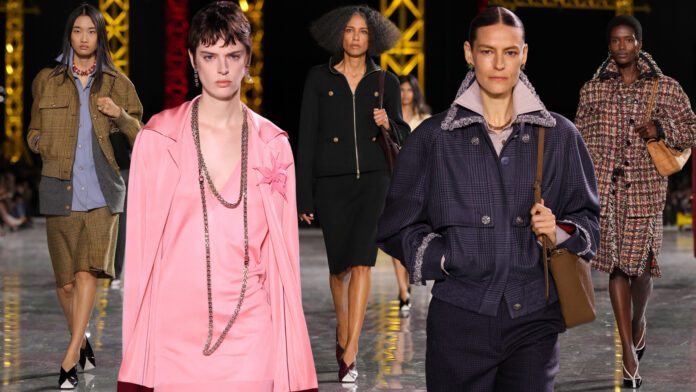
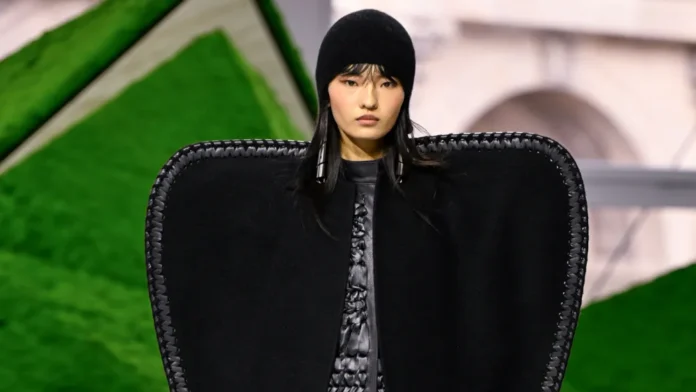
The Dior fall 2026 runway unfolded as one of the most emotionally resonant moments of the season, signaling a transformative chapter for the legendary French fashion house. Presented during Paris Fashion Week, the collection introduced a new era shaped by the creative leadership of Jonathan Anderson.

From the opening look, the Jonathan Anderson Dior collection established a design language rooted in romance, historical reference, and expressive silhouette. The atmosphere felt almost theatrical, yet the garments remained deeply wearable. Critics attending Dior Paris Fashion Week 2026 quickly recognized the show as a pivotal Dior cultural fashion moment, one that repositions the house within a broader dialogue about emotion, beauty, and contemporary luxury.

For Runway Magazine, the significance of the show extends beyond seasonal aesthetics. The Dior fall 2026 runway demonstrates how a historic fashion house can reinterpret elegance while redefining the cultural meaning of dressing beautifully.


🌹 A Romantic Fashion Language Re-emerges

At the heart of the collection was a renewed exploration of the Dior romantic fashion aesthetic. Anderson approached the house archives with reverence but also with intellectual curiosity.

The garments drew heavily on Dior historical fashion references, translating archival inspirations into modern silhouettes that felt both poetic and contemporary. Voluminous skirts, delicate draping, and elongated tailoring recalled the expressive drama historically associated with the brand.

Yet the collection avoided costume-like nostalgia. Instead, the Dior feminine silhouette fashion language appeared refined, restrained, and intentionally modern.

This balance between heritage and innovation positioned the Jonathan Anderson Dior creative direction as one grounded in narrative rather than spectacle.


✨ Tulle, Taffeta, and the Sensory Power of Fabric

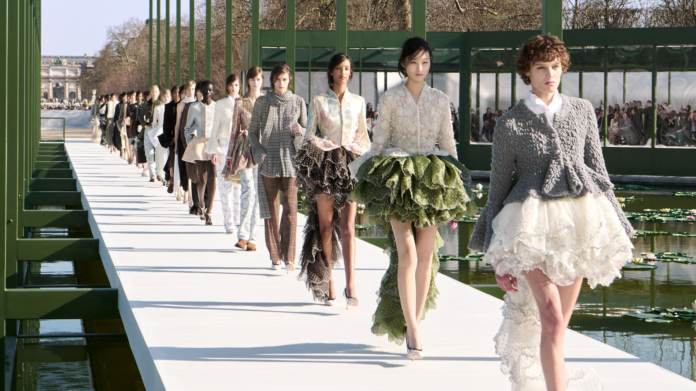
Fabric played a central role in shaping the visual identity of the Dior tulle and taffeta runway. Layers of translucent tulle created movement as models crossed the runway, while structured taffeta dresses captured light with sculptural elegance.

The tactile richness of these materials reinforced the idea of Dior runway emotional fashion. Each garment invited the audience to experience fashion as something deeply sensory.

Several silhouettes echoed the spirit of Dior couture inspiration ready to wear, translating couture techniques into garments designed for contemporary wardrobes. Soft tailoring met architectural volume, producing looks that balanced artistry with practicality.

Through these material choices, Anderson emphasized that luxury fashion continues to derive power from craftsmanship and emotional resonance.


https://assets.vogue.com/photos/69a7e5f9b22958e1d8d29394/master/w_1280%2Cc_limit/00001-christian-dior-fall-2026-ready-to-wear-credit-gorunway.jpg🏛️ Reinterpreting Dior’s Legacy

The Dior luxury house evolution has always been shaped by creative directors who reinterpret the brand’s heritage through their own perspective. Anderson’s debut appears poised to continue that tradition.

Observers across the Paris runway Dior highlights described the show as an elegance revival—a return to the idea that clothing can communicate beauty, grace, and individuality.

This perspective aligns with Anderson’s broader philosophy. The Jonathan Anderson Dior vision does not simply replicate archival silhouettes. Instead, it reframes them within the context of contemporary culture.

In this sense, the Dior fashion storytelling runway becomes a narrative platform. Each garment contributes to a larger exploration of femininity, history, and identity.


🌍 Cultural Context and Industry Response

The Dior fashion industry reaction following the show has been both enthusiastic and analytical. Critics emphasized the emotional clarity of the collection, noting that it offered a rare moment of sincerity within an industry often dominated by spectacle.

For many observers, the Dior fall 2026 runway represents an important Dior runway trend influence moment. The collection suggests a renewed appetite for elegance and narrative depth within contemporary fashion.

At a time when luxury houses face increasing pressure to innovate quickly, Anderson’s approach offers a compelling alternative. The Dior luxury brand strategy now appears centered on craftsmanship, historical awareness, and cultural storytelling.

Within the broader landscape of global fashion, this philosophy positions Dior as both a heritage institution and a modern creative laboratory.


🕊️ A New Chapter for the House of Dior

The Dior Paris runway review across international media confirms the significance of the moment. Editors consistently highlighted the show’s emotional tone and refined aesthetic language.

For Runway Magazine, the Dior fall 2026 runway represents more than a successful debut. It signals a shift in how luxury fashion engages with beauty and narrative.

Anderson’s work suggests that elegance, romance, and historical awareness remain powerful creative tools. His interpretation of the house legacy demonstrates how heritage can inspire contemporary design without constraining it.

Ultimately, the Jonathan Anderson Dior collection reveals a fashion house entering a new phase of cultural relevance. By blending archival reference with modern craftsmanship, the collection affirms Dior’s place at the forefront of global luxury fashion.

The Dior fall 2026 runway therefore stands as a defining moment—one that illustrates how fashion continues to evolve through imagination, emotion, and artistic leadership.


Jack White Taylor Swift Controversy Reveals a Generational Shift

Jack White Taylor Swift Controversy Reveals a Generational Shift

Jack White Taylor Swift Controversy Reveals a Generational Shift in Songwriting Power

The Jack White Taylor Swift controversy has quickly become one of the defining cultural conversations shaping today’s music landscape. What began as a pointed critique about modern songwriting has evolved into a broader debate about artistic authenticity, generational influence, and the evolving language of pop music. Within days, the White Swift controversy moved beyond a single interview remark and entered the center of global music discourse.

At its core, the Jack White Taylor Swift controversy reflects a deeper tension inside the music industry. Rock traditionalists and contemporary pop storytellers now represent two distinct visions of songwriting authority. The resulting debate reveals how artistic identity, audience expectations, and digital culture now shape the way music is created, consumed, and defended.


🎸 Rock Purism Meets Pop Storytelling

The spark behind the White Swift controversy came from remarks in which White criticized what he described as repetitive breakup narratives dominating modern pop music. Although the comments were not exclusively directed at Swift, listeners quickly interpreted them as a critique of her songwriting style.

Swift’s catalog has become synonymous with emotionally driven storytelling. Albums such as 1989, Folklore, and Midnights transformed personal experience into chart-topping narratives. As a result, the Jack White Taylor Swift controversy quickly became a referendum on the value of confessional songwriting.

The tension highlights a broader music industry debate songwriting discussion. Rock traditions historically celebrate raw instrumentation and rebellious spirit. Pop songwriting, meanwhile, often prioritizes emotional narrative and universal relatability.

Both approaches command enormous audiences, yet they represent fundamentally different creative philosophies.


🌐 Social Media Amplifies the Cultural Divide

Digital platforms rapidly accelerated the White Taylor controversy, transforming a critical remark into a viral cultural flashpoint. Fans across social media mobilized to defend Swift’s lyrical storytelling, framing it as a defining element of contemporary pop artistry.

The result was immediate Taylor Swift fan backlash directed at White’s comments. Supporters argued that Swift’s ability to translate personal experience into music represents one of the most influential songwriting achievements of the modern era.

Music journalists also joined the conversation. Several critics pointed out that emotionally driven songwriting has dominated charts for decades. From Carole King to Joni Mitchell, confessional lyrics have long served as a powerful artistic tradition.

In that context, the Jack Taylor controversy reveals less about individual artists and more about the changing expectations of modern audiences.


✨ The Cultural Authority of Taylor Swift’s Storytelling

Few artists have shaped contemporary pop narrative as profoundly as Swift. Her ability to transform autobiographical moments into global anthems has established a new standard for lyrical storytelling.

Consequently, the White Swift controversy underscores Swift’s immense cultural influence. Her songwriting resonates across demographics because it connects personal vulnerability with polished musical production.

Critics frequently describe this technique as Taylor Swift lyric storytelling, a style that blends diary-like intimacy with commercial accessibility. Songs built around emotional transparency have become central to the broader modern pop lyrics discussion.

Meanwhile, streaming platforms reward narrative-driven songs that encourage repeat listening and fan interpretation. Each lyric becomes a cultural artifact dissected across TikTok, Reddit, and fan communities.

The Jack White Taylor Swift controversy therefore reflects a wider shift in how audiences interact with music.


🎤 Rock Legacy Versus Pop Dominance

White’s perspective draws from a lineage of rock musicians who prioritize instrumental innovation and artistic mystique. As the former frontman of The White Stripes, White built his reputation on raw guitar energy and stripped-down production.

Within that tradition, storytelling often emerges indirectly through atmosphere and sound rather than explicit narrative. The Jack White breakup songs comment thus touches on a philosophical divide between rock heritage and contemporary pop structure.

Industry analysts recognize that this tension mirrors the broader rock vs pop songwriting culture conversation. Rock once dominated global music markets, yet streaming-era listeners increasingly gravitate toward melodic storytelling.

Today, pop artists command the largest audiences and streaming numbers. Swift’s global stadium tours and record-breaking album sales demonstrate the commercial strength of narrative-driven songwriting.

In that context, the Jack White Taylor Swift controversy reveals how power dynamics inside the music industry continue to evolve.


🎧 The Viral Mechanics of Modern Music Debate

The speed with which the White Swift controversy spread also illustrates how entertainment discourse now unfolds. Comments that once circulated quietly among critics now become instant global debates.

Within hours of White’s remarks, headlines referencing the Jack White interview backlash appeared across entertainment media. Fan reactions, opinion pieces, and artist responses transformed the discussion into a full-scale viral music controversy 2026 moment.

However, White later clarified his remarks, emphasizing respect for songwriting as a craft. That clarification added nuance to the conversation while acknowledging the intensity of fan response.

Still, the Jack White Taylor Swift controversy had already expanded beyond its original context. It became a symbol of how generational perspectives shape artistic criticism.


🎼 The Future of Songwriting Authority

The enduring significance of the Jack White Taylor Swift controversy lies in what it reveals about the future of music storytelling. Artists today navigate a landscape where authenticity, vulnerability, and audience connection carry immense cultural weight.

Streaming platforms, social media communities, and fan-driven analysis reward songs that invite emotional engagement. As a result, narrative songwriting has become central to contemporary music culture.

Swift’s influence demonstrates how personal storytelling can evolve into global cultural language. Meanwhile, rock traditions continue to emphasize experimentation and sonic innovation.

Together, these approaches define the creative tension shaping modern music.


Runway Magazine Perspective: The Cultural Power of Artistic Debate

The Jack White Taylor Swift controversy ultimately reflects the vitality of artistic dialogue within contemporary culture. Creative disagreement has always fueled artistic progress, challenging musicians to redefine their craft.

For Runway Magazine, the significance of the White Swift controversy lies not in conflict but in the conversation it inspires. Music continues to evolve through competing visions of authenticity, narrative, and performance.

As new artists emerge and established voices reinterpret their traditions, songwriting remains one of the most powerful tools for cultural expression. The ongoing debate surrounding the Jack White Taylor Swift controversy confirms that music, at its best, continues to provoke reflection, emotion, and creative transformation.

Louis Vuitton Fall 2026 Runway at Paris Fashion Week

Louis Vuitton Fall 2026 Runway at Paris Fashion Week

Louis Vuitton’s Super Nature Collection Redefines the Louis Vuitton Fall 2026 Runway at Paris Fashion Week

https://www.reuters.com/resizer/v2/TGGORAKJA5J73JDDIXNOH47GBQ.jpg?auth=16459287dc491446f62e72dd7ac60722164f905eeb7fd03813014cef064e56ba&quality=80&width=1080
https://www.vmcdn.ca/f/files/shared/feeds/cp/2026/03/889ec8879b7c6086825f4be40adcdd0684fb4a70438ff89fba184748d837770d.jpg%3Bw%3D1200%3Bh%3D800%3Bmode%3Dcrop
https://assets.vogue.com/photos/69b0571a6402a527f222d399/master/w_2560%2Cc_limit/00010-louis-vuitton-fall-2026-ready-to-wear-details-credit-gorunway.jpg
4

The Louis Vuitton fall 2026 runway unfolded in a setting that felt both monumental and cinematic. Beneath the historic arcades of the Louvre’s Cour Carrée, creative director Nicolas Ghesquière staged a presentation that merged spectacle with intellectual design language. For the global audience gathered during Paris Fashion Week, the show signaled a moment when fashion storytelling expanded beyond garments to become cultural interpretation.

Within minutes of the first look emerging onto the stone courtyard, the narrative behind the Super Nature Louis Vuitton collection became clear. The house proposed a vision of fashion shaped by movement, myth, and geography. As a result, the Louis Vuitton Paris runway show transformed the historic courtyard into a landscape where alpine folklore, nomadic elegance, and experimental luxury converged.

For observers across the industry, the Paris runway Louis Vuitton review quickly moved beyond seasonal commentary. The collection represented a broader dialogue about heritage, global identity, and the role of imagination in modern luxury design.


🏔️ Alpine Mythology Meets Modern Luxury

At the heart of the Louis Vuitton alpine fashion inspiration was a reinterpretation of mountain folklore and nomadic exploration. Ghesquière translated alpine references into garments that balanced ruggedness with couture precision.

Structured wool coats appeared alongside sweeping capes trimmed in shearling. Meanwhile, sculptural silhouettes suggested protective armor against harsh landscapes. The result captured the essence of the Louis Vuitton folklore runway theme, where mythology and high fashion intersected.

Several looks featured dramatic shearling hats and layered textiles reminiscent of mountaineering gear. Yet the construction remained unmistakably refined. Through this design language, the collection articulated a Louis Vuitton nomadic luxury aesthetic rooted in movement and discovery.

Importantly, these elements elevated the show beyond simple thematic styling. Instead, the garments functioned as visual storytelling within the Louis Vuitton high fashion storytelling tradition that has defined Ghesquière’s tenure.


🏛️ The Louvre Runway as Cultural Stage

The location of the show reinforced its conceptual ambition. The Louvre fashion show Louis Vuitton unfolded within one of the most historically significant architectural spaces in Paris.

As night fell, the illuminated courtyard amplified the theatrical scale of the Louis Vuitton runway spectacle. Models walked across the expansive stone plaza while monumental lighting structures framed the collection like an open-air museum installation.

This staging reflected the broader philosophy behind Louis Vuitton cultural inspiration fashion. The brand continues to treat fashion presentations as immersive cultural events rather than simple product launches.

In that context, the Louis Vuitton fall 2026 runway became a dialogue between heritage architecture and futuristic design.


🦌 Accessories That Defined the Season

Accessories played a crucial role in shaping the identity of the collection. Many critics immediately highlighted the surreal footwear featuring sculpted antler heels, which became a defining image of the show.

These striking pieces embodied the experimental spirit of Louis Vuitton accessories fall 2026. The shoes combined sculptural artistry with playful surrealism, reinforcing the collection’s narrative about folklore and wilderness.

Alongside the footwear, oversized belts, rugged leather bags, and layered scarves introduced functional elements into the luxury silhouette. The result demonstrated how Louis Vuitton experimental fashion can merge imaginative design with practical elegance.

Each accessory contributed to the visual storytelling that anchored the runway’s broader concept.


🌍 Celebrity Power and Global Visibility

The Louis Vuitton celebrity front row added another dimension to the evening. International actors, musicians, and fashion icons gathered beneath the Louvre’s arcades, amplifying the show’s cultural reach.

Celebrity attendance has become a defining element of major fashion events. However, at the Nicolas Ghesquiere Paris Fashion Week presentation, the audience also reflected the brand’s global creative network.

The presence of artists, filmmakers, and musicians reinforced Louis Vuitton’s identity as a cultural platform rather than simply a fashion label.

Consequently, the Paris Fashion Week Louis Vuitton highlights extended far beyond the runway. The event functioned as a global media moment, shaping conversations across fashion, art, and entertainment.


✨ Creative Direction and the Evolution of the House

The collection also offered a compelling Louis Vuitton creative direction analysis. Since taking the helm of the brand’s women’s collections in 2013, Ghesquière has continuously expanded the house’s visual vocabulary.

His work merges science fiction, history, and global culture into a distinctive aesthetic language. In the Louis Vuitton fashion innovation 2026 moment presented this season, that language leaned toward mythic storytelling and geographic imagination.

Through this lens, the Super Nature Louis Vuitton collection reflected the broader trajectory of Louis Vuitton heritage evolution. The house founded in 1854 as a luggage atelier continues to reinterpret travel as an intellectual concept rather than a literal theme.

The garments therefore evoke movement across landscapes, histories, and identities.


🌌 Runway Magazine Perspective: Fashion as Cultural Cartography

For Runway Magazine, the significance of the Louis Vuitton fall 2026 runway lies in its ability to transform fashion into narrative geography. The collection mapped ideas of exploration, mythology, and craftsmanship onto garments designed for the contemporary world.

This approach defines the luxury fashion runway Paris ecosystem today. Leading houses increasingly present collections as cultural storytelling platforms that blend fashion, art, and global identity.

Within that context, the Louis Vuitton runway spectacle at the Louvre stands as one of the most intellectually ambitious presentations of the season.

Ghesquière’s work demonstrates how fashion can operate simultaneously as craftsmanship, narrative, and cultural analysis. As the house continues its evolution, the Louis Vuitton fall 2026 runway confirms that Louis Vuitton remains one of the defining creative forces shaping the future of luxury fashion.

Bon Jovi Biopic Signals the Return of Stadium Rock Mythology

Bon Jovi Biopic Signals the Return of Stadium Rock Mythology

Bon Jovi Biopic Signals the Return of Stadium Rock Mythology to Hollywood

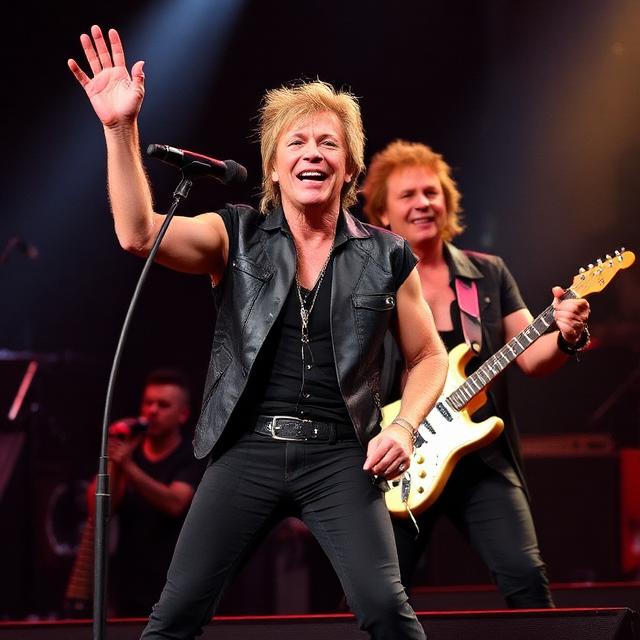
A renewed fascination with music legends is reshaping Hollywood storytelling, and the Bon Jovi biopic now stands at the center of that cultural shift. In an era where audiences crave authenticity and legacy narratives, the biopic represents more than a nostalgic tribute. It marks a broader revival of cinematic storytelling built around music icons who defined entire generations.

Across the film industry, studios increasingly recognize the enduring power of rock mythology. Consequently, the Bon Jovi biopic arrives at a moment when audiences are rediscovering the emotional force of stadium-era rock. The project captures the journey of a band that transformed from small-club performers into one of the most recognizable global music brands.


🎸 From New Jersey Clubs to Global Rock Dominance

The cultural backbone of the Bon Jovi biopic lies in its origin story. Before global tours and platinum albums, Jon Bon Jovi and his bandmates built their reputation in the gritty club circuit of New Jersey. These early performances forged a style that blended melodic hooks with arena-ready energy.

The narrative trajectory explored in the biopic follows the band’s breakthrough during the mid-1980s. Their landmark album Slippery When Wet redefined the commercial potential of rock music. Songs such as “Livin’ on a Prayer” and “You Give Love a Bad Name” quickly became cultural touchstones.

For Hollywood producers, the album’s legacy offers cinematic scale. The Slippery When Wet legacy represents not only commercial success but a transformation in the relationship between music and spectacle.

Studios now see the Bon Jovi biopic as an opportunity to revisit the emotional intensity of that era. The story encapsulates the ambition, rebellion, and optimism that shaped late-twentieth-century rock culture.


🎬 Universal Pictures and the Business of Music Mythology

Behind the production stands Universal Pictures, a studio that has increasingly invested in music-driven storytelling. The upcoming Universal Pictures Bon Jovi movie reflects Hollywood’s expanding commitment to biographical music films.

The industry’s interest in this genre intensified after the success of projects chronicling icons like Elvis Presley and Freddie Mercury. These films demonstrated that audiences remain deeply invested in stories of artistic struggle and triumph.

Within this context, the Bon Jovi biopic fits squarely into a growing music biopic Hollywood trend. Studios recognize that music legends already possess global fan bases and emotionally resonant narratives.

Equally important is the project’s timing. The film follows the release of the documentary Thank You, Goodnight: The Bon Jovi Story, which renewed interest in the band’s legacy. That momentum now fuels anticipation for the cinematic adaptation.


🎤 Casting Conversations and Cultural Curiosity

Few elements generate more speculation around the Bon Jovi biopic than casting. Industry observers have noted the intriguing possibility that actor Jake Bongiovi could portray his father during the band’s early years.

While no official casting announcements have been confirmed, the conversation itself underscores the cultural fascination surrounding the project. The idea of a son embodying his father’s rock mythology carries powerful symbolic resonance.

These rock biopic casting speculation discussions illustrate how modern audiences engage with entertainment news. Casting decisions often become viral cultural moments long before filming begins.

As a result, the Bon Jovi biopic has already entered the broader cycle of entertainment discourse.


🌟 The Enduring Power of 1980s Rock Nostalgia

The excitement surrounding the Bon Jovi biopic reflects a larger cultural phenomenon: the enduring influence of 1980s rock. Across streaming platforms, fashion campaigns, and live tours, the aesthetic and sound of that decade continue to shape contemporary culture.

This wave of 1980s rock nostalgia film storytelling resonates strongly with both longtime fans and younger audiences discovering the music for the first time. The band’s catalog remains a defining example of stadium rock’s emotional power.

The biopic therefore operates as both historical narrative and cultural rediscovery. It reconnects audiences with the spectacle of massive concerts, anthemic choruses, and communal musical experiences.

Hollywood understands the appeal. Films about iconic musicians frequently perform well globally because they combine nostalgia with universal themes of ambition and perseverance.


🎥 Music Biopics and the New Prestige Cinema

The Bon Jovi biopic also reflects an evolution in Hollywood’s approach to prestige filmmaking. Biographical music films now function as a hybrid genre, blending dramatic storytelling with concert-scale spectacle.

Directors and studios treat these projects with the same visual ambition traditionally reserved for historical epics. Lavish production design recreates legendary concerts, recording studios, and defining cultural moments.

Within this broader Hollywood music biopic boom, the Bon Jovi biopic represents a particularly compelling subject. The band’s career includes dramatic highs, creative conflicts, and enduring friendships.

Equally significant is the global reach of Bon Jovi’s music. From Europe to Asia, their songs remain fixtures of live performance culture.

That international appeal ensures that the Bon Jovi biopic resonates far beyond the United States.


Runway Magazine Perspective: The Cultural Legacy of Rock Icons

The arrival of the biopic illustrates how entertainment industries continually reinterpret cultural icons for new generations. Music legends serve as emotional anchors within an evolving media landscape.

Hollywood’s renewed interest in rock mythology reflects a deeper search for authenticity in storytelling. Audiences increasingly gravitate toward narratives rooted in real creative journeys rather than purely fictional spectacle.

For Runway Magazine, the significance of the biopic lies in its cultural symbolism. The film reconnects cinema with the emotional intensity of music history, reminding audiences that art often emerges from risk, rebellion, and relentless ambition.

As studios continue exploring the legacies of iconic performers, the Bon Jovi biopic stands as a powerful example of how music, memory, and cinema converge to shape cultural identity.

Chanel Fall 2026 Signals a New Era of Heritage Reinterpretation

Chanel Fall 2026 Signals a New Era of Heritage Reinterpretation

Chanel Fall 2026 Signals a New Era of Chanel Heritage Reinterpretation

The atmosphere at Paris Fashion Week shifted the moment the first model stepped onto the runway. The Fall 2026 collection revealed that Chanel heritage reinterpretation is shaping the house’s creative direction in real time. Under the leadership of Chanel and its new creative force Matthieu Blazy, the runway became a statement about transformation rather than nostalgia.

The presentation felt deliberate and symbolic. Through Chanel reinterpretation, the house demonstrated how legacy fashion codes can evolve without losing their emotional resonance. For editors and critics watching in Paris, the moment marked a visible reset for one of fashion’s most influential institutions.


🏗️ A Runway Stage That Reflected Creative Reconstruction

Before a single garment appeared, the set communicated the show’s message. The runway resembled a construction environment, complete with scaffolding and architectural lighting. This staging immediately suggested rebuilding and renewal.

The design reinforced the philosophy behind Chanel heritage reinterpretation. Instead of simply celebrating the past, the house presented its legacy as a structure actively being rebuilt.

This approach resonated with the broader context of Paris Fashion Week. Across the season, several luxury houses have emphasized transformation rather than repetition.

Chanel’s show made that concept literal. The visual metaphor was clear: the house’s future is under construction.


🌸 The Camellia Returns With Renewed Meaning

Few symbols define Chanel more clearly than the camellia flower. First introduced by founder Gabrielle Chanel, the motif has remained a cornerstone of the brand’s visual language.

This season, the camellia returned through Chanel heritage reinterpretation that felt architectural rather than decorative. Oversized floral shapes appeared across structured jackets and sculpted coats.

In several looks, embroidery transformed the flower into abstract patterns that shimmered under the runway lights. The motif felt familiar yet strikingly modern.

By reshaping the camellia’s form, the collection demonstrated how Chanel reinterpretation can renew one of fashion’s most recognizable symbols without erasing its history.


🖤 The Little Black Dress Reimagined

Another defining Chanel creation appeared repeatedly on the runway: the little black dress. Introduced by Gabrielle Chanel in the early twentieth century, the garment remains one of fashion’s most influential silhouettes.

This season, the classic design became a canvas for Chanel heritage reinterpretation. Traditional minimalism gave way to sculptural construction and subtle architectural tailoring.

Sharp shoulders, layered fabrics, and dimensional waistlines transformed the familiar outline. Some pieces incorporated delicate metallic threading that caught the runway light.

The effect was elegant yet unexpected. Through careful Chanel heritage , the little black dress evolved while retaining its timeless identity.


✨ Matthieu Blazy’s Quiet Precision

Blazy’s reputation in luxury fashion rests on craftsmanship and disciplined design. Before arriving at Chanel, he built critical acclaim at Bottega Veneta, where innovative materials and subtle construction defined his collections.

At Chanel, that philosophy now informs a broader creative strategy rooted in Chanel reinterpretation. The Fall 2026 runway emphasized fabric development, proportion, and structure rather than theatrical spectacle.

Tailored coats featured intricate textile layering. Tweed suits appeared lighter and more sculptural. Accessories remained refined yet subtly experimental.

Industry observers immediately recognized the shift. Through thoughtful Chanel heritage reinterpretation, the collection established a clear design language for Chanel’s next chapter.


🌍 A Strategic Reset for a Global Fashion Powerhouse

The reaction across fashion media has been swift and analytical. Critics agree that the collection represents more than a seasonal aesthetic exercise.

Instead, the show positions Chanel heritage reinterpretation as a long-term strategy for the house. In an era where luxury brands must constantly evolve, Chanel appears to be redefining how heritage functions in modern fashion.

This strategy aligns with a wider industry movement. Major houses increasingly frame their archives not as fixed history but as creative material for reinvention.

Within that context, Chanel reinterpretation signals how legacy brands maintain cultural relevance while protecting their identity.


🕊️ Reinvention as the Essence of Fashion

Throughout its history, Chanel has reinvented itself during pivotal moments. The house moved from Gabrielle Chanel’s revolutionary designs to the theatrical vision of Karl Lagerfeld, and now to Blazy’s more architectural sensibility.

Today’s collection continues that lineage. Chanel reinterpretation serves as both homage and evolution.

For the audience in Paris, the message felt clear. Chanel’s legacy remains powerful precisely because it adapts.

Runway Magazine views this moment as a defining cultural shift. Through careful Chanel heritage reinterpretation, one of fashion’s most influential houses demonstrates that history is not static. It is a living framework for creativity.

NYFW Fall 2026 Preview Marks a Defining Shift in the Calendar

NYFW Fall 2026 Preview Marks a Defining Shift in the Calendar

NYFW Fall 2026 Preview Marks a Defining Shift in New York’s Fashion Calendar

The global fashion community has entered a new phase of anticipation as the NYFW Fall 2026 preview signals the official return of the American runway season. Editors, buyers, and designers are arriving in Manhattan with renewed urgency. The NYFW Fall  preview reflects a cultural moment where creativity, logistics, and climate collide to redefine how fashion week operates.

Across the industry, the NYFW preview is being discussed not merely as a schedule announcement but as a statement about New York’s evolving role in the global fashion system. From emerging labels to heritage houses, the city’s runway calendar once again asserts its influence within the wider fashion month narrative.


🗓 The Runway Calendar Comes Into Focus

The NYFW Fall 2026 preview arrives alongside heightened attention to the fashion week timetable. According to the widely circulated Harper’s Bazaar NYFW guide, the fashion week official start introduces an unusually dynamic mix of legacy houses and new voices.

Among the most anticipated moments are the Marc Jacobs Ralph Lauren shows 2026, which continue to anchor New York’s identity as a city where American luxury meets cultural storytelling. Both Marc Jacobs and Ralph Lauren remain central to the global narrative of designer presentations NYFW, shaping the tone of the season.

Meanwhile, editors studying the runway schedule February recognize a notable expansion of participating brands. The new additions NYFW calendar reflect the city’s ongoing commitment to reinvention and emerging creative perspectives.

This momentum ensures that the NYFW Fall preview resonates far beyond the first runway lights.


🌍 New Designers Redefine the New York Identity

While established houses command attention, the NYFW Fall 2026 preview also highlights a significant shift toward fresh design voices. The presence of Diotima and 7 For All Mankind during Diotima 7 For All Mankind NYFW illustrates how contemporary labels are reshaping the visual language of American fashion.

These new additions NYFW calendar underscore the city’s evolving cultural identity. Designers now approach the runway not simply as a presentation space but as a platform for narrative and experimentation.

Within the broader NYFW evolution 2026, emerging talent stands alongside global brands in a way that reflects fashion’s increasingly fluid hierarchy. As a result, the NYFW Fall preview captures a moment where heritage and innovation intersect.

This balance defines the season’s emerging seasonal themes NYFW 2026, which emphasize identity, craftsmanship, and global perspective.


✨ A Defining Debut for Derek Lam

Among the most closely watched developments in the NYFW Fall preview is the highly anticipated Derek Lam Robert Rodriguez debut. The designer’s arrival marks a pivotal chapter in the brand’s creative direction at Derek Lam.

Industry observers expect the Rodriguez vision Derek Lam presentation to reinterpret the label’s signature sophistication for a new generation. The debut also signals a broader shift within American fashion houses as they rethink leadership and design identity.

Consequently, the NYFW Fall 2026 preview places the spotlight on this creative transition. It represents one of the most significant designer presentations NYFW scheduled during the opening days of the event.

Such moments illustrate why the NYFW Fall preview has generated intense editorial interest across global fashion media.


❄ Fashion Week Meets the Realities of Winter

Beyond the runway itself, the NYFW Fall 2026 preview also highlights the logistical realities of staging fashion shows in New York during February. Reports surrounding NYFW weather challenges February emphasize the practical obstacles created by unpredictable winter conditions.

The presence of cold temperatures fashion week introduces a dramatic visual contrast. Editors arriving from Paris, Milan, and London navigate snow-lined streets between venues.

However, these environmental factors have become part of the city’s identity. The industry’s response to NYFW Fall logistics demonstrates how fashion adapts to urban reality rather than retreating from it.

For many observers, the NYFW Fall 2026 preview captures a uniquely New York atmosphere—one where creativity unfolds amid the pulse of a working city.


🎬 The Cultural Energy Surrounding Fashion Week

The influence of the NYFW Fall preview extends beyond the runway calendar itself. The event arrives during a period of intense cultural activity, including the ongoing award season buildup fashion that continues to shape celebrity style narratives.

This convergence ensures that celebrity sightings NYFW remain a defining element of the week’s spectacle. Actors, musicians, and cultural figures increasingly view the shows as an extension of their red carpet visibility.

Consequently, the NYFW Fall 2026 preview anticipates a series of viral NYFW moments February that will circulate across digital platforms. These moments help transform runway presentations into global cultural events.

The resulting media attention reinforces New York’s position within the broader fashion ecosystem.


Runway Magazine Perspective: New York Reasserts Its Fashion Authority

The enduring relevance of the NYFW Fall 2026 preview reflects more than seasonal excitement. It reveals how New York continues to redefine its creative identity within an increasingly interconnected fashion landscape.

Legacy houses, emerging designers, and evolving cultural narratives converge across the city’s runways. Together, they shape a fashion week that reflects both American heritage and global ambition.

For Runway Magazine, the significance of the NYFW Fall 2026 preview lies in its demonstration of resilience and reinvention. New York’s fashion community continues to adapt, innovate, and lead.

As the lights rise on the first runway shows, the message is clear. The NYFW Fall 2026 preview represents a renewed declaration of creative confidence from the city that first defined modern American fashion.

Best Actress First Oscars Outfits Reveal the Evolution of Hollywood

Best Actress First Oscars Outfits Reveal the Evolution of Hollywood

Best Actress First Oscars Outfits Define Hollywood’s Red Carpet Legacy

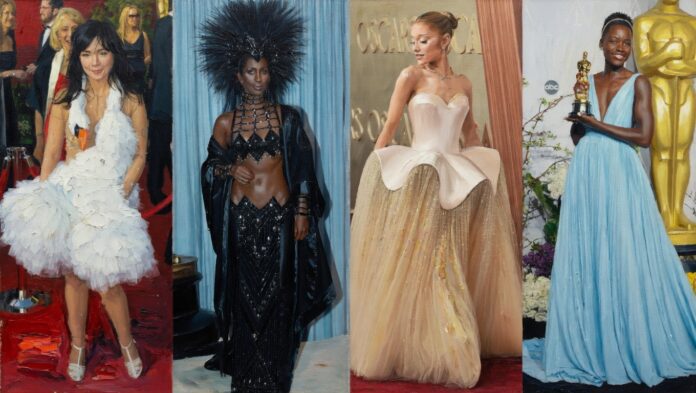
The fascination with Best Actress first Oscars outfits has returned with remarkable intensity during awards season. Audiences are not simply watching who wins. Instead, they are revisiting the earliest red carpet moments that shaped Hollywood’s most celebrated performers.

In recent weeks, coverage tied to the Academy Awards has reignited conversation about Best Actress first Oscars outfits. These early appearances reveal the beginnings of style identities that later become global fashion references. Consequently, they form an essential chapter in the visual history of cinema and couture.

Moreover, the renewed interest reflects a broader cultural fascination with the evolution of celebrity image-making.


🌟 The Power of a First Oscars Appearance

First appearances on the Oscars red carpet often carry an unusual sense of vulnerability. After all, many actresses arrive before their fashion personas fully form.

For that reason, Best Actress first Oscars outfits frequently reveal instinct rather than strategy. However, those instinctive choices often become defining fashion memories.

For example, renewed interest in Emma Stone early awards fashion has circulated widely during the current 2026 Oscars nominees throwback conversation. Early photographs of the actress show a restrained elegance that would later define her public image.

Similarly, editors have revisited the famous Kate Hudson first Oscars look, which captured the relaxed glamour that later shaped her red carpet reputation. These examples demonstrate how Hollywood stars debut dresses often foreshadow long careers in fashion influence.

Therefore, Best Actress first Oscars outfits function as visual origin stories within celebrity red carpet history.


📸 Viral Nostalgia and the Return of Oscars Fashion Archives

Meanwhile, digital culture has accelerated the rediscovery of early red carpet photographs. Social platforms have amplified Oscars throwback photos 2026, which frequently circulate alongside commentary about fashion history.

As a result, viral Oscars nostalgia March has become a defining theme of awards season coverage. Fashion editors and historians alike are revisiting archival imagery to analyze how celebrity style evolves over time.

In many cases, these images quickly transform into viral celeb Oscars moments. One frequently cited example remains the Emma Stone first Oscars dress viral discussion, which continues to resurface whenever awards season begins.

Furthermore, these nostalgic images contribute to the ongoing narrative of Hollywood awards fashion evolution. They show how styling choices have shifted from understated gowns to highly orchestrated couture partnerships.

Consequently, Best Actress first Oscars outfits now function as historical documents as much as fashion statements.


👗 From Early Gowns to Career-Defining Style

Over time, the journey from Best Actress debut gowns 2026 to established red carpet dominance reveals the strategic transformation of celebrity fashion.

Today, stylists coordinate closely with luxury maisons to plan 2026 Oscars prep fashion months in advance. However, earlier generations approached the ceremony with far less planning.

Because of that contrast, early ensembles now appear refreshingly authentic. They capture the beginning of a nominees style journey that evolves throughout an actor’s career.

Moreover, many of these appearances become lasting Best Actress fashion highlights. The gowns may not always be perfect. Yet they often reveal personality and creative instinct.

Therefore, fashion historians view Best Actress first Oscars outfits as key milestones in celeb awards milestones across Hollywood’s history.


🎬 Fashion, Cinema, and the Hollywood Legacy

Ultimately, the fascination with Best Actress first Oscars outfits reflects something larger than nostalgia. The Academy Awards have always functioned as a visual archive of cinema culture.

Each red carpet appearance contributes to the long narrative of Hollywood fashion legacy Oscars represent. Designers interpret cinematic glamour through fabric and silhouette, while actresses translate that vision into public identity.

At the same time, the continuing popularity of Oscars style throwback viral features demonstrates how audiences engage with fashion history. These images remind viewers that every star once approached the red carpet as a newcomer.

Consequently, the renewed attention surrounding Best Actress first Oscars outfits highlights the emotional power of beginnings. The gowns mark the moment when talent meets visibility and possibility meets global recognition.

For Runway Magazine, those moments remain central to understanding how cinema, fashion, and cultural memory evolve together.

Todd Snyder Spring 2026 Signals a Return to Havana Elegance

Todd Snyder Spring 2026 Signals a Return to Havana Elegance

Todd Snyder Spring 2026 Signals a Return to Havana Elegance in Modern Menswear

The conversation around Todd Snyder Spring 2026 reflects a decisive shift in contemporary menswear. Across editorial circles and fashion week commentary, the collection has emerged as a defining expression of relaxed sophistication rooted in cultural memory. As the industry continues to revisit the Todd Snyder presentation, designers and editors alike recognize a moment where nostalgia and innovation converge.

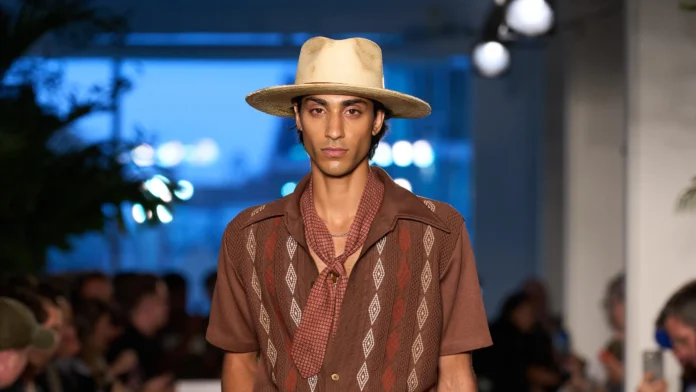
Presented during NY 2026 Men’s Spring, the show reintroduced a distinctly cinematic vision of menswear. Inspired by mid-century Caribbean glamour, the collection translated archival references into garments that feel immediate and wearable. In doing so, Todd Snyder Spring 2026 captured the attention of editors reviewing the most influential collections of the season.


🌴 Havana Reimagined on the New York Runway

The emotional core of Todd Snyder Spring line lies in its vivid interpretation of Havana’s cultural atmosphere during the 1950s. The Havana inspired collection Snyder presented at New York Fashion Week evoked tropical evenings, polished social clubs, and the understated glamour of mid-century leisure culture.

This 1950s Havana vibe fashion narrative unfolded through relaxed tailoring, airy fabrics, and refined resort silhouettes. Linen suits appeared in sun-washed neutrals, while lightweight knit polos and pleated trousers conveyed an effortless elegance. Each look echoed Havana circa 1950 style, yet the proportions remained firmly grounded in modern menswear design.

Industry observers following the NYFW menswear review 2026 coverage noted how the collection balanced nostalgia with practicality. Rather than simply recreating vintage clothing, the designer translated historical aesthetics into contemporary ready to wear Spring 2026 garments.

This approach explains why Todd Snyder Spring line has become one of the most discussed shows in the current NYFW Spring buzz cycle.


✨ Casual Elegance and the Modern Luxury Man

A defining quality of Todd Snyder Spring line in 2026 is the emphasis on understated luxury. The designer’s vision of casual elegance runway dressing reflects a broader movement within luxury mens fashion 2026, where comfort and sophistication coexist.

Softly structured jackets paired with relaxed trousers created silhouettes that felt refined yet unforced. Meanwhile, suede loafers, open-collar shirts, and textured knitwear reinforced the sense of warm-weather ease.

Editorial responses across the WWD Todd Snyder review highlighted the designer’s ability to capture contemporary lifestyle shifts. Today’s luxury consumer prioritizes versatility, and the garments in Todd Snyder Spring 2026 respond directly to that demand.

As a result, the collection aligns closely with the evolving global mens trends 2026 conversation, where relaxed tailoring increasingly defines the luxury wardrobe.


🍽 Fashion Meets Culinary Culture

Another intriguing dimension of Todd Snyder Spring lies in its subtle narrative connections beyond fashion itself. The show’s visual storytelling included references that critics described as a Michelin dining tie in fashion, drawing parallels between refined culinary culture and sartorial craft.

This intersection of gastronomy and style reflects a larger lifestyle narrative shaping modern fashion communication. Designers increasingly situate clothing within experiences—travel, food, architecture—rather than isolating garments from cultural context.

Consequently, the collection’s references extended beyond Havana nightlife. The show also included hints of expanded ski terrain inspiration, suggesting a broader narrative of global leisure travel.

These layered themes reinforced the idea that Todd Snyder Spring 2026 represents not simply a clothing collection but a lifestyle framework.


🧵 Retro Modern Fusion Defines the Season

The enduring appeal of Todd Snyder Spring 2026 stems from its mastery of retro modern fusion menswear. By blending mid-century references with contemporary tailoring, the designer produced garments that resonate across generations.

Within the broader menswear trends NYFW conversation, this synthesis has emerged as a defining aesthetic of the season. Designers increasingly draw upon archival style cues while refining silhouettes for modern wearability.

The WWD runway gallery Snyder coverage captured several looks that quickly became viral menswear looks among editors and buyers. Wide-leg trousers paired with fitted knit polos created silhouettes that felt both nostalgic and current.

For observers reflecting on Todd Snyder career highlights, the collection marks a confident continuation of the designer’s signature philosophy: American tailoring informed by global cultural references.


🌍 A Defining Moment in Modern Menswear

As the fashion industry continues its NYFW menswear review 2026, the influence of Todd Snyder Spring 2026 becomes increasingly clear. The collection resonates because it speaks to a larger cultural moment where authenticity, heritage, and lifestyle converge.

Designers across the global fashion calendar are reconsidering how clothing connects to place, memory, and experience. In that context, the Havana narrative embedded within Todd Snyder Spring line felt especially relevant.

For Runway Magazine, the significance lies in the collection’s clarity of vision. Rather than chasing fleeting trends, the designer offered a cohesive world—one rooted in elegance, travel, and cultural imagination.

Ultimately, Todd Snyder Spring line demonstrates that the most compelling fashion narratives arise when craftsmanship, storytelling, and lifestyle converge. In a season defined by experimentation and spectacle, this collection reminds the industry that true style begins with atmosphere, identity, and a sense of place.

Zendaya Tom Holland Married: Secret Wedding Bombshell

Zendaya Tom Holland Married Secret Wedding Bombshell

Zendaya & Tom Holland Secret Wedding Bombshell

💍 Hollywood’s Quietest “I Do” Shakes the Internet

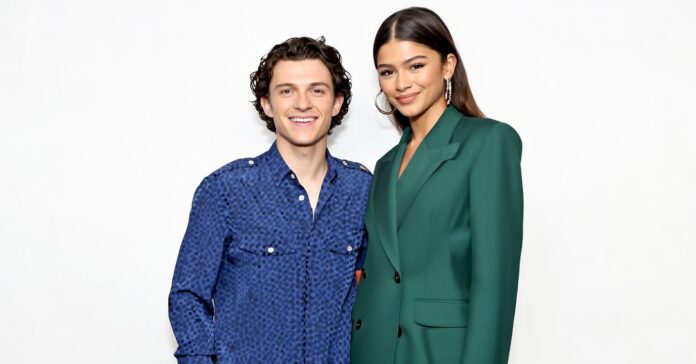
In an era of meticulously documented celebrity lives, discretion has become the ultimate luxury. Overnight, that reality collided with pop culture obsession as speculation erupted that zendaya tom holland married—not through a press release or glossy spread, but via an offhand comment and a single, telling detail.

The story broke with lightning speed, ricocheting across social media and search platforms with millions of views in hours. At the center: Zendaya, Tom Holland, and a revelation that reframed months of quiet clues.


🗣️ Law Roach Drops the Bombshell

The catalyst came during a red-carpet conversation at the Actor Awards, where Law Roach delivered two lines that ignited global speculation. “Ya’ll missed it, the wedding already happened!” he said. Moments later, he added, “The wedding is over.”

Instantly, law roach zendaya wedding became one of the most searched phrases of the night. Although delivered casually, the remarks carried weight. Roach is not only Zendaya’s longtime stylist but also a trusted collaborator in her most carefully curated public moments.


💛 The Gold Band That Changed Everything

Fueling the fire was a subtle but striking shift in Zendaya’s jewelry. Recently, she has been photographed wearing a zendaya gold band—simple, unadorned, and notably different from her previously seen engagement ring.

For fans, the symbolism was immediate. The choice of a plain band suggested something intimate and finalized. Consequently, online communities began stitching together timelines, appearances, and interviews from recent months, reinforcing the belief that zendaya tom holland married had quietly become reality.


🎭 Awards Season, Private Life

Notably, the revelation arrived amid heightened visibility for Zendaya, including buzz surrounding actor awards 2026 zendaya appearances. While her professional presence has been unmistakable, her personal narrative has remained tightly controlled.

This contrast only amplified intrigue. As Zendaya continues to dominate red carpets and awards conversations, the possibility that she had already married—without spectacle—felt both radical and deeply on-brand.


🌐 Silence, Speculation, and Cultural Impact

So far, representatives for both actors have declined to comment. That silence, however, has only intensified public fascination. In today’s media environment, absence of confirmation often reads as confirmation-adjacent.

Within hours, the story exploded across platforms. Search interest surged. Fan theories multiplied. And yet, the lack of official validation preserved the mystique. If true, the union represents a new model of celebrity partnership—one that values privacy over performance.


👑 Why This Moment Matters

Whether formally confirmed or not, the impact is undeniable. The idea that Zendaya and Tom Holland could marry quietly reframes expectations around modern celebrity. It challenges the assumption that love must be broadcast to be real.

In the end, the Zendaya & Tom Holland secret wedding bombshell is less about rings or quotes. It is about control, intention, and redefining visibility in a hyper-exposed age. And if discretion is the new status symbol, then this may be Hollywood’s most elegant power move yet.


Spring 2026 Runway Leaderboard Signals a New Era

Spring 2026 Runway Leaderboard Signals a New Era

Spring 2026 Runway Leaderboard Signals a New Era of Creative Authority in Fashion

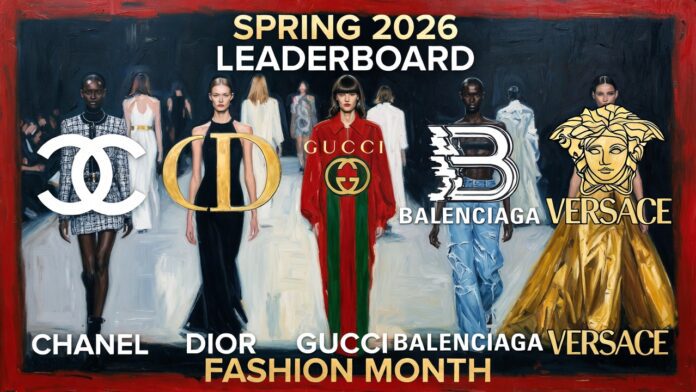
The conversation around the Spring 2026 runway leaderboard reflects more than retrospective curiosity. It reveals a deeper industry shift: fashion is increasingly evaluated through a global framework that balances cultural influence, creative vision, and commercial relevance. As editors, buyers, and analysts revisit the Spring runway leaderboard, the rankings have become a reference point for understanding how fashion leadership is defined today.

Across editorial platforms and runway archives, the Spring runway leaderboard has emerged as a focal point of industry analysis. The discussion extends far beyond numbers. Instead, it offers a structured lens through which the fashion world assesses innovation, cultural resonance, and brand power during one of the most closely watched fashion seasons in recent memory.

📊 A Data-Driven Moment in Fashion Authority

In recent months, renewed attention to the runway leaderboard has coincided with a surge in analytical fashion coverage. Editorial institutions, including Vogue Runway, have refined how collections are evaluated across the global fashion calendar.

This analytical approach is often associated with the widely discussed Vogue top designers 2026 framework. The system organizes runway influence using a top collections points system that weighs multiple factors, including creativity, cultural visibility, and retail performance.

Consequently, the Spring runway leaderboard has become shorthand for a broader conversation about luxury fashion rankings. Rather than focusing solely on aesthetic impact, the industry now measures how collections resonate across culture, commerce, and media visibility.

This shift reflects the growing importance of runway impact 2026 within a digital ecosystem where fashion images circulate instantly across global audiences.

✨ Chanel, Dior, and Gucci Define the Season’s Power Structure

At the top of the Spring 2026 runway leaderboard, the names that dominate are hardly surprising. Yet their continued influence reveals the enduring strength of legacy fashion houses.

Within the widely circulated Chanel Dior Gucci rankings, Chanel secured the highest placement, reflecting both visual refinement and strategic brand clarity. The house’s Spring presentation emphasized quiet luxury codes, reinforcing the brand’s reputation for timeless authority.

Meanwhile, Dior followed closely in the Spring 2026 runway leaderboard, supported by a collection that balanced modern femininity with historical references. The result was a show widely praised for its cultural relevance fashion narrative.

Similarly, Gucci maintained strong positioning within the Spring 2026 runway leaderboard, reflecting the brand’s ongoing ability to transform heritage motifs into contemporary spectacle.

Together, these houses illustrate how heritage brands continue to dominate couture ready to wear rankings while simultaneously shaping global fashion discourse.

🖤 Balenciaga and Versace Reshape the Conversation

While heritage brands maintained their authority, the Spring runway leaderboard also highlighted the continuing influence of provocative design languages.

The presence of Balenciaga Versace trends within the rankings illustrates how experimentation remains central to fashion’s creative ecosystem.

At Balenciaga, the Spring presentation emphasized conceptual tailoring and sculptural silhouettes. The collection reinforced the house’s reputation for challenging conventional luxury aesthetics while maintaining a strong commercial appeal runway strategy.

Meanwhile, Versace delivered a vibrant interpretation of modern glamour. The brand’s runway narrative celebrated bold color and high-impact silhouettes, reaffirming its ability to influence global style trends.

Together, these labels demonstrate how creative contrast fuels the designer innovation leaderboard that increasingly defines modern fashion coverage.

🌍 Fashion Month as a Global Narrative

The renewed attention surrounding the runway leaderboard also reflects a broader reassessment of fashion month itself.

From PFW NYFW LFW leaders to emerging designers in Milan, the global circuit now functions as an interconnected storytelling platform. Each city contributes to a wider fashion week collections review 2026, shaping how editors interpret the season’s dominant themes.

Within this framework, the Spring 2026 runway leaderboard operates as a distilled summary of the entire calendar. It captures the most influential ideas that emerged during the season while highlighting the designers who translated them most effectively.

This dynamic explains why the Spring runway leaderboard continues to generate fashion industry buzz March, long after the final runway show concluded.

🔍 Retrospective Analysis and the Value of Fashion Memory

One reason the Spring 2026 runway leaderboard remains relevant today lies in the industry’s increasing emphasis on retrospective analysis 2026.

Fashion, like cinema or architecture, gains meaning through reflection. When editors revisit a season months later, they can evaluate its true cultural influence.

In this context, the Spring 2026 highlights from the season’s top collections reveal how designers balanced artistry with practicality. Collections that achieved lasting influence did so by merging visual innovation with commercial appeal runway performance.

This balance remains essential to modern editorial fashion rankings, where runway spectacle must ultimately translate into global consumer engagement.

Runway Magazine Perspective: The Meaning Behind the Rankings

The continuing discussion around the Spring 2026 runway leaderboard reflects fashion’s evolving relationship with authority and evaluation.

Where past decades relied on subjective editorial opinion alone, today’s analysis combines critical insight with measurable influence. The result is a more nuanced understanding of how design leadership operates within the contemporary industry.

For Runway Magazine, the significance of the Spring runway leaderboard lies not in the hierarchy itself but in what it reveals about the fashion ecosystem. The designers who rise to the top are those who translate cultural observation into garments that resonate globally.

Ultimately, the Spring runway leaderboard underscores a defining truth of modern fashion: influence emerges where creativity, cultural awareness, and commercial intelligence intersect.

And as the next fashion cycle approaches, that intersection will continue to shape the visual language of style worldwide.

Spring 2026 Runway Leaderboard

Rank Fashion House Points Key Strengths Notable Impact on Spring 2026
1 Chanel 24 Heritage refinement, modern tailoring, strong global brand narrative Defined quiet luxury and classic Parisian elegance for SS26
2 Dior 17 Feminine silhouettes, historical references, couture craftsmanship Reinforced Dior’s cultural relevance with romantic modernism
3 Gucci 11 Eclectic styling, strong visual storytelling Continued redefining maximalist luxury for a younger audience
4 Balenciaga 9 Conceptual design, sculptural tailoring, disruptive runway staging Pushed avant-garde silhouettes and experimental luxury
5 Versace 7 Glamour, bold color palettes, confident silhouettes Reasserted high-energy Italian glamour on the runway

How the Leaderboard Was Evaluated

Industry editors referenced several measurable factors when assembling the Spring 2026 runway leaderboard:

Evaluation Metric Description
Runway Impact Visual innovation and originality of the collection presentation
Cultural Relevance Alignment with current social, artistic, and fashion conversations
Editorial Coverage Influence across fashion media and industry commentary
Commercial Appeal Retail viability and brand momentum following the show
Design Innovation New silhouettes, materials, and conceptual direction

Fashion Month Context

The leaderboard reflects performances across the global fashion calendar:

  • New York Fashion Week (NYFW)

  • London Fashion Week (LFW)

  • Milan Fashion Week (MFW)

  • Paris Fashion Week (PFW)

Paris ultimately dominated the Spring 2026 fashion conversation, largely because the top-ranked houses—Chanel, Dior, Balenciaga, and Versace—presented collections there.

Editorial Takeaway

The Spring 2026 season revealed a fashion industry balancing heritage authority with conceptual experimentation.

  • Chanel and Dior reinforced the enduring strength of classic couture language.

  • Gucci continued reshaping luxury identity through eclectic visual narratives.

  • Balenciaga and Versace injected high-voltage experimentation into the season.

Together, these houses defined the creative hierarchy of the Spring 2026 runway season and shaped the global style conversation moving into Fall/Winter 2026.

AW26 Hair Trends Redefine the Language of Runway Beauty

AW26 Hair Trends Redefine the Language of Runway Beauty

AW26 Hair Trends Redefine the Language of Runway Beauty

The conversation surrounding AW26 hair trends marks a decisive shift in how fashion approaches beauty on the runway. Across Paris, Milan, London, and New York, hairstylists are abandoning rigid perfection in favor of movement, individuality, and texture. The emergence of AW26 hair trends reflects a cultural pivot toward authenticity, where hair becomes an extension of identity rather than a polished accessory.

Backstage during the autumn–winter shows, stylists emphasized softness, natural structure, and effortless imperfection. As a result, AW26 hair trends now prioritize lived-in texture, relaxed styling, and expressive detail. What once appeared intentionally unfinished has become the defining aesthetic of the season.


✨ The Rise of Effortless Runway Hair

At the heart of AW26 hair trends lies a quiet rebellion against overly sculpted styling. Editors reviewing the season’s fashion week hair trends consistently observed a preference for hair that appears natural and spontaneous.

Design houses such as <a href=”https://www.chanel.com” target=”_blank”>Chanel</a>, <a href=”https://www.valentino.com” target=”_blank”>Valentino</a>, and <a href=”https://www.chloe.com” target=”_blank”>Chloé</a> showcased models with soft texture and minimal styling intervention. This approach mirrors a broader cultural movement toward authenticity within fall winter beauty.

According to insights frequently referenced in the Marie Claire hair guide, stylists are prioritizing hair health and individuality. Consequently, the dominant AW26 hair trends emphasize natural pattern emphasis, encouraging curls, waves, and coils to remain visible and expressive.

This shift signals a wider embrace of hair movement trends, where softness replaces rigidity and texture becomes the defining element of beauty direction.


🧵 Stacked Braids and the Return of Protective Craft

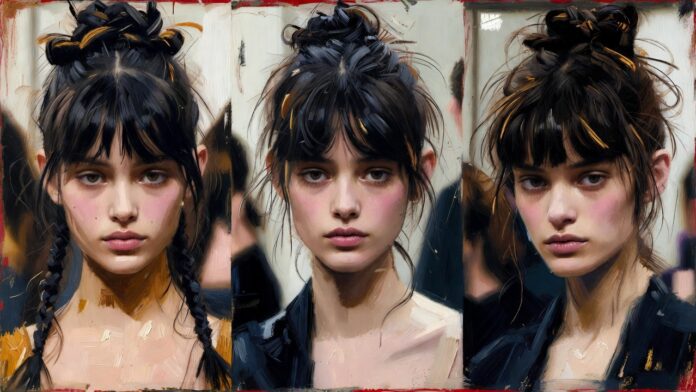
Among the most visually striking AW26 hair trends is the resurgence of the stacked braids hairstyle. This intricate technique layers multiple braids vertically to create dimension and sculptural interest.

Runway artists presented stacked braids as a refined form of protective hairstyles AW26, blending heritage craftsmanship with modern editorial styling. Several stylists incorporated braids into loose silhouettes, ensuring the structure felt integrated rather than decorative.

These braids also function as a point of interest hair element, adding subtle complexity to otherwise relaxed looks. The effect feels architectural without disrupting the collection’s broader emphasis on ease.

As designers embrace cultural storytelling within fashion week presentations, the stacked braid stands out as a defining detail within the evolving AW26 hair trends landscape.


🌬 The Beauty of Unkempt Glamour

Another central idea shaping AW26 hair trends is the embrace of unkempt glamour hair. The phrase reflects a deliberate aesthetic strategy: hair appears slightly disheveled, yet every detail remains carefully composed.

Backstage at shows across Paris Fashion Week, hairstylists constructed looks that balanced softness with refinement. Loose tendrils framed the face, while textured finishes avoided the stiffness associated with traditional runway styling.

This philosophy aligns closely with the season’s emphasis on undone elegance styles. Instead of immaculate blowouts, stylists favored gentle movement and organic texture.

The result defines many of the most memorable fashion week hair trends, where imperfection becomes the visual signature of contemporary beauty.


🌿 Loose Silhouettes and Natural Texture

Equally significant within AW26 hair trends is the growing influence of loose unfussy styles 2026. Designers increasingly request hair that complements garments rather than competing with them.

Soft side-swept layers hair appeared frequently throughout the autumn collections. The look enhances facial structure while maintaining an effortless aesthetic.

Meanwhile, stylists revived voluminous curls trends, celebrating the natural structure of textured hair rather than suppressing it with heat styling. This direction reinforces the season’s commitment to low tension looks AW26, which prioritize scalp comfort and hair health.

Across the industry, this philosophy reflects a deeper understanding of everyday wearability. The most compelling runway looks translate seamlessly into autumn winter hair ideas for real life.


🪮 Textured Updos and Movement on the Runway

The final element defining AW26 hair trends is the return of expressive updos. However, the modern approach differs sharply from the tight chignons of past seasons.

Instead, stylists introduced textured updos 2026 that allow strands to move naturally. Wisps of hair escape intentionally, creating softness around the face and neckline.

These updos reinforce the concept of runway hair inspiration grounded in realism. Rather than appearing formal, the hairstyles evoke the spontaneity of daily life.

According to expert stylist predictions circulating among beauty editors, these relaxed updos represent a game changing hair 2026 moment. They merge practicality with editorial elegance, a balance increasingly valued by contemporary audiences.


Runway Magazine Perspective: A New Beauty Philosophy

The rise of AW26 hair trends signals a broader transformation within fashion’s visual language. Hair is no longer treated as a decorative afterthought but as a narrative tool that communicates identity, movement, and authenticity.

Across global fashion weeks, designers and stylists have embraced a philosophy rooted in natural texture, cultural storytelling, and understated elegance. The results feel modern, expressive, and remarkably adaptable to everyday life.

For Runway Magazine, the significance of AW26 hair trends lies in their cultural clarity. The season affirms that beauty thrives not through perfection but through individuality.

As fashion continues to evolve, this embrace of movement, texture, and authenticity defines the future of runway beauty.

AW26 Hair Trends Redefine the Language of Runway Beauty back