The Fashion Conversations Defining March 2026 Fashion News

The Fashion Conversations Defining March 2026 Fashion News

The Fashion Conversations Defining March 2026

Heritage, Athletic Modernity, and the New Language of Accessible Luxury

Every season brings a moment when scattered headlines begin to form a coherent cultural narrative. This year, the March fashion news cycle reveals something particularly telling about the direction of the global fashion industry. Rather than a single dominant trend, the conversation now centers on a convergence of heritage, performancewear, and sustainability.

Across editorials, retail launches, and industry events, fashion houses are experimenting with hybrid identities. The result is a new design vocabulary that balances authenticity with accessibility. From the performance aesthetics of Lululemon spring 2026 to the sustainable innovation of the Veja Baserange sneaker, March has produced a series of developments that illustrate how luxury, craft, and everyday wear increasingly overlap.

For the editors of Runway Magazine, these developments signal a broader transformation in how fashion brands communicate with modern consumers.


🧵 Athletic Precision Meets Cultural Style

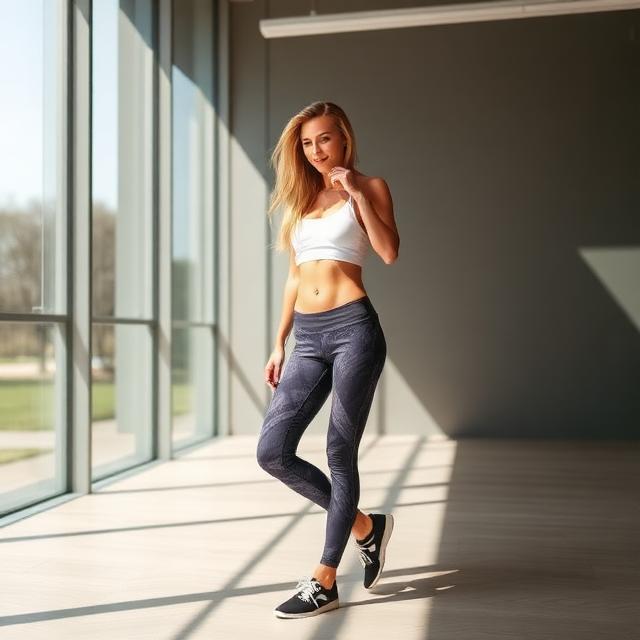
Few announcements captured industry attention as effectively as the Lululemon spring 2026 campaign. Known primarily for its performancewear heritage, Lululemon is increasingly positioning itself within the wider fashion conversation.

The brand’s new spring run collection features graphic striping and streamlined silhouettes that emphasize motion and clarity of form. Observers quickly linked the campaign’s visuals to emerging sporty stripes trends, which appear across both activewear and contemporary ready-to-wear.

Circulating Lululemon campaign photos reinforced the brand’s ambition to evolve beyond gym culture into a broader lifestyle identity. The message is clear: performance apparel is no longer confined to athletic contexts.

Instead, it now functions as a foundational element of everyday luxury.


🌱 Sustainability Moves Into the Mainstream

The industry’s environmental conversation continues to shape product development, and March delivered one of the most discussed examples. The Veja Baserange sneaker, created by the collaboration between Veja and Baserange, represents a carefully considered sustainable sneaker launch.

This partnership illustrates the increasing importance of fashion collaborations 2026, where brands with complementary values merge aesthetics and ethics. Veja’s reputation for environmentally responsible production aligns naturally with Baserange’s minimalist philosophy.

The resulting design prioritizes natural materials and understated construction. In doing so, the Veja Baserange sneaker demonstrates how sustainability can coexist with refined design rather than functioning merely as a marketing label.

Such collaborations contribute to what analysts now describe as heritage blends 2026, where craftsmanship, environmental awareness, and cultural storytelling intersect.


🤠 Western Heritage Reimagined

Perhaps the most visually evocative collaboration of the season is the THE GREAT Stetson collab, a project merging the Californian label THE GREAT with legendary hatmaker Stetson.

The collection explores Western heritage fashion through soft tailoring, textured denim, and sun-faded neutrals reminiscent of desert landscapes. At its center are handcrafted Stetson accessories, which anchor the collection within a century-long tradition of American craftsmanship.

The partnership reflects the fashion industry’s growing fascination with narrative authenticity. Designers increasingly draw upon historical references to build emotional connections with contemporary audiences.

In the case of the THE GREAT Stetson collab, the result is not nostalgic imitation but rather a reinterpretation of heritage codes for a modern wardrobe.


🎉 Fashion’s Social Circuit

Fashion news rarely unfolds solely on the runway. Increasingly, cultural influence emerges through social gatherings and private events where celebrities, designers, and editors converge.

A recent Los Angeles dinner brought together several high-profile attendees, including Kerry Washington. Images from the evening circulated widely online, producing what commentators described as X celeb attendees buzz.

The event—widely referenced as the Kerry Washington LA dinner—highlighted the role of celebrity participation in shaping the accessible luxury news narrative surrounding March launches. Fashion houses understand that product visibility often begins in these informal cultural spaces.

Consequently, such gatherings increasingly appear in editorial coverage and digital conversations, contributing to the broader fashion event highlights that define each season.


📊 The Editorial Perspective: A New Model of Accessible Luxury

Several themes unify the Zoe Report news coverage and other industry commentary this month. The most significant is the concept of accessibility within luxury fashion.

Brands are exploring how craftsmanship and storytelling can coexist with realistic price points and mass visibility. This shift explains the prominence of collaborations, heritage reinterpretations, and performancewear aesthetics within March fashion news.

The Zoe Report roundup of recent launches emphasizes precisely this point. From the Lululemon spring 2026 campaign to the Veja Baserange sneaker release, the industry increasingly aims to merge prestige design with everyday usability.

Equally significant is the consumer response. Search interest around where to buy March collections suggests that audiences now expect immediate retail access following major announcements.

Fashion no longer exists solely in editorial imagery or runway presentations. Instead, it operates within a continuous ecosystem connecting events, digital platforms, and global commerce.


✨ Conclusion: March 2026 and the Future of Fashion Narratives

Viewed collectively, the developments dominating March fashion news reveal an industry undergoing subtle but profound transformation.

Athletic performancewear now intersects with luxury aesthetics. Sustainability evolves from niche concern to design philosophy. Heritage traditions return in contemporary form through collaborations like the THE GREAT Stetson collab.

Meanwhile, digital conversation—from X celeb attendees buzz to celebrity-driven fashion event highlights—accelerates the pace at which trends travel worldwide.

For Runway Magazine, these signals confirm that fashion’s future will not be defined by a single dominant style. Instead, it will emerge from the interplay between culture, craft, and accessibility.

And if March 2026 offers any lesson, it is that the most influential stories in fashion are no longer confined to runways alone. They unfold across campaigns, collaborations, and the cultural spaces where style becomes part of everyday life.
 

Beyond Cloud Dancer: The Colors Defining Gen Z Beauty in 2026

Beyond Cloud Dancer- The Colors Defining Gen Z Beauty in 2026

Beyond Cloud Dancer: The Colors Defining Gen Z Beauty in 2026

Nature, Nostalgia, and the New Chromatic Language of Beauty

Each decade produces a signature palette that captures the emotional climate of its moment. For 2026, the conversation unfolding across digital beauty culture suggests a decisive shift. While minimalist neutrals once dominated cosmetics campaigns, the emerging Gen Z color trends 2026 embrace something richer—color stories rooted in nature, nostalgia, and digital experimentation.

For many observers, the conversation began with speculation about whether the widely discussed shade Pantone Cloud Dancer would dominate the coming year. Yet younger audiences quickly reframed the narrative. Rather than relying on a single neutral tone, Gen Z creators are exploring dynamic alternatives that function as a Pantone Cloud Dancer alternative—a chromatic spectrum that feels more expressive and personal.

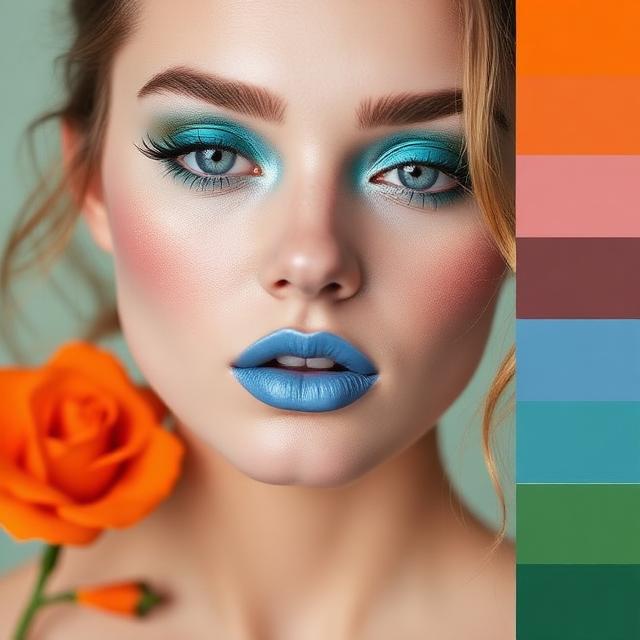
Across social platforms, beauty editors, and runway backstage reports, a new visual vocabulary has emerged. These shades—icy blues, glowing oranges, and grounded greens—form the basis of a contemporary Gen Z natural palette, redefining how color interacts with skin, texture, and identity.


❄️ The Rise of Frost Blue

Among the most discussed shades within Gen Z color trends 2026 is the resurgence of blue. Not the bold electric hues of earlier decades, but rather a cooler tone described by beauty editors as the chilled blue frost trend.

This refined shade appears most prominently through frost blue makeup, often applied as reflective eyeshadow or metallic eyeliner. The effect evokes glacial landscapes and winter skies, aligning the trend with the broader natural world twists shaping contemporary beauty aesthetics.

The renewed fascination with blue also demonstrates how vibrant nostalgic shades continue to evolve. While the color recalls early-2000s cosmetics, its modern interpretation favors sheer layers, luminous finishes, and understated elegance.

Across social platforms, X viral swatches and creator-led tutorials color trends have accelerated the shade’s popularity. These demonstrations reveal how the tone can transition easily from subtle daytime shimmer to dramatic editorial looks.


🍊 Persimmon Orange and the Warmth of Modern Glamour

If frost blue represents cool serenity, the season’s second defining shade introduces warmth and energy. The growing influence of persimmon orange beauty reflects an appetite for colors that feel both bold and organic.

Beauty editors frequently describe the tone as spiced orange persimmon, a color that sits between coral and amber. Unlike neon oranges of previous decades, this version carries depth and warmth.

Within makeup nails hair trends, the shade appears in multiple formats: lacquered manicures, luminous blushes, and glossy lip pigments. Its versatility allows beauty enthusiasts to experiment without overwhelming the face.

The popularity of persimmon orange beauty also reflects the broader cultural appeal of color drawn from natural sources—autumn leaves, desert sunsets, and ripening fruit. These organic references reinforce the evolving Gen Z natural palette, which favors authenticity over artificial perfection.


🌿 Earthy Greens and the Language of Nature

The third element shaping Gen Z color trends 2026 introduces a more grounded dimension. Increasingly, creators and cosmetic brands are experimenting with earthy greens beauty tones inspired by moss, olive, and forest landscapes.

These hues often appear in matte eyeshadows, subtle liners, or tinted mascaras that provide gentle contrast against natural skin tones. In contrast to highly saturated pigments, the effect remains understated.

Such shades also reinforce the growing importance of eco-conscious aesthetics within youth culture. Green tones evoke environmental awareness while complementing the natural world twists that inspire many contemporary cosmetic collections.

Consequently, earthy greens beauty has become an essential pillar within the modern Gen Z natural palette.


💄 Accessibility and the New Beauty Economy

Beyond the aesthetic appeal of these shades lies a broader industry transformation. Gen Z consumers prioritize practicality alongside creativity, which explains the growing interest in multipurpose beauty products.

Cosmetics that function simultaneously as lip color, blush, and eye pigment allow users to experiment with makeup nails hair trends while maintaining streamlined routines. This approach reflects the generation’s desire for efficiency and versatility.

Retailers have responded accordingly. Major beauty destinations such as Ulta Beauty and Sephora now curate extensive Ulta Sephora recs to help shoppers navigate seasonal trends.

Editorial coverage frequently highlights beauty editor picks 30, curated selections designed to simplify the process of mastering 2026 colors. These lists often emphasize drugstore favorites 2026, acknowledging that affordability remains central to Gen Z purchasing behavior.

Ultimately, this environment encourages experimentation without financial risk, enabling young consumers to achieve Gen Z easy dependable results across a variety of looks.


📱 Digital Culture and Color Innovation

No beauty trend evolves in isolation from digital culture. The momentum behind Gen Z color trends 2026 owes much to online communities where creators demonstrate application techniques and review products.

Short-form content featuring X viral swatches allows viewers to evaluate pigment intensity, texture, and finish in real time. Meanwhile, creator-led tutorials color trends transform complex makeup artistry into accessible routines.

This participatory environment generates continuous cycles of Gen Z beauty inspiration, where audiences adapt runway concepts for everyday wear.

Consequently, the color palettes emerging in 2026 do not originate solely from cosmetic laboratories or fashion houses. They emerge through collaborative dialogue between designers, editors, and millions of digital creators.


✨ Runway Magazine Perspective: The Chromatic Identity of a Generation

From the editorial vantage point of Runway Magazine, the significance of Gen Z color trends 2026 lies not simply in individual shades but in the philosophy behind them.

The palette reflects a generation that values emotional authenticity, environmental awareness, and creative independence. Colors such as frost blue makeup, persimmon orange beauty, and earthy greens beauty illustrate how contemporary beauty draws inspiration from the natural world while remaining deeply connected to digital culture.

In this environment, even the quiet elegance of Pantone Cloud Dancer becomes merely a starting point—a neutral reference from which Gen Z creators build more expressive alternatives.

Ultimately, the evolving Gen Z natural palette reveals a beauty landscape defined by experimentation, accessibility, and storytelling. And as these shades continue to circulate through tutorials, runways, and everyday routines, they signal a future where color becomes one of the most powerful forms of personal expression.

Pierre Cardin AW26 Show: Avant-Garde Vision Returns to Paris

Pierre Cardin AW26 Show- Avant-Garde Vision Returns to Paris

Pierre Cardin Autumn–Winter 2026–2027: Avant-Garde Vision Returns to Paris

🚀 A Legacy Reawakened on the Paris Runway

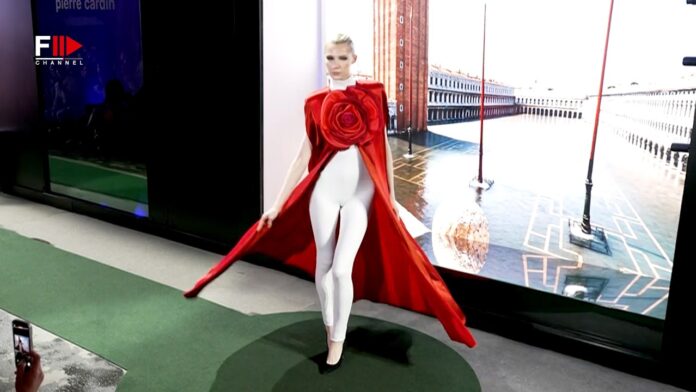
During the latest edition of Paris Fashion Week, the Pierre Cardin AW26 show reminded audiences that innovation is not merely a trend—it is a philosophy. Presented on the Cardin Paris runway, the Pierre Cardin A/W 2026-2027 collection reaffirmed the house’s historic commitment to experimentation, placing avant-garde fashion 2026 firmly at the center of the global conversation.

For decades, the name Pierre Cardin has been synonymous with radical imagination. This season’s show, staged amid the dynamic PFW March 2-10 buzz, extended that tradition with a visual language rooted in the brand’s iconic futurism. The presentation did not merely revisit archival ideas; rather, it translated them into contemporary forms that resonate within the current fashion landscape.

The atmosphere surrounding the Cardin Paris runway demonstrated that the house’s influence continues to shape conversations about fashion’s future. In a week defined by heritage maisons and emerging voices alike, Cardin’s presentation stood out as a reminder that true innovation often lies in the ability to reinterpret a visionary legacy.


🧭 Geometry, Futurism, and the Language of Design

At the heart of the Pierre Cardin AW26 show was a disciplined exploration of form. The runway presentation highlighted architectural tailoring built upon Cardin geometric shapes, echoing the brand’s historic fascination with pure structure.

Sharp circles, angular panels, and sculptural cuts dominated the silhouettes. Yet the garments avoided nostalgia. Instead, the collection advanced a contemporary interpretation of Cardin cutting-edge style, where structure interacts with movement.

The visual impact intensified through the strategic use of Cardin metallic fabrics. Silver, chrome, and liquid-like textiles captured the runway lighting, creating an almost cinematic effect as models moved through the space.

These materials reinforced the show’s central narrative. The collection embraced Cardin futuristic elements, a vocabulary that has defined the house since the early space-age era of fashion. Through these choices, the Cardin runway highlights positioned the brand once again within the conversation surrounding avant-garde fashion 2026.


🌌 The Enduring Power of the Space-Age Silhouette

No discussion of the Pierre Cardin A/W 2026-2027 presentation would be complete without acknowledging the enduring influence of the designer’s cosmic imagination. The runway introduced a series of garments defined by bold Cardin space-age silhouettes, a signature that continues to distinguish the house.

Rounded helmets, sculpted capes, and structured tunics evoked a futuristic optimism that once defined the cultural imagination of the 1960s. Yet on the Cardin Paris runway, those forms felt newly relevant.

Fashion in 2026 is increasingly fascinated with technological aesthetics and digital environments. In that context, Cardin’s historic fascination with space exploration now appears almost prophetic.

As critics circulated clips of the show online, the Cardin avant-garde video segments quickly gained attention across social platforms. The visual clarity of the silhouettes made them ideal for digital storytelling.


📱 Digital Virality and the New Fashion Audience

The digital response to the show demonstrated how heritage houses can thrive within the contemporary media ecosystem. Within hours of the presentation, short runway clips spread widely online as Cardin X viral clips.

Much of this circulation stemmed from the widely shared PFW Cardin video, which captured the most striking moments of the presentation. Audiences responded enthusiastically to the dramatic shapes and reflective surfaces that defined the collection.

In addition, commentators across fashion platforms noted the show’s relevance to the broader PFW Cardin legacy. While many brands rely on nostalgia to maintain relevance, the Pierre Cardin presentation demonstrated how archival identity can function as a foundation for future experimentation.

The conversation also connected the runway show with the broader cultural environment surrounding Paris Fashion Week. Throughout the city, creative activations—including PFW flea markets tie-in events and pop-up exhibitions—contributed to the vibrant atmosphere of the week.


🧠 The Cultural Meaning of the Cardin Vision

Perhaps the most compelling dimension of the show lies in the enduring philosophy behind the brand. The global fashion community continues to recognize Cardin legacy innovation as one of the defining forces that shaped twentieth-century design.

Remarkably, discussion around the house often references the astonishing historical detail that Pierre Cardin’s influence extended across more than a century of life—often celebrated in commentary referencing Cardin 104 years old. While the designer himself is no longer present, his vision continues to inform the aesthetic direction of the brand.

As critics published reviews, Cardin reactions celebrate the persistence of that experimental spirit. Editors and designers alike noted the Cardin enduring impact on contemporary fashion thinking.

Within the wider ecosystem of avant-garde fashion 2026, the house retains a distinctive position. Rather than reacting to trends, Cardin’s legacy functions as a philosophical anchor for designers exploring futurism and conceptual form.


📊 Runway Magazine Perspective: Innovation as Cultural Memory

From the perspective of Runway Magazine, the significance of the Pierre Cardin AW26 show lies not only in its visual spectacle but also in its cultural resonance. The presentation demonstrates that avant-garde fashion is not simply about radical shapes or experimental materials.

Instead, it reflects a deeper intellectual tradition—one in which fashion engages with architecture, science, and speculative imagination.

In the context of Paris Fashion Week, where heritage houses continuously negotiate the tension between legacy and innovation, the Cardin Paris runway provides an instructive example. By embracing futurism rather than retreating into nostalgia, the house continues to shape the narrative of what luxury fashion can become.

Ultimately, the Pierre Cardin A/W 2026-2027 presentation confirms that the spirit of experimentation remains essential to fashion’s cultural evolution. As the PFW March 2-10 buzz fades and the season moves forward, the show will likely endure as one of the most conceptually resonant moments of the week.

Because in a fashion landscape often driven by cycles and repetition, the Cardin philosophy still offers something rare: a genuine vision of the future.


Editorial Visuals — Futuristic Runway Concepts

Conceptual editorial visuals representing geometric runway staging and futuristic fashion aesthetics.

Sebastian Bach love triangle with Christina Applegate, and Brad Pitt

Sebastian Bach love triangle with Christina Applegate, and Brad Pitt

Sebastian Bach, Christina Applegate, and Brad Pitt: Revisiting an 80s Myth Through a Modern Lens

🎤 When Nostalgia Collides With Celebrity Mythology

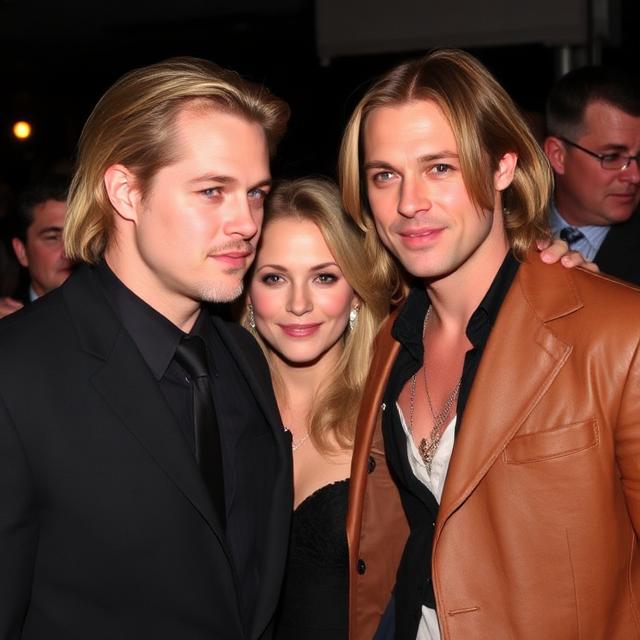
In the endlessly circulating archive of celebrity culture, few narratives resurface with the persistence of an old Hollywood rumor. This week, that cycle reignited when Sebastian Bach addressed the long-discussed Sebastian Bach love triangle involving Christina Applegate and Brad Pitt.

The conversation emerged during a recent Bach podcast interview, where the rock vocalist finally confronted decades of speculation. Within hours, headlines announced that Bach silence broken had become the unexpected celebrity narrative of the moment.

However, the renewed fascination surrounding Christina Applegate Brad Pitt extends far beyond a nostalgic anecdote. Instead, the episode reveals how modern media culture constantly reinterprets celebrity history. In this case, the resurfacing rumor functions as a small cultural time capsule—one that connects 1980s tabloid mythology to the algorithm-driven attention economy of 2026.


📸 Revisiting the 1980s Celebrity Machine

The rumor itself belongs to the peculiar ecosystem of 1980s Hollywood visibility. During that era, celebrity relationships often circulated through magazines, entertainment television, and gossip columns. Today, however, those narratives return through social media and digital nostalgia.

The original Applegate Pitt rumors emerged when all three figures were navigating the early stages of their public careers. Bach, then rising to fame in hard rock circles, was associated with the story that would eventually become the alleged Sebastian Bach love triangle.

In the podcast conversation, Bach dismissed the narrative as exaggerated tabloid lore. He described the situation as nothing more than Bach youthful drama, emphasizing that it reflected the chaotic social environment of young Hollywood rather than any serious conflict.

Consequently, his explanation reframed what many once considered scandal. According to Bach, the moment was simply a misunderstanding amplified by gossip culture.


🎙️ The Podcast That Reopened the Conversation

The interview itself was strikingly reflective in tone. Rather than fueling controversy, Bach offered measured commentary and clear Bach denial story language about the supposed rivalry.

He also expressed what he called Bach icons praise for both Applegate and Pitt, noting their enduring cultural influence. In doing so, he repositioned the conversation away from gossip and toward appreciation for careers that have evolved dramatically over the past four decades.

Nevertheless, the remarks quickly became part of the week’s Bach 2026 news cycle. Online discussions intensified once audiences realized that the story connected three major cultural figures whose public narratives continue to evolve.

The episode also coincided with Bach memoir promotion, adding another layer of context. As part of the project, he revealed a selection of Bach unseen photos documenting moments from his early career.

Those archival images, shared during the interview, transformed the discussion into a visual journey through late-1980s celebrity culture.


🌟 Christina Applegate’s Enduring Cultural Presence

While the story initially centered on Bach’s recollection, much of the online conversation ultimately focused on Applegate herself. In recent years, the actress has become widely admired for her openness regarding multiple sclerosis.

Consequently, the renewed attention intersected with conversations about Applegate MS advocacy and her highly public Applegate health journey. Audiences across social media expressed admiration for her resilience and candor.

The response also generated waves of Applegate sympathy reactions, reflecting a broader shift in how celebrity narratives are interpreted today. Unlike the gossip culture of the 1980s, contemporary audiences often approach such stories through the lens of empathy rather than scandal.

This evolution highlights a significant transformation within celebrity culture. Public discourse increasingly recognizes personal context and long-term human experience rather than focusing solely on sensational rumor.


🎬 Brad Pitt, Awards Season, and the Persistence of Fame

The reappearance of the rumor also coincides with renewed attention surrounding Pitt. Ongoing discussions about his recent performances have generated significant Pitt Oscars buzz across entertainment media.

Therefore, the resurfacing of the story intersects with a broader narrative about Pitt’s enduring relevance within Hollywood. Conversations about Pitt love life have historically fueled media fascination, and the latest wave of Pitt retro gossip demonstrates how easily older narratives resurface in the digital age.

Yet what makes this particular revival notable is its tone. Rather than fueling conflict, the conversation now feels closer to historical reflection.

In many ways, the episode functions as a reminder that celebrity mythology often outlives the events themselves.


📱 Social Media and the Humor of Cultural Memory

As the discussion spread online, humor quickly became part of the narrative. Internet users generated countless reactions, memes, and nostalgic commentary. Many posts referenced the revived 80s scandal revival as a playful reminder of tabloid culture’s earlier era.

Predictably, the internet produced a wave of Bach fan memes, blending rock nostalgia with contemporary meme culture. Bach himself appeared amused by the reaction, contributing to what observers described as Bach humor scandal commentary during the interview.

The moment illustrates how modern digital audiences reinterpret historical gossip through irony and cultural distance. What once functioned as scandal now circulates as shared nostalgia.


📊 Celebrity Narratives in the Algorithmic Era

Ultimately, the resurgence of the Sebastian Bach love triangle demonstrates how the digital media landscape reshapes cultural memory. Stories that once belonged to tabloids now resurface through podcasts, social platforms, and algorithmic recommendation engines.

At the same time, the renewed attention surrounding Christina Applegate Brad Pitt highlights how celebrity narratives evolve as public figures mature and their legacies expand.

For Bach, addressing the story during his Bach podcast interview offered an opportunity to contextualize the rumor within a broader personal history. The result was less a scandal than a reflective look at youth, fame, and the mythology of 1980s Hollywood.

In the end, the episode reveals something larger about contemporary culture. Celebrity history no longer fades quietly into the past. Instead, it continuously reappears, reshaped by new platforms and audiences.

And as this 80s scandal revival demonstrates, the stories that once defined tabloid headlines can return decades later—not as controversy, but as cultural memory.

LAFW 2026 Lineup: West Coast Rewrites the Fashion Calendar

LAFW 2026 Lineup- West Coast Rewrites the Fashion Calendar

Los Angeles Fashion Week 2026: The West Coast Rewrites the Fashion Calendar

🌴 A New Energy in the Global Fashion System

In recent years, the gravitational map of global fashion has begun to shift. The announcement of the LAFW 2026 lineup signals that the movement is no longer theoretical. It is happening in real time.

Held during Los Angeles Fashion Week March, the event returns on LAFW March 13-14 at The Lot Studios. The venue places the runway squarely within the creative heart of LAFW West Hollywood, a district synonymous with film production, celebrity culture, and luxury branding.

Organized under Bureau Fashion Week production, the event reflects a strategic rethinking of the American fashion calendar. While New York City and Paris remain historic anchors of the industry, the LAFW West Coast alternative is steadily gaining influence.

The presence of more than thirty designers across multiple LAFW runway shows demonstrates that Los Angeles now commands attention not merely as an entertainment capital but as a serious platform for fashion design.


✨ Designers Driving the 2026 Momentum

At the center of the LAFW headliners 2026 roster stands an eclectic group of designers whose aesthetics reflect the diversity of contemporary fashion.

Dominican couturier Giannina Azar brings high-drama eveningwear to the schedule through Giannina Azar LAFW, reinforcing her reputation for sculptural silhouettes and jewel-toned embellishment.

Meanwhile, German-born designer Pia Bolte introduces a more romantic dimension through the Pia Bolte runway, where vintage influences and modern tailoring intersect.

The lineup continues with emerging and established voices. Michael Ngo contributes a technically precise presentation under Michael Ngo LAFW, while Diana Couture show highlights couture-level construction within an independent design framework.

Together, this LAFW designer list reflects a unifying principle: a renewed LAFW craftsmanship focus. In contrast to fast-moving digital fashion cycles, the Los Angeles event emphasizes garments that demonstrate technical complexity and artisanal depth.


📅 Los Angeles Fashion Week 2026 Official Schedule

Below is the confirmed schedule for the primary runway presentations during LAFW March 13-14. All shows take place at LAFW The Lot Studios, reinforcing the event’s centralized format.

Date Time Designer Show Title Venue
March 13, 2026 1:00 PM Giannina Azar Giannina Azar LAFW Collection The Lot Studios, West Hollywood
March 13, 2026 3:00 PM Pia Bolte Pia Bolte runway presentation The Lot Studios
March 13, 2026 6:00 PM Michael Ngo Michael Ngo LAFW collection The Lot Studios
March 14, 2026 2:00 PM Diana Couture Diana Couture show The Lot Studios
March 14, 2026 5:00 PM Multi-Designer Showcase Emerging Designers The Lot Studios

These presentations represent the central LAFW runway shows, though additional installations and designer activations will occur throughout the venue.


🌐 Accessibility and the Democratization of Fashion Week

Another defining characteristic of the LAFW 2026 lineup lies in its accessibility. Entry pricing begins with LAFW tickets $65, an intentional strategy that signals LAFW accessibility emphasis.

Traditional fashion weeks often remain restricted to industry insiders. However, Los Angeles organizers appear committed to expanding the audience. By opening ticket access to the public, the event invites emerging consumers, fashion students, and digital creators into the experience.

This approach aligns with the broader philosophy behind Bureau Fashion Week production, which aims to bridge professional fashion culture with a wider creative community.

Consequently, Los Angeles Fashion Week functions not merely as an industry showcase but as a cultural gathering that merges entertainment, design, and audience participation.


📱 Social Media and the Los Angeles Fashion Ecosystem

If accessibility defines the structural philosophy of the event, digital amplification defines its cultural reach. Already, LAFW social media buzz has accelerated online conversation surrounding the event.

A central component of that momentum comes from the partnership with Clarity Alkaline sponsorship, which introduced the campaign slogan circulating as the GetSomeClarity hashtag. The phrase has become a recurring visual motif across digital posts tied to the runway presentations.

In today’s fashion ecosystem, such digital strategies serve as essential visibility engines. The success of LAFW social media buzz demonstrates how modern fashion weeks operate simultaneously in physical venues and online cultural space.


🌍 The Strategic Rise of a West Coast Fashion Capital

For decades, Los Angeles existed on the periphery of the traditional fashion calendar. Today, that narrative is changing rapidly.

The emergence of the LAFW West Coast alternative signals a broader structural transformation in the industry. Designers increasingly recognize the strategic importance of West Coast visibility. The region combines celebrity culture, digital media production, and technology investment.

Consequently, Los Angeles Fashion Week March now functions as a bridge between fashion, film, and online culture. Events staged at LAFW The Lot Studios embody this hybrid identity. The venue itself, historically associated with film production, reinforces the connection between cinematic storytelling and runway presentation.

The 2026 edition therefore arrives at a moment when fashion geography is expanding. While Paris and Milan remain pillars of tradition, cities like Los Angeles are defining the next generation of fashion influence.


📊 A New Chapter in the American Fashion Narrative

Ultimately, the significance of the LAFW 2026 lineup extends beyond a single weekend of shows. It reflects the emergence of a more decentralized fashion ecosystem.

The presence of internationally recognized designers, a commitment to LAFW craftsmanship focus, and a pricing model rooted in LAFW accessibility emphasis suggest a new approach to fashion week programming.

As the industry evolves, the LAFW designer list represents a compelling snapshot of fashion’s changing geography. Los Angeles is no longer merely a backdrop for celebrity style. It is becoming an active stage for design innovation.

And as the lights rise over LAFW West Hollywood, the message becomes increasingly clear: the future of fashion is not defined by a single capital. It is shaped by a network of cultural cities—and Los Angeles now stands firmly among them.


Editorial Visuals — Runway Atmosphere

Conceptual editorial visuals representing runway environments and fashion week staging.

Gwyneth Paltrow at Valentino: A Fashion Moment in Rome

Gwyneth Paltrow at Valentino- A Strategic Fashion Moment in Rome

Gwyneth Paltrow at Valentino: A Strategic Fashion Moment in Rome

✨ A Roman Runway That Sparked Global Conversation

When Gwyneth Paltrow appeared at the Valentino Fall/Winter 2026 show in Rome on March 13, the moment immediately captured global attention. The phrase Gwyneth Paltrow Valentino quickly surged across fashion media and digital platforms. Editors, critics, and audiences alike began analyzing the deeper meaning of the appearance.

However, the Paltrow Rome show moment was not simply another celebrity sighting. Instead, it arrived at a time when speculation surrounding Goop 2026 expansion had already begun circulating within the industry. Consequently, the appearance felt deliberate. It signaled the growing intersection between fashion visibility and entrepreneurial strategy.

At the center of the evening stood the carefully calibrated Paltrow red carpet 2026 image. Paltrow’s presence demonstrated how celebrity appearances now function as powerful narrative tools within the luxury economy. In this case, fashion, business, and personal branding converged on a single runway.


🎨 Alessandro Michele’s New Valentino Vision

Meanwhile, the runway itself marked an important transition for the house. The collection represented the early chapter of Valentino under creative direction from Alessandro Michele. Known for theatrical storytelling, Michele introduced a layered vision that balanced romance with dramatic structure.

Within that context, the pairing of Paltrow Alessandro Michele felt symbolically precise. Paltrow embodies a form of contemporary classicism. Michele, by contrast, thrives on reinvention. Together, they represented the dialogue between legacy glamour and modern experimentation.

For the evening, Paltrow wore a striking Paltrow custom gown created specifically for the event. The silhouette blended couture tradition with Michele’s evolving aesthetic language. As a result, the look appeared both timeless and directional.

After the show, Paltrow described the presentation as a Paltrow transformative collection. Her comment circulated widely in fashion media. Furthermore, the remark reinforced Michele’s emerging authority within the Valentino narrative.


🌿 Goop and the Expanding Luxury Lifestyle Economy

Yet the deeper story surrounding the appearance extends beyond fashion alone. Industry observers quickly linked the moment to rumors surrounding the Goop 2026 expansion.

Paltrow founded Goop in 2008. Initially, it functioned as a modest lifestyle newsletter. Over time, however, it evolved into a global wellness and commerce platform. Therefore, the possibility of a Goop European launch has significant implications for both luxury retail and wellness markets.

At the same time, anticipation continues to grow around the forthcoming Goop wellness line. Analysts believe the brand intends to expand its presence across beauty, health, and luxury lifestyle categories. Consequently, Paltrow’s appearance at a major fashion event felt strategically aligned with those ambitions.

Equally intriguing was the subtle Goop collaborations tease that emerged during the evening’s conversations. Although details remain limited, speculation suggests potential partnerships between Goop and established luxury houses.


🌟 Celebrity Culture and the Social Media Amplifier

Naturally, social media accelerated the cultural impact of the evening. Within hours, Paltrow X trends dominated conversation across digital platforms.

Particularly viral was the photographed Paltrow Kate Hudson interaction with fellow actress Kate Hudson. Images of their exchange circulated widely. As a result, the moment revived fascination with Hollywood’s enduring presence within fashion’s front row.

At the same time, commentary focused heavily on Paltrow ageless beauty. Admirers praised her restrained styling and confident posture. Consequently, the appearance reinforced the idea of enduring Paltrow Hollywood power within the cultural imagination.

Predictably, the event generated intense Paltrow celeb buzz across fashion journalism and entertainment coverage.


🎭 Fashion Authority Versus Acting Legacy

However, the Valentino appearance also reopened a familiar debate. Critics and fans alike began discussing Paltrow fashion influence relative to her acting career.

Over the past decade, her entrepreneurial work has often overshadowed her cinematic presence. Nevertheless, speculation about a Paltrow acting revival continues to circulate within industry circles.

Interestingly, moments like the Valentino show often reshape public narratives. The surge of Paltrow style praise illustrates how fashion visibility can renew cultural relevance. Therefore, appearances of this kind operate as strategic platforms rather than casual engagements.


📊 A Cultural Signal for the Luxury Industry

Ultimately, the Rome appearance represents more than celebrity spectacle. Instead, it illustrates a structural shift within the luxury ecosystem.

Modern cultural influence rarely operates within a single discipline. Today, figures like Paltrow move fluidly between fashion, wellness, film, and digital media. Consequently, their visibility carries economic and symbolic weight.

The continuing Paltrow 2026 rumors surrounding Goop’s global ambitions reinforce that interpretation. Meanwhile, brands increasingly seek collaborators who embody multidimensional authority.

In that context, the Valentino moment demonstrates the scale of Paltrow industry impact. The evening showcased not only a fashion collection but also the evolving architecture of influence itself.

Indeed, the conversation sparked by Gwyneth Paltrow Valentino reveals a new reality. Celebrity identity, entrepreneurial vision, and luxury fashion now operate within the same cultural framework. And increasingly, they shape the future of the industry together.


Hermès LA Show From Paris to Los Angeles- The Strategic Vision

Hermès From Paris to Los Angeles- The Strategic Vision

Hermès From Paris to Los Angeles: The Strategic Vision Behind Chapter Two

🌍 A Global Fashion Narrative Moves West

When Hermès announced that the second chapter of its women’s Fall 2026 presentation would take place in Los Angeles on June 4, the decision immediately reshaped the conversation around the upcoming Hermès LA show. The move signals far more than a change of venue. Instead, it represents a deliberate expansion of the maison’s narrative geography.

The announcement confirms that Hermès Fall 2026 Chapter Two will follow the first presentation staged in Paris on March 7. Consequently, the transition from Paris to California transforms the collection into a transcontinental dialogue. The journey from Hermès Paris to LA embodies the house’s evolving strategy of presenting fashion as a global cultural experience rather than a single runway moment.

This structure, now recognized as the Hermès two-part collection format, reflects a broader shift in luxury storytelling. Fashion houses increasingly construct narratives across multiple locations, thereby allowing a collection to unfold in chapters rather than appearing as a singular event.


✨ Nadège Vanhee and the Architecture of the Collection

At the center of the project stands Nadège Vanhee-Cybulski, the creative director responsible for shaping the Nadège Vanhee collection. Since assuming leadership of Hermès womenswear, Vanhee-Cybulski has pursued a quiet but deliberate evolution of the brand’s identity.

The upcoming Hermès Fall 2026 presentation continues that trajectory. According to early reports, the collection explores what insiders describe as an Hermès urban nomadic theme—a concept rooted in movement, adaptability, and metropolitan sophistication.

Visually, the Paris chapter already hinted at this narrative through architectural staging. The now-discussed Hermès maze runway configuration guided guests through a labyrinthine path, reinforcing the idea of fashion as a journey rather than a static display.

The Los Angeles continuation promises to extend that concept. Through this approach, Vanhee-Cybulski emphasizes Hermès storytelling depth, transforming the collection into an evolving environment rather than a simple runway lineup.


🌆 Why Los Angeles Matters to Luxury

The decision to stage the Hermès LA June 4 event reflects a broader recalibration within the luxury industry. For decades, Paris, Milan, and New York dominated the fashion calendar. However, the gravitational center of luxury consumption has shifted dramatically.

Los Angeles now occupies a distinctive position within global culture. The city combines entertainment influence, technology wealth, and an increasingly sophisticated luxury retail landscape. Therefore, hosting the Hermès LA show places the maison directly within one of the world’s most influential cultural ecosystems.

Industry observers note that the strategy aligns with the brand’s wider Hermès global expansion. By activating key cities outside traditional fashion capitals, Hermès strengthens its cultural presence while maintaining its Parisian identity.

Moreover, the concept of Hermès West Coast luxury reflects an emerging aesthetic conversation. California style blends ease with prestige, creating a visual language that resonates strongly with contemporary luxury consumers.


🗺️ The Evolution of the Chapter Two Format

The Los Angeles presentation also marks the continuation of a format that has quietly become one of the house’s most intriguing experiments. The upcoming event follows earlier Hermès Chapter Two events staged in major global cities.

Previous editions appeared in New York City and Shanghai, both of which generated significant attention across international fashion media. As a result, references to Hermès NY Shanghai previous chapters now form part of the brand’s evolving narrative structure.

This approach represents a subtle yet important Hermès innovative format within the fashion calendar. Rather than compressing an entire collection into a single show, the maison allows ideas to unfold over time and space.

For critics and editors, this method offers a richer lens through which to interpret design evolution. Each chapter introduces new contextual layers, thereby strengthening the thematic coherence of the overall Hermès women’s fall 2026 narrative.


🌟 Celebrity Culture and Digital Anticipation

Even before the event arrives, speculation is shaping the conversation. Social platforms already host extensive Hermès celebrity predictions, with observers anticipating the presence of prominent actors, musicians, and West Coast tastemakers.

The anticipation surrounding the Hermès LA show illustrates how celebrity culture intersects with luxury strategy. In a city defined by entertainment influence, fashion presentations become cultural events rather than purely industry gatherings.

Consequently, the upcoming presentation has already generated notable Hermès fashion buzz 2026 across digital platforms. Online discussions and Hermès X trends conversations suggest that the event will function as both a fashion presentation and a broader cultural spectacle.


📊 A New Model for Luxury Storytelling

The broader significance of Hermès Fall 2026 Chapter Two lies in what it reveals about the evolving structure of fashion communication. Modern luxury houses no longer rely solely on seasonal runway shows. Instead, they orchestrate narrative ecosystems that unfold across cities, media platforms, and cultural contexts.

In this environment, the two-part structure becomes more than a logistical innovation. It functions as a strategic storytelling device. By moving the narrative from Paris to Los Angeles, Hermès creates a global dialogue about movement, identity, and modern luxury.

Industry analysts have already offered substantial Hermès industry praise for the experiment. The format allows the brand to deepen engagement while maintaining the rarefied mystique that defines the house.

Ultimately, the transition from Hermès Paris to LA illustrates a profound shift within fashion’s cultural geography. Luxury today is no longer confined to a single capital. Instead, it travels—much like the urban nomad imagined in Vanhee-Cybulski’s designs.

And when the Hermès LA June 4 presentation finally unfolds, it will represent more than another runway show. It will mark the next chapter in the maison’s evolving global narrative.


Editorial Image — Conceptual Runway Environment

Editorial-style conceptual visuals representing maze-inspired runway staging and architectural fashion environments.

Makeup Trends at Paris Fashion Week 2026: The Artistry

Makeup Trends at Paris Fashion Week 2026- The Artistry

Makeup Trends at Paris Fashion Week 2026: The Artistry Defining a New Beauty Era

💄 Beauty Takes Center Stage in Paris

During the latest edition of Paris Fashion Week, fashion did not operate alone. Instead, the runways revealed a powerful dialogue between couture and cosmetics. The emerging PFW makeup trends 2026 demonstrate that contemporary beauty is no longer an accessory to fashion. It has become a central language of creative expression.

Across the week, editors, artists, and digital audiences observed a surge of experimental techniques that reshaped expectations for Paris Fashion Week beauty. Publications such as Allure documented the most influential looks in their widely discussed Allure PFW looks coverage, highlighting how makeup artistry increasingly functions as a conceptual extension of the garments themselves.

The result was a season defined by experimental makeup PFW—a wave of bold aesthetics that blended avant-garde artistry with practical inspiration for future beauty routines.


✨ Chrome, Shine, and the New Futurism

One of the most striking visuals of the season appeared in the form of chrome eyes PFW, a metallic finish that reflected runway lighting with dramatic intensity. This technique emerged most memorably during presentations by Chanel, where reflective pigments created a futuristic shimmer across the eyelids.

These gleaming textures aligned with the broader aesthetic movement toward bold eye trends. Rather than soft gradients or minimal shading, makeup artists emphasized strong visual structure. Silver tones, mirror finishes, and liquid metallic pigments transformed the eye area into a sculptural focal point.

Within the context of artistic runway beauty, the chrome effect functioned as more than decoration. It suggested a vision of beauty influenced by technology, digital culture, and reflective materials that mirror contemporary design across fashion and architecture.

As clips circulated online, X viral PFW beauty posts featuring metallic eyes quickly captured public attention. Viewers around the world began searching for ways to recreate PFW makeup, confirming that runway artistry continues to shape everyday beauty culture.


🍷 The Return of Dramatic Lip Color

While futuristic eyes dominated many presentations, lips delivered a counterbalance of depth and drama. At Valentino, models appeared with rich berry lips Valentino, a shade that introduced warmth and emotional intensity to the runway.

The color palette extended beyond traditional red. Instead, makeup artists experimented with deep plum tones and saturated wine pigments, defining a new generation of lip color trends 2026.

This approach aligned with the broader conversation surrounding spring summer makeup trends, where strong lip statements often accompany minimalist complexions. On the runway, the technique created a deliberate contrast: luminous skin paired with bold, sculptural lips.

Such combinations reinforce the enduring relevance of the fresh-faced runway philosophy. Skin remains luminous and natural, yet the strategic use of color ensures that the final effect remains striking rather than understated.


✏️ Graphic Lines and the Architecture of the Eye

Another defining motif appeared through graphic liners Miu Miu, where sharp black lines framed the eyes in geometric configurations. Presented by Miu Miu, the look demonstrated how eyeliner can function as architectural design rather than simple contour.

These angular shapes contributed to the wider conversation surrounding PFW makeup inspiration, proving that beauty artistry increasingly mirrors the structural thinking seen in fashion design.

The popularity of these looks quickly expanded across social media platforms. Tutorials and runway makeup tutorials appeared almost immediately after the shows, offering audiences practical methods to translate high-fashion techniques into everyday cosmetics routines.

Consequently, digital creators began demonstrating how to recreate PFW makeup through accessible products, including widely shared recommendations for drugstore PFW dupes that replicate luxury runway effects.


📸 Backstage Culture and the Digital Beauty Conversation

Behind the scenes, the energy of the week extended far beyond the runway itself. Images of backstage PFW models circulated widely, offering rare glimpses into the preparation process that precedes each show.

One particularly discussed moment involved Gillian Anderson makeup, which appeared in viral backstage footage that quickly joined the growing archive of PFW beauty highlights shared online.

These clips illustrate the evolving relationship between fashion week and digital audiences. In earlier decades, runway beauty remained largely inaccessible to the public. Today, however, social platforms transform backstage moments into global cultural events.

As a result, X viral PFW beauty discussions now function as a crucial amplification mechanism for trends that might once have remained confined to industry insiders.


🌍 Beauty as the Future of Fashion Storytelling

The larger significance of the PFW makeup trends 2026 lies in what they reveal about fashion’s expanding creative ecosystem. Designers increasingly collaborate with makeup artists to produce cohesive visual narratives.

This approach reinforces the idea that Paris Fashion Week beauty represents more than seasonal cosmetics. Instead, it functions as an artistic medium capable of communicating identity, technology, and cultural change.

From reflective chrome eyes PFW to expressive berry lips Valentino and architectural graphic liners Miu Miu, the season demonstrated that beauty now operates at the same conceptual level as clothing design.

For the global audience following Allure PFW looks, the lesson is clear: runway makeup is no longer merely inspirational. It is predictive. The techniques emerging during this week will influence spring summer makeup trends across both luxury and accessible beauty markets.


✨ Runway Magazine Perspective

From the editorial perspective of Runway Magazine, the creative direction of PFW makeup trends 2026 signals an important shift in the fashion ecosystem. Beauty artistry has become a central storytelling tool—one that communicates cultural mood, technological influence, and aesthetic innovation.

The season’s PFW beauty highlights reveal a future in which cosmetics operate as both art form and industry driver. And as the global audience continues to analyze PFW makeup inspiration, the connection between runway experimentation and everyday beauty routines will only grow stronger.

Because in modern fashion culture, the most powerful trends rarely remain on the runway. They evolve, adapt, and ultimately redefine how the world sees beauty.


Editorial Visuals — Runway Beauty Concepts

Conceptual editorial visuals representing chrome eyes, graphic eyeliner, bold runway lips, and backstage beauty preparation.

Gen Z Women Reclaim History Narrative in 2026

Gen Z Women Reclaim History Narrative in 2026

How Gen Z Women Are Reclaiming the Narrative of History in 2026

A Generation Rewriting Cultural Memory 📚

The story of Gen Z women reclaim history is no longer theoretical. It is unfolding in real time across fashion, media, technology, and academia. Throughout 2026, a new generation of creators has begun reshaping how cultural narratives are constructed and who controls them.

Unlike previous generations, these women do not rely solely on traditional institutions for legitimacy. Instead, digital storytelling women use decentralized platforms to distribute ideas, build audiences, and redefine influence.

This phenomenon reflects a broader career disruption Gen Z has brought to nearly every industry. Traditional pipelines—from publishing houses to fashion gatekeepers—no longer monopolize authority. Consequently, a new ecosystem has emerged where creators can transform intellectual and cultural labor into sustainable careers.

Within this transformation, Black women creators 2026 stand at the forefront of innovation, shaping both cultural preservation and future storytelling.


Fashion Innovation and the Digital Runway 👗


Few examples illustrate the shift more clearly than the groundbreaking Anifa Mvuemba 3D runway presentation. During the global pandemic, the designer demonstrated that fashion shows could exist entirely in digital space.

Her virtual runway did more than present garments. It reframed how fashion could reach global audiences without geographic limitations. As a result, digital storytelling women gained a new model for creative independence.

This moment represents a broader pattern within the Gen Z cultural force shaping contemporary design. Rather than simply participating in established systems, these creators redesign the systems themselves.

In doing so, they embody the spirit of Gen Z entrepreneurship, where innovation arises from technological fluency and cultural awareness.


Social Media as a Platform for Cultural Authority 📱

https://images.presentationgo.com/2025/04/vlogger-ring-light-content-creator.jpg

Equally transformative is the rise of commentary-driven influence. Figures such as Nia Ivy TikTok fame illustrate how analysis and personality can evolve into mainstream cultural authority.

Through thoughtful commentary on culture, beauty, and entertainment, Ivy transitioned from short-form videos into red-carpet appearances and industry conversations. Her success reflects the growing social media influence women wield across multiple sectors.

Meanwhile, digital personality Quen Blackwell platforms demonstrate how creators can evolve alongside technology. Beginning with Vine and later expanding across YouTube, TikTok, and fashion collaborations, Blackwell exemplifies multidimensional success women increasingly achieve.

In both cases, the key factor is adaptability. The digital ecosystem rewards those who can maintain authenticity while evolving across formats.

Consequently, independent storytelling women are transforming platforms once dismissed as entertainment into legitimate spaces of cultural analysis.


Sports, Activism, and Cultural Leadership 🏀


The transformation extends far beyond digital media. Athletes, for example, now operate as multifaceted cultural leaders.

One prominent example is Angel Reese activism, which merges athletic excellence with media presence and community engagement. Through podcasting, brand partnerships, and philanthropic initiatives, Reese demonstrates how sports figures can influence social progress.

Her work supporting youth athletics highlights the importance of representation in competitive spaces. The initiative contributes to the broader movement where Black women creators 2026 expand leadership roles across industries.

In this context, sports become another channel through which Gen Z women reclaim history by rewriting the expectations surrounding female athletes.


Preserving Knowledge and Cultural Heritage 🖼️

 
https://www.phillipscollection.org/sites/default/files/2026-01/Clarisse%20Fava-Piz%20Photo%20AK%20Blythe.jpg
 

While digital platforms amplify voices, institutions remain crucial spaces for cultural memory. Increasingly, galleries museums Black women are leading efforts to protect historical narratives that risk erasure.

Curators, scholars, and archivists now collaborate with digital creators to ensure that knowledge survives beyond institutional boundaries. Their work reflects a commitment to women’s history redefine through scholarship and accessibility.

Simultaneously, social media transforms scholarship into public dialogue. What once existed only in academic journals can now achieve viral impact Gen Z across global audiences.

Through this convergence of academia and technology, cultural narratives shift toward greater inclusion and complexity.


Independent Media and the Economy of Ideas ✍️

The final pillar of this transformation is economic independence. Platforms such as Substack enable creators to bypass traditional publishers entirely.

Through Substack monetizing IP, writers and analysts now convert intellectual property directly into subscription communities. This model represents a fundamental traditional pipelines disrupt moment within the media economy.

Creators discussing beauty fashion dating expertise or cultural criticism can now develop sustainable careers without corporate mediation. As a result, Gen Z entrepreneurship increasingly revolves around intellectual ownership.

This environment rewards originality and depth, empowering independent storytelling women to control both narrative and revenue.


A Generation That Redefines Power

Ultimately, the rise of Gen Z women reclaim history reflects a deeper cultural evolution. Authority no longer flows exclusively through established institutions. Instead, it emerges from creativity, digital literacy, and community engagement.

Across fashion, sports, academia, and media, Black women creators 2026 continue to reshape the boundaries of influence. Their work demonstrates how social media influence women can transform everyday voices into global conversations.

What defines this Gen Z cultural force is not merely ambition but adaptability. Through digital storytelling women, independent publishing, and entrepreneurial thinking, a new generation is rewriting how success is measured.

And in doing so, they ensure that the next chapter of history will not simply be recorded—it will be authored by those who once stood outside the narrative.


Bella Hadid Prada: The Supermodel Who Redefined Beauty

Bella Hadid Prada- The Supermodel Who Redefined Beauty

Bella Hadid Becomes Prada’s First Global Beauty Ambassador

A Strategic Shift in Luxury Beauty ✨

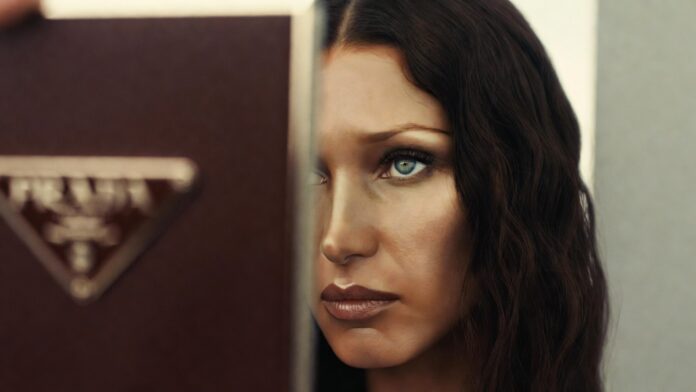
The announcement that Bella Hadid Prada will lead the house’s beauty division marks a pivotal moment in fashion beauty news. Prada has officially named the supermodel its first Prada global ambassador dedicated to cosmetics. Consequently, the appointment signals a new phase in the brand’s long-term beauty strategy.

The Hadid beauty ambassador role was revealed through an exclusive Bella Hadid contract unveiled in mid-March. The agreement positions Hadid as the central figure of Prada’s expanding cosmetics vision. Moreover, the partnership reflects how luxury beauty ambassadors now function as cultural storytellers rather than simple endorsers.

Across the fashion industry 2026, luxury brands increasingly rely on globally recognized faces to define their visual identity. Therefore, Prada’s decision to highlight Hadid demonstrates how the modern supermodel shapes contemporary beauty narratives.


Prada Enters a New Beauty Era 💄

Prada has long been associated with intellectual fashion design and minimalist aesthetics. However, the introduction of Prada cosmetics Hadid marks a deeper commitment to the beauty sector. As a result, the brand positions itself within the growing world of high fashion beauty.

The collaboration also reflects a broader trend in supermodel beauty deals. Today’s luxury campaigns rely on recognizable personalities who embody a brand’s philosophy. In this context, the Bella Prada campaign aligns Hadid’s visual identity with Prada’s signature restraint.

Furthermore, the partnership expands the conversation around celebrity beauty endorsements. Rather than focusing only on product visibility, luxury houses now emphasize artistic collaboration and narrative storytelling.

Thus, the Bella Hadid Prada appointment illustrates how heritage fashion houses are redefining their role in the cosmetics market.


The Modern Supermodel as Cultural Influence 🌍

Bella Hadid’s rise reflects a transformation in the modeling industry. She is no longer simply a runway figure. Instead, she has become a cultural force whose aesthetic influences global fashion conversations.

The Hadid exclusive deal acknowledges this broader impact. It also highlights how modern supermodel contracts extend beyond fashion week appearances. Today, ambassadors shape brand storytelling across digital media, campaigns, and cultural events.

Additionally, the partnership draws on Hadid’s Hadid modeling heritage, which includes years of high-profile runway work and editorial dominance. That history strengthens her credibility within luxury fashion.

Equally important is the distinctive Bella Hadid style. Her minimalist glamour and sharp silhouettes align naturally with Prada’s design philosophy. Therefore, the Hadid ambassador role feels both strategic and authentic.

Not surprisingly, the news quickly became one of the most discussed Bella Hadid updates in recent fashion headlines.


Inclusivity and the New Beauty Narrative 🌟

Industry analysts also view the Prada beauty launch as part of a larger cultural evolution. Luxury beauty brands increasingly emphasize diversity, identity, and authenticity. Consequently, campaigns now highlight broader definitions of beauty.

The Bella Hadid Prada partnership reflects this movement toward Prada inclusivity. Although the brand maintains its intellectual design legacy, it now communicates through personalities who resonate globally.

Meanwhile, luxury beauty ambassadors serve as symbols of contemporary cultural shifts. They represent lifestyle values as much as product promotion. Therefore, Hadid’s appointment carries significance beyond traditional marketing.

Because of this, many observers see Prada cosmetics Hadid as a defining collaboration in modern fashion branding.


Conclusion: The Future of Fashion and Beauty Collaboration

The selection of Bella Hadid as Prada global ambassador reflects a broader transformation in luxury marketing. Fashion houses now view beauty as an extension of their cultural identity. As a result, ambassadors must embody both aesthetic and influence.

For Hadid, the Bella Hadid contract reinforces her position at the center of the fashion industry 2026. For Prada, the partnership opens a new chapter in beauty storytelling.

Ultimately, the Hadid exclusive deal demonstrates how supermodel beauty deals now combine creativity, global influence, and strategic brand vision.

As the Bella Prada campaign unfolds, it may redefine how luxury houses present beauty in the modern era.

Calvin Klein Fall 2026: Veronica Leoni “Cult of the Body”

Calvin Klein Fall 2026- Veronica Leoni “Cult of the Body”

Calvin Klein Fall 2026: Veronica Leoni and the Uncertain Language of the “Cult of the Body”

https://www.thetimes.com/imageserver/image/%2Fc27ccbe6-7981-4e3d-94a9-1a786758f9a3.jpg?crop=2732%2C4098%2C0%2C0&resize=618
 
A New Chapter for an American Icon 🇺🇸

The conversation around Calvin Klein FW26 began long before the first look appeared on the runway. Anticipation was high. This season marked Leoni third collection for the American fashion house. Each presentation has carried the weight of redefining a brand built on clarity, sensual restraint, and modern minimalism.

For Fall 2026, creative director Veronica Leoni cult body framed the collection around a provocative concept: the “cult of the body.” The idea sought to reconnect with the physical confidence that defined Klein 70s 80s inspiration, when the brand reshaped American fashion through provocative campaigns and stripped-down tailoring.

However, as the runway unfolded, Calvin Klein FW26 revealed a more complicated narrative. Instead of a direct revival of sensual minimalism, the collection explored abstraction and architectural form. Consequently, critics and editors began debating whether this interpretation truly advanced the house’s identity.


Revisiting the Klein Legacy 🧬


From its earliest decades, Calvin Klein built its reputation on radical simplicity. The aesthetic balanced restraint with sensuality. The body remained central to the design philosophy.

Leoni acknowledged this heritage directly through Klein hedonistic elegance, a phrase used to describe the sensual discipline of early Klein collections. At the same time, she attempted to move Calvin stereotypes beyond their familiar codes.

In theory, the Veronica Leoni cult body concept aimed to elevate the physical presence of the wearer. Yet in practice, the collection often shifted toward Calvin Klein abstractions, where structure dominated over form.

This tension defined much of Calvin Klein FW26. The runway oscillated between homage and reinterpretation, revealing a designer searching for equilibrium between minimalism and conceptual fashion.


Silhouettes Between Structure and Distance 👗


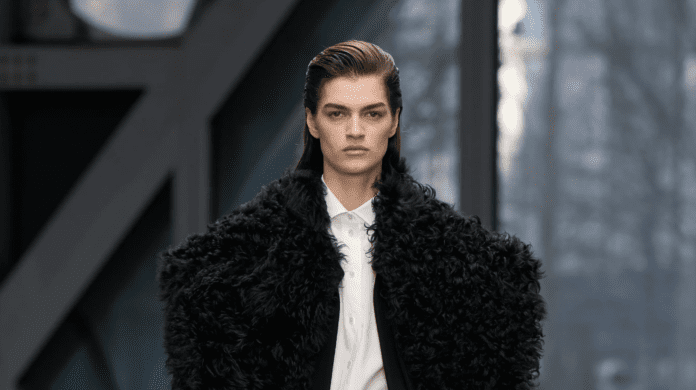
The garments themselves emphasized sculptural silhouettes. Among the strongest examples were Leoni sleeveless suits, which appeared repeatedly across the show. These pieces projected modern strength while maintaining the tailored discipline associated with the house.

Elsewhere, the runway introduced Klein blocky shapes, with angular shoulders and rigid forms. These shapes intentionally challenged the fluid sensuality historically linked to the brand.

Meanwhile, several dresses incorporated Leoni laced backs, revealing glimpses of skin through open constructions. In contrast, voluminous silhouettes created what critics described as Leoni body drowning, where the garment overshadowed the body it was meant to celebrate.

Workwear references also appeared prominently. Leoni work jackets arrived with exaggerated collars and industrial detailing. At the same time, a series of Calvin sack dresses in muted tones extended the theme of abstraction.

Color choices reinforced this controlled restraint. Several standout pieces featured Klein orange gray dresses, a palette that balanced industrial neutrality with subtle warmth.


Critical Reception and the Debate Around Minimalism 🧠

The intellectual ambition of Calvin Klein FW26 quickly became the focus of industry commentary. In particular, the Cathy Horyn Calvin review generated significant discussion across fashion media.

Horyn argued that the concept of Veronica Leoni cult body remained more theoretical than tangible on the runway. In her analysis, the collection leaned too heavily into abstraction. As a result, she suggested the “cult” never fully materialized.

This Horyn critique Klein echoed broader concerns across the fashion community. Observers noted Veronica Leoni complications within the collection’s narrative structure. Too many looks appeared to compete for attention, diluting the clarity that historically defined Calvin Klein.

Moreover, some critics described the presentation as a Calvin pared-down mismatch. At a moment when global fashion trends increasingly favor streamlined silhouettes, the abstraction of Calvin Klein abstractions felt unexpectedly dense.

Ultimately, the Horyn unconvincing cult argument reflected a larger question about the direction of the brand.


The Future of Calvin Klein’s Identity 🔍

Despite the debate, Calvin Klein FW26 represents a meaningful moment in the evolution of the label. Every creative transition involves experimentation, and Leoni’s work suggests a designer determined to challenge expectations.

The ambition to move Calvin stereotypes beyond their established codes remains a compelling goal. Yet the Calvin reception 2026 indicates that audiences still seek the essential qualities that made the brand iconic: clarity, sensuality, and disciplined restraint.

If Leoni can refine the conceptual language introduced in Veronica Leoni cult body, the potential for a powerful new chapter remains. For now, Calvin Klein FW26 stands as an intriguing, if uneven, exploration of how minimalism might evolve in an era increasingly drawn to complexity.

And within that tension lies the central question for the house: can abstraction and sensuality coexist within the future of Calvin Klein?