
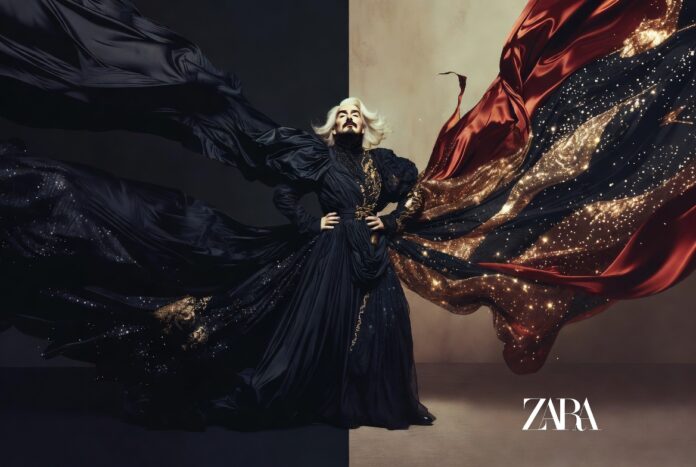
John Galliano and Zara Confirm Landmark Collaboration – A New Model for Fashion in 2026
🧵 A Strategic Return That Rewrites the Rules
John Galliano returns to the center of the industry through an unexpected channel. His newly confirmed partnership with Zara signals not only a personal comeback but a structural shift in how fashion authority can operate across price points. After his departure from Maison Margiela, speculation around his next move focused on heritage houses. Instead, he enters the high street with intent.
The John Galliano Zara collaboration 2026 arrives with clarity. This is not a capsule or symbolic gesture. Zara has secured a two-year agreement that places Galliano inside its design ecosystem, granting him the authority to reinterpret existing garments rather than simply create new ones. That distinction immediately sets the project apart.
✂️ Re-Authoring the Archive
At the core of the partnership lies a concept rarely executed at scale: re-authorship. Galliano will work directly with Zara’s past collections, dismantling and reconstructing them through a couture-informed lens. The process reframes mass production as raw material rather than finished product.
This method introduces tension between speed and craft. Zara operates on rapid turnover, while Galliano’s legacy is rooted in narrative, theatrical construction, and technical precision. The collaboration attempts to reconcile those opposing systems, positioning the archive as both resource and canvas.
The approach also aligns with broader conversations around sustainability. By reworking existing garments, the project subtly engages with circular design principles, though its primary focus remains aesthetic transformation rather than environmental messaging.
📅 September 2026: The First Drop
The first Galliano Zara first collection is scheduled for September 2026, with additional releases planned twice yearly. This cadence mirrors traditional fashion cycles, suggesting a level of discipline not always associated with high-street collaborations.
The John Galliano Zara September 2026 launch is already generating anticipation across both luxury and accessible markets. Buyers, editors, and consumers are watching closely, not only for the designs themselves but for how they are positioned, priced, and distributed.
Unlike typical designer partnerships, this rollout carries the weight of continuity. Each drop will build on the last, creating an evolving dialogue between Galliano’s vision and Zara’s infrastructure.
🏛️ Democratization or Disruption?
The Galliano Zara partnership has triggered immediate debate. On one hand, it represents a compelling form of democratization. Galliano’s signature approach—once confined to couture and niche luxury—is now positioned within reach of a broader audience.
On the other hand, questions of authorship and dilution remain central. Can a designer known for singular, highly controlled work maintain integrity within a mass-market framework? Or does scale inevitably alter the outcome?
The discussion extends beyond this collaboration. It touches on a larger industry shift, where the boundaries between luxury and accessible fashion continue to blur. Zara, by aligning with Galliano, signals an ambition to elevate its cultural standing while retaining its commercial agility.
🌍 A New High-Street Paradigm
Zara has long dominated the high street through speed and responsiveness. This partnership suggests a pivot toward narrative and authorship. By bringing Galliano into the fold, the brand introduces a new layer of intellectual and creative depth to its model.
For Galliano, the move reframes his position within the industry. The John Galliano high street return does not diminish his legacy; instead, it tests its adaptability. His ability to translate couture thinking into a scalable format may define how future designers approach similar opportunities.
✨ Conclusion: Fashion at a Crossroads
The John Galliano Zara collaboration marks a moment of recalibration. It challenges assumptions about where high fashion belongs and who it serves. The success of the project will depend not only on design execution but on whether it can sustain coherence across multiple releases.
September 2026 will provide the first clear indication. Until then, the collaboration stands as one of the most closely watched developments in contemporary fashion—less for its spectacle, and more for what it reveals about the industry’s evolving structure.


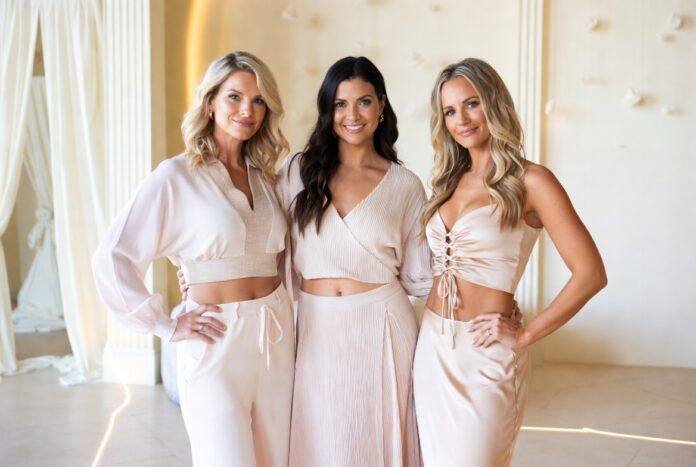






Hollywoods Ozempic Body Era: Aesthetic Control
Hollywood’s “Ozempic Body” Era: Aesthetic Control and Cultural Risk on the 2026 Red Carpet
🎬 A Visible Shift in Award Season Bodies
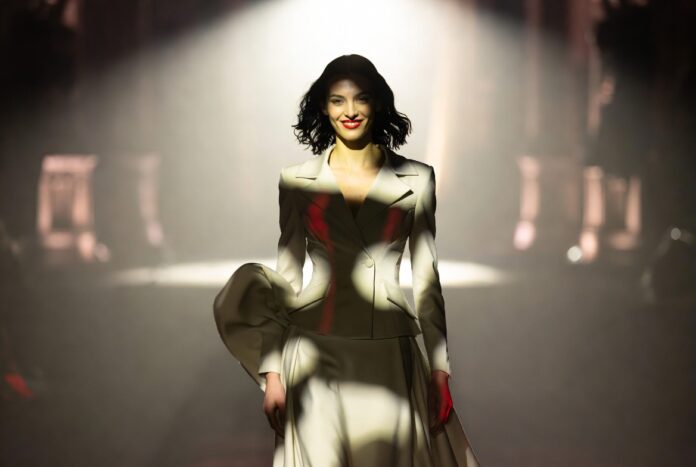
Across the 2026 award season, a distinct physical shift has emerged on red carpets from Los Angeles to London. Stylists, photographers, and clinicians are noting sharper silhouettes, narrower frames, and a return to extreme thinness that feels markedly different from recent body-positive narratives.
The conversation has quickly centered on what many are calling the “Ozempic body 2026”—a term used to describe rapid, visible weight loss associated with GLP-1 medications originally developed for diabetes management. While speculation around individual cases remains ethically complex, the broader visual pattern has become difficult for the industry to ignore.
Observers have pointed to recurring features: hollowed temples, pronounced clavicles, and a reduction in muscle tone. These are not isolated impressions. They are being discussed openly within fashion and beauty circles, particularly as Hollywood’s extreme thinness in 2026 and Hollywoods Ozempic Body becomes a defining red carpet aesthetic.
🧵 Styling, Sample Sizes, and the Return of a Narrow Ideal
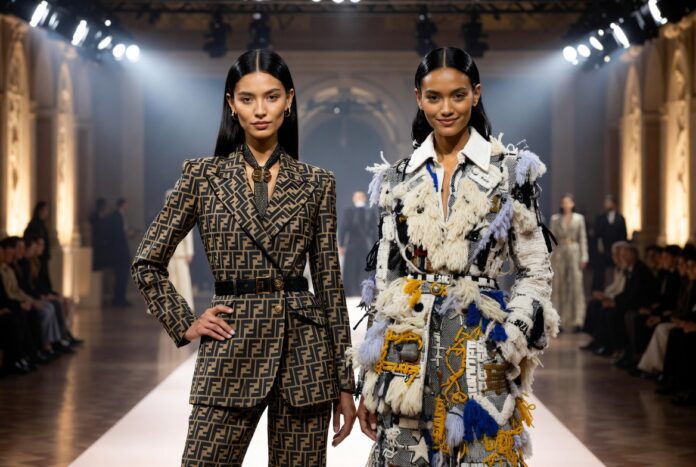
Fashion plays a structural role in this shift. Sample sizes, still largely standardized to smaller proportions, quietly reinforce a limited physical ideal. When bodies align with those constraints, styling becomes easier. When they do not, alteration becomes labor-intensive and costly.
This reality shapes what appears on the carpet. As a result, the celebrity weight loss trend during award season cannot be separated from the economics of fashion production. Designers build collections to fit a specific frame. Red carpet dressing then amplifies that frame as aspirational.
The result is a feedback loop. Bodies adapt to clothing. Clothing continues to assume those bodies.
⚖️ Health Signals and Public Concern
Medical professionals have begun to raise concerns about how rapidly some of these transformations appear. Discussions around muscle wasting in celebrities during 2026 and signs associated with undernourishment have entered mainstream coverage. Nutritionists point to potential long-term consequences when weight loss outpaces metabolic stability.
At the same time, public figures are beginning to speak with greater urgency. Jameela Jamil recently criticized what she described as “scarily thin” appearances at the BAFTAs, drawing attention to how quickly the visual standard is shifting.
Her comments reflect a broader unease. The issue is no longer framed as individual choice alone. It is being understood as a cultural signal with wide-reaching impact.
📉 From “Heroin Chic” to Pharmaceutical Thinness
The parallels to the 1990s are difficult to overlook. The “heroin chic” era similarly elevated fragility and angularity as markers of high fashion. That period eventually prompted industry-wide reflection and reform.
What distinguishes the current moment is its mechanism. Where earlier trends were driven by aesthetic preference and cultural mood, today’s transformations are increasingly associated with medical intervention. The language has shifted from diet to prescription.
This reframing complicates accountability. It also accelerates results, making the extreme weight loss seen across Hollywood in 2026 more immediate and, in many cases, more dramatic.
🌍 Influence on Audiences and the Next Generation
The red carpet remains one of the most visible stages in global culture. Images circulate instantly, shaping perception across platforms and demographics. For younger audiences, these visuals do not read as isolated moments. They establish norms.
Experts warn that the normalization of the “Ozempic face” during award season and similar aesthetic markers may influence how beauty is interpreted and pursued. The concern is not only physical health, but psychological impact—particularly as social media accelerates comparison.
At the same time, brands and media outlets face increasing pressure to respond. Representation, once a central conversation, risks narrowing again if current trajectories continue.
🔮 Conclusion: A Turning Point for Fashion and Culture
The rise of the Ozempic body on the 2026 red carpet signals more than a passing trend. It reflects a deeper tension between image, health, and industry infrastructure. Fashion, film, and media are all implicated in how this aesthetic is produced and circulated.
Moments like this often define the direction of the next decade. The question now is whether the industry will recalibrate, as it has in the past, or allow the current standard to solidify.
Clarity will not come from silence. It will come from how designers, stylists, and public figures choose to respond—on the runway, on the carpet, and in the images that shape what the world sees next.