
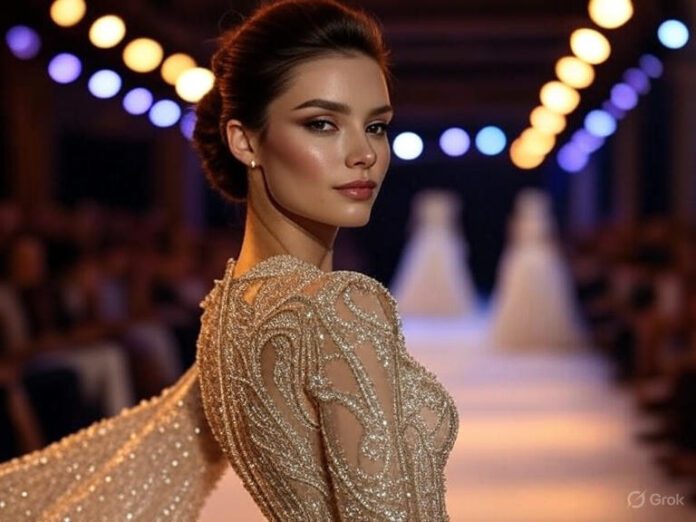
A Fresh Take on Prep: Americana Influence at Milan Fashion Week
The runways of Milan Fashion Week revealed a surprising yet refreshing influence this season: American fashion. Designers from Italy are now looking across the Atlantic for inspiration, weaving the prep school charm of the American East Coast into their luxury collections. The result is a revival of classic preppy aesthetics with a distinctly Italian twist. By blending heritage details with contemporary flair, Milan has shown that transatlantic style fusion is not only possible but also powerful.
Embracing American Heritage: A Nod to Classic Prep
At its core, prep style reflects tradition, discipline, and understated elegance. Rooted in the culture of northeastern states like New England, it brings together crisp tailoring, nautical influences, and collegiate charm. Italian designers, however, are reimagining these familiar codes. Instead of simply copying the past, they are using American fashion heritage as a foundation for bold experimentation.
For example, nautical stripes are now paired with rich silks, and varsity jackets are constructed from fine leathers rather than the usual wool blends. This nod to tradition maintains authenticity while elevating the pieces to luxury status. Consequently, the collections feel both nostalgic and forward-looking, a delicate balance achieved through exceptional craftsmanship.
Reinterpreting Preppy Staples
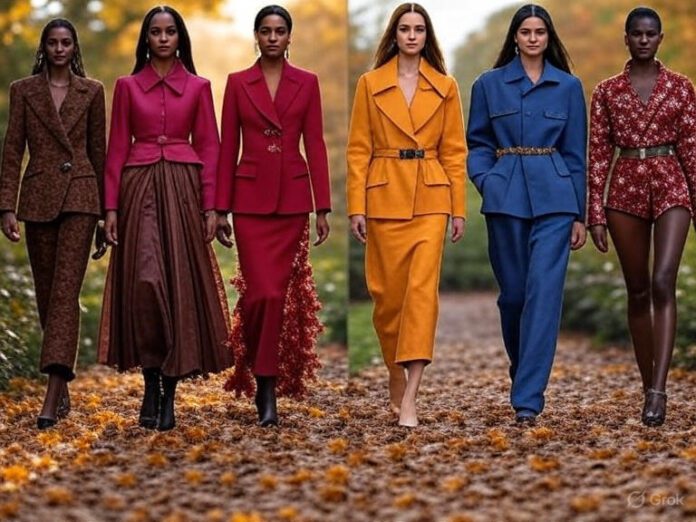
What makes this season stand out is the daring reinterpretation of wardrobe basics. Blazers, long associated with prep culture, are updated with unexpected cuts and bright tones. Polo shirts, often seen as predictable, arrive in bold prints and intricate embellishments. Even khakis, once symbolic of safe dressing, are reintroduced with tailored fits and high-quality fabrics.
Moreover, Italian designers are not shy about layering these pieces in unconventional ways. A tweed blazer might appear over a graphic hoodie, while a plaid skirt could be styled with sneakers instead of loafers. Through such combinations, the Milan runways remind audiences that American fashion is not static. It is adaptable, versatile, and ripe for reinvention.
The Allure of Transatlantic Style Fusion
Blending Italian and American aesthetics may seem like a challenge, yet the results speak for themselves. Tailored silhouettes meet sporty accents, producing outfits that are polished but never stiff. The Milanese touch adds elegance and refinement, while the prep roots ensure casual wearability.
This balance captures the best of both worlds. On one side, American prep offers relaxed sophistication tied to lifestyle and tradition. On the other, Italian design brings artistry, detail, and high fashion credibility. Together, they create a transatlantic fusion that is catching global attention. As a result, American fashion feels fresh, luxurious, and relevant in the modern era.
Modernizing Tradition with a Contemporary Twist
A defining theme of these collections is modernization. Traditional tartan prints, once associated with conservative school uniforms, now appear on flowing dresses or even streetwear-inspired separates. Designers experiment with fabrics like neoprene and metallic weaves, breathing new life into heritage patterns.
Additionally, the integration of streetwear has expanded the appeal of prep. Oversized hoodies, chunky sneakers, and sporty accessories are styled with tailored jackets and skirts. This blend attracts a younger audience who values both comfort and style. By bridging heritage and innovation, Milan has turned American fashion into a statement of inclusivity and progress.
Lifestyle as Fashion Inspiration
Fashion rarely exists in a vacuum. The growing popularity of Americana prep in Milan reflects larger cultural shifts toward authenticity and casual elegance. The American East Coast lifestyle, with its emphasis on tradition and community, resonates with global audiences searching for grounding in an uncertain world.
Italian designers, sensitive to these cultural undercurrents, are crafting collections that embody aspiration without arrogance. They borrow the relaxed confidence of American style and filter it through their lens of luxury. As a result, the collections feel approachable yet aspirational, appealing to consumers who want fashion that mirrors their values.
Celebrating Diversity Through Fashion
Perhaps the most significant outcome of this transatlantic fusion is its contribution to diversity in fashion. By embracing influences from across borders, Milan designers prove that style knows no boundaries. American fashion, when combined with Italian artistry, becomes an inclusive language that speaks to multiple generations and cultures.
This spirit of collaboration challenges the fashion industry to move beyond narrow definitions of style. Instead, it encourages creativity through cultural exchange. Such openness not only enriches fashion but also reinforces its role as a global connector.
Conclusion
The emergence of Americana-inspired prep at Milan Fashion Week underscores the timelessness of American fashion and the creativity of Italian design. By reinterpreting preppy staples, modernizing traditional prints, and embracing cross-cultural influence, designers are creating collections that honor the past while anticipating the future.
This trend demonstrates that fashion thrives on dialogue and collaboration. It also highlights the power of cultural exchange in shaping new narratives. As audiences look forward to upcoming seasons, one thing is clear: the marriage of American heritage and Italian craftsmanship has redefined prep for a new generation. Through this fresh take, fashion becomes not just clothing but a conversation—one that celebrates diversity, creativity, and the enduring allure of style.







Liberatore’s Emergency Escape: Stunning Fashion commentary
Fashion as Political Commentary: Liberatore’s Bold Statement at Milan Fashion Week
At Milan Fashion Week, designer Francesca Liberatore delivered a runway presentation that was as daring as it was thought-provoking. Her collection, titled “Emergency Escape,” merged couture with fashion commentary in a way that pushed the boundaries of traditional runway shows. Instead of simply displaying garments, she used her stage to highlight the turbulence and uncertainty of our world. Models stood atop emergency escape slides, serving as striking metaphors for chaos and urgency. In doing so, Liberatore proved that fashion can be more than fabric—it can be a medium for storytelling and political expression.
The Intersection of Style and Politics
Throughout history, fashion has been more than clothing; it has mirrored cultural moods and political climates. Liberatore’s decision to stage her show with escape slides underlined this reality. With each look, she challenged audiences to think beyond glamour and see fashion commentary as a mirror of society.
Instead of focusing on conventional beauty ideals, she redefined the runway as a stage for activism. The models symbolized individuals navigating disruption, and the escape slides represented paths to survival. Consequently, her work reminded audiences that fashion is not insulated from global issues but deeply entangled with them.
Visual Storytelling with a Purpose
The “Emergency Escape” show demonstrated the raw power of visual storytelling. Each model became an emblem of resilience, embodying the tension between fragility and defiance. By blending couture with symbols of crisis, Liberatore created images that lingered in the minds of her audience long after the lights dimmed.
Furthermore, her dramatic staging redefined what a runway can achieve. Rather than showcasing garments in isolation, she used them as part of a larger narrative. Through this bold presentation, she reinforced the idea that fashion commentary can transcend aesthetics, encouraging audiences to question and reflect.
Spotlight on Global Challenges
Liberatore’s work did not stop at visual impact—it carried a message. Her runway highlighted the instability, conflict, and urgency that shape contemporary life. By staging her show in this way, she urged both the fashion world and the public to acknowledge global realities instead of escaping them.
This perspective is especially powerful in an industry often criticized for being disconnected from social struggles. With her staging, she reminded audiences that fashion can amplify conversations about justice, displacement, and resilience. Through fashion commentary, designers like Liberatore transform art into activism, turning beauty into a call for awareness.
The Engagement Factor
Fashion journalists and cultural critics quickly recognized the significance of the “Emergency Escape” show. Coverage in outlets such as Runway Magazine highlighted its ability to engage audiences in meaningful dialogue. Because of its fusion of artistry and advocacy, the presentation became more than a show—it became an event.
Moreover, its engagement potential extended far beyond Milan. In the age of digital media, images from the runway spread across social platforms, sparking conversations worldwide. The use of spectacle and symbolism ensured the show reached audiences who might otherwise overlook high fashion. Thus, Liberatore’s fashion commentary proved that the runway can be a stage not just for clothes but for global conversations.
Redefining the Role of Designers
By taking this approach, Liberatore set a precedent for how designers can use their platforms. She demonstrated that collections can resonate more deeply when they reflect the challenges of our times. This does not mean abandoning beauty or artistry. Rather, it means embracing a dual purpose: creating garments that inspire while also provoking thought.
In redefining her role as a designer, she challenged peers to consider how fashion can contribute to cultural change. Instead of remaining a spectator in political discourse, the industry has the opportunity to act as an amplifier. Through this, fashion commentary becomes not just relevant but essential.
Conclusion
Francesca Liberatore’s show at Milan Fashion Week was not simply another stop in the global fashion calendar. It was a bold act of artistic protest and cultural reflection. By merging couture with symbols of crisis, she transformed the runway into a platform for fashion commentary. Her models on emergency slides reminded audiences that beauty and chaos often coexist, and that fashion can help us make sense of both.
As designers increasingly confront global realities, the runway will continue to evolve into a space of advocacy and storytelling. Liberatore’s work is a testament to fashion’s potential to inspire change, elevate awareness, and challenge complacency. Going forward, her example will serve as a benchmark for how fashion can speak loudly, not just through garments but through messages that resonate with the world at large.