Fragrance Layering Techniques: 2025’s Best Trend

Fragrance Layering Techniques: 2025's Best Trend

Fragrance layering is a major trend on the rise in the year 2025. The art of scent mixing, or layering, has become a popular fashion choice for both men and women. The notion of simply wearing a singular scent is ancient history. Today, we are talking about the art of combining different notes to create a unique and personalized scent.

A Brief Overview – Fragrance Layering Importance

So why has this trend gained such immense popularity? Fragrance layering allows for an increased depth and complexity of scent. Moreover, it affords individuals the opportunity to express their personal style through scent. Rather than settling for a pre-mixed perfume or cologne, fragrance layering lets wearers create a scent that’s uniquely theirs, one that elevates their personality and style.

Getting Started with Fragrance Layering

Follow these basic guidelines to start the journey into fragrance layering. Essentially, the process involves using two or more perfumes that complement each other. This is not as difficult as it might sound! Let’s break down the methods.

Start Simple

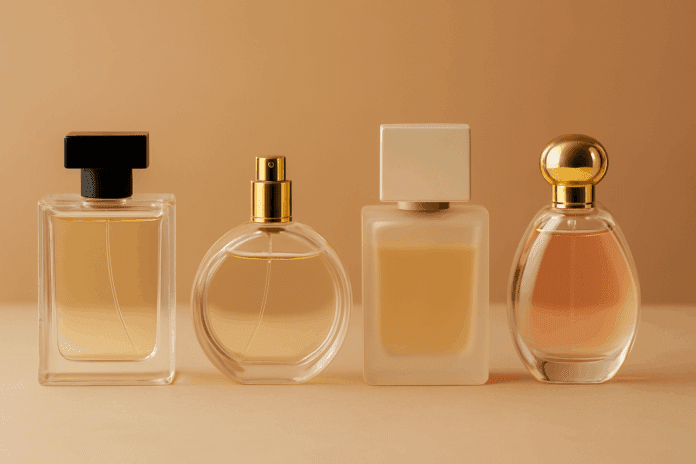
Begin by layering two fragrances. It’s a good idea to choose ones from the same scent family – for example, two floral scents, two citrus scents, etc. Alternately, you can experiment by pairing contrasting scents. A fresh citrus scent layered with a warm vanilla perfume can create an intriguing and harmonious blend.

Try Different Combinations

Change up the combinations. Maybe today you feel like going fruity and floral, while tomorrow you might lean more towards musk and vanilla. The beauty of fragrance layering lies in the vast amount of possibilities waiting to be discovered.

Test on Skin

It’s vital to remember that our skin can alter how a fragrance smells – body chemistry plays a big role here. So, always test combinations directly on your skin rather than on a scent strip.

Fragrance Layering Tips and Techniques

Smelling great involves a few tried and tested techniques, so how can you get the most out of your fragrance layering?

Use an Unscented Base

Before beginning the layering process, apply an unscented moisturizer. This will help the scent to adhere for a longer duration.

Apply from Light to Heavy

Start by applying the lighter fragrance first, and then follow with the heavier scent. The heavier scent would overpower the lighter one if applied first.

Remember the Pulse Points

Apply your fragrance on the pulse points – neck, wrist, and behind the ears. The warmth will help intensify the scent.

Conclusion – Fragrance Layering a Personalized Experience

Fragrance layering is an enticing and personalized approach to wearing perfume. It’s not about following a strict set of rules, but rather about exploring, experimenting, and creating a scent that’s perfect for you. As you embark on this aromatic journey, bear in mind the tips and techniques. Remember, your unique signature scent is only a few layers away!

Cultural Appropriation in Fashion: Exploitive Marketing Tricks

Cultural Appropriation in Fashion: Exploitive Marketing Tricks

Cultural Appropriation in Fashion: Navigating Representation and Respect

The fashion industry faces increasing scrutiny regarding cultural borrowing practices. Indeed, globalization has amplified conversations about ethical cultural exchange. Moreover, cultural appropriation in fashion remains a deeply divisive issue. Consequently, brands must navigate complex dynamics between appreciation and exploitation.

Understanding Cultural Appropriation in Fashion

First and foremost, defining cultural appropriation in fashion requires nuanced understanding. Specifically, it involves using cultural elements without permission or proper context. Additionally, this practice often ignores the significance behind borrowed symbols. Therefore, distinguishing appropriation from appreciation becomes essential for brands.

Furthermore, cultural appropriation in fashion typically demonstrates power imbalances. Particularly, dominant cultures borrow from marginalized communities without acknowledgment. Meanwhile, original creators rarely receive credit or compensation. Subsequently, this dynamic perpetuates historical inequalities within the industry.

The Fine Line Between Appreciation and Appropriation

Respectful Cultural Representation

Importantly, authentic cultural representation differs fundamentally from appropriation. Indeed, respectful borrowing involves collaboration with cultural communities. Additionally, it requires understanding the historical context behind elements. Therefore, brands must prioritize education before incorporation.

Moreover, collaborative fashion collections demonstrate ethical cultural exchange. Similarly, partnering with artisans from source communities ensures authenticity. Consequently, these approaches honor traditions while creating beautiful designs.

Furthermore, proper attribution acknowledges cultural origins transparently. Meanwhile, sharing profits with communities demonstrates genuine respect. Subsequently, these practices transform cultural appropriation in fashion into meaningful representation.

Problematic Appropriation Examples

Conversely, cultural appropriation in fashion manifests through several troubling patterns. For instance, using sacred symbols as mere aesthetic decoration. Similarly, marketing tribal patterns without cultural context or permission. Therefore, these actions reduce rich traditions to superficial trends.

Additionally, brands often profit enormously from appropriated elements. Meanwhile, originating communities receive no benefits or recognition. Consequently, this exploitation perpetuates economic and cultural harm.

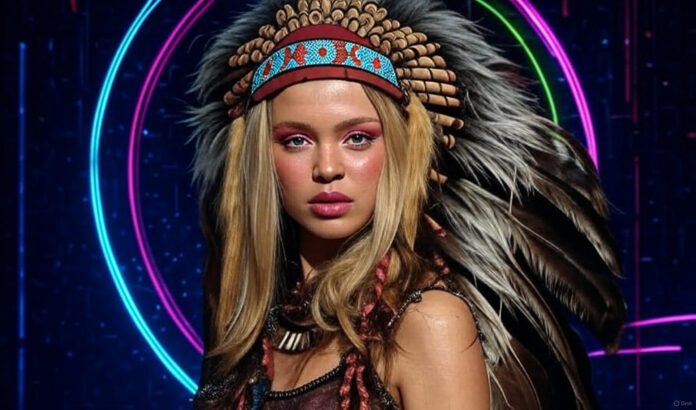
Moreover, controversial fashion campaigns frequently spark justified public outrage. Specifically, Native American headdresses worn as festival accessories. Similarly, bindis marketed as trendy forehead decorations. Therefore, these examples illustrate clear appropriation rather than appreciation.

Historical Context of Cultural Appropriation in Fashion

Colonial Legacy

Notably, cultural appropriation in fashion has deep historical roots. Indeed, colonialism established patterns of taking without permission. Additionally, Western fashion has long borrowed from colonized cultures. Therefore, understanding this history contextualizes current discussions.

Furthermore, power dynamics from colonial eras persist in modern fashion. Meanwhile, marginalized communities continue fighting for recognition and respect. Subsequently, addressing appropriation requires acknowledging these historical injustices.

Evolution of Awareness

Moreover, public consciousness about cultural appropriation in fashion has grown significantly. Specifically, social media amplifies voices from affected communities. Additionally, consumers increasingly demand accountability from brands. Consequently, the industry faces mounting pressure for ethical practices.

Furthermore, educational resources help people recognize problematic patterns. Meanwhile, cultural sensitivity training becomes standard in fashion education. Therefore, future designers enter the industry with greater awareness.

Impact on Marginalized Communities

Economic Exploitation

Primarily, cultural appropriation in fashion causes tangible economic harm. Specifically, indigenous artisans lose market opportunities when designs are copied. Additionally, mass production undercuts traditional craftspeople’s livelihoods. Therefore, appropriation creates direct financial consequences.

Moreover, supporting indigenous designers provides ethical alternatives. Similarly, purchasing from source communities ensures fair compensation. Consequently, consumers can actively counter exploitative practices.

Cultural Erasure

Furthermore, appropriation threatens cultural preservation and transmission. Indeed, sacred meanings become diluted through commercial exploitation. Additionally, younger generations may lose connection to traditional practices. Therefore, cultural appropriation in fashion risks erasing important heritage.

Moreover, misrepresentation spreads harmful stereotypes and misconceptions. Meanwhile, authentic cultural narratives get overshadowed by commercialized versions. Subsequently, this distortion damages cultural understanding and respect.

Brand Responsibility and Accountability

Ethical Design Practices

Importantly, brands must implement rigorous ethical standards. First, conducting thorough cultural research before incorporating elements. Additionally, consulting with cultural experts and community representatives. Therefore, informed decisions replace careless appropriation.

Moreover, ethical fashion brands demonstrate responsible cultural engagement. Similarly, transparent sourcing practices build consumer trust. Consequently, ethical approaches benefit both brands and communities.

Furthermore, establishing ongoing relationships with cultural communities matters greatly. Meanwhile, single consultations prove insufficient for meaningful representation. Subsequently, sustained collaboration ensures authentic and respectful outcomes.

Responding to Criticism

Additionally, brands must address cultural appropriation in fashion allegations seriously. Specifically, acknowledging mistakes rather than defending problematic choices. Furthermore, implementing concrete changes demonstrates genuine commitment. Therefore, accountability requires actions beyond apologies.

Moreover, removing offensive products shows respect for affected communities. Similarly, donating profits to relevant cultural organizations demonstrates reparative intent. Consequently, meaningful responses can begin healing harm caused.

Consumer Role in Combating Appropriation

Educated Purchasing Decisions

Notably, consumers wield significant power against cultural appropriation in fashion. Indeed, purchasing choices directly influence industry practices. Additionally, supporting ethical brands sends clear market signals. Therefore, conscious consumerism drives meaningful change.

Moreover, ethical shopping guides help identify responsible brands. Similarly, research into company practices empowers informed decisions. Consequently, consumers become active participants in cultural respect.

Amplifying Marginalized Voices

Furthermore, consumers should elevate voices from affected communities. Specifically, following and supporting designers from marginalized backgrounds. Additionally, sharing their perspectives amplifies important conversations. Therefore, allyship extends beyond avoiding problematic brands.

Moreover, engaging in discussions about cultural appropriation in fashion increases awareness. Meanwhile, educating others within personal networks multiplies impact. Subsequently, collective action creates industry-wide transformation.

Moving Toward Inclusive Fashion

Celebrating Authentic Diversity

Importantly, the fashion industry must embrace genuine diversity. Indeed, hiring designers from varied cultural backgrounds enriches creativity. Additionally, diverse leadership ensures culturally sensitive decision-making. Therefore, representation behind the scenes matters as much as visibility.

Moreover, diverse fashion showcases celebrate cultural richness authentically. Similarly, providing platforms for underrepresented designers creates opportunities. Consequently, fashion becomes truly inclusive rather than appropriative.

Collaborative Innovation

Furthermore, cross-cultural collaboration offers exciting creative possibilities. Specifically, partnerships that respect and compensate all contributors. Additionally, projects that honor traditional techniques while exploring innovation. Therefore, cultural exchange becomes mutually beneficial and respectful.

Moreover, these collaborations educate broader audiences about cultural significance. Meanwhile, they create economic opportunities for marginalized artisans. Subsequently, fashion advances while preserving cultural heritage.

Education and Industry Standards

Fashion Education Reform

Additionally, addressing cultural appropriation in fashion requires educational transformation. Specifically, incorporating cultural sensitivity into design curricula. Furthermore, teaching ethical research and collaboration methodologies. Therefore, future designers develop respectful practices from the beginning.

Moreover, fashion ethics courses prepare students for responsible creativity. Similarly, exposure to diverse cultural perspectives enriches design thinking. Consequently, education prevents appropriation before it occurs.

Industry Guidelines

Furthermore, establishing clear industry standards helps prevent appropriation. Specifically, professional organizations can develop ethical frameworks. Additionally, certification programs could recognize culturally responsible brands. Therefore, structural changes support individual efforts.

Conclusion: The Path Forward

In conclusion, cultural appropriation in fashion demands ongoing attention and action. This complex issue requires understanding historical context and current impacts. Moreover, it necessitates commitment from brands, consumers, and educators alike.

Subsequently, moving forward requires prioritizing collaboration over exploitation. Therefore, the fashion industry must embrace authentic representation with humility. Ultimately, respectful cultural exchange enriches fashion while honoring diverse heritages beautifully.

Local vs Global Fashion: Top Sustainable & Affordable Brands

Local vs Global Fashion: Top Sustainable & Affordable Brands

Local vs Global Fashion Economy: How Local Designers and Manufacturers are Faring Versus Global Fast Fashion. Cost, Sustainability, Ethical Dimensions.

Local vs global fashion economy is a subject that is ever-evolving due to various socio-economic factors. Both local designers and international fast fashion retailers have different impacts and opportunities within the realm of the fashion industry. We will delve into the crucial aspects including cost, sustainability, and ethical dimensions.

Comparing Local and Global Fashion Economy on Cost Grounds

In addressing the cost factor, we must account for the differences that arise between the local and global fashion economy. Local designers tend to have higher pricing due to the quality of materials used, the personalized craftsmanship, and often the limited production scale. On the other hand, fast fashion, usually associated with global retailers, thrives on mass production and affordability of items.

However, this cost dichotomy is not as straightforward as it may seem. Notably, the initially cheaper fast fashion items might turn out costly in the long run due to their relatively shorter lifespan compared to quality products from local manufacturers.

Evaluating Sustainability in the Local and Global Fashion Economy

Sustainability is a critical aspect of the modern fashion economy. More often, local designers are more sustainable as they normally operate on a slow fashion model emphasizing long-lasting, quality goods. They are also more likely to use sustainable fabrics and ethical manufacturing practices.

Comparatively, global fast fashion, with its emphasis on rapid style turnover and low-cost production, often sacrifices sustainability. The resulting cheap goods are often disposable, contributing to one of the most significant environmental challenges – textile waste.

Ethical Dimensions of Local and Global Fashion Economy

Ethics is another lens through which to explore the local vs global fashion economy. Undoubtedly, local designers tend to have more ethical practices. They typically have control over their supply chains, ensuring fair labor practices are adhered to. Plus, maintaining a small-scale operation often translates to a more personal relationship with manufacturers and workers and an outright respect for human rights.

On the flip side, fast fashion brands are frequently caught up in scandals revolving around poor working conditions, low wages, and exploitation of labor. Despite such companies often possessing policies on corporate social responsibility, ensuring the implementation of ethical guidelines across sprawling, global supply chains is notably more complicated.

The Struggles and Bright Spots of Local Fashion Economy

Local designers face numerous challenges, including higher production costs and less market exposure compared to the globally recognized fast fashion brands. However, a surge in consumer desire for unique, ethically produced items, coupled with a growing awareness of sustainability, indicates a promising future for the local fashion economy.

Global Fast Fashion: A Reign under Threat?

Fast fashion outlets may offer cheap, trendy outfits that appeal to the masses, but an examination beyond the price tag suggests troublesome practices. Issues of environmental degradation, unethical labor practices, and concern over the disposal of unwanted clothes are all challenges that threaten the reign of global fast fashion.

As we understand the impact our choices make on the environment, ethics, and local economies, consumer preferences continue to shift. Yet, the key to a healthy fashion economy, likely lies neither entirely in local nor global avenues but a blend of the two – merging the strengths of both whilst mitigating their shortcomings. The fashion industry must strive for sustainable, ethical, and economically viable practices, a journey that requires effort from both local designers and global brands alike.

Aging Skin Care: Affordable Trends in Beauty and Aging Wellness

Aging Skin Care: Affordable Trends in Beauty and Aging Wellness

Aging Skin Care: Holistic Beauty and Wellness in 2025

Beauty standards continue evolving in remarkable ways today. Indeed, modern perspectives embrace aging as a natural journey. Moreover, aging skin care now represents a holistic wellness approach. Consequently, treating mature skin involves both physical and emotional considerations.

Understanding the Skin Care Revolution

First and foremost, attitudes toward aging have transformed dramatically. Additionally, society increasingly celebrates natural beauty at every age. Furthermore, skin care focuses on nourishment rather than correction. Therefore, products emphasize health and vitality over hiding signs of maturity.

Notably, this shift reflects broader cultural changes in beauty standards. Subsequently, consumers seek treatments that honor their skin’s natural evolution. Meanwhile, the industry responds with innovative yet gentle solutions.

Essential Components of Skin Care

Hydration: The Foundation

Primarily, hydration forms the cornerstone of effective aging skin care. Specifically, mature skin loses moisture more rapidly than younger skin. Additionally, this dryness accelerates the appearance of fine lines. Therefore, maintaining optimal hydration becomes absolutely essential.

Moreover, hyaluronic acid serums provide deep moisture retention. Similarly, ceramide-rich moisturizers strengthen the skin’s protective barrier. Consequently, proper hydration maintains elasticity and suppleness beautifully.

Furthermore, peptide formulations support collagen production naturally. Meanwhile, these ingredients work synergistically for optimal results. Subsequently, consistent hydration routines deliver visible improvements over time.

Nourishment and Protection

Additionally, aging skin care requires targeted nutritional support. For instance, antioxidants protect against environmental damage effectively. Similarly, vitamins C and E combat free radical formation. Therefore, protective ingredients become increasingly important with age.

Moreover, retinol treatments encourage cellular turnover gently. Meanwhile, niacinamide formulas improve skin texture and tone. Consequently, strategic ingredient selection optimizes aging skin care routines.

Mental Wellness and Beauty Rituals

The Mind-Skin Connection

Importantly, skin care extends beyond topical treatments alone. Indeed, mental wellness profoundly impacts skin health and appearance. Additionally, stress accelerates visible signs of aging significantly. Therefore, holistic approaches address both physical and emotional needs.

Furthermore, beauty routines provide valuable opportunities for self-care. Specifically, these moments offer stress relief and relaxation. Subsequently, consistent rituals contribute to overall wellbeing beyond surface benefits.

Creating Meaningful Rituals

Moreover, intentional aging skin care routines promote mindfulness and presence. For example, facial massage techniques reduce tension while improving circulation. Similarly, aromatherapy face oils enhance relaxation during application.

Additionally, dedicating time to self-care affirms personal worth. Consequently, these practices boost confidence and self-esteem naturally. Therefore, beauty rituals become powerful tools for mental wellness.

Less Invasive Treatment Options

Modern Alternatives to Surgery

Fortunately, skin care no longer requires invasive procedures. Instead, gentle treatments deliver impressive results with minimal downtime. Moreover, technology advances have revolutionized non-surgical options significantly.

For instance, microneedling treatments stimulate natural collagen production safely. Similarly, chemical peels address texture concerns without surgical intervention. Meanwhile, LED light therapy reduces inflammation and promotes healing.

Professional Treatment Benefits

Additionally, professional aging skin care treatments offer targeted solutions. Specifically, IPL therapy addresses pigmentation issues effectively. Furthermore, radiofrequency treatments tighten skin through controlled heating.

Moreover, these procedures require significantly less recovery time. Consequently, individuals return to daily activities almost immediately. Therefore, less invasive options fit seamlessly into busy lifestyles.

At-Home Treatment Innovations

Furthermore, at-home devices bring professional results to personal spaces. Microcurrent devices tone facial muscles through gentle stimulation. Similarly, LED masks provide therapeutic light treatments conveniently.

Additionally, these tools make consistent aging skin care more accessible. Subsequently, regular use amplifies results from professional treatments. Therefore, combining approaches maximizes overall effectiveness.

Natural Enhancement Philosophy

Celebrating Authentic Beauty

Importantly, modern aging skin care emphasizes natural enhancement over correction. Indeed, the goal involves highlighting existing features beautifully. Additionally, this approach promotes acceptance rather than concealment.

Moreover, consumers increasingly reject heavy corrective makeup. Instead, they prefer products that enhance natural radiance. Consequently, the beauty industry adapts to these evolving preferences.

Mineral Makeup and Tinted Moisturizers

Furthermore, mineral makeup aligns perfectly with aging skin care priorities. Specifically, these formulas provide coverage while nourishing skin. Additionally, BB creams offer multifunctional benefits efficiently.

Similarly, tinted moisturizers hydrate while evening skin tone. Meanwhile, these products feel lighter and more breathable. Therefore, natural enhancement becomes both practical and beneficial.

Long-term Skin Health Focus

Moreover, quality aging skin care products deliver cumulative benefits. Rather than temporary fixes, they improve skin health progressively. Additionally, consistent use yields increasingly noticeable results.

Consequently, vitamin-enriched foundations protect while beautifying. Similarly, skincare-makeup hybrids treat concerns throughout wear. Therefore, every application contributes to long-term wellness.

Building Your Aging Skin Care Routine

Morning Essentials

First, effective morning routines protect and prepare skin. Begin with gentle cleansers that preserve natural oils. Subsequently, apply antioxidant serums for environmental protection.

Additionally, broad-spectrum sunscreen remains absolutely non-negotiable daily. Indeed, sun protection prevents accelerated aging most effectively. Therefore, never skip this crucial step.

Evening Restoration

Meanwhile, nighttime aging skin care focuses on repair and regeneration. Specifically, cleansing oils remove makeup while nourishing skin. Furthermore, treatment serums work optimally during overnight rest.

Additionally, rich night creams provide intensive hydration and repair. Subsequently, skin awakens refreshed and rejuvenated. Therefore, consistent evening routines maximize regeneration processes.

Weekly Treatments

Moreover, supplementary treatments enhance baseline aging skin care routines. For instance, exfoliating masks remove dead cells gently. Similarly, hydrating sheet masks deliver concentrated nourishment.

Additionally, facial massage techniques improve product absorption significantly. Consequently, incorporating weekly enhancements optimizes overall results. Therefore, strategic supplementation proves highly beneficial.

Lifestyle Factors Supporting Aging Skin Care

Nutrition and Hydration

Importantly, internal health directly impacts external appearance. Specifically, adequate water intake maintains skin hydration from within. Additionally, nutrient-rich foods provide essential building blocks.

Moreover, antioxidant-rich diets support skin’s natural defense systems. Similarly, omega-3 fatty acids maintain barrier function effectively. Therefore, nutrition becomes foundational to successful aging skin care.

Sleep and Stress Management

Furthermore, quality sleep allows crucial cellular repair processes. Meanwhile, chronic stress accelerates visible aging dramatically. Consequently, prioritizing rest and relaxation supports skin health profoundly.

Additionally, meditation and mindfulness practices reduce stress hormones. Subsequently, these habits complement topical aging skin care beautifully. Therefore, holistic approaches yield superior results.

The Future of Skin Care

Emerging Technologies

Looking forward, innovations continue transforming aging skin care possibilities. For instance, personalized formulations based on genetic analysis emerge. Similarly, biotechnology creates increasingly effective active ingredients.

Moreover, sustainable practices become industry priorities. Consequently, eco-conscious consumers find more aligned options. Therefore, the future promises both efficacy and responsibility.

Cultural Shift Continuation

Ultimately, society’s embrace of natural aging continues strengthening. Indeed, diverse age representation in media increases steadily. Additionally, authentic beauty narratives replace unrealistic standards.

Consequently, skin care evolves beyond anti-aging toward pro-aging. Therefore, celebrating each life stage becomes increasingly normalized.

Conclusion: Embracing Your Journey

In conclusion, modern skin care represents profound philosophical shifts. This approach honors natural processes while supporting optimal health. Moreover, it integrates physical treatments with mental wellness practices.

Subsequently, beauty routines become acts of self-love and acceptance. Therefore, aging skin care transcends vanity to embrace holistic wellbeing. Ultimately, every wrinkle tells a story worth celebrating gracefully.

Romance and Mental Health: The Ultimate Guide to Wellness

Romance and Mental Health: The Ultimate Guide to Wellness

Romance and Mental Health: A Connected Dynamic

Romance and mental health are deeply intertwined, shaping the way we feel, think, and navigate daily life. Romantic relationships often provide emotional security, joy, and companionship. Yet, they can also introduce stress, insecurity, or even heartbreak. By exploring this connection, we gain insight into our well-being and learn how to build relationships that support rather than harm our mental stability.


The Positive Effects of Healthy Romance

When a romantic relationship is healthy, the impact on mental health is profound. Love and support from a partner create a sense of belonging and confidence. People in secure partnerships often report lower stress levels, greater resilience, and improved emotional balance.

Moreover, knowing that someone truly cares for you creates peace of mind. This reassurance fosters feelings of safety that extend beyond the relationship. In turn, your mental well-being benefits from consistent emotional support, making it easier to handle everyday challenges.

However, the benefits of romance extend even further. Positive relationships can improve self-esteem, enhance problem-solving skills, and even encourage healthier lifestyle habits. Many studies suggest that people in supportive relationships are more likely to exercise, eat better, and seek medical help when needed. This synergy between romance and mental health demonstrates the far-reaching impact of love.


The Negative Side: Toxic Bonds

By contrast, unhealthy relationships can weigh heavily on mental health. Toxic behaviors—such as neglect, constant criticism, or emotional abuse—undermine confidence and stability. Over time, such dynamics may trigger anxiety, depression, or chronic stress.

Furthermore, negative relationships create cycles of self-doubt. When affection is inconsistent or manipulative, individuals may question their worth. As a result, their overall mental state deteriorates. Recognizing these warning signs is crucial. Ending or addressing toxic patterns can prevent lasting damage and restore balance between romance and mental health.


Attachment Styles and Their Influence

Another key factor linking romance and mental health is attachment style. The way we bond with partners reflects early emotional experiences and shapes how we manage love and conflict.

  • Secure attachment provides emotional safety. Partners with this style feel valued and supported, leading to stronger mental stability.

  • Anxious attachment often results in worry about abandonment. This constant stress erodes mental well-being and creates tension within the relationship.

  • Avoidant attachment pushes individuals to withdraw emotionally. Although it may appear protective, it can deepen loneliness and hinder true intimacy.

Therefore, understanding attachment styles is essential. With self-awareness and therapy, individuals can shift toward healthier patterns, improving both their relationships and mental health.


Breakup Stress and Its Consequences

Breakups are almost universal, yet their emotional toll can be severe. Losing a partner often brings feelings of sadness, worthlessness, or rejection. If left unresolved, breakup stress can escalate into anxiety or depression.

Nevertheless, coping strategies exist. Building a strong support network, engaging in creative activities, or practicing mindfulness helps many individuals recover. Moreover, professional counseling can offer structured guidance through the grieving process. With time and proper care, breakup stress becomes an opportunity for growth rather than permanent harm.


When Mental Health Shapes Romance

The influence between romance and mental health flows both ways. Just as relationships affect the mind, mental health conditions affect relationships. For example, someone experiencing depression may withdraw from a partner, creating distance and miscommunication. Similarly, anxiety may foster jealousy or mistrust, straining the bond.

However, treatment and open dialogue can reverse this cycle. Therapy, medication, and lifestyle changes often improve symptoms, allowing individuals to re-engage with their partners more positively. Importantly, couples who address mental health together often emerge stronger, with deeper trust and empathy.


Romance as a Path to Self-Discovery

Beyond emotional ups and downs, romantic relationships can serve as mirrors, reflecting who we are. By observing how we act and react in love, we uncover personal strengths and vulnerabilities. This process of self-discovery enhances mental awareness and encourages personal growth.

Additionally, relationships offer opportunities to practice patience, empathy, and resilience. Through love, conflict, and reconciliation, we learn skills that enrich not only romance but also friendships, careers, and self-image. Consequently, romance becomes a tool for shaping both mental health and overall life satisfaction.


Conclusion

In conclusion, romance and mental health are inseparable. Healthy relationships foster confidence, stability, and resilience, while toxic or broken bonds may cause stress and emotional harm. Attachment styles, breakup recovery, and personal struggles all highlight the delicate balance between love and mental well-being.

Nevertheless, awareness is power. By recognizing how romance influences mental health, we can make conscious choices that protect our well-being. Whether by nurturing healthy bonds, addressing toxic dynamics, or seeking help during struggles, we strengthen both love and mind.

Ultimately, romance is not only about connection with others. It is also about connection with ourselves. When approached with mindfulness, relationships become pathways to healing, growth, and lasting mental strength.

Unveiling Sensual Paris Fashion Week: Designers Redefining Sexy

Unveiling Sensual Paris Fashion Week: Designers Redefining Sexy

Sensual Paris Fashion Week: Designers Bring Sexy Back

“Paris designers are bringing sexy back” has become the phrase echoing among fashion lovers after the dazzling shows at Sensual Paris Fashion Week. The latest season confirmed that sensuality is regaining its grip on the runway. Designers unveiled collections that fused elegance with bold provocation, reminding audiences that fashion thrives on risk and allure. This revival of sensual style marks a turning point after several years of minimalism and modest understatement.


Reviving Sensuality in Fashion

In recent seasons, Paris had leaned toward clean cuts and modest refinement. However, this year, designers shifted the narrative. They reintroduced an often overlooked element of design: unapologetic sex appeal. The new approach does not rely solely on exposed skin. Instead, it thrives on balance, mixing confidence, elegance, and an air of mystery.

Furthermore, this wave of sensuality comes with a refined edge. Designers ensured that seductive details never tipped into excess. Transparency, plunging cuts, and daring fabrics were paired with timeless tailoring. As a result, the message was clear: sensuality is not simply about shock value. It is about sophistication layered with individuality.


The Designers Steering the Sensual Tide

Several Parisian powerhouses pushed the sensual movement forward. Each interpreted the trend differently, yet together they reshaped the overall mood of the shows.

Saint Laurent

Saint Laurent opened Sensual Paris Fashion Week with a dramatic performance. Sheer fabrics moved gracefully across the runway. Deep necklines emphasized confidence rather than exposure. Tailored suits and dresses underlined the idea that strength and seduction can coexist. Because of this careful balance, the collection became a cornerstone of the sensual trend.

Chanel

Chanel, often associated with quiet refinement, took a surprising turn. For this season, the house experimented with lace, shadows, and elongated silhouettes. Black lace dresses carried a sultry undertone, offering mystery within classic Chanel elegance. By blending daring textures with the label’s iconic sophistication, Chanel showed that even heritage brands can embrace sensual play.

Dior

Dior carved out space between provocation and restraint. The collection celebrated the body’s natural form through strategic tailoring and fabric innovation. Fabrics clung and released in deliberate ways, suggesting intrigue rather than exhibition. Dior’s designs embodied the philosophy that sensual fashion is not only about revealing but also about concealing in clever harmony.


What Makes the Trend Unique?

Although sex appeal has always influenced fashion, Sensual Paris Fashion Week redefined how it is presented. Instead of overt statements, designers worked with nuance. Sheer fabrics revealed without fully exposing. Cuts hinted at form without making it obvious. This layered approach emphasized power, confidence, and self-possession.

Moreover, the trend extended beyond clothes. Attitude played a vital role. Models carried themselves with poise, mystery, and strength. The collections suggested that sensuality is as much an aura as it is a garment. Paris elevated this idea, proving that provocation paired with elegance commands attention without demanding it.

Additionally, this revival reflects broader cultural shifts. After years dominated by minimalism, audiences appear ready for drama and confidence. Yet the new sensuality avoids cliché. It respects craftsmanship while amplifying allure, ensuring designs remain wearable and impactful.


Conclusion

In summary, Sensual Paris Fashion Week confirmed that provocative elegance is back at the center of global style. Designers like Saint Laurent, Chanel, and Dior crafted collections that balanced sophistication with seduction. Their work illustrates that subtlety and boldness are not opposites but partners.

Therefore, this season’s shows have set the stage for a new chapter in fashion. Lace, plunging lines, and sheer fabrics will influence not just luxury houses but also mainstream labels. As designers worldwide absorb these cues, sensuality will continue to evolve.

Ultimately, Paris proved once again that it shapes the global conversation. The return of sex appeal is not about excess; it is about refinement, confidence, and power. The captivating blend of allure and elegance seen this season will remain a lasting reference point. Sensual fashion is not merely a fleeting trend—it is the new chic.


Modèle : CLÉA @noire la rose Make up / Hair : Lise @lise.mkp Photographer : Patrice Berchery @patrice.berchery.photographe
Assistant : Océane
Hiver @ ocea_ane

Fashion design :
Maison Catanzaro @maisoncatanzaro Impudique
Lingerie @impudiquelingerie
Obsessive @obsessive_
Leg avenue @legavenue
Forplay @forplay_
Maison close @maisonclose ( for bunny mask )
Boot’s : LOUBOUTIN
Jewelry : Hervé Martinez @ dévotion_kustum

Labor conditions in fashion: Shocking Stories

Labor conditions in fashion: Shocking Stories

Labor Conditions in Fashion: Why Worker Rights Must Be Central to Ethical Shopping

Labor conditions in fashion and beauty industries have become a major concern in recent years. As shoppers gain more awareness about the ethical implications of their choices, they are asking important questions. Who is making these products, and what conditions do workers face? The answers reveal a complex picture that connects global supply chains, consumer behavior, and corporate accountability.


Labor Conditions: Voices of Garment Workers

At the core of the discussion on labor conditions in fashion are the stories of garment workers. Around the world, millions of people create the clothes, shoes, and beauty items we purchase. Yet many endure unsafe environments, long working hours, and wages far below living standards.

These struggles are occasionally spotlighted in the media, but the issue runs deeper than isolated reports. Workers in Bangladesh, Cambodia, or Ethiopia often face unsafe factories, inadequate breaks, and little legal protection. By sharing their experiences, garment workers help consumers see the true human cost of fast fashion. Moreover, their stories highlight the urgency of systemic reform.


Regulation: Protecting Workers Through Stronger Laws

Although individual stories raise awareness, long-term change requires regulation. Governments and industry bodies play a key role in setting fair standards. Advocates argue that stricter labor laws must address low pay, excessive overtime, and unsafe working conditions.

Furthermore, regulation needs proper enforcement. Without monitoring and penalties, even strong laws fail to protect workers. Countries that invest in labor inspections, worker unions, and transparent reporting see better outcomes. Therefore, regulation backed by accountability mechanisms is essential to improve labor conditions in fashion and beauty.


Transparency: Building Trust With Consumers

Another powerful tool for reform is transparency. Many brands have historically hidden their supply chains, making it difficult to track who produces their goods. However, growing consumer demand for accountability is shifting this practice.

Brands that publish factory lists or disclose supplier details gain credibility. They also build trust with shoppers who want assurance that their purchases align with ethical values. Additionally, transparent reporting discourages exploitative practices because secrecy can no longer shield poor labor standards. In this way, transparency empowers both consumers and workers.


Brand Audits: Holding Companies Accountable

Brand audits are another important mechanism for improving labor conditions in fashion. These evaluations examine a brand’s supply chain to assess compliance with fair labor standards. When audits reveal issues, they can drive reforms such as higher wages, improved safety measures, or limits on excessive overtime.

However, audits work best when they are independent and thorough. Some brands conduct internal reviews that may overlook key problems. Independent third-party audits, combined with public reporting, provide stronger accountability. Consequently, effective audits can pressure companies to improve conditions consistently, not just when media attention rises.


Consumer Choices: The Social Impact of Shopping

Beyond regulation and audits, consumer choices play a transformative role. Shoppers increasingly understand that every purchase sends a message. Supporting brands with fair labor practices encourages more companies to follow suit. On the other hand, ignoring labor abuses allows poor conditions to persist.

As a result, conscious consumers are reshaping the industry. Brands that embrace transparency and ethical sourcing often gain loyal followings. Meanwhile, companies exposed for neglecting labor rights risk backlash and declining sales. In this sense, consumer behavior directly influences the future of labor conditions in fashion.


A Global Conversation That Matters

The importance of labor conditions extends well beyond individual factories. These issues affect global supply chains, consumer trust, and corporate reputations. Most importantly, they impact the lives of countless workers who deserve dignity, fair pay, and safe environments.

With workers’ voices shedding light on injustices, and with calls for transparency and regulation growing louder, the momentum for change is undeniable. Still, progress depends on collective action. Governments must strengthen laws, brands must embrace accountability, and consumers must continue to demand ethical choices.


Conclusion

In conclusion, improving labor conditions in fashion is not optional—it is essential for a fair and sustainable industry. By listening to garment workers, enforcing stronger regulations, and insisting on transparency, we can transform the way fashion and beauty are produced. Brand audits and consumer choices add further pressure, ensuring that companies respect the rights of their workers.

Ultimately, every purchase has power. When consumers support brands that value labor rights, they help create a world where fashion is not only stylish but also just. The conversation about labor conditions is not just about industry standards—it is about humanity. And it is a conversation in which we must all take part.

Romance Mental Health: Health Magnificently Intertwine

Romance Mental Health: Health Magnificently Intertwine

Romantic Relationships and Mental Health: A Closer Look

Romantic relationships significantly influence mental health, and vice versa. These relationships impact our emotions, behaviors, and thoughts, reflecting on our overall well-being. This article examines how the various aspects of romance — from relationships and breakups to attachment styles — intersect with mental health.

Mental Health and Romance: Tying the Knot

Everybody feels an emotional high when they start a new romantic relationship. The butterflies in the stomach, feeling like you’re walking on air—it’s a rush like no other. However, this euphoria can also have a significant impact on mental health. According to mental health professionals, the feelings of happiness and well-being that come with new love can elevate mood, reduce anxiety, and boost self-esteem. These positive emotional states can help to shield you against depression and other mental health problems. But what happens when the romance goes sour?

The Impact of Breakups on Mental Health

Breakups are a taxing, often traumatic life event. Shattering the emotional equilibrium, they can trigger significant mental stress. Research indicates that individuals going through breakups or divorce experience symptoms akin to grief, as they mourn the loss of an important relationship. In some cases, people might even fall into depression.

Understanding that the feelings associated with a breakup are normal is essential. Breakups play a major role in shaping our mental state—the associated stress can harm our wellness if not addressed effectively. Seeking professional help when struggling can be beneficial.

Attachment Styles and Mental Health

Your attachment style influences how you interact and behave in your relationships. There are typically four styles—secure, dismissive-avoidant, anxious-preoccupied, and fearful-avoidant. Each of these styles dictates your views about yourself and your partner in a relationship.

Secure attachment style promotes trust, honesty, and emotional availability, contributing to better mental health. On the other hand, an anxious attachment style can lead to jealousy, neediness, and fixations on one’s partner, thereby increasing stress and impacting mental health adversely. Understanding your attachment style can help you foster healthier relationships, contributing to better mental health.

The Reciprocal Relationship of Mental Health and Romance

Romantic relationships and mental health are interlinked in a reciprocal manner. While a healthy romantic relationship can bolster your mental health, the stress caused by things like breakups can negatively affect it. Conversely, your mental health can influence your romantic life as well. For example, depression can strain a romantic relationship if not addressed appropriately.

The connection between romance and mental health underlines the importance of maintaining both for optimum wellness. Strive for open and honest communication with your partner to maintain a healthy relationship and manage mental health problems effectively. Similarly, take time for self-care and focus on maintaining good mental health, as it will also benefit your romantic relationships.

Conclusion: Romantic Relationships and Mental Health

Romantic relationships indeed hold great significance in our lives. They have the power to uplift our spirits, self-confidence, and overall mental health. At the same time, they can bring on stress and emotional turmoil, particularly during events like breakups.

Remember, it’s okay to seek help when you’re grappling with relationship stress or mental health issues – they’re not mutually exclusive. Your mental health impacts your romantic life, and vice versa. So, understand your attachment style, take care of your mental health, and be ready for love’s ups and downs—because the journey of love and its effect on mental health is truly unique for everyone.

Ethical Shopping Guide: Discover the Best Brands Today

Ethical Shopping Guide: Discover the Best Brands Today

Ethical Shopping Guide: How to Make Conscious Consumer Choices

At the heart of ethical shopping lies the intention to support both the economy and the environment while upholding human rights and fair trade. More consumers are embracing this approach every day, and they are becoming increasingly mindful about where their purchases come from. This Ethical Shopping Guide explores how responsible choices not only create personal satisfaction but also promote positive global change.


Introduction to Ethical Shopping

Ethical shopping encourages responsible consumer behavior by supporting brands that prioritize sustainability. These companies adopt strict standards, including fair trade certifications, humane labor practices, eco-friendly materials, and thoughtful packaging. Therefore, ethical shopping is far more than a passing trend or marketing buzzword. Instead, it represents a lifestyle that values people and the planet over exploitative practices.

In today’s marketplace, consumers have countless options. However, choosing brands that respect ethical and environmental standards allows shoppers to influence industries directly. When people buy responsibly, they send a clear message: transparency, fairness, and sustainability matter.


Understanding Sustainable Brand Directories

One of the most practical tools for conscious consumers is the sustainable brand directory. These curated lists highlight brands that meet high ethical benchmarks. Moreover, they simplify the shopping process by gathering reliable companies in one accessible place.

For someone new to ethical shopping, such directories provide essential guidance. They allow shoppers to avoid misleading claims while quickly identifying businesses committed to sustainability. As a result, individuals can make more confident decisions aligned with their values.


Why Sustainable Brand Directories Matter

Sustainable brand directories play a dual role in today’s consumer landscape. First, they help shoppers navigate an overwhelming market by presenting responsible brands in an organized manner. Second, they push businesses toward better practices. After all, many companies aspire to be featured in these respected directories, so they adjust their operations to meet stricter requirements.

Therefore, directories are not just helpful tools for buyers. They also function as motivators for the industry, encouraging greater accountability and improvement across sectors.


Finding the Right Products Through Directories

Consumers often wonder how to use directories effectively. Fortunately, the process is straightforward. Most platforms categorize brands by industry, product type, or ethical focus. For example, categories may include “organic fabrics,” “recyclable packaging,” or “fair wages.”

By using these filters, shoppers can tailor purchases to their personal priorities. Someone might focus on minimizing plastic waste, while another prioritizes fair labor. Furthermore, directories allow individuals to explore new brands that align with their values, making discovery part of the experience.


Ethical Directories Worth Exploring

Several well-known directories stand out for their usefulness. Project Just, for example, highlights fashion companies with verified fair labor practices. In contrast, The Good Shopping Guide covers multiple industries, ranging from food to cosmetics. Additionally, other resources focus on niche categories, such as eco-friendly home goods or cruelty-free beauty.

Because each directory has its strengths, ethical consumers may want to consult more than one. Cross-referencing ensures greater accuracy and helps avoid reliance on a single source.


Guidelines for Ethical Shopping

Even with reliable directories, independent verification remains essential. Brands may exaggerate claims or practice selective transparency. Therefore, shoppers should check certifications, supply chain disclosures, and independent reviews whenever possible.

Another guideline is to prioritize needs over wants. Ethical shopping does not mean buying more items simply because they are sustainable. Instead, it emphasizes mindful consumption, where quality outweighs quantity. By reducing unnecessary purchases, individuals not only save money but also reduce waste.

Furthermore, ethical shoppers benefit from community engagement. Joining online groups or local sustainability forums provides tips, recommendations, and accountability. In this way, shopping responsibly becomes part of a broader movement rather than a solitary effort.


Conclusion

This Ethical Shopping Guide demonstrates that consumer choices hold remarkable power. By using sustainable brand directories and applying mindful habits, individuals can shape industries while protecting the environment and supporting fair labor. Every purchase becomes a statement about the kind of world we want to create.

Ethical shopping is not about spending more money. Instead, it is about directing money toward businesses that respect people and the planet. Consequently, each decision contributes to building a more sustainable, equitable future.

Therefore, shoppers should view every transaction as a vote. When enough consumers vote for transparency, fairness, and sustainability, industries evolve. By following this guide, we all have the chance to transform shopping into a meaningful act of change.

Second-hand Luxury Guide: Savings, Authentication & Best Platforms

Second-hand Luxury Guide

Second-hand Luxury: The Rising Trend and Helpful Buying Guide

Second-hand luxury has quickly risen from the fringes to become a significant segment in today’s fashion scene. Budget concerns coupled with an increased interest in sustainability are driving this trend. However, it can be a daunting task to navigate this rapidly evolving industry. This article aims to serve as an informative guide, providing tips on buying, authenticating, choosing the right platforms, and cost savings, as well as highlighting common pitfalls in the second-hand luxury and resale market.

Buying Second-hand Luxury

For starters, buying second-hand luxury items does not mean compromising on quality. While pre-loved gems may come at lower prices, ensuring the item is in a condition that complements its cost is critical. Always check for durability, color steadfastness, fabric quality, construction, and common wear and tear signs. Pay special attention to important details such as the buttons, zippers, and seams.

Affordable Luxury: Cost Savings and the Resale Market

Entering the world of second-hand luxury opens doors to massive cost savings. Designer items often retain their value better than fast fashion pieces, making them a smart investment even when pre-loved. Choosing to purchase from a reliable resale market plays a vital role in maximizing these benefits.

Best Platforms for Pre-Loved High-End Fashion

Choosing the right platform to buy your pre-loved luxury items is as crucial as deciding on the product itself. Websites like TheRealReal, Vestiaire Collective, and Grailed have established themselves as reliable platforms, dealing explicitly with second-hand luxury items and used designer clothes. They offer detailed descriptions and high-quality photos of each item, assuring potential buyers about their purchase’s integrity.

How to Authenticate Second-hand Luxury

A significant concern in this market is authentication. One must take time to educate themselves about luxury brands and their crafting specifics to easily spot counterfeits. Learning to scrutinize logos, trademarks, and labels can be advantageous. Purchasing from reputed resellers who offer authentication services is another effective way to ensure you’re buying an original luxury item.

Potential Pitfalls in Purchasing Pre-owned Luxury

While the second-hand luxury market provides considerable advantages, it comes with potential pitfalls. One of them is the risk of counterfeiting, as mentioned above. Additionally, the absence of warranty or guarantee on pre-loved items can be a concern. Losing investment value due to damage and improper care is another risk. An individual should carefully consider these factors and make informed decisions while plunging into this market segment.

A Sustainable Choice: Second-hand Luxury

Increasingly, second-hand luxury is becoming synonymous with conscious consumption. Choosing pre-loved items over newly manufactured ones reduces waste and contributes significantly to sustainability. More so, it proves the adage that fashion repeats itself, with vintage items often finding their way back into current trends. It’s a win-win for both the environment and fashion enthusiasts.

The second-hand luxury market indeed promises a treasure trove of opportunities for budget-conscious, sustainable, and style-forward consumers. However, being aware of how to navigate this reopening market and avoid its pitfalls is essential for an enjoyable and rewarding shopping experience. Embrace second-hand luxury, advocate sustainable fashion, and wear your finds with pride, knowing you’ve made a responsible and stylish choice.

Skin Barrier Repair: Stunning Microbiome-Friendly Products

Skin Barrier Repair: Stunning Microbiome-Friendly Products

Skin Barrier Repair: The Scientific Perspective

Introduction

The skin is our body’s largest organ. It serves both aesthetic and health roles. Furthermore, it acts as a barrier against bacteria and harsh weather. Additionally, daily routines can damage this vital shield. This article explores skin barrier repair and its connection to microbiome-friendly products.

The Role of Microbiome-Friendly Products

Microorganisms live on our skin. They form the skin microbiome, including bacteria and fungi. Moreover, they help maintain barrier health. Additionally, they produce substances our skin cells need. Consequently, they keep the barrier strong.

A disrupted microbiome causes issues. Harsh routines or products can imbalance it. Furthermore, this leads to conditions like acne or eczema. Therefore, microbiome-friendly products are key. They support the microbiome and aid skin barrier repair.

These products are beneficial. They preserve natural oils and pH. Moreover, they nurture skin health. As a result, the barrier stays resilient.

How Everyday Routines Impact Your Skin Barrier

Daily skincare aims to clean and nourish. However, some habits harm the barrier. Additionally, excessive washing or harsh chemicals strip oils. Consequently, dryness and irritation occur.

Environmental factors affect it too. UV exposure and pollution cause damage. Furthermore, extreme temperatures worsen the issue. Therefore, balanced routines are essential.

This impact is significant. Overuse of products leads to sensitivity. Moreover, long-term harm accelerates aging. As a result, careful care is needed.

What Science Says

Research highlights the skin barrier’s importance. Dermatologists stress lipid-rich products. Furthermore, these mimic natural skin lipids. Additionally, they enhance barrier function. Consequently, skin health improves.

Studies also value microbiome care. Prebiotics and probiotics maintain balance. Moreover, they reduce inflammation. Therefore, science supports this approach.

This knowledge is vital. It guides product choices. Furthermore, it promotes healthy skin. As a result, science drives repair strategies.

Product Picks

Choosing the right products helps. Here are science-backed options for skin barrier repair.

  1. Repair creams: These contain ceramides and fatty acids. Additionally, they restore natural lipids. Consequently, the barrier strengthens.
  2. Gentle cleansers: Sulphate-free options maintain pH. Moreover, they protect natural oils. As a result, irritation decreases.
  3. Microbiome-friendly moisturizers: These include prebiotics. Furthermore, they nourish the microbiome. Therefore, the barrier thrives.

Understanding Barrier Damage

Damage signs are noticeable. Redness or flaking signals issues. Additionally, tightness indicates oil loss. Furthermore, persistent irritation needs attention. Therefore, early detection is key.

This awareness helps. It prompts action against harm. Moreover, it prevents worsening. As a result, skin stays protected.

Tips for Effective Care

Adopt gentle habits. Use lukewarm water for cleansing. Additionally, apply products sparingly. Furthermore, avoid over-scrubbing. Consequently, the barrier remains intact.

Consistency is crucial. Monitor skin responses daily. Moreover, adjust routines as needed. Therefore, long-term health improves.

Environmental Protection

Protecting against elements is vital. Sunscreen blocks UV rays. Furthermore, antioxidants combat pollution. Additionally, humidifiers ease dry air. As a result, damage lessens.

This protection works. It shields the barrier daily. Moreover, it reduces aging signs. Consequently, skin stays vibrant.

The Role of Diet

Diet influences skin health. Hydrating foods support the barrier. Furthermore, omega-3s reduce inflammation. Additionally, vitamins boost repair. Therefore, nutrition matters.

This connection is strong. Healthy eating aids recovery. Moreover, it enhances resilience. As a result, skin thrives.

Challenges in Repair

Repair takes time. Immediate results are rare. Furthermore, product sensitivity can occur. Additionally, patience is needed. Consequently, consistency is key.

These challenges matter. They test commitment. Moreover, they require adjustments. Therefore, perseverance pays off.

Future of Skin Barrier Care

Innovations are emerging. New products target the microbiome. Furthermore, research advances repair methods. Additionally, technology aids diagnosis. As a result, care improves.

This future is promising. It blends science and care. Moreover, it meets diverse needs. Therefore, skin health evolves.

Conclusion

Skin barrier repair is essential. Microbiome-friendly products play a big role. Moreover, balanced routines protect it. Additionally, science guides us. Therefore, nurturing the skin ecosystem is key.

Looking ahead, potential grows. New solutions will emerge. Furthermore, awareness will rise. Thus, embrace this journey to healthy skin.