
🕒 4 min read
Published April 14, 2026
Recovery Tech Is the New Beauty Frontier — Compression, Heat, and Percussive Devices Enter Skincare
The most compelling beauty innovations in 2026 do not come from new creams or injectables. They come from devices that look more like athletic equipment than traditional skincare tools. Recovery beauty tech has moved from the edge of wellness culture into the heart of luxury routines. It now blends fitness recovery, stress management, and radiant skin into one category.
This shift feels both logical and timely. For years the beauty industry talked about sleep, stress, and circulation while selling products that only touched the surface. Now a new generation of wellness beauty tools actively supports the body’s natural repair systems. These devices use compression, targeted heat, and percussive therapy to reduce inflammation, improve lymphatic drainage, and boost collagen response.
Consumers want more than glow in a jar. They want tools that help the body restore itself from within.
Recovery Beauty Tech: Where Fitness, Wellness, and Skincare Converge
Recovery technology once belonged exclusively to professional athletes. Today those same principles power daily beauty regimens. Athletes have long used compression boots, massage guns, and infrared therapy to speed healing. Beauty consumers now apply the same methods to reduce puffiness, improve skin firmness, and support hair health.
The appeal lies in its honesty. Instead of promising overnight miracles, these devices deliver steady, measurable improvements. They treat skin health as inseparable from overall physical recovery.

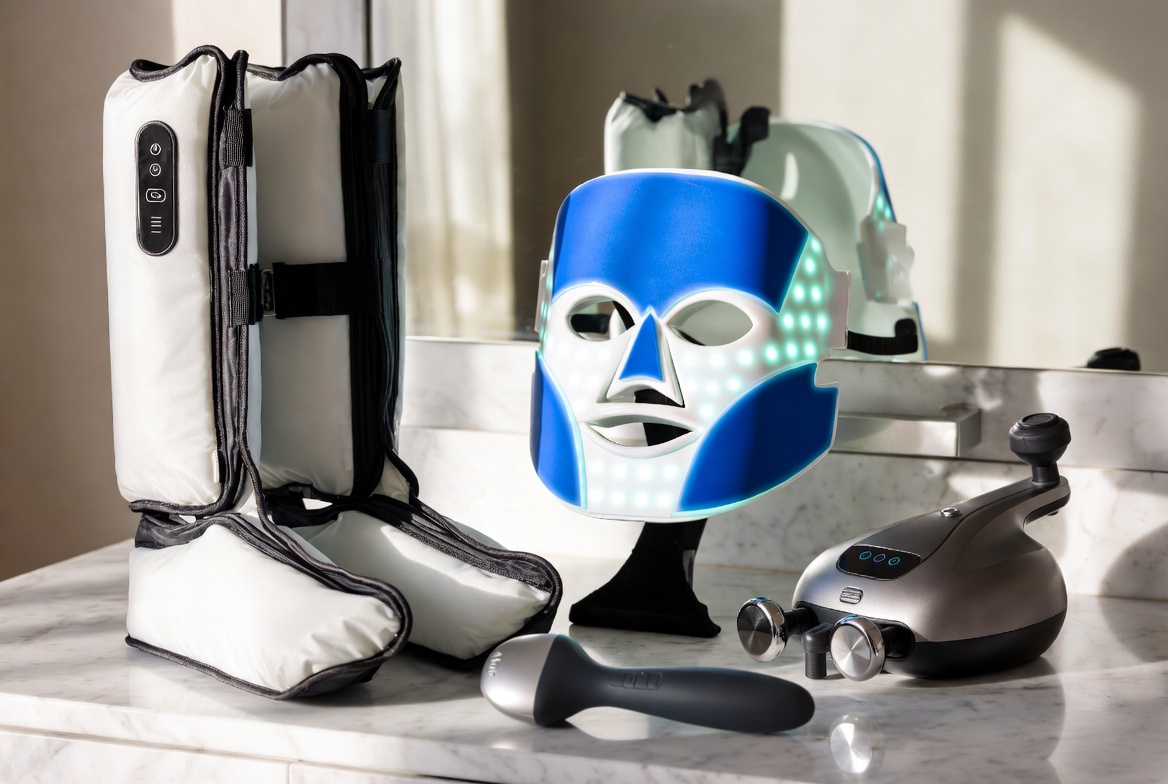
Therabody Leads the Intelligent Recovery Movement
Therabody has become one of the most influential names in this space. The brand started with powerful massage guns and has now expanded into recovery beauty tech. Their latest devices combine percussive therapy, heat, and smart sensors that read muscle tension in real time.
These tools adjust intensity automatically based on the user’s body feedback. Women report faster facial de-puffing, better product absorption, and a more sculpted jawline after regular use. The technology feels less like a gadget and more like a personal recovery coach.
Compression Therapy Moves into Daily Beauty Routines
Compression therapy devices have moved well beyond post-workout recovery. In beauty applications, they stimulate lymphatic drainage, reduce facial swelling, and create a firmer, more lifted appearance.
Newer models feature programmable pressure zones designed specifically for the face and neck. Users wear them for short sessions while working or relaxing. The results appear gradually: less puffiness, improved skin tone, and a subtle contouring effect without needles or surgery.
Heat and Percussive Therapy Deliver Visible Results
Heat therapy skincare increases blood flow and opens pores for deeper product penetration. When paired with percussive therapy, the benefits multiply. Heat prepares the tissue while percussion breaks up tension and boosts circulation.
Premium devices now offer preset sequences that cycle between heat, cold, and vibration. Many women complete an entire recovery protocol in under twenty minutes. The efficiency makes these tools practical for even the busiest schedules.

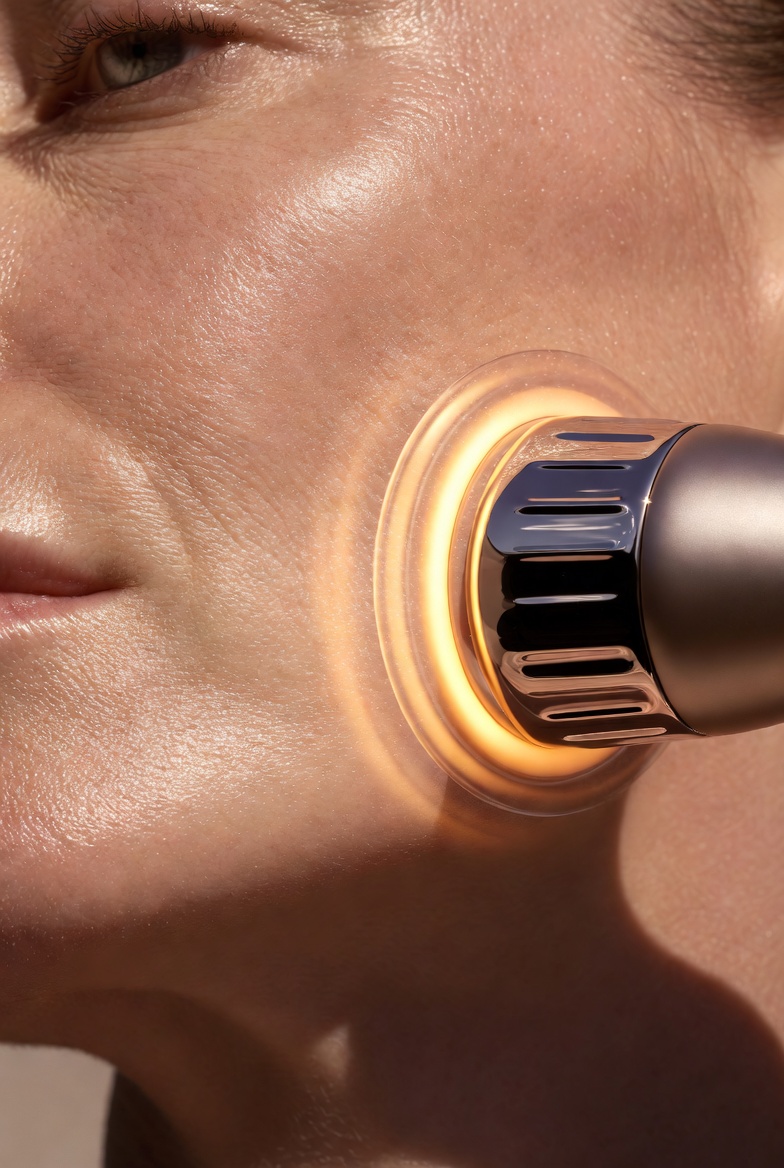
AI and Biometric Feedback Raise the Bar
The smartest recovery beauty devices now use AI and biometric sensors. They track skin temperature, muscle tension, and even sleep patterns to customize each session. This personalization helps users achieve better long-term results because the device adapts to daily changes in stress, hormones, or workout intensity.
Why Holistic Recovery Tools Will Define the Next Decade
The boom in recovery beauty tech reflects a deeper cultural shift. People now understand that glowing skin starts with better sleep, lower inflammation, and stronger circulation. They prefer tools that support the body’s natural repair processes over quick cosmetic fixes.
Market forecasts remain very strong through 2030. Both older consumers seeking non-invasive solutions and younger users focused on prevention are driving demand.

Conclusion
Recovery tech is quietly reshaping modern beauty. By bringing athletic recovery principles into skincare and wellness routines, these devices offer a smarter, more sustainable path to healthy, radiant skin.
The most successful tools respect the body’s intelligence. They work with natural repair systems instead of fighting against them. As beauty meets fitness tech continues to mature, recovery devices will likely become as essential as cleansers and moisturizers in tomorrow’s routines.
The future of luxury beauty may lie less in another new cream and more in learning how to help the body restore itself more effectively — one precise compression cycle, heat pulse, and percussive wave at a time.

