
🕒 4 min read
Published April 14, 2026
New York Bridal Fashion Week Spring 2027 Is Breaking Tradition — Why Designers Are Reinventing Bridal Runways
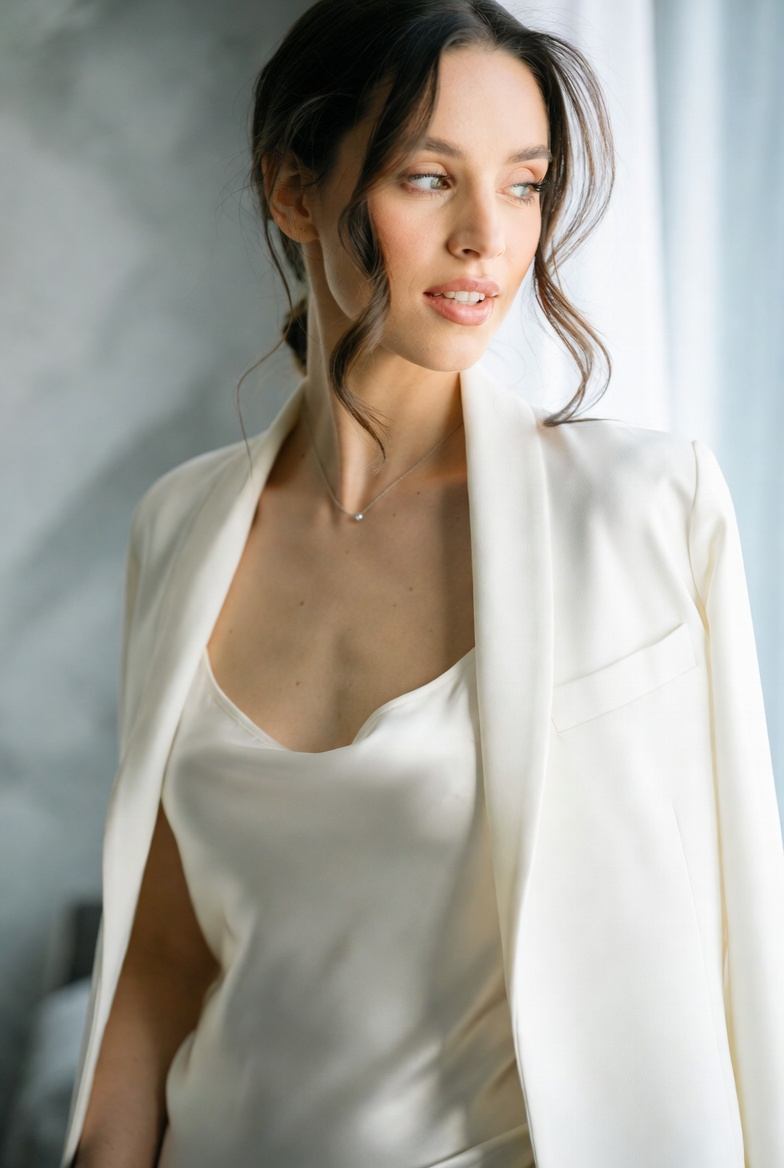
New York Bridal Fashion Week Spring 2027 opened with a statement. Instead of the usual parade of frothy white gowns, several major designers sent out tailored ivory suits, sleek satin separates, and deliberately undone looks that felt more like personal style than ceremonial uniform. The message was clear: the rules of bridal are being rewritten in real time.
For decades, bridal runways followed a predictable script — romantic, aspirational, and firmly centered on the white dress. This season, that script has been torn up. Designers are expanding the definition of what a bride can wear, how many looks she might need, and what wedding fashion should actually represent in 2027.
The shift feels less like rebellion and more like evolution. Modern couples are approaching weddings as extensions of their personal aesthetic rather than a temporary performance of tradition. Bridal Fashion Week has finally begun to reflect that reality.
Bridal Fashion Week 2027: The Most Diverse Season in Years
This season’s presentations showcased an unprecedented range of silhouettes, fabrics, and attitudes. Some designers leaned into quiet minimalism with architectural tailoring and soft neutrals. Others embraced theatrical volume and vintage references reimagined for today. What united the collections was a deliberate move away from one singular bridal ideal.
The energy on the runways felt lighter, more personal, and significantly less prescriptive. For the first time in many years, bridal runway trends looked like they belonged to the women wearing them rather than the other way around.
Beyond the Gown: The Rise of Bridal Suits and Separates
One of the strongest through-lines this season has been the bridal suits trend. Several established designers and emerging talents sent out sharply tailored pantsuits in ivory, cream, and soft blush tones. These were not styled as novelty pieces. They were presented as legitimate, confident alternatives to the traditional gown.
Separates also gained serious traction. Designers showed mix-and-match combinations — cropped jackets with flowing skirts, delicate tops with wide-leg trousers, and versatile pieces that could transition from ceremony to reception. This modular approach gives brides the flexibility to create a wedding wardrobe rather than a single look.

Vintage-Inspired Silhouettes Meet Modern Sensibility
Vintage bridal trend references appeared frequently, but rarely as direct copies. Designers reinterpreted 1930s bias cuts, 1960s mod minimalism, and 1980s dramatic shoulders with contemporary fabrics and construction techniques. The result felt nostalgic yet completely current.
This balance between past and present defined many of the strongest collections. Designers honored tradition without being trapped by it, creating pieces that feel both timeless and deeply personal.
The New Wedding Wardrobe: Rehearsal to Morning-After
The most forward-thinking designers this season expanded their collections beyond the ceremony. Many presented full wedding wardrobes that included rehearsal dinner looks, welcome party outfits, and even morning-after ensembles. This lifestyle approach acknowledges that modern weddings are multi-day events rather than single moments.
The shift reflects how couples actually experience their weddings today — as a series of meaningful occasions rather than one formal ceremony. Bridal collections that understand this reality feel more relevant and useful to contemporary brides.

Why Luxury Designers Are Rethinking Bridal Entirely
Several major luxury names used this season to signal a new direction for bridal. By offering more versatile, personality-driven pieces, they are positioning bridal as an extension of a woman’s personal style rather than a temporary departure from it.
This evolution comes at a time when the global bridal market is becoming more competitive and more fragmented. Designers who offer genuine choice and flexibility are likely to capture the attention of brides who refuse to compromise their identity on their wedding day.
What This Shift Means for the Future of Wedding Fashion
New York Bridal Fashion Week Spring 2027 suggests that the future of wedding fashion will be less about following tradition and more about expressing individuality. The strongest collections embraced complexity, versatility, and personal narrative over rigid convention.
As bridal runway trends continue to evolve, the most successful designers will be those who understand that today’s brides want clothing that feels like them — not just on the wedding day, but throughout the entire experience.
The white gown is not disappearing. It is simply no longer the only story worth telling.

