
🕒 4 min read
Published April 14, 2026
Maison Margiela’s Shanghai Spectacle Just Redefined the Runway — Inside the Most Theatrical Show of 2026
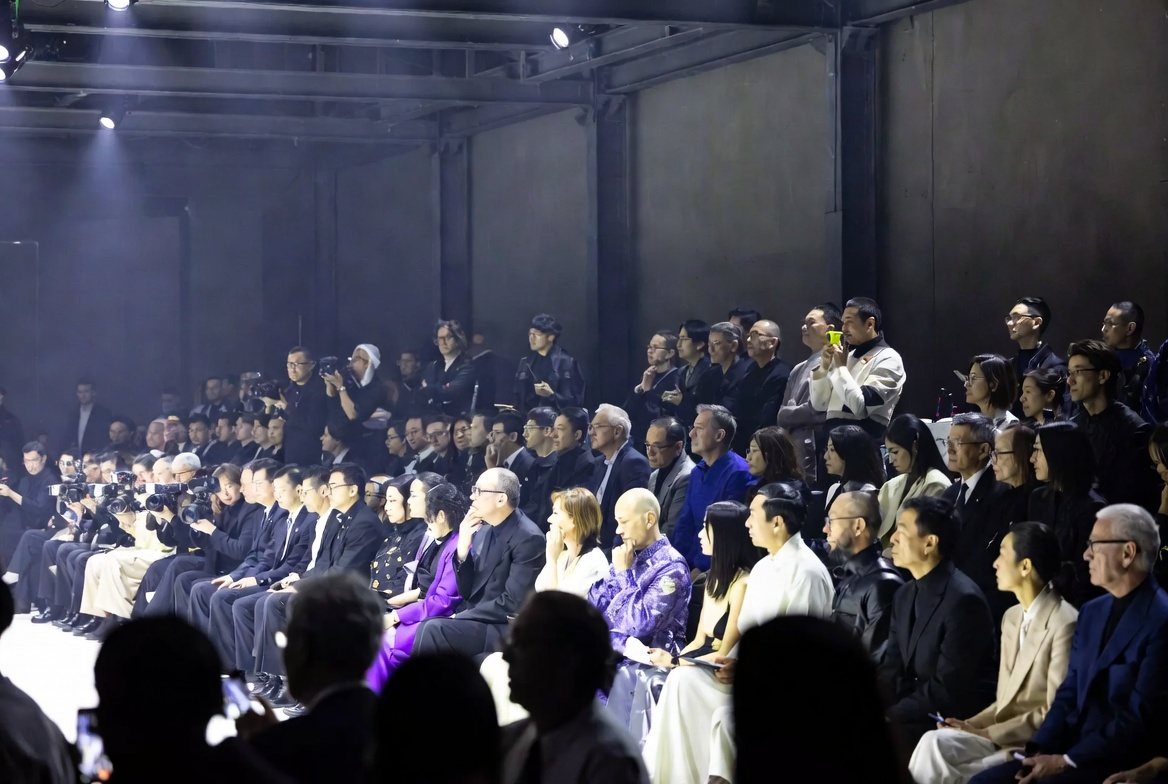
Shanghai, April 2026. Under the vast industrial ceilings of a former power plant on the Huangpu River, Maison Margiela staged a show that felt less like fashion week and more like performance art at its most ambitious. For the first time in its history, the house presented a full-scale runway collection in China. The message was unmistakable: Margiela is no longer content to observe the East from afar. It has arrived to claim its place on the global stage.
Creative director Glenn Martens delivered a 76-look Fall 2026 collection that refused easy categorization. It was equal parts couture craftsmanship and deliberate provocation, blending the house’s signature anonymity with moments of startling theatricality. The result was the most talked-about runway spectacle of the year so far.
The Shanghai Statement: Margiela’s Bold Move East
Choosing Shanghai as the location for this landmark show was strategic. China has become the most important growth market for luxury fashion, yet few houses have dared to present a full creative collection there. Margiela did not simply transplant a Paris show eastward. It created something site-specific, culturally resonant, and unapologetically ambitious.
The venue itself — a raw, monumental former power plant — amplified the collection’s industrial and deconstructive DNA. Guests arrived to find the space transformed into a living installation where fashion and environment merged seamlessly.
Glenn Martens Margiela 2026: Couture Meets Conceptual Chaos
Glenn Martens has never been afraid of contradiction, and the Fall 2026 collection pushed that tension further than ever. He presented pieces that felt simultaneously precious and destroyed, luxurious and confrontational.
Some looks were pure Margiela classics reimagined — impeccably tailored coats with exposed seams and reconstructed tailoring. Others veered into pure spectacle. The collection blurred the line between wearable fashion and performance runway fashion, forcing the audience to question where clothing ends and art begins.


Standout Moments That Stopped the Show
Two looks dominated conversation long after the final model exited. The first was a floor-length ceramic gown weighing nearly 200 pounds. Hand-sculpted and impossibly delicate in appearance, it moved with surprising grace despite its weight. The second was a series of garments entirely covered in 150,000 hand-applied gold star stickers — a shimmering, almost obsessive surface that caught every fragment of light.
These pieces were not created for commercial appeal alone. They served as conceptual anchors, reminding the audience that Margiela has always thrived in the space between beauty and discomfort, luxury and disruption.
When Fashion Becomes Performance Art
What distinguished this show from traditional runway presentations was its commitment to performance. Models moved through the space with deliberate slowness. The soundtrack blended industrial noise with haunting classical fragments. Lighting shifted dramatically throughout the show, turning the venue into a living stage.
This approach reinforced Margiela’s long-standing identity as a house that treats fashion as cultural commentary rather than seasonal product. In an era when many shows feel increasingly commercial, Glenn Martens chose conceptual depth and theatrical ambition instead.

 What the Show Reveals About China’s Growing Power in Luxury
By staging such a major, resource-intensive show in Shanghai, Maison Margiela sent a clear signal about the future of luxury fashion. China is no longer just a market for finished goods. It has become a creative destination worthy of the industry’s most ambitious presentations.
The local audience responded with enthusiasm. Chinese fashion insiders and international press alike praised the house for treating Shanghai as more than a commercial stop — but as a legitimate creative capital.
This move may encourage other heritage houses to rethink their global strategies. When a brand like Margiela invests this heavily in a market, it raises expectations for everyone else.

Conclusion
Maison Margiela’s Shanghai spectacle will be remembered as one of the defining runway moments of 2026. Glenn Martens proved once again that true luxury lies not only in exquisite craftsmanship but in the courage to challenge expectations.
By blending couture precision with raw theatricality on one of the world’s most important stages, the house reminded the industry that fashion can still surprise, provoke, and move us. In an increasingly commercial landscape, that kind of bold creative statement feels more vital than ever.
The question now is not whether other brands will follow Margiela’s lead into China, but how boldly they will dare to do so.

