
🕒 5 min read
Published April 14, 2026
K-Pop’s Global Expansion Hits New Peak — MONSTA X Tour and the Rise of Worldwide Fan Economies
When MONSTA X announced their 2026 North American “X Nexus Tour,” the reaction across fan communities was immediate and intense. Tickets for the opening dates disappeared within minutes. Secondary market prices climbed rapidly. For an industry that once operated primarily within Asia, the speed and scale of this demand signaled something larger than a single group’s comeback.
K-pop’s global expansion has entered a decisive new phase. What began as a cultural export driven by digital platforms has evolved into a sophisticated, revenue-generating machine capable of filling arenas across continents. MONSTA X’s latest tour announcement stands as one of the clearest indicators yet of how deeply the genre has embedded itself into international markets, particularly in the United States and Europe.
Yet the story extends far beyond sold-out shows. The infrastructure supporting these tours — fan economies, global ticketing systems, merchandise strategies, and direct artist-to-fan engagement models — is quietly redefining how the entire music industry thinks about scalability and loyalty.
For this reason, the MONSTA X tour 2026 deserves close examination. It is not merely another K-pop outing. It represents a mature phase of globalization where language barriers are being strategically lowered, cultural specificity is being balanced with broader appeal, and fan participation has become a core economic driver rather than a pleasant byproduct.
The MONSTA X Tour 2026 Announcement and Its Immediate Impact
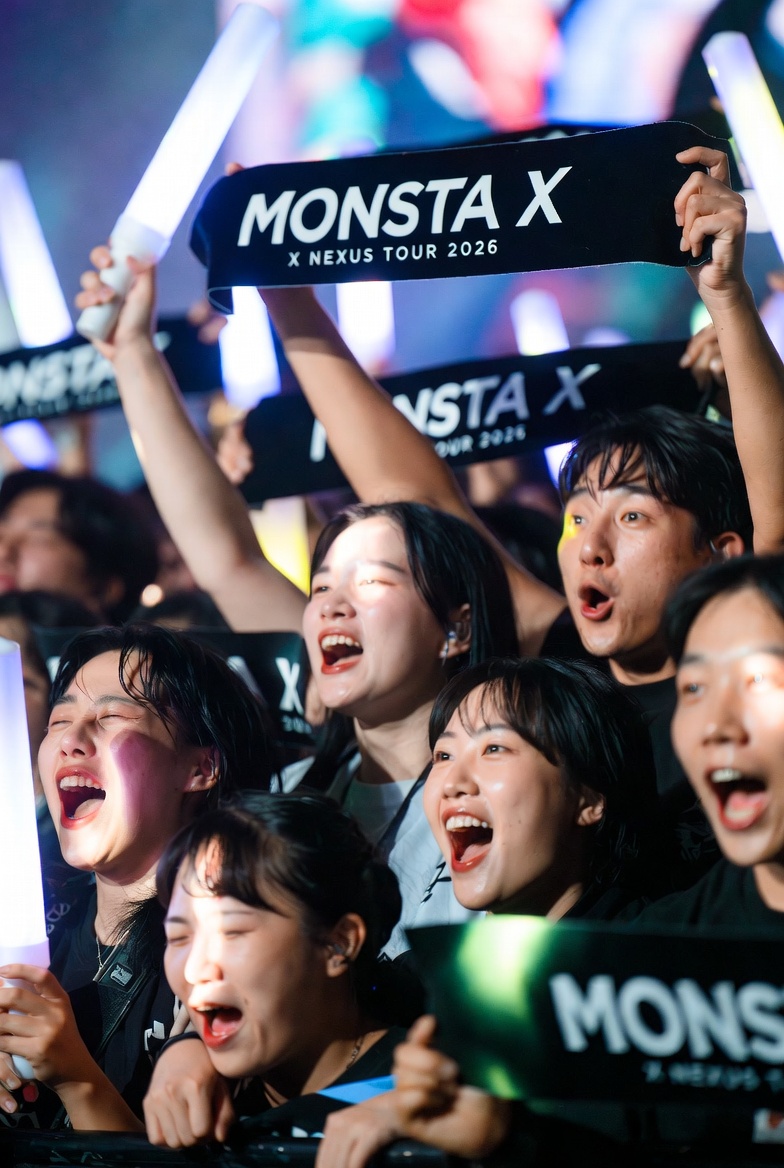
The “X Nexus Tour” marks MONSTA X’s return to North American stages after several years shaped by military service and shifting industry dynamics. The group’s decision to launch with multiple arena dates across major cities sent a clear message: K-pop acts are no longer content with theater runs or festival slots. They are competing directly for the same venues once reserved for established Western pop and rock acts.
However, the demand surge revealed something more significant. Fans organized swiftly through global fan networks, coordinating ticket purchases across time zones and sharing strategies to secure seats. This level of coordination has become standard in K-pop but still surprises many outside observers. The MONSTA X tour 2026 quickly became one of the fastest-selling K-pop tours in recent memory, highlighting the strength of their dedicated international following.

 Unfold: The English-Language Album Fueling Global Ambition
 Unfold: The English-Language Album Fueling Global Ambition
The timing of the tour aligns closely with the release of Unfold, MONSTA X’s first full English-language album. This strategic move reflects a broader industry pattern. Several leading K-pop groups have begun investing seriously in English-language releases to lower entry barriers for new audiences while maintaining their core sonic identity.
The album blends signature MONSTA X intensity with more accessible pop structures, creating a sound that feels both familiar to longtime fans and approachable for newcomers. Industry analysts note that such releases often serve dual purposes: expanding market reach while reinforcing loyalty among existing supporters who appreciate the group’s willingness to evolve without losing authenticity.
K-Pop Tours USA: From Niche to Mainstream Arena Territory
K-pop tours USA have transformed dramatically over the past decade. What once consisted of modest theater runs in coastal cities has expanded into multi-date arena tours spanning the Midwest and South. MONSTA X’s 2026 itinerary reflects this shift, with stops in markets that were previously considered secondary at best.
This expansion is not accidental. It results from years of groundwork: consistent digital content, strategic social media engagement, and the patient building of local fan communities. The result is a fanbase that is both passionate and logistically sophisticated, capable of driving significant ticket and merchandise revenue even in regions with less established K-pop infrastructure.

How International Fanbase Growth Is Reshaping the Music Economy
The growth of K-pop’s international fanbase has introduced new economic models that traditional Western labels are now studying closely. Unlike many Western artists who rely heavily on streaming royalties, K-pop groups generate substantial revenue through physical albums, fan meetings, merchandise, and especially live performances.
MONSTA X’s tour exemplifies this balanced approach. While streaming remains important, the real economic engine appears to be the direct connection between artist and fan. Fans do not simply consume music — they invest in the group’s journey, participate in fan projects, and treat concerts as communal rituals. This level of engagement creates a more resilient revenue stream that is less vulnerable to algorithm changes or streaming platform shifts.
The New Live Music Economy Powered by K-Pop Fandom
K-pop’s approach to touring has helped revitalize the live music economy in ways few predicted. The combination of high production values, emotional connection, and dedicated fandom creates an experience that encourages repeat attendance and significant secondary spending.
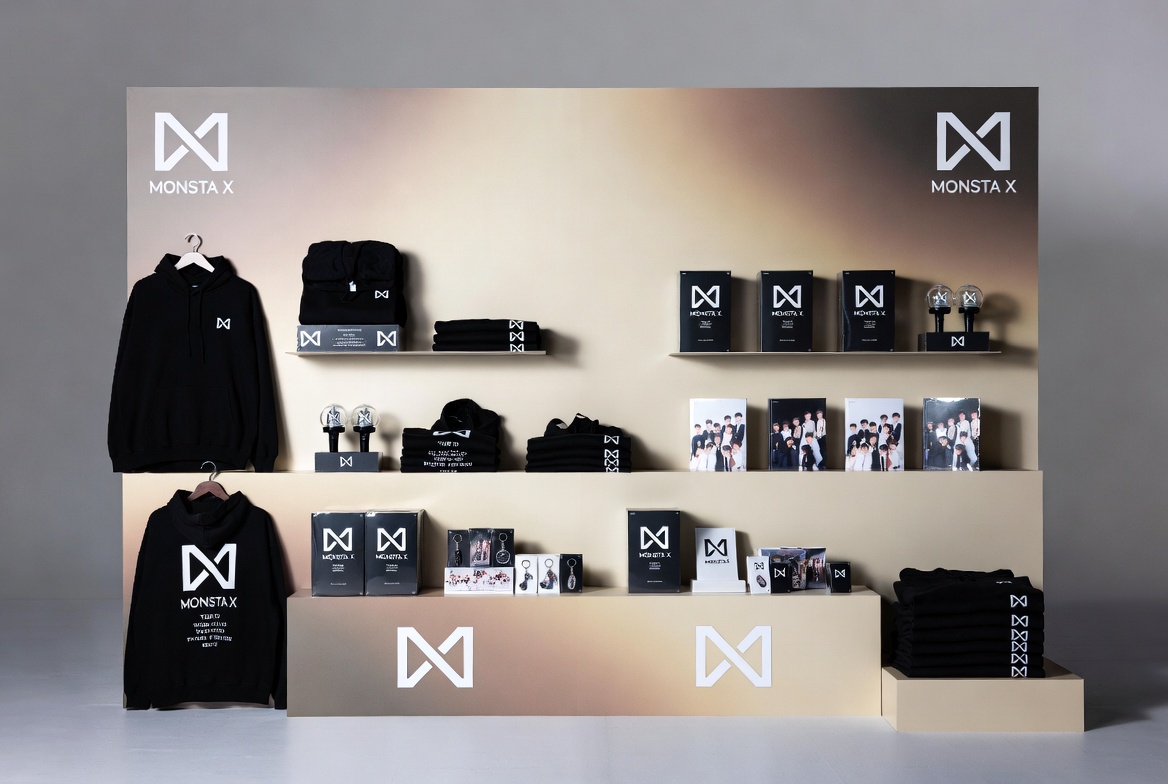
Data from recent years shows that K-pop concerts often outperform expectations in merchandise sales per attendee. The MONSTA X tour 2026 is expected to continue this trend, with carefully designed tour-exclusive items that appeal to both longtime supporters and newer fans discovering the group through this cycle.

What MONSTA X’s Strategy Reveals About K-Pop’s Future
MONSTA X’s current global strategy offers a window into the next phase of K-pop’s international development. By balancing Korean identity with English-language releases and ambitious touring plans, the group demonstrates a mature understanding of what global success requires in 2026.
Other major acts are watching closely. The willingness to invest in long-term fan relationships rather than chasing short-term viral moments suggests a more sustainable path forward. At the same time, the emphasis on live experiences acknowledges that physical connection remains irreplaceable even in a digital-first world.

Conclusion
The MONSTA X tour 2026 represents more than a successful comeback. It illustrates how K-pop has matured into one of the most adaptable and economically sophisticated forces in global entertainment. As international fanbase growth continues to accelerate, the industry’s center of gravity is shifting.
What remains most compelling is the way these artists have built economies not through top-down marketing but through genuine, sustained relationships with fans across borders. In doing so, they have created a model that many traditional music industry players are now attempting to understand and emulate.
The coming years will reveal whether this approach can be sustained at even larger scales. For now, the momentum behind K-pop’s global expansion appears not only strong but structurally sound — built on loyalty, adaptability, and a deep understanding of what audiences truly value in live music experiences.

