
🕒 7 min read
Published April 12, 2026
Glee Cast Where-Are-They-Now Update Goes Viral as Fans Revisit the Show’s Legacy and Tragedies
It started, as so many cultural resurgences do these days, with a single scroll-stopping video. A side-by-side montage of the Glee cast from 2009, fresh-faced and full of that signature McKinley High optimism, next to portraits from 2026. The comments flooded in. Some celebrated the surviving careers. Others lingered on the absences. Within hours, the clip had racked up millions of views, and the phrase glee cast where are they now climbed trending lists across platforms. More than a decade after the series finale, the show’s complicated legacy had returned to the cultural conversation.
This is not mere nostalgia for a zippy musical comedy. Glee arrived at a peculiar moment—right as smartphones became appendages and streaming began rewriting how we consume television. It sold us the fantasy that misfits could harmonize their way through adolescence while belting out chart-toppers. Yet beneath the glitter and mash-ups lay sharper truths about identity, ambition, and the brutal machinery of fame. The 2026 glee cast where are they now wave forces a reckoning with both sides. Fans are not only rewatching the performances; they are measuring the distance between the characters they loved and the real lives that unfolded afterward. On Hulu, where the full series remains readily available, new generations are discovering the show while longtime viewers revisit it with grown-up eyes.
What makes this particular revival feel different is its emotional range. Joyful career updates sit beside quiet reflections on loss. The cast members who have thrived do so against the backdrop of two indelible tragedies. That tension—between triumph and fragility—gives the current conversation its depth. It is not hype. It is a cultural pause button, pressed by an audience that has itself aged into the same complexities the show once dramatized.

The Viral Spark: Why Glee Feels Fresh Again in 2026
Social media did not invent glee nostalgia, but it has perfected the delivery system. Short-form videos juxtaposing teenage glee clubbers with their 2026 selves spread like wildfire this spring. The algorithm rewarded vulnerability: clips that paired euphoric musical numbers with current interviews, or quiet voice-overs noting how much has changed. Meanwhile, Hulu’s stable library made binge-watching frictionless. A new generation encountering the show for the first time collided with veterans marking personal milestones. The result was less a fleeting trend than a sustained cultural temperature check.
Glee always operated at the intersection of escapism and realism. Its characters sang their way through bullying, coming out, and parental disappointment. In 2026, those themes still resonate, but now viewers bring their own adult context. The show’s influence on later musical series—Crazy Ex-Girlfriend, Schmigadoon!, even elements of The Bear’s kitchen musical fantasies—is clearer in hindsight. Yet the 2026 conversation also acknowledges the cost. Fame accelerated for many cast members before they were fully formed. The glee cast where are they now updates therefore serve as both celebration and cautionary tale.
Lea Michele’s Broadway Evolution
No one embodies the distance traveled quite like Lea Michele. Once Rachel Berry’s relentless ambition made her both lovable and exhausting, Michele has spent the intervening years proving the character was not caricature but prophecy. After revitalizing the Funny Girl revival, she moved into the lead of the Chess Broadway revival, a run that ends this June. Her voice, still crystalline, carries the weight of lived experience now. Audiences who once watched her as a high-school striver now see a performer who has navigated public scrutiny, motherhood, and the long game of theater.
Her trajectory feels emblematic of the show’s central promise: talent plus tenacity can rewrite the script. Yet Michele has spoken candidly about the pressure of stepping back into the spotlight after personal challenges. In 2026, her Broadway presence is not just a comeback story. It is proof that the glee club ethos—keep singing, keep showing up—can translate off-screen.

Darren Criss and the Weight of Sustained Success
Darren Criss entered Glee as the charming Blaine Anderson and left as one of the series’ breakout stars. His post-show path has been strikingly deliberate. Theater remained his anchor. In 2025 he captured two Tony Awards for Maybe Happy Ending—Best Actor in a Musical and, as co-producer, Best Musical—becoming the first Asian American actor to win in the leading category. Early 2026 brought a Grammy nomination and hosting duties at the Premiere Ceremony. He still sings, still acts, still chooses projects that blend artistry with accessibility.
What stands out in the current glee cast where are they now discourse is Criss’s steadiness. While some peers chased blockbuster films, he doubled down on stage and songwriting. His success feels earned rather than inevitable, a reminder that Glee equipped its cast with versatile tools—vocal confidence, emotional range—that translate across mediums.
Chris Colfer’s Quiet Reinvention
Chris Colfer’s Kurt Hummel gave television one of its most fully realized queer teenage characters. Off-screen, Colfer chose a different stage: the page. He has published more than twenty books, many under The Land of Stories banner, with film adaptations now in development at Warner Bros. The former glee club member has become a bestselling author who still writes with the same sharp wit that once defined his on-screen monologues.
Colfer’s pivot feels intentional. Where others stayed in front of the camera, he built a world behind it. His 2026 profile in the nostalgia wave highlights a different kind of longevity—one rooted in creative control rather than constant visibility.
The Enduring Echoes of Cory Monteith and Naya Rivera
Any honest glee cast where are they now conversation must address the empty chairs. Cory Monteith’s death in 2013 cut short a life and a character—Finn Hudson—who embodied earnest leadership. Tributes still surface in fan discussions and retrospective pieces, often paired with clips of his warmest performances. The loss remains raw because it humanized the entire cast in real time.
Naya Rivera’s 2020 passing added another layer of grief. Her Santana Lopez had evolved from sharp-tongued antagonist to proud, complex woman. Rivera’s final seasons coincided with heightened awareness around mental health and the pressures of child stardom. In 2026, her legacy appears in conversations about representation and resilience. Fans revisit her show-stopping numbers not only for the vocals but for the courage they represented.
These tragedies do not overshadow the survivors’ achievements. They contextualize them. The cast that remains has carried forward a narrative that includes both spotlight and shadow.
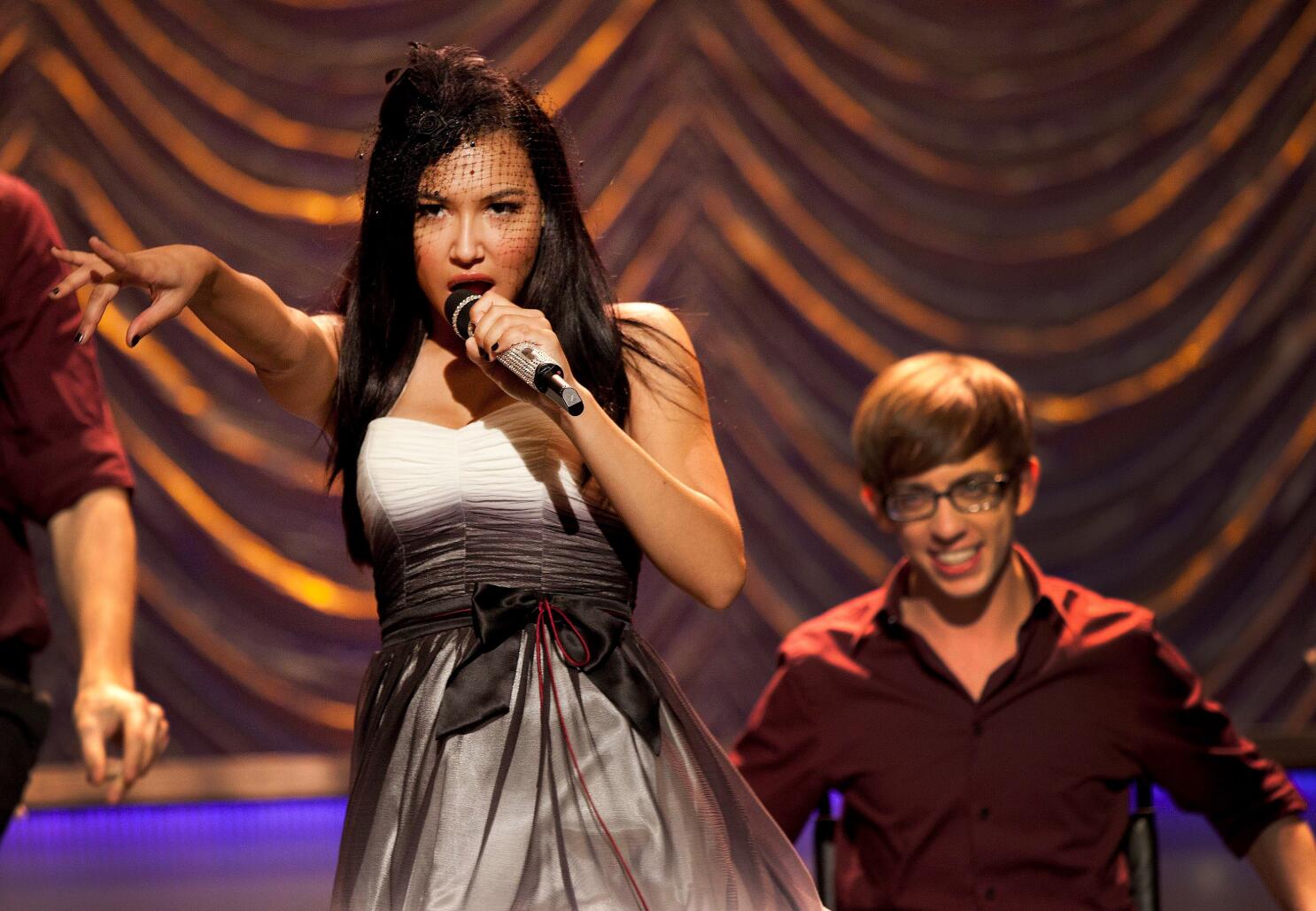
The Broader New Directions Cast Today
The ensemble’s updates are equally telling. Amber Riley continues to blend music and theater with unmistakable power. Kevin McHale and Jenna Ushkowitz have carved out podcast and production roles that keep them connected to storytelling. Matthew Morrison, Jane Lynch, and others appear in stage and screen projects that echo their Glee energy without repeating it. Several former cast members—Jonathan Groff among them—dot Broadway marquees this season, turning the glee cast where are they now conversation into a living map of American musical theater.
Their collective presence proves Glee was never just about one or two stars. The New Directions ethos—community over solo glory—still shapes how many of them work.
Streaming Platforms and the Nostalgia Machine
Hulu’s library has become the quiet engine behind the resurgence. Easy access means viewers can jump from pilot to finale without hunting for files or subscriptions. That frictionless experience, combined with social media’s memory prompts, creates a feedback loop. One viral clip leads to a full-season rewatch, which leads to fresh appreciation for the show’s musical choices and its imperfect but pioneering handling of identity.
The platform itself benefits. Glee streaming numbers spike whenever nostalgia trends surface, proving that older catalog titles can still drive engagement when framed as cultural touchstones.
What Glee’s 2026 Moment Reveals About Television’s Lasting Power
The current wave is not about recapturing youth. It is about recognizing that television can leave permanent fingerprints on culture even when its run ends. Glee normalized queer storylines, celebrated underdogs, and proved original music could still dominate charts in the download era. Its flaws—pacing issues, tonal swings—have not erased its impact. If anything, they make the successes more human.
In 2026, the glee cast where are they now updates function as a mirror. They show us how far we have come since 2009 and how much of the show’s spirit remains relevant. The tragedies remind us that fame extracts a price. The triumphs demonstrate that talent, when paired with persistence, can outlast the spotlight’s glare. Fans are not simply consuming content. They are measuring their own growth against the same timeline.
What lingers is the sense that Glee was never just a show. It was a promise that misfits could find harmony, even when the music stopped. In the quiet moments between viral clips and Broadway curtain calls, that promise still echoes—complicated, imperfect, and enduring.

