
🕒 7 min read
Published April 12, 2026
Esperanza Spalding Enters Ballet World in Groundbreaking Collaboration with Alonzo King’s LINES Ballet ‘Legacy’ Premiere
In the Blue Shield of California Theater at Yerba Buena Center for the Arts, something rare unfolded over nine performances from April 11 to 19, 2026. Grammy-winning bassist, vocalist, and composer Esperanza Spalding stepped onto the stage not merely as a musical guest but as a full creative partner in Alonzo King’s new work, Legacy. For a company long celebrated for its sculptural, spiritually charged movement, this marked an unusually intimate fusion: Spalding composed original music, performed live on upright bass and voice at every show, and allowed her improvisational instincts to shape the evening alongside King’s choreography.
The premiere arrived at a moment when boundaries between musical genres and movement forms have grown increasingly porous. Yet Legacy felt less like a calculated crossover and more like an inevitable conversation between two artists who both treat their mediums as vessels for deeper inquiry. Spalding’s intricate bass lines and soaring, wordless vocals met King’s signature style—expansive, emotionally raw, and rooted in a sense of communal transcendence. The result was not background music supporting dance, nor dance illustrating a score, but a single organism breathing through sound and body.
This was Spalding’s first major foray into sustained ballet collaboration, and it carried the weight of her established reputation for boundary-pushing projects. From her early jazz trio work to genre-defying albums that blend classical, funk, and global traditions, she has consistently treated music as a site of exploration. King, for his part, has built LINES Ballet into one of the most distinctive voices in contemporary dance by refusing easy categorizations. Their meeting produced Legacy, a piece whose title alone suggested the layered questions at its core.

A Historic Crossing of Paths
Alonzo King founded LINES Ballet in San Francisco in 1982 with a vision that prized emotional truth and physical inquiry over classical hierarchy. His choreography often draws from diverse cultural sources while maintaining a rigorous, almost architectural clarity of line. Spalding first connected with King during a San Francisco Symphony project earlier in the decade, but the seed for Legacy took years to mature. When it finally bloomed, it carried the quiet confidence of artists who had already proven their individual voices and no longer needed to announce their credentials.
What distinguished this collaboration was its structure. Spalding did not deliver a finished recording for the dancers to rehearse against. Instead, she performed live each night, responding in real time to the movement unfolding around her. That immediacy injected an electric unpredictability into the performances. Audiences witnessed not a polished product but a living dialogue—bass notes rising as a dancer extended into space, vocal phrases weaving through ensemble formations like invisible threads binding individual stories into collective memory.
The Genesis of ‘Legacy’
Subtitled The Immeasurable Immensity of Your Inheritance, the work delved into questions of lineage, cultural memory, and the invisible forces that shape identity across generations. Spalding’s score—rich in spiritual jazz traditions—provided both rhythmic foundation and atmospheric depth. Her upright bass, an instrument historically associated with jazz’s low-end pulse, took on a more lyrical, almost vocal quality in this context, anchoring the dancers while allowing space for improvisation.
King’s choreography translated these sonic impulses into physical poetry. Dancers moved with the kind of expansive freedom that has become a LINES hallmark: limbs carving generous arcs through space, torsos responding with visceral honesty, ensembles shifting from intimate duets to sweeping group geometries. The piece avoided literal storytelling, favoring instead a series of evocative states—moments of gathering, release, remembrance, and forward propulsion.
In rehearsals and early reviews, observers noted how the collaboration honored the distinct vocabularies of each artist without forcing compromise. Spalding’s music retained its improvisational soul; King’s movement kept its characteristic blend of power and delicacy. Together they created a third language, one that felt both ancient and urgently contemporary.

Alonzo King’s Choreographic Language Meets Living Sound
King has long described his work as “dancing from the inside out.” His dancers train to access deep emotional and spiritual reservoirs, allowing movement to emerge from internal impulse rather than external shape alone. Spalding’s live presence amplified this approach. Her bass lines sometimes pulsed like a heartbeat, grounding the choreography in earthly rhythm; at other moments her voice floated above the ensemble, inviting a sense of elevation or collective prayer.
This jazz-ballet fusion avoided the pitfalls of past attempts at genre blending. There was no sense of one form serving as ornament for the other. Instead, the music and dance seemed to interrogate each other—questioning, supporting, occasionally challenging. The upright bass, with its warm wooden resonance, proved especially sympathetic to the human body in motion. When Spalding bowed or plucked with particular intensity, the dancers responded with heightened physicality, as if the sound itself had entered their musculature.
Critics and audiences alike remarked on the spiritual dimension that emerged. Both King and Spalding draw from traditions that treat art as a conduit for something larger than the self. In Legacy, that shared orientation created an atmosphere of quiet reverence without descending into solemnity. Joy, struggle, and wonder coexisted in the same breath.

Themes of Heritage and Inheritance
At its heart, Legacy asked what we carry forward—consciously or not—from those who came before us. Spalding’s own heritage, rooted in African American, Latin American, and global musical lineages, resonated through her playing and singing. King’s choreography, which has always engaged with Black American dance traditions alongside classical and contemporary techniques, found natural alignment.
The piece resisted reductive narratives about identity. Instead, it evoked the complexity of inheritance: the gifts, the burdens, the unfinished conversations. Dancers moved through sequences that suggested both celebration and reckoning. Group formations dissolved into solos and reformed, mirroring how personal legacies ripple outward into community.
This thematic depth elevated Legacy beyond spectacle. In an era when many cross-disciplinary projects prioritize visual impact, the work insisted on interiority. Audiences left not merely impressed by technical skill but moved by an encounter with something harder to name—perhaps the sensation of standing at the intersection of past, present, and possibility.
Paired with ‘Ode to Alice Coltrane’
The program gained additional resonance by pairing Legacy with a revival of King’s 2024 work Ode to Alice Coltrane. The late composer and spiritual figure provided a perfect spiritual and musical bridge. Coltrane’s blend of jazz improvisation, devotional kirtan, and cosmic exploration echoed in both pieces, creating a cohesive evening that felt like an extended meditation on musical and choreographic lineage.
Seeing the two works together amplified their individual strengths. Ode to Alice Coltrane offered a more established vocabulary within King’s canon, while Legacy pushed into new territory through Spalding’s live contributions. The juxtaposition highlighted how jazz continues to nourish contemporary ballet—not as nostalgic reference but as living fuel.
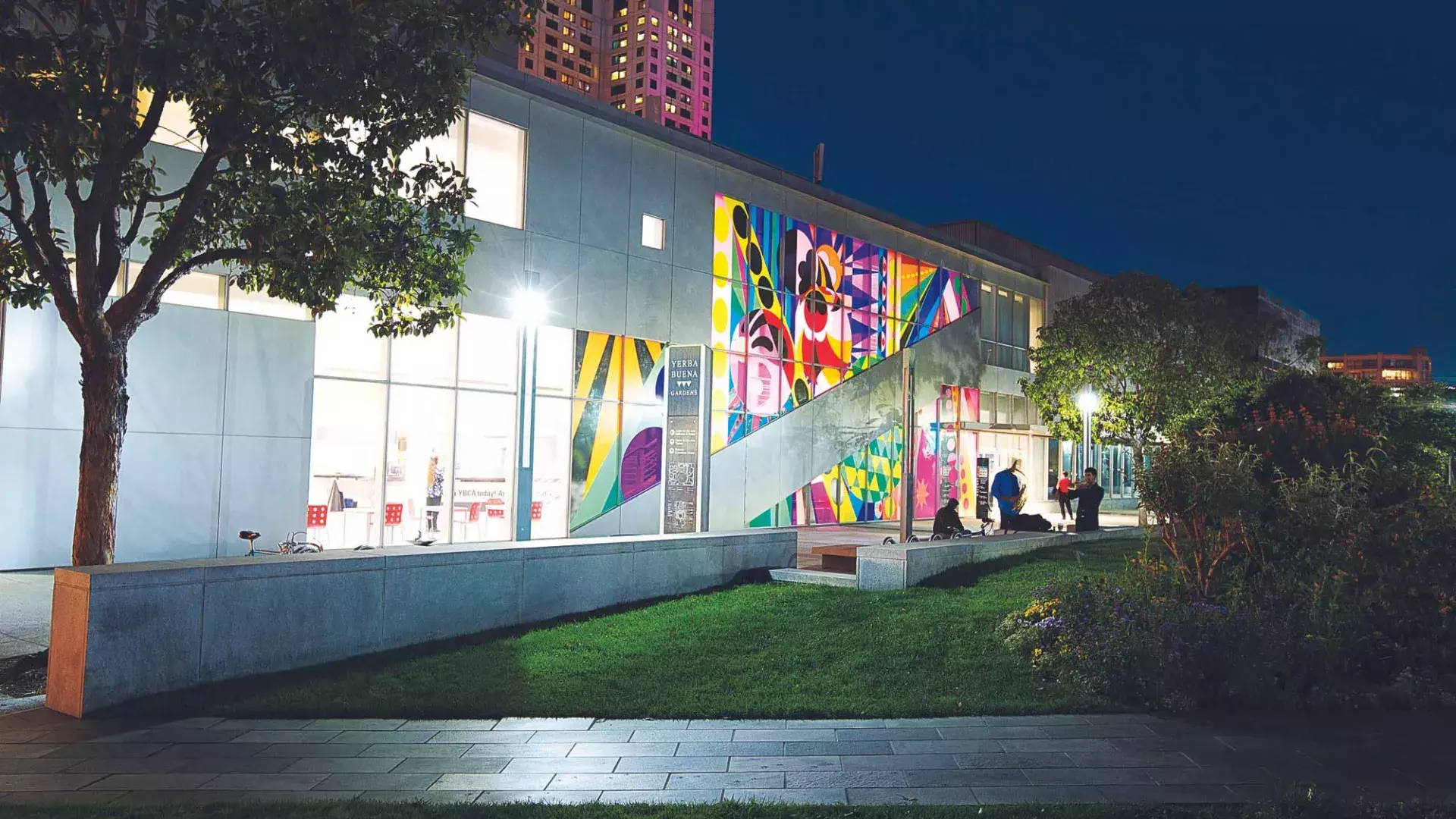
Live Performance at Yerba Buena Center for the Arts
The choice of venue added another layer of meaning. Yerba Buena Center for the Arts has long served as a hub for experimental and interdisciplinary work in San Francisco. Its intimate yet technologically equipped theater allowed Spalding’s sound to fill the space with remarkable clarity while giving King’s dancers room to breathe. The proximity of audience to stage heightened the sense of shared experience—viewers could feel the vibration of the bass and sense the effort behind each extension.
Performances ran multiple times across the two-week span, allowing the collaboration to evolve night to night. Spalding’s improvisations shifted subtly in response to the dancers’ energy and the audience’s presence. This variability made each showing unique, reinforcing the work’s status as a living creation rather than a fixed repertory piece.

What the Collaboration Signals for Contemporary Dance
Legacy arrives amid broader conversations about the future of ballet and contemporary dance. Companies worldwide are seeking fresh sources of inspiration while honoring their technical foundations. Collaborations with living composers and musicians—especially those operating outside traditional classical channels—offer one path forward. Spalding’s involvement suggests that the most vital exchanges may come from artists who share a philosophical alignment rather than merely complementary skill sets.
For LINES Ballet, the project continues a tradition of ambitious partnerships while marking a new chapter of sonic integration. For Spalding, it expands her creative palette without diluting her core identity as a musician. Together they have produced a work that feels both deeply personal and culturally expansive.
In the end, Legacy does more than fuse jazz and ballet. It reminds us that true artistic inheritance is not about preservation alone but about active transformation—taking what has been passed down and allowing it to move, breathe, and speak in the present tense. As the final notes faded and the dancers held their last positions, audiences seemed to linger in that transformed space, carrying a piece of the evening’s immensity with them into the San Francisco night.

