
🕒 8 min read
Published April 6, 2026
Echoes from the Ruins: The Last of Us Season 2 Trailer Captures the Raw Pulse of Survival and Retribution
When the first official footage for the last of us season 2 trailer hit screens earlier this week, it did more than spark conversation—it seized the collective imagination in a way few television moments do anymore. Within hours, clips ricocheted across platforms, hashtags surged, and analysts began tallying what many already sensed: HBO’s the last of us hbo 2026 installment is poised to redefine prestige drama once again. The trailer, a taut two-and-a-half minutes of shadowed intimacy and visceral action, adapts pivotal storylines from the second game while deepening the fractured bond between its central duo. Bella Ramsey returns as the fiercely guarded Ellie, Pedro Pascal reprises Joel with the quiet gravitas that made the first season a phenomenon. New faces join the ensemble, promising layers of moral complexity in a world that refuses easy redemption.
This isn’t mere hype. The footage pulses with a cinematic confidence that feels both intimate and epic, its lighting carving beauty from decay, its sound design layering human breath against the distant groans of infected. Early reactions praise the emotional intensity, the way a single glance between characters conveys years of unspoken betrayal and love. For a global audience still reckoning with isolation, resilience, and fractured trust, the timing feels almost prophetic.
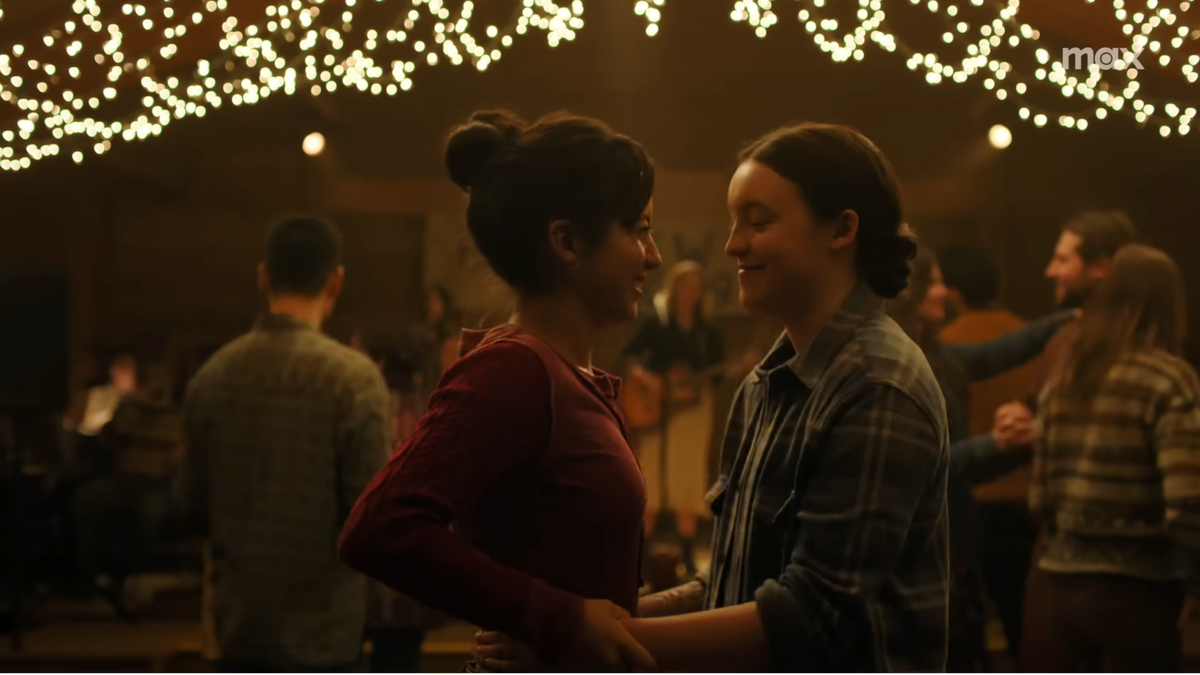
What elevates this moment beyond entertainment is its quiet command over visual culture. In the trailer’s fleeting frames, clothing tells stories—faded denim patched with care, layered flannels worn soft by hardship, boots caked in the residue of long journeys. These aren’t costumes in the traditional sense; they are lived garments, each tear and repair a narrative choice that speaks to survival chic in its most authentic form. As a publication attuned to the intersections of fashion, beauty, and lifestyle, we see in the last of us season 2 a masterclass in how narrative aesthetics can ripple outward, influencing everything from runway interpretations of utilitarian wear to conversations about beauty stripped to its most vulnerable core.
The Return of Joel and Ellie: Pedro Pascal and Bella Ramsey Anchor a Darker Chapter
Five years after the events that cemented their bond—and the lie that threatens to unravel it—Joel and Ellie have settled into a fragile peace in Jackson. Or so it seems. The trailer offers glimpses of domesticity laced with unease: Pascal’s Joel, hair grayer, gaze heavier, moving through community life with the guarded posture of a man carrying secrets. Ramsey’s Ellie, now older and visibly hardened, carries herself with a coiled intensity that suggests the weight of adolescence has given way to something sharper, more resolute.
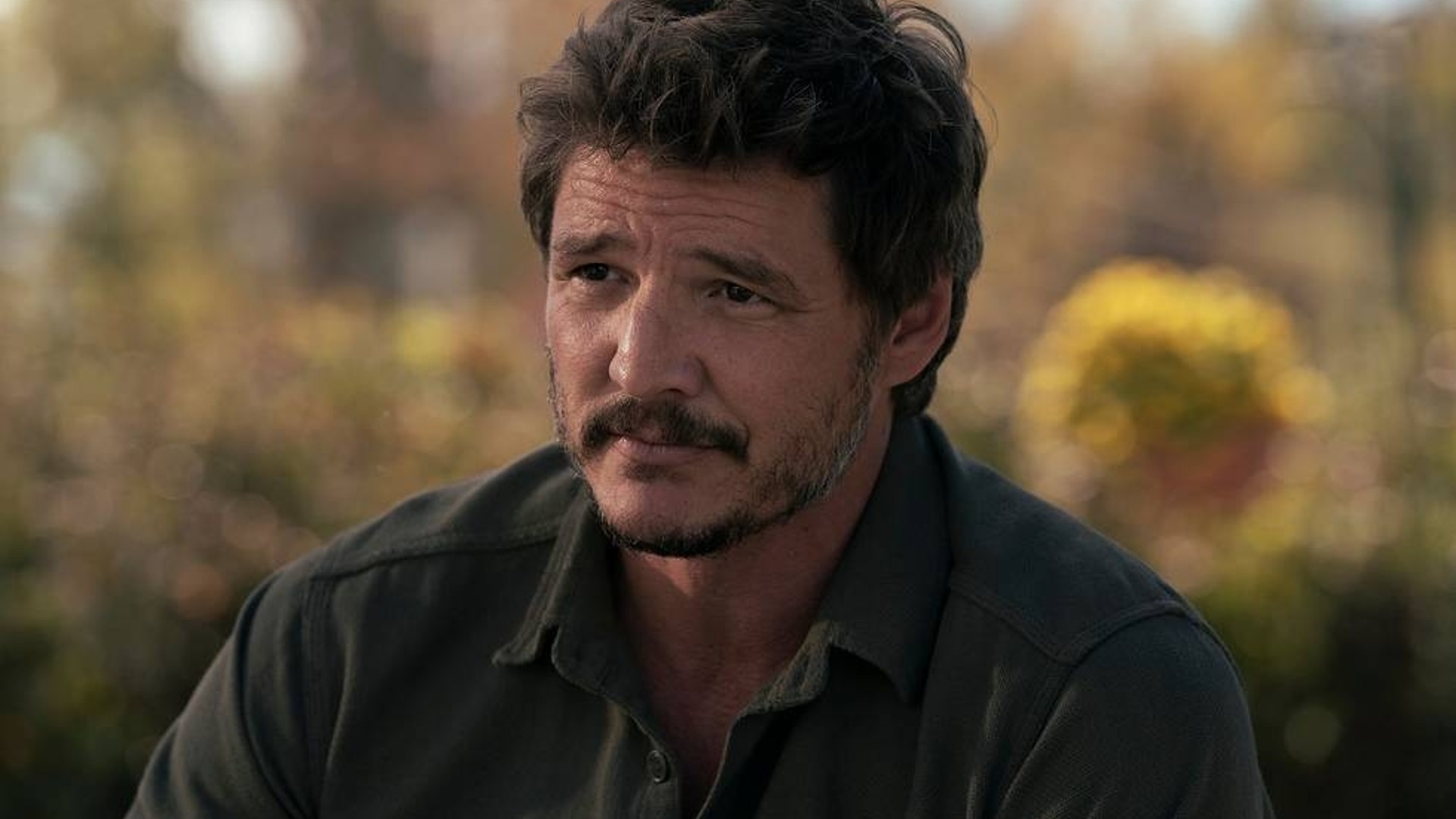
Their chemistry remains the series’ beating heart. Pascal, whose off-screen presence as a style icon—frequently spotted in tailored Saint Laurent suits and effortless streetwear—contrasts beautifully with Joel’s rugged practicality. Ramsey, meanwhile, has become a beacon for a new generation redefining beauty standards: androgynous confidence, unapologetic individuality, and a refusal to conform. In bella ramsey ellie season 2, we witness an evolution that feels lived-in, her character’s wardrobe shifting from the functional layers of youth to pieces that reflect both protection and quiet rebellion. These performances ground the spectacle, reminding viewers that the most devastating horrors often unfold in the silences between people who once meant everything to each other.
Adapting the Unadaptable: How HBO Brings The Last of Us Part II to Life
Video game adaptations have long struggled with the leap from interactive medium to linear narrative. Yet the last of us game adaptation season 2 sidesteps pitfalls by leaning into the source material’s emotional ambiguity rather than its mechanics. The trailer teases major storylines from the second game without spoiling their impact: a world still ravaged by Cordyceps, communities clinging to normalcy, and the personal cost of choices made in desperation. HBO’s commitment to practical effects and location shooting lends the footage a tactile realism that CGI-heavy productions often lack. Rain-slicked streets, overgrown ruins bathed in golden hour light—these images linger because they feel inhabited, not rendered.

Showrunners Craig Mazin and Neil Druckmann have spoken in interviews about the challenge of honoring the game’s themes of cycles of violence while expanding them for television. The result, hinted at in the trailer, is a narrative that feels both faithful and freshly cinematic. Analysts already predict hbo hit series 2026 will dominate streaming conversations, much as the first season did, but with even higher stakes.
New Characters, Fresh Tensions: The Ensemble Expanding a Fractured World
No adaptation of this scale succeeds on star power alone. The trailer introduces several key additions to the cast, each promising to complicate the central dynamic. Kaitlyn Dever steps into the role of Abby, her portrayal already generating buzz for its physicality and emotional nuance. Isabela Merced appears as Dina, bringing warmth and levity to Ellie’s orbit while hinting at deeper romantic stakes. Young Mazino, Ariela Barer, Tati Gabrielle, and others round out a group that feels organic to the world rather than parachuted in for novelty.
:max_bytes(150000):strip_icc()/Kaitlyn-Dever-Abby-The-Last-of-Us-Part-II-Video-Game-010924-ec35342325f64fae8d89e0f01ef34d74.jpg)
These new faces don’t merely fill screen time; they embody the story’s central question: what remains of humanity when revenge becomes the only language left? Their introduction elevates last of us season 2 plot beyond familiar survival tropes into something more psychologically layered.
The Aesthetics of Endurance: Costume Design and Visual Storytelling in The Last of Us Season 2
Here, Runway finds its deepest fascination. Costume designer Ann Foley returns, building on the first season’s blueprint of “found fashion”—garments scavenged, mended, and worn until they become extensions of character. In the trailer, we catch details that reward close viewing: the subtle evolution of Joel’s silhouette, shirts tucked with military precision yet softened by community life; Ellie’s layers that balance utility with subtle self-expression. These choices aren’t decorative. They mirror emotional states—protection, vulnerability, defiance—in ways that resonate with contemporary fashion’s ongoing dialogue around lived-in luxury and sustainable storytelling through clothing.
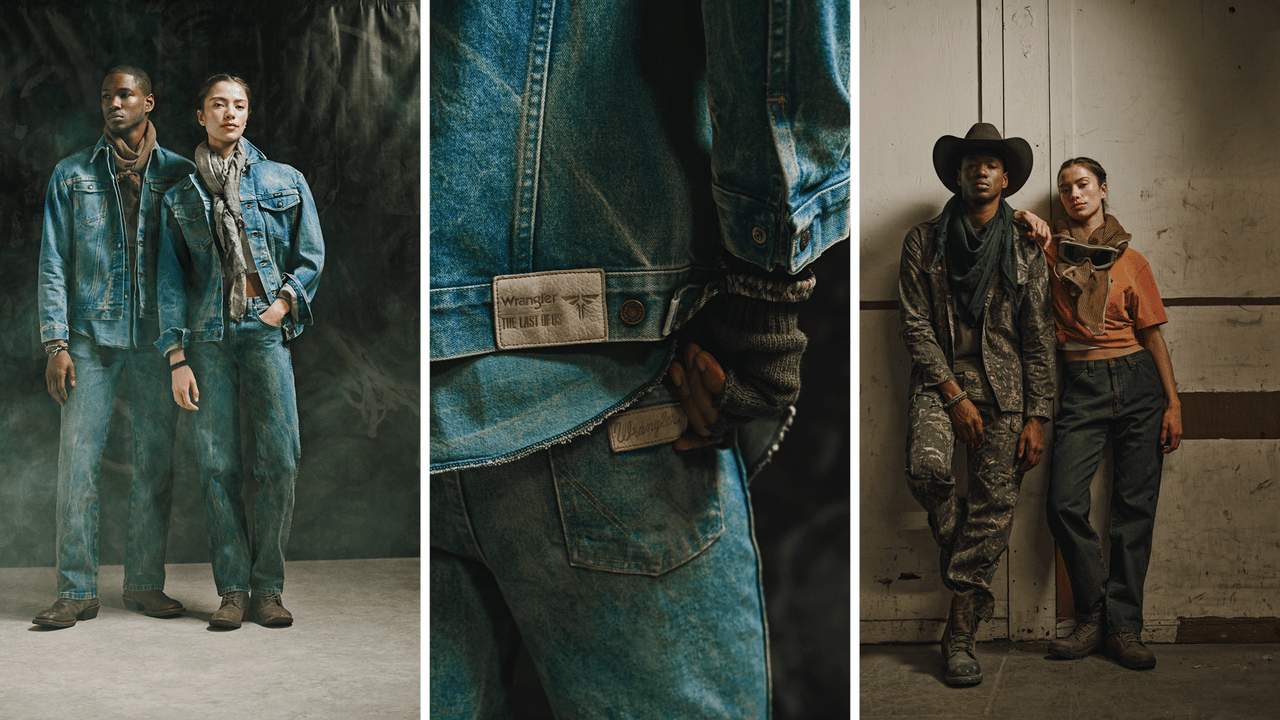
The production’s visual language has already inspired real-world collaborations, including Wrangler’s limited-edition post-apocalyptic collection that reinterprets distressed denim and utilitarian outerwear for modern wardrobes. Such crossovers underscore how the last of us season 2 news extends beyond entertainment into lifestyle conversations about resilience as aesthetic.
Beauty, too, receives a raw reimagining. Makeup and hair design emphasize natural textures—sweat, dirt, windblown strands—celebrating imperfection in an era when filtered perfection dominates social media. Ramsey’s Ellie embodies this shift: strength without artifice, vulnerability without fragility.
Cultural Resonance in 2026: Why This Trailer Dominates Global Discourse
The trailer’s rapid ascent to trending status reflects more than fan enthusiasm. In a cultural landscape still processing collective trauma, stories of found family, moral gray areas, and the search for meaning amid chaos strike a chord. Early reactions on social platforms highlight the footage’s emotional punch, with viewers noting its ability to balance spectacle with quiet devastation.
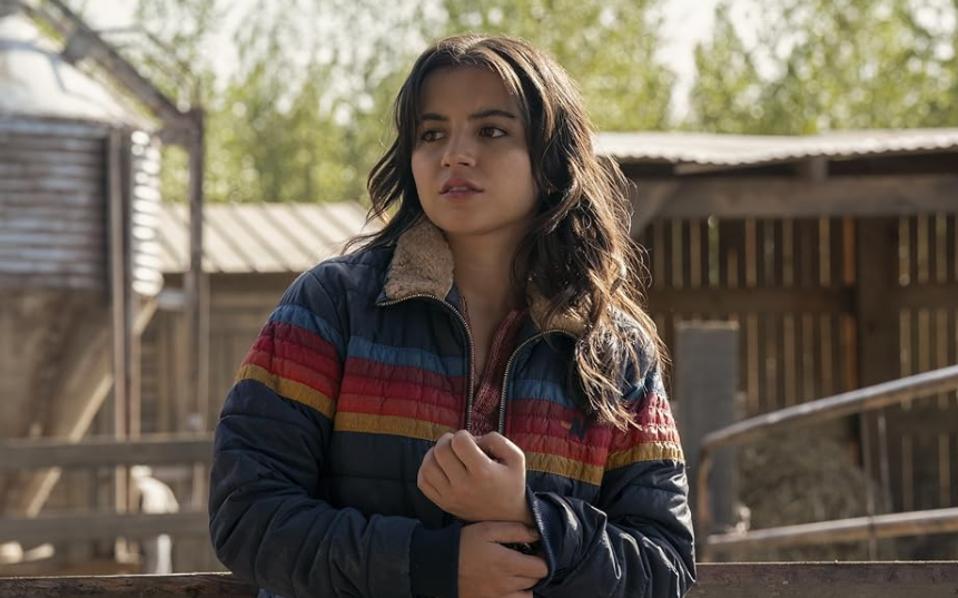
Critics and analysts alike anticipate most anticipated tv shows 2026 will not only entertain but provoke dialogue about forgiveness, accountability, and the stories we tell ourselves to survive. Pedro Pascal’s Joel return and Bella Ramsey’s continued evolution as Ellie ensure the human element remains front and center, even as infected hordes and larger-scale set pieces expand the scope.
From Screen to Street: The Last of Us Influence on Contemporary Fashion and Lifestyle
The show’s aesthetic has quietly seeded trends since its debut. Gorpcore and dystopian utility wear owe a debt to its practical layering; distressed textures and earth-toned palettes appear in collections from major houses. The trailer suggests this influence will only deepen, with its emphasis on clothing as both armor and memory. In beauty, the celebration of unfiltered skin and expressive imperfection aligns with broader movements toward authenticity. Lifestyle-wise, the series prompts reflection on community, resourcefulness, and the small rituals that sustain us—elements that translate seamlessly from fiction to real-world conversations about mindful living in uncertain times.
The Human Cost of Revenge: Thematic Depth in HBO’s Hit Series
Beneath the action lies a meditation on revenge’s hollow promise. The trailer hints at rifts widening, choices compounding, and the personal toll of larger conflicts. Without veering into spoilers, it’s clear last of us ellie story and last of us joel ellie future will force characters—and viewers—to confront uncomfortable truths about justice, grief, and the stories we inherit.
This thematic richness, paired with unflinching performances, positions hbo drama series 2026 as more than spectacle. It becomes a mirror, reflecting our own era’s tensions back at us with clarity and compassion.
Looking Ahead: What The Last of Us Season 2 Promises for Television and Culture
As HBO prepares for the full release, expectations run high. The trailer suggests a season that honors its source while carving its own path—one defined by emotional honesty and visual poetry. For fashion and lifestyle observers, it offers continued inspiration: proof that narrative depth and aesthetic integrity need not be mutually exclusive. In an industry increasingly driven by algorithms and short attention spans, the last of us season 2 reminds us why stories matter—how they shape not only what we watch but how we dress, how we present ourselves, and how we imagine resilience in the face of the unknown.
The internet may have broken under the trailer’s weight, but the conversations it sparks will linger long after the final credits roll. In 2026, as we navigate our own uncertain landscapes, this series arrives not as escape but as essential reflection—raw, resonant, and profoundly human.

