
🕒 4 min read
Published March 6, 2026
When You Feel Invisible: Navigating a Relationship Where Your Partner Prioritizes Others
💔 Understanding the Quiet Pain of Being Overlooked
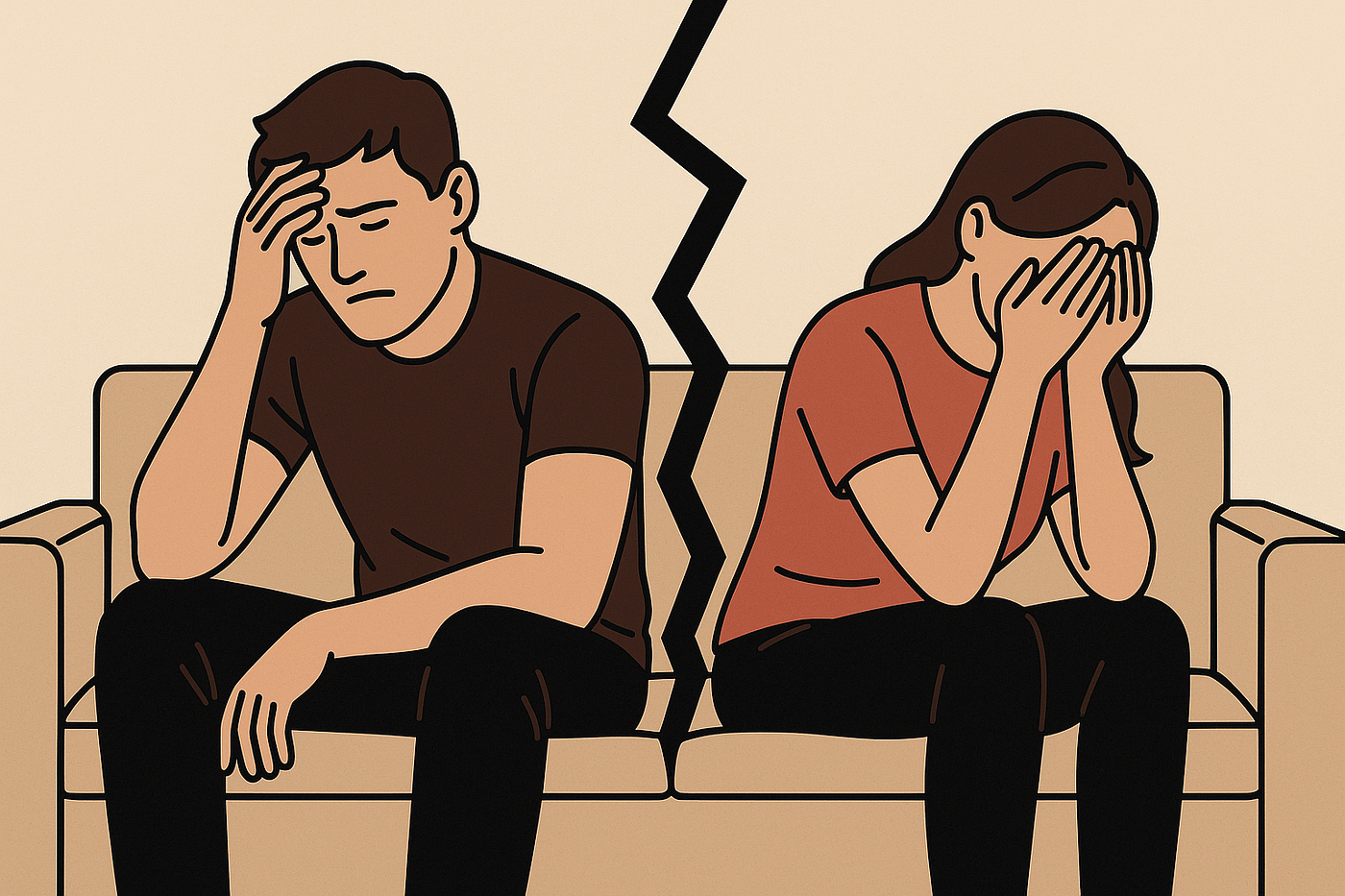
In modern dating culture, gestures of kindness and courtesy remain widely celebrated. However, when those gestures consistently extend to others before a partner, the emotional impact can feel profound. Increasingly, readers of every Relationship advice column are asking similar questions: what does it mean when a partner appears attentive to everyone else first?
The issue trending across relationship discussions today centers on Boyfriend prioritizing other women. While acts of politeness can reflect Chivalry in dating, patterns of repeated oversight can produce a deeper emotional dynamic. Many individuals begin Feeling invisible in relationship moments when small actions accumulate into a persistent sense of neglect.
These concerns rarely begin with dramatic betrayals. Instead, they often arise from subtle gestures—holding doors for strangers while ignoring a partner, helping another woman with luggage, or offering attention outward while appearing distracted at home. In many cases, the behavior leads to a troubling emotional question: is my partner unintentionally Partner overlooking you, or does it reflect deeper relationship imbalance?
🧠 When Small Gestures Become Emotional Patterns
In many real-life situations described by readers, the discomfort does not arise from a single incident. Instead, it develops through repeated interactions that create Relationship oversight patterns.
For example, some women report that their Boyfriend helps other women with visible enthusiasm—offering assistance, compliments, or attention—while forgetting everyday Small acts of consideration toward their partner. Over time, the contrast can lead to Feeling unseen by boyfriend, even when the partner insists no harm was intended.
Psychologists frequently describe this phenomenon as Emotional neglect in relationships, which does not necessarily involve cruelty or hostility. Instead, it reflects a gradual shift where one partner becomes accustomed to emotional labor, patience, and understanding without receiving equal attentiveness.
Consequently, individuals begin Feeling like an afterthought, especially when apologies follow each incident but behavior never changes. These repeating cycles are commonly categorized as Persistent relationship issues, because the conflict revolves around patterns rather than isolated events.
⚖️ Distinguishing Courtesy from Neglect
It is important to distinguish genuine kindness from relational imbalance. In healthy partnerships, Chivalry in dating should enhance a relationship rather than diminish it. Helping strangers or acquaintances is not inherently problematic.
However, tension emerges when a Boyfriend chivalrous to others repeatedly appears more attentive to outsiders than to his partner. In such cases, the concern shifts from etiquette to emotional prioritization.
When someone consistently experiences Feeling taken for granted, the deeper issue is rarely a single act. Instead, the core question becomes whether the partner understands how their behavior communicates value and attention.
Experts in Relationship communication tips often emphasize that love is frequently expressed through routine gestures. Checking in during social settings, offering appreciation, or simply noticing a partner’s needs are powerful signals of emotional presence.
Without those signals, the individual may begin Boyfriend not choosing you in subtle social moments—even if the partner believes everything is normal.
🗣️ How to Address Partner Priorities
Addressing the situation requires thoughtful conversation rather than accusation. Experts who contribute to major Relationship advice column discussions recommend beginning with a calm explanation of how repeated situations feel.
For example, someone might explain that they are Feeling invisible in relationship settings when their partner directs attention elsewhere first. This approach highlights emotional experience rather than assigning blame.
Learning How to address partner priorities involves identifying concrete examples and requesting specific changes. For instance, the conversation might include requests for visible attentiveness, such as acknowledging the partner before assisting others or practicing simple affirmations in social spaces.
Such discussions often fall under Partner responsiveness advice, which encourages couples to focus on responsiveness rather than perfection. Partners rarely notice subtle patterns unless they are articulated clearly.
Nevertheless, if repeated conversations fail to produce change, individuals may begin experiencing Long-term relationship doubts. At that stage, reflection becomes essential. Emotional well-being depends on whether the relationship provides mutual visibility and care.
🌿 Rebuilding Presence and Emotional Recognition

Ultimately, strong relationships rely on reciprocal emotional attention. While small gestures might appear trivial, they often shape how valued a person feels in daily life.
Individuals experiencing Advice on feeling undervalued frequently discover that recognition—rather than dramatic romantic gestures—restores emotional balance. A partner who listens, checks in, and prioritizes shared experiences signals commitment in meaningful ways.
If those efforts emerge after open dialogue, the relationship may grow stronger. However, if the dynamic continues and someone remains Feeling unseen by boyfriend, deeper reflection becomes necessary.
Every relationship deserves mutual care, and no partner should consistently feel overlooked. Addressing patterns early can transform misunderstanding into growth. Yet recognizing Persistent relationship issues also empowers individuals to protect their emotional well-being.
Within modern conversations on relationships, the lesson remains clear: genuine partnership ensures neither person feels invisible.

