
🕒 6 min read
Published April 12, 2026
AI Skincare Devices Go Mainstream as Personalized Beauty Tech Disrupts Dermatology and At-Home Routines
In living rooms and bathrooms across the world, a subtle but profound change has taken hold. The once-futuristic idea of an at-home device that scans your face, measures hydration levels, detects emerging wrinkles, and instantly recommends a custom serum has become ordinary. AI skincare devices no longer feel like prototypes from a tech expo; they sit on vanities beside cleansers and moisturizers, quietly reshaping how people approach their skin.

The shift accelerated noticeably in early 2026. CES showcased flexible LED masks, sensor patches, and camera-based mirrors that analyze pores, redness, pigmentation, and texture in real time. Consumers responded with enthusiasm, drawn to the promise of moving beyond guesswork. Instead of cycling through products hoping for results, they now receive data-backed guidance tailored to their unique skin profile. This beauty tech revolution has blurred the line between consumer gadget and clinical tool, challenging traditional dermatology while empowering at-home routines.
What distinguishes the current wave is its accessibility. Earlier devices often felt clinical or overly complex. Today’s tools integrate seamlessly with smartphones and apps, delivering insights that feel intuitive rather than intimidating. The result is a growing preference for personalized, data-driven skincare over the old trial-and-error model.
The Moment Beauty Tech Crossed into Everyday Life
For years, beauty technology hovered at the edges of mainstream adoption—promising much but delivering mainly to early adopters willing to tolerate clunky interfaces or high costs. That changed as AI capabilities improved and hardware became more refined. Handheld scanners and smart mirrors now provide instant feedback on skin hydration, barrier strength, and signs of aging with accuracy that rivals professional assessments.
The appeal lies in immediacy and personalization. A quick scan in the morning can reveal overnight changes caused by sleep, diet, or environment, then suggest adjustments to the day’s routine. Apps translate raw data into actionable steps: a serum with specific antioxidants for detected oxidative stress, or a richer cream when dehydration spikes. This level of responsiveness has made personalized skincare technology feel less like science fiction and more like a helpful daily companion.
How AI Skin Analysis Actually Works
At its core, modern AI skincare relies on computer vision and deep-learning models trained on vast datasets of facial images, dermatological annotations, and clinical outcomes. A user snaps a well-lit selfie or holds a device to their face. The system maps key areas—forehead, cheeks, under-eye zones—then evaluates multiple parameters: texture, tone uniformity, pore visibility, redness, and fine lines.
Advanced versions incorporate environmental data or user-inputted lifestyle factors to refine predictions. Some devices even track changes over time, creating a longitudinal view of skin health. The output is rarely overwhelming; instead, it offers clear scores or visualizations alongside product suggestions calibrated to the user’s current inventory or preferences.
This technology draws from the same principles used in medical imaging, yet it has been adapted for consumer safety and ease. Accuracy has improved dramatically, though experts still emphasize that these tools complement—not replace—professional care for serious concerns.
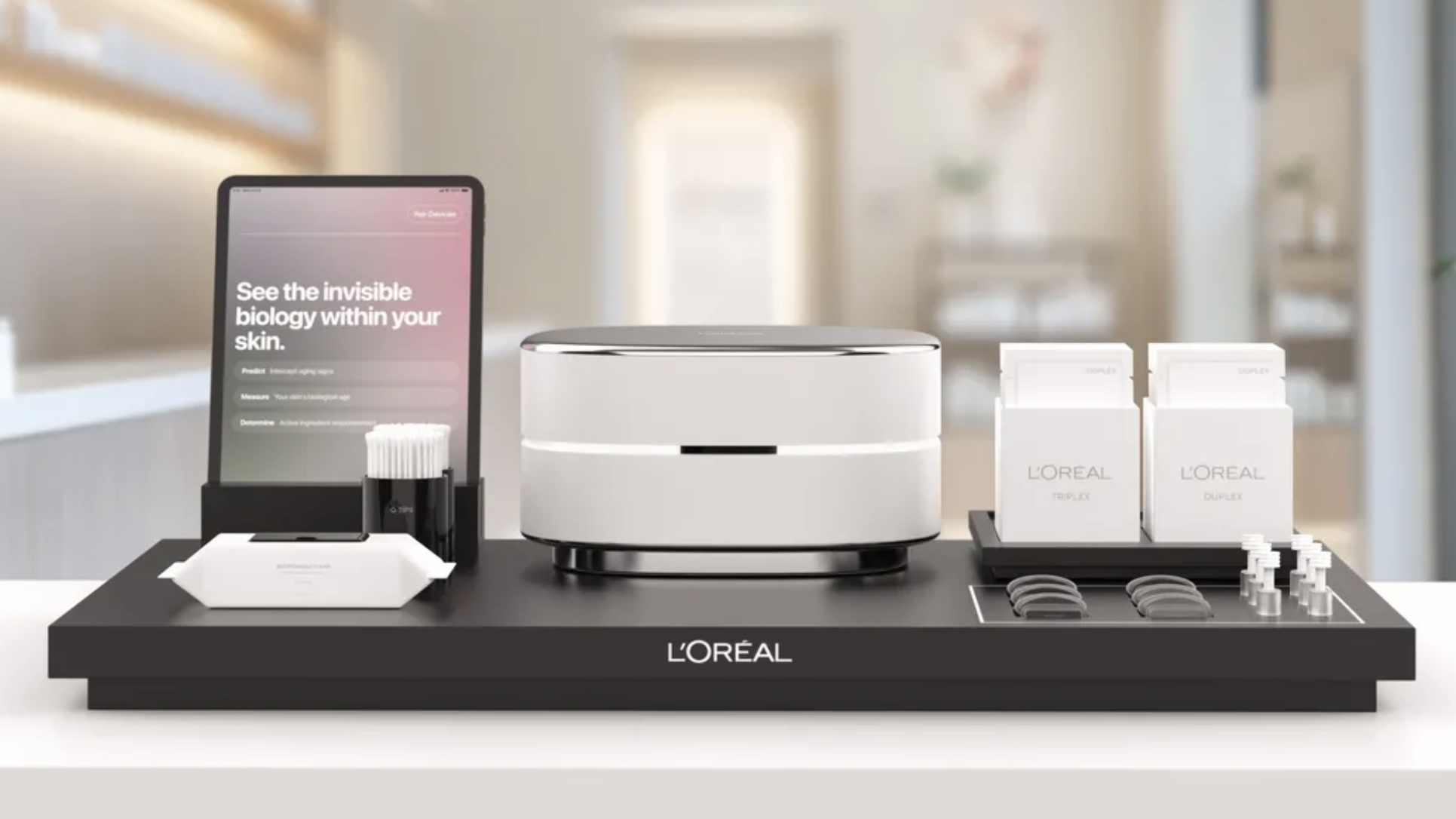
L’Oréal and the Rise of Accessible Diagnostics
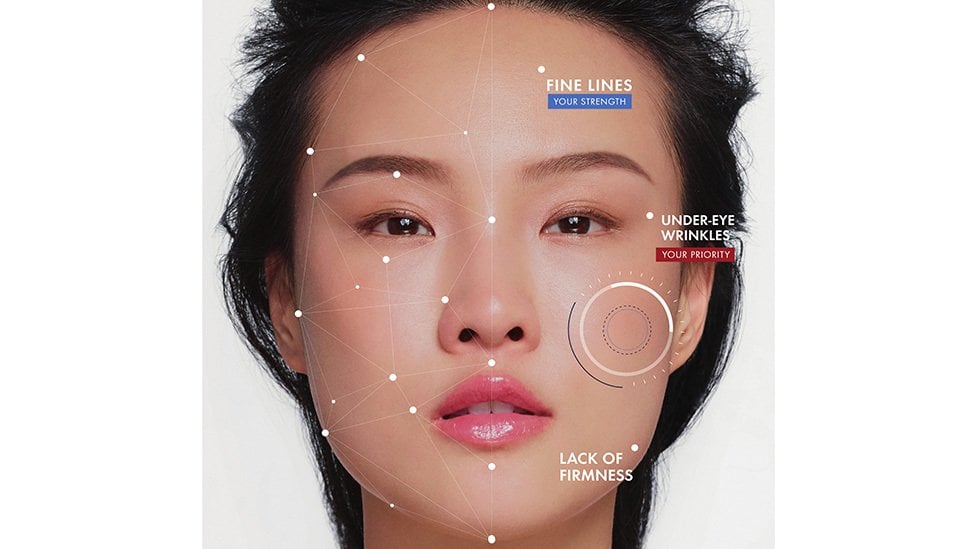
L’Oréal has been a driving force in making AI skincare approachable. Its Skin Genius tool, for instance, uses a smartphone camera to deliver a detailed skin analysis by comparing the user’s selfie against a database of clinically graded faces across ages, ethnicities, and skin types. The system identifies strengths and priorities—such as firmness or hydration—then recommends routines from the brand’s portfolio.
More recent innovations include flexible LED devices and integrated analysis platforms shown at CES 2026. These tools combine light therapy with diagnostic feedback, allowing users to treat concerns while monitoring progress. The company’s approach reflects a broader industry pattern: leveraging proprietary data and AI to bridge the gap between lab research and daily beauty rituals.
Other players have followed suit. Partnerships between cosmetics giants and tech firms have produced smart mirrors that assess skin condition and link directly to personalized recommendations. The result is an ecosystem where analysis, selection, and even formulation begin to feel interconnected.
Smart Mirrors, Scanners, and the Data-Driven Vanity
The hardware itself has evolved. Slim, elegant devices now blend into modern bathrooms. A smart mirror might overlay real-time insights onto your reflection, highlighting areas of concern while suggesting gentle adjustments. Handheld scanners offer portability for travel or targeted spot checks.
These smart skincare mirror trends and at home facial analysis device options prioritize user experience. Interfaces avoid jargon, focusing instead on visual cues and straightforward advice. Many connect to apps that store historical data, helping users see patterns—how pollution levels affect their skin, or how consistent use of a recommended product improves hydration scores.
The aesthetic shift matters. Beauty tech no longer screams “gadget.” It presents as refined, almost luxurious, aligning with the desire for routines that feel intentional rather than mechanical.
From Trial-and-Error to Precision Recommendations
Perhaps the most significant disruption is psychological. For decades, skincare involved purchasing products based on marketing claims or friend recommendations, then waiting weeks to judge efficacy. AI tools compress that timeline. A scan can flag dehydration before it manifests as tightness or dullness, prompting preemptive hydration steps.
AI powered serum recommendation features go further, sometimes suggesting custom blends or concentrations suited to the day’s conditions. Early users report higher satisfaction and less product waste—knowing exactly what their skin needs reduces the urge to accumulate unused bottles.
This precision has particularly resonated with younger consumers accustomed to data in other life areas, from fitness trackers to sleep apps. Yet it also appeals to those tired of overwhelming choice in crowded beauty aisles.
Dermatology’s Quiet Integration of AI Tools
Clinics have begun incorporating similar technology, not as replacement but as enhancement. AI can speed initial assessments, flag subtle changes for closer review, or help track treatment outcomes with objective metrics. Some dermatologists use consumer-grade devices to maintain continuity between office visits and home care.
The integration remains measured. Professionals stress that while AI excels at pattern recognition and broad analysis, nuanced diagnosis—especially for conditions like rosacea, eczema, or suspicious lesions—still requires human expertise. The ideal future appears collaborative: technology handles routine monitoring, freeing practitioners for complex cases.
What the Shift Means for Consumers and the Industry
As AI skincare devices enter the mainstream, the beauty landscape is recalibrating. Brands must prove not only efficacy but also transparency in how their algorithms work and what data they collect. Consumers gain agency through information, yet they also face new questions about privacy, over-reliance on metrics, and the risk of chasing perfect scores at the expense of skin’s natural resilience.
The long-term promise is compelling: fewer reactions from mismatched products, more consistent results, and routines that evolve with life stages or seasonal changes. High-tech skincare no longer feels like an indulgence reserved for the wealthy or tech-obsessed; it is becoming a practical extension of self-care.
In the end, the real disruption may be philosophical. Skin health is moving from mystery to measurable reality, guided by data yet still grounded in the human experience of touch, routine, and reflection. As these tools mature, they invite a more thoughtful relationship with our largest organ—one informed by science, tempered by wisdom, and centered on what truly serves the individual.

